Greetings to everyone back home!
Greetings to everyone back home!
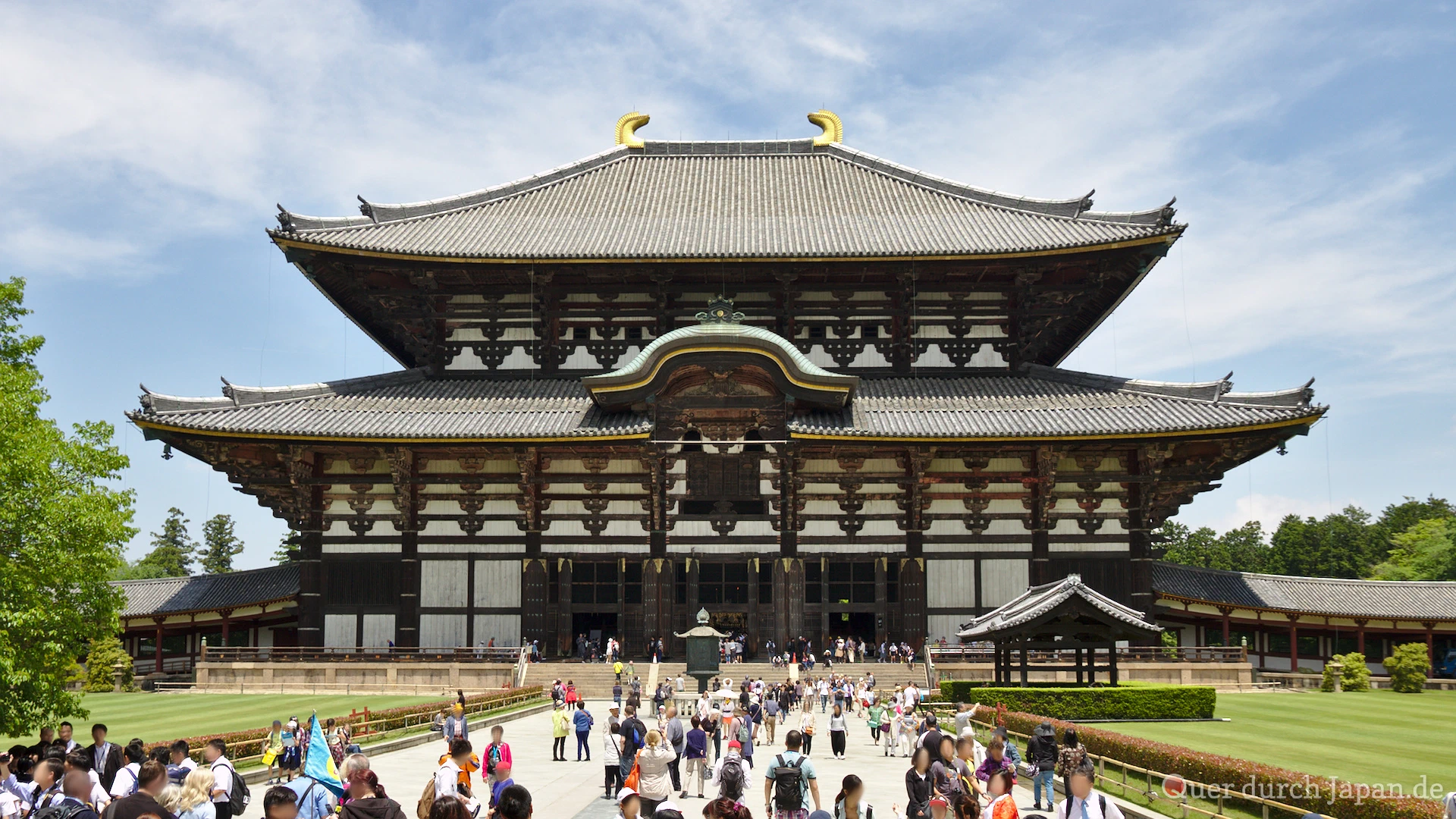
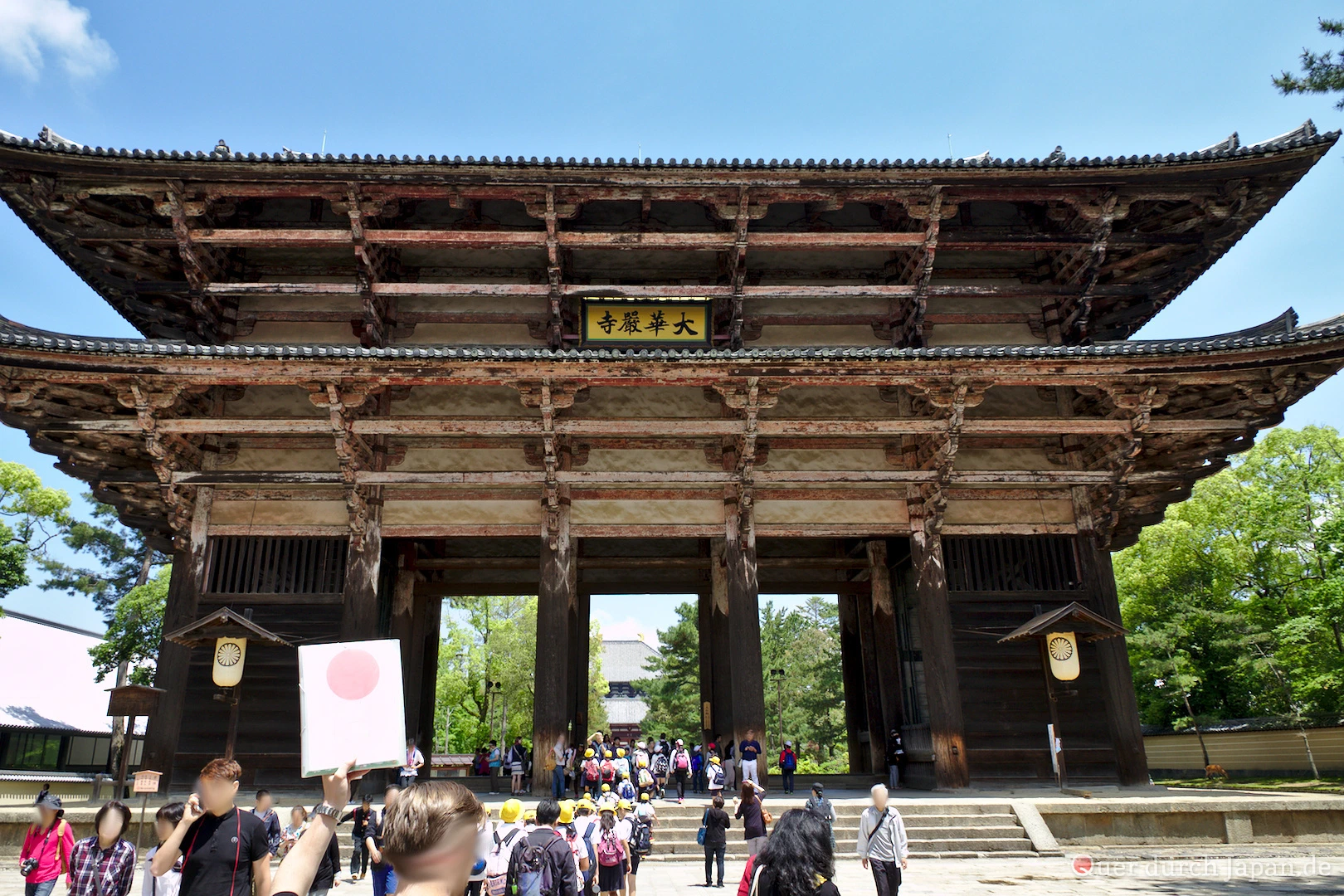
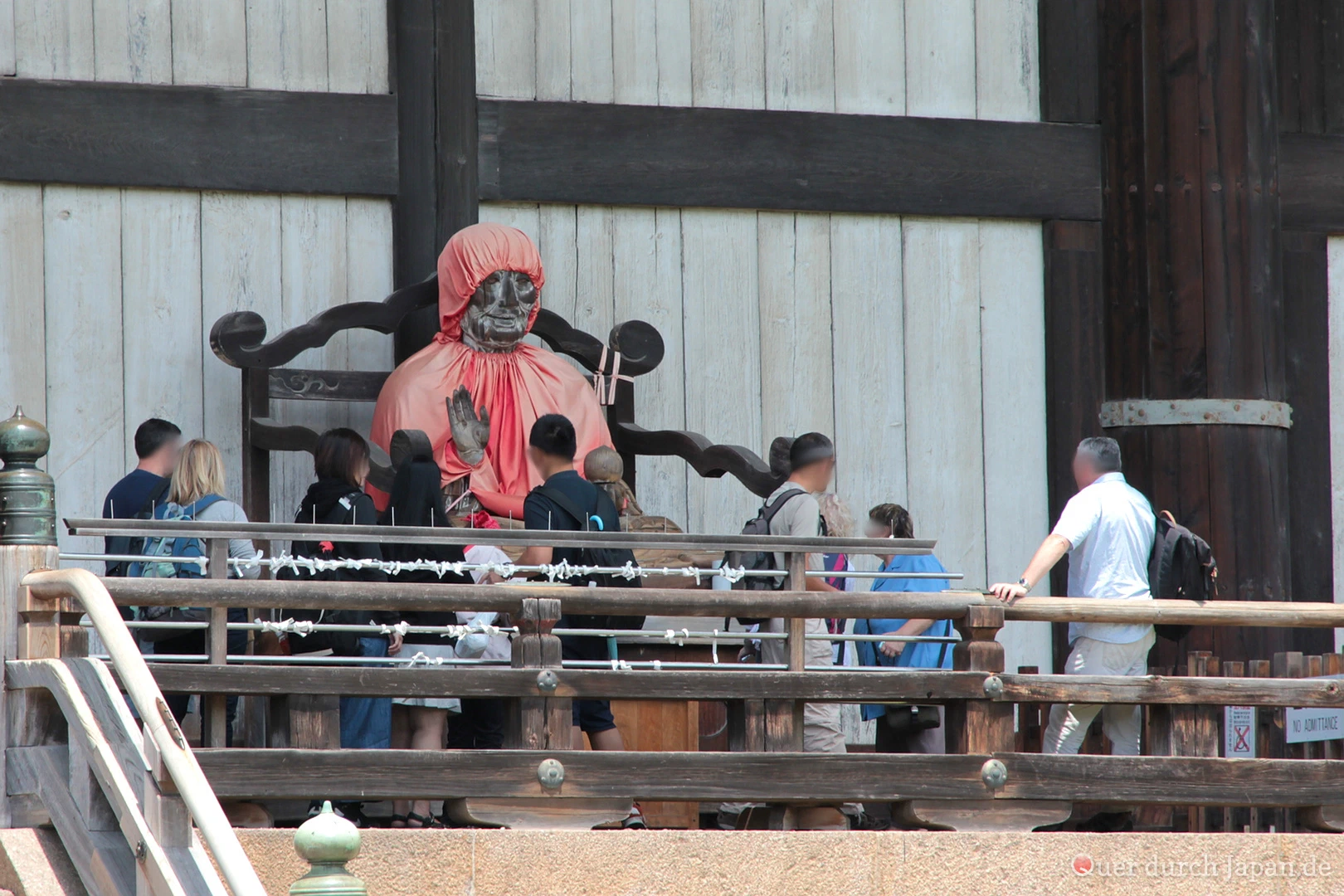
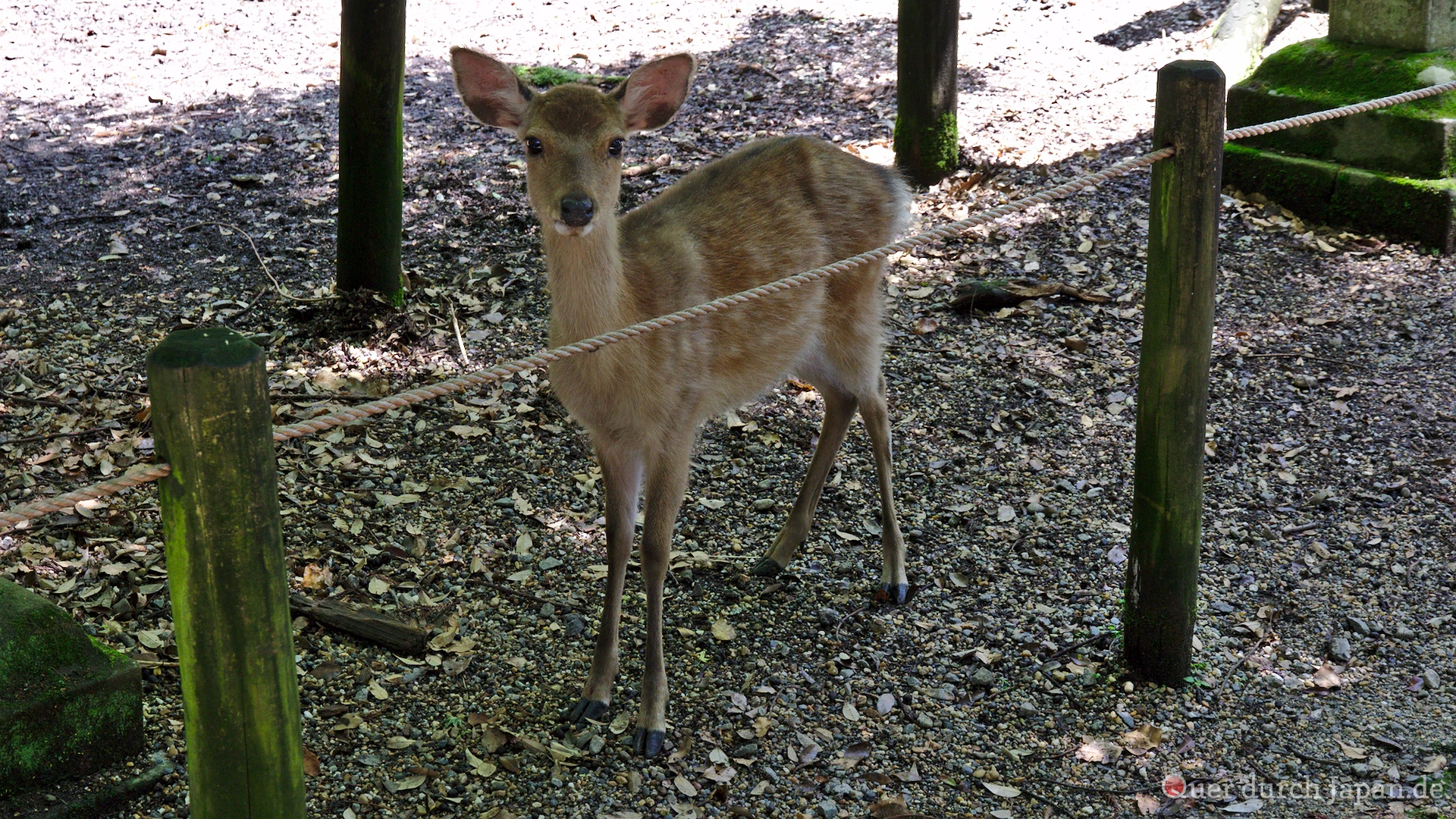
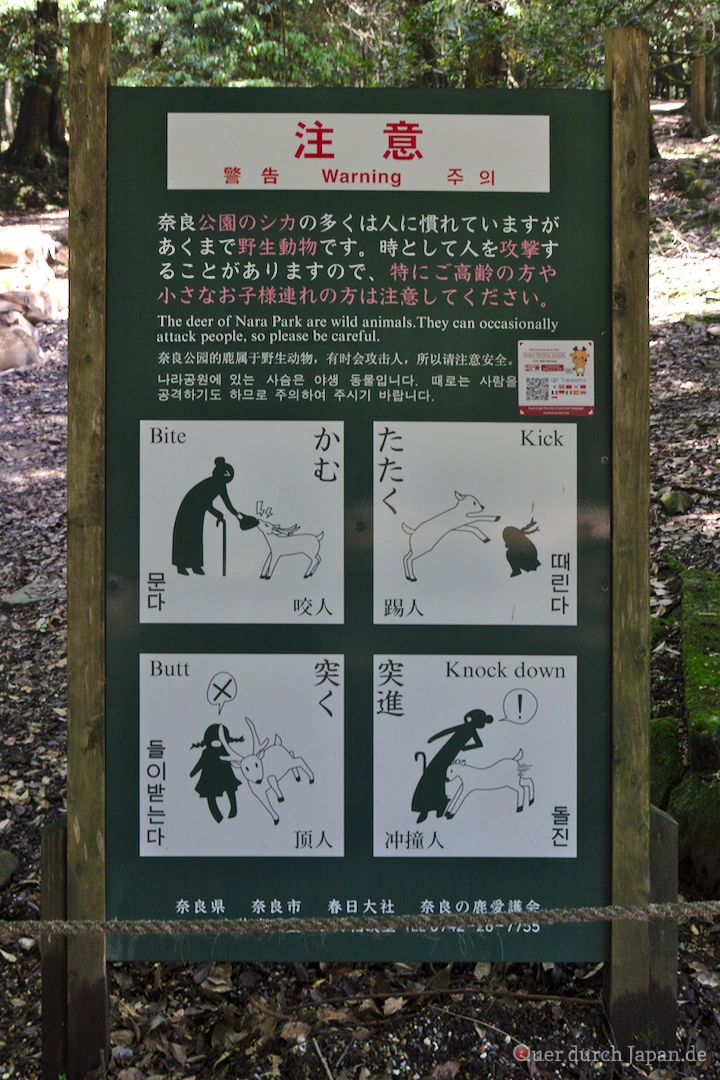
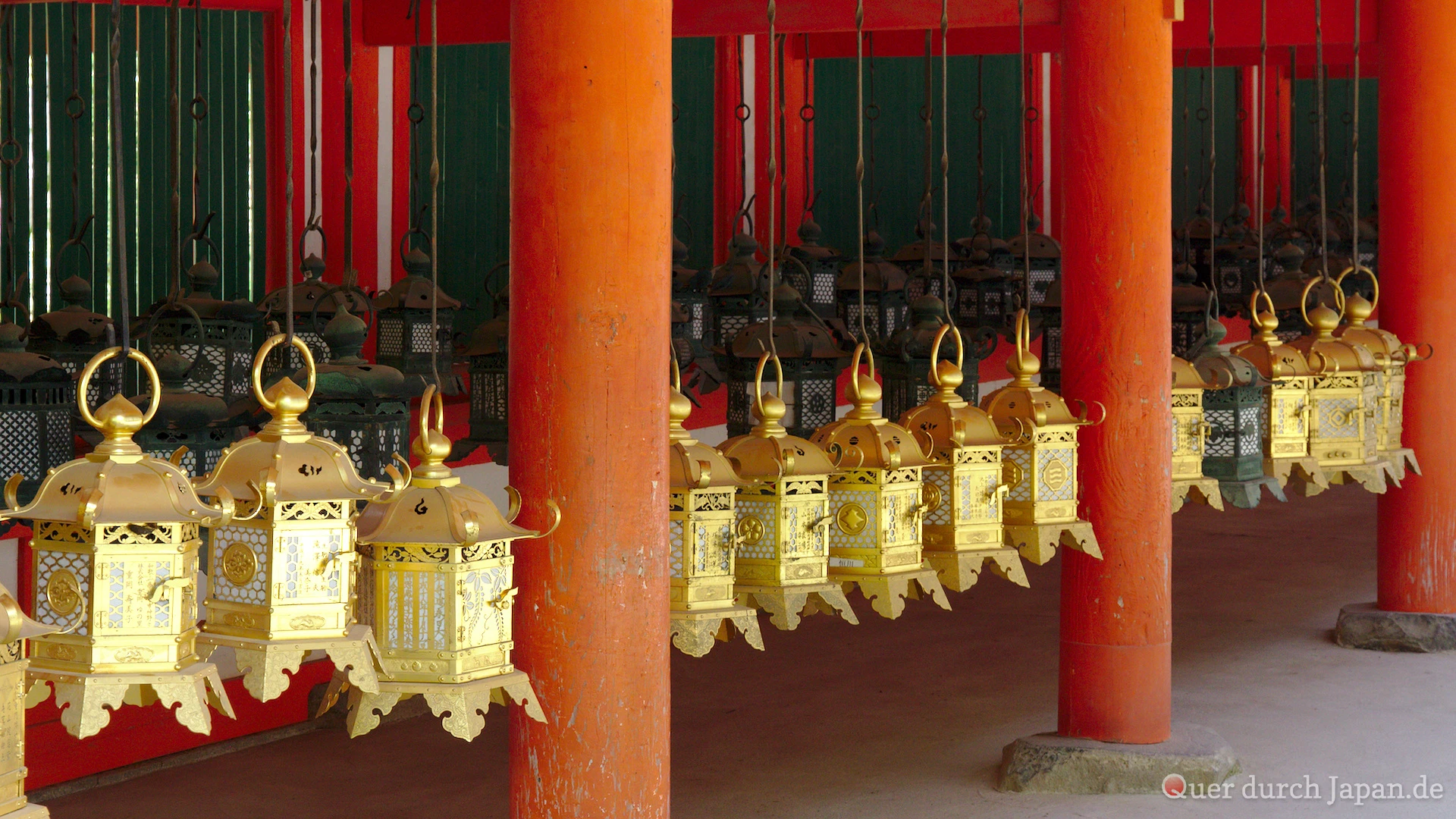
Today we took the train to Nara and visited Tōdai-ji with the great Buddha. After that, we hurried past the Kasuga-taisha temple with its thousand lanterns. We would’ve loved to spend more time in Nara, but we had to be back in Kyōto on time for the next item on the programme, the “Geisha dances”.
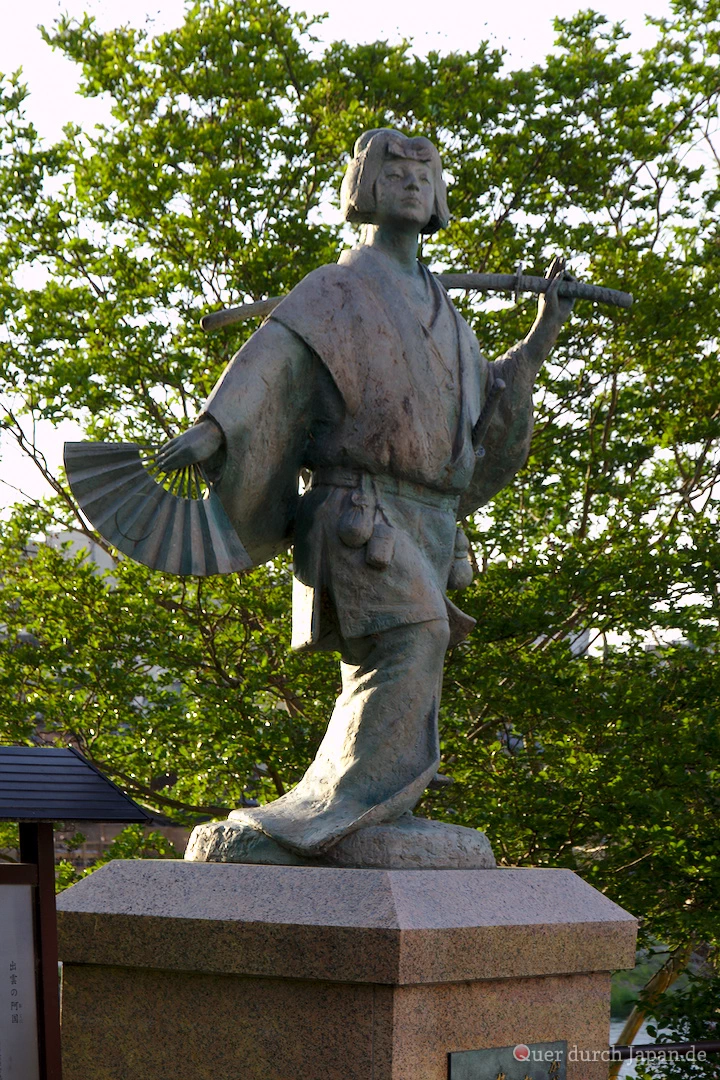
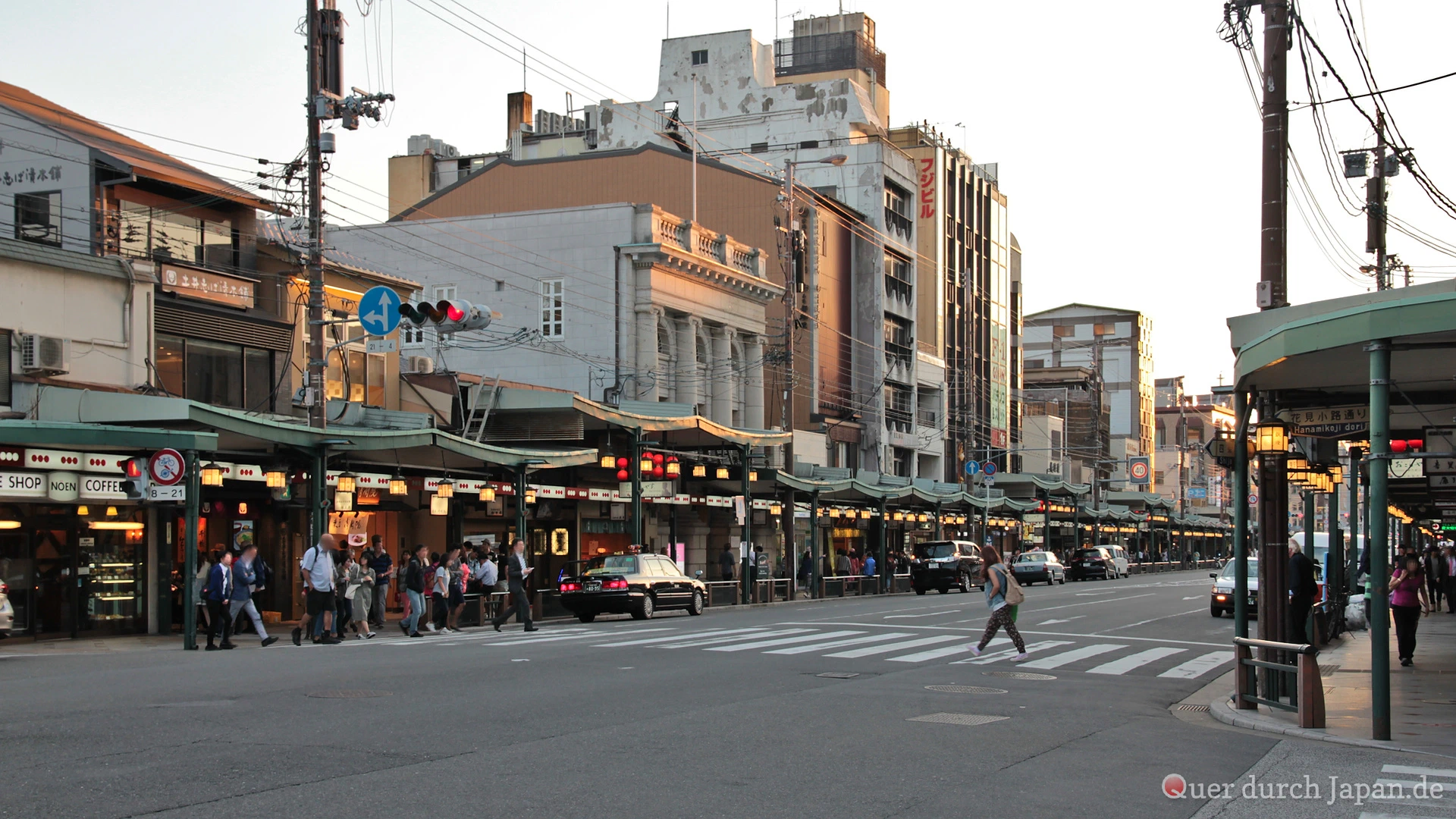
What sounded like pure tourist folklore on the programme turned out to be a proper theatrical performance in a Kabuki theatre in Pontocho. Of course we didn’t understand a single word, but that just meant we could pay more attention to the costumes and the singing.
After the show, we got chatting with a Japanese guy who was probably wondering how a group of foreigners had managed to wander into the theatre. He explained to us that the play is really hard to understand even for Japanese people. It was the fifth act of an old 15-act play. A part of it is performed every year.
It was a really interesting experience. The music in particular - played and sung live by a small group of female musicians - sounded unusual to our westernised ears, but good.
We covered a fair bit of ground today. We took the bullet train and an express train to Nagasaki in the far west of Japan.
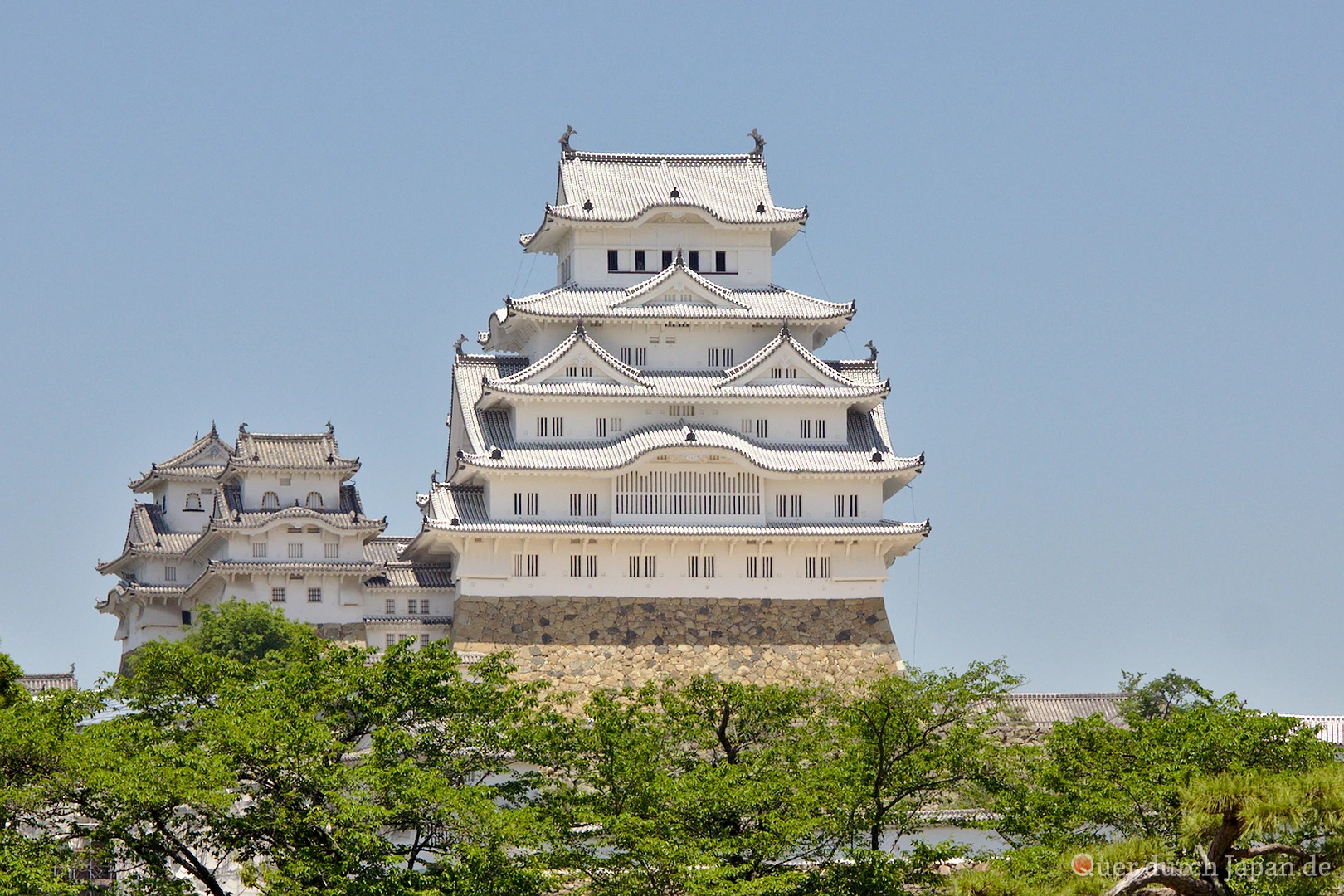
We made a stopover in Himeji and visited Himeji-jō, the White Egret Castle. It was recently finished after years of restoration and now shines in its white glory again. Some Japanese people even reckon it’s too white now.
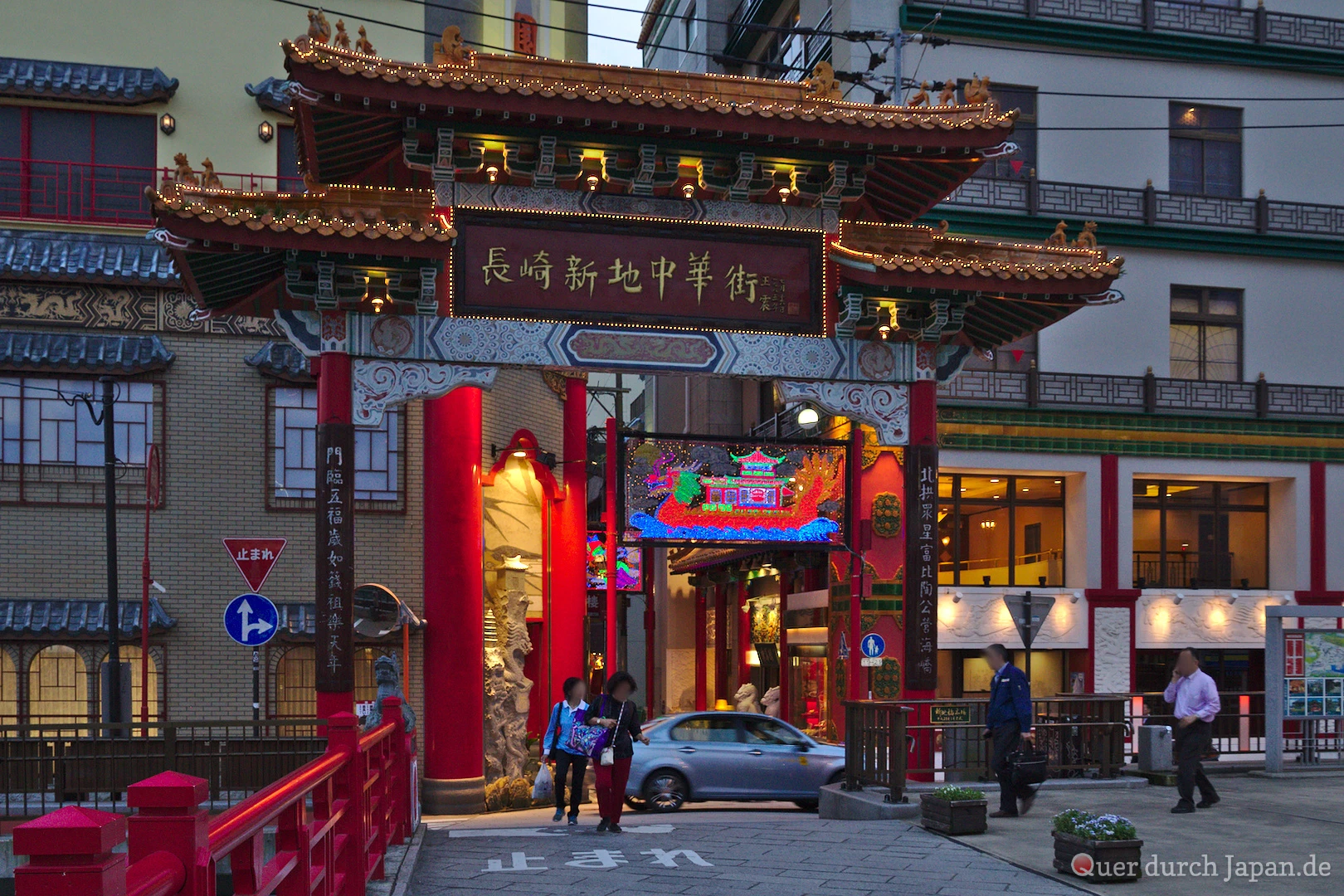
We arrived in Nagasaki late in the evening. Our hotel is near Chinatown. A simple business hotel, needs a bit of a refurb, and we were hit by the stench of cigarette smoke right in the corridor - despite having a non-smoking room. The whole area feels gloomy and a bit run-down. It was actually the first time we found it a bit creepy wandering the streets so late looking for something to eat. Nothing happened, of course. Japan is one of the safest countries in the world to travel in, even at night.
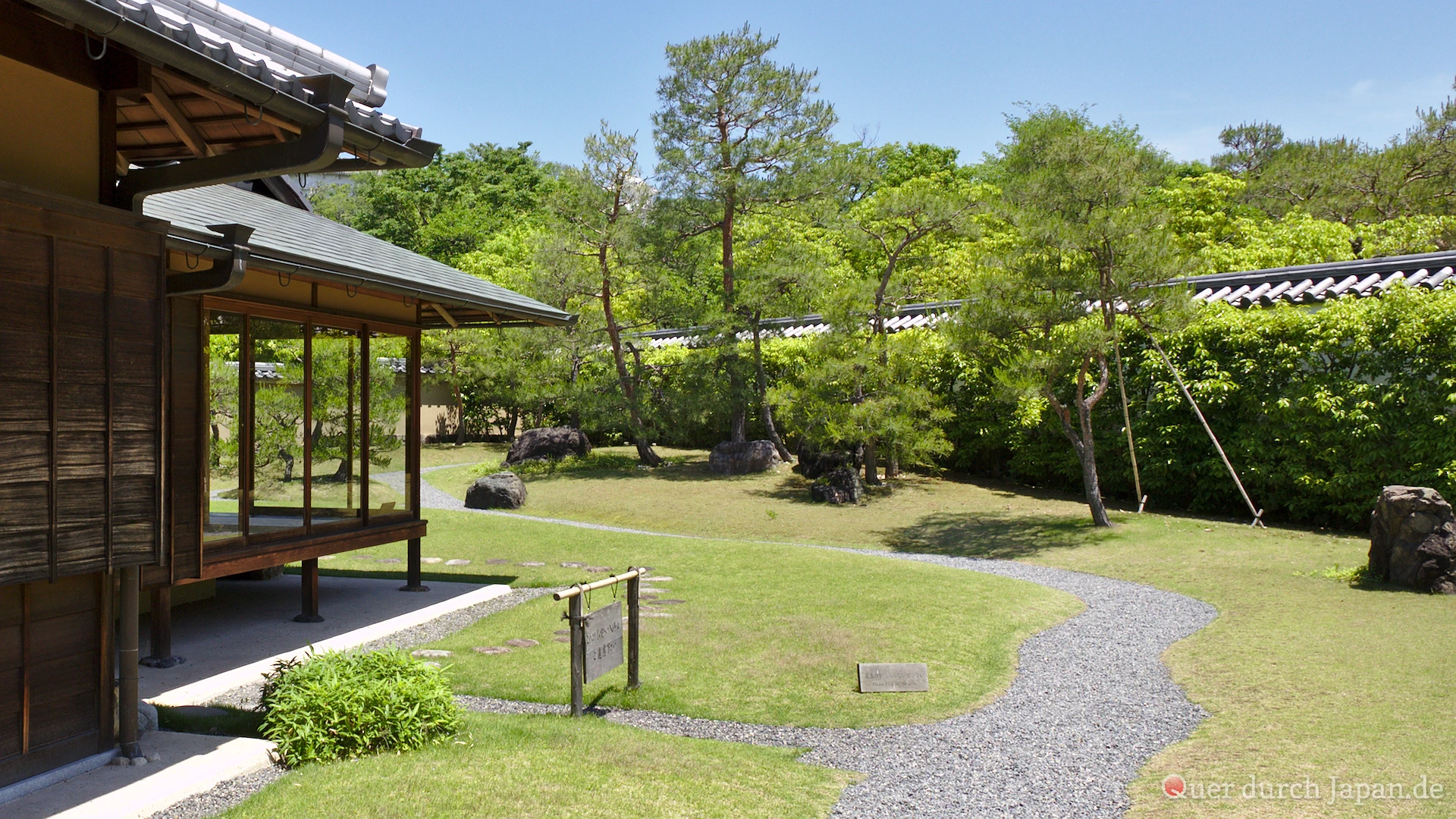
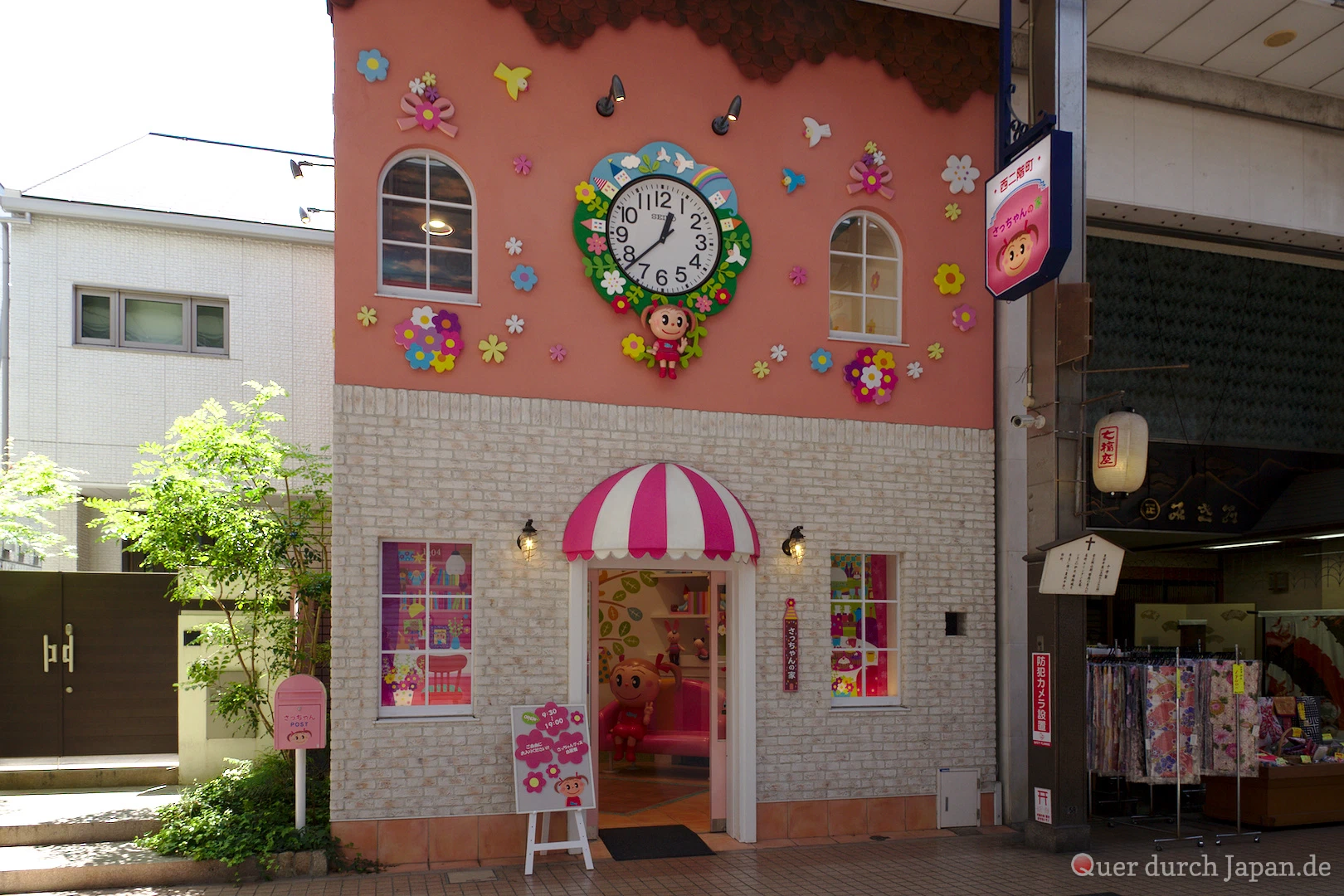
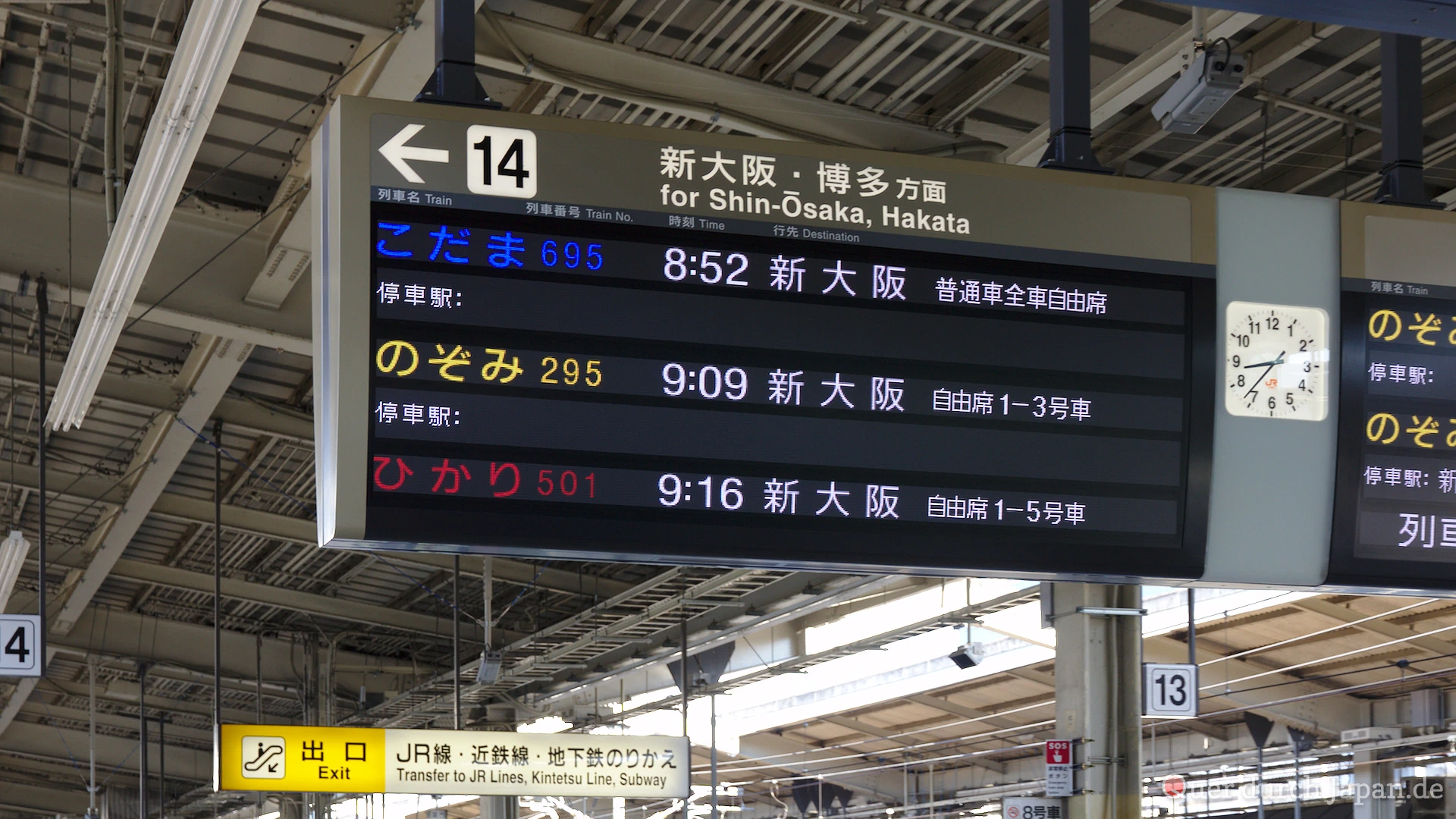
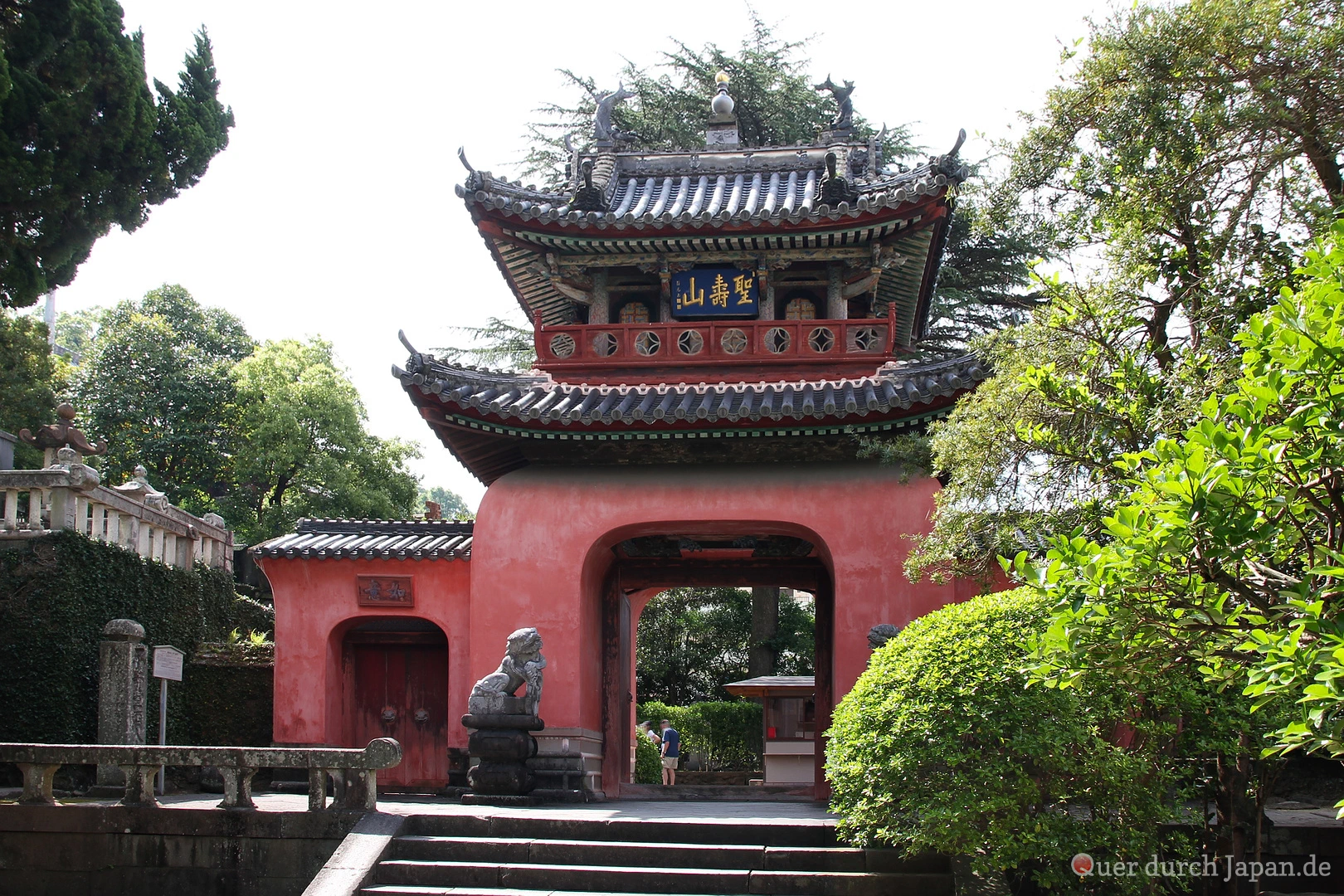
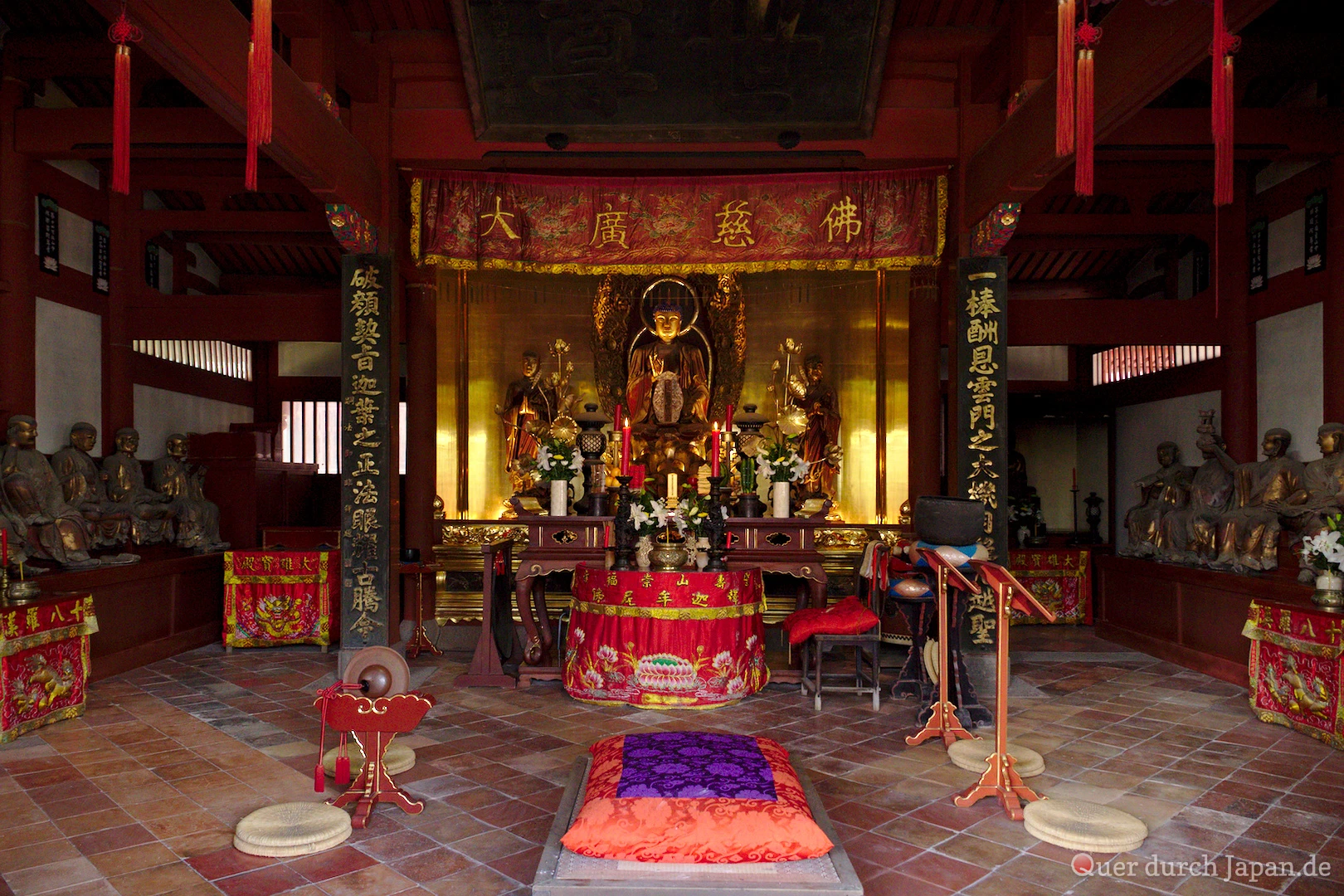
Today we visited Nagasaki. You can really tell the city is geographically close to China; for instance, there’s a Chinese-style temple called Sōfuku-ji.
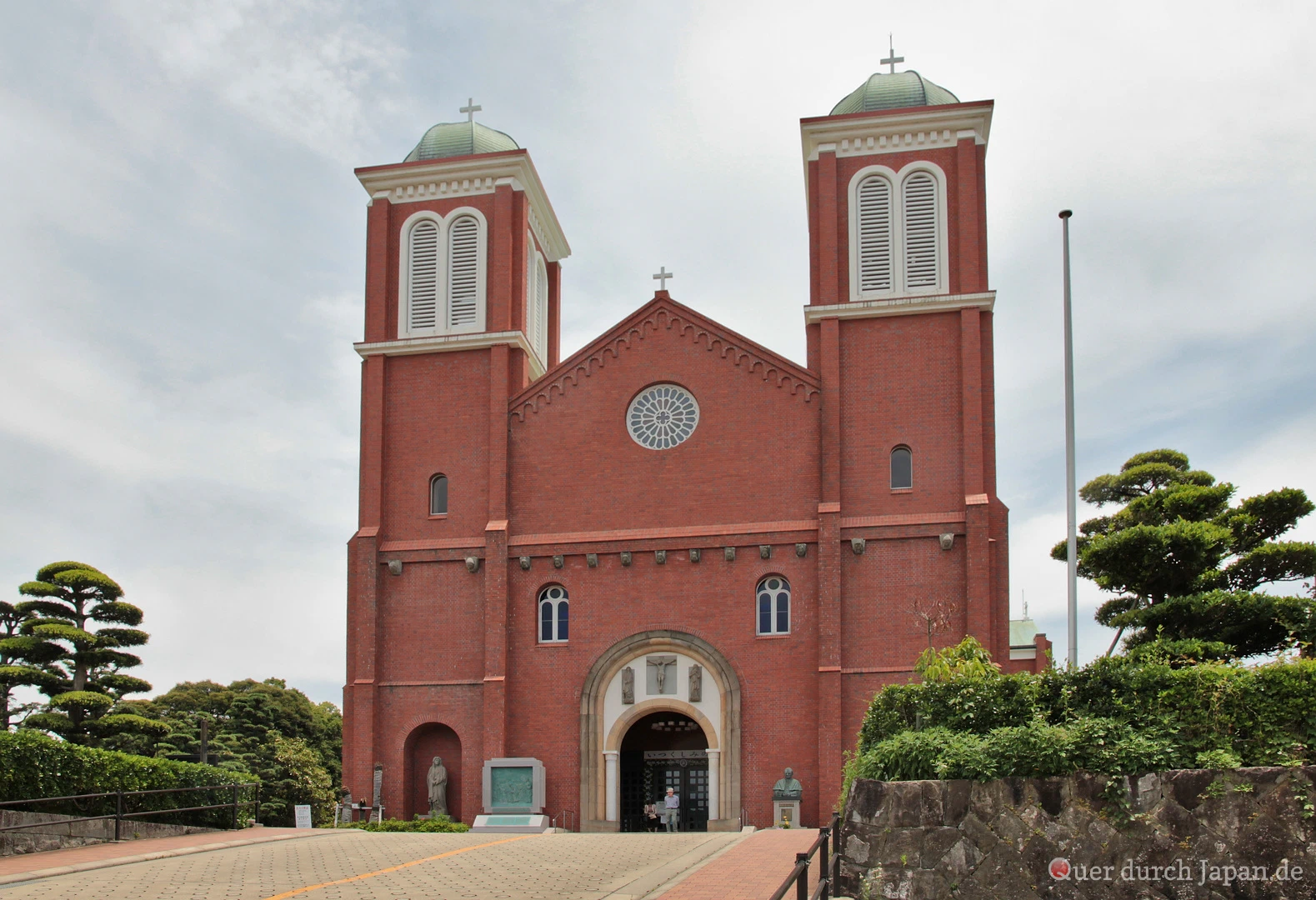
For a long time, Nagasaki was Japan’s gateway to the rest of the world. In the mid-16th century, the Portuguese landed here and started trading with the Japanese. However, their attempt to also convert the country to Christianity wasn’t exactly welcomed with open arms. The bloody battles culminated in a total ban on Christianity in 1614. Even though the ban was lifted in the 19th century, the Christian religion only plays a minor role in Japan. In Nagasaki, you can admire the Ōura Tenshudō, the biggest Catholic church in Japan. A proper native of Cologne would call it a “nice little chapel”. 😉
The Dutch, who landed in Japan at the start of the 17th century, were tolerated, on the other hand, because they just wanted to trade. They lived isolated on Dejima, a man-made island that they weren’t allowed to leave. Due to later land reclamation, the island now sits right inside the city and you can’t even tell it was an island anymore. But European-style buildings still serve as a reminder of those days.
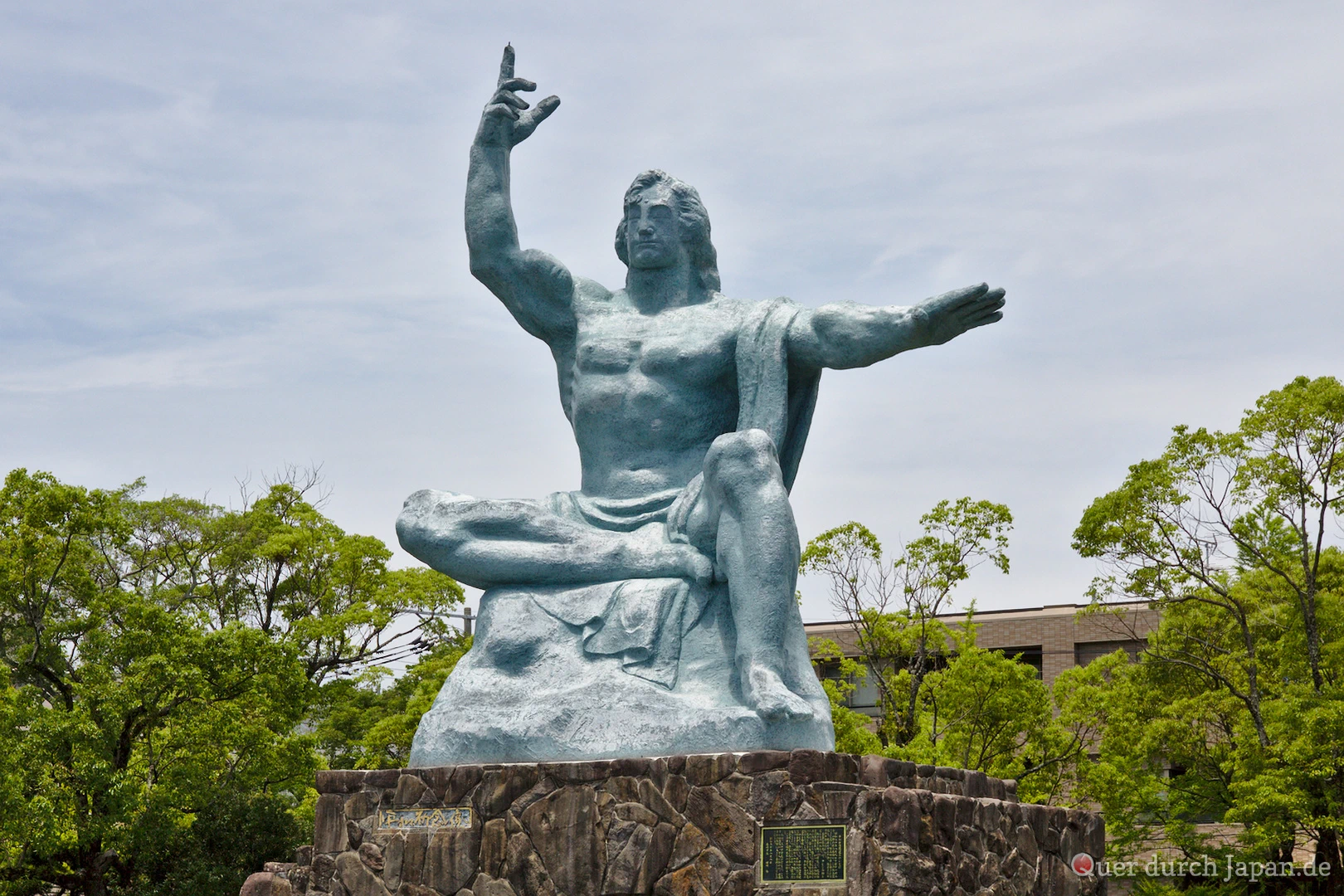
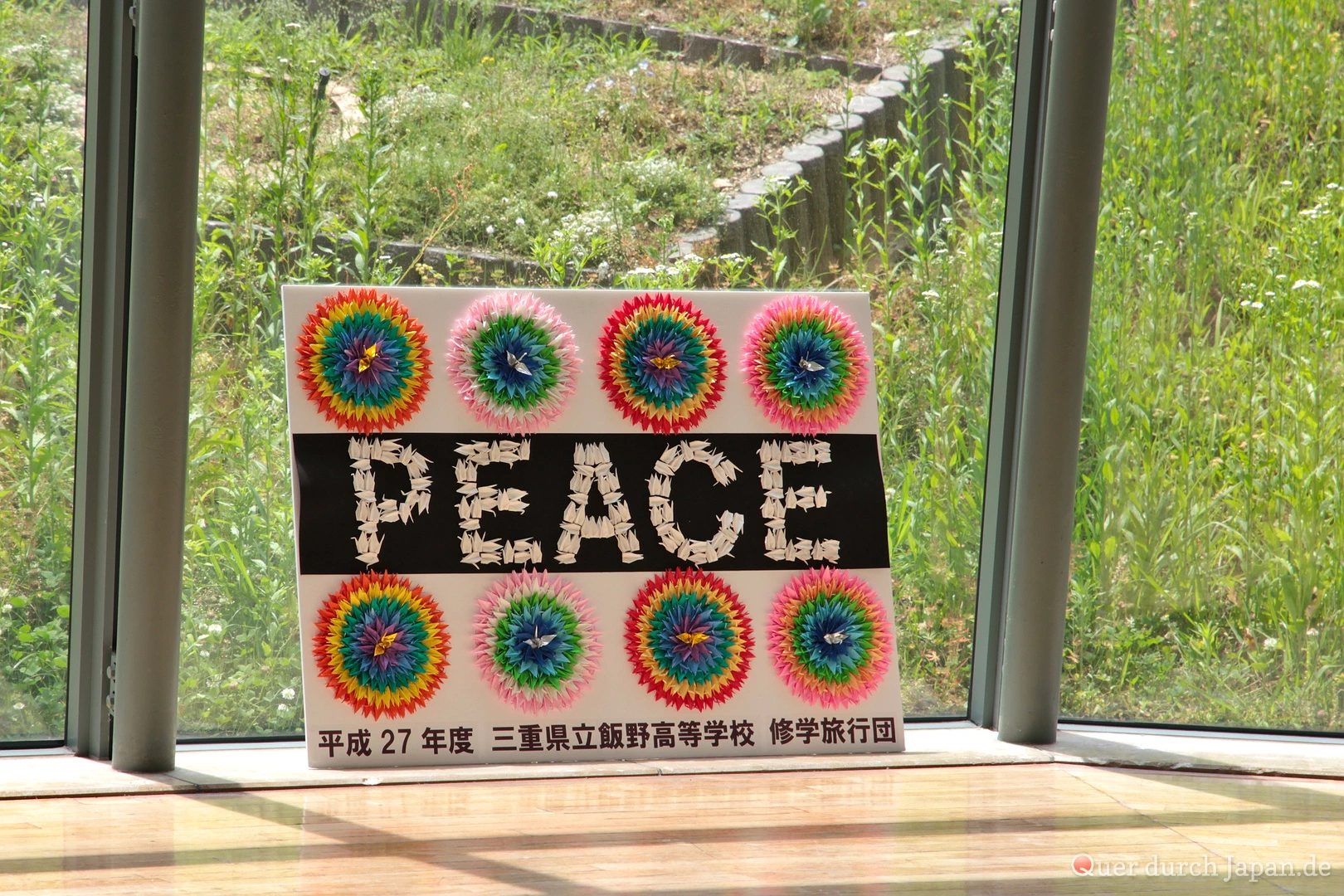
In the Second World War, the city gained tragic fame through the dropping of the second atomic bomb, Fat Man. A memorial museum and other memorial sites commemorate this.
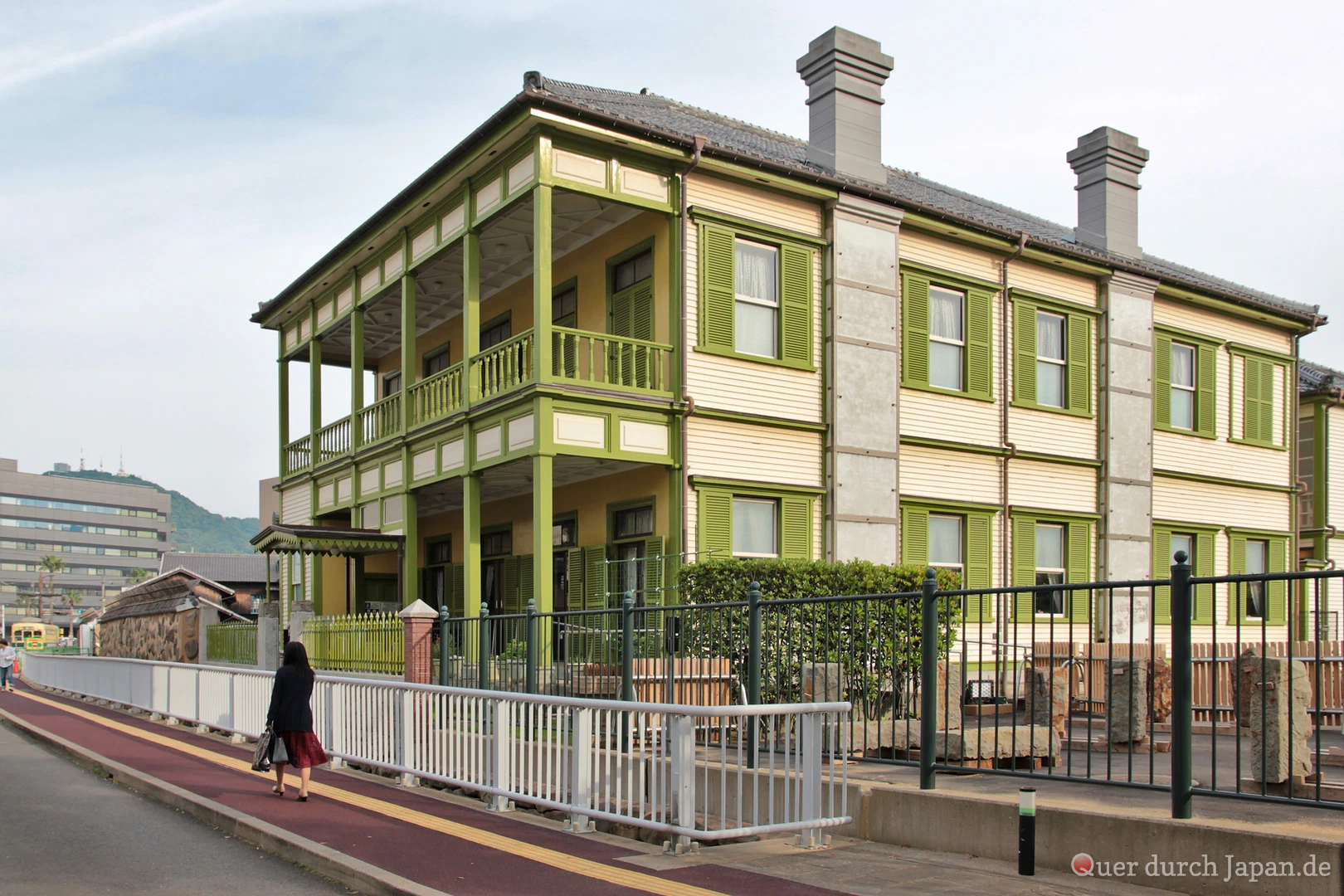
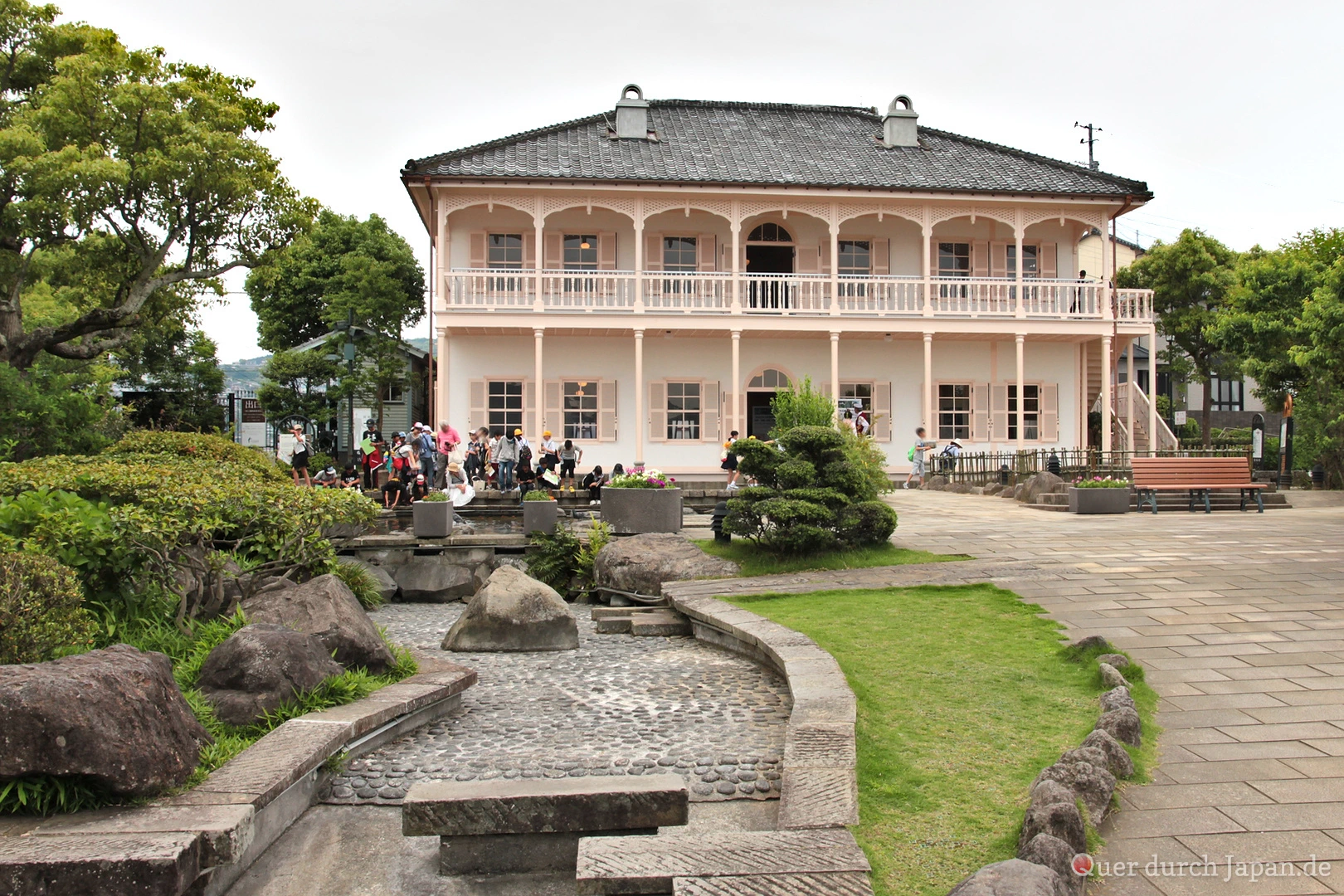
In Glover Hill you can find various English-style buildings. The grounds are a kind of open-air museum; you can look at the buildings from both the outside and the inside.
It was a long day steeped in history. We’re knackered…
Actually, our trip yesterday was supposed to take us to the seaside resort of Beppu and to Kumamoto, but the region got hit by a massive earthquake a few weeks ago, which badly damaged Kumamoto Castle and the infrastructure too.
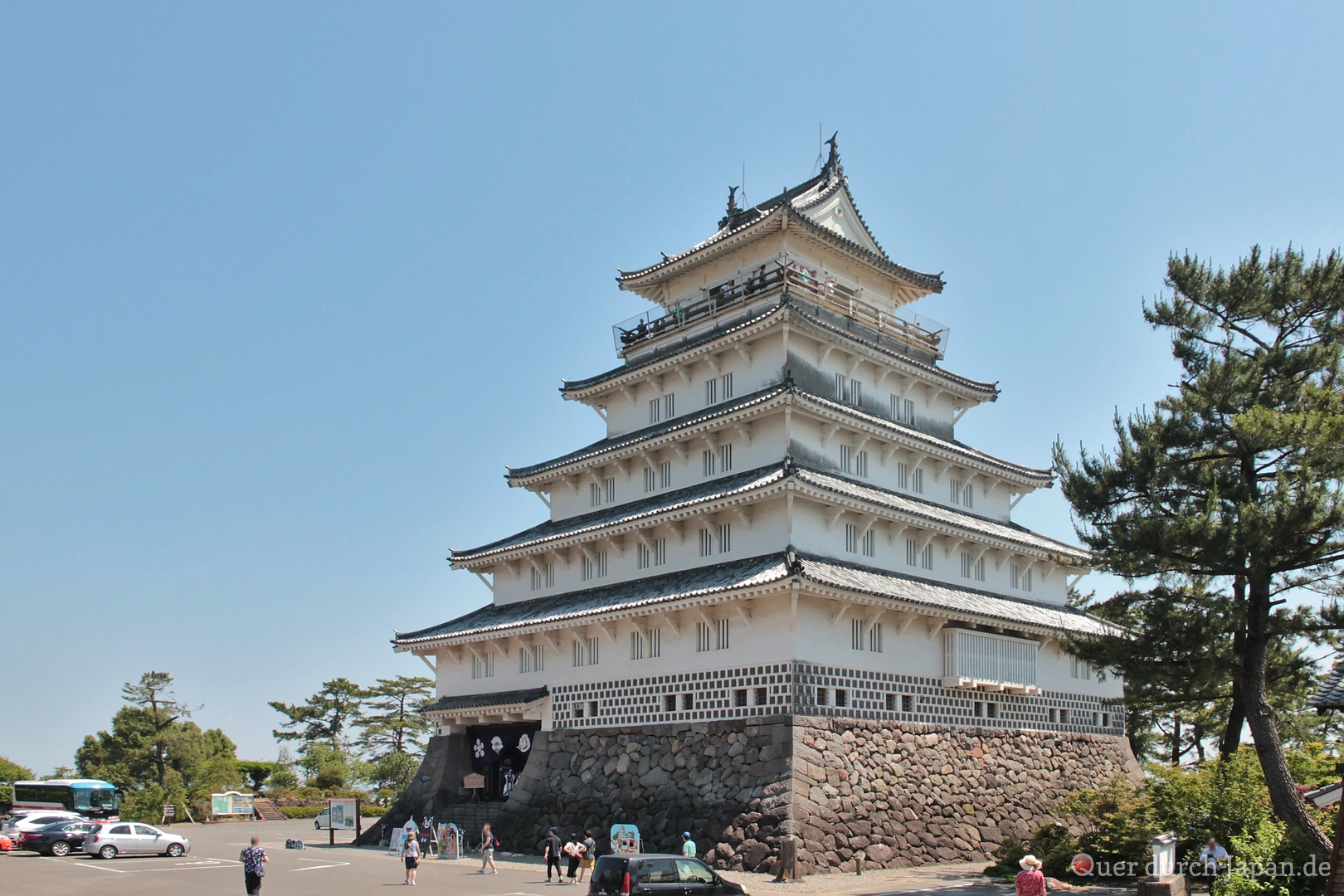
As a backup, we went to Shimabara-jō Castle today instead. We were welcomed there by folklore dancers and checked out the museum inside the castle.
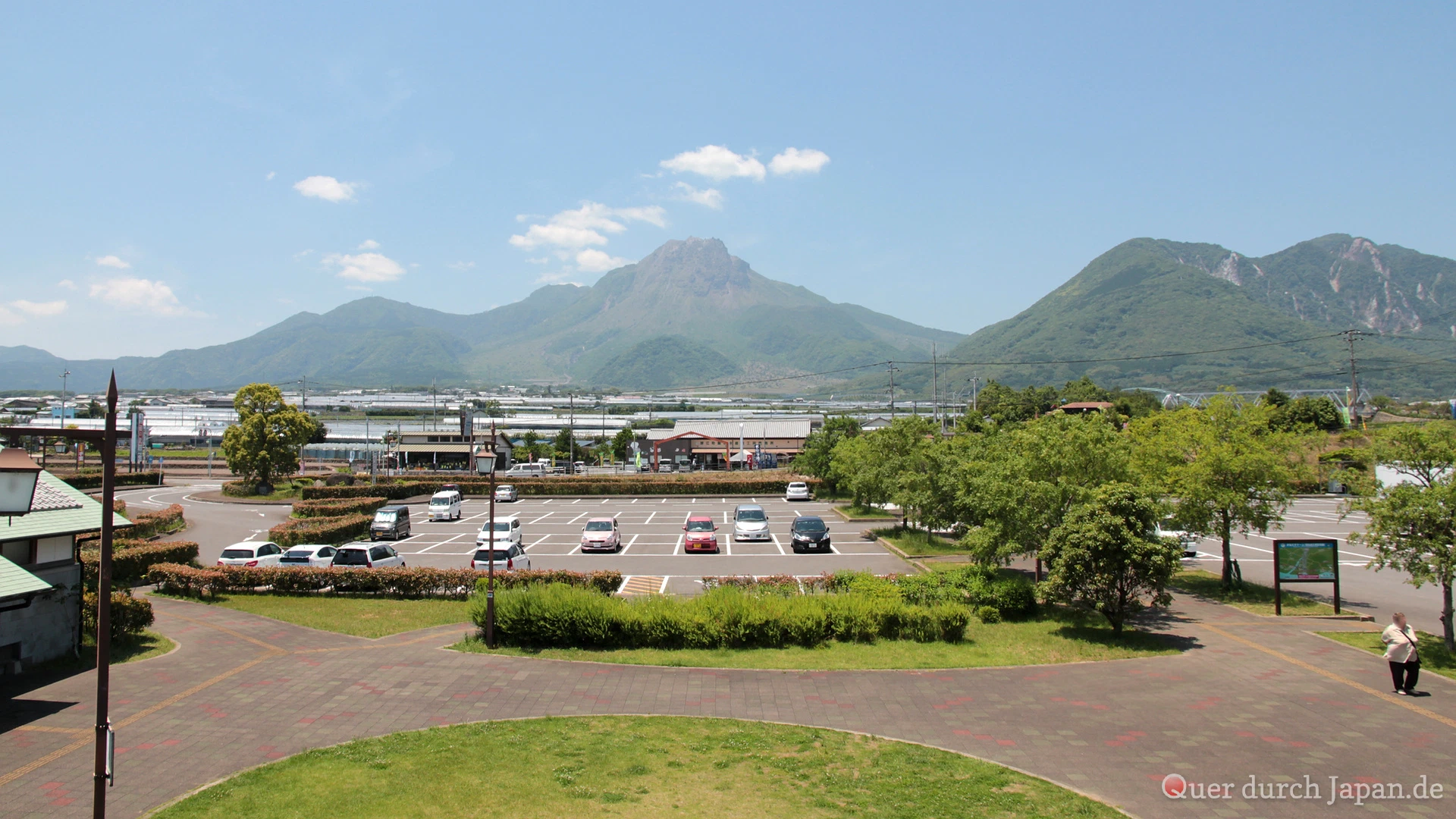
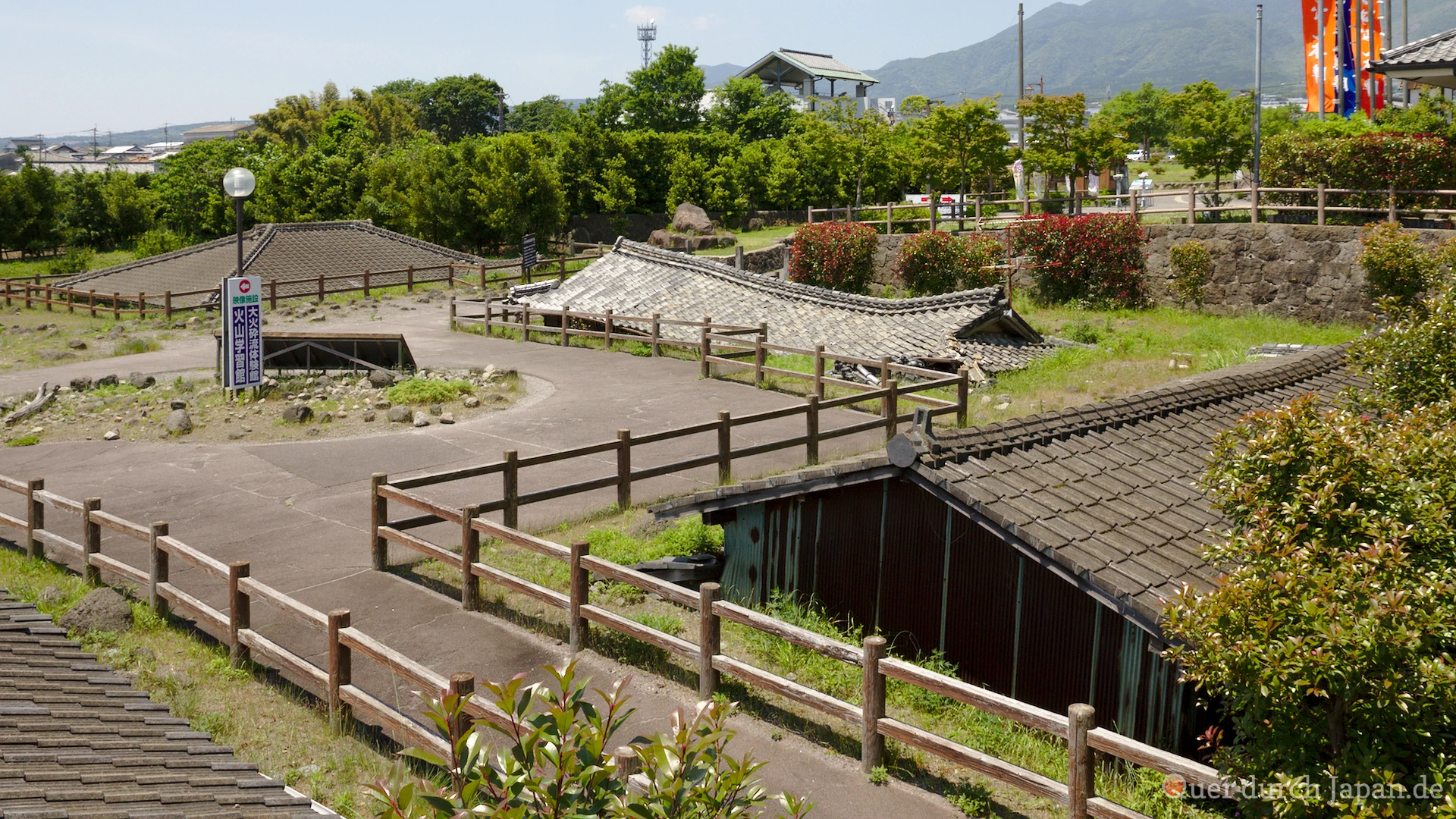
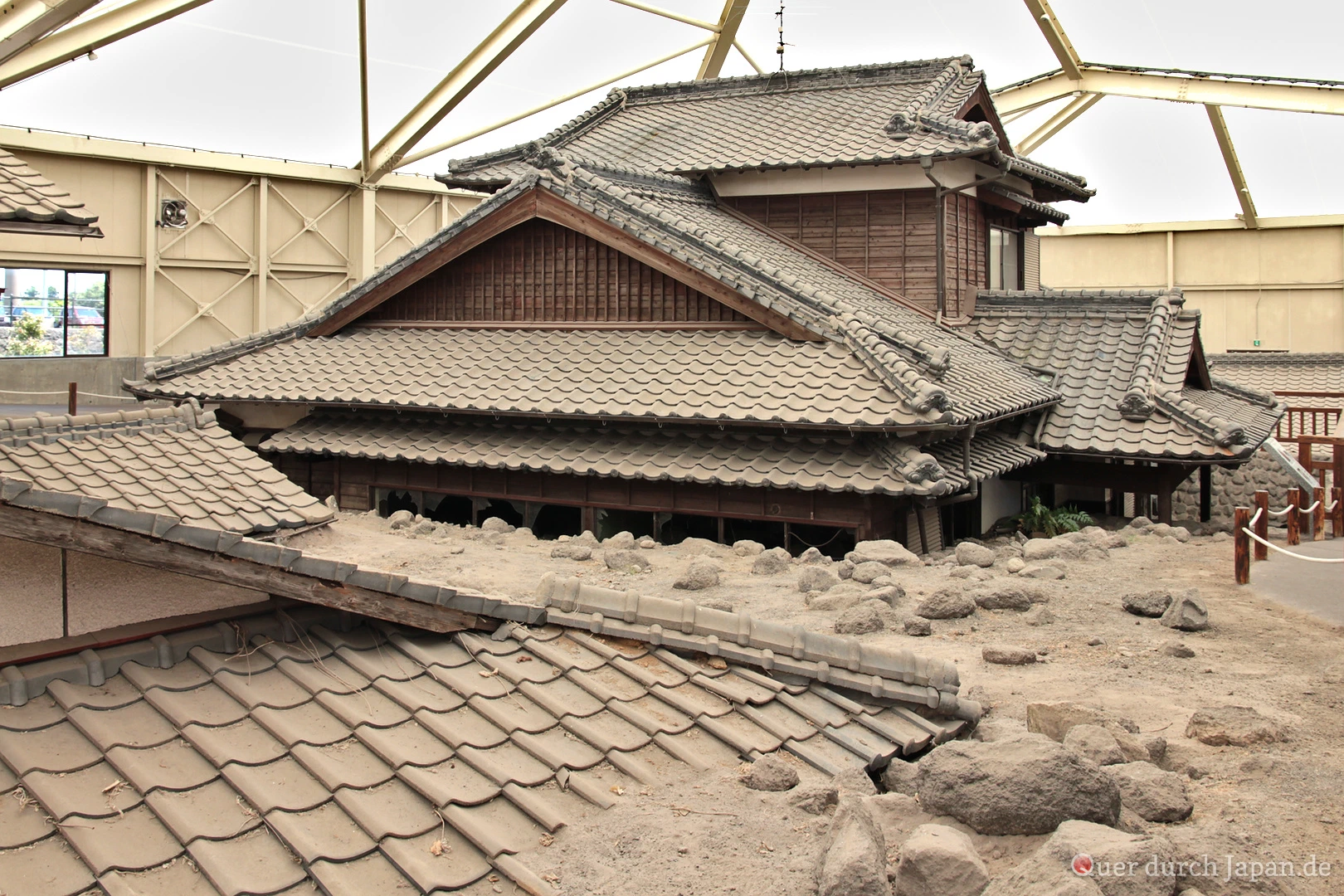
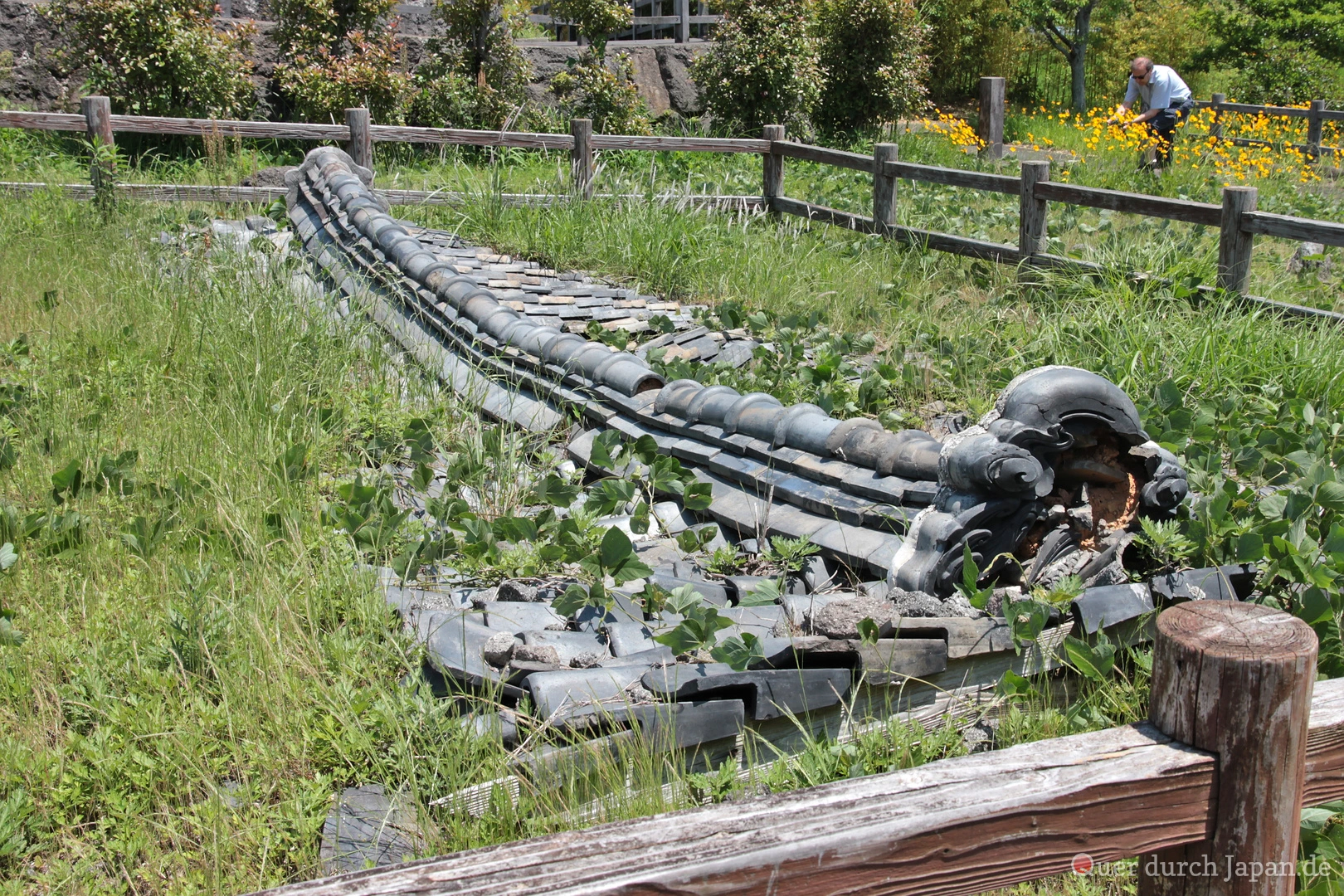
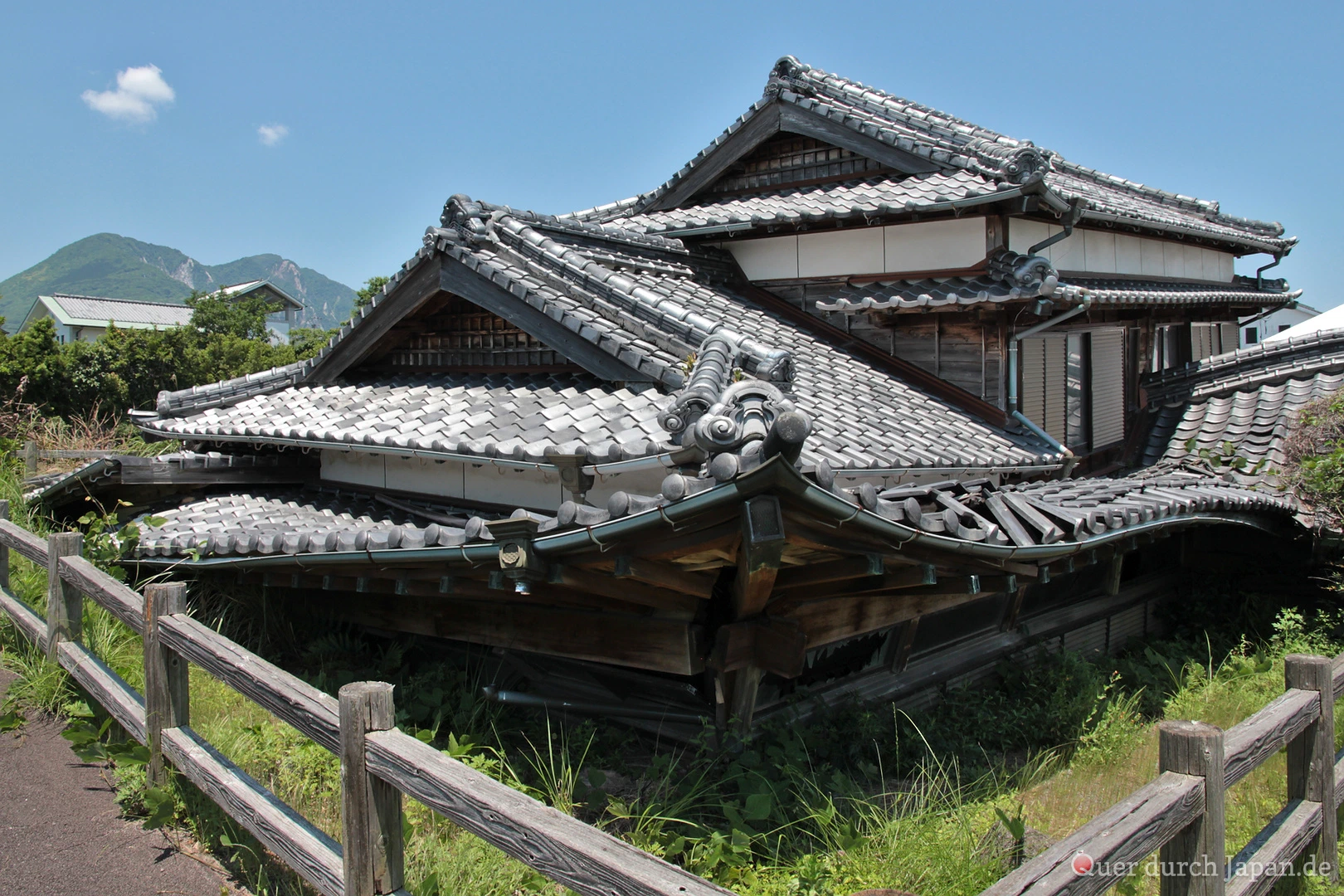
After that, we headed into the town of Shimabara. Between 1990 and 1995, the nearby Unzen volcano erupted. Pyroclastic flows ended up pouring over the town and burying the houses under a thick layer of ash. The locals managed to evacuate in time, but it was too late for 43 scientists and reporters, as well as for the houses. Today, the Unzen Disaster Museum is here, where you can see a few former houses that look like they’ve sunk into the ground right up to the roof.
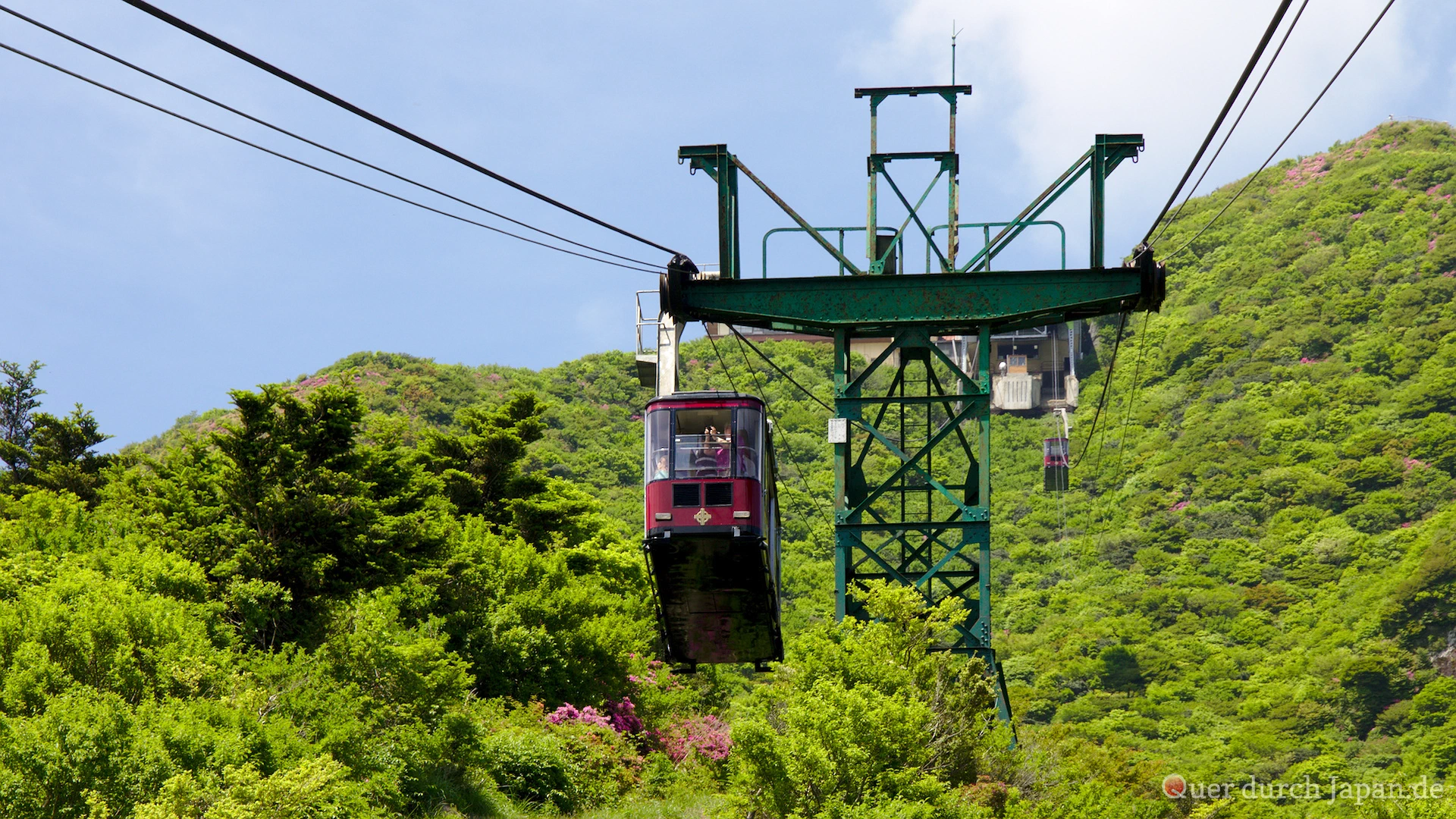
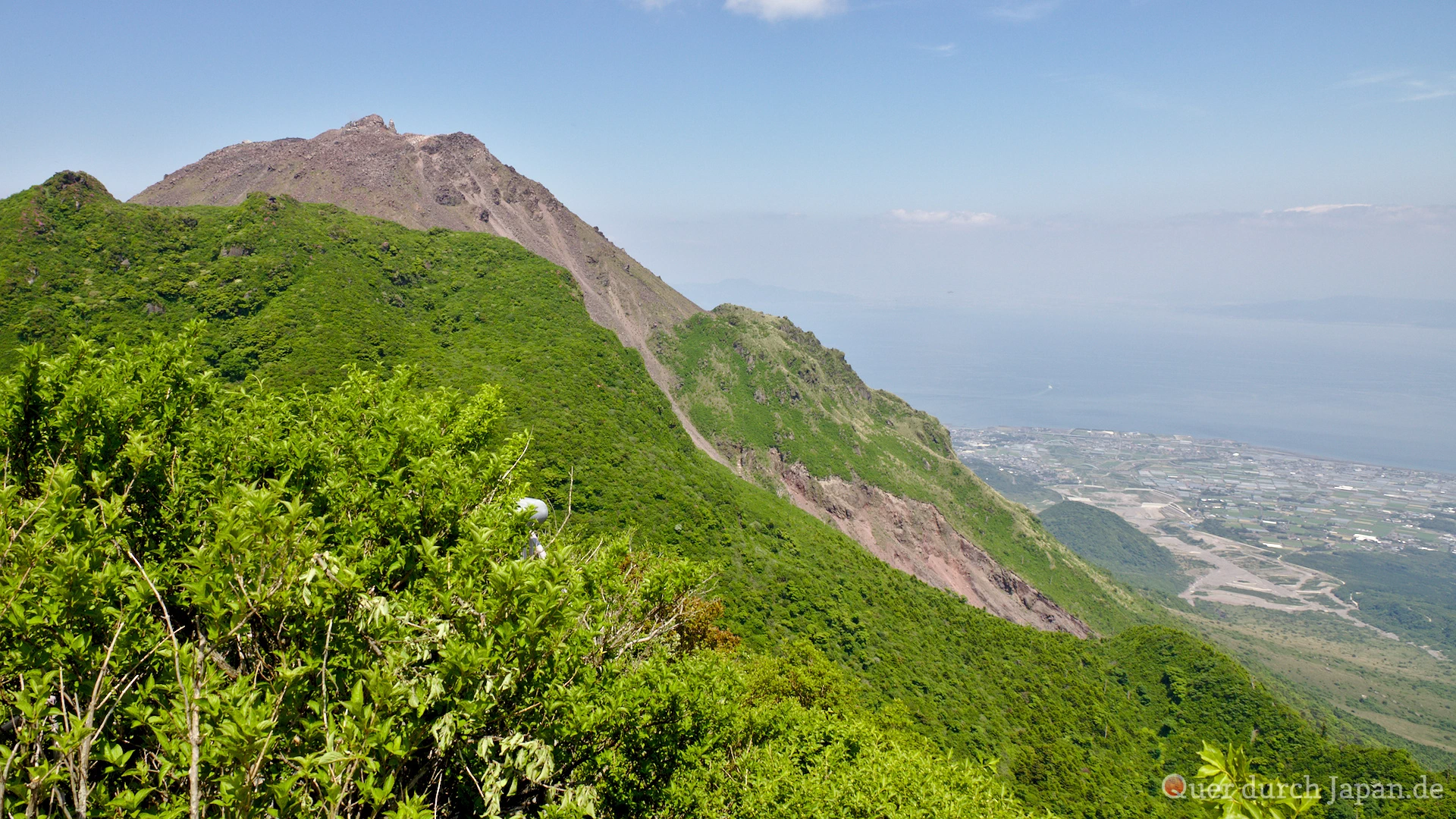
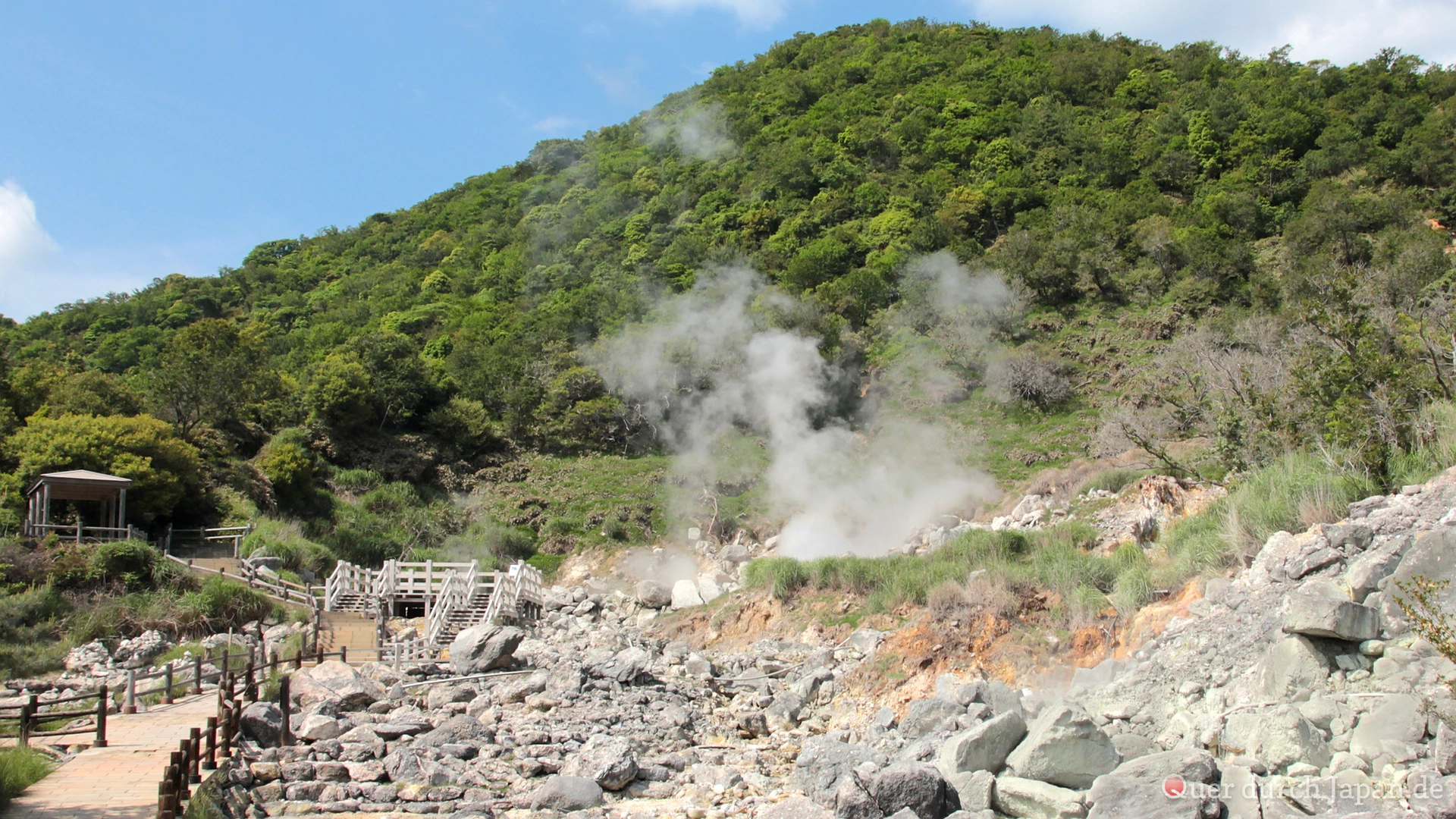
We took the cable car up to a viewing platform afterwards, where you can still see Mount Unzen steaming away. They sell eggs here too, though unlike at Ōwakudani, they’re just steam-cooked, so they’ve got white shells instead of black ones.