Travel Journal 2017

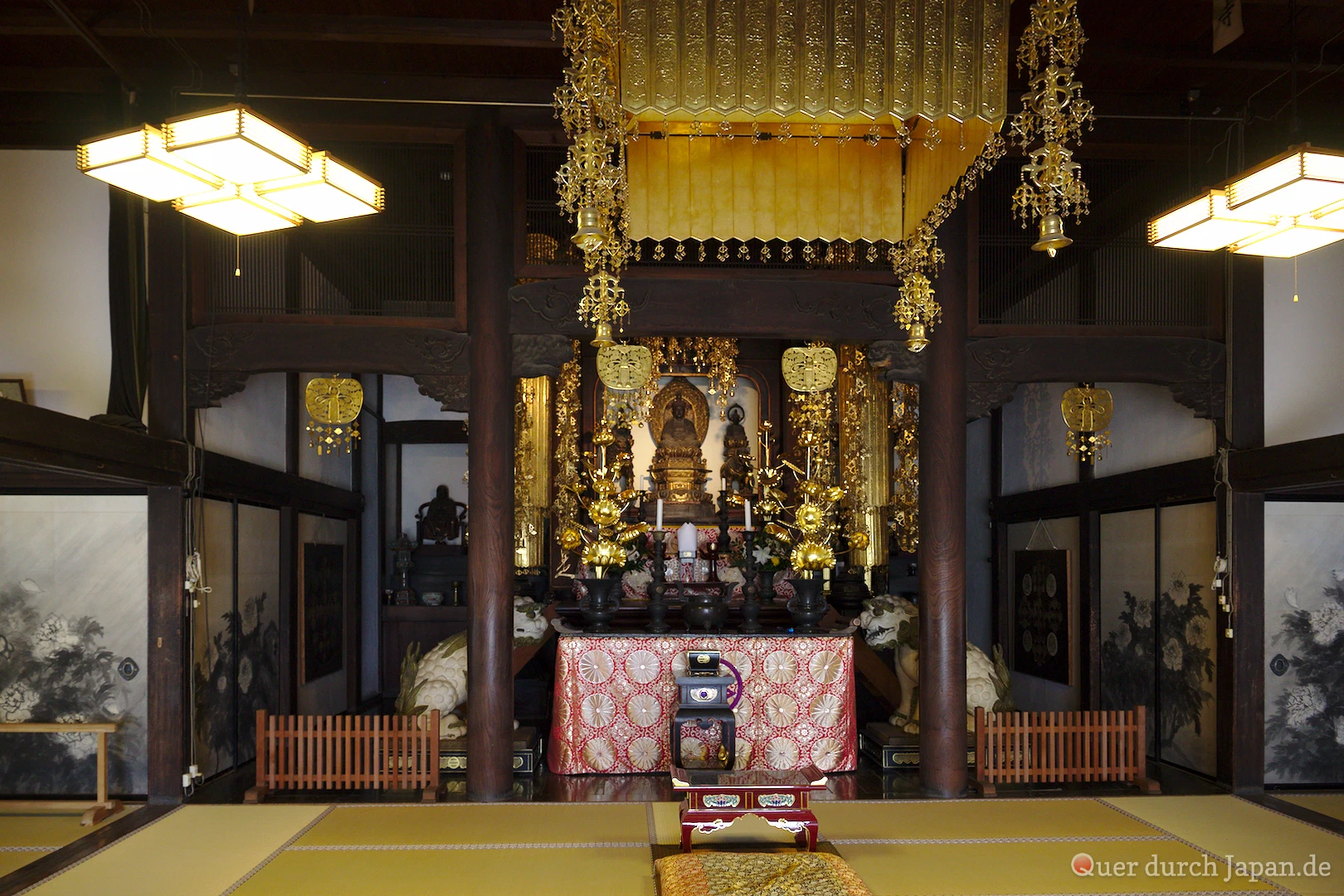
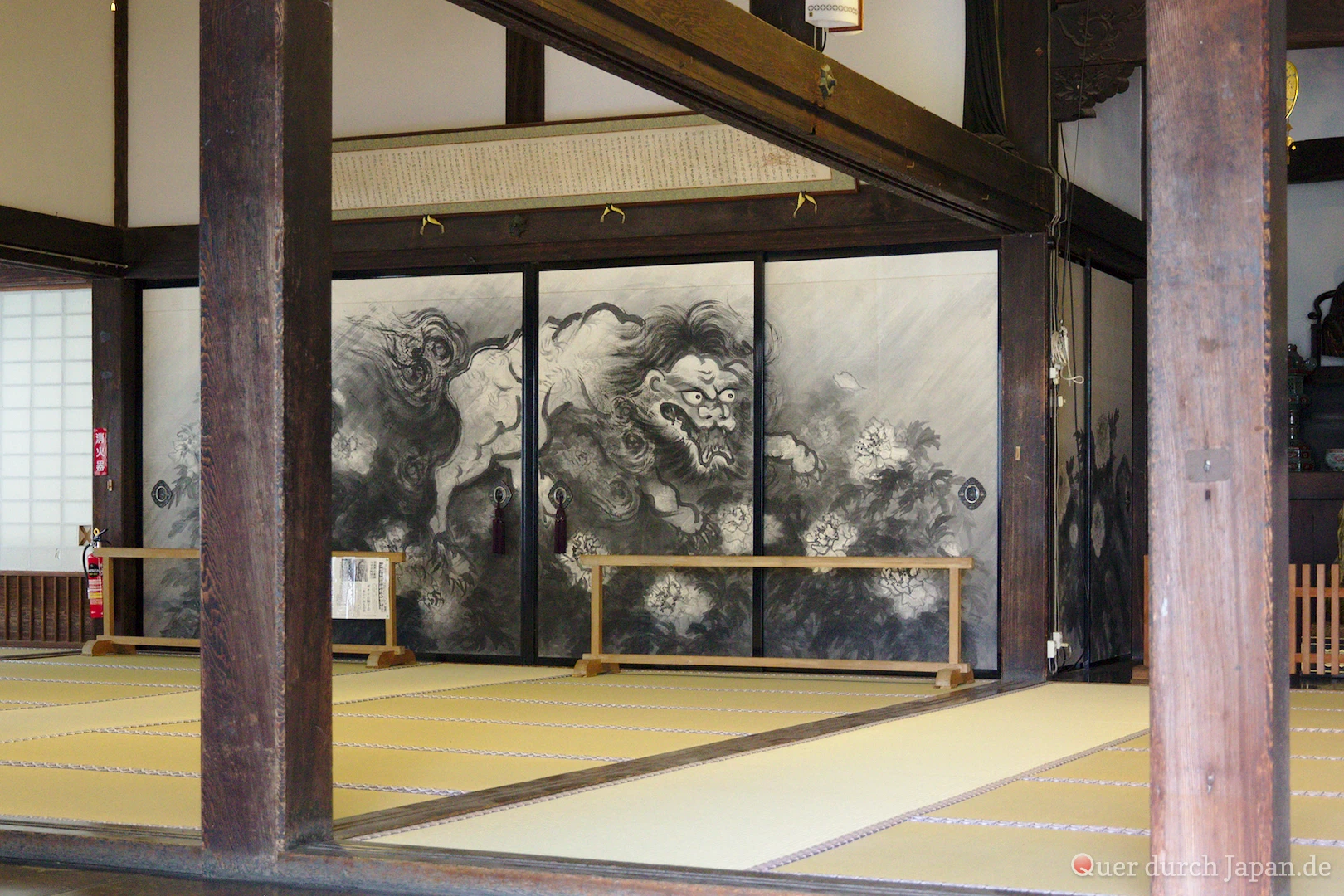
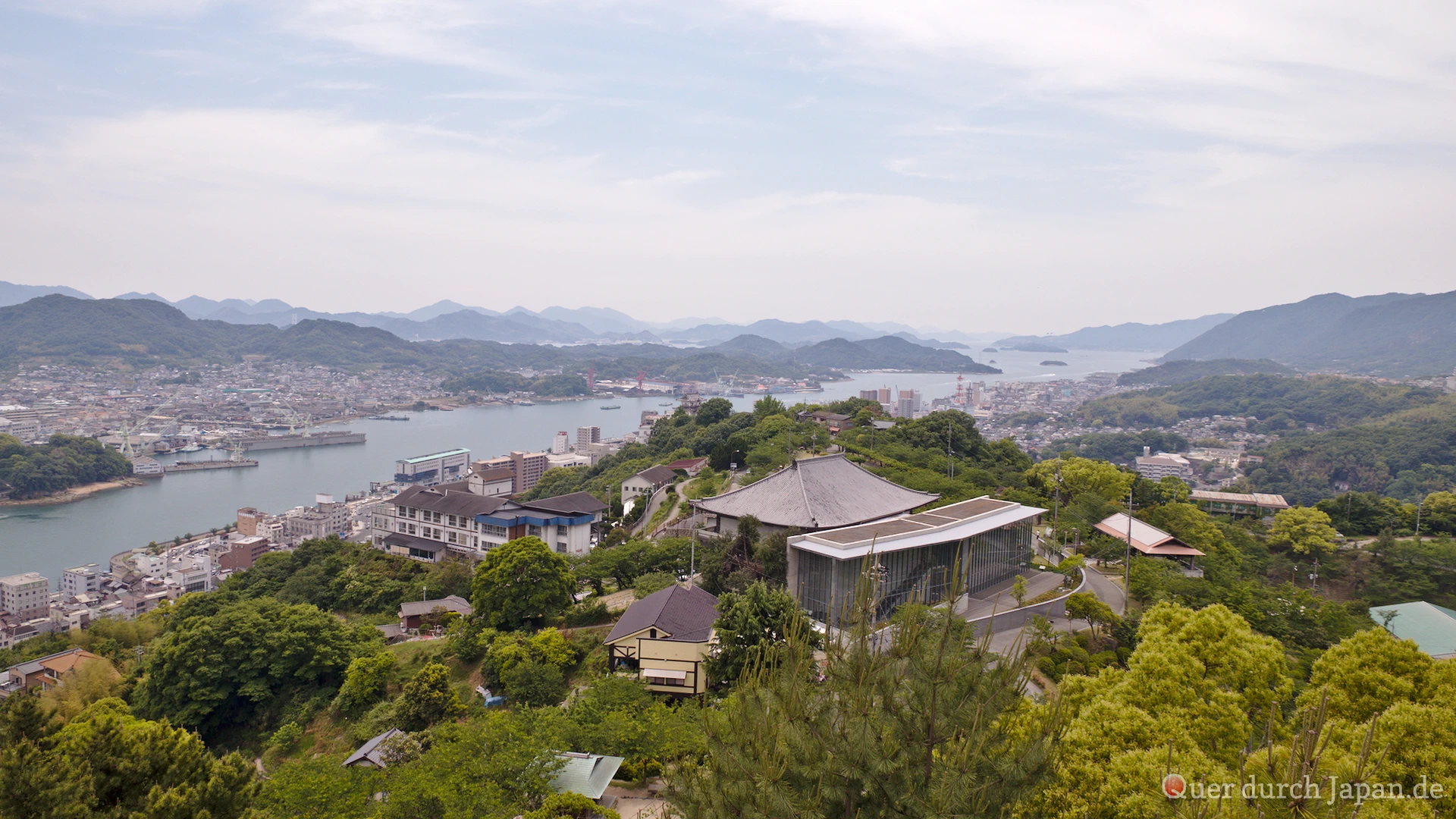
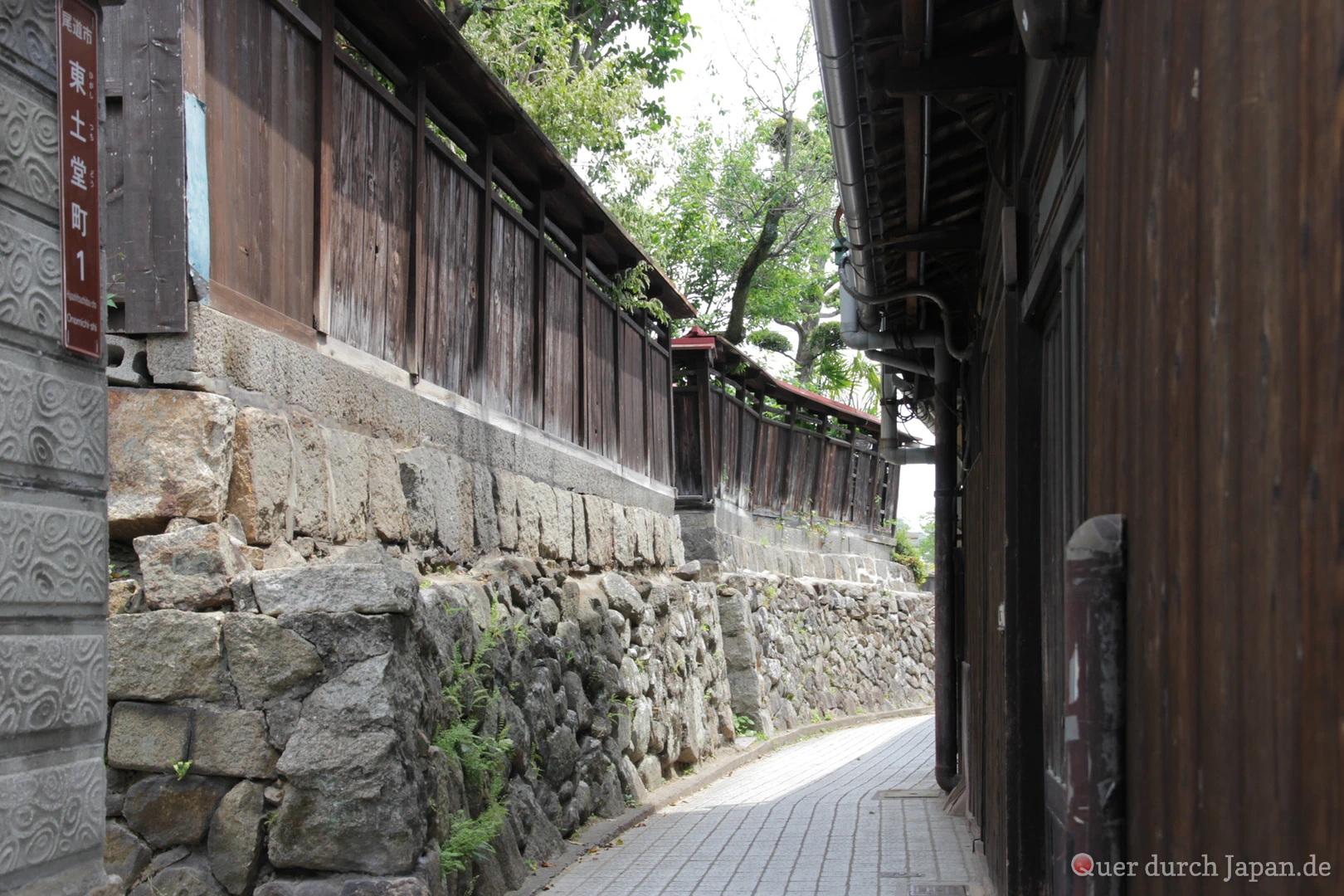
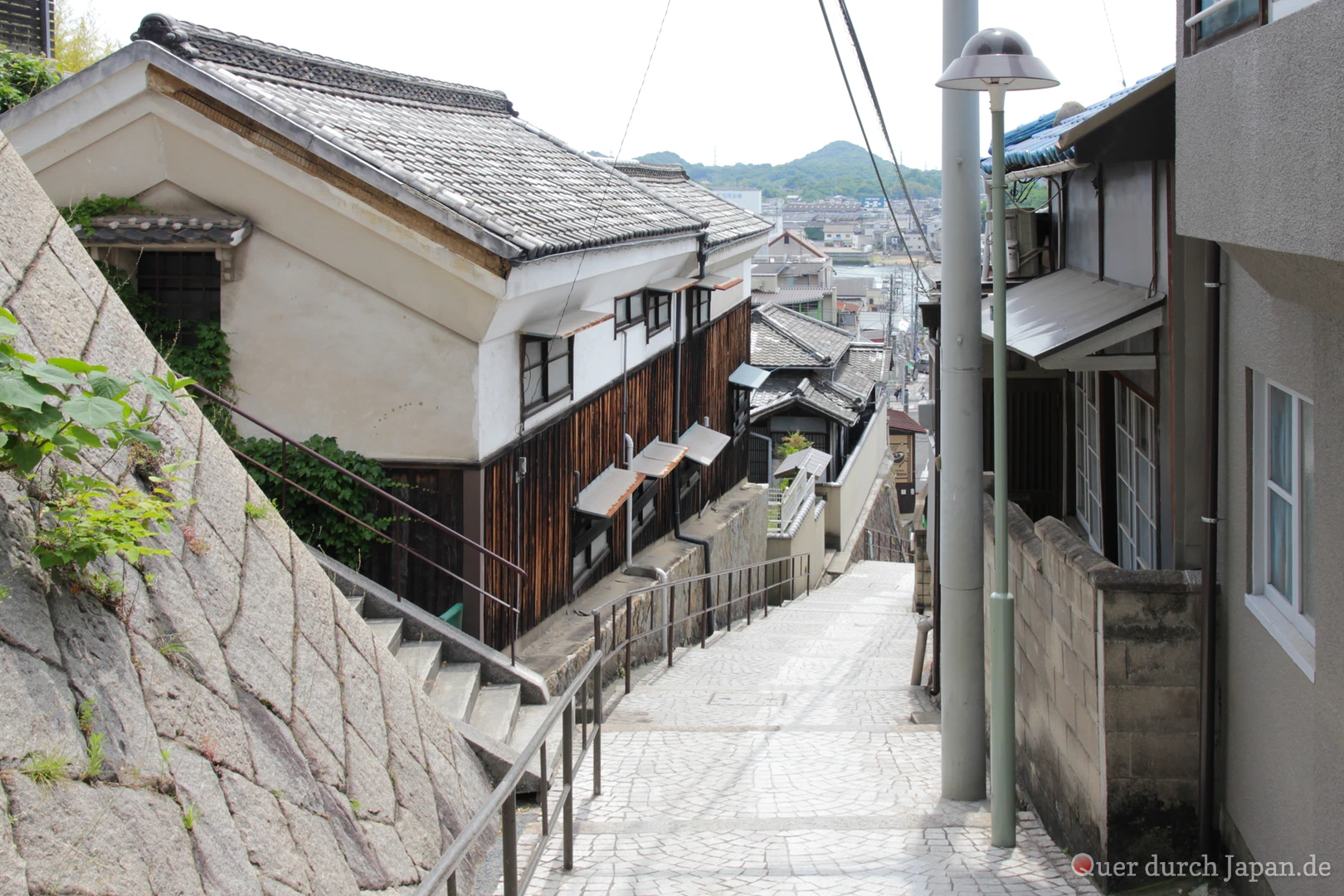
We were in the little town of Onomichi, which has also been used as a film set. The famous Temple Walk takes you through lots of little alleys and up a hill with a lovely view. Because we started getting a bit templed-out, we only saw a fraction of the 25 temples and then walked back to the station along the waterfront.

Tomorrow we’re off to the final stop on our trip: Kyōto.

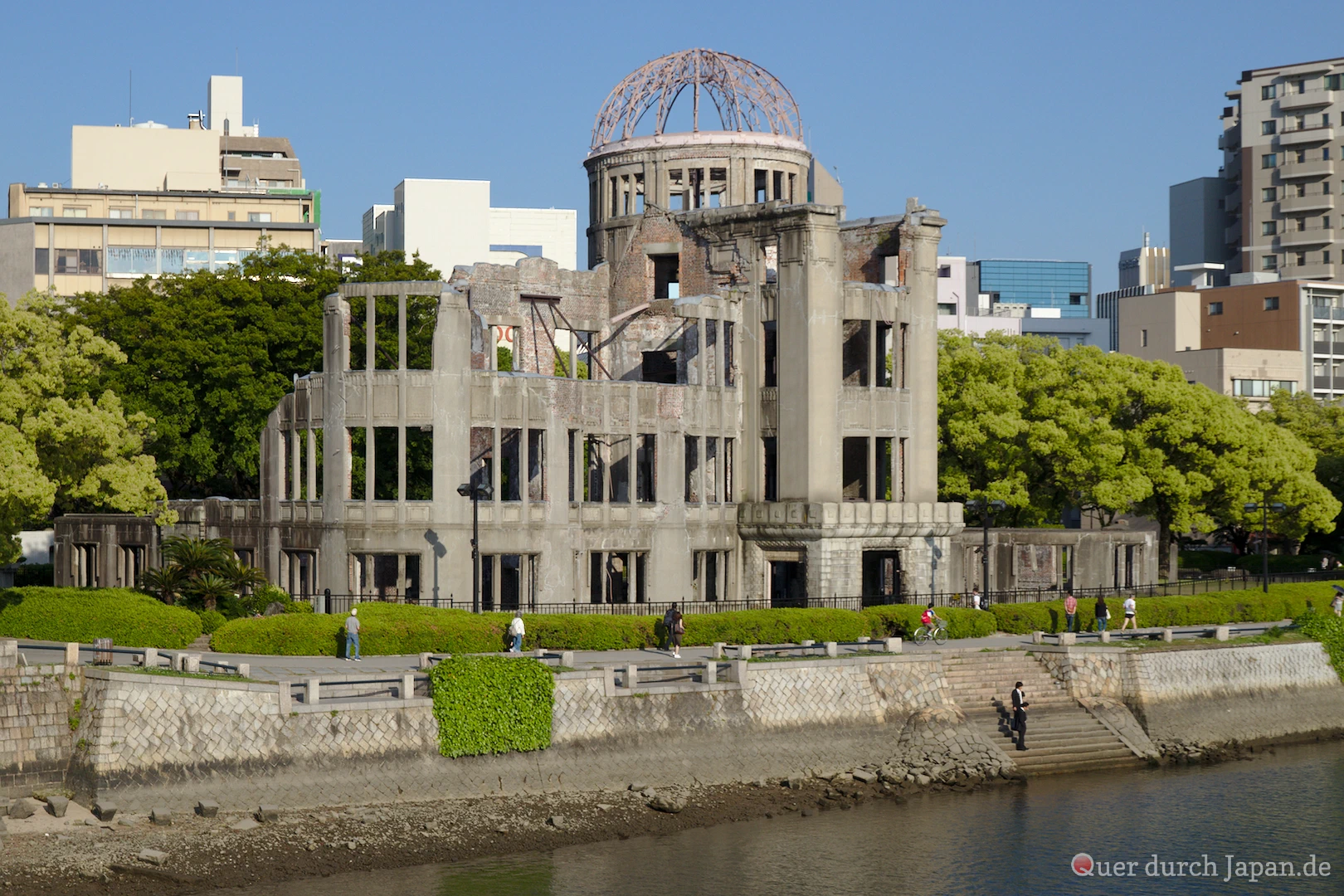
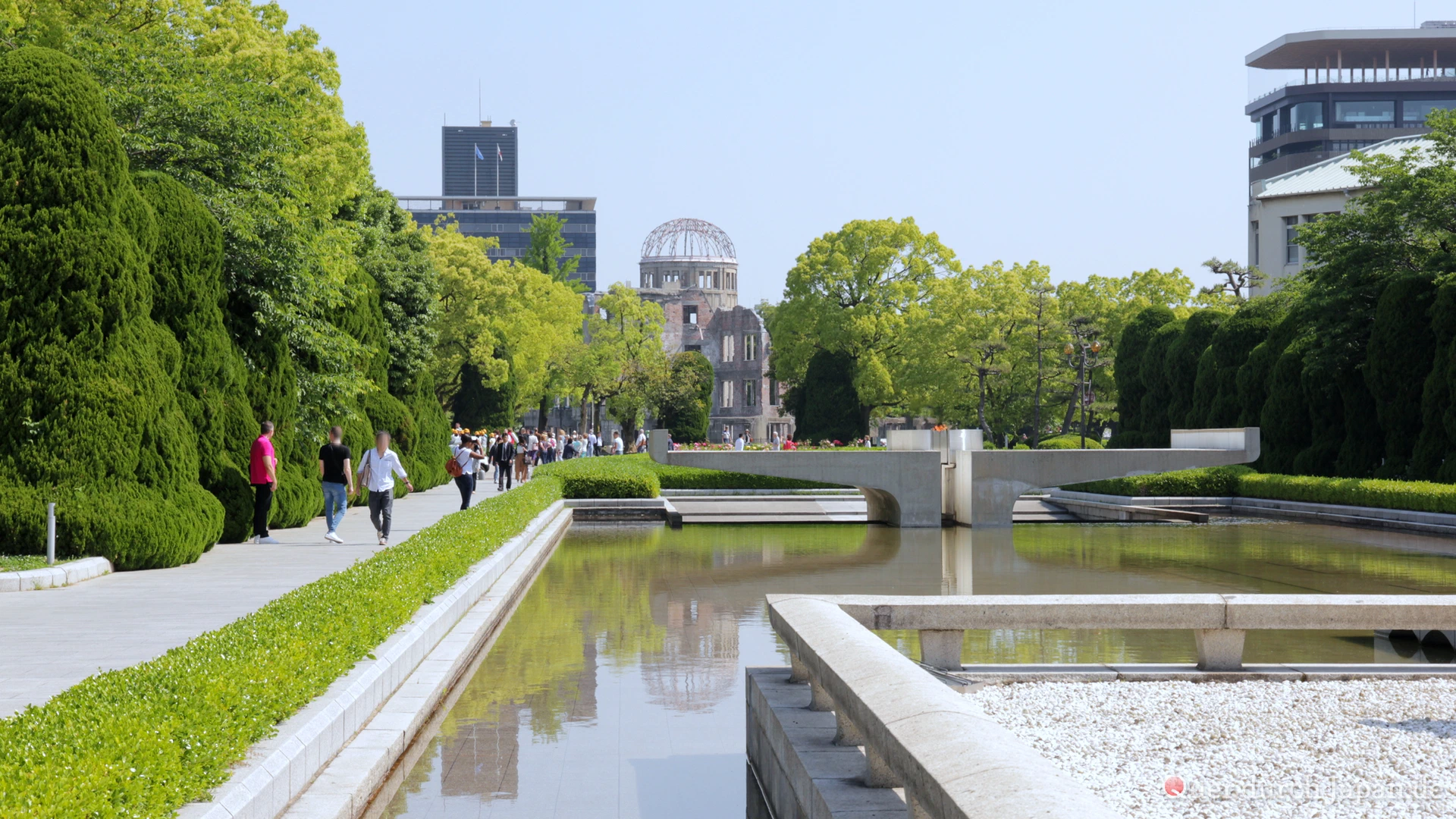
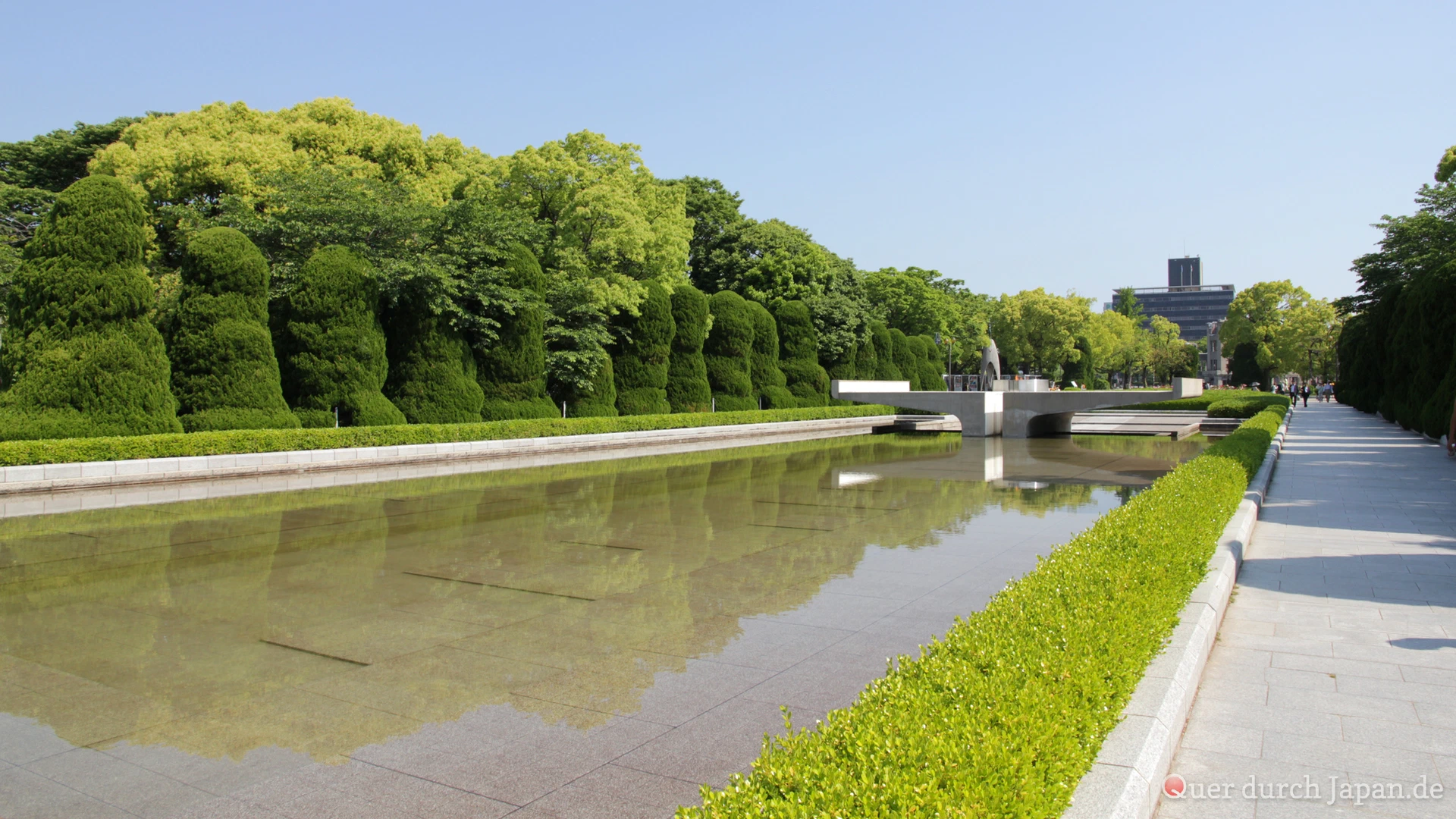
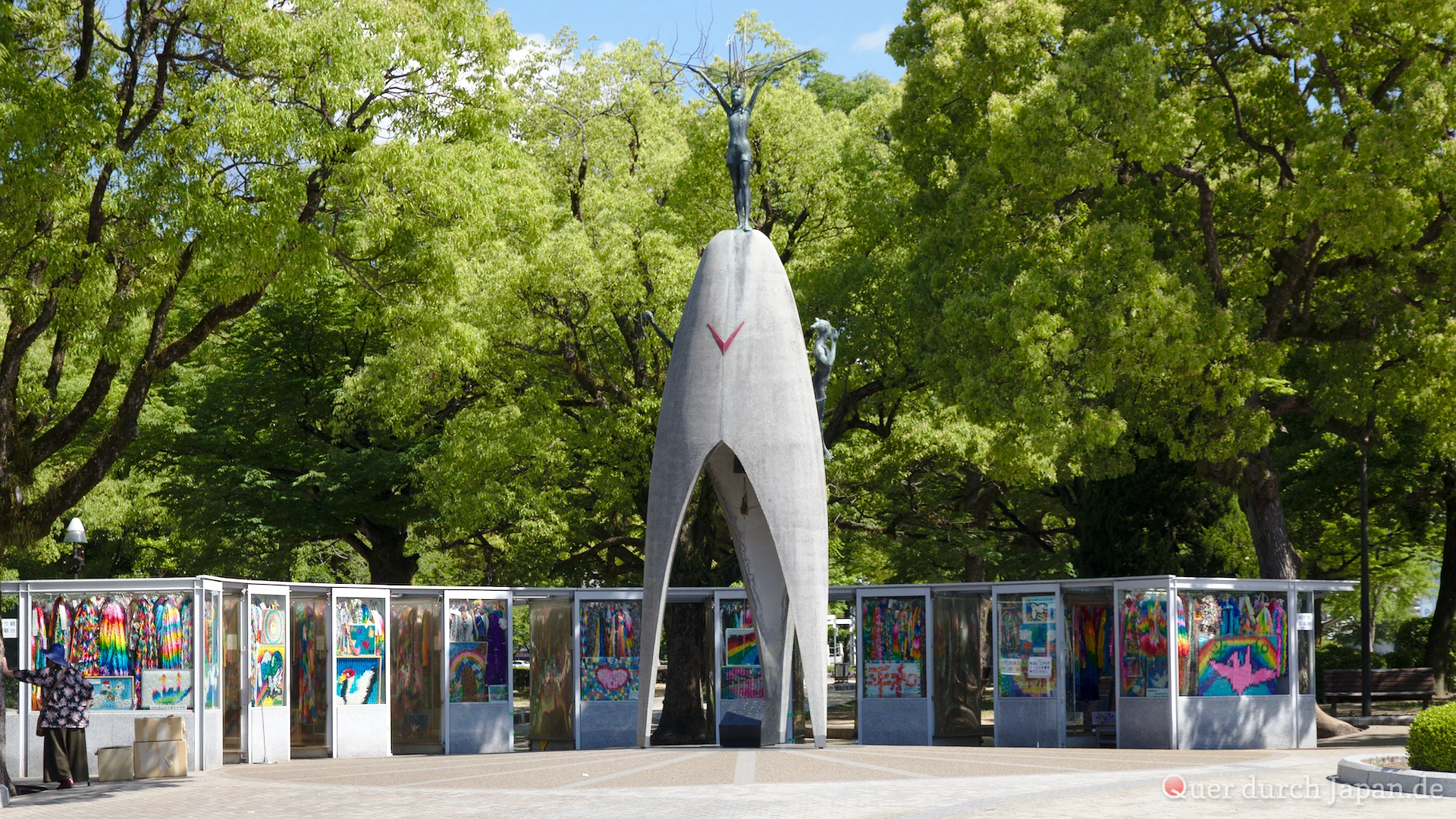
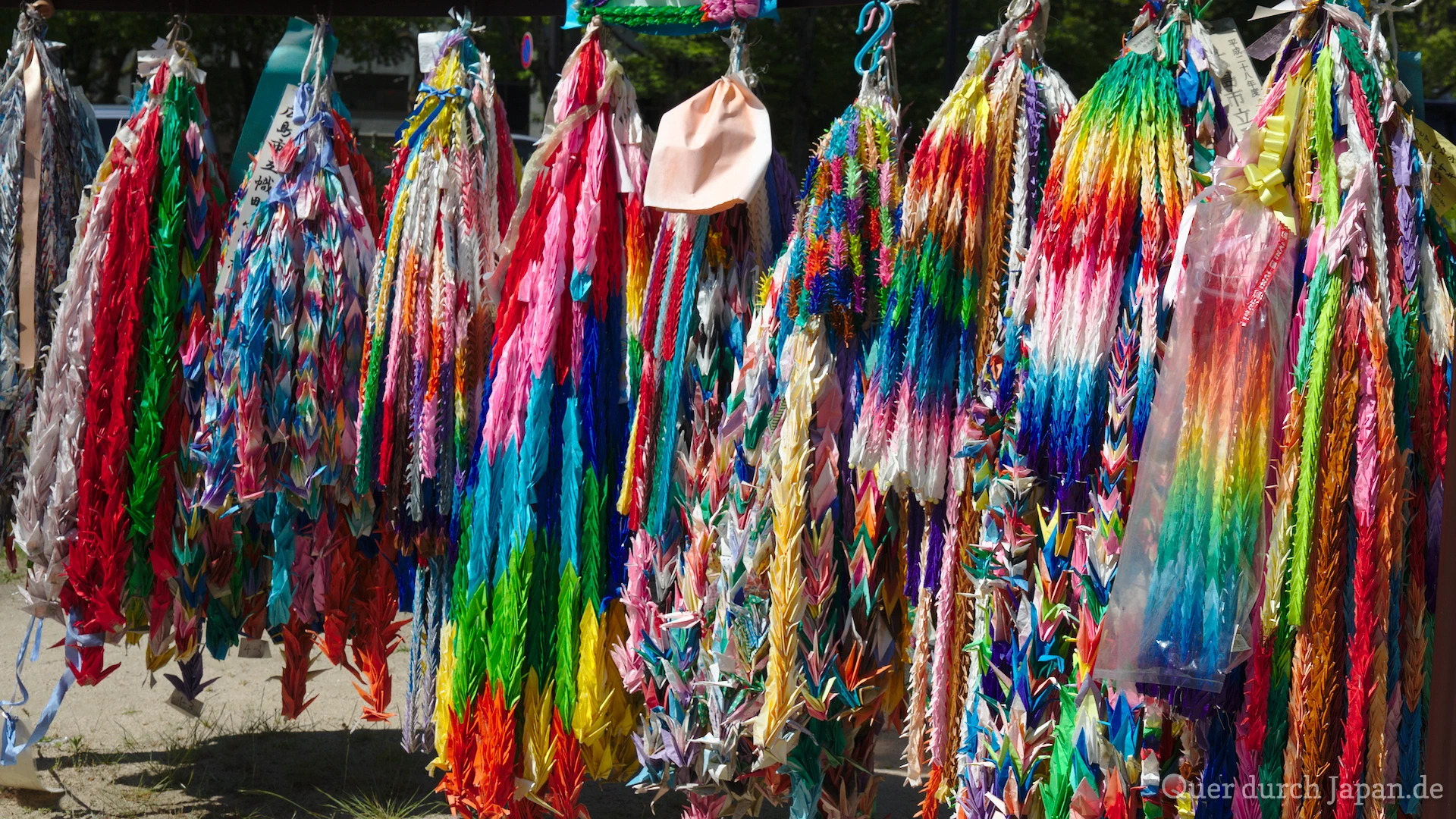
On a little island right in the middle of Hiroshima, you’ll find the Peace Park. This is exactly where the first atomic bomb, Little Boy, went off on August 6, 1945, at a height of 580 metres, reducing the city to rubble and ashes. The Atomic Bomb Dome, which used to be the Chamber of Commerce and Industry building, gives you an idea of the massive scale of the destruction. In the park, alongside a museum, there’s a cenotaph with the names of the bomb victims, plus a gas flame that will only be put out once there are no more nuclear bombs left in the world. A memorial remembers the story of little Sasaki Sadako. She survived the blast, but a year later she got leukaemia. There’s a custom here that says the gods will grant you a wish if you fold 1,000 paper cranes. Sadako folded the cranes, but eventually she still passed away from her illness. To this day, schoolchildren from all over Japan fold long, colourful chains of paper cranes as a symbol of peace, and they’re hung up here (and at a memorial in Nagasaki).

Since this question keeps coming up: these days, the radiation levels in Hiroshima are completely back to normal and are about the same as the natural background radiation in Germany. At the Atomic Bomb Dome, the radiation is currently sitting at 0.1 µSv/h. Just for comparison: in Cologne it’s 0.087 µSv/h, and in Oberasbach near Nuremberg it’s 0.14 µSv/h.
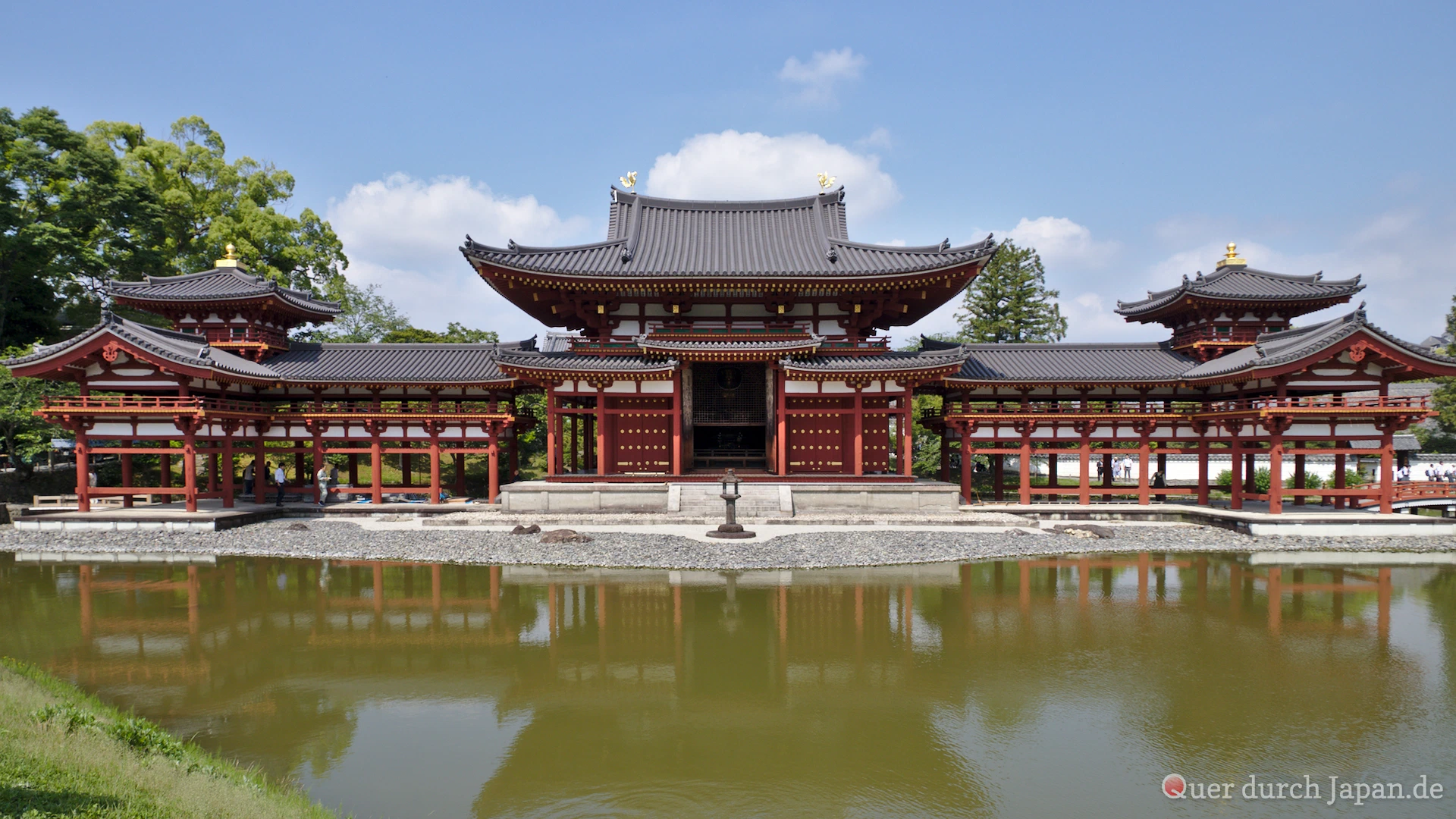
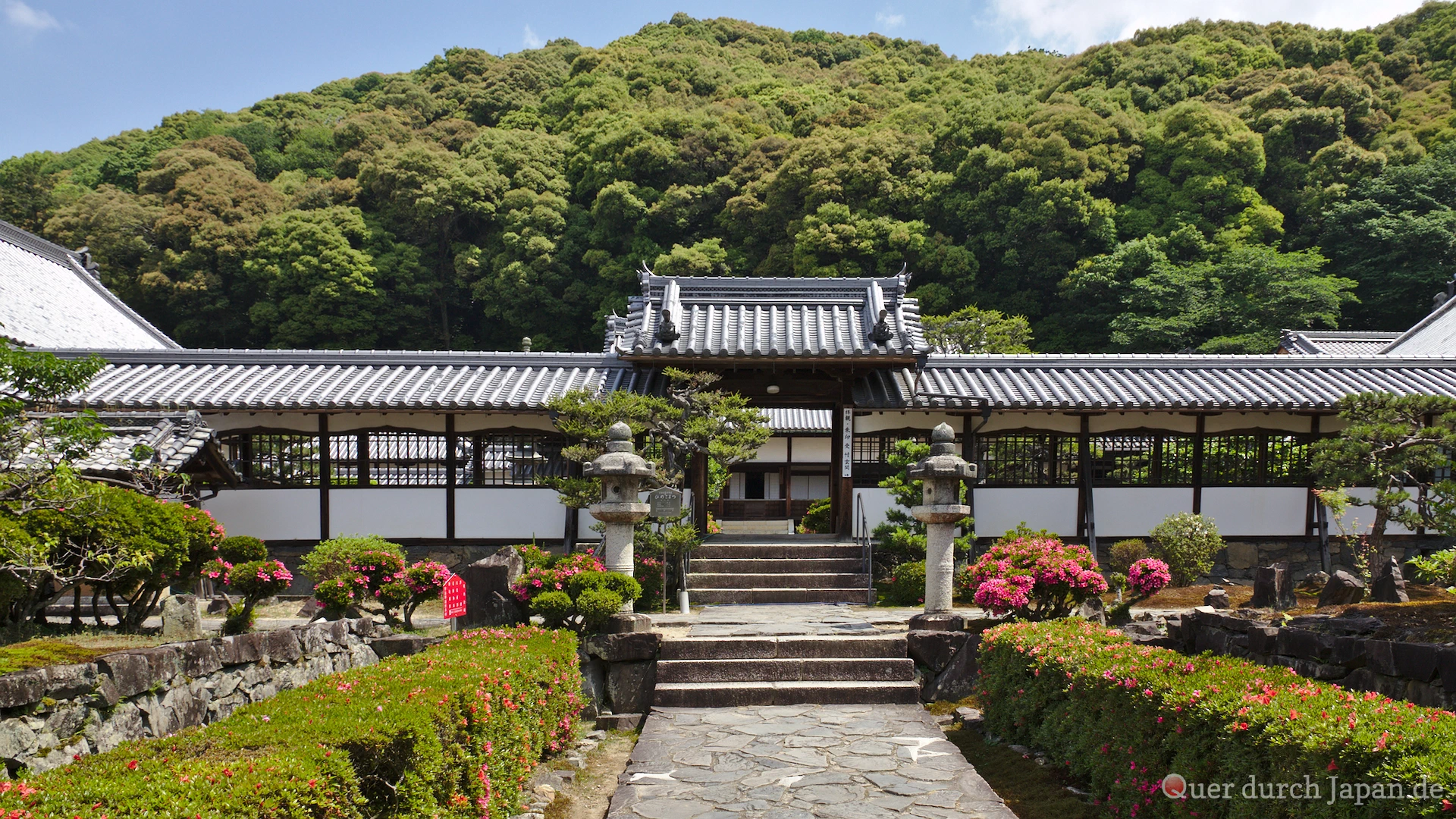
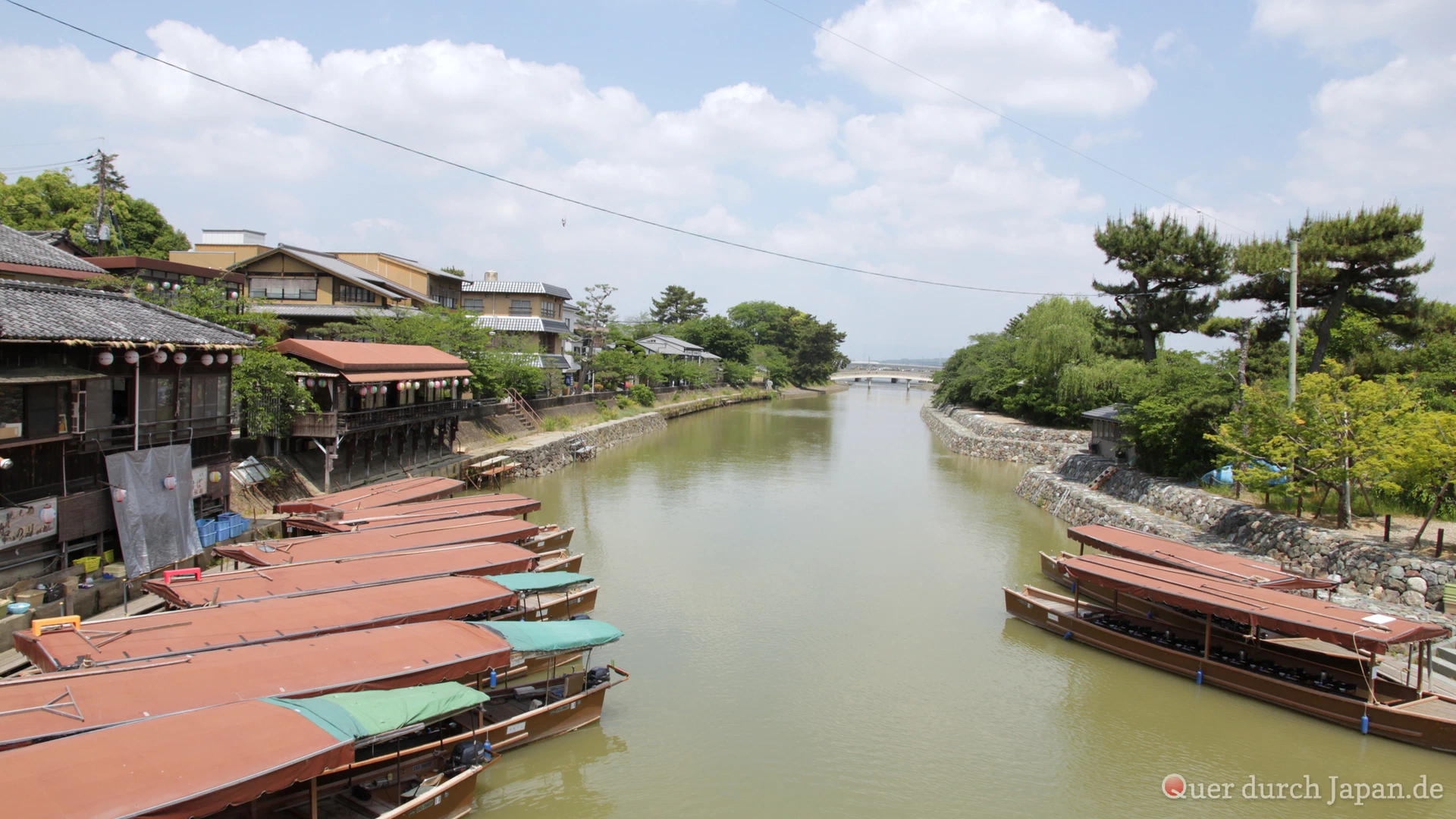
Today, we headed out to the little town of Uji first. The most spectacular building there is the Byōdō-in temple, but we really liked the Kōshō-ji as well.

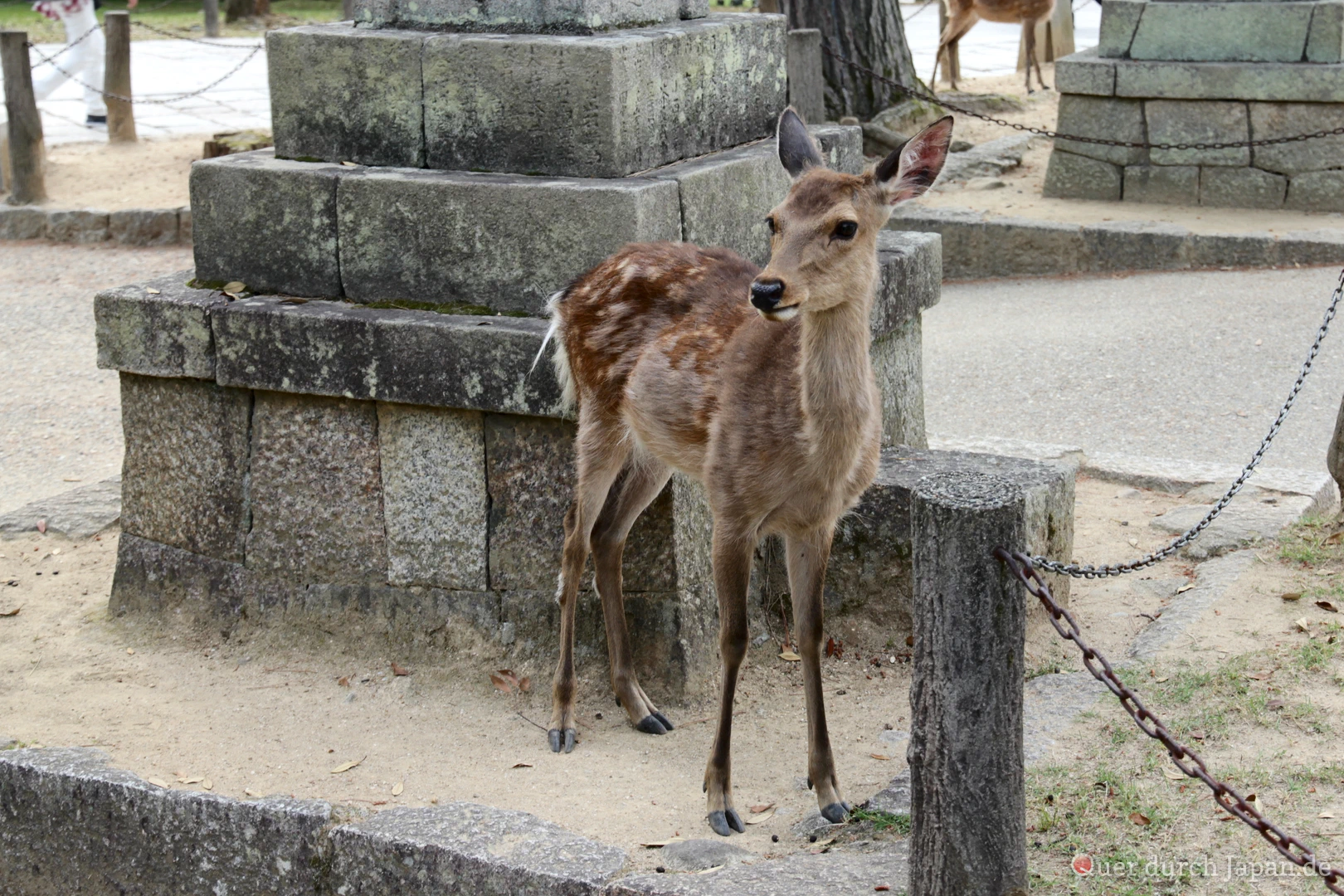
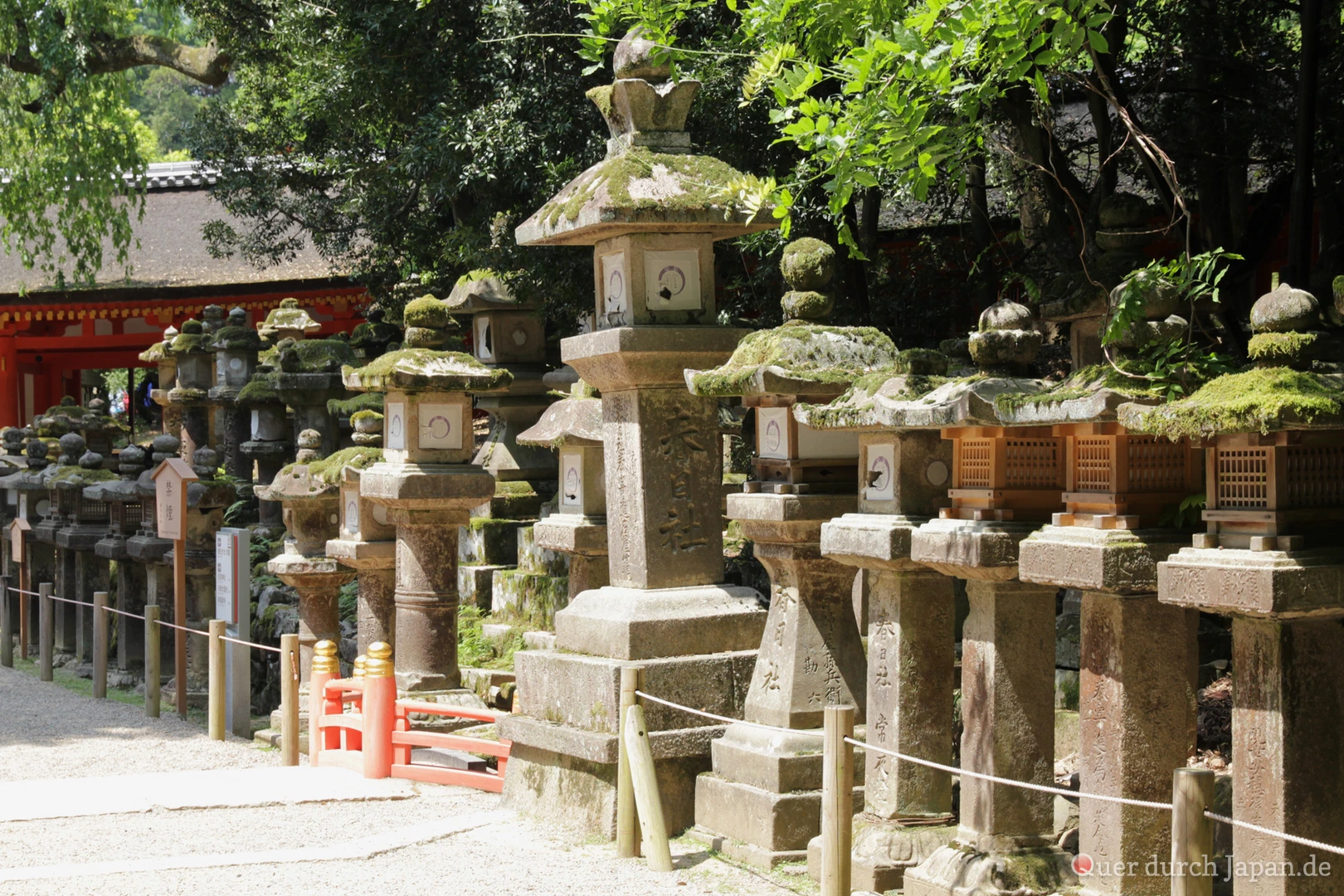
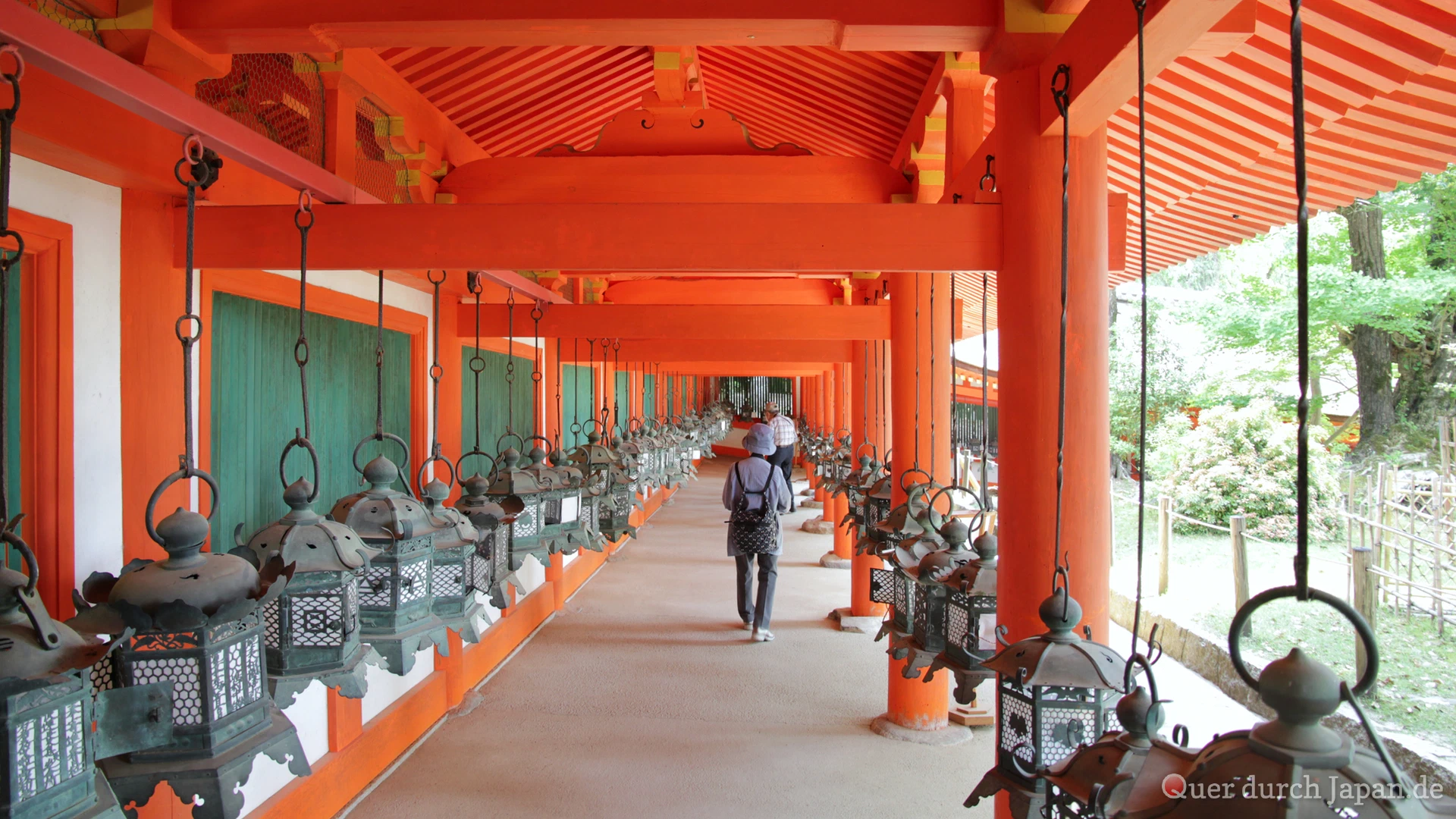
Next stop was Nara, known for its temples and shrines, but also for its tame deer that eat right out of the tourists’ hands. The main building there is the Tōdai-ji, the biggest wooden building in the world with a 15-metre-tall bronze Buddha inside. We’ve already seen this temple twice, a third time would be too much of a good thing. Instead, we visited the Kasuga Taisha with its hundreds of lanterns.

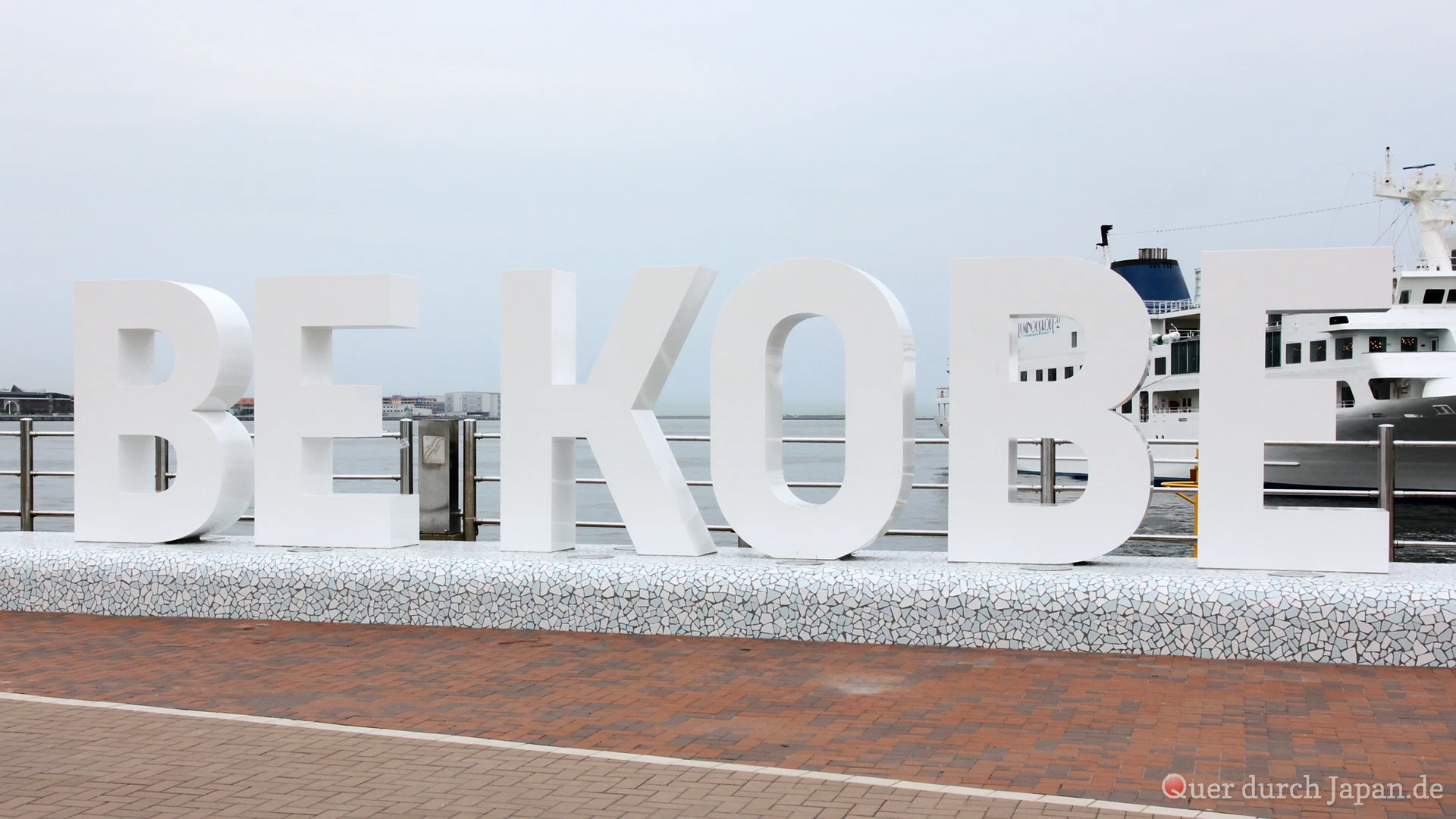
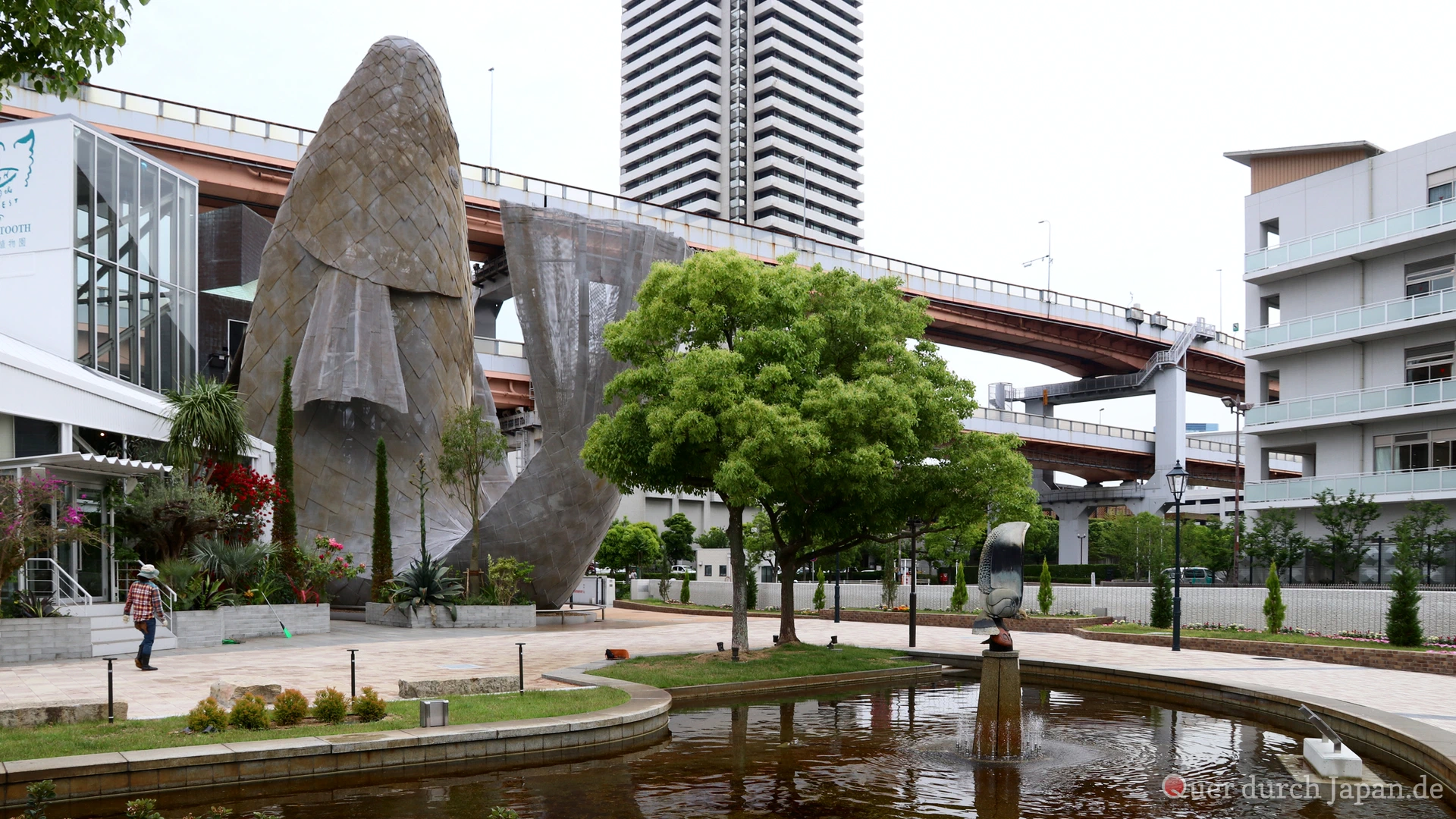
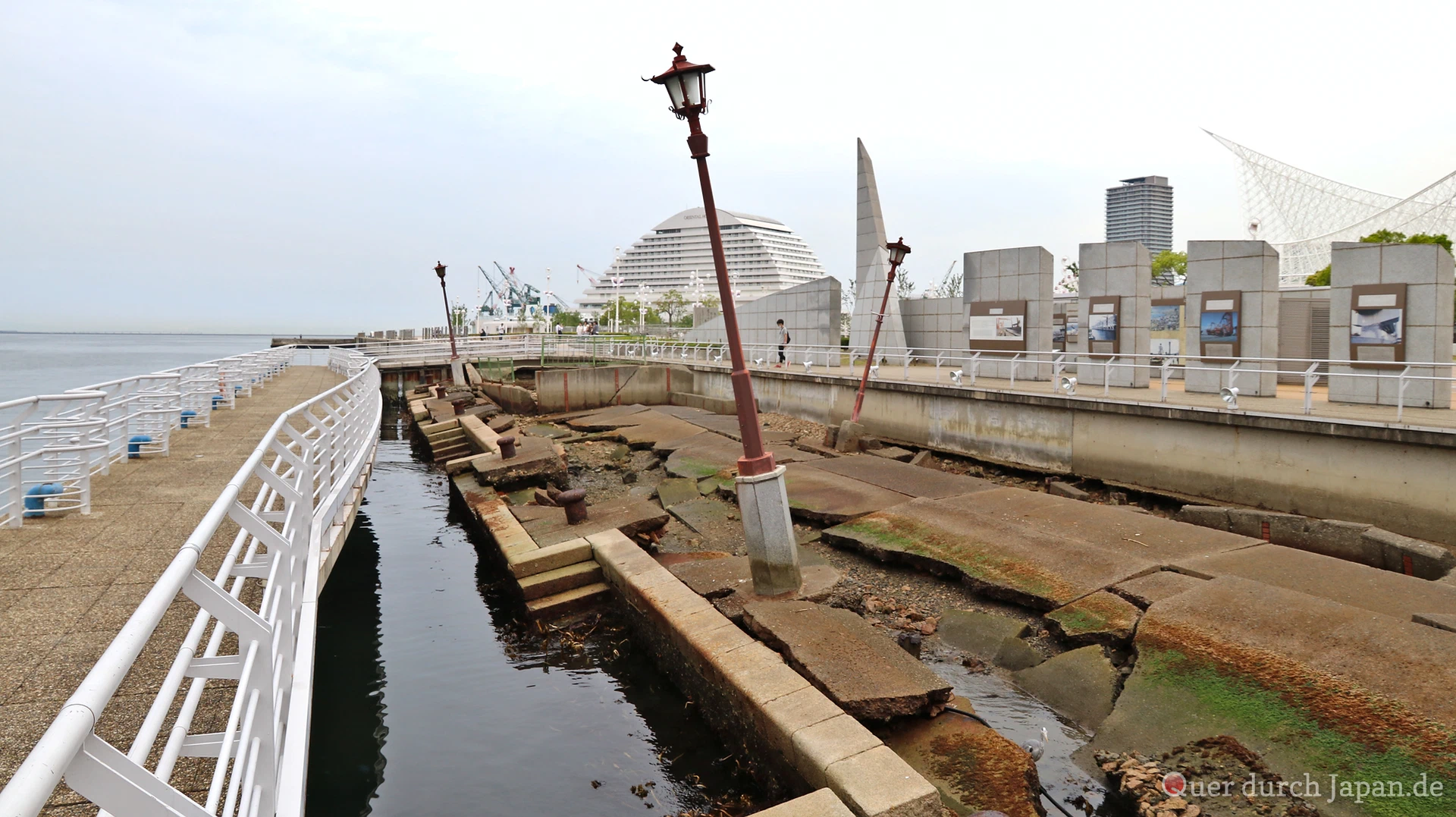
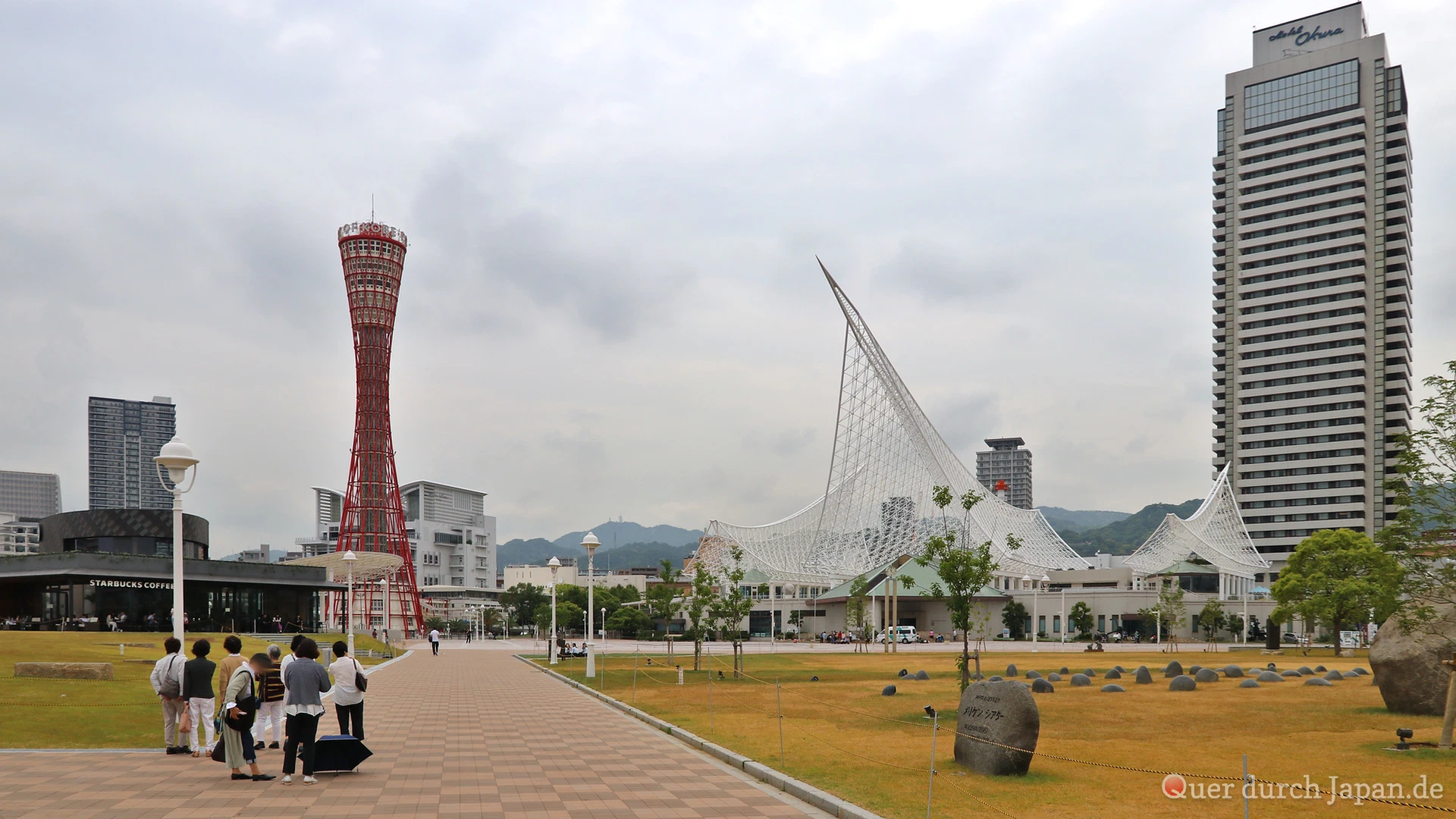
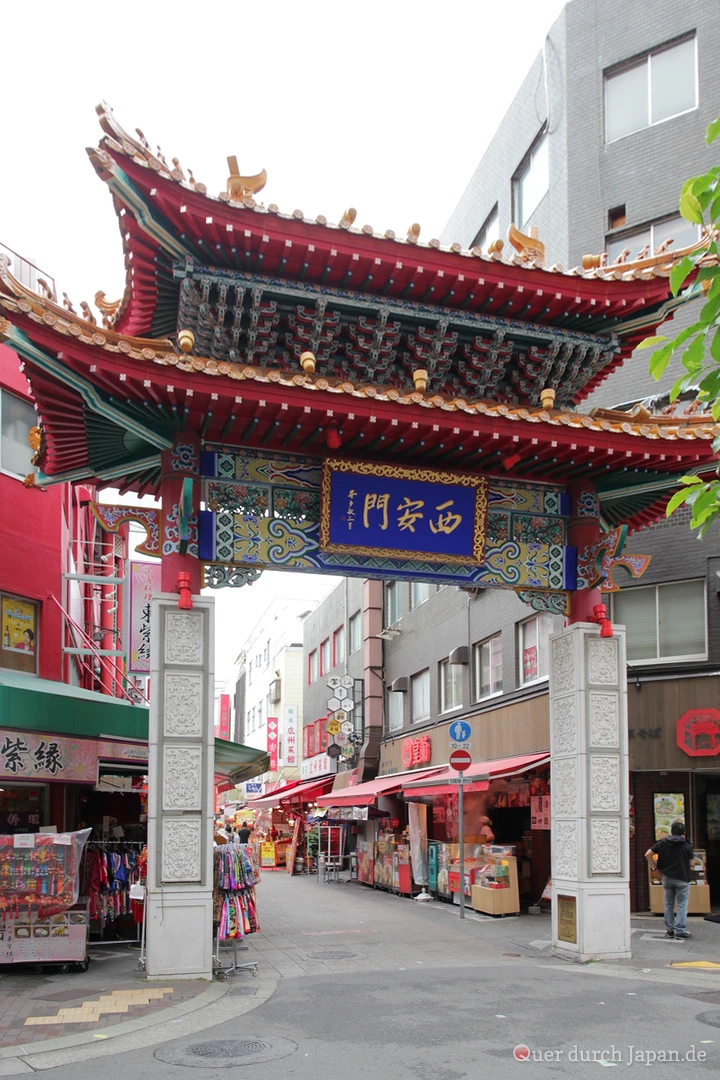
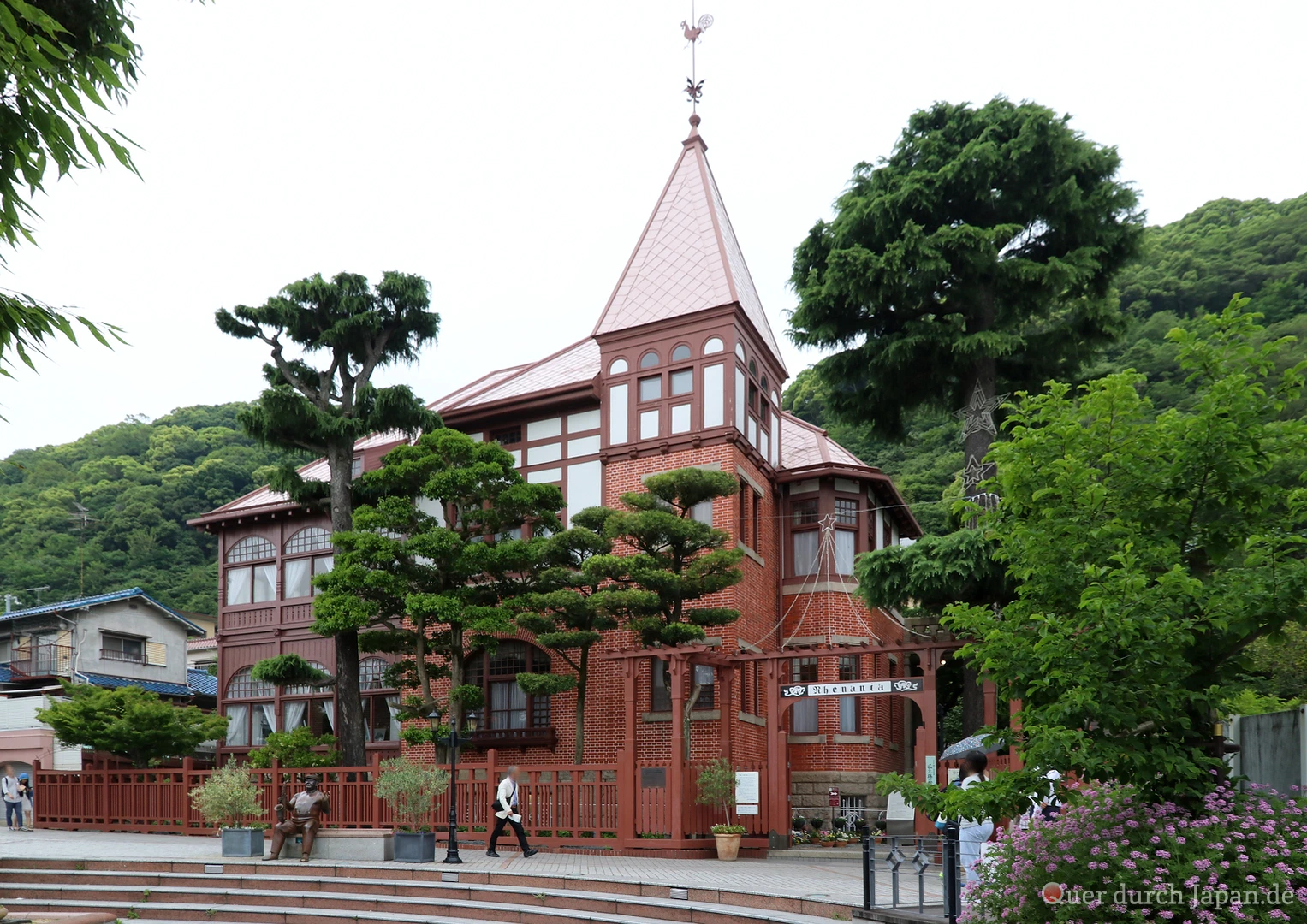
A day trip to Kōbe (cut short because of the rain). We checked out the waterfront Meriken Park with its Earthquake Memorial, which commemorates the Great Kōbe earthquake from 1995. Right next to the shopping street is Kōbe’s Chinatown, Nankinmachi, full of tasty food stalls that even serve the famous Kōbe beef. In the Kitano-chō neighbourhood, there are loads of Western-style houses where, for an entry fee, you can be whisked away to Europe or America for a little bit.

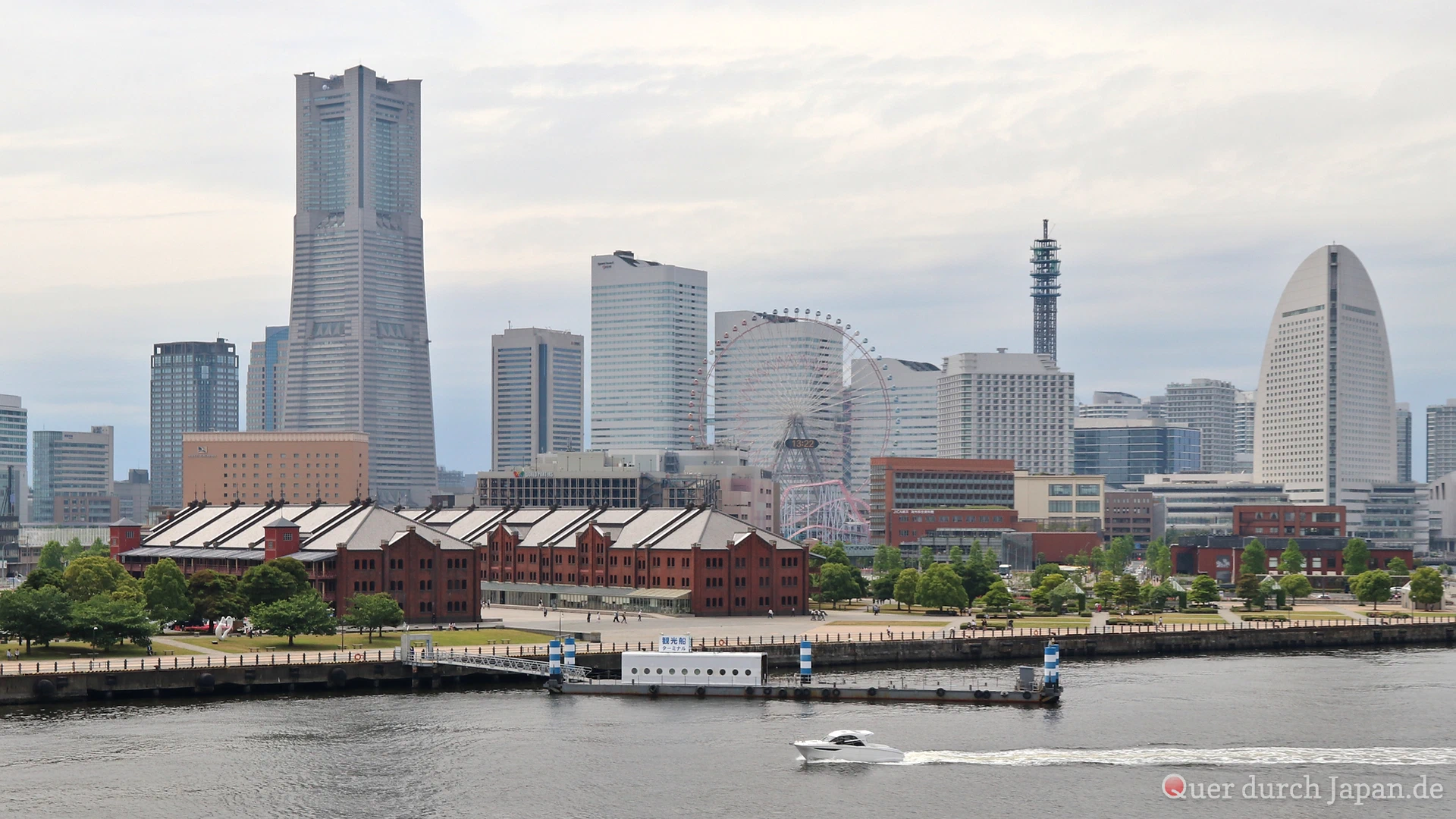
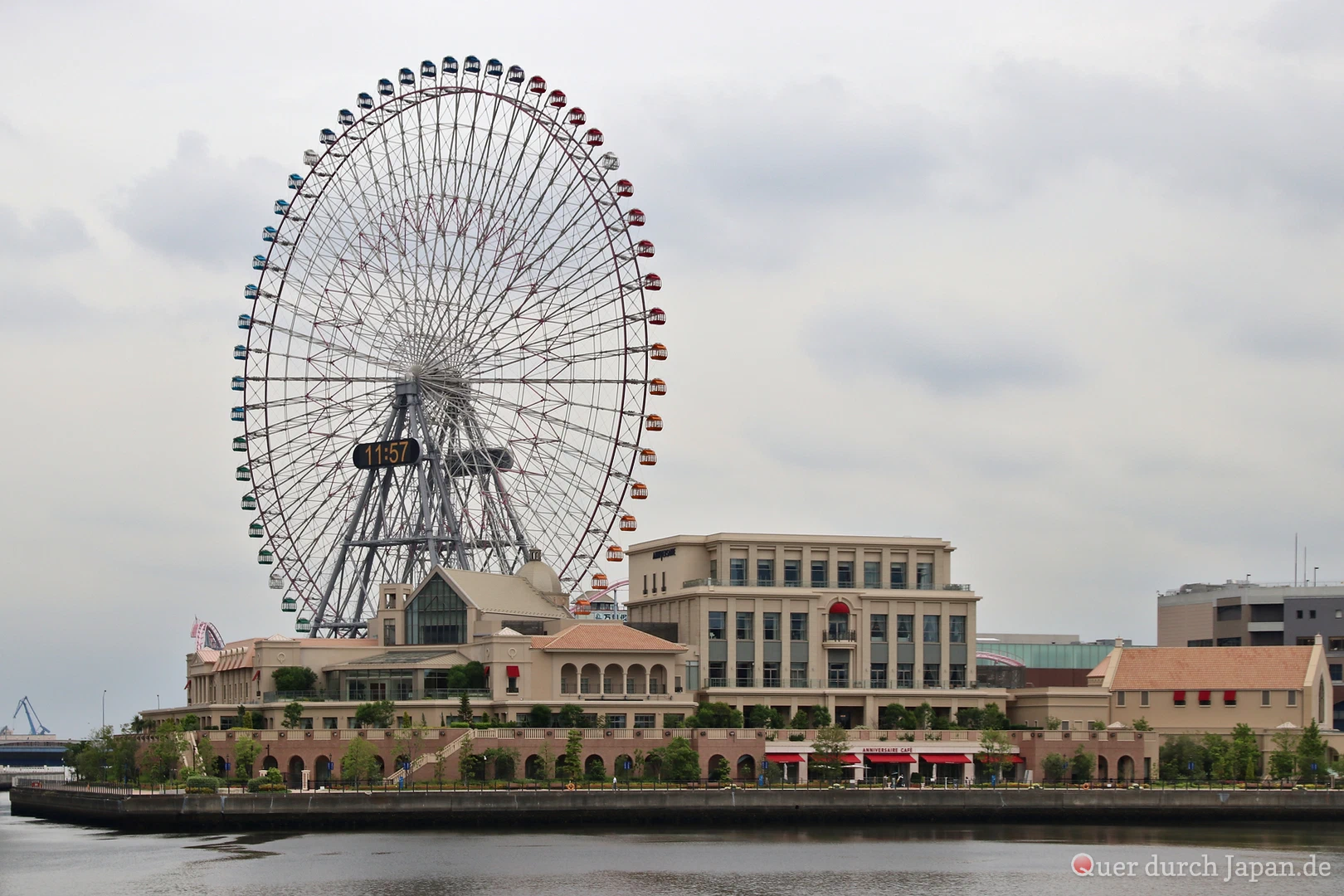
The last Shinkansen ride of this trip, the destination is Yokohama. Tourist-wise, most things luckily happen in the new district Minato Mirai 21, so to the joy of our feet, we didn’t have to walk much today. Prominent spots are the Landmark Tower, the Red Brick Warehouses and Cosmo World with its eye-catching Ferris wheel.

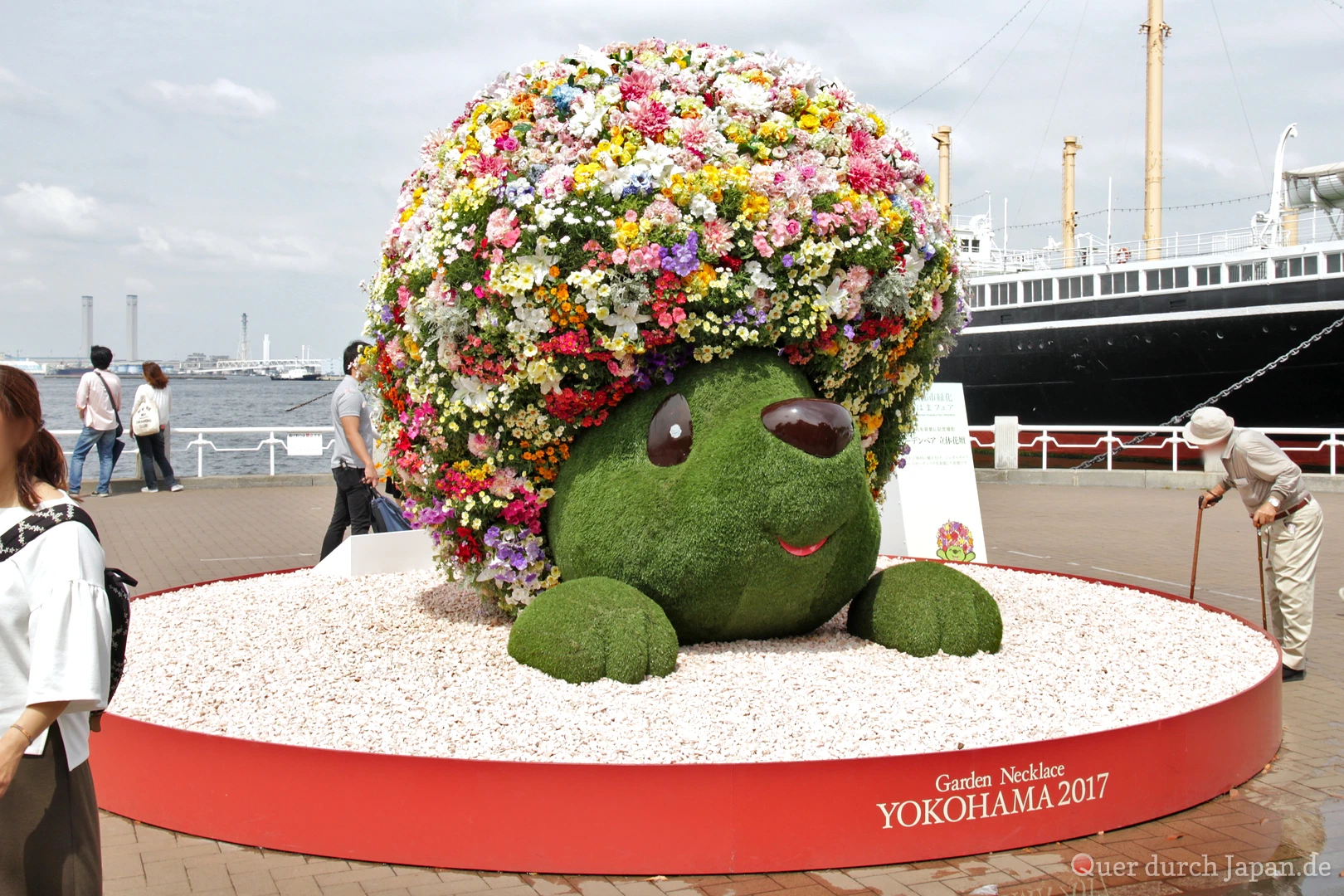
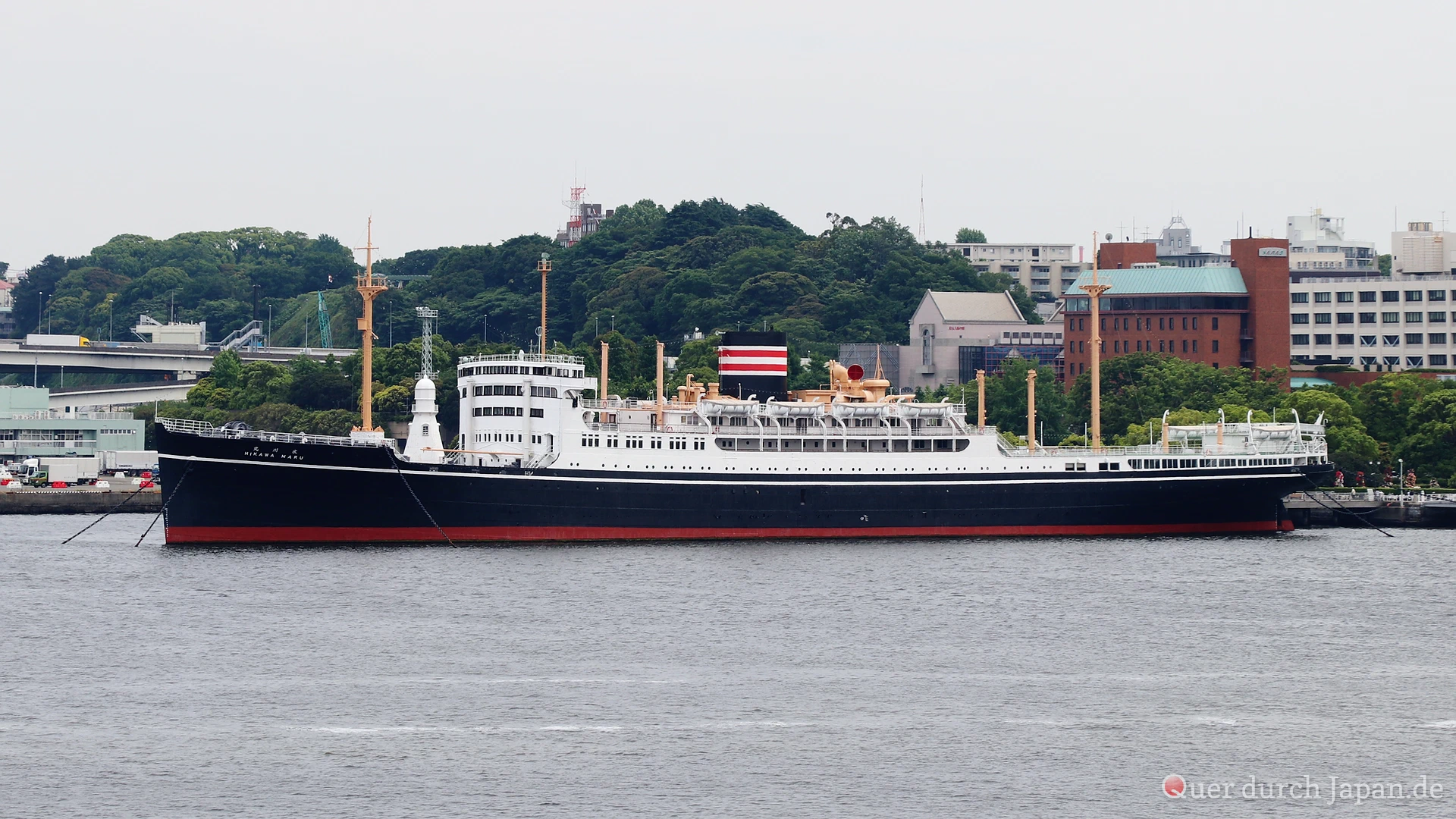
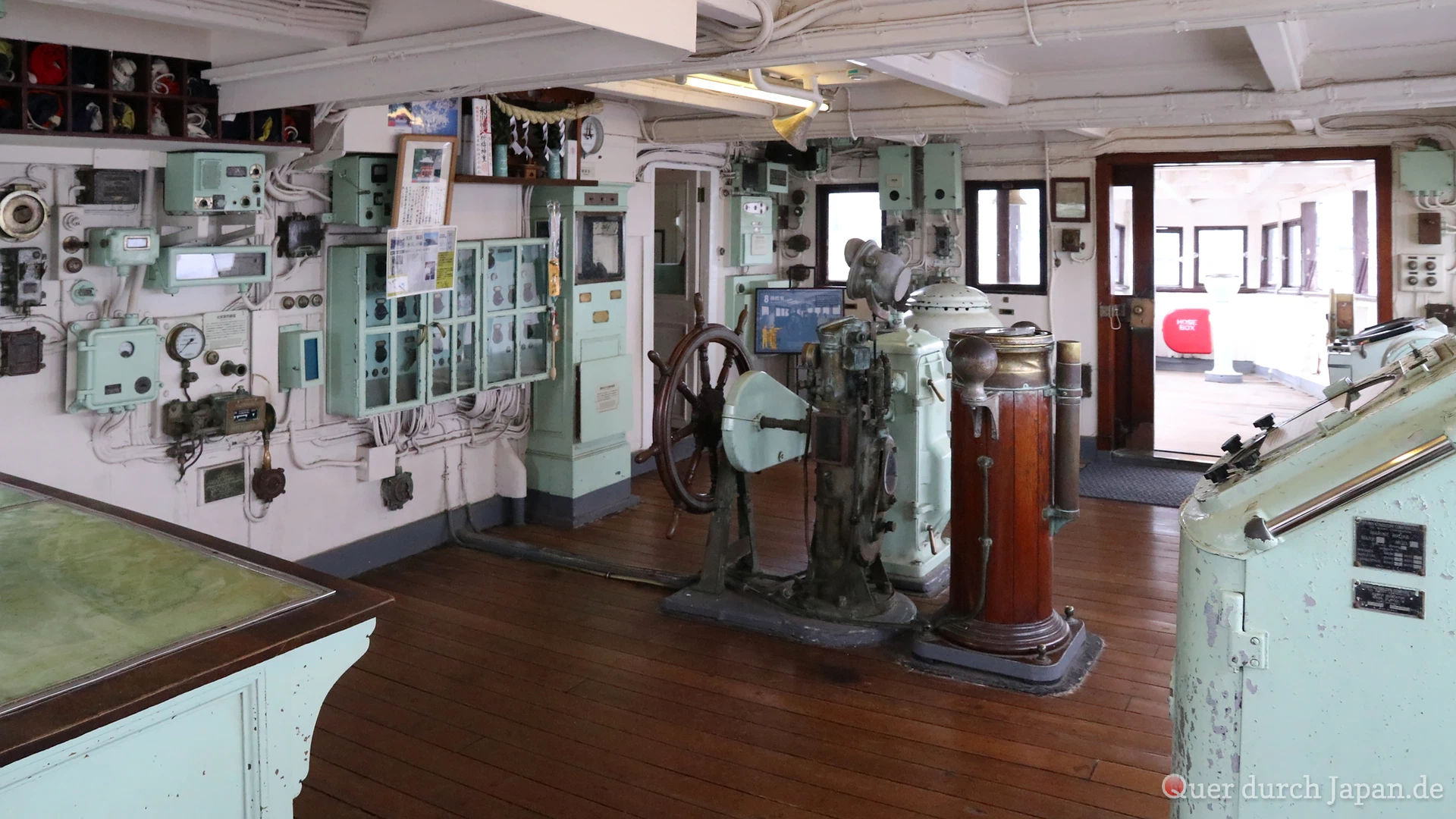
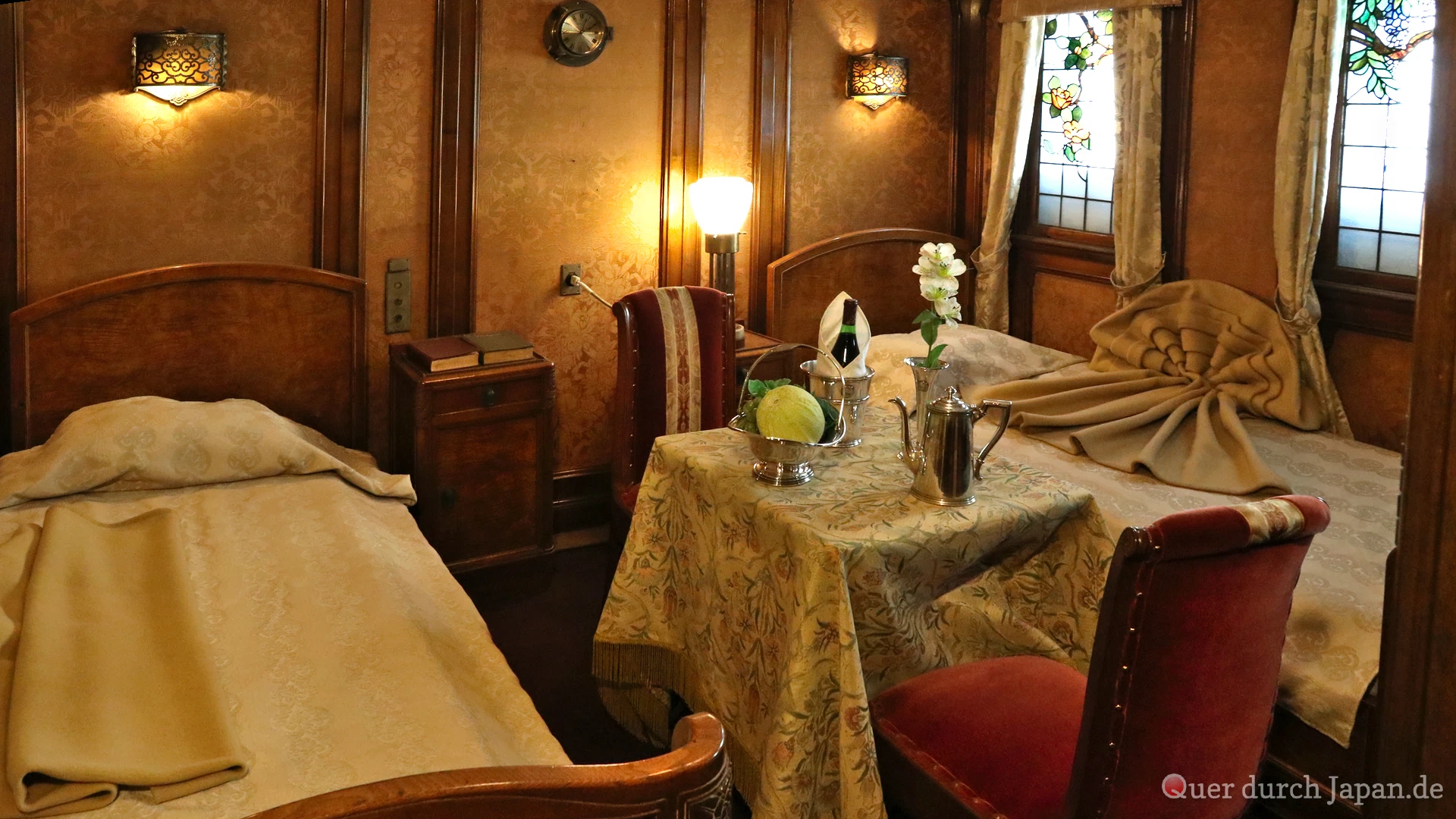
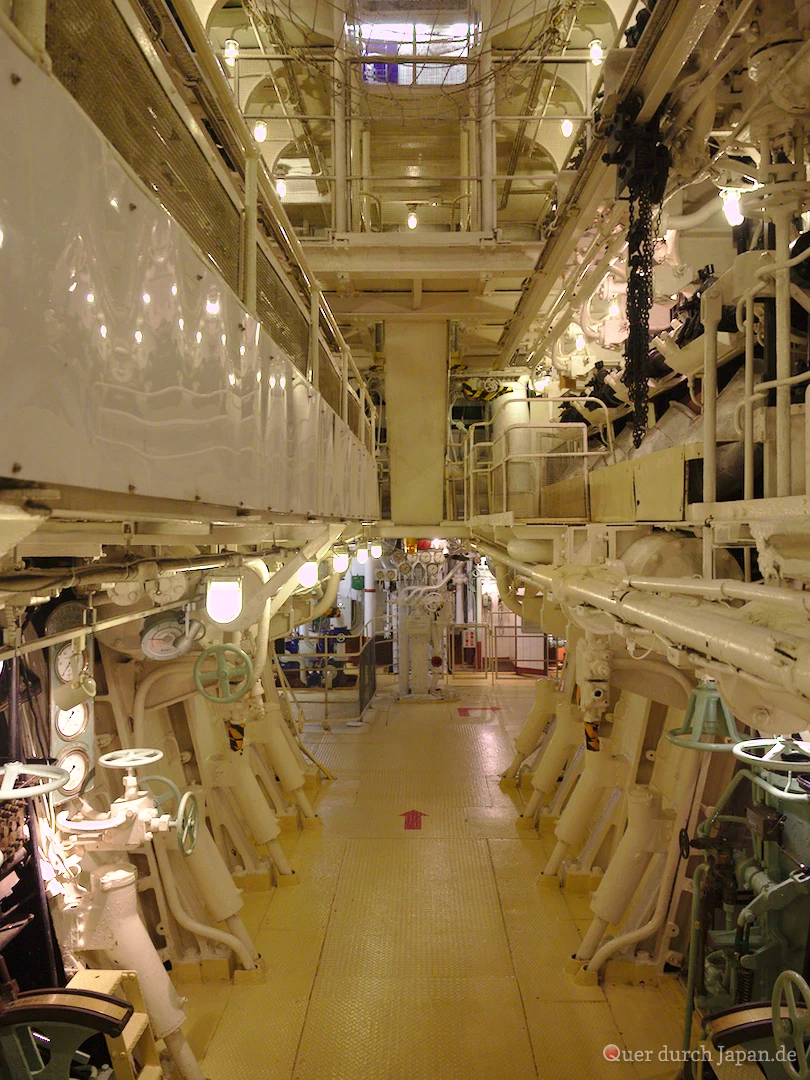
In the harbour lies the Hikawa Maru, a passenger ship from 1930, which can now be visited as a museum.

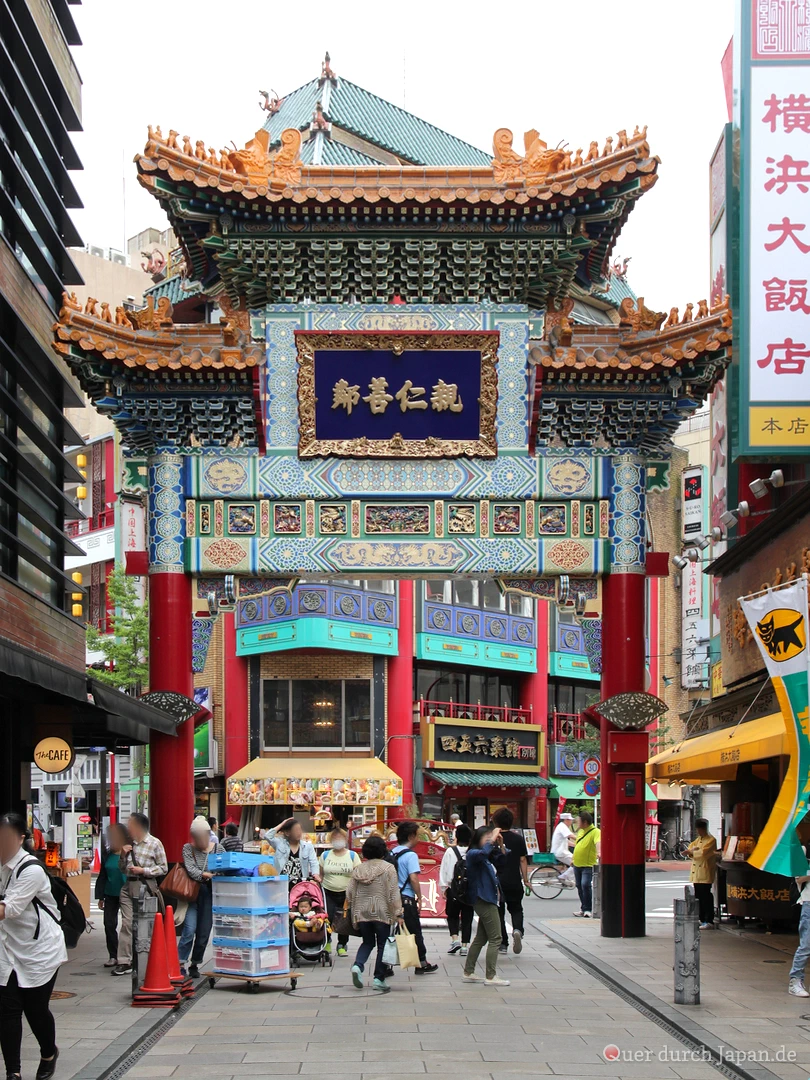
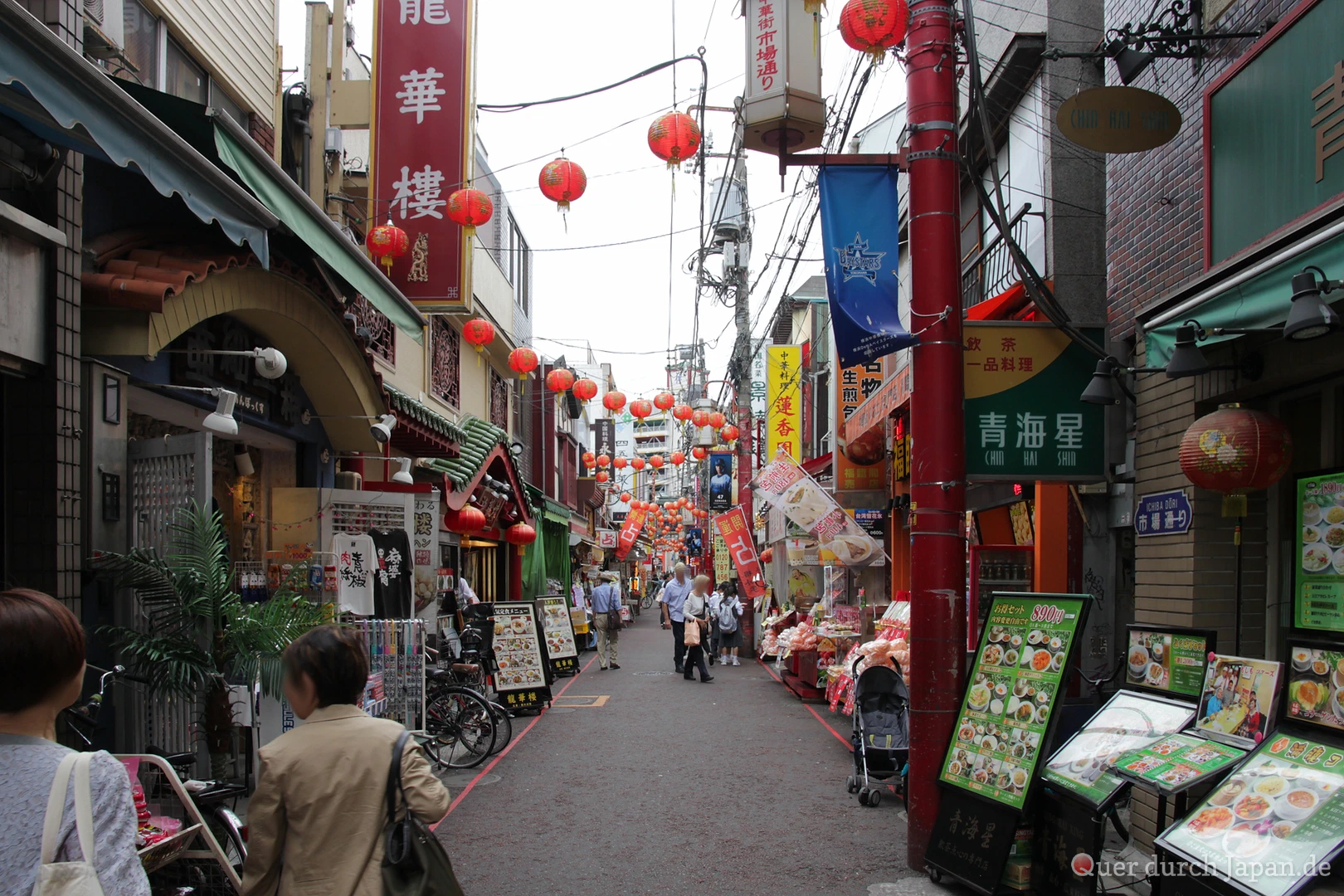
A little bit away from that is Yokohama’s Chinatown, which is well worth seeing.