Travel Journal 2018

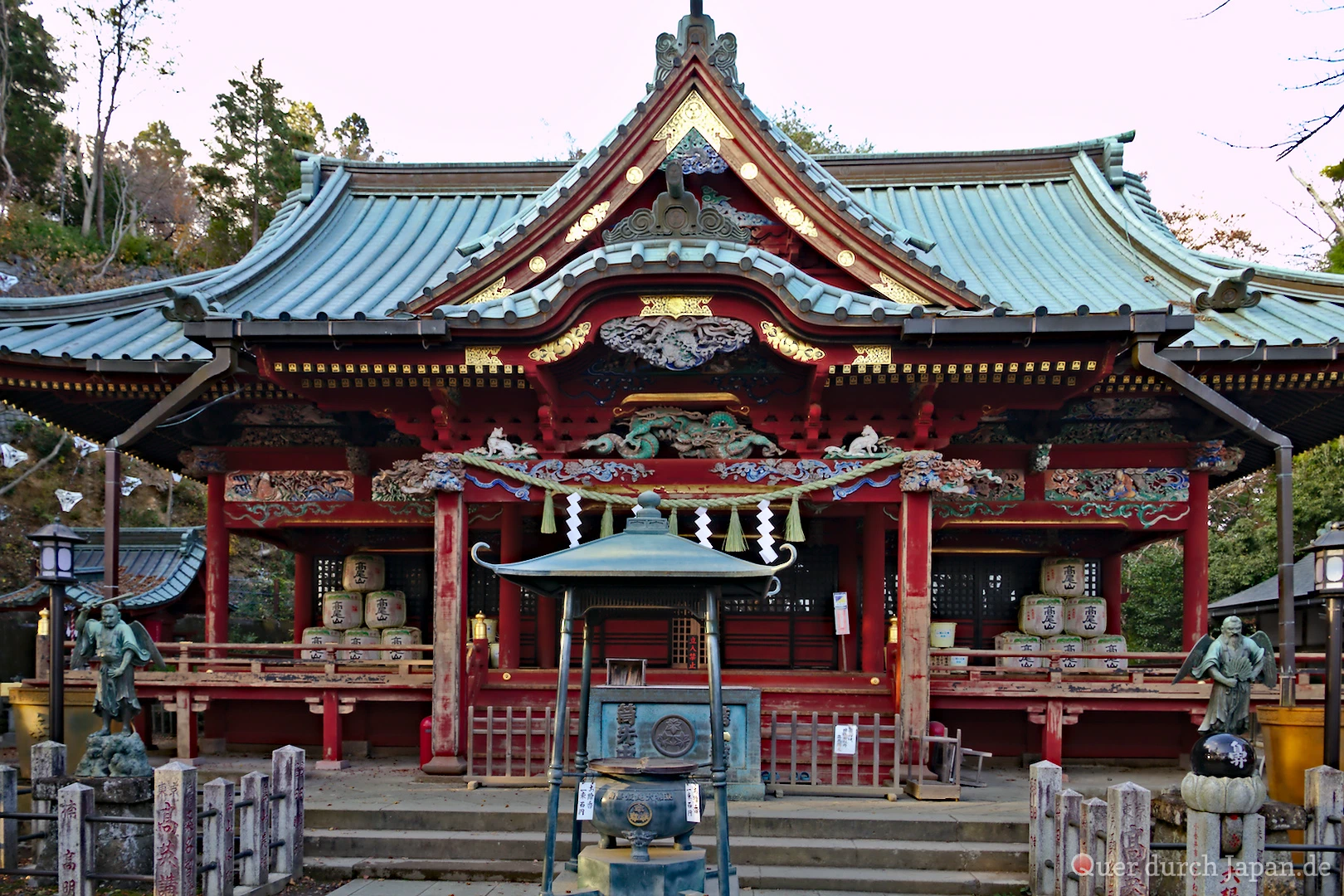
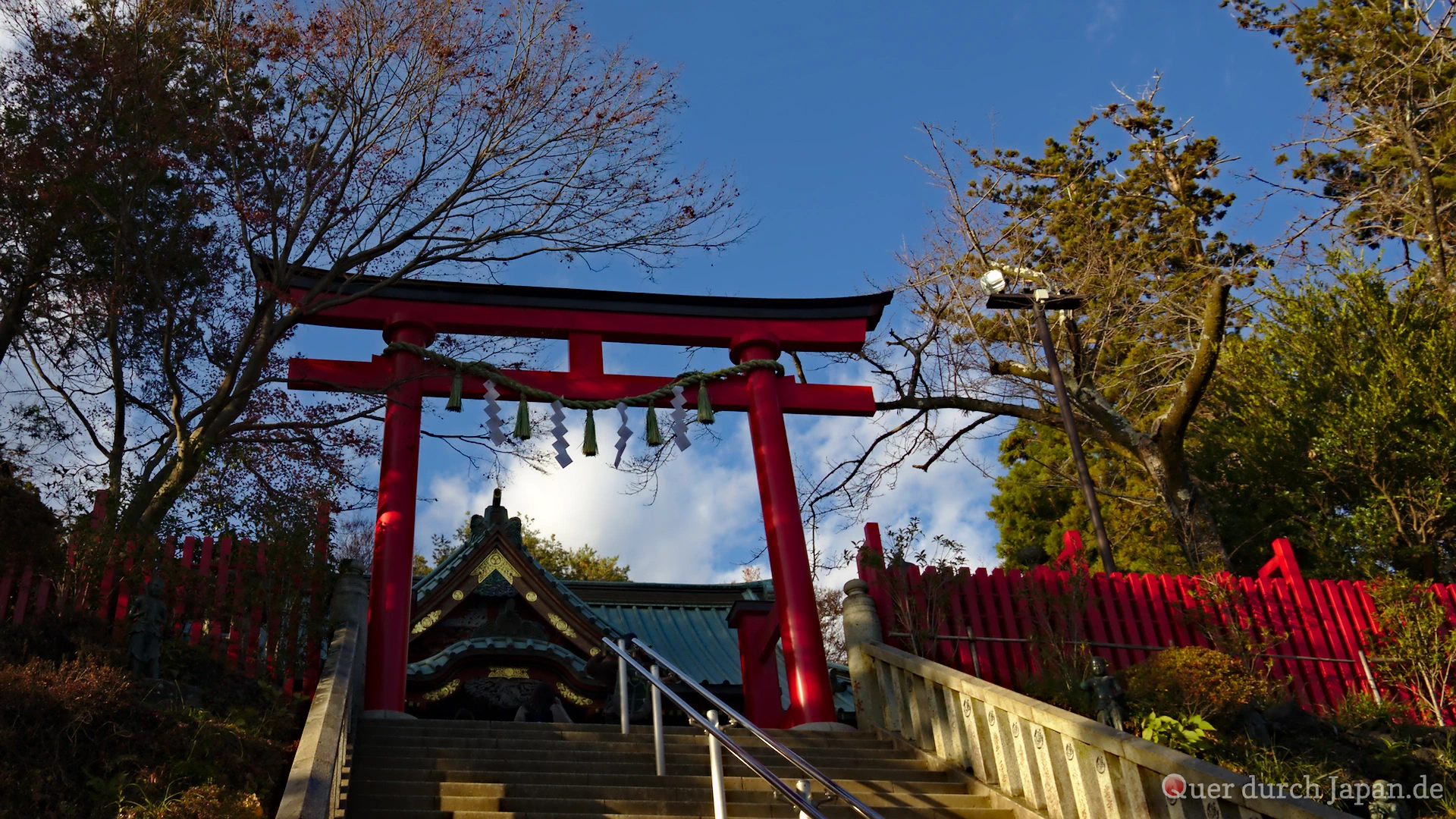
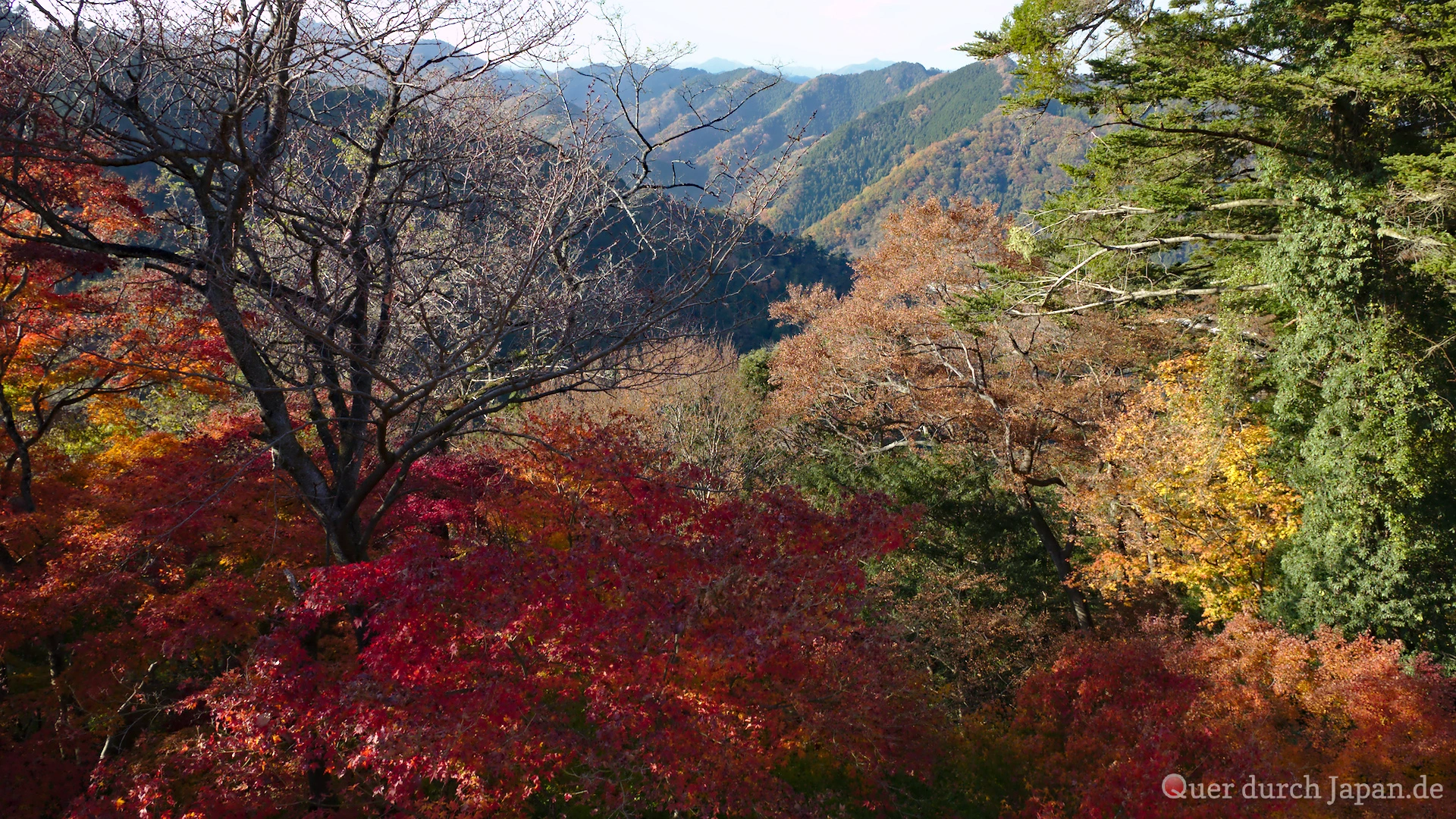
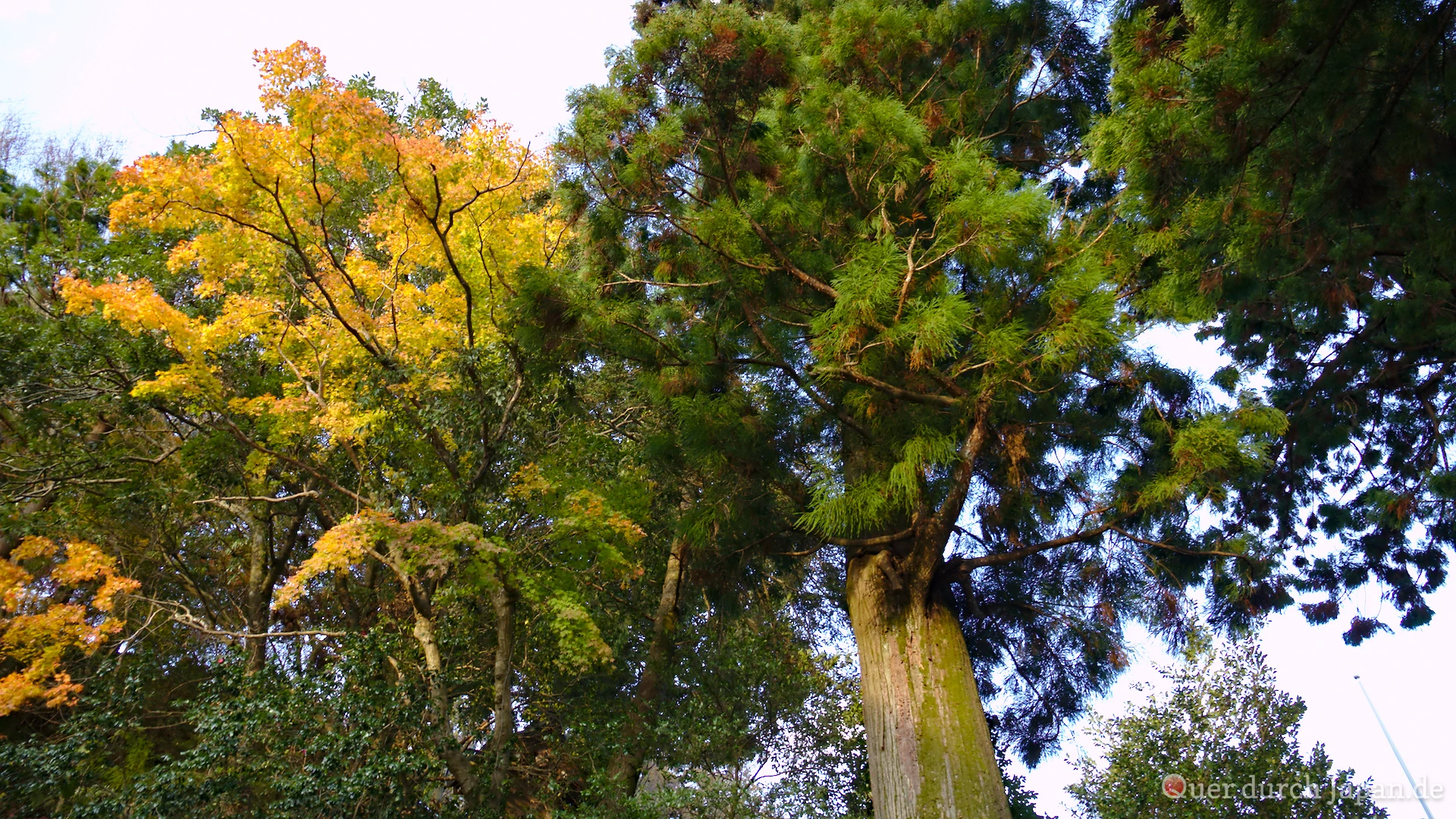
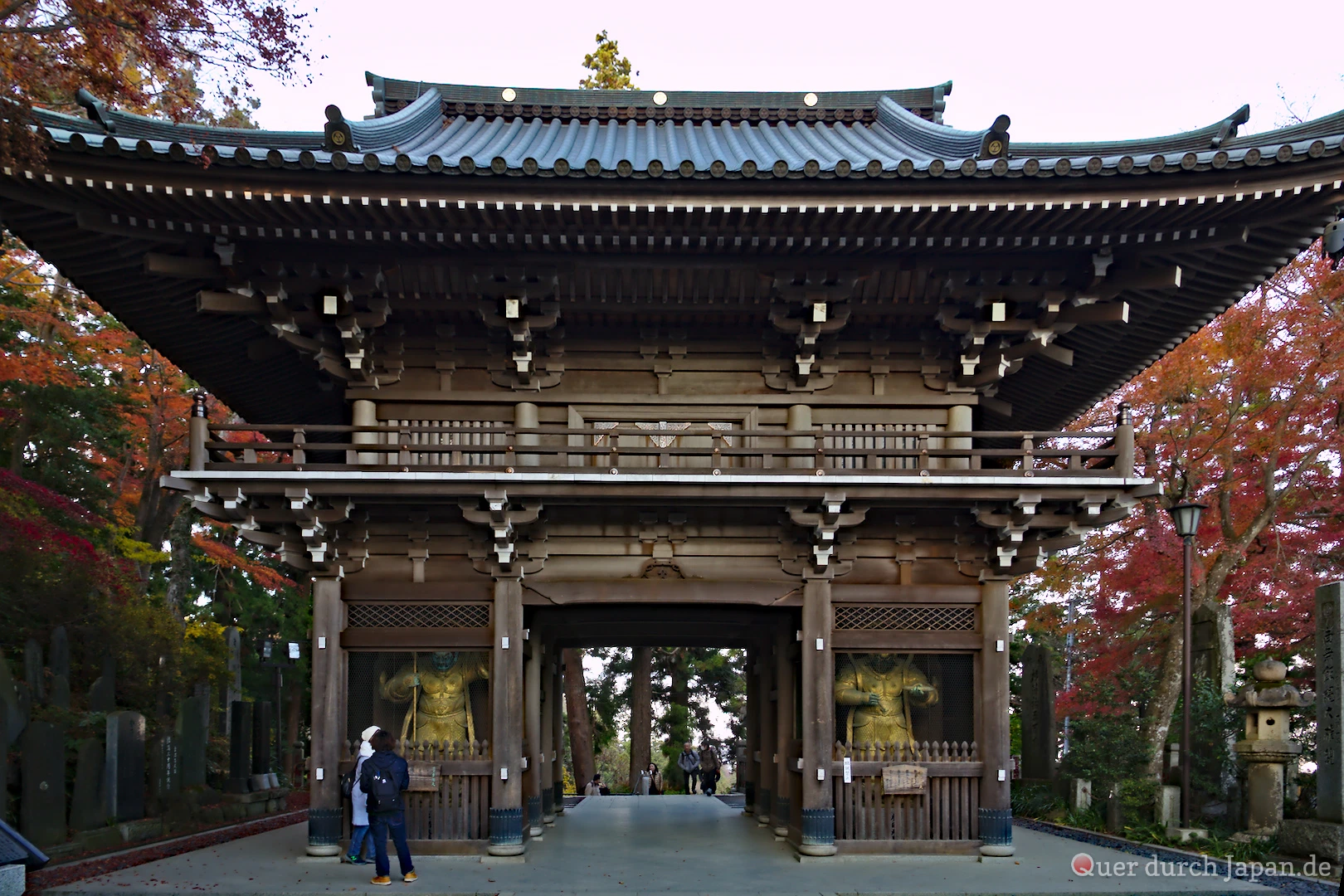
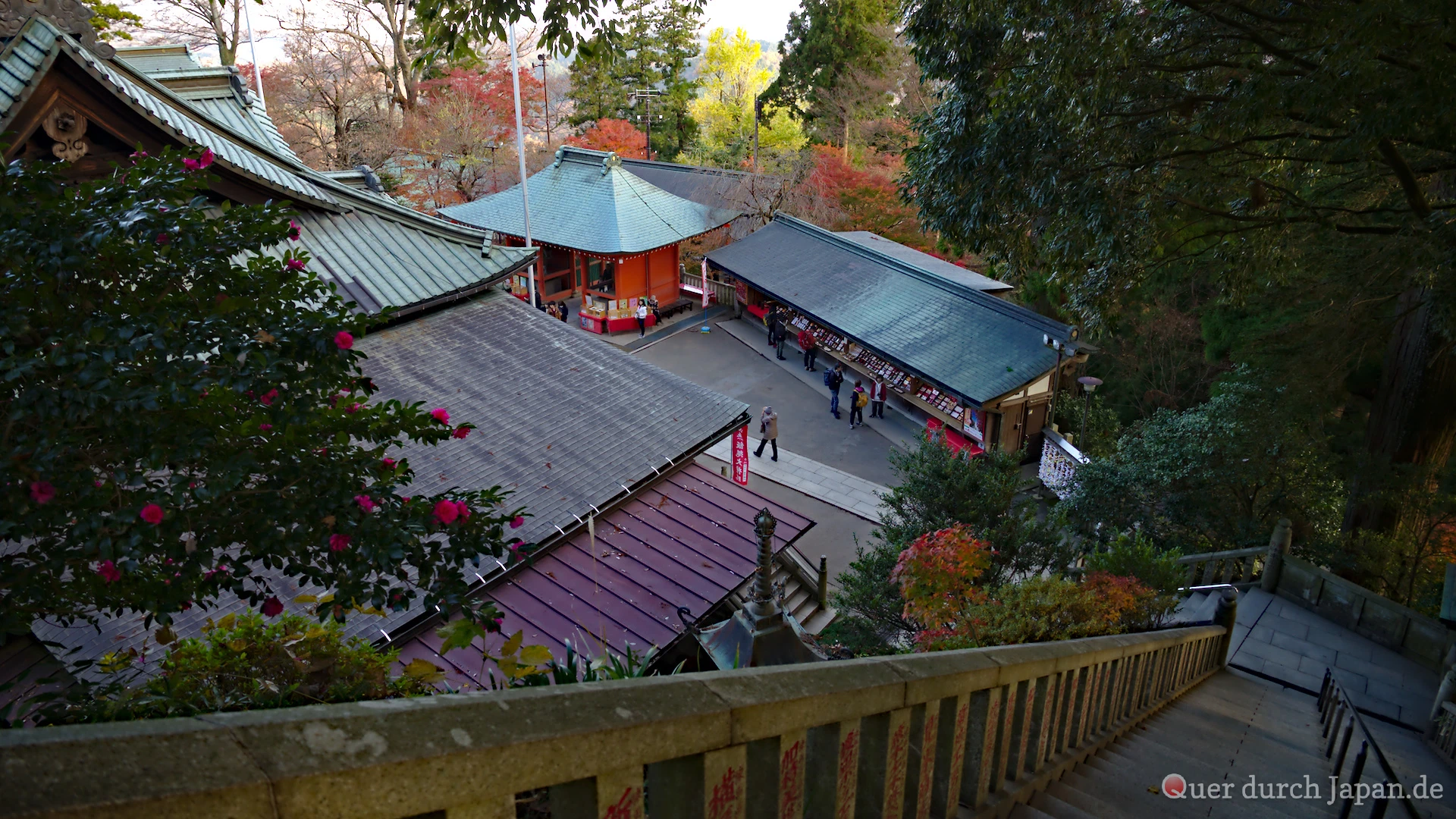
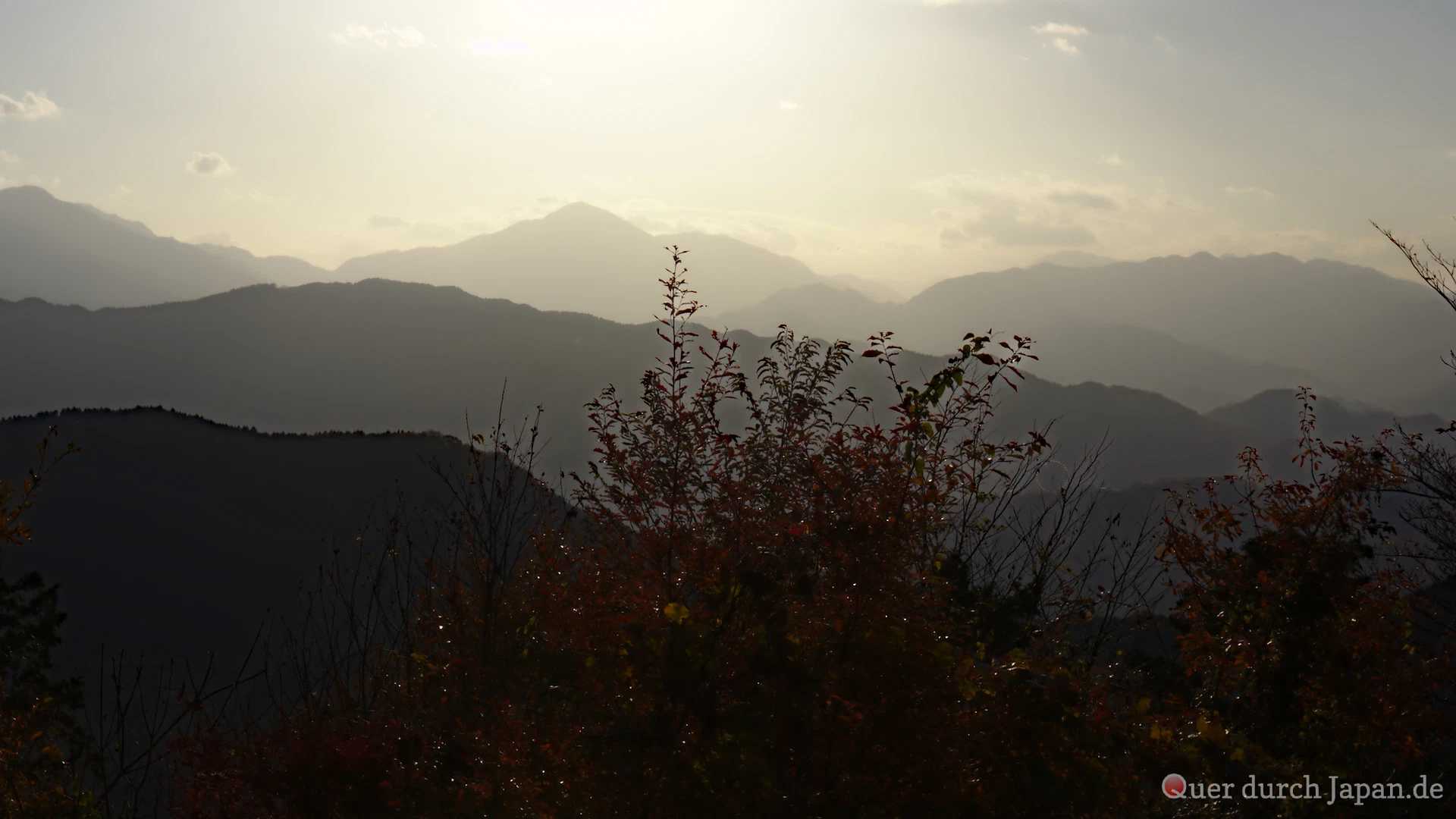
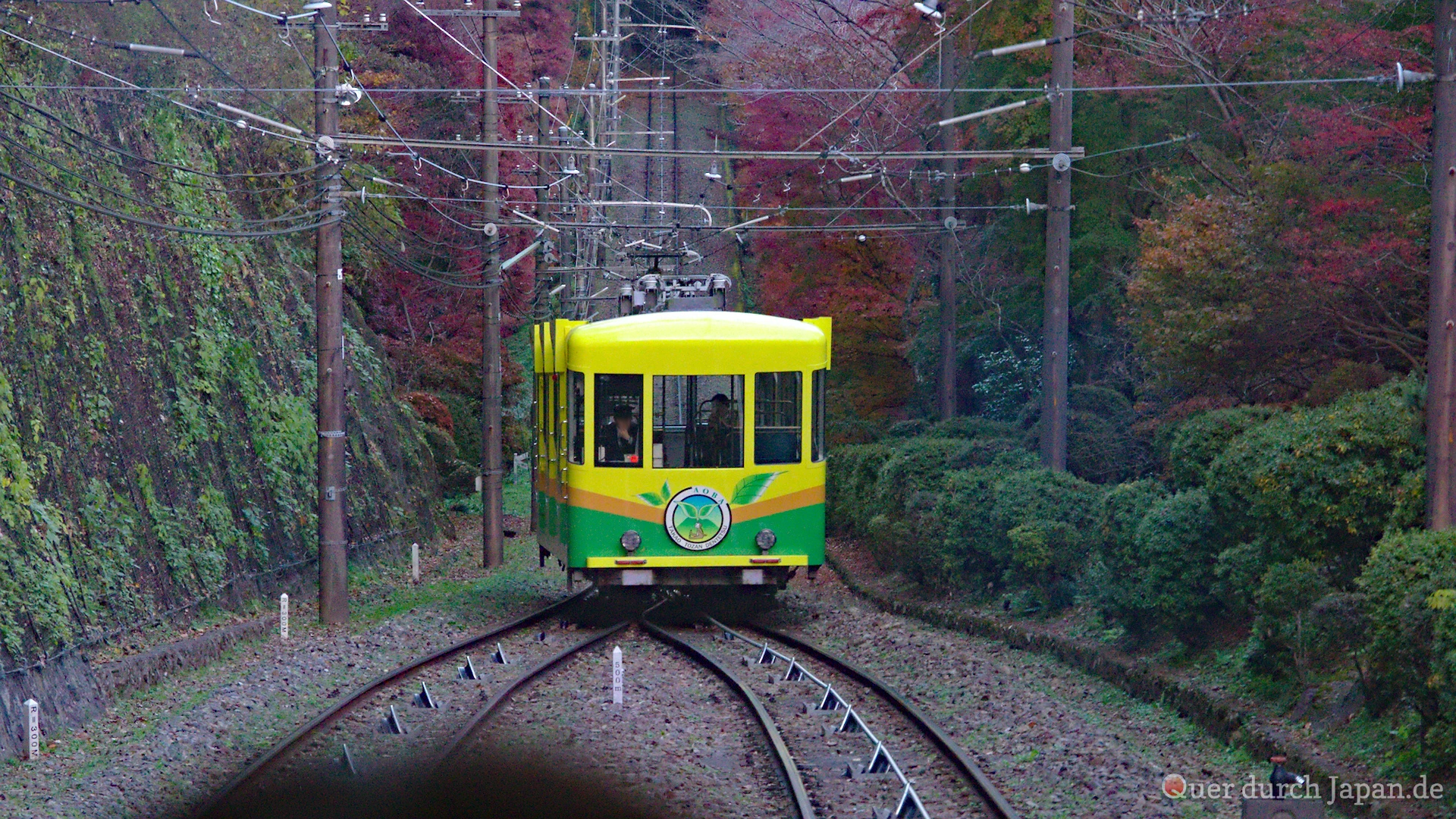
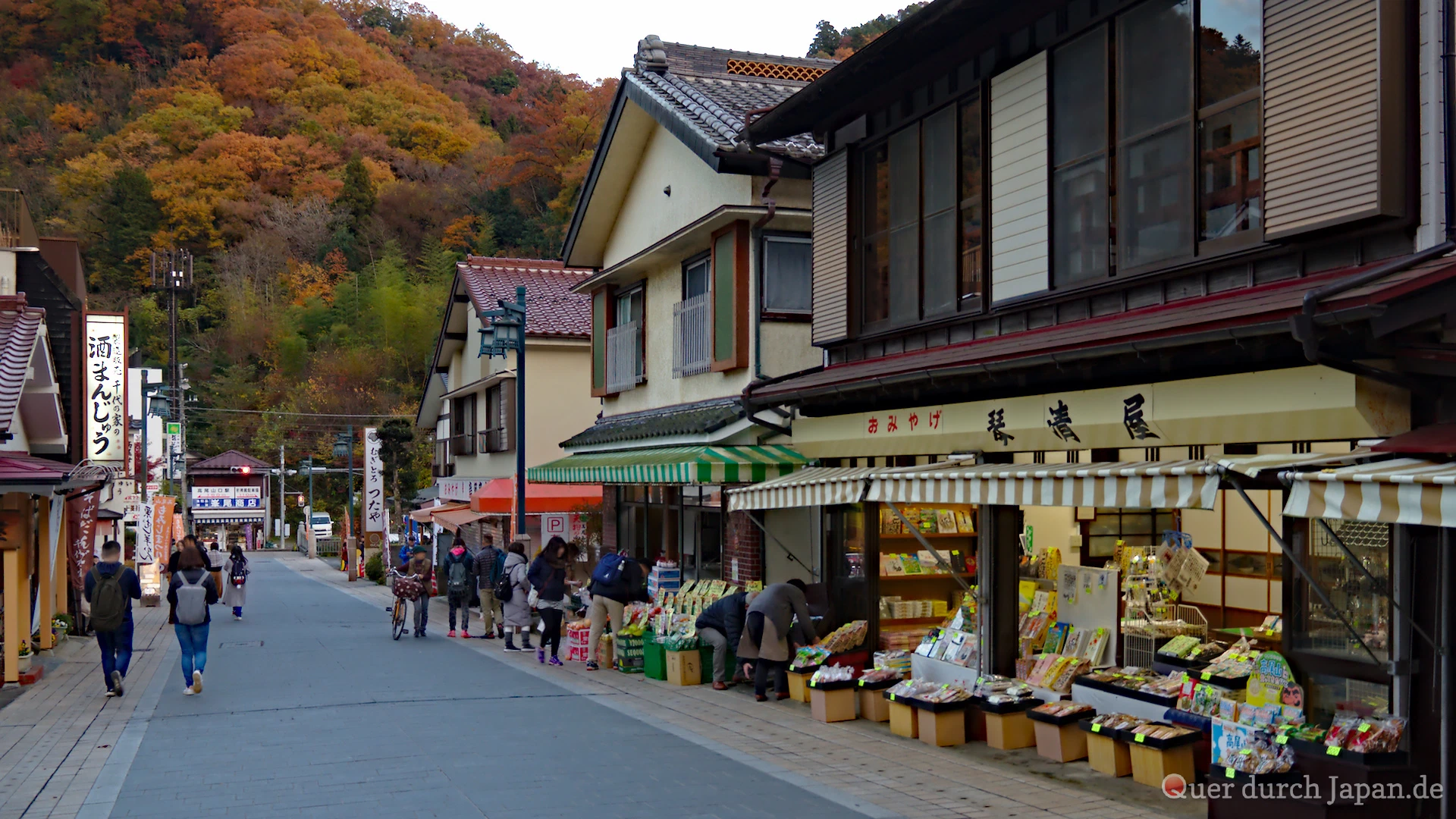
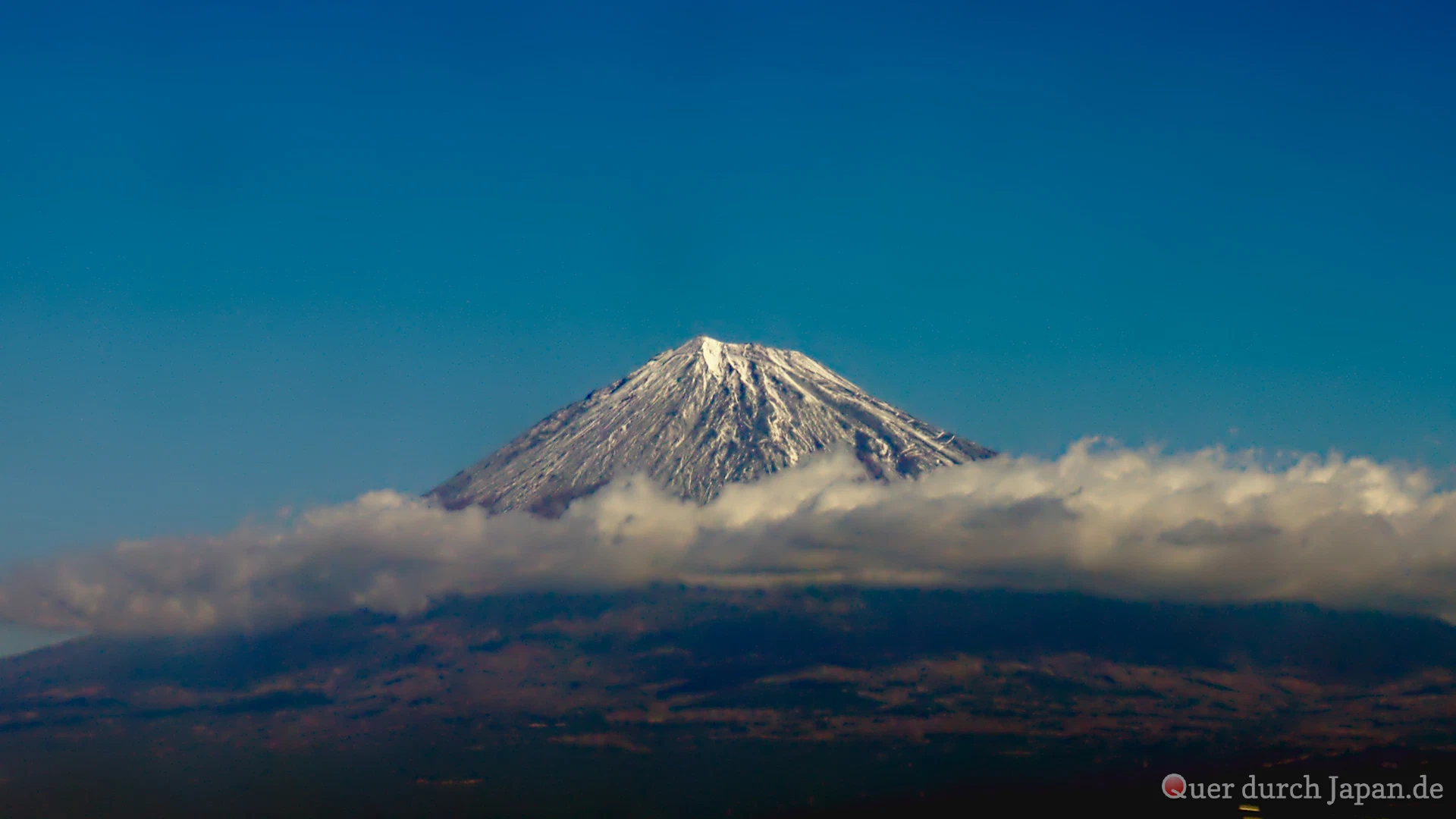
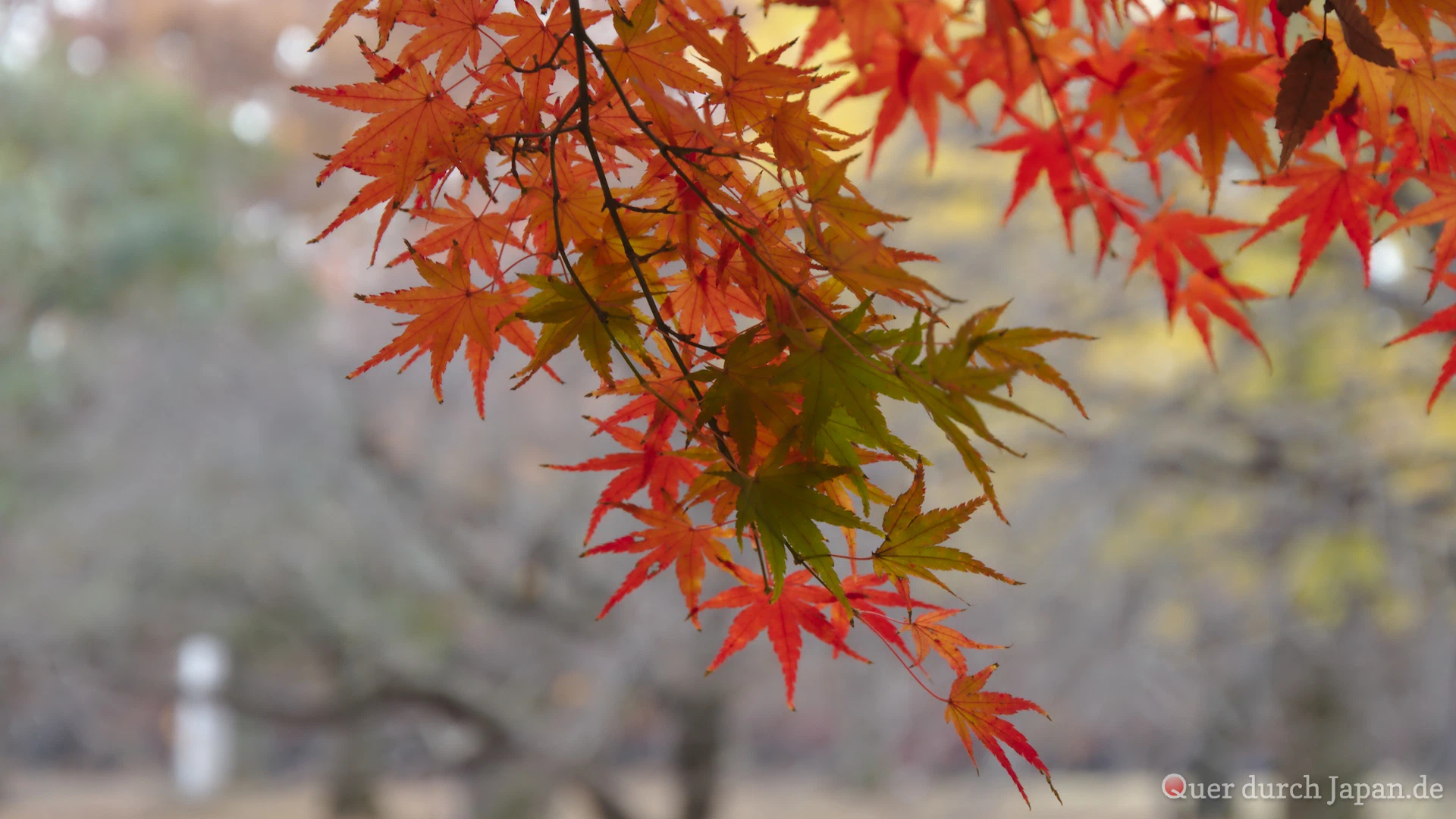
West of Tokyo is Mount Takao-san. You can get up it by funicular railway, and after a few more minutes’ walk, you reach the Yakuoin temple. With a bit of luck, you’ll see gorgeous autumn colours there, and with a bit more luck, you can even admire Fuji-san.
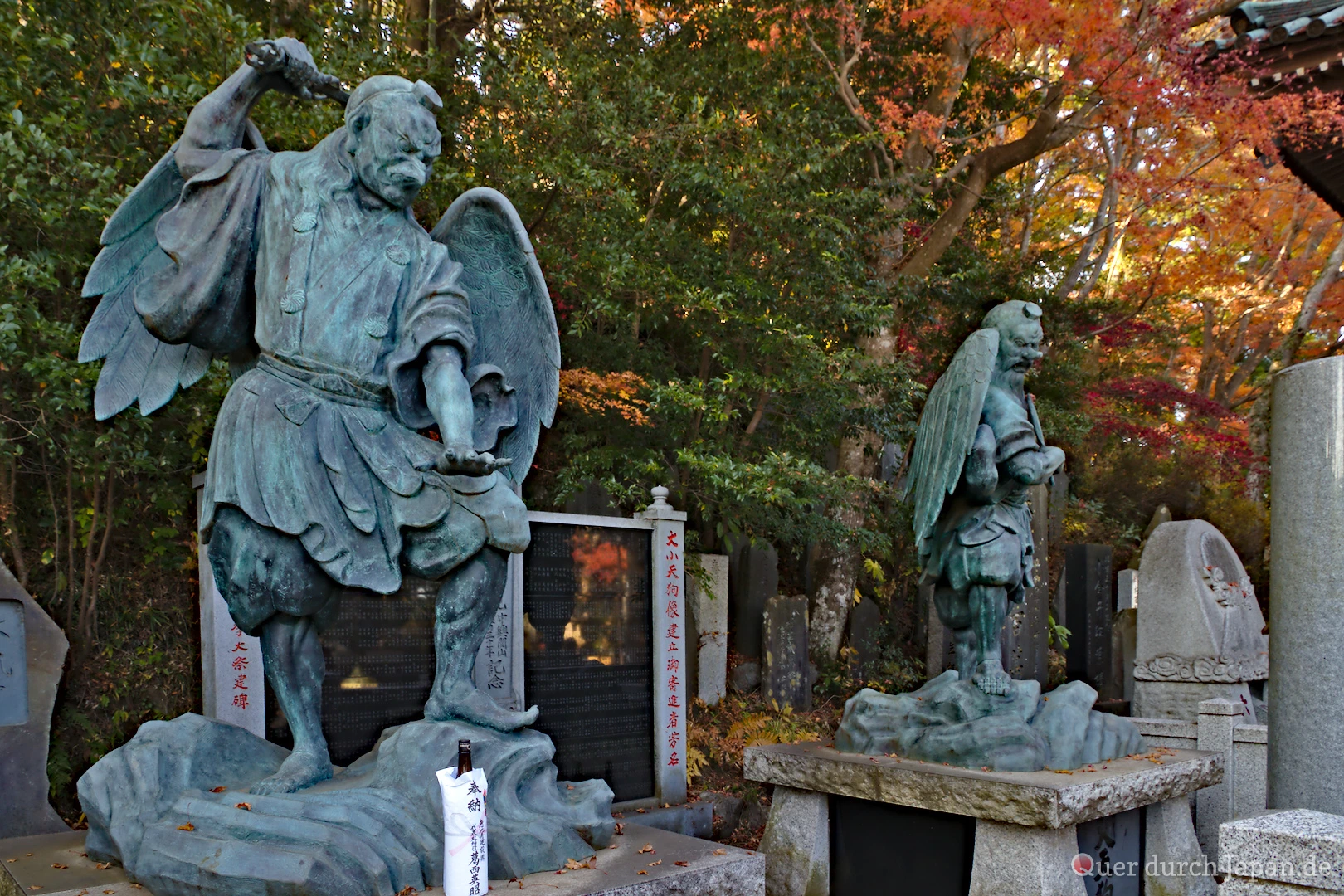
Yakuoin is dedicated to the mountain gods, the so-called Tengu. They’ve got a long nose or a beak.

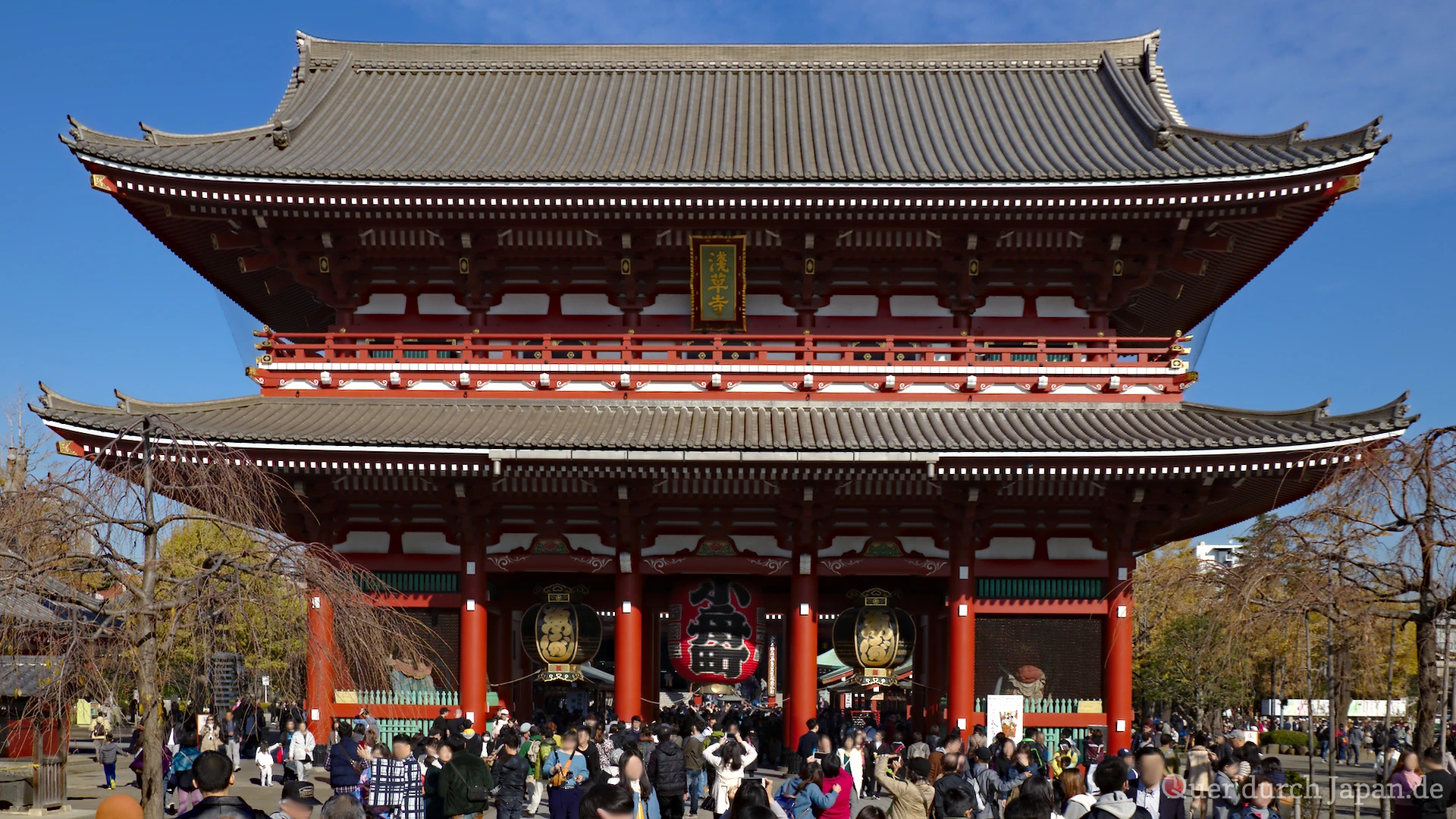
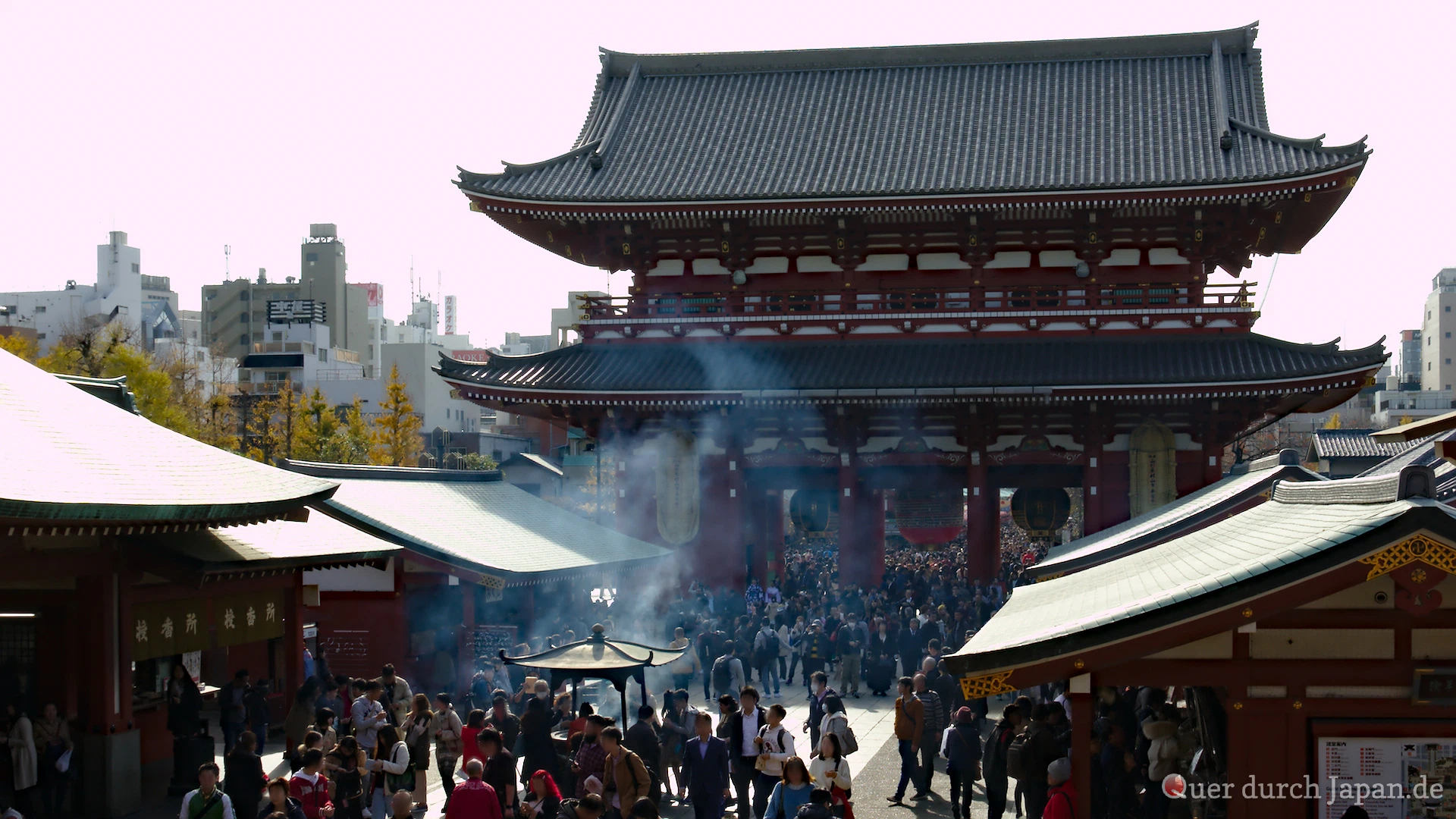
Today we took it easy wandering through Tokyo. In the Asakusa district, we first visited the Senso-ji. The temple is a must-do on our itinerary every time we visit Tokyo.

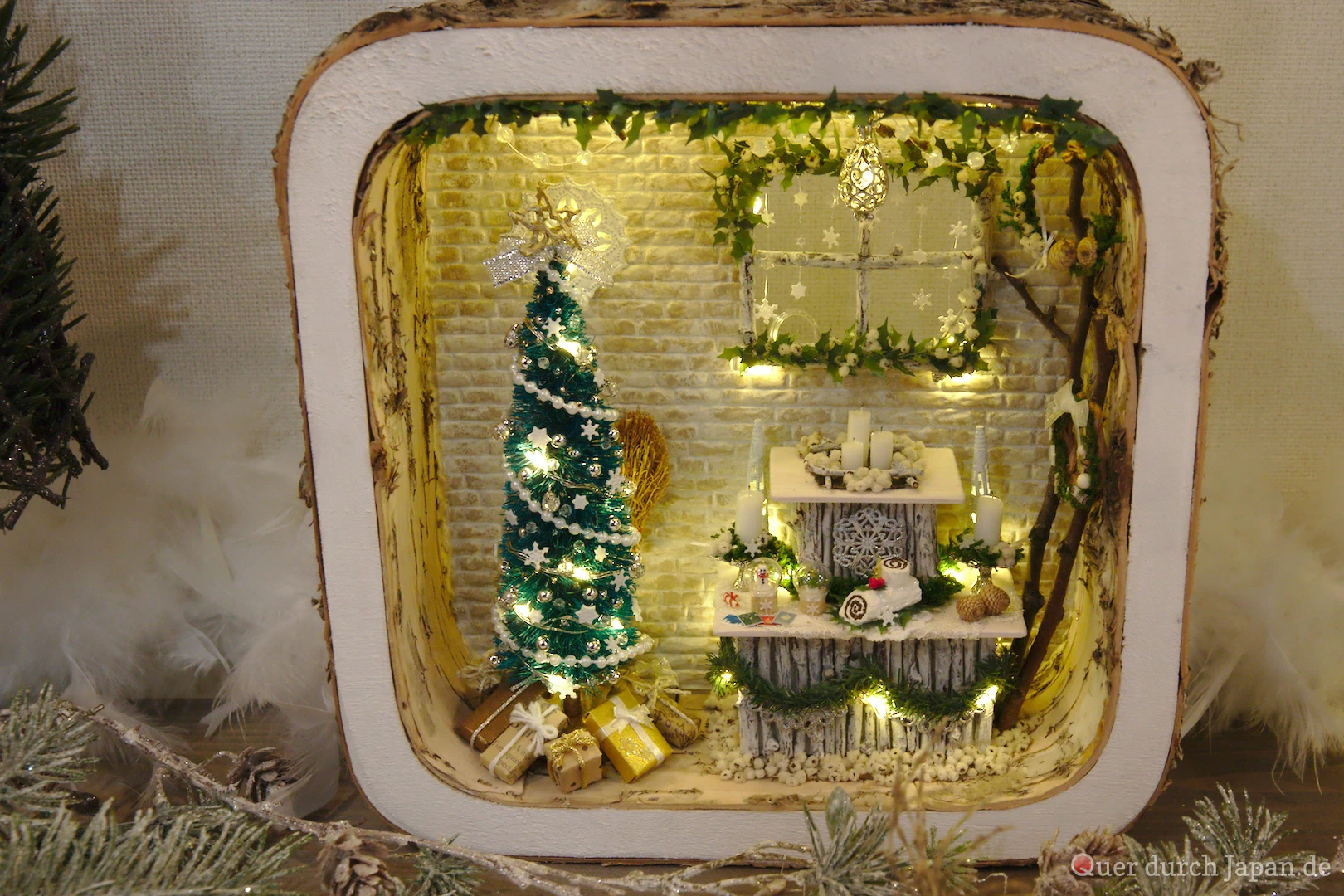
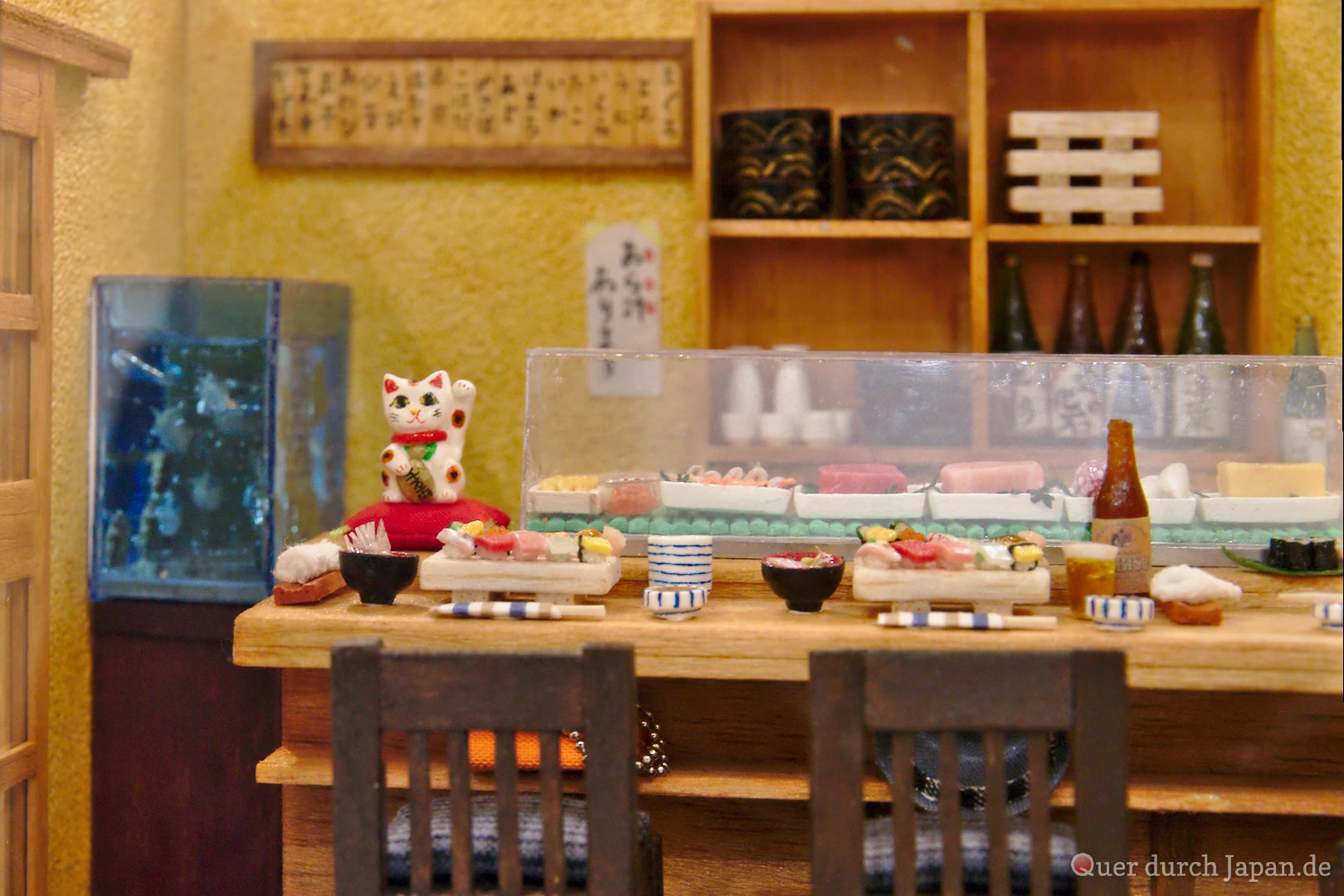
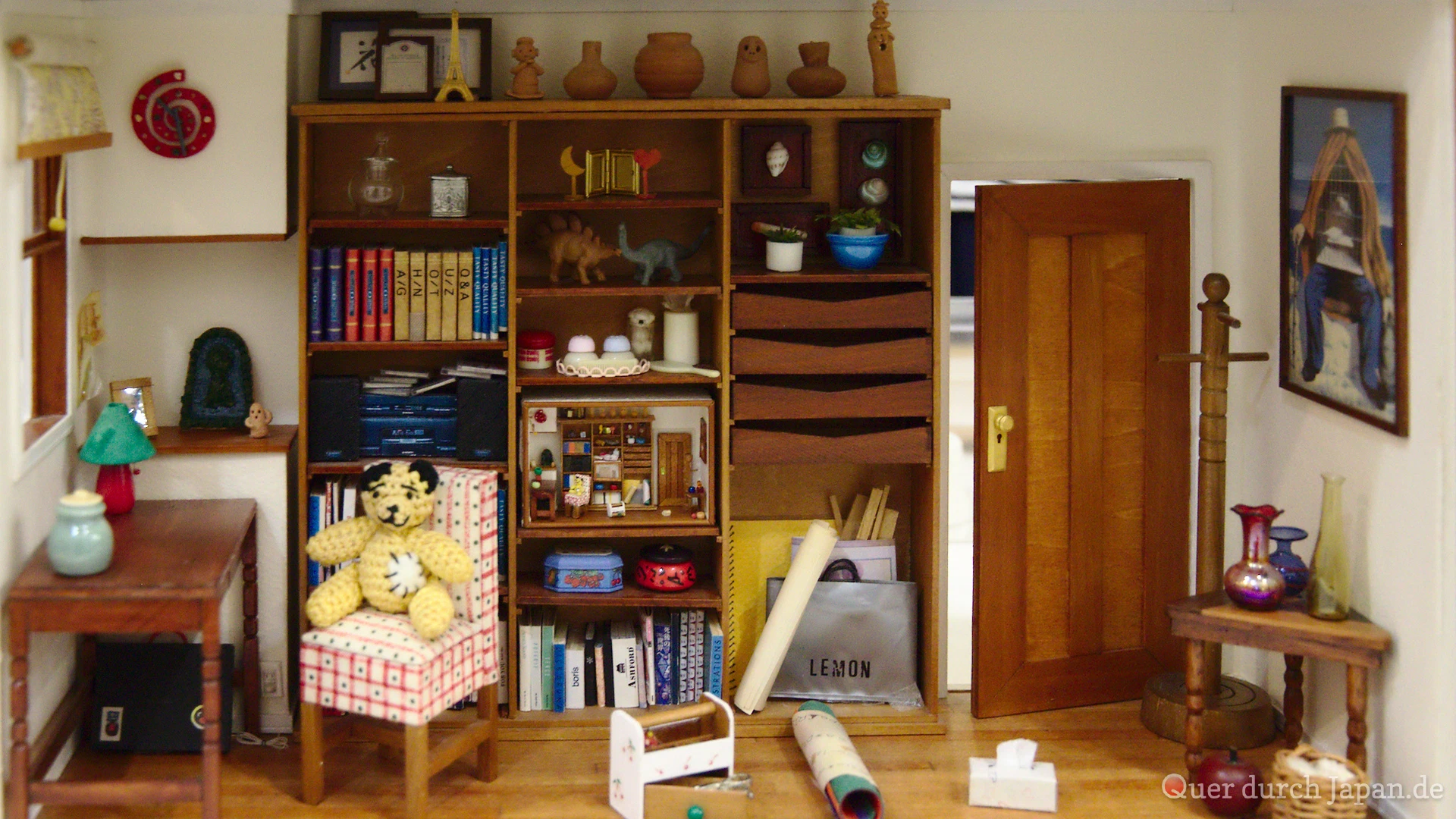
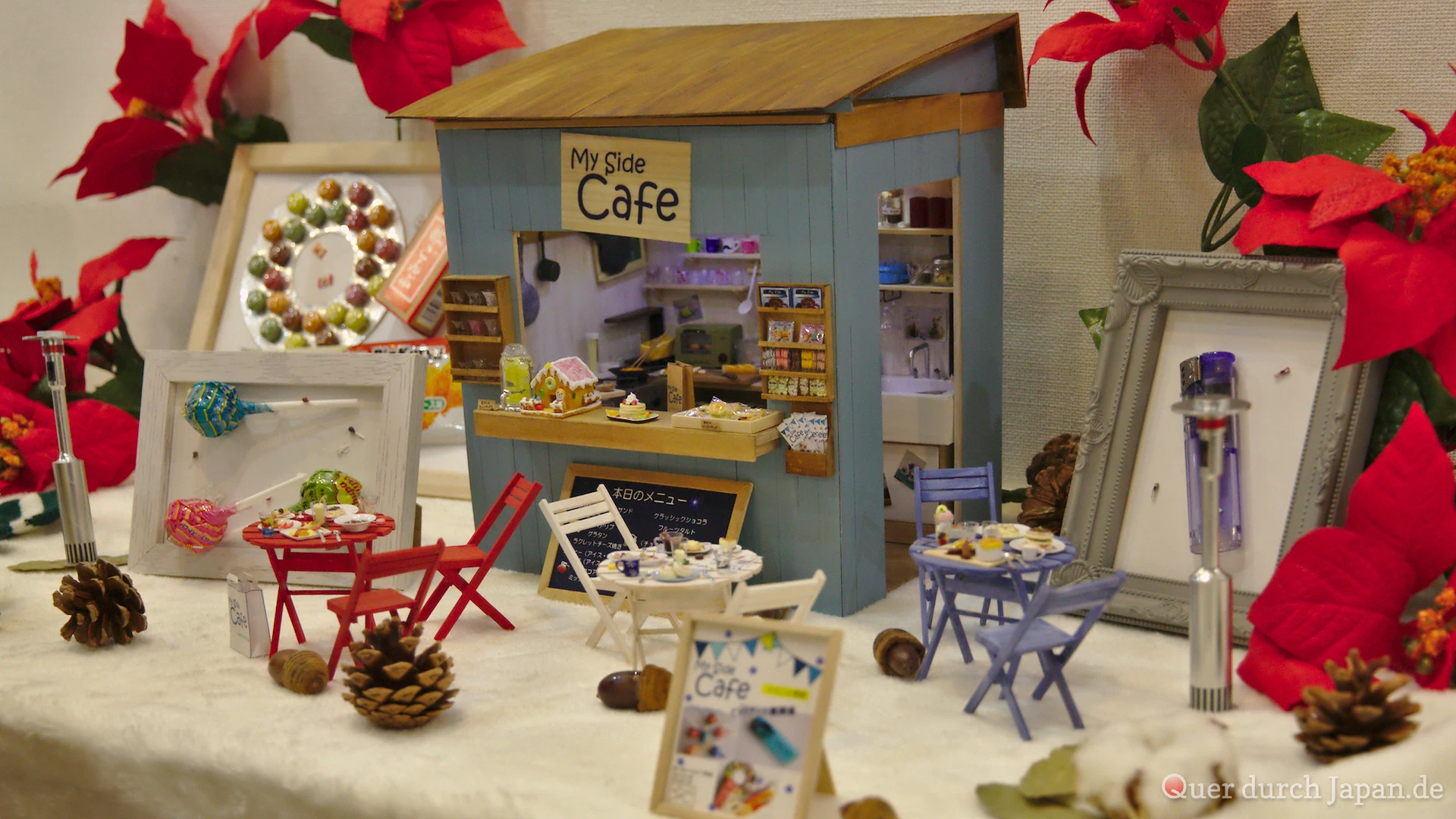
After that, we popped into a little gallery where artists were exhibiting miniatures and photos of miniature worlds.

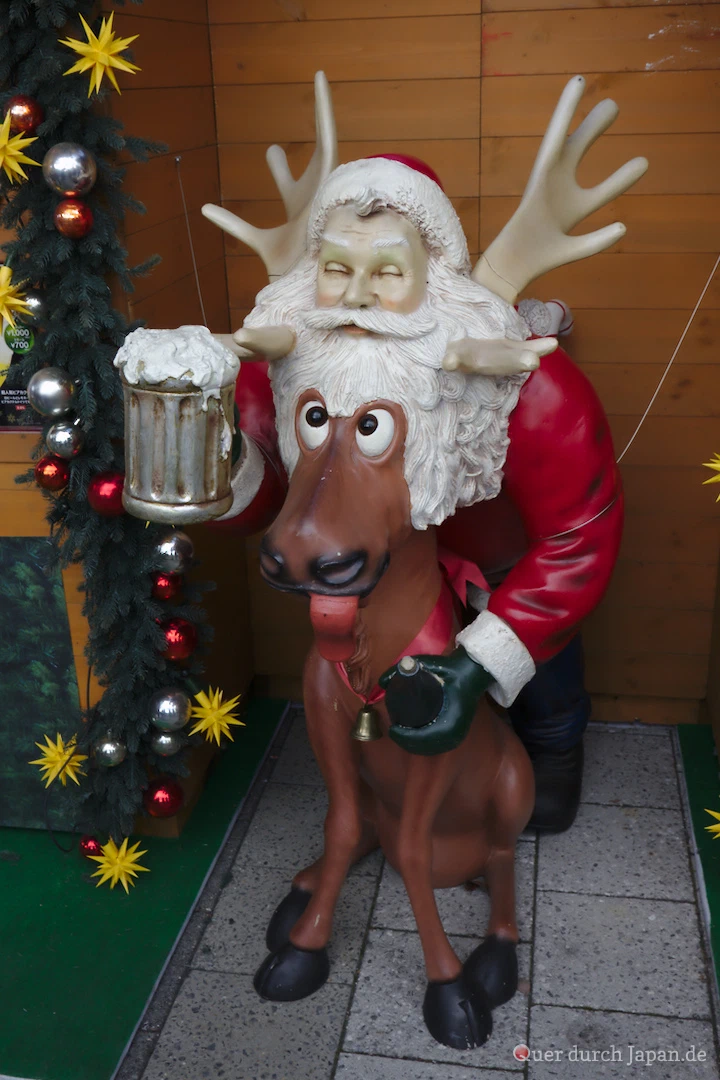
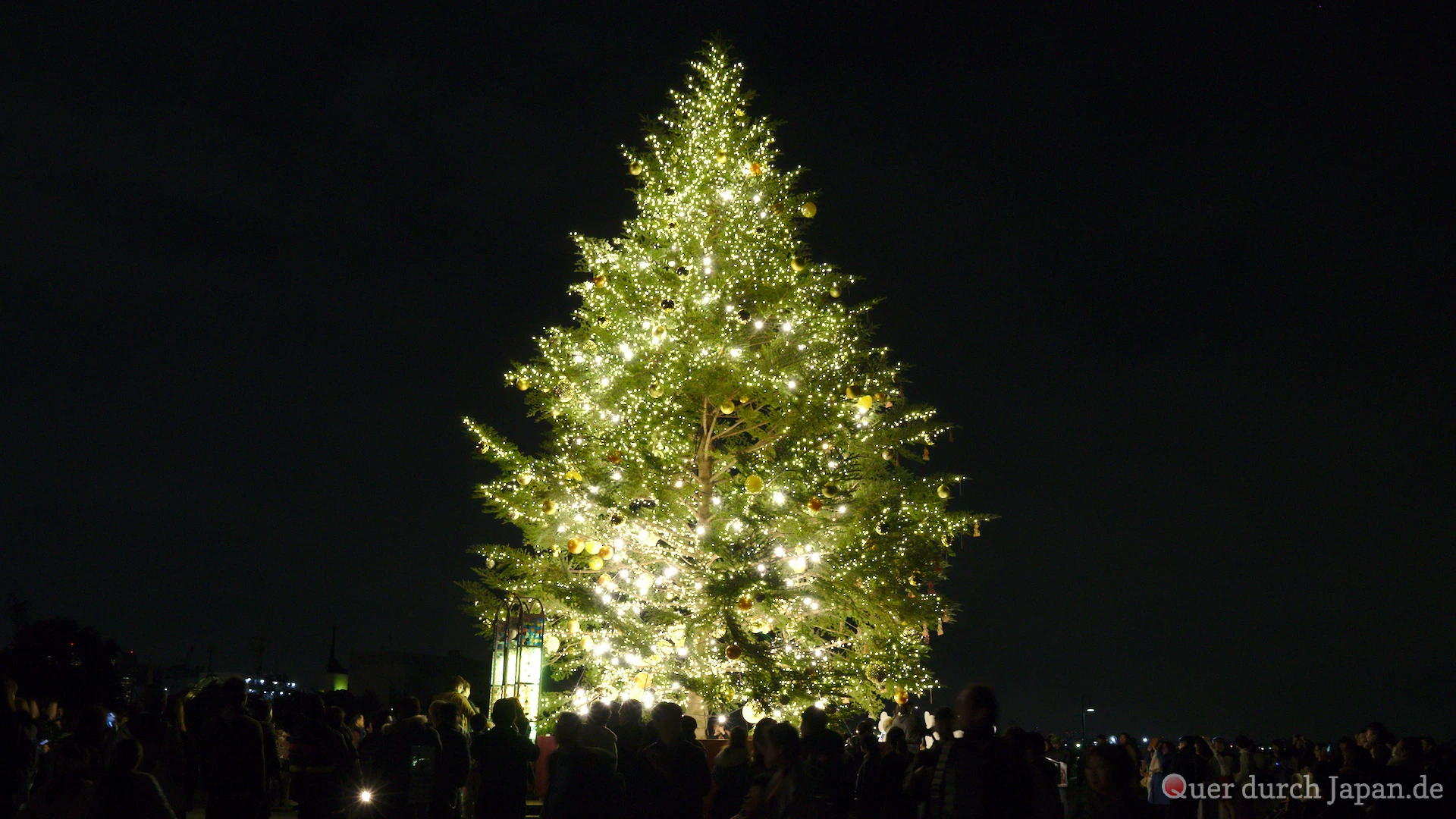
There’s another German Christmas market by the Tokyo Skytree. It’s really small, though, with the selection pretty much limited to mulled wine (more of a mulled punch really), crêpes, beer and bratwurst. But to make up for it, a Japanese a cappella group was singing their songs by the Christmas tree.

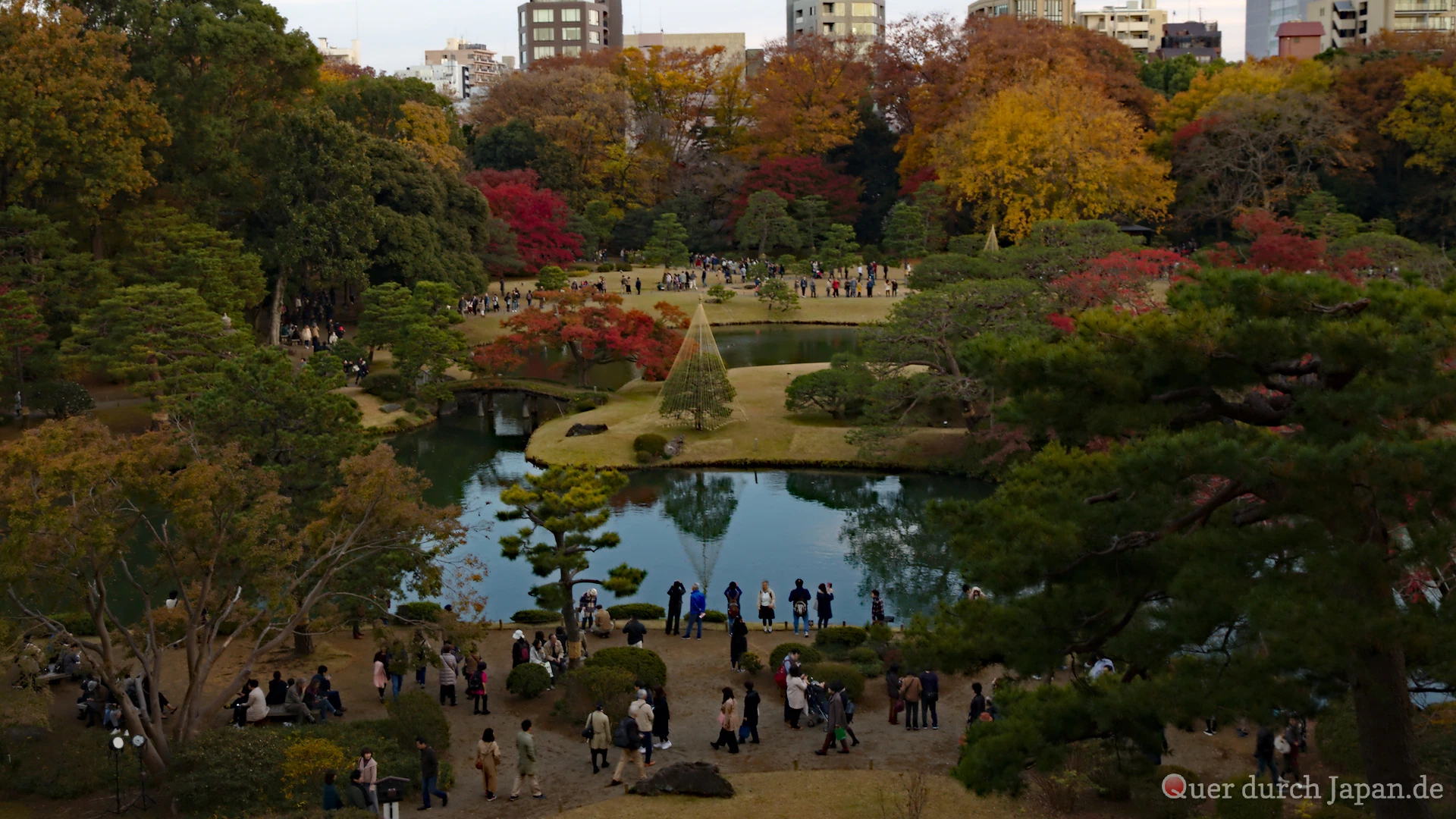
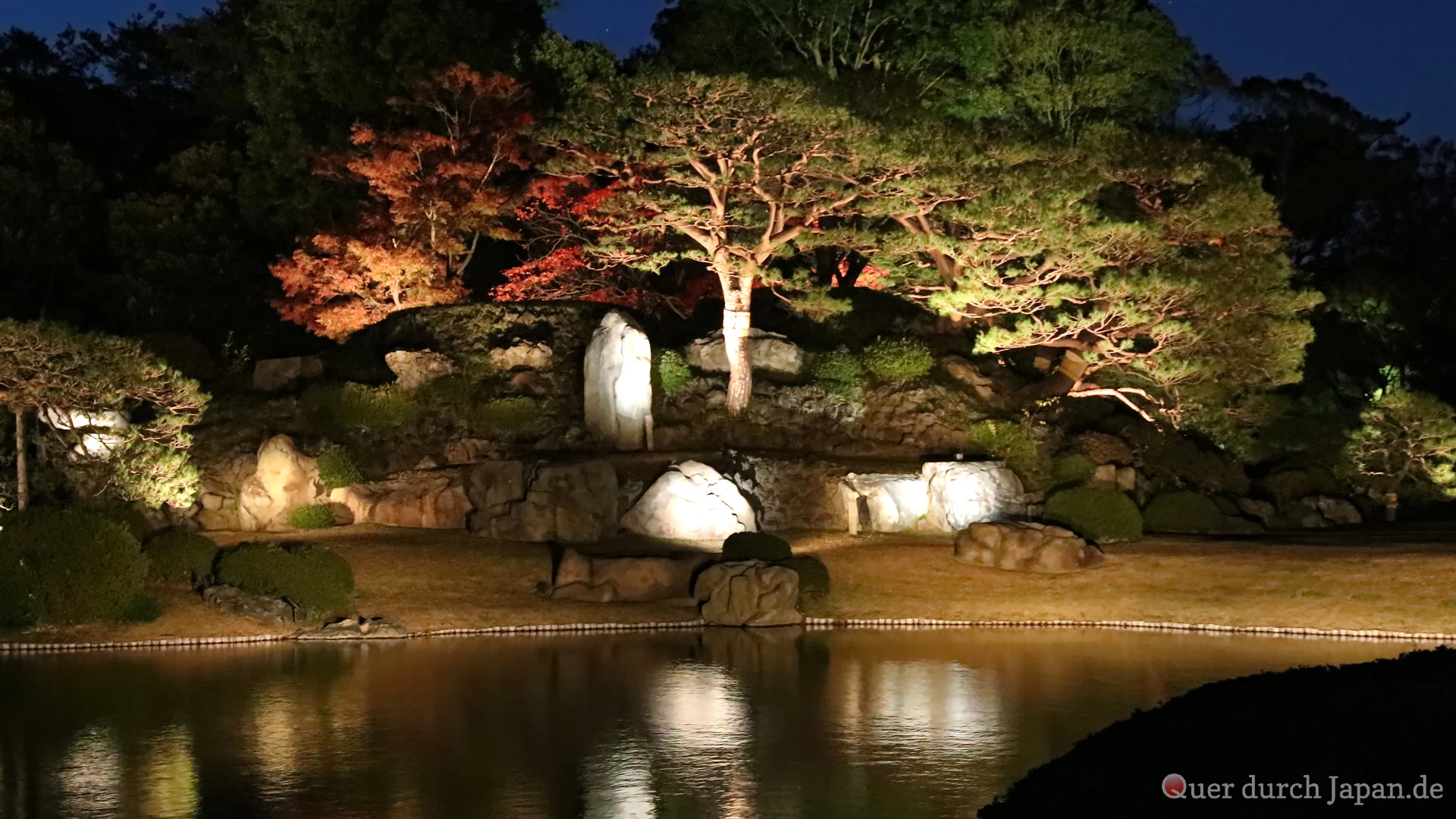
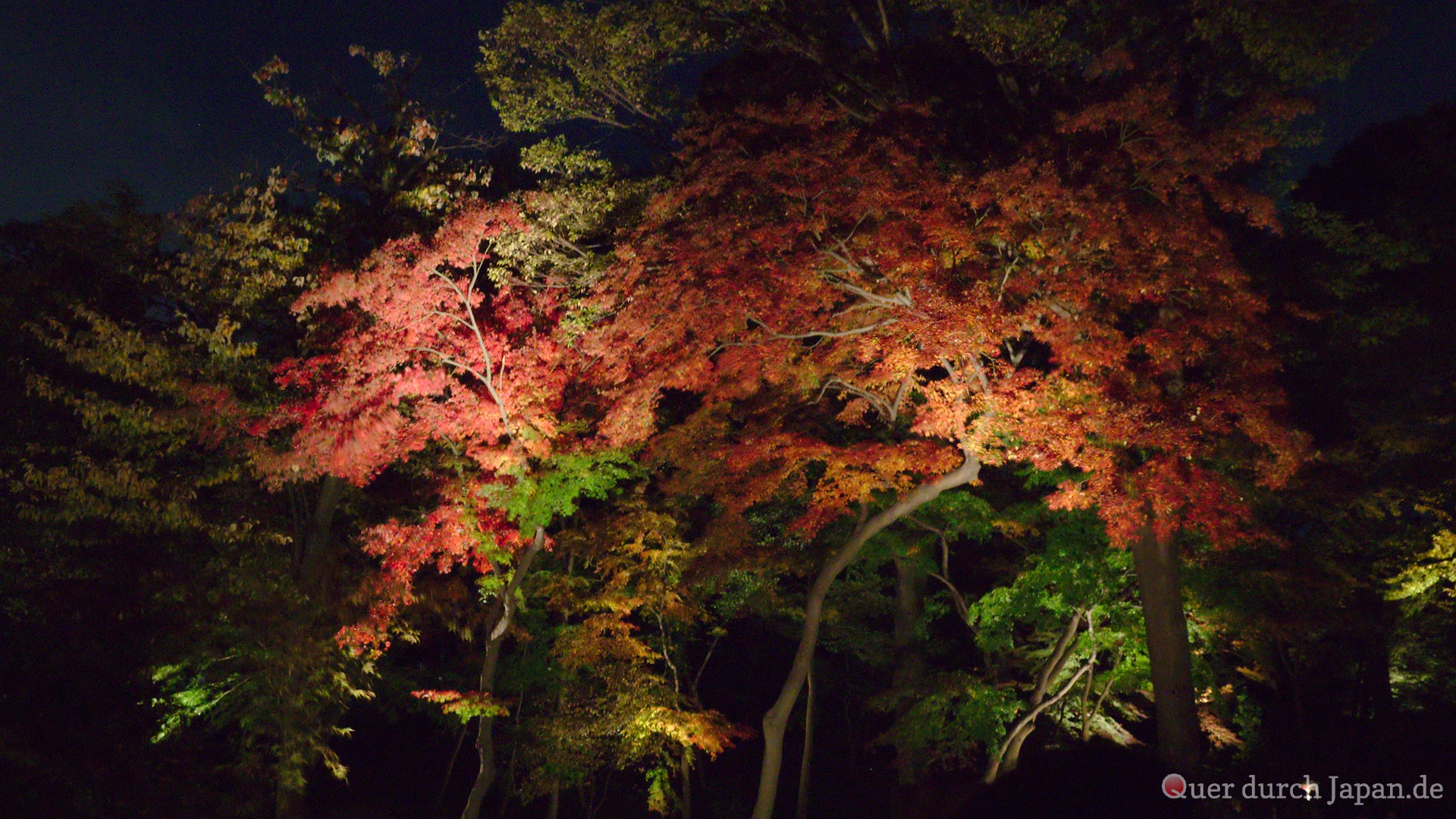
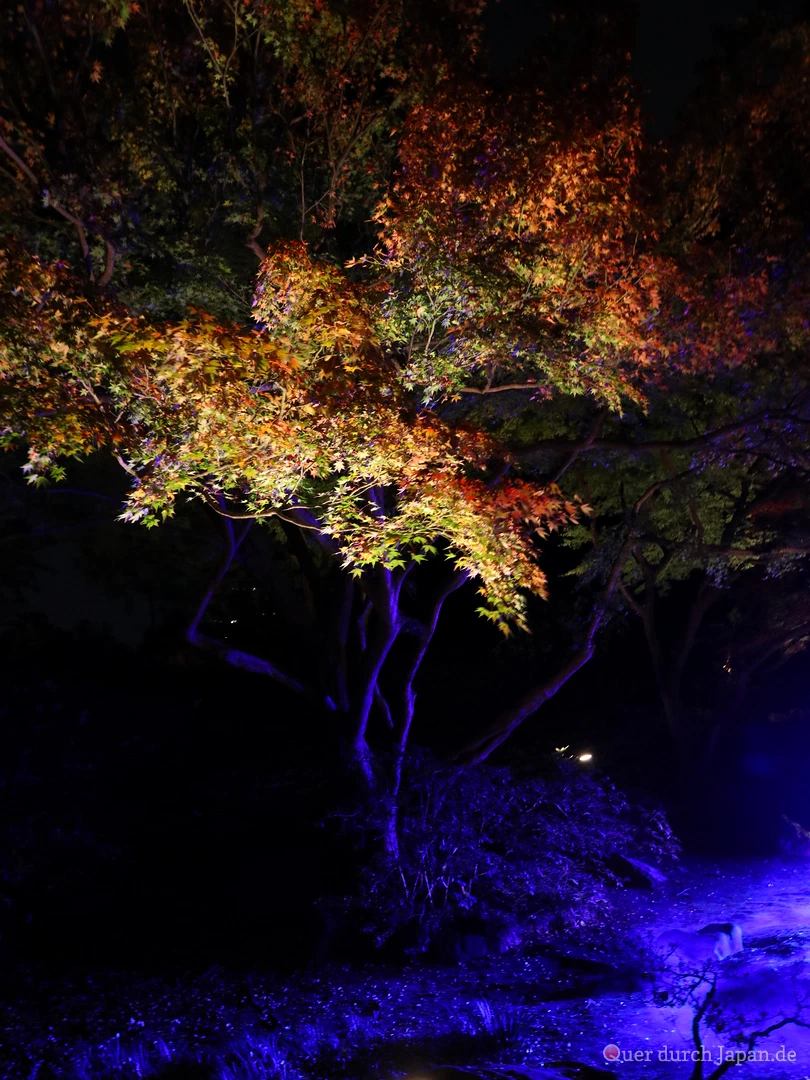
The Rikugien landscape garden offered a nice bit of Momiji vibe in the evening light. After sunset, the park gets lit up with spotlights, giving you a completely different view of nature.

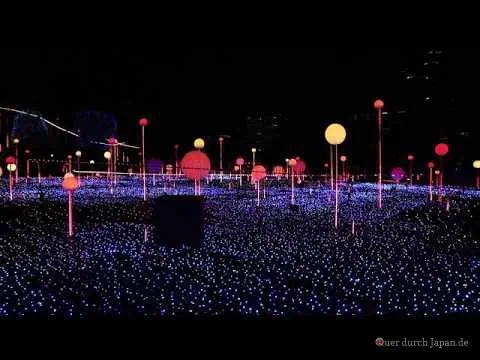
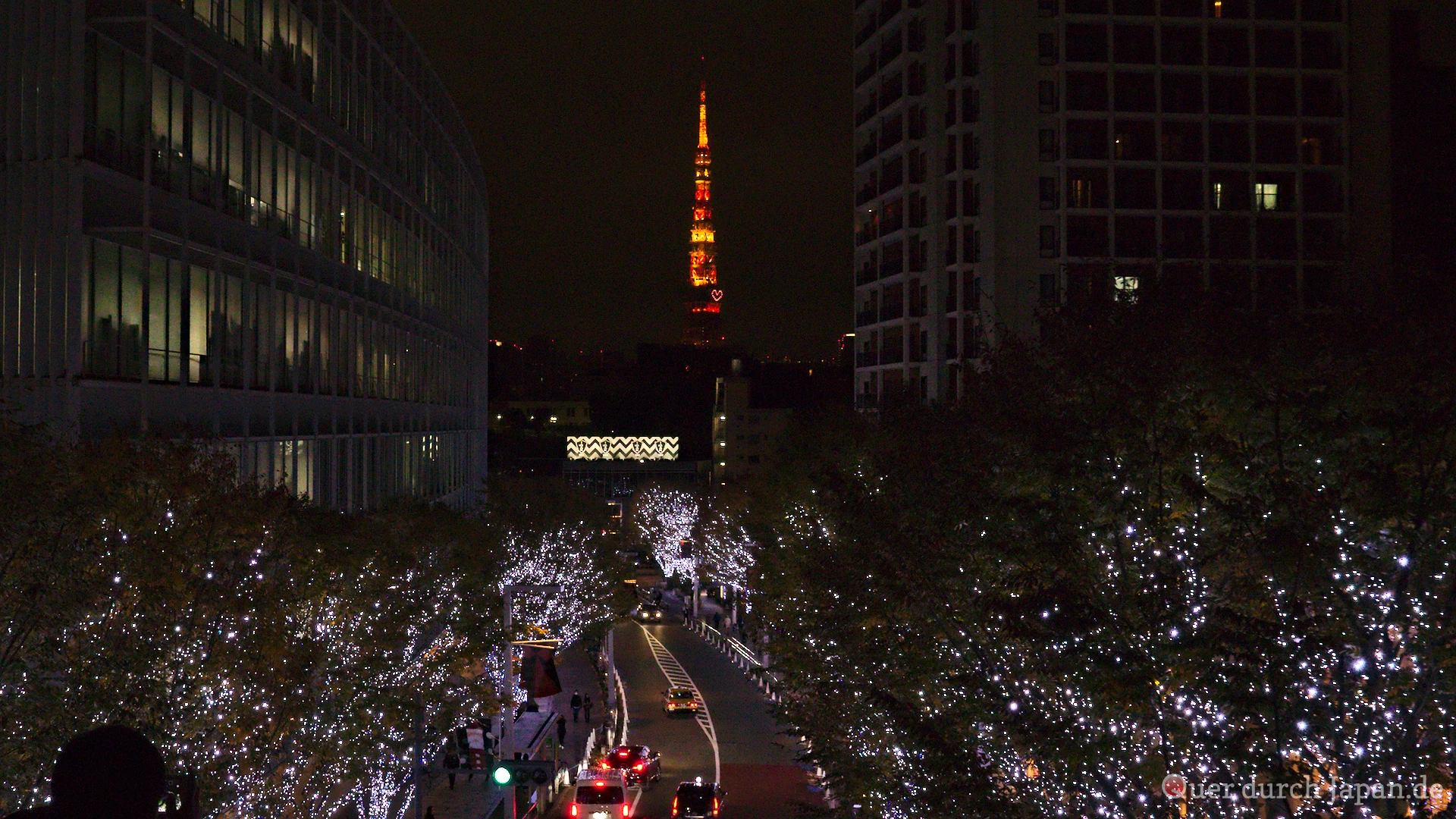
Probably the most spectacular light show in Tokyo is the Starlight Garden in the Roppongi neighbourhood. Around 190,000 LEDs create a colourful animation across about 2,000 m² of grass. As a special treat this year, there are also smoke-filled soap bubbles.

Words can’t really describe the spectacle. And even the video only gives you a hint of just how gorgeous this light show looks.

Sadly, it was super packed. The stewards were asking people over megaphones not to stop walking, but honestly, nobody listened to them… 😆

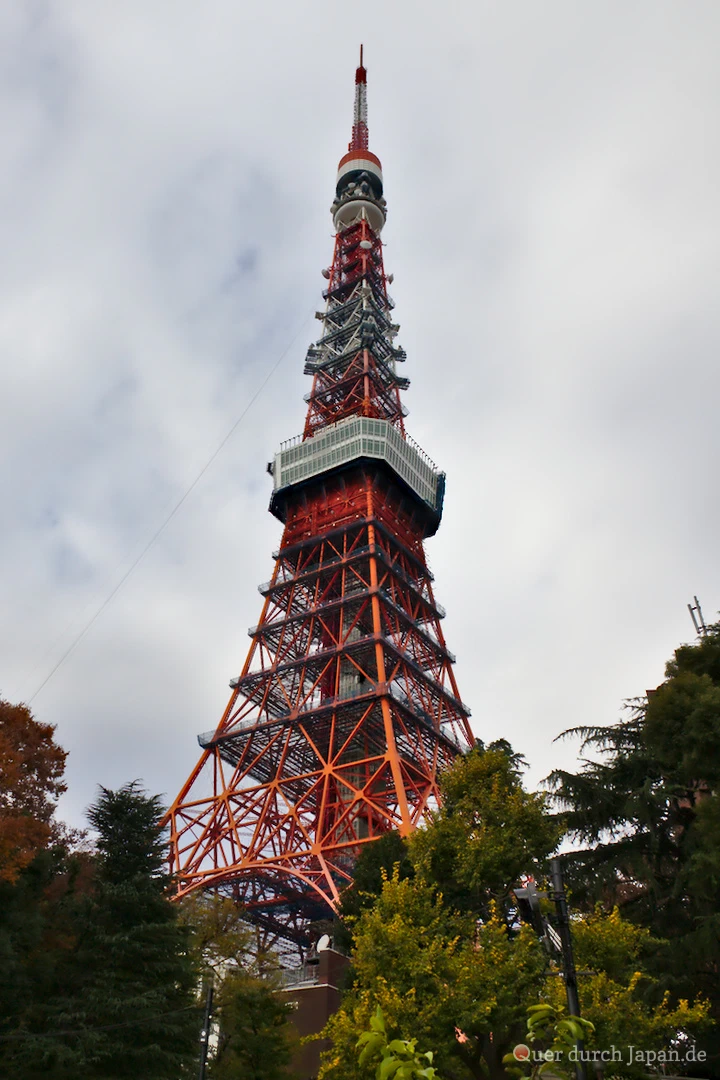
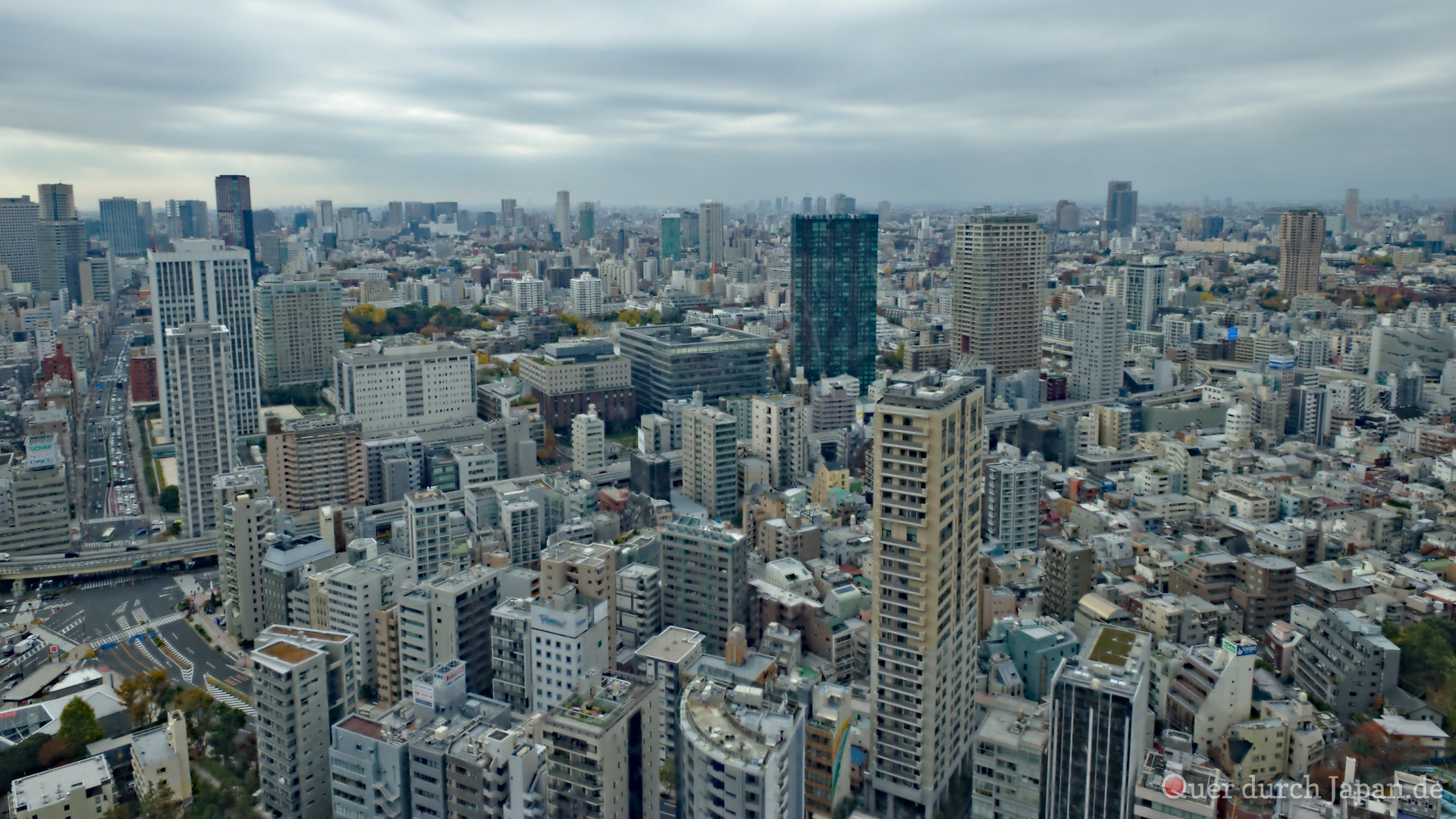
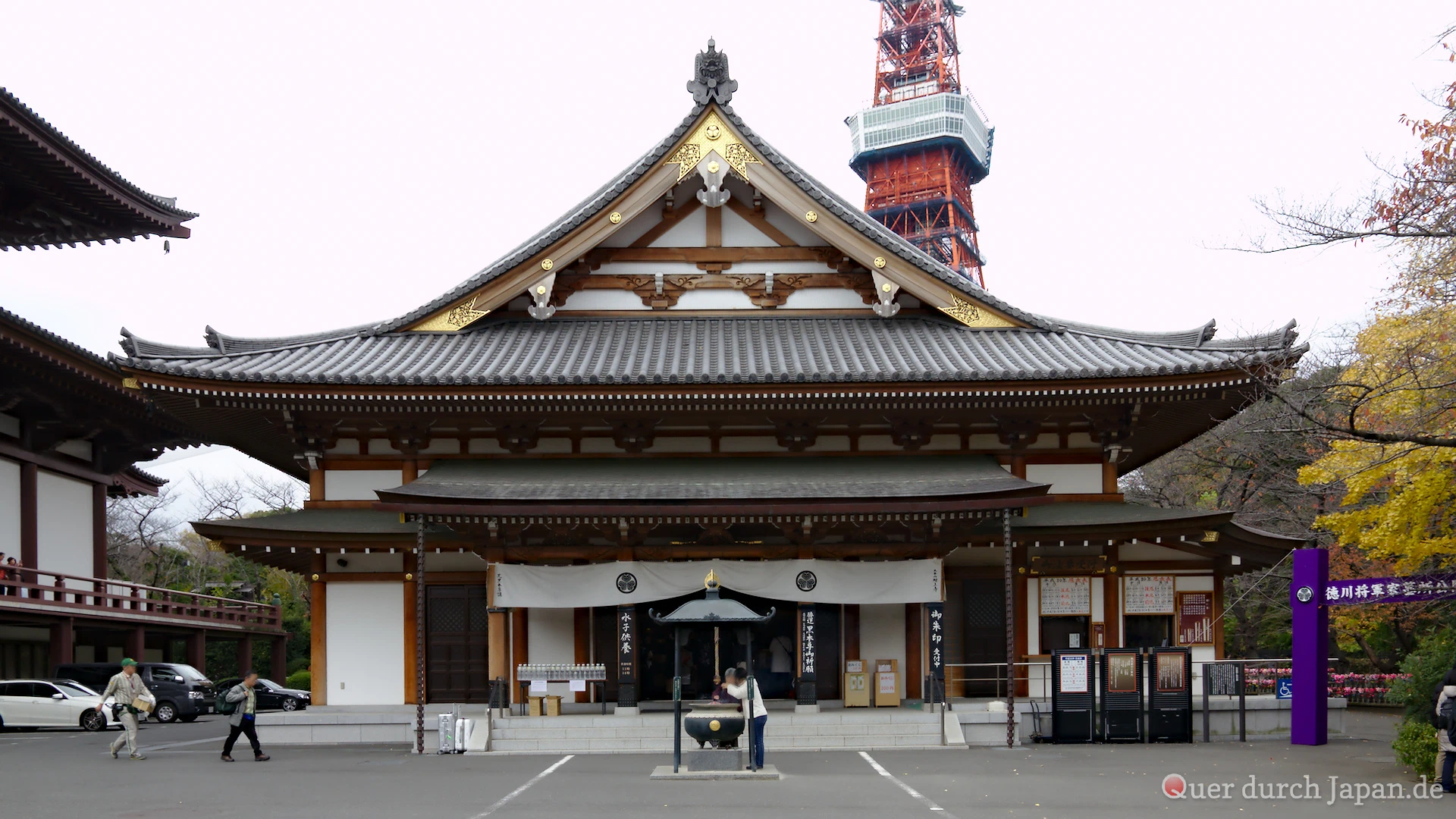
Tōkyō’s old landmark, the Tōkyō Tower, is modelled on the Eiffel Tower in Paris. We went up to the lower observation deck at a height of 150 metres and enjoyed the view over Tōkyō and the neighbouring city of Yokohama.

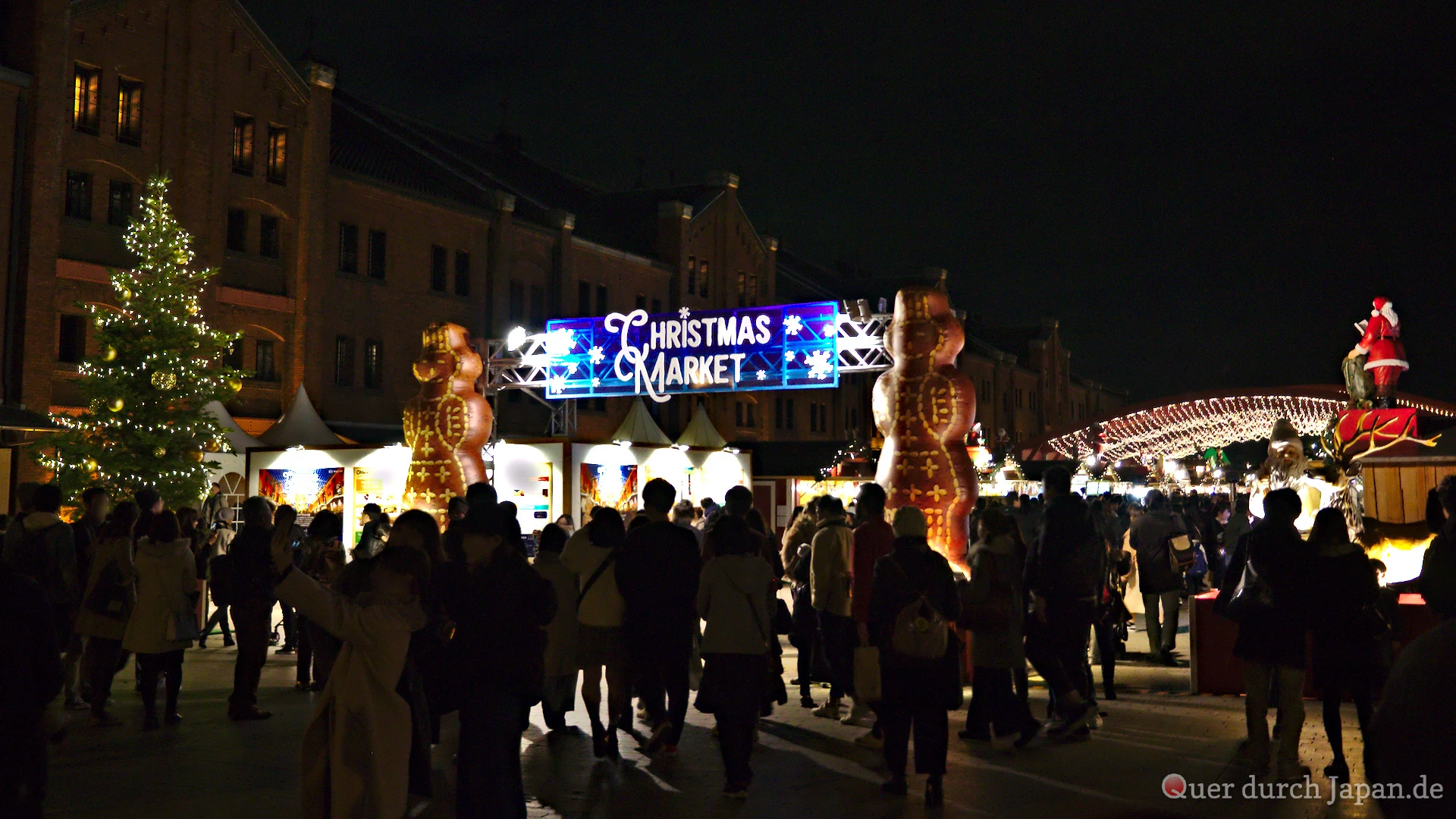
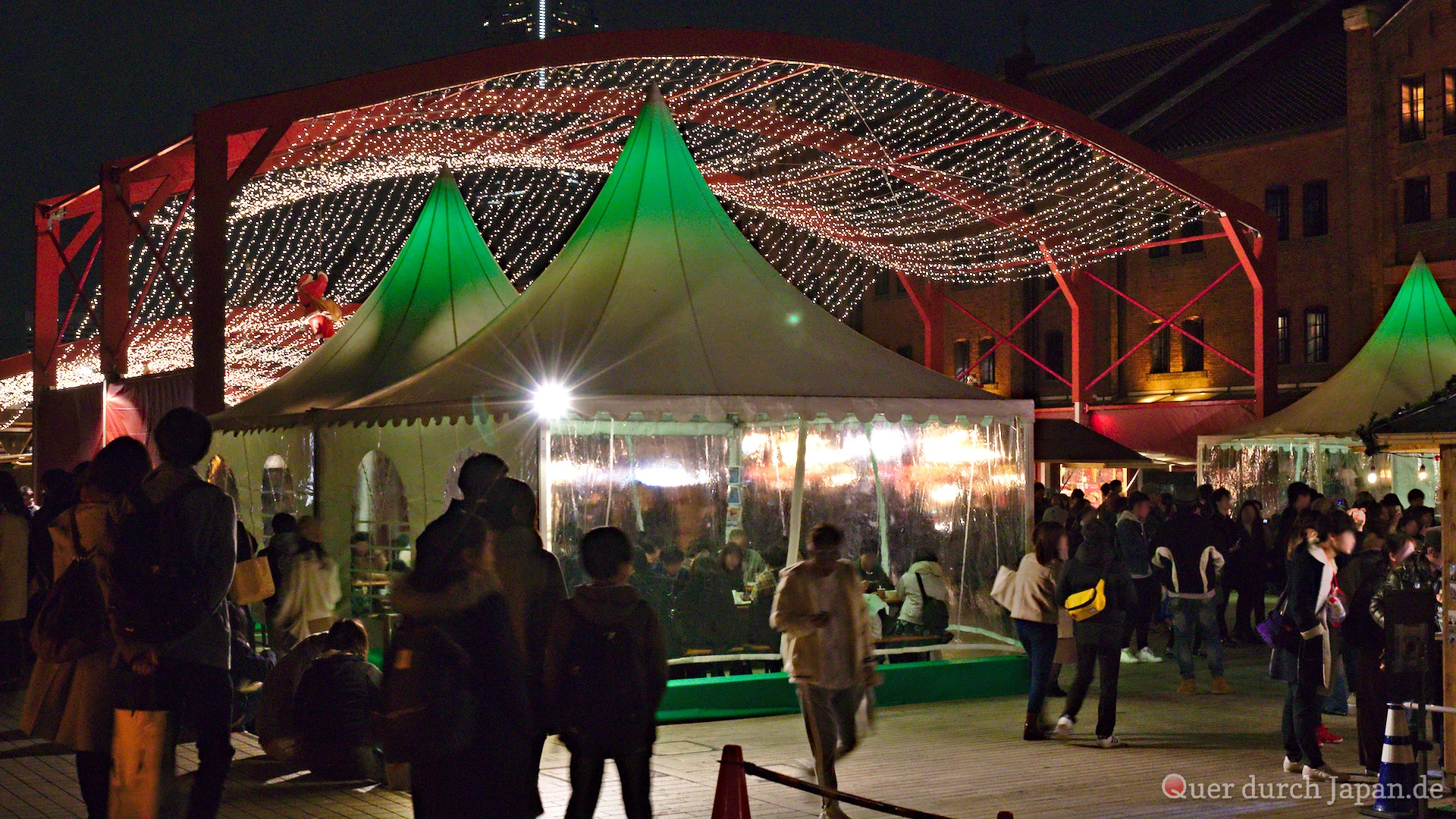
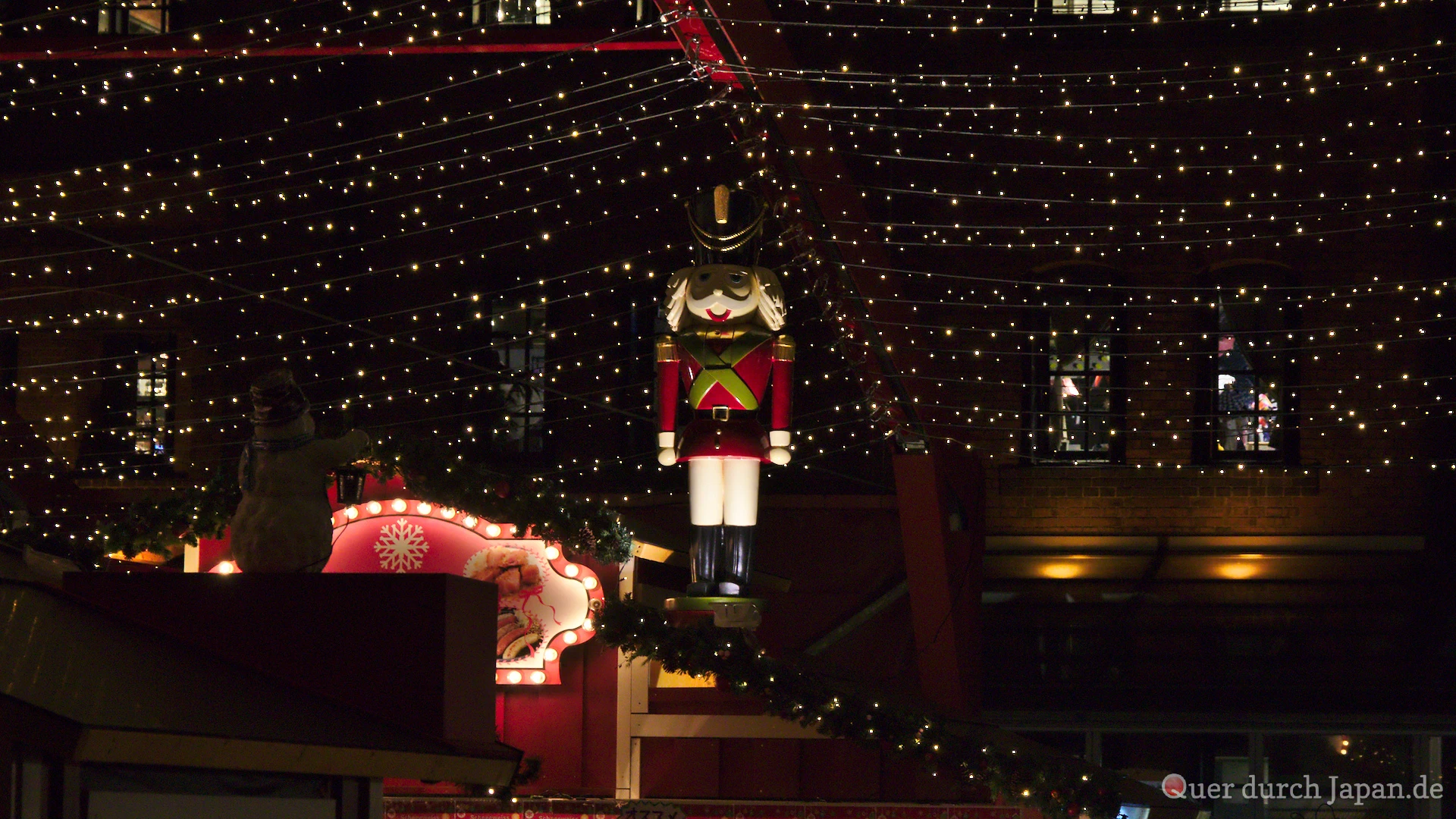
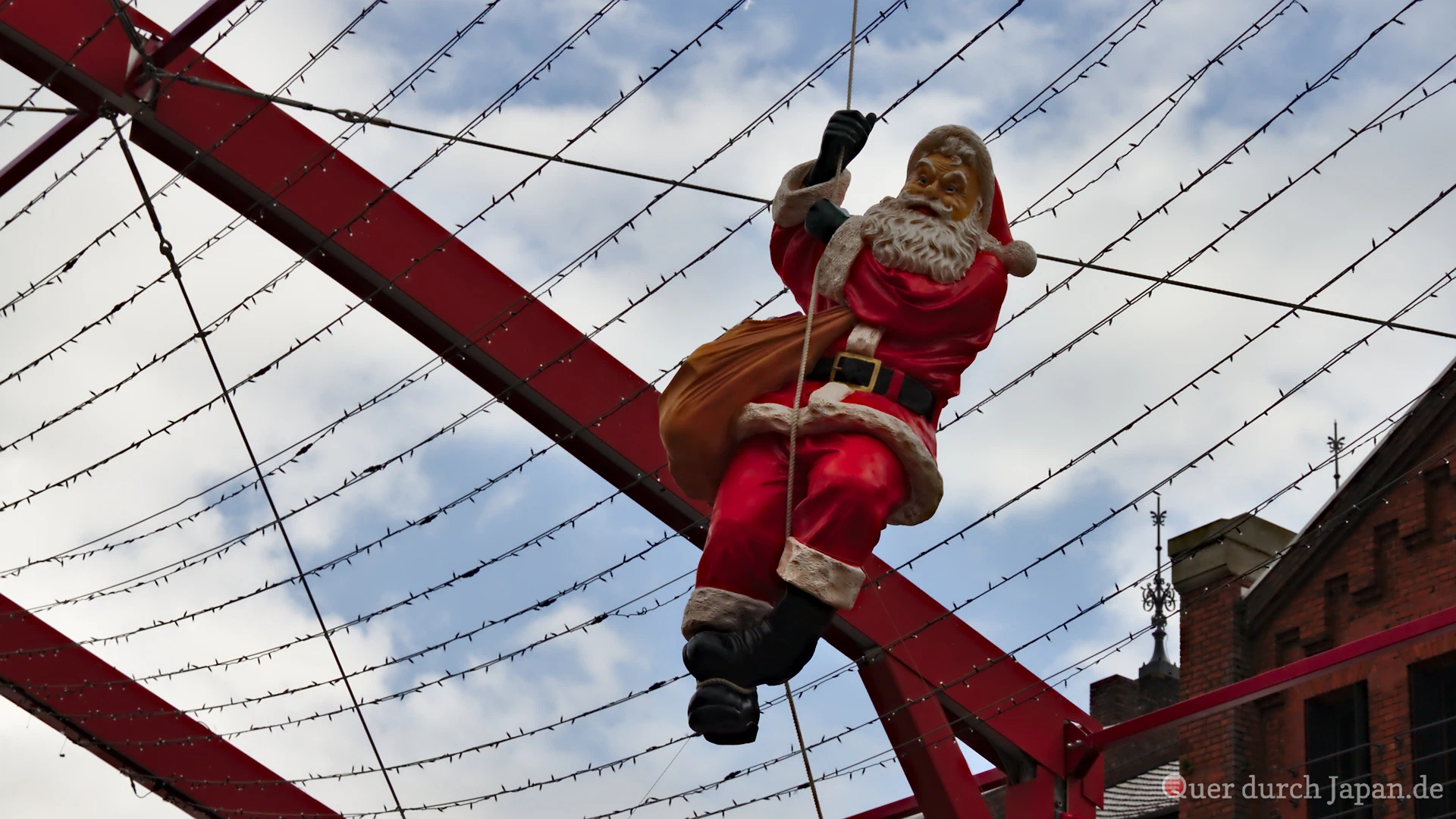
And that’s where we headed afterwards. The Christmas market at the Yokohama Red Brick Warehouses is the biggest we’ve seen in Japan so far. There are loads of food stalls there with mulled wine and bratwurst, but also more unusual dishes like potato soup or Hoppelpoppel, plus stalls selling gifts.

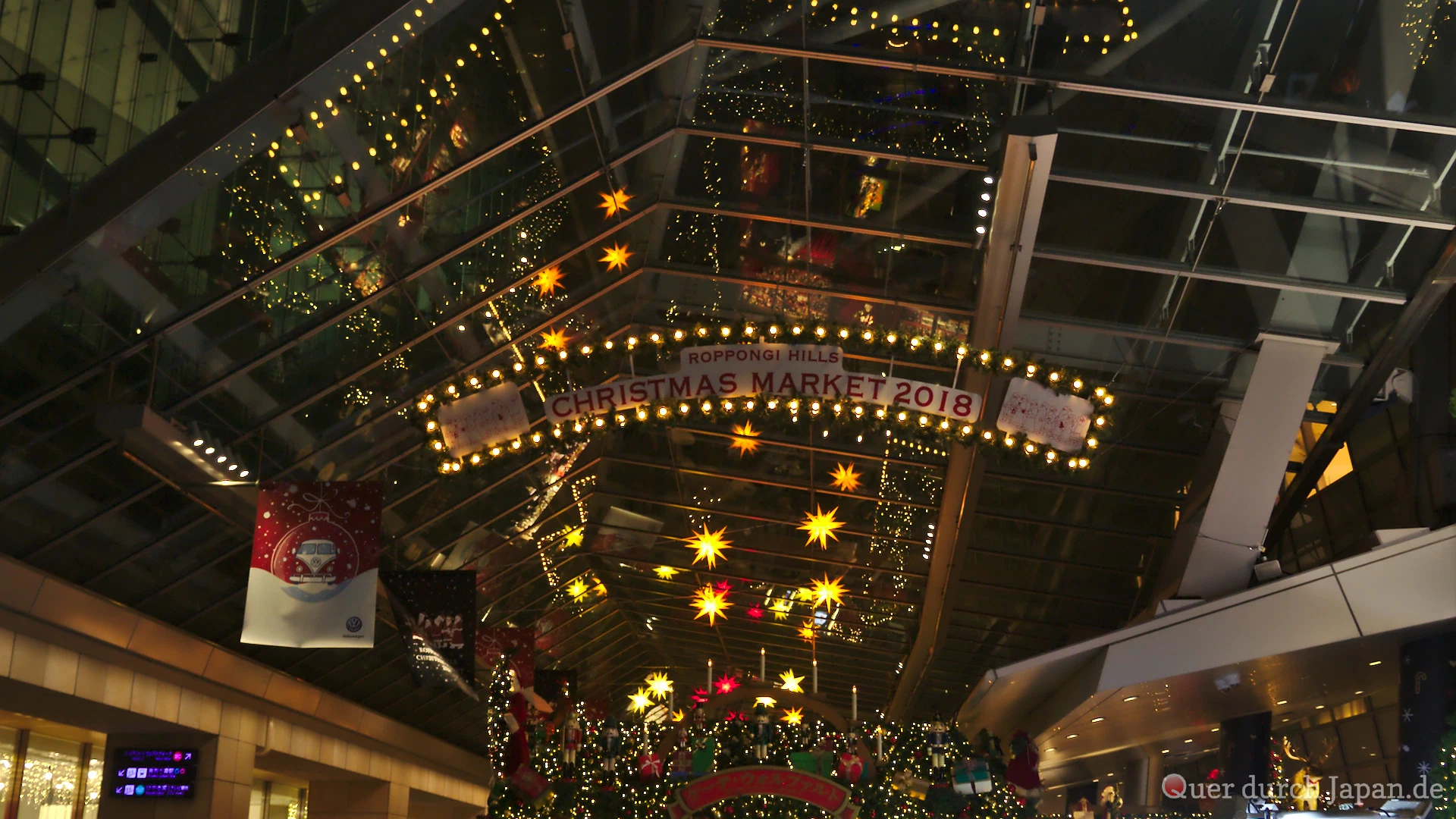
The Christmas market at the Roppongi Hill Mori Tower in Tōkyō is a bit more traditional. It is quite small, but it’s Tōkyō’s oldest and mostly offers typical German gifts.

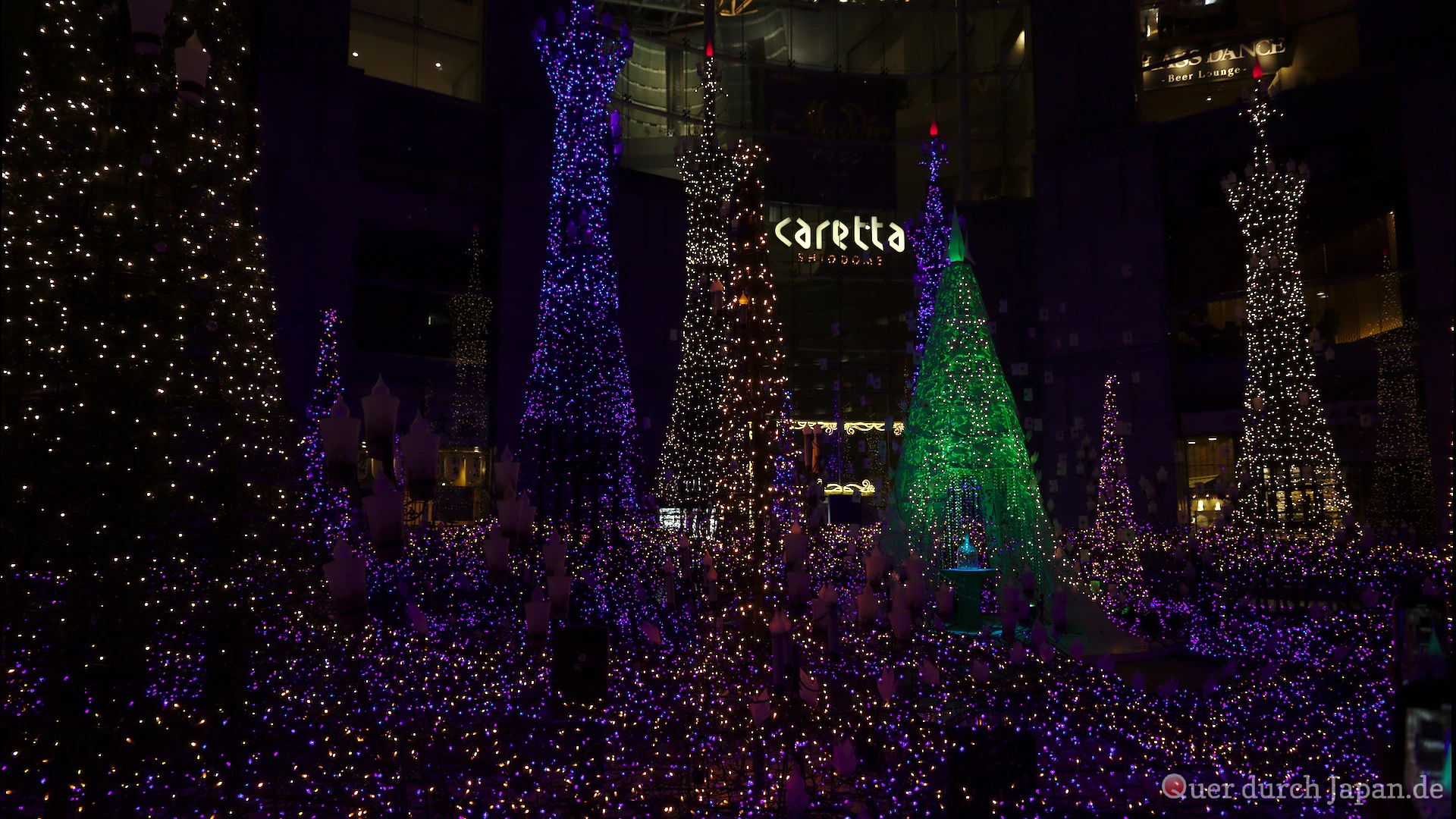
We finished off the evening with the illumination at the Caretta Shiodome. It claims to be the best in Tōkyō. It’s a light spectacle set to the music from the Disney animation “Frozen”. We liked the Starlight Garden better, though.

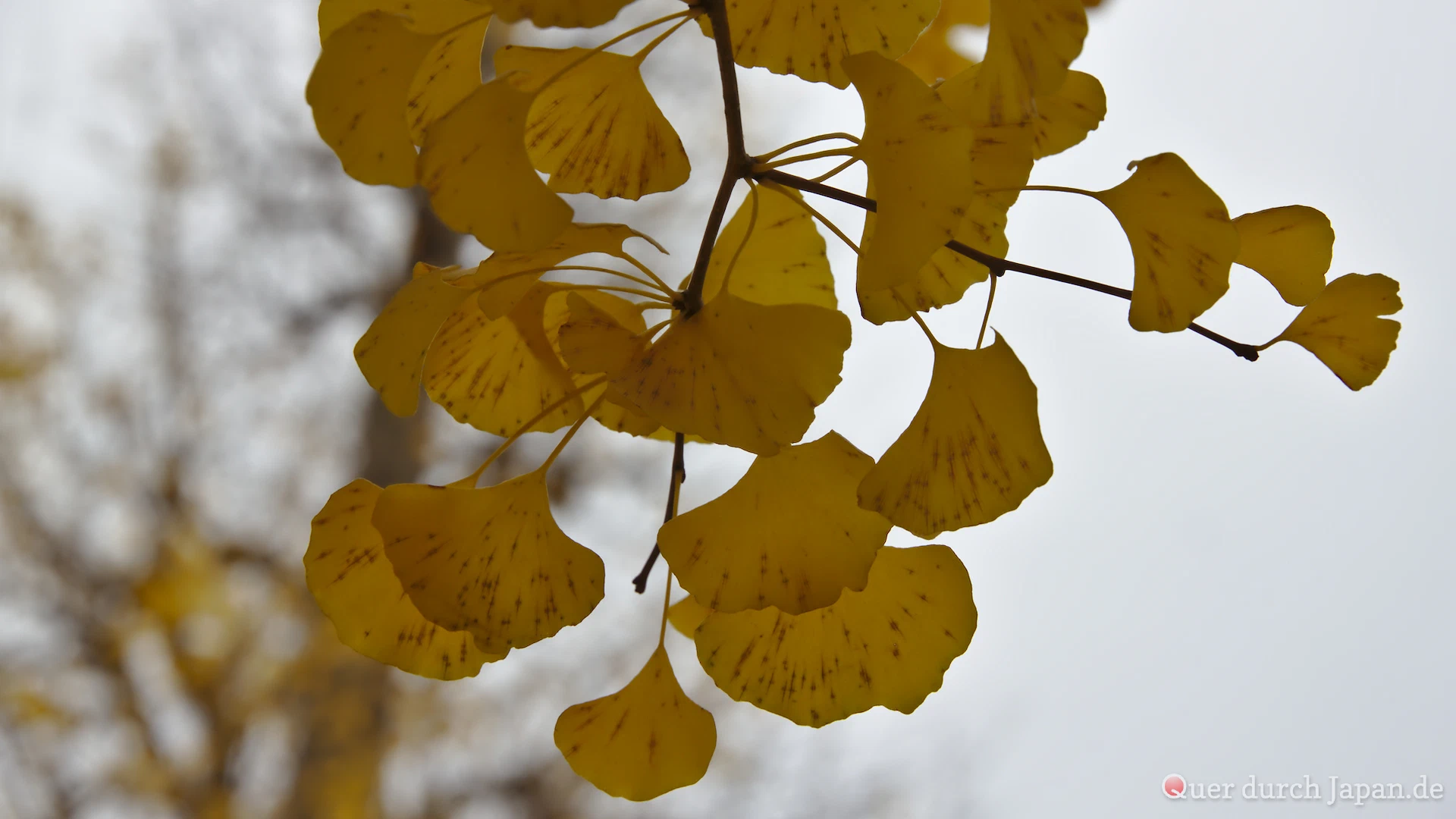
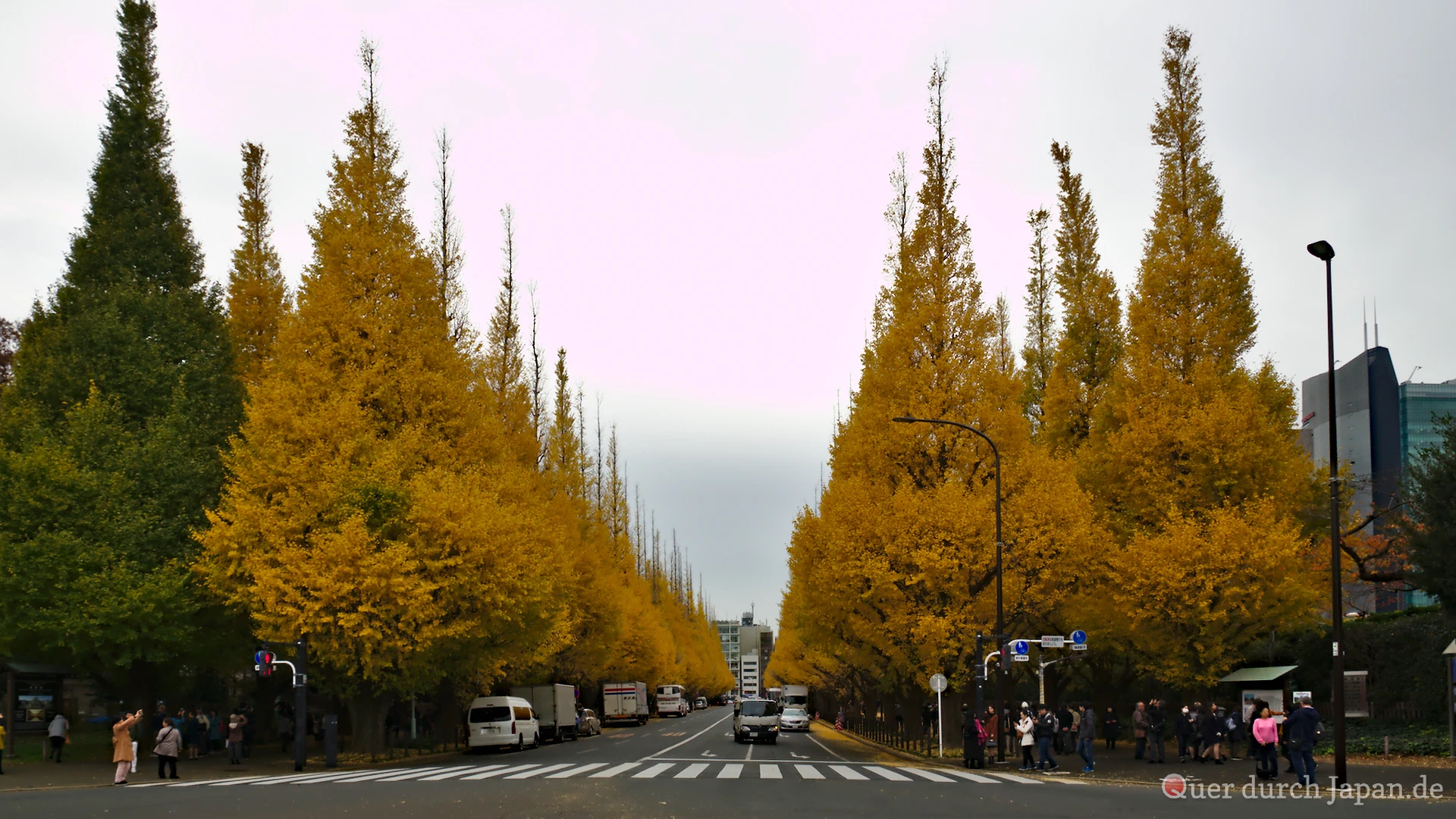
On our last day in Tokyo, there was a colourful programme. The Icho Namiki is a ginkgo avenue that is still glowing in a magnificent yellow, even though many ginkgo trees have already lost almost all their leaves.

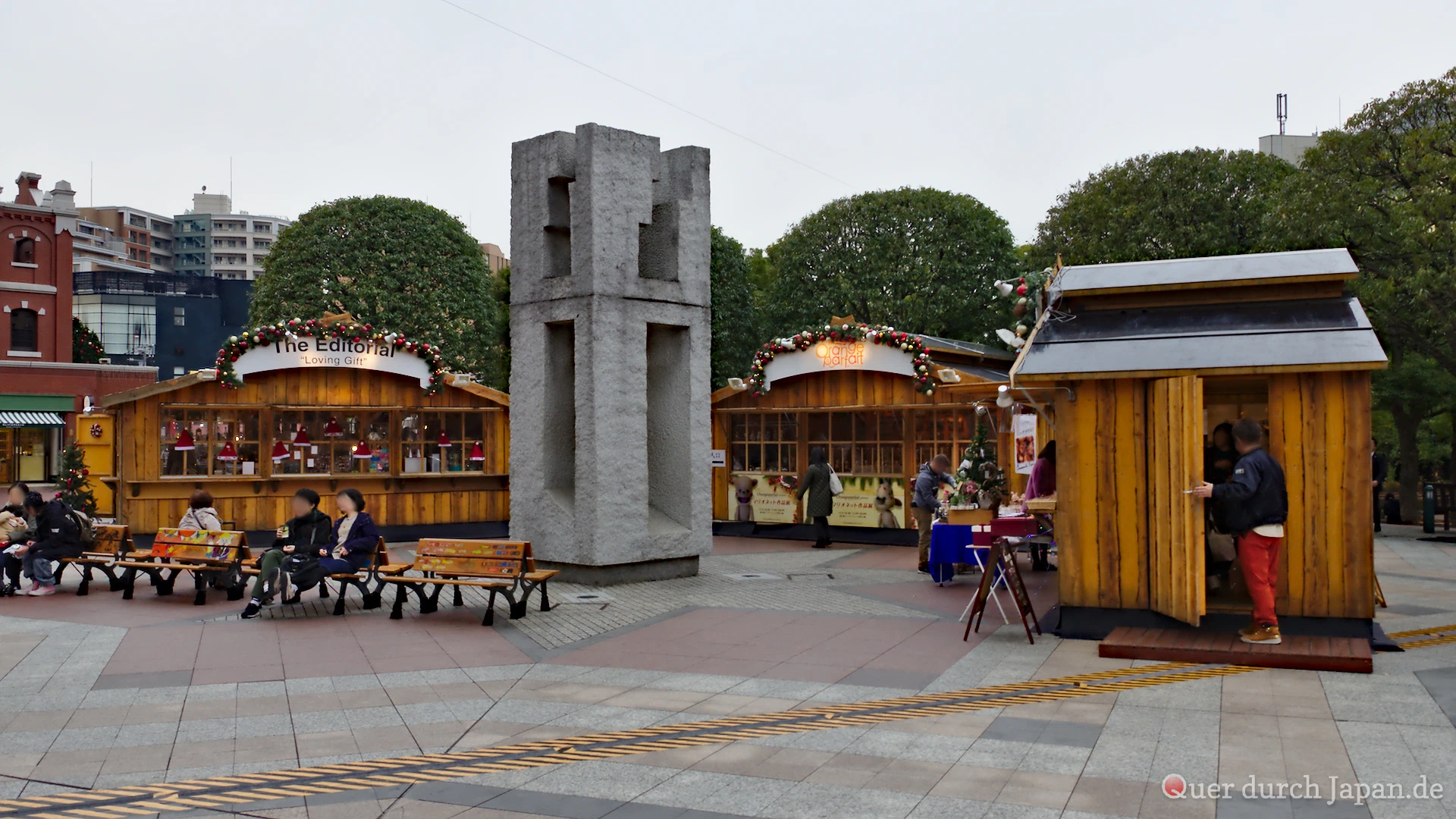
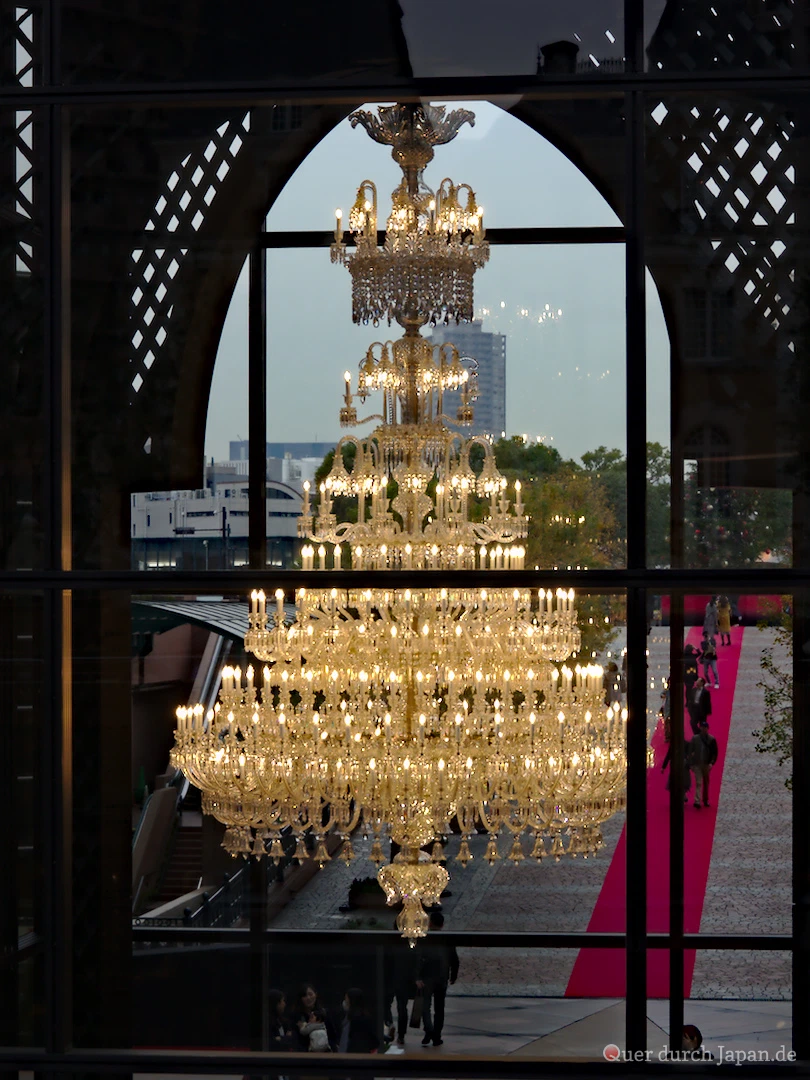
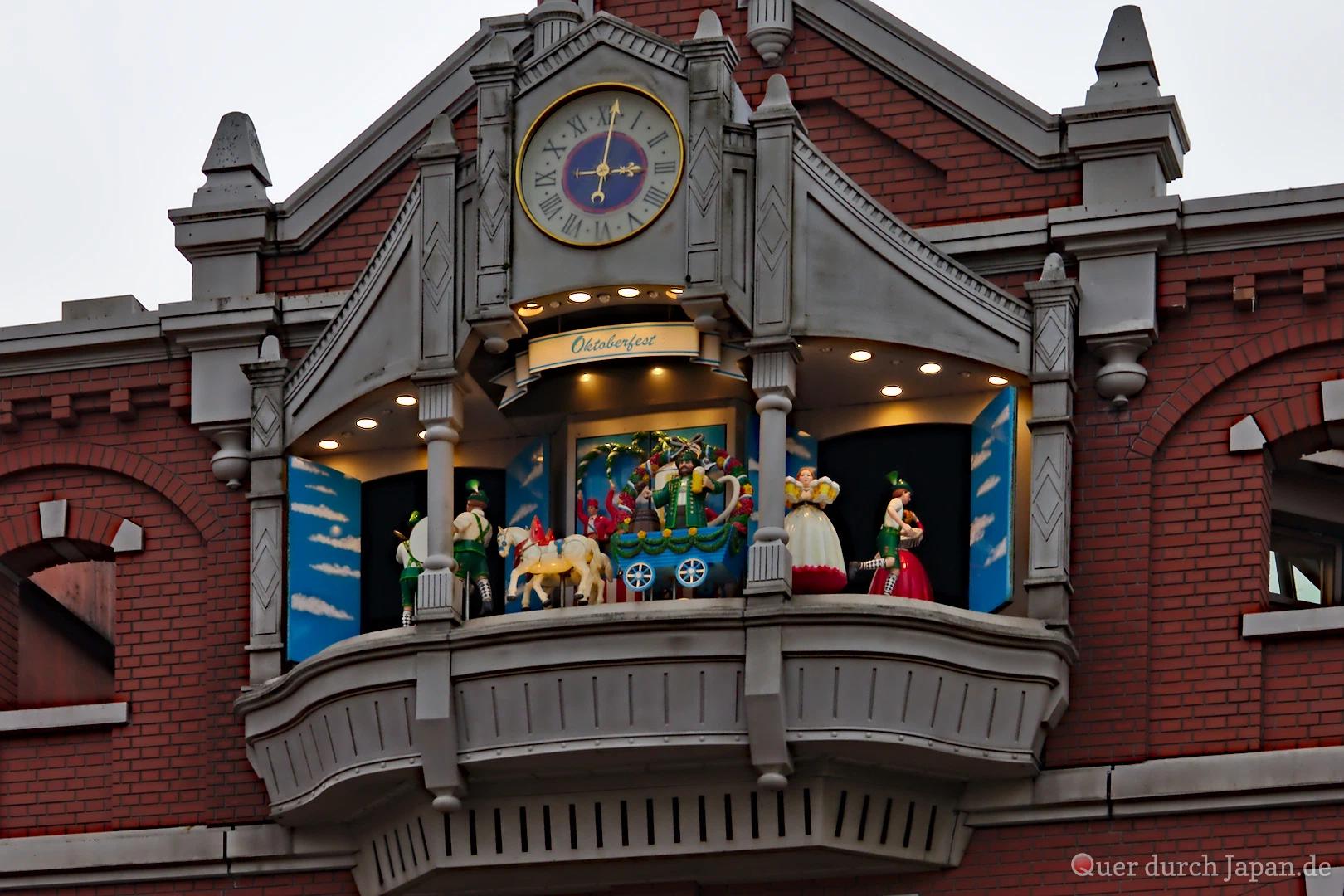
After that, we visited the Yebisu Garden Christmas Marché. However, the supposedly posh Christmas market consisted of just three stalls selling gift items. Next to a Christmas tree, there is also what is said to be the largest Baccarat chandelier in the world. The clock tower at Yebisu Garden Place rounded off the experience. On the hour, its musical clock depicts an Oktoberfest parade.

We would have loved to visit a very special Christmas market in Hibiya Park. It is modelled on the market in Dresden, its 14-metre-high Christmas pyramid was even imported from there. Unfortunately, the market doesn’t open its doors until the 14th of December, by which time we’ll already be back home.

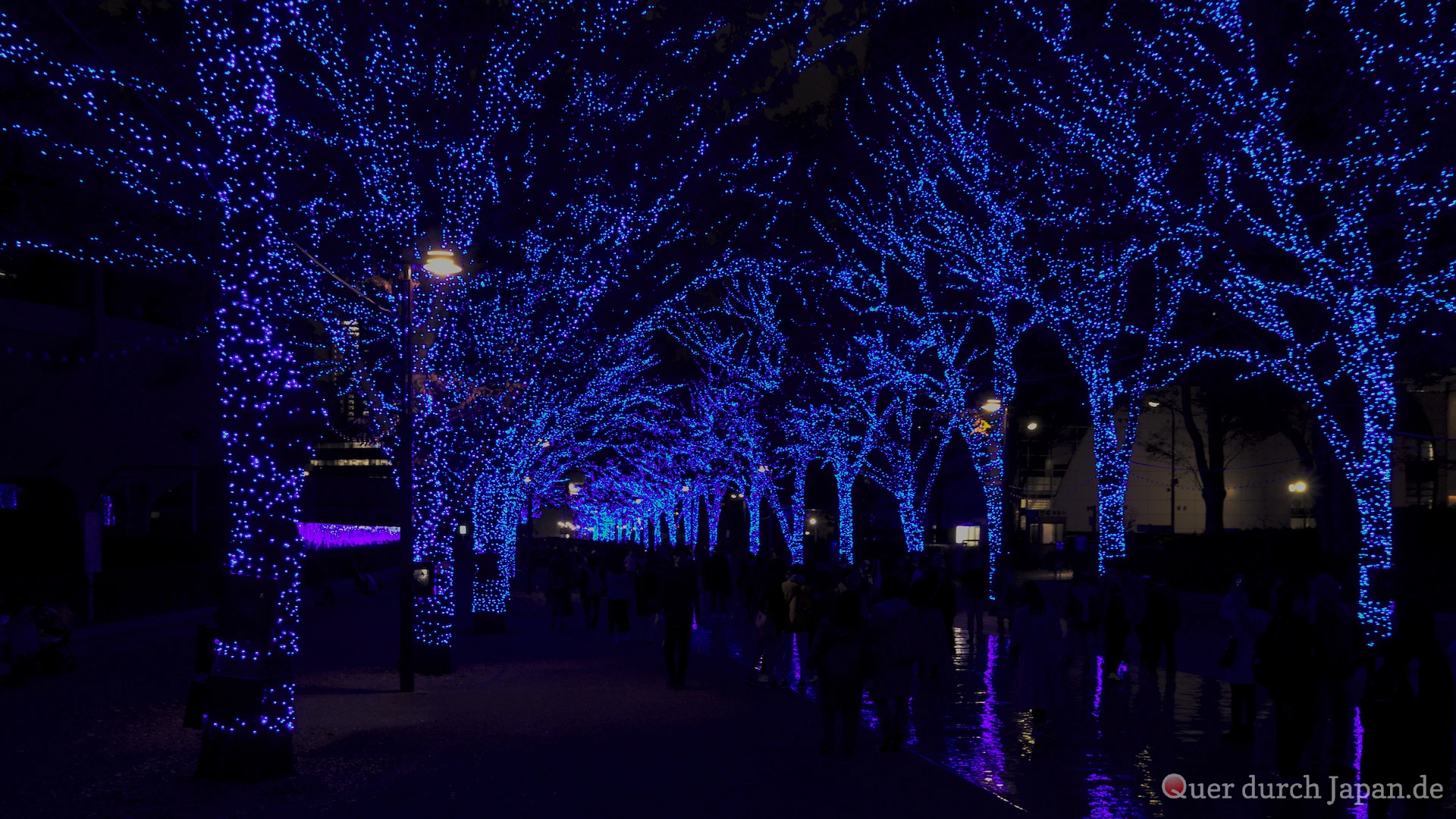
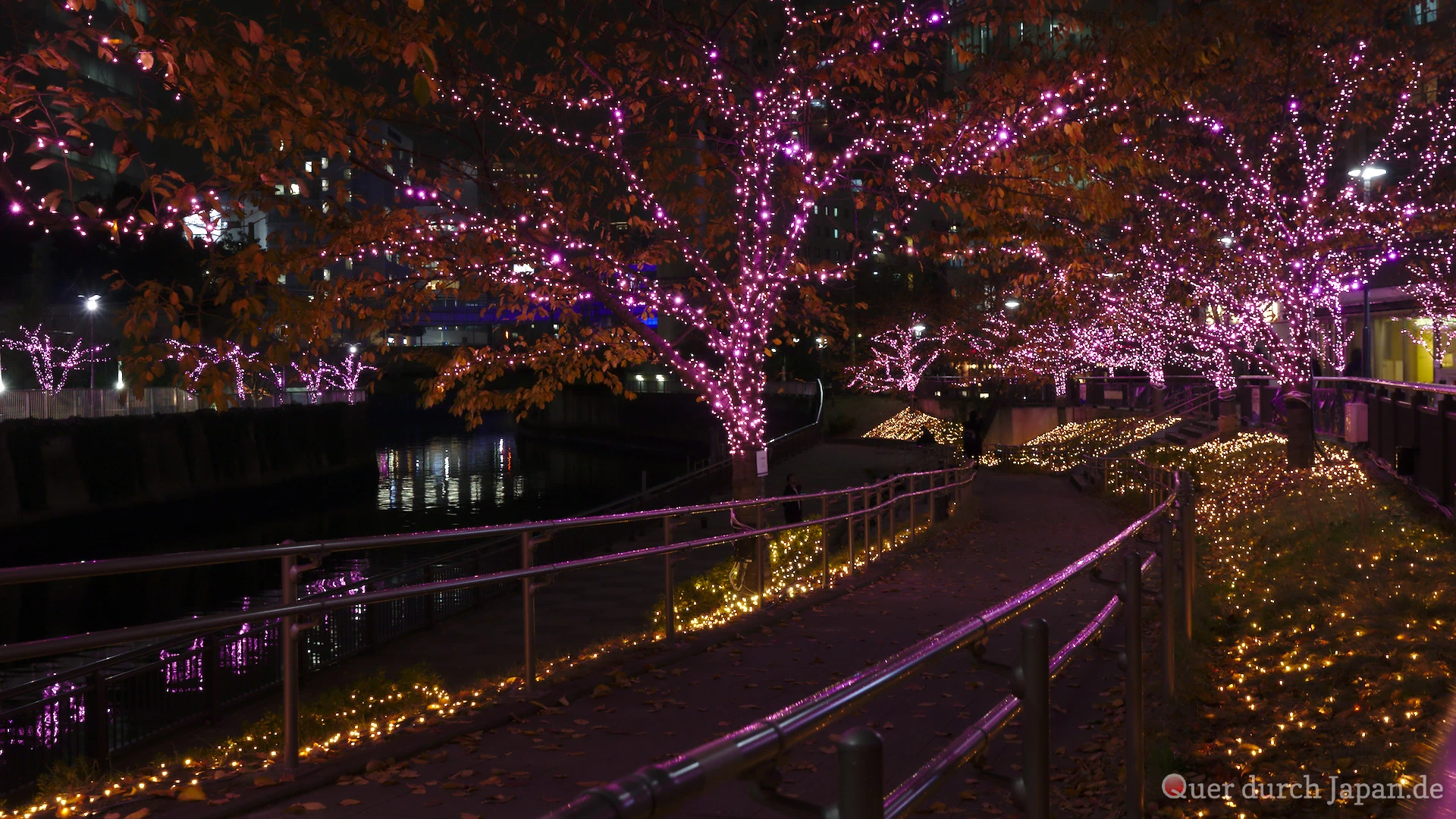
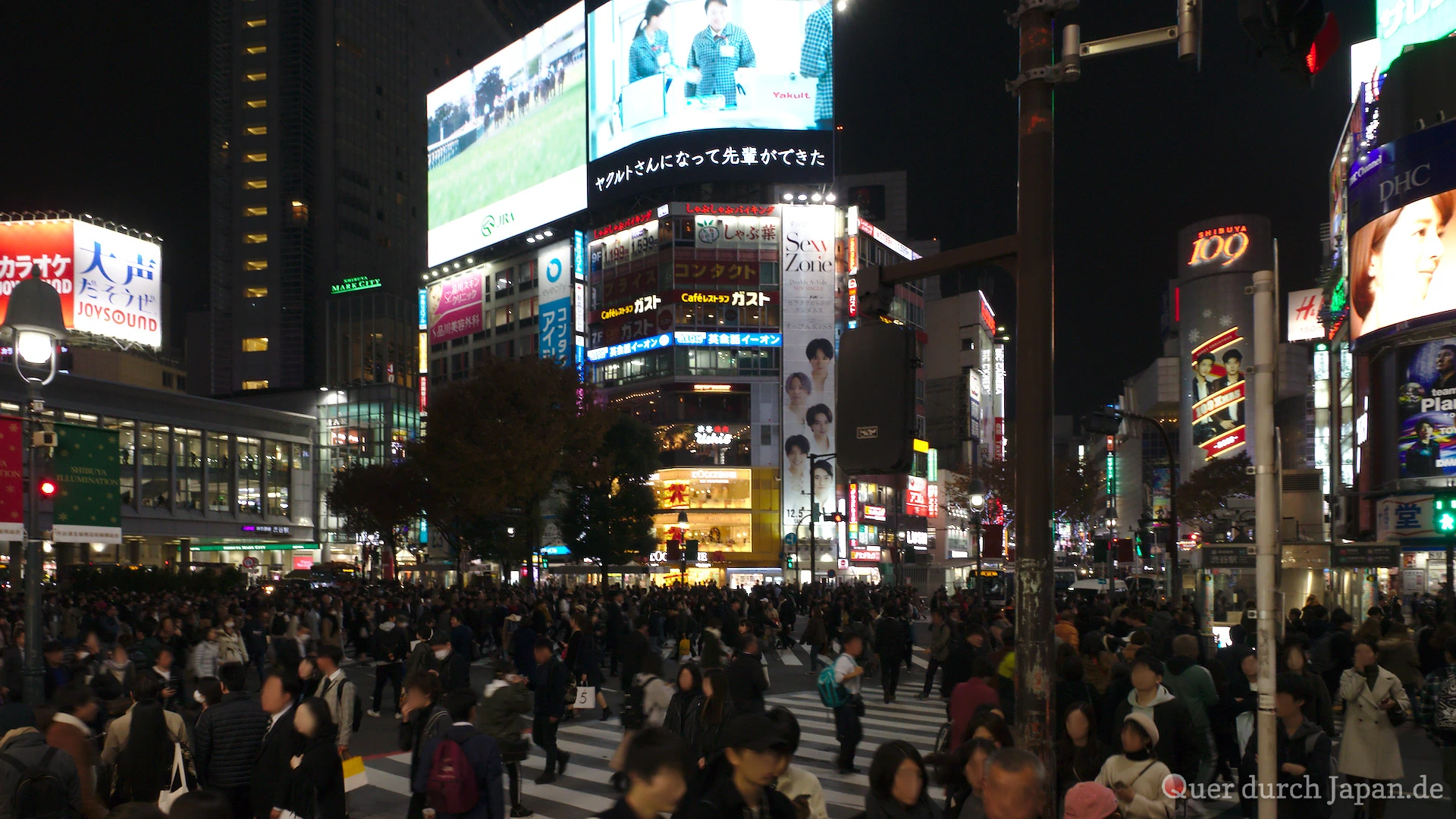
Taking the Yamanote line, notorious for its packed trains during rush hour, we finally headed to two illuminations. The Shibuya Blue Cave Illumination features a light animation from trees decorated with 600,000 LEDs. The Minna no Illumi is more subtle, but no less worth seeing. Here, trees along a riverbank are decorated with pink and yellow LEDs.

Tomorrow we are travelling to the Narita district and will have a look around there for another day.