Travel Journal 2024

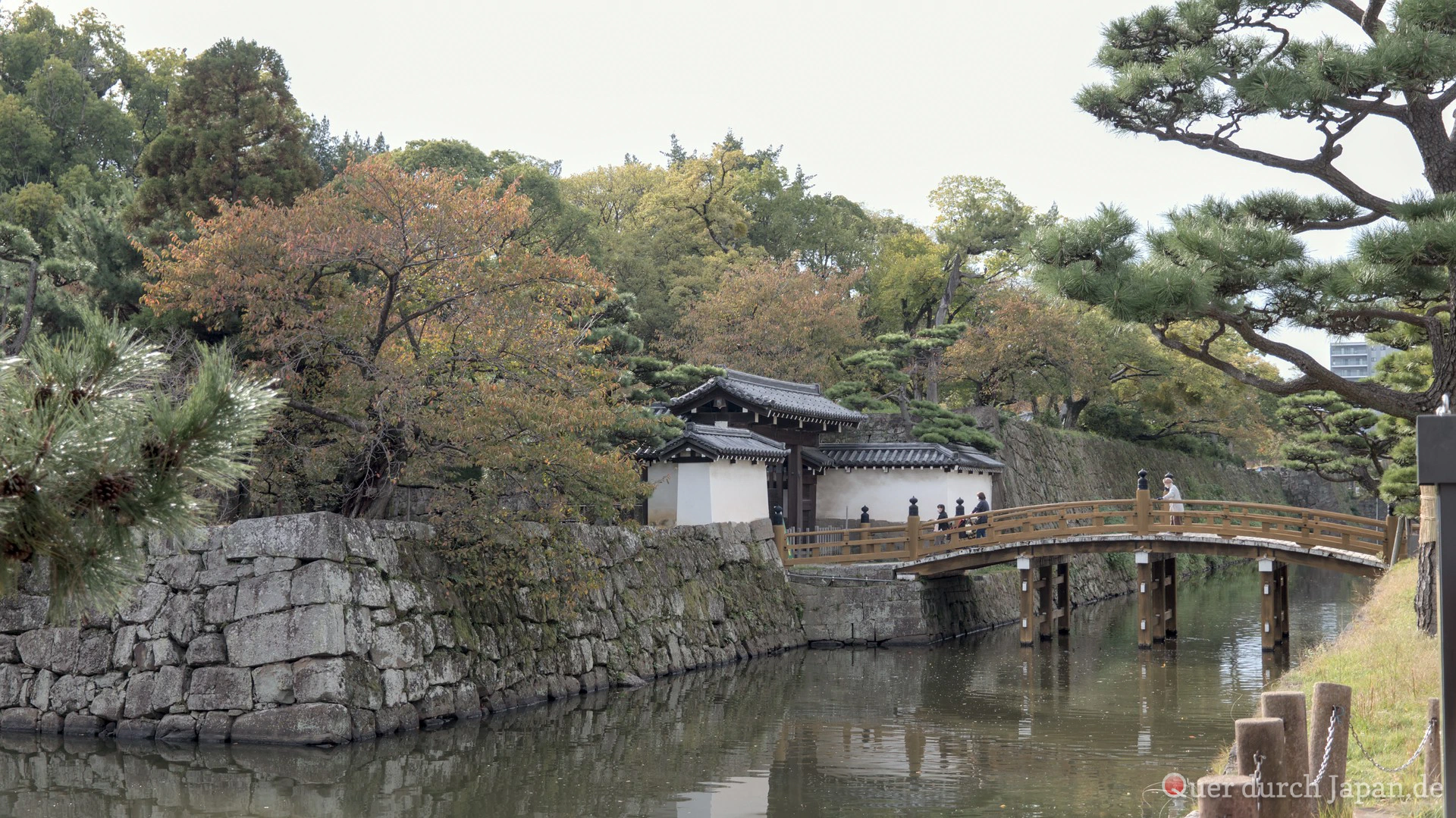
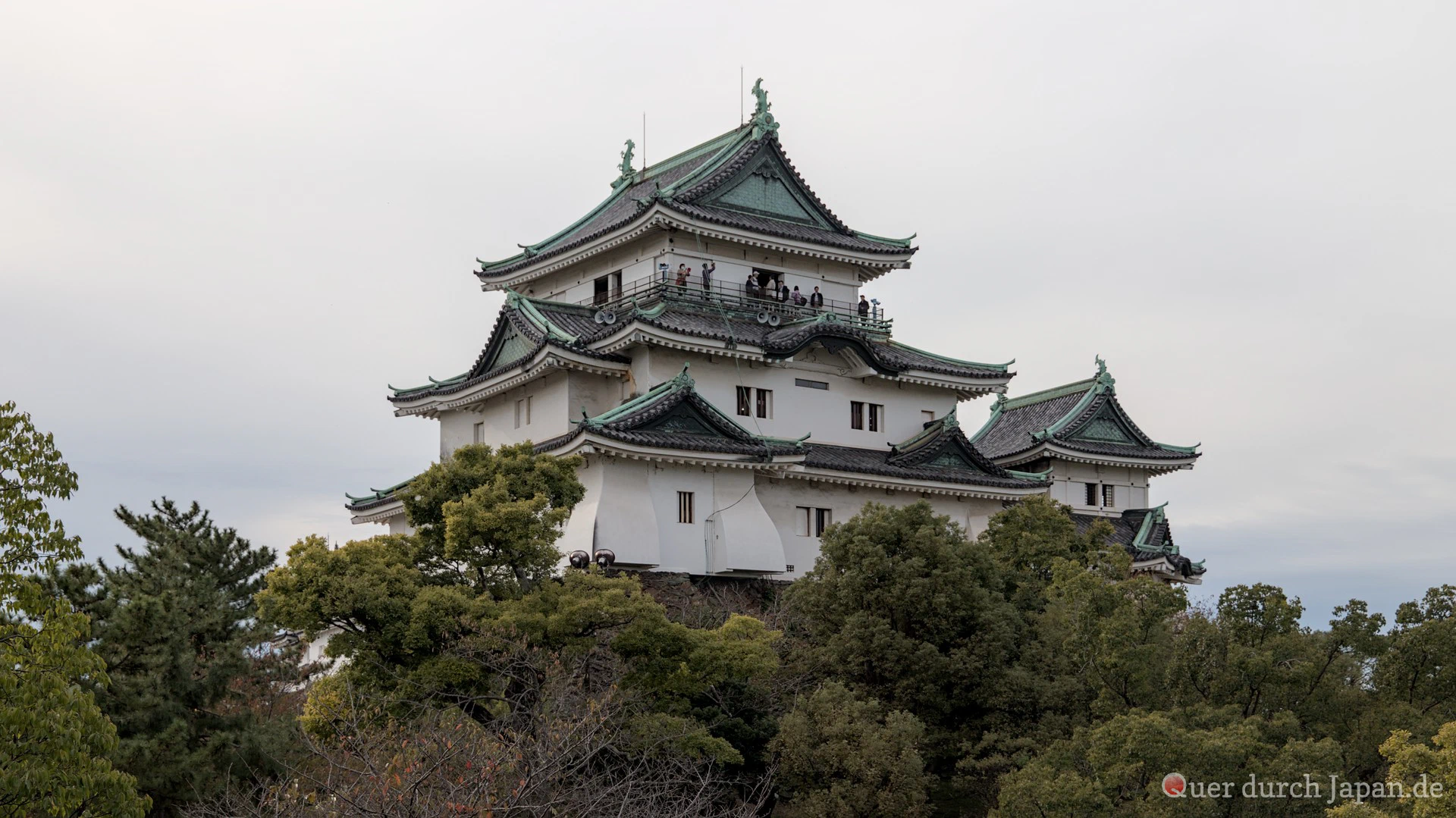
We arrived early in Ōsaka and had time to kill while waiting for our room. So we headed to the city of Wakayama to check out the castle there.

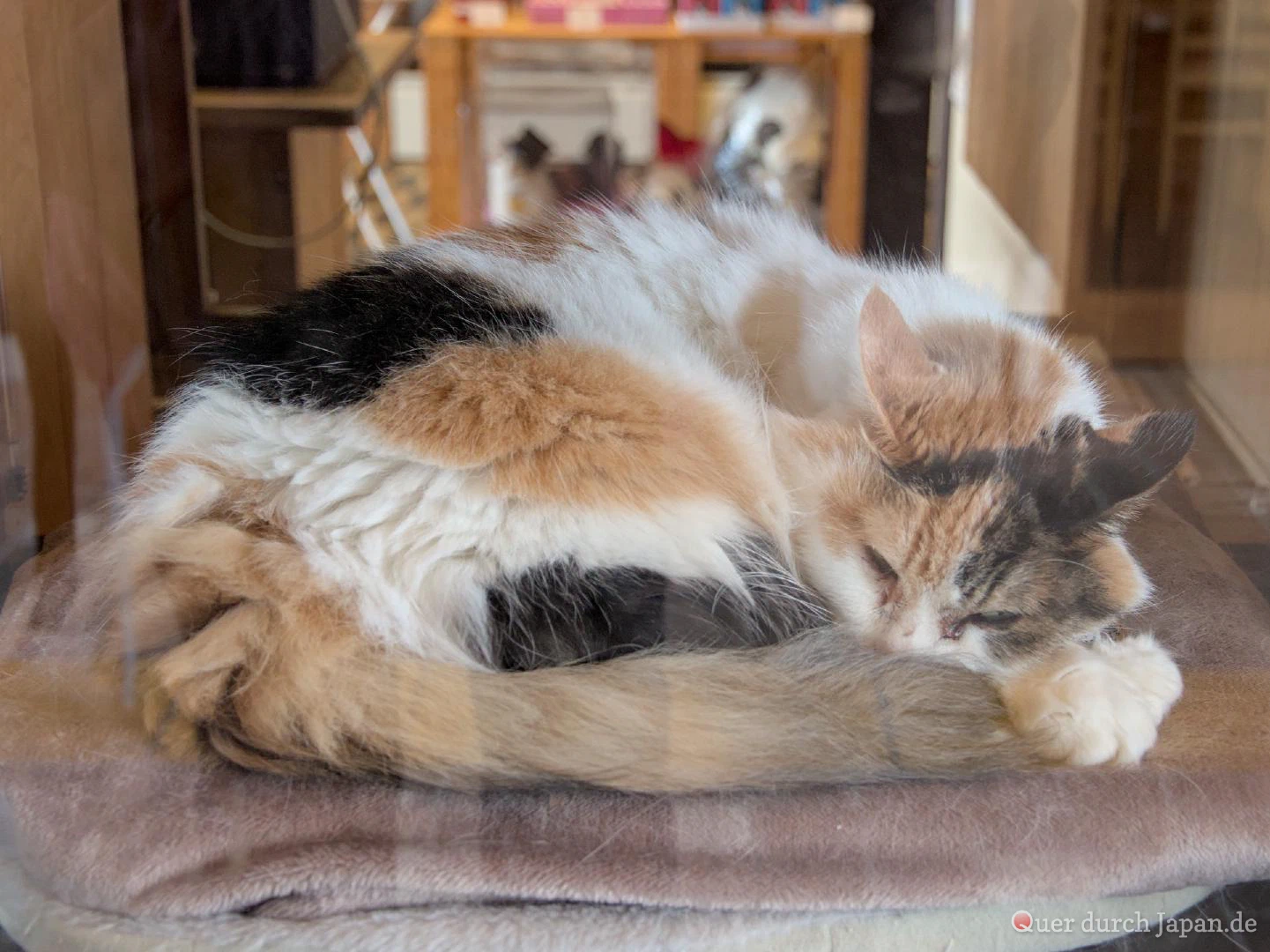
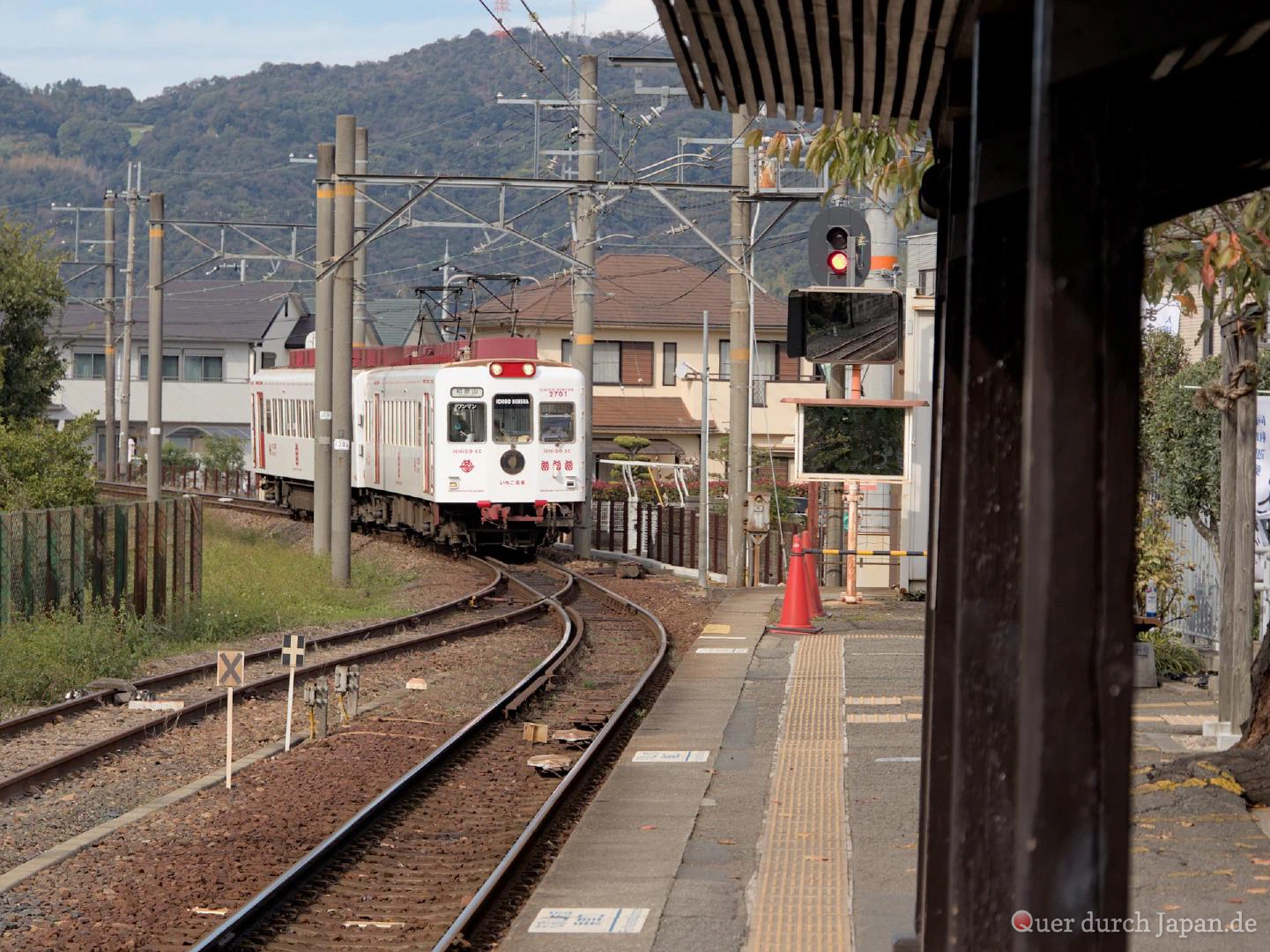
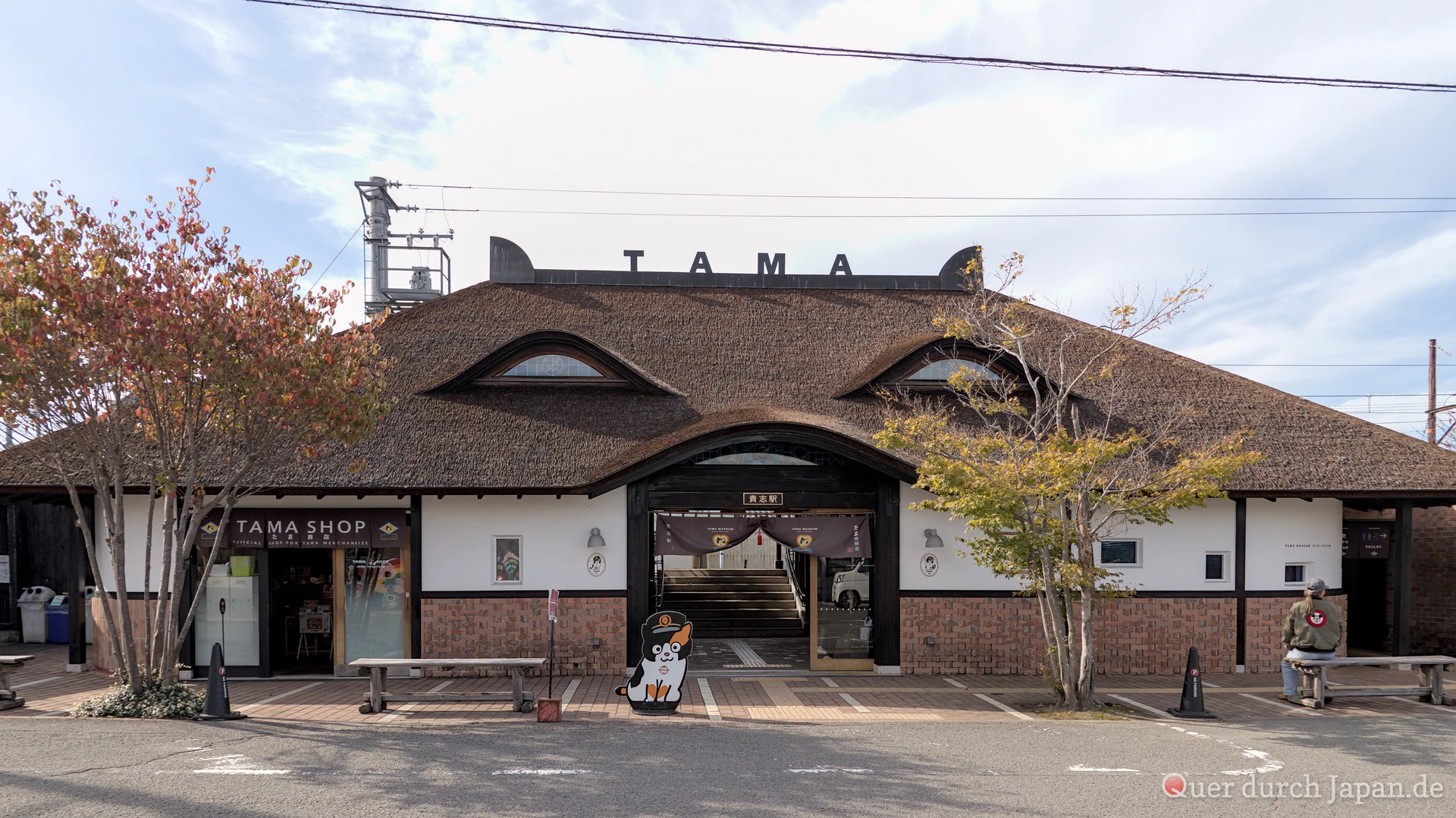
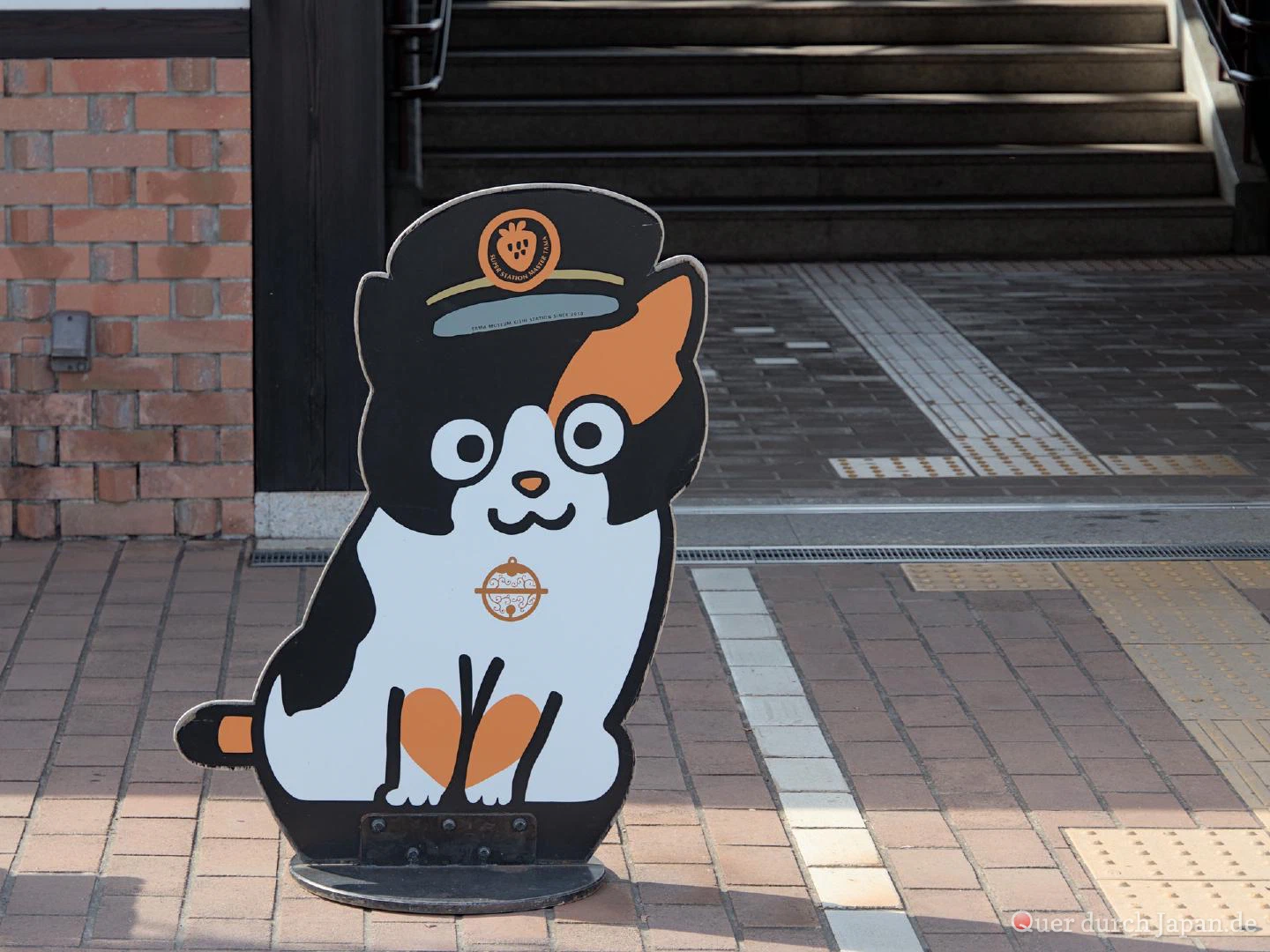
Before that, though, we took a special train to a special station in the little village of Kishi. The cool thing about this station is that it’s run by a cat. Nitama, as she’s called, is the official stationmaster and in charge of the staff. It seems like a pretty chilled job, as she mostly just lies around the station letting tourists take photos of her. Nitama (meaning “Tama the Second”) is the successor to the previous station cat named Tama, who sadly passed away in 2015.

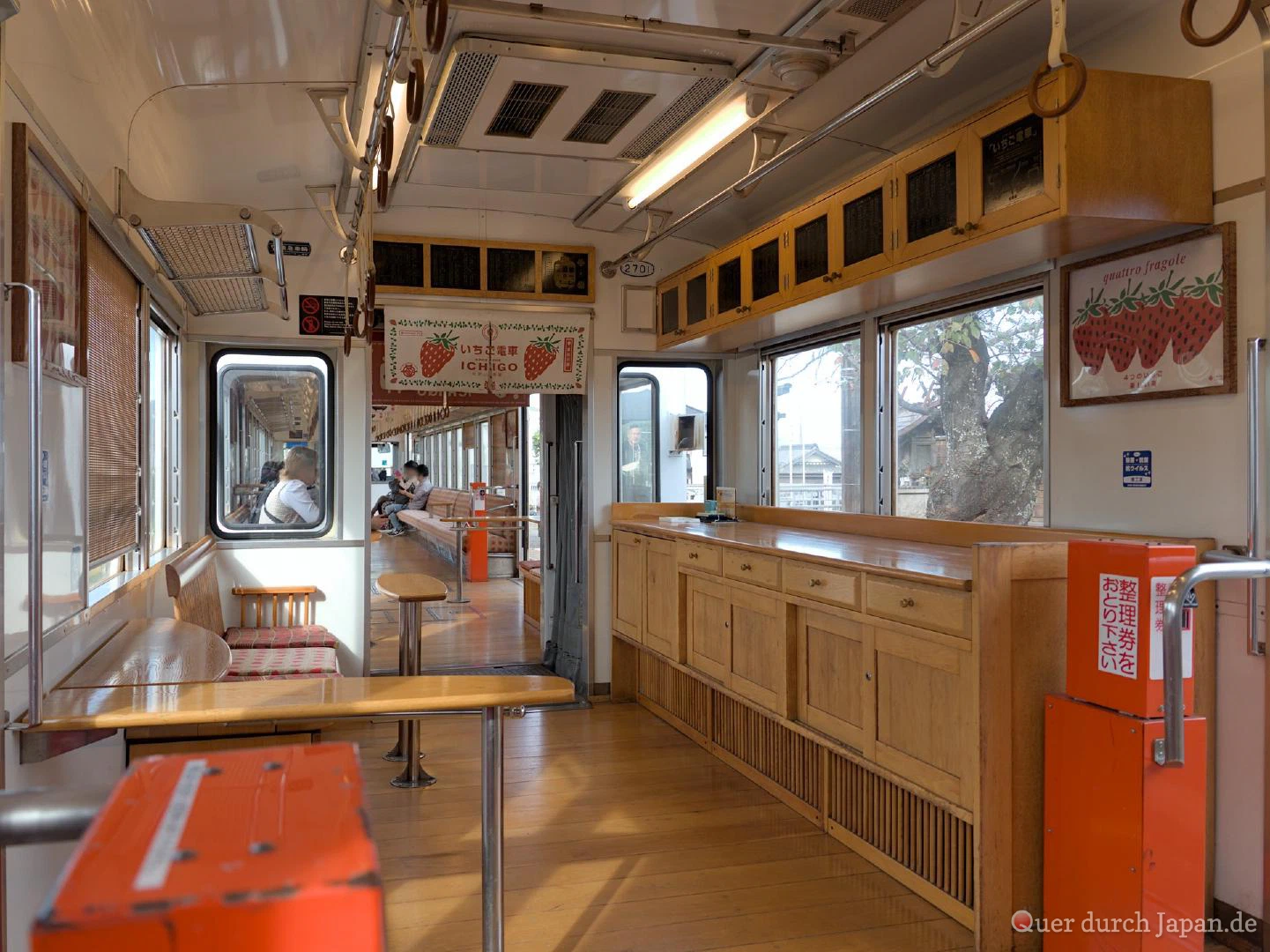
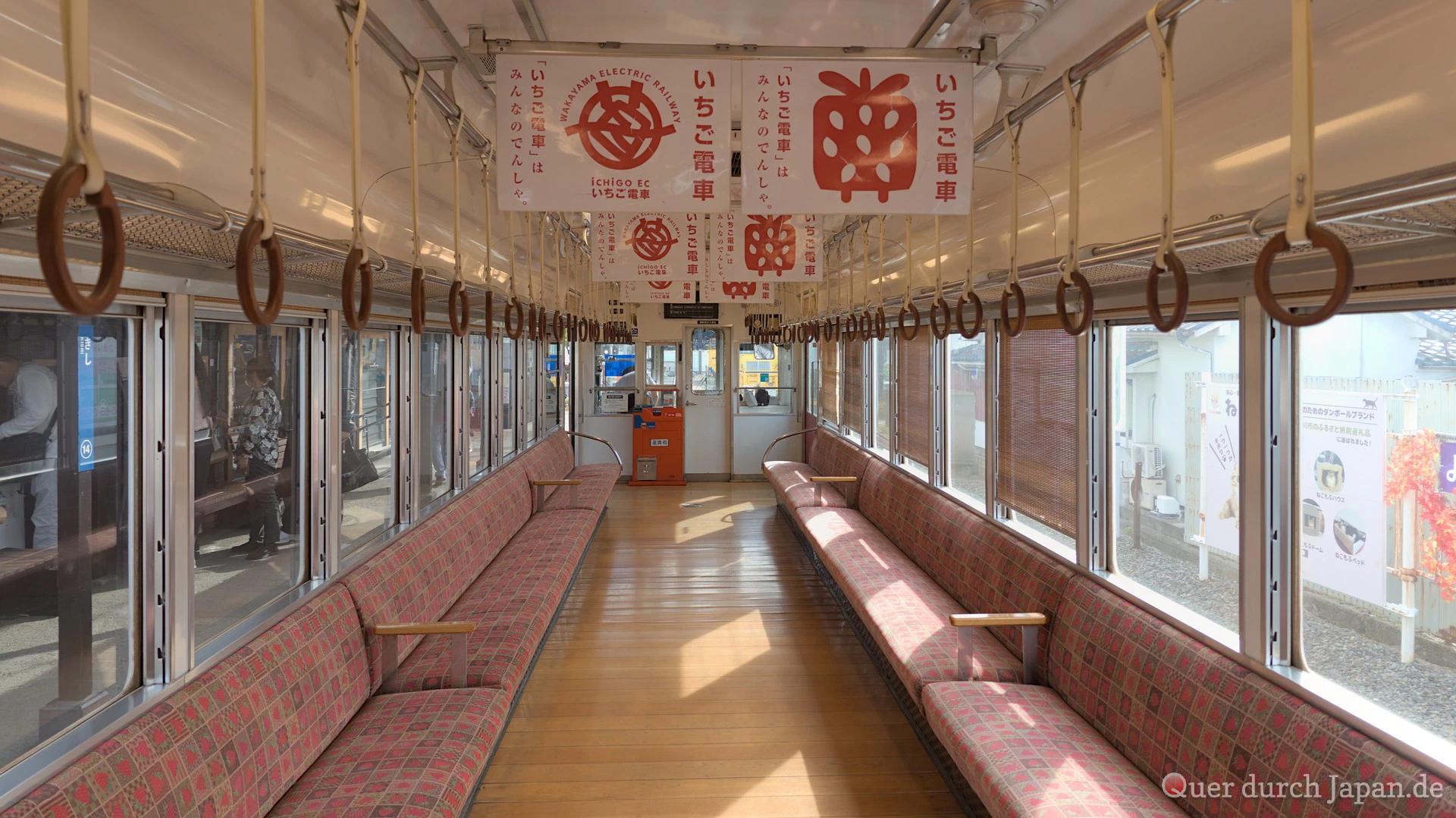
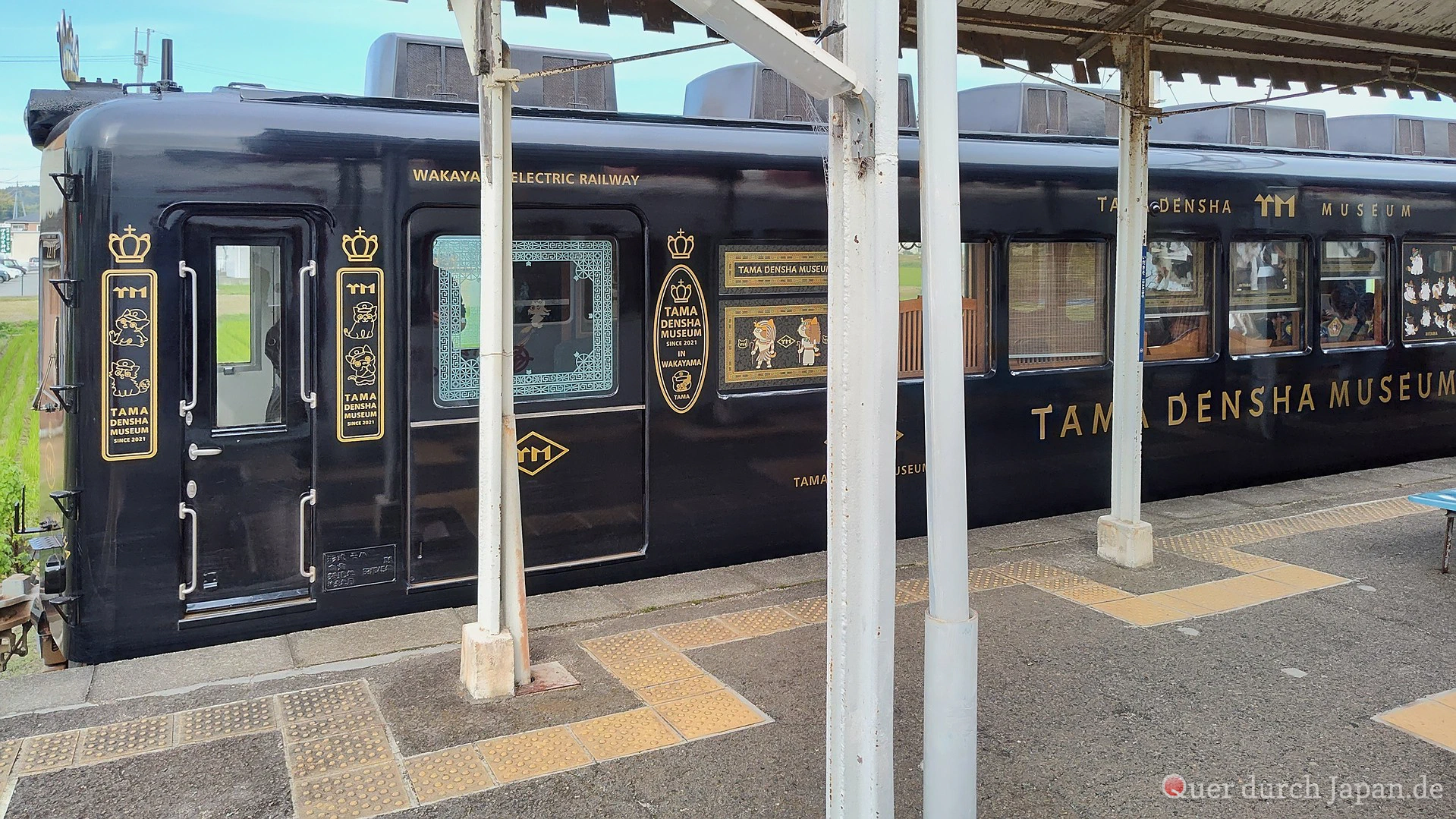
Inside the station, there’s a café and a little shop selling Tama souvenirs. Plus, there are special trains running on the line between Wakayama and Nishi, each decorated differently. One of them is a museum carriage, which unfortunately we didn’t have time to actually go inside, so we could only take photos from the outside.
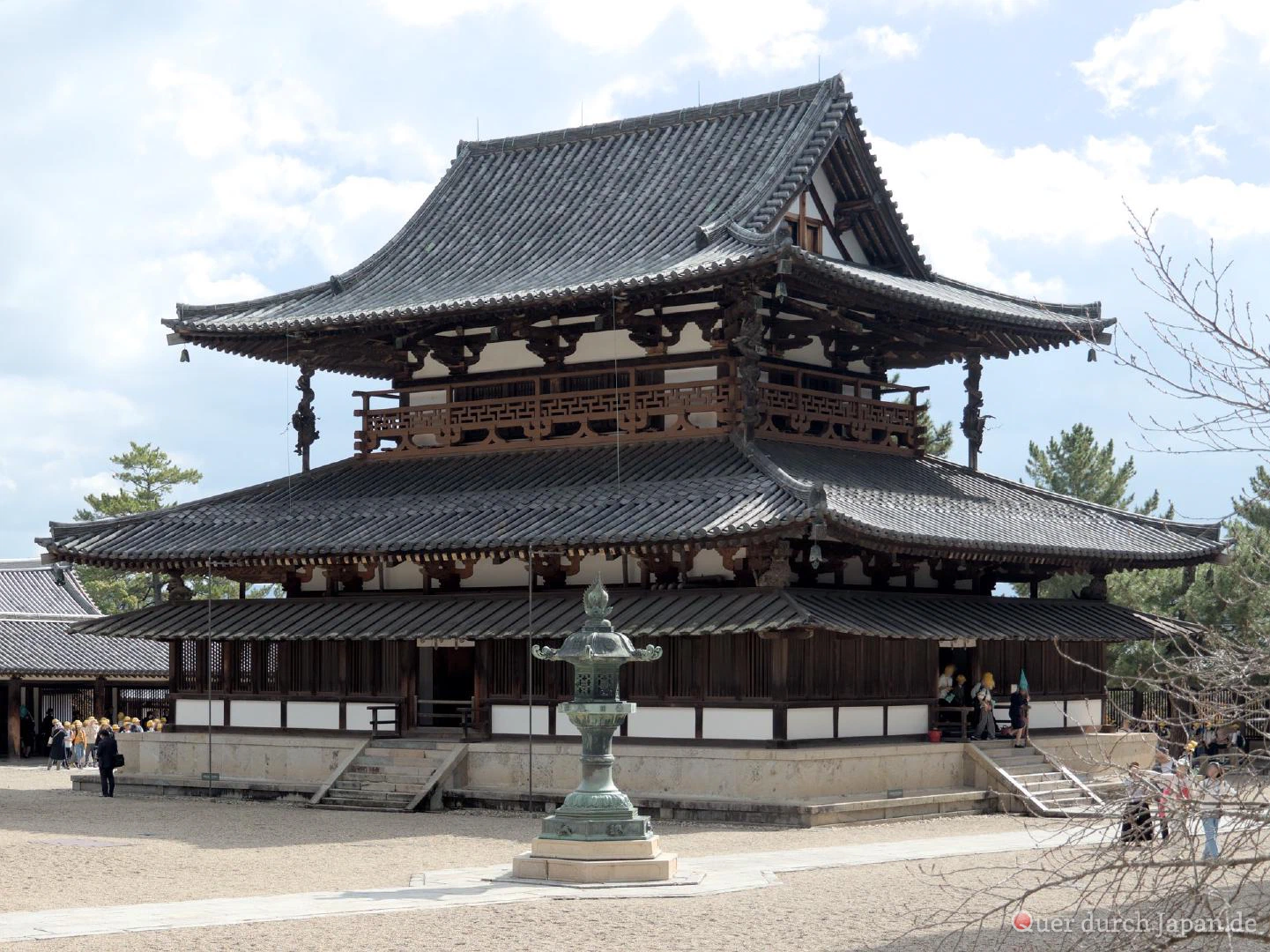
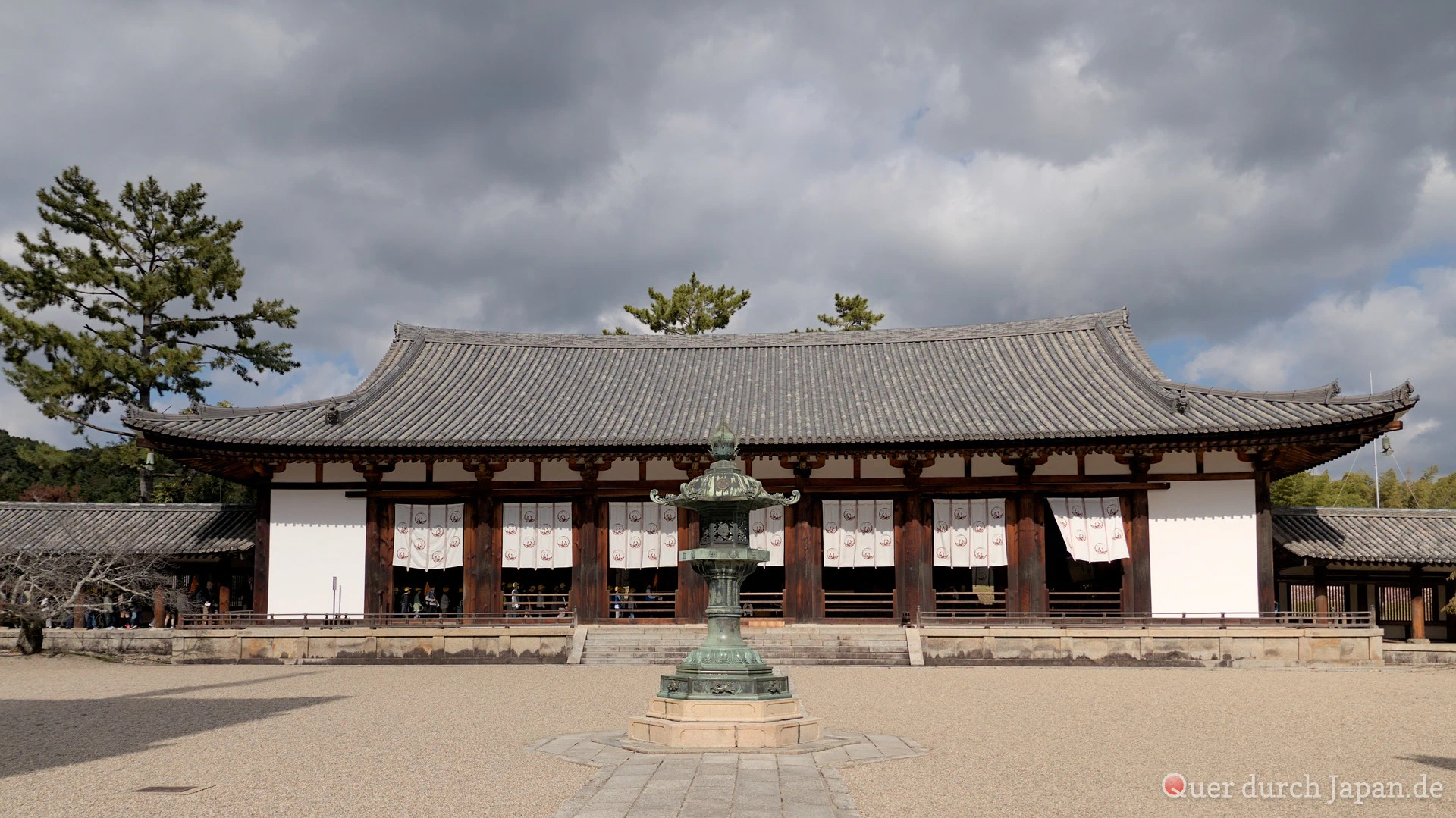
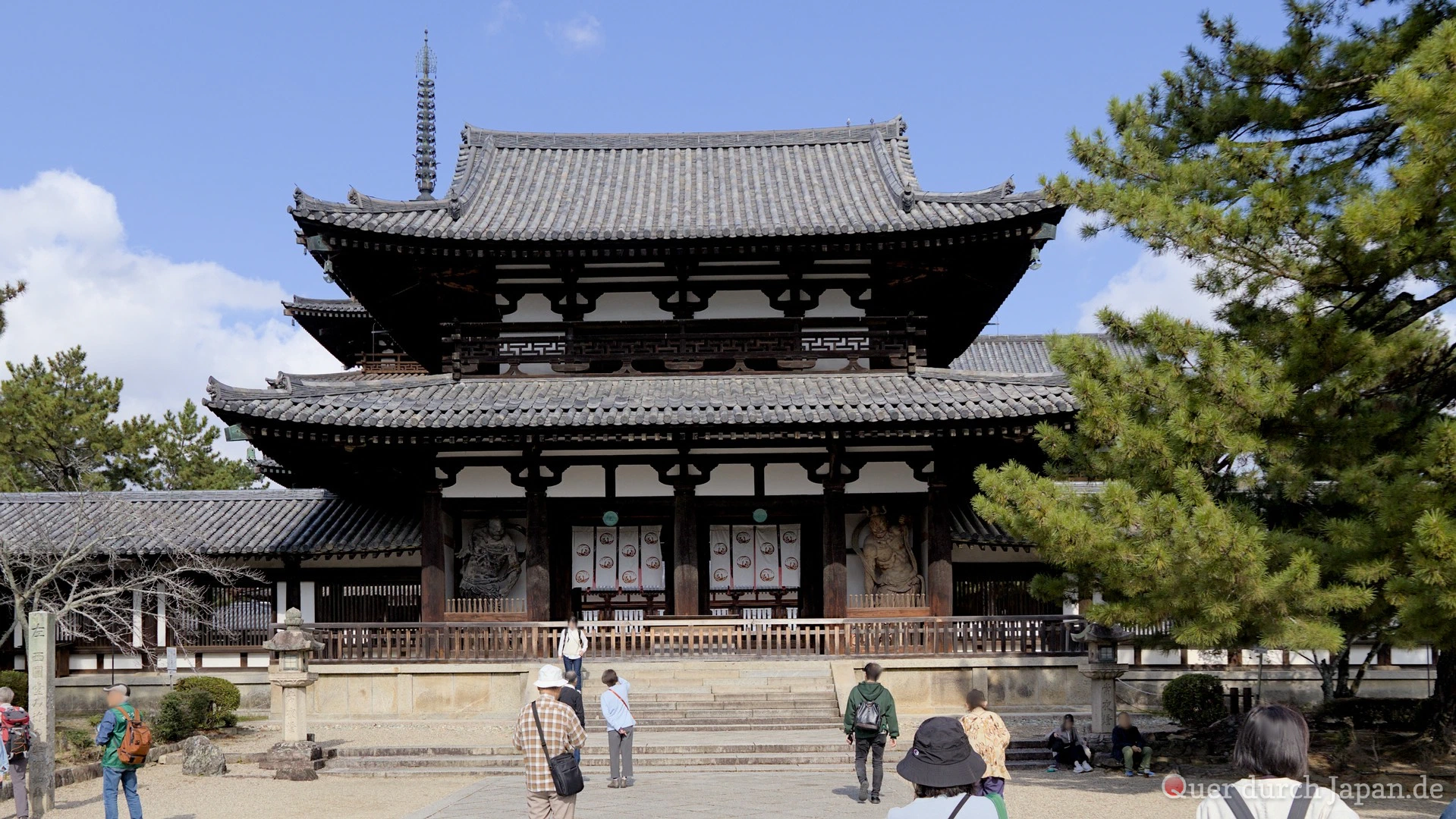
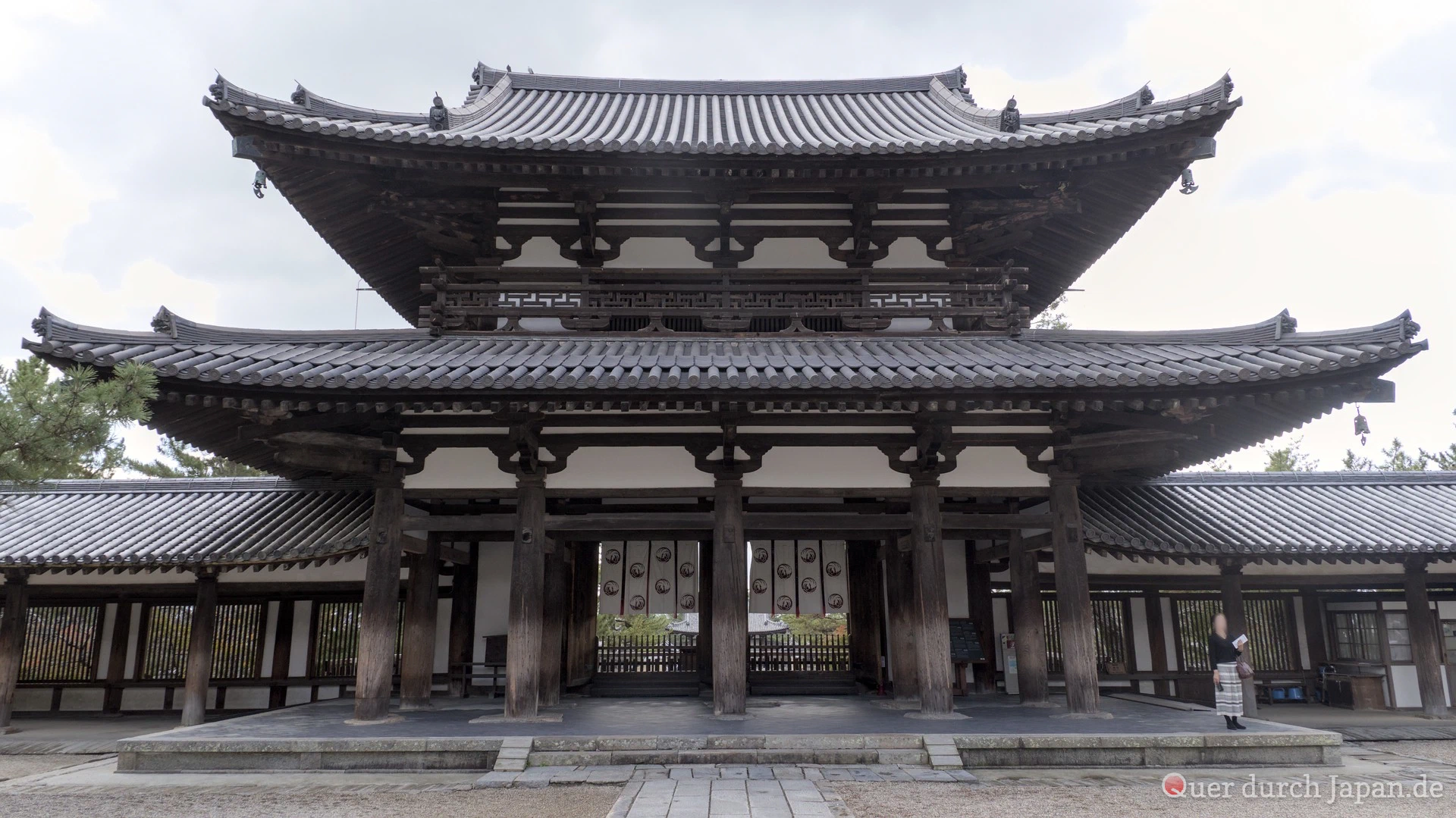
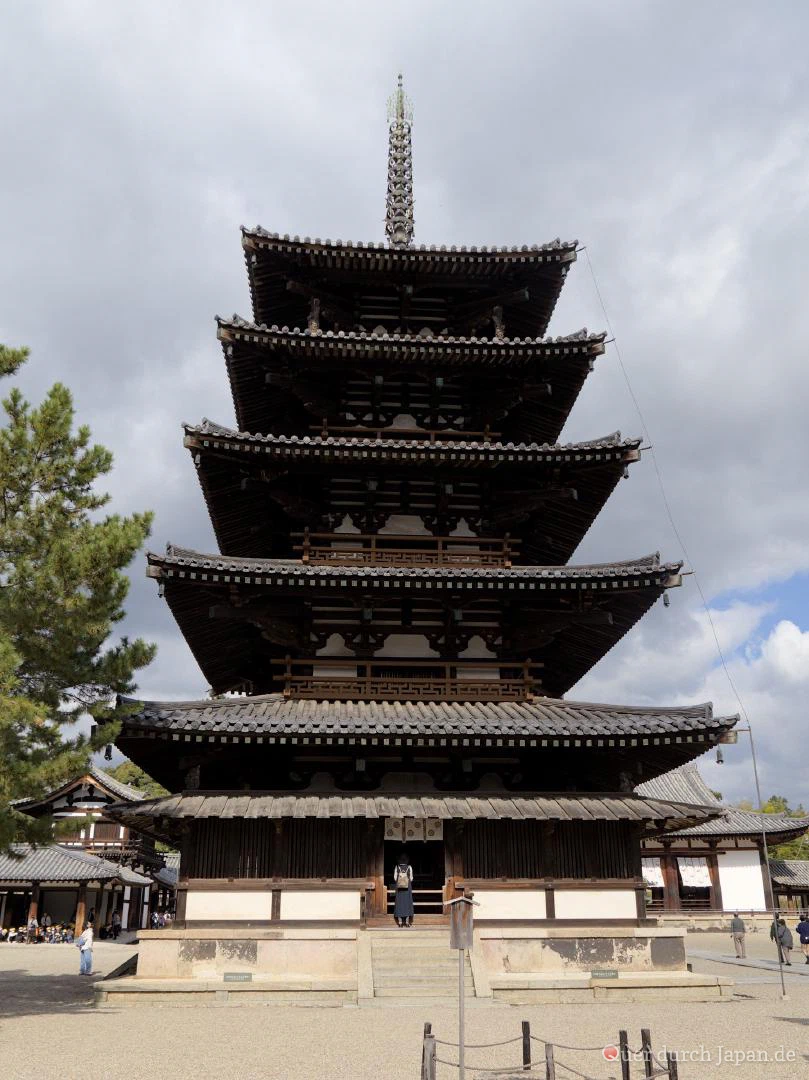
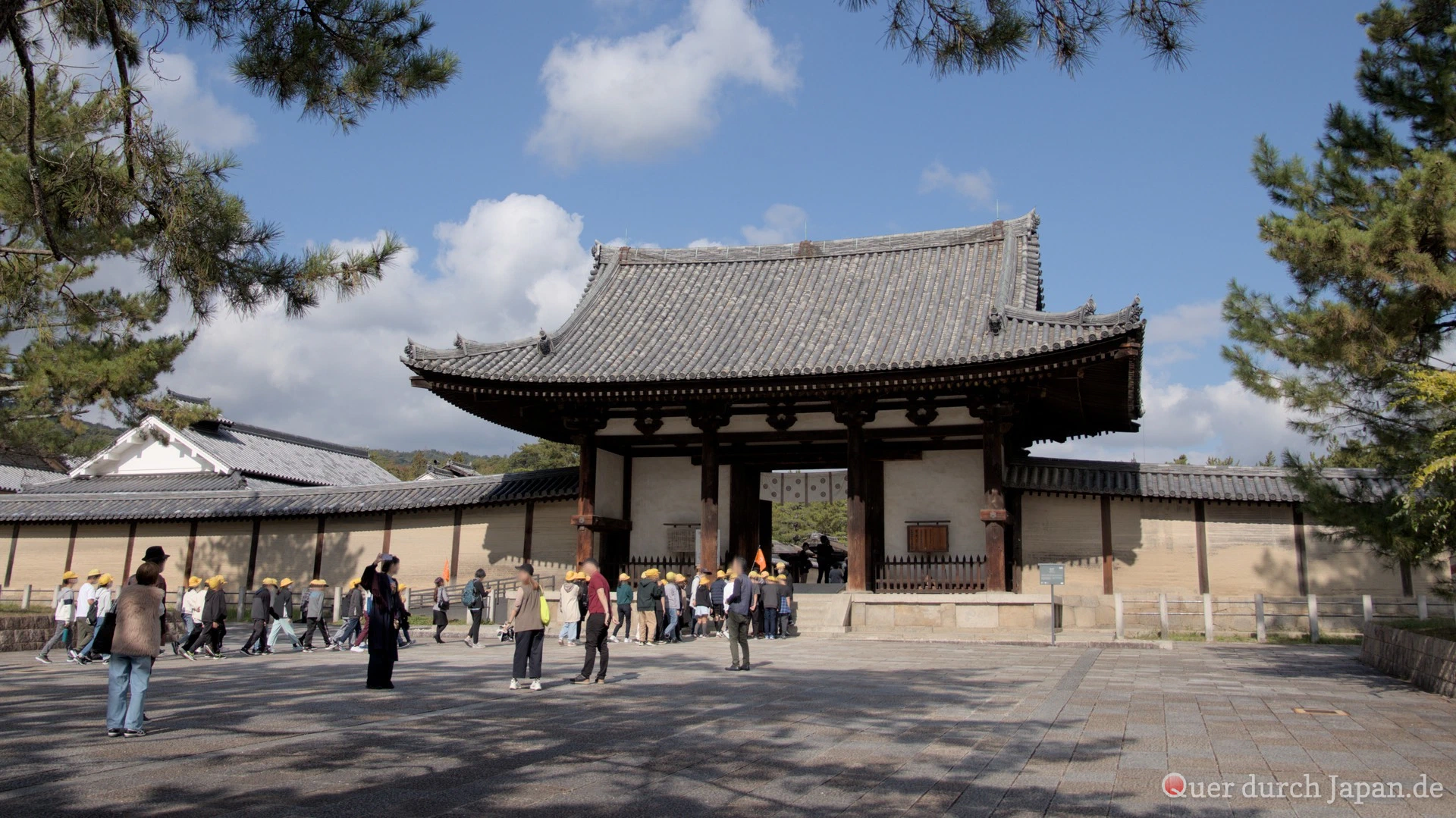
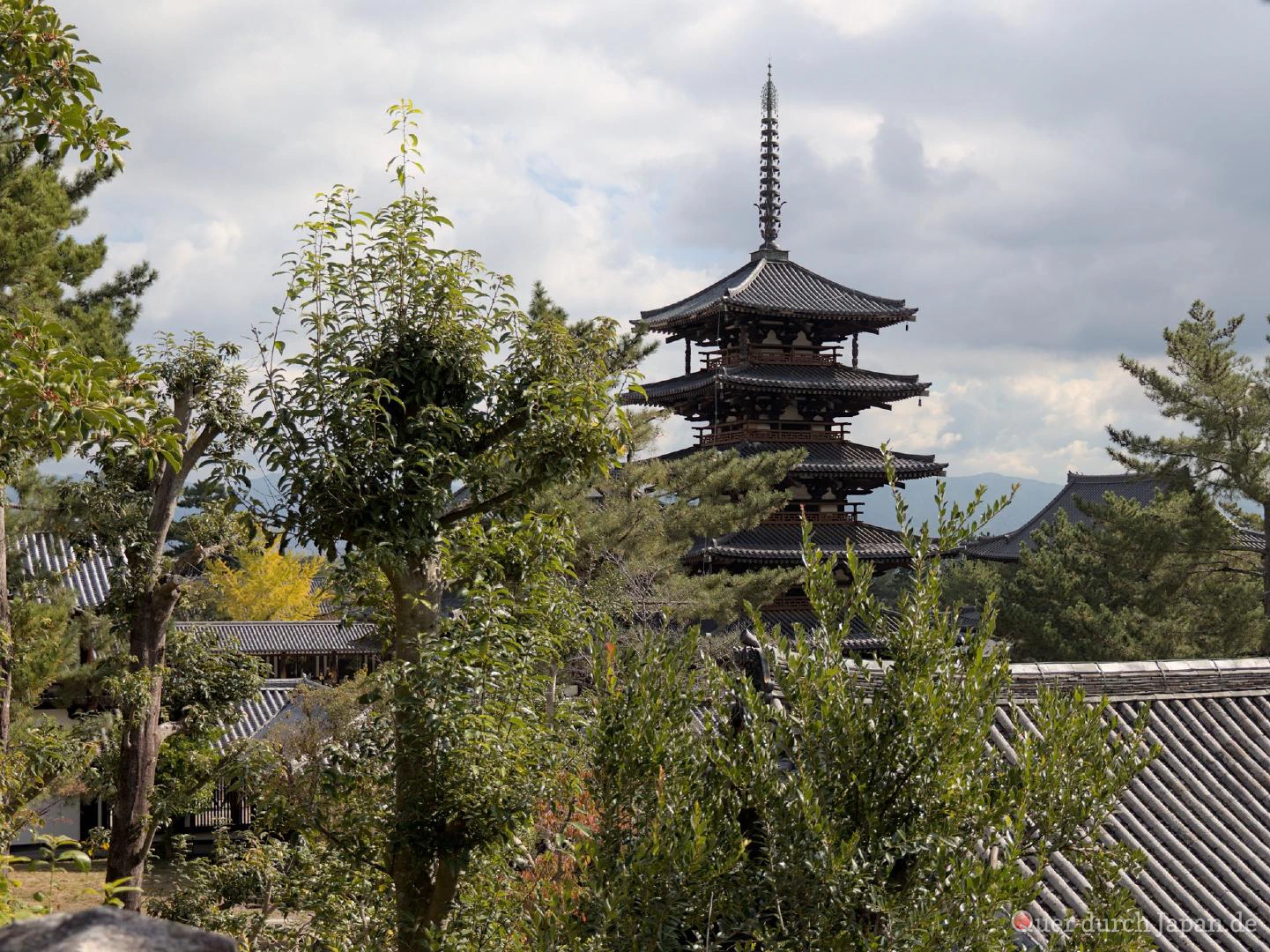
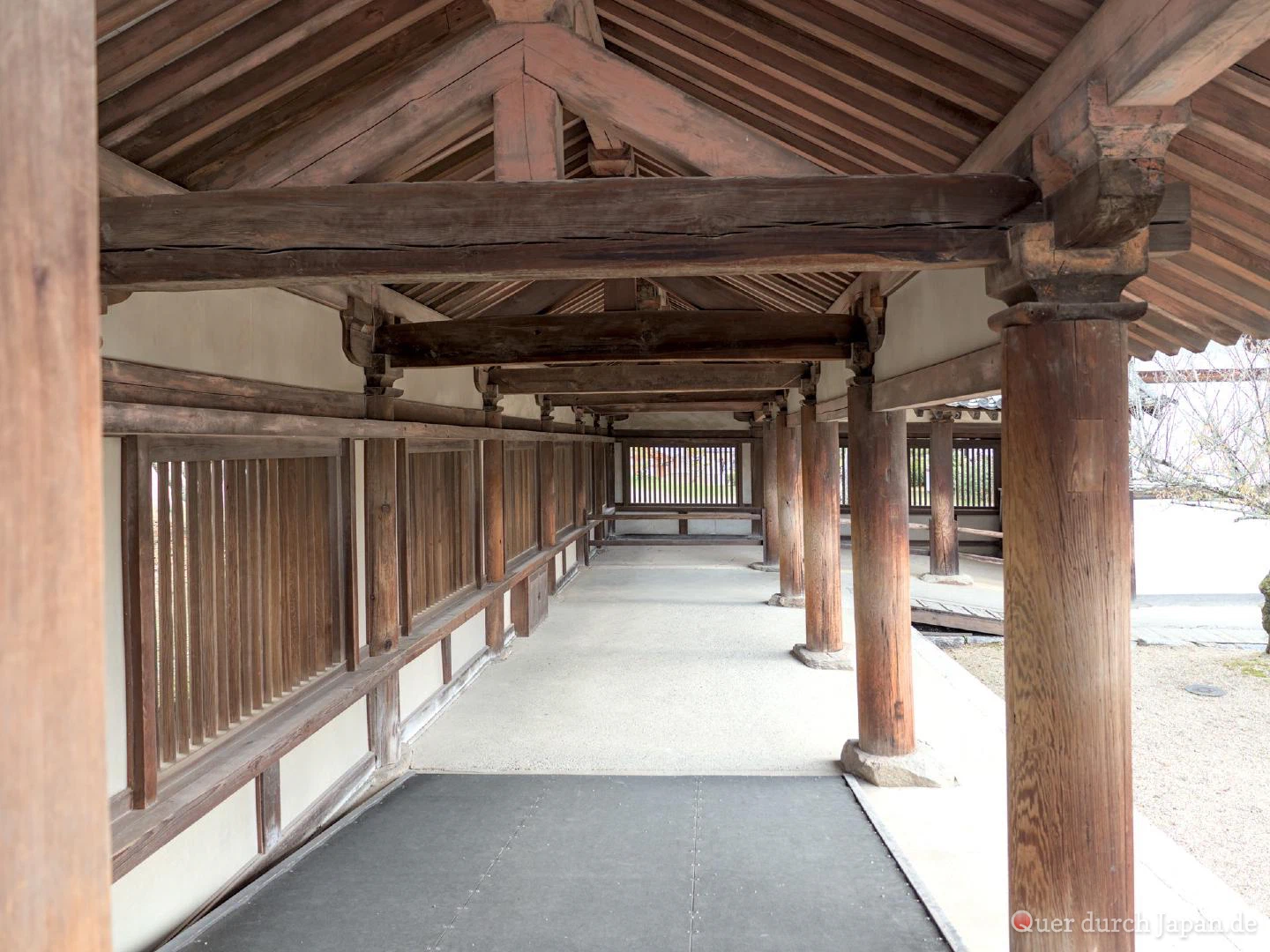
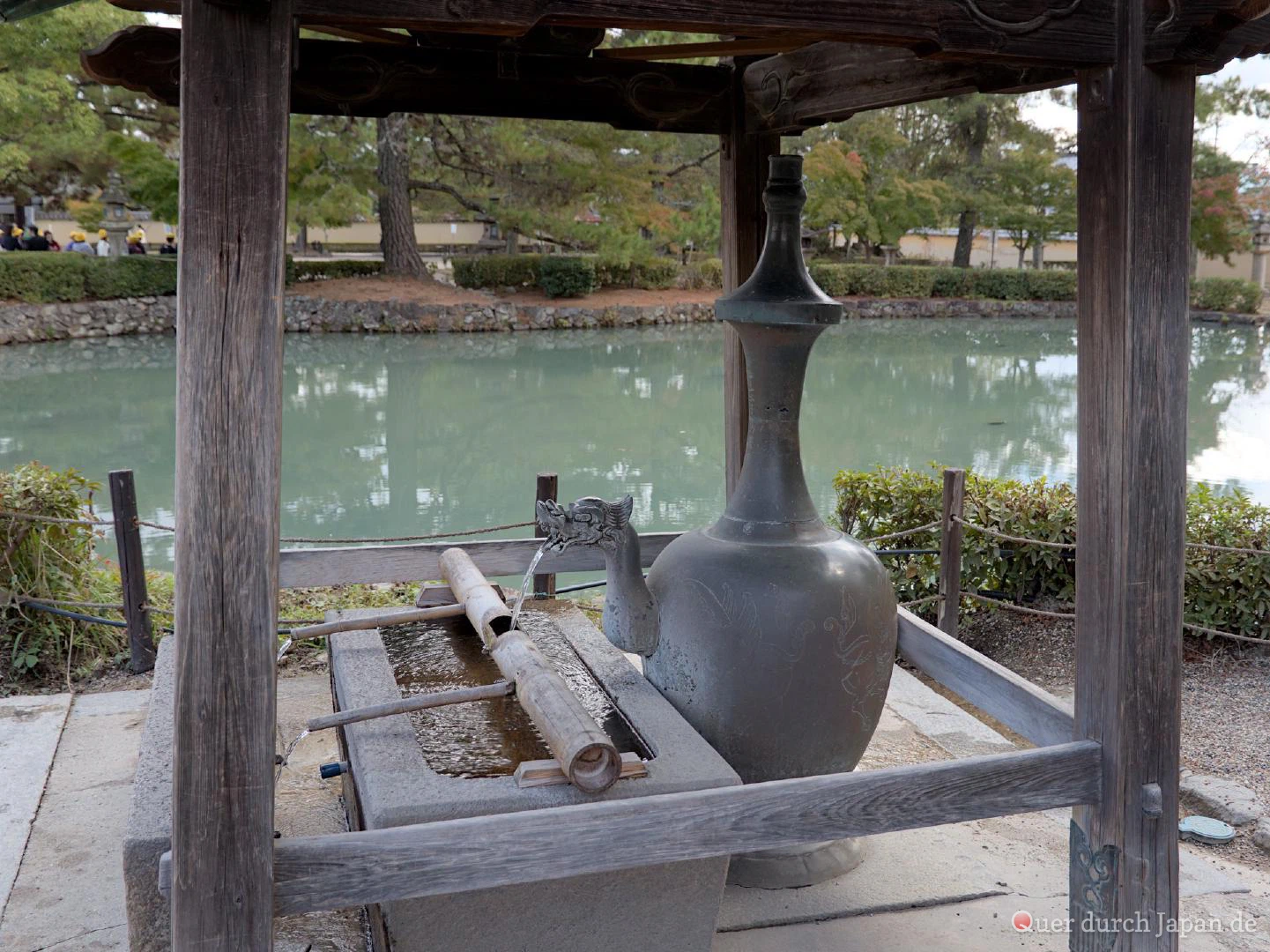
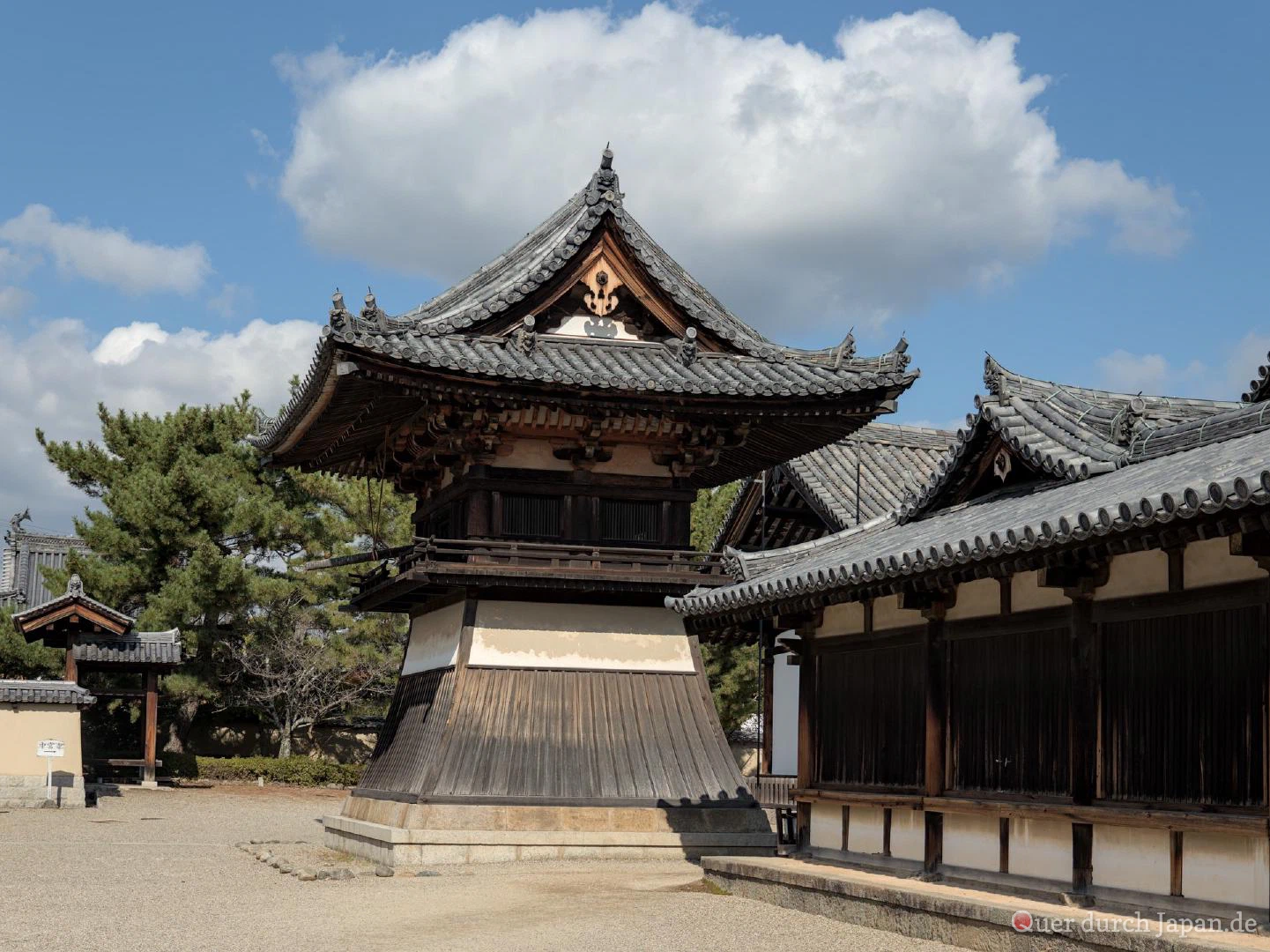
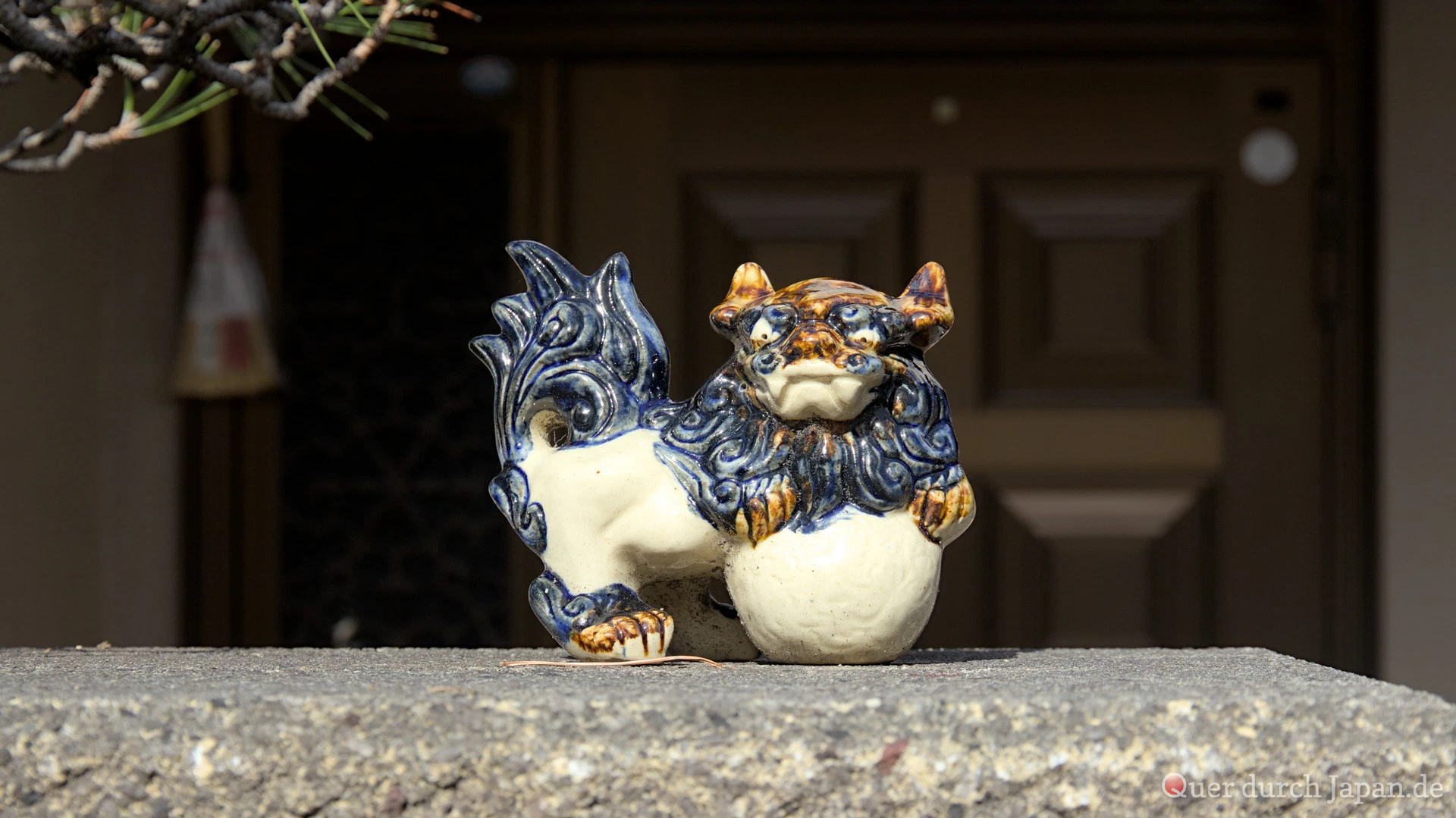
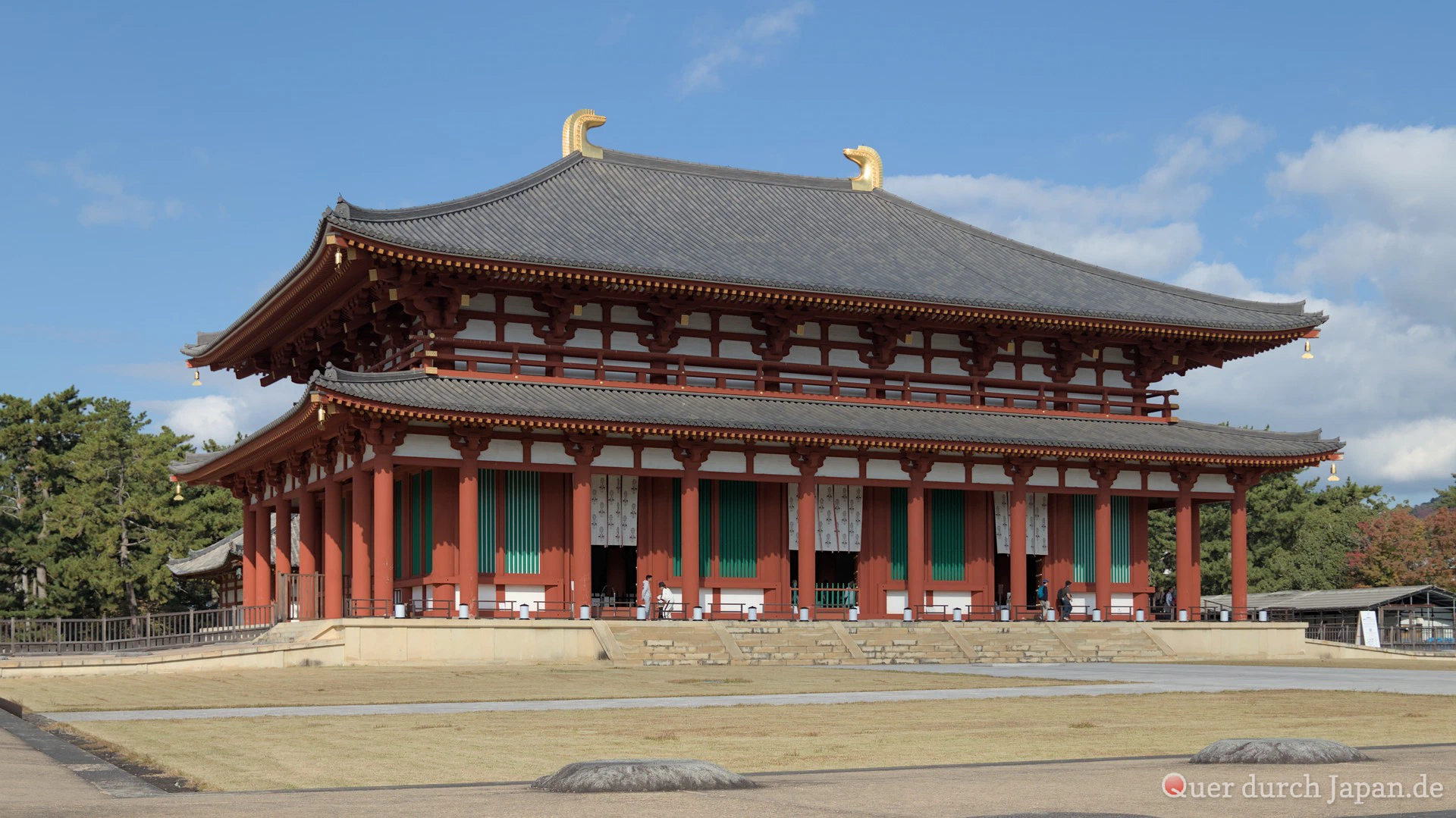
The day started today with a visit to the Hōryūji Temple in Nara. It was founded in 607, making it one of the oldest temple complexes in Japan. The main gate, the main hall, and the five-storey pagoda are actually the oldest surviving wooden structures in the world.

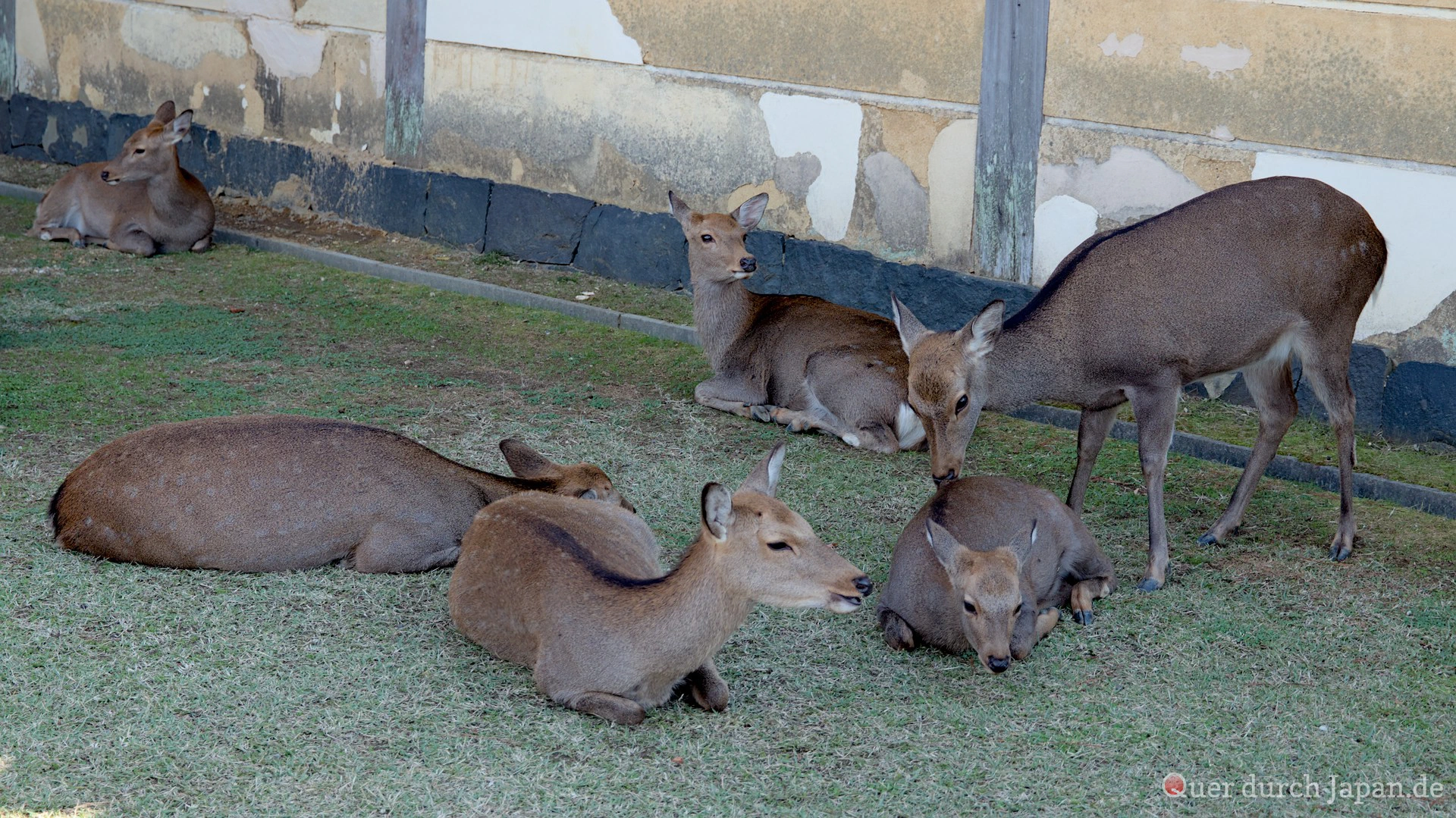
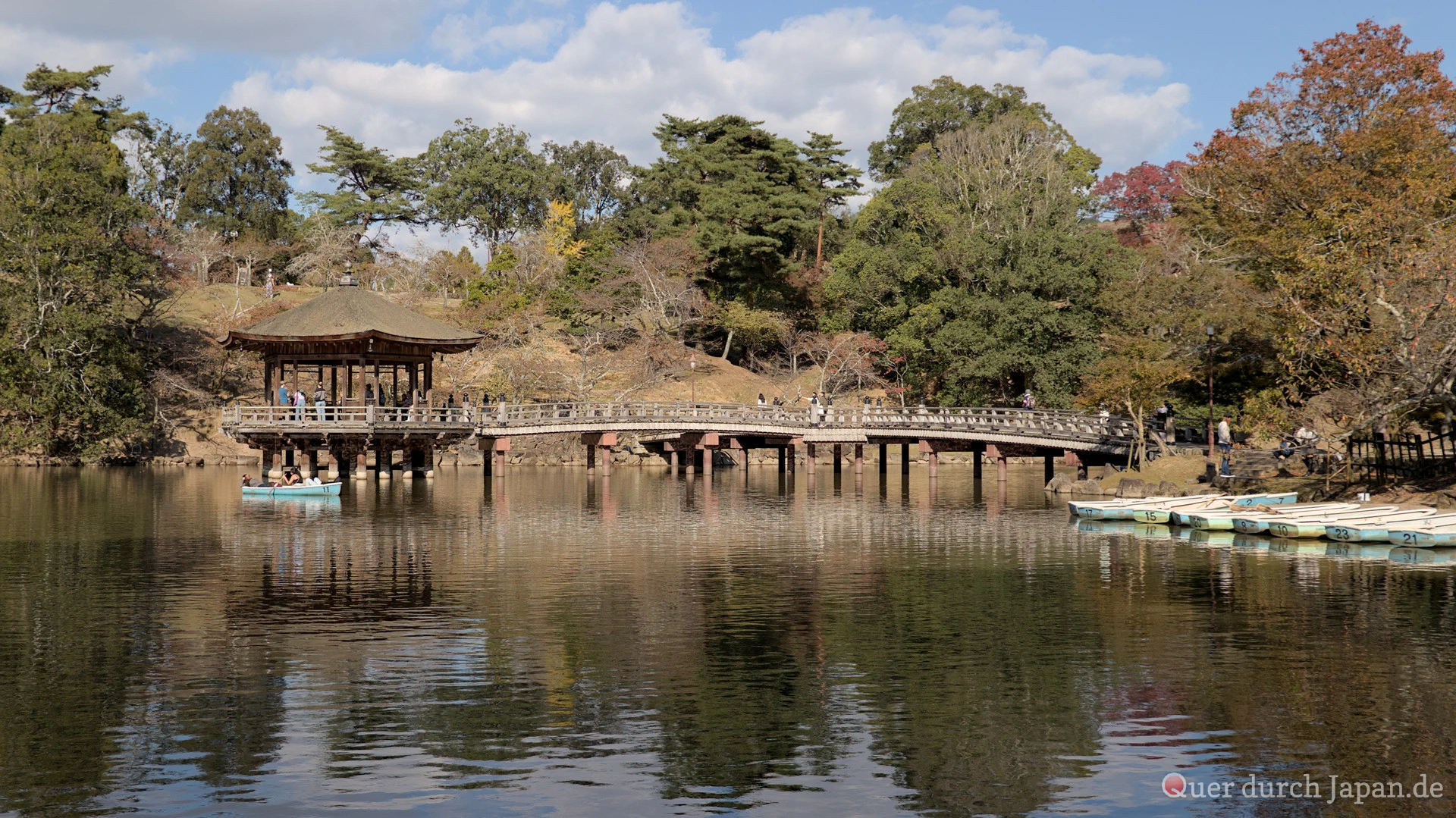
After that, we took a detour to the sprawling Nara Park with its many temples and shrines. We’ve been there many times and actually wanted to use the visit to relax, but the sheer crowds of tourists sucked all the joy out of it. This is probably just a taste of Kyōto, which is particularly suffering from the influx of visitors due to the weak yen.

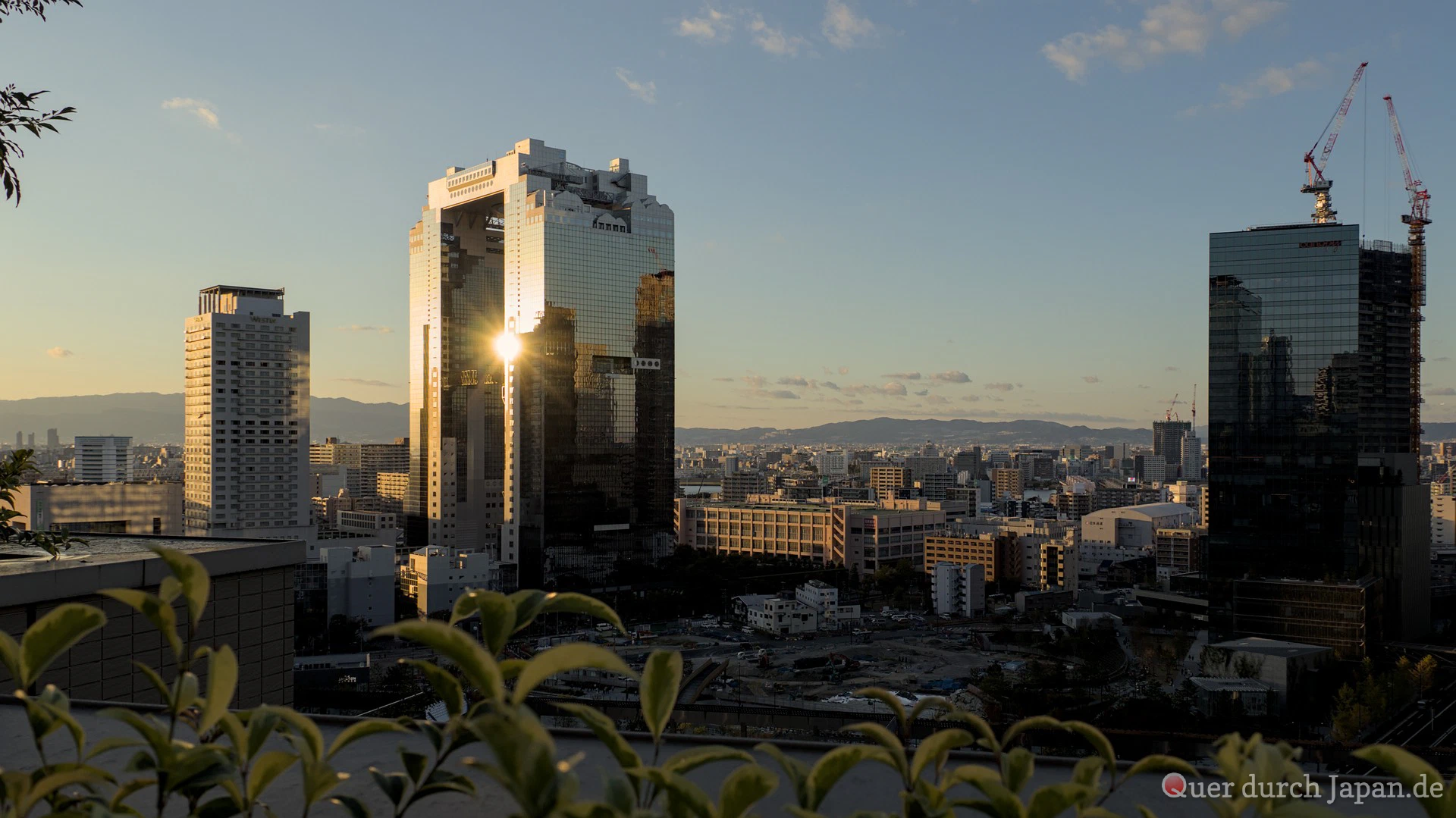
Instead, we went back to Ōsaka, where we visited the Umeda Sky Building.

By the way, the weather here still feels almost like late summer: sunny and over 20°C during the day.

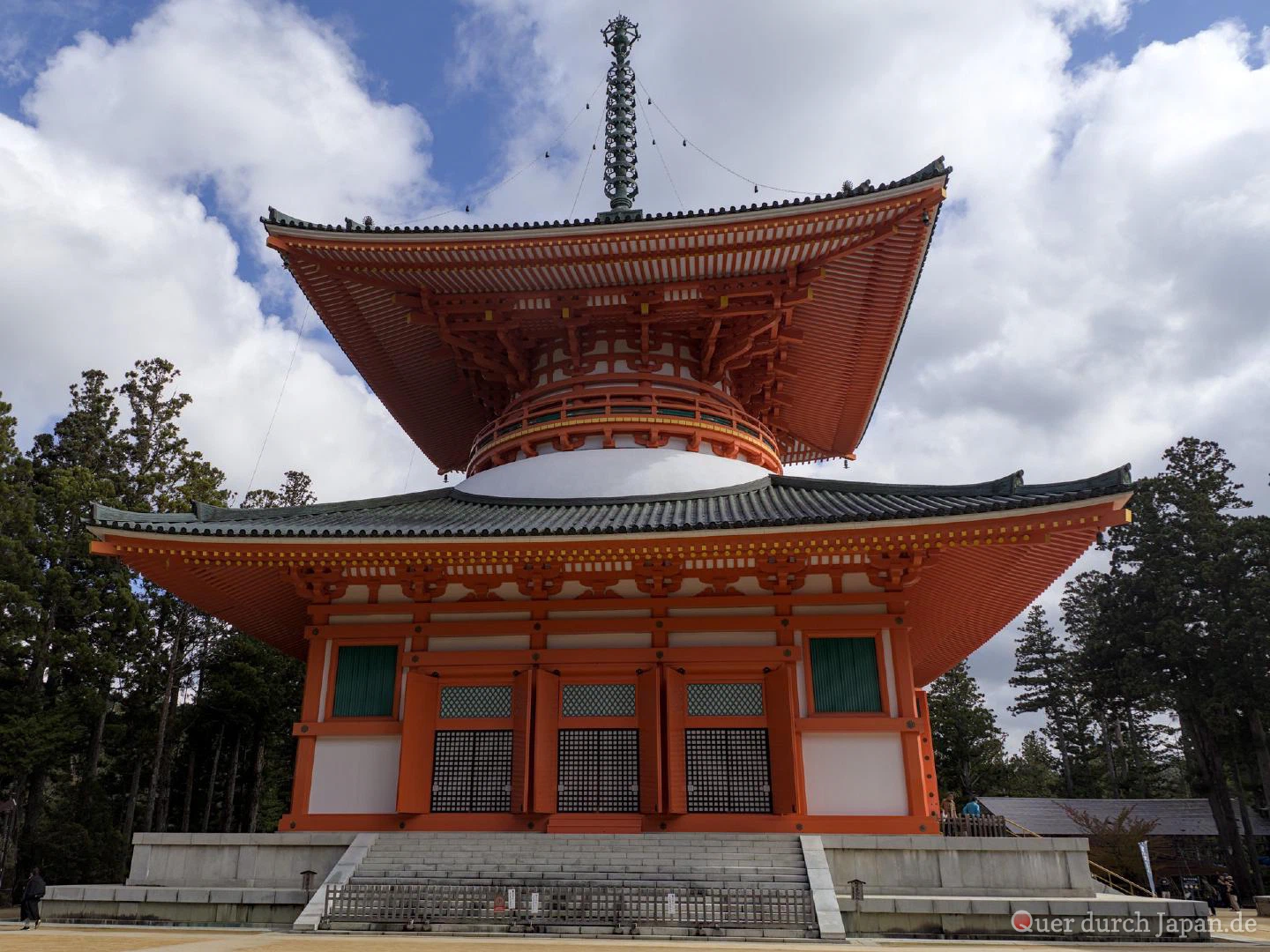
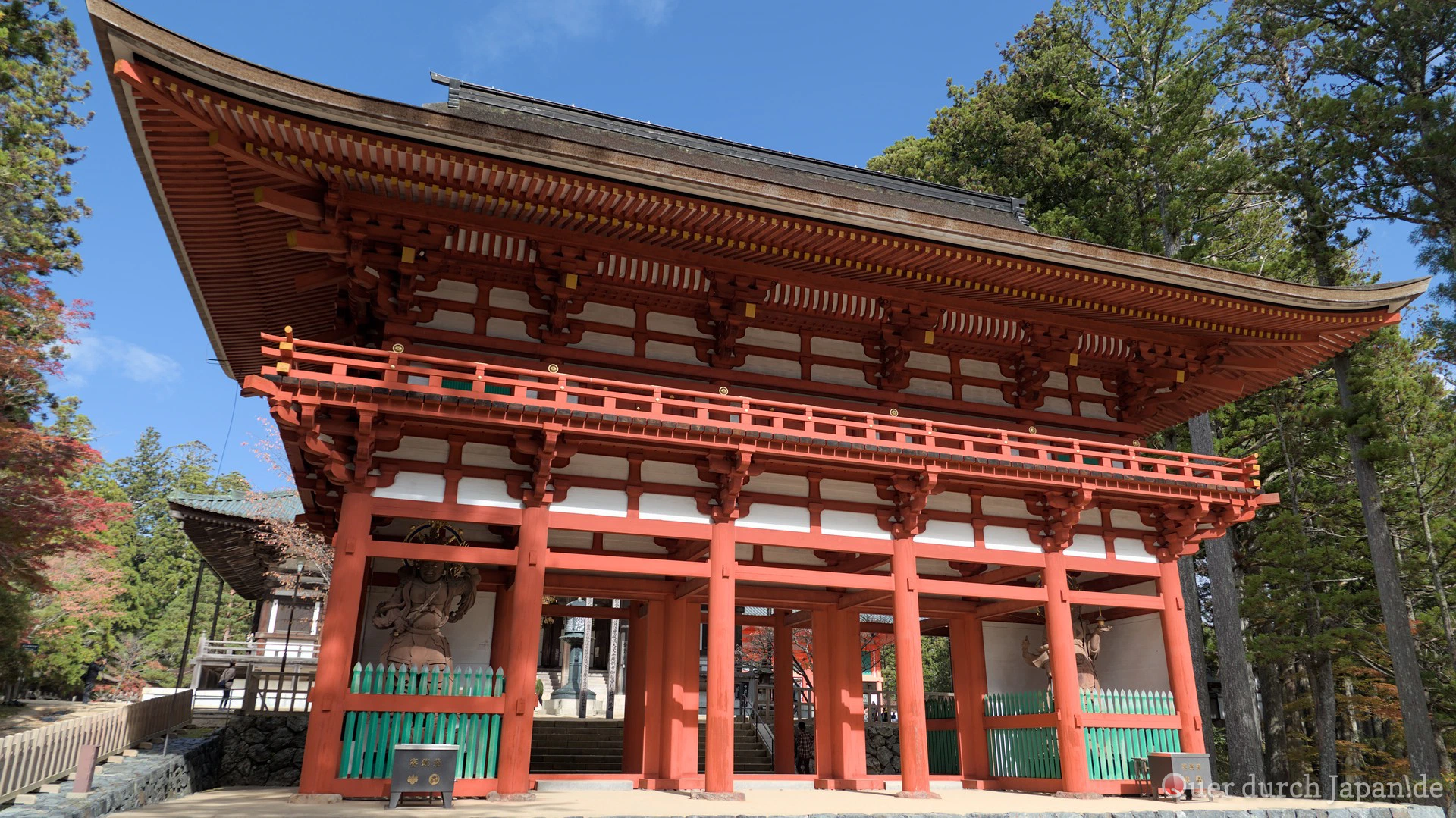
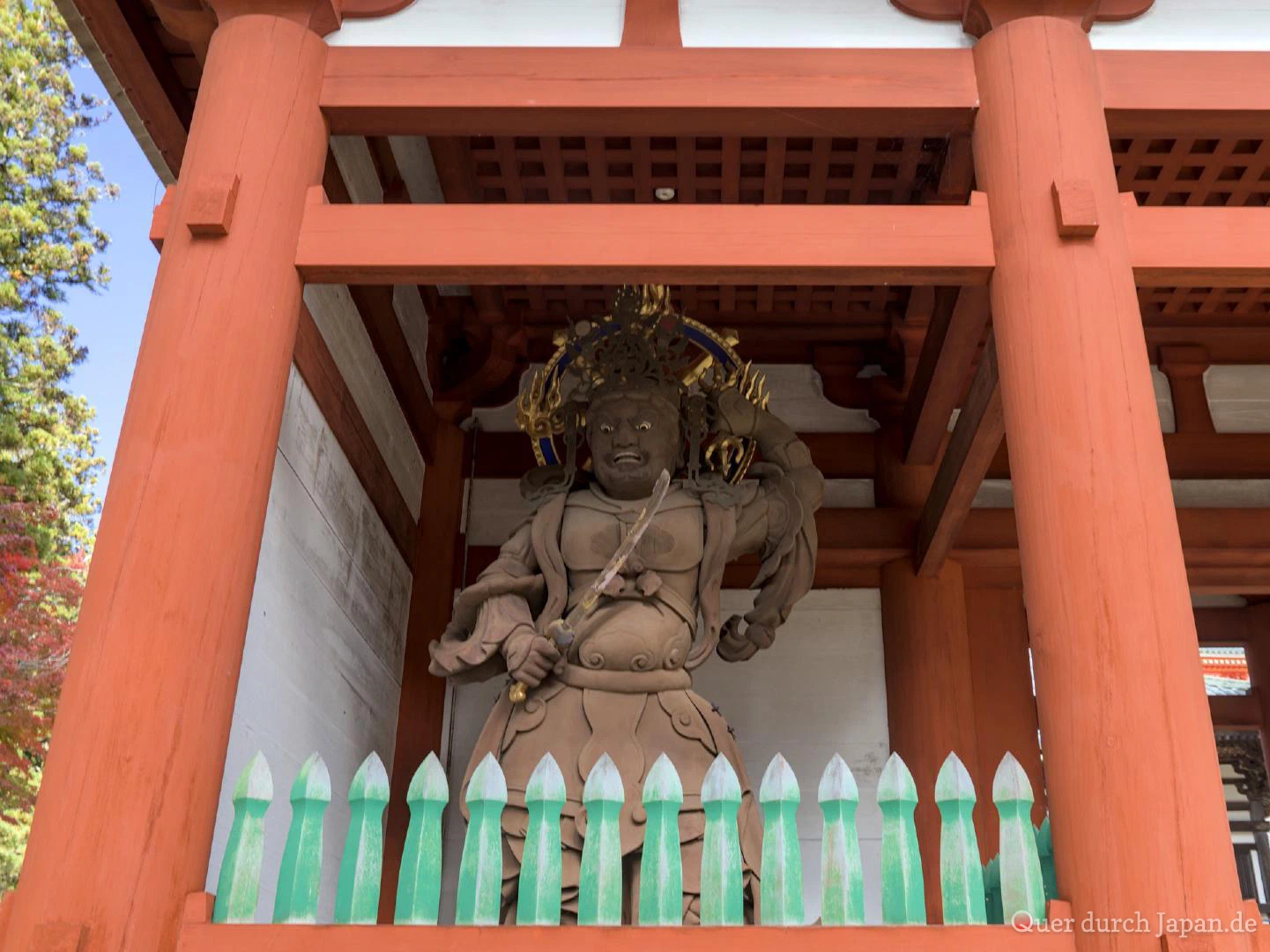
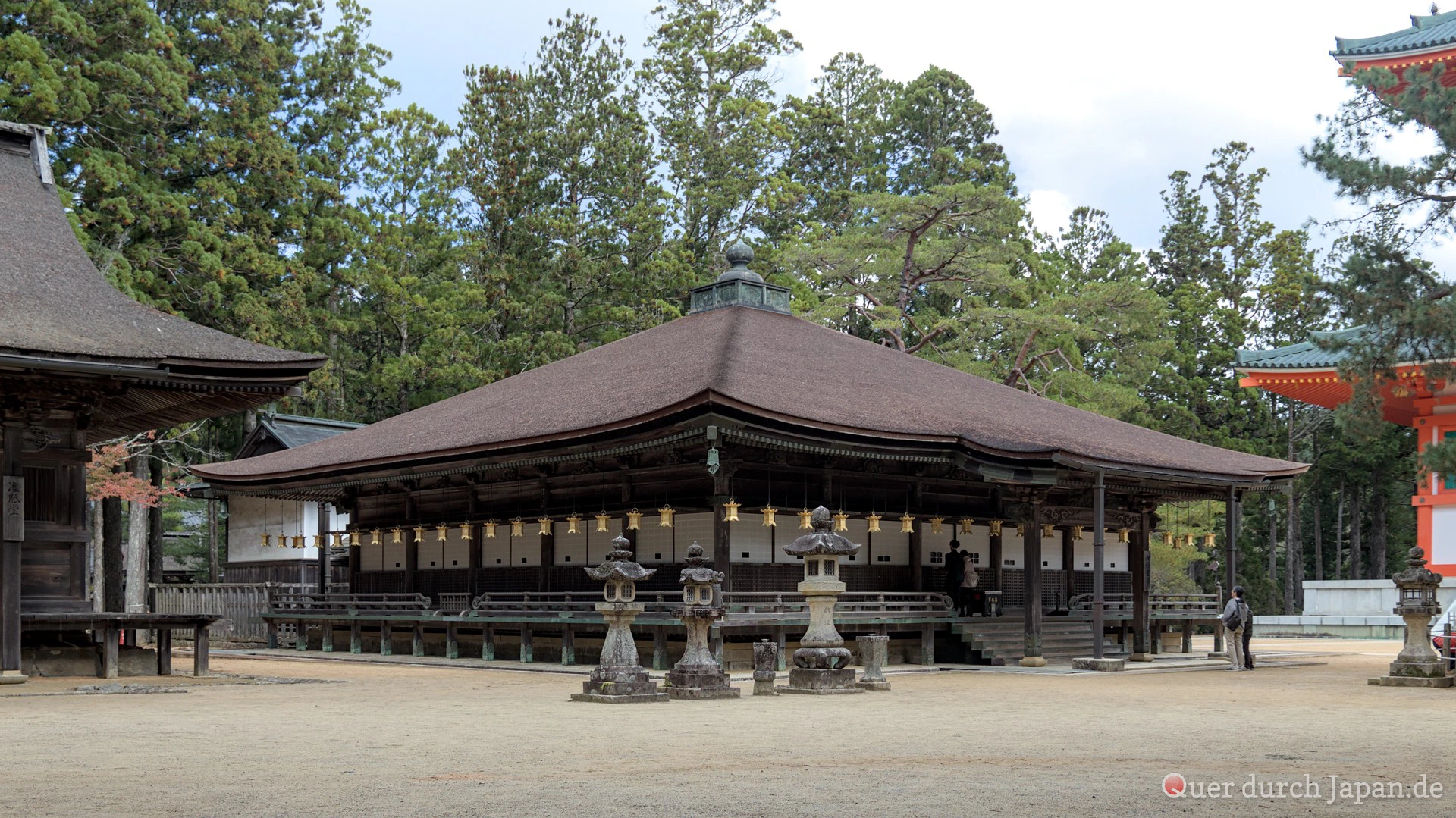
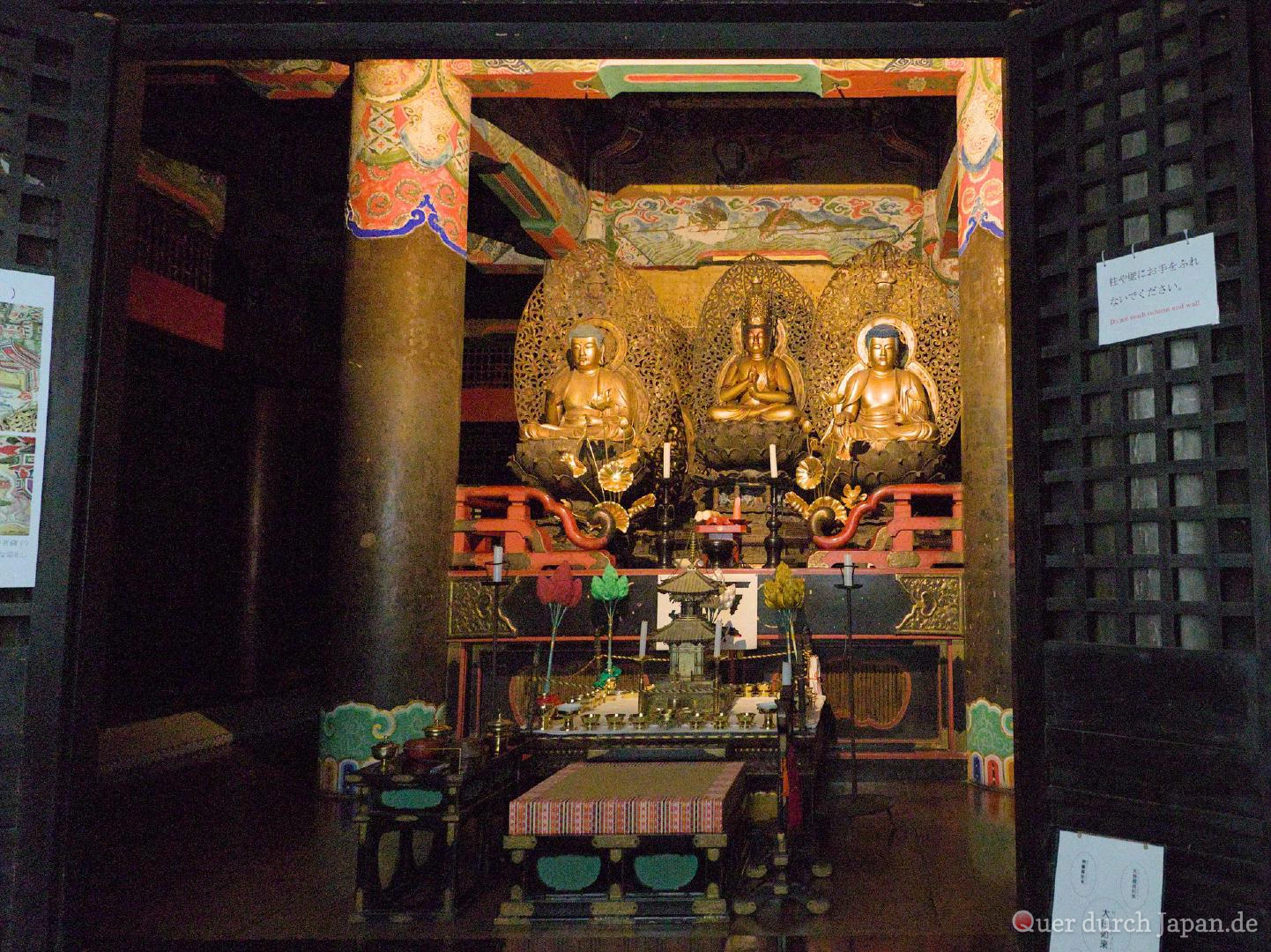
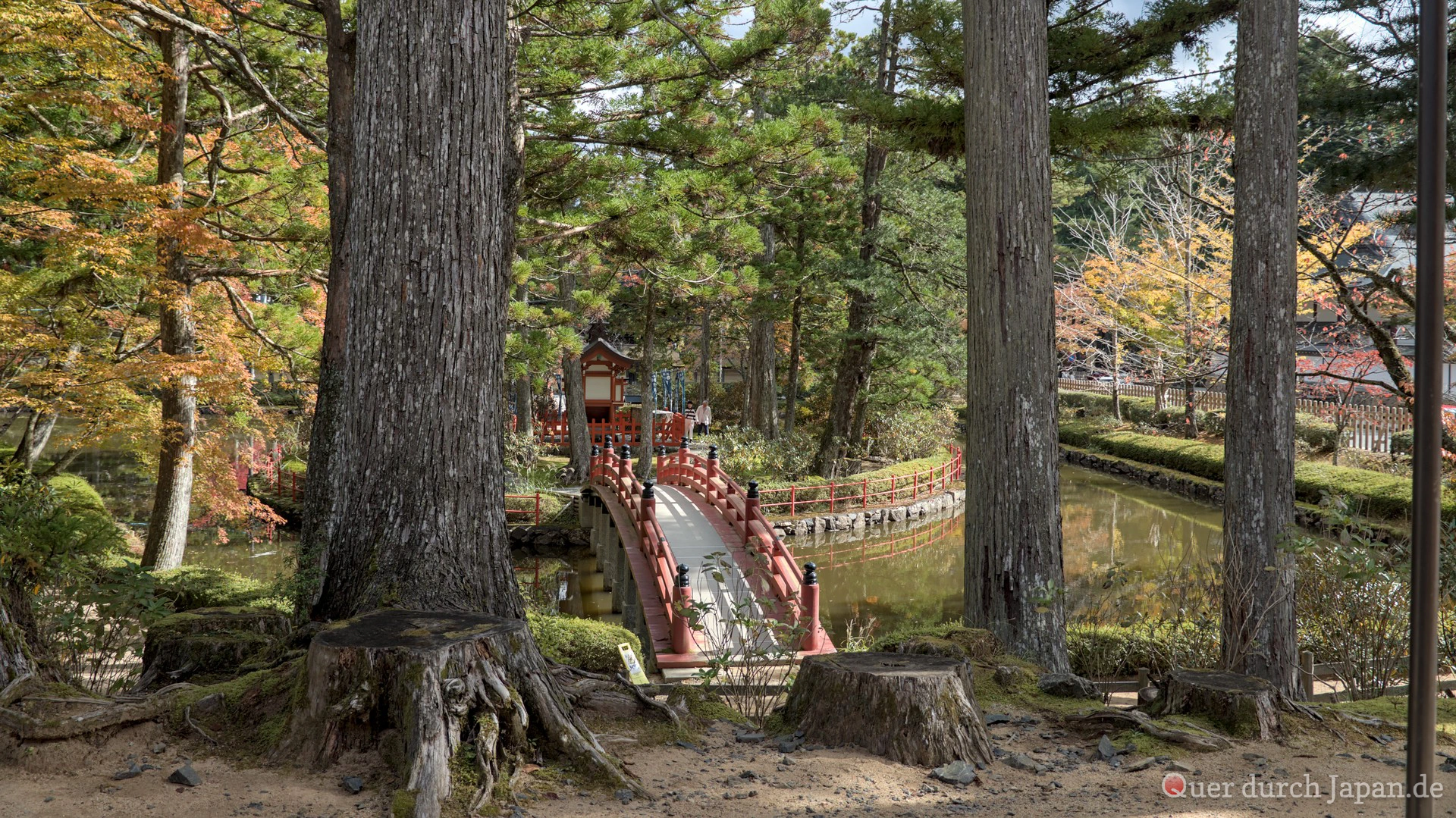
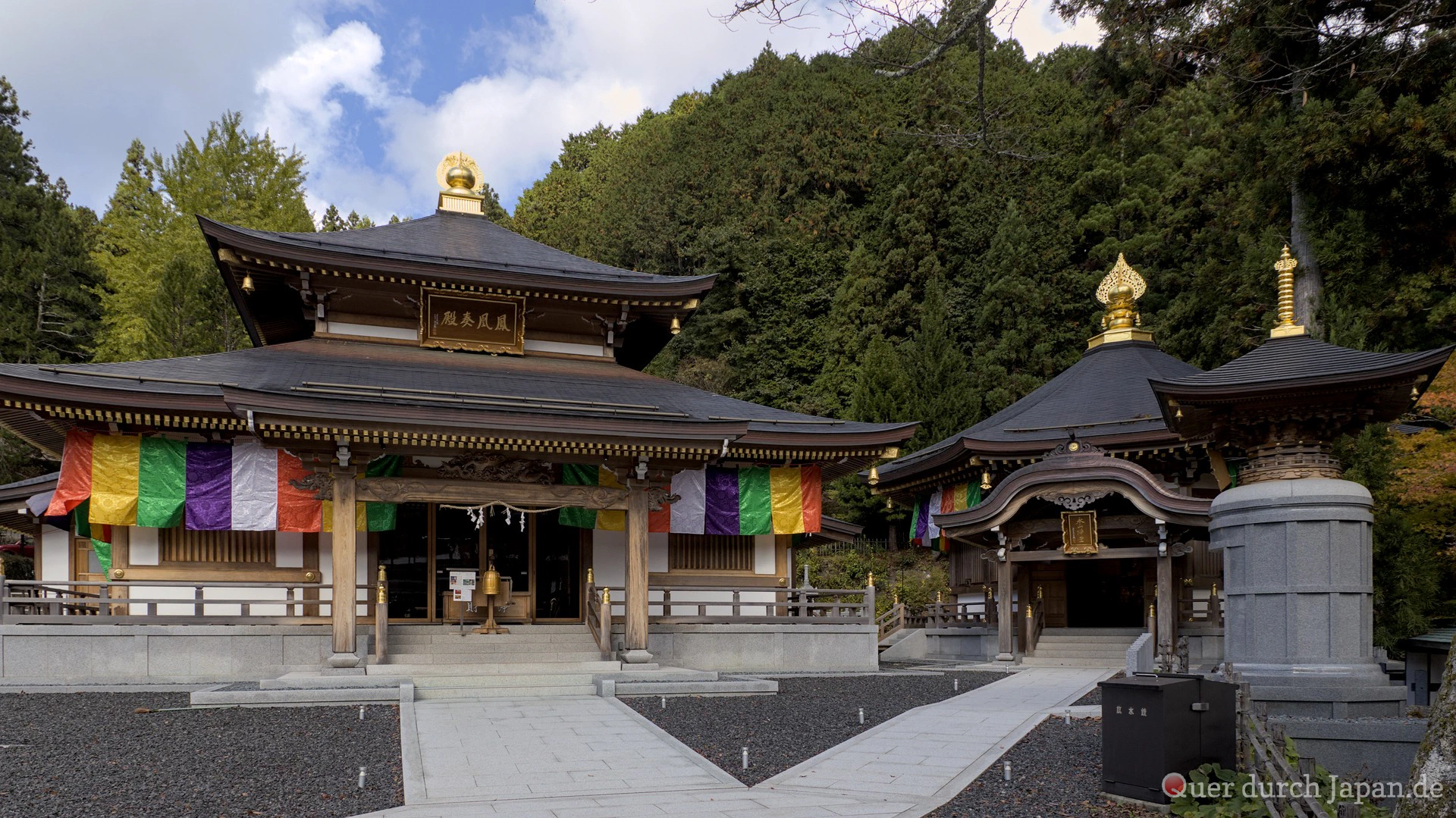
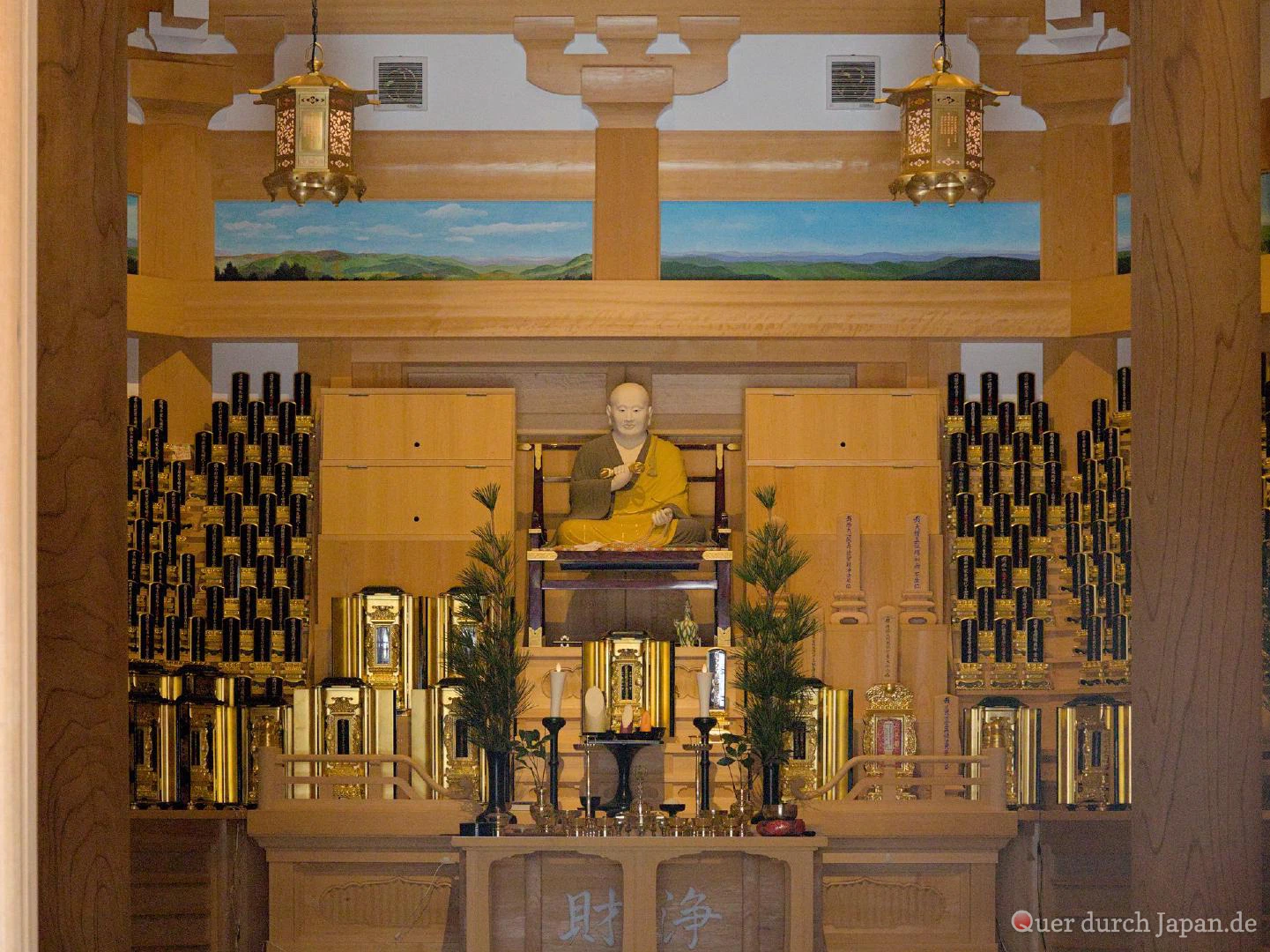
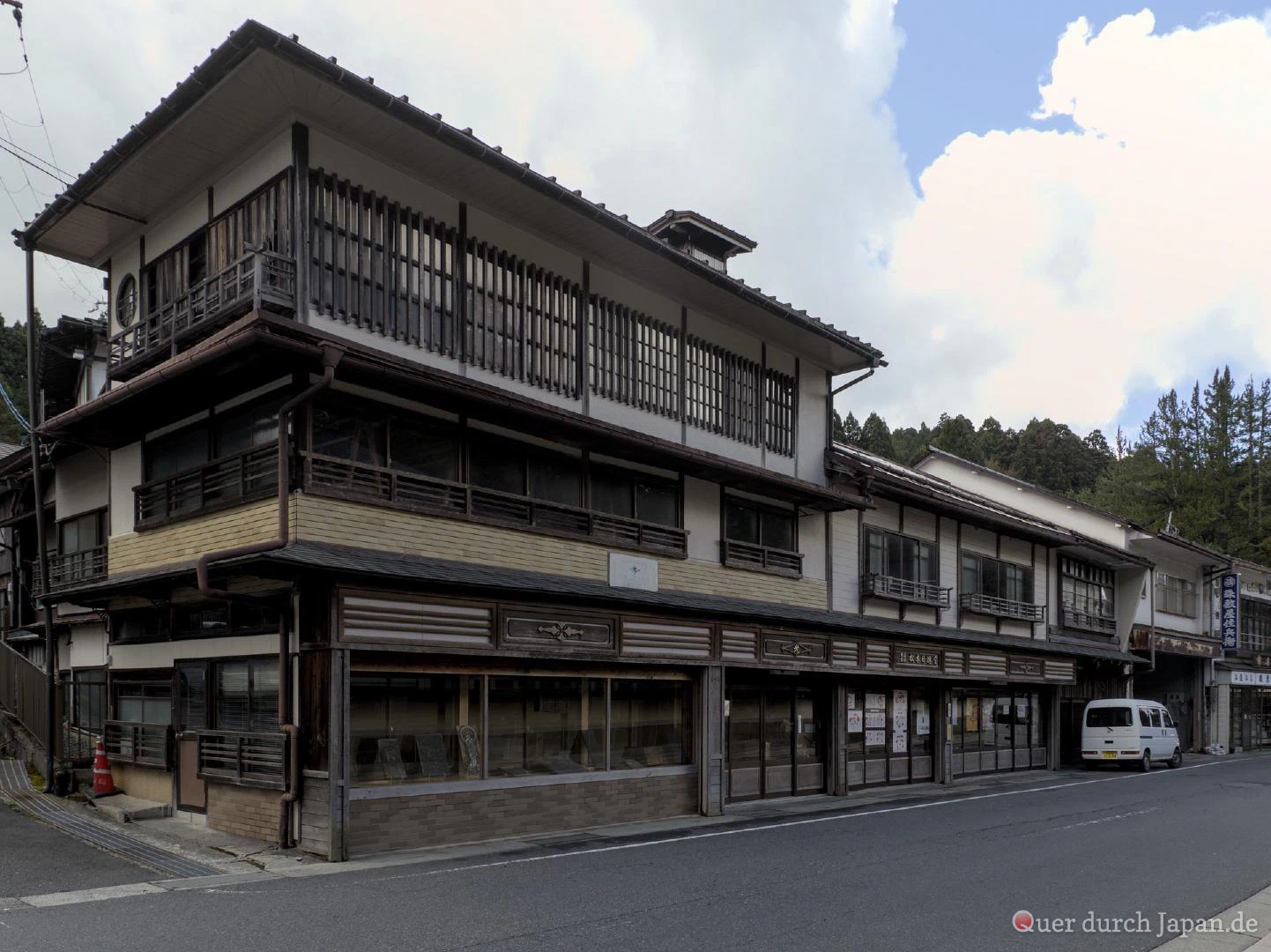
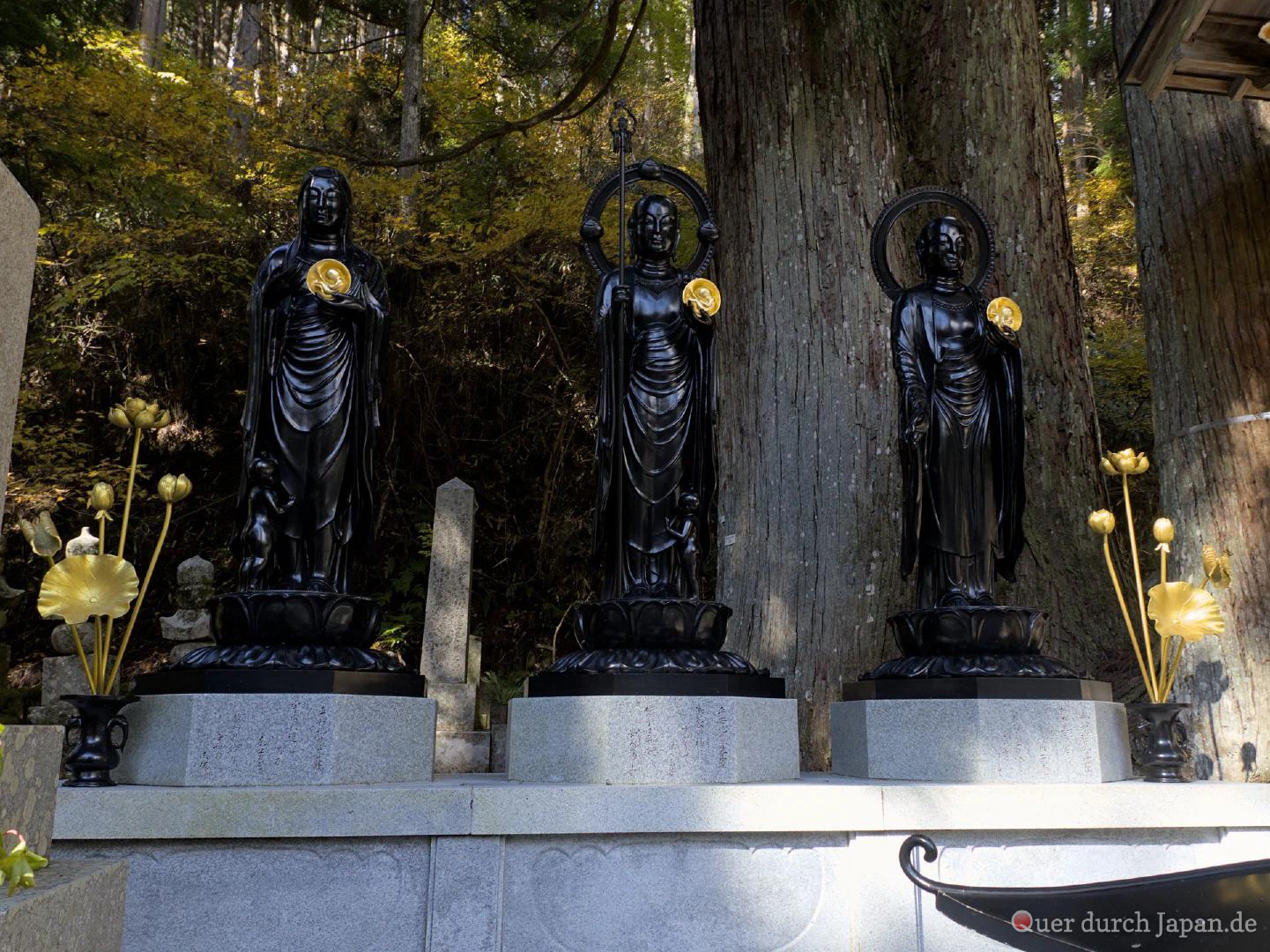
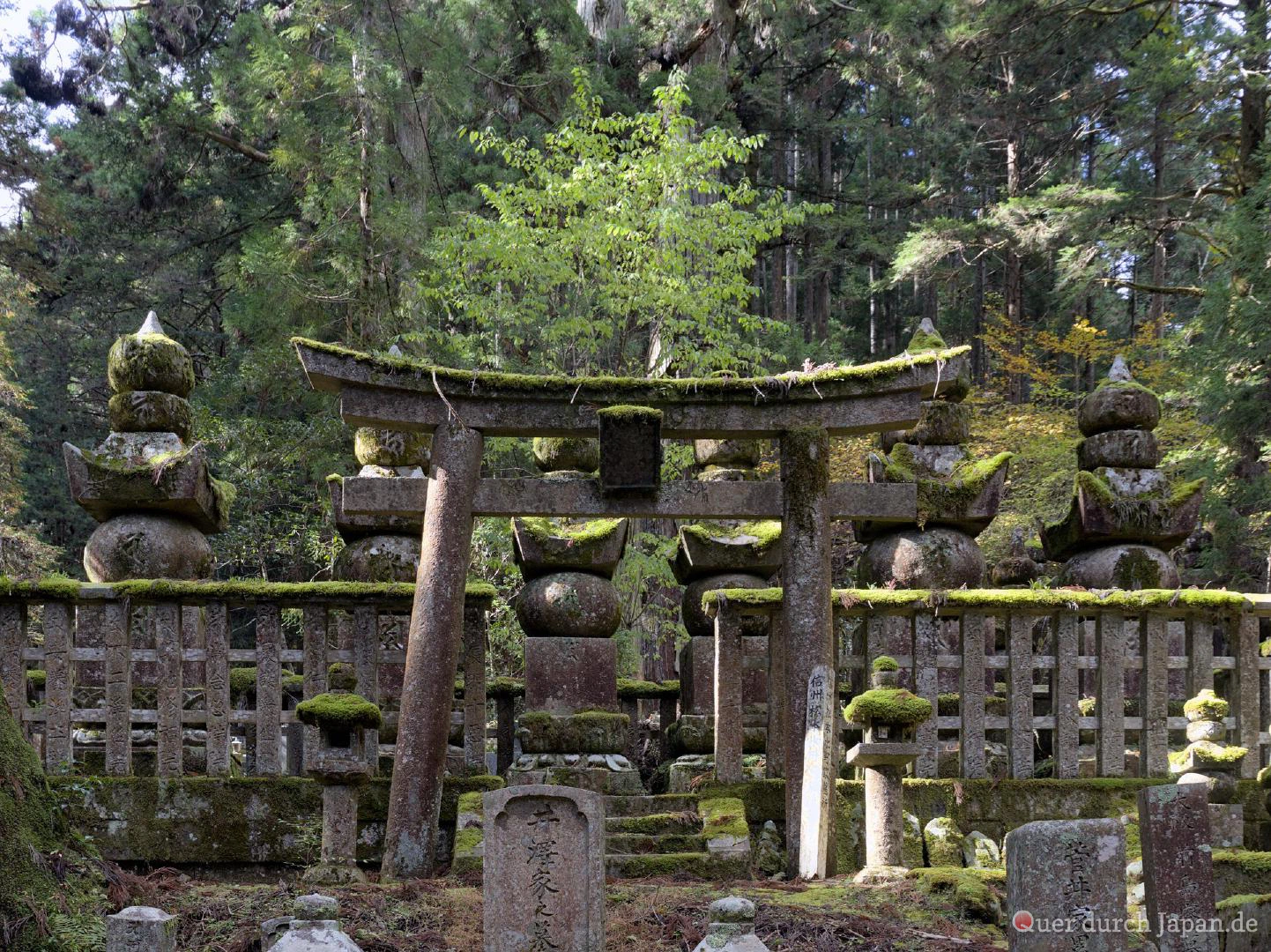
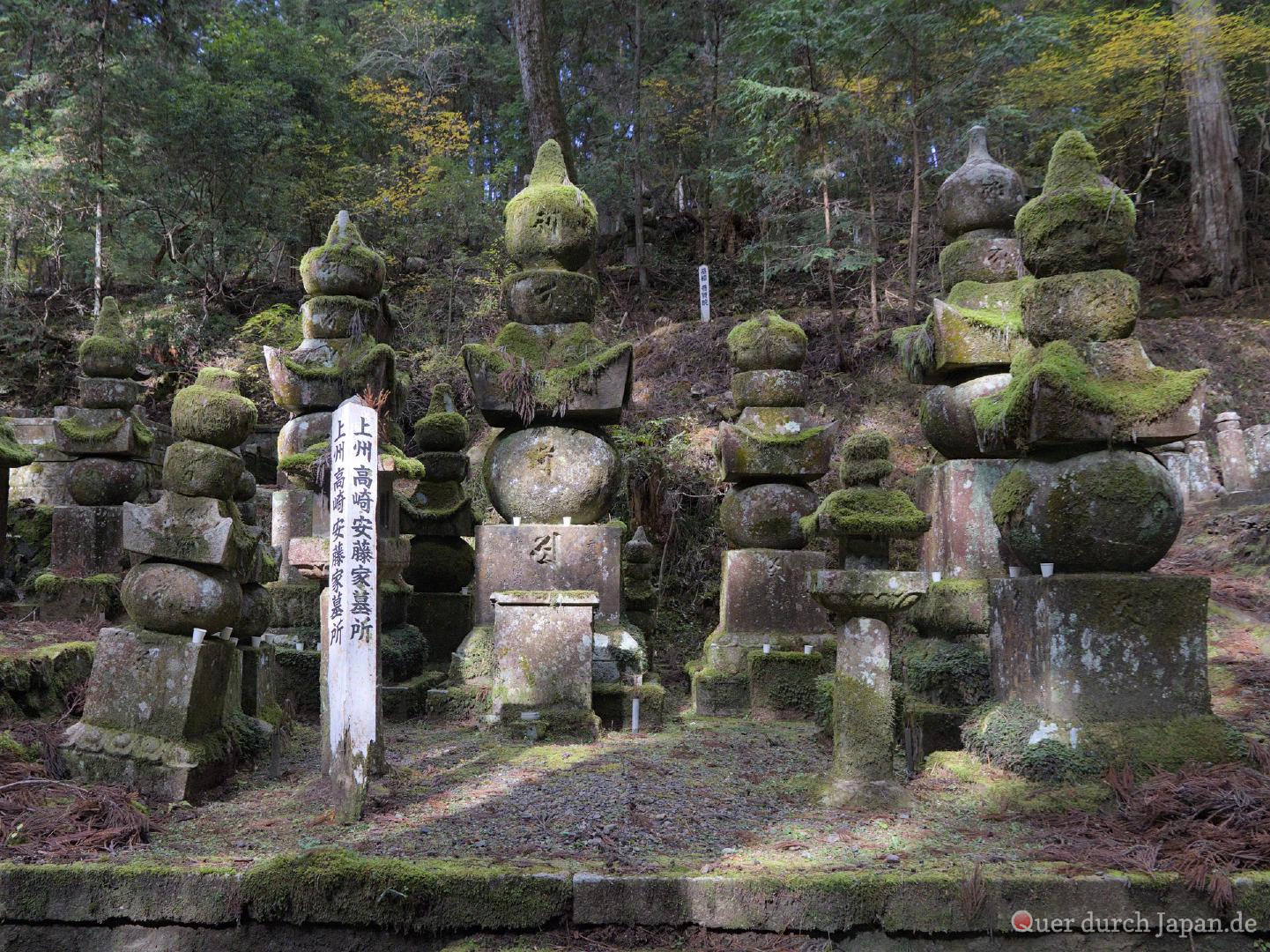
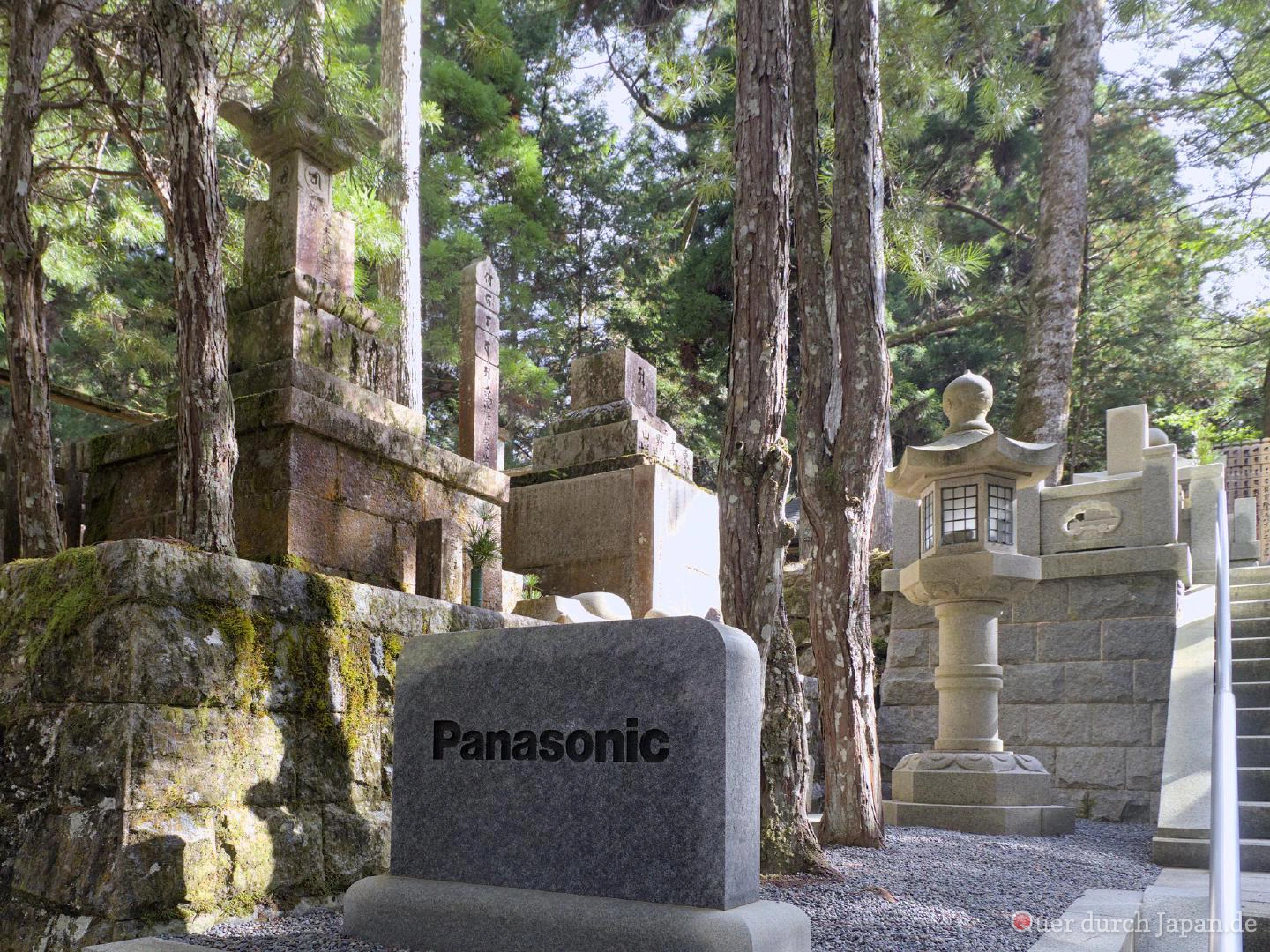
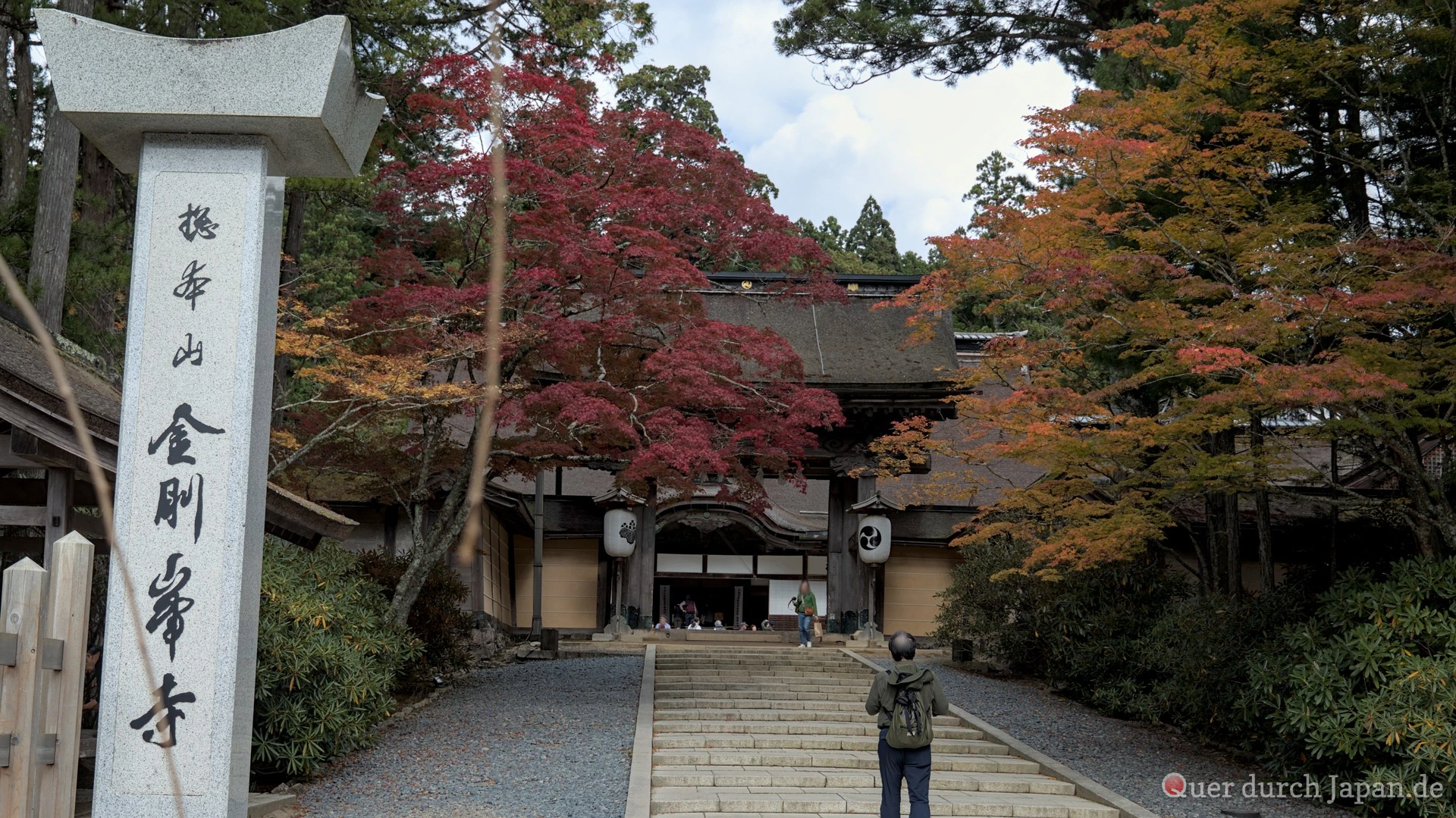
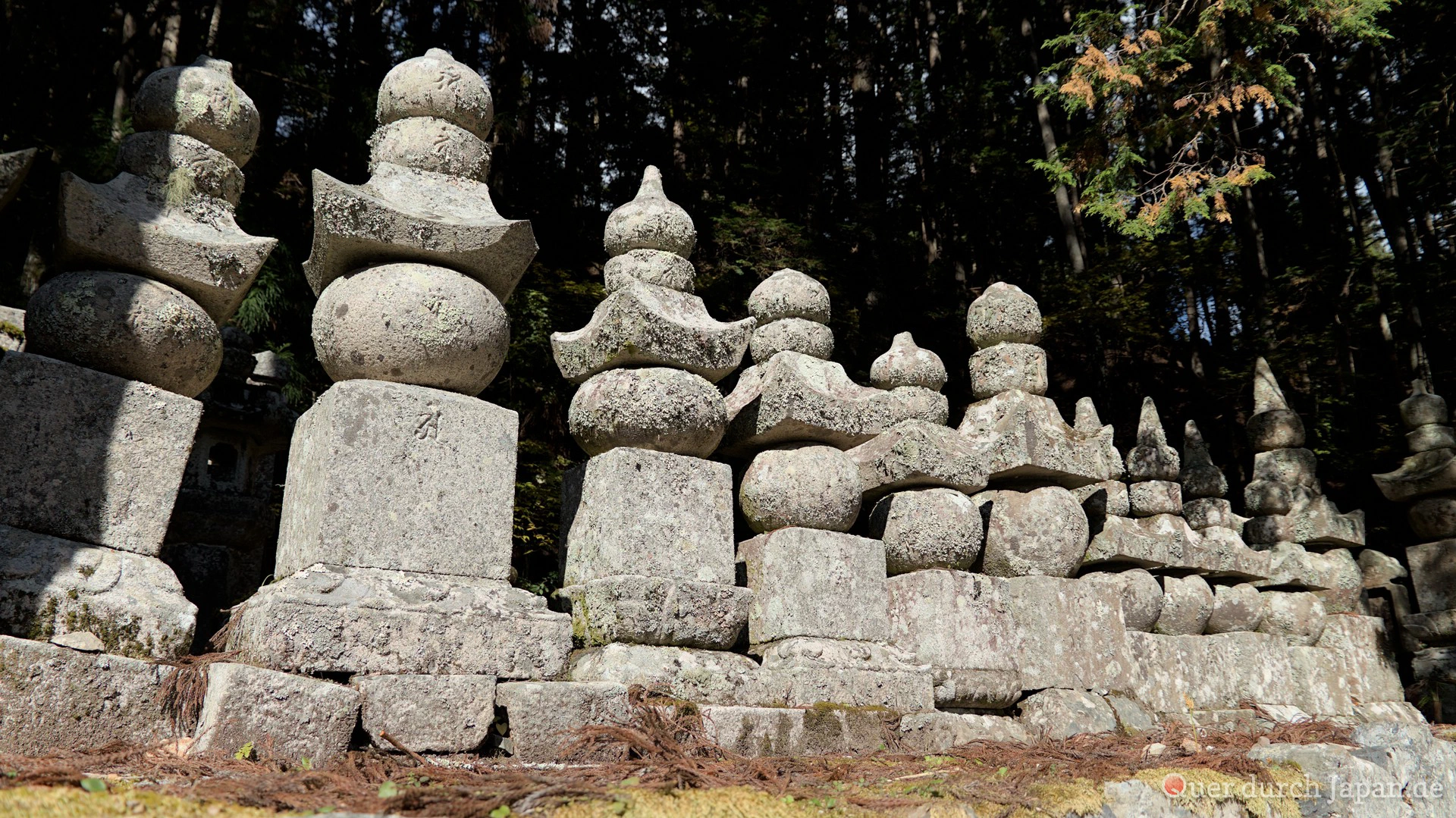
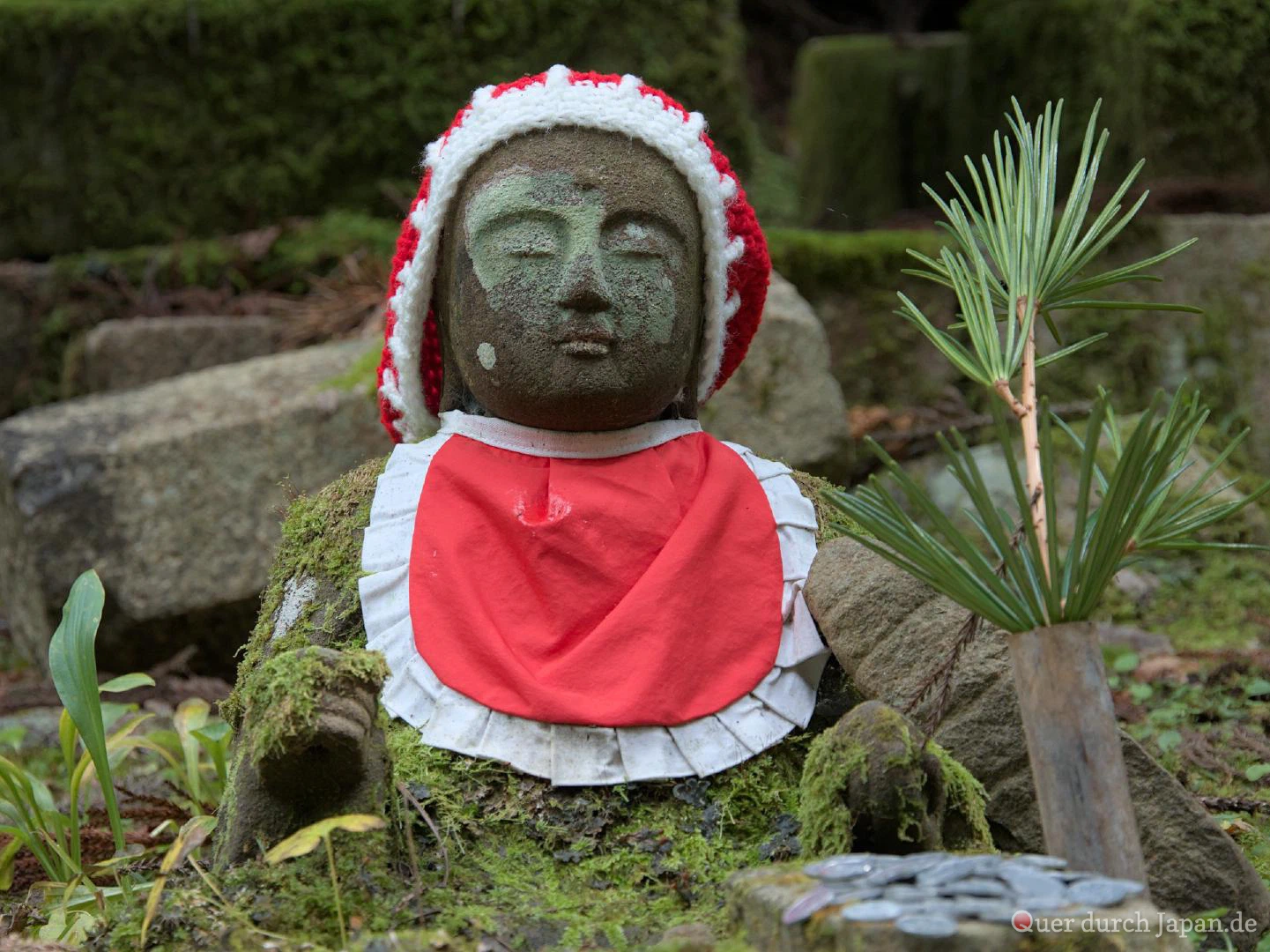
Kōyasan is right in the heart of Wakayama and is a UNESCO World Heritage site. We got to this remote area after a long trip by train and funicular.
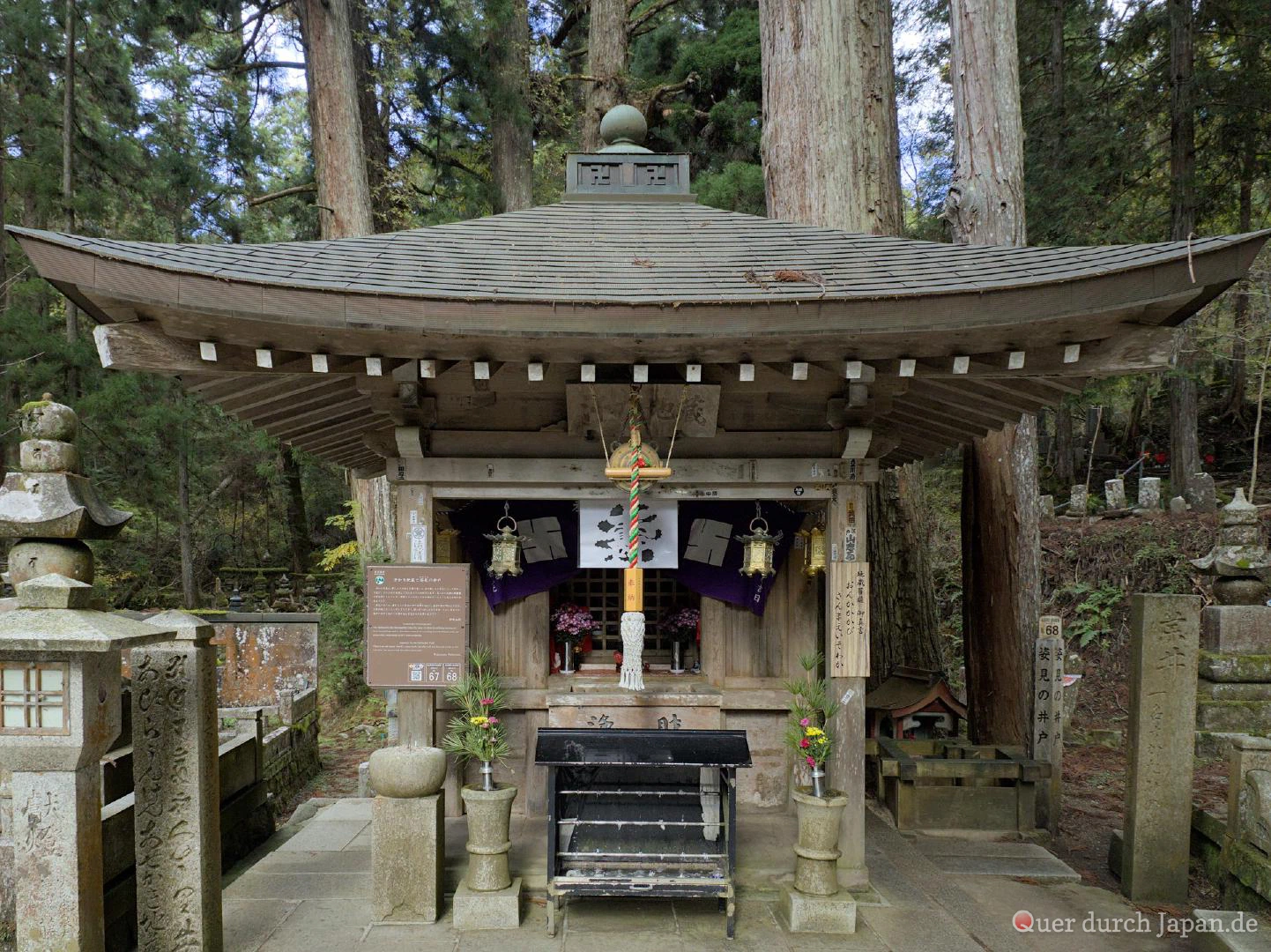
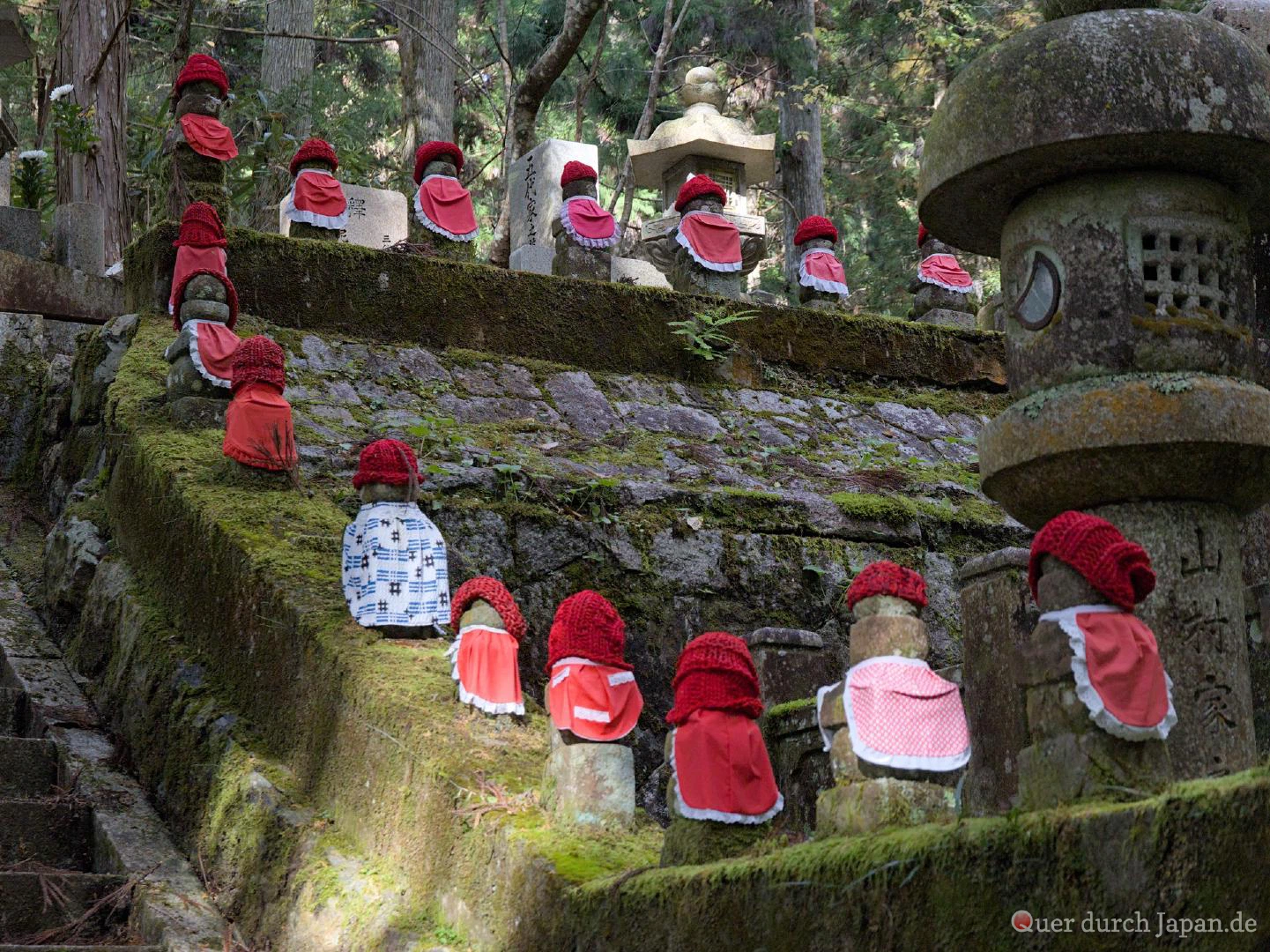
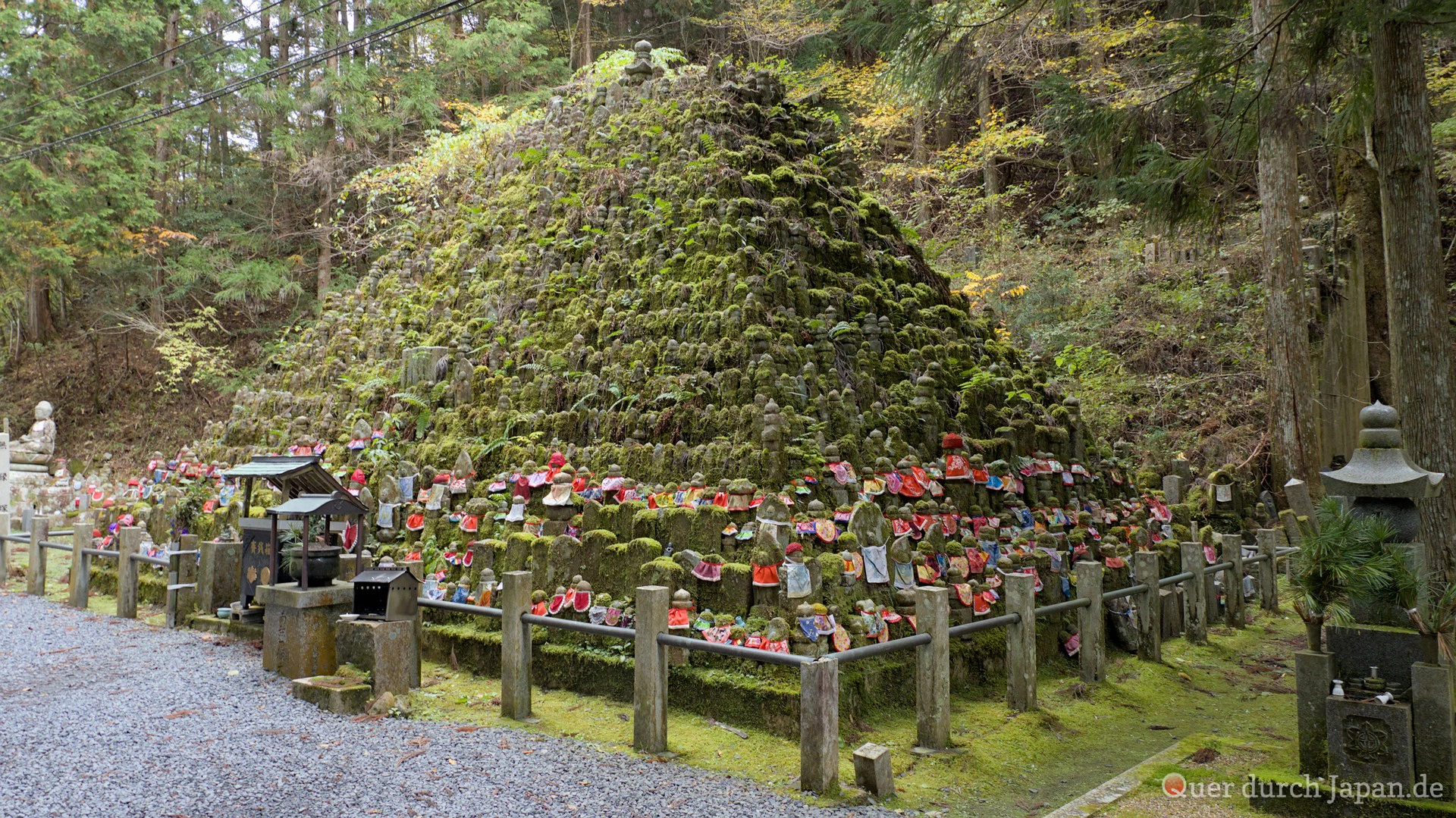
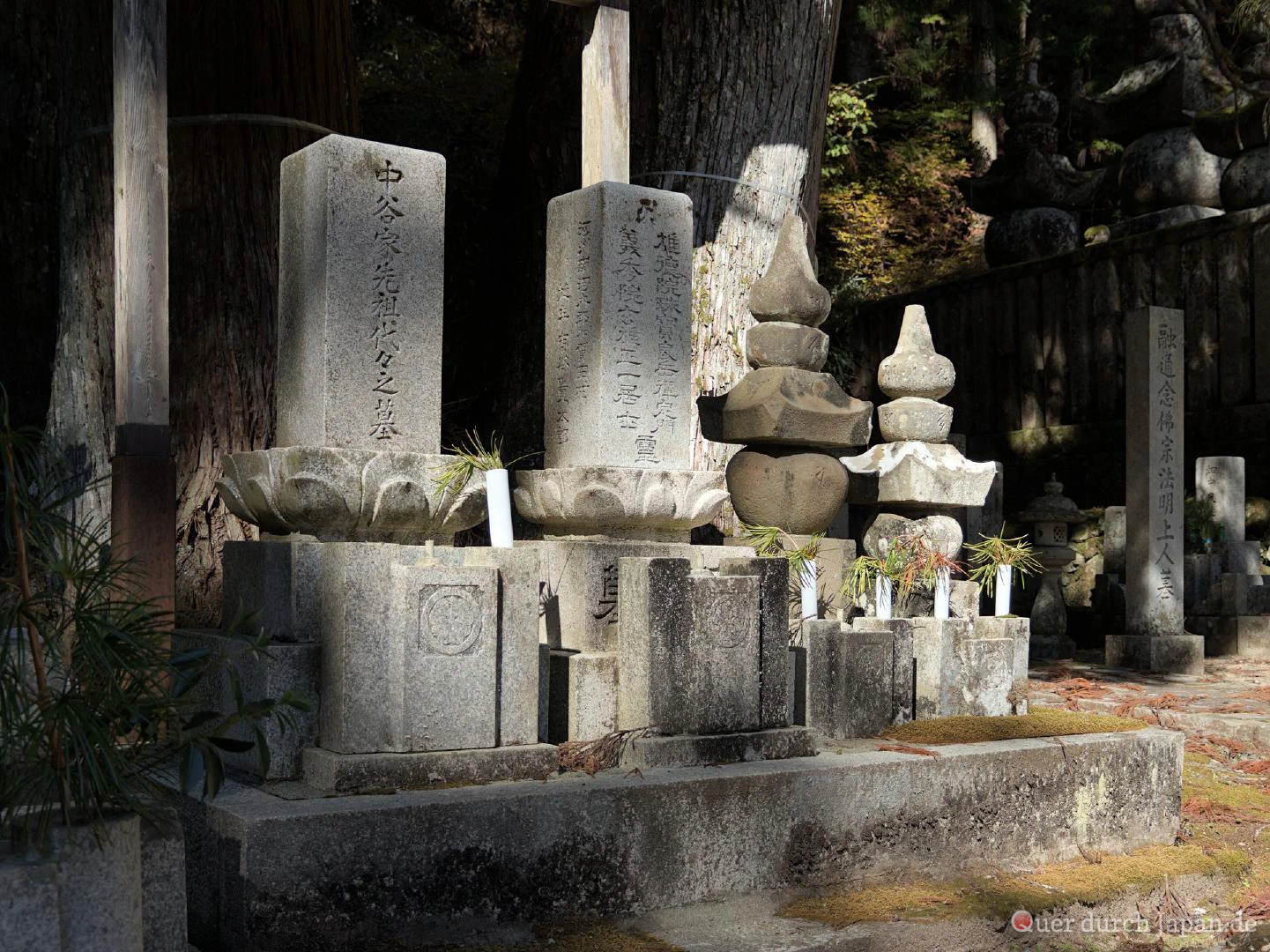
Shingon Buddhism was founded here way back in 805. Today, alongside loads of temples, it’s also home to Japan’s biggest cemetery. You can even stay the night in a monastery, with vegetarian monk food and group prayers thrown in.

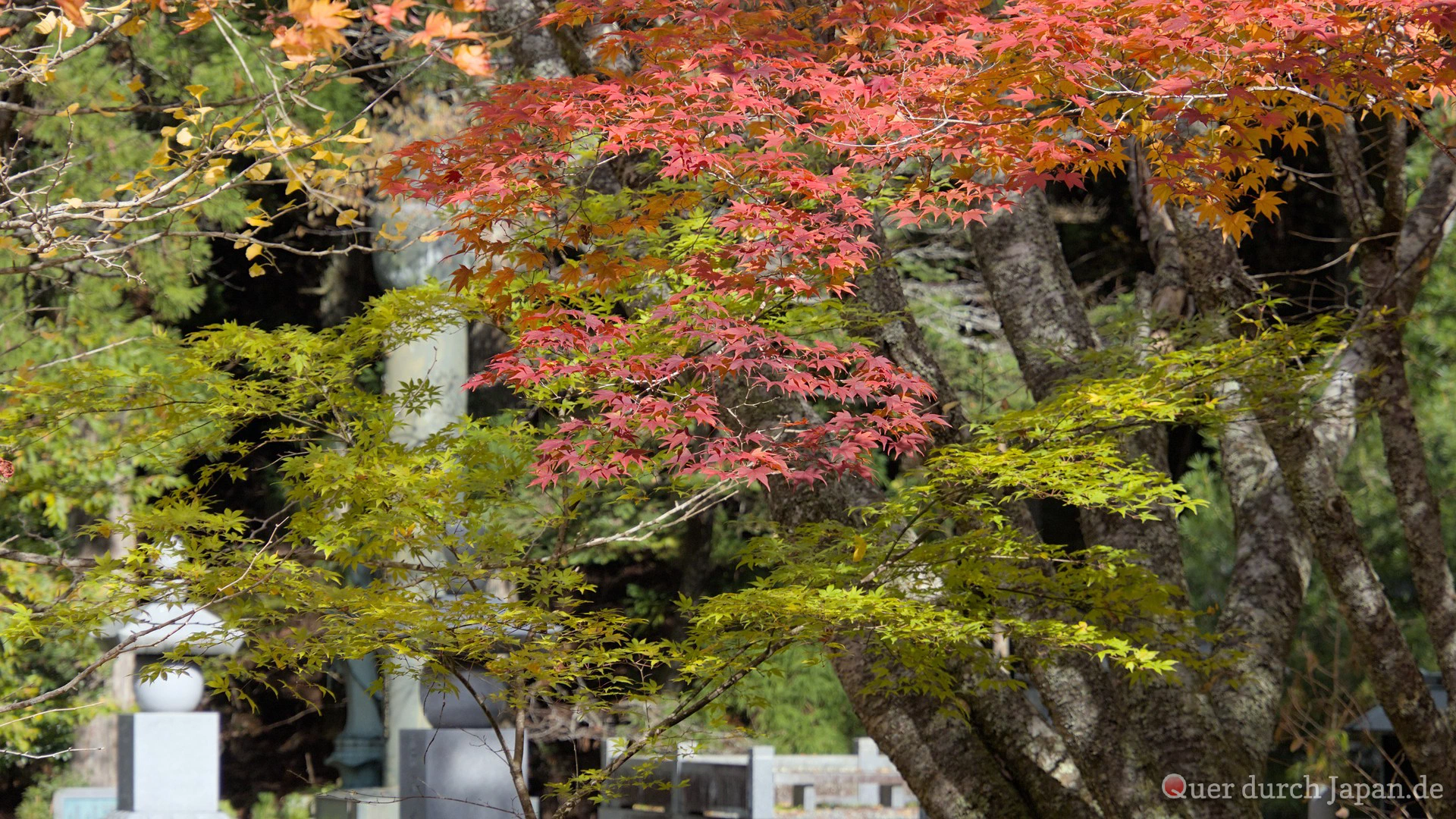
The place is massive and pretty much impossible to cover in just an afternoon. It definitely deserves its own blog post. For today, a few photos will have to do for a first impression.

We got back to the hotel way too late. Tomorrow we’re off to the second-to-last stop on our trip: Kyōto.

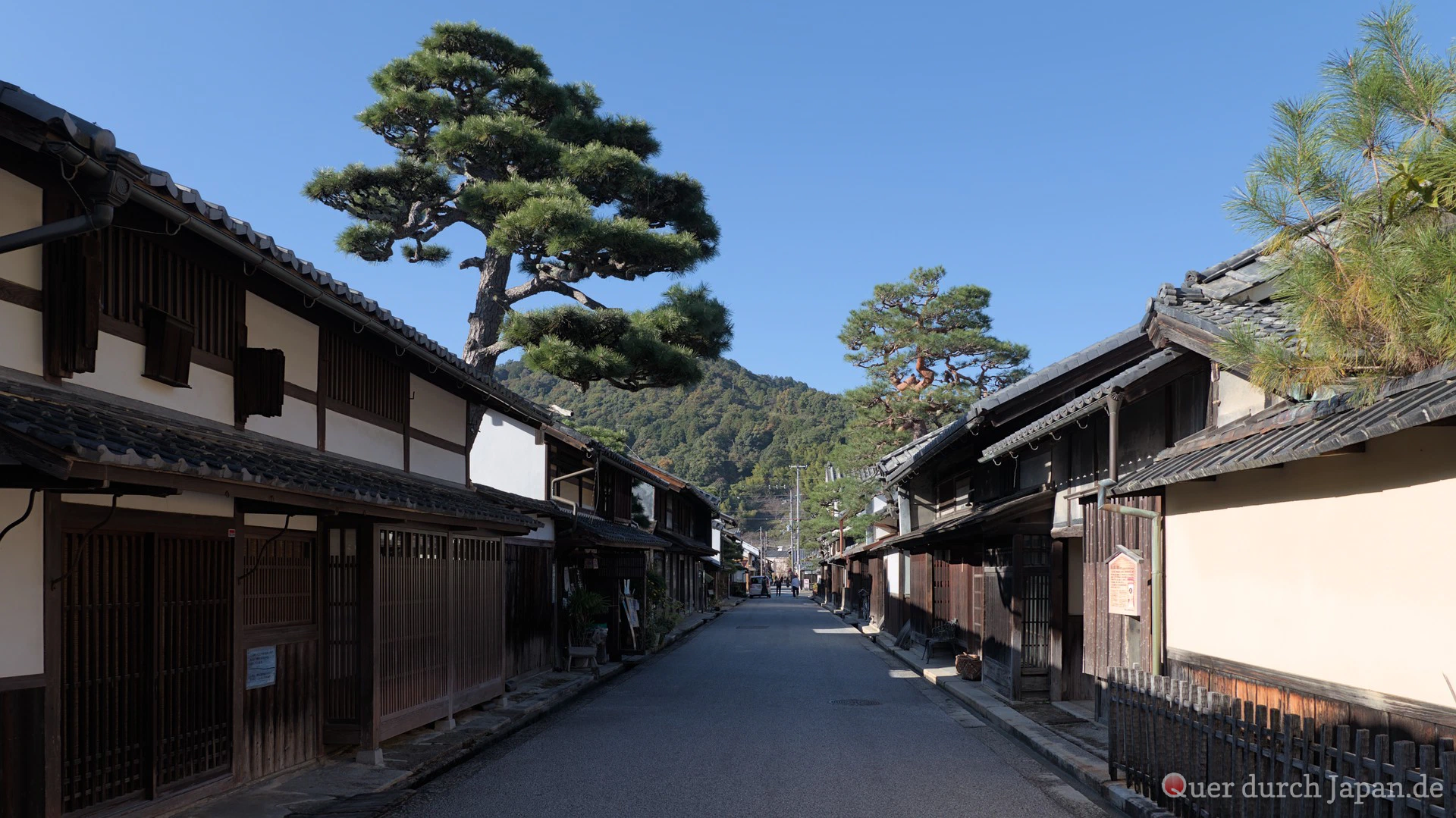
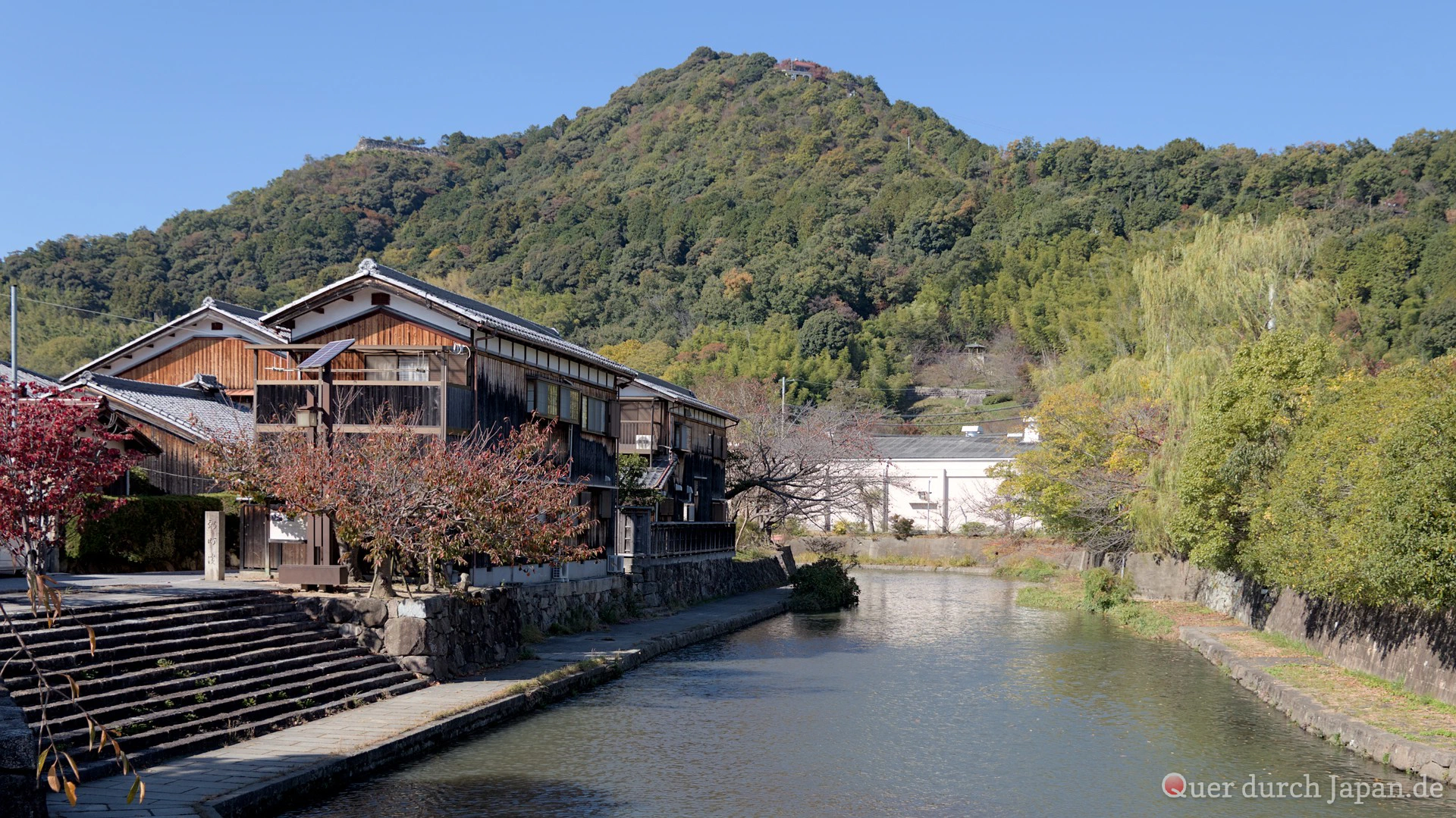
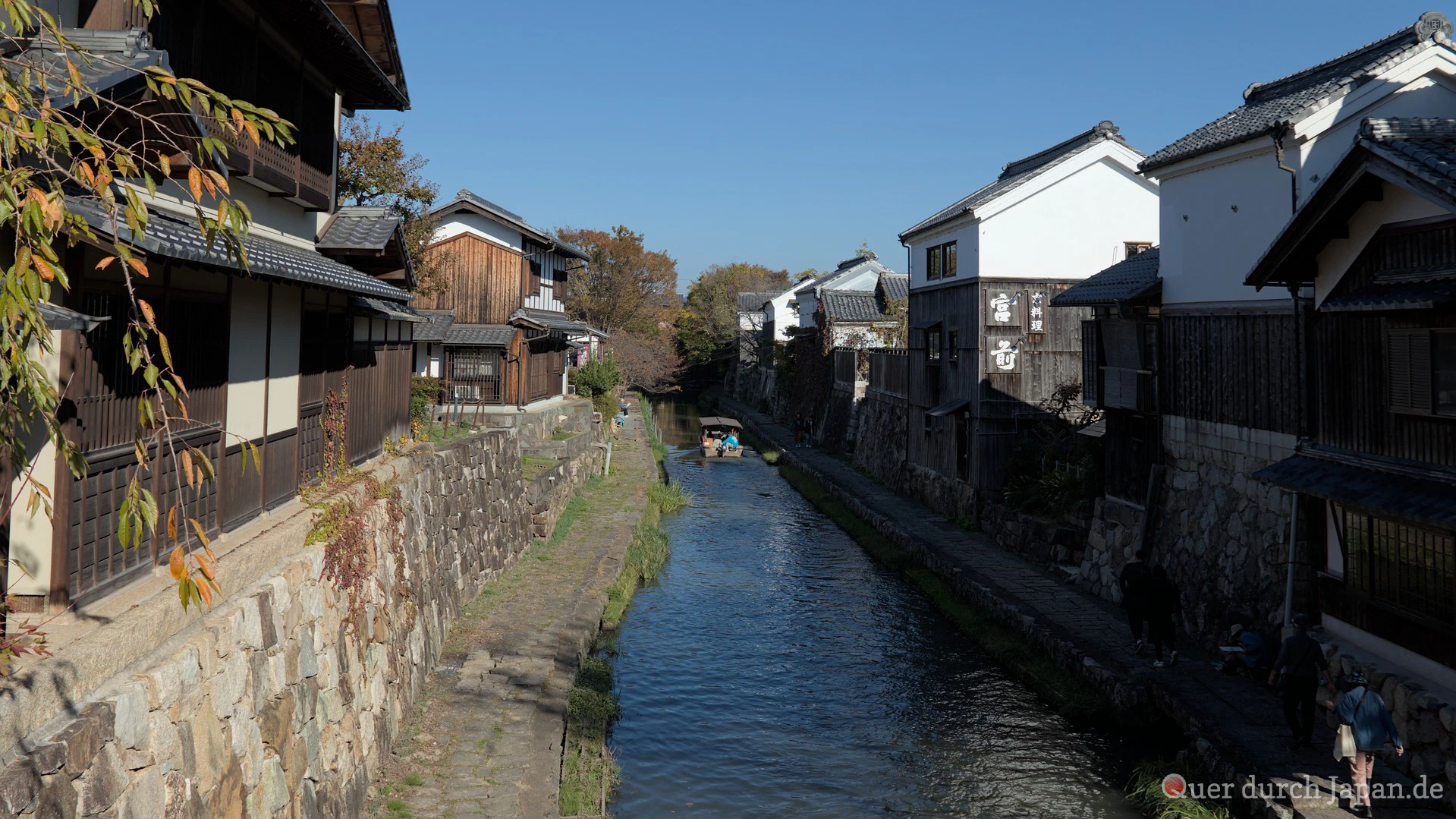
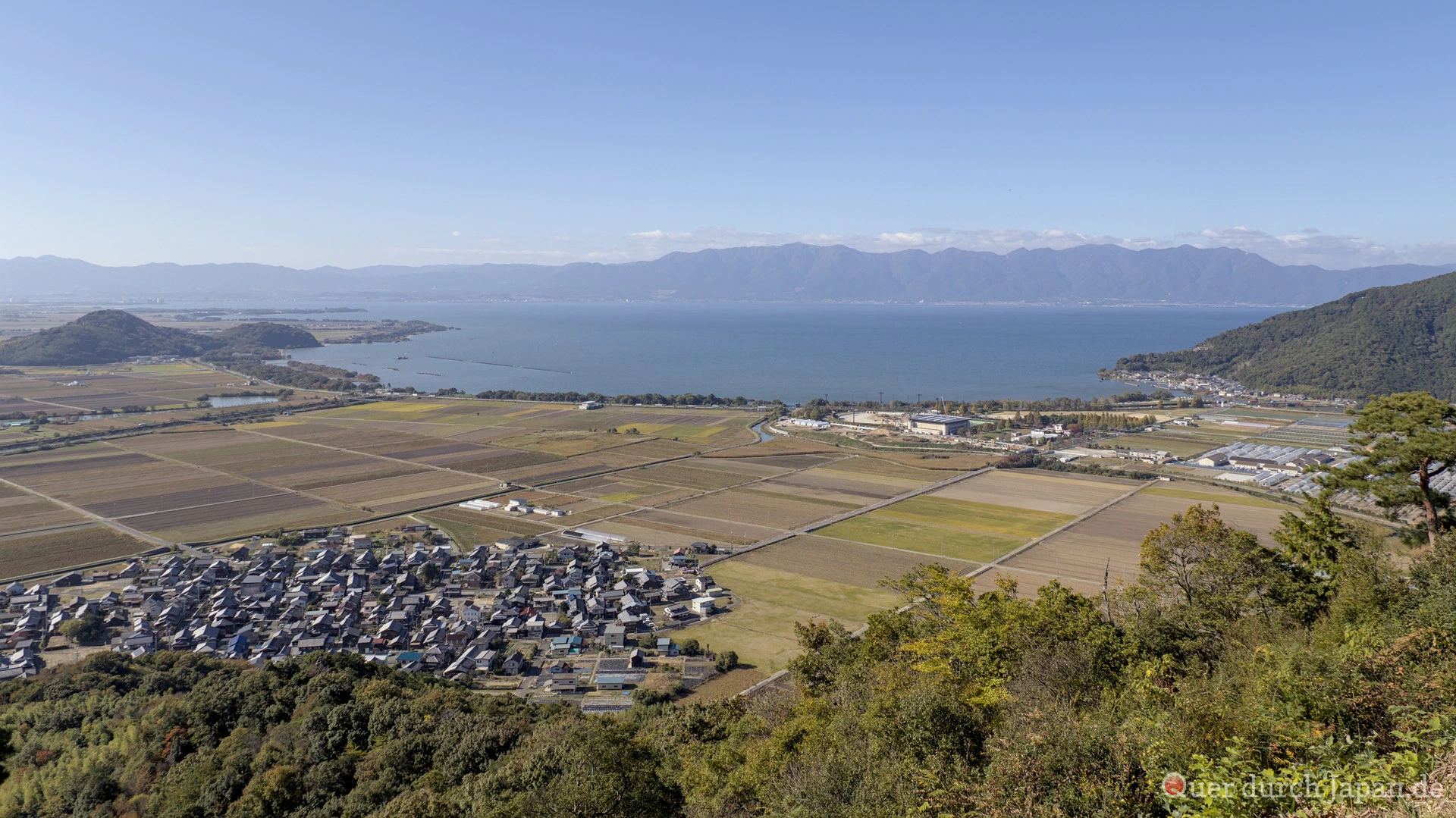
While waiting for our hotel room in Kyoto, we used the time to take a detour to Ōmihachiman, a little town near Lake Biwa. It’s known for its canal and its old town with the merchant houses.

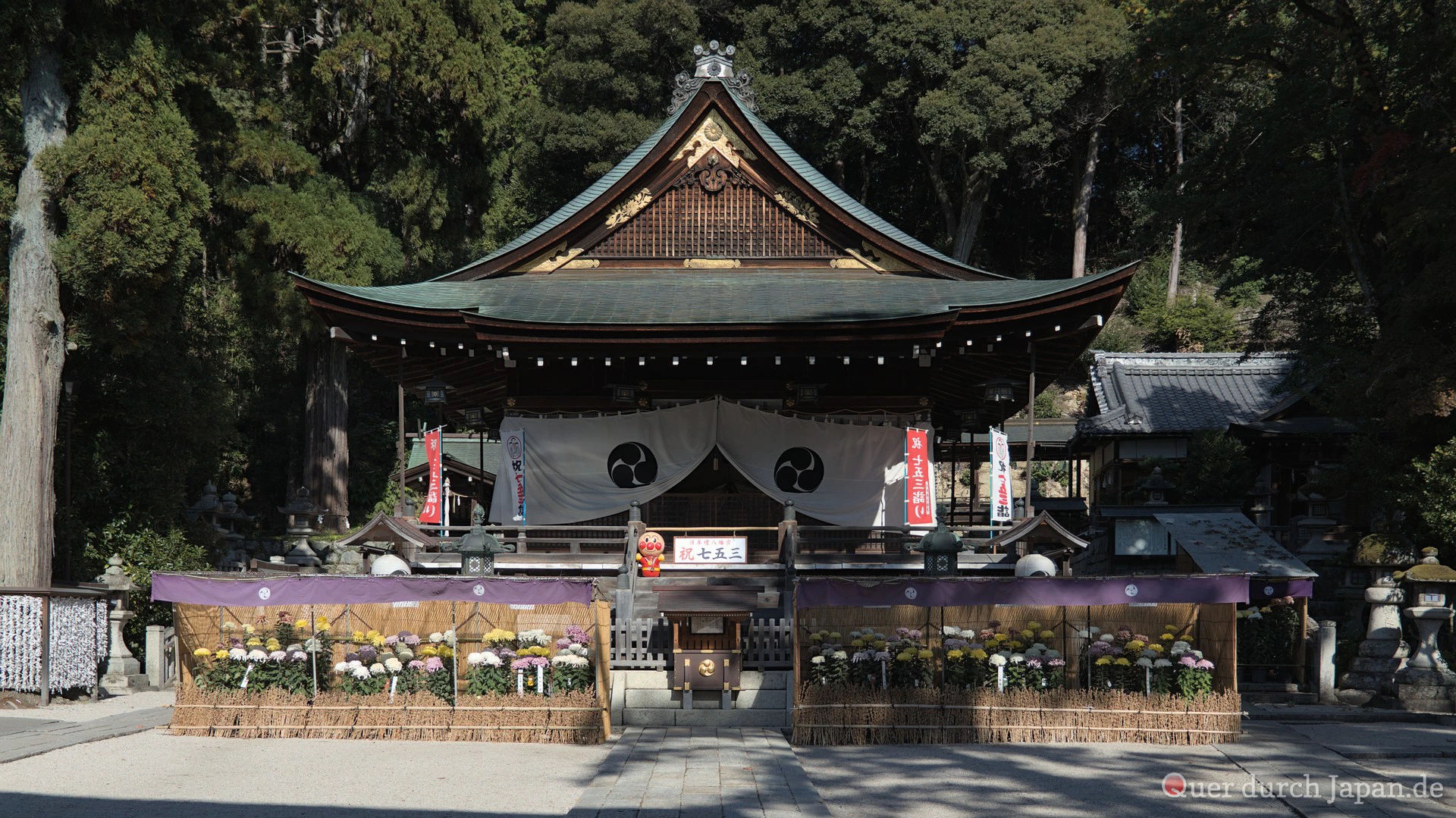
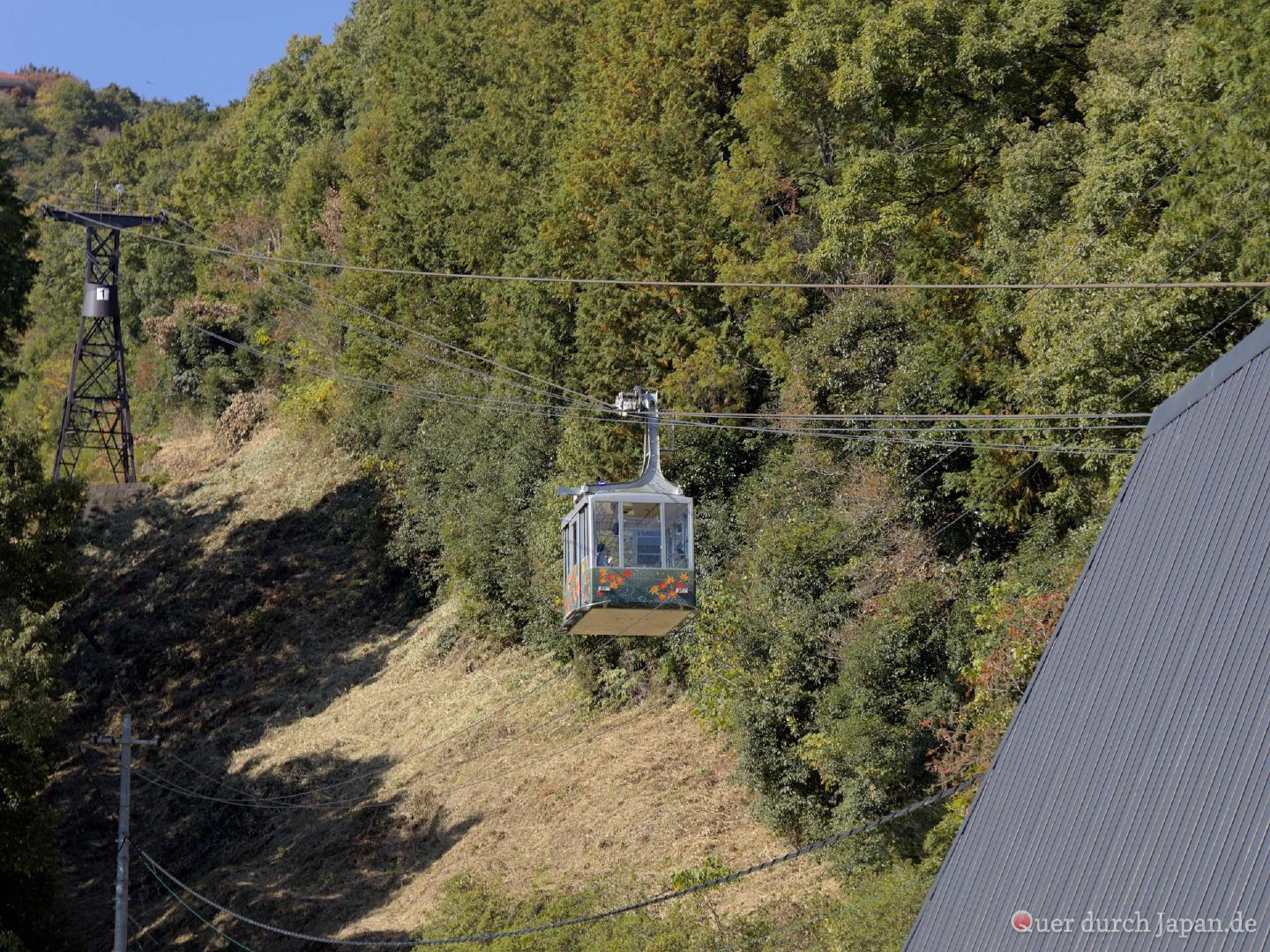
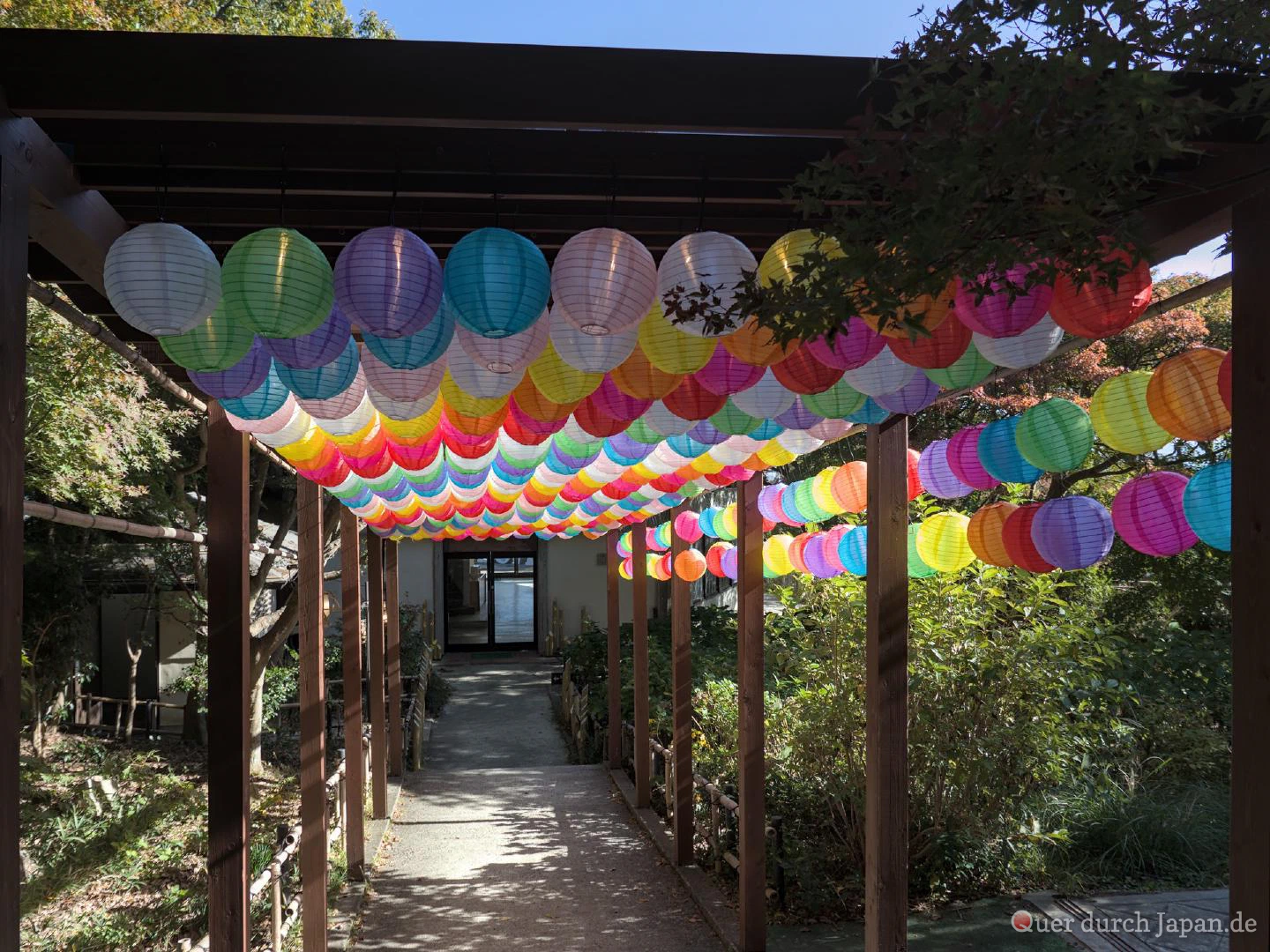
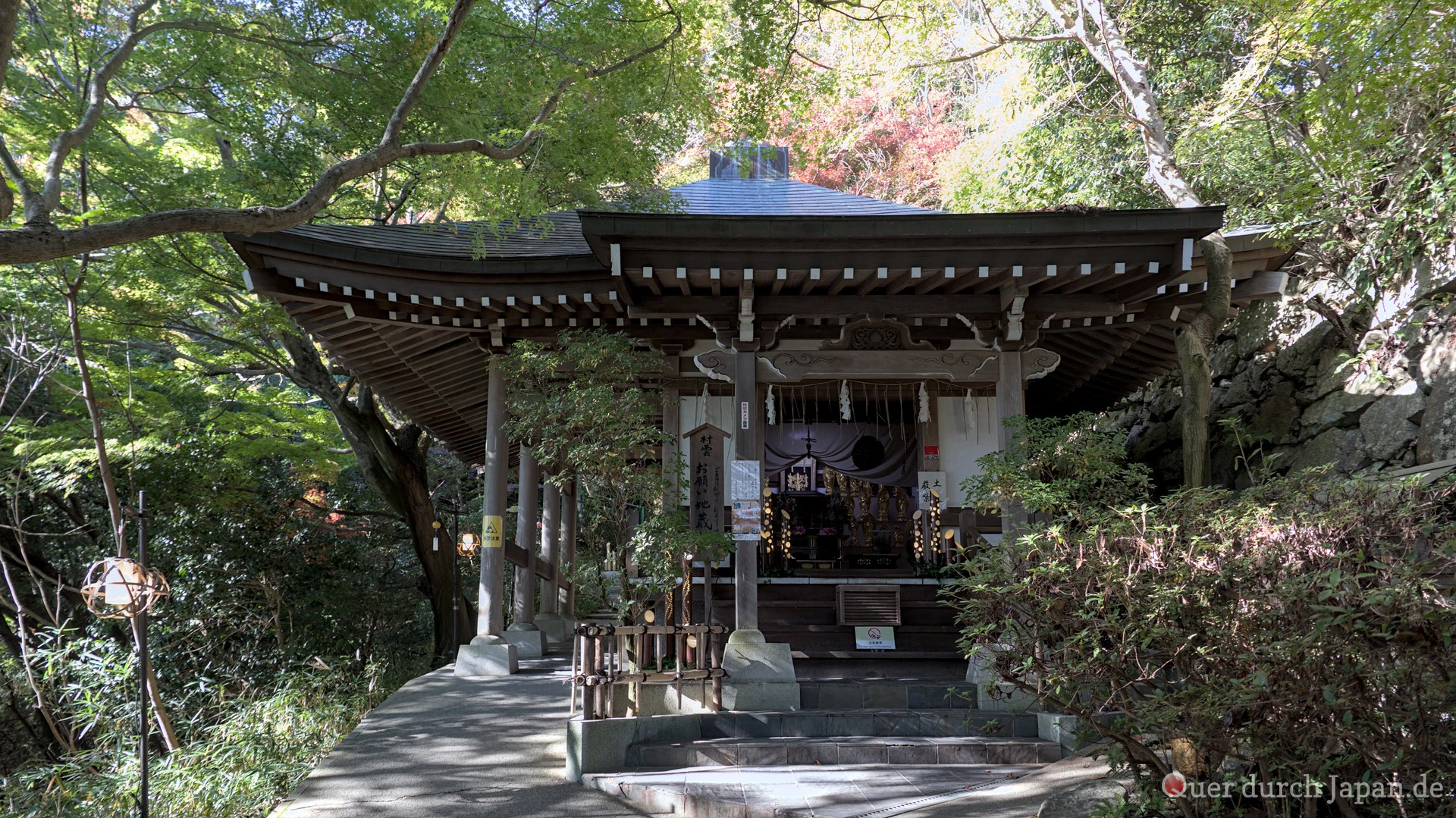
We visited the old town and the Himure Hachimangu shrine before heading up to dizzying heights on the cable car. At the top of Mount Hachiman, you get a great view of the lake. You’ll also find the Zuiryuji temple there, which was relocated from Kyoto to this spot in 1961.

Ōmihachiman is a charming little place that is definitely worth a detour.

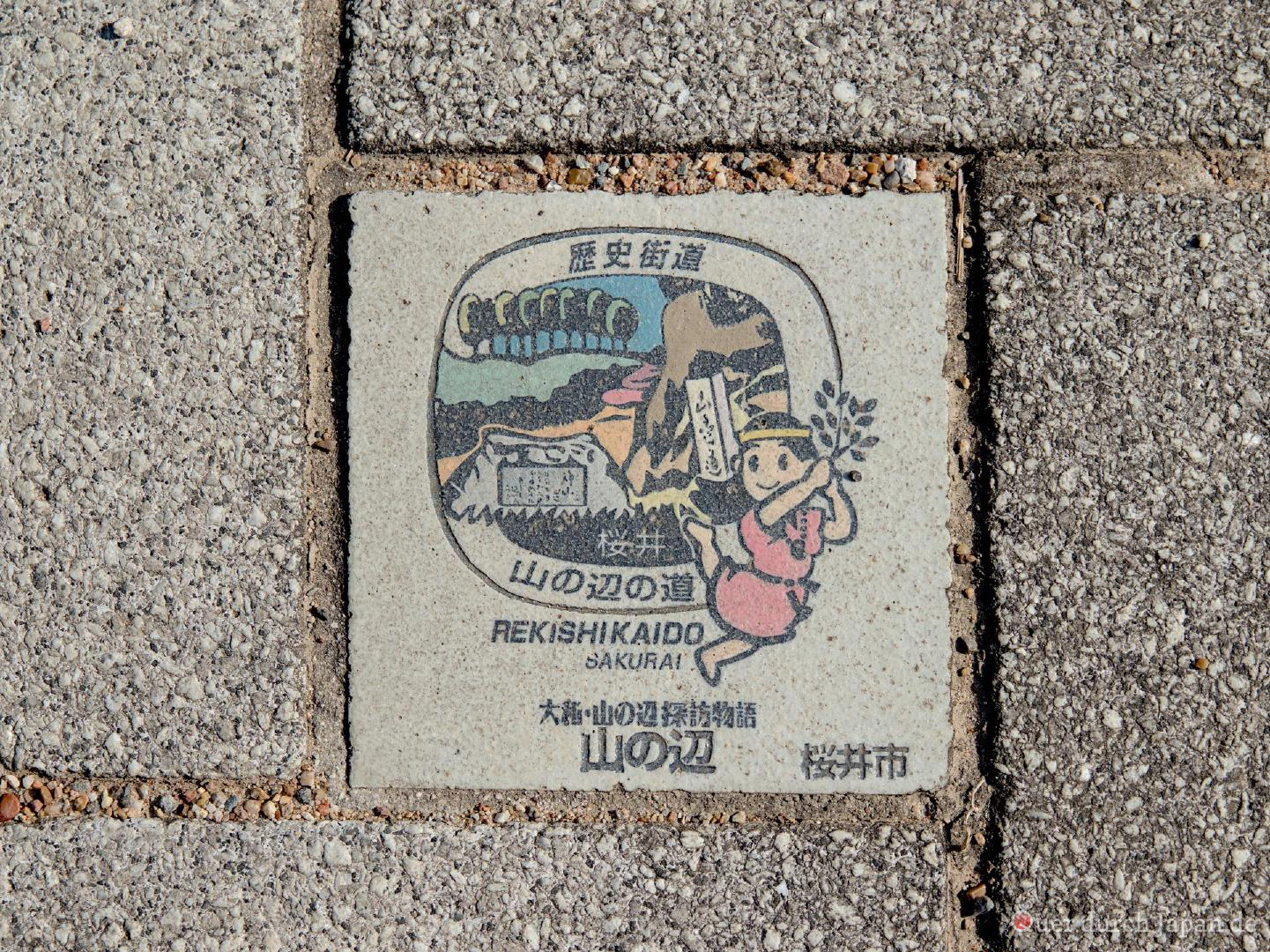
Thanks to some lucky planning, we had a free day to ourselves in Kyōto. Our friend Chīko then recommended the Yamanobe no Michi hiking trail to us. She got our taste spot on!

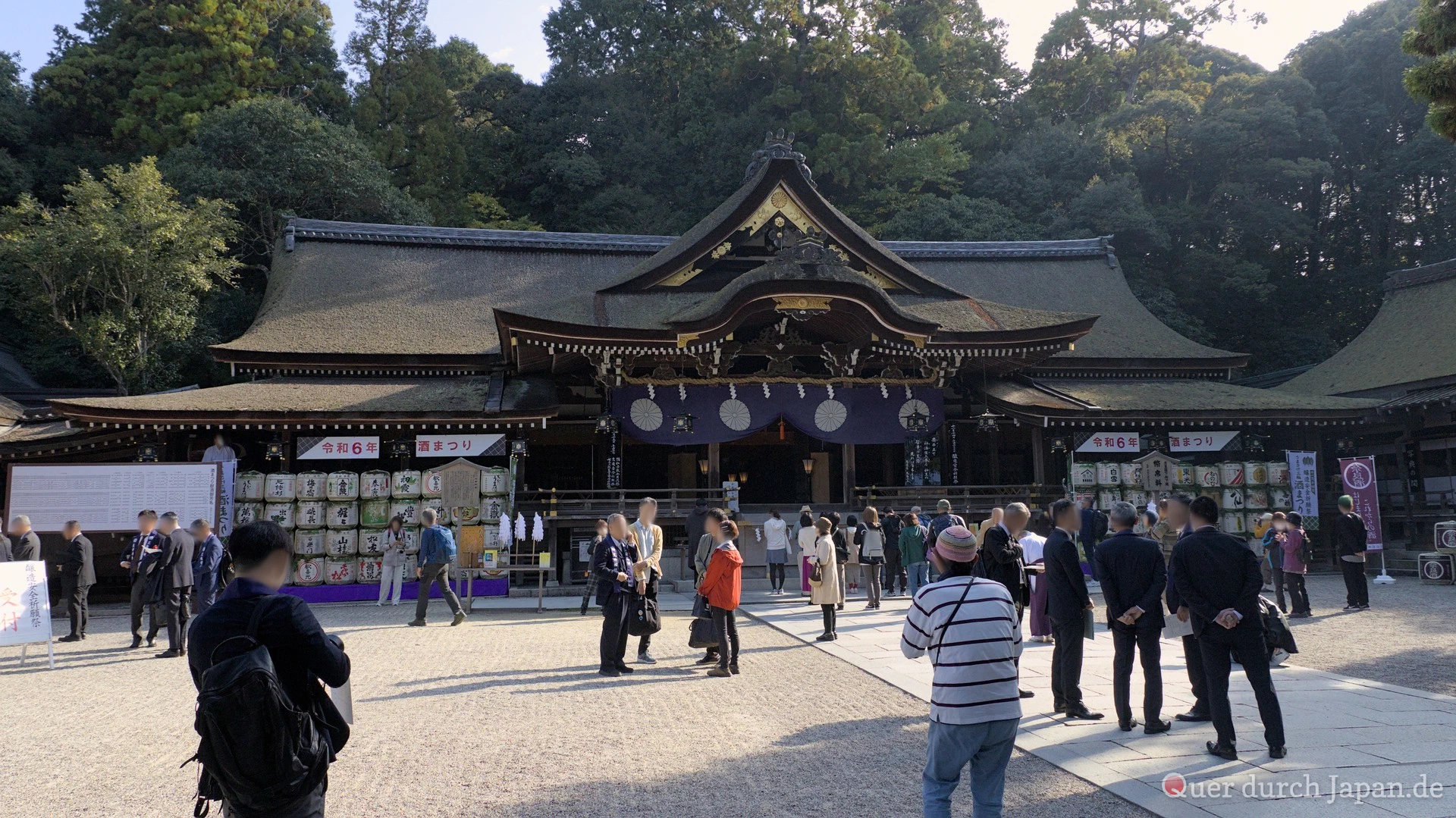
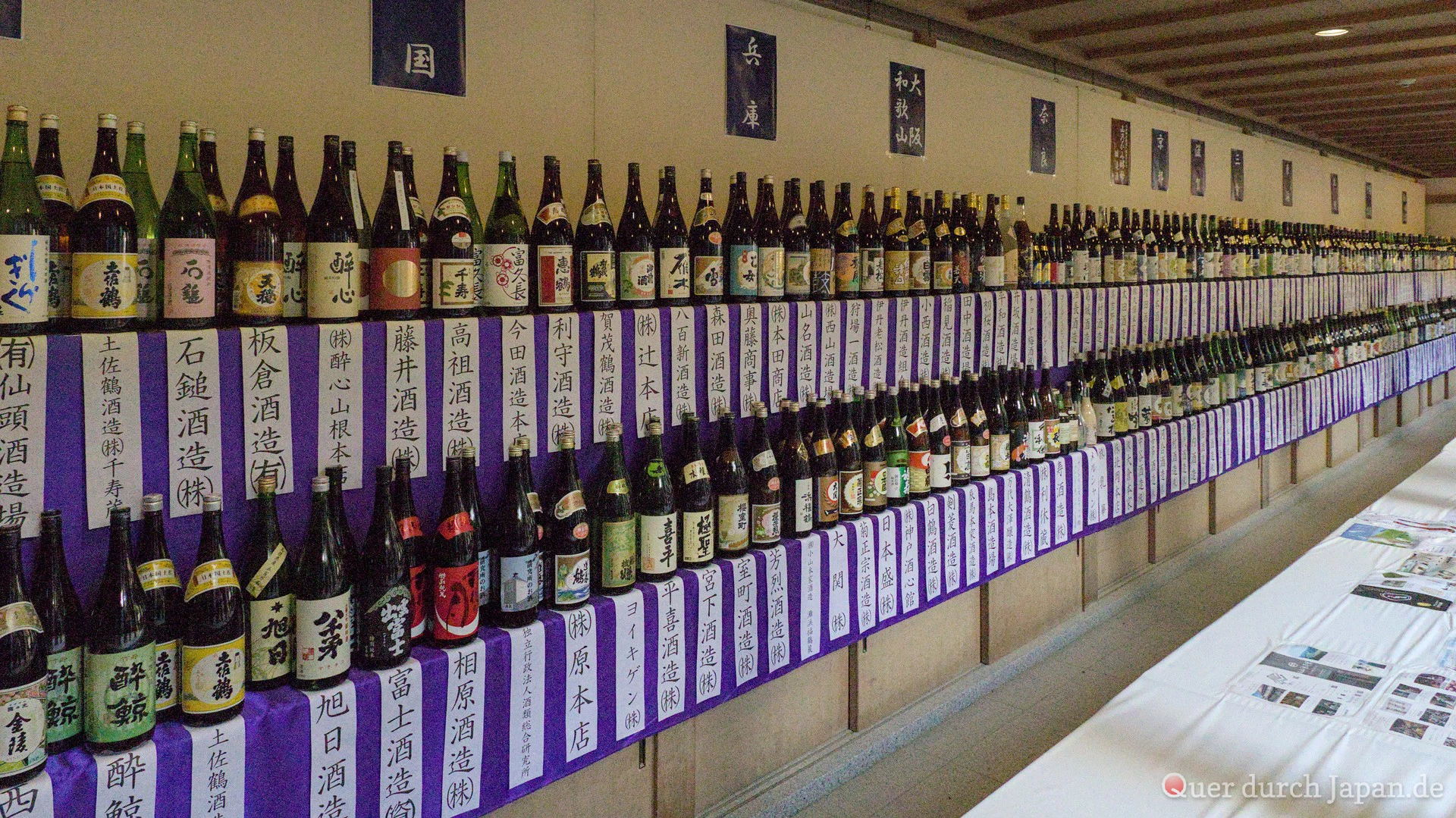
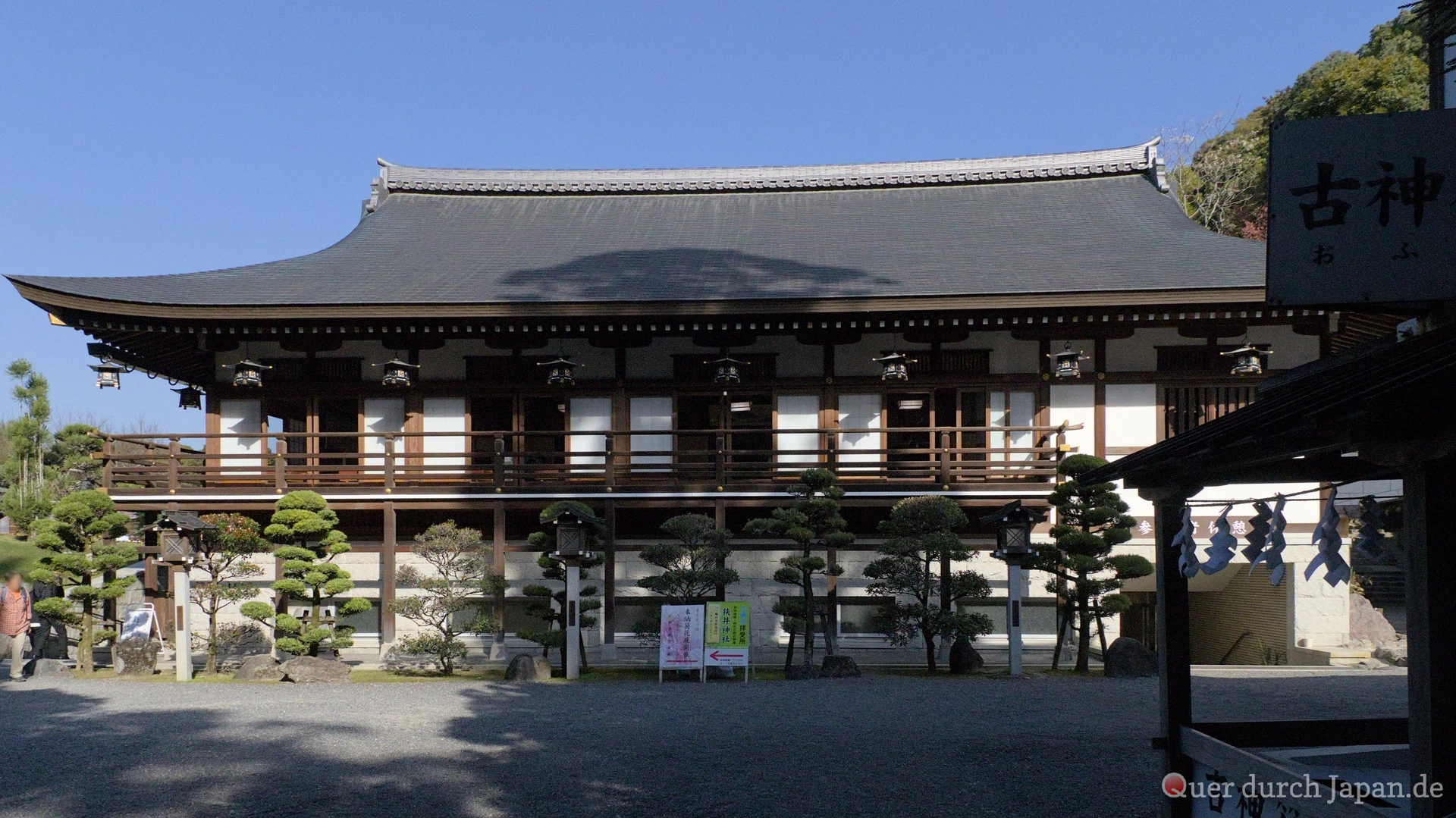
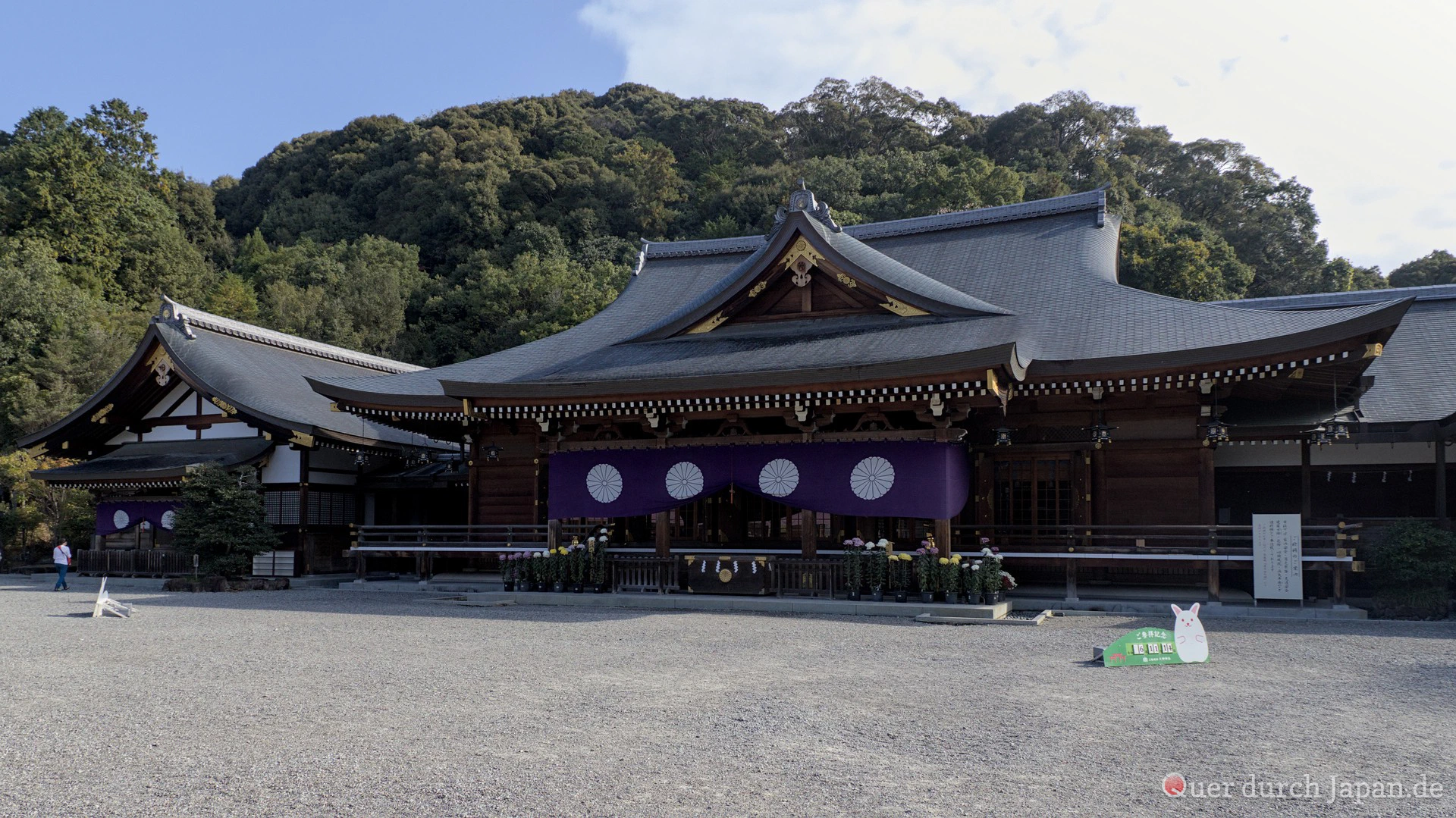
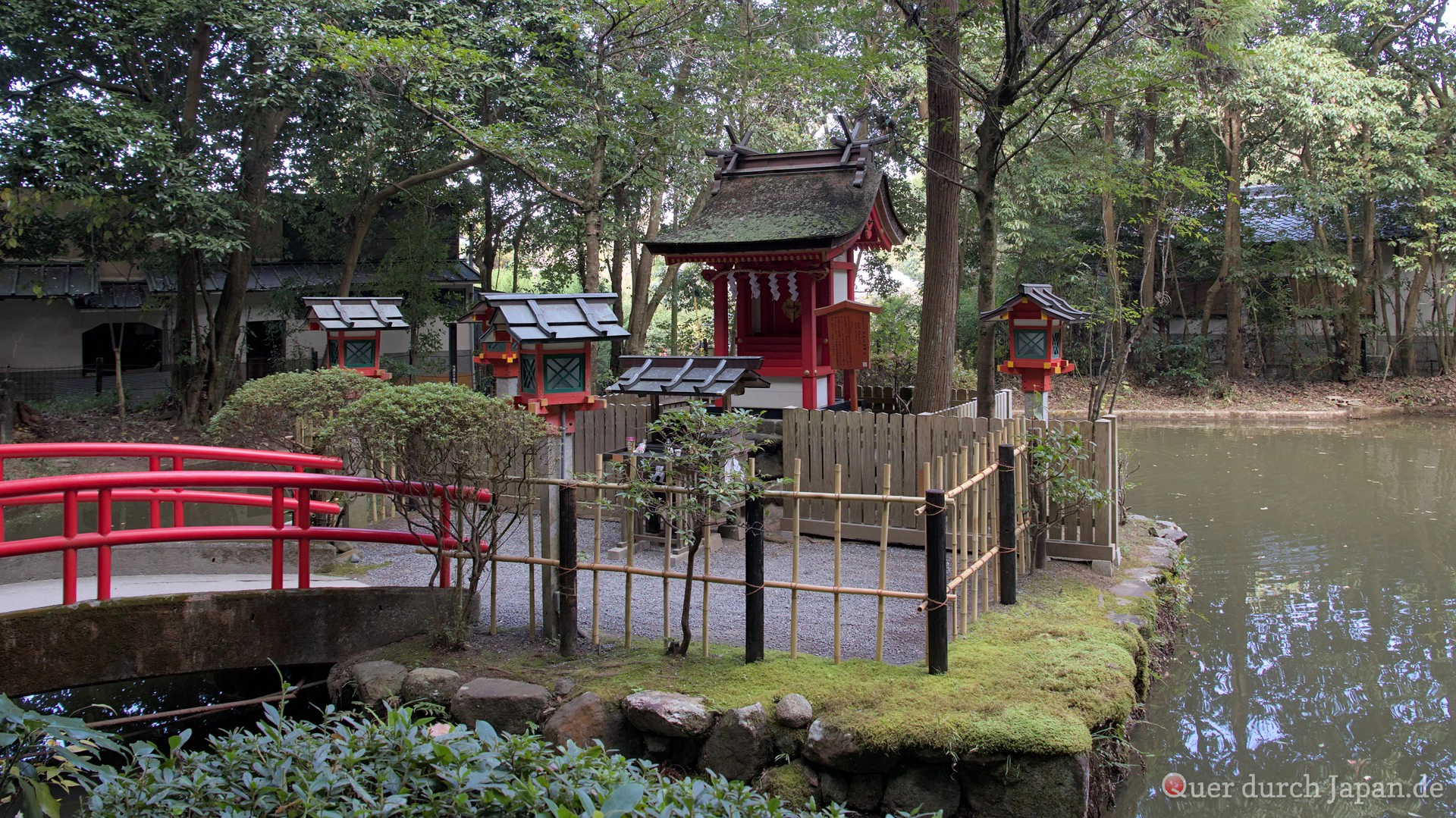
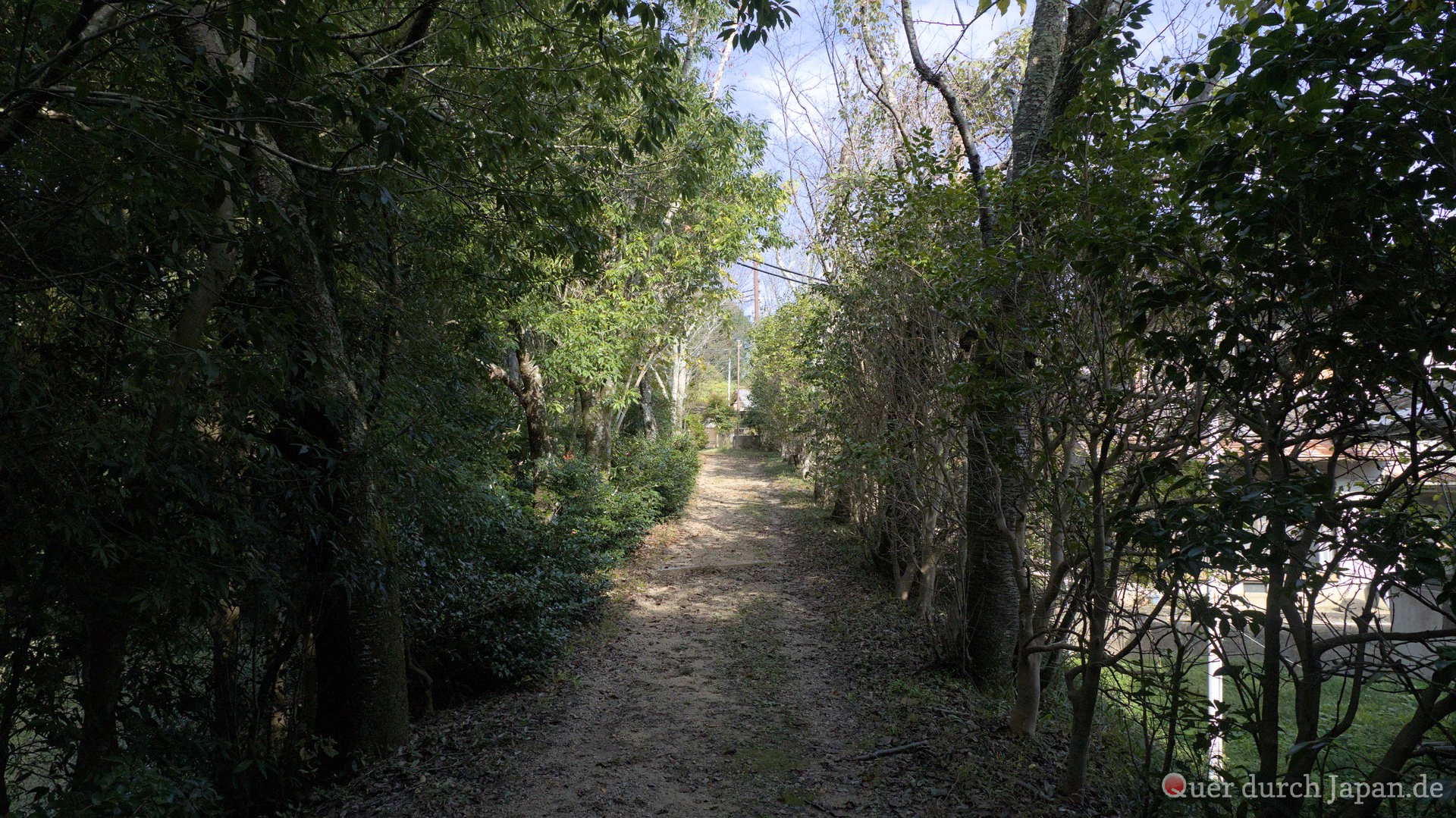
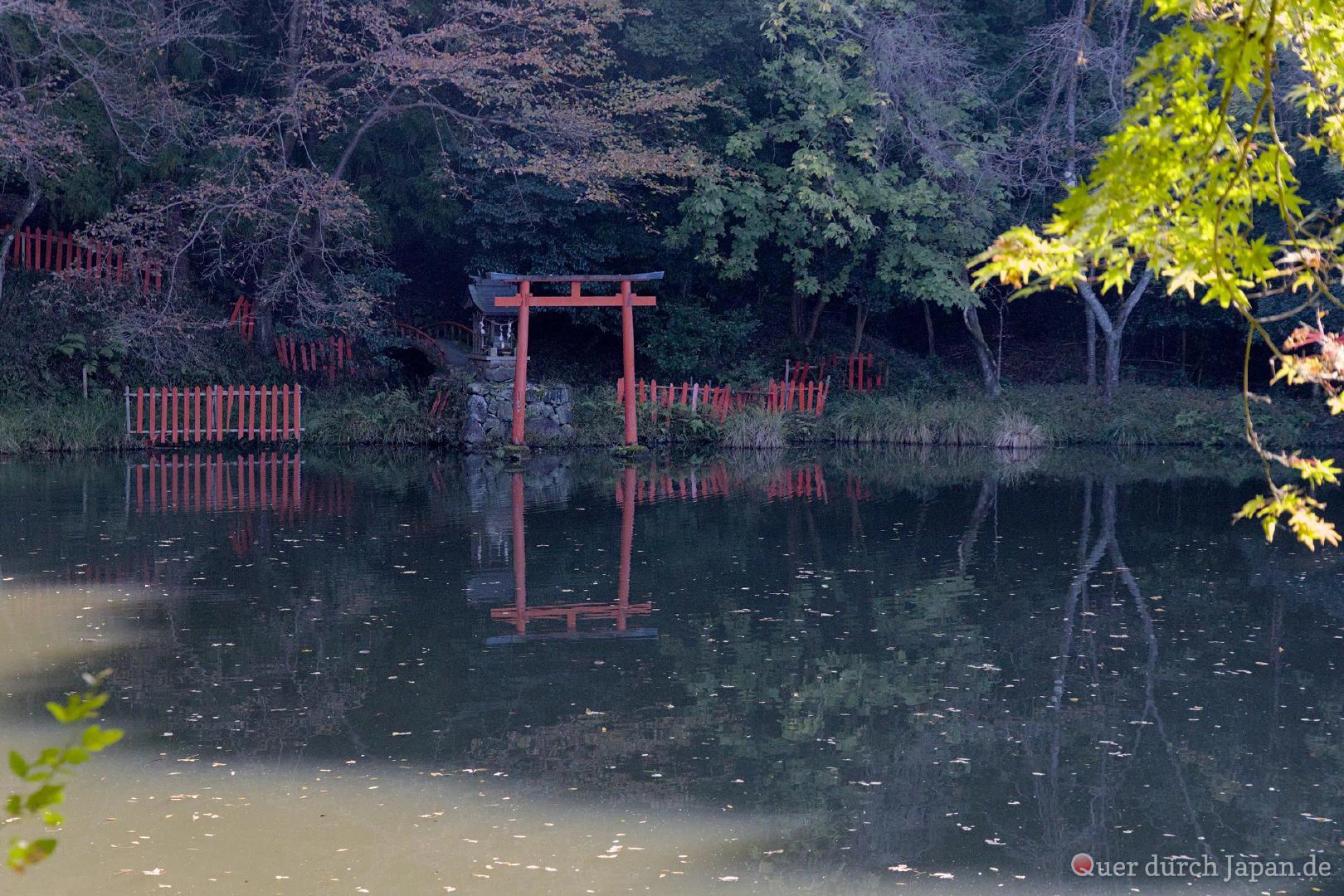
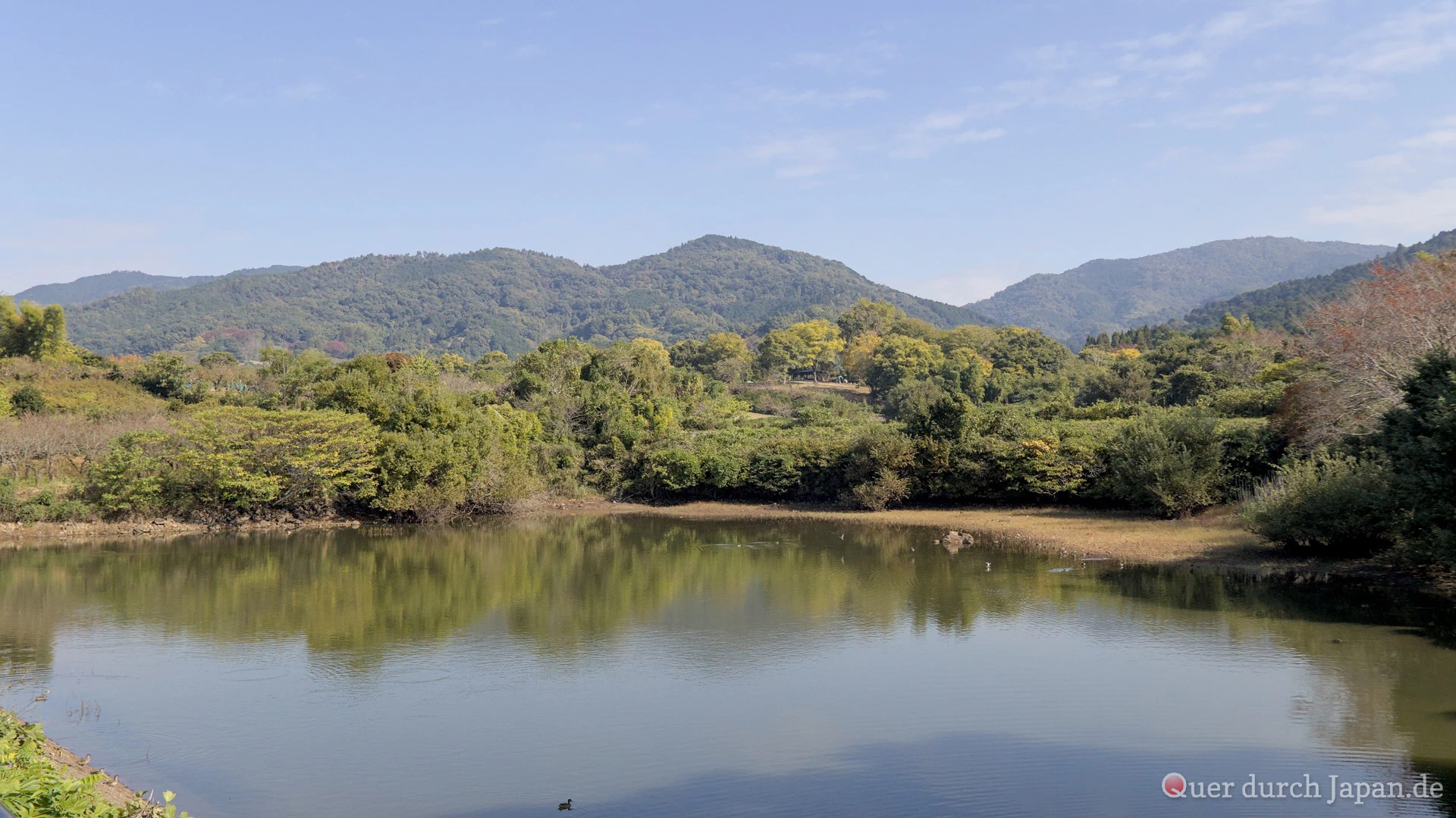
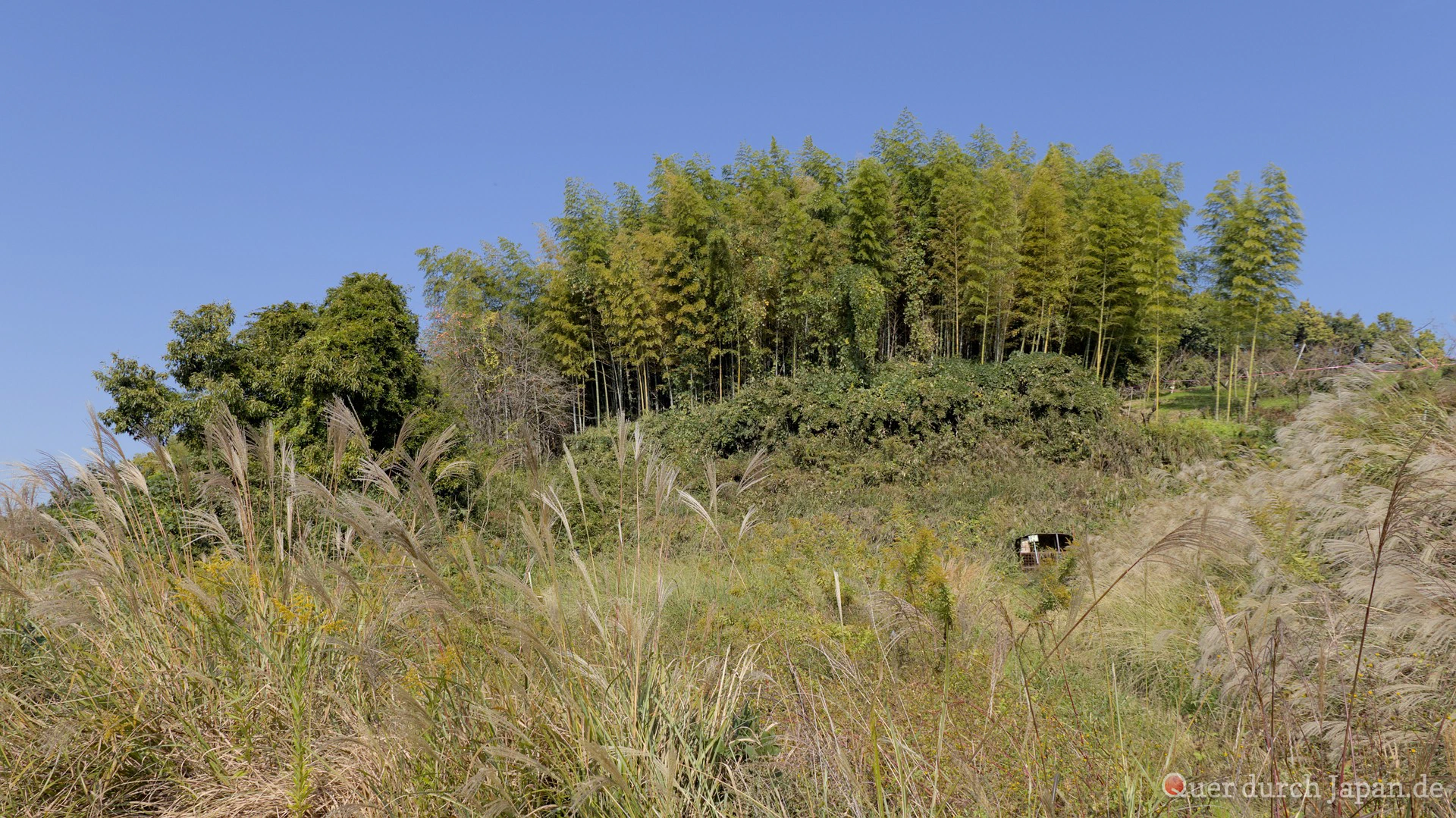
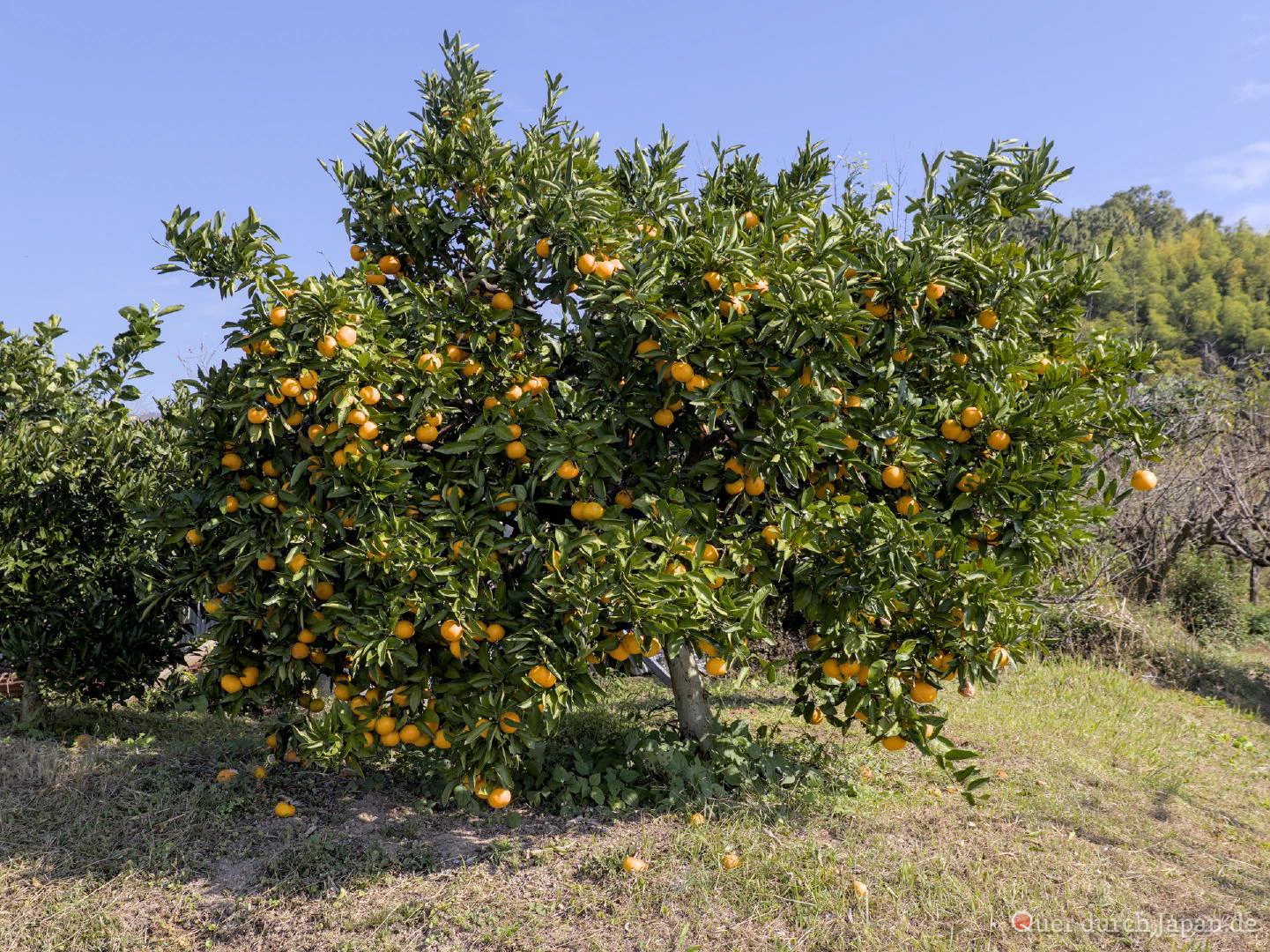
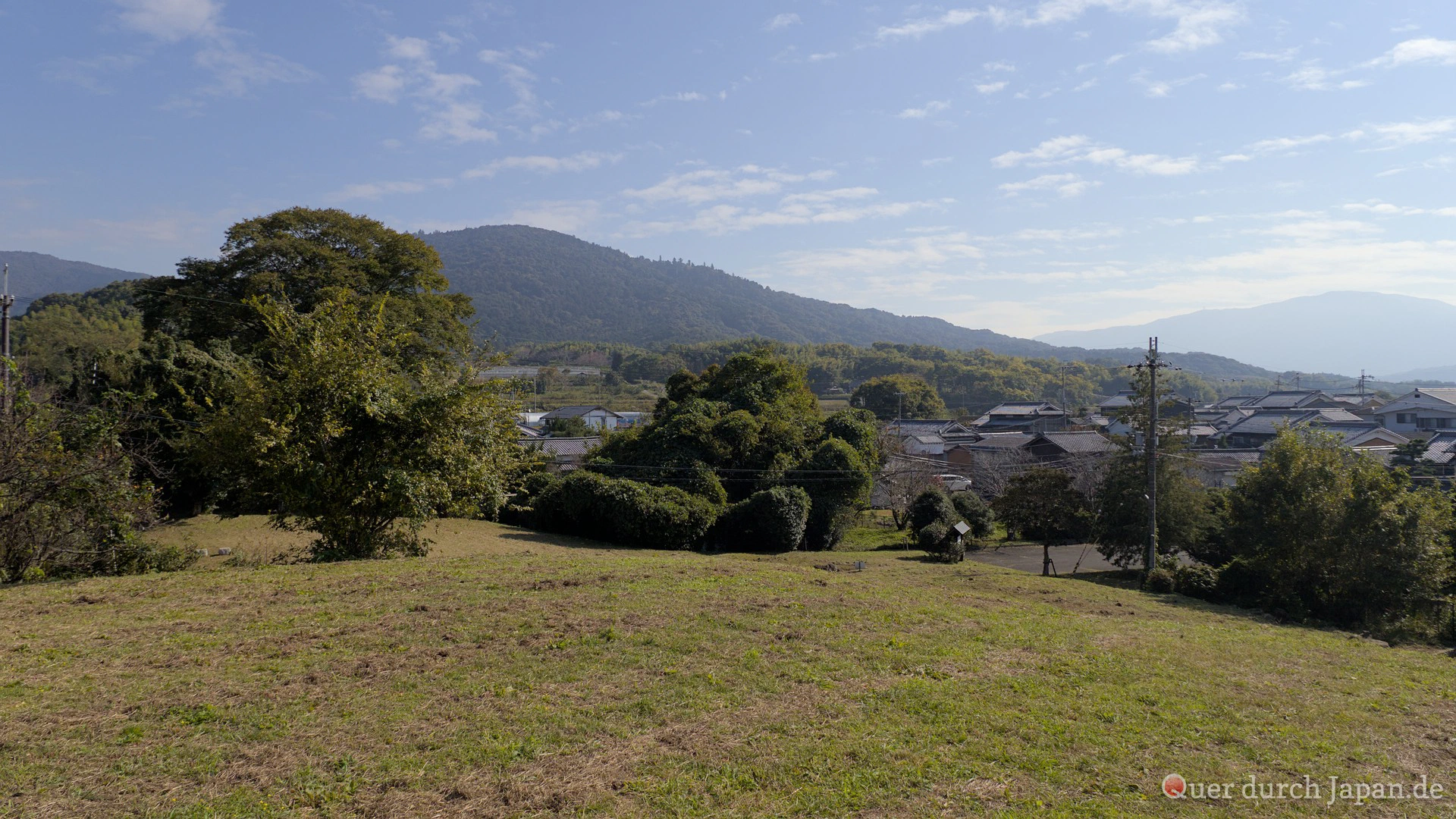
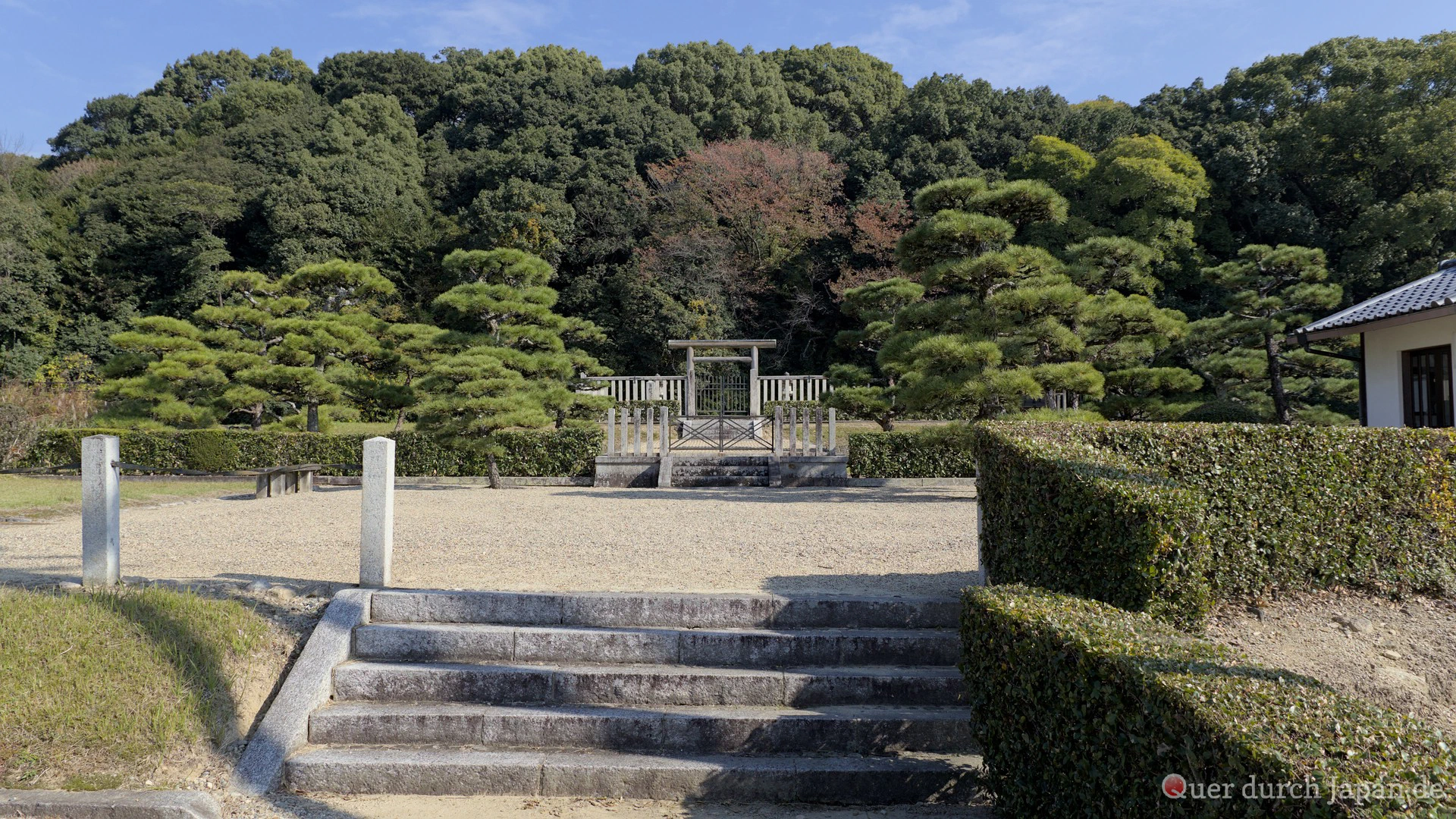
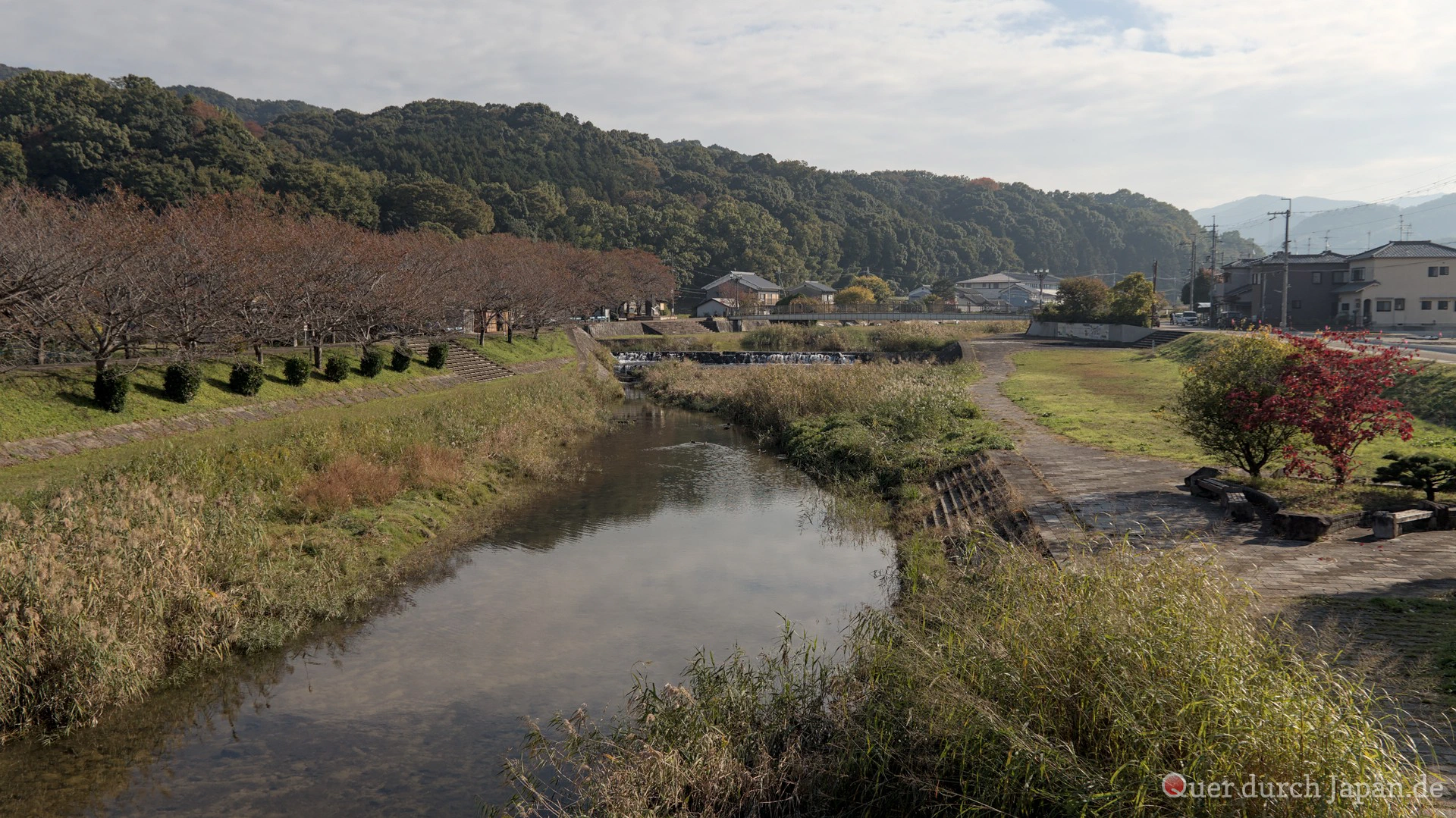
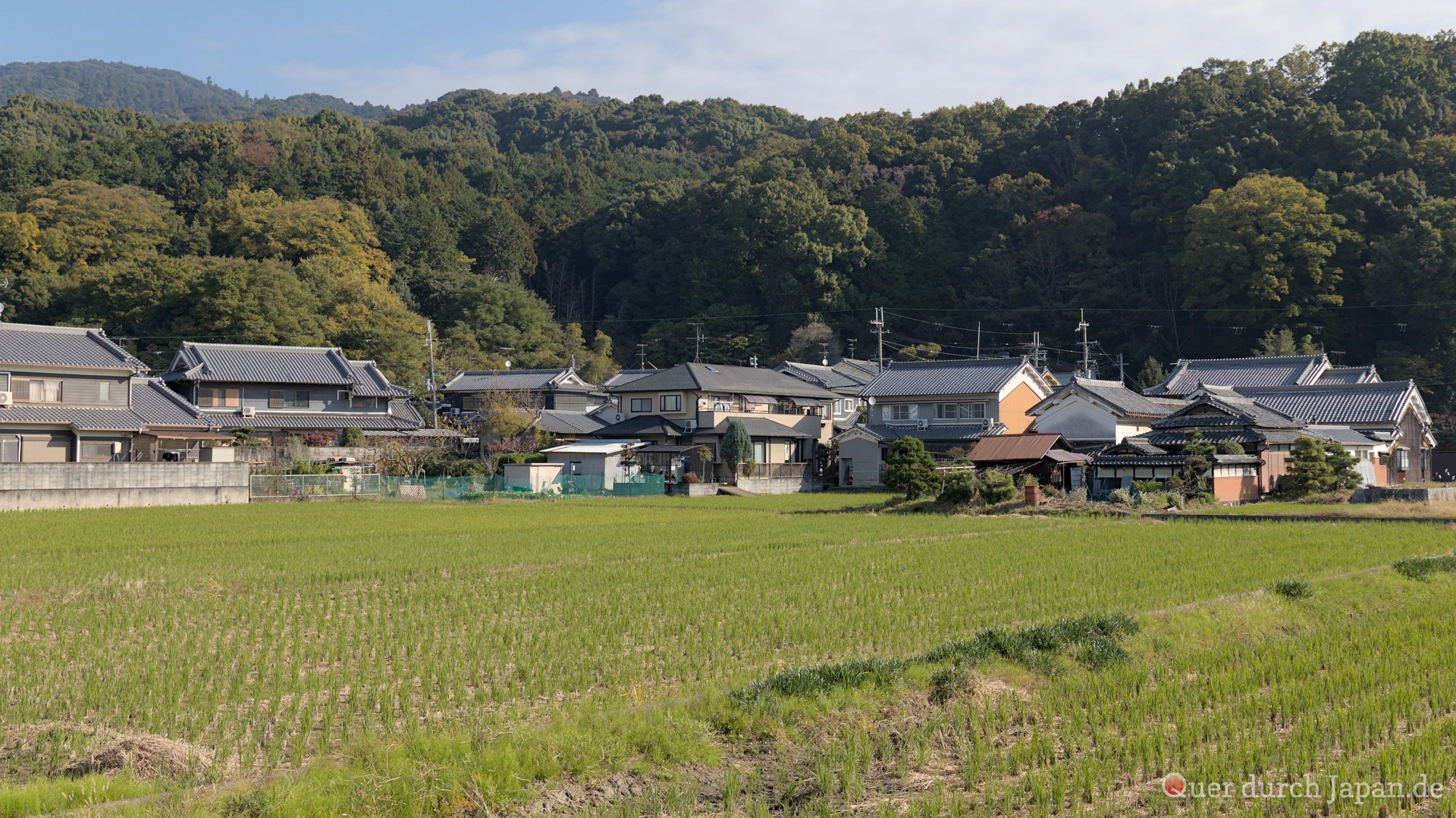
The trail started at Sakurai Station in Nara. It leads through woods and past loads of temples and shrines. And we got lucky: this year’s sake festival was just taking place at Omiwa Jinja. 150 reps from the local sake breweries gathered here to pray for a good sake production.

Tomorrow we’re heading off on the Shinkansen to the last stop of our trip: Tōkyō.