Wet Paint!

ようこそ! Welcome to Quer durch Japan (All Over Japan)!

This private travel blog has been around since 2017, but it was only available in German. Until now…

We have now switched to a different blog software that supports multiple languages. This means Quer durch Japan is finally bilingual, available in both German and English.

The English articles have been machine-translated and are being proofread by us bit by bit. It will take a little time.

And I’m sure a few bugs are still hiding here and there, too.

Have fun browsing!

Tuesday, April 28, 2026
Ritsurin-kōen

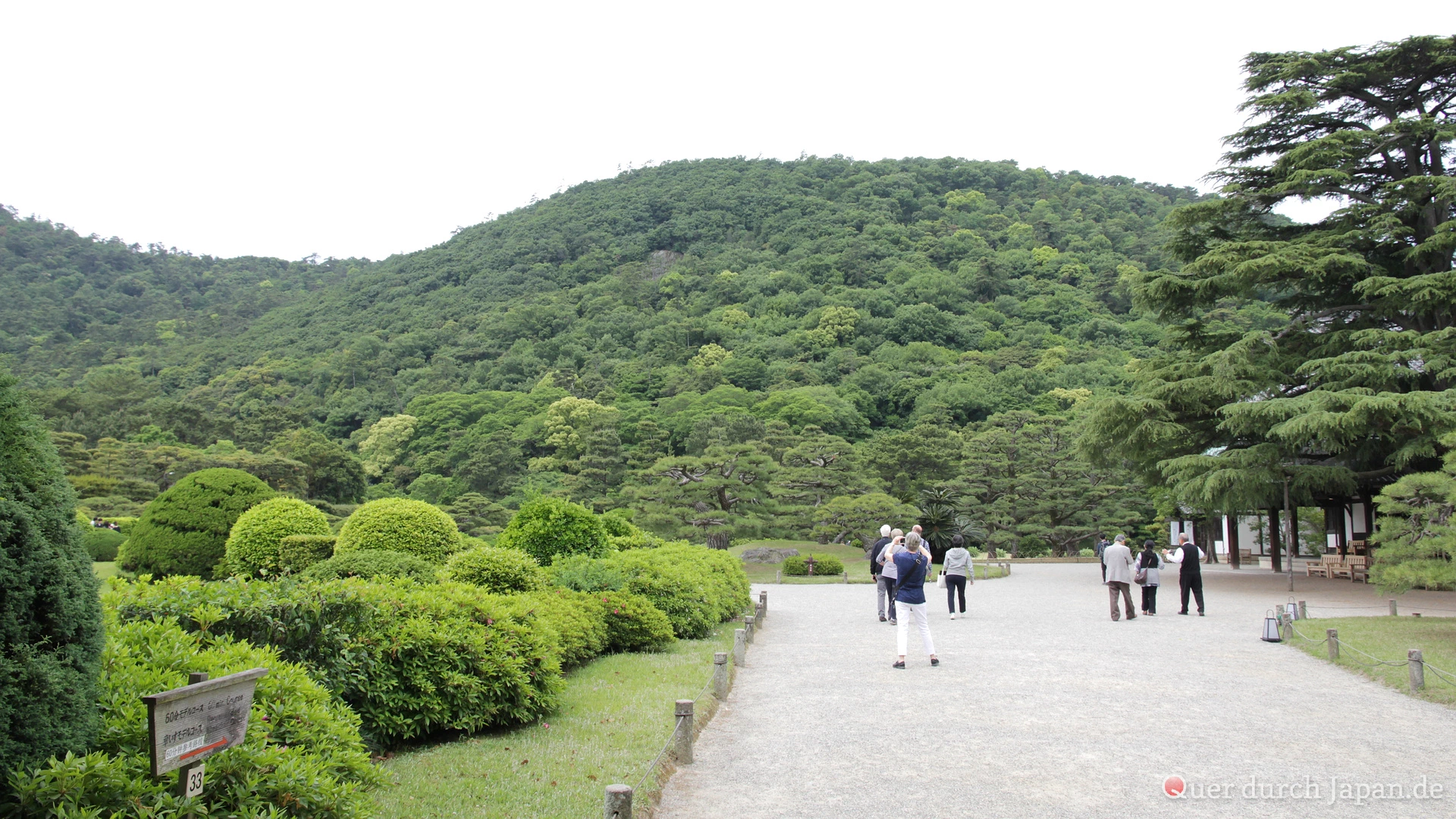
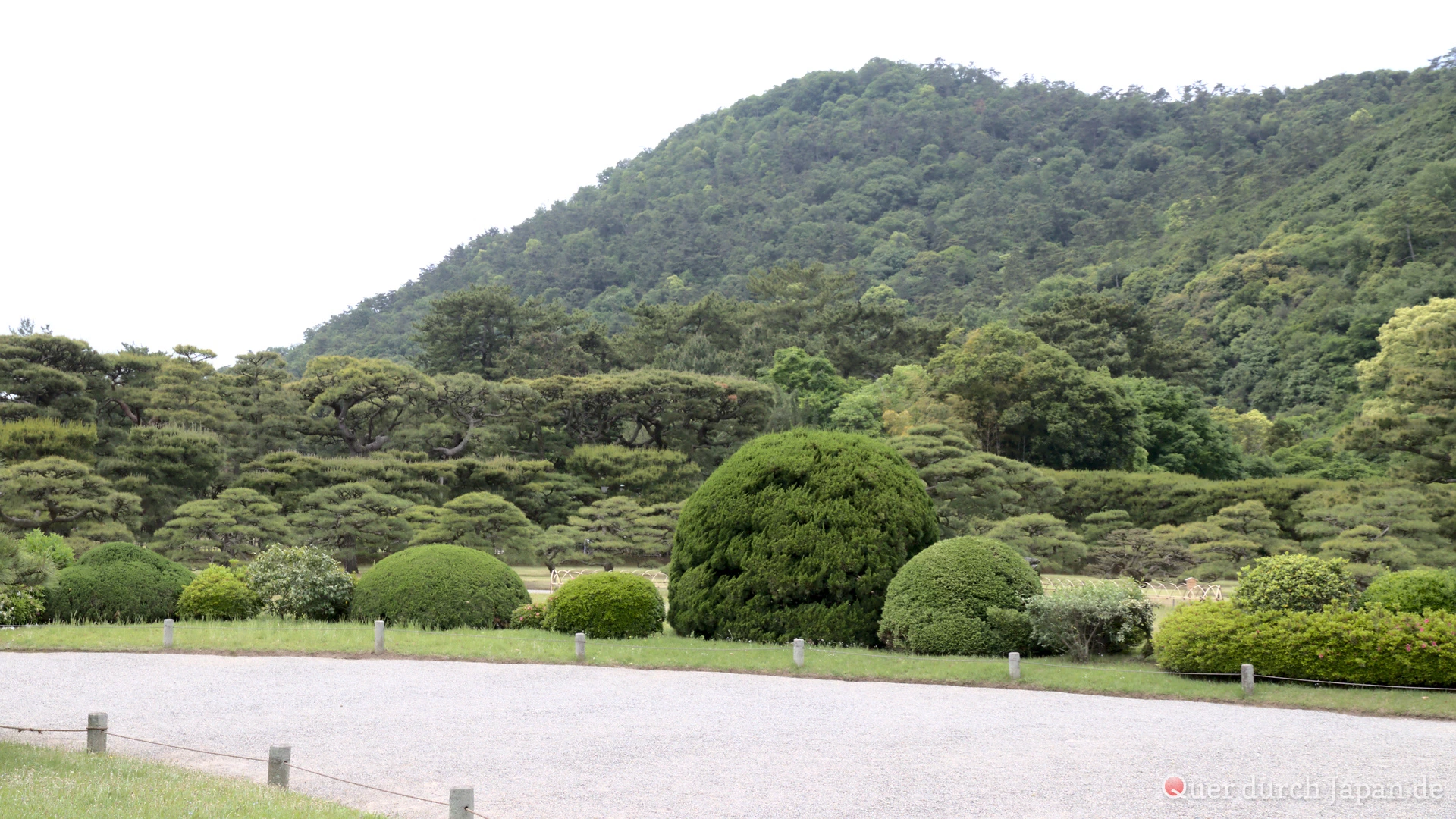
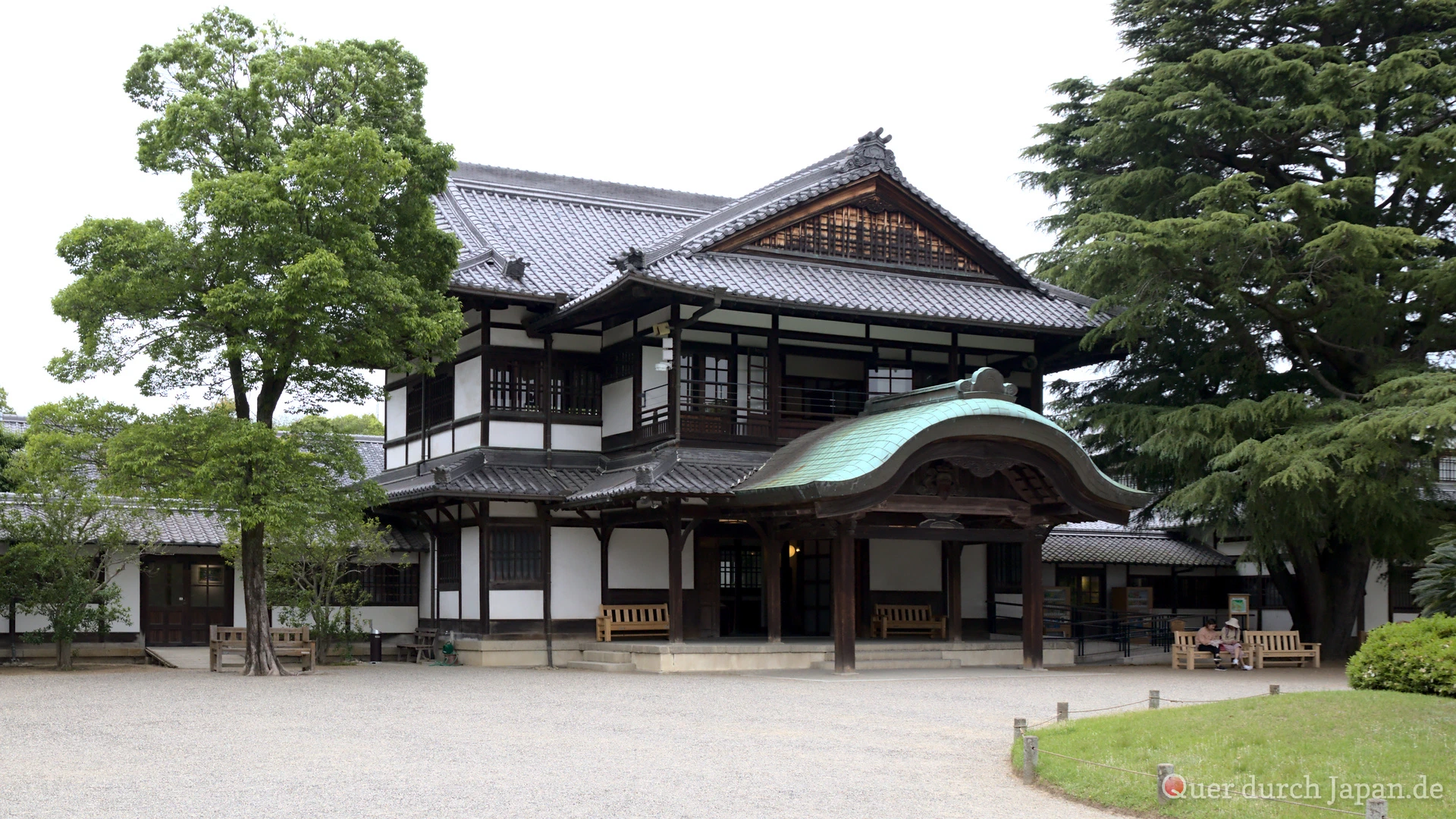
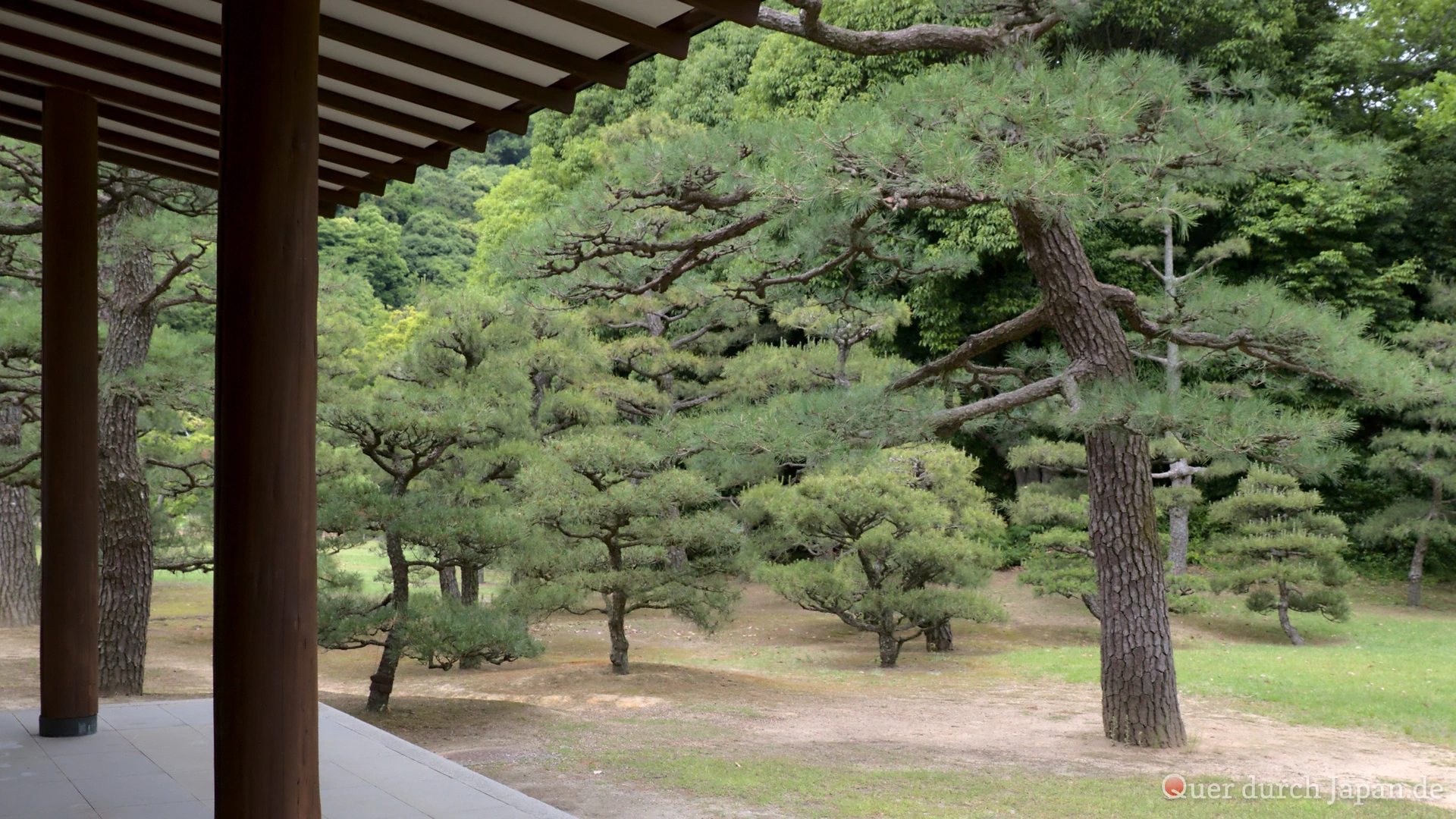
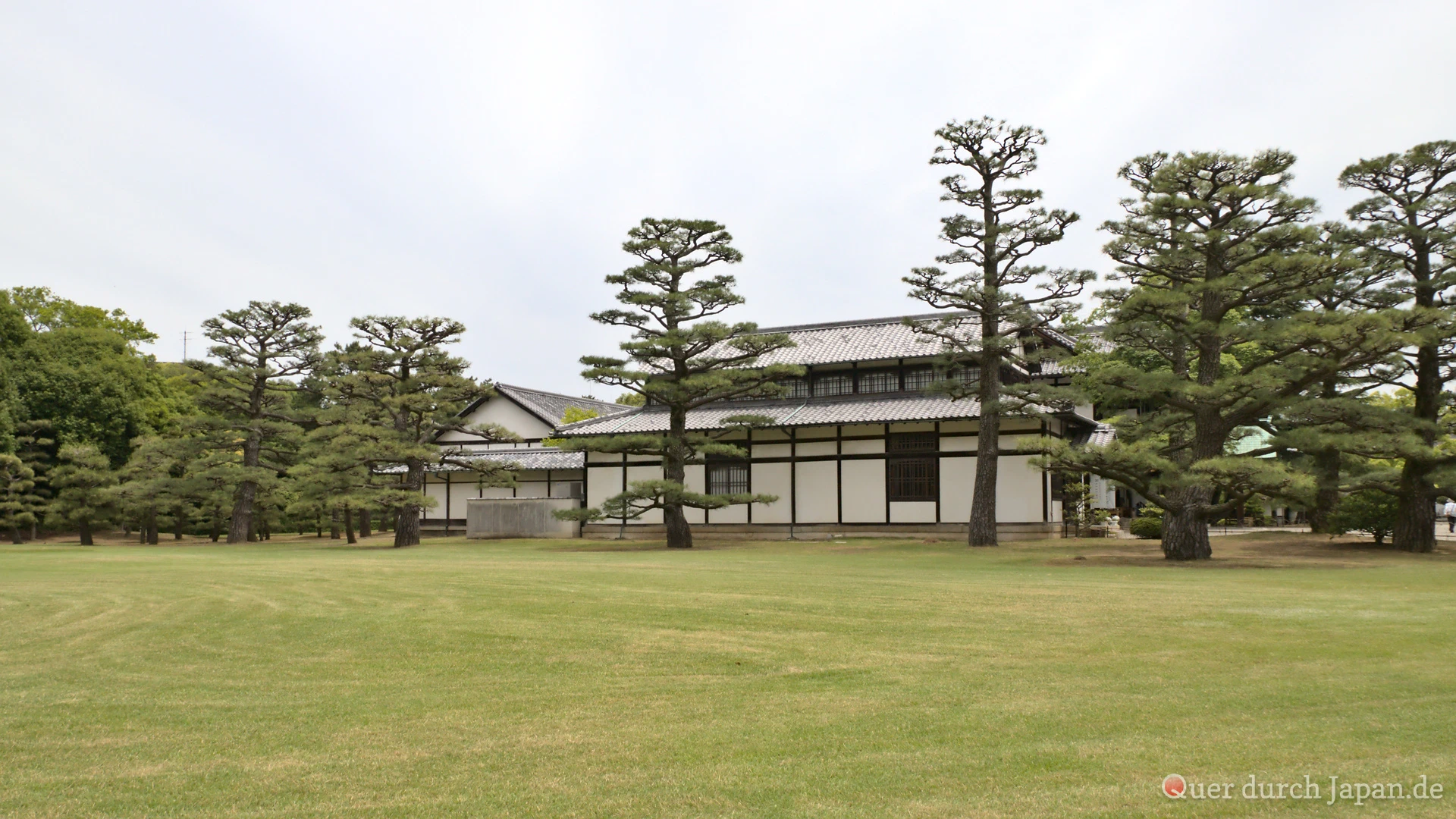
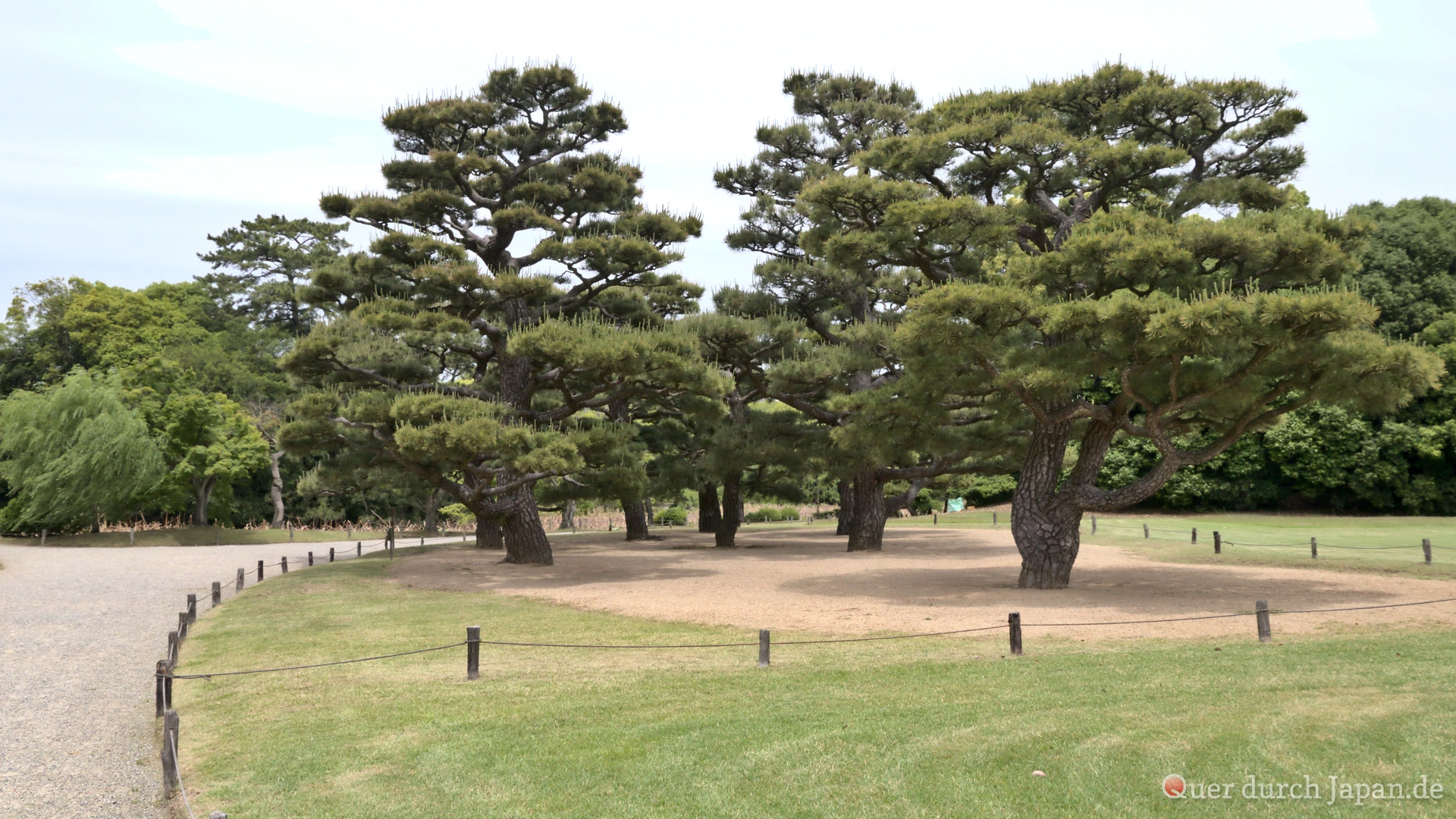
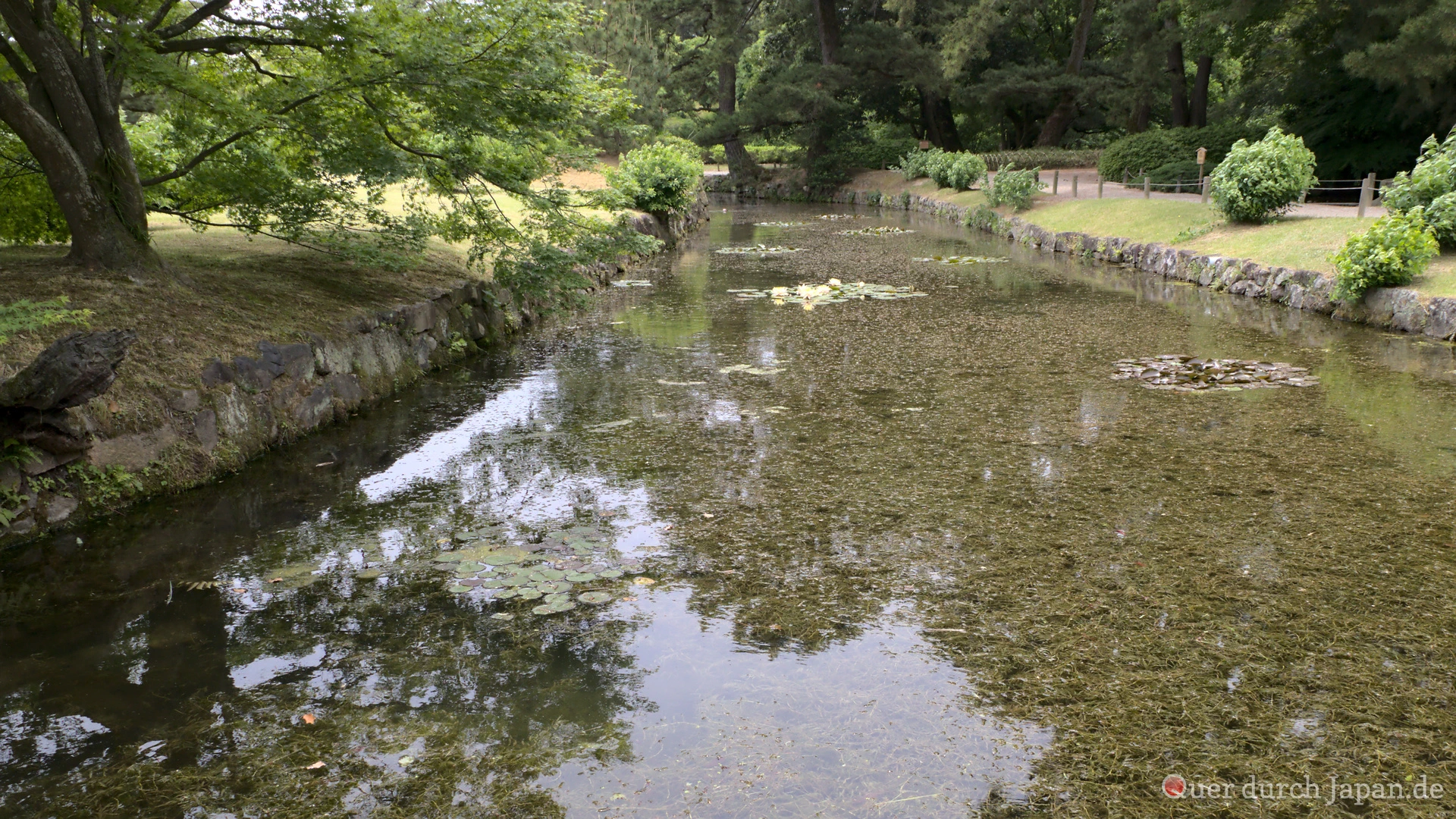
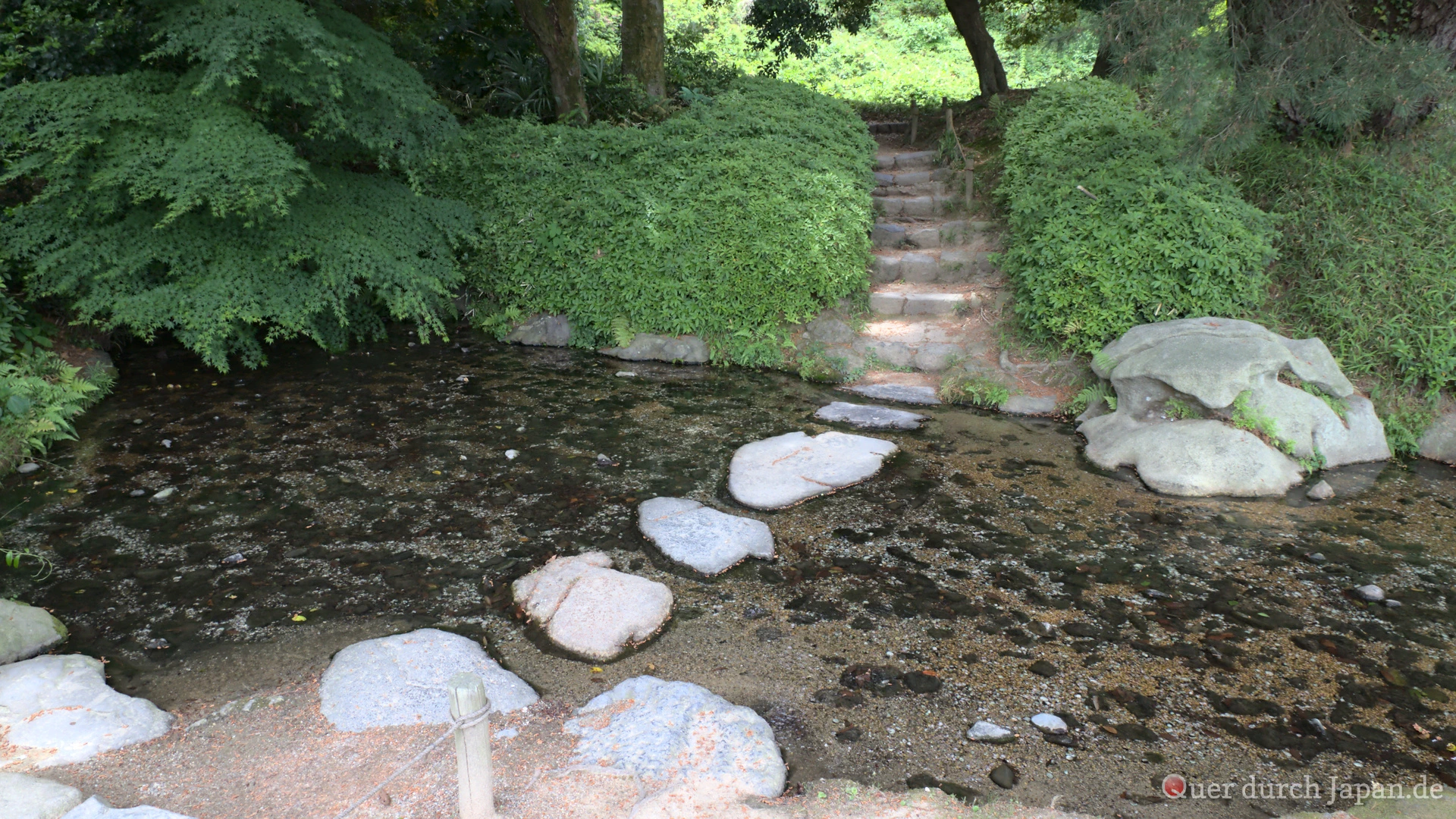
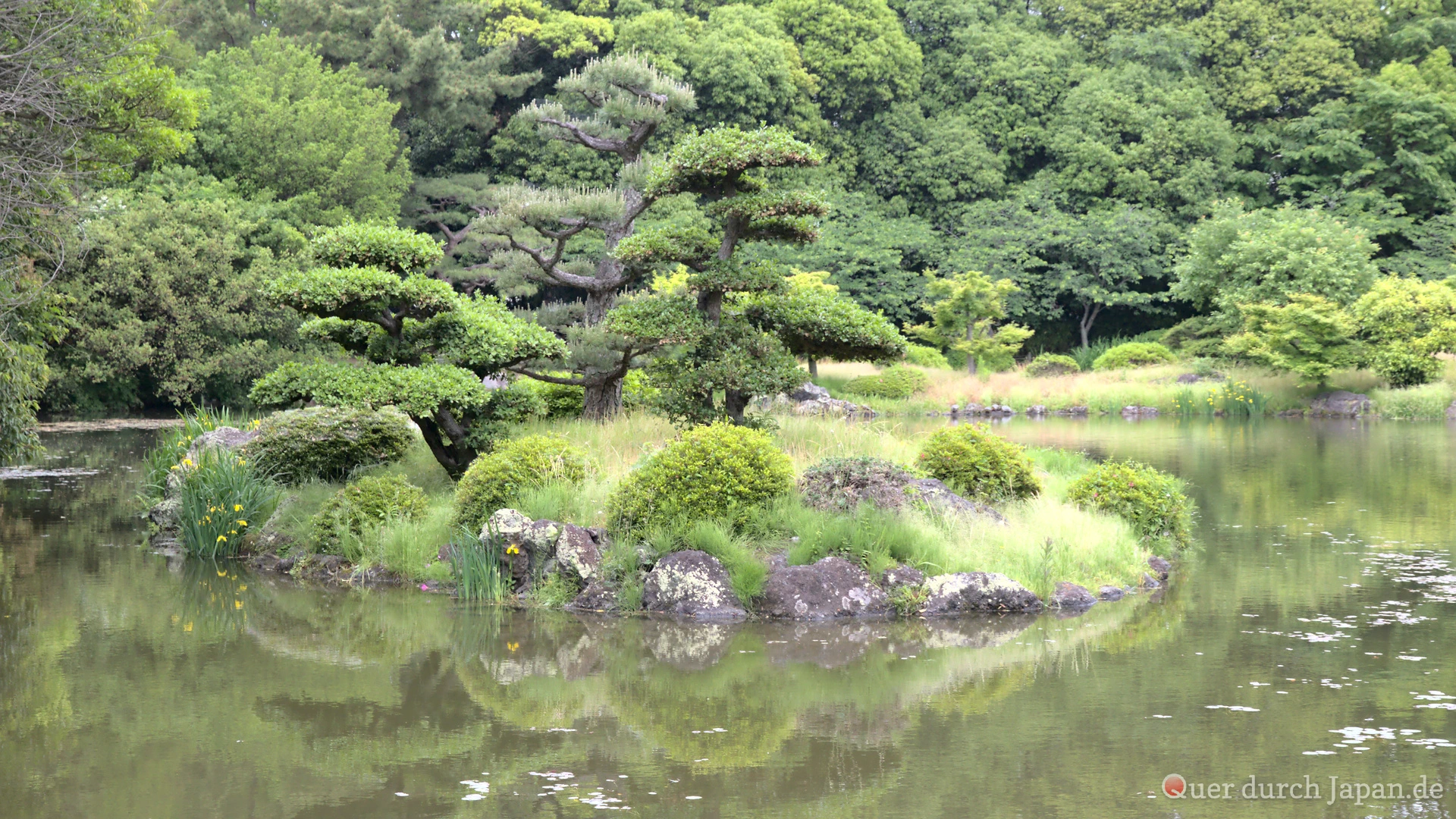
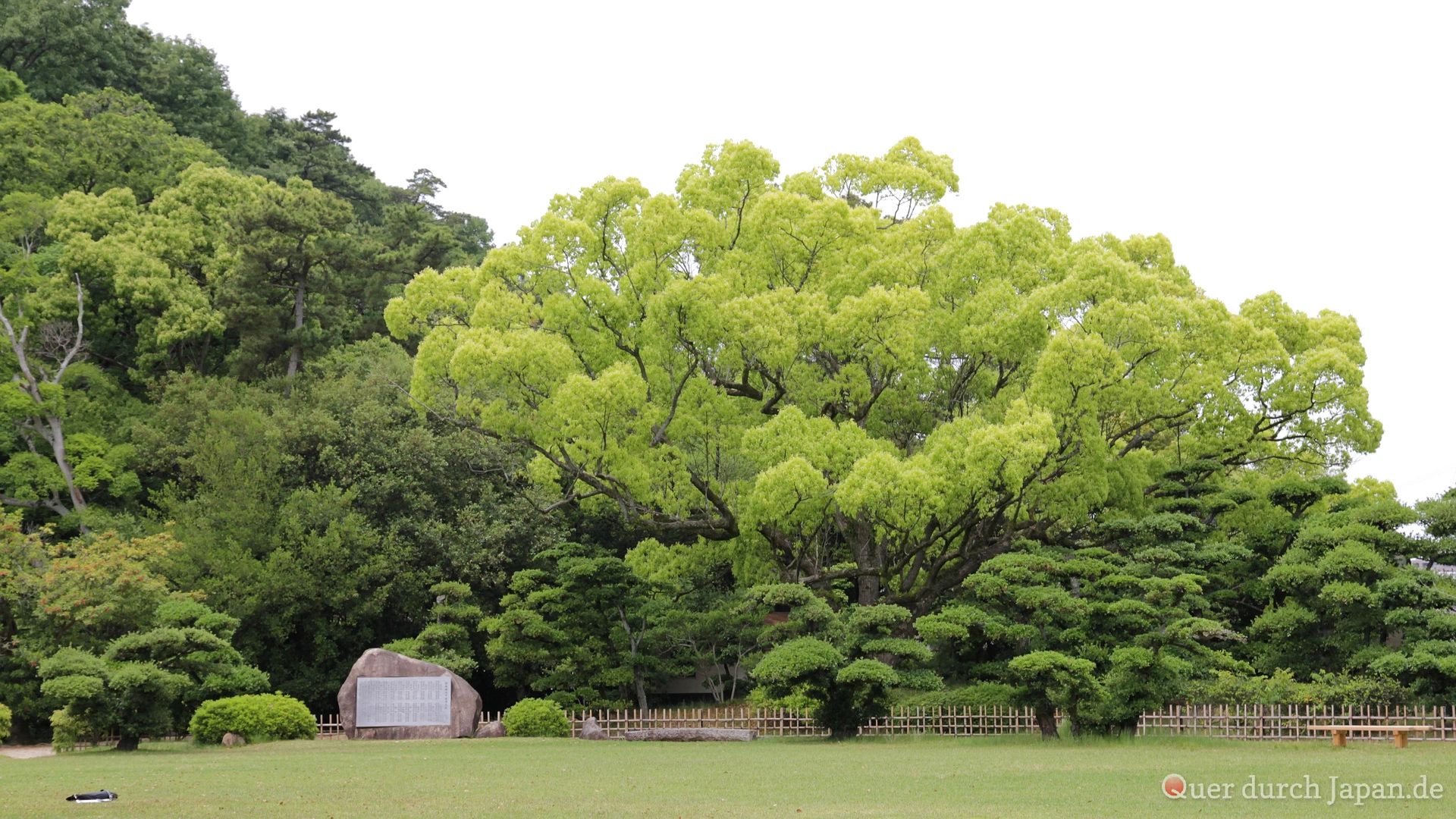
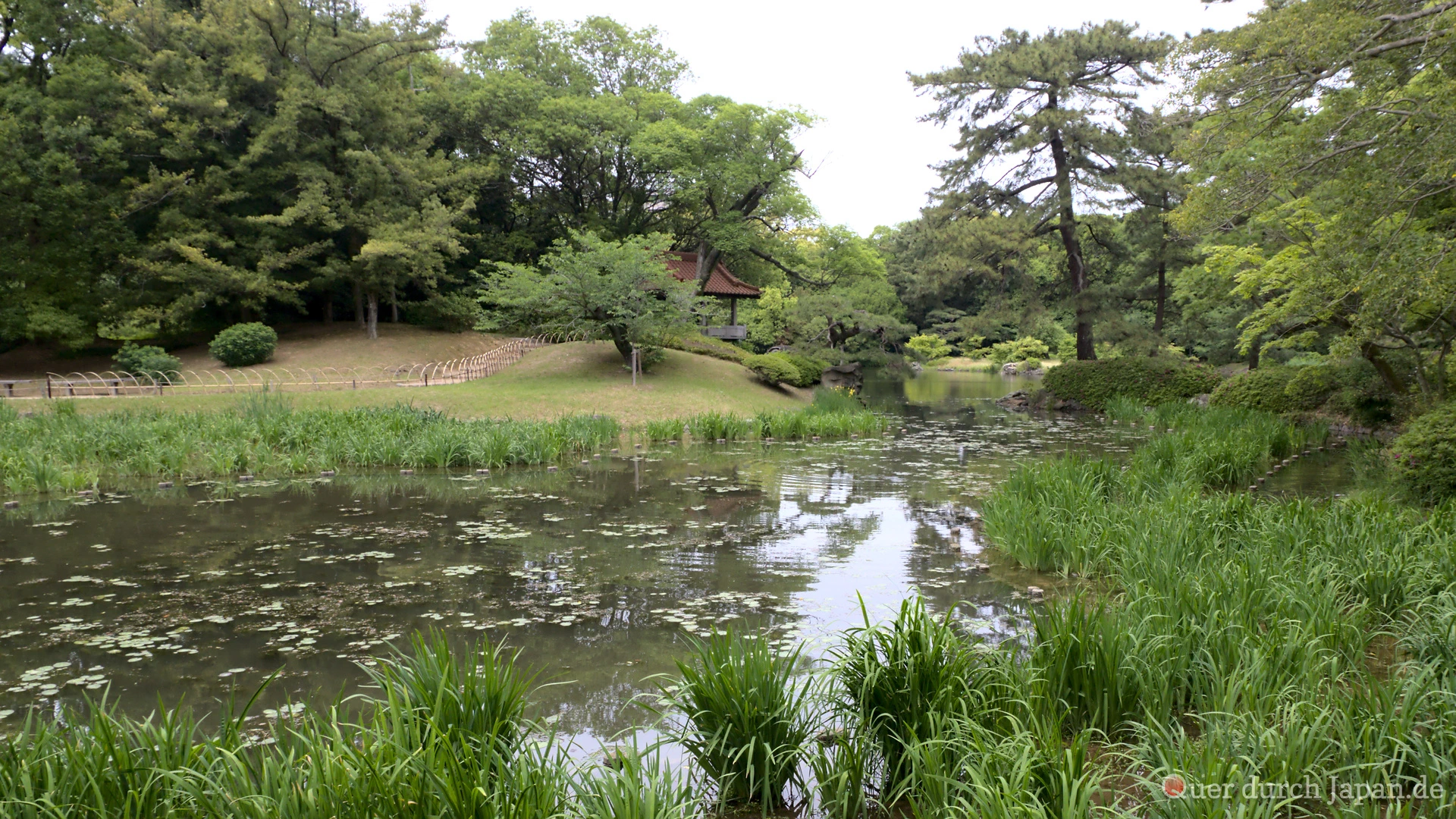
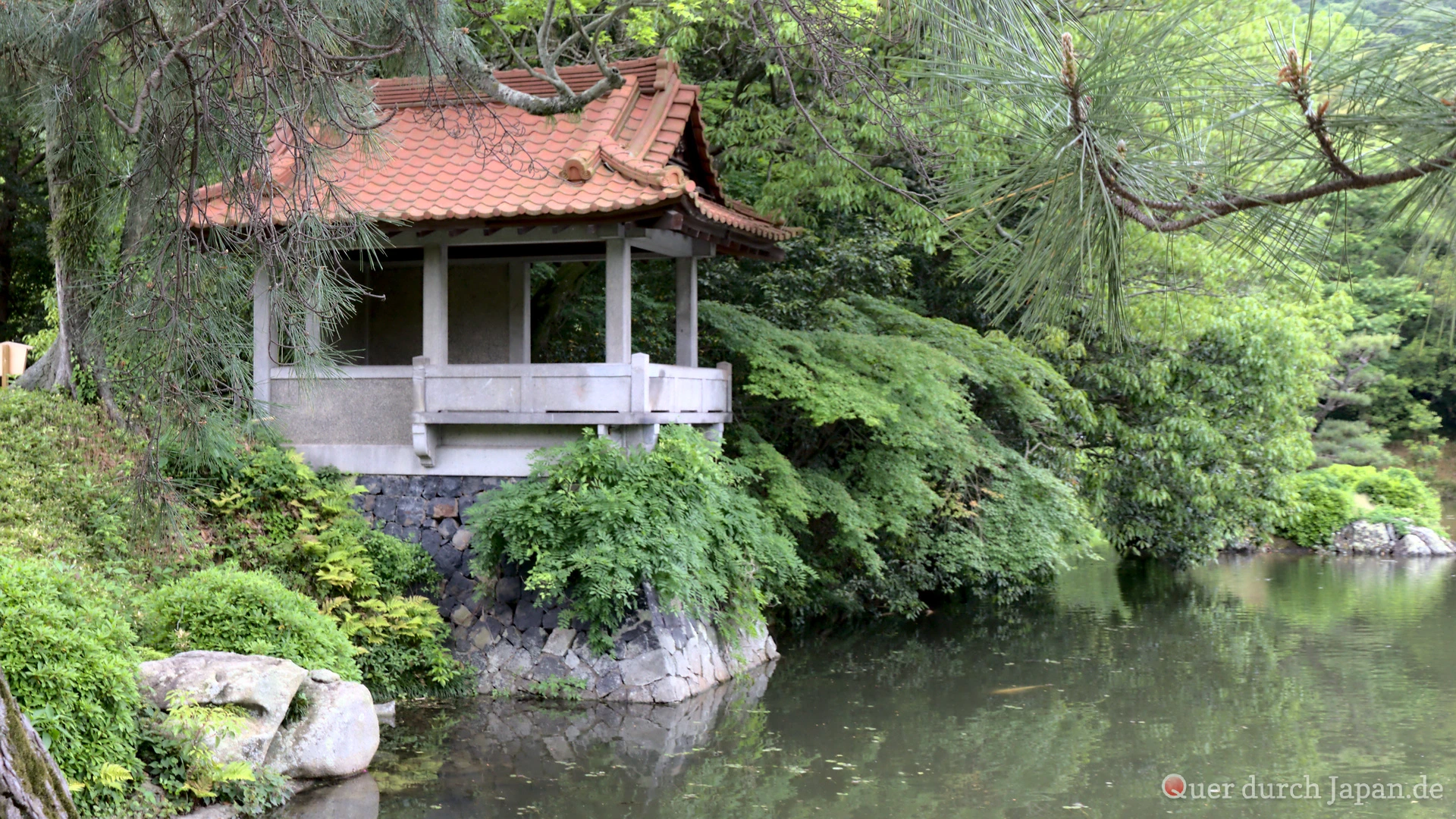
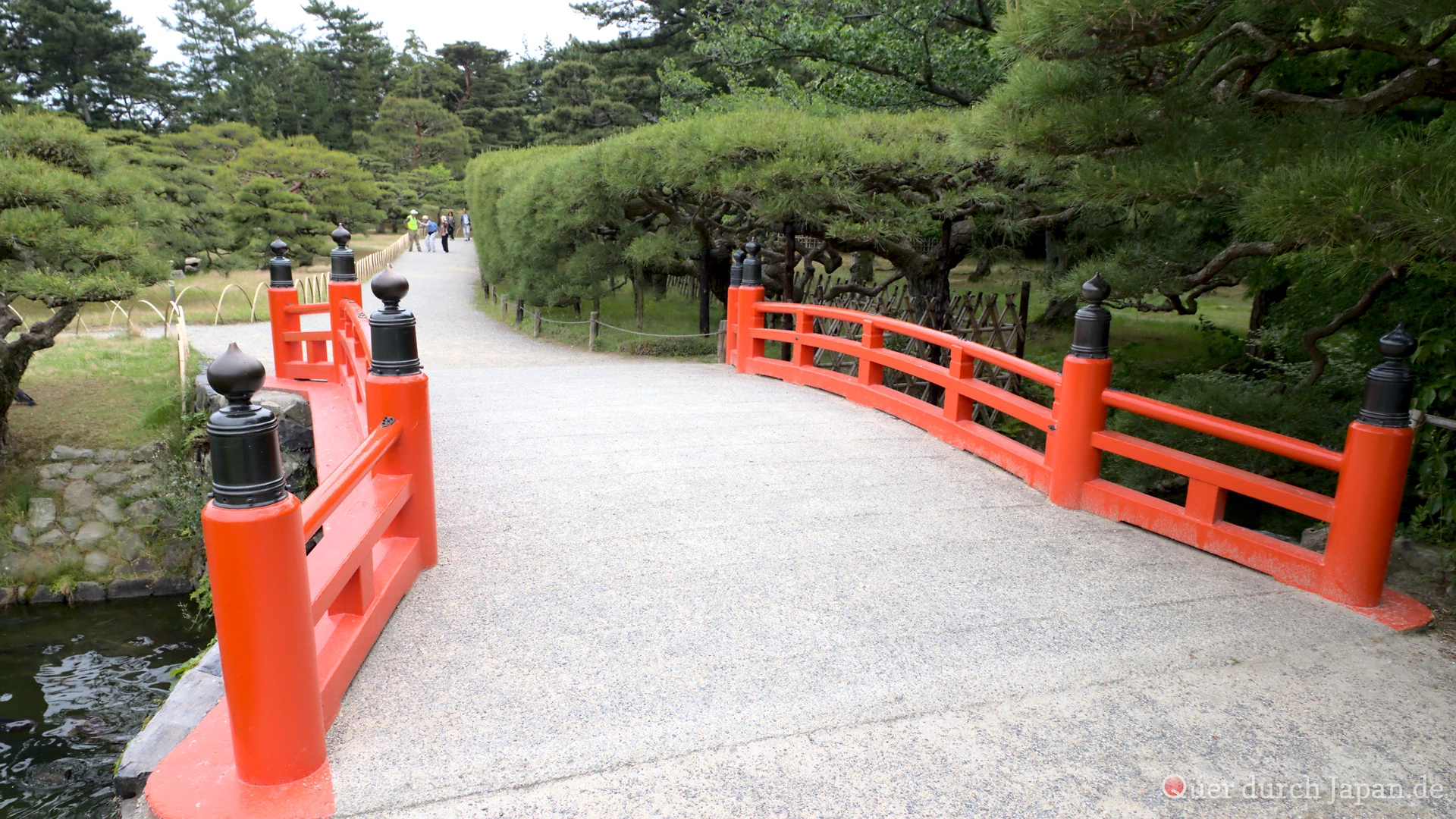
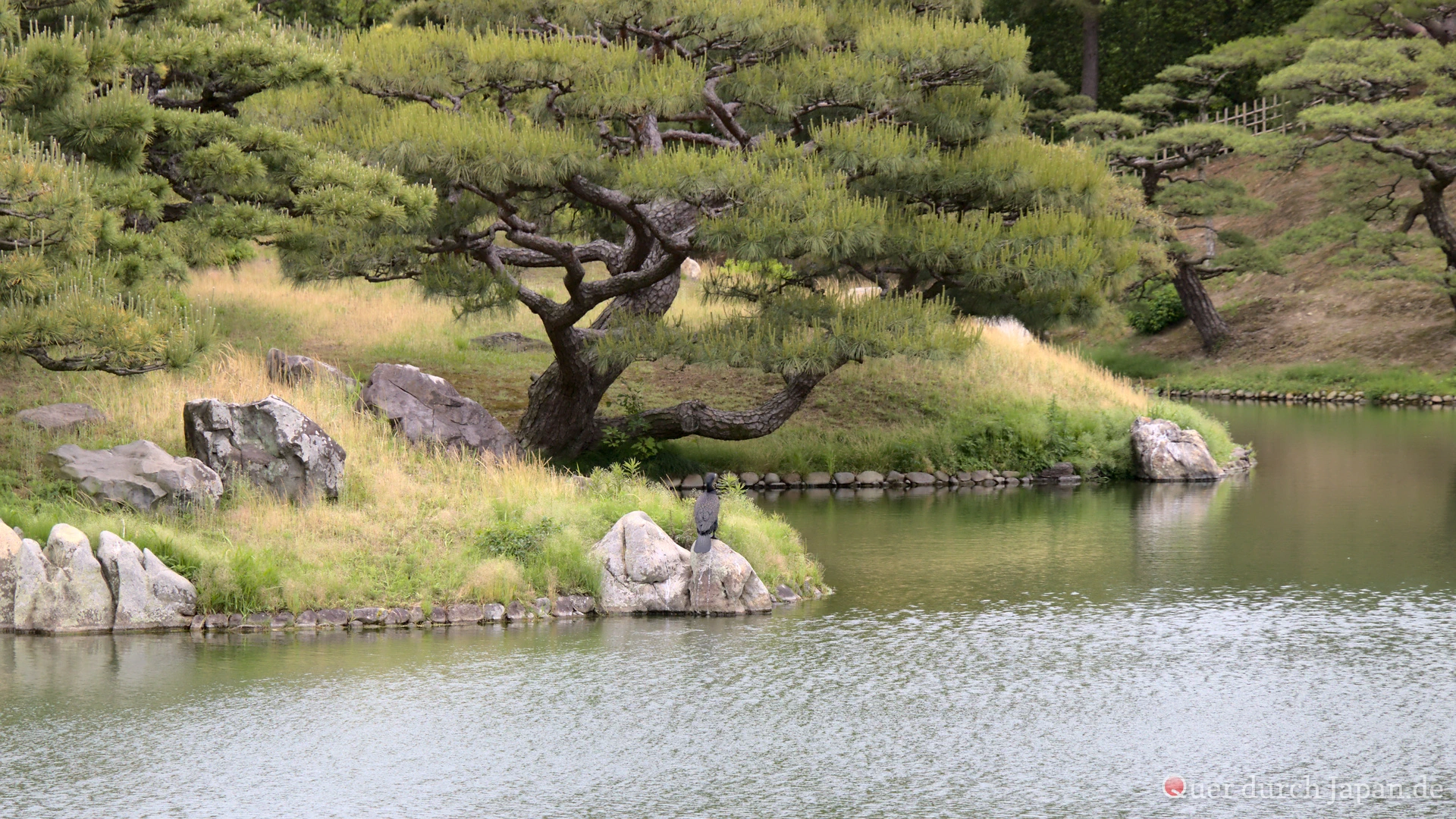
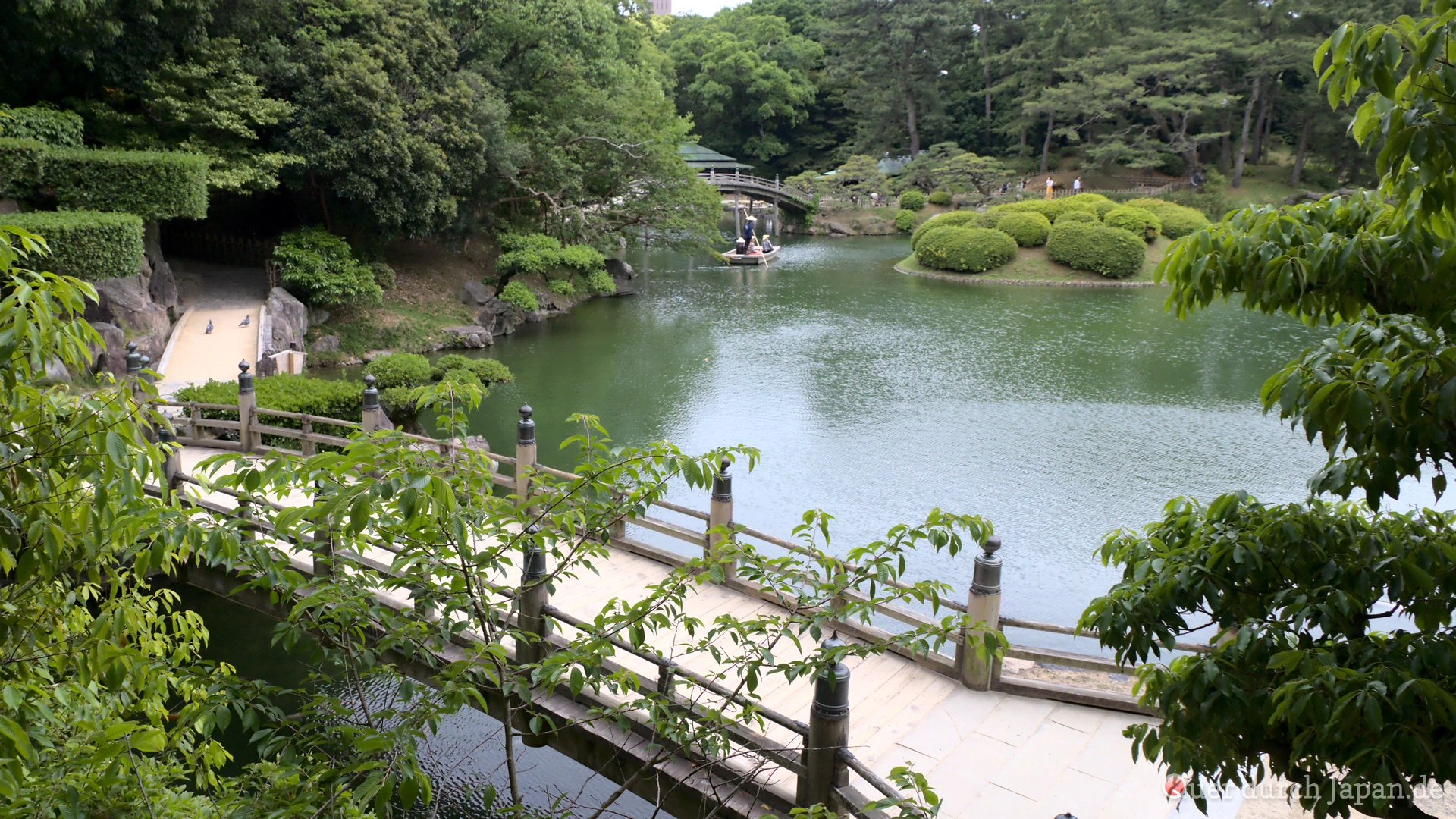
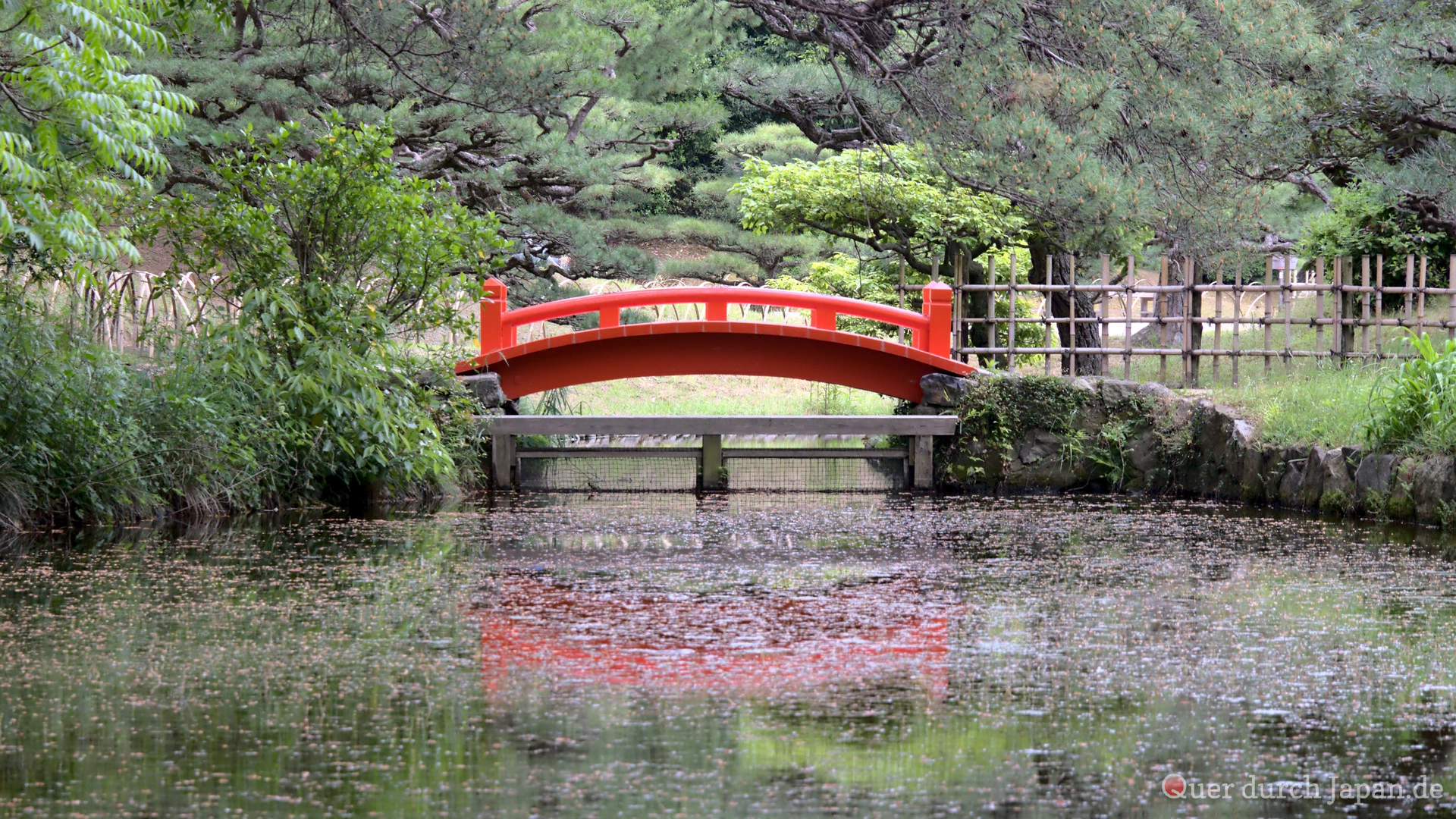
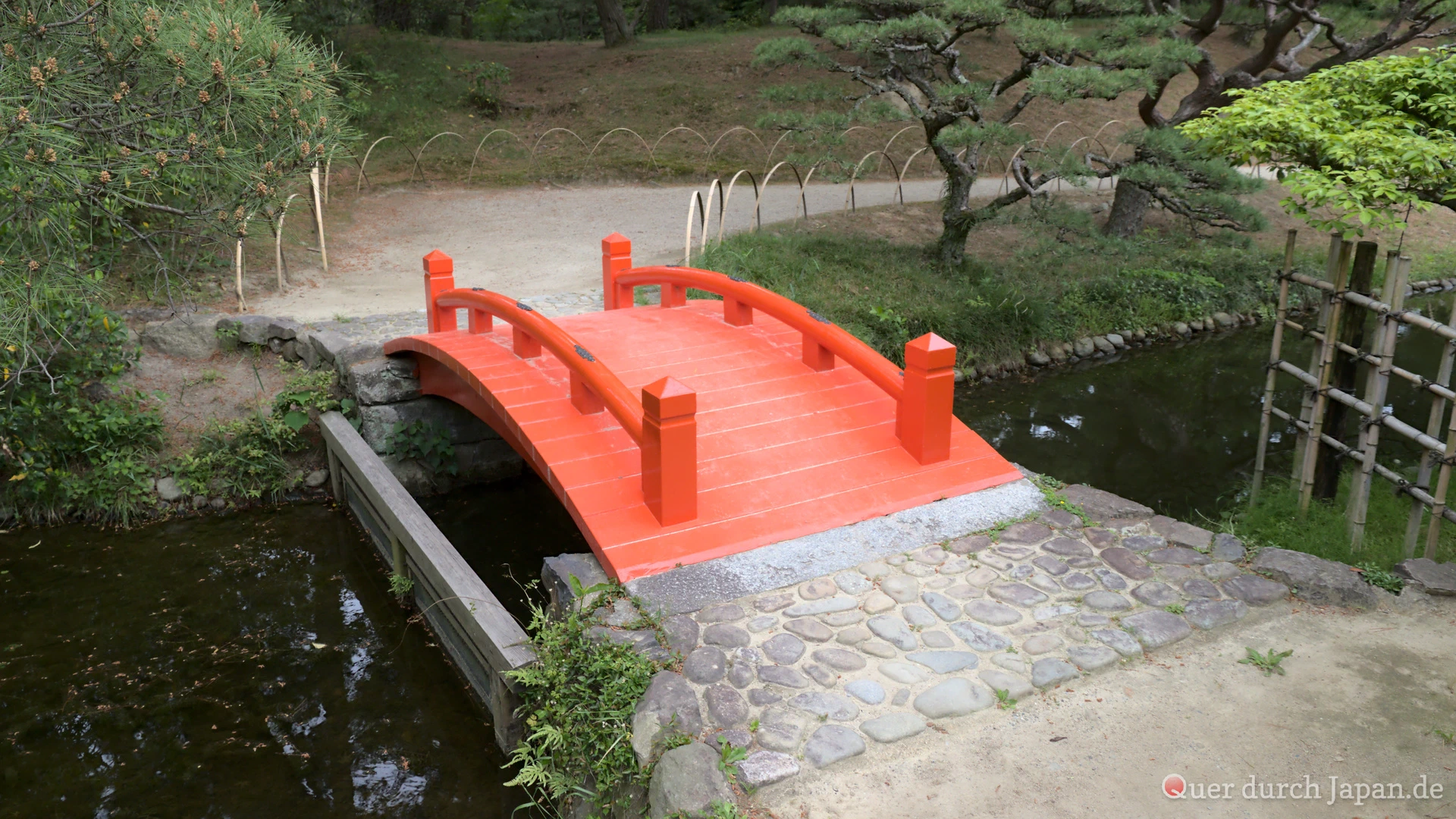
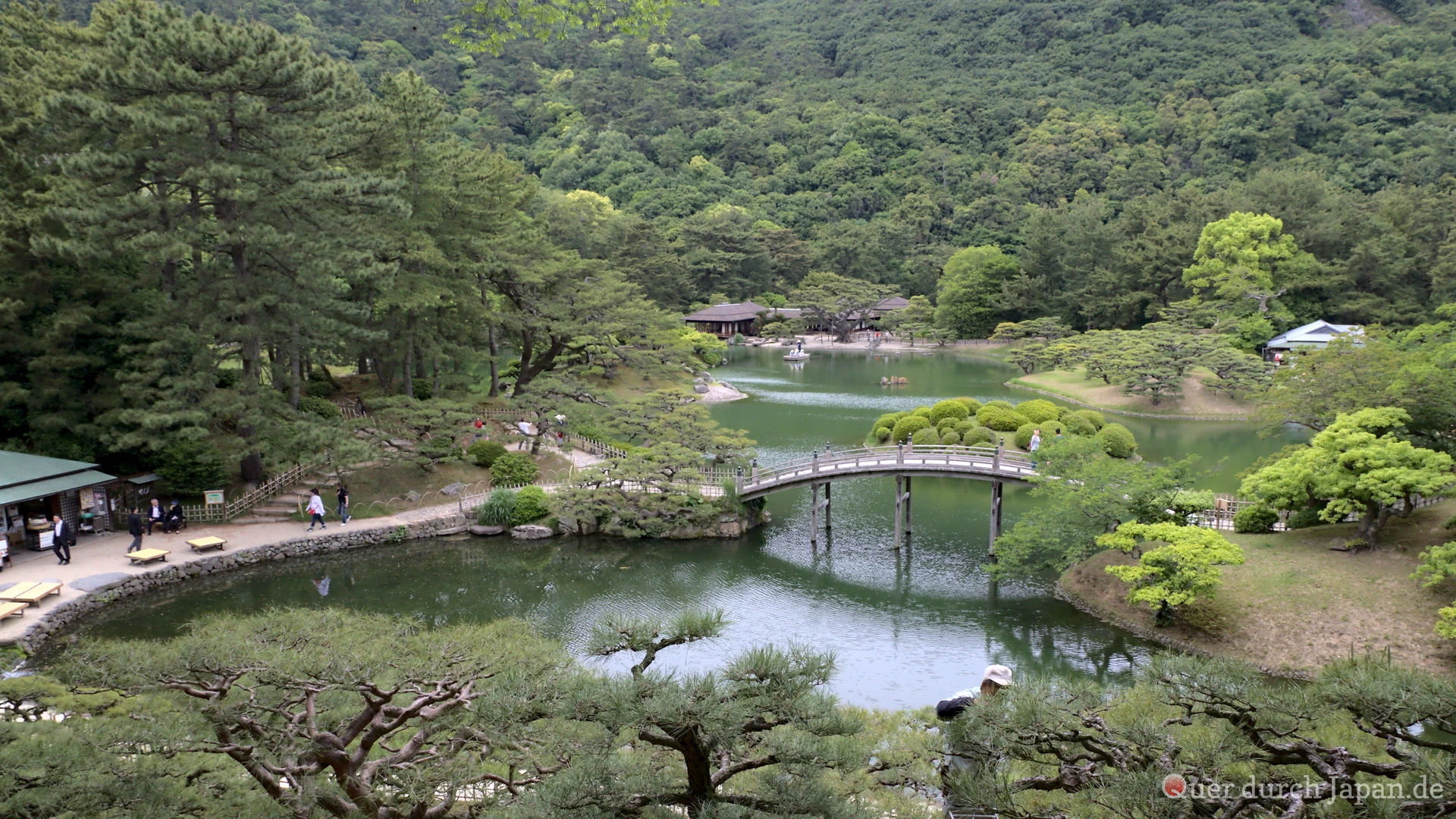
The Ritsurin-kōen landscape park is in the city of Takamatsu on the island of Shikoku. It is one of Japan’s designated places of scenic beauty and, at nearly 75 hectares, it’s also the largest of its kind.

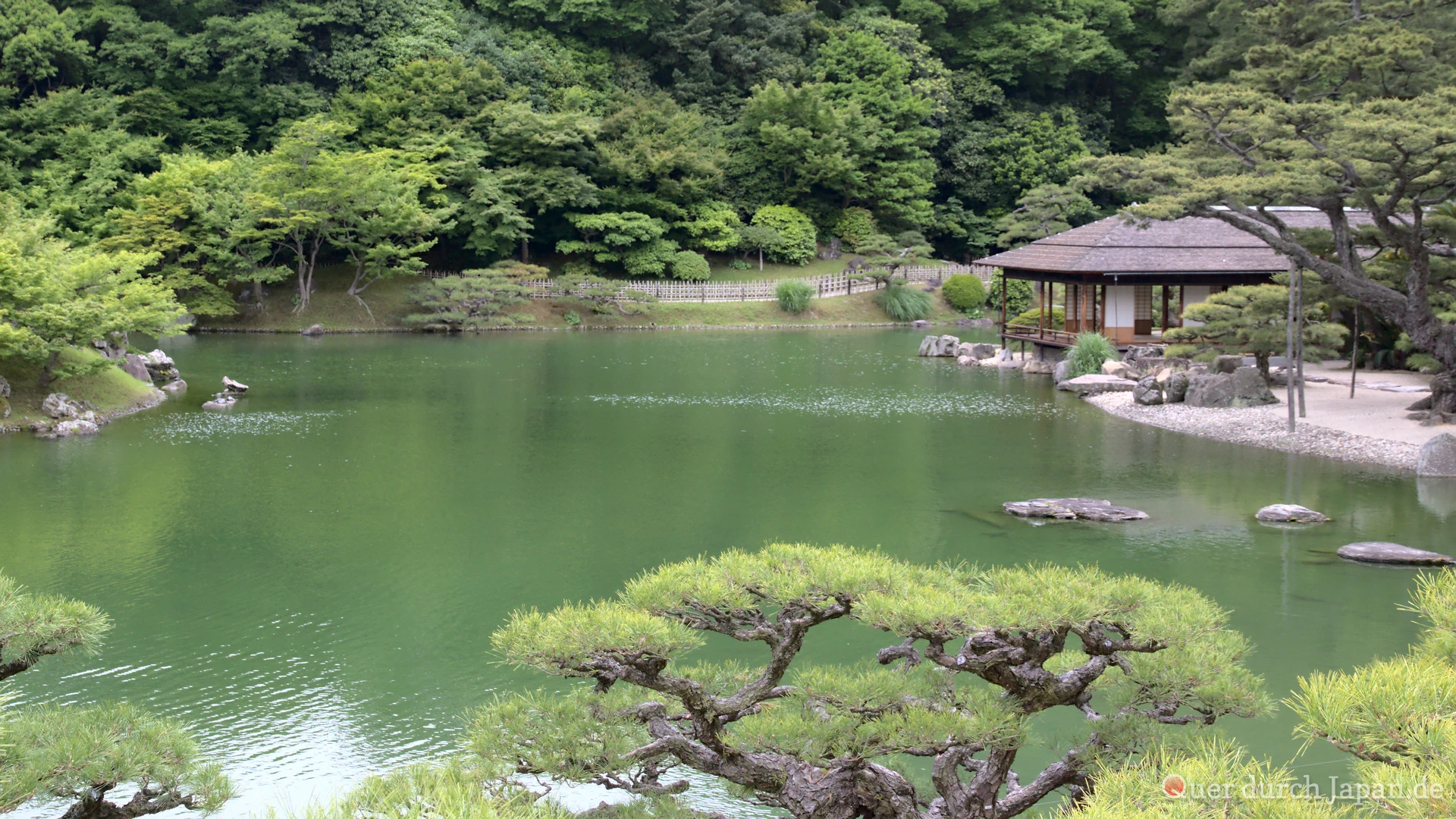
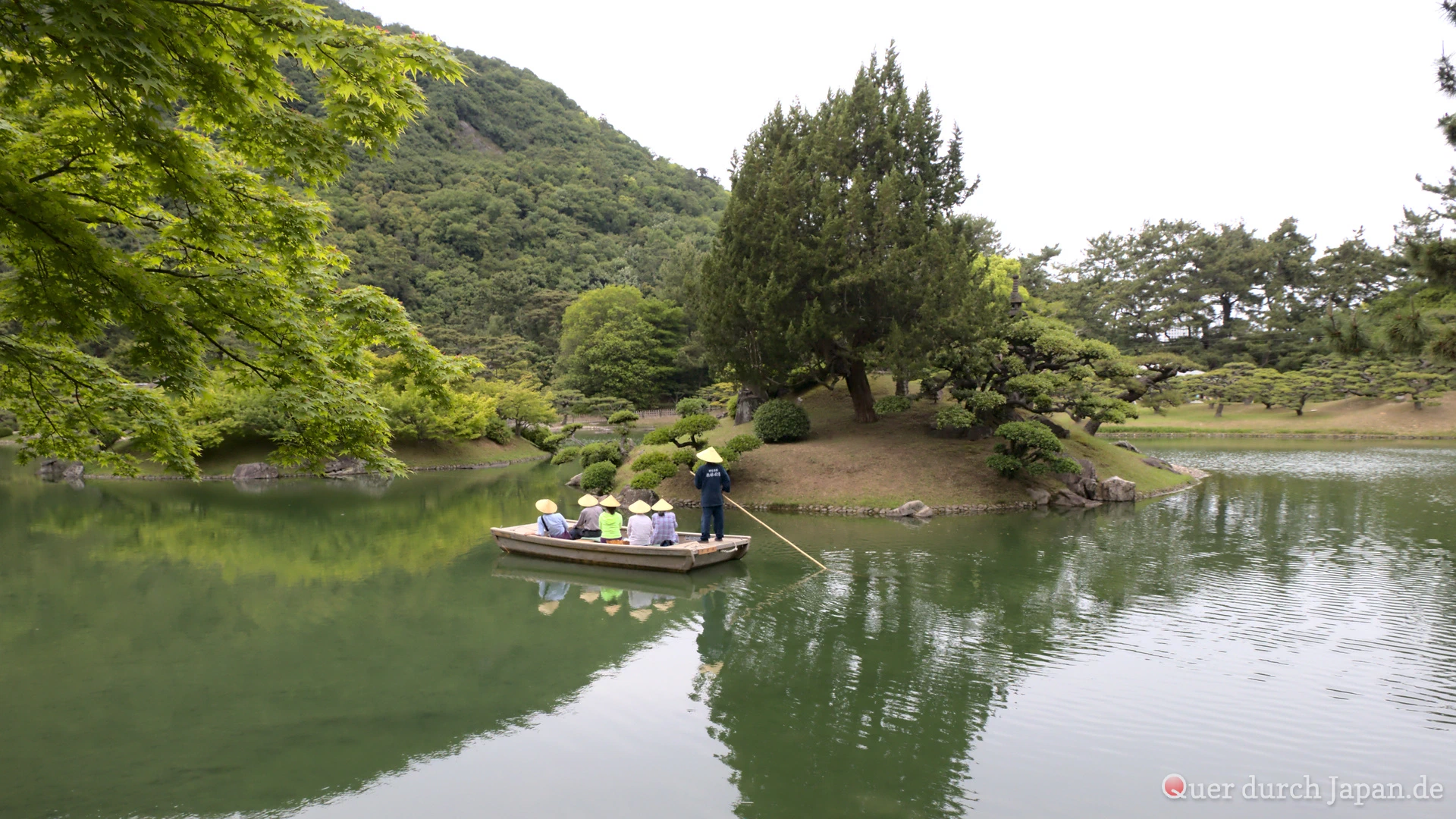
You’ll be impressed right at the entrance. The greenery of the garden blends seamlessly into the densely wooded Mount Shiun. This “borrowed scenery” (shakkei) gives visitors the impression that the park stretches all the way to the horizon.

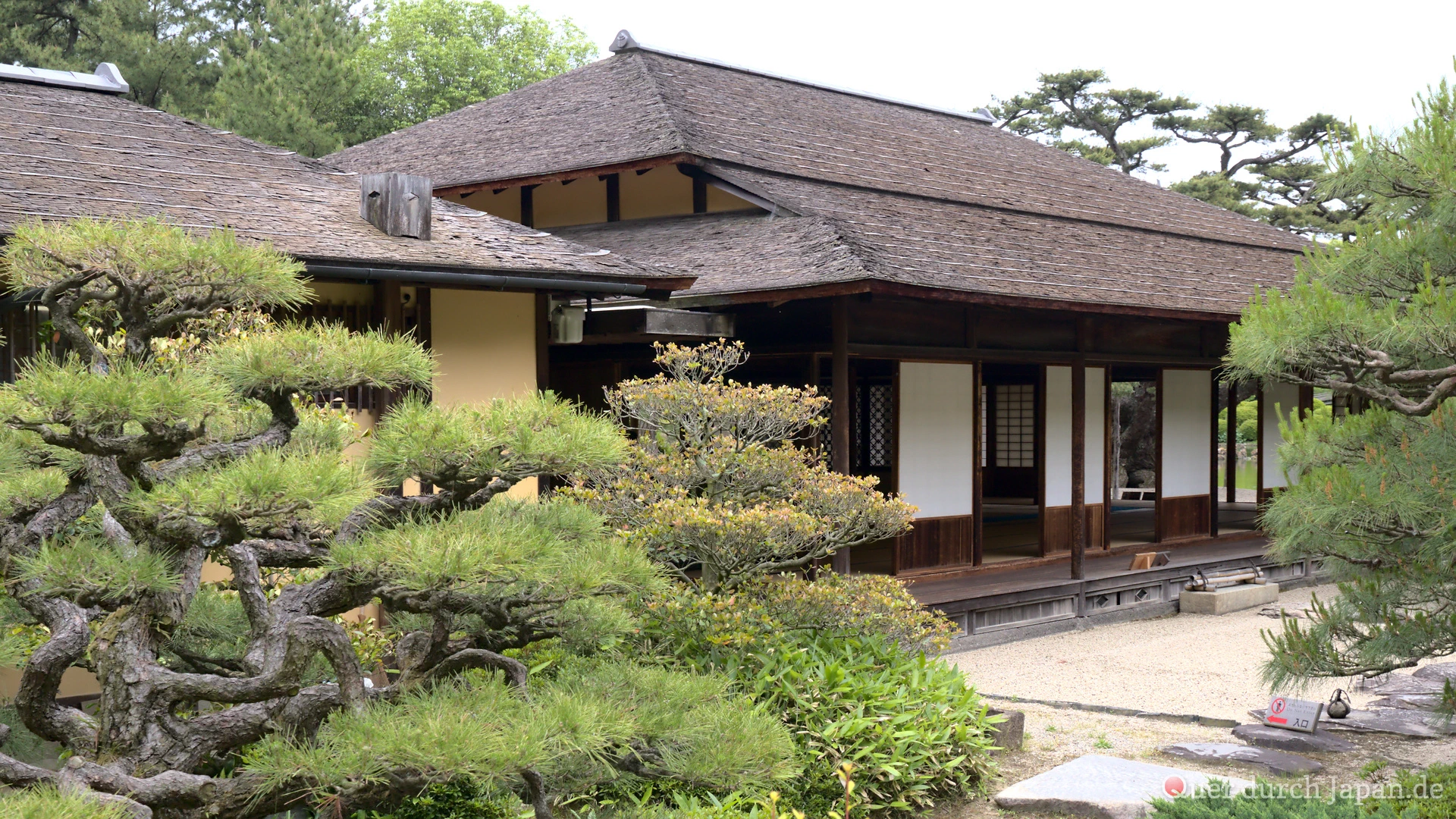
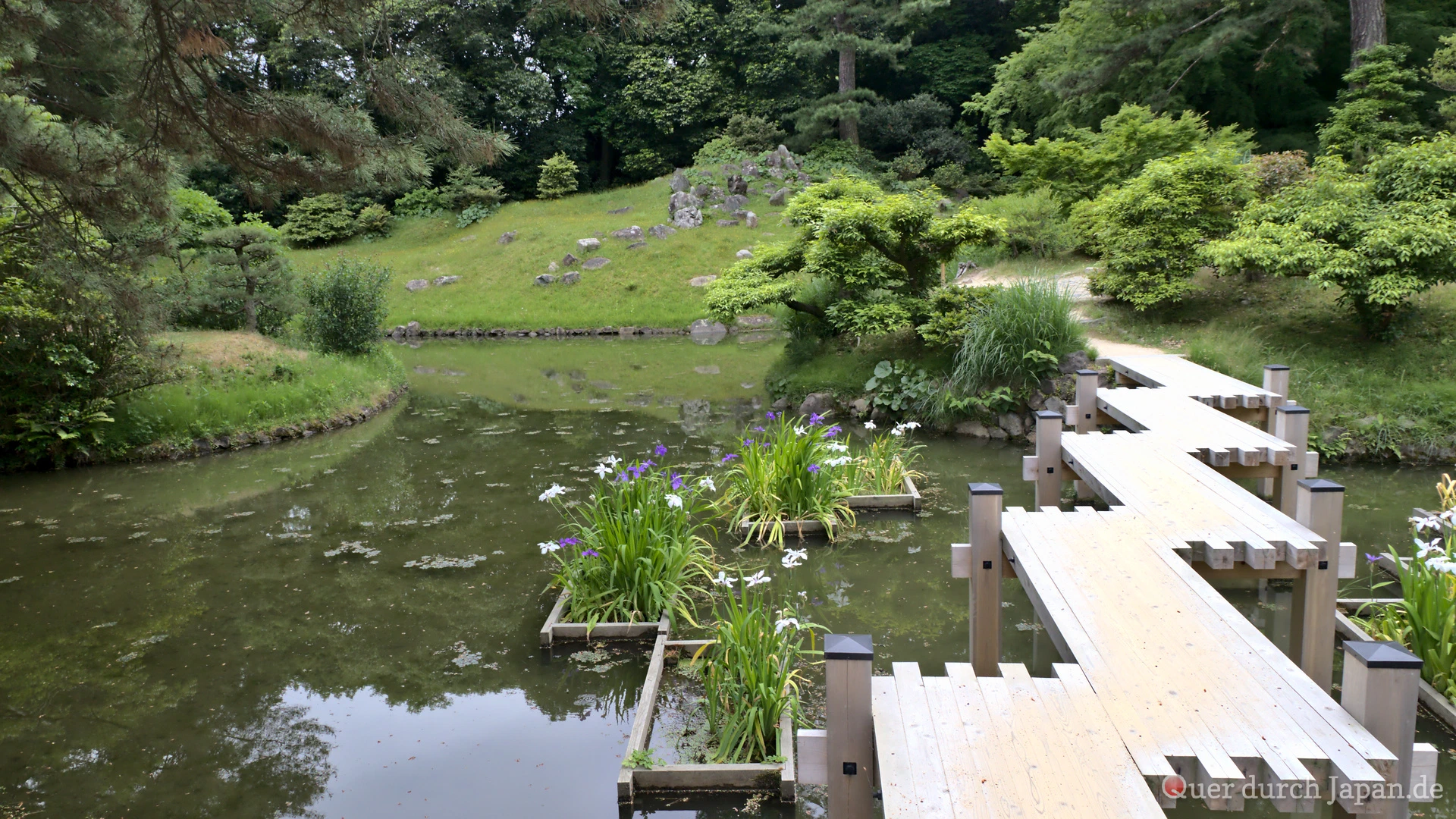
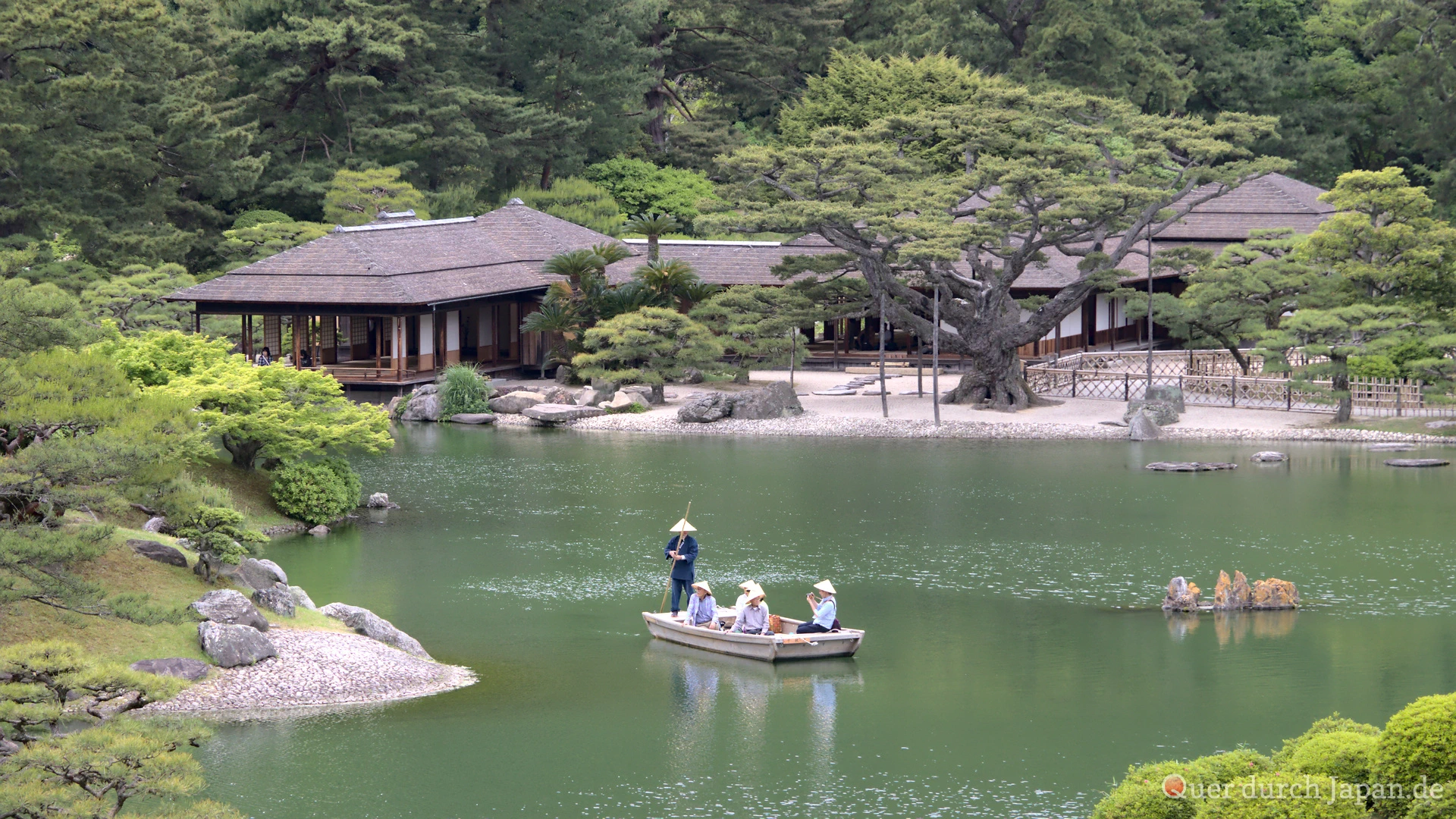
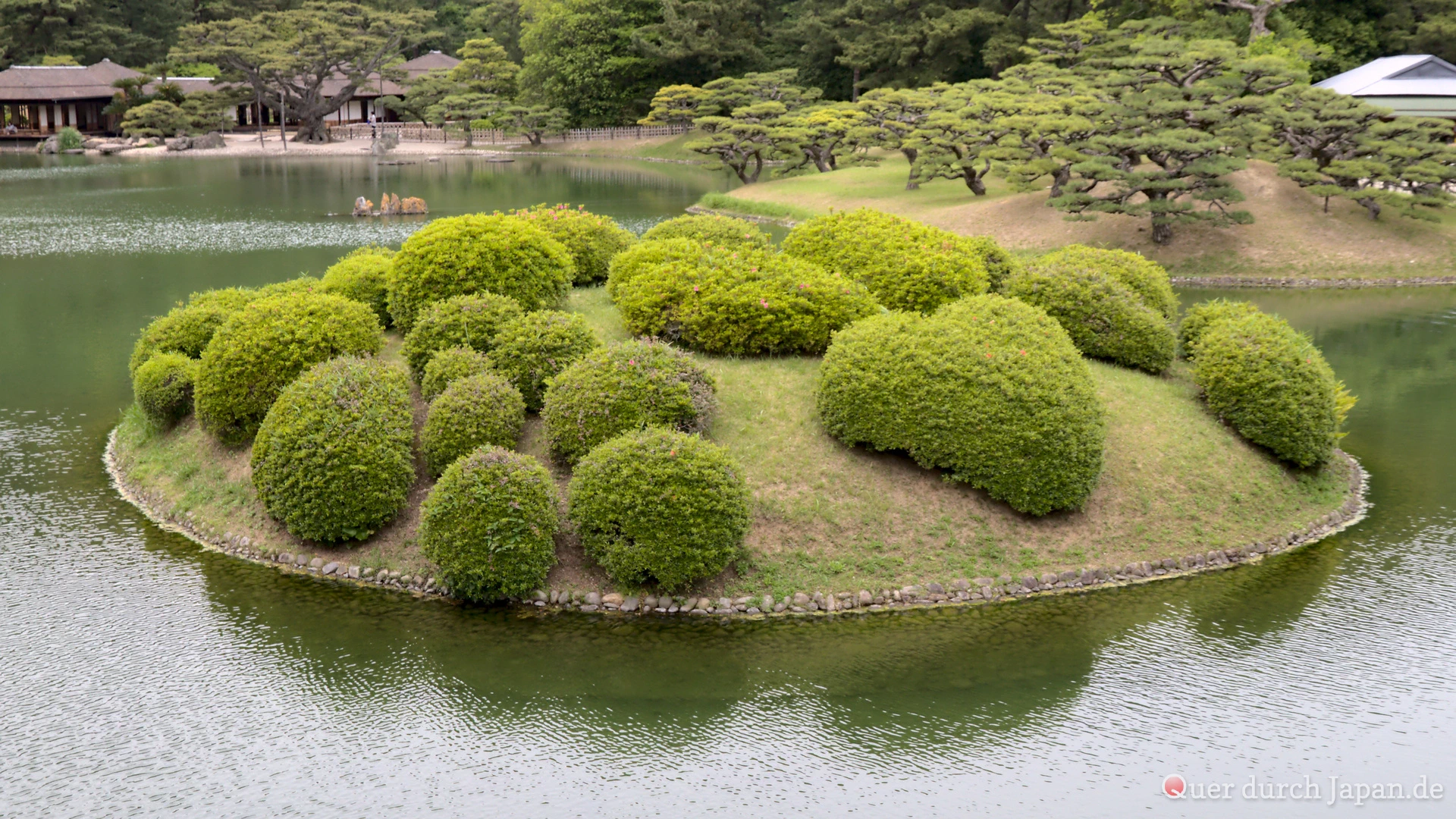
There are several ponds where you can take a stroll along the banks, or even explore some of them by boat. You can order a tea in the teahouses and enjoy it in peace with a fantastic view of the garden. And of course, there are plenty of photo ops waiting to be discovered.

You can easily reach Ritsurin-kōen on foot in about 20 minutes from Takamatsu Station. On the way, you’ll pass the ruins of Takamatsu Castle and the city’s shopping street. Alternatively, you can take the Tokushima Line from the station to Ritsurin-Kōen-Kitaguchi (栗林公園北口駅) station. Entry costs 410¥ (excluding the boat ride and teahouse visit).

Philosophenweg

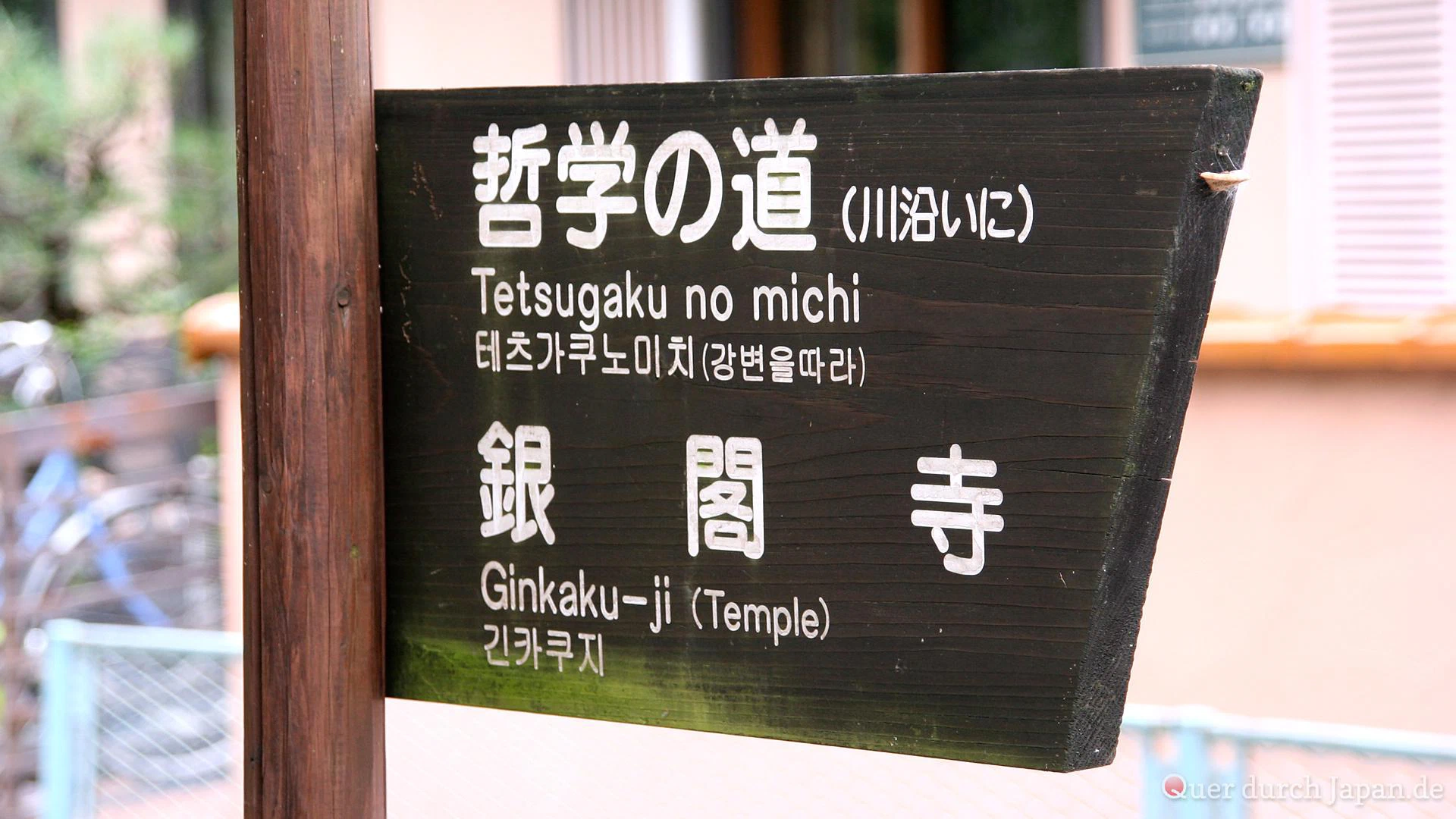
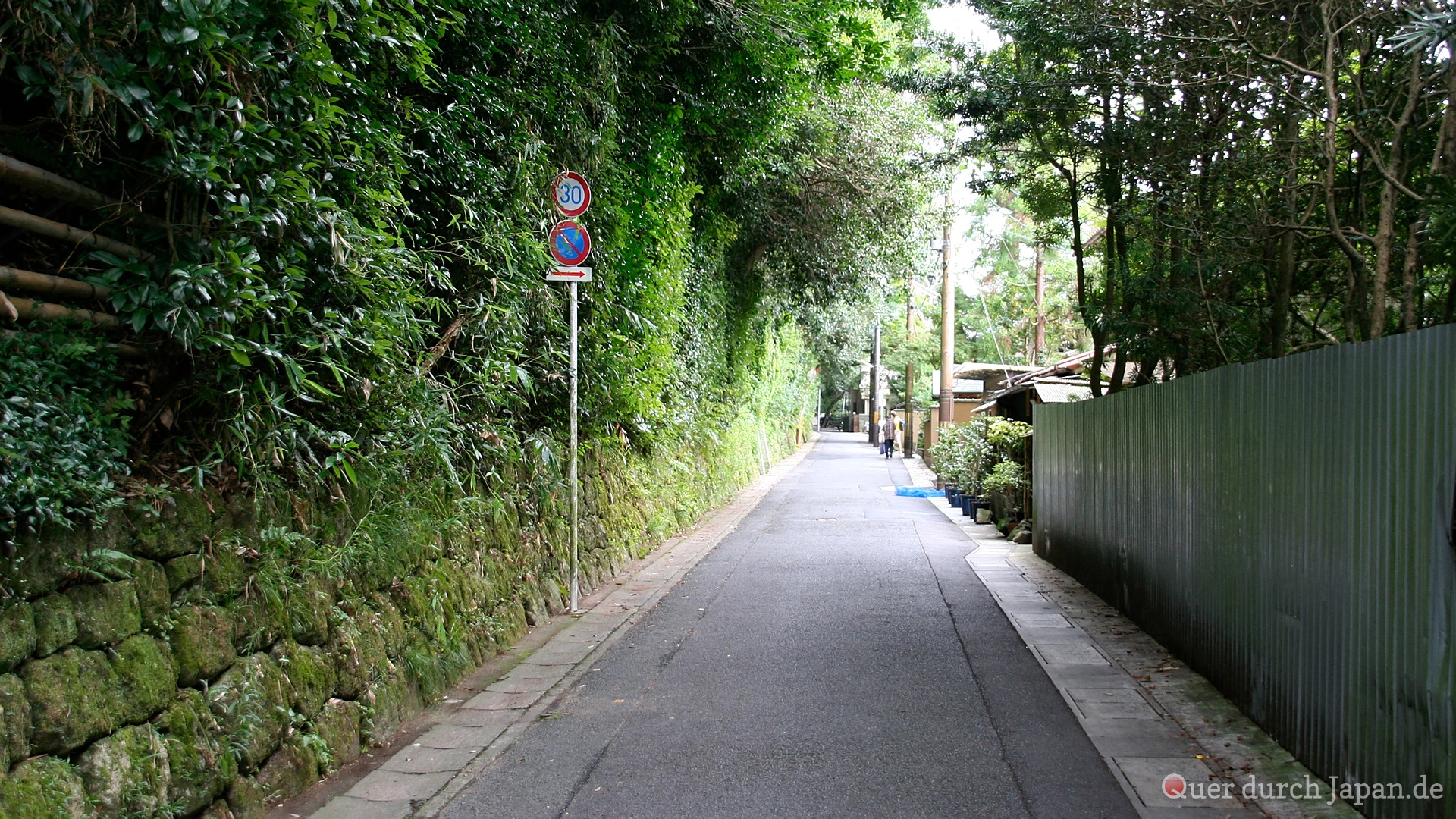
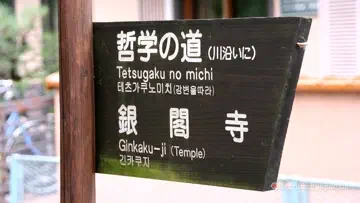
One of the must-do tours in Kyoto is the Philosopher’s Path (哲学の道, Tetsugaku-no-michi). It got its name because the contemporary philosopher and professor Nishida Kitaro is said to have walked along this path on his daily commute to the university while meditating.

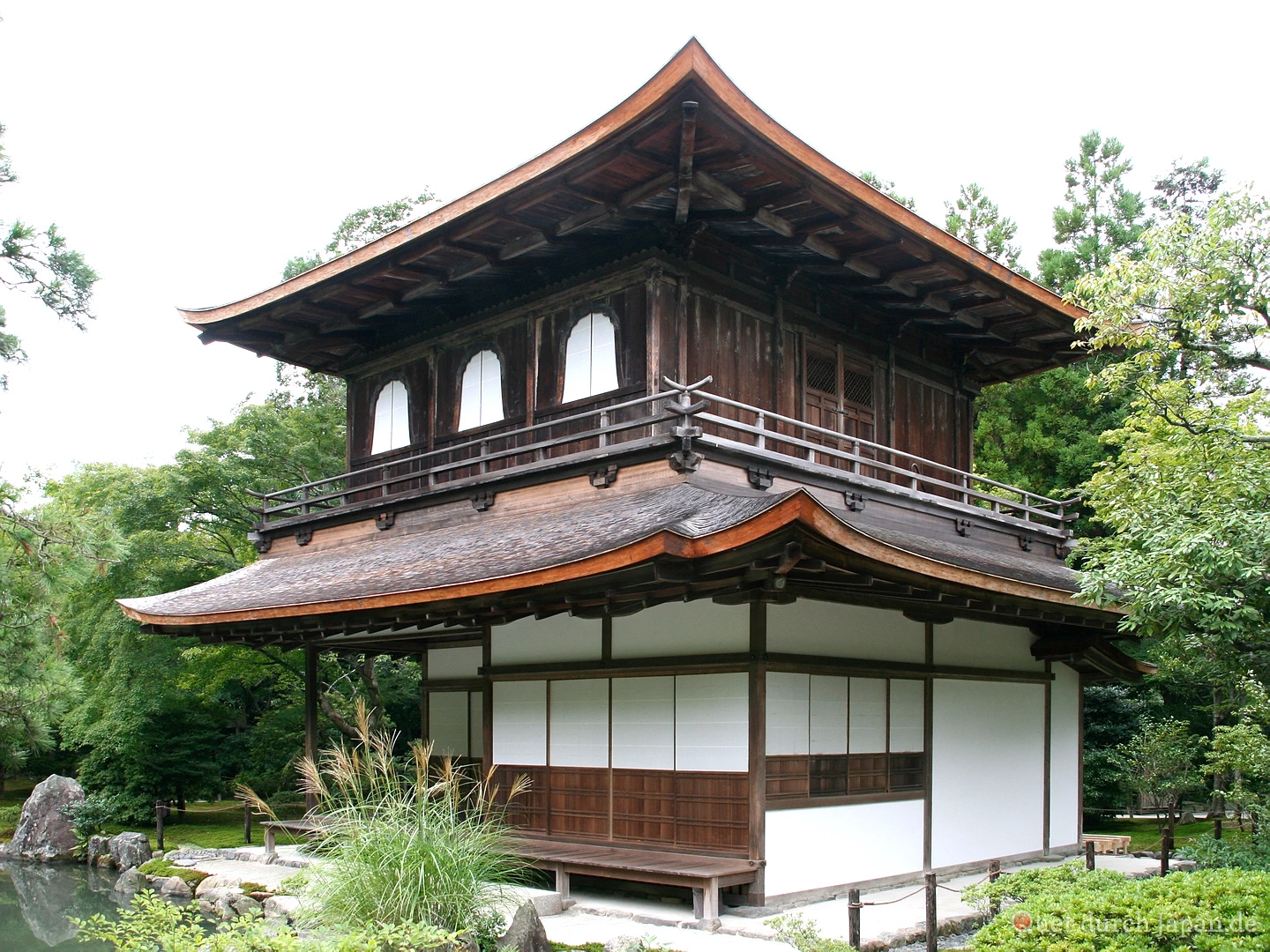
Right near the starting point is the Ginkaku-ji, the Silver Pavilion. It’s worth starting the tour right away with a visit. Afterwards, you can grab a snack in the adjacent shopping street to refuel before the strenuous part of the walk begins. 😉

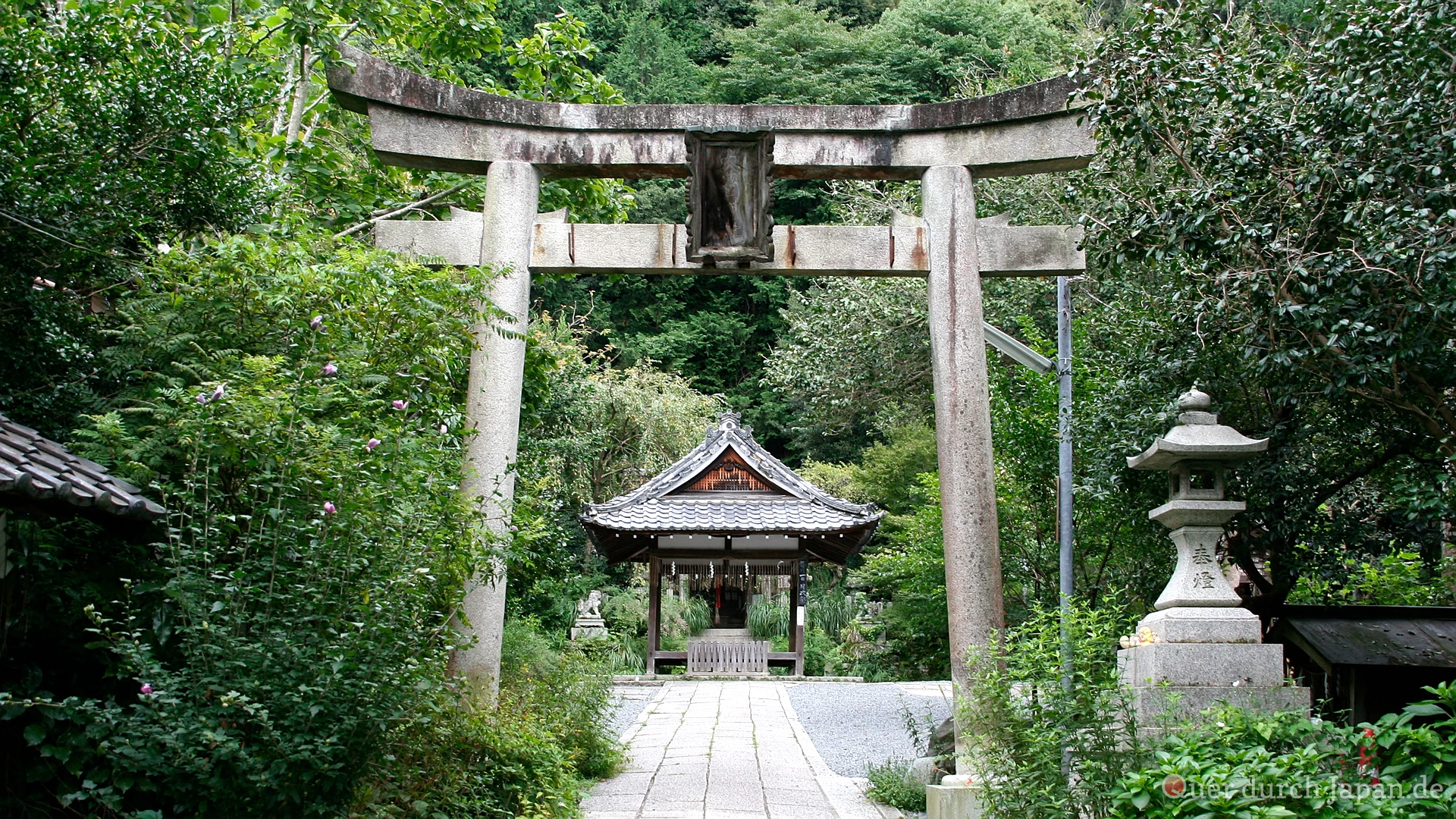
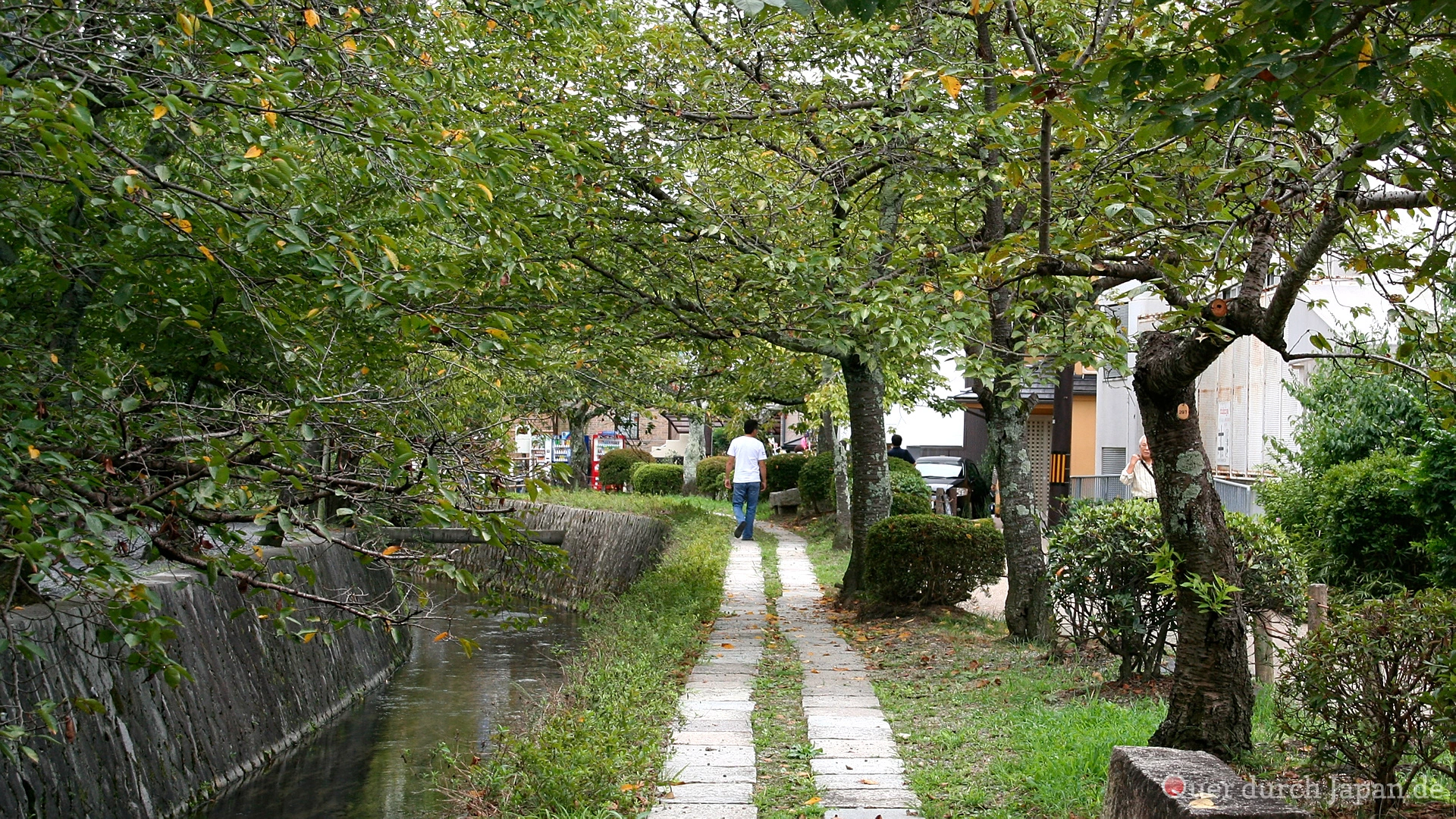
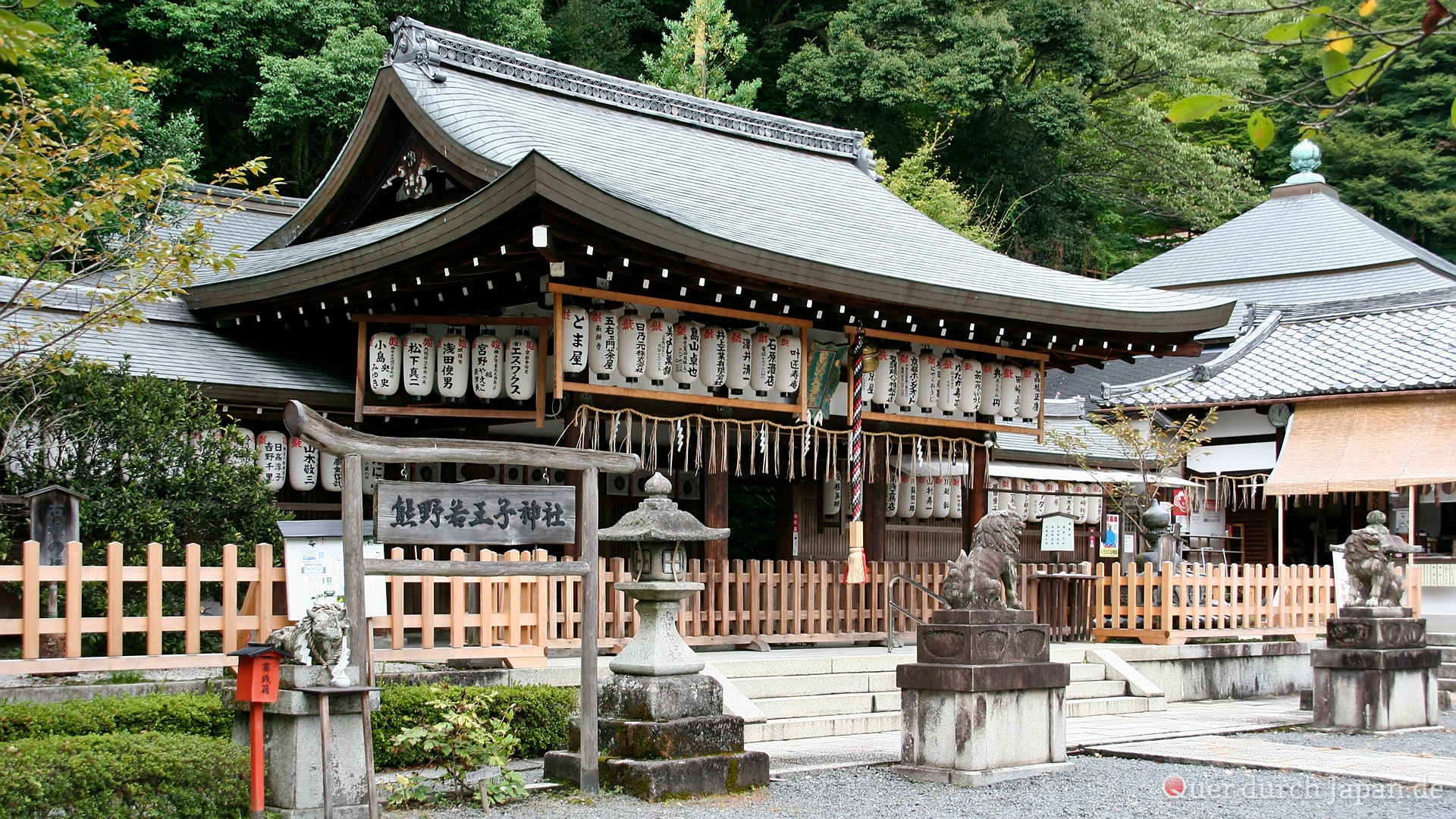
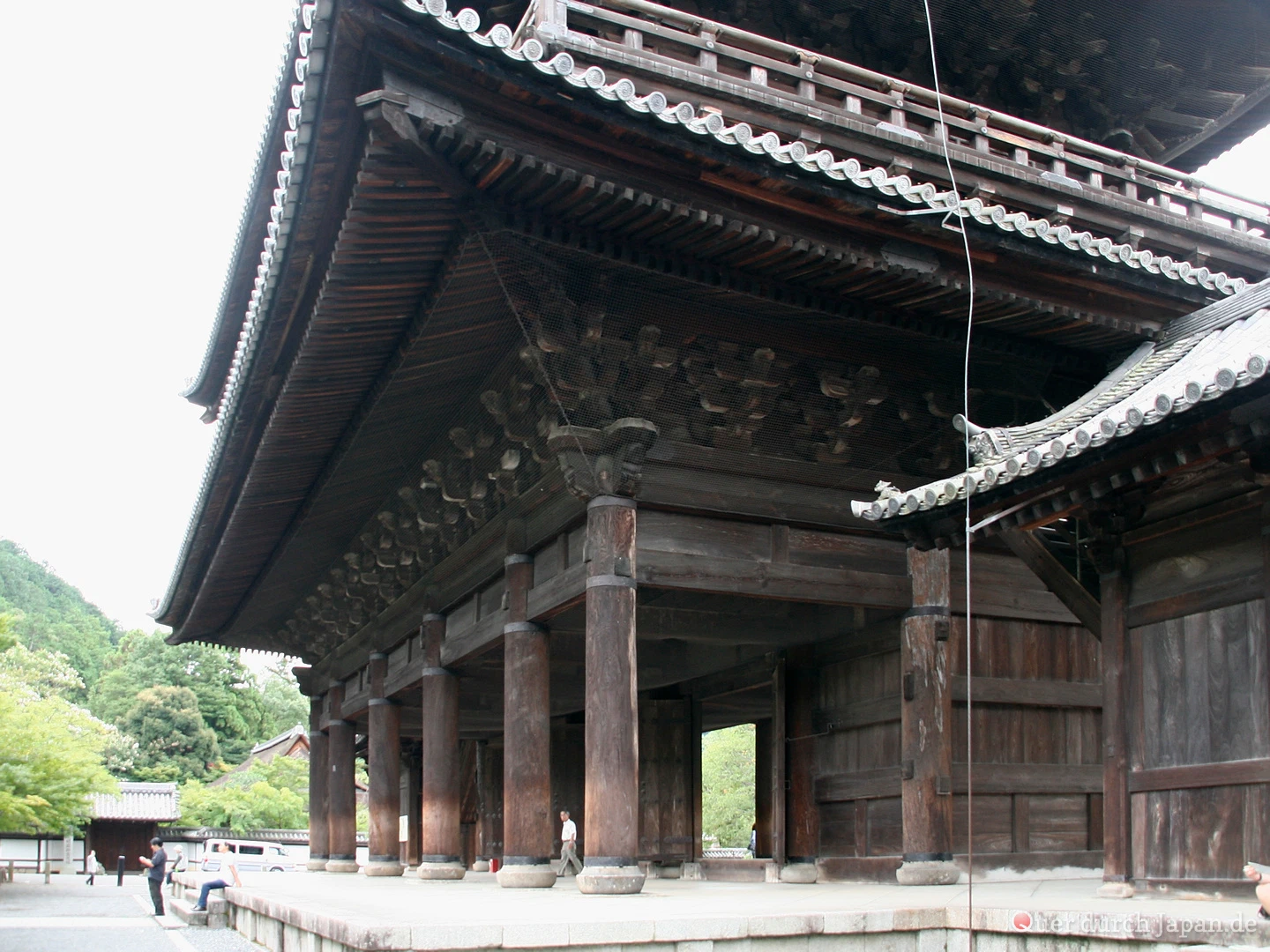
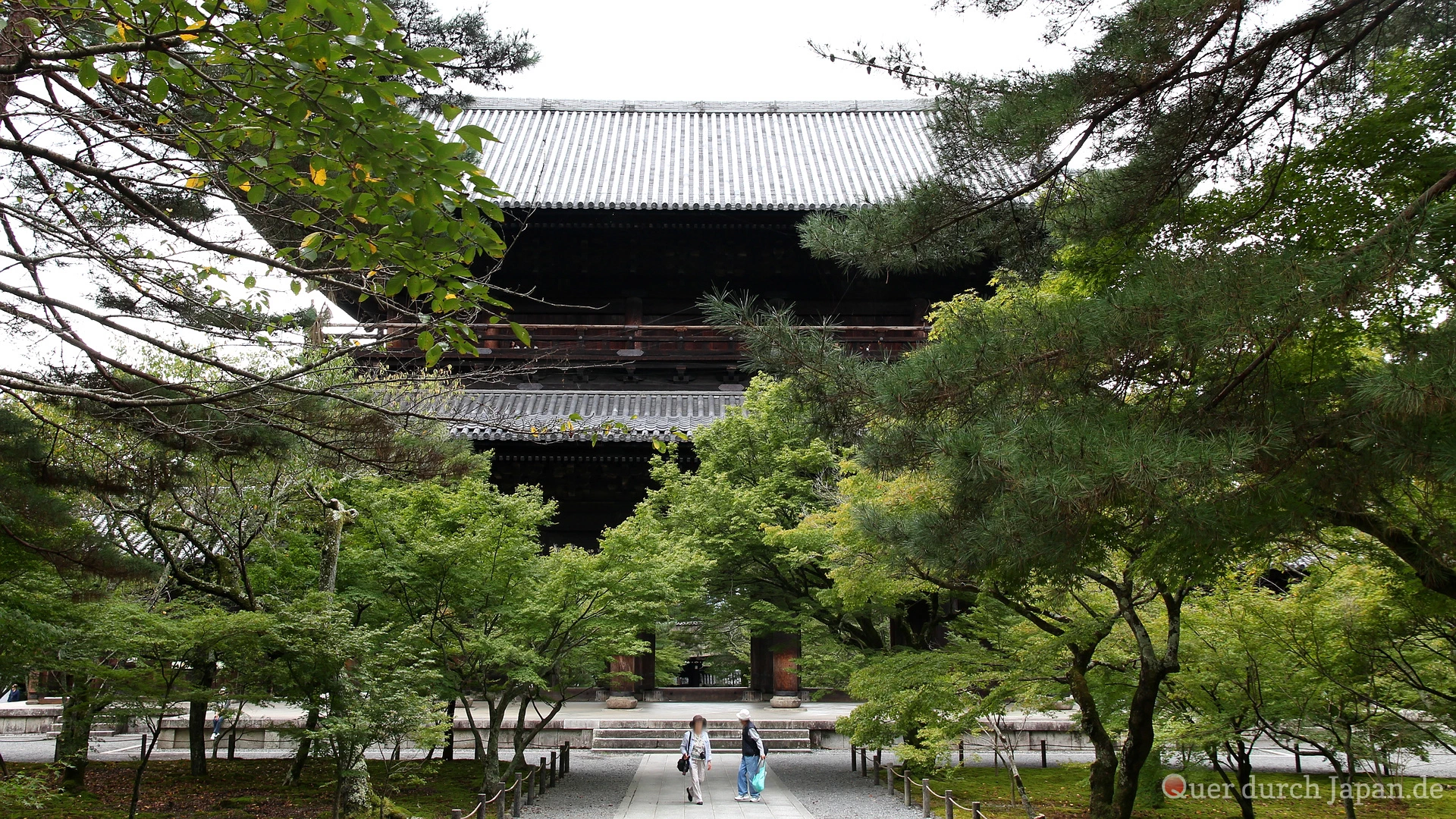
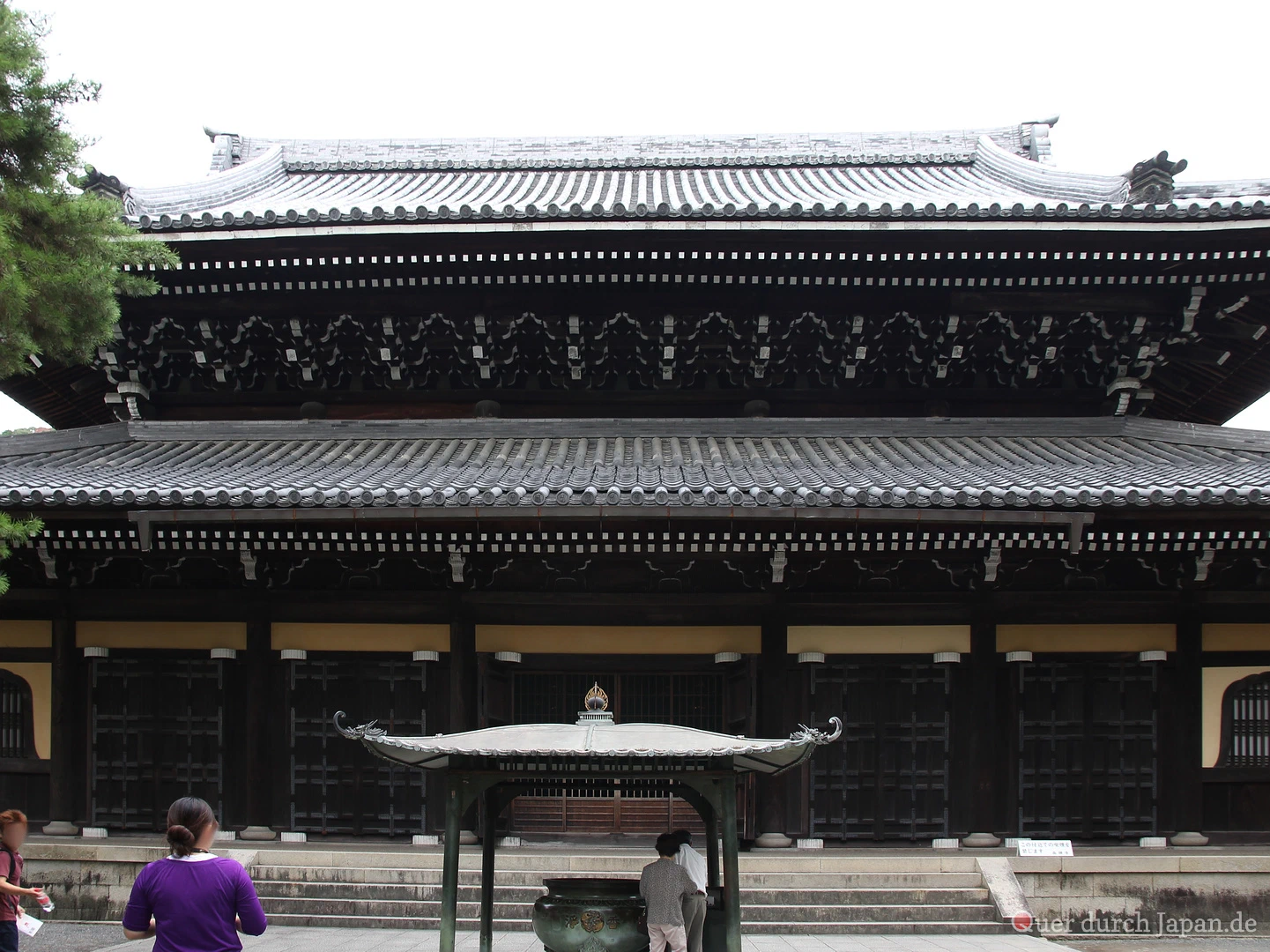
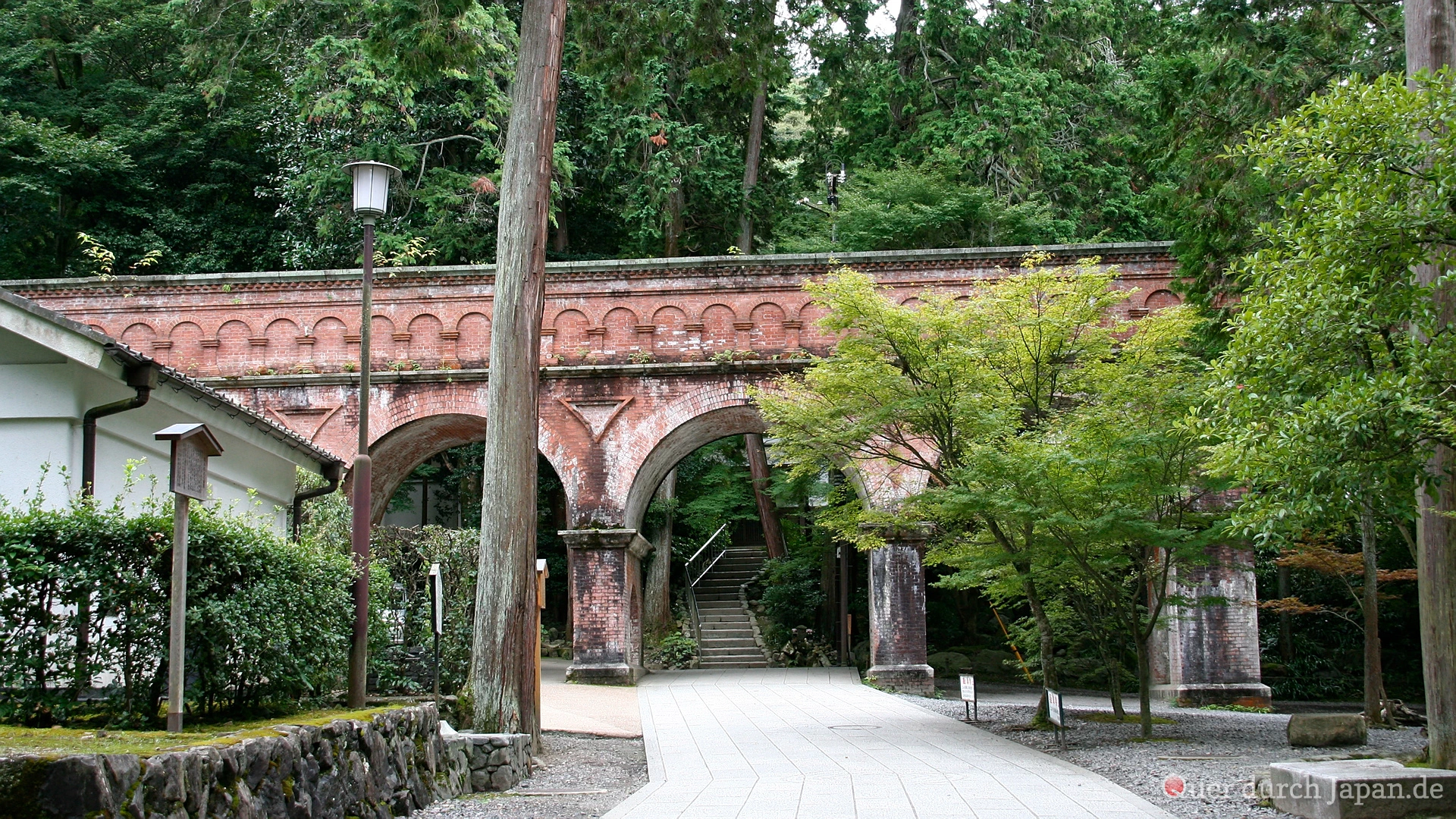
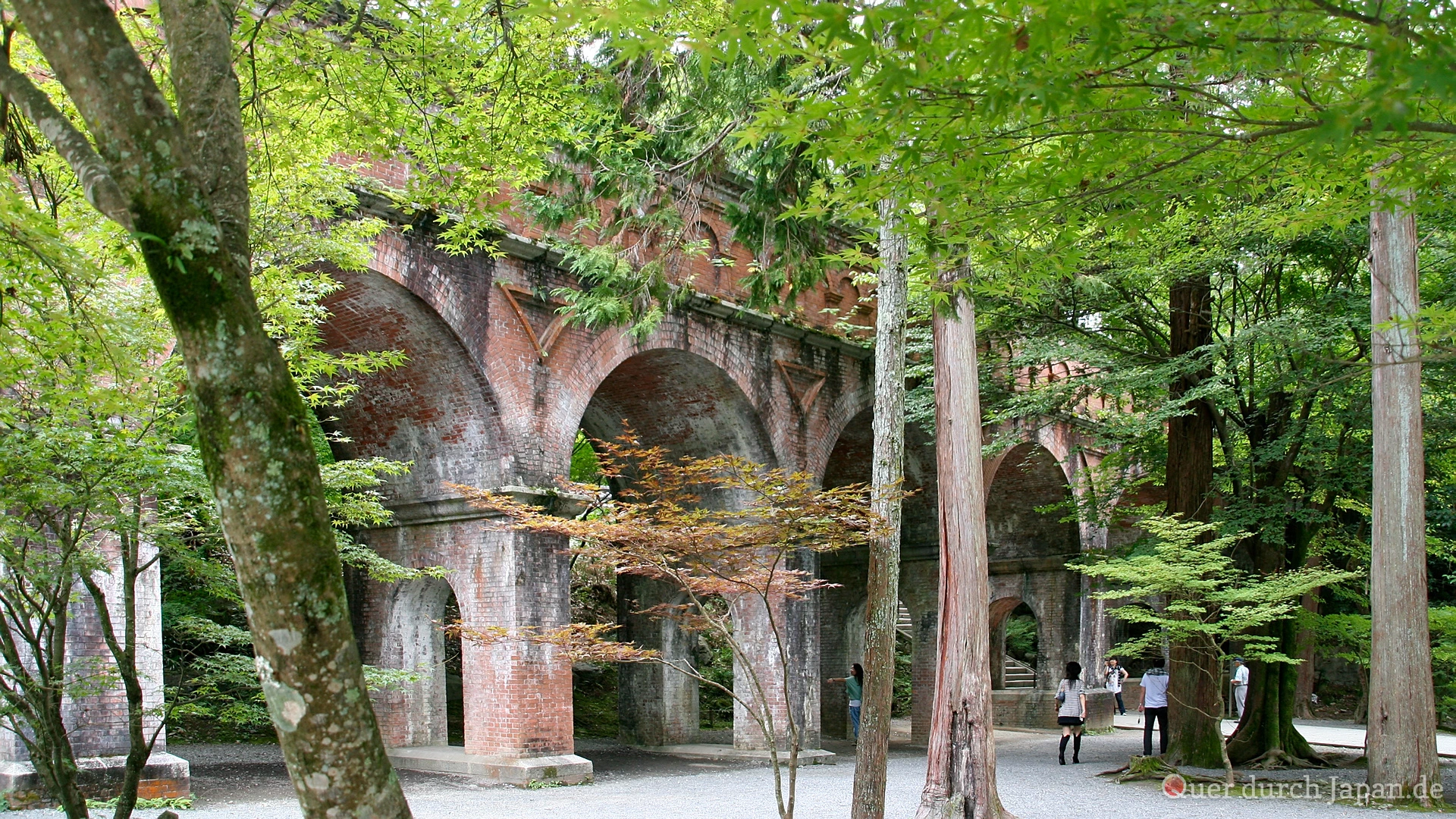
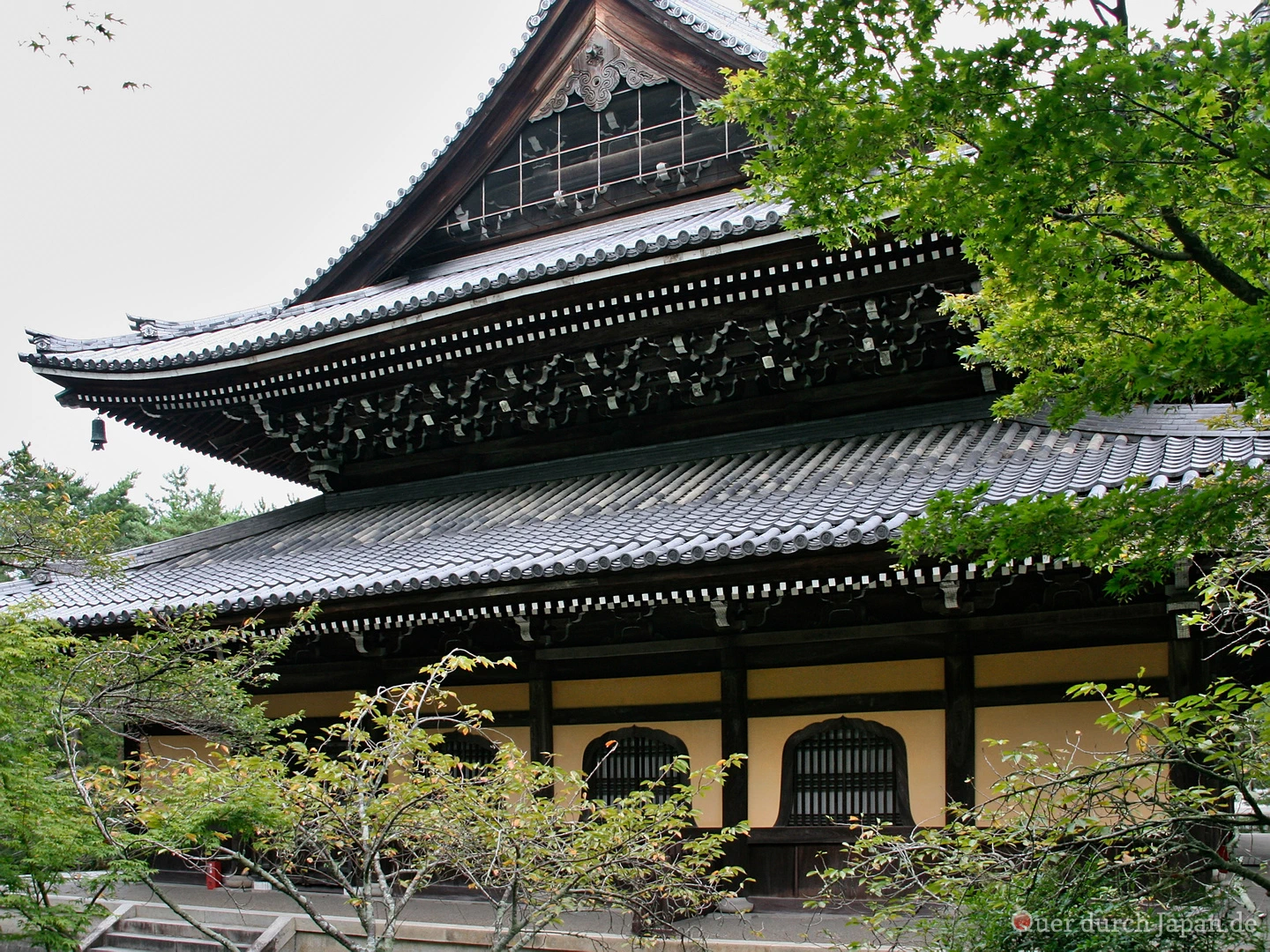
The Philosopher’s Path starts at the lower end of the shopping street and follows the Biwa Canal in a southerly direction. A narrow path leads along the banks under romantic cherry trees. Occasionally, we’ll leave the path for detours to visit the nearby little temples and shrines called Hōnen-in, Anraku-ji, Reikan-ji and Otoyo-jinja. At the Kumano Nyakuōji, we leave the canal and walk through small streets to the Eikan-dō Zenrin-ji. Finally, we reach the Nanzen-ji, where our tour ends. What’s impressive about this temple is the massive San-mon gate, the main building with a rock garden, and various outbuildings. Right nearby, you’ll also find a structure you probably wouldn’t have expected here. The brick aqueduct Suirokaku transports water from Lake Biwa into the Philosopher’s Path canal and once fed Japan’s first hydroelectric power plant.

The path itself is obviously free, and most of the small temples and shrines don’t charge an entrance fee either. You should plan about 30 minutes for the path itself. With all the little detours and photo opportunities, time flies though, so you should add a generous time buffer.

The Ginkakuji charges an entrance fee of 500¥. At the Nanzen-ji, you pay for the individual buildings separately; climbing the San-mon, for example, costs 600¥, and visiting the main building with the rock garden is another 600¥. An extensive tour of all the stops adds up pretty quickly, both in terms of time and money.

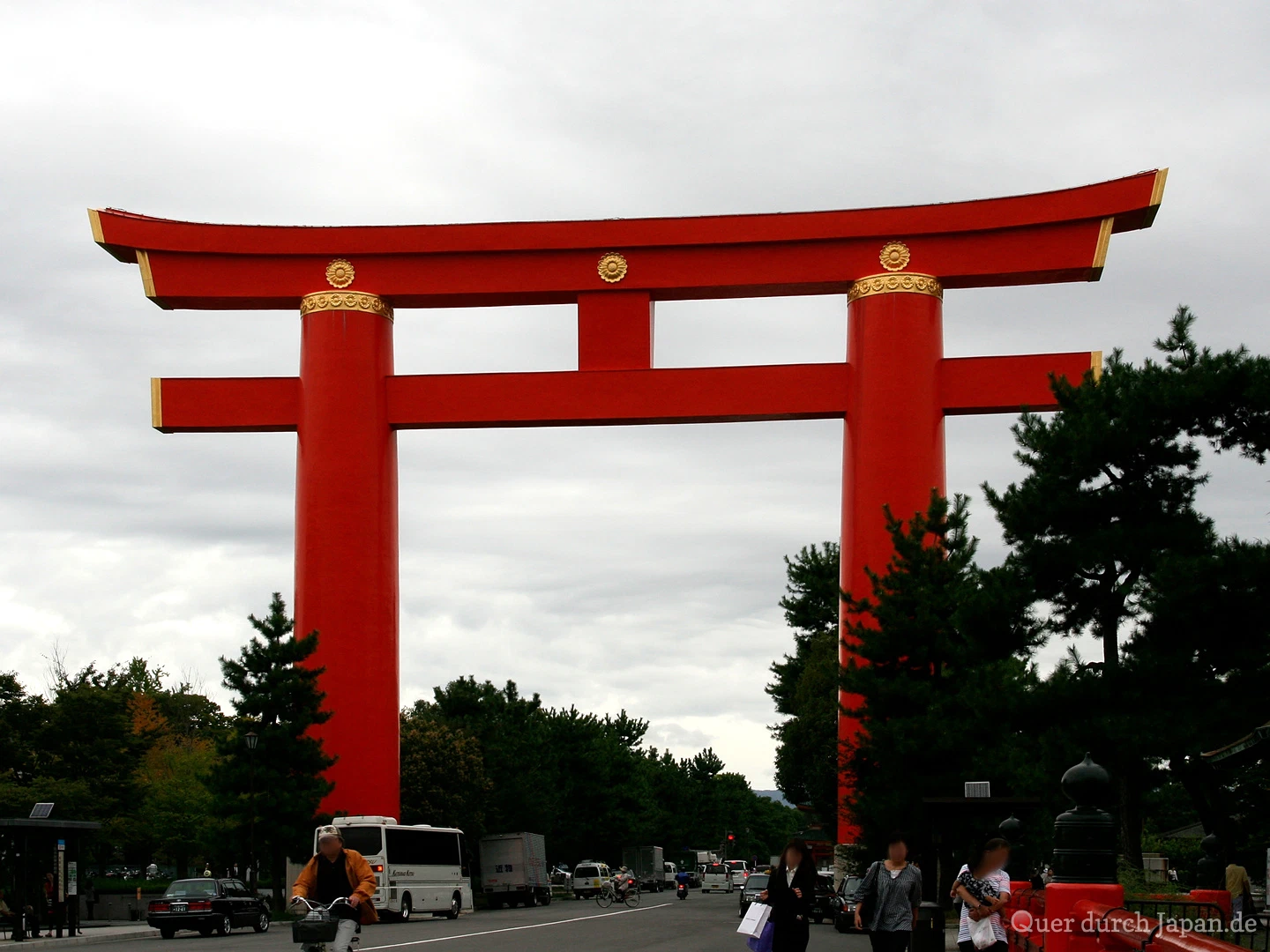
You can get there either by bus to Ginkakuji-michi (銀閣寺道) or take a taxi straight to the Ginkaku-ji (銀閣寺). Careful with the pronunciation: The Kinkaku-ji (Golden Pavilion) sounds very similar and is more touristy, but it’s on the other side of town! From Nanzen-ji, you can head back either by bus (stop Nanzenji Sosui Kinenkan Dobutsuen Higashimon, 南禅寺・疏水記念館・動物園東門) or by the Underground (stop Keage Station 蹴上駅). Alternatively, you can also pay a visit to the nearby Heian Shrine and its garden.
Kanazawa

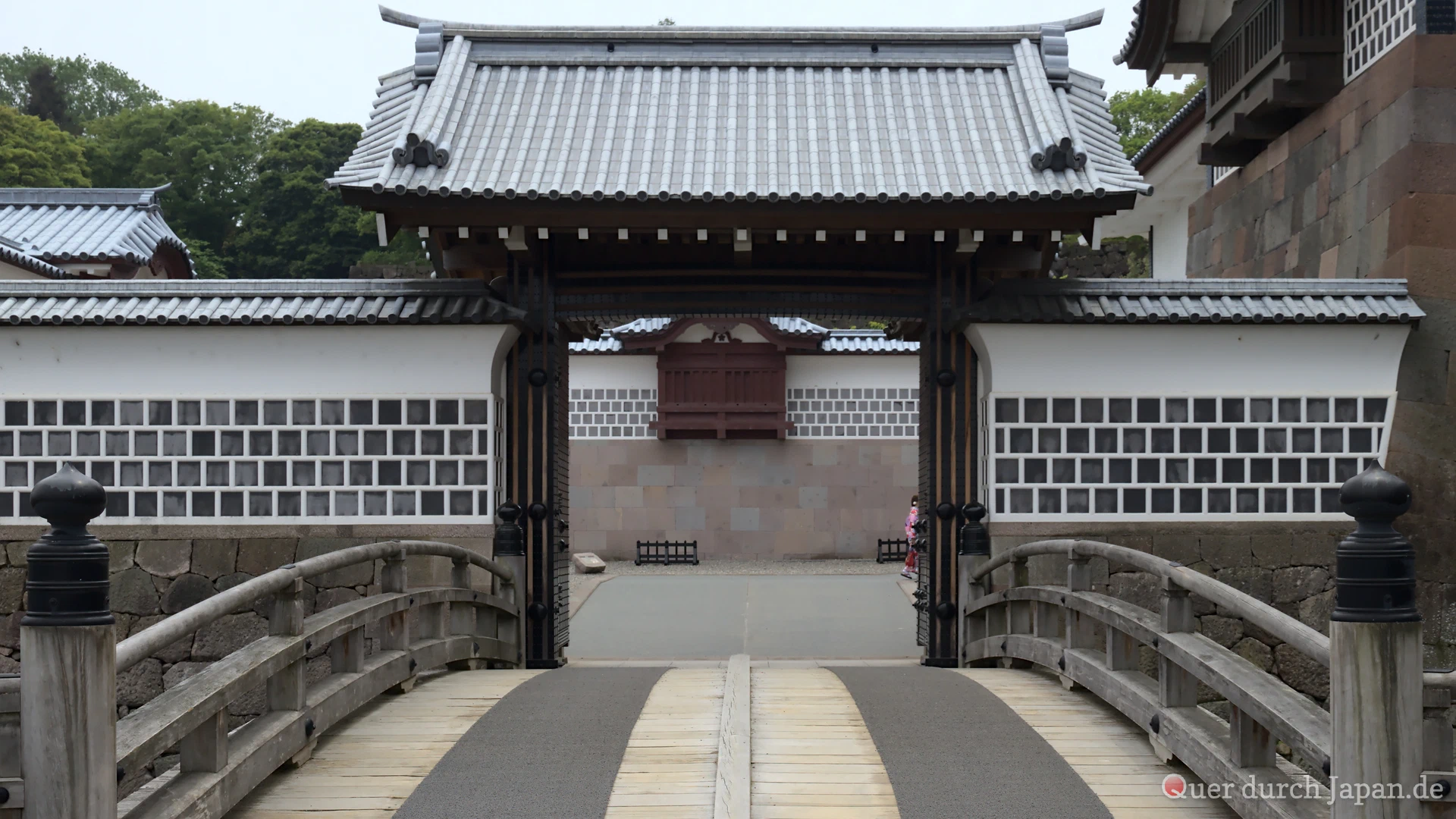
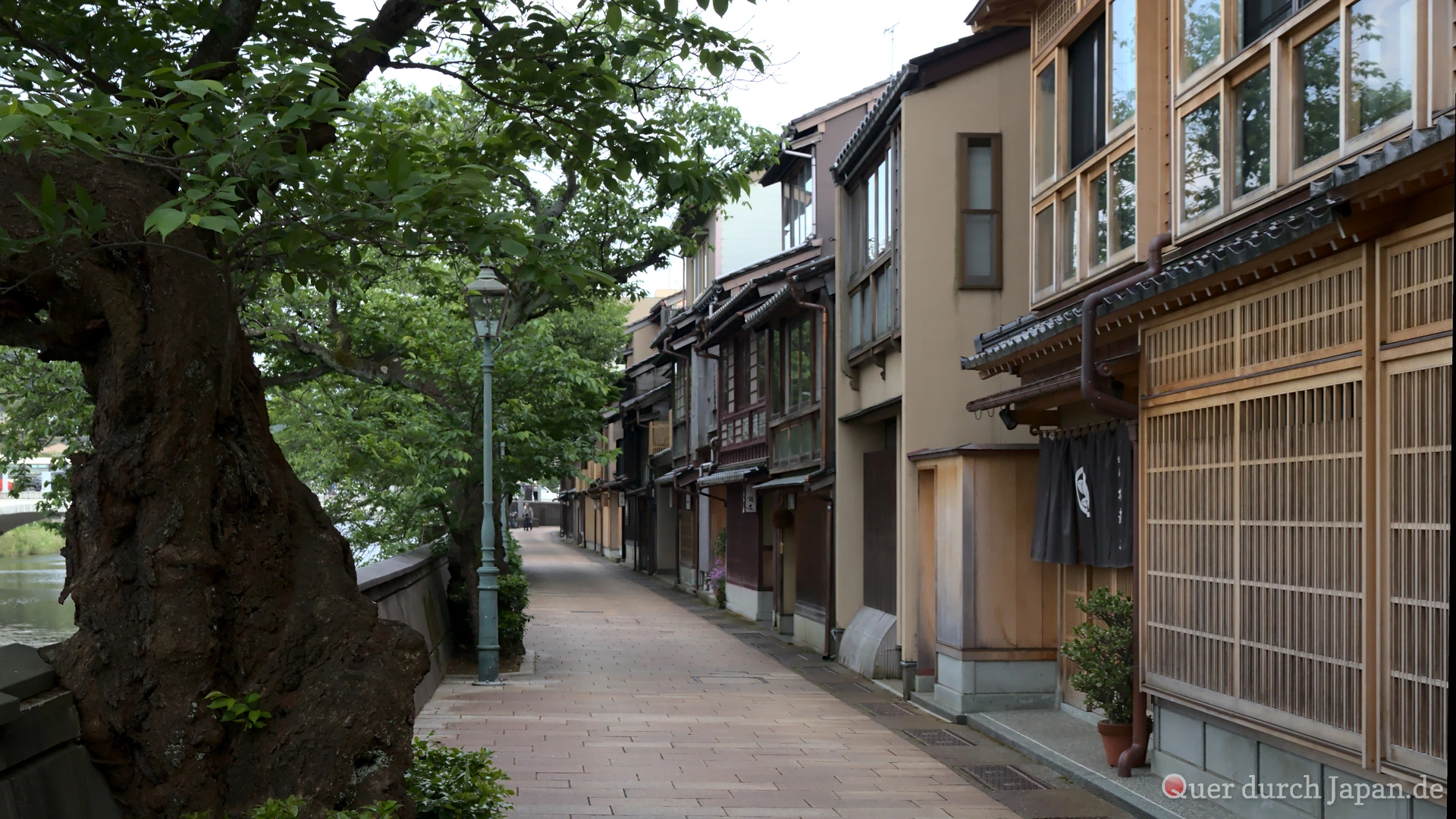
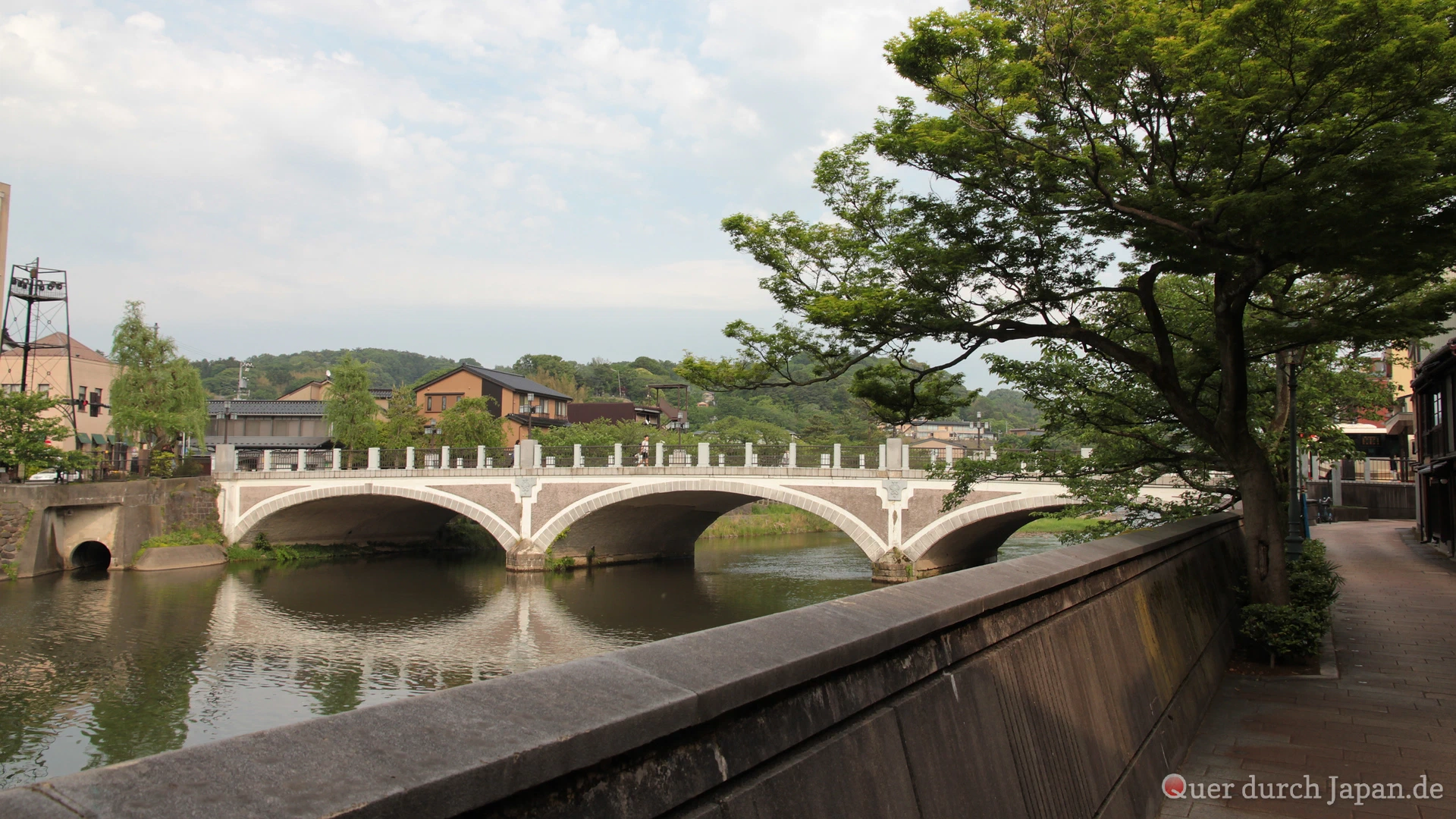
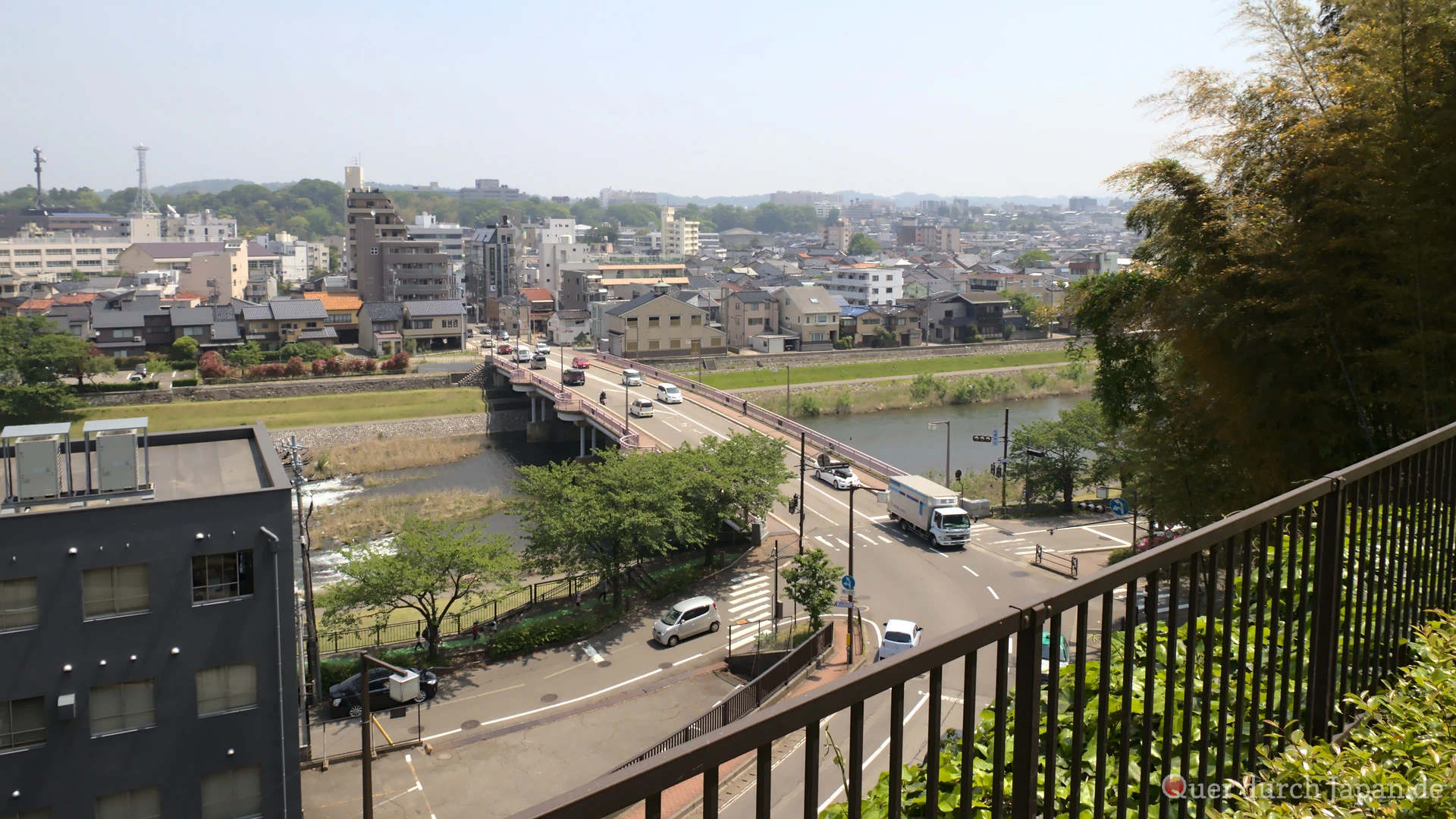
The city of Kanazawa sits on the coast of the Sea of Japan and is the administrative capital of Ishikawa Prefecture. It’s way off the typical tourist track, and foreigners don’t come round here too often.

That made our visit all the more charming. At the hotel, they were really happy to have guests from Germany and the rare chance to practise their English. At Omicho Market, we had a lovely chat with a Japanese guy who came up to us and curiously asked about our home country. Generally, Japan shows a completely different side away from its big cities, which you absolutely have to experience.

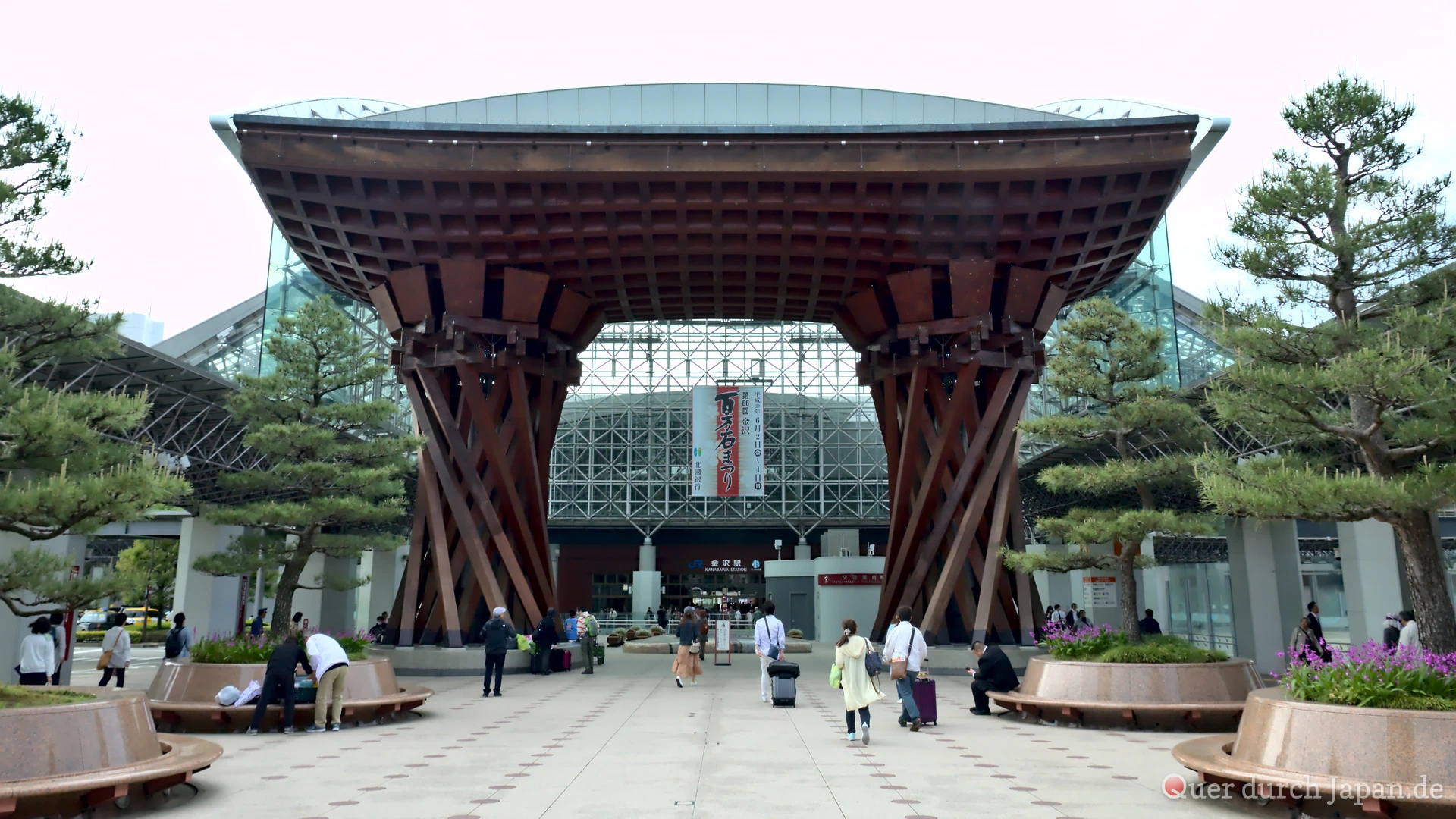
Even just arriving at Kanazawa central station is pretty impressive. A huge glass dome roof welcomes visitors, who then walk into the city through the Tsuzumi-mon, a massive modern wooden torii gate.

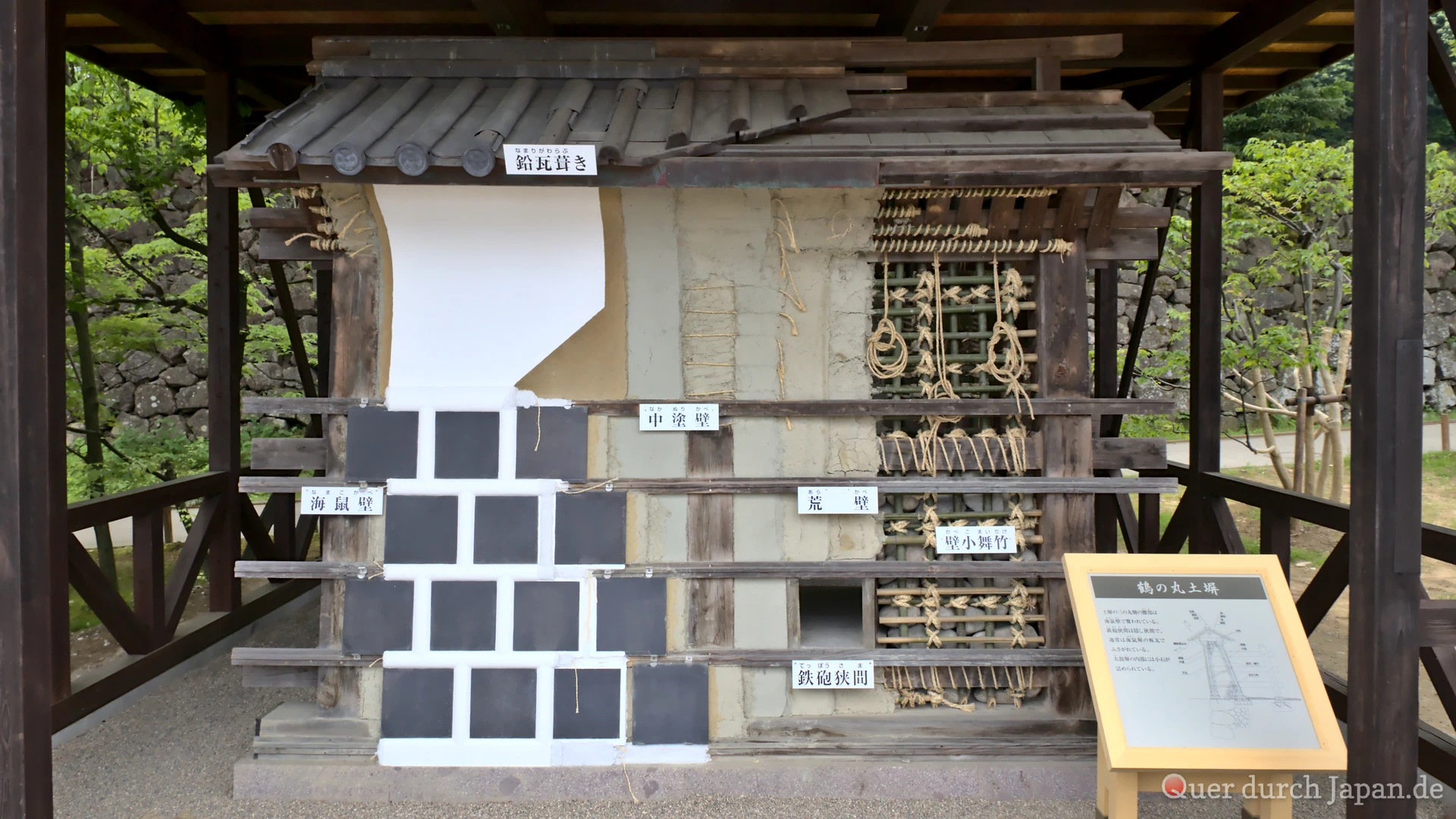
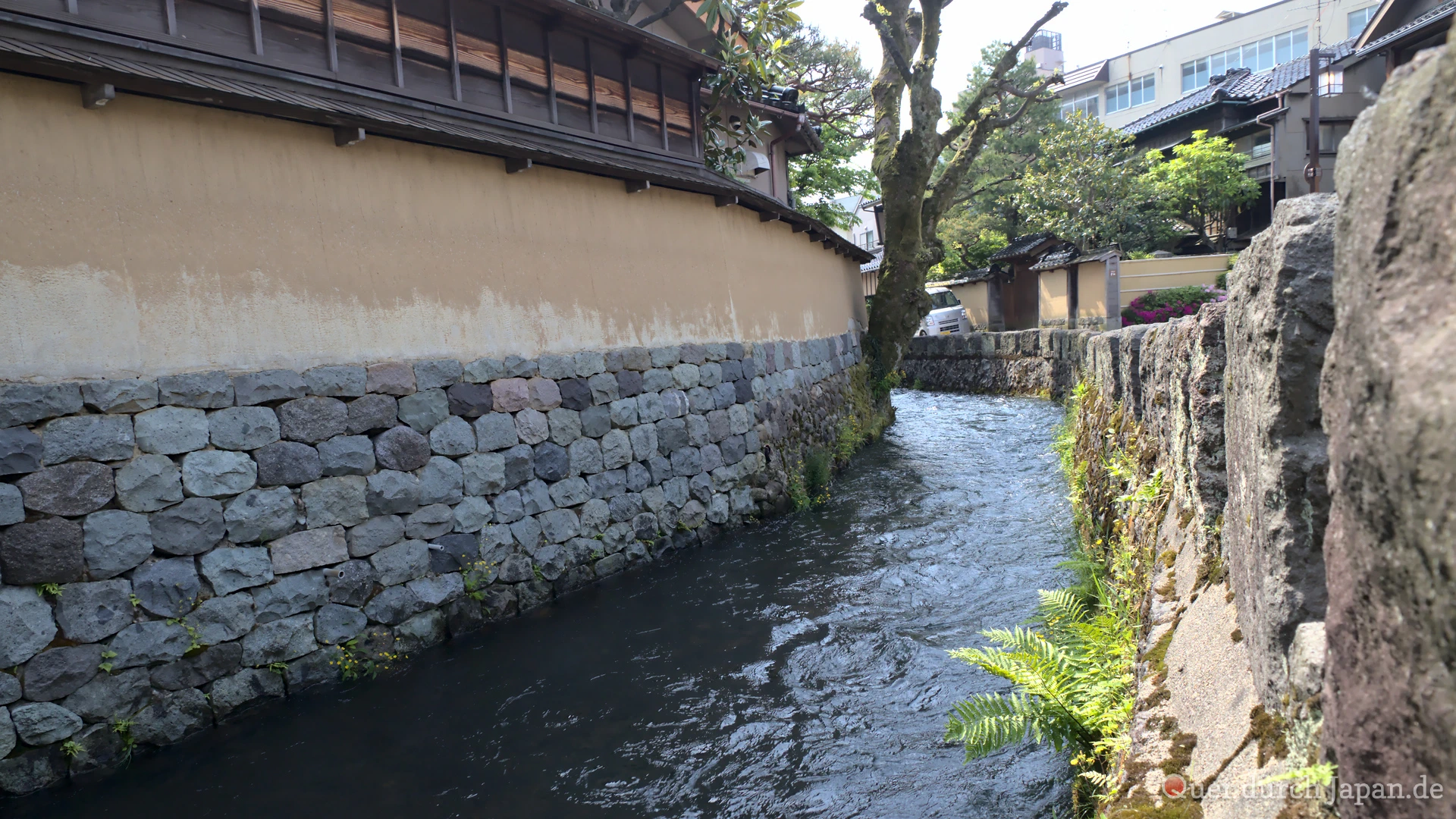
In this article, we’ll show you a few general impressions of the city. We’ve already shown the main tourist spots in the 2017 travel diary.

You can get to Kanazawa from Tōkyō on the Hokuriku Shinkansen. From Kyōto, the Thunderbird Limited Express takes you into the city, passing the statue of Kaga Onsen along the way. Both routes are included in the Rail Pass.

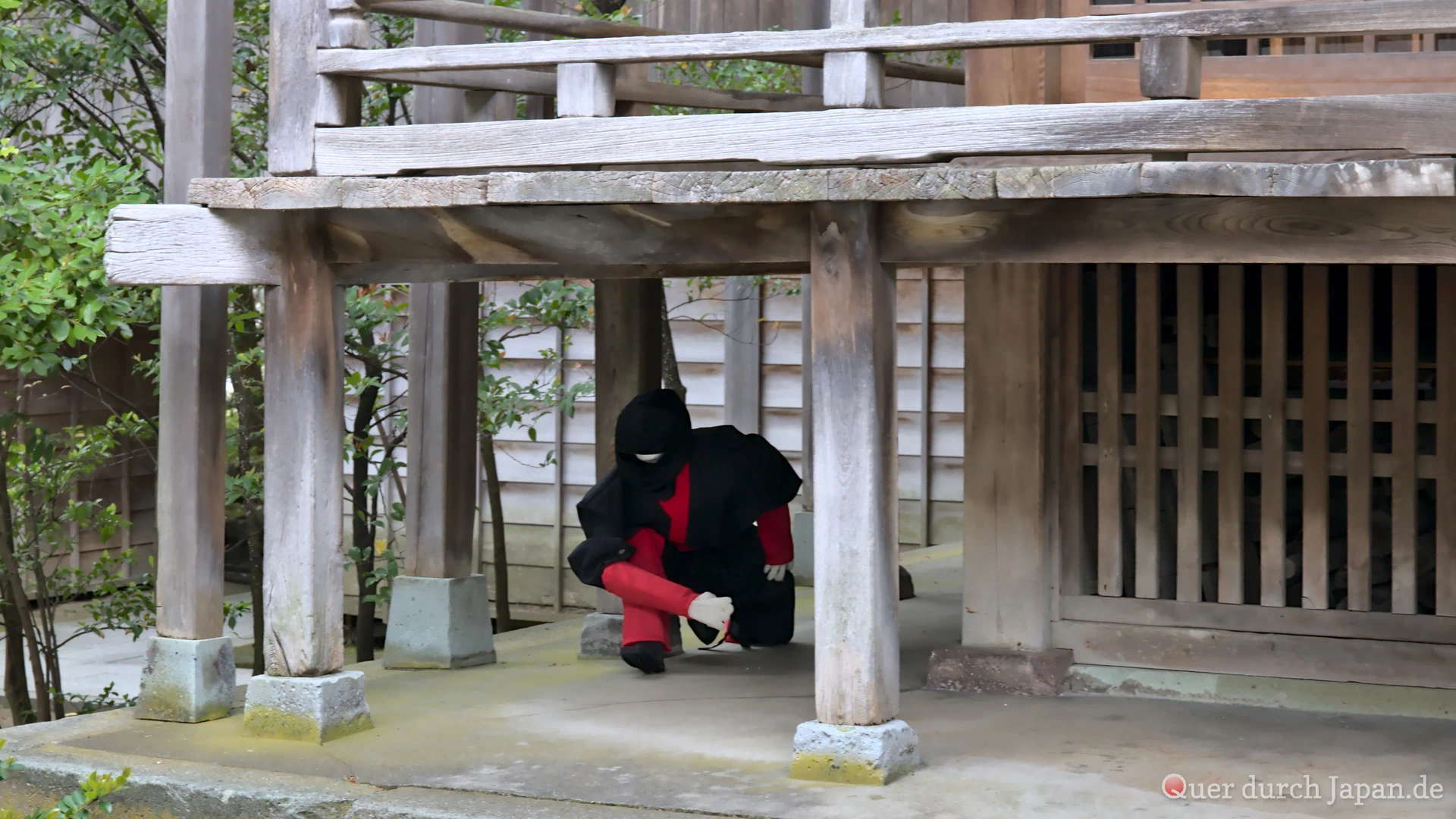
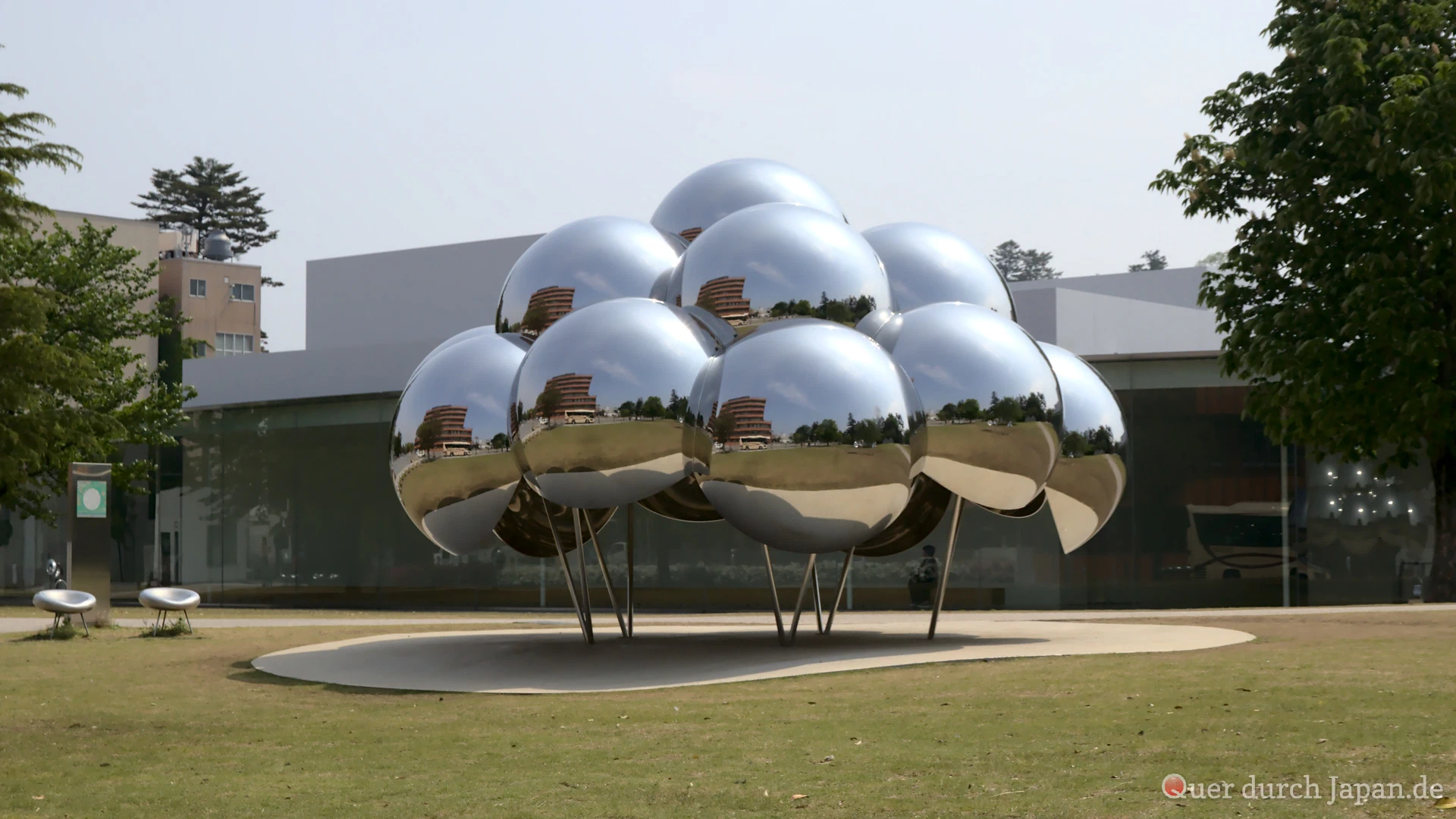
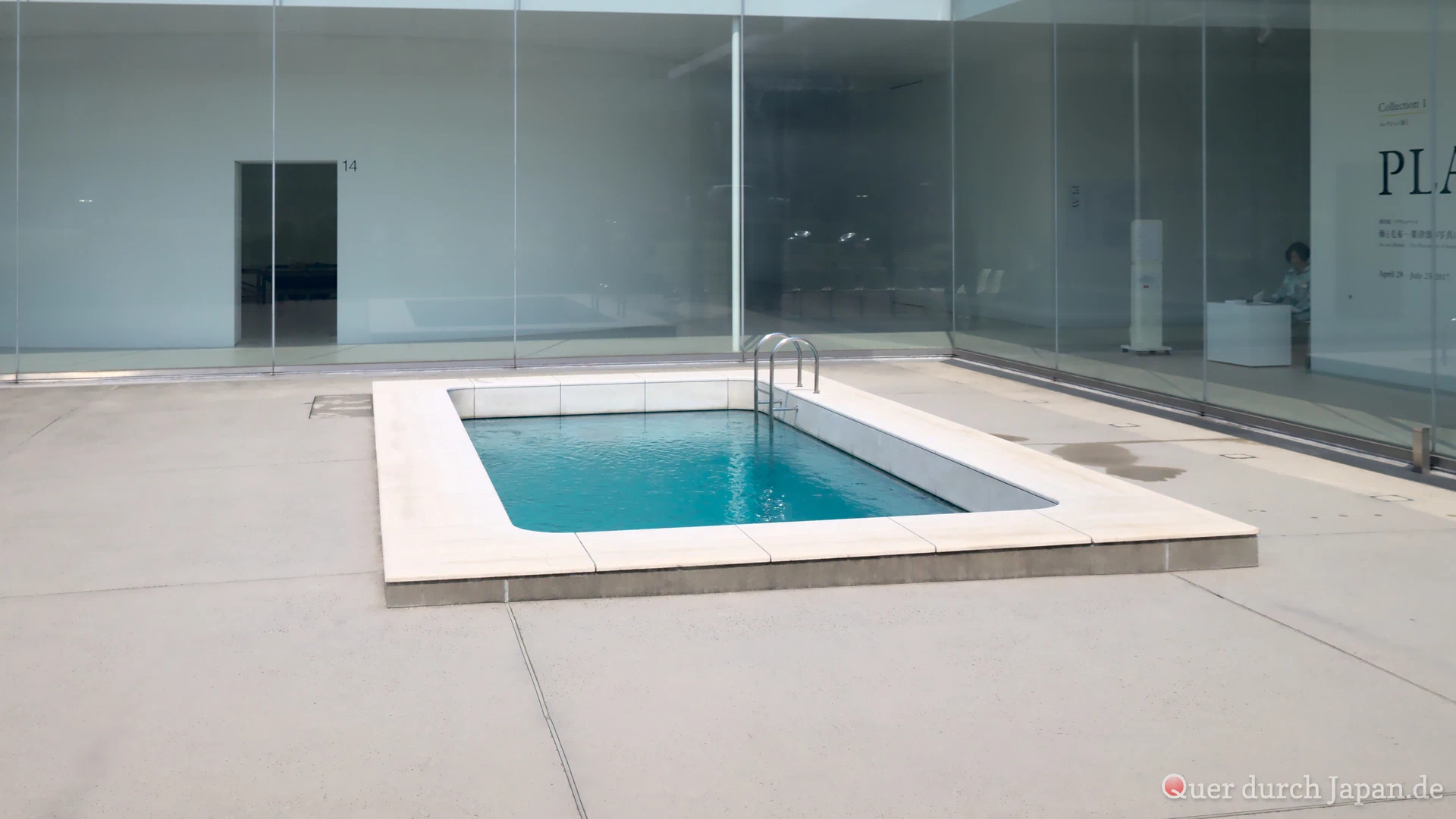
We only planned one day to see the city on our trip. Looking back, we really wish we’d stayed a bit longer, so we would’ve had time for the 21st Century Museum and a guided tour of the Ninja Dera.

Voller Bauch in Japan

Japanese cuisine is versatile. As an island nation with little usable land, fish is naturally the main thing on the menu, but there’s a whole lot more beyond that. What do we actually eat when we’re travelling around Japan?

We aren’t really food photographers and only started regularly taking pictures of what we munch on during our travels back in 2018. So our photos just show a tiny selection of Japanese food. The best thing is to be curious and taste your way through!
Breakfast

Breakfast in the hotel is a lucky dip. Some hotels offer a brilliant international breakfast. Others cater to their Japanese guests and offer things like rice, salads and Nattō. If you prefer a continental breakfast, you’ll have to make do with toast and jam. In a surprising number of hotels, we also found oddities like pasta in tomato sauce or kept-warm chips on the buffet in the morning. Honestly: I can get used to chips for breakfast. 🤤

We aren’t big breakfast eaters. These days we usually just book room-only at hotels and instead grab sandwiches and warm canned coffee from the Konbini (these are little convenience stores that you can find on pretty much every street corner).

During the day

The numerous soup kitchens are great for lunch. The selection is massive, so you definitely won’t get bored.

In the shopping streets and big train stations you’ll find all sorts of food stalls offering schnitzels, croquettes, Bentō and other snacks. A lot of souvenir shops also sell soft-serve ice cream. Or you can just grab a steamed bun at the nearest Konbini.

At big temples and castles there are sometimes pop-up stands selling snacks like Takoyaki or regional specialities.

During the day we stuff our faces with these little snacks. We’ve never gone hungry in Japan.

In the evening

In the evening you can head to a restaurant or an Izakaya (pub); the choice is huge, especially in cities, and so is the price range. Sometimes the queues are too, so at peak times you might have to line up outside the restaurant.

The waiters rarely speak English, but they often have an English menu that they immediately hand over to foreigners. Other restaurants have their dishes displayed as plastic models in the window. Here, you just snap a photo of what you want with your smartphone and show the picture when ordering. You don’t pay at the table, but at the till when you leave the restaurant. You don’t tip, because good service is always included.

If you really can’t get into Japanese food, you’ll find pizzerias and European restaurants alongside the usual international fast-food chains. However, the latter are relatively pricey and will put a dent in your holiday budget.

But just between us: after the hustle and bustle of the day, we prefer to grab sushi and salads from a supermarket and eat them in peace back in our hotel room.

Delicacies

A lot of places and regions have special delicacies that you really ought to try. The most famous is probably Kobe beef, which you can cook yourself at a table grill in Yakiniku restaurants. For a lot less money, the meat is also sold as hamburgers at street stalls.

Fugu is probably just as famous. Parts of the pufferfish are highly toxic. That’s why it can only be prepared by licensed chefs. The restaurants are correspondingly expensive and accidents are extremely rare. This kind of thrill isn’t really our thing, as the taste is supposed to be pretty boring anyway.

It doesn’t always have to be so expensive. Takamatsu, for instance, is famous for its Sanuki Udon noodles, which you can eat cheaply in any soup kitchen there. In Kagoshima, you can get Kurobuta (black pork) schnitzel in basic restaurants. Hiroshima and Ōsaka are famous for their Okonomiyaki (Japanese pizza). So it’s definitely worth checking out regional treats when planning your trip.

Friday, January 8, 2021