Shōgunzuka

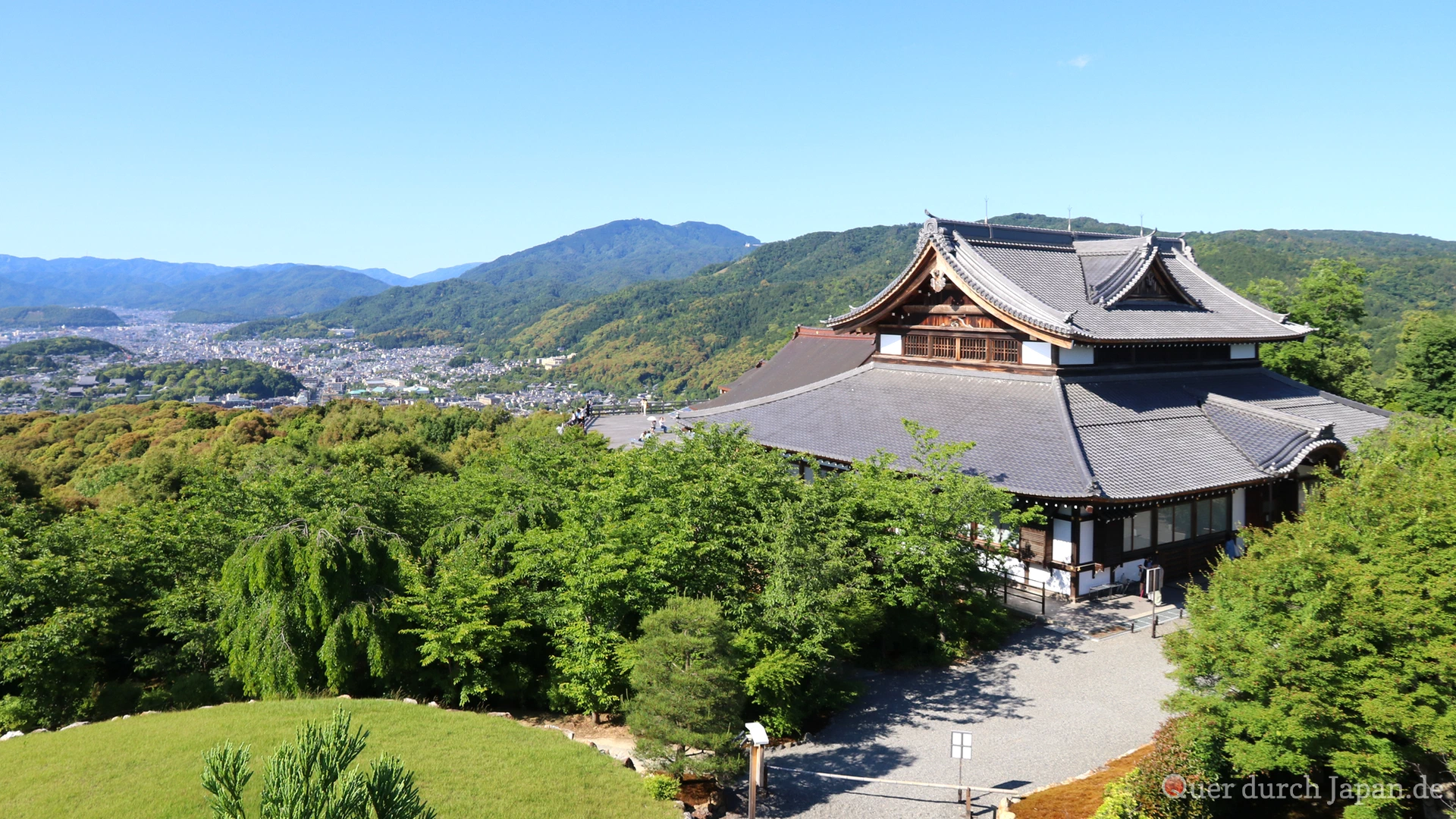
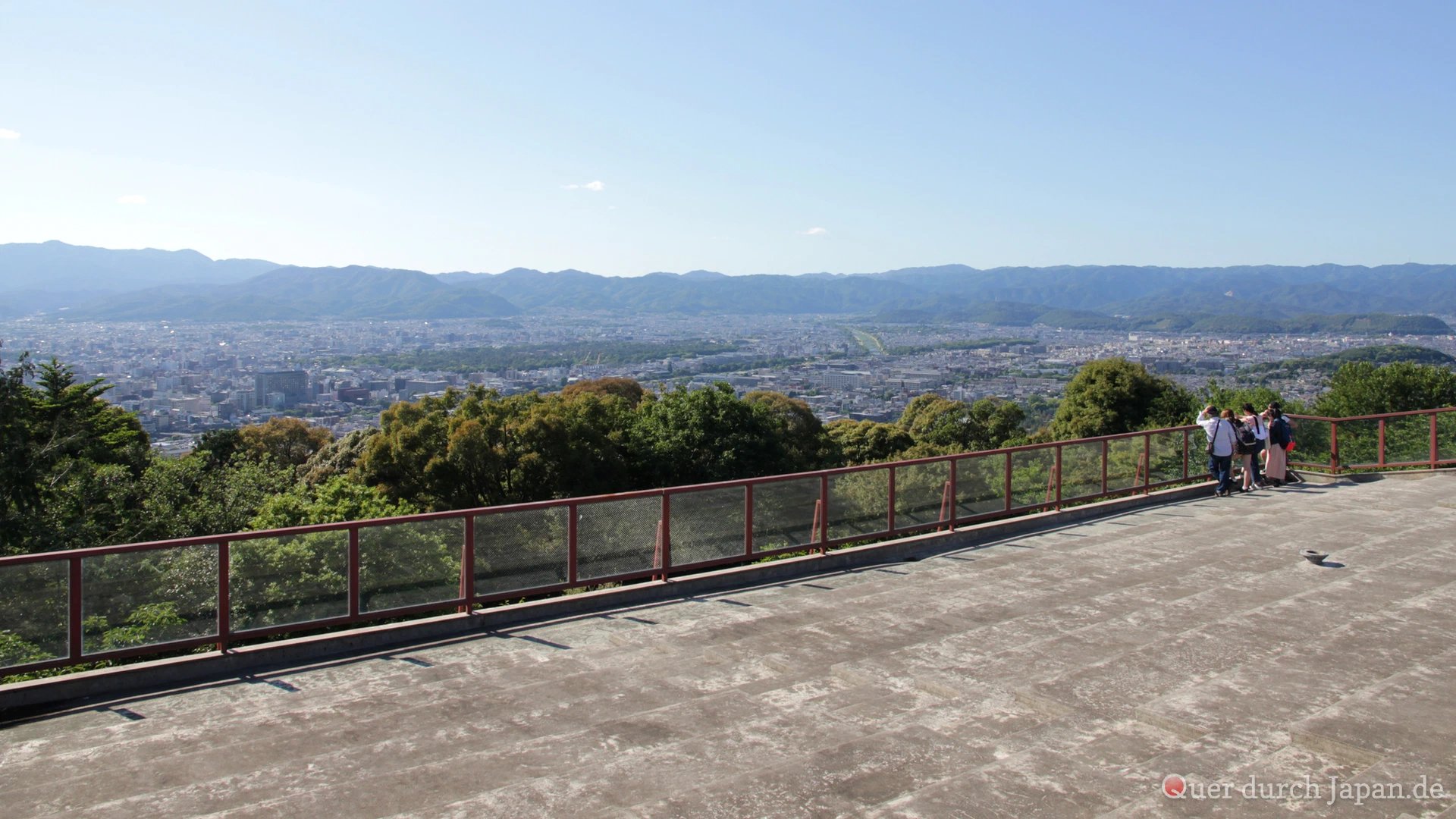
The viewing platform at Shōgunzuka Seiryūden is a fun little excursion in Kyōto that rewards the tiring climb with a fantastic panoramic view over the city.

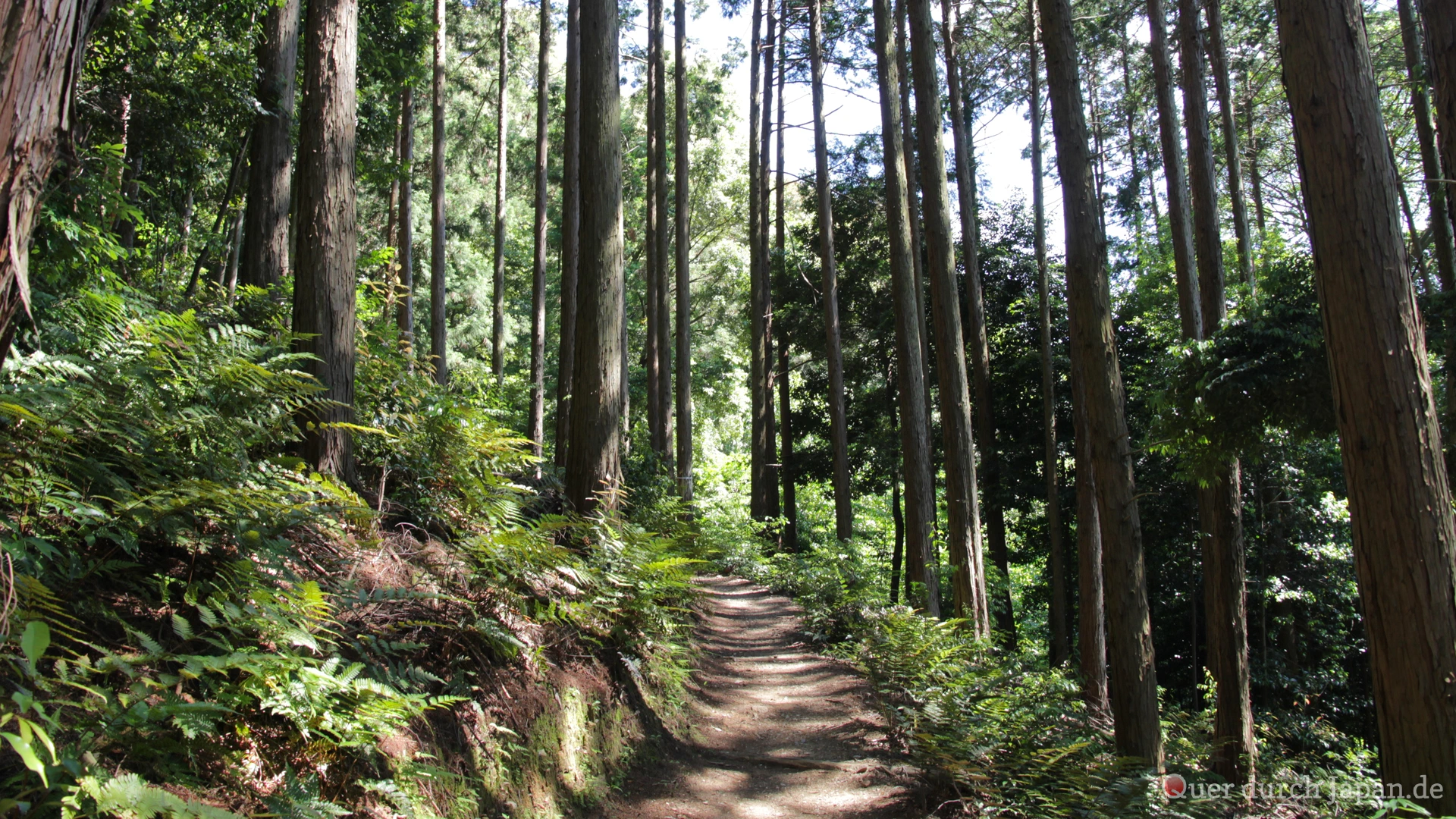
We decided to hike our way up. Finding the starting point turned out to be not quite that easy. First we tried at Awata-jinja, but a closed gate blocked our path. A street further north by Shoren-in finally led us into the forest.

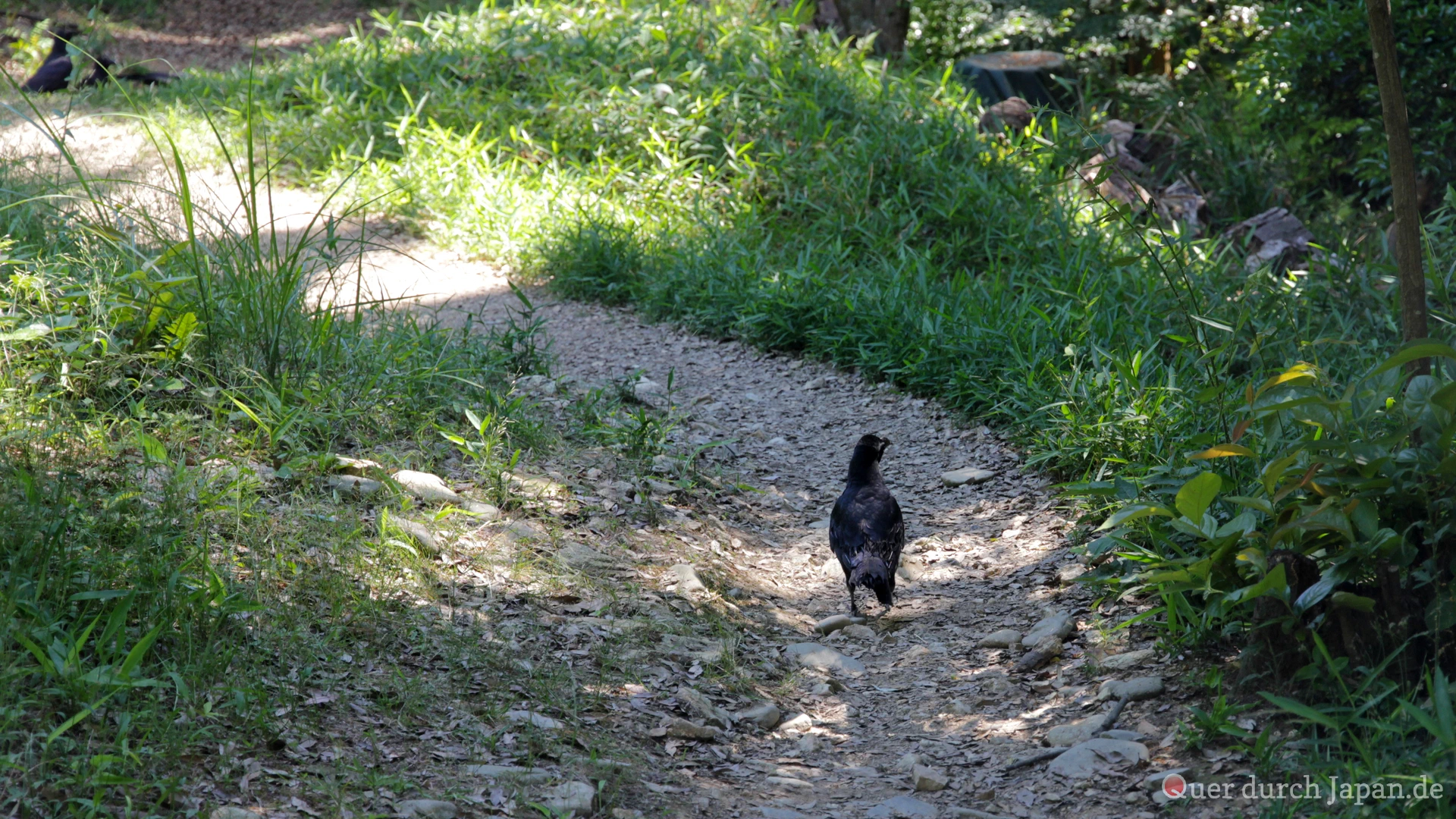
A path that is sometimes a bit hard to spot winds its way through the woods, eventually leading around the base of the viewing platform and ending at a car park. At a leisurely pace, the ascent takes about 30 minutes. If you’re not good on your feet, you can always just take a taxi up. 😉

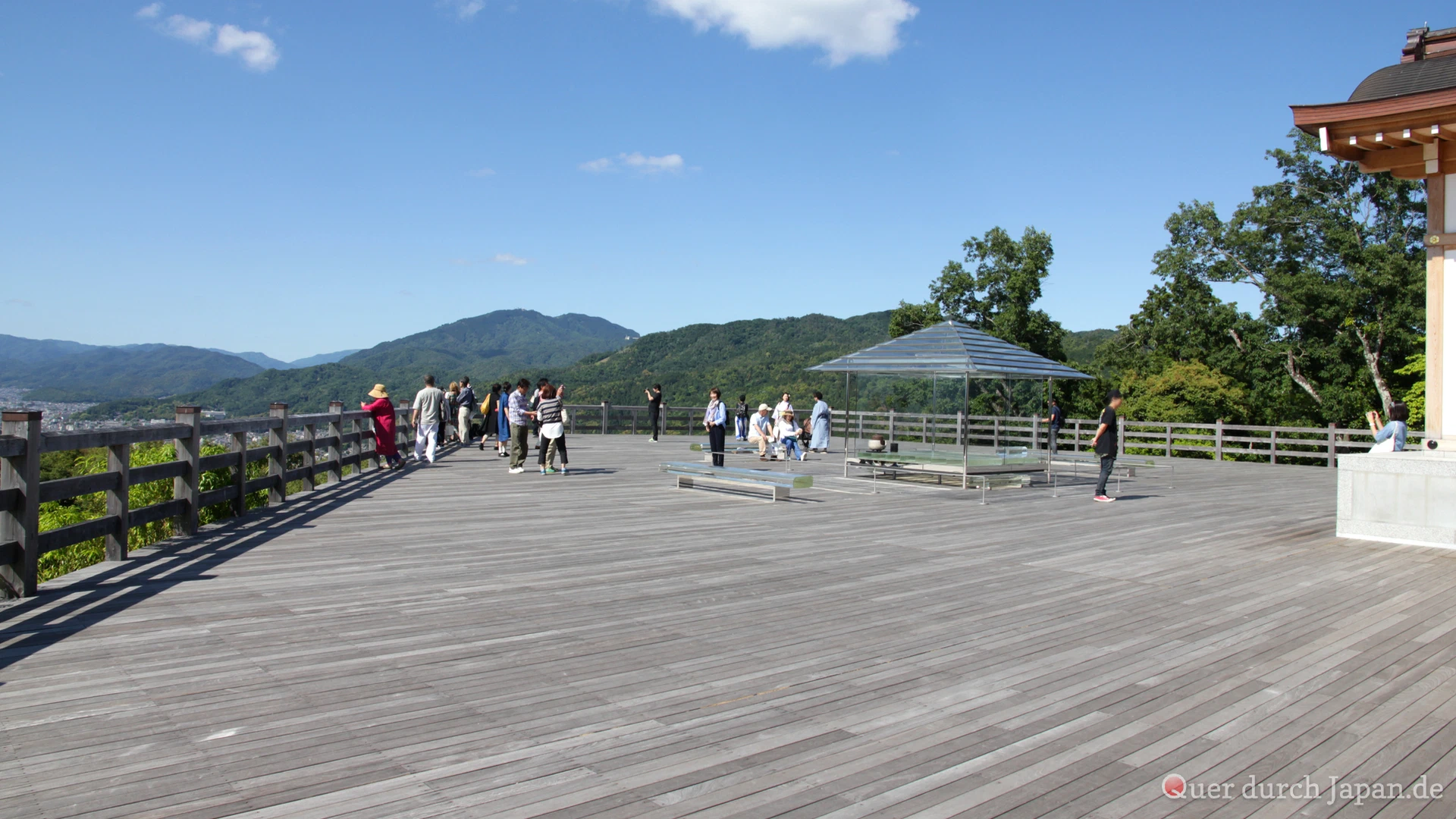
Once at the top, you pay an entrance fee (500¥) and then step onto the viewing platform. Not only is the view spectacular there, but also the - in the truest sense of the word - cool benches made of thick glass blocks.

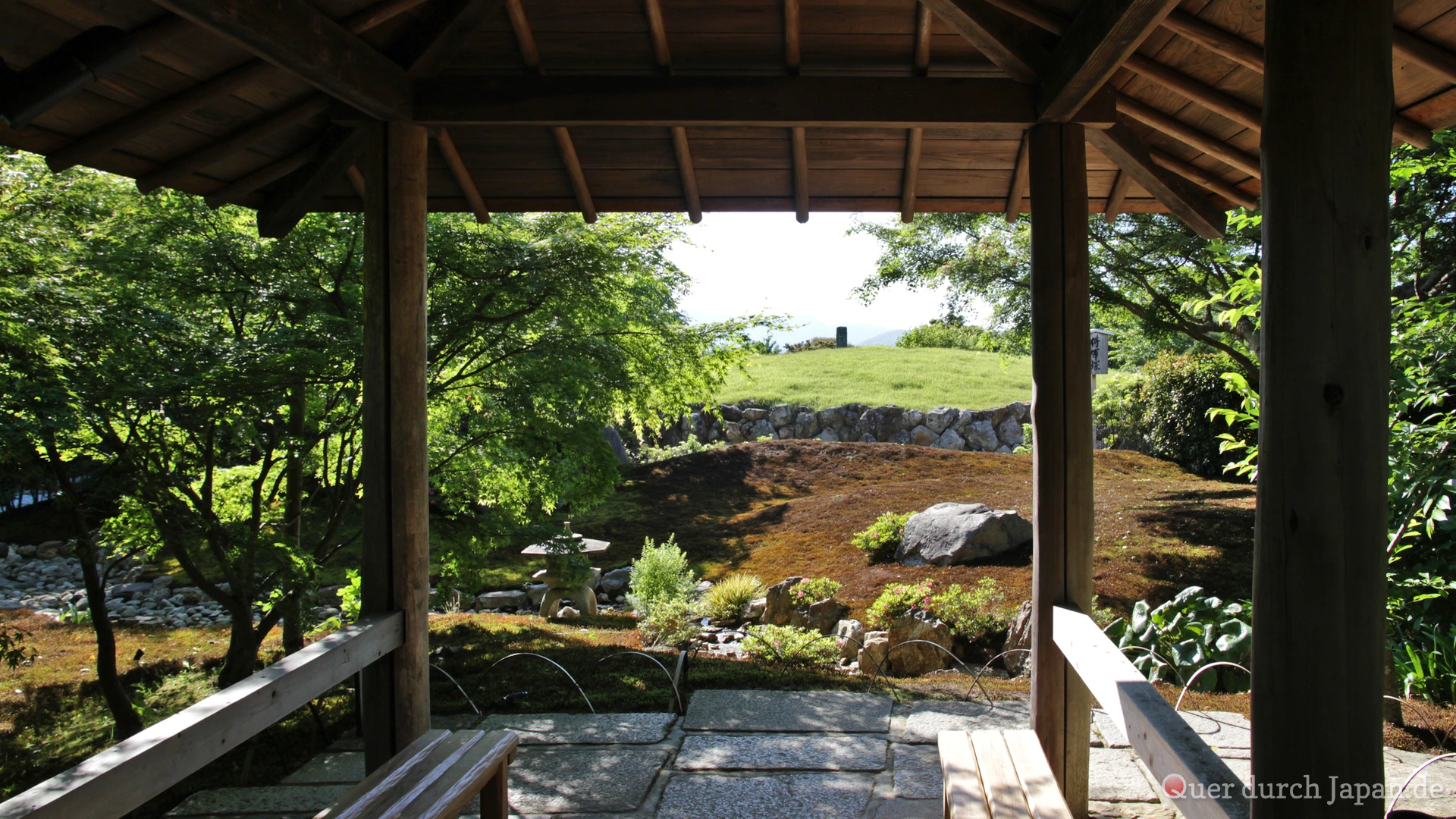
Right next to it stands the former viewing platform on a scaffold. From here you have a magnificent view of central Kyōto. Before leaving the place, it is definitely worth spending a few minutes strolling through the small landscaped garden on the grounds.

Surfen in Japan

As a tourist in a far-off country, you naturally want to stay in touch with your loved ones back home. Here are a few tips on how to get on the internet as a tourist in Japan and what you should look out for.

Which mobile phones are actually suitable?

The mobile network in Japan differs technically in parts from the one in Europe. But thanks to UMTS, LTE and 5G, practically all smartphones and mobile phones can be used. Only ancient mobiles from our D-network and E-network days won’t work at all in Japan, because there’s no GSM network there. You can safely leave these museum pieces at home.

Phone and SMS

In some countries, you can save money as a tourist by buying a SIM card locally. In Japan, however, by law, SIM cards with phone and SMS functions can only be sold to people who have a permanent residence in the country.

So for phone and SMS, you have to fall back on your own mobile tariff. Japan usually counts as the world zone, so the charges are correspondingly high. With some providers, you even pay when you get called. To avoid a nasty surprise on your mobile bill when you get back, you should check the prices with your provider before setting off.

Important: Since mobile networks of other countries can easily be shared within the EU, Roaming is turned on in many smartphones. Don’t forget to turn off this feature before entering Japan to avoid expensive surprises.

It’s much cheaper to handle communication over the internet and use common messenger or calling apps. But how do you get onto the worldwide data network?

Mobile internet

Data-only SIM cards can be sold to tourists in Japan too. There’s actually quite a big selection of data tariffs aimed at visitors. You can buy them at many electronics chains (for example Yodobashi Camera or BIC Camera) and also at vending machines in international airports. Mostly you surf on the network of NTT DoCoMo, the mobile subsidiary of the formerly state-owned phone provider NTT. The mobile network is very well developed and really fast in metropolitan areas.

With most cards, to get started you have to set up an APN on your smartphone and go through a registration procedure before you’re allowed on the internet. The steps are described in detail in English, but it requires a bit of practice using a smartphone.

A selection of tourist SIMs, without any claim to completeness, accuracy or being up-to-date (as of August 2021):

  • b-mobile offers an affordable 7 gigabytes for 21 days with their VISITOR SIM. That should be more than enough even for higher demands.
  • The IIJmio JAPAN TRAVEL SIM lasts up to 3 months and is therefore suitable for longer stays. The data volume unfortunately isn’t correspondingly high, but can be topped up.
  • So-Net offers cards that last 30 and even 60 days.

Make sure you get the right size SIM card when buying, as exchanges are generally out of the question.

Tip: A mobile hotspot can be really handy. This is a small battery-powered device that you put the visitor SIM card into. It connects to the mobile network and provides Wi-Fi access, through which other devices (smartphones, laptops, etc.) can then get on the internet. This way you can surf on the go and still be reachable by phone, because your own SIM card stays in your smartphone. Mobile hotspots are available in any well-stocked electronics shop.

Some smartphones have room for two SIM cards. Here you can use your home SIM card for phone calls and texts and set up a data connection with the tourist SIM.

Hotels

An alternative to the mobile network is WLAN, though the term Wi-Fi is more common internationally.

Many hotels offer their guests free Wi-Fi or at least wired internet access for their laptops. In our experience it usually works, but not always. If you rely on the internet during your trip, for example to organise tickets for the next day or plan routes, you should always have an alternative up your sleeve.

Free Wi-Fi

The provider SoftBank runs around 400,000 Wi-Fi hotspots in Japan. Tourists can use them for free for two weeks after registering via mobile. However, we haven’t had any personal experience with this ourselves.

Tonkatsu-Rezept

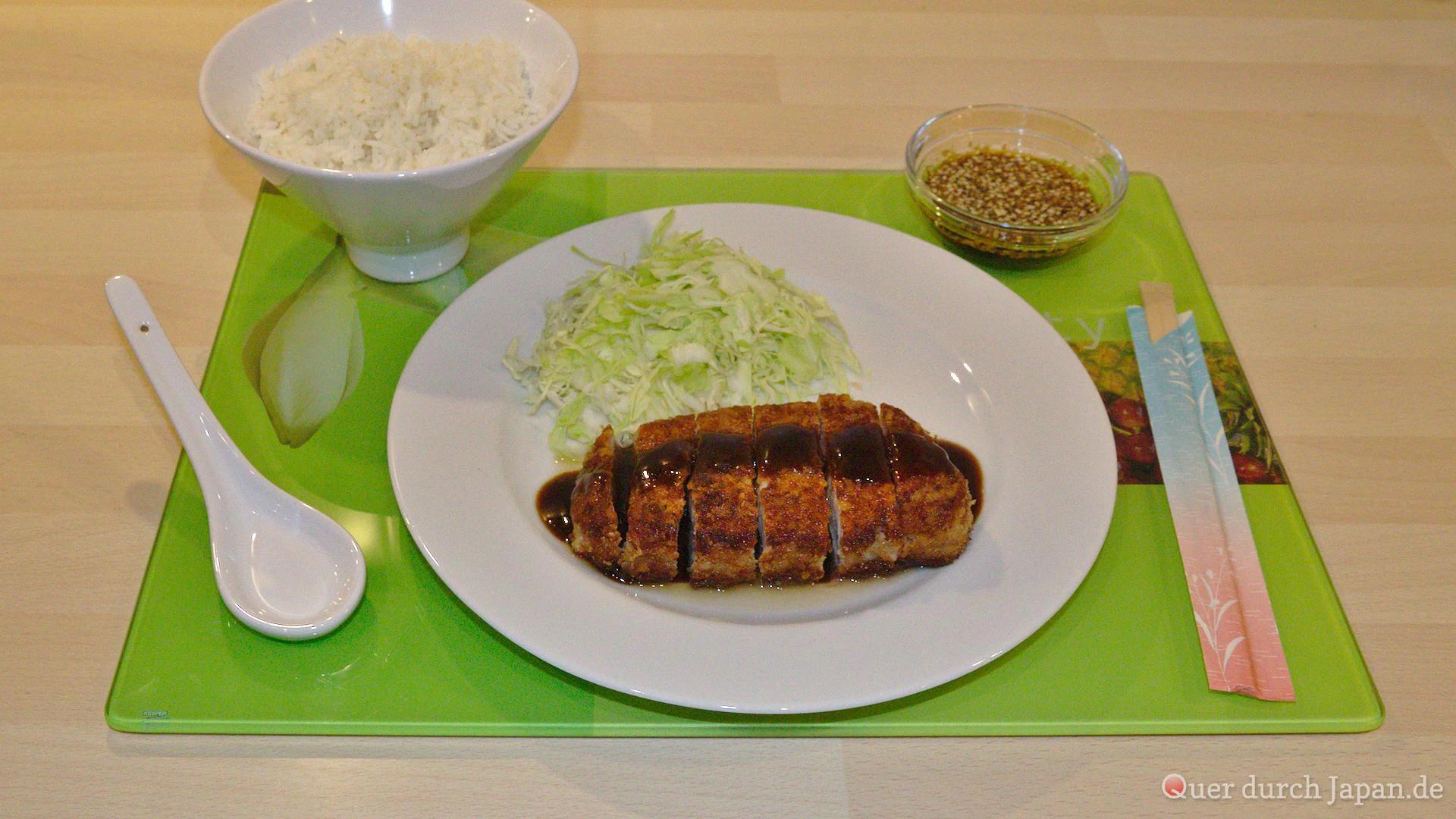
One of our favourite meals, which is also easy to cook at home, is Tonkatsu, the Japanese version of the schnitzel.

Ingredients

  • 4 pork minute steaks, cut a bit thicker
  • Panko (Japanese breadcrumbs, available in Asian supermarkets)
  • Flour
  • Egg
  • Salt, pepper
  • plenty of oil for frying (e.g. high-heat sunflower oil)
  • Tonkatsu sauce (from the Asian supermarket, e.g. “Bulldog Tonkatsu Sauce”)
  • 150 g white cabbage
  • Vinegar dressing for dipping the white cabbage salad (e.g. Yuzu dressing or sesame dressing from the Asian supermarket)

Preparation

Lightly salt and pepper the schnitzels, then roll them one after another in flour, beaten egg, and Panko. Cut the white cabbage into fine strips and divide it among the plates.

Heat the oil in a frying pan and fry the schnitzels on both sides until crispy. The oil shouldn’t get too hot, as Panko burns faster than our usual breadcrumbs. A bit of practice is the only thing that helps here until the breading is nice and crispy and the meat is cooked through but still juicy inside.

Cut the finished schnitzels into finger-thick strips with a sharp knife. Arrange on the plates and pour a good splash of Tonkatsu sauce over them.

Itadakimasu! (Enjoy your meal)
Toiletten

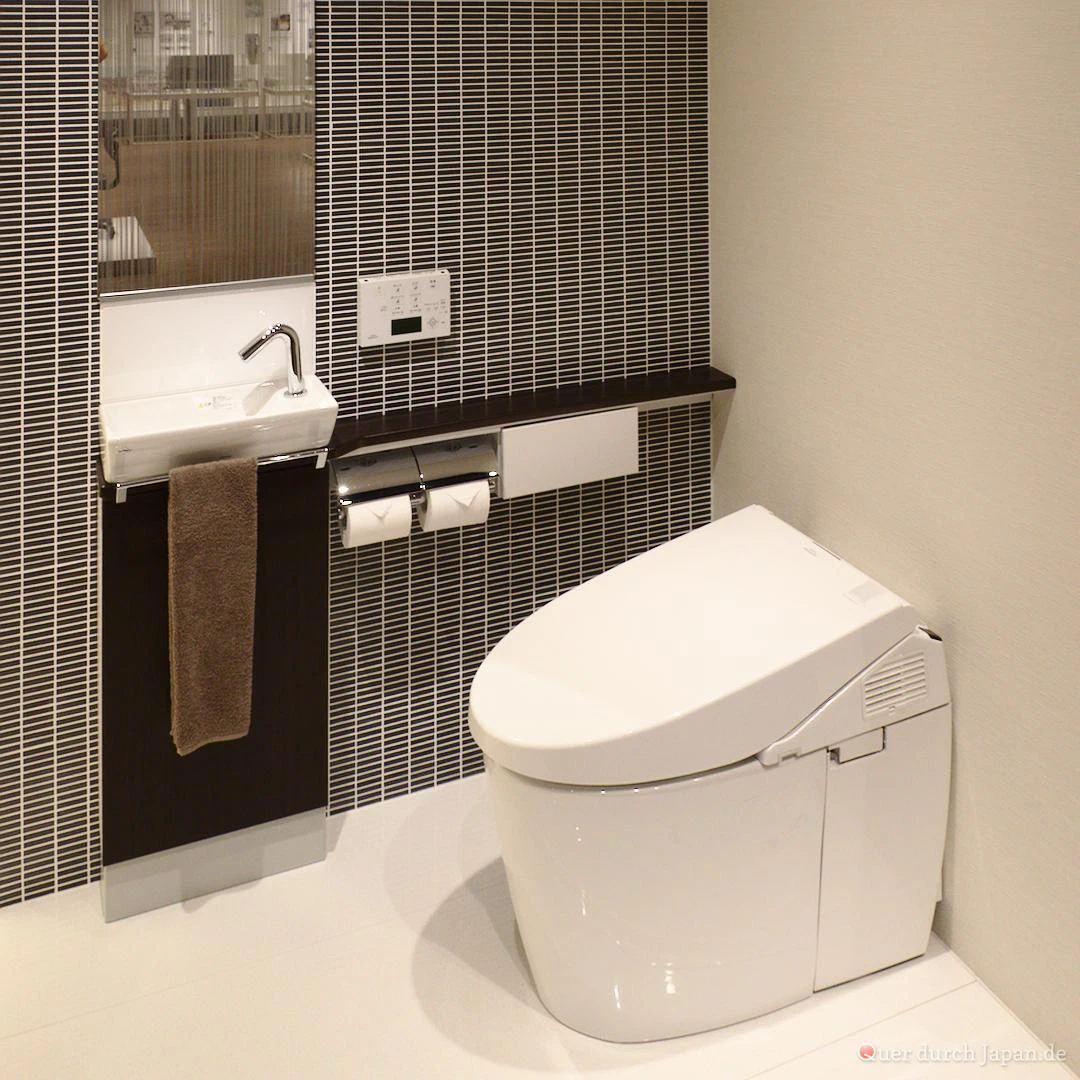
Let’s talk about doing our business! Everyone’s probably heard somewhere that Japanese toilets are a very special kind of tech gadget. And it’s actually true. In every hotel, from cheap to posh, we found electric toilet seats, the so-called Washlets.

A heated loo seat is pretty much the bare minimum nowadays. On top of that, there are various water jets to clean your nether regions, with adjustable spray strength and water temperature of course, plus a warm air blower to dry you off. The current generation has a separate wall panel, letting you remotely trigger the features and flush at the push of a button. The latest craze is the toilet lid opening at the push of a button, or even automatically as soon as you step into the cubicle.

A really popular feature, especially with women, is the Oto-hime, the Sound Princess. It simulates the sound of a flushing loo and reliably masks other, not-so-polite noises that might happen while you’re using it, all while saving water.

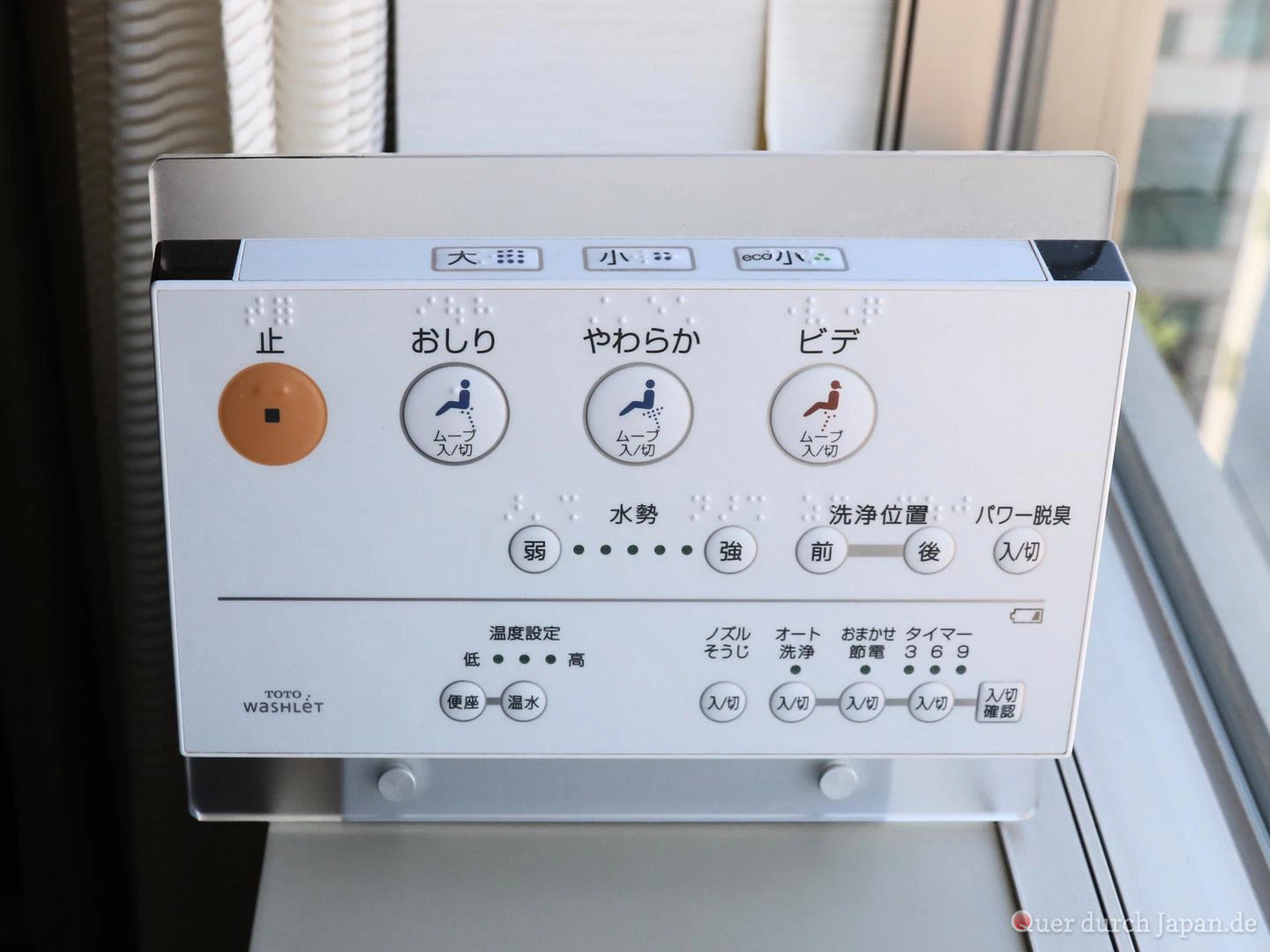
Using a Washlet can be a bit of a challenge for a tourist, since the buttons are labelled in Japanese. Some modern Washlets don’t even have a mechanical flush lever anymore. Then the adventure begins of finding the right button to flush away the results of your sitting. On the panel pictured, it’s not the obvious big buttons, but the three narrow ones on the top edge. The button on the left is for a number two, the one in the middle for a number one, and the right one just does an eco-flush. A small comfort is that the Washlet manufacturers recently agreed on standard symbols.

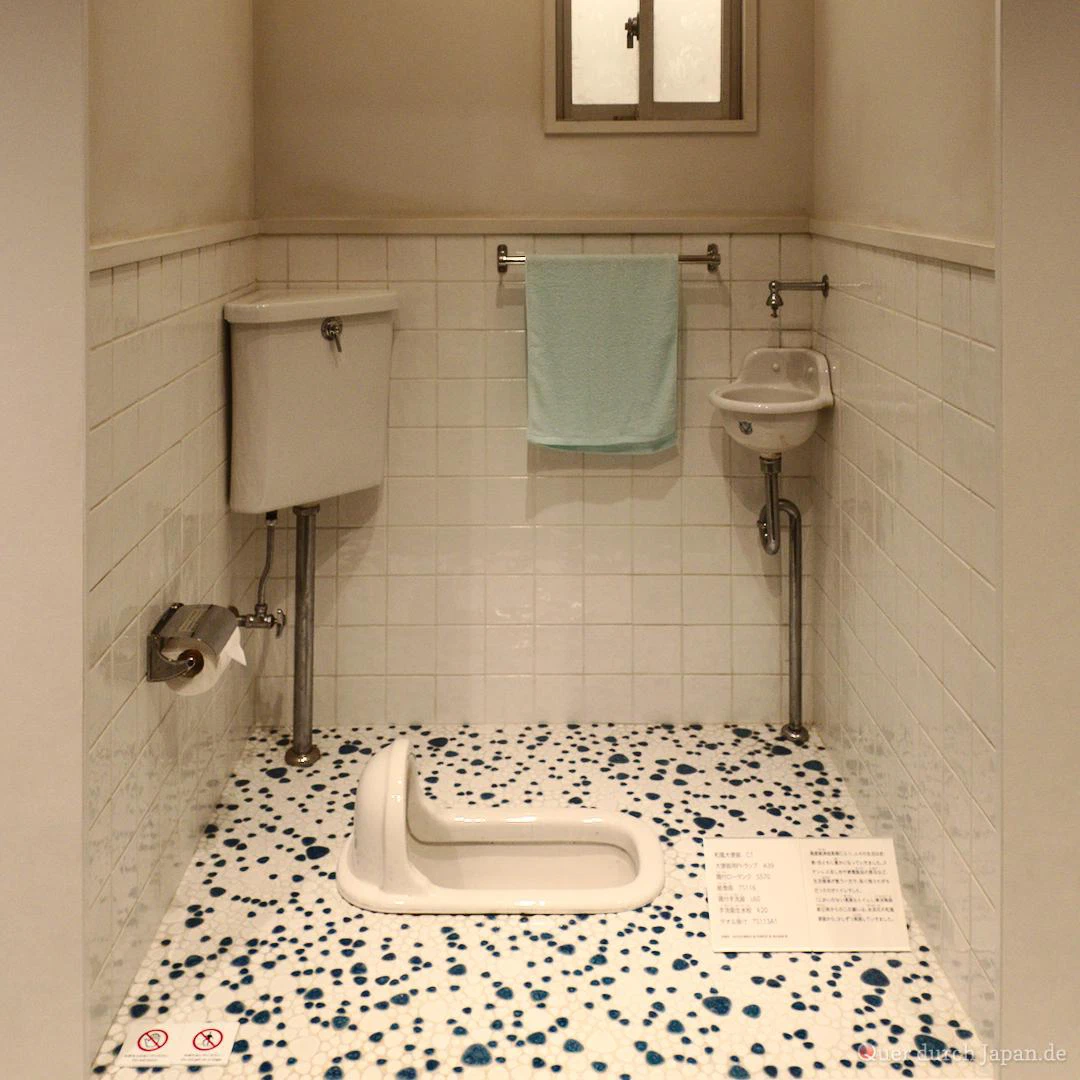
Public loos aren’t equipped with that level of comfort. Alongside the western sitting toilet (“Western Style”), you’ll often find the totally classic squat toilet (“Japanese Style”) available as an alternative. What’s really handy is that you can find a public loo nearby almost everywhere, and the vast majority of the time they’re actually in a really clean state.

Guys can’t be shy in Japan, by the way. Some public loos offer a pretty clear view of the urinals from the outside. On the Shinkansen, the urinal is behind a door that can’t be locked from the inside. But that’s not really needed anyway. Through a big window, you can easily see from the outside if the little boys’ room is currently in use.

Anyway: Japanese Washlets might be a gimmick and a luxury. But a luxury you can get used to pretty quickly… 😁