Der Garten im Heian-Schrein

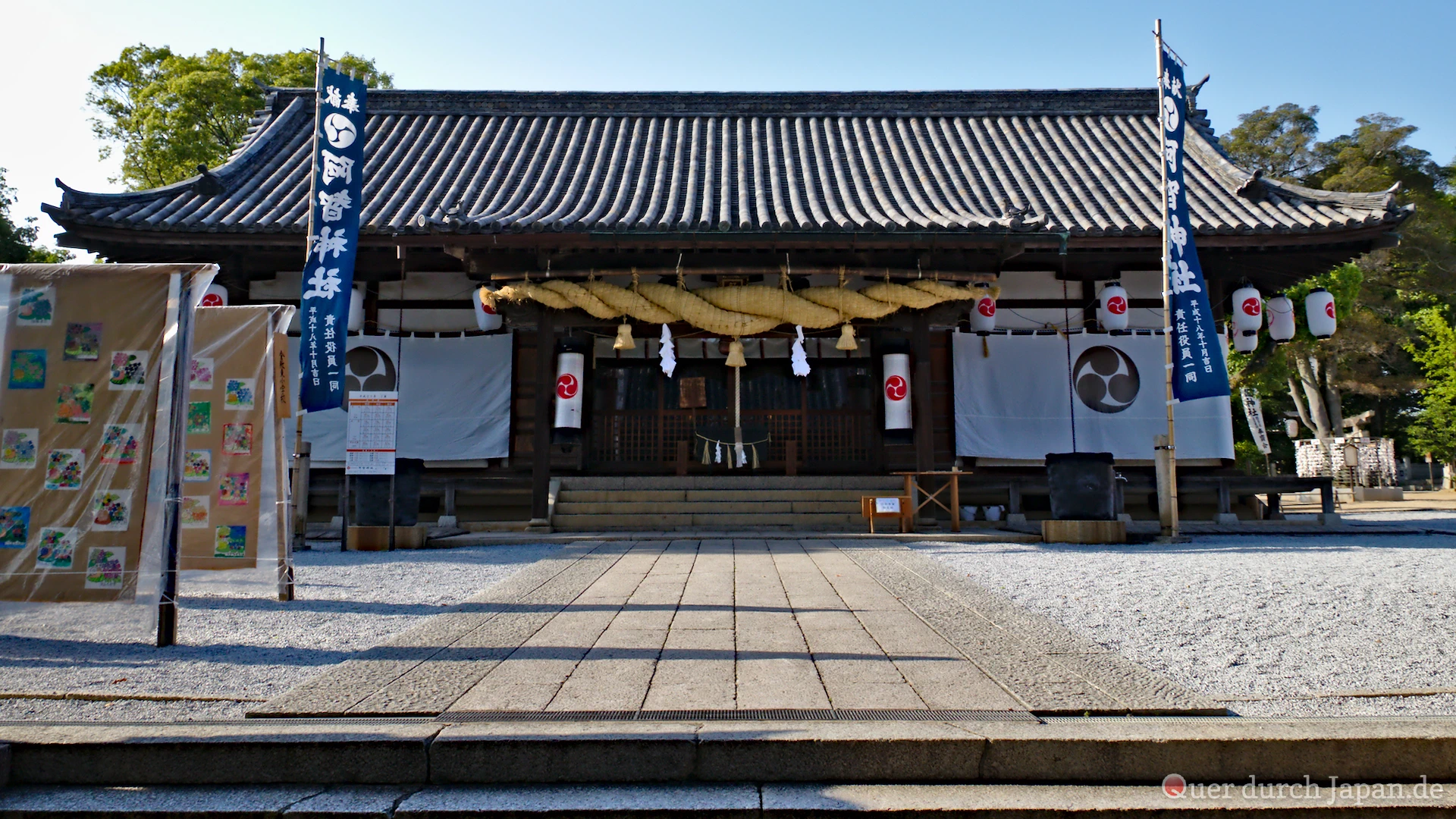
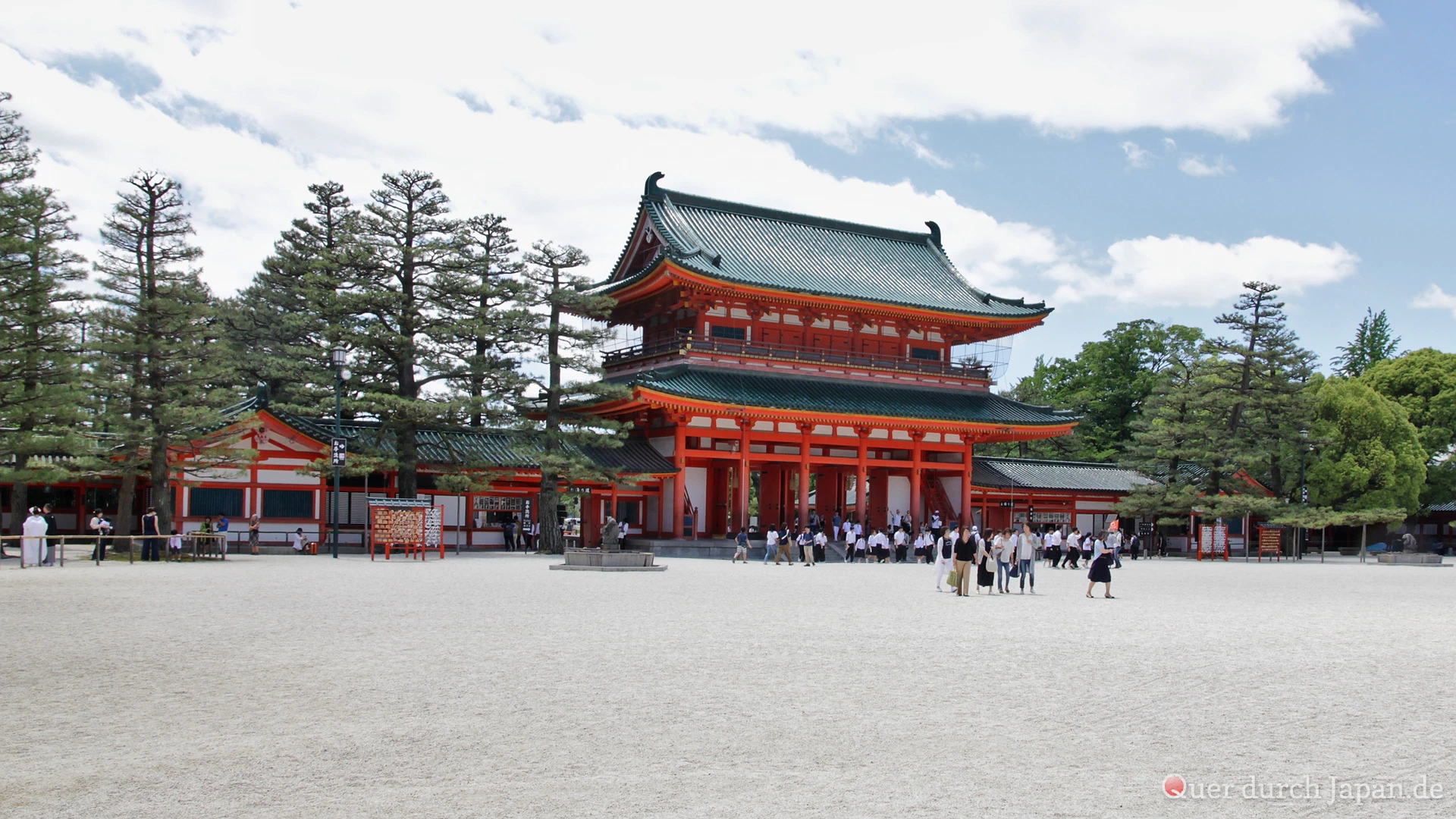
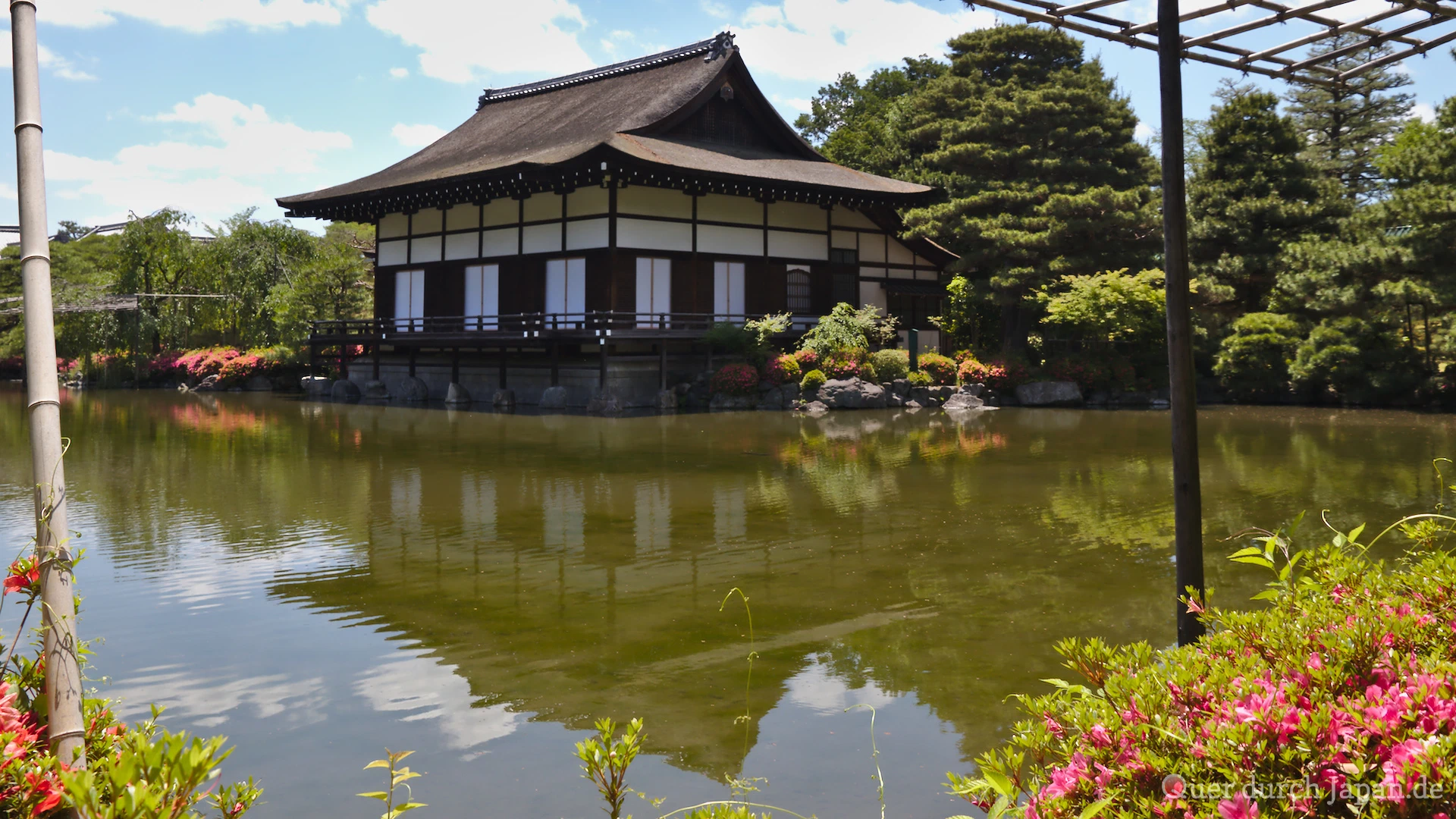
In the east of Kyoto you’ll find the Heian-jingu, a massive shrine complex built in 1895.

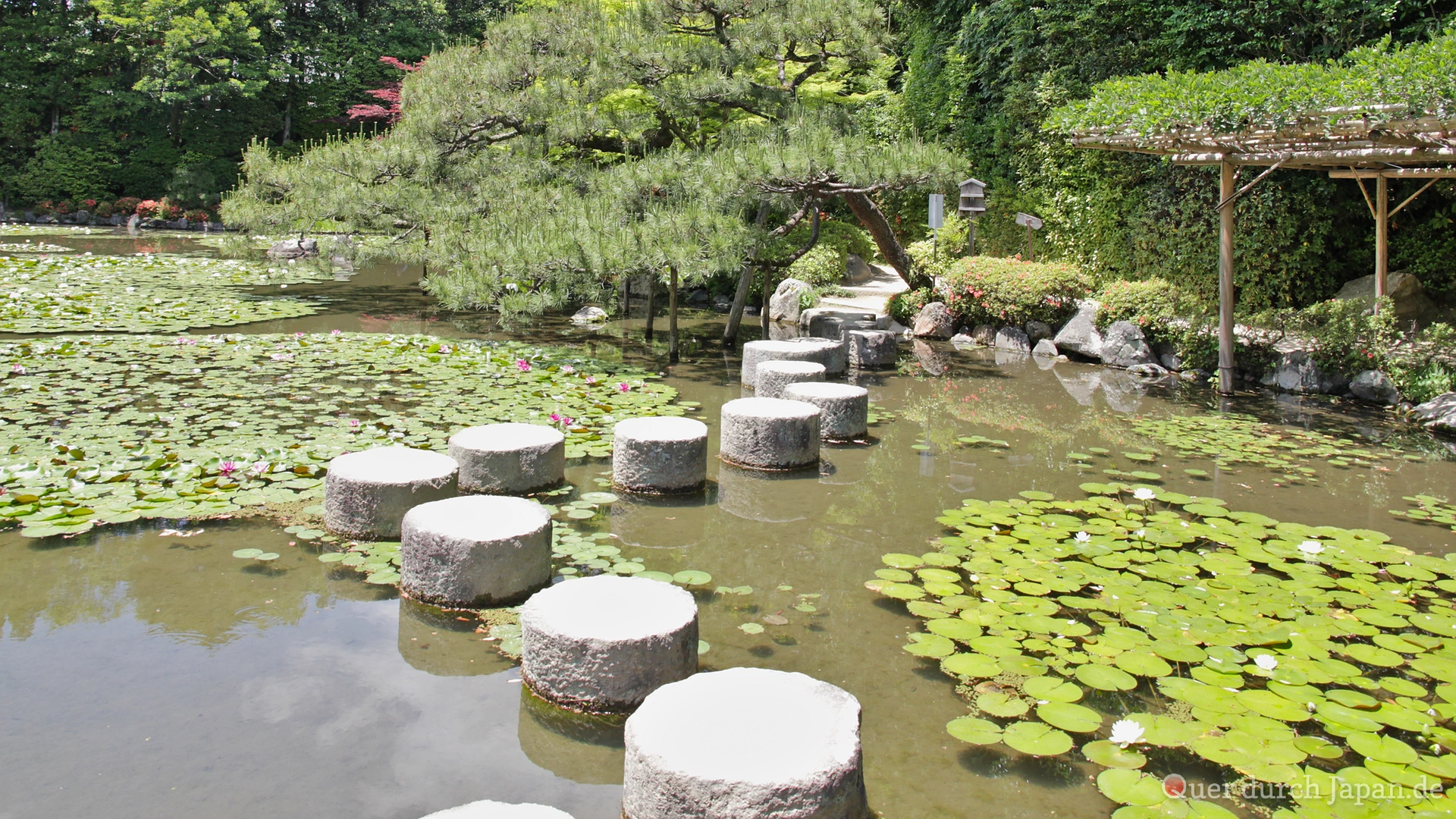
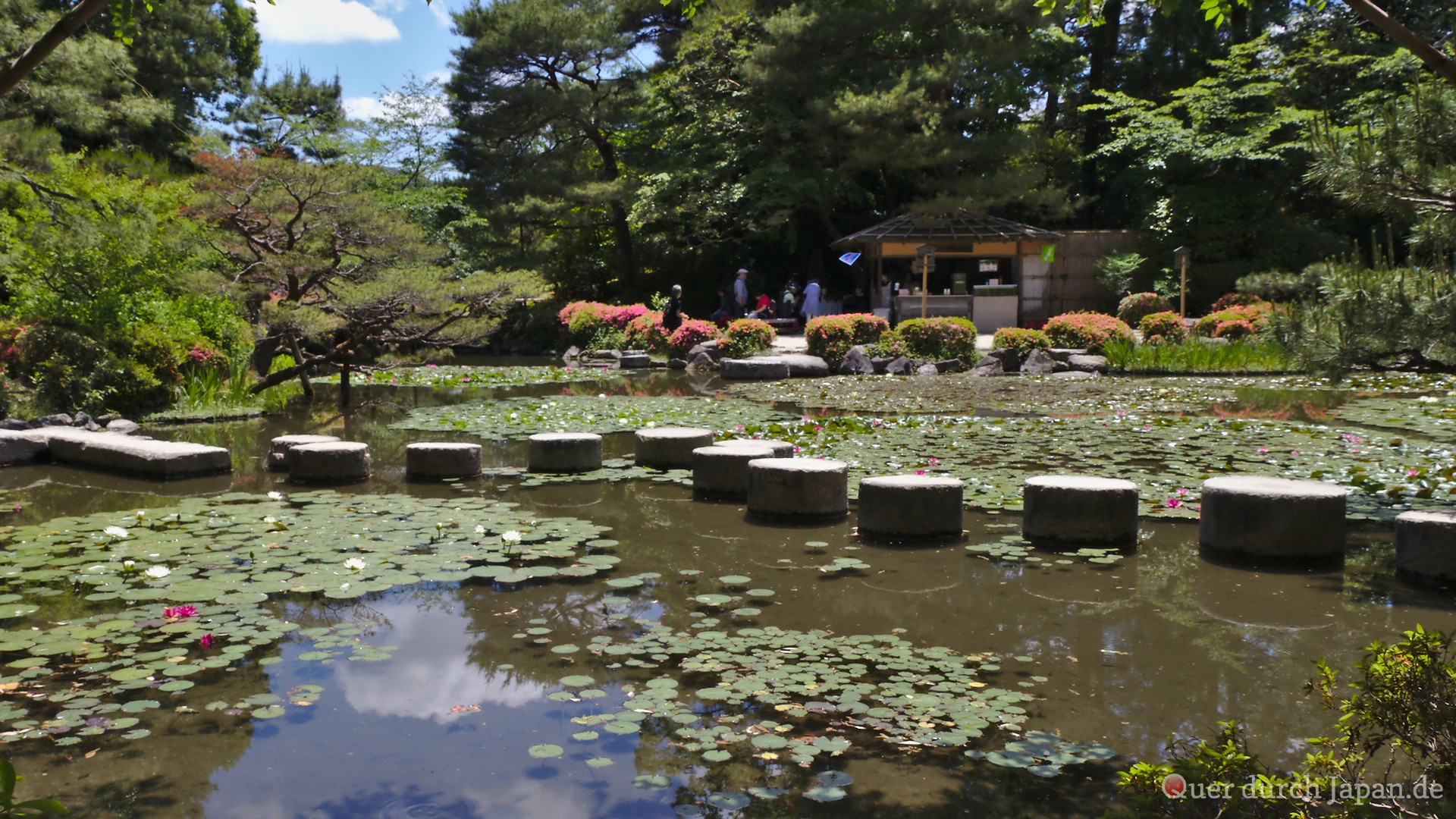
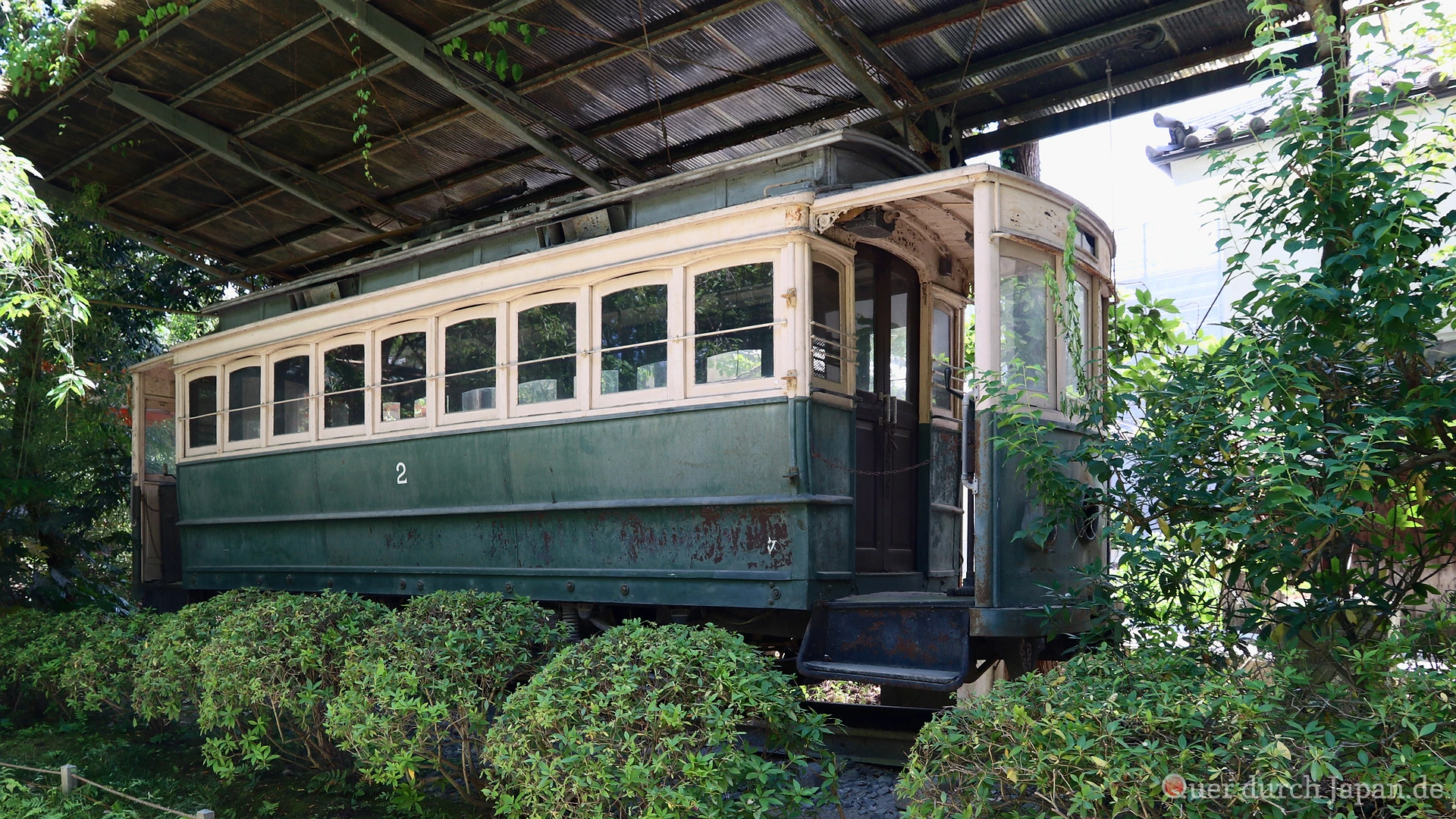
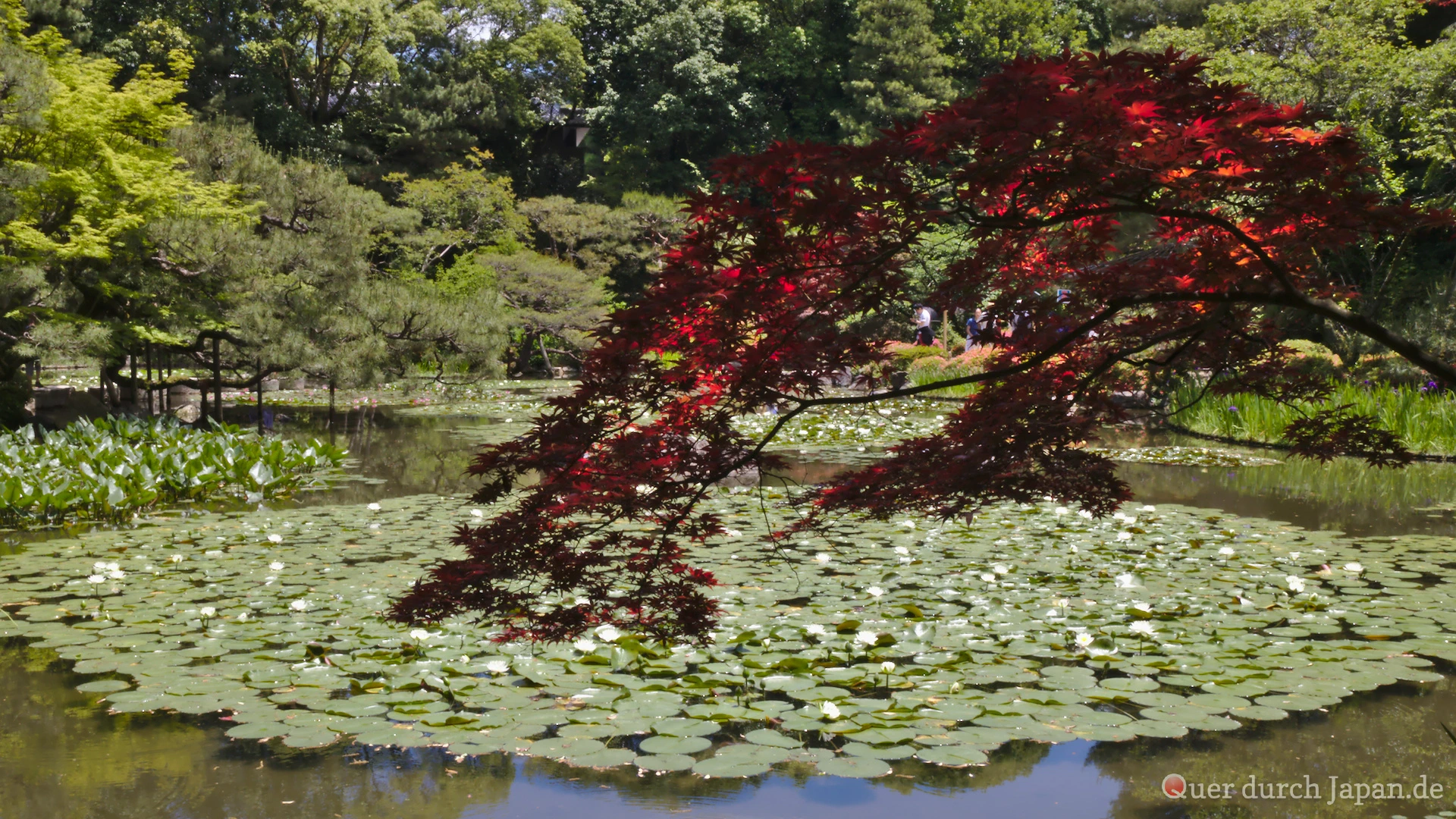
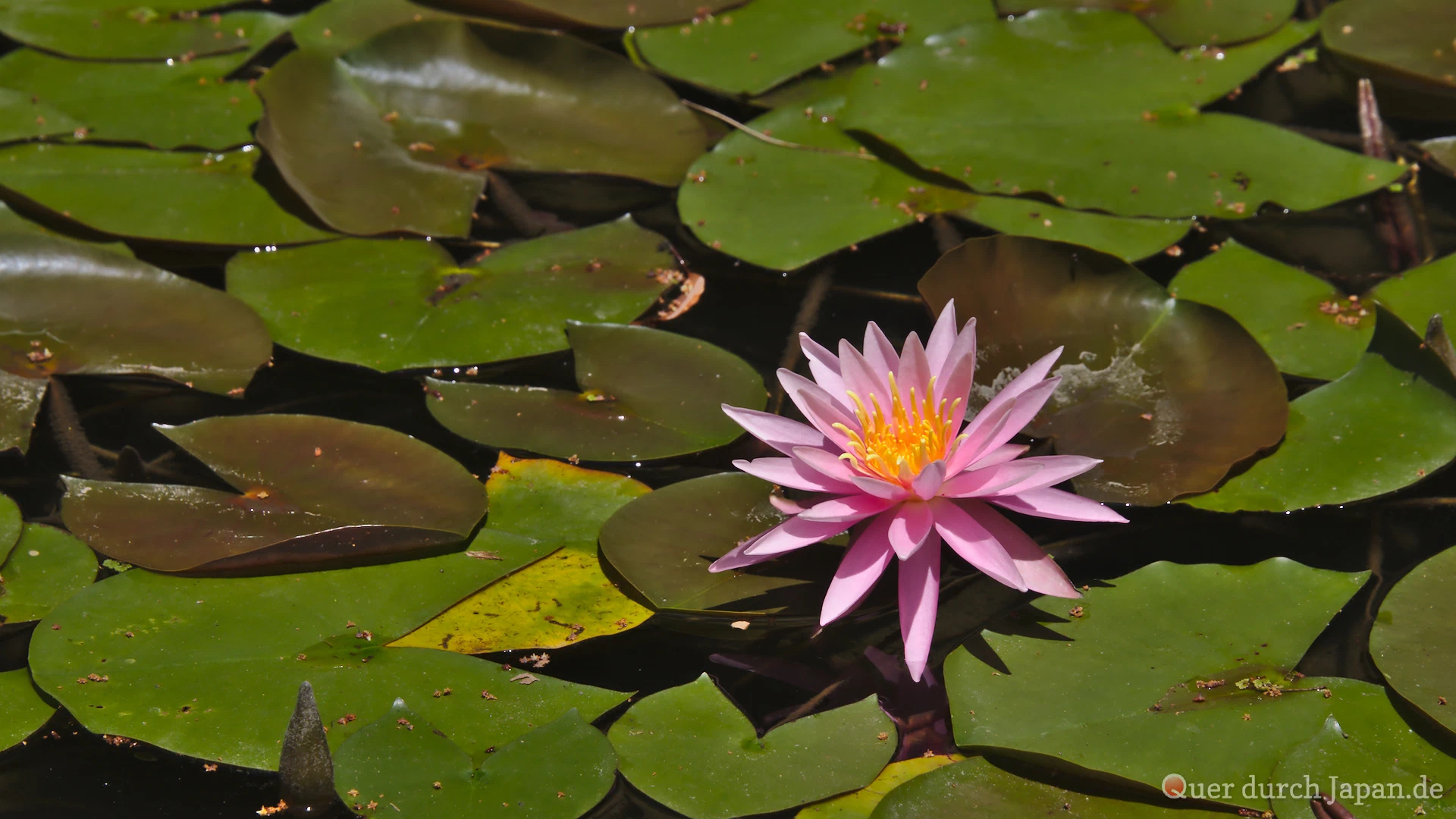
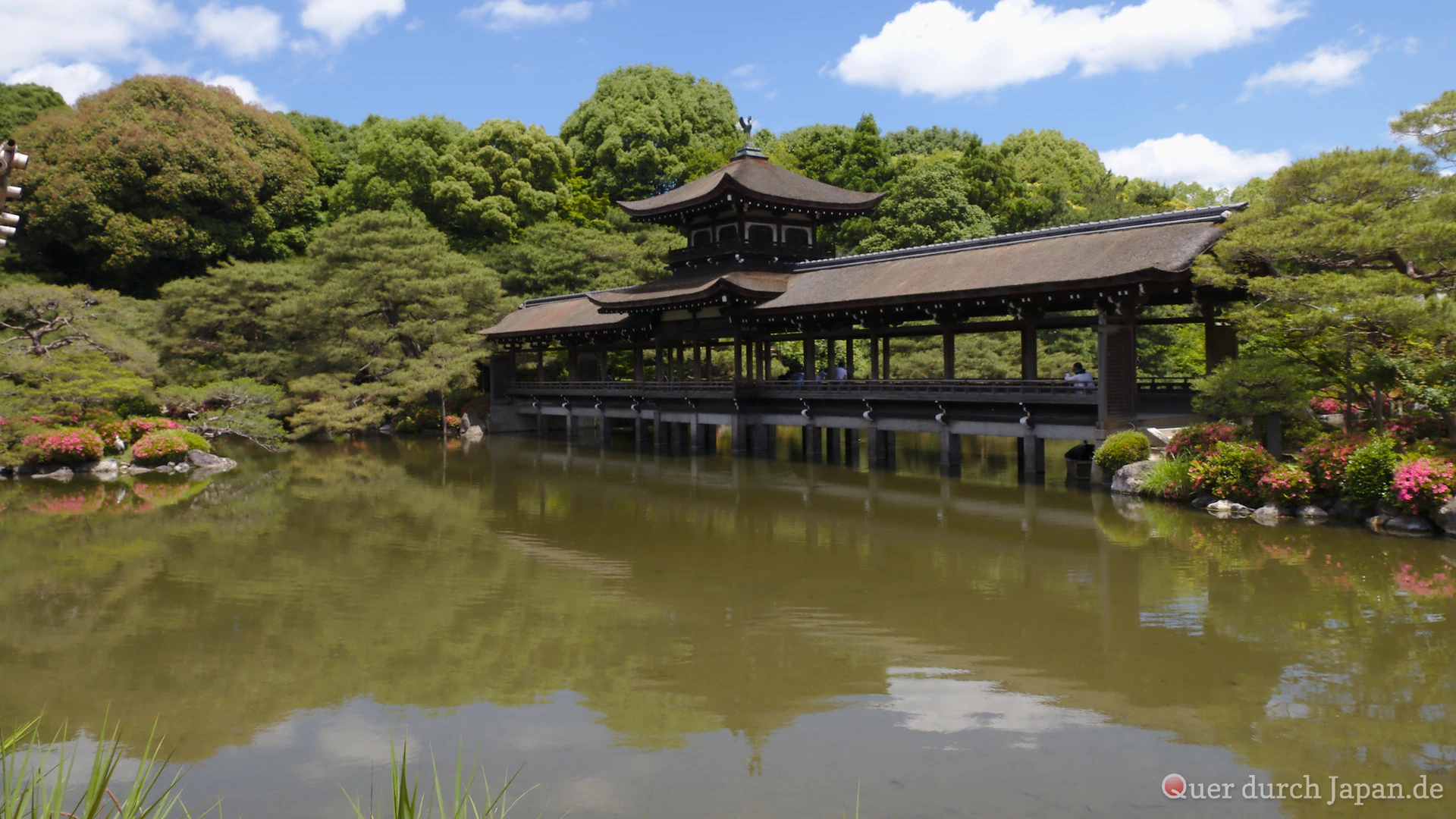
Wrapping around the shrine is the Shin-en, the Garden of the Gods. It’s 33,060 m² in size and features several ponds connected by pathways. Loads of cherry trees decorate the garden, making the grounds an absolute must-visit during cherry blossom season.

In the ponds, you can spot rather rare animal species like the yellow pond turtle or the Japanese pond turtle. The fish and turtles love being fed, and you can buy the right food right there on site.

Visiting the Heian-jingu itself is free, but access to the garden costs 600¥. It’s worth not getting there too late, as time really flies by there, and the garden closes at 5 pm.

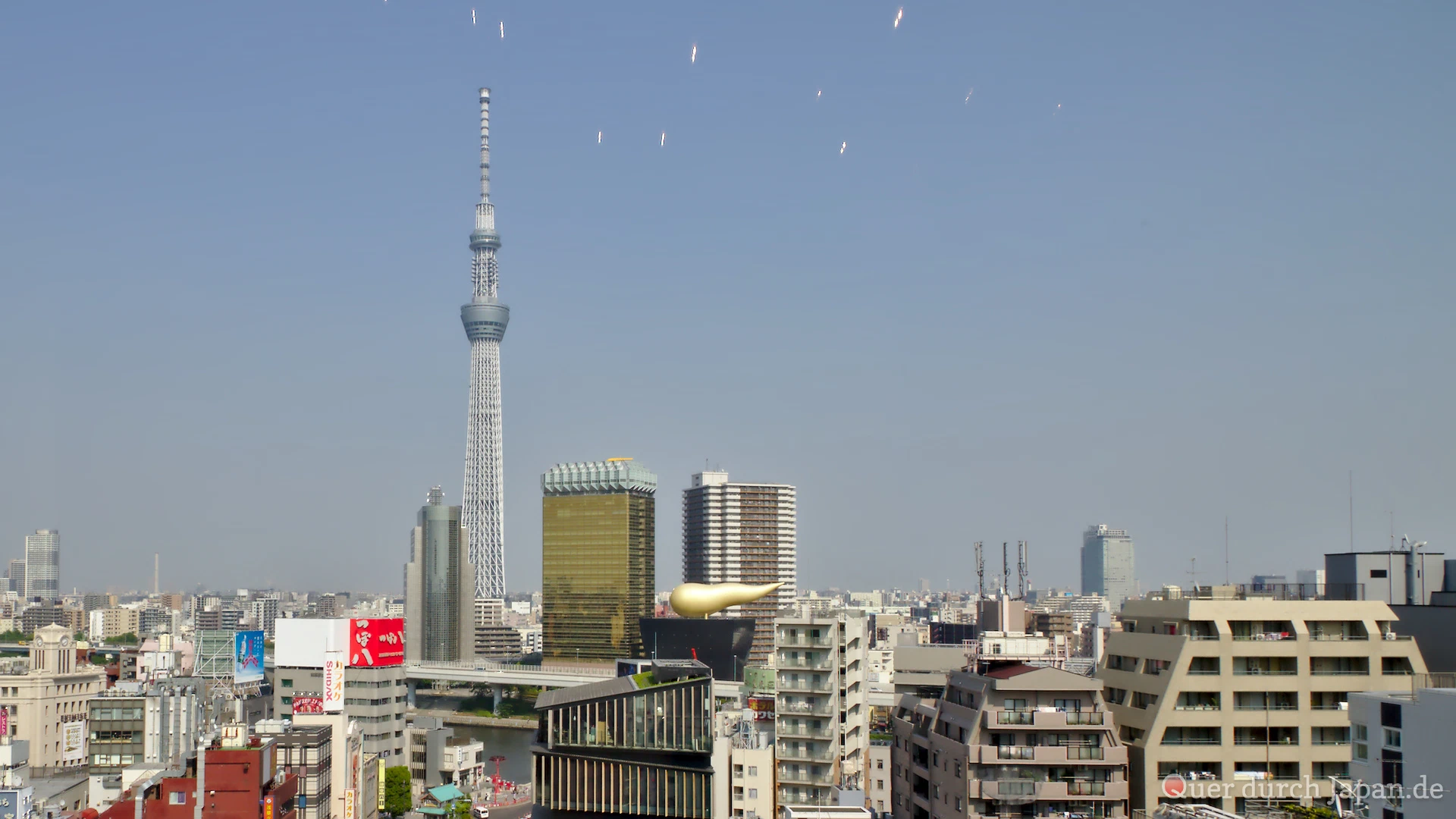
Tōkyō Sky Tree

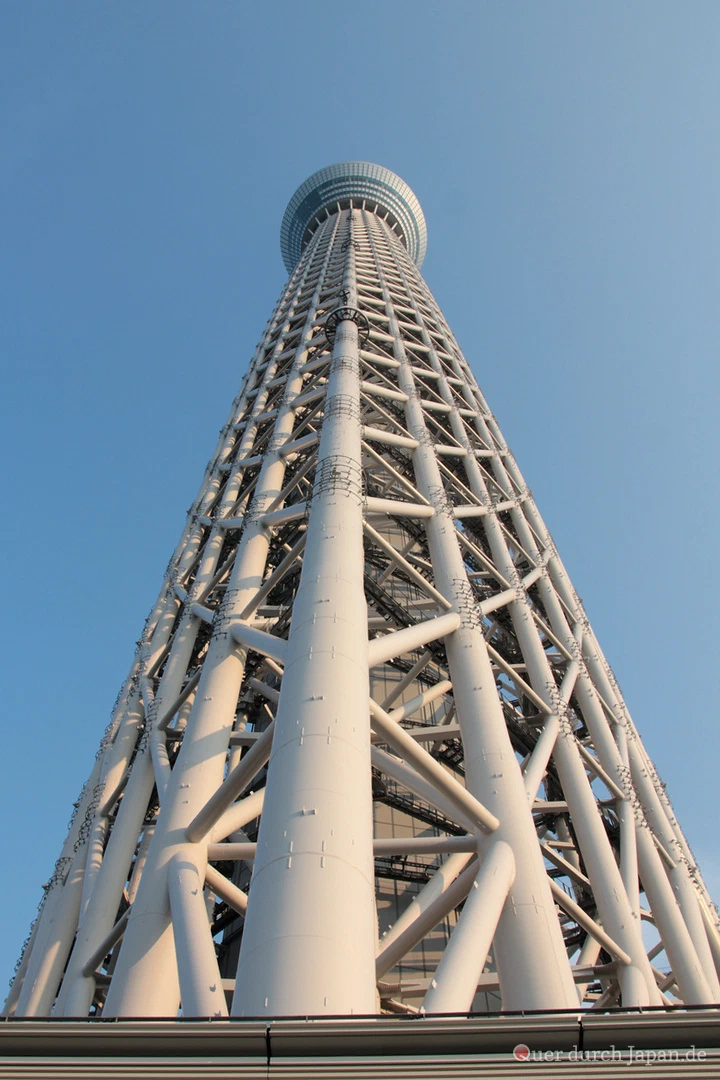
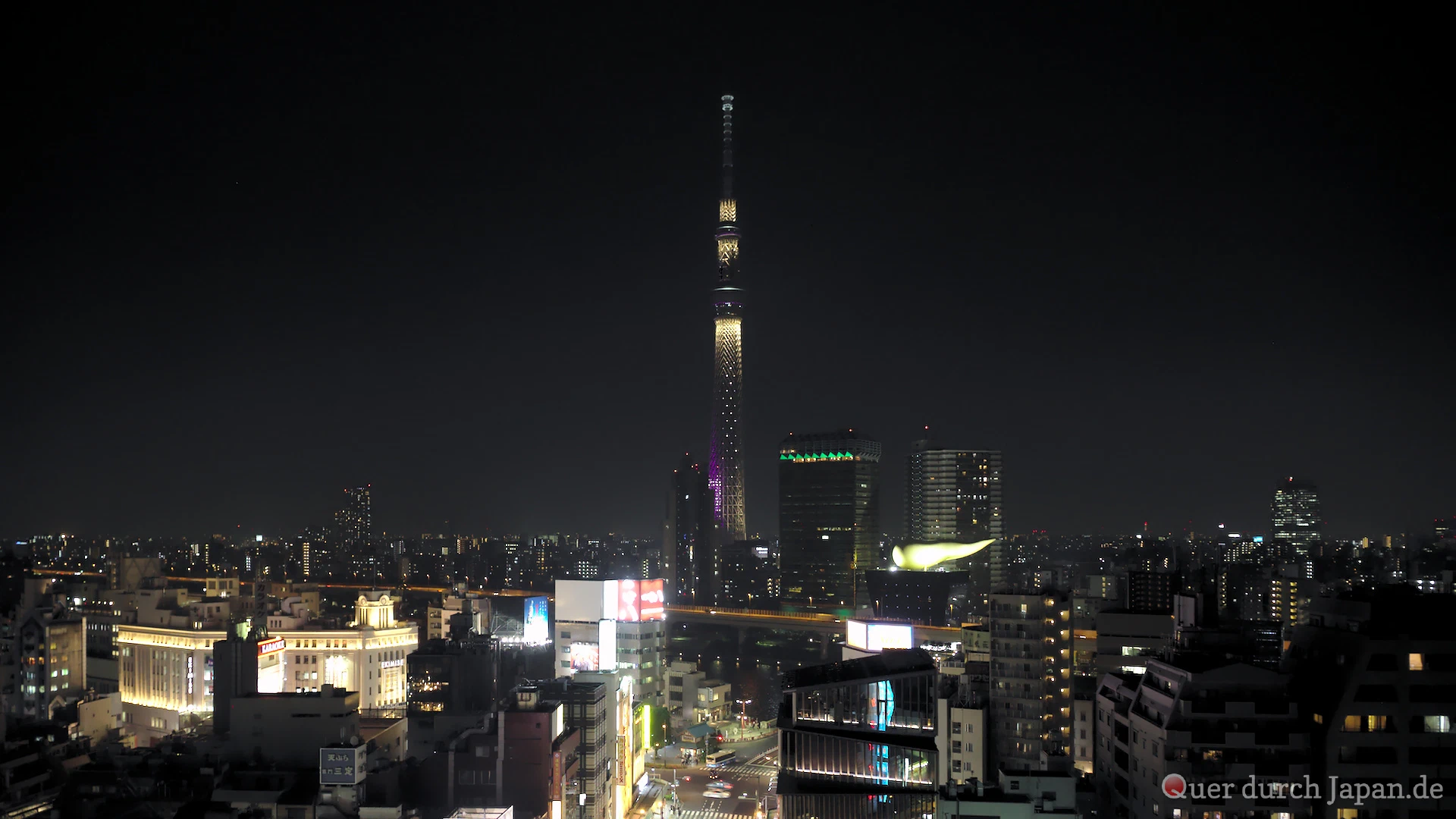
At 634 metres, the Skytree in Tōkyō is the tallest TV tower and the second-tallest building in the world. It opened in 2012 after four years of building work.

The tower is made up of a massive reinforced concrete pillar surrounded by a strut-like steel skeleton. The design was inspired by the pagoda in Nikkō, which is supposed to make the tower earthquake-proof. And it works – the Skytree actually survived the massive 2011 Tōhoku earthquake pretty much unscathed.

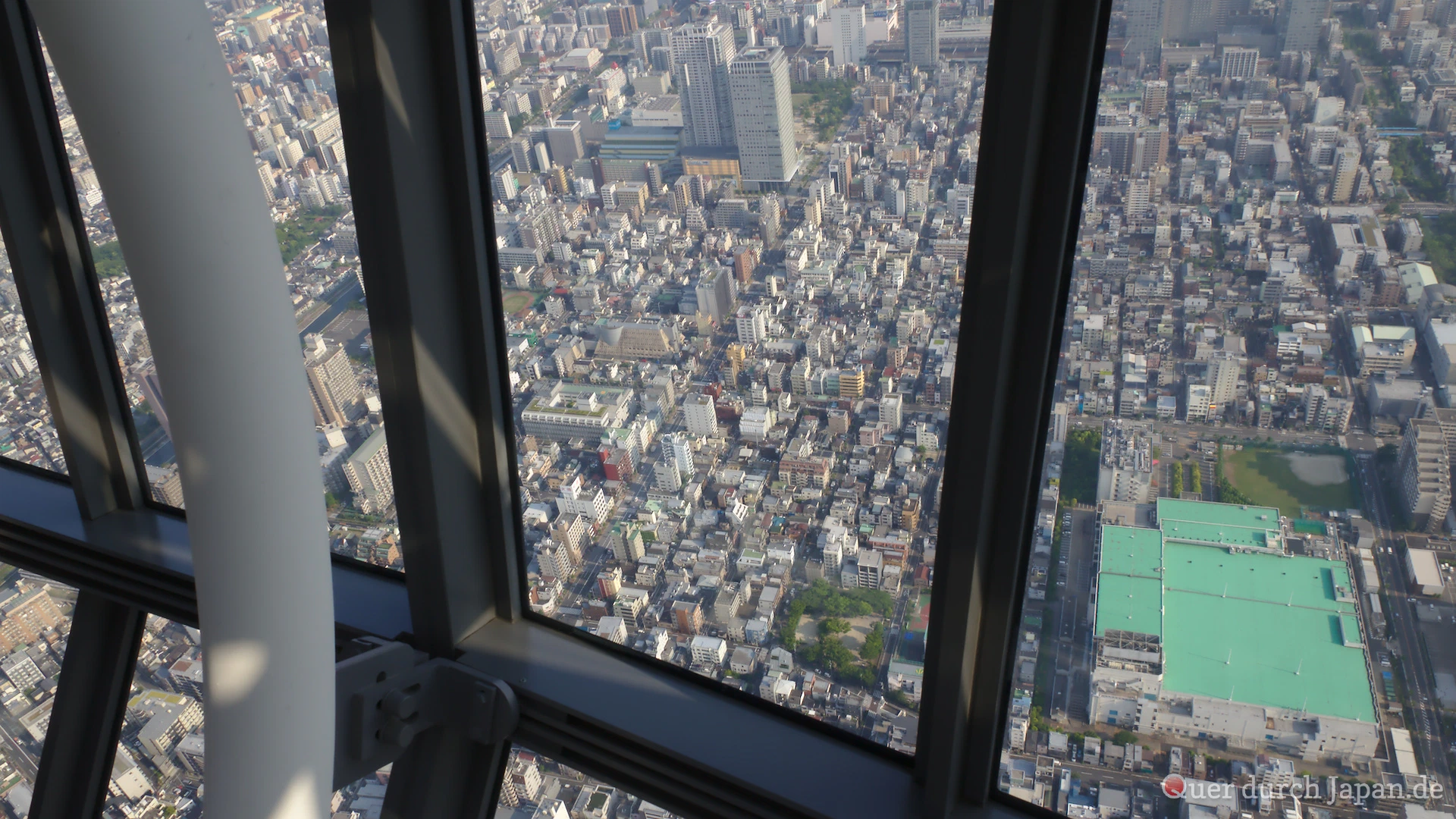
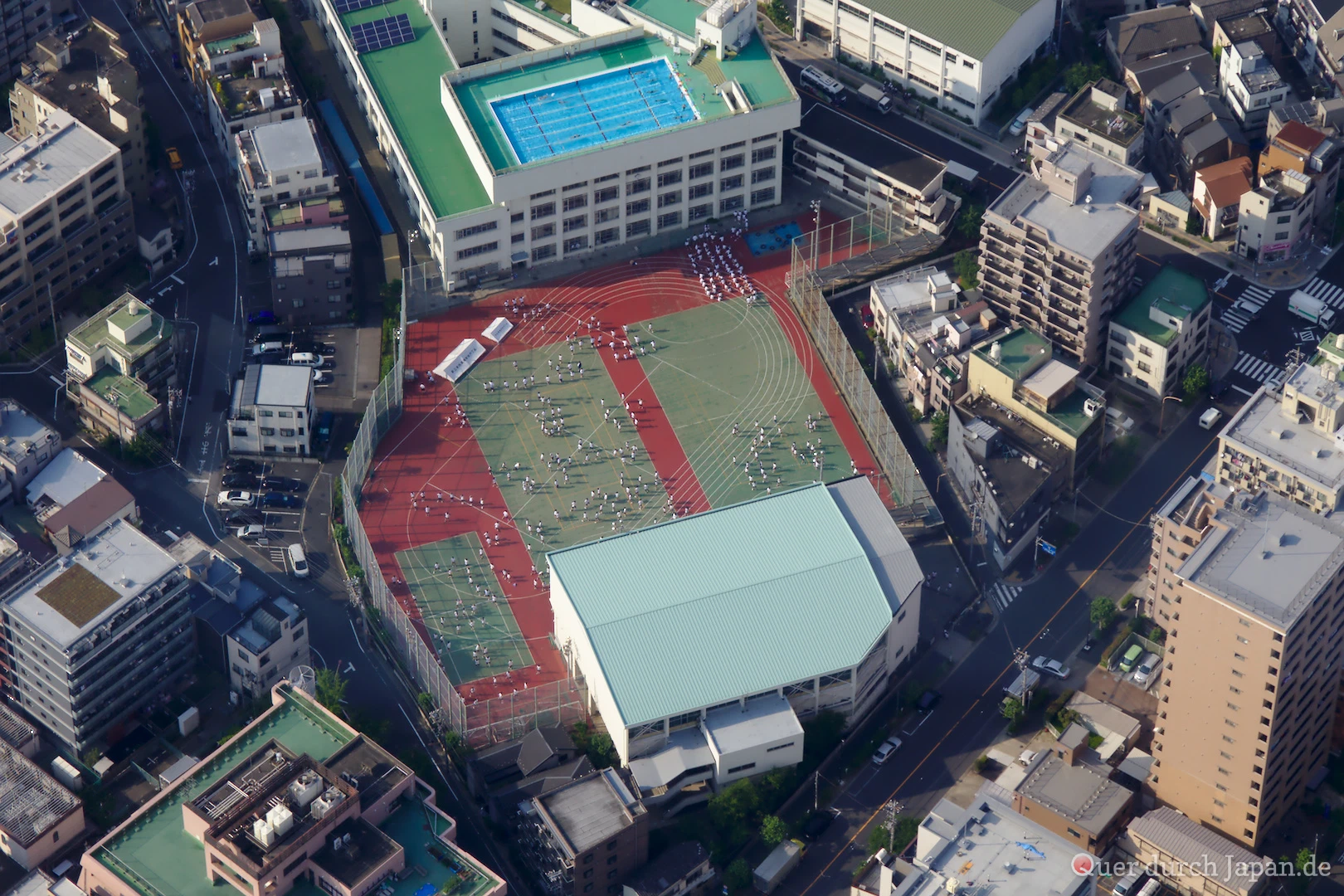
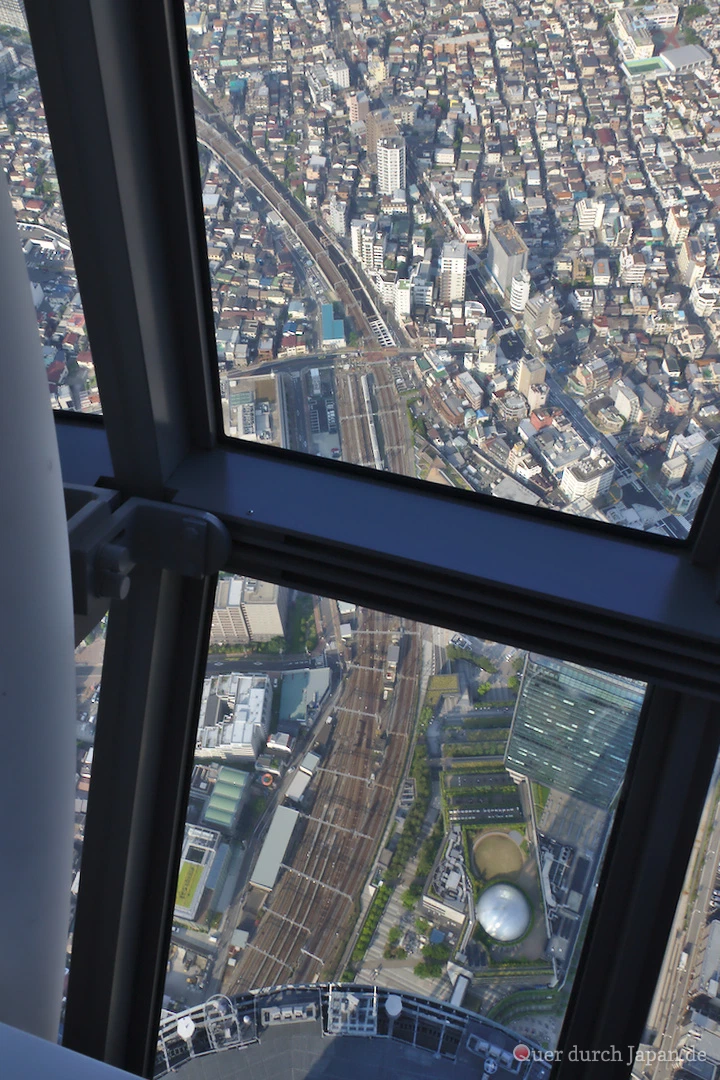
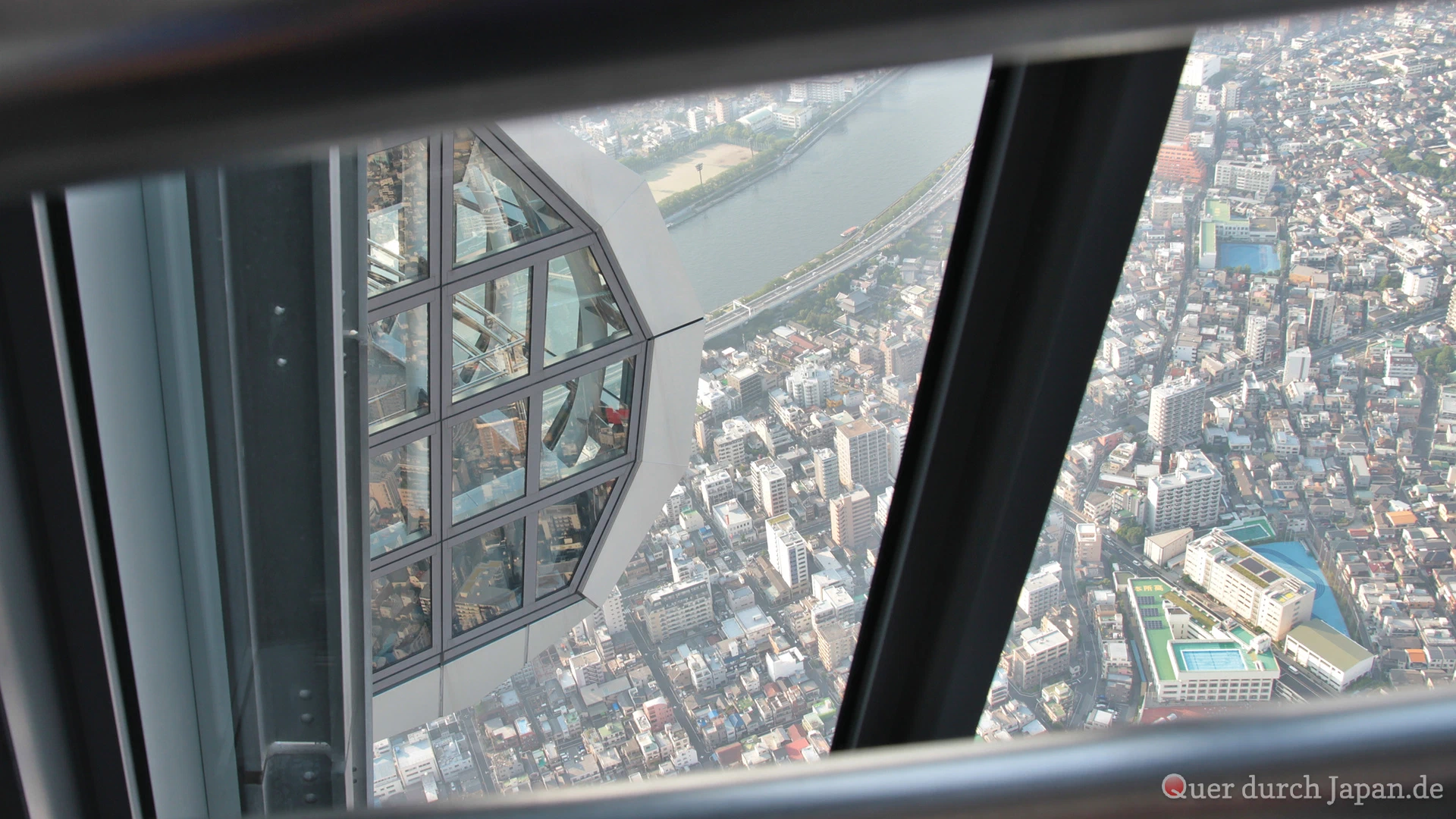
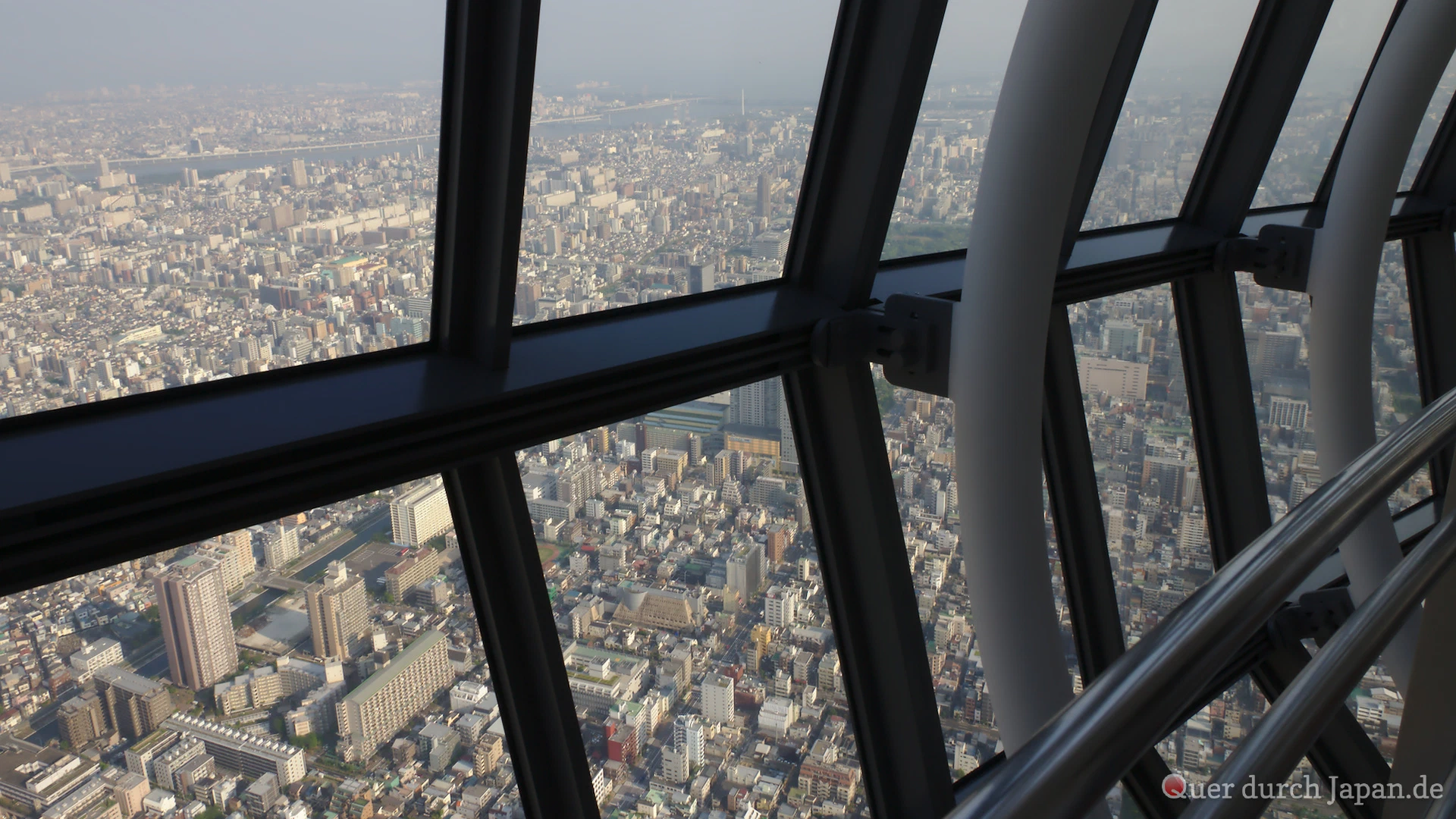
The lower platform, the Tembo Deck, sits at 350 metres up and offers the usual mix of restaurants and souvenir shops alongside its panoramic windows. You can also look right down to the ground through a glass floor.

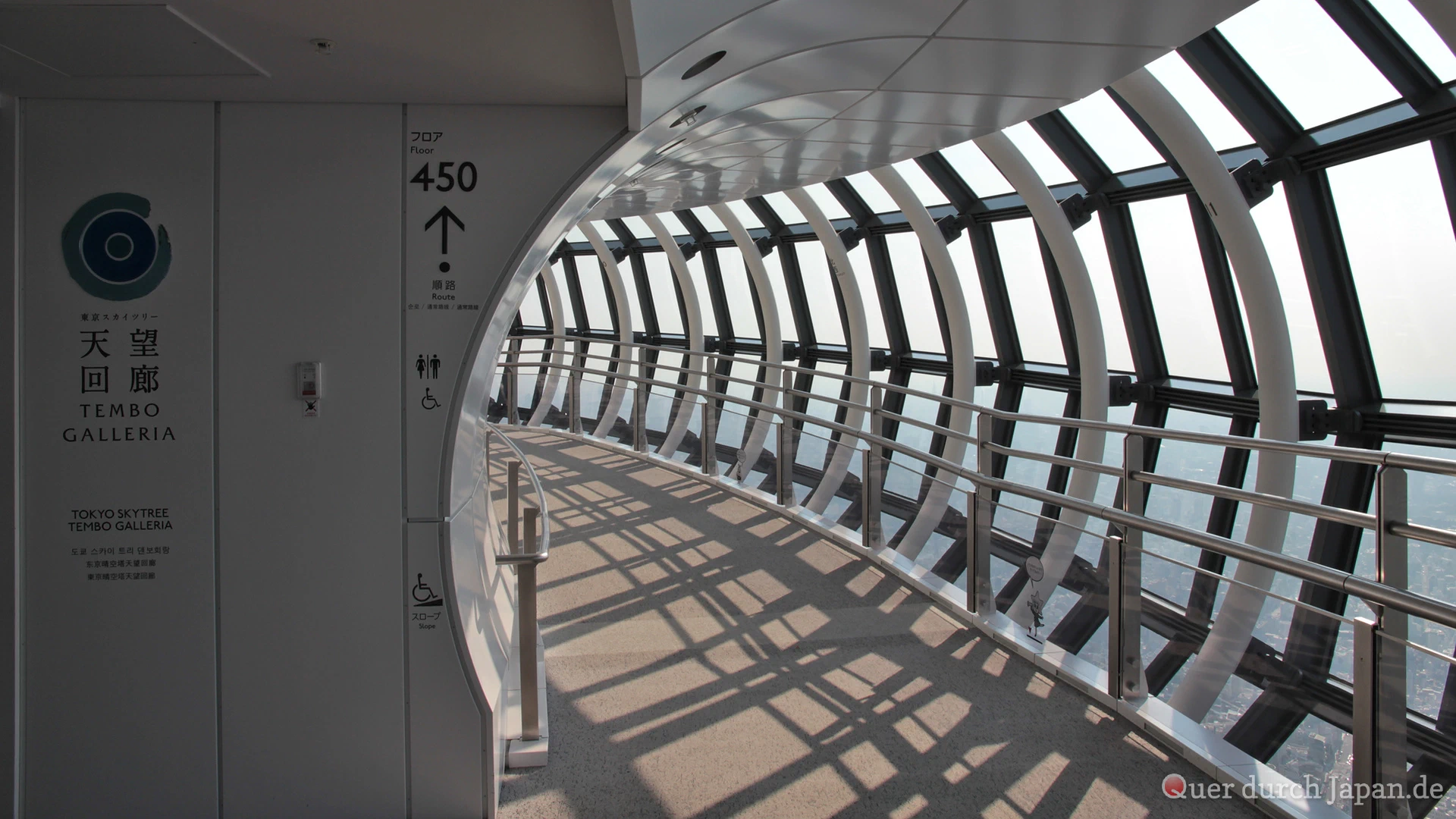
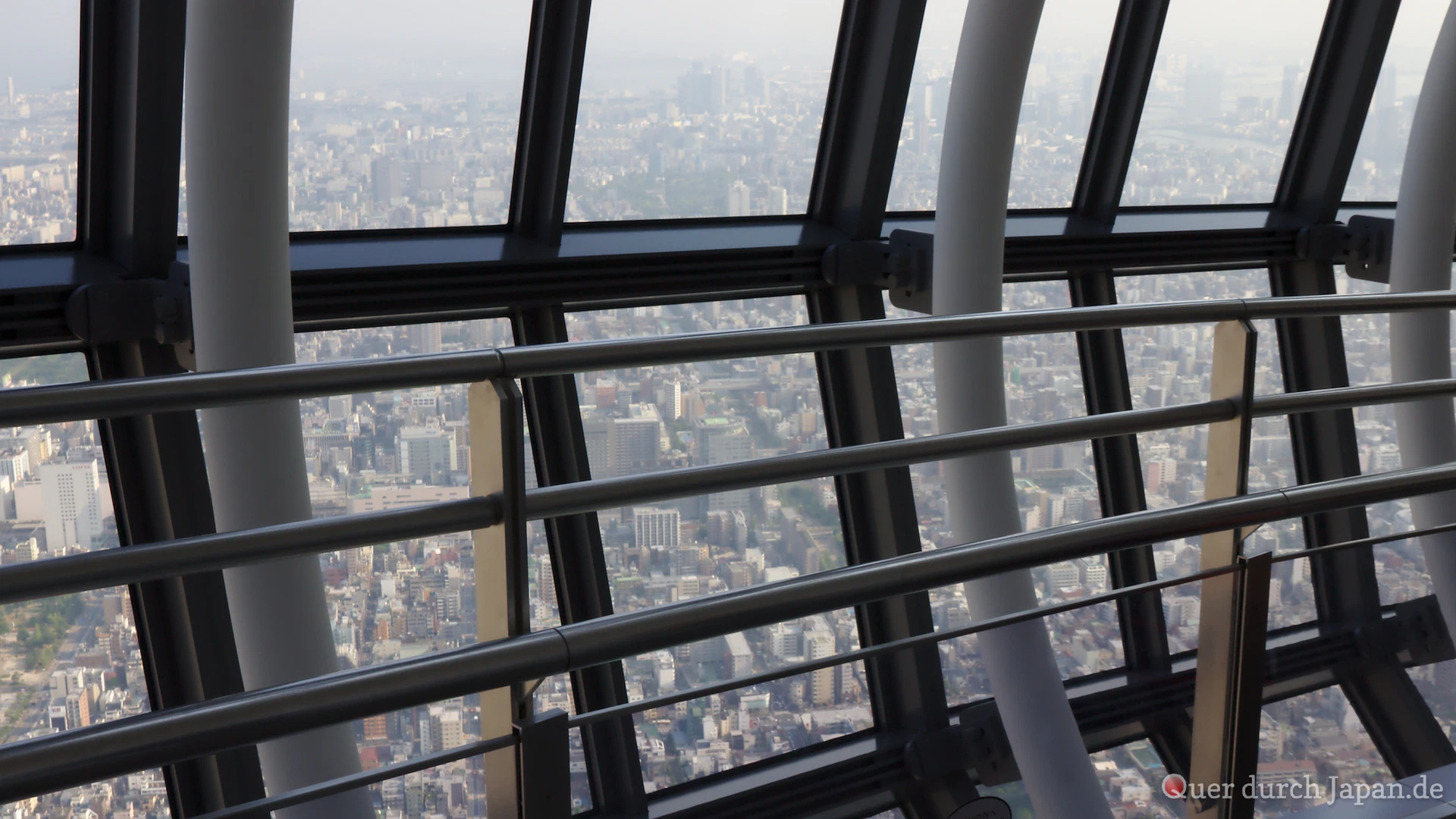
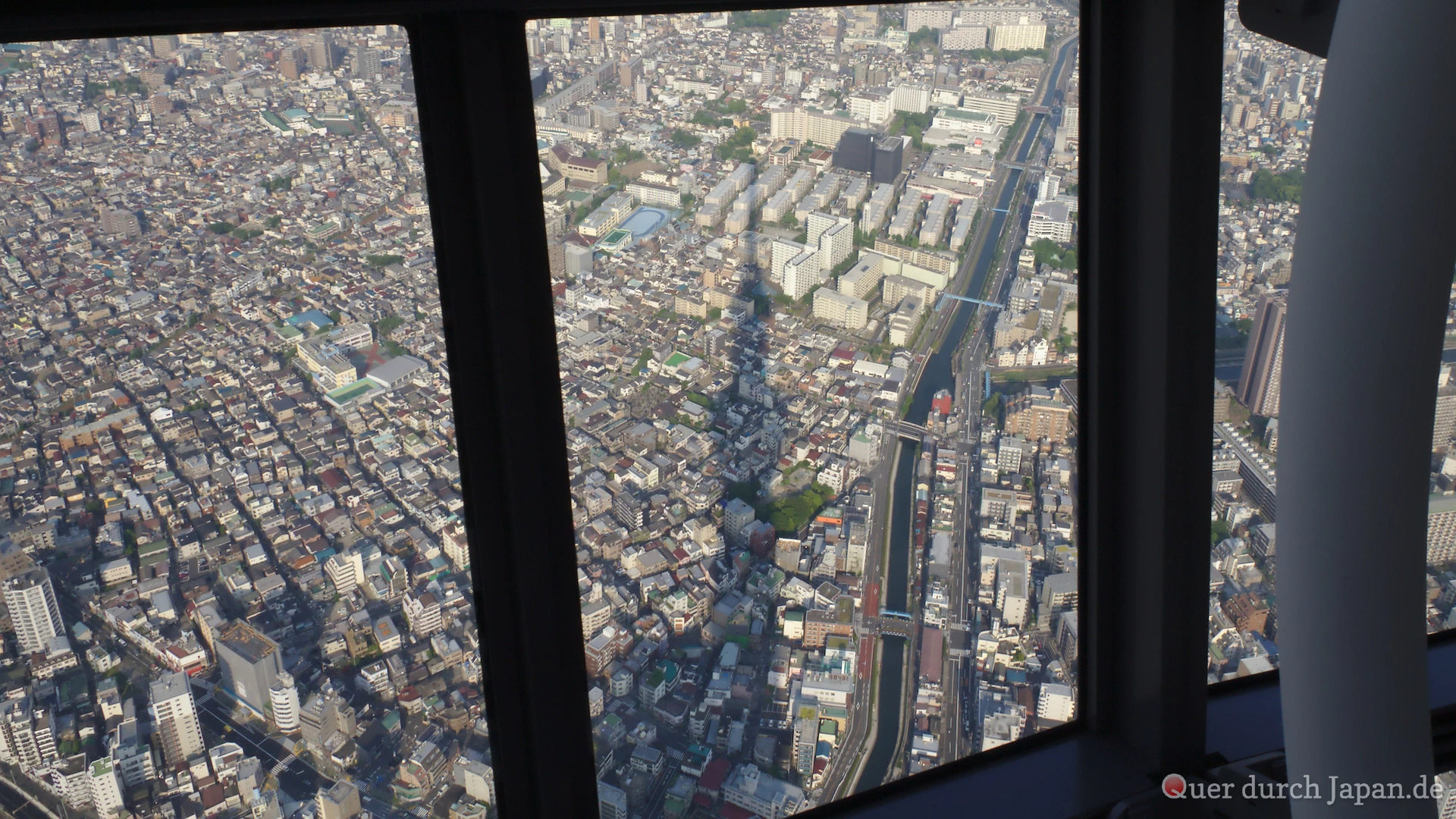
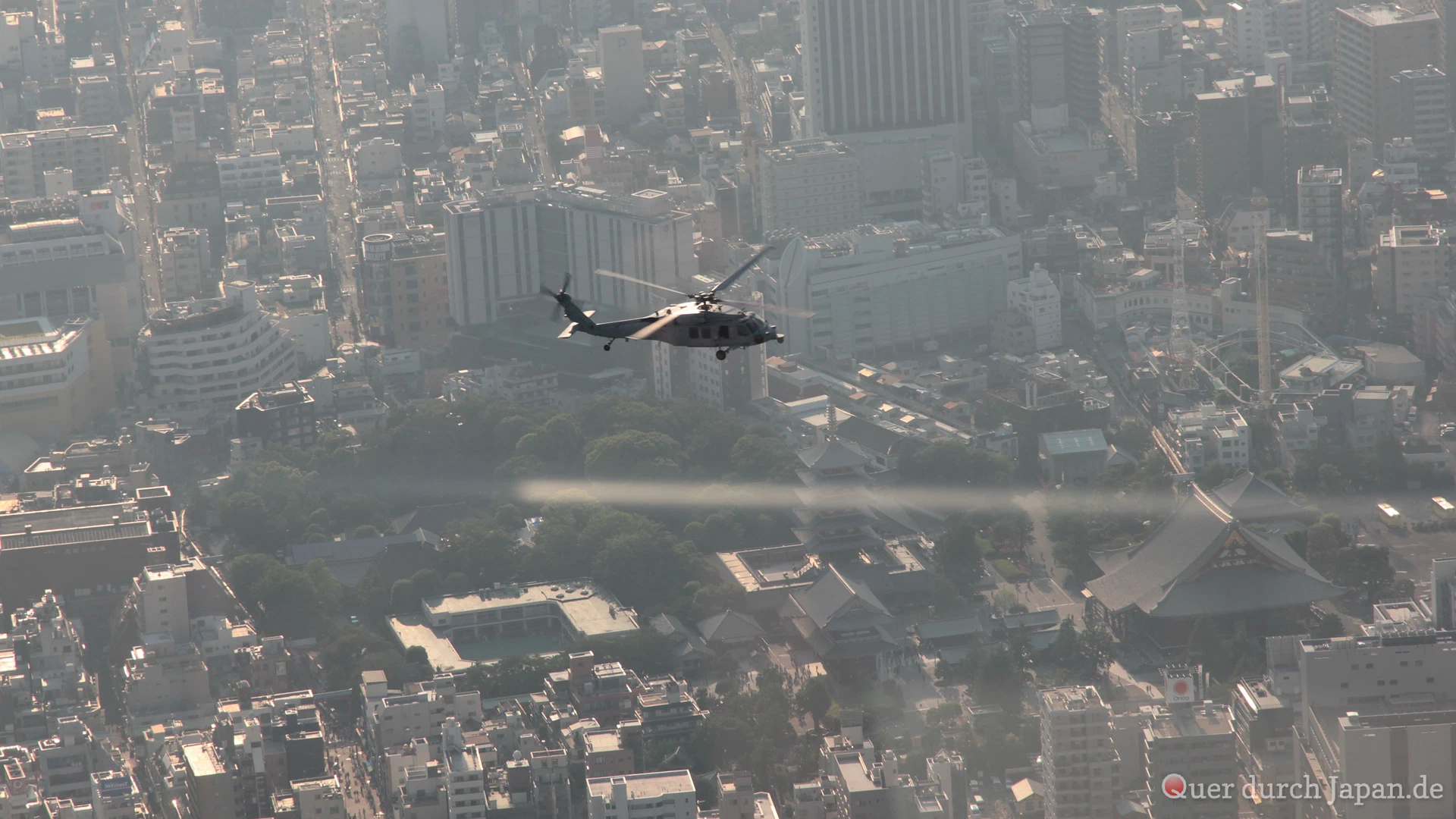
A separate lift takes you up to the second platform, the Tembo Galleria, which is another 100 metres higher. The extra cost is totally worth it, because you get an even better view of Tōkyō from a spiral tunnel attached to the outside of the building.

A standard ticket (“Same-day Ticket”) costs 2,060¥ and gets you to the Tembo Deck. Once you’re there, you can buy a ticket for the Tembo Galleria for another 1,030¥. Alternatively, tourists can show their ID at a separate counter to get express tickets (“Fast Skytree Ticket”). They cost 3,000¥ for the Tembo Deck, or you can get a combo ticket for both platforms for 4,000¥. This ticket lets you join a fast-track queue for the lifts, though to be honest, I didn’t think it saved that much time. If the lifts aren’t too busy and you’re not in a rush, the standard ticket is probably fine.

Ghibli-Museum

Studio Ghibli is probably the most famous animation studio in Japan. Productions like Spirited Away, Howl’s Moving Castle and Princess Mononoke are famous worldwide. It was founded in 1985 by Hayao Miyazaki and (the recently deceased) Isao Takahata, among others. One of their joint works, even if it’s from the time before Ghibli, should be pretty familiar to almost everyone here: it’s the TV series Heidi.

It’s true: Heidi is a Japanese cartoon, an anime! Unlike in Germany, though, cartoons in Japan aren’t a niche market aimed mainly at kids. Over 430 anime studios there cover a massive thematic spectrum for all age groups with their offerings and make billions in revenue. Studio Ghibli made a name for itself through feature-length, imaginative, and lavishly produced anime for young and old. Many are award-winning, Spirited Away even won a Golden Bear and an Oscar.

In Mitaka, a suburb of Tōkyō, the Ghibli Museum sits nestled in a park. You’d barely be able to spot it for all the green, if it weren’t for the clearly visible five-metre-tall robot from the anime Castle in the Sky standing in the roof garden.

We got our first surprise right at the entrance. The ticket isn’t just some boring strip of paper, but an actual piece of original film from a Ghibli anime.

There’s a lot for both adults and kids to discover in the museum. Of course, everything revolves around the films, their characters, and the work behind them. There’s a cinema that also shows exclusive special productions, right now for instance a short film called Boro the Caterpillar. And naturally, the Catbus from the film My Neighbour Totoro is there too, which kids can crawl through.
We’d love to whet your appetite for the museum even more, but taking photos wasn’t allowed anywhere except in the roof garden.

You can reach the museum from the station in a good 15 minutes on foot, alternatively there are paid shuttle buses available. Tickets normally cost 1000¥. You can’t buy them at the museum, though. One option is to buy a (pretty pricey) voucher from JTB before your trip and redeem it at the museum’s ticket office. Alternatively, according to the museum website, you can get the vouchers online or locally at Lawson. The tickets are really sought after and usually sell out fast.

Fotosafari

It’s always worth keeping your eyes open and your camera handy, even off the beaten tourist track.

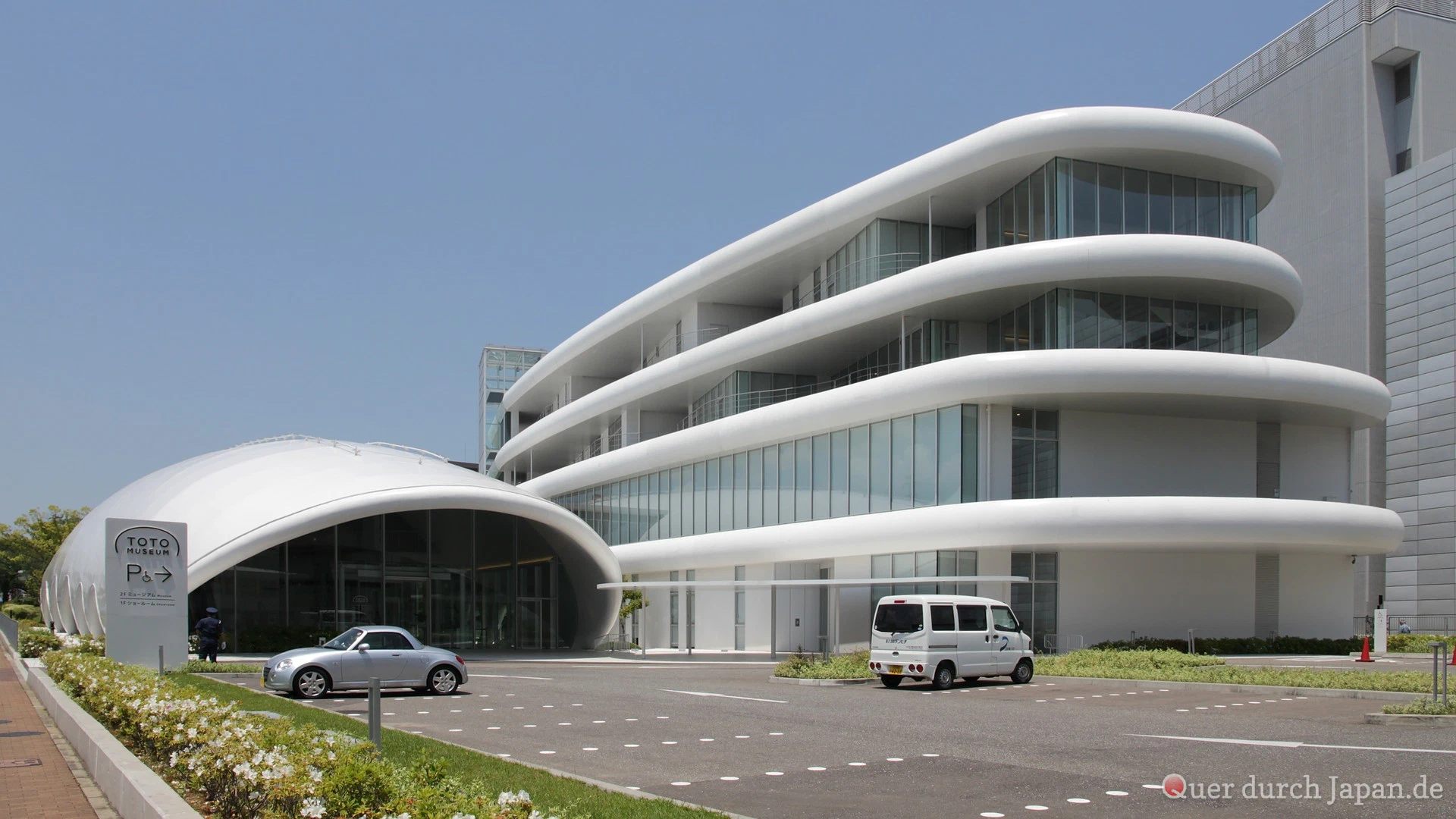
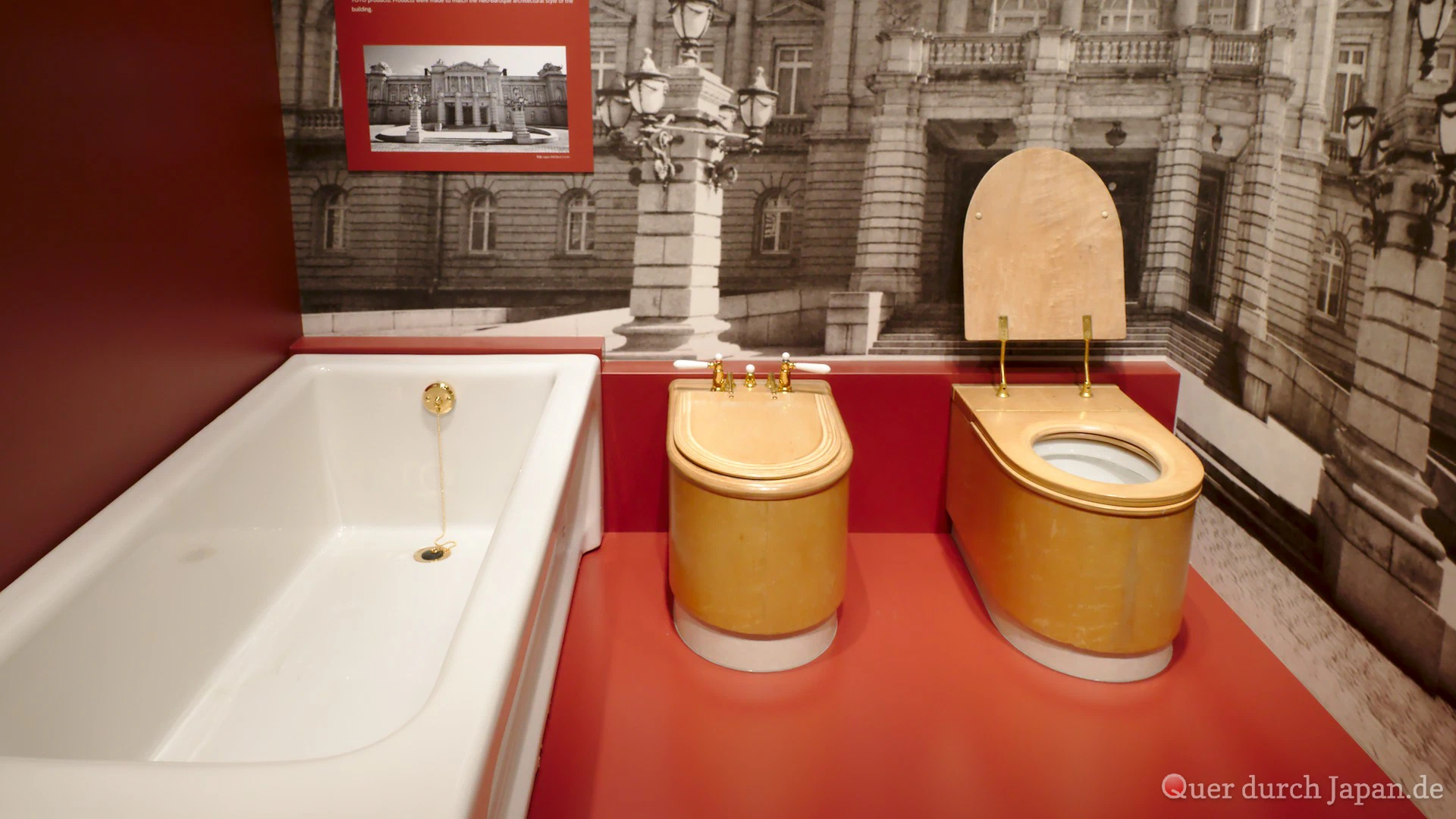
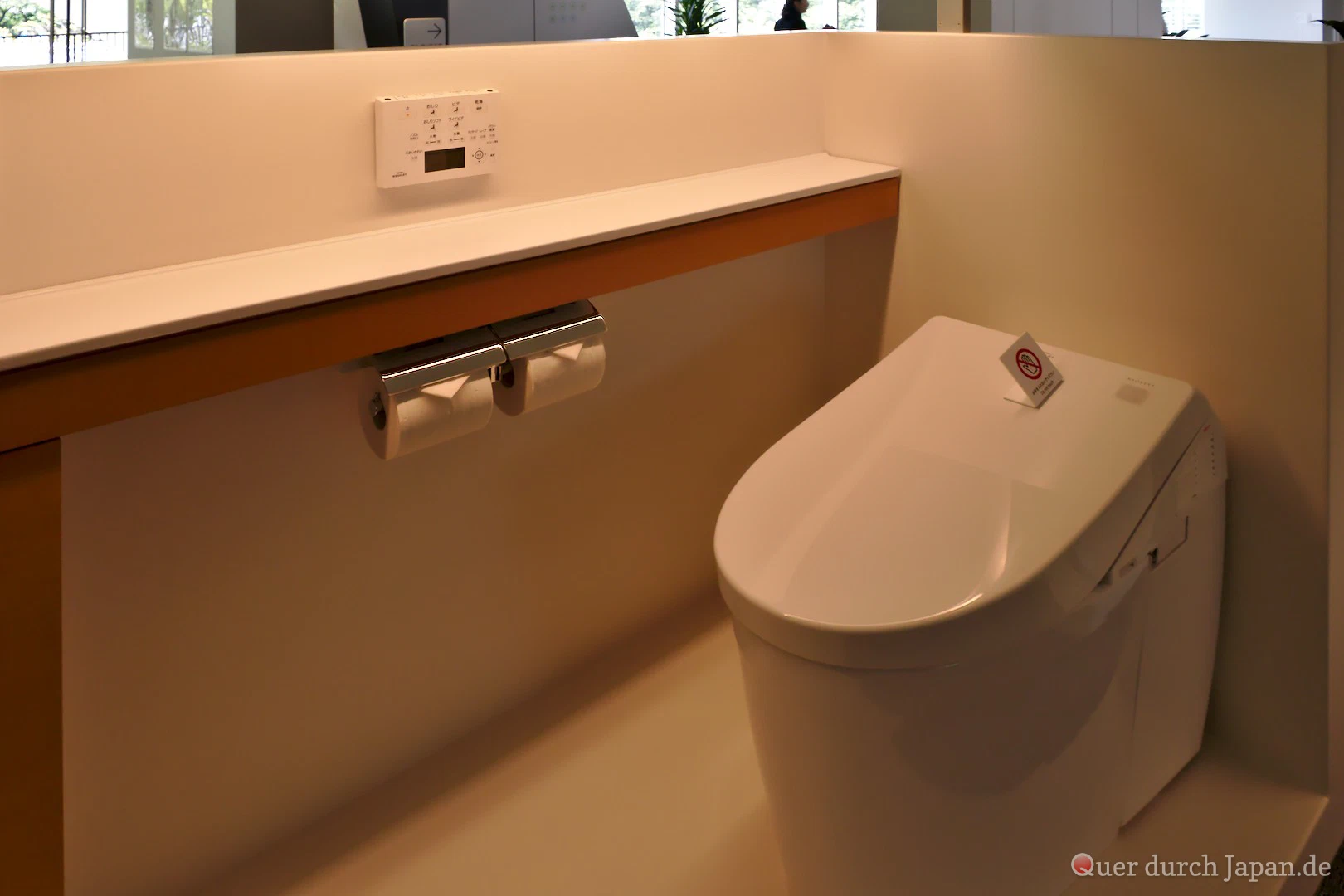
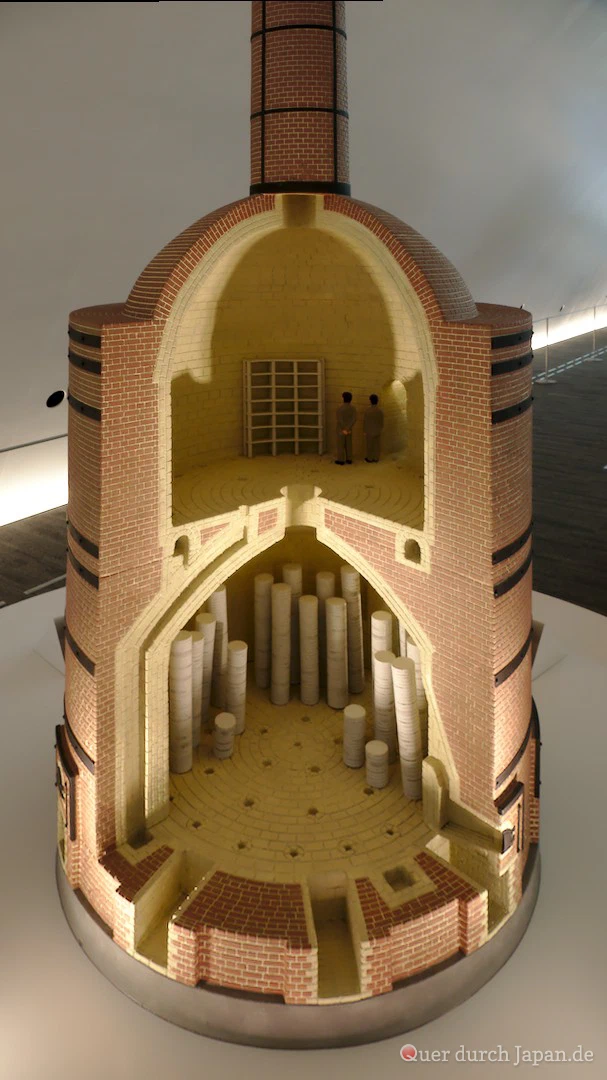
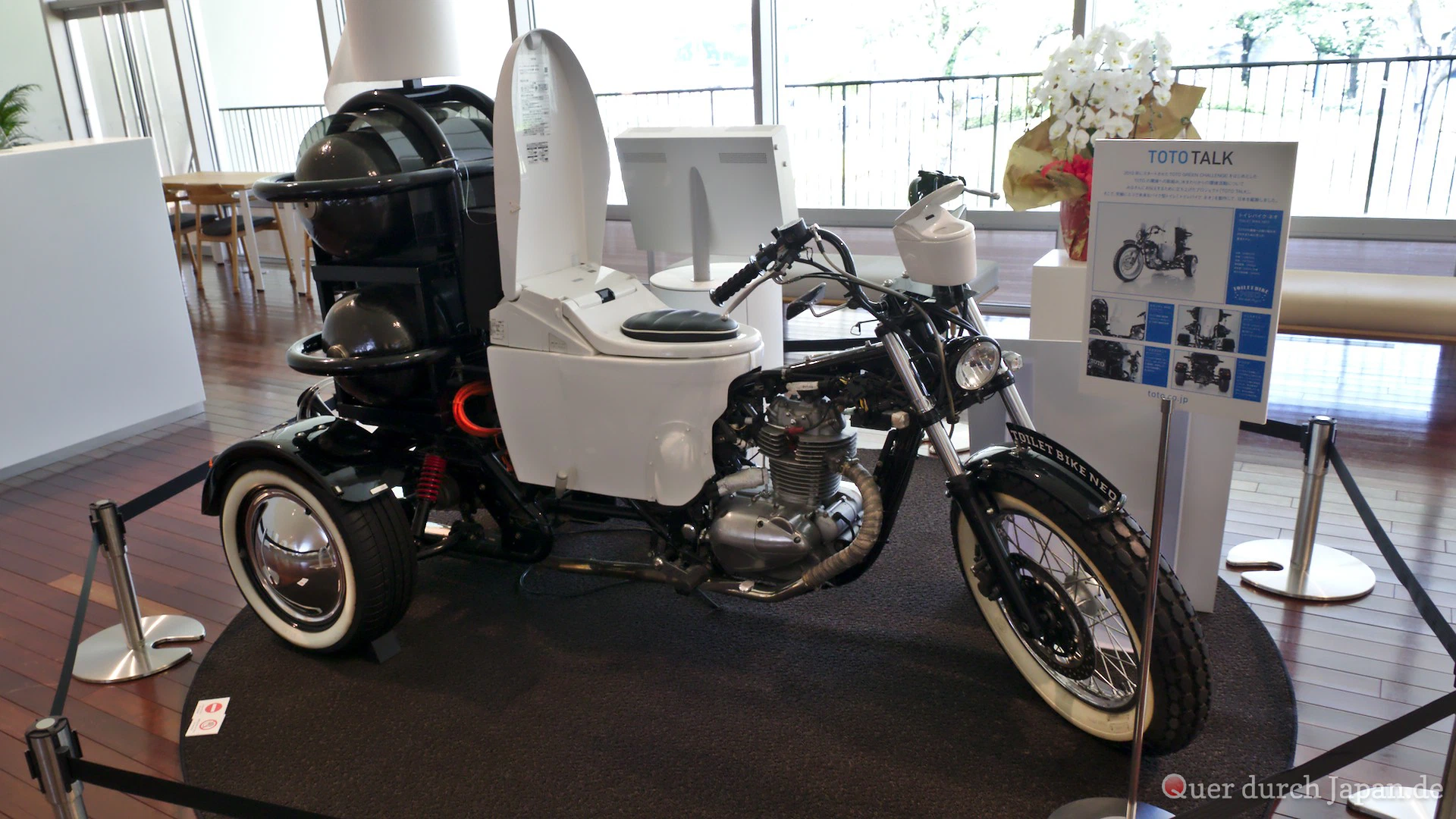
We were in Kitakyūshū that day, on our way from Kokura Station to the Tōtō-Museum, when we walked past a playground. It was pretty big and set around a hill. And it was full of wild animals, made of plastic, sure, but still lovingly designed. You could even discover a fossilised dinosaur in a sandpit.

The kids can let off steam here while their parents chill out on octopus and frog benches. And we went on a little photo safari here first before carrying on our way.

Kasuga-taisha

The Kasuga-taisha is a Shinto shrine in Nara. It was built in the 8th century - according to a legend on 9 November 768. Right up until the end of the Edo period it was rebuilt every 20 years, just like tradition demanded.

The shrine is famous for its thousands of bronze and stone lanterns. Twice a year they get lit up during festivals, specifically for the Setsubun Mantoro (3 February) and Chūgen Mantoro (14 to 15 August).

The Kasuga-taisha is located in Nara Park. You can get to it from the JR Nara Station by bus or just by walking. If you’re checking out Nara Park, you’ll pretty much inevitably walk past the shrine. Entry costs 500¥. You can look around the outer part of the grounds for free.