Ghibli Museum

Studio Ghibli is probably the most famous animation studio in Japan. Productions like Spirited Away, Howl’s Moving Castle and Princess Mononoke are famous worldwide. It was founded in 1985 by Hayao Miyazaki and (the recently deceased) Isao Takahata, among others. One of their joint works, even if it’s from the time before Ghibli, should be pretty familiar to almost everyone here in Germany: it’s the TV series Heidi.

It’s true: Heidi is a Japanese cartoon, an anime! Unlike in Germany, though, cartoons in Japan aren’t a niche market aimed mainly at kids. Over 430 anime studios there cover a massive thematic spectrum for all age groups with their offerings and make billions in revenue. Studio Ghibli made a name for itself through feature-length, imaginative, and lavishly produced anime for young and old. Many are award-winning, Spirited Away even won a Golden Bear and an Oscar.

In Mitaka, a suburb of Tōkyō, the Ghibli Museum sits nestled in a park. You’d barely be able to spot it for all the green, if it weren’t for the clearly visible five-metre-tall robot from the anime Castle in the Sky standing in the roof garden.

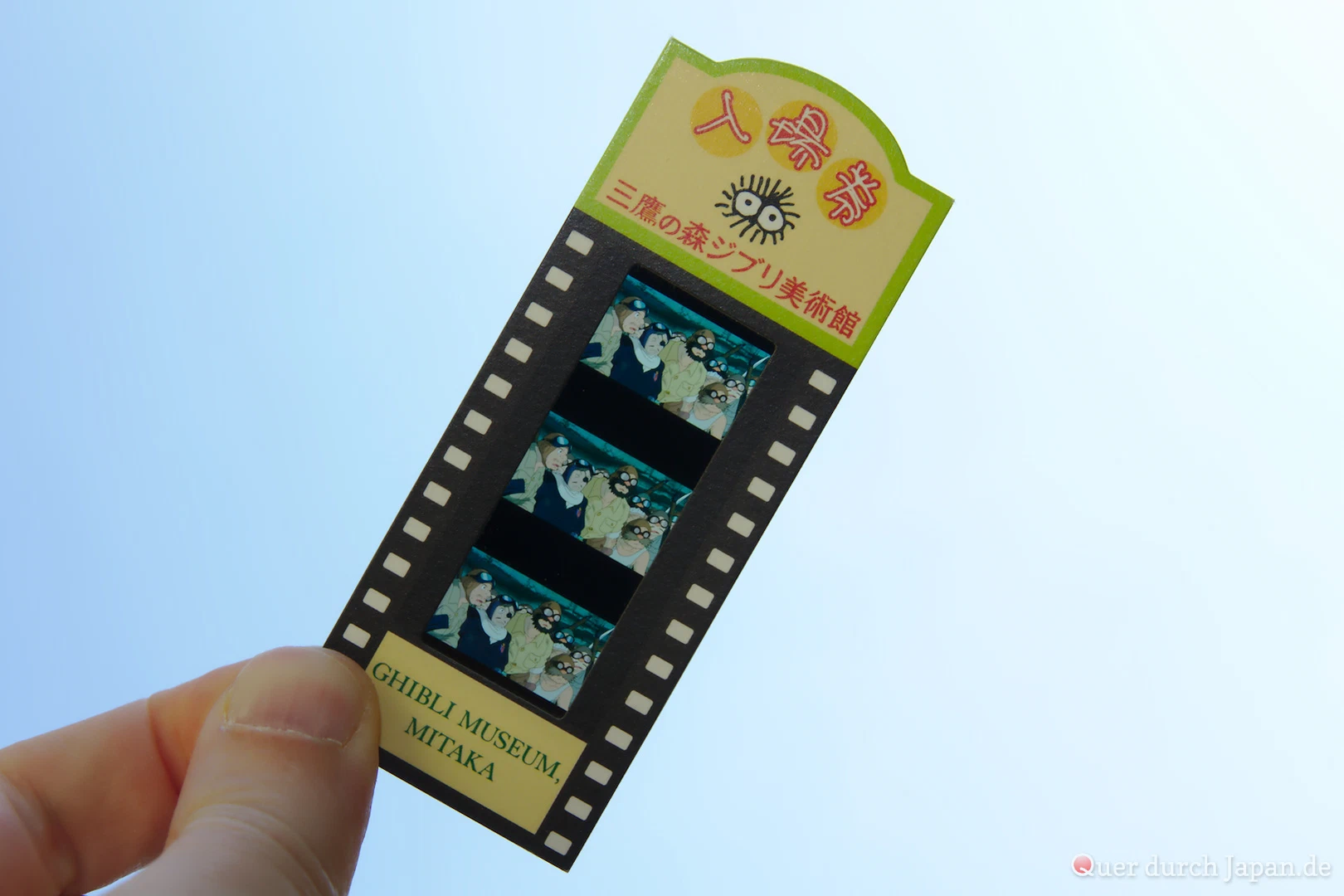
We got our first surprise right at the entrance. The ticket isn’t just some boring strip of paper, but an actual piece of original film from a Ghibli anime.

There’s a lot for both adults and kids to discover in the museum. Of course, everything revolves around the films, their characters, and the work behind them. There’s a cinema that also shows exclusive special productions, right now for instance a short film called Boro the Caterpillar. And naturally, the Catbus from the film My Neighbour Totoro is there too, which kids can crawl through.

We’d love to whet your appetite for the museum even more, but taking photos wasn’t allowed anywhere except in the roof garden.

You can reach the museum from the station in a good 15 minutes on foot, alternatively there are paid shuttle buses available. Tickets normally cost 1000¥. You can’t buy them at the museum, though. One option is to buy a (pretty pricey) voucher from JTB before your trip and redeem it at the museum’s ticket office. Alternatively, according to the museum website, you can get the vouchers online or locally at Lawson. The tickets are really sought after and usually sell out fast.
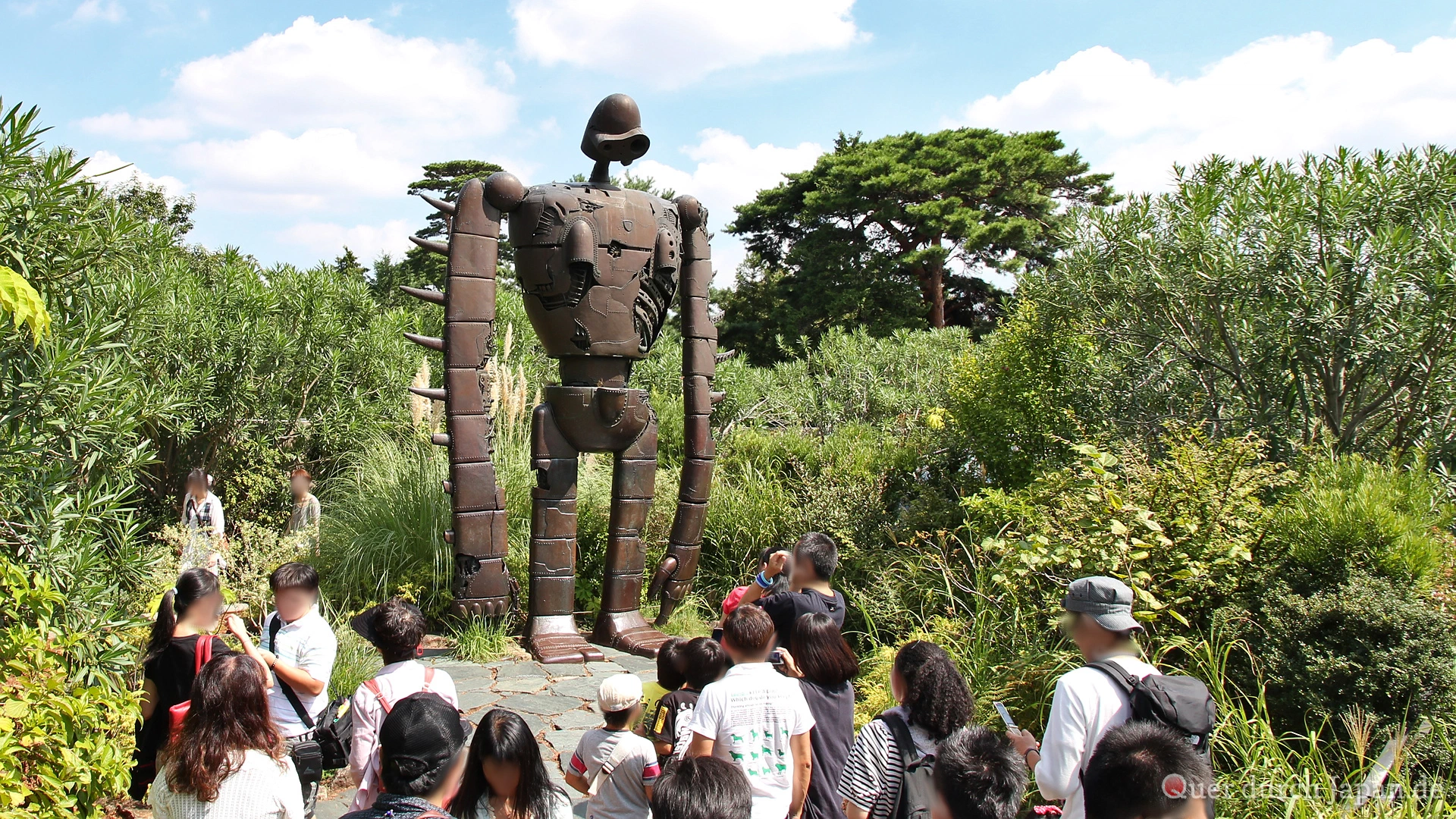
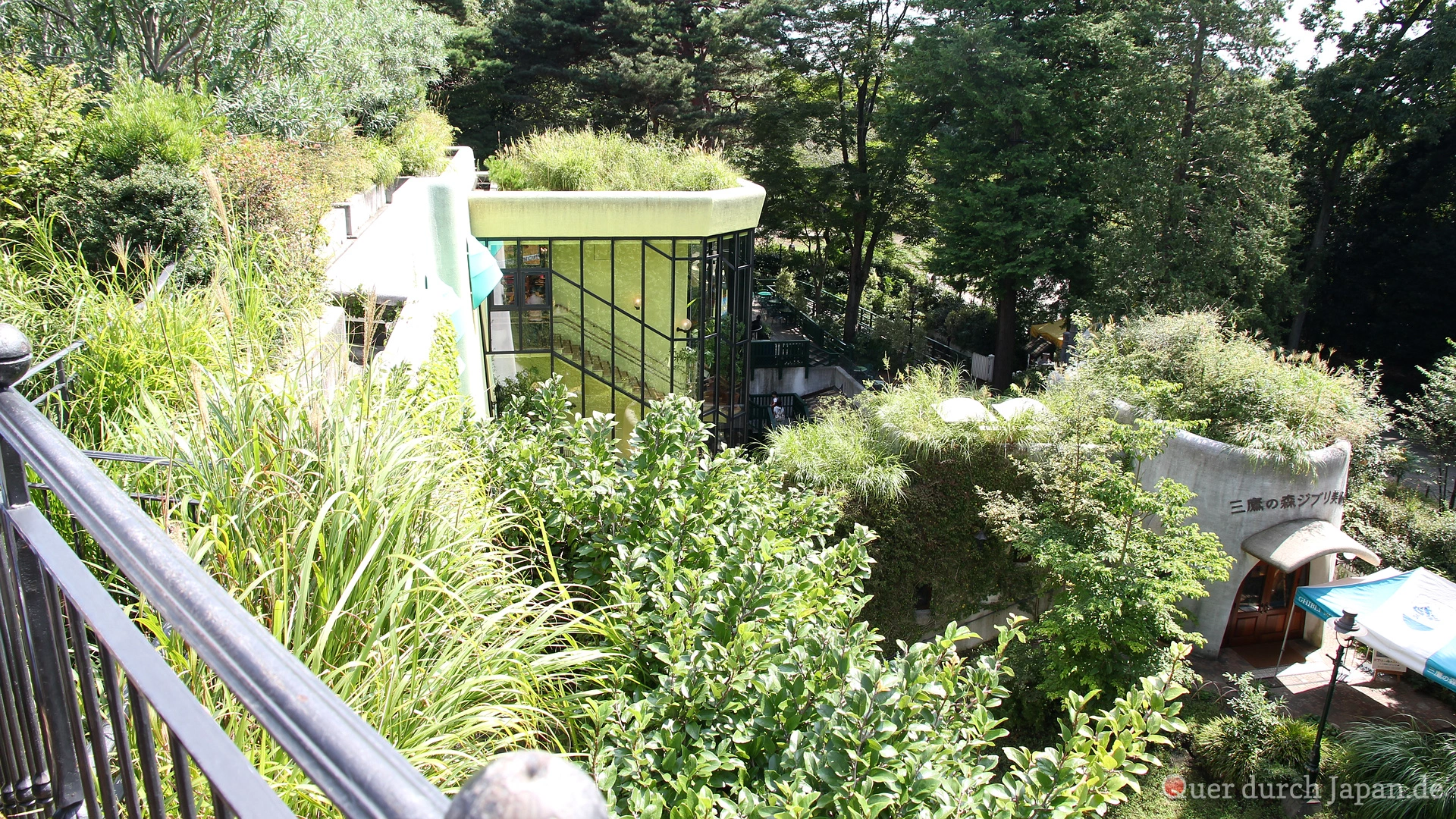
Photo safari

It’s always worth keeping your eyes open and your camera handy, even off the beaten tourist track.

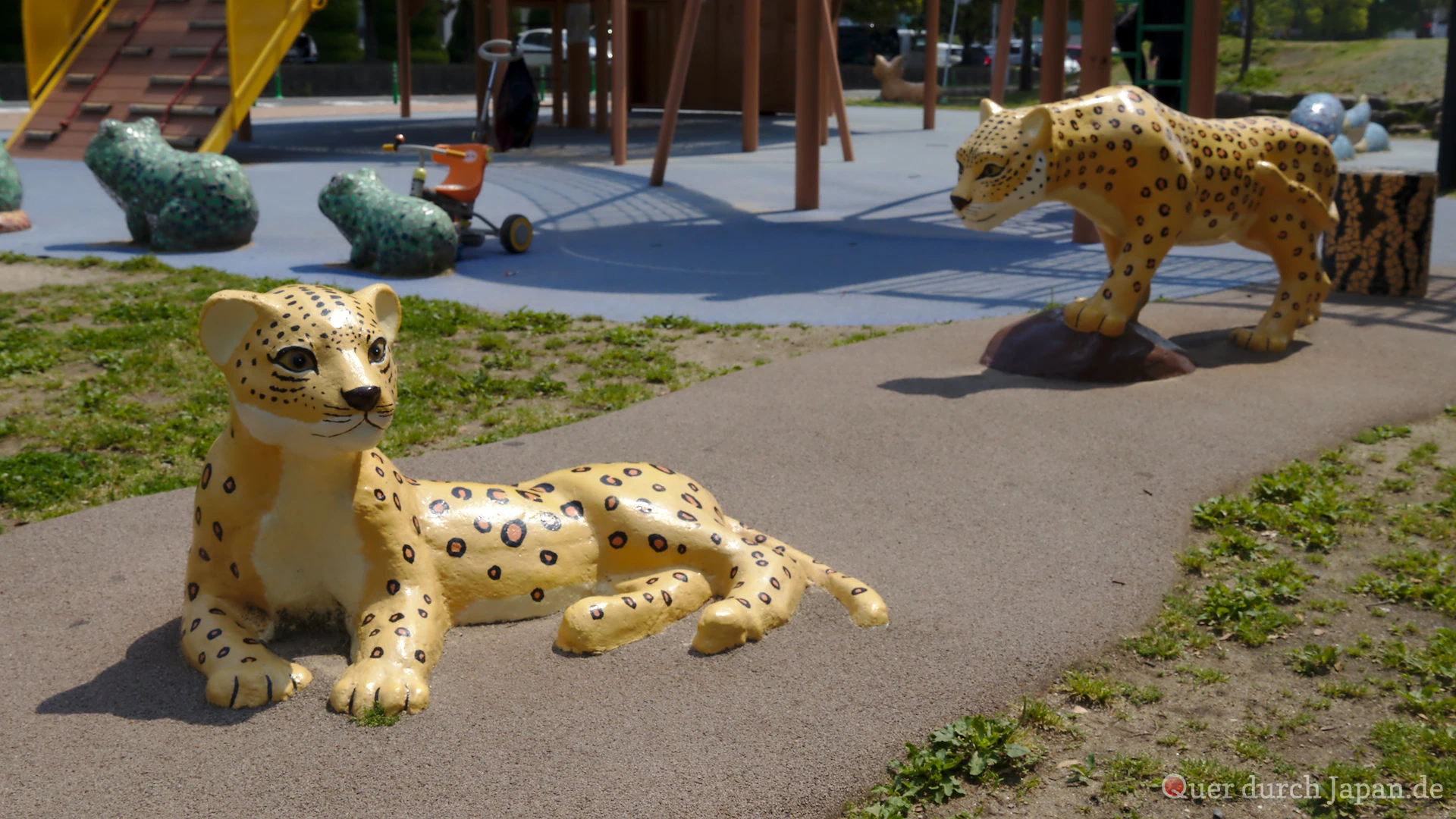
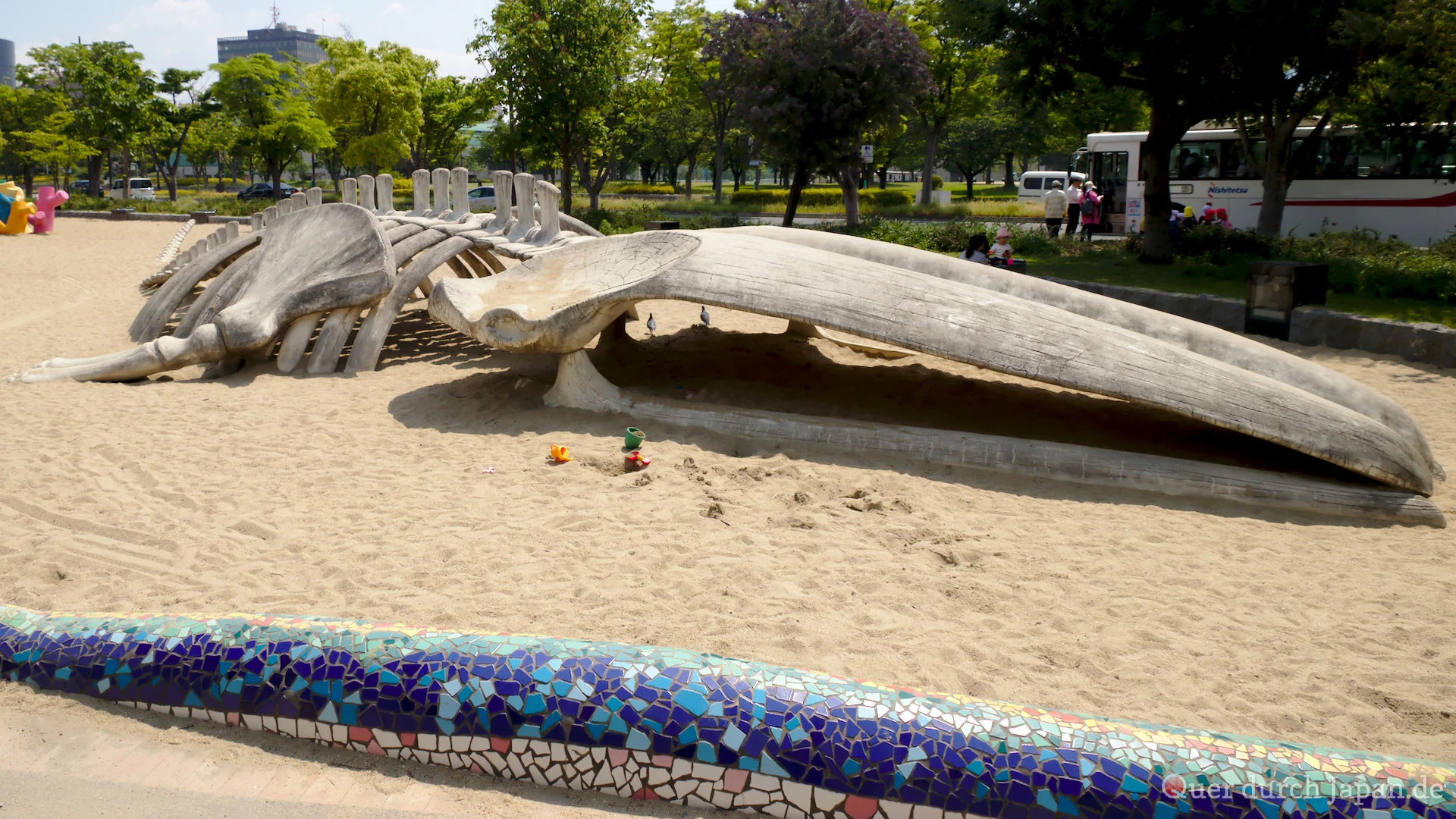
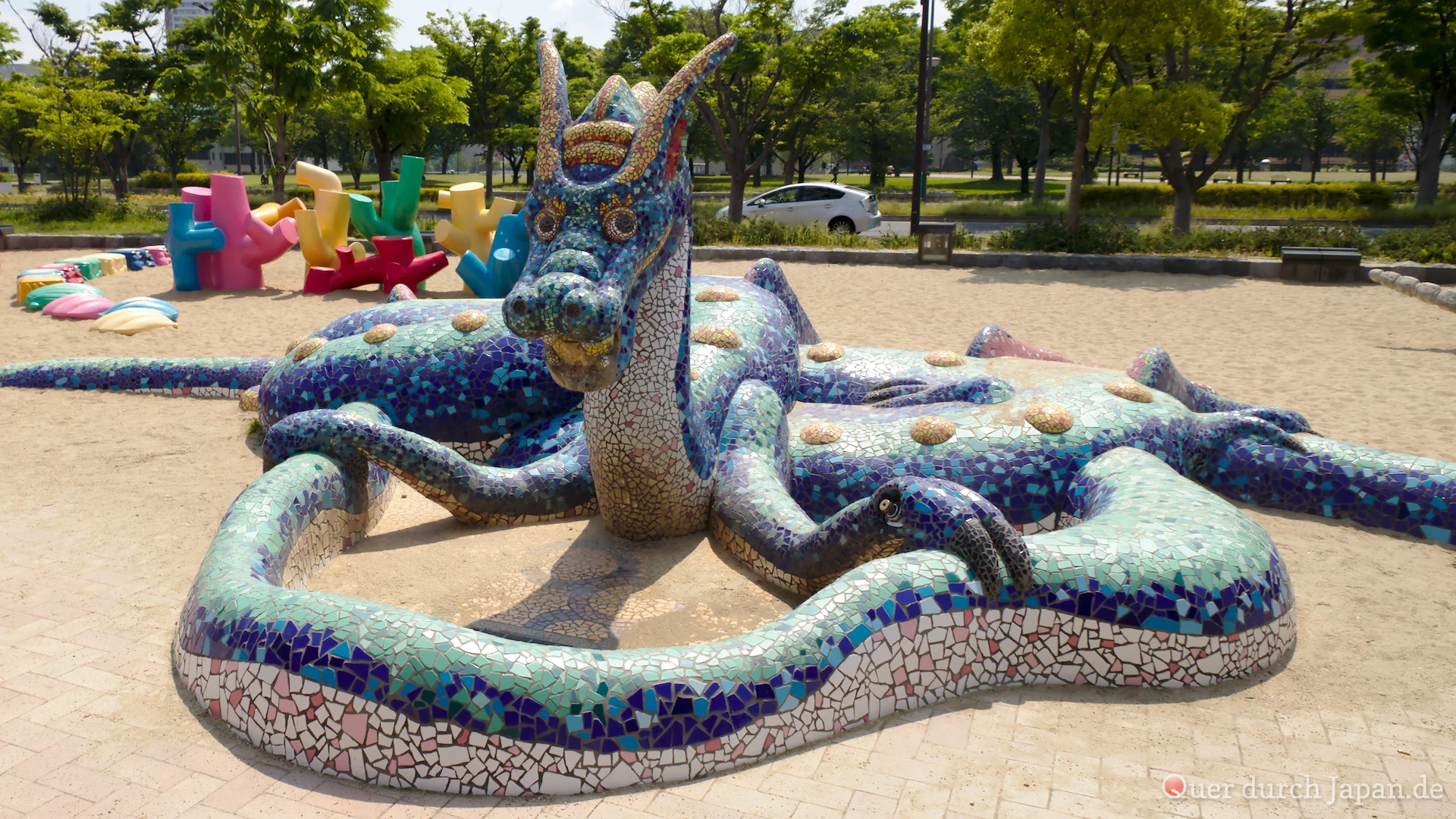
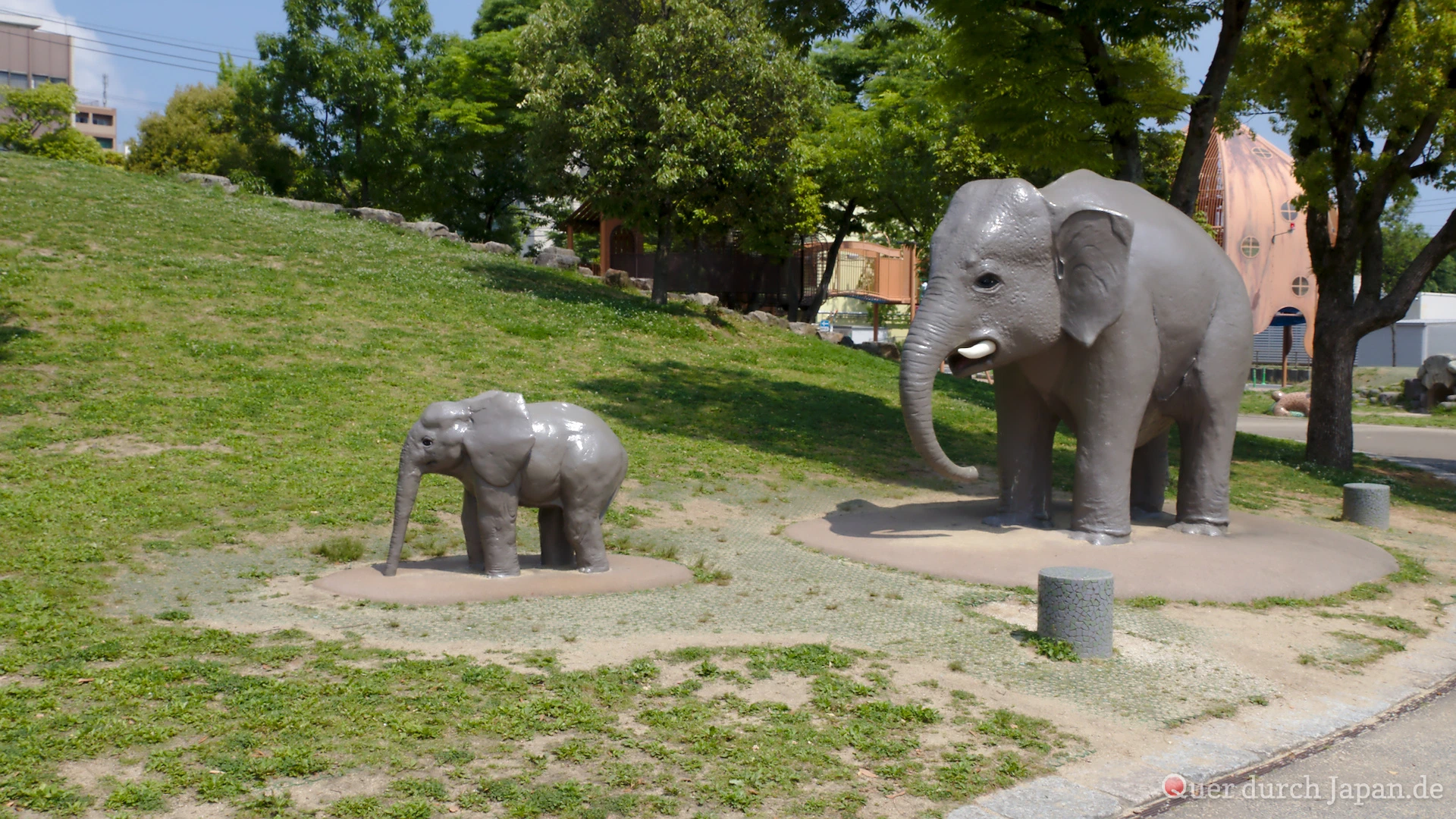
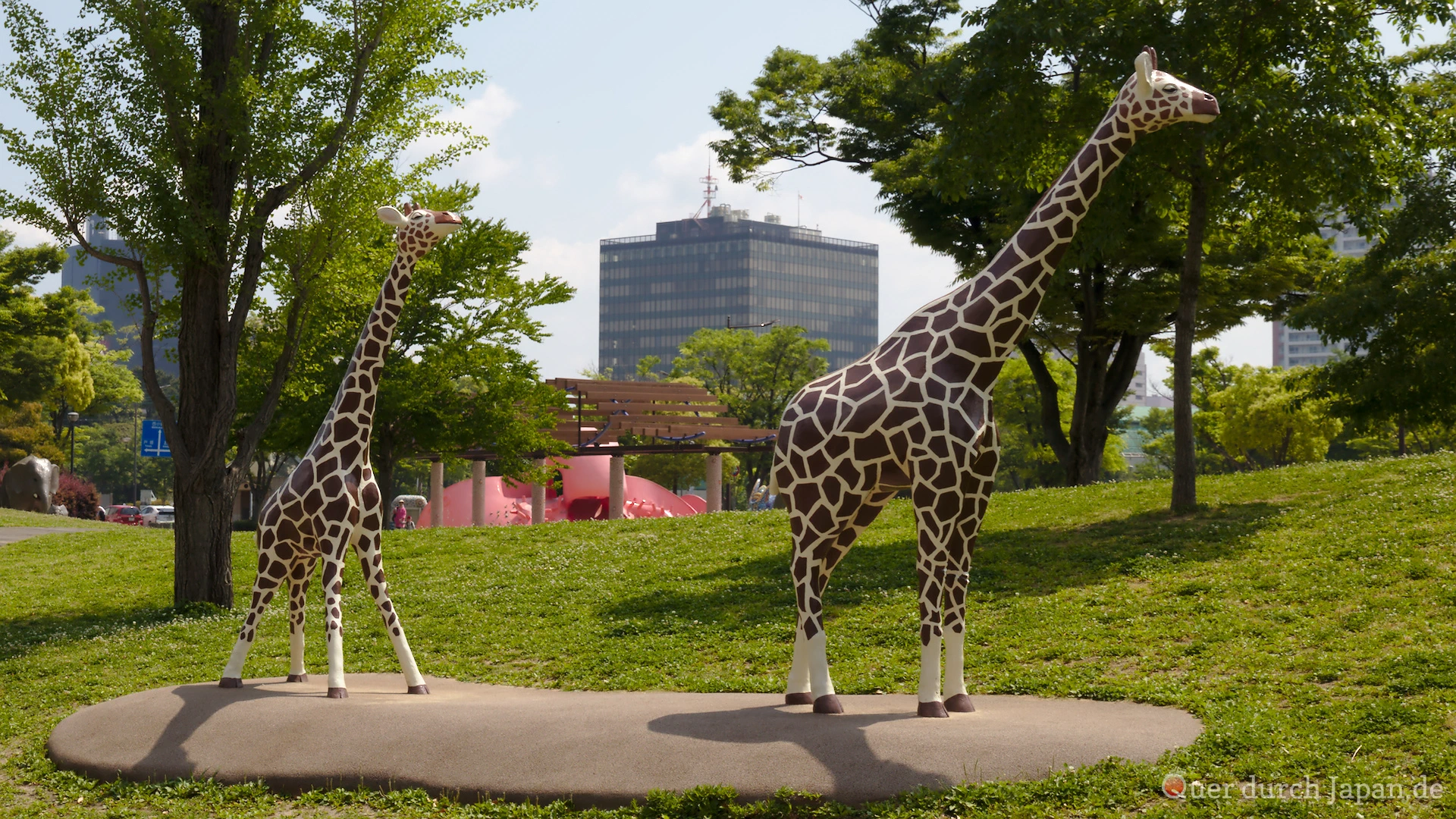
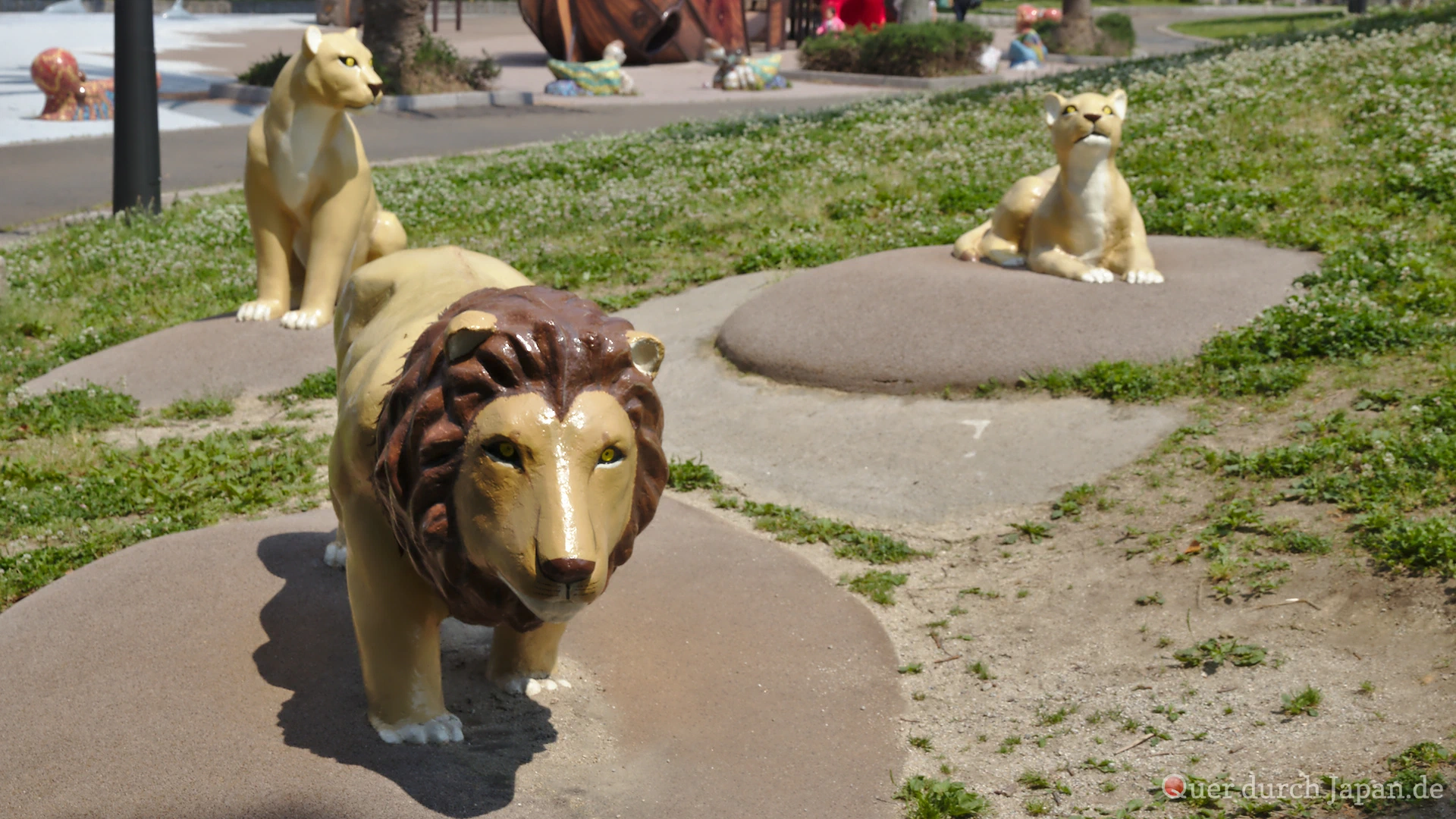
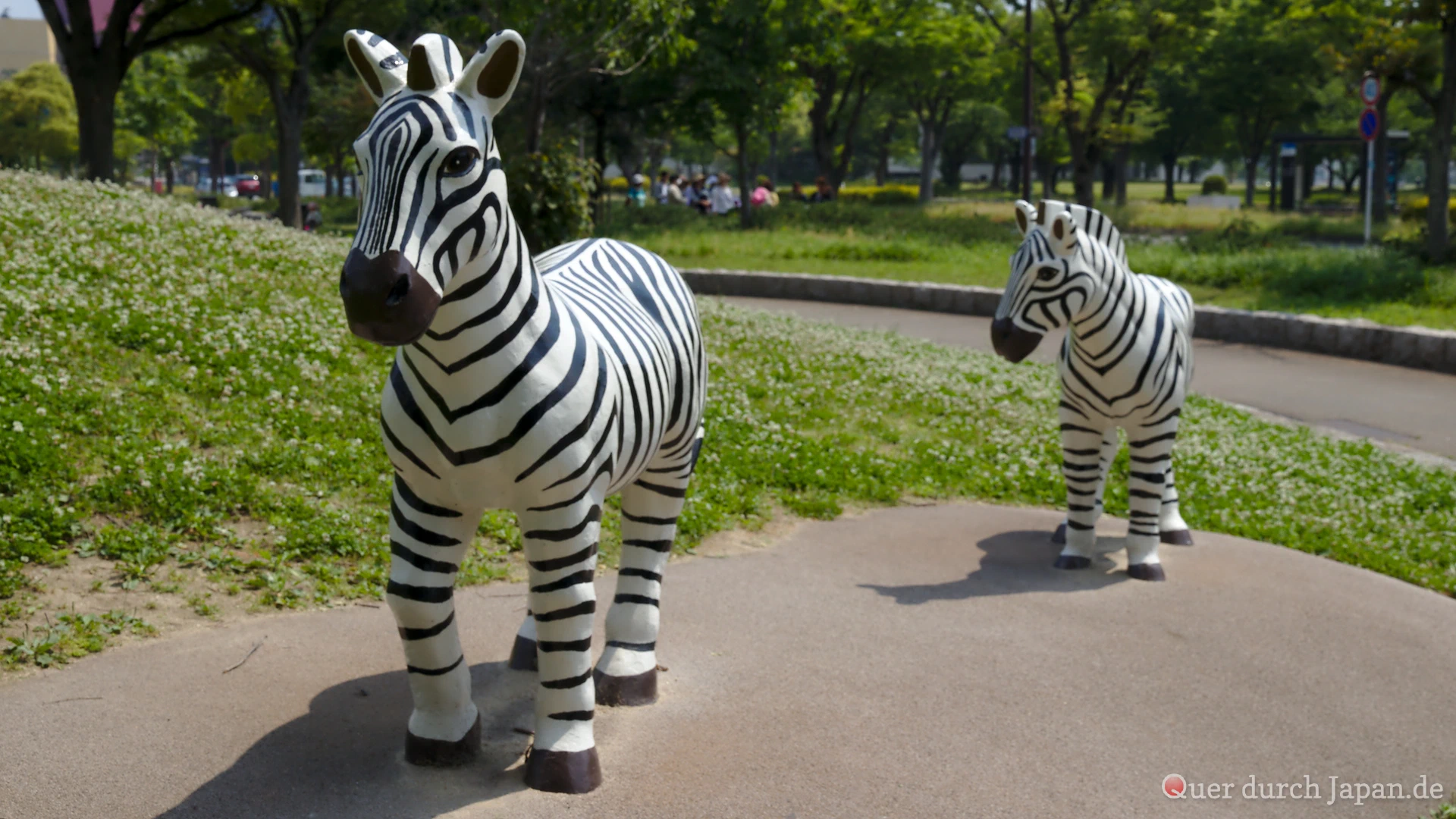
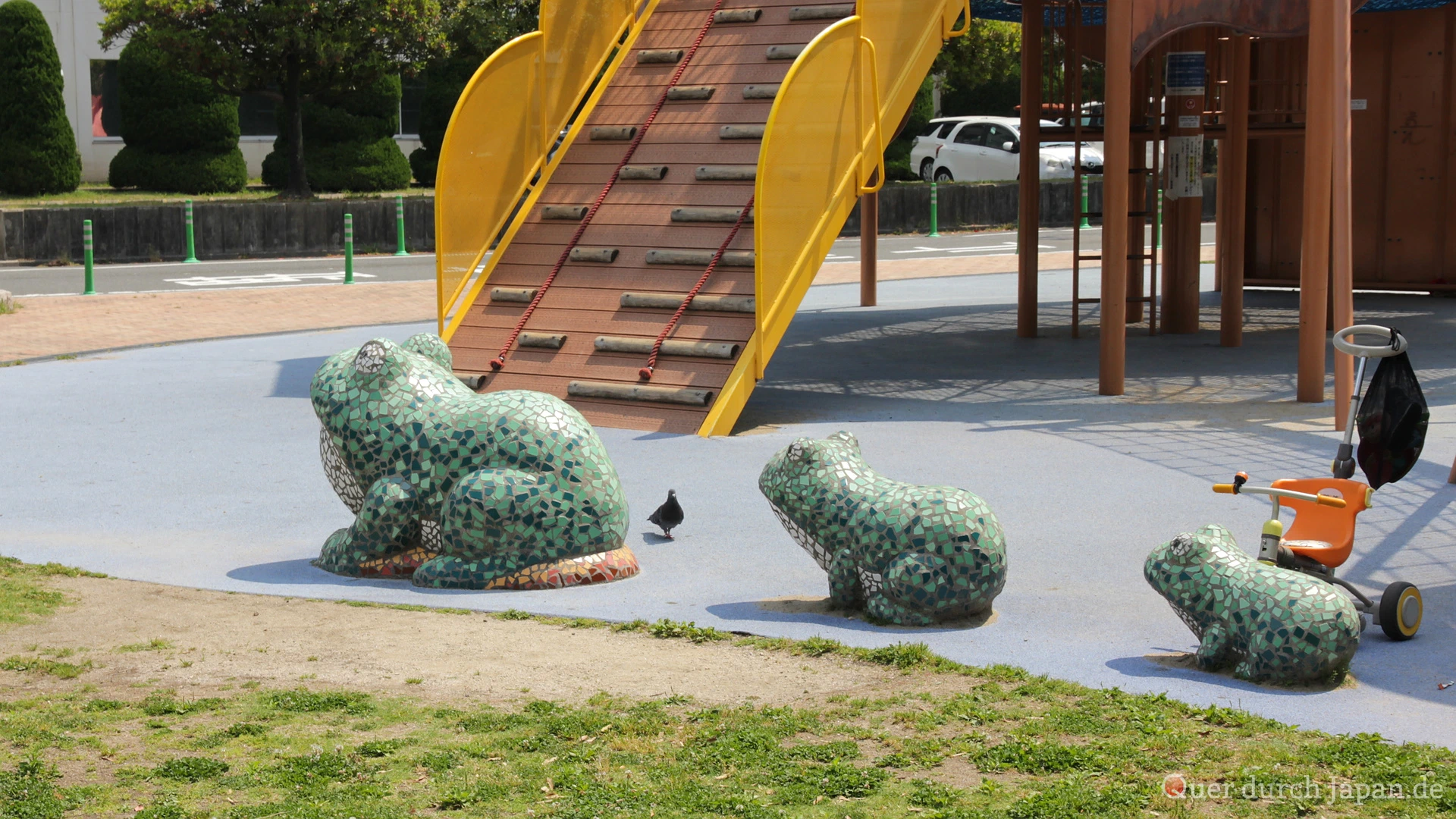
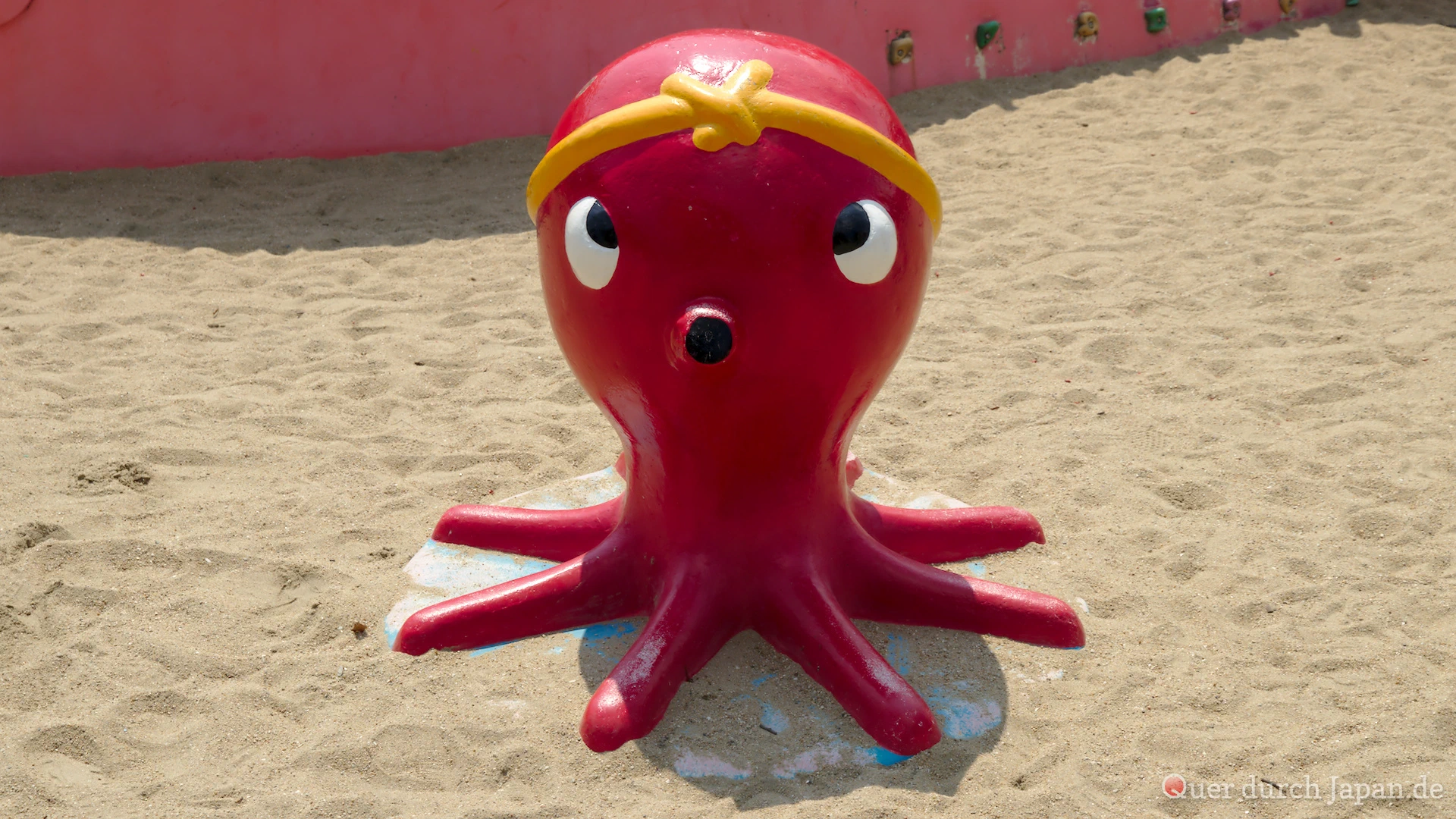
We were in Kitakyūshū that day, on our way from Kokura Station to the Tōtō-Museum, when we walked past a playground. It was pretty big and set around a hill. And it was full of wild animals, made of plastic, sure, but still lovingly designed. You could even discover a fossilised dinosaur in a sandpit.

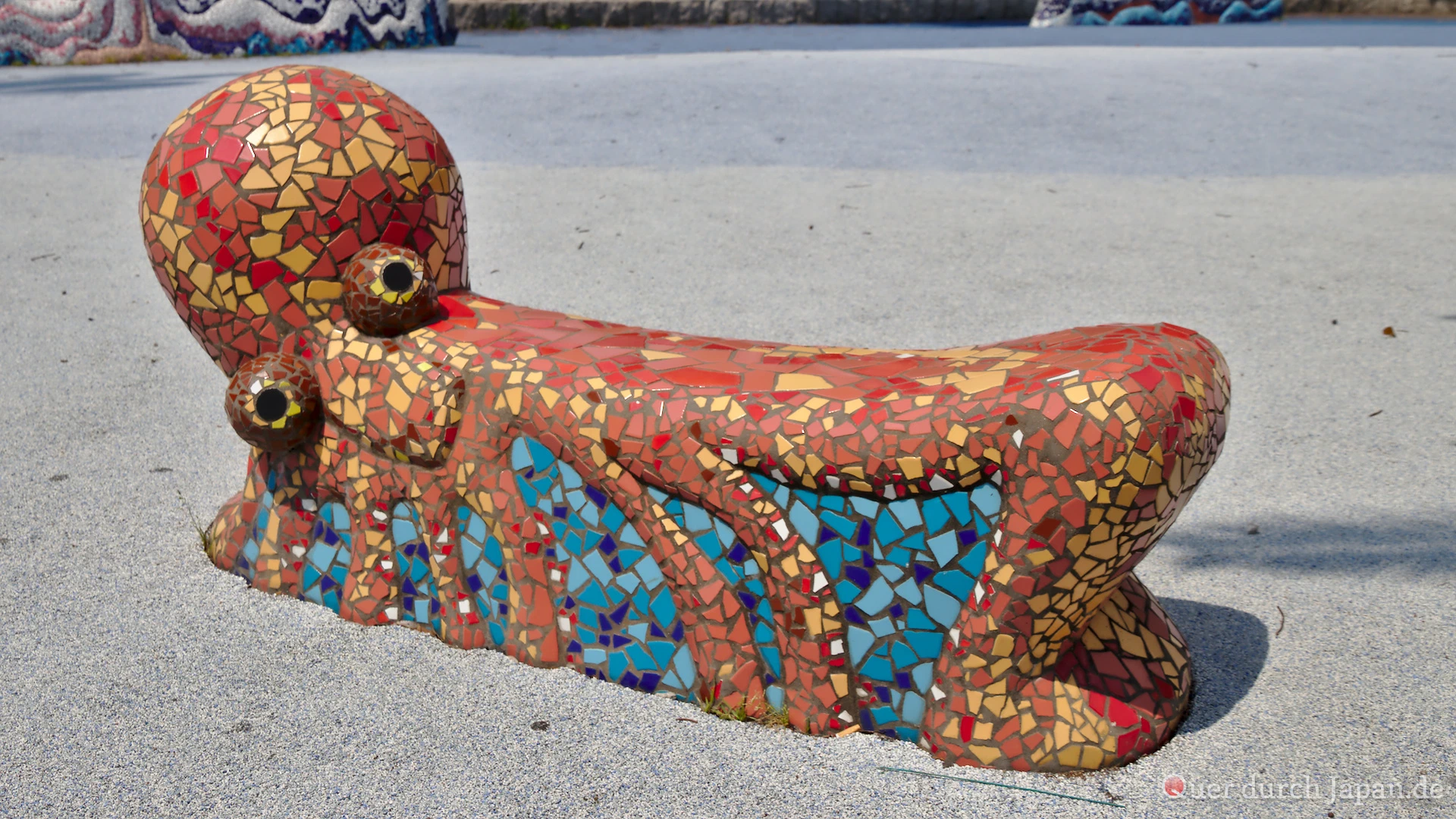
The kids can let off steam here while their parents chill out on octopus and frog benches. And we went on a little photo safari here first before carrying on our way.

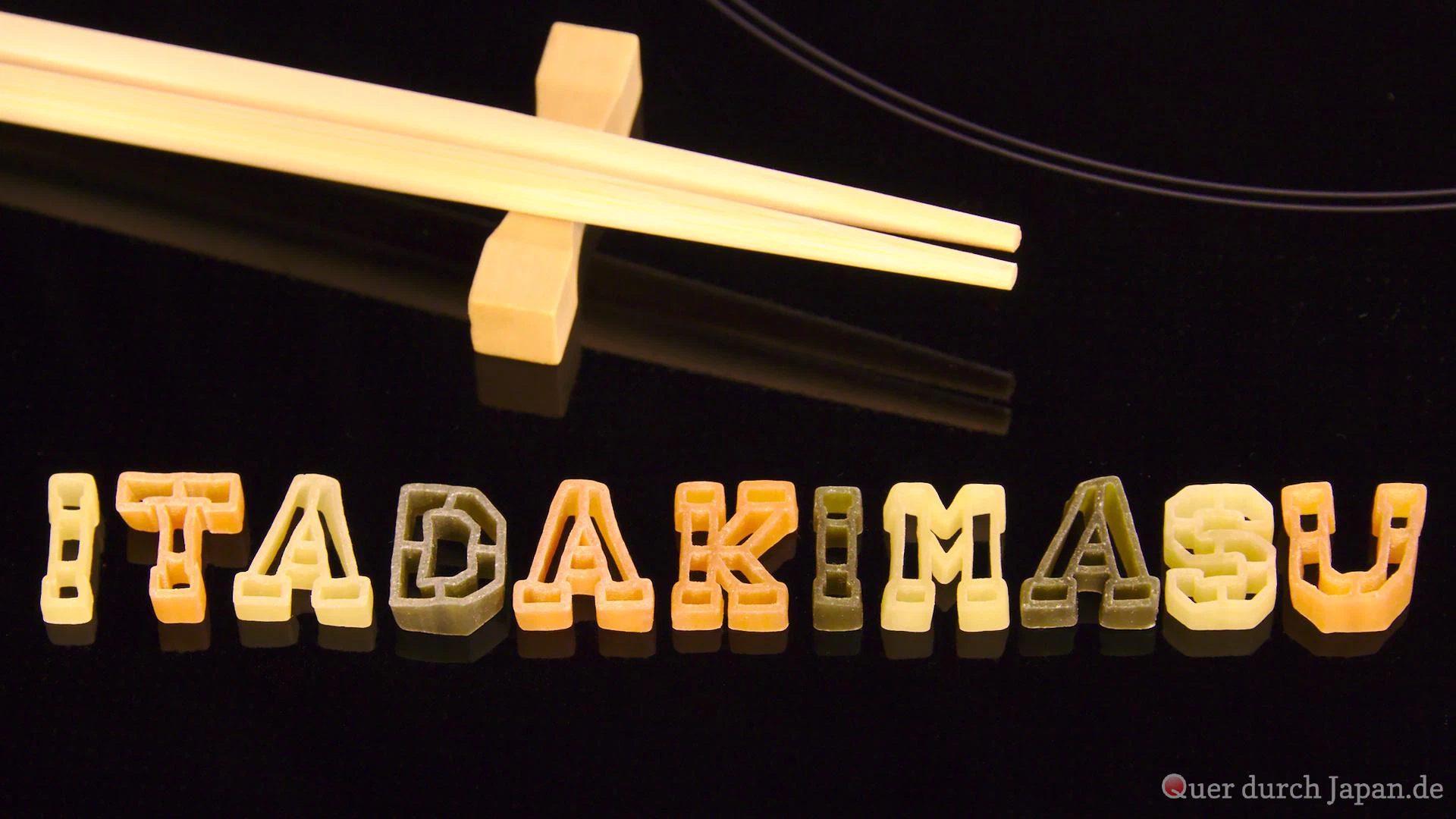
Itadakimasu!

A look at the phrasebook tells you that “enjoy your meal” in Japanese is いただきます (itadakimasu). But there’s a lot more to it.

With “enjoy your meal”, we’re just wishing the others at the table a tasty meal and a nice time eating together.

Itadakimasu, on the other hand, is an expression of gratitude. You’re thanking the plants that were harvested for the food, and the animals that gave their lives for it. You’re saying thanks to the emperor, your parents, the farmer, the fisherman, the cook, and basically everyone who pitched in so you can tuck into a delicious meal right now. You’re realising that this isn’t something to take for granted. If you take the idea seriously, it also means eating absolutely everything, right down to the last grain of rice.

The original meaning of itadakimasu was “to raise something above your head”. Buddhism brought the custom to the country of taking an object received from a superior and holding it above your head first, as a sign of gratitude and respect. Over time, this turned into a general expression for politely receiving an object.

Using it before eating is pretty new, though. Up until the early twentieth century, it was only a regional thing before it caught on nationwide. Even today, whether you put your hands together while saying it or not varies depending on the region.

PS: At the end of a meal, you say ご馳走様でした (gochisōsama deshita) - “That was a feast.”

Kasuga-taisha

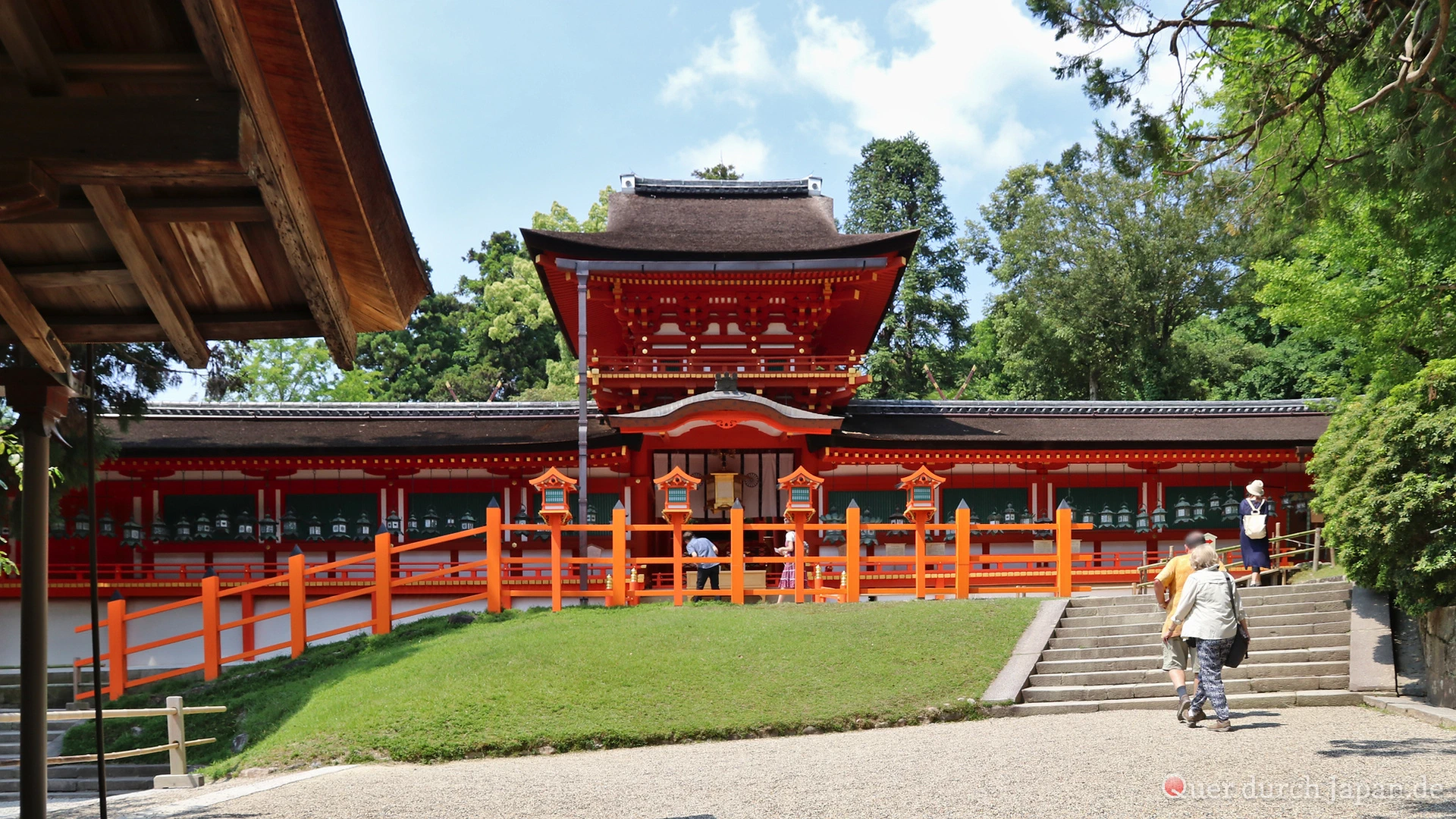
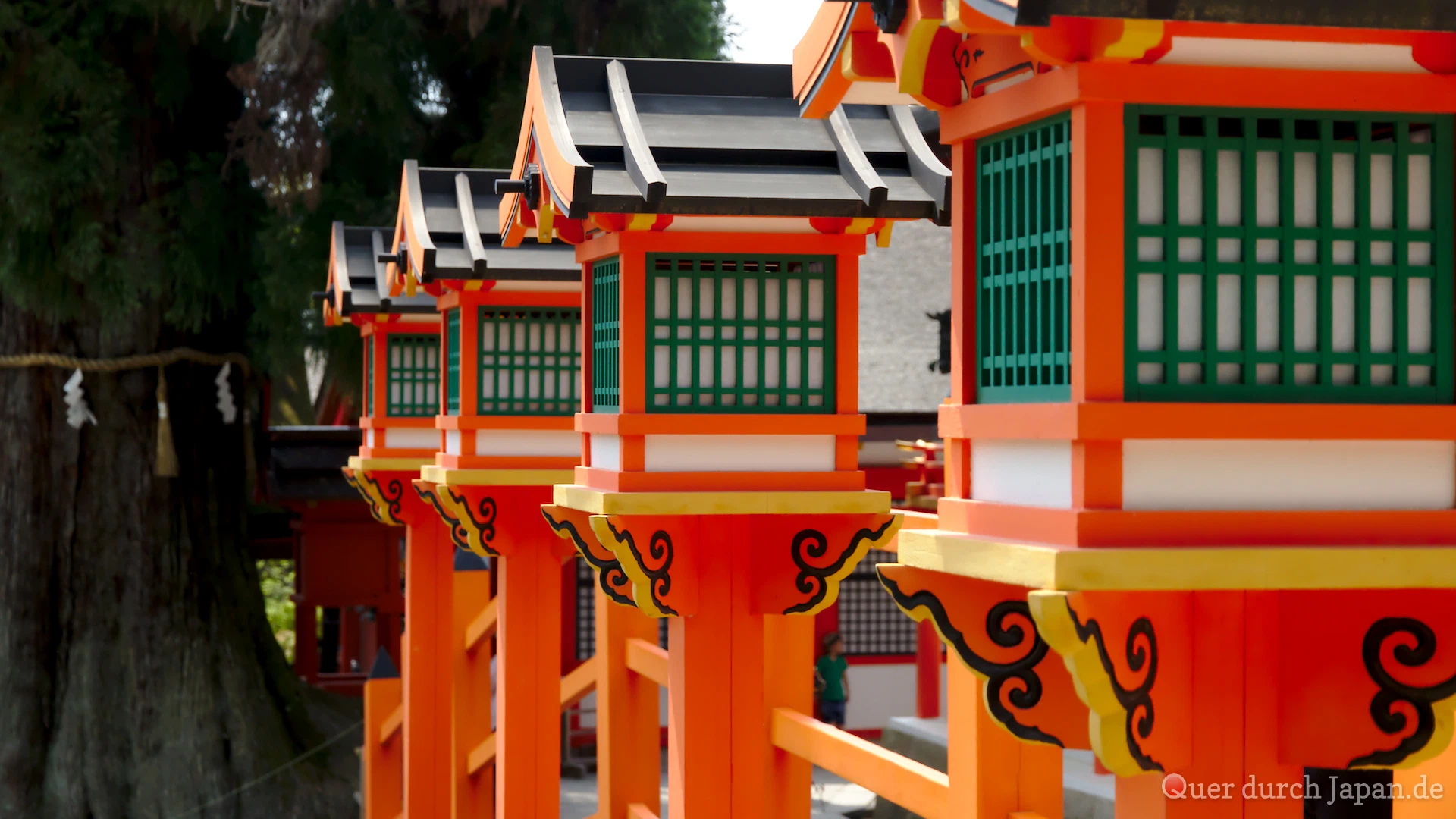
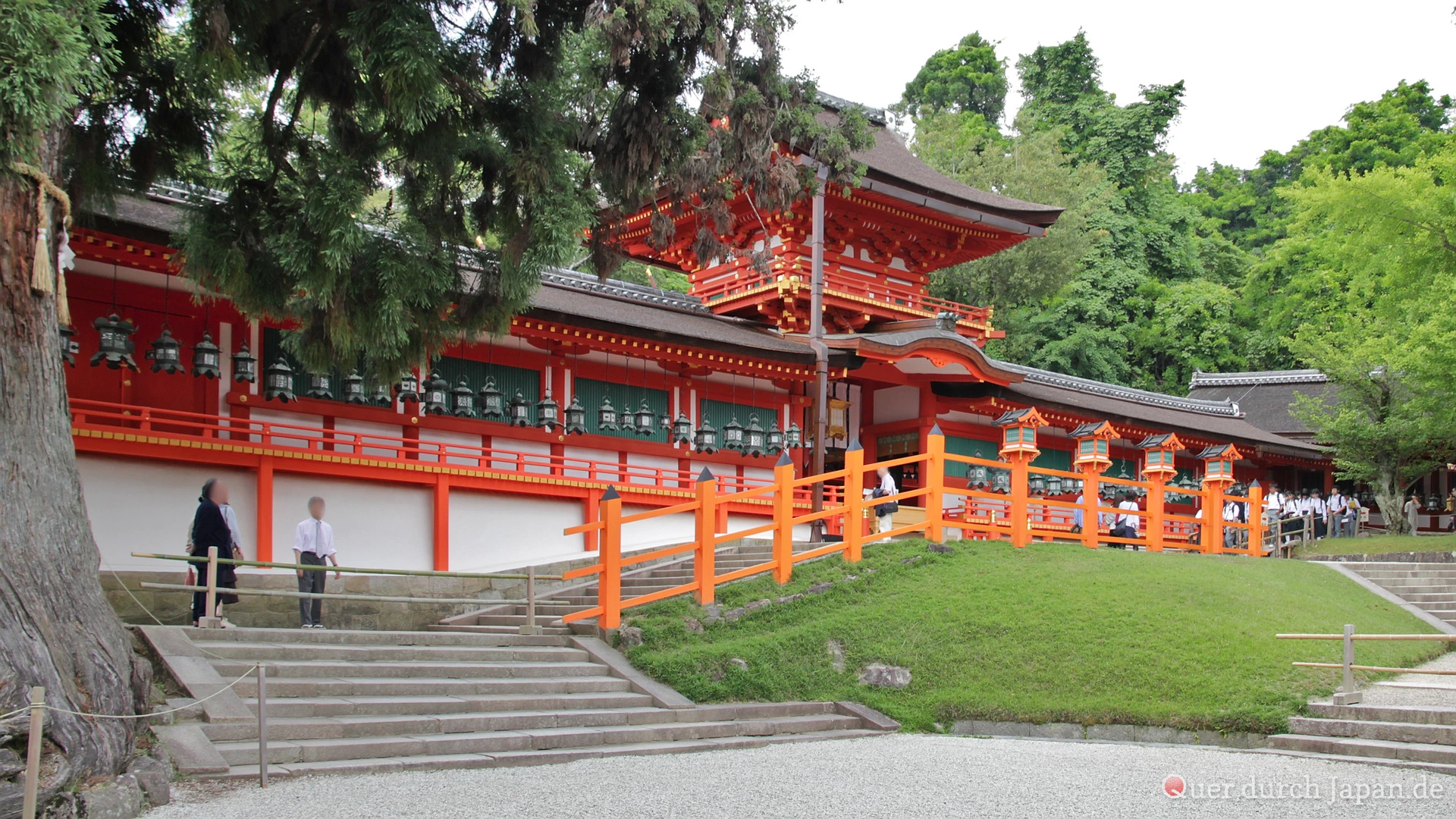
The Kasuga-taisha is a Shinto shrine in Nara. It was built in the 8th century - according to a legend on 9 November 768. Right up until the end of the Edo period it was rebuilt every 20 years, just like tradition demanded.

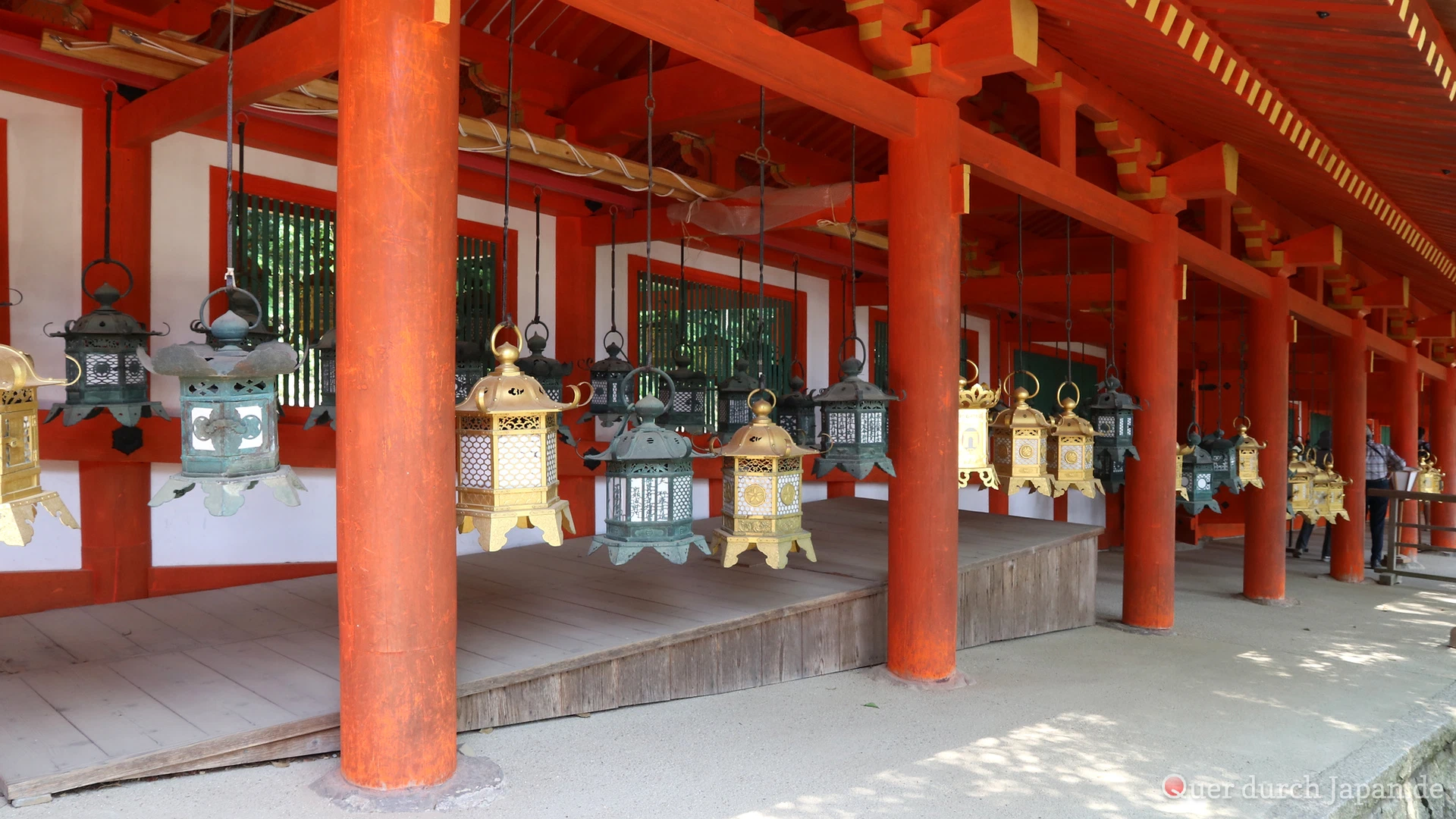
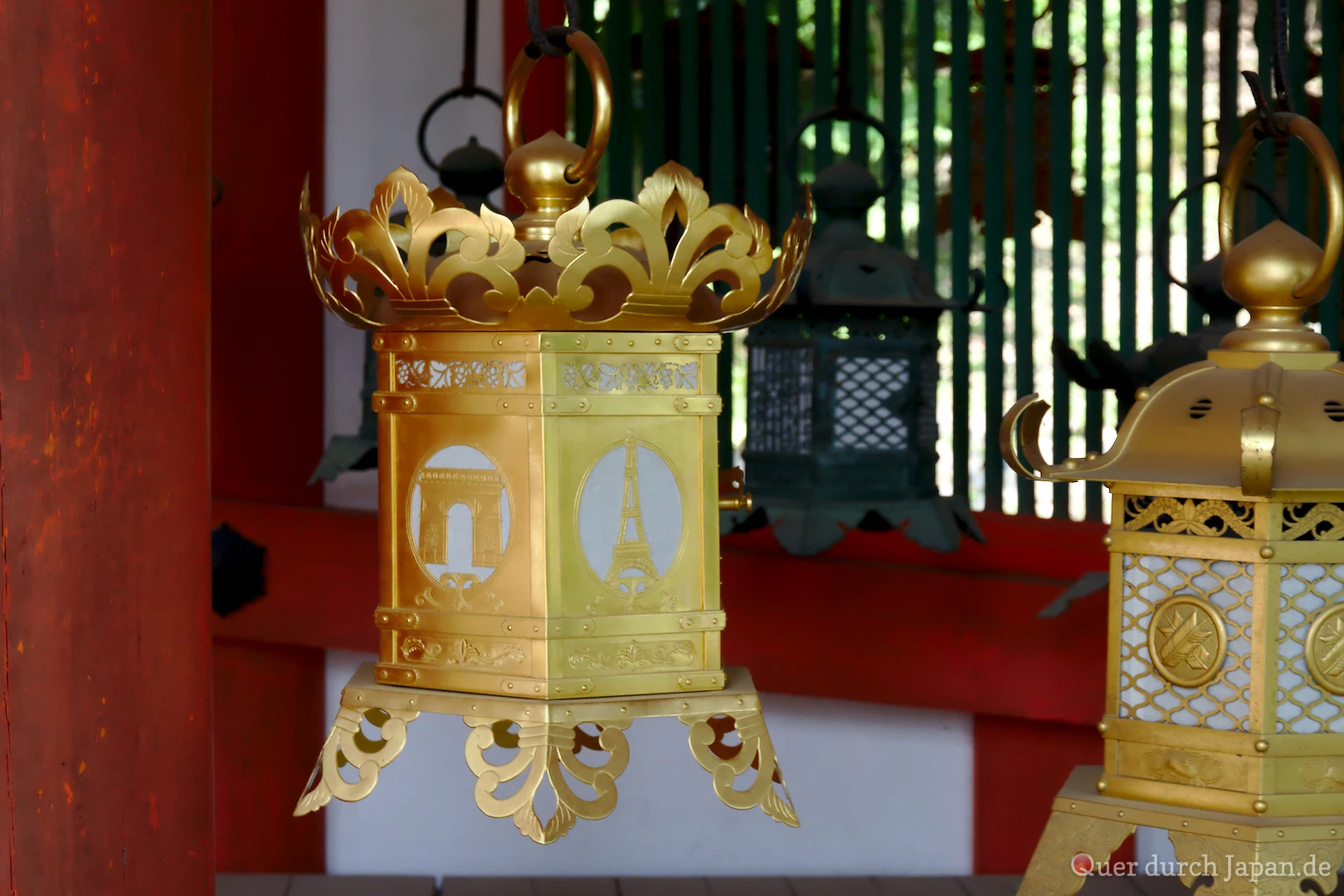
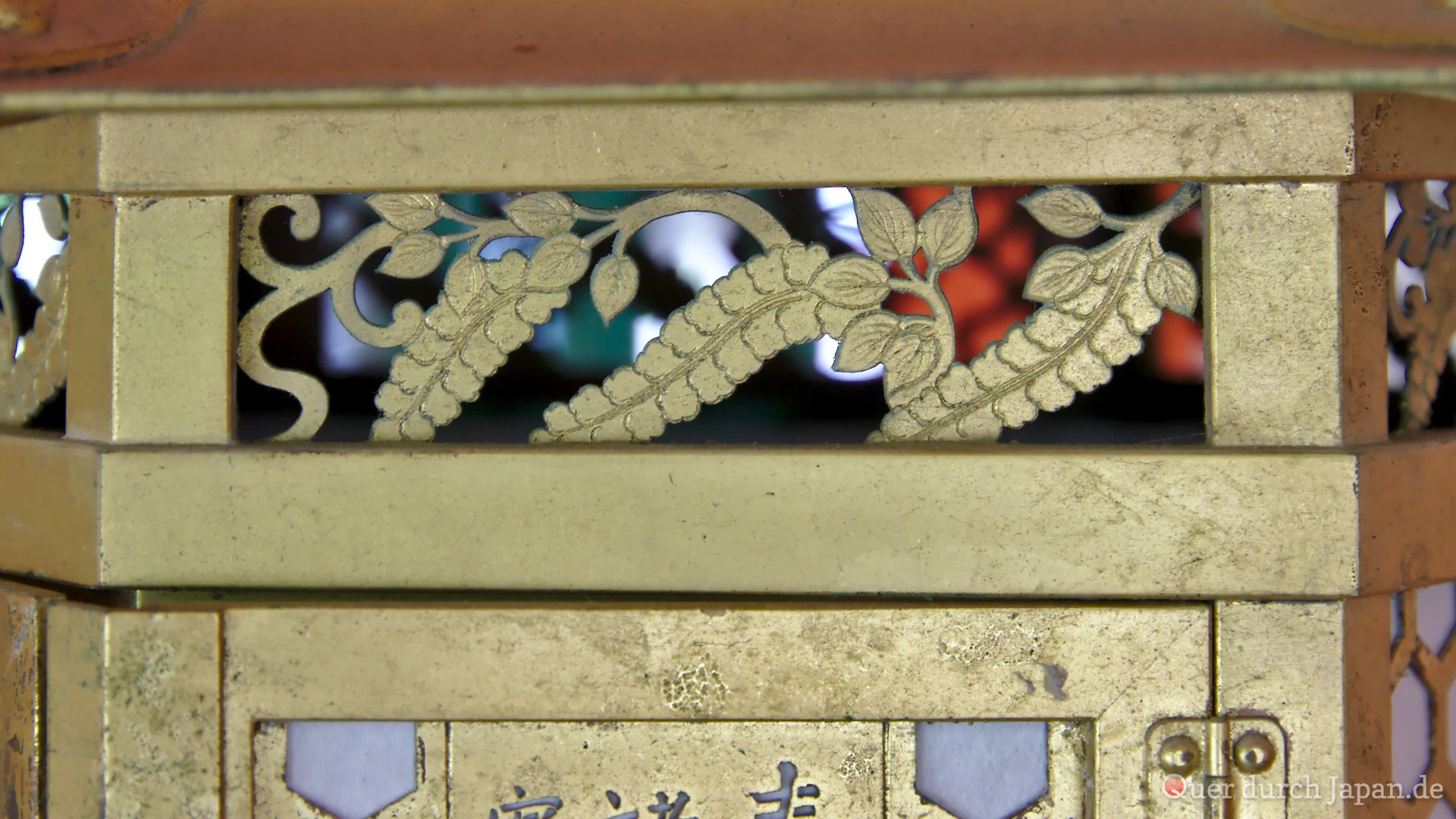
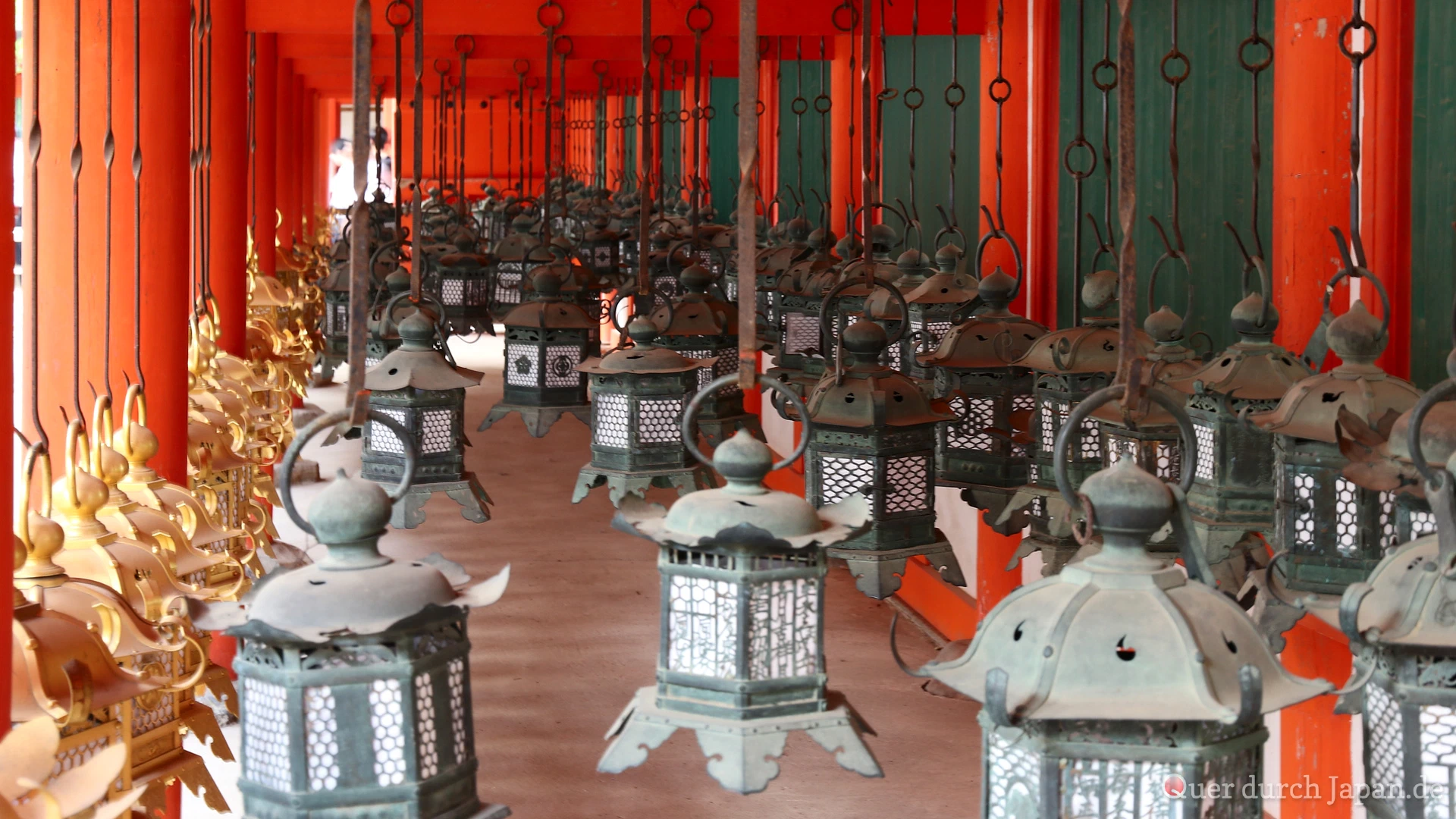
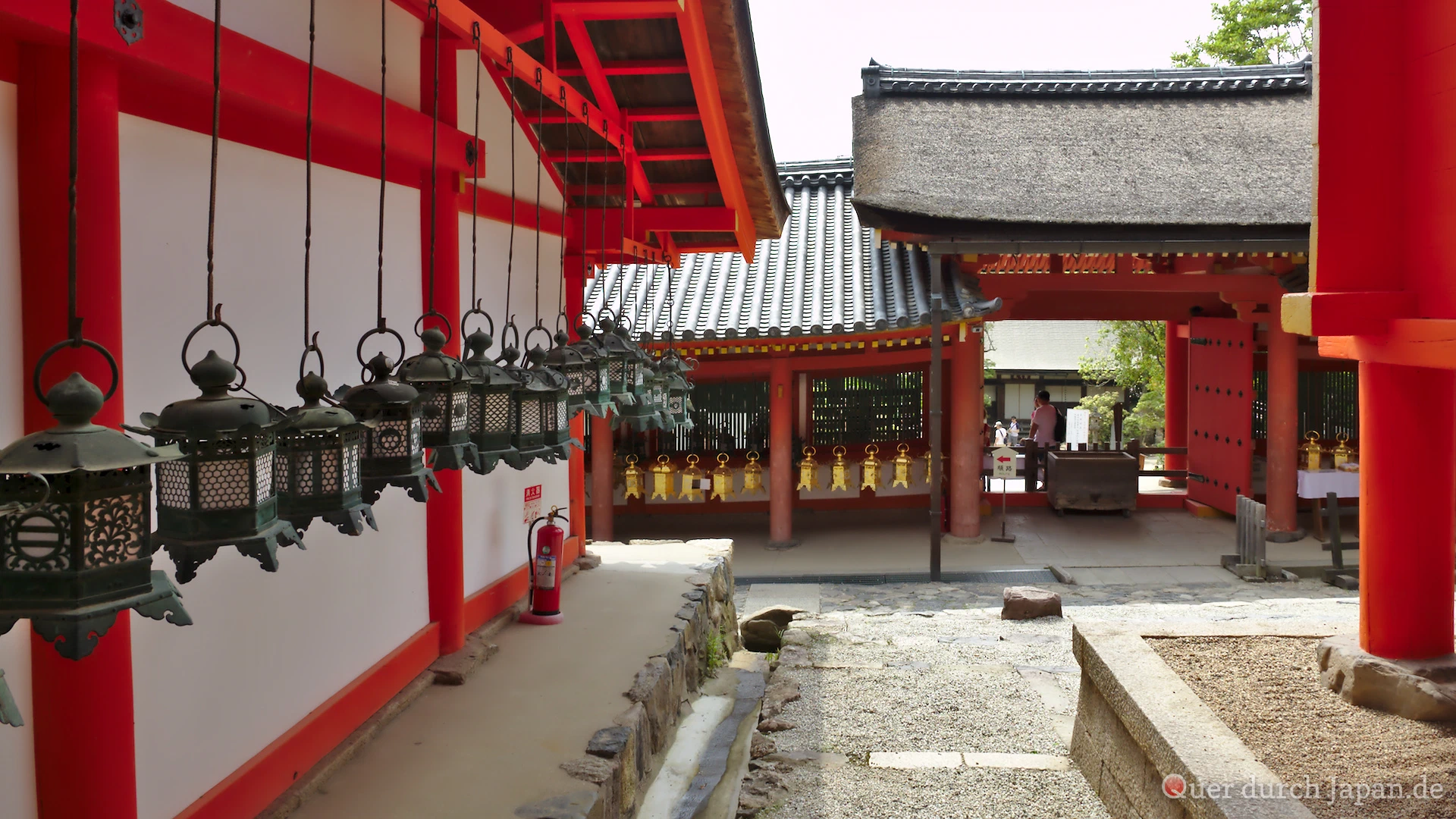
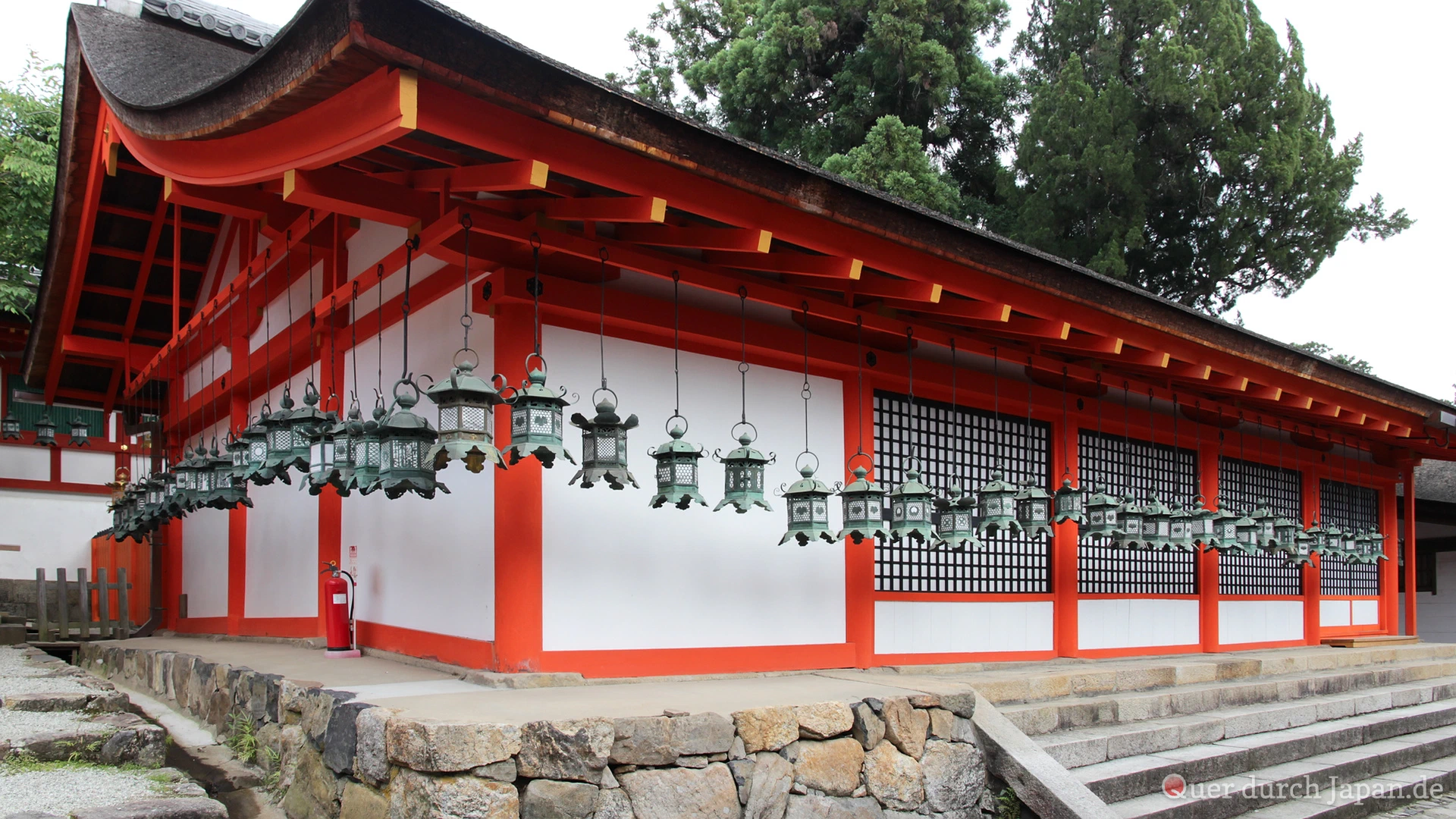
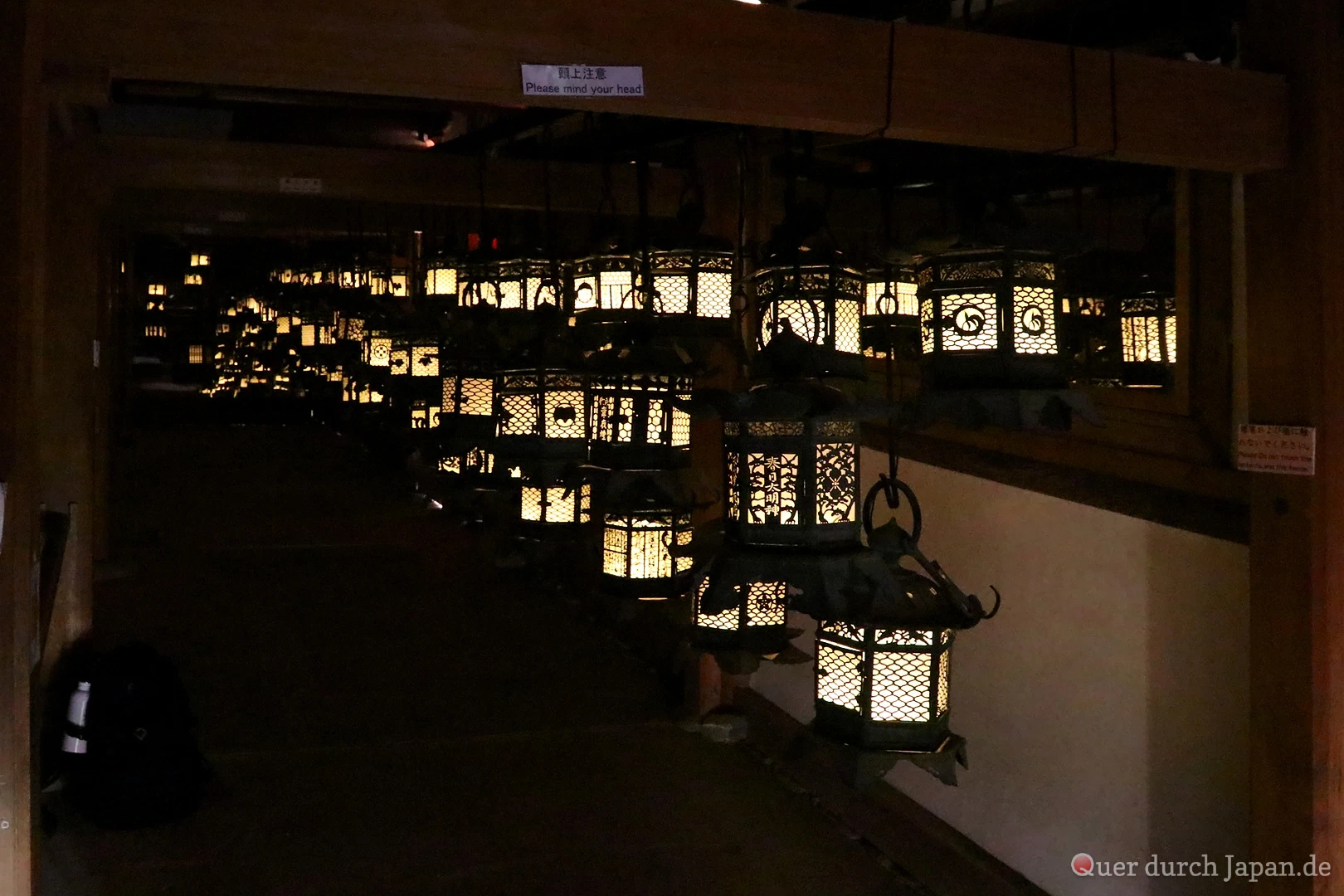
The shrine is famous for its thousands of bronze and stone lanterns. Twice a year they get lit up during festivals, specifically for the Setsubun Mantoro (3 February) and Chūgen Mantoro (14 to 15 August).

The Kasuga-taisha is located in Nara Park. You can get to it from the JR Nara Station by bus or just by walking. If you’re checking out Nara Park, you’ll pretty much inevitably walk past the shrine. Entry costs 500¥. You can look around the outer part of the grounds for free.

Zuiryū-ji

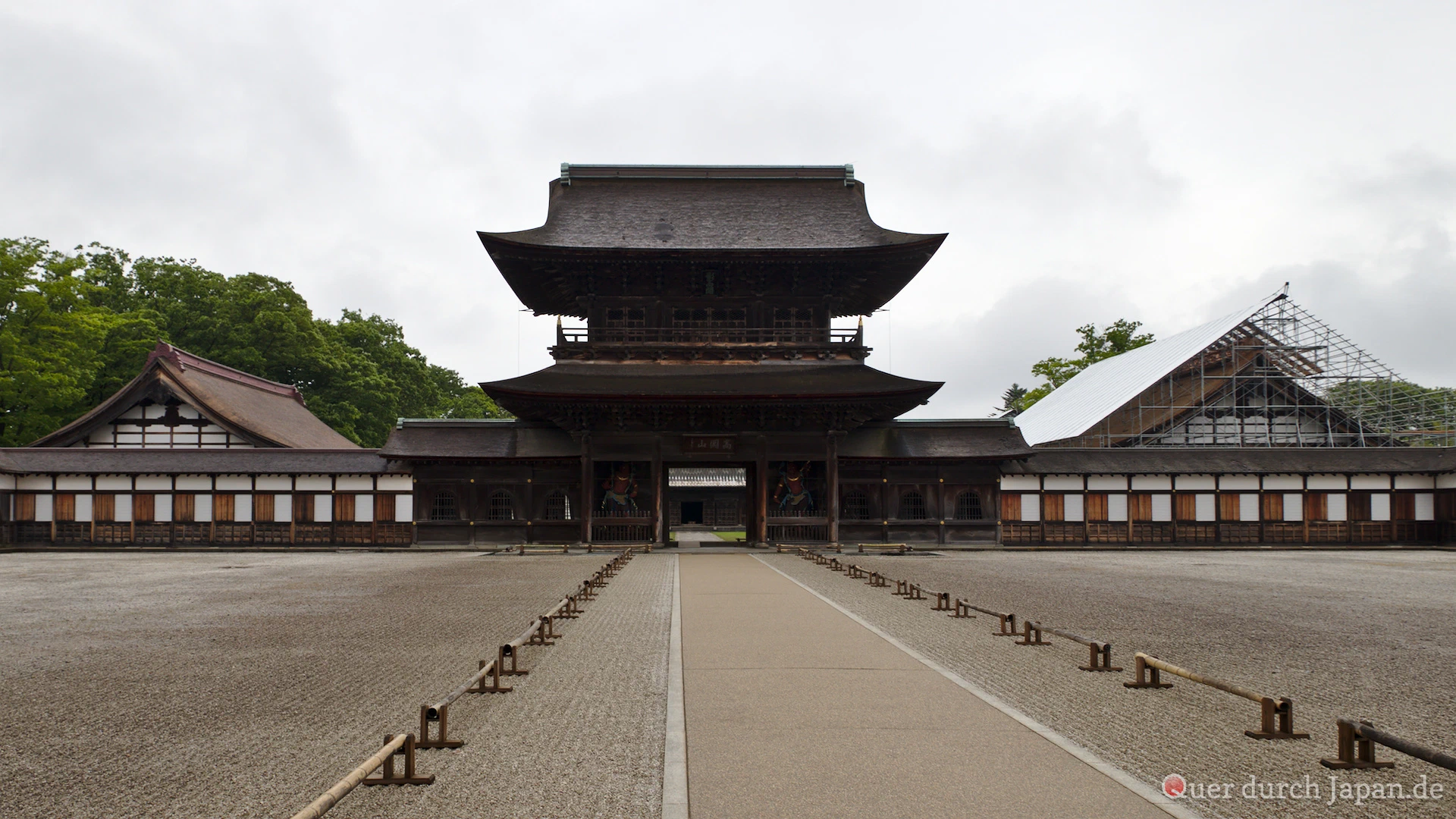
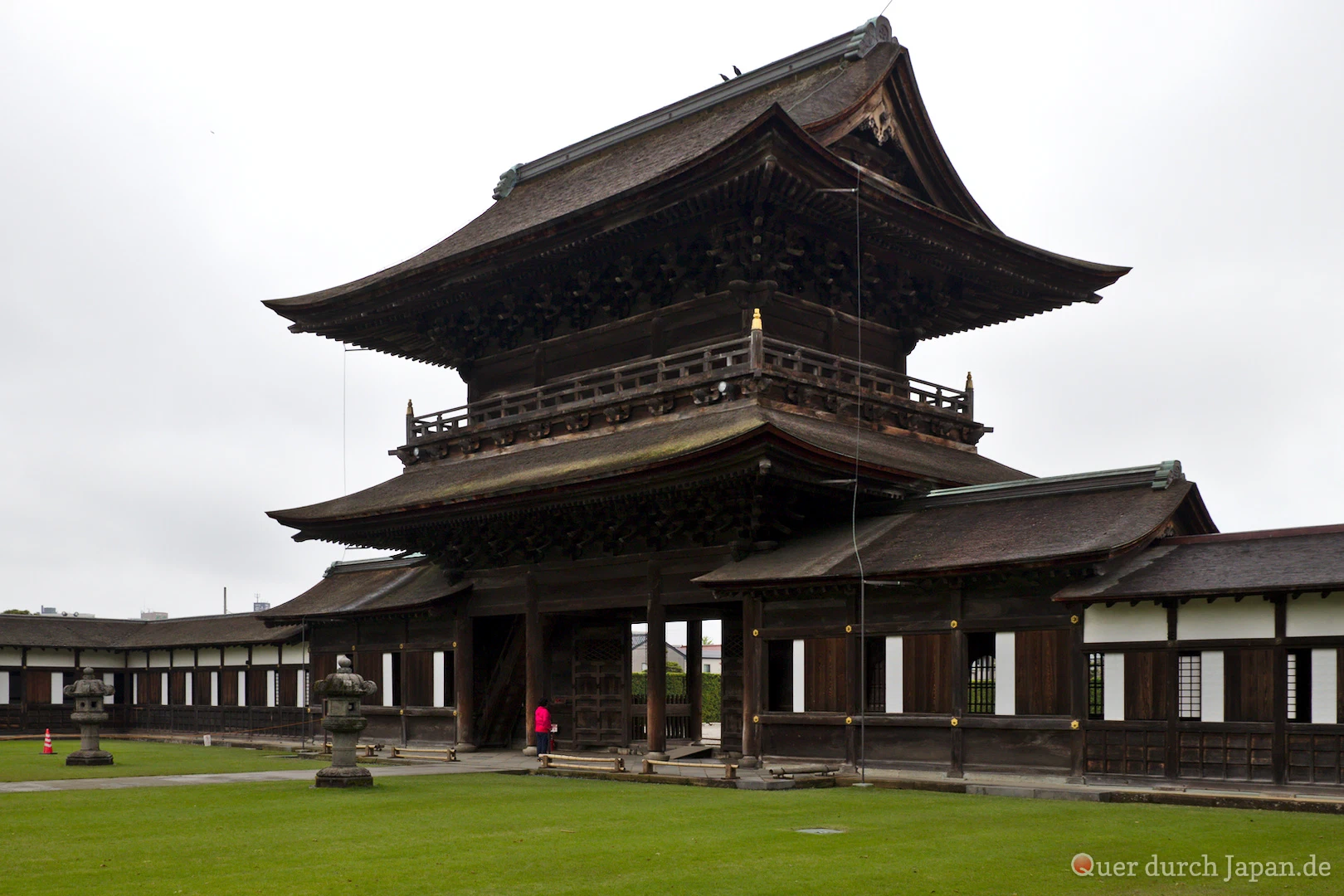
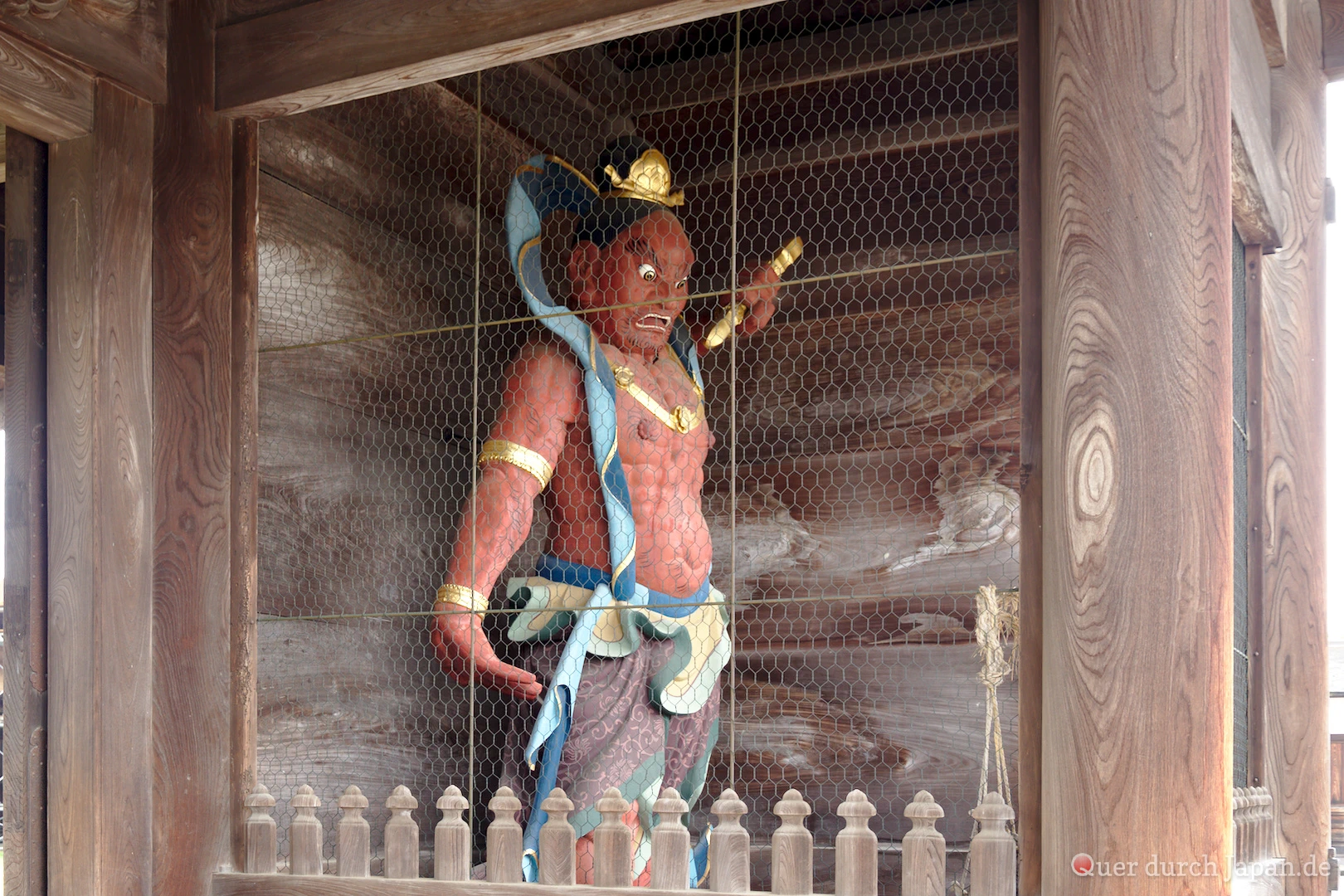
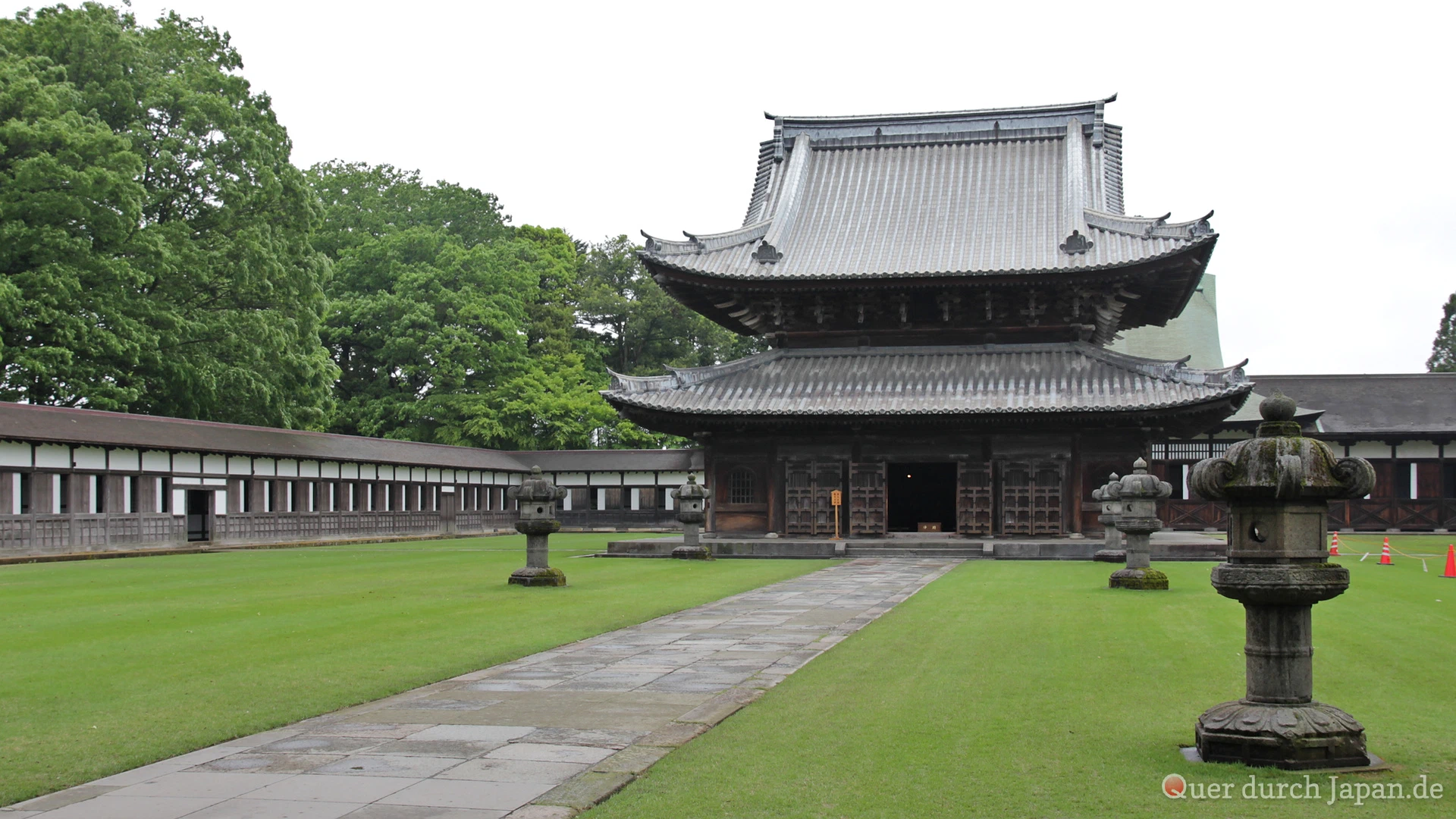
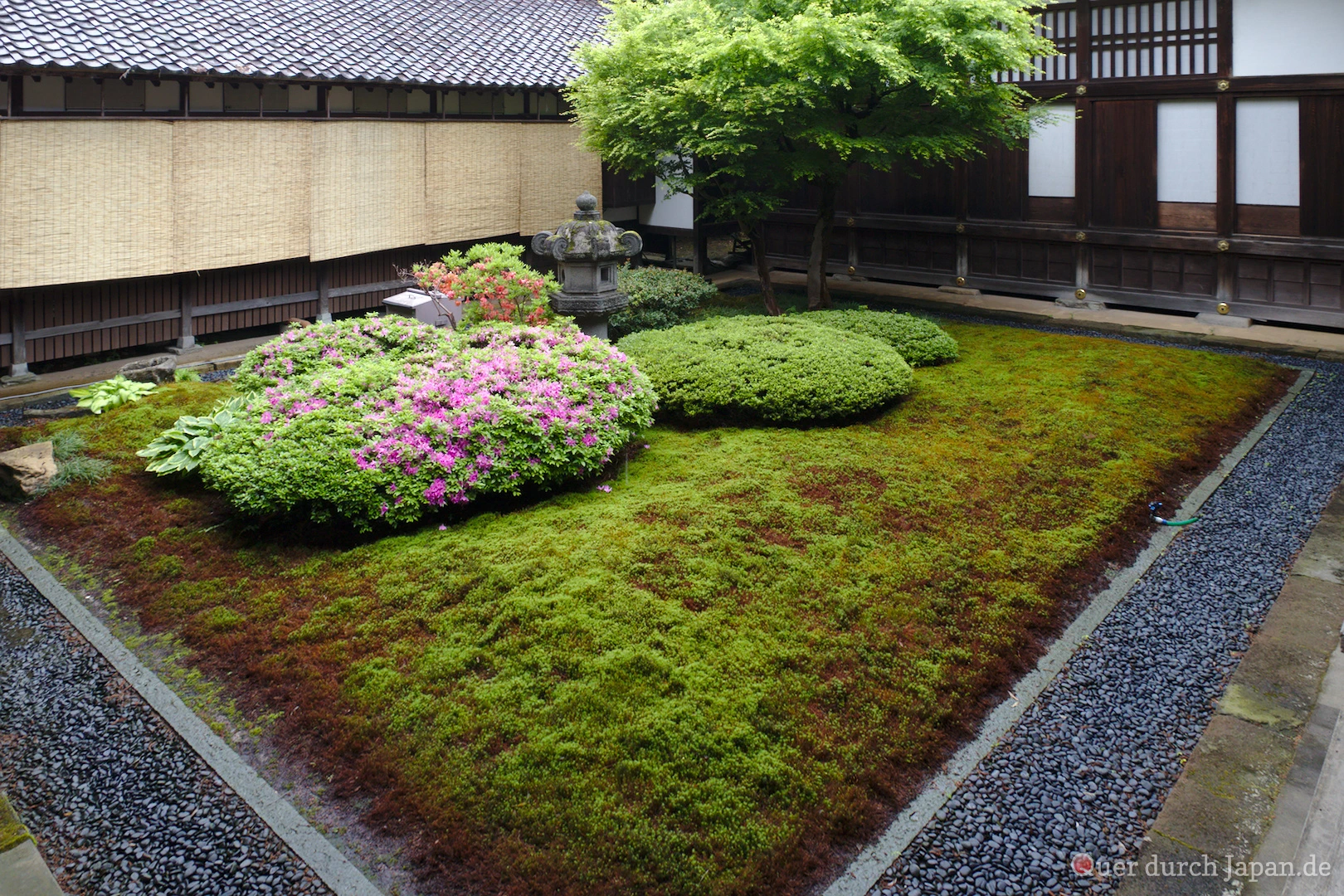
The Zuiryū-ji is a Buddhist temple in Takaoka (Toyama Prefecture) from back in 1613.

They started expanding the grounds in 1645. When it was finished in 1663, it covered a massive 118,800 m² and was surrounded by two moats.

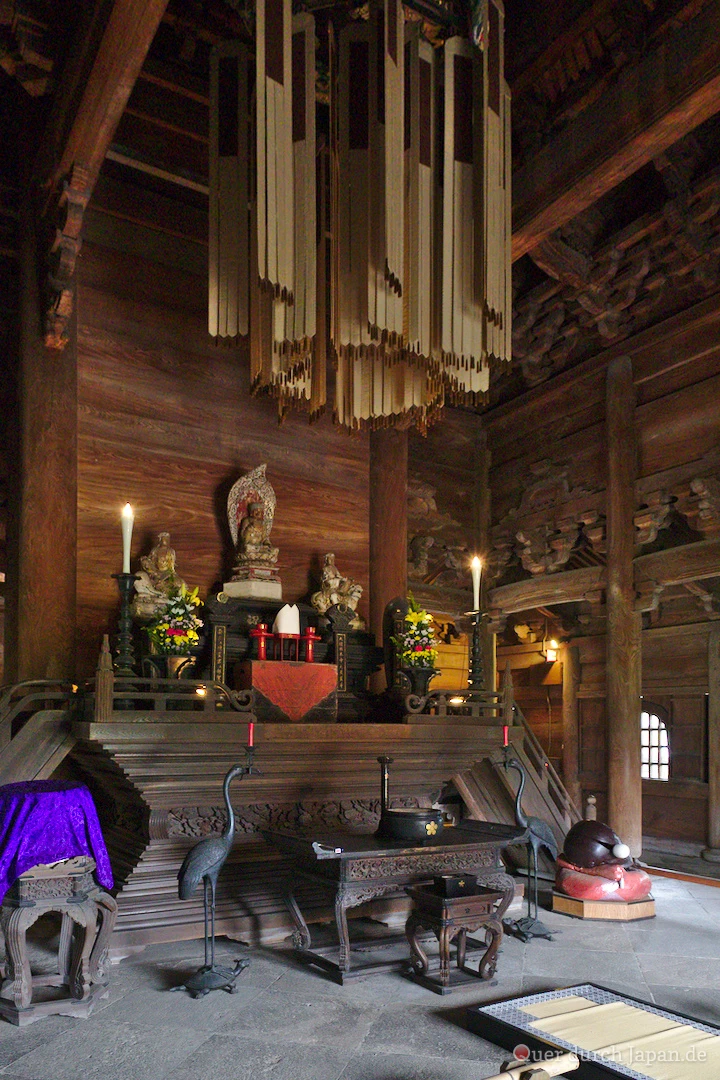
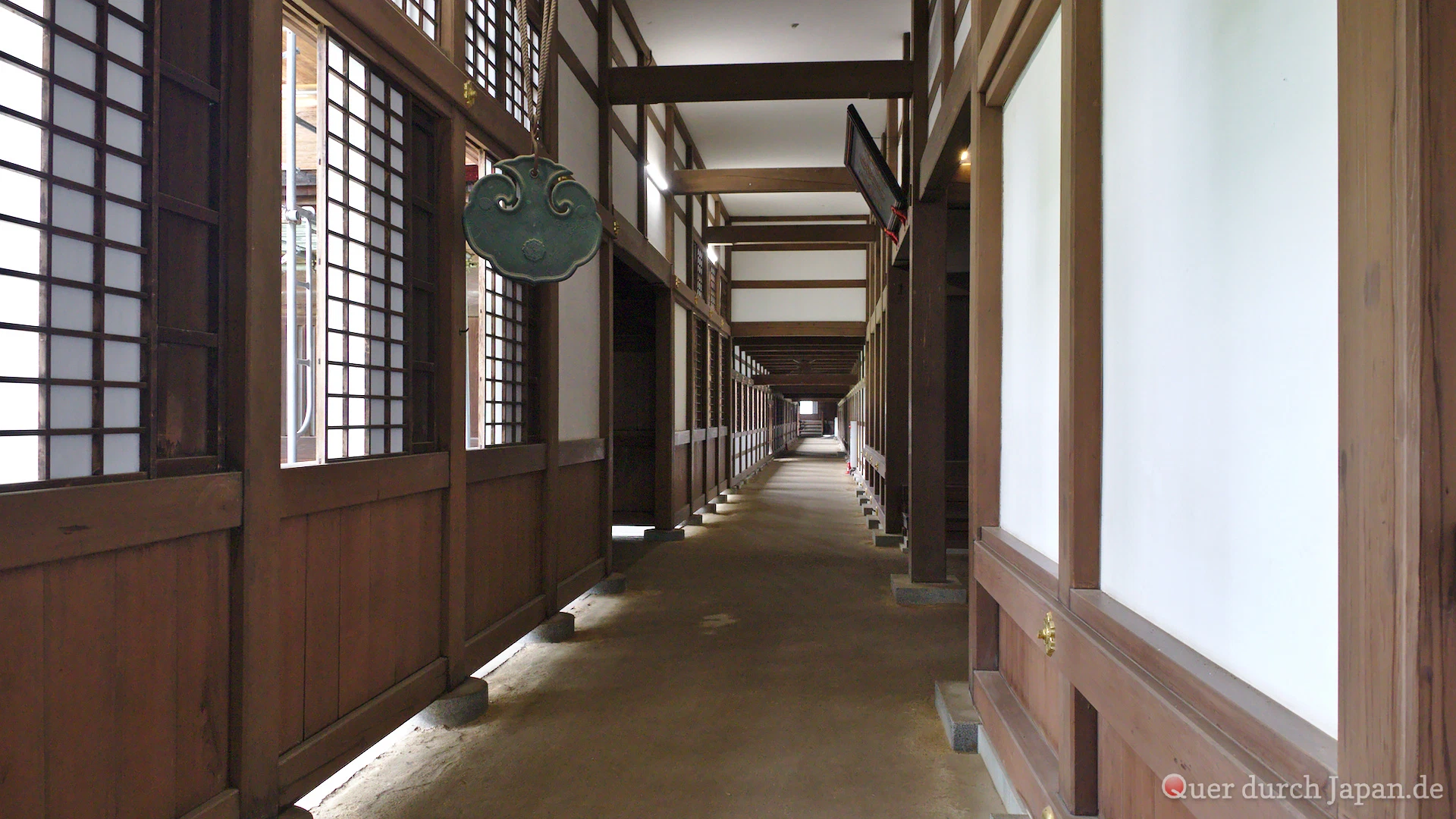
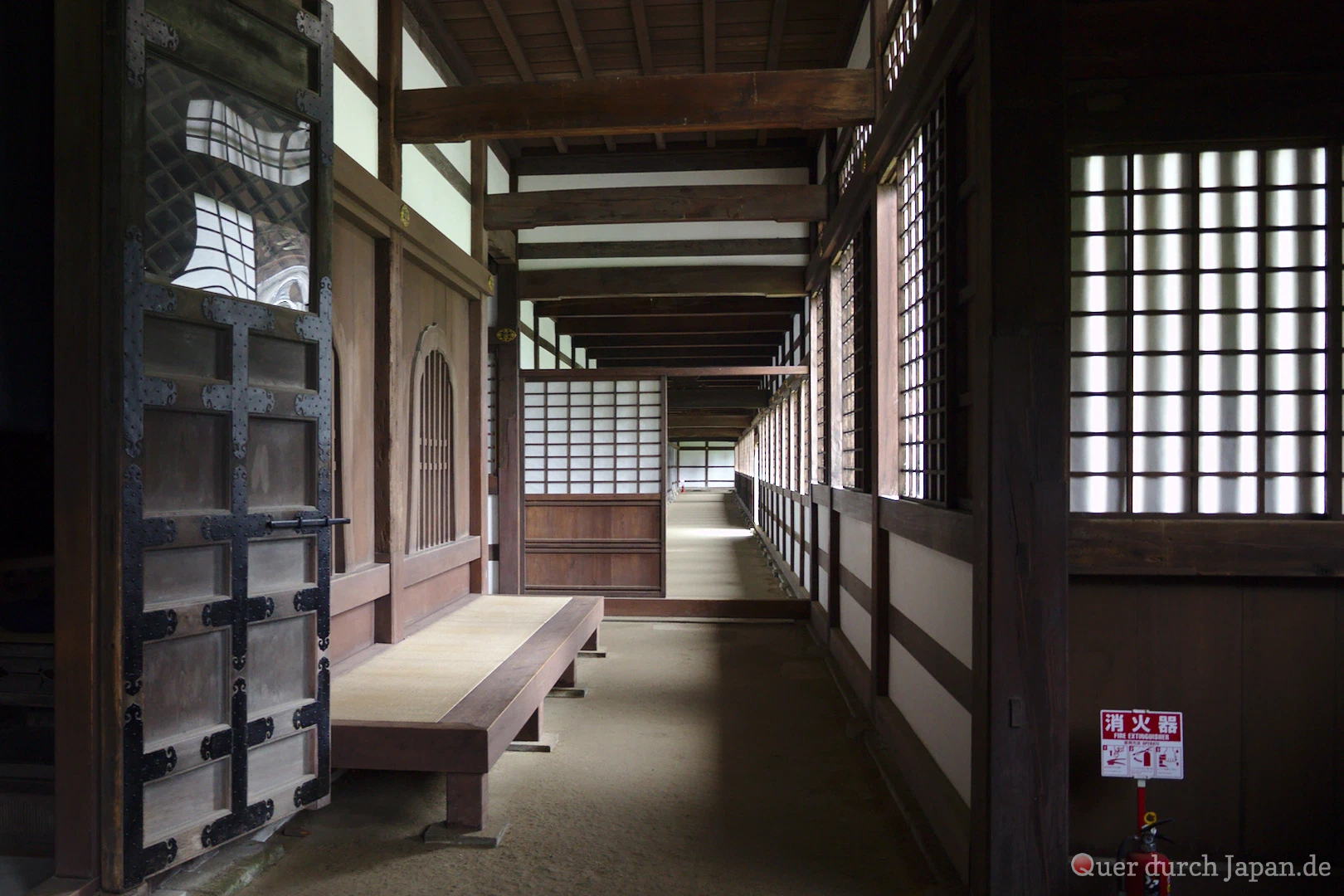
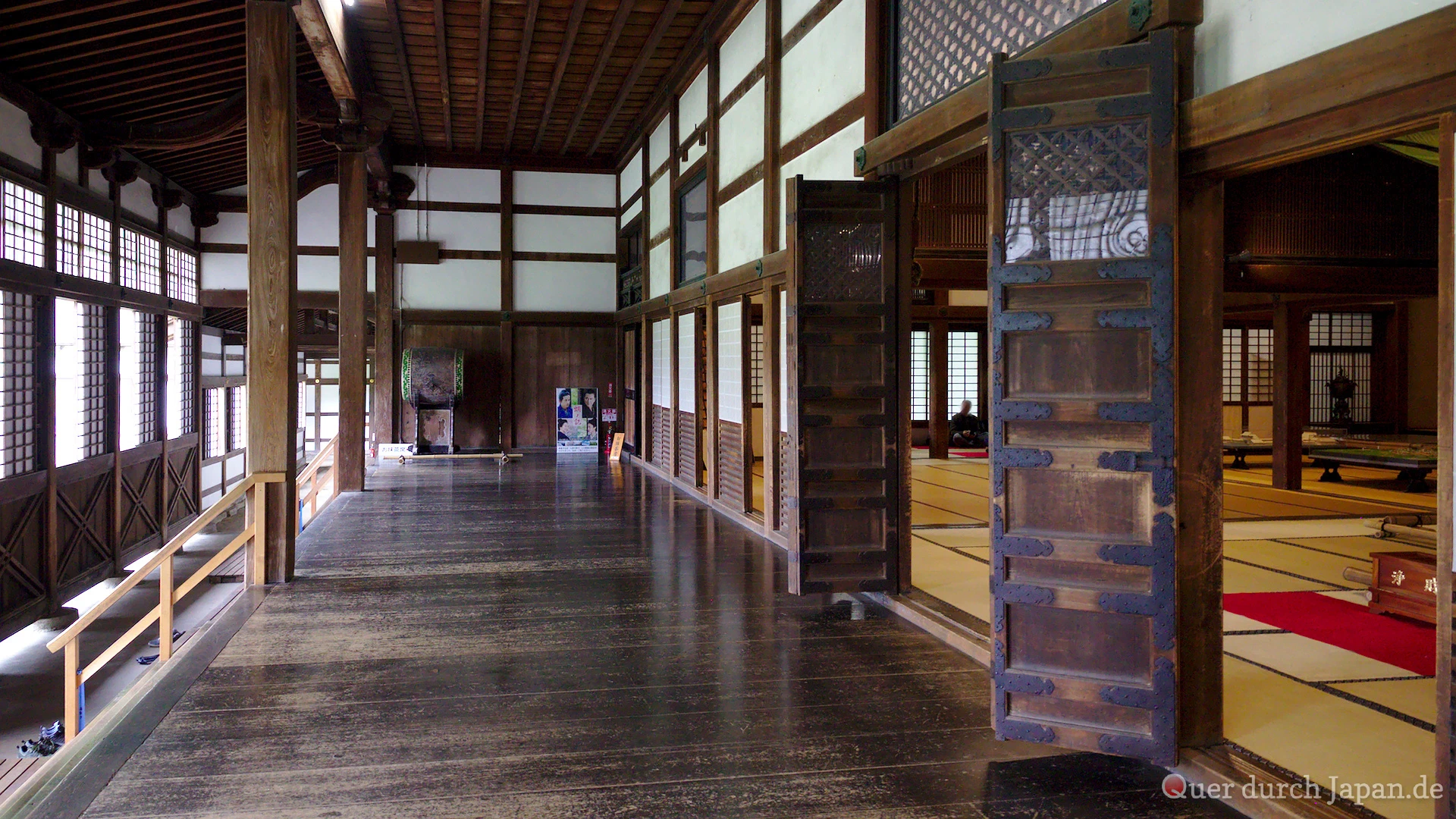
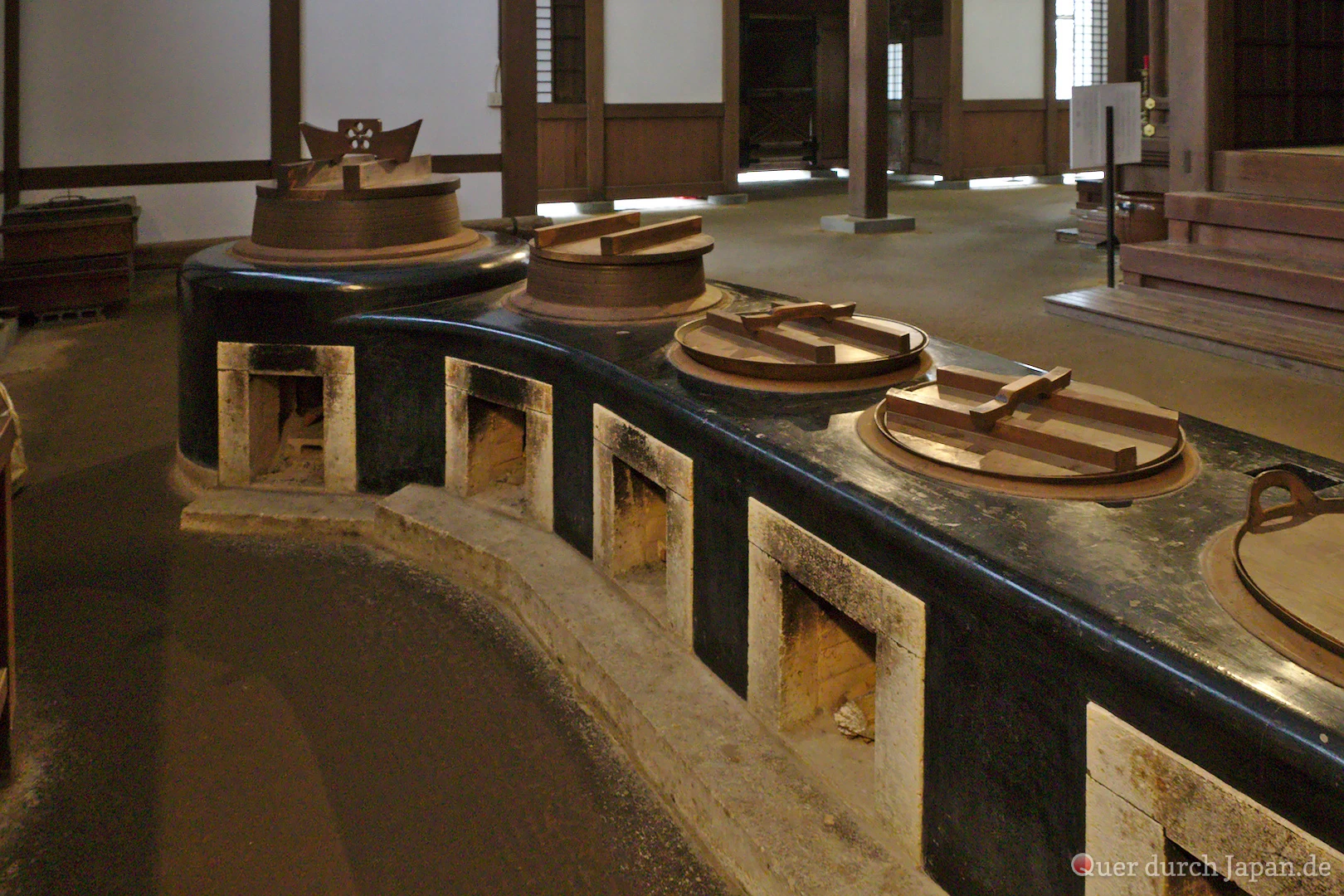
The Buddha Hall is right in the centre. It’s flanked by the main gate, a prayer hall with a tea house, a Zen building for meditation, and a dining hall. Corridors link the side buildings together.

You’ll find Zuiryū-ji between the Shin-Takaoka and Takaoka railway stations, and it’s about a 15-minute walk from either one. Entry is 500¥.