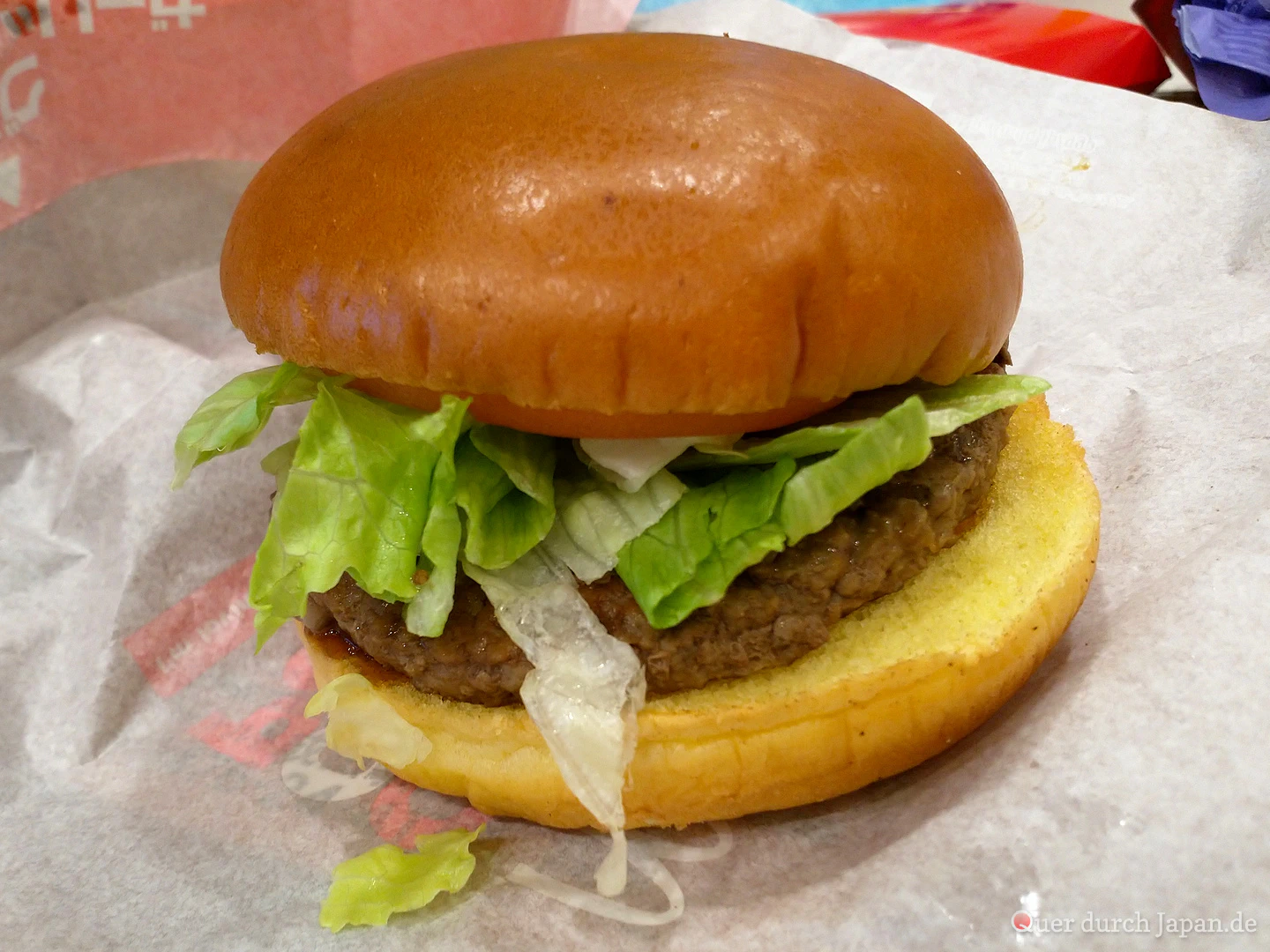
Japanese cuisine is versatile. As an island nation with little usable land, fish is naturally the main thing on the menu, but there’s a whole lot more beyond that. What do we actually eat when we’re travelling around Japan?
We aren’t really food photographers and only started regularly taking pictures of what we munch on during our travels back in 2018. So our photos just show a tiny selection of Japanese food. The best thing is to be curious and taste your way through!
Breakfast
Breakfast in the hotel is a lucky dip. Some hotels offer a brilliant international breakfast. Others cater to their Japanese guests and offer things like rice, salads and Nattō. If you prefer a continental breakfast, you’ll have to make do with toast and jam. In a surprising number of hotels, we also found oddities like pasta in tomato sauce or kept-warm chips on the buffet in the morning. Honestly: I can get used to chips for breakfast. 🤤
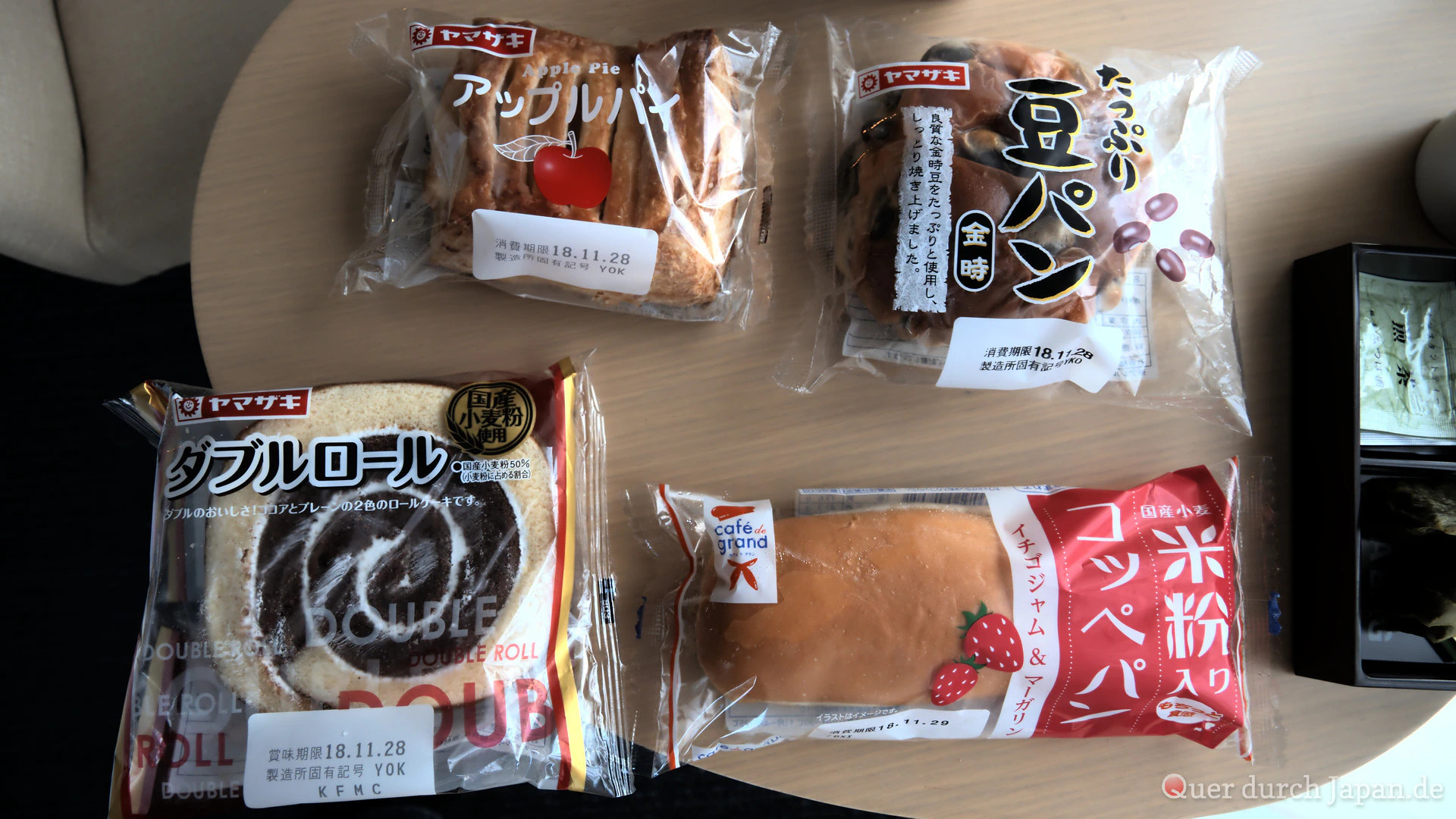
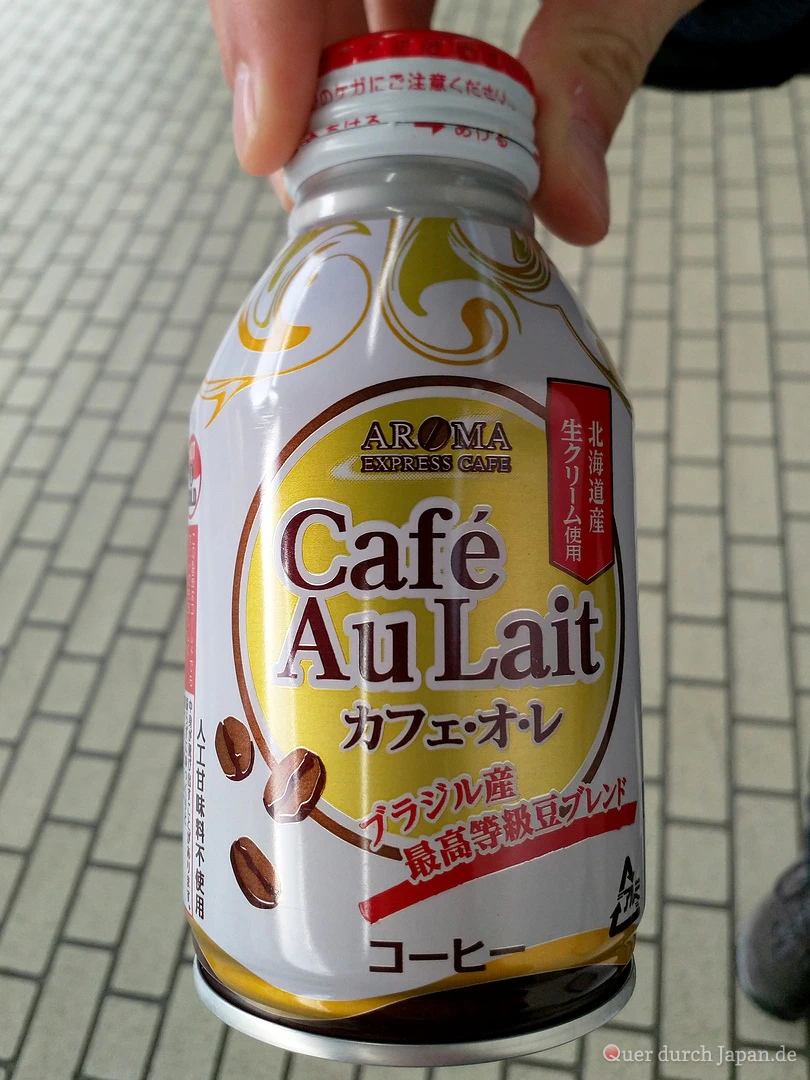
We aren’t big breakfast eaters. These days we usually just book room-only at hotels and instead grab sandwiches and warm canned coffee from the Konbini (these are little convenience stores that you can find on pretty much every street corner).
During the day
The numerous soup kitchens are great for lunch. The selection is massive, so you definitely won’t get bored.
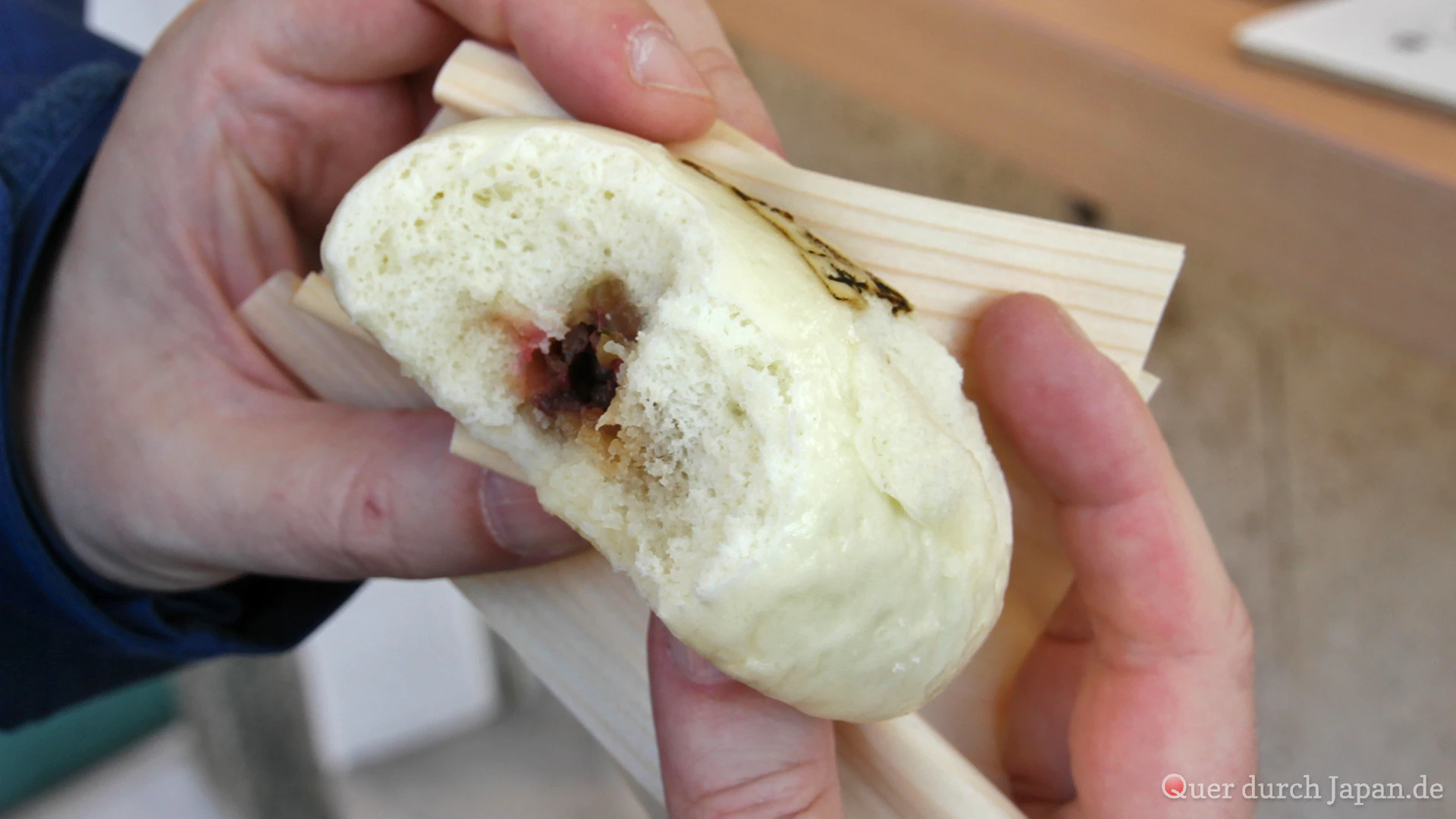
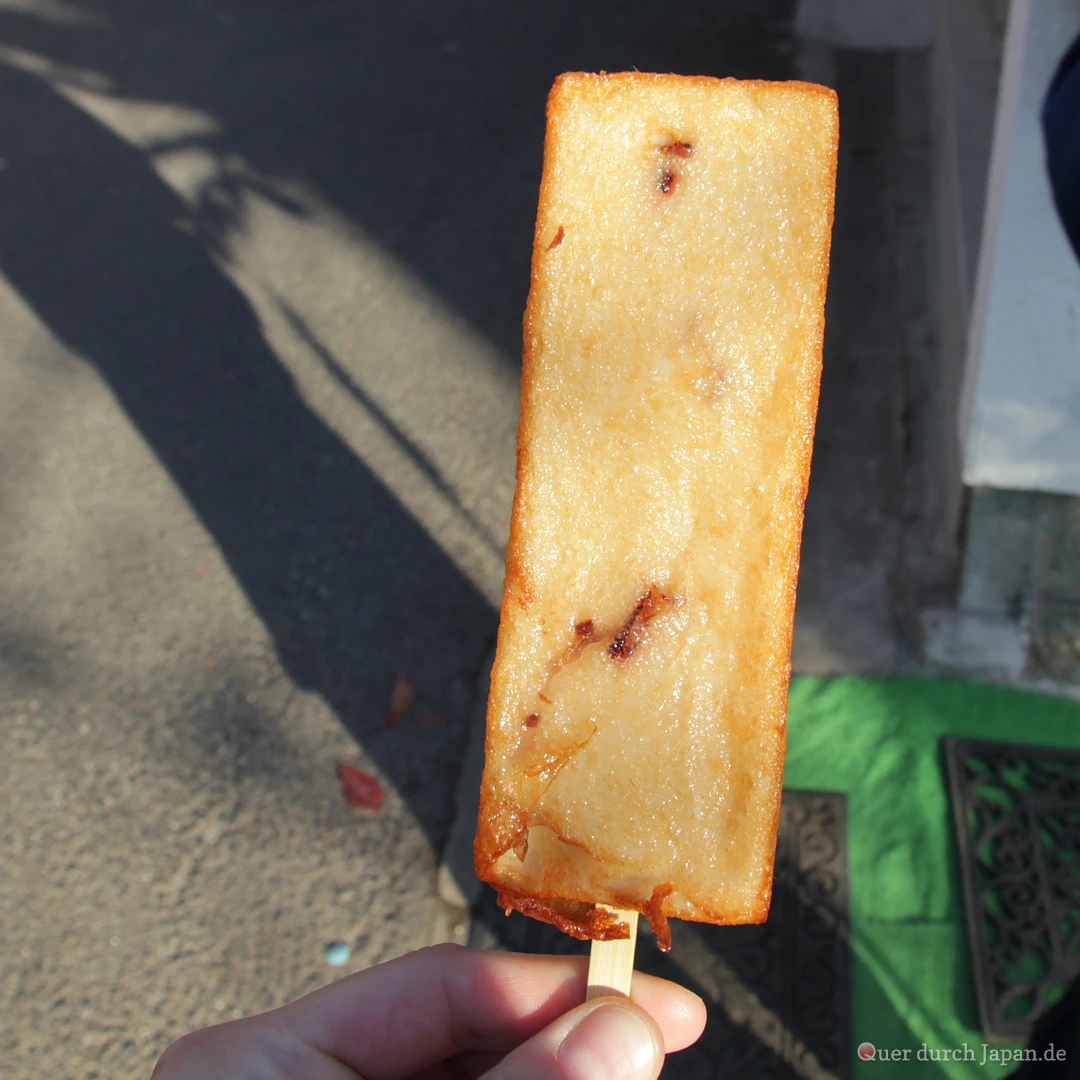
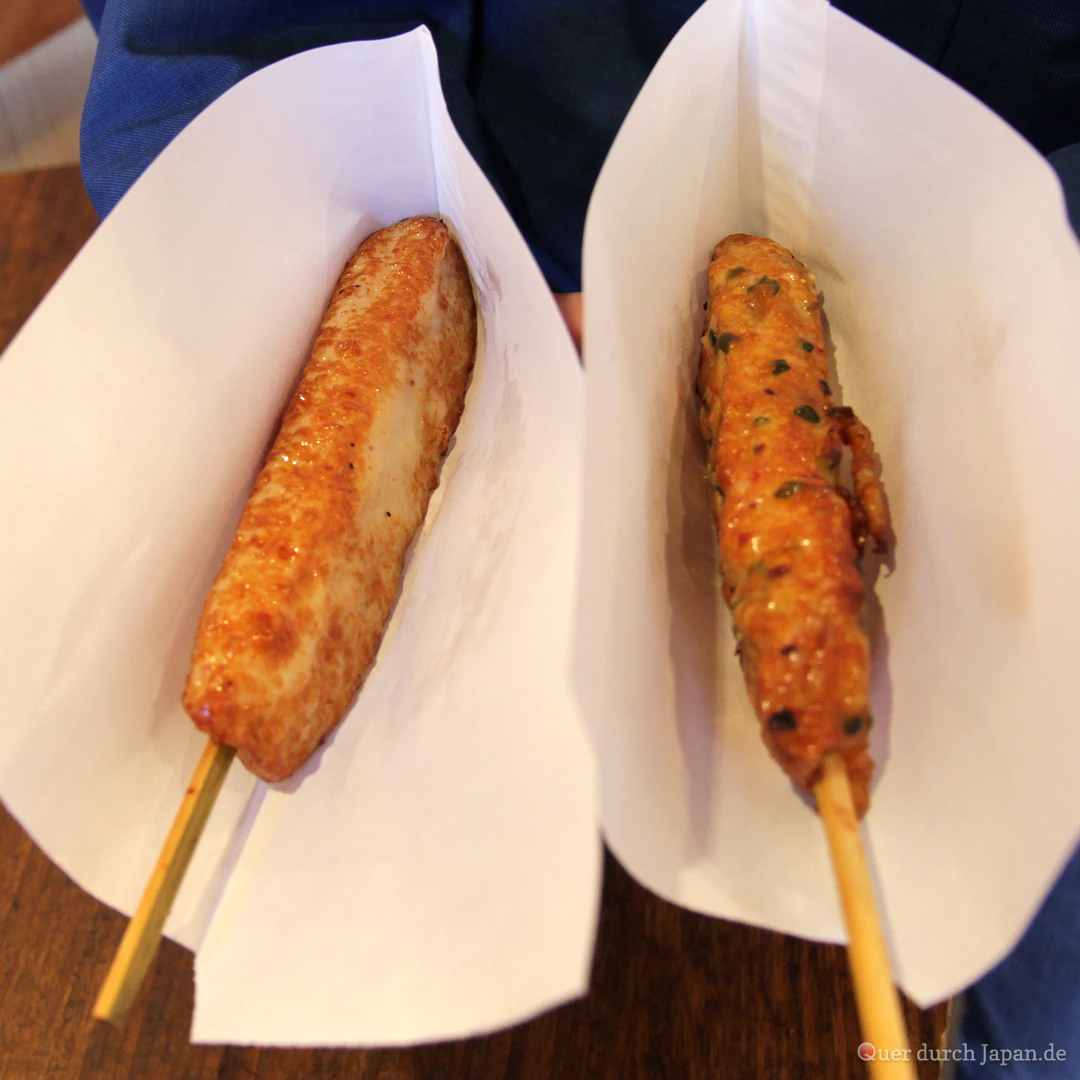
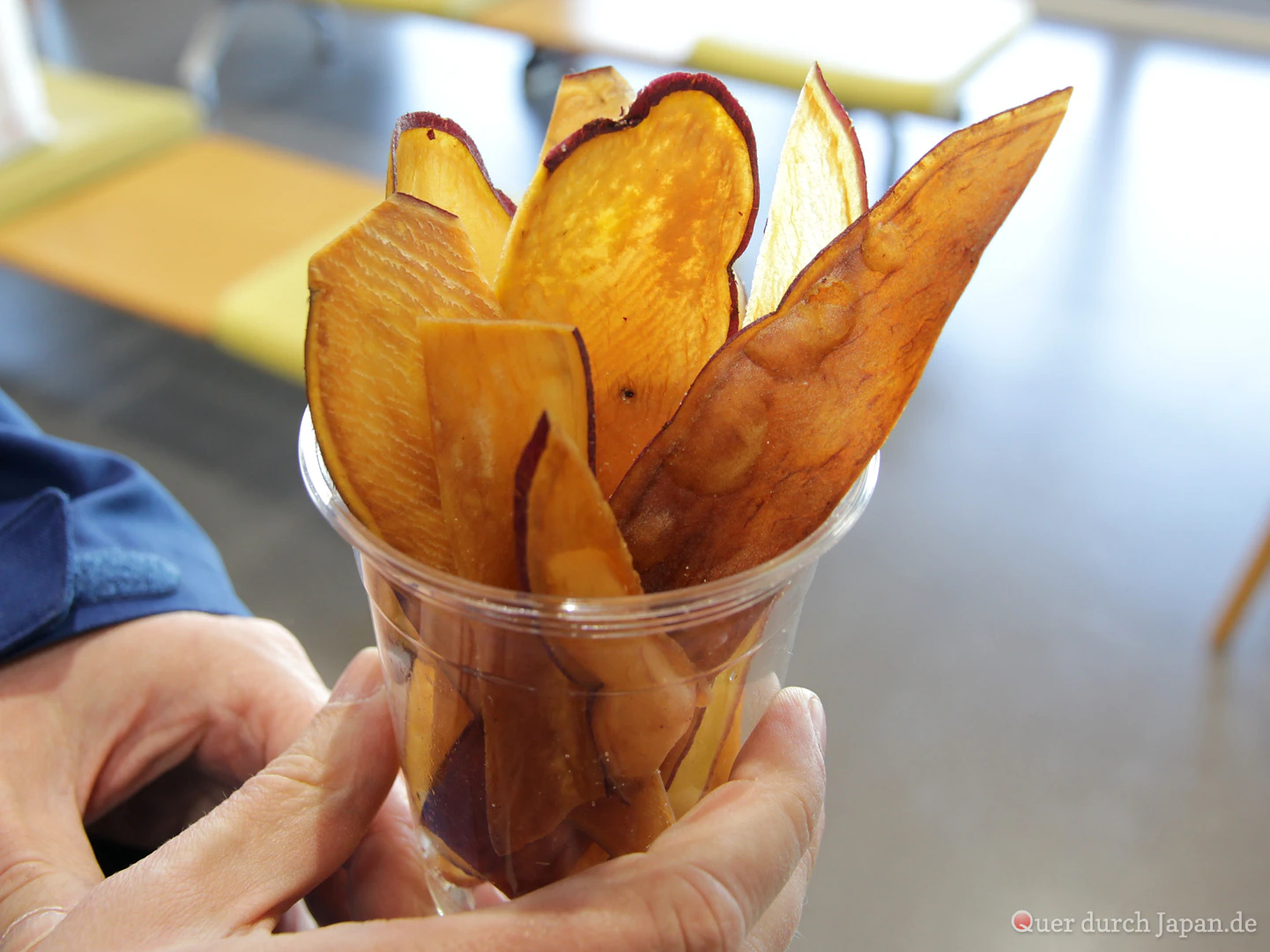
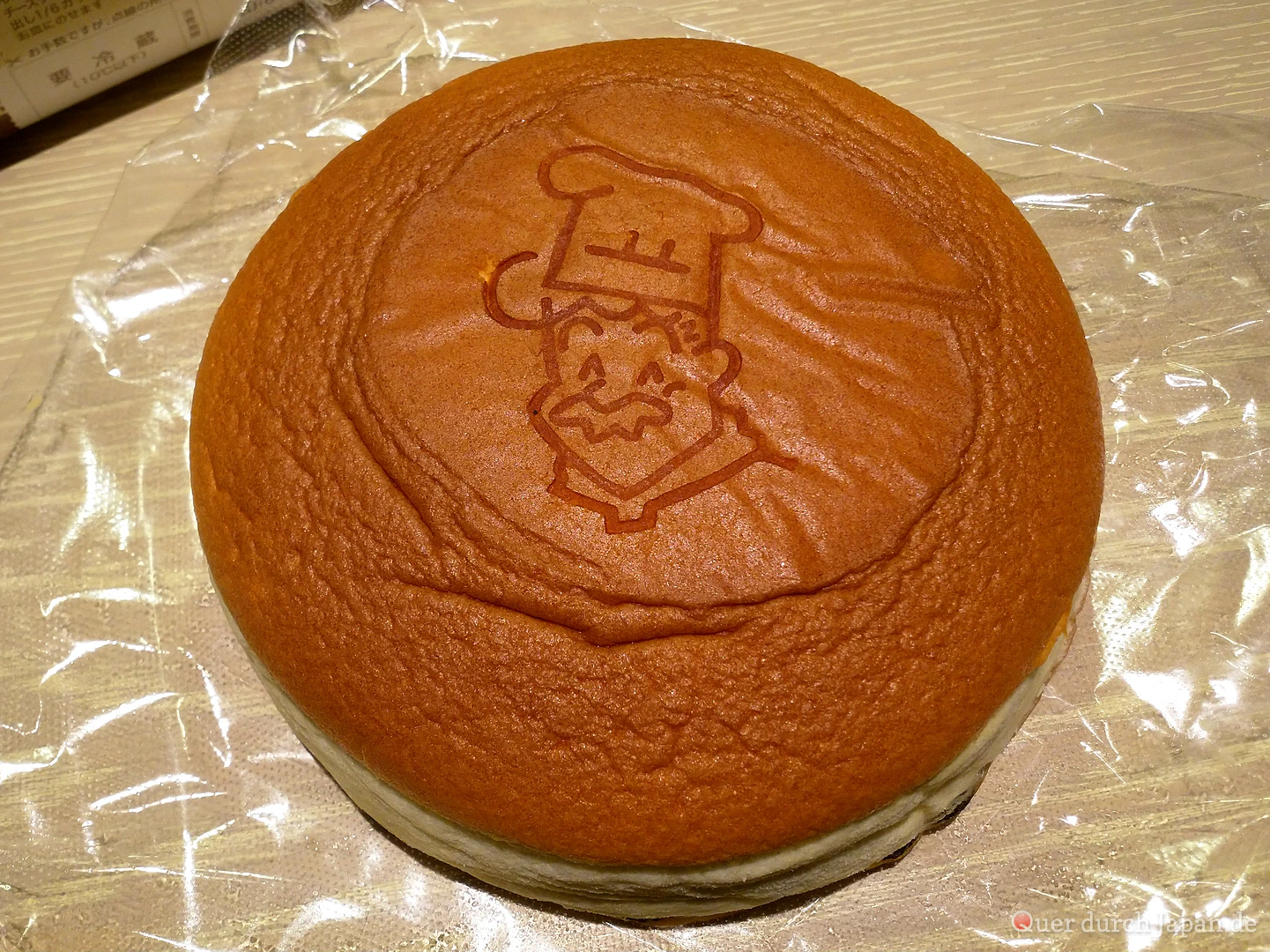
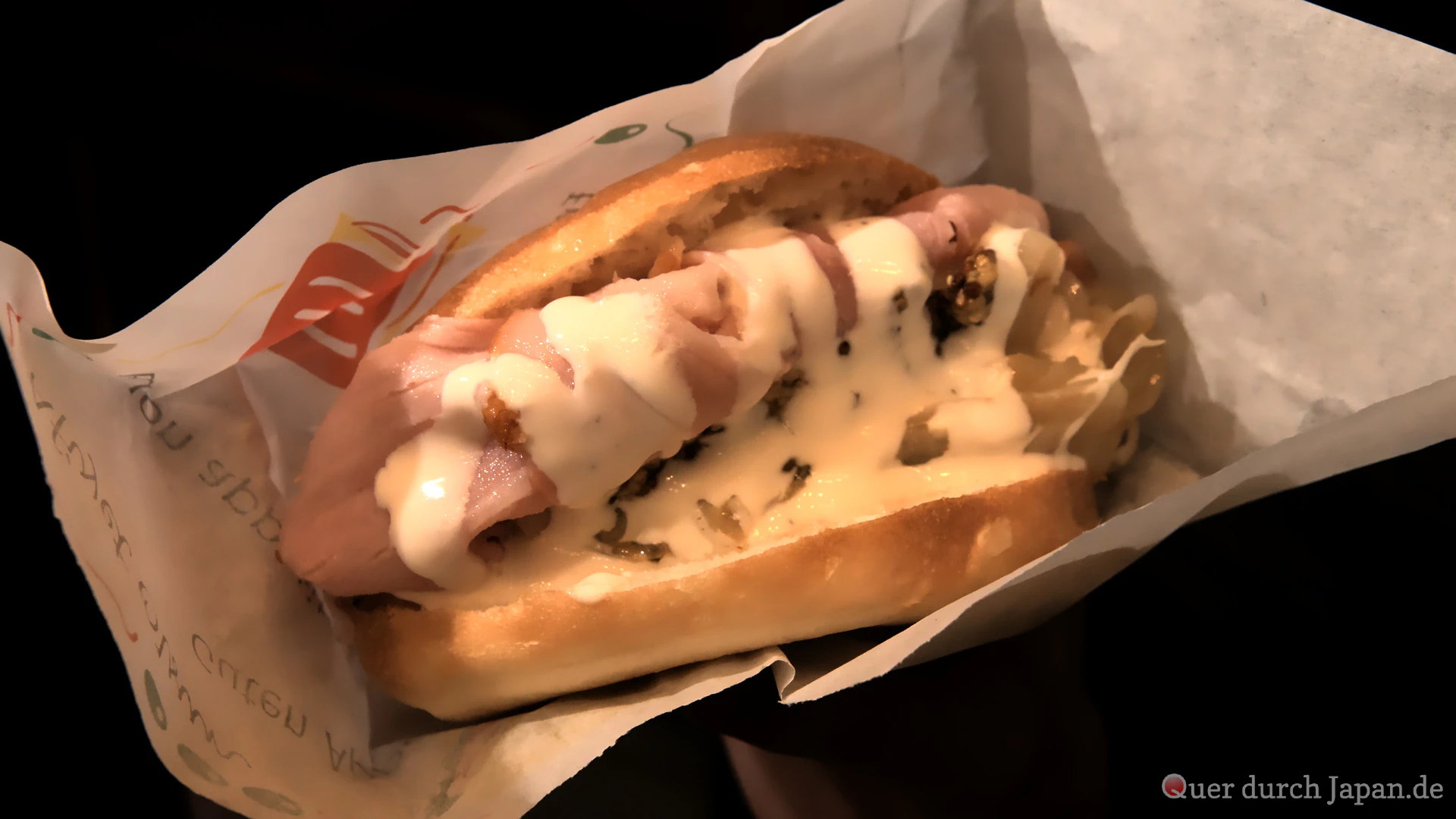
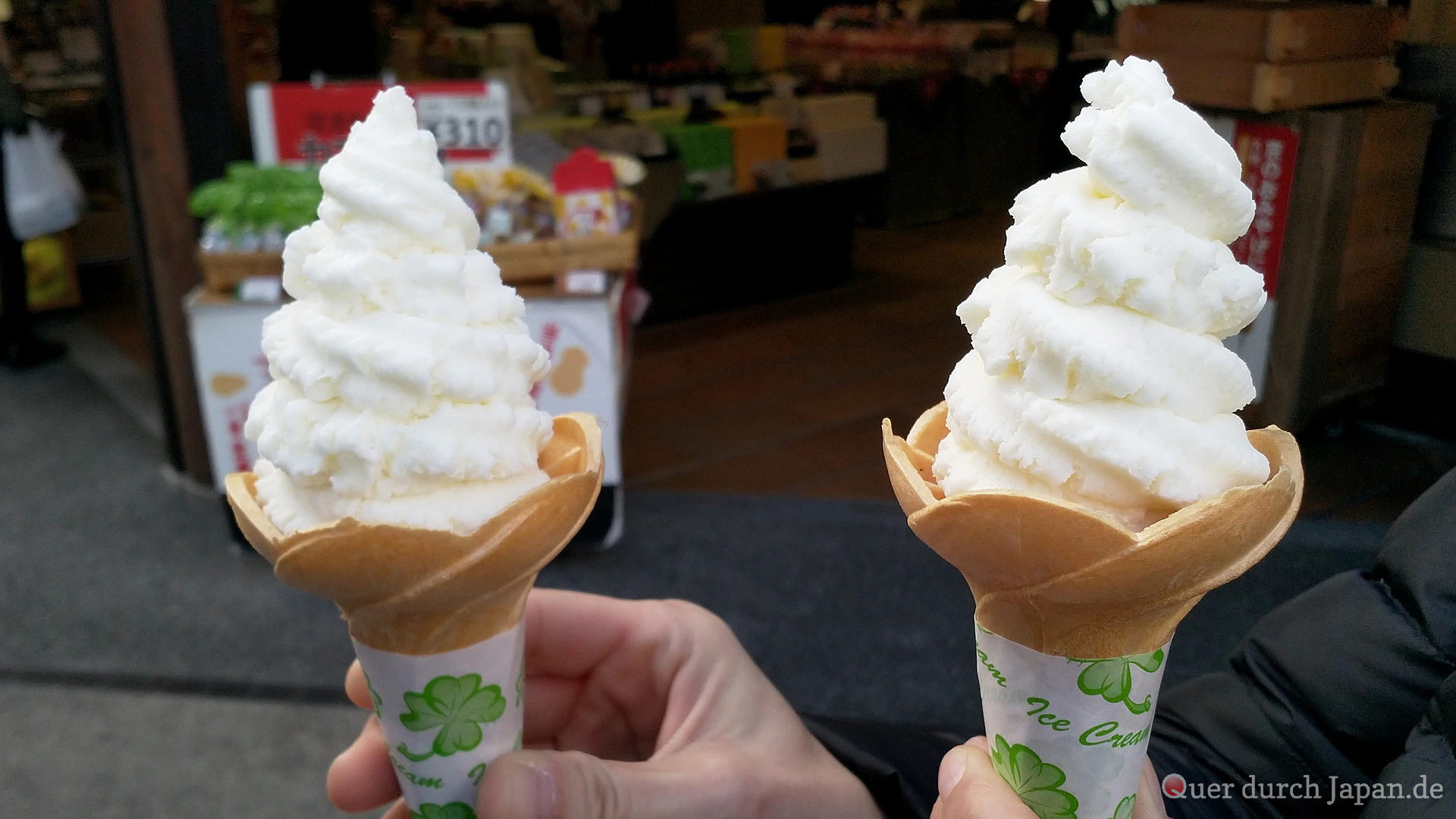
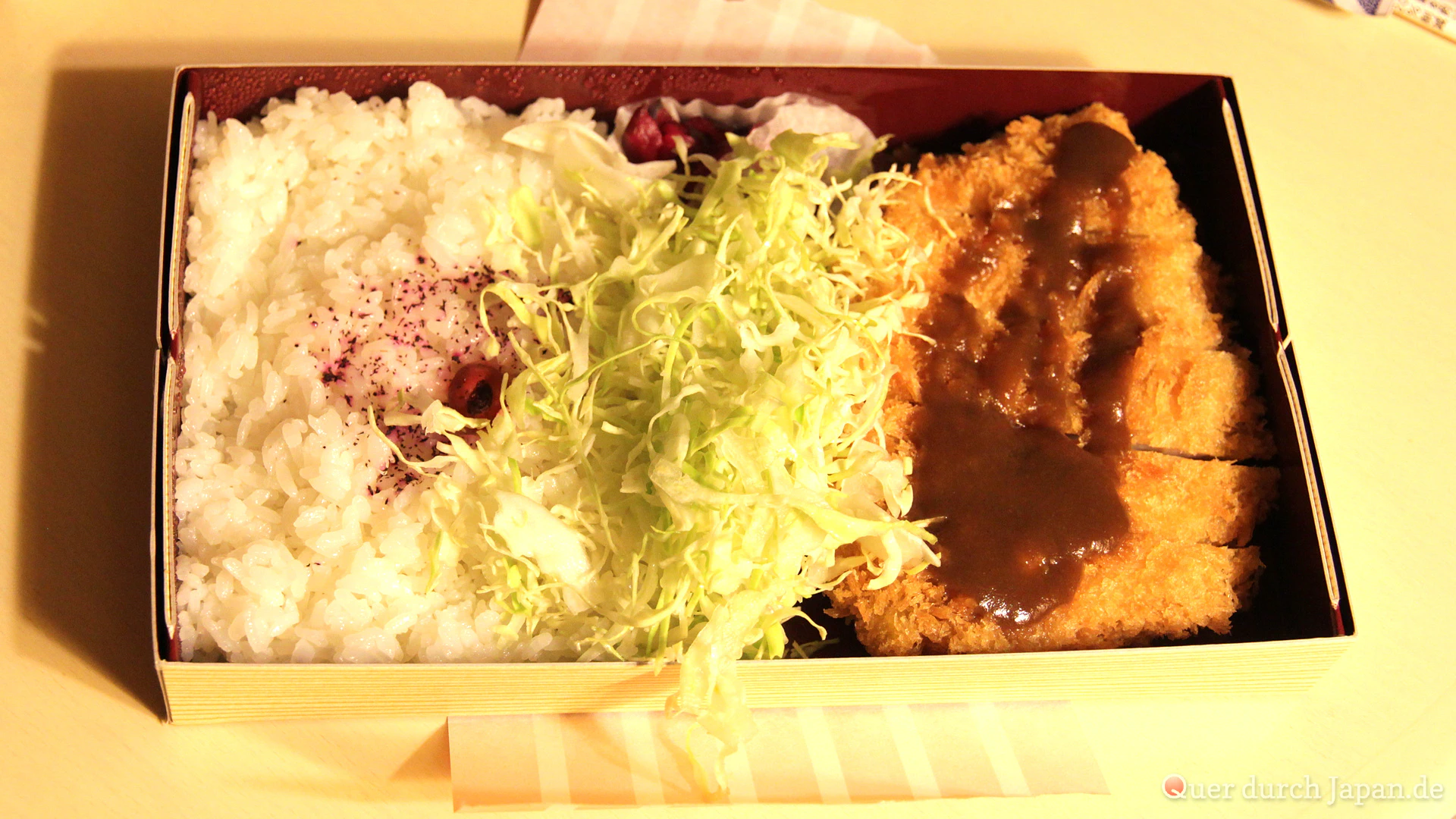
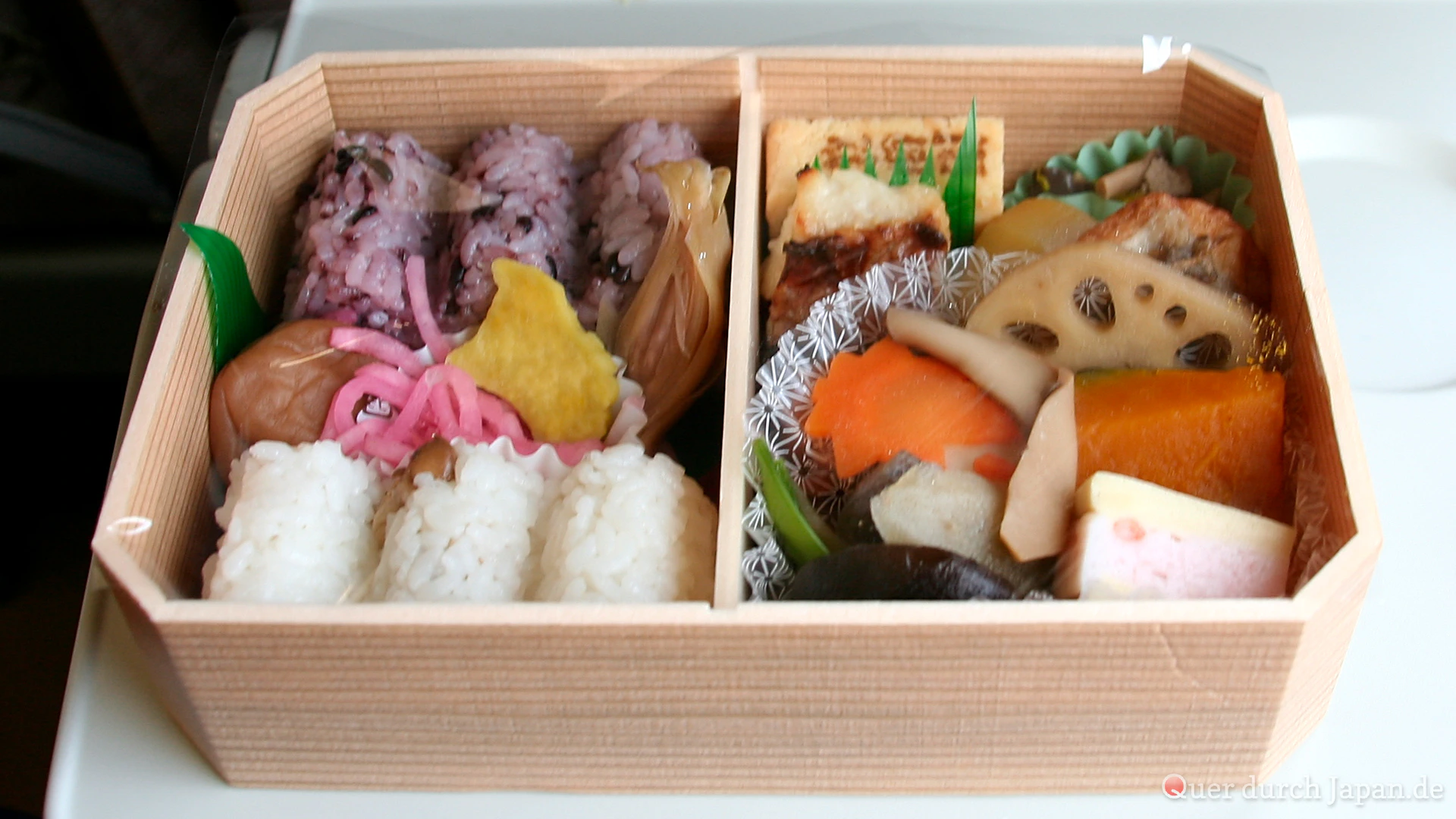
In the shopping streets and big train stations you’ll find all sorts of food stalls offering schnitzels, croquettes, Bentō and other snacks. A lot of souvenir shops also sell soft-serve ice cream. Or you can just grab a steamed bun at the nearest Konbini.
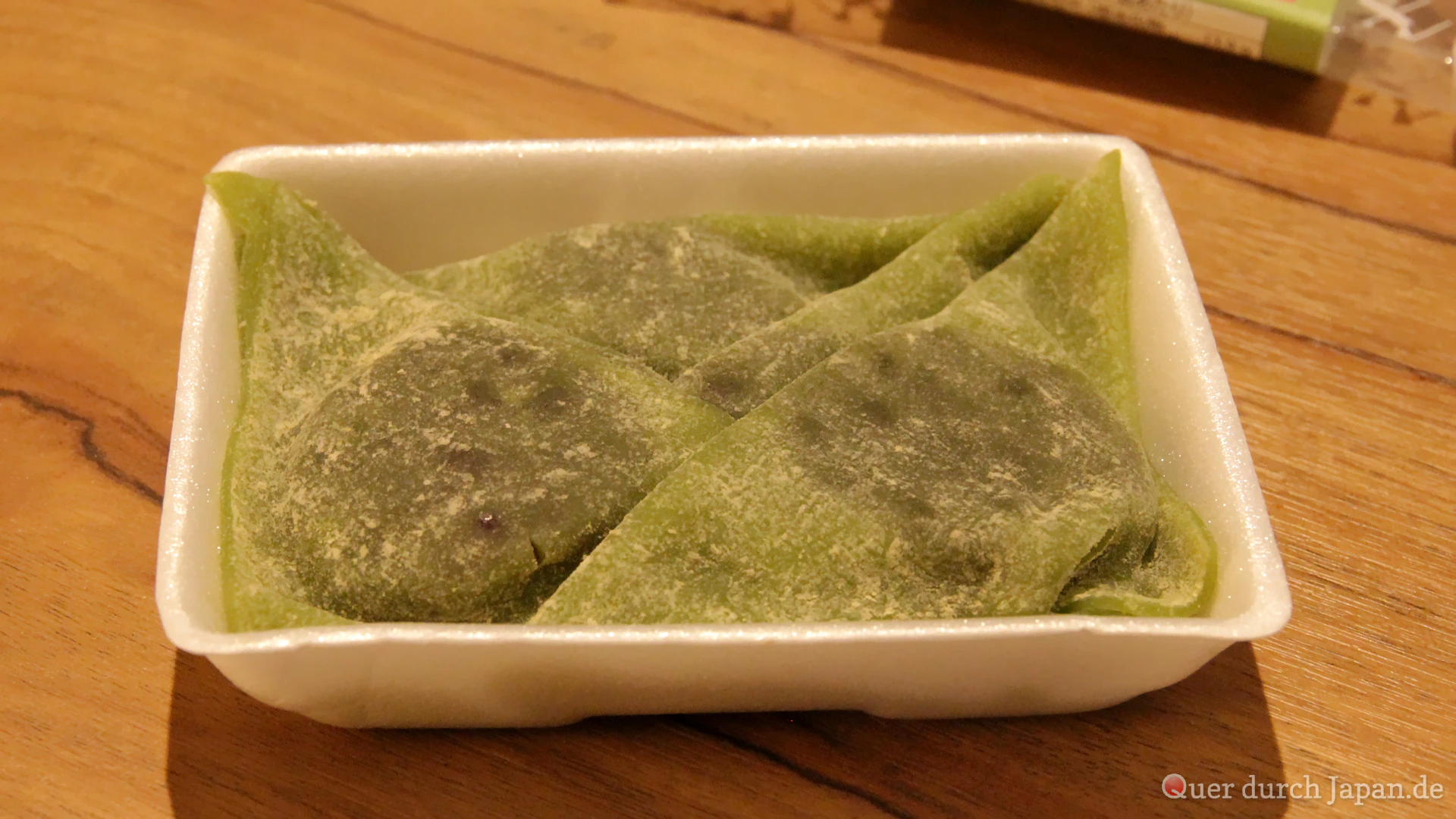
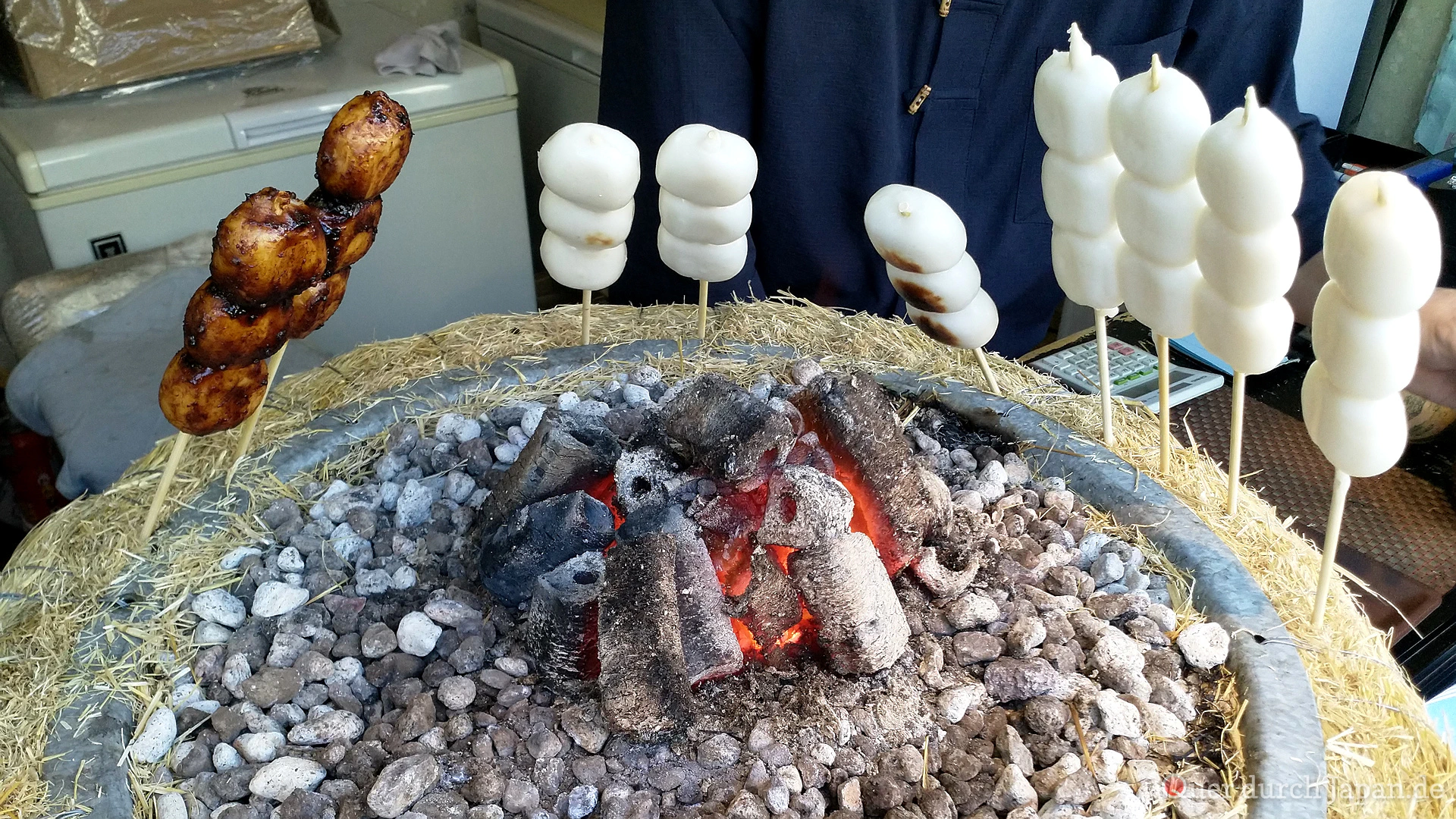
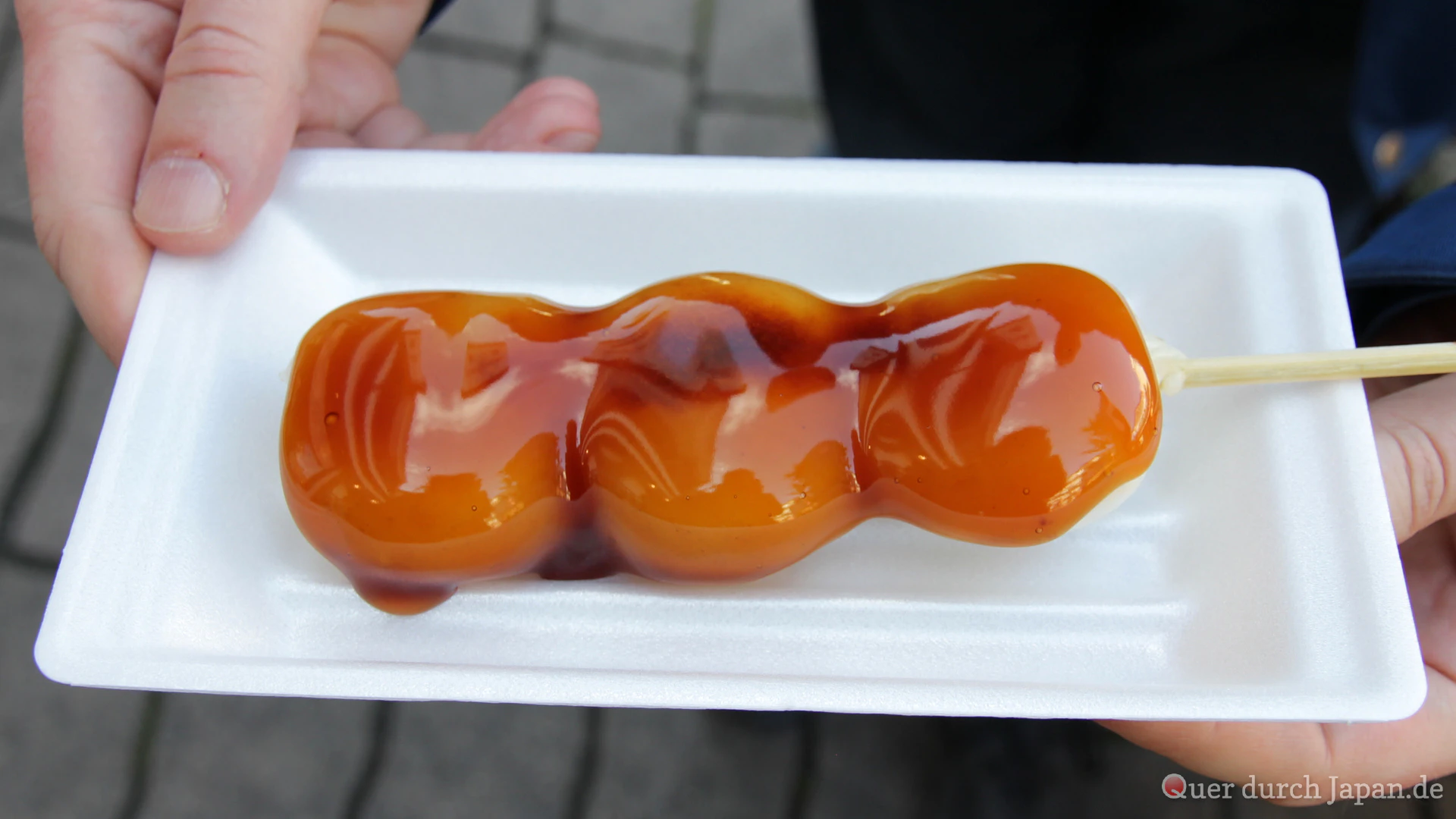
At big temples and castles there are sometimes pop-up stands selling snacks like Takoyaki or regional specialities.
During the day we stuff our faces with these little snacks. We’ve never gone hungry in Japan.
In the evening
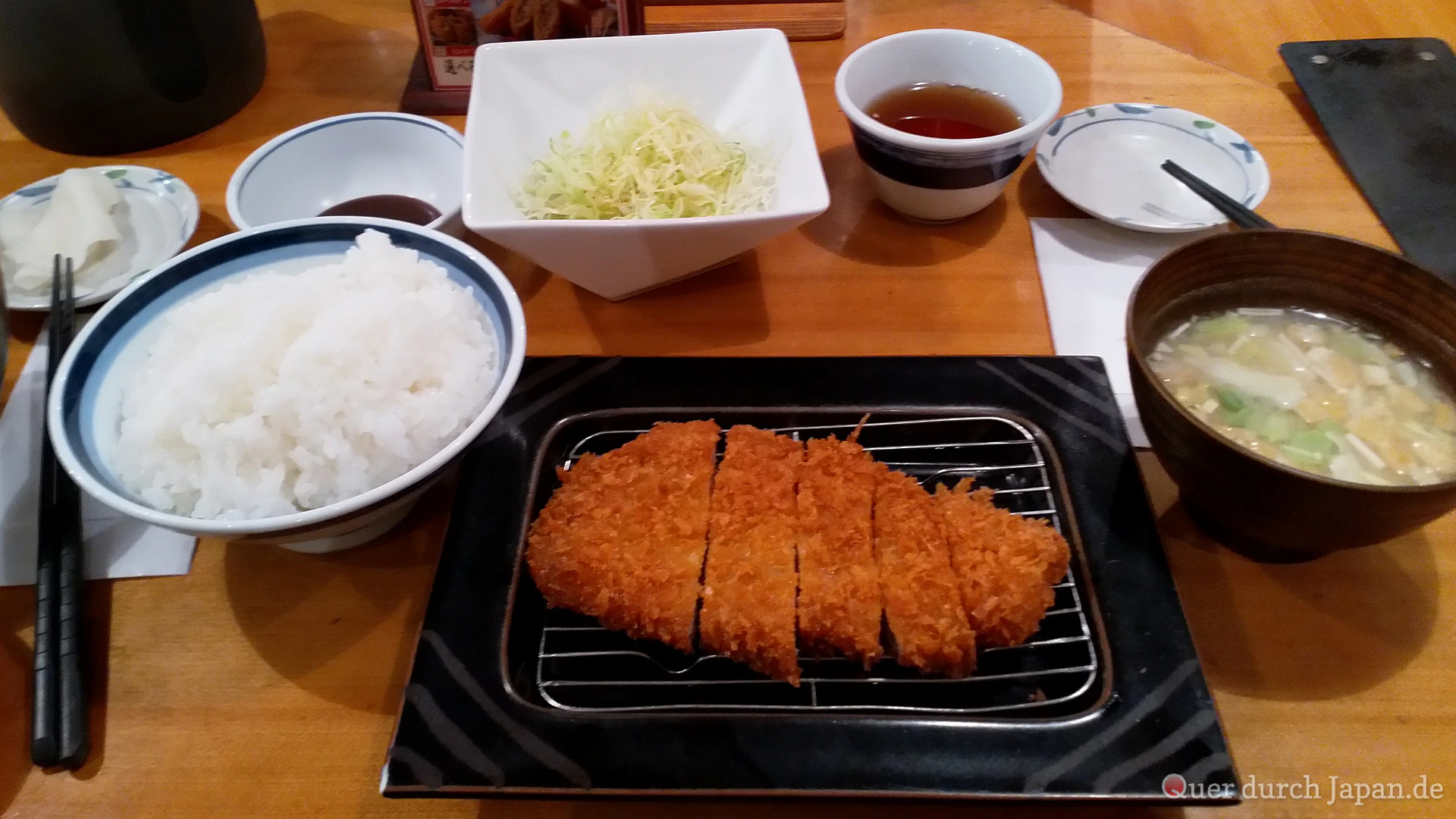
In the evening you can head to a restaurant or an Izakaya (pub); the choice is huge, especially in cities, and so is the price range. Sometimes the queues are too, so at peak times you might have to line up outside the restaurant.
The waiters rarely speak English, but they often have an English menu that they immediately hand over to foreigners. Other restaurants have their dishes displayed as plastic models in the window. Here, you just snap a photo of what you want with your smartphone and show the picture when ordering. You don’t pay at the table, but at the till when you leave the restaurant. You don’t tip, because good service is always included.
If you really can’t get into Japanese food, you’ll find pizzerias and European restaurants alongside the usual international fast-food chains. However, the latter are relatively pricey and will put a dent in your holiday budget.
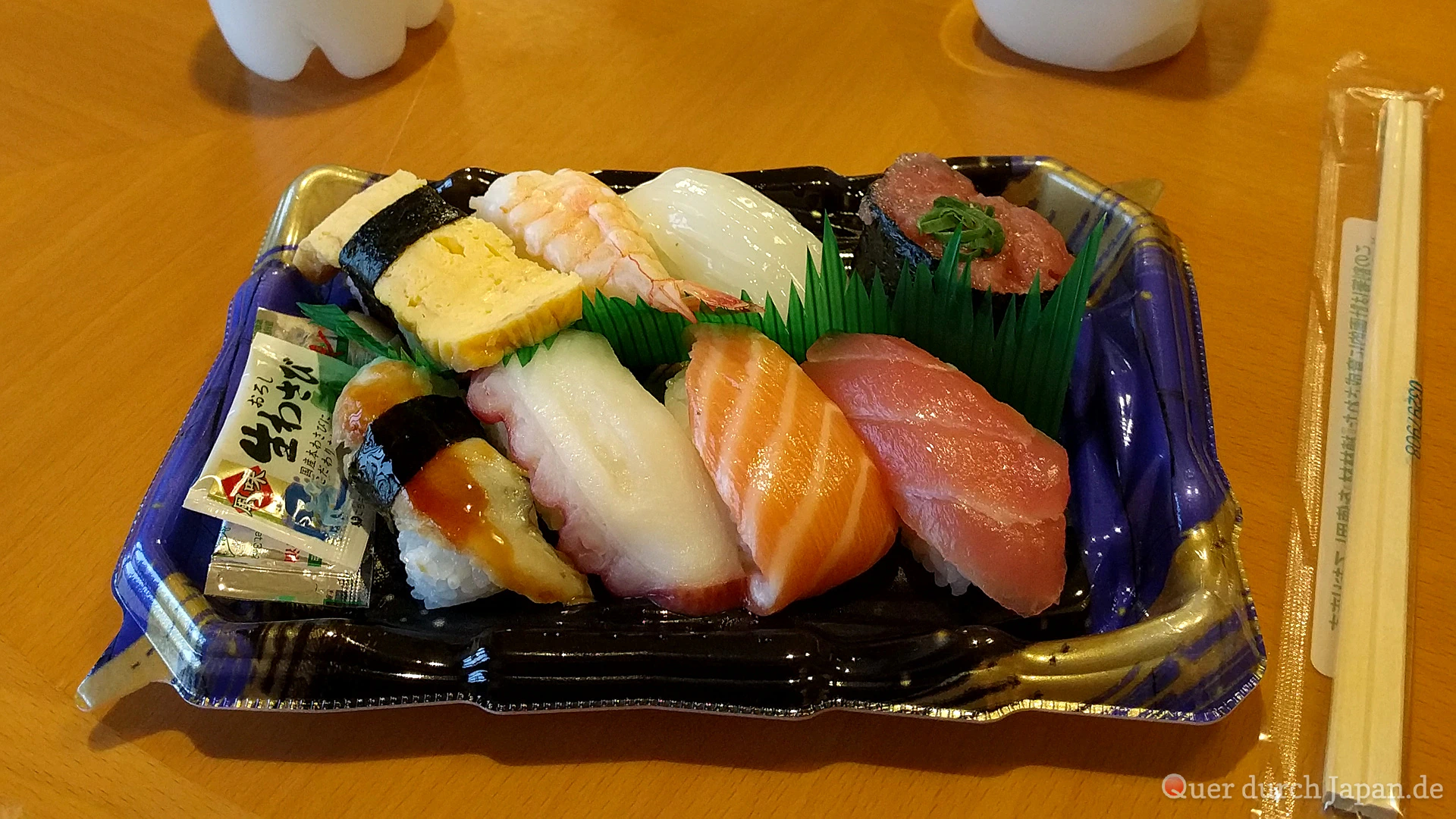
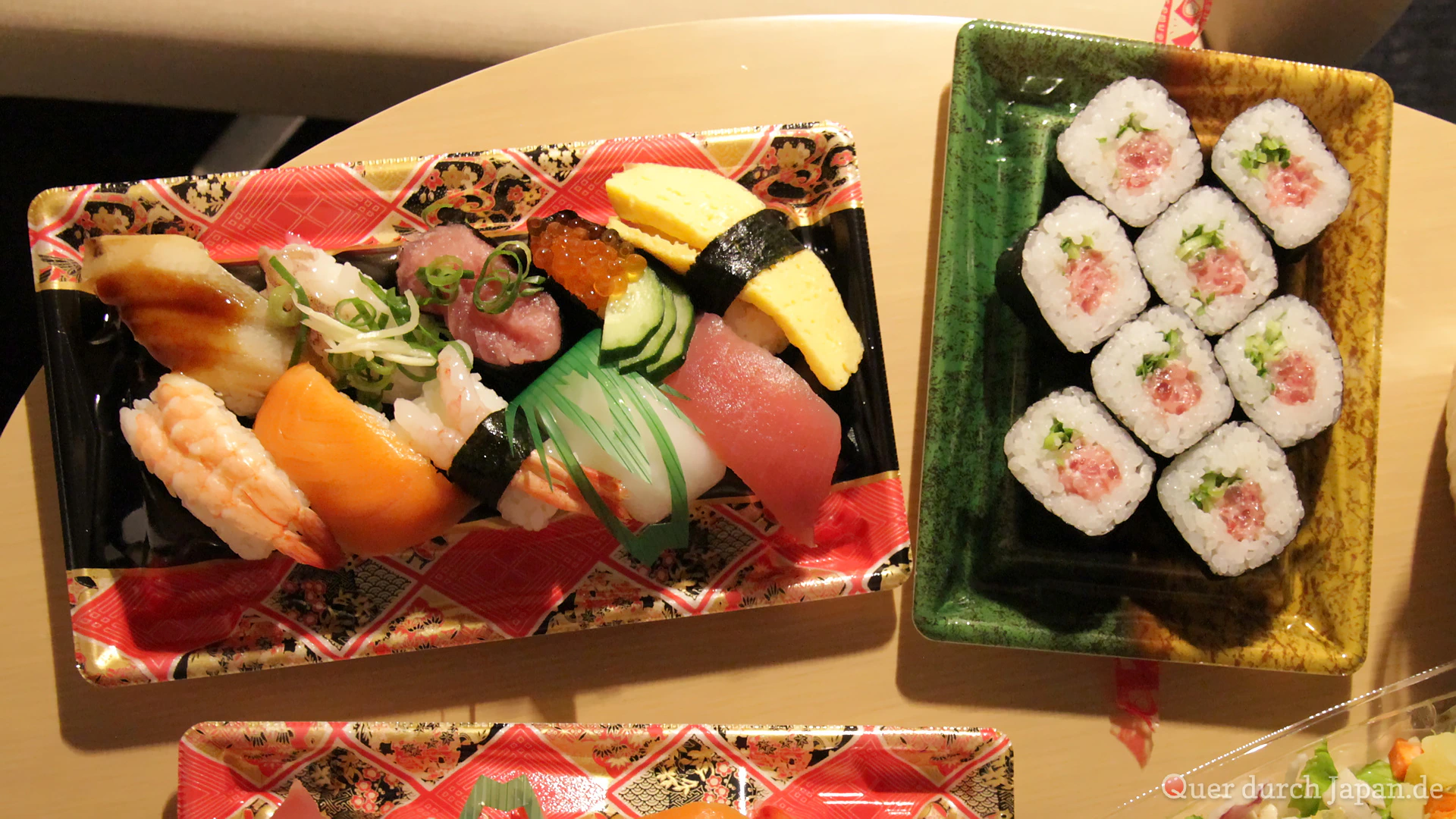
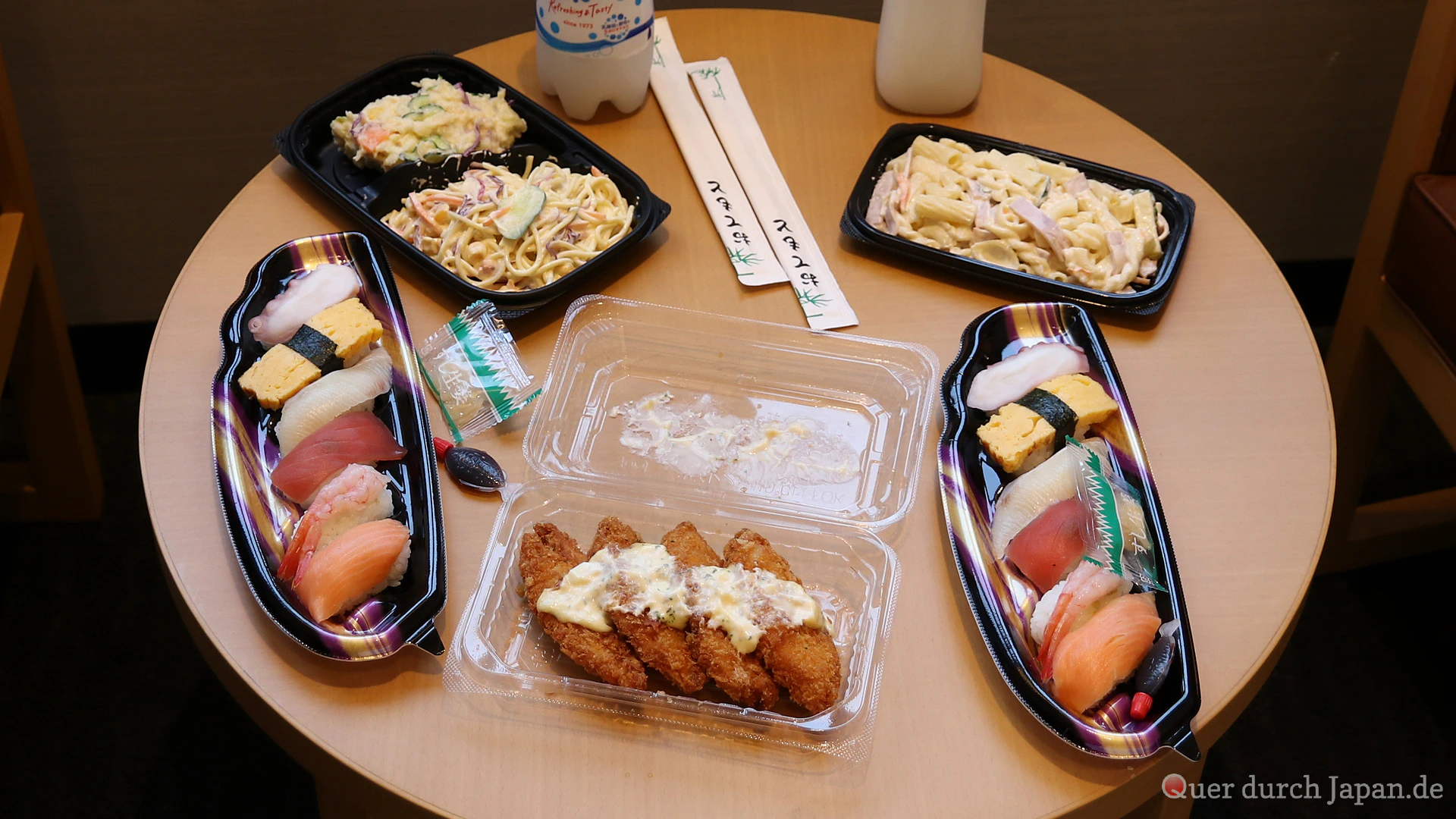
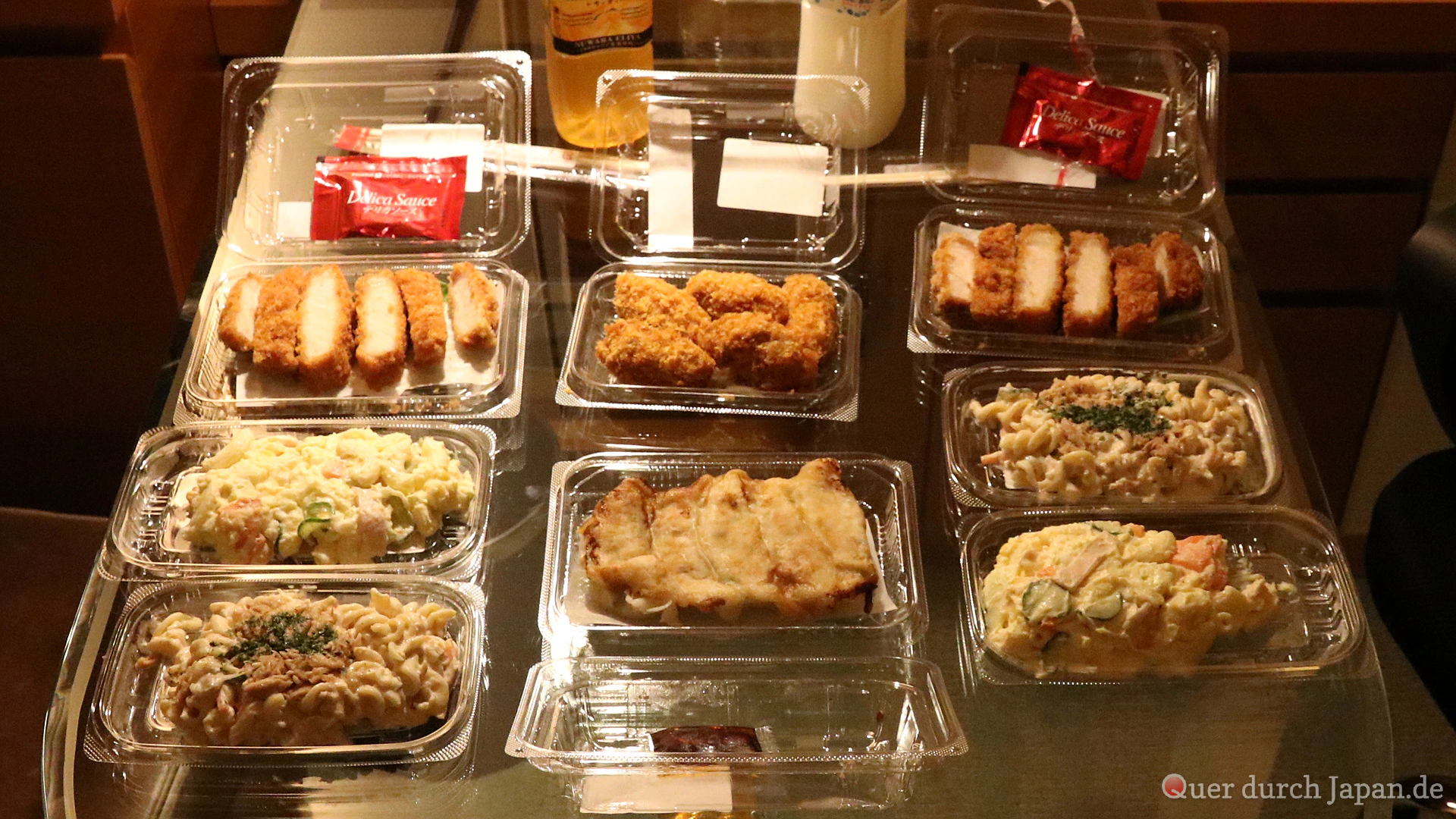
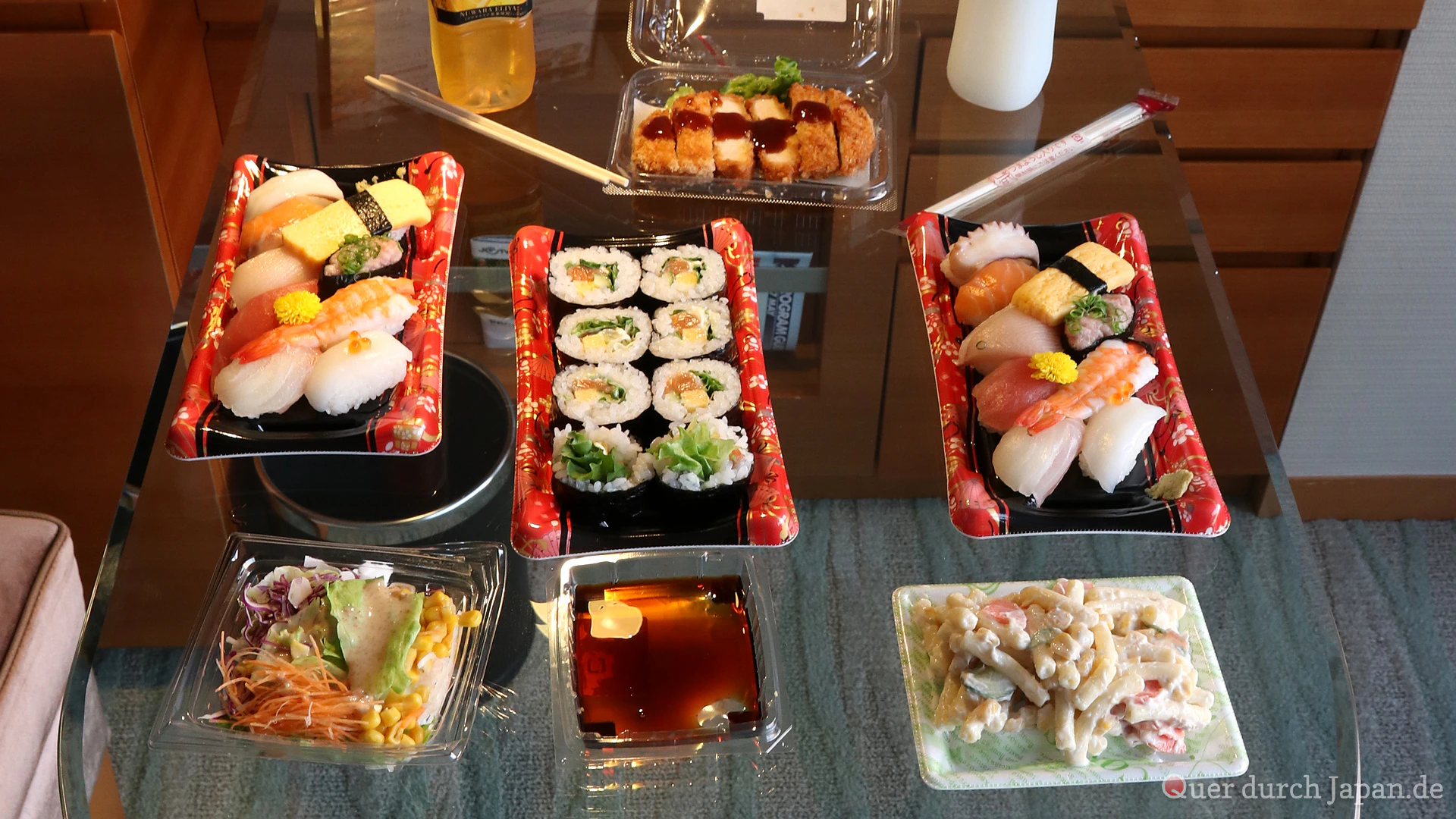
But just between us: after the hustle and bustle of the day, we prefer to grab sushi and salads from a supermarket and eat them in peace back in our hotel room.
Delicacies
A lot of places and regions have special delicacies that you really ought to try. The most famous is probably Kobe beef, which you can cook yourself at a table grill in Yakiniku restaurants. For a lot less money, the meat is also sold as hamburgers at street stalls.
Fugu is probably just as famous. Parts of the pufferfish are highly toxic. That’s why it can only be prepared by licensed chefs. The restaurants are correspondingly expensive and accidents are extremely rare. This kind of thrill isn’t really our thing, as the taste is supposed to be pretty boring anyway.
It doesn’t always have to be so expensive. Takamatsu, for instance, is famous for its Sanuki Udon noodles, which you can eat cheaply in any soup kitchen there. In Kagoshima, you can get Kurobuta (black pork) schnitzel in basic restaurants. Hiroshima and Ōsaka are famous for their Okonomiyaki (Japanese pizza). So it’s definitely worth checking out regional treats when planning your trip.