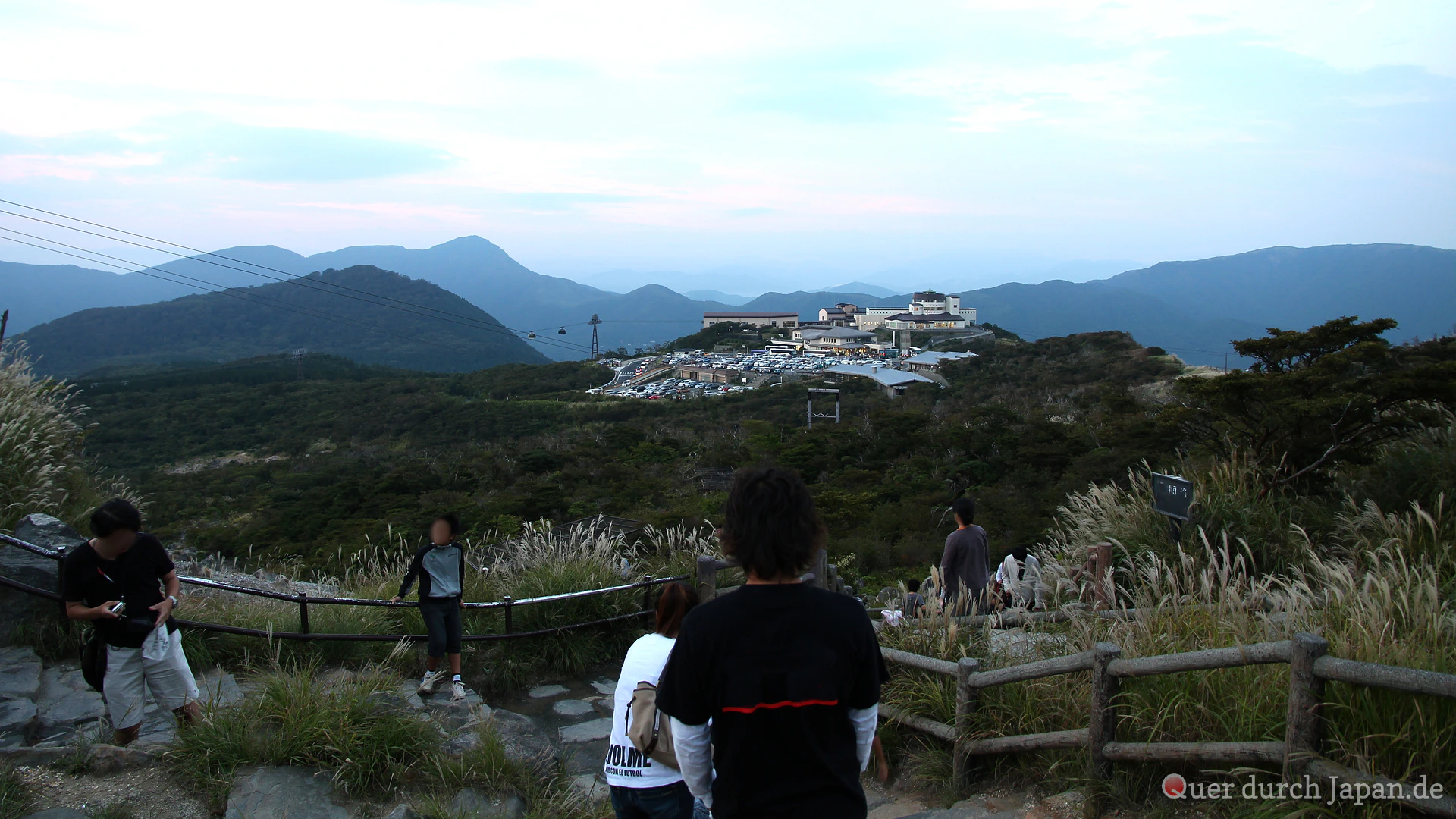
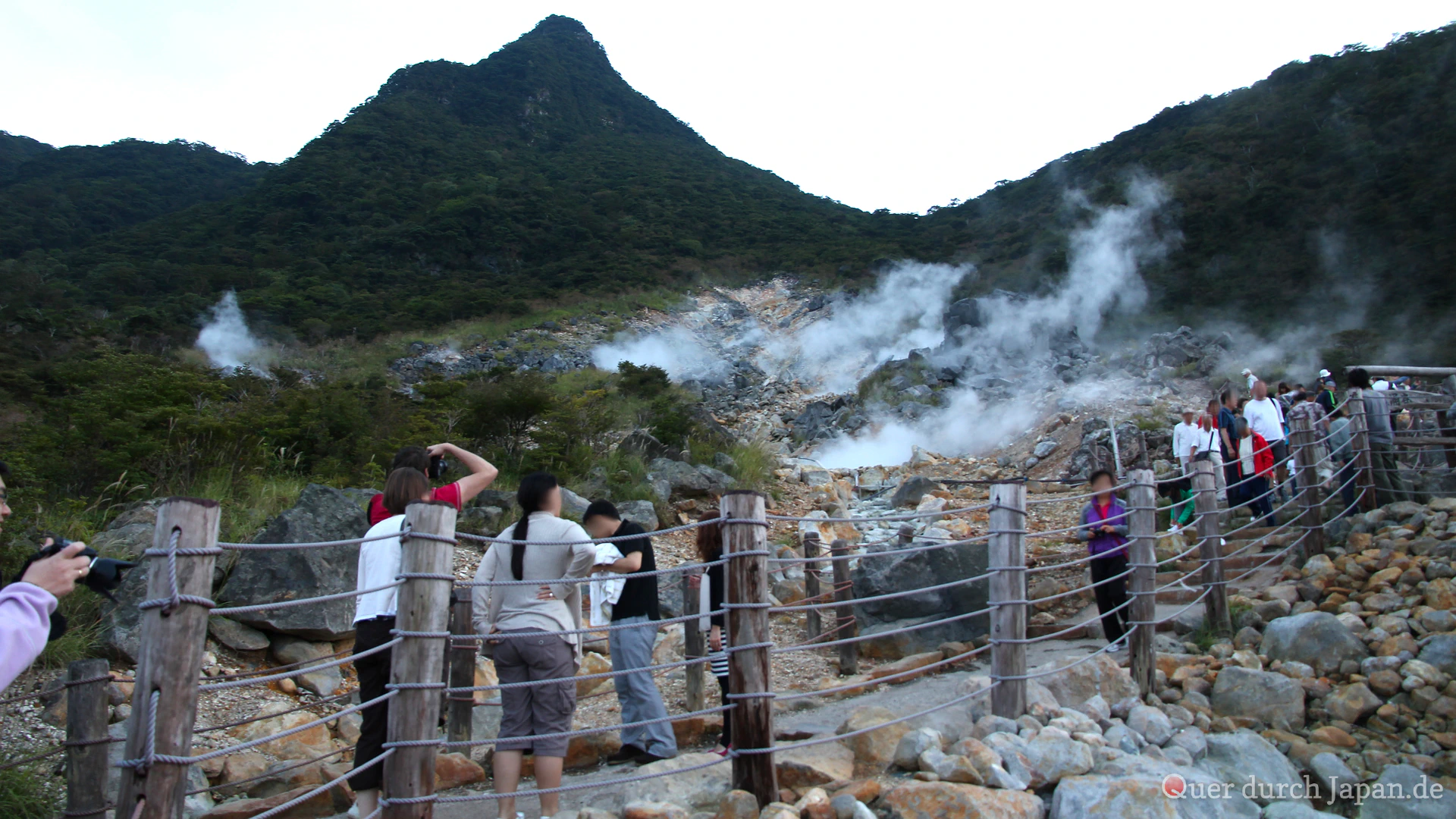
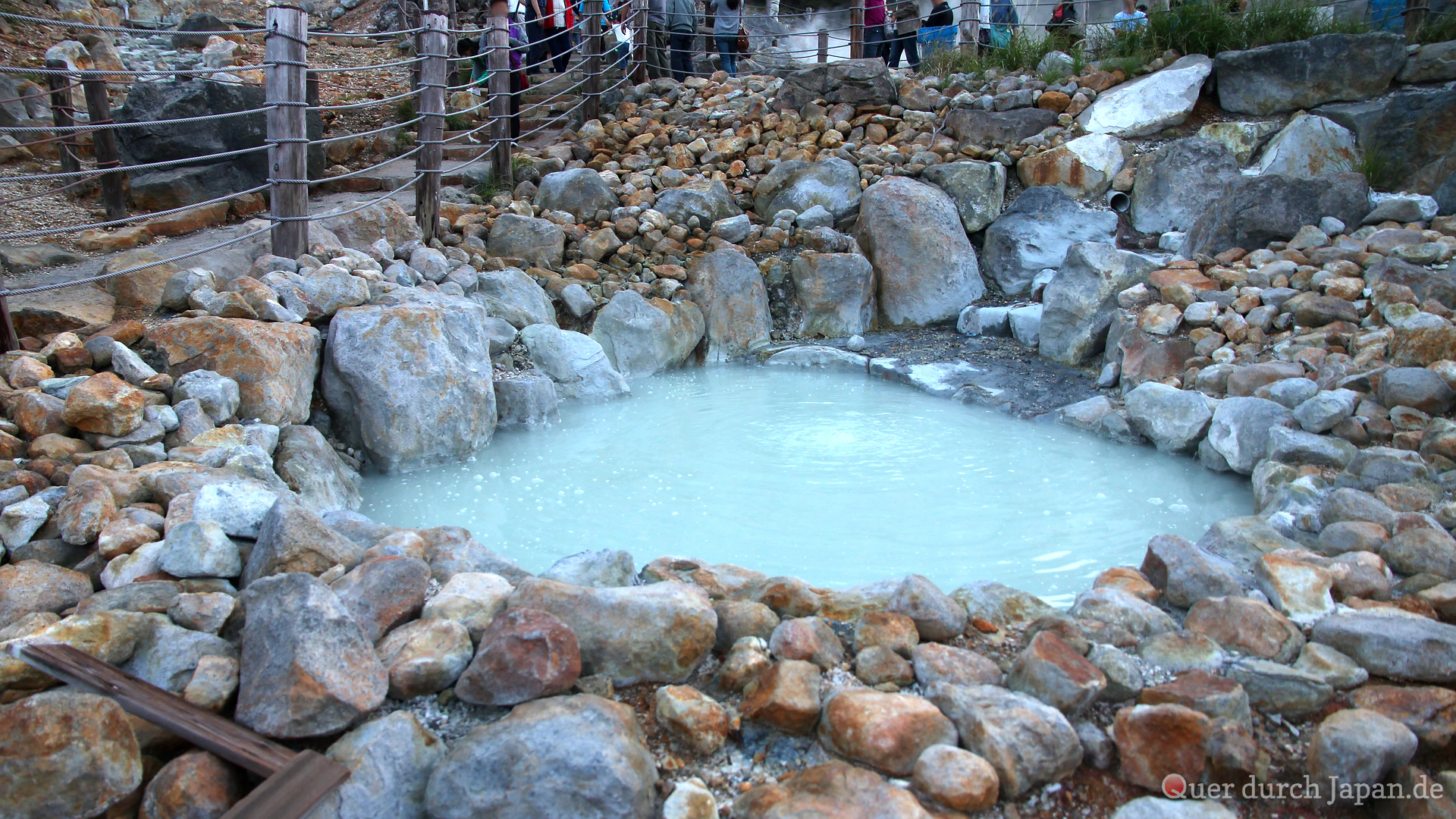
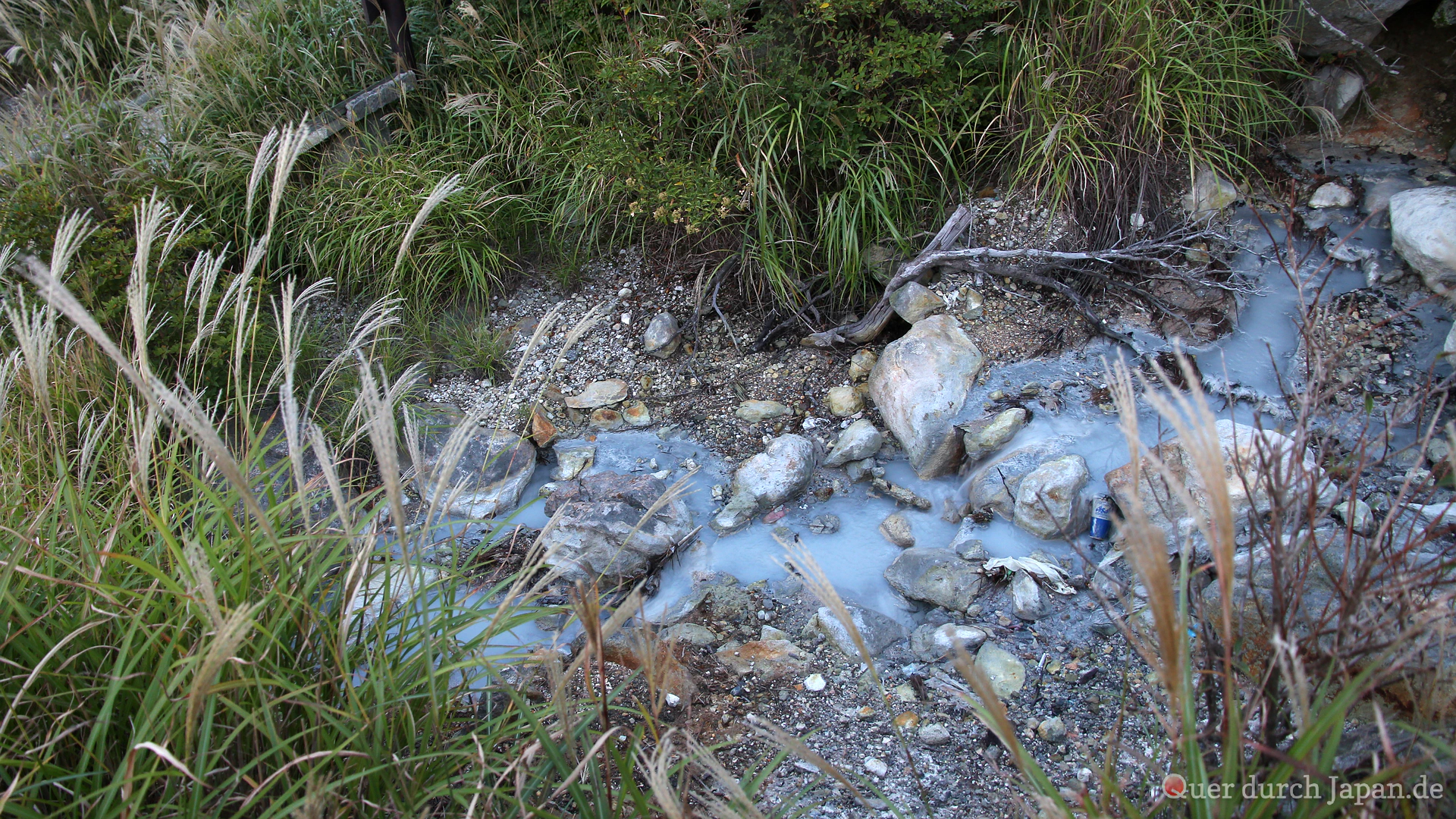
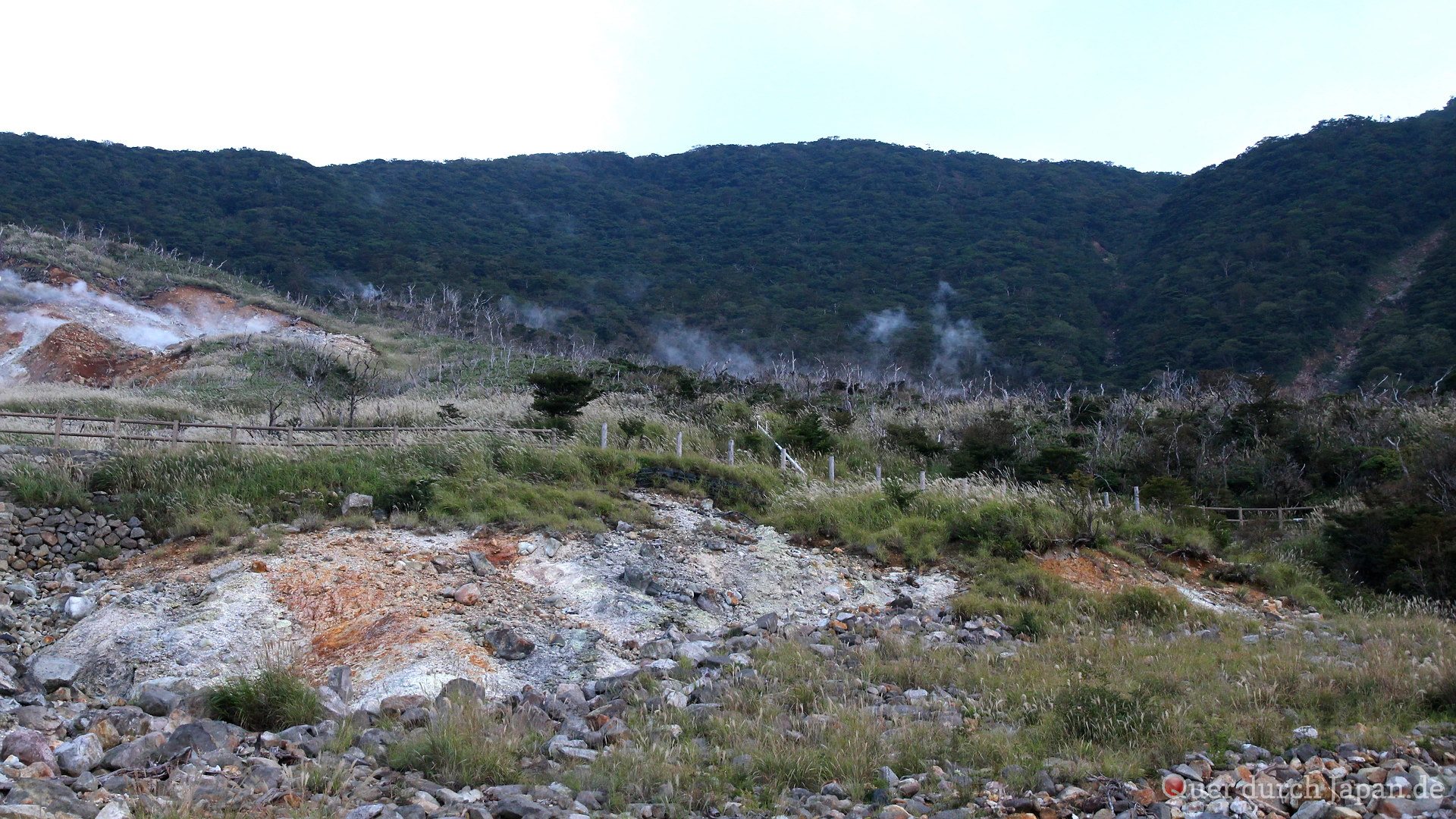
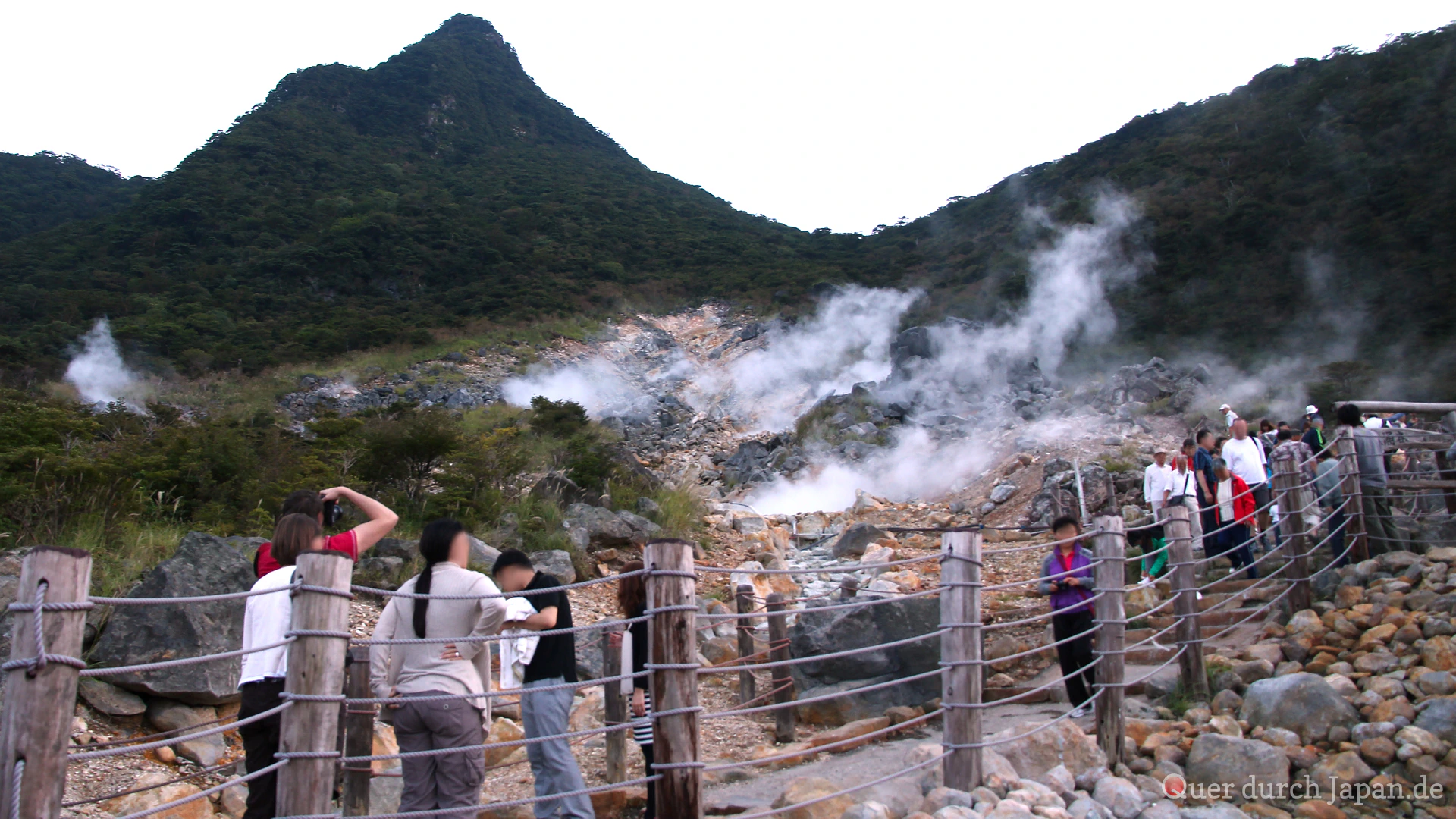
On our first trip to Japan in 2010, we visited Ōwakudani, literally translated as the great boiling valley. The place is located on the volcano Hakone, about 80 km away from Tokyo. Thanks to several hot sulphur springs, it’s bubbling, steaming, and seriously stinking here. If the weather plays ball, though, you get a good view from here of Japan’s arguably most famous volcano, Fuji-san.
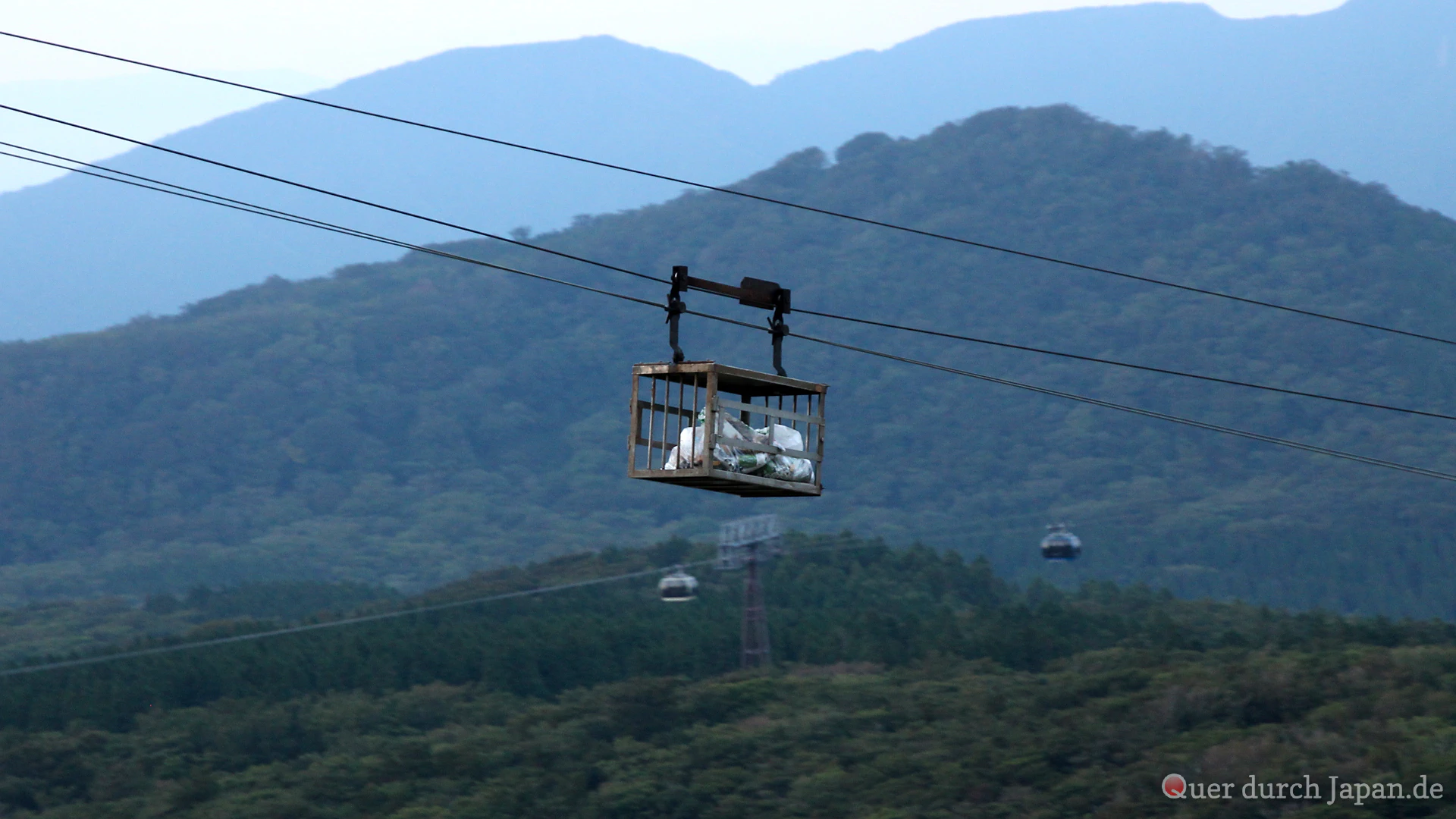
The place is mostly famous for its kuro tamago, the black chicken eggs. They are boiled in the hot sulphur water, which turns the shell black. Word is, eating one of these eggs extends your life by seven years. The boiled eggs are brought to the visitor centre via a special cable car and sold there.
In 2015, the place had to be closed to visitors. Hundreds of smaller quakes, the ground rising by a few centimetres, and an increase in the water pressure of the springs made this necessary. Hanging out here would have been life-threatening. Experts even feared a possible eruption of the volcano.
But Hakone calmed down. Since mid-2016, Ōwakudani has been accessible again with some restrictions; however, sick and pregnant people are still advised against visiting because of the gases in the air. You can reach the visitor centre either via an access road or by cable car from Lake Ashi.