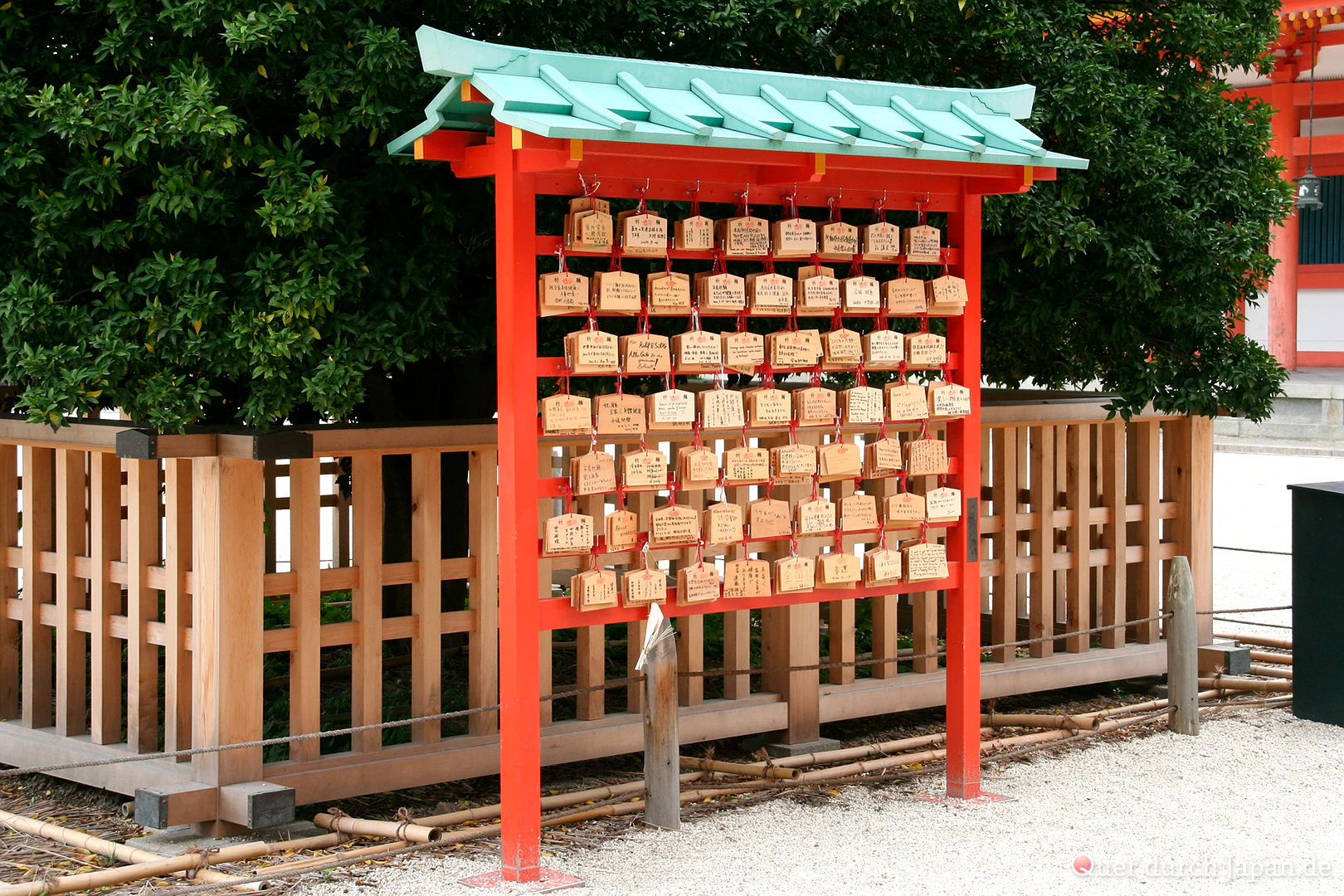
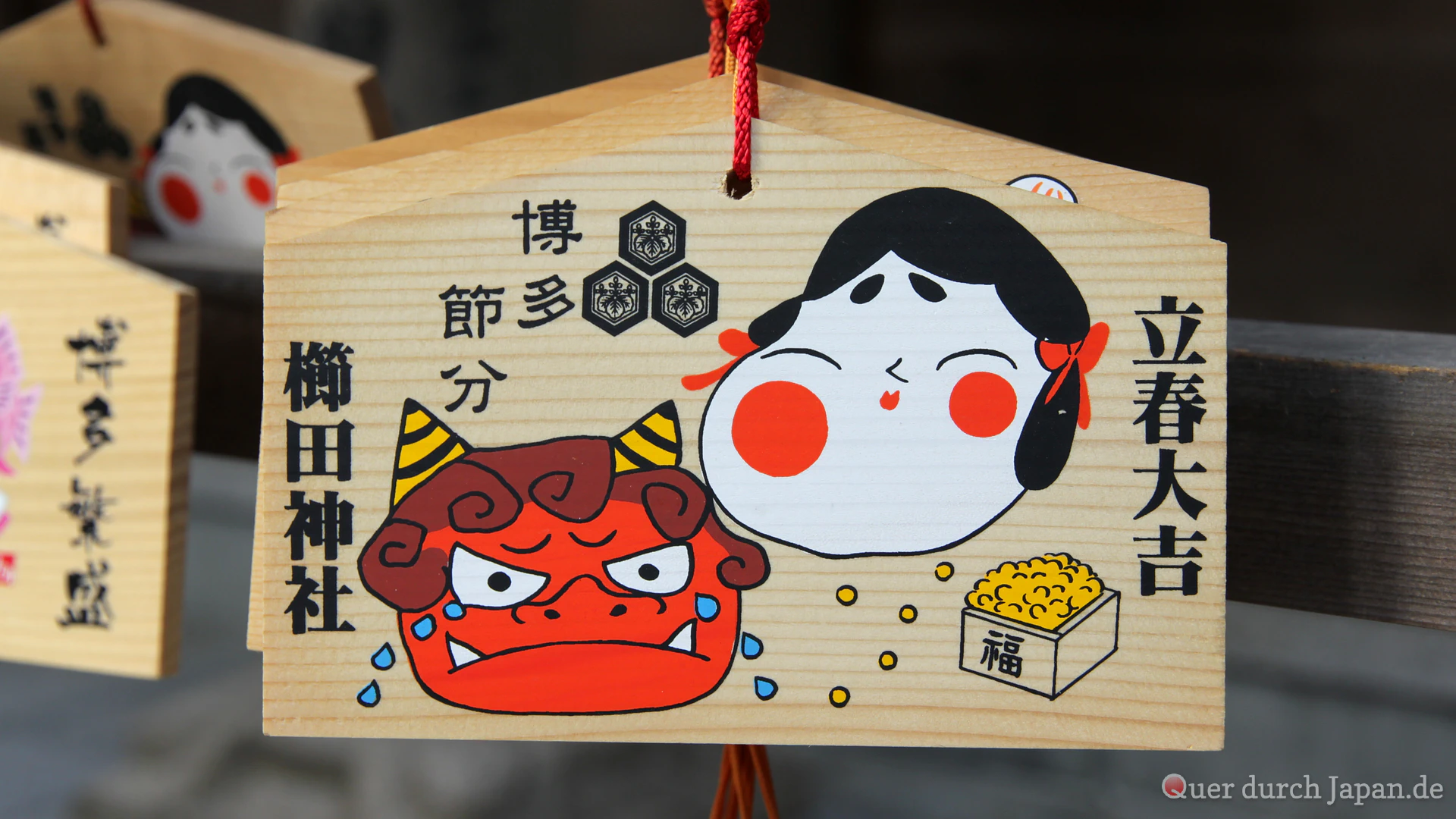
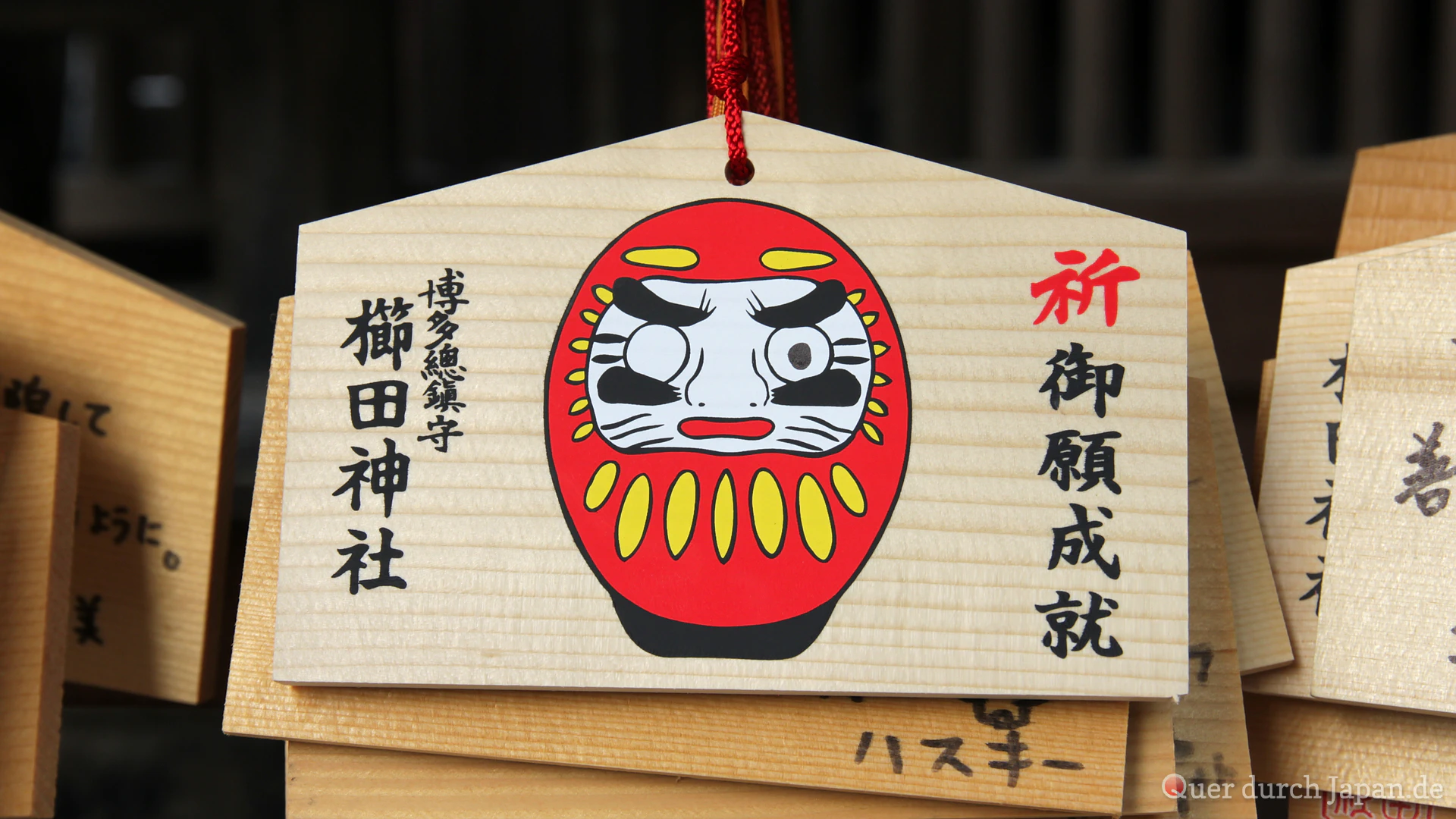
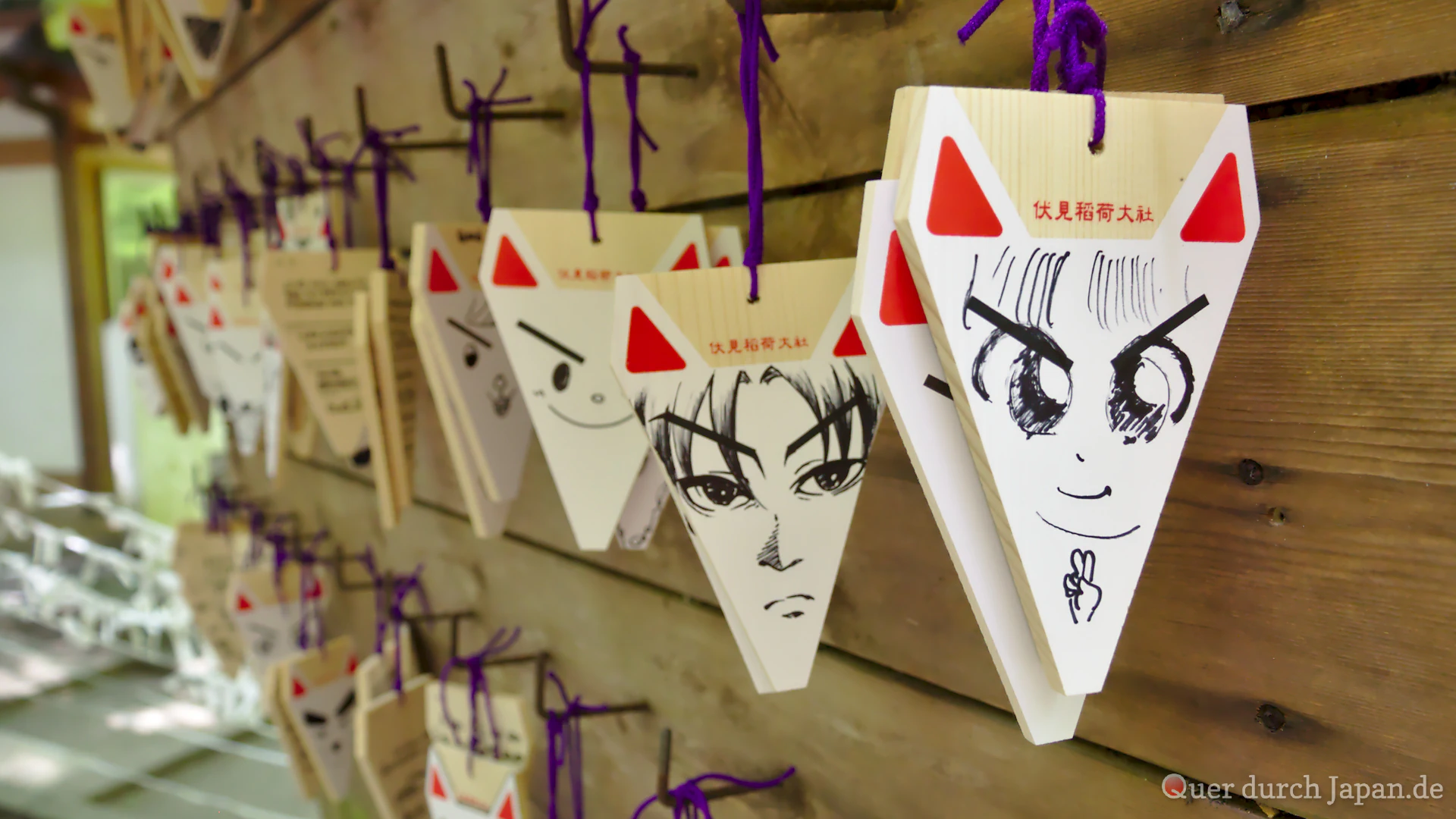
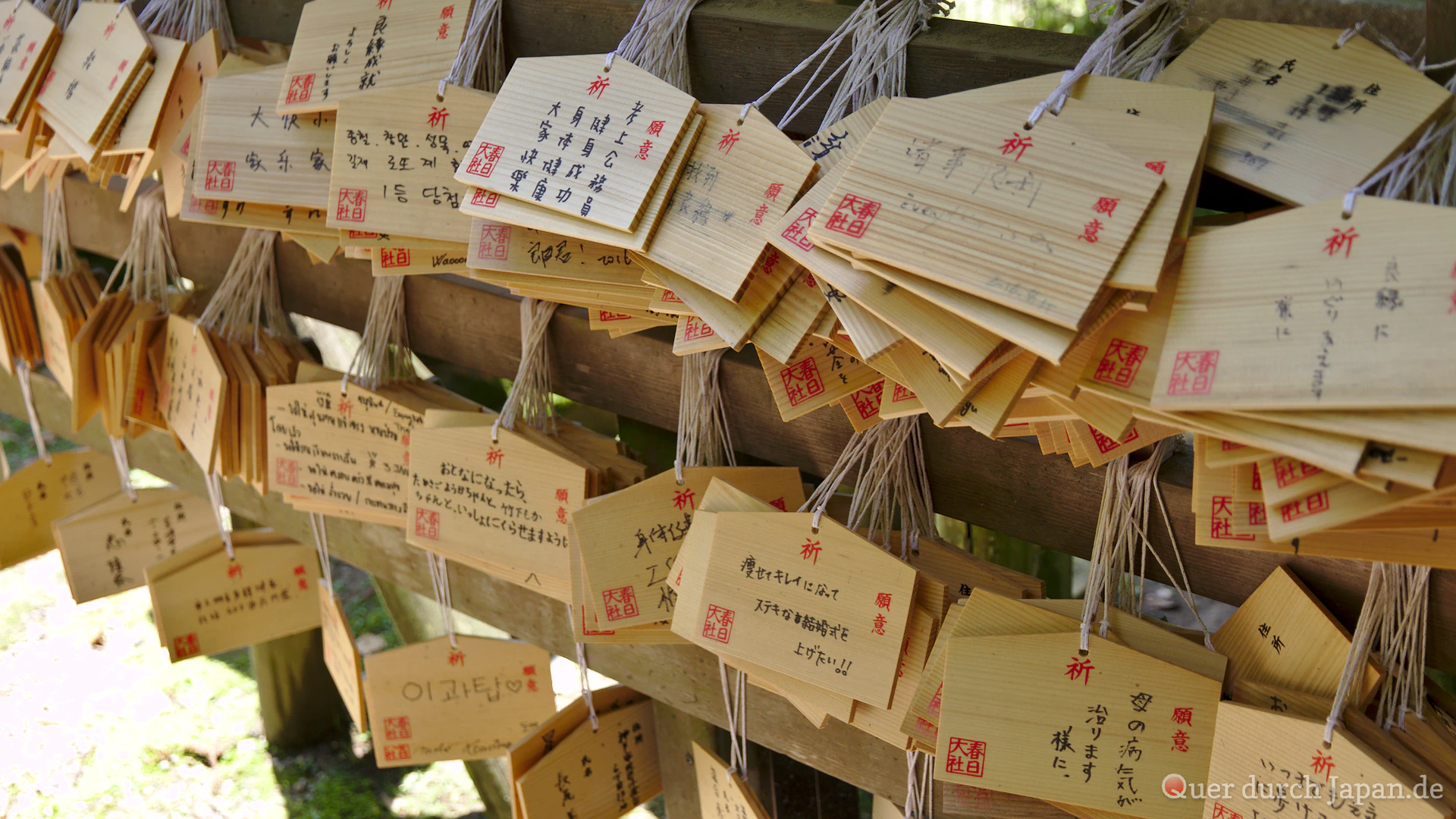
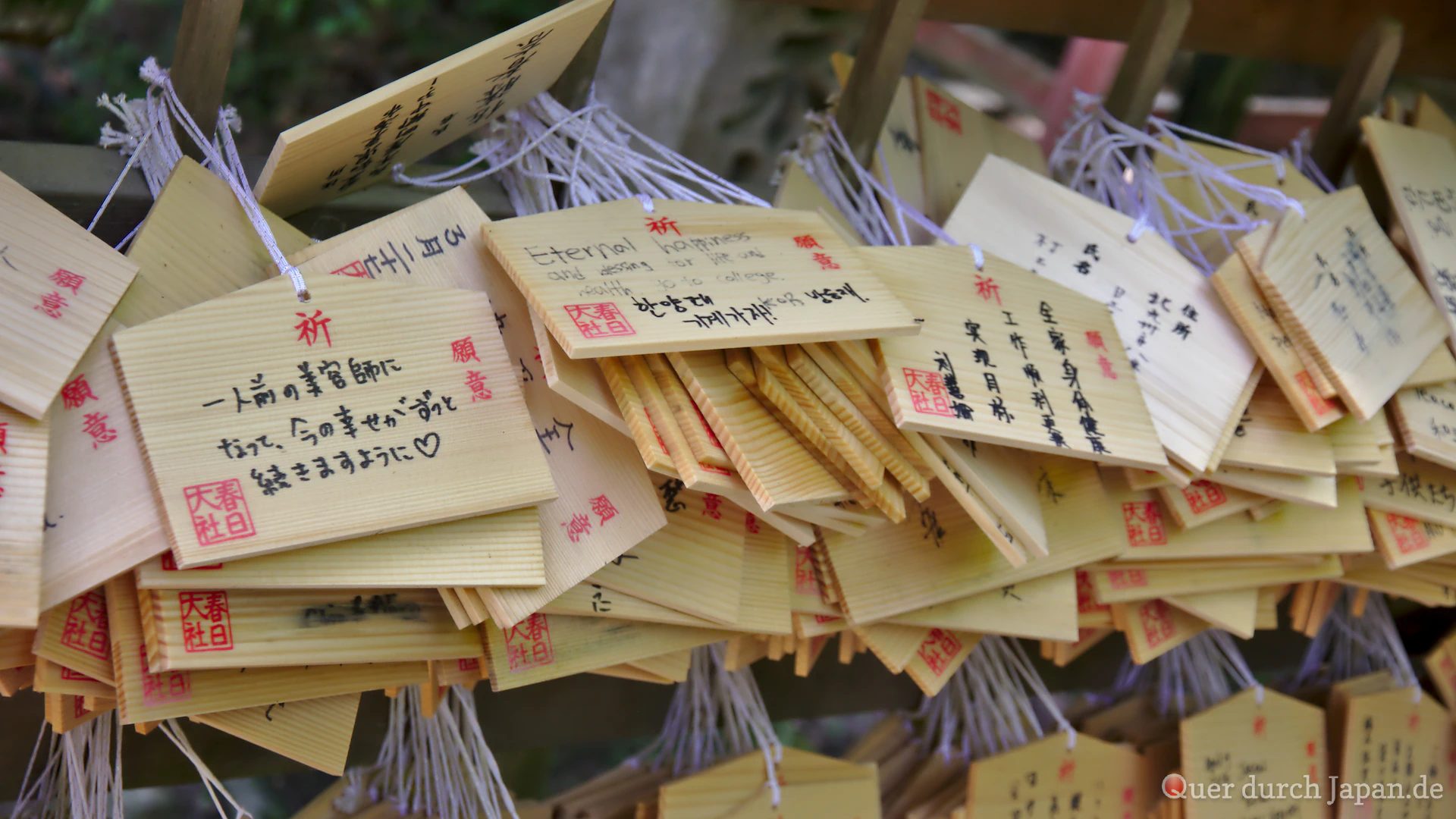
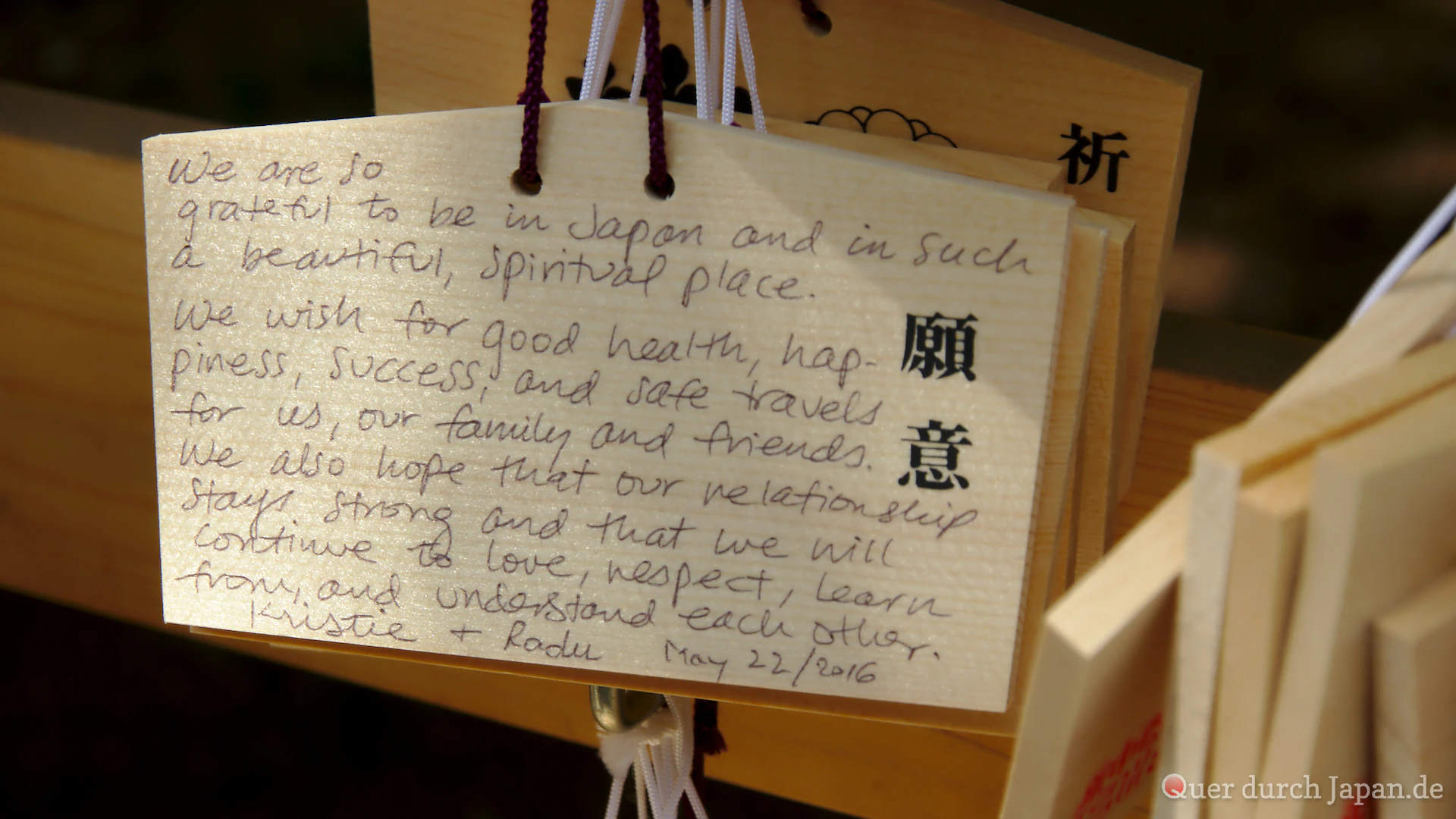
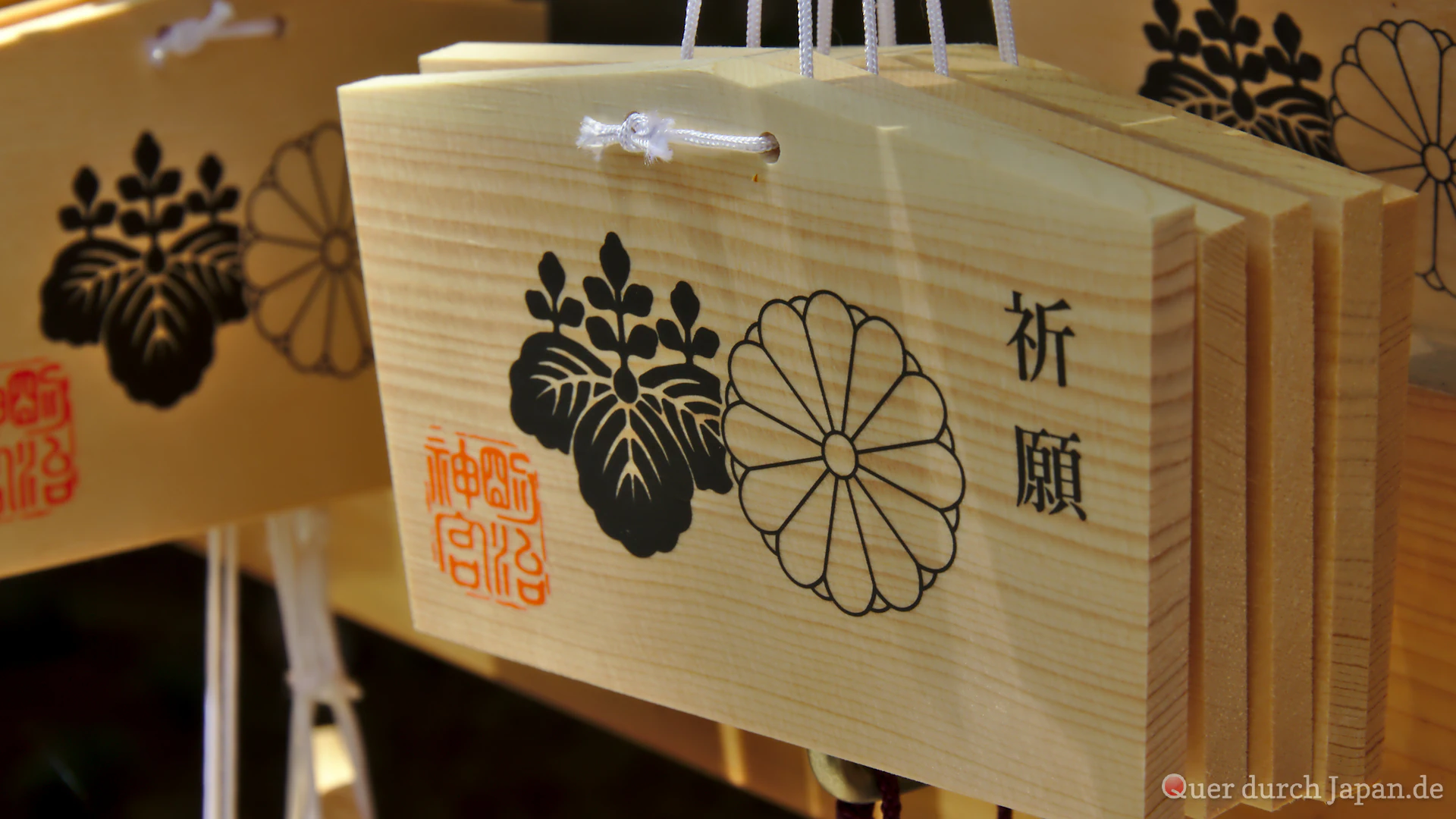
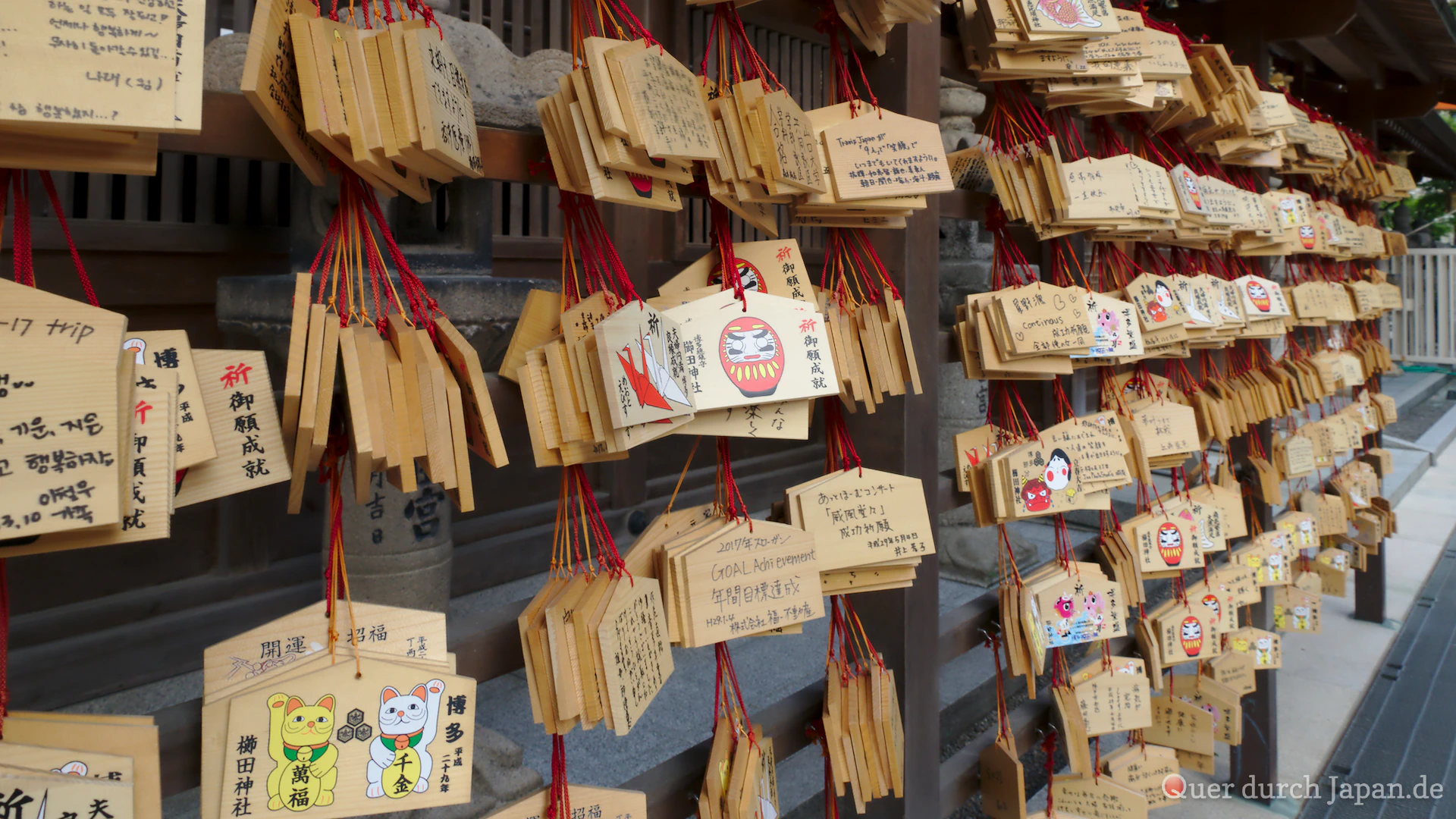
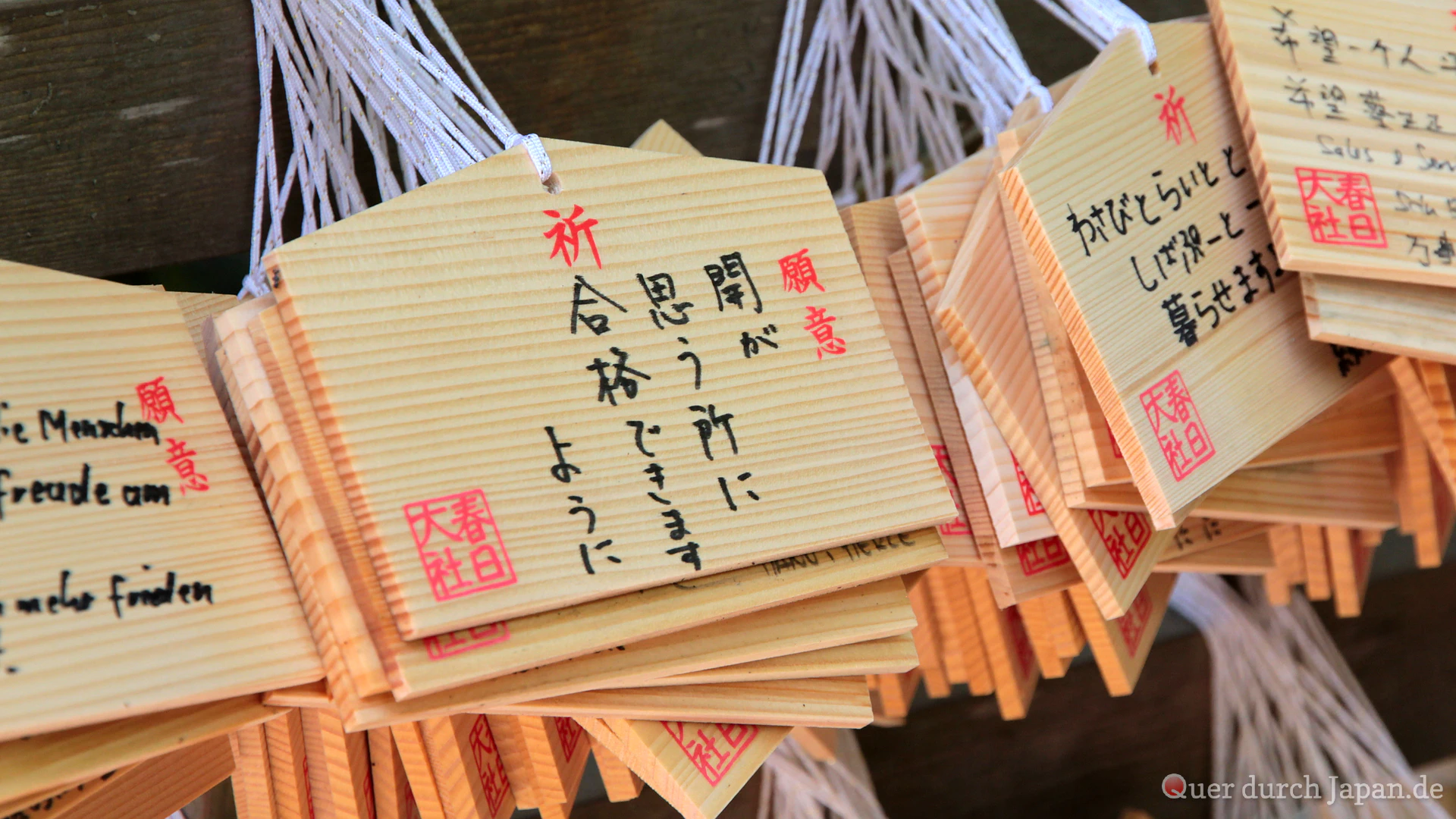
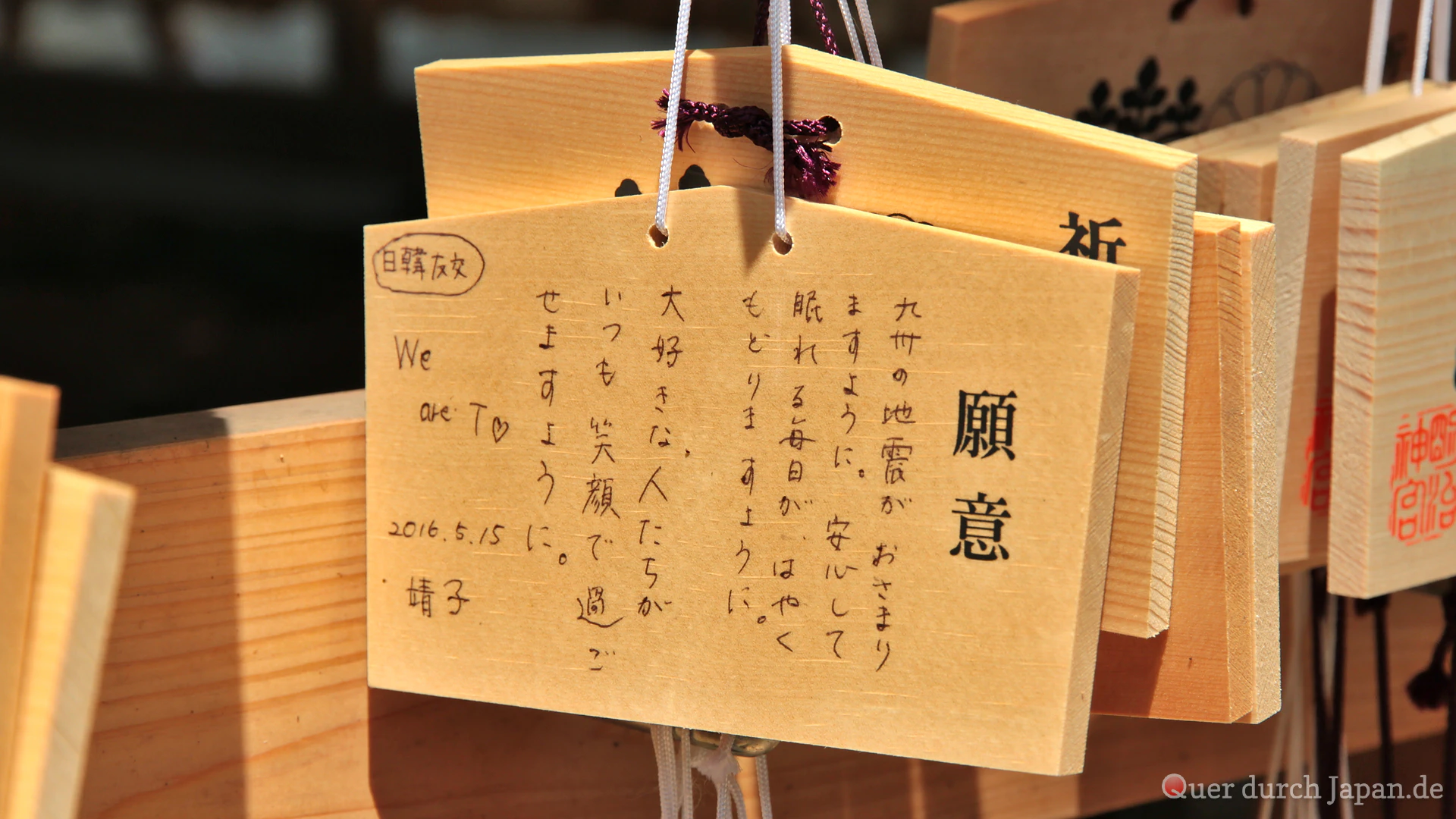
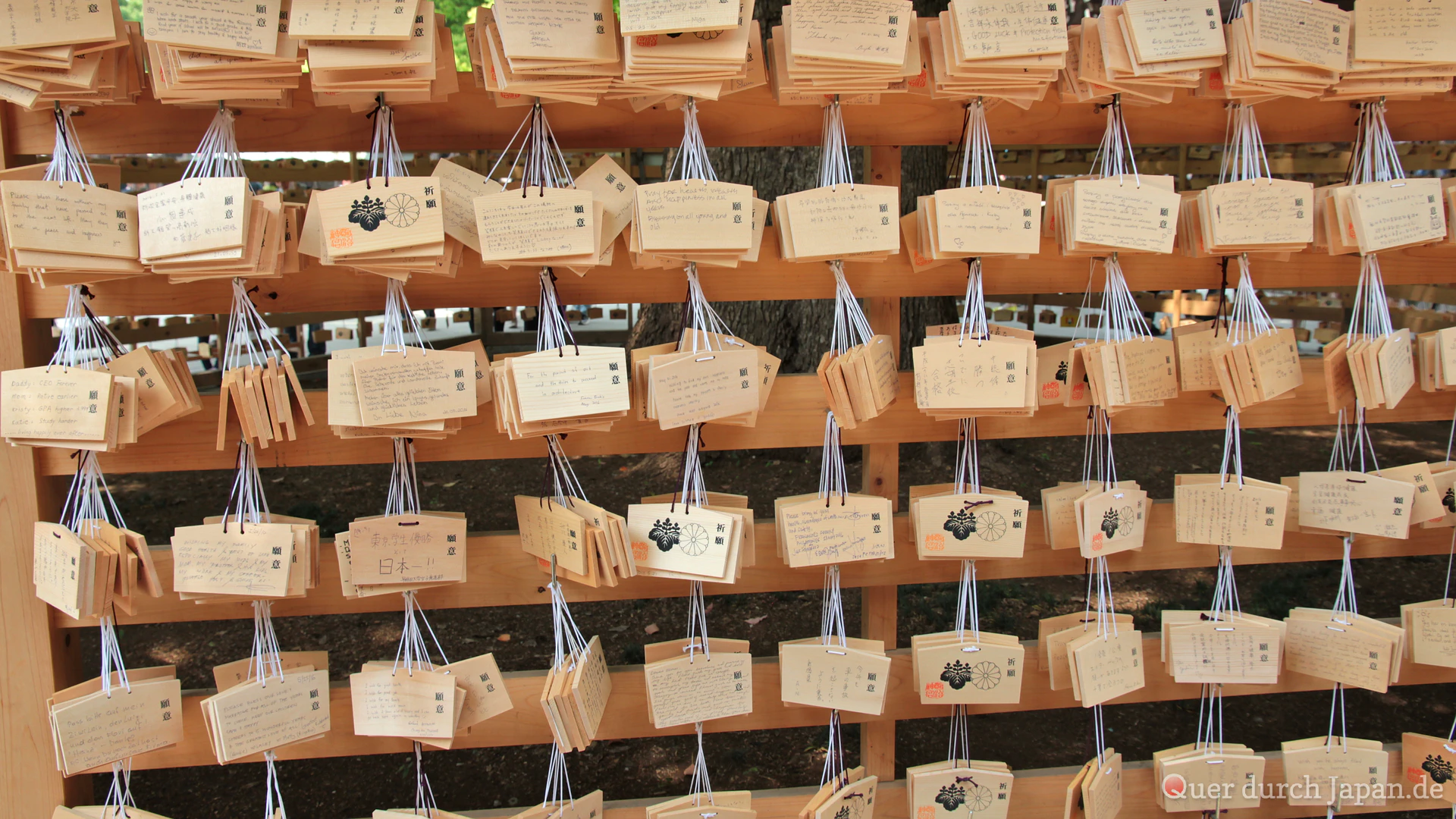
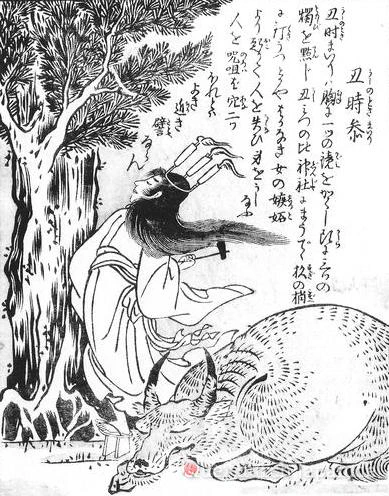
You’ll find them at almost every temple and shrine: a wall full of little printed or written-on wooden plaques, called ema (絵馬). Visitors buy the plaques, write a wish on one side and then hang them up.
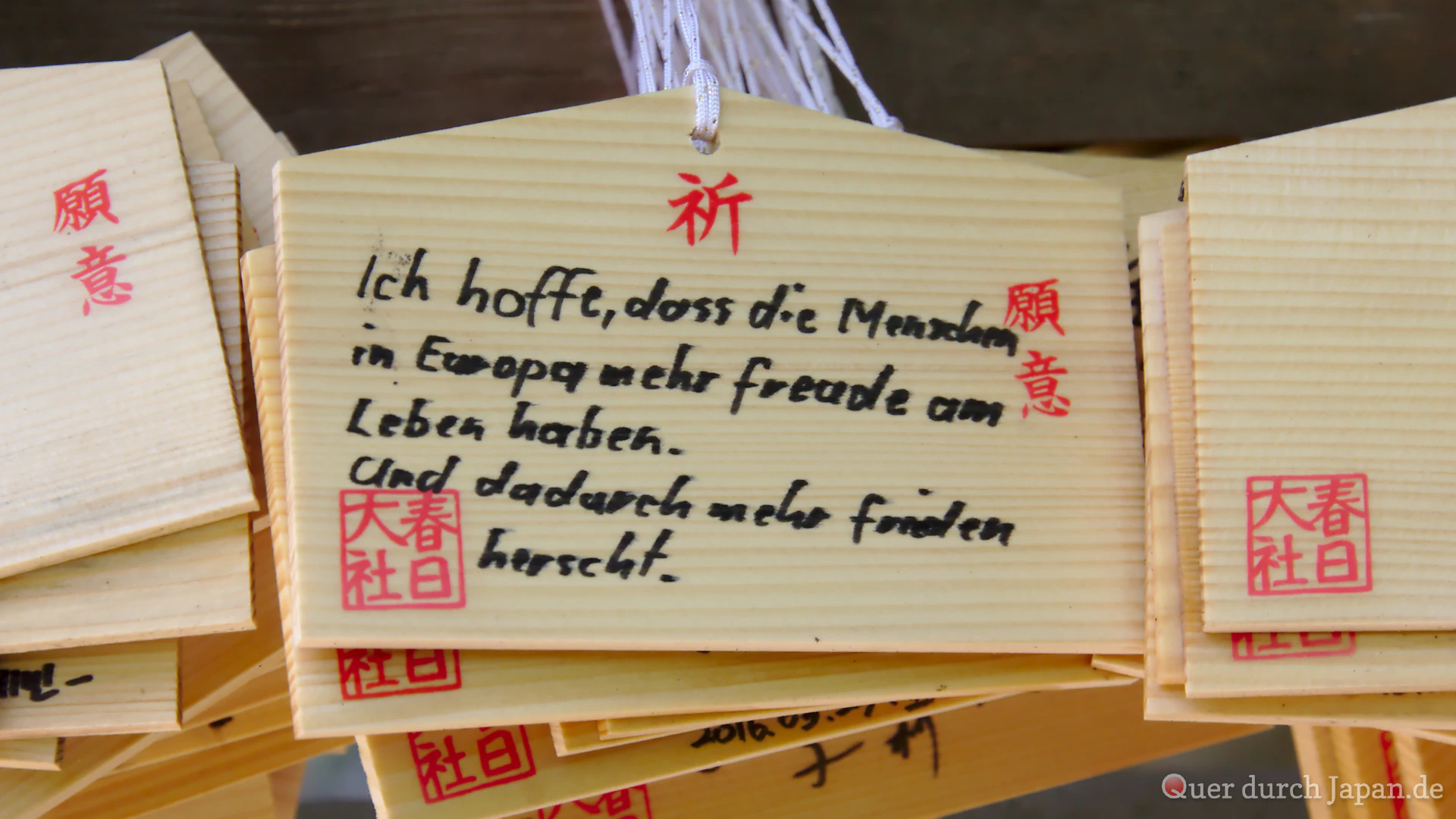
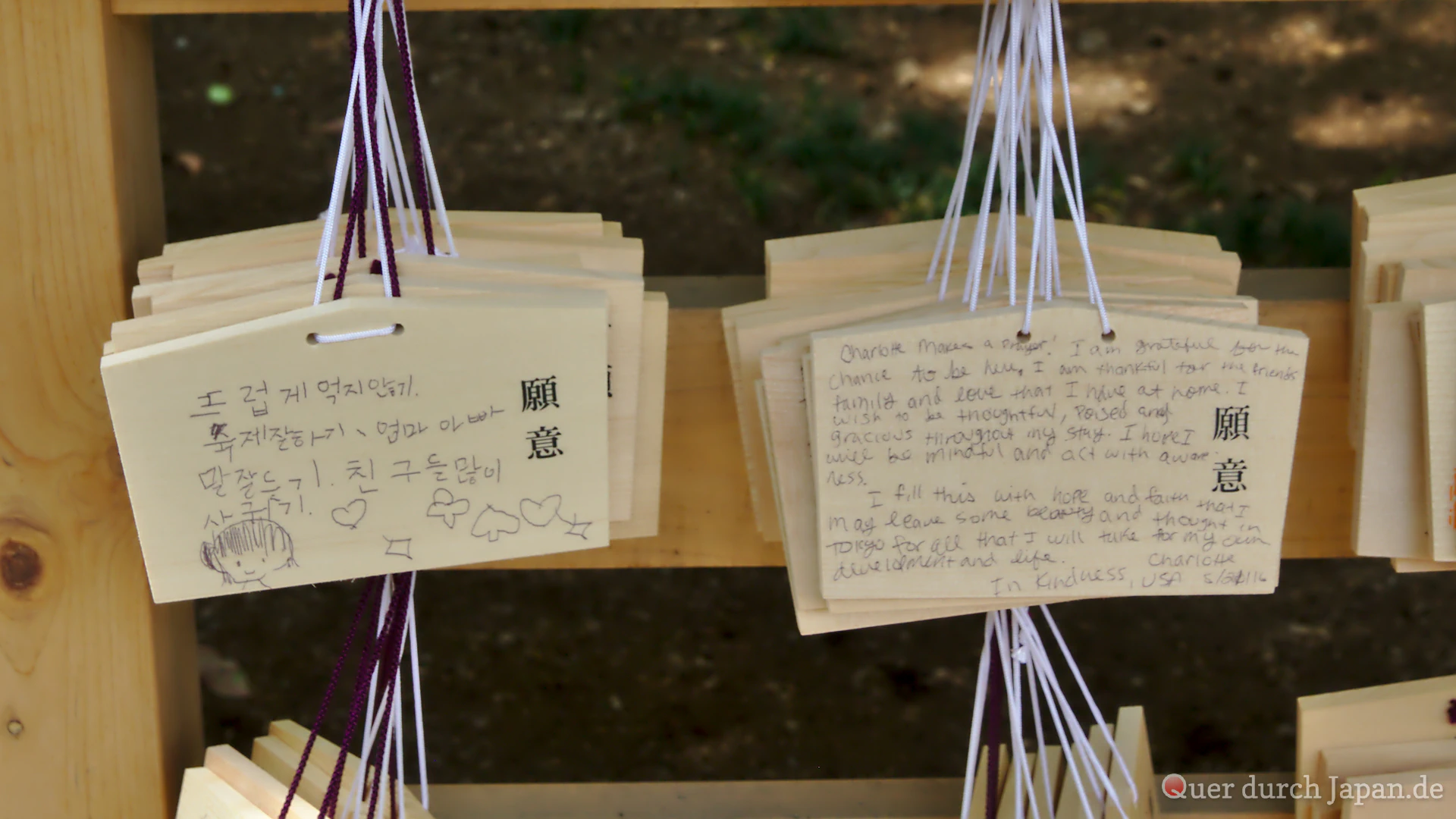
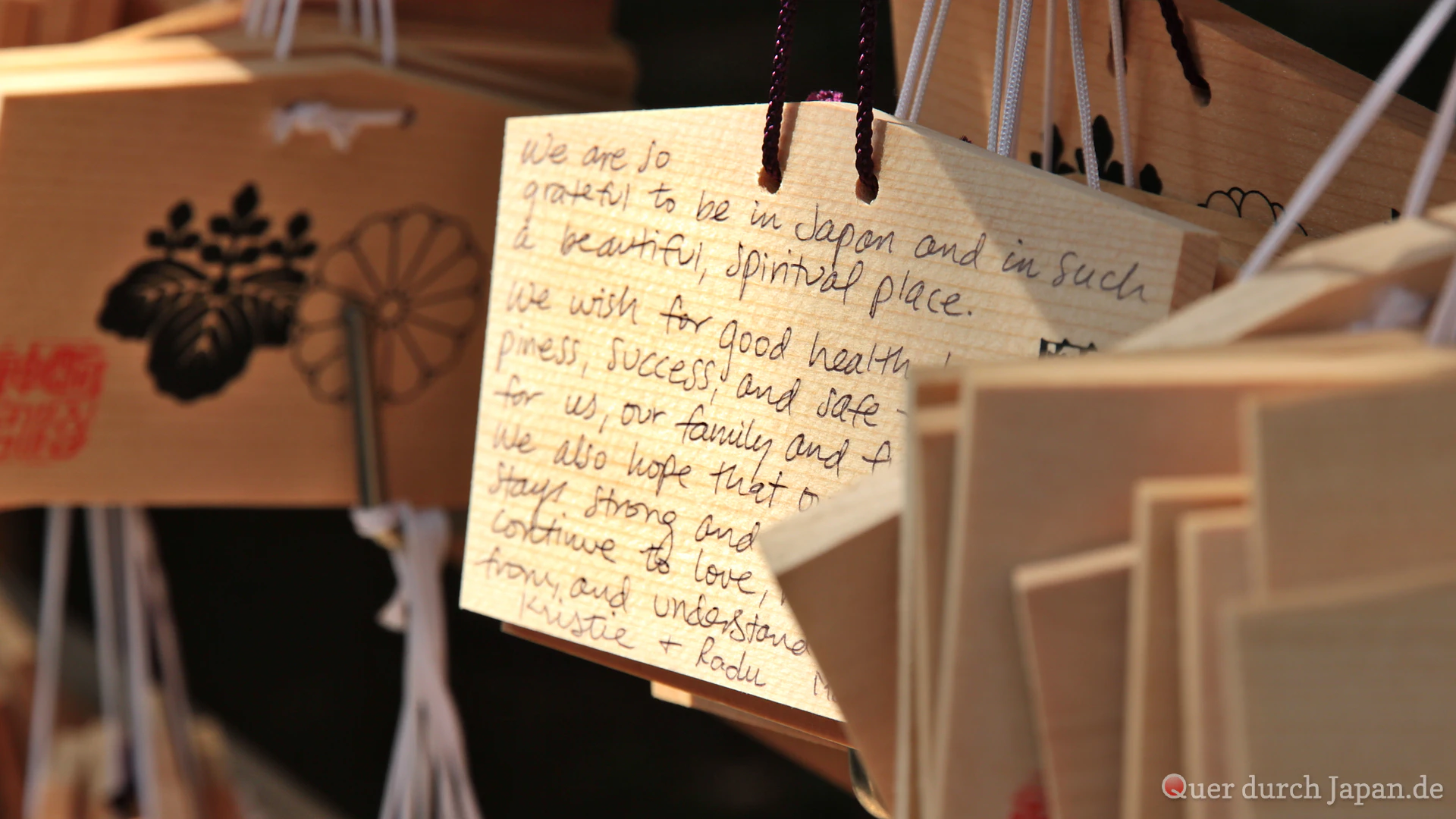
The range of wishes is huge, from health and passing exams to career success, a good relationship, and even world peace. Even tourists have picked up the custom, so you won’t just find plaques written in Japanese, but also in Korean, English, German and other languages.
The custom goes back to the Nara period (around the 8th century). Back then, horses were seen as messengers of the gods. To make sure their wishes and prayers were heard better by the gods, people donated horses to the shrines. However, these animals were extremely expensive. So, anyone who couldn’t afford one made horse figures out of wood, clay or paper instead. That’s how today’s little wooden plaques came to be. The word Ema translates to horse picture.