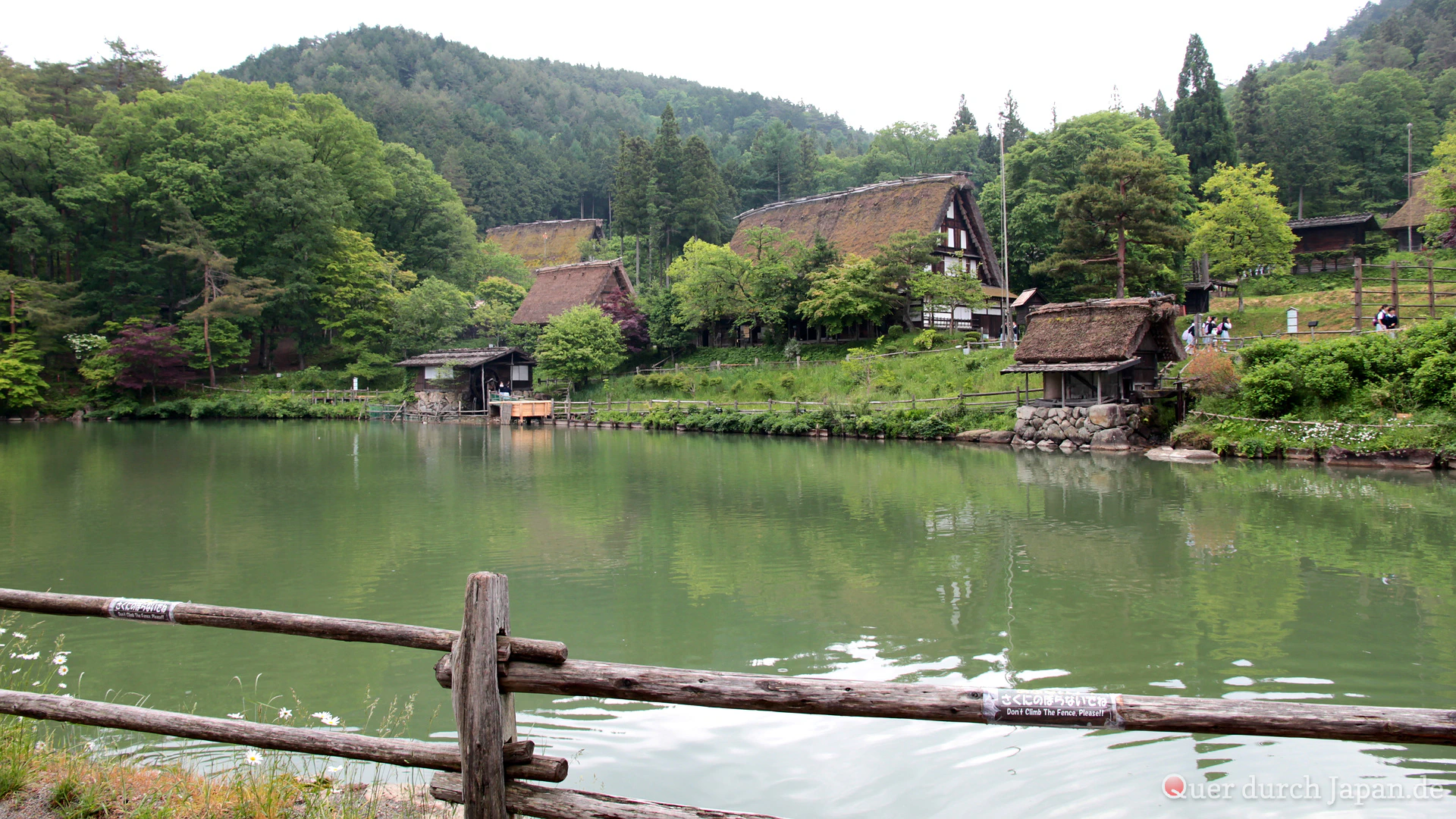
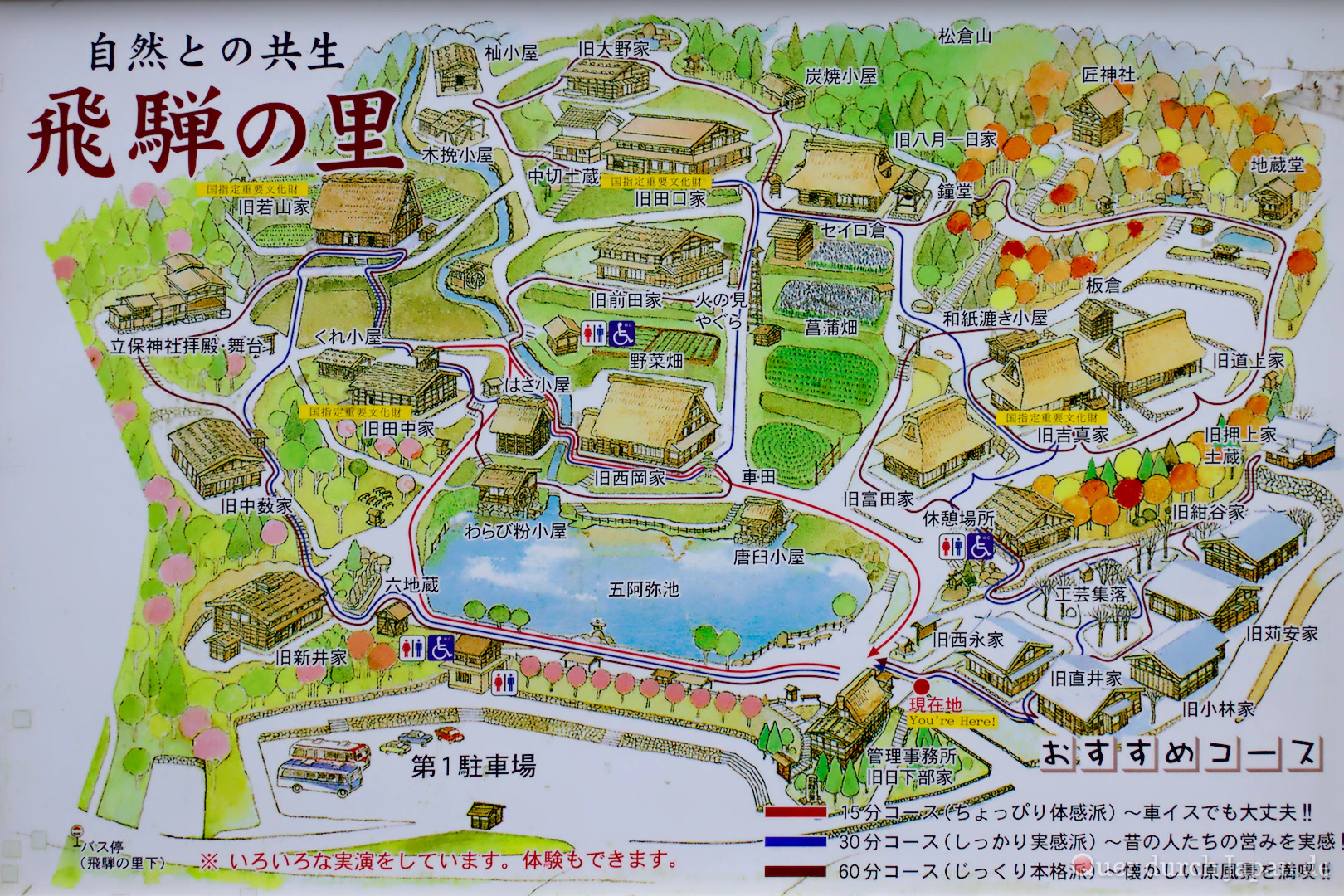
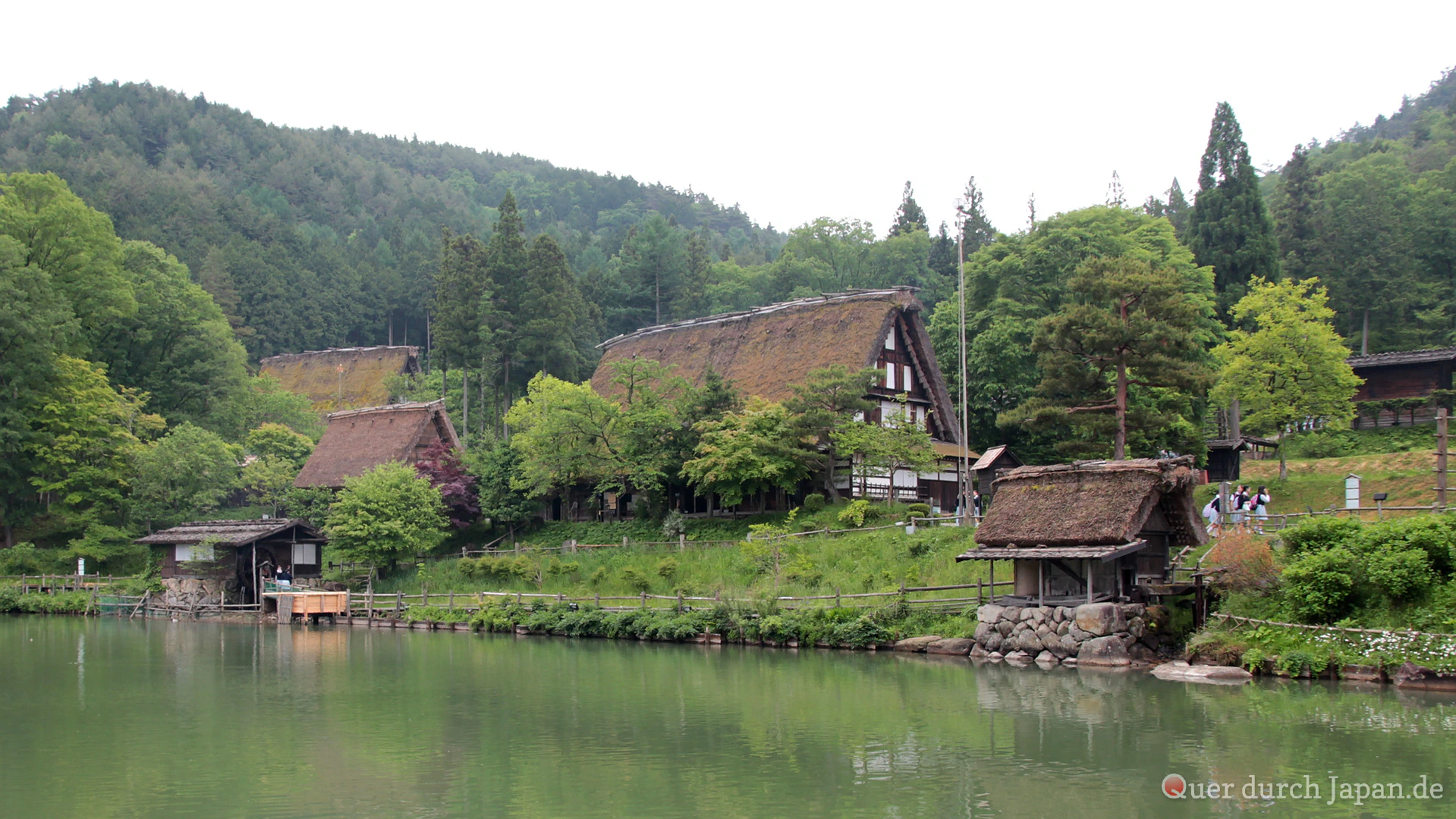
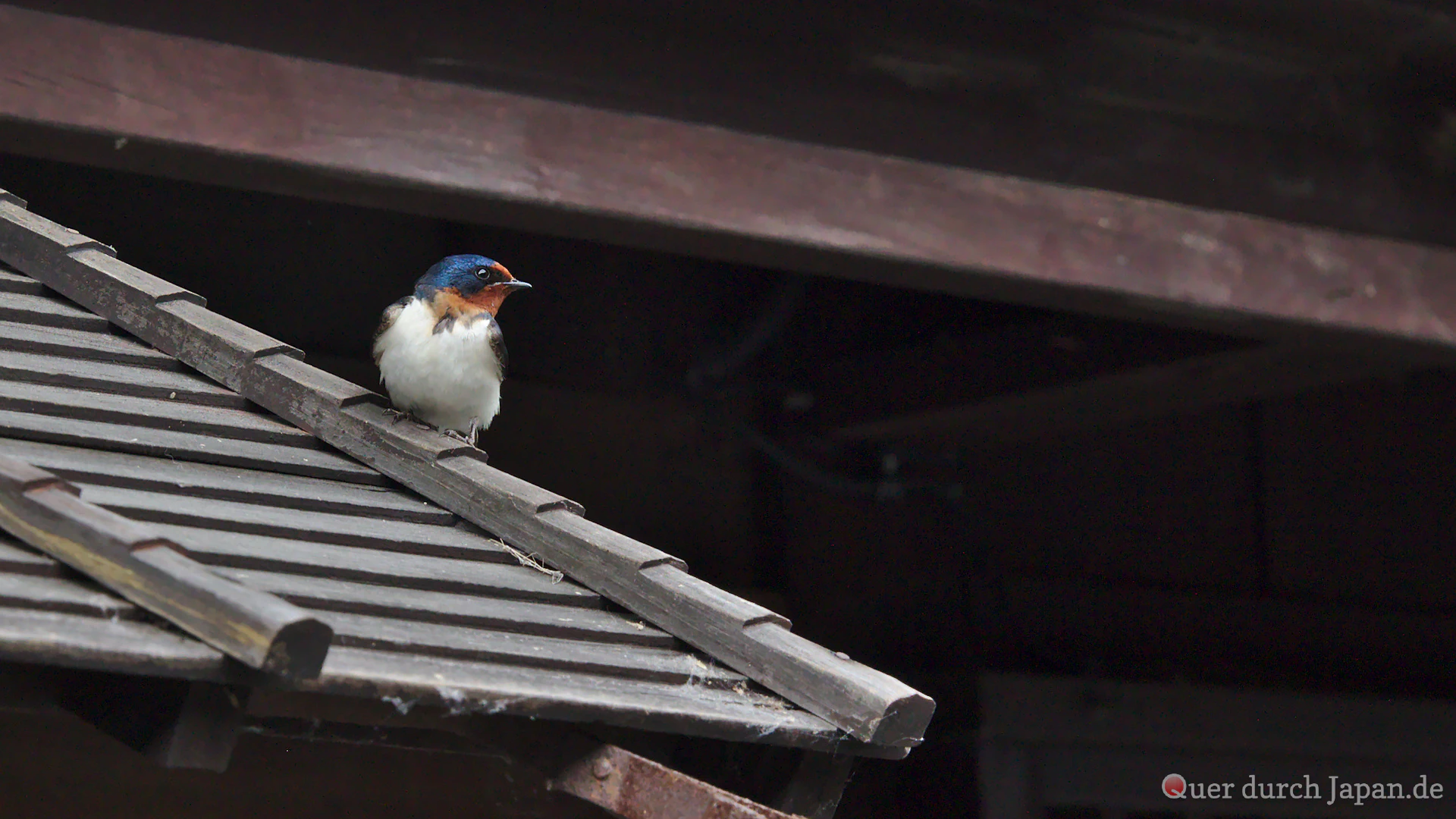
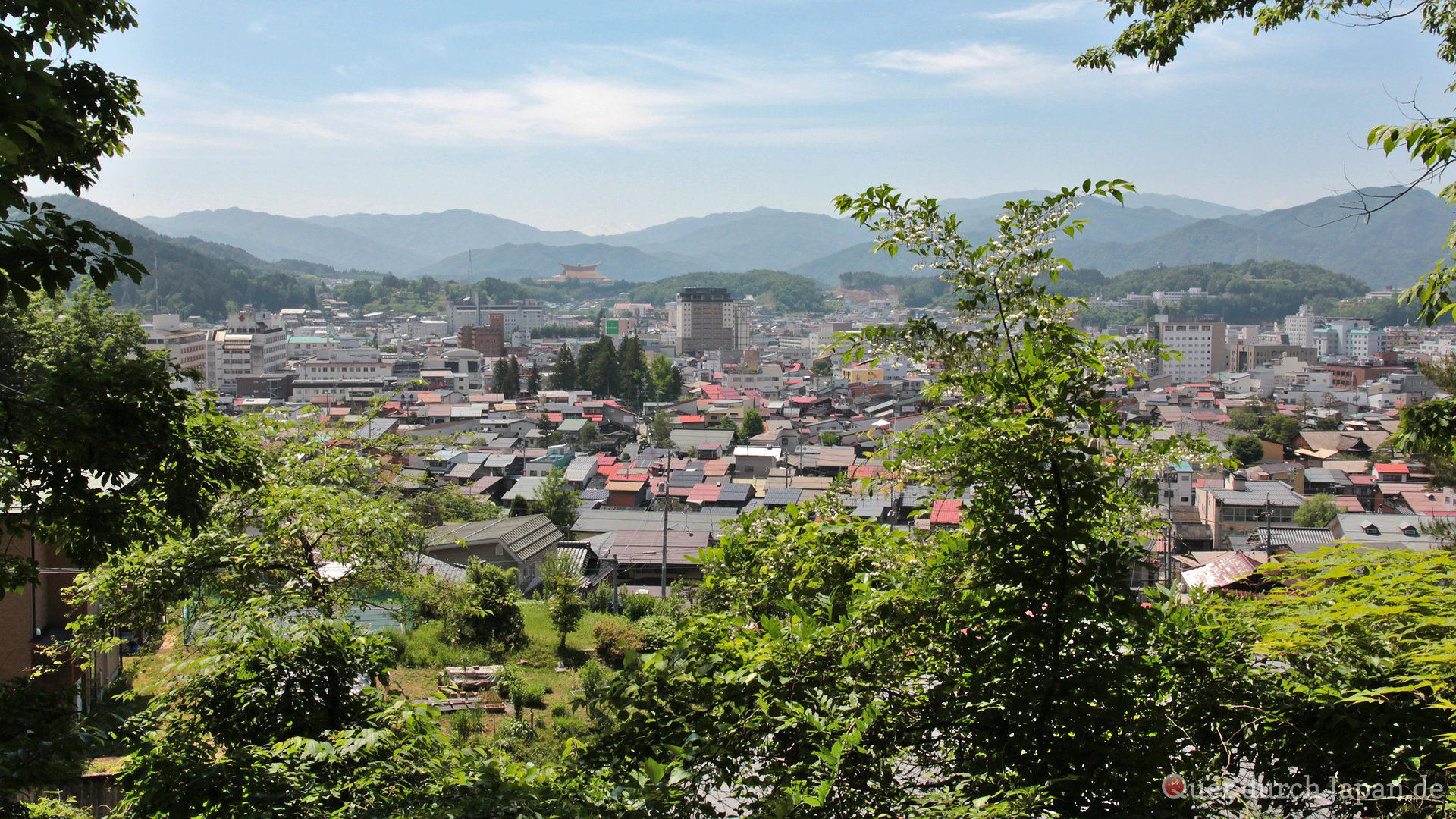
Hida no Sato, which means Hida Village in English, is an open-air museum in Takayama, a city in the Japanese Alps.
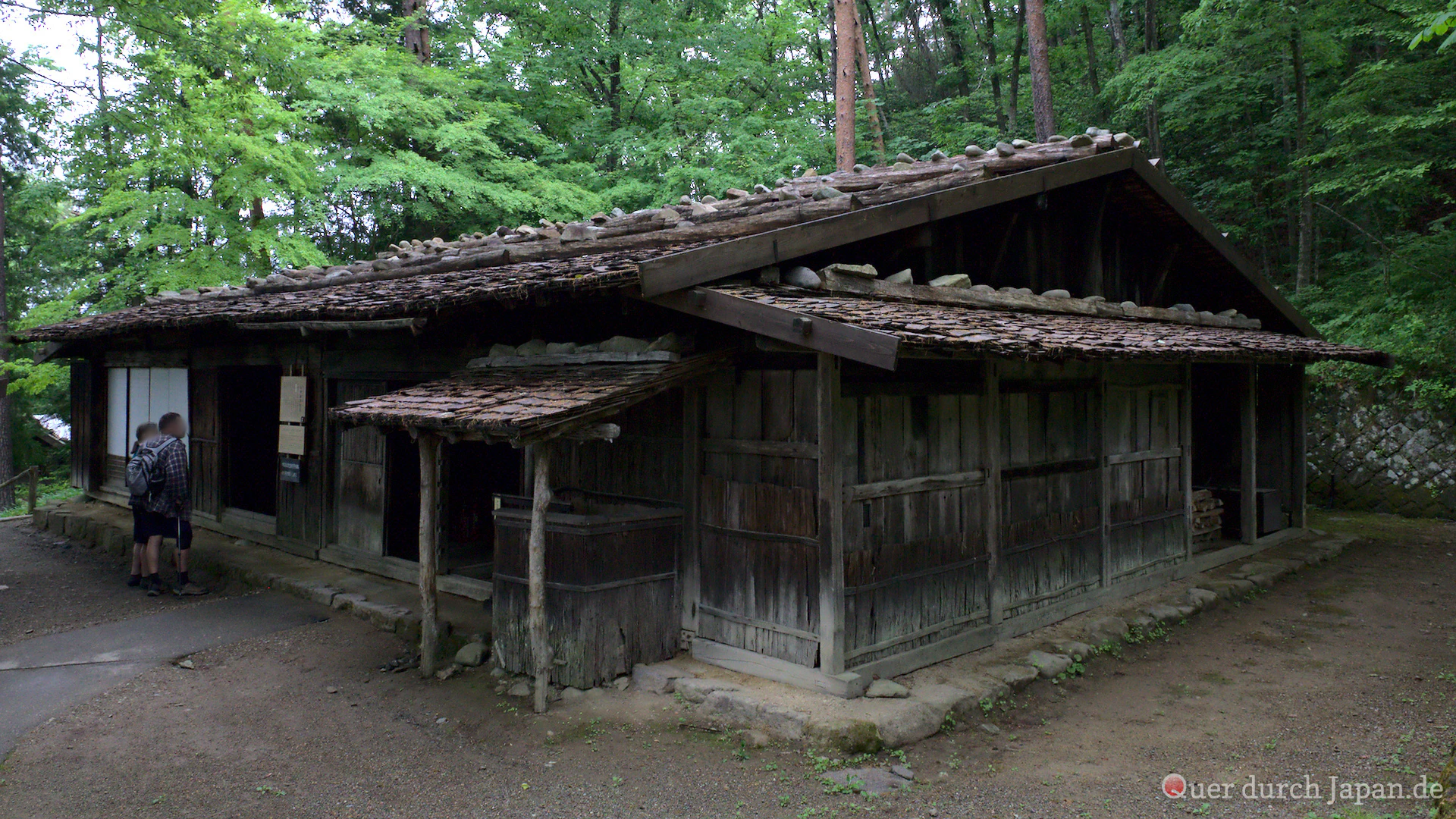
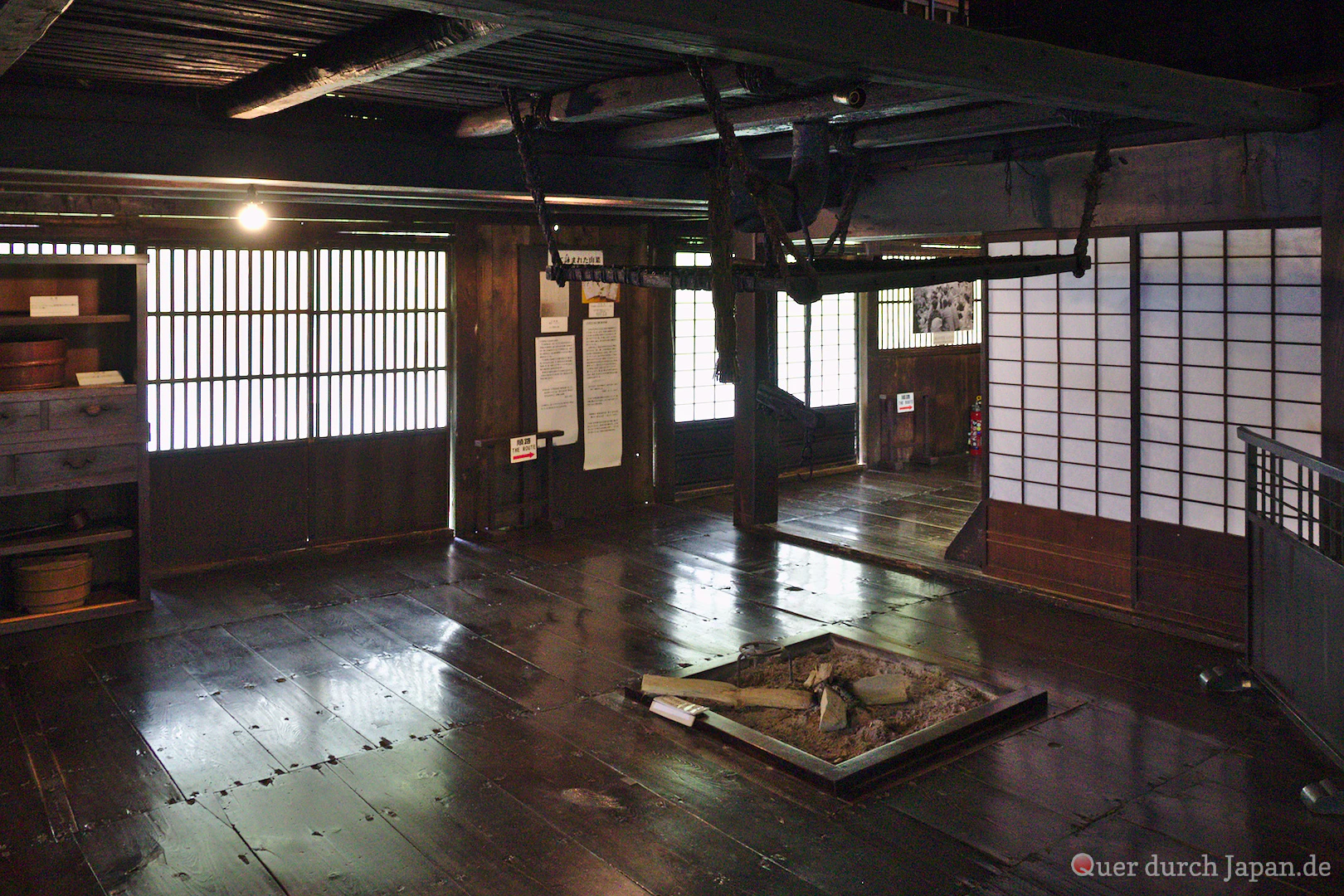
The houses in the village date back to the Edo period (1603 to 1868). But the setup is totally artificial. The museum was founded back in 1971, and they moved houses from all over the Hida region to get them here.
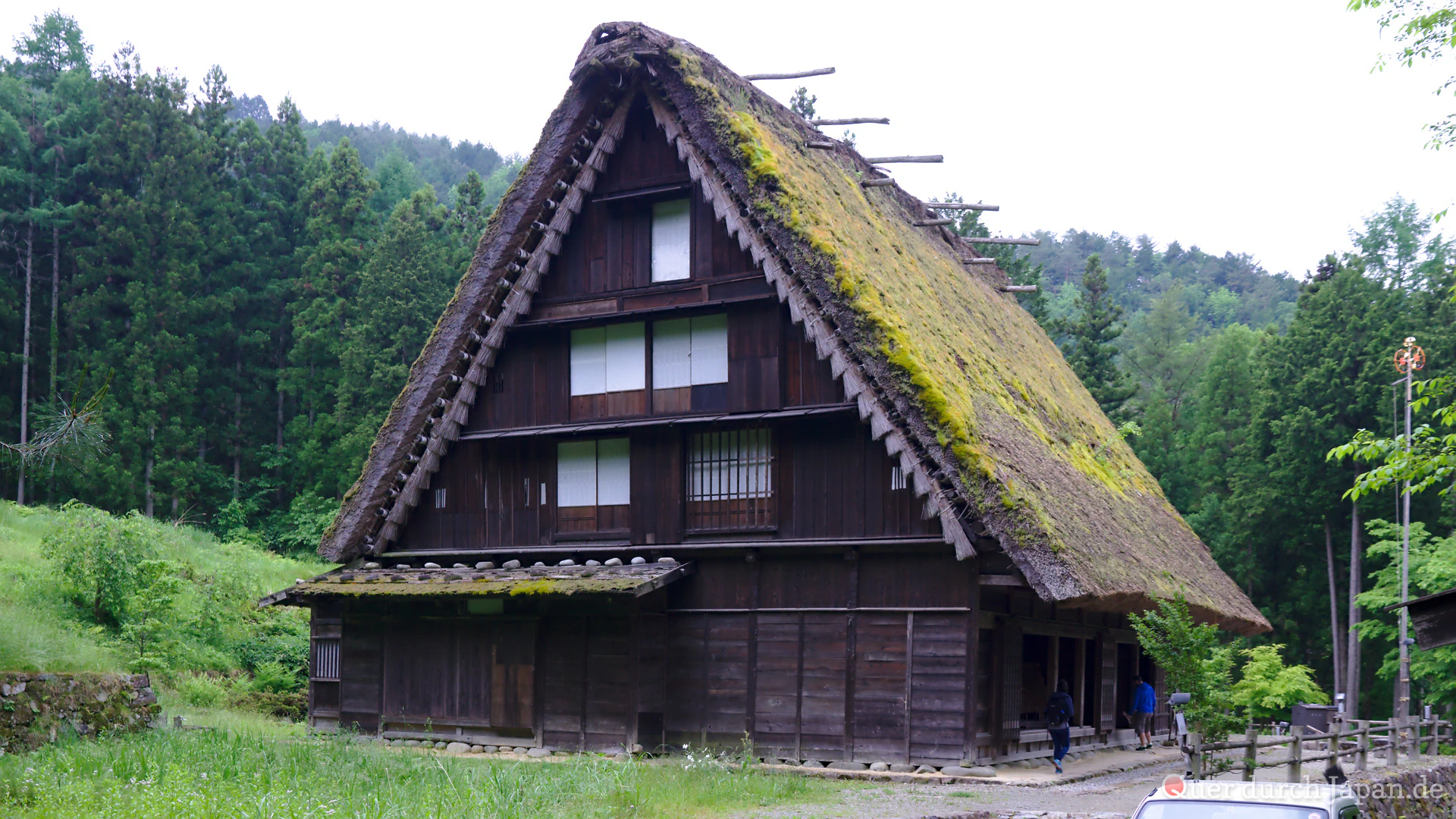
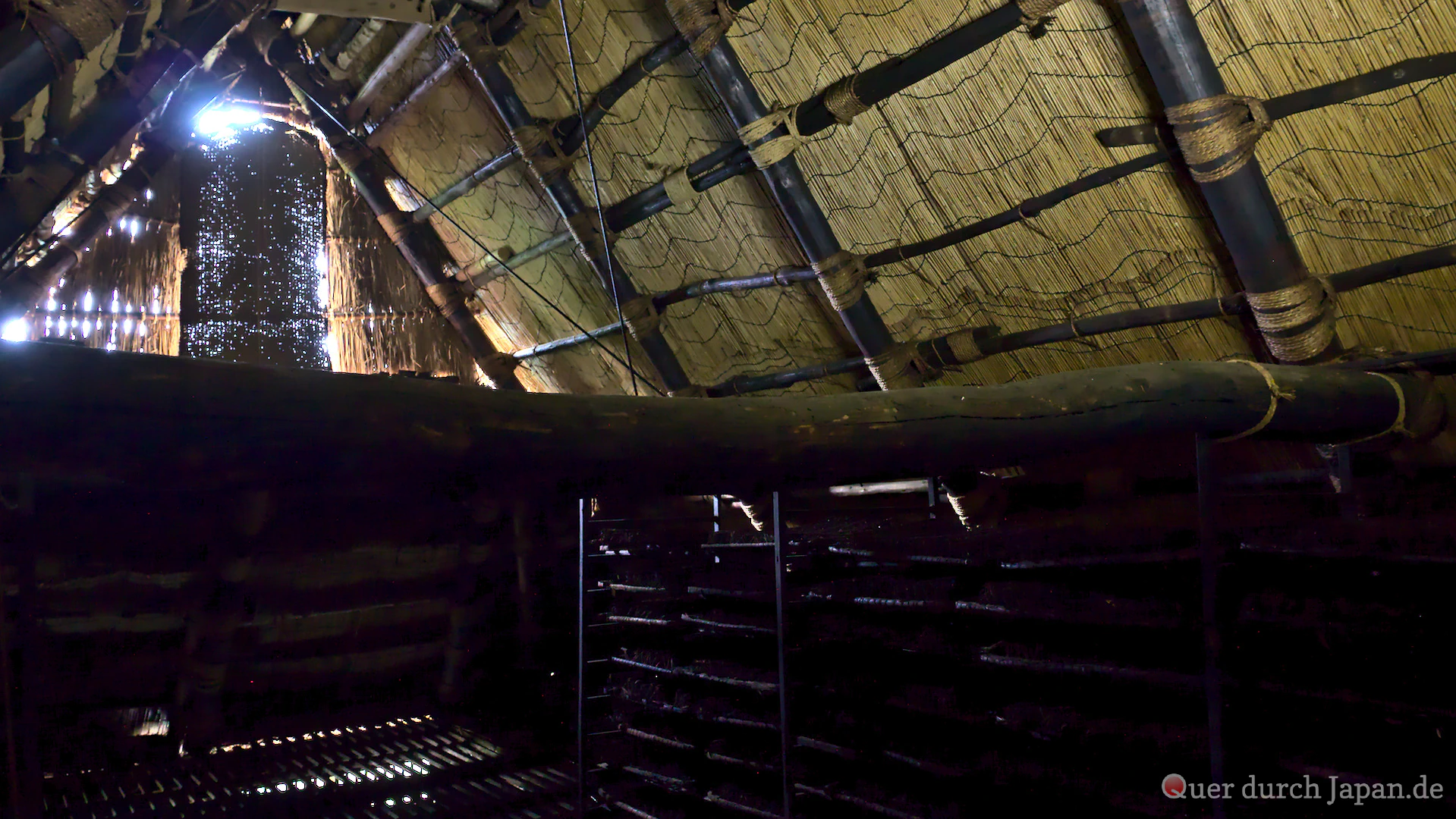
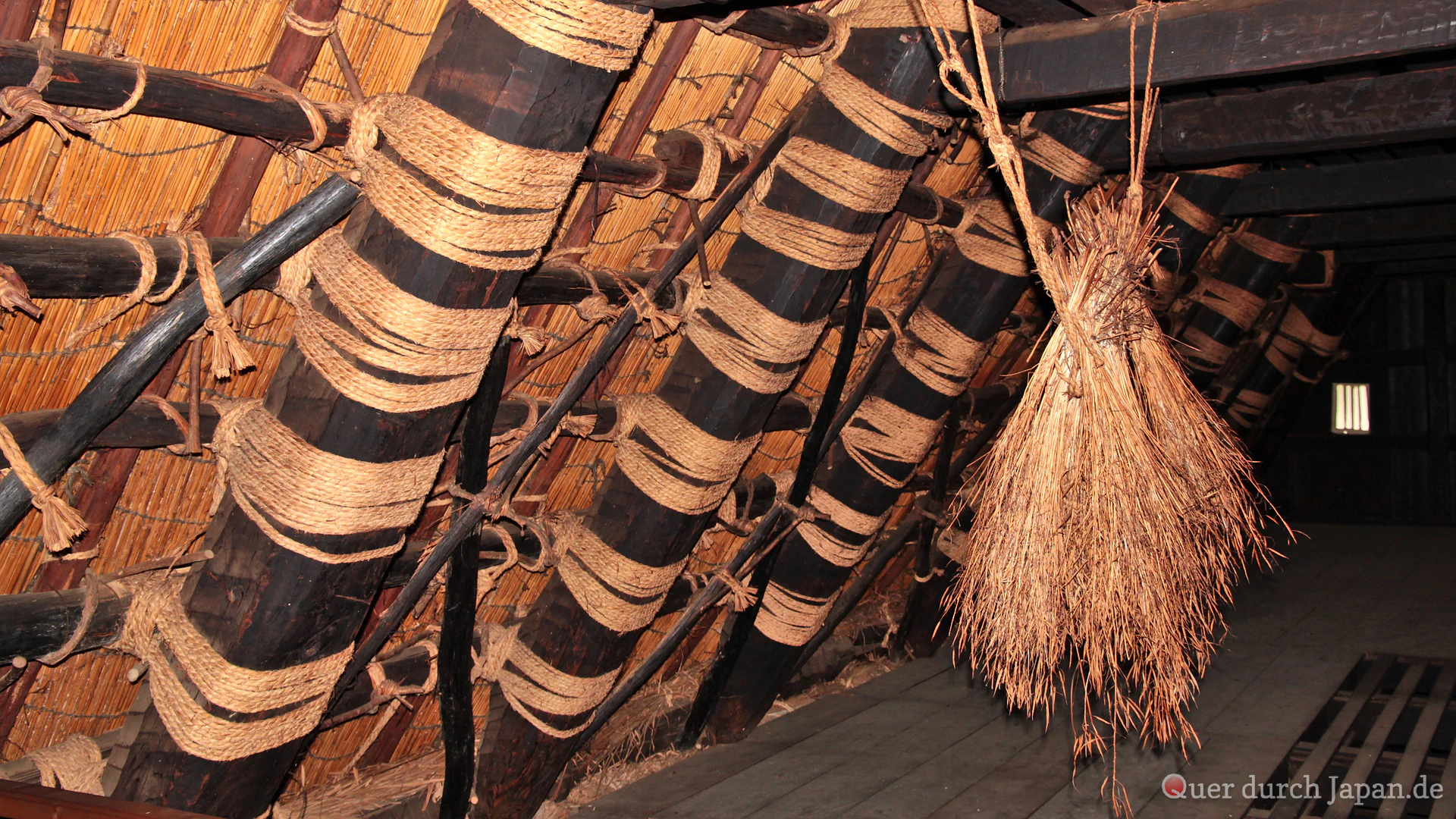
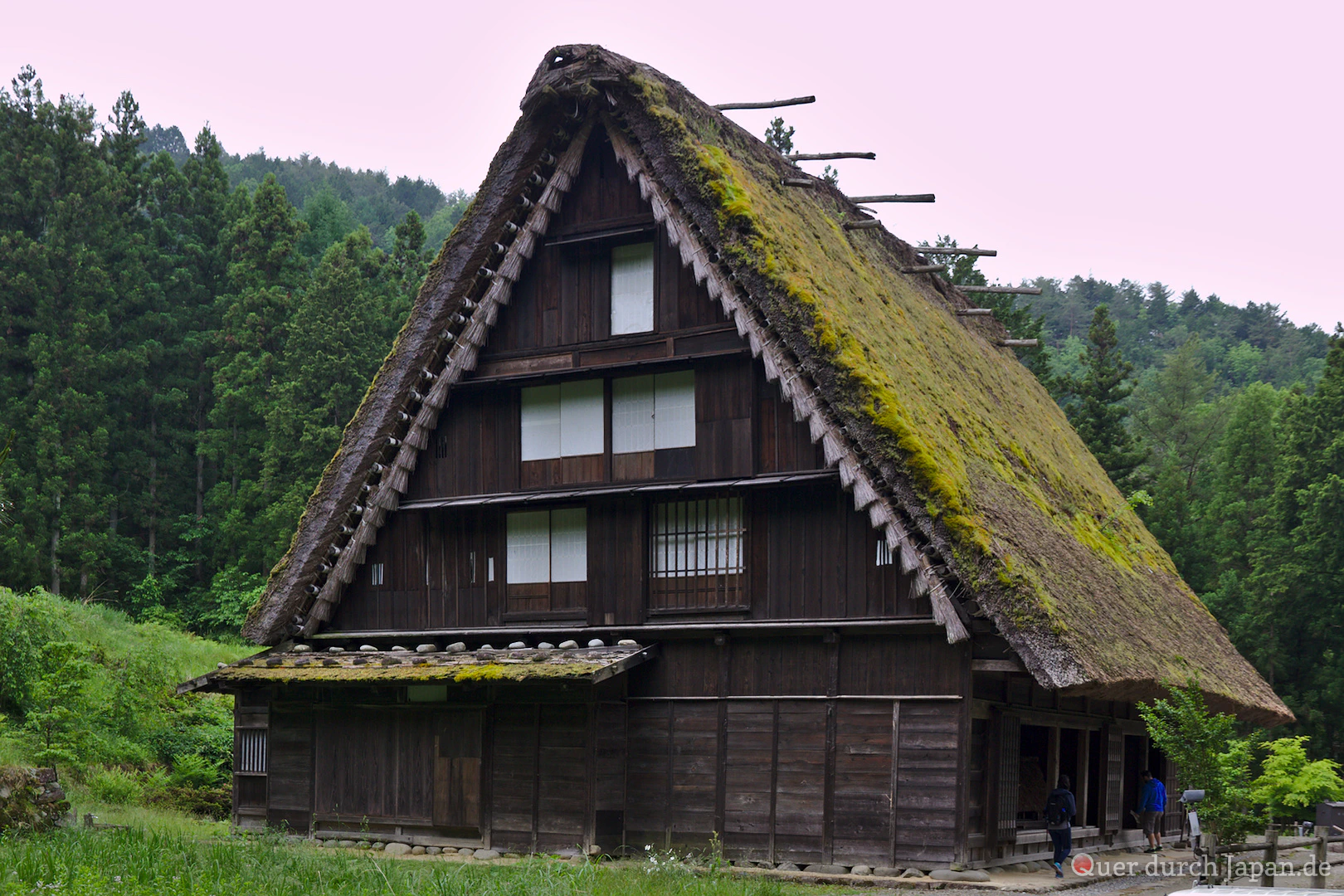
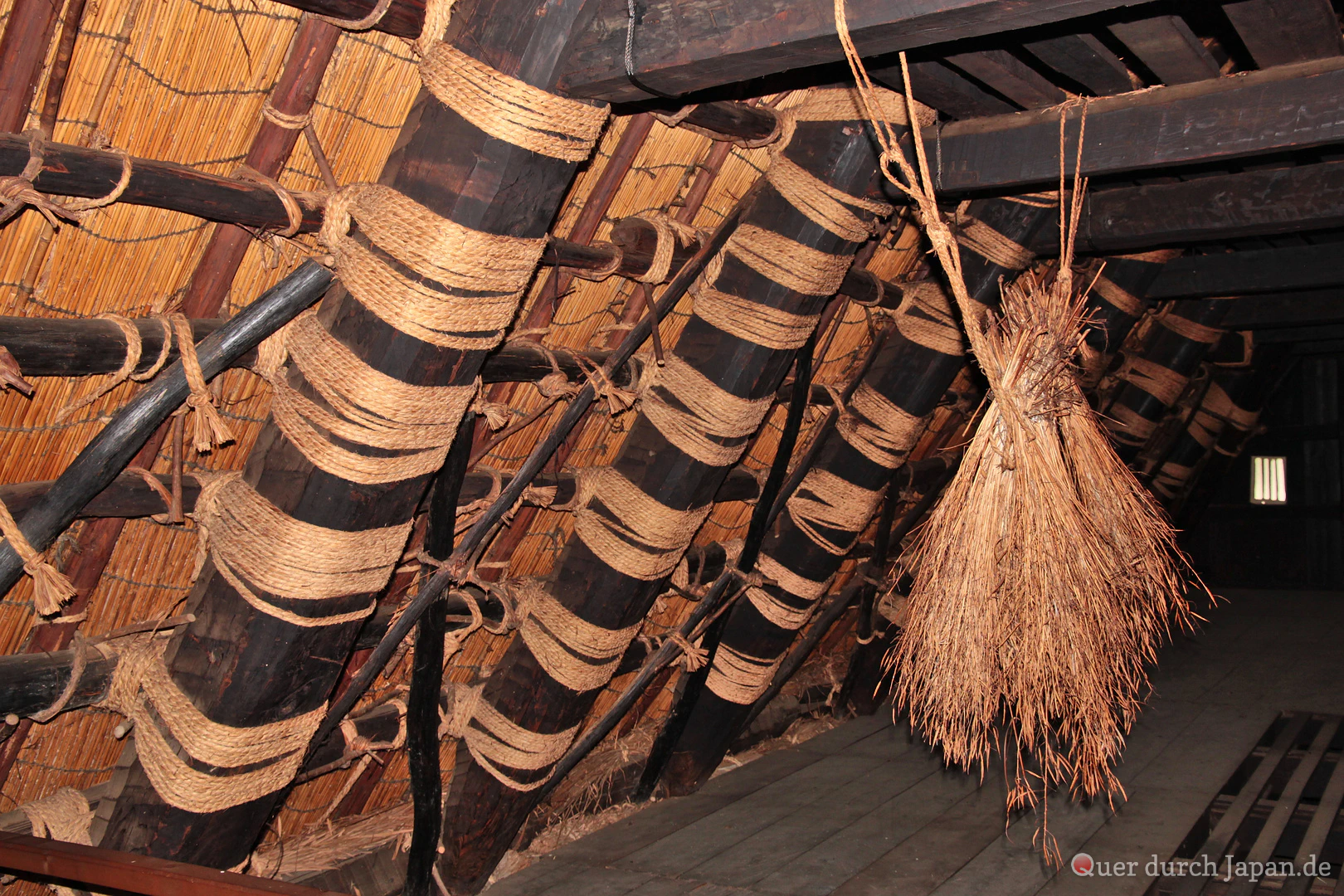
Some of the buildings come from the town of Shirakawa-go, which is a UNESCO World Heritage site thanks to its gassho-zukuri style houses. This building style stands out for its steep thatched roofs that can handle massive amounts of snow in the winter – which happens quite a bit in this part of Japan.
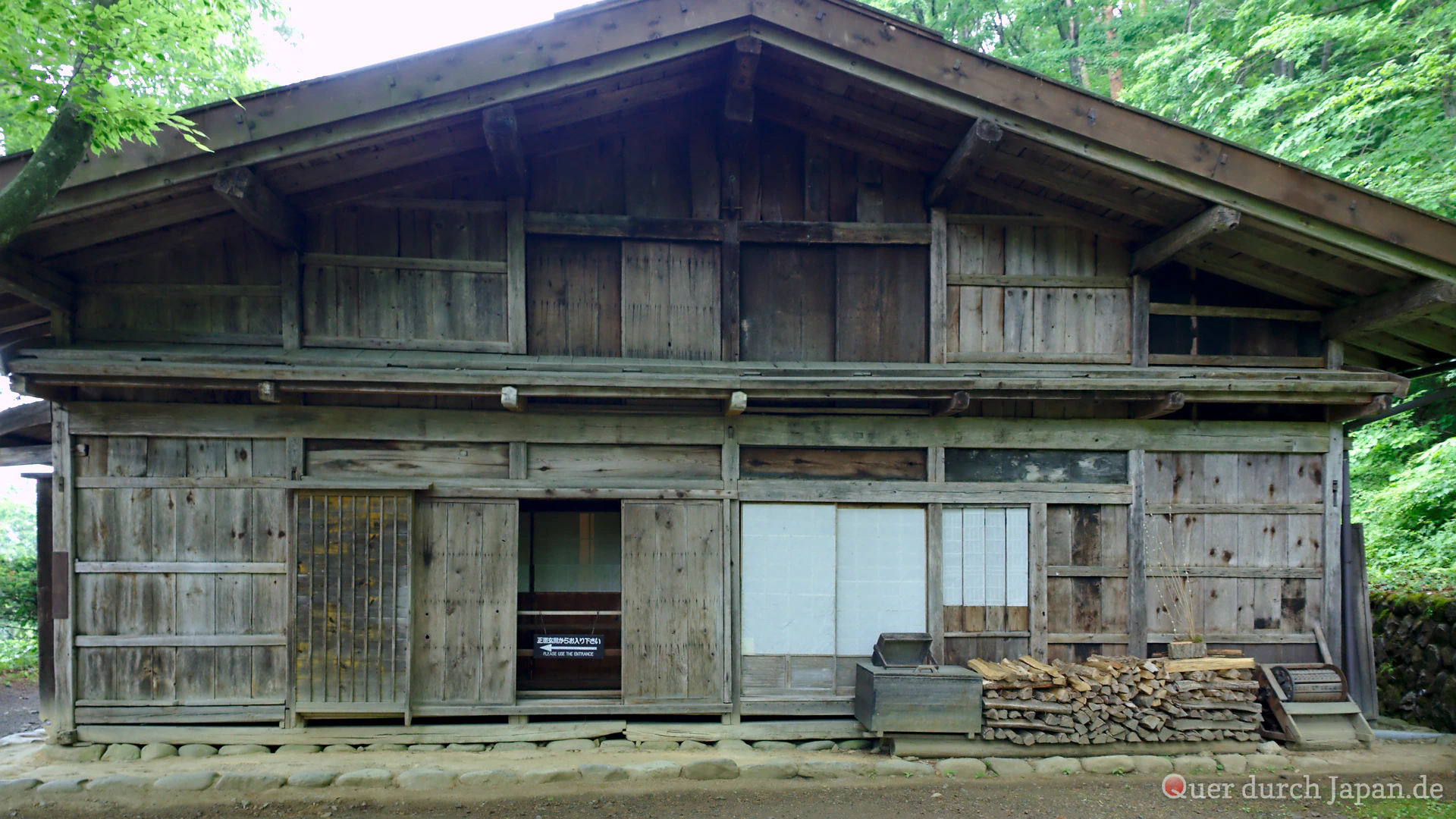
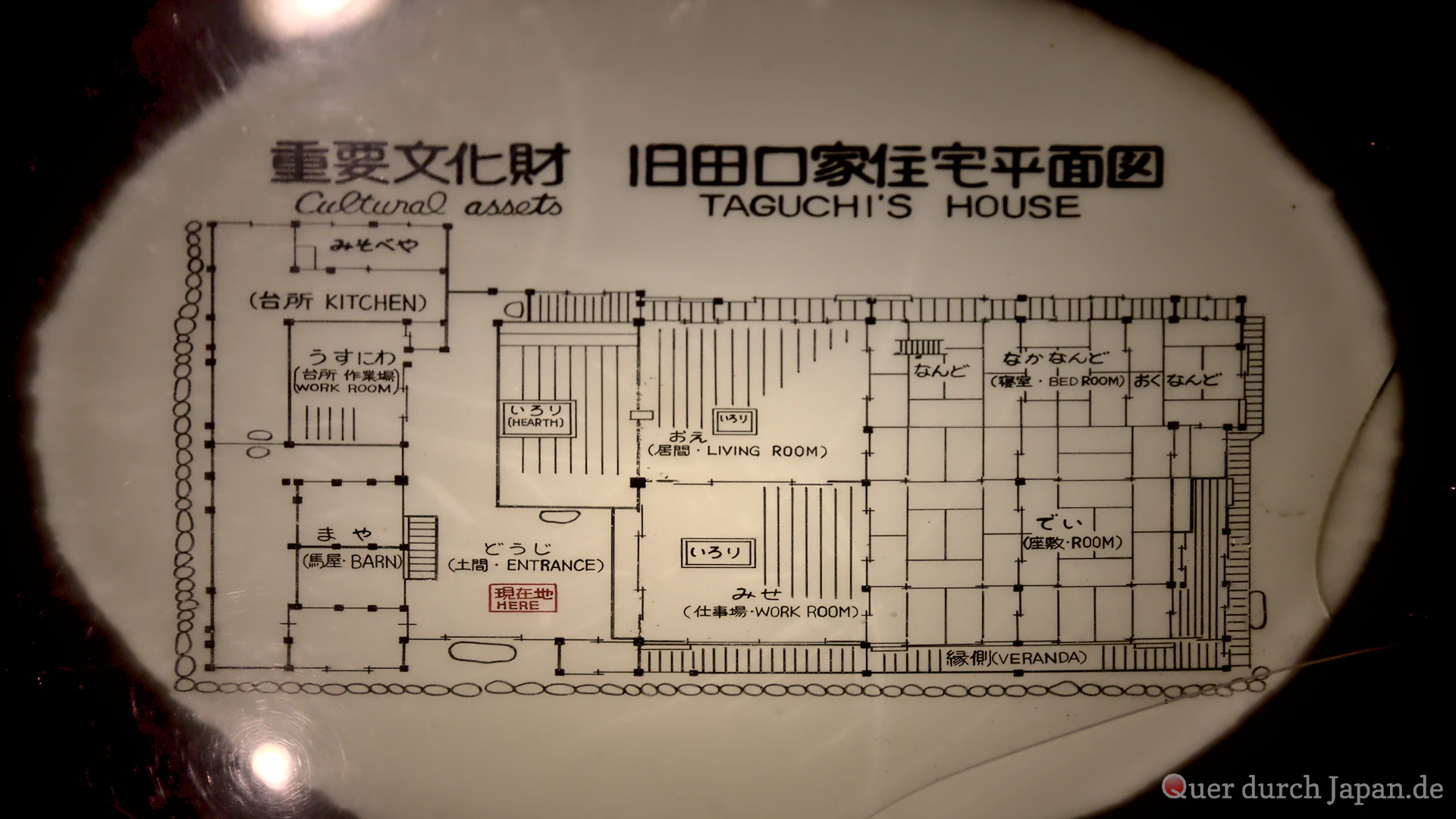
Other buildings were brought to the museum from areas with milder weather. This spelled disaster for the Taguchi house in 1981 when a roof beam snapped under the weight of the snow during a heavy winter storm.
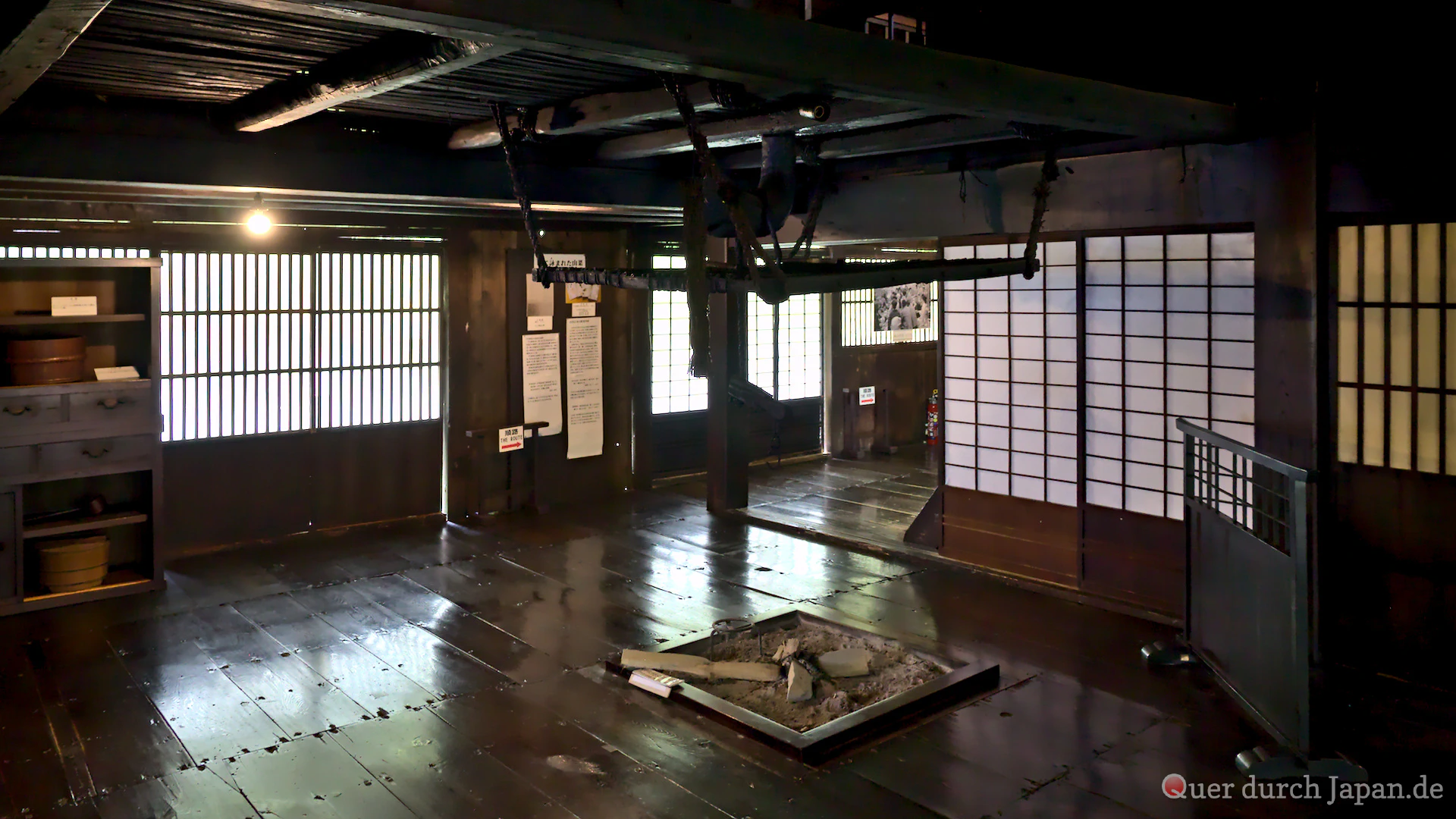
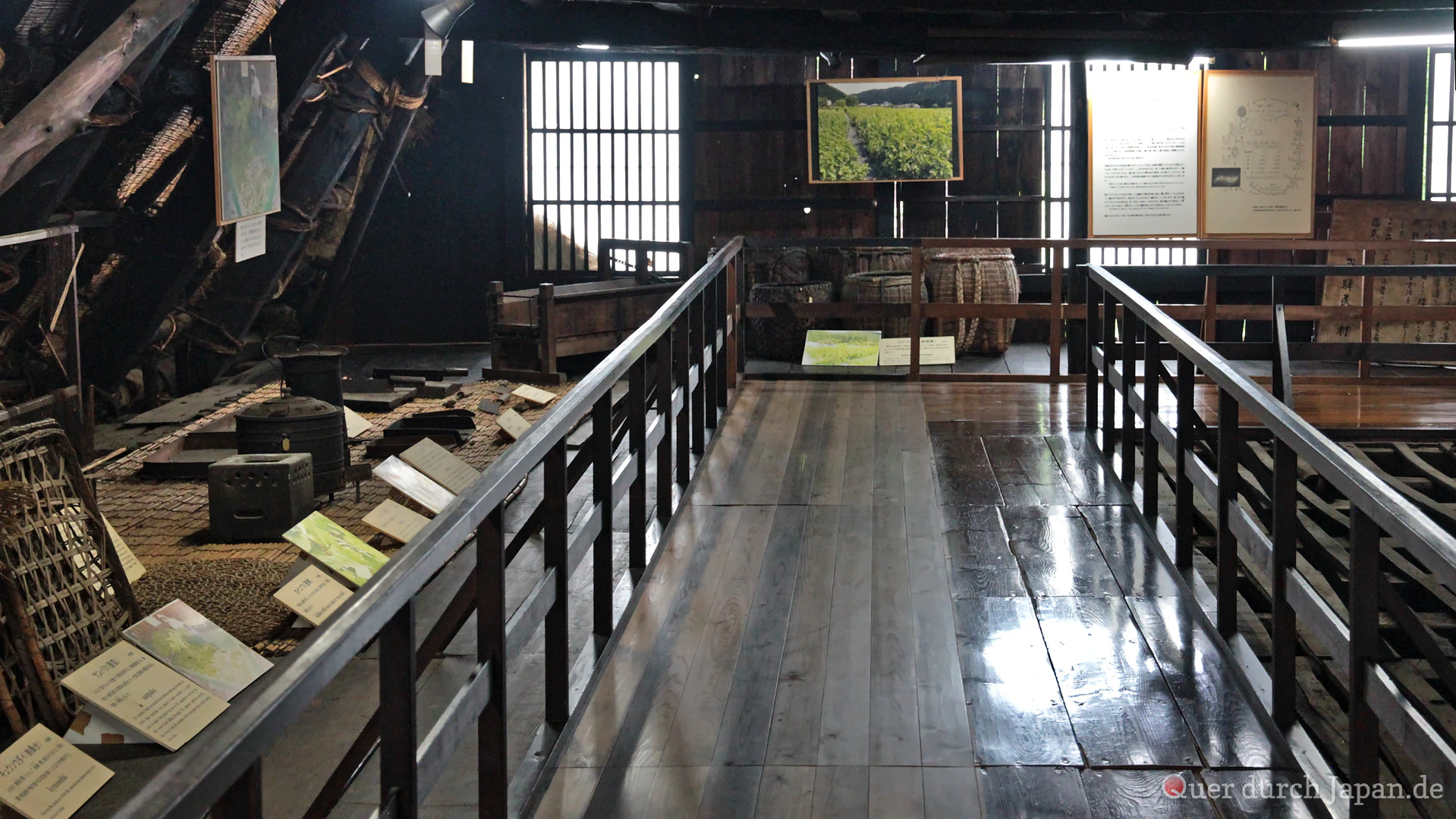
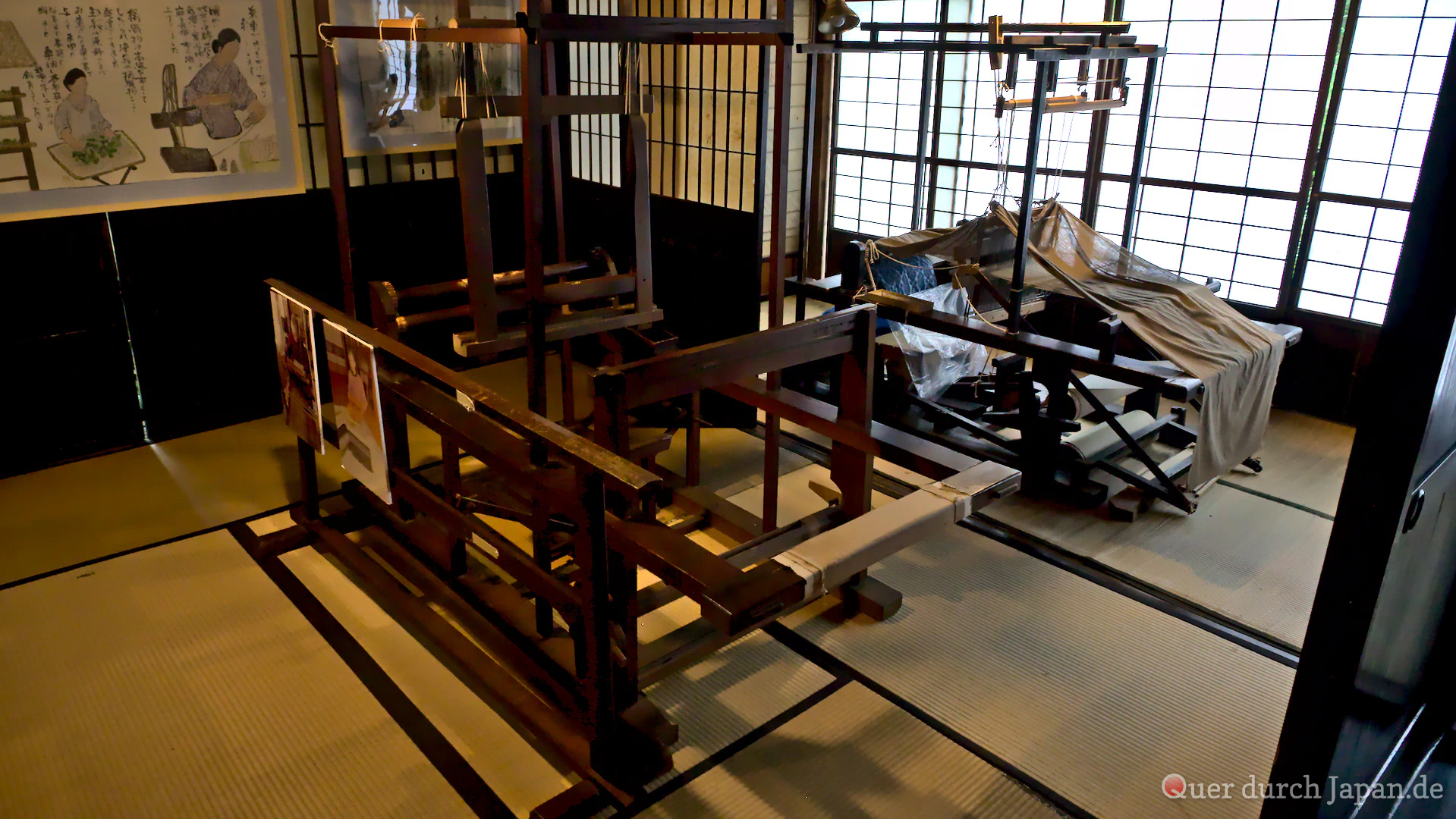
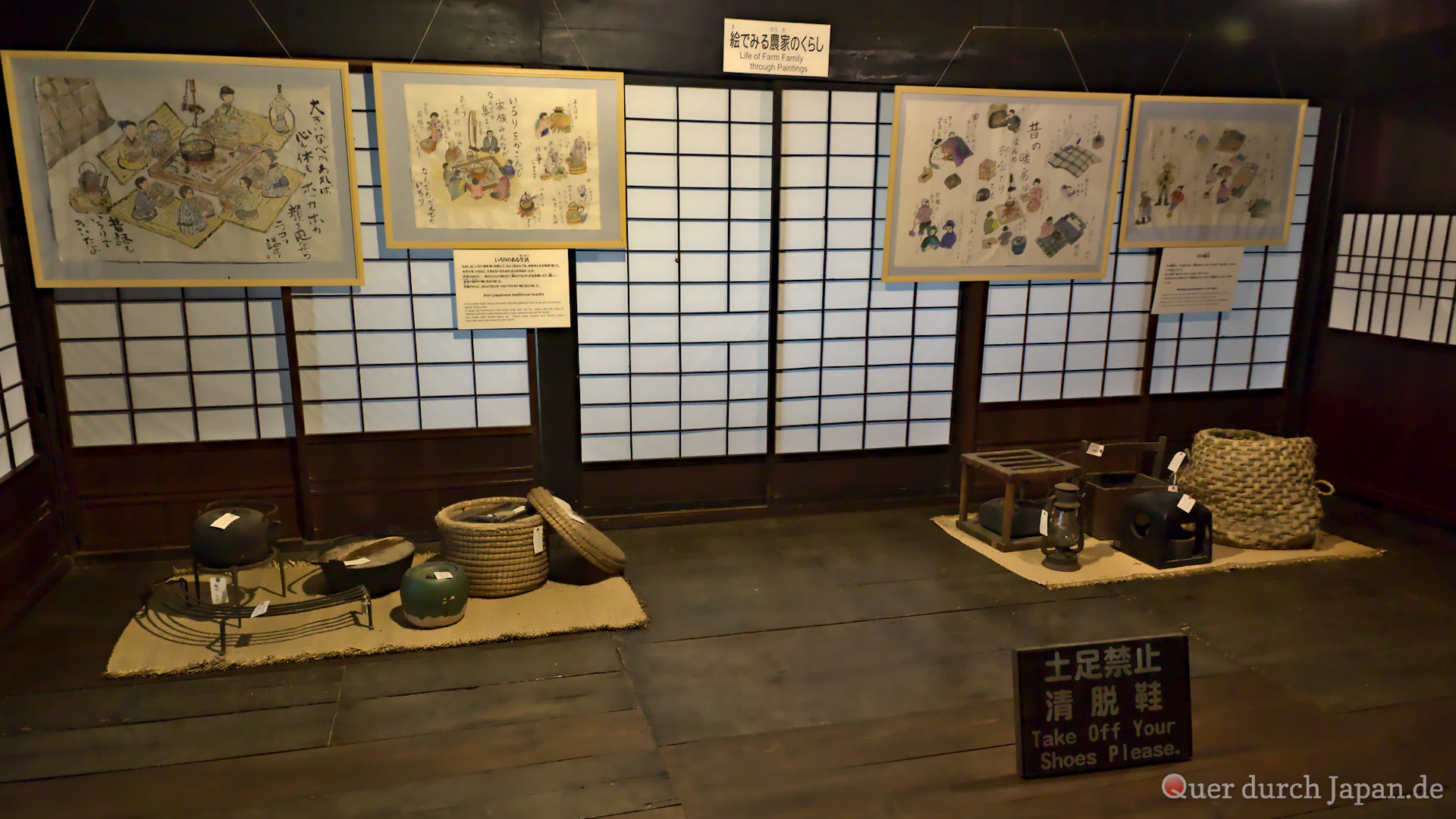
On the museum grounds, you can freely explore the houses and look over the shoulders of traditional craftsmen showing off their skills here and there. Plus, they light the fireplaces in the houses in the morning. So you can really smell your little trip back in time too.
The museum is open every day from 8:30 am to 5:00 pm. You can get there from Takayama station on the Sarubobo bus or by walking for about 25 minutes. Entry costs 700¥. They’ve got English signs up. Make sure you only go into the houses in your socks.
If you still have some time to kill after your visit, you absolutely have to pop over to the old town of Takayama and try the delicious Hida beef while you’re there.