#Hiroshima

Shukkeien

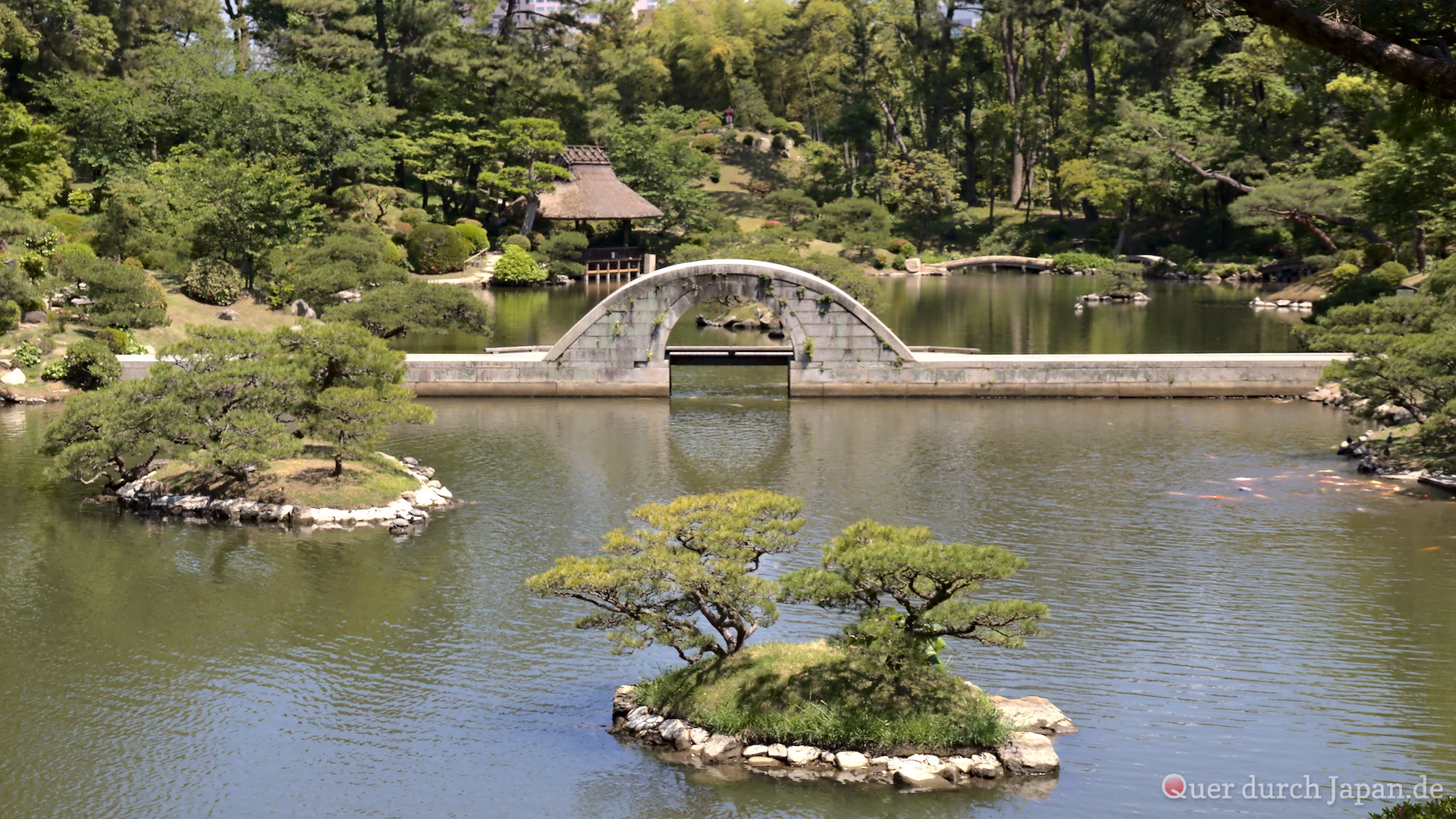
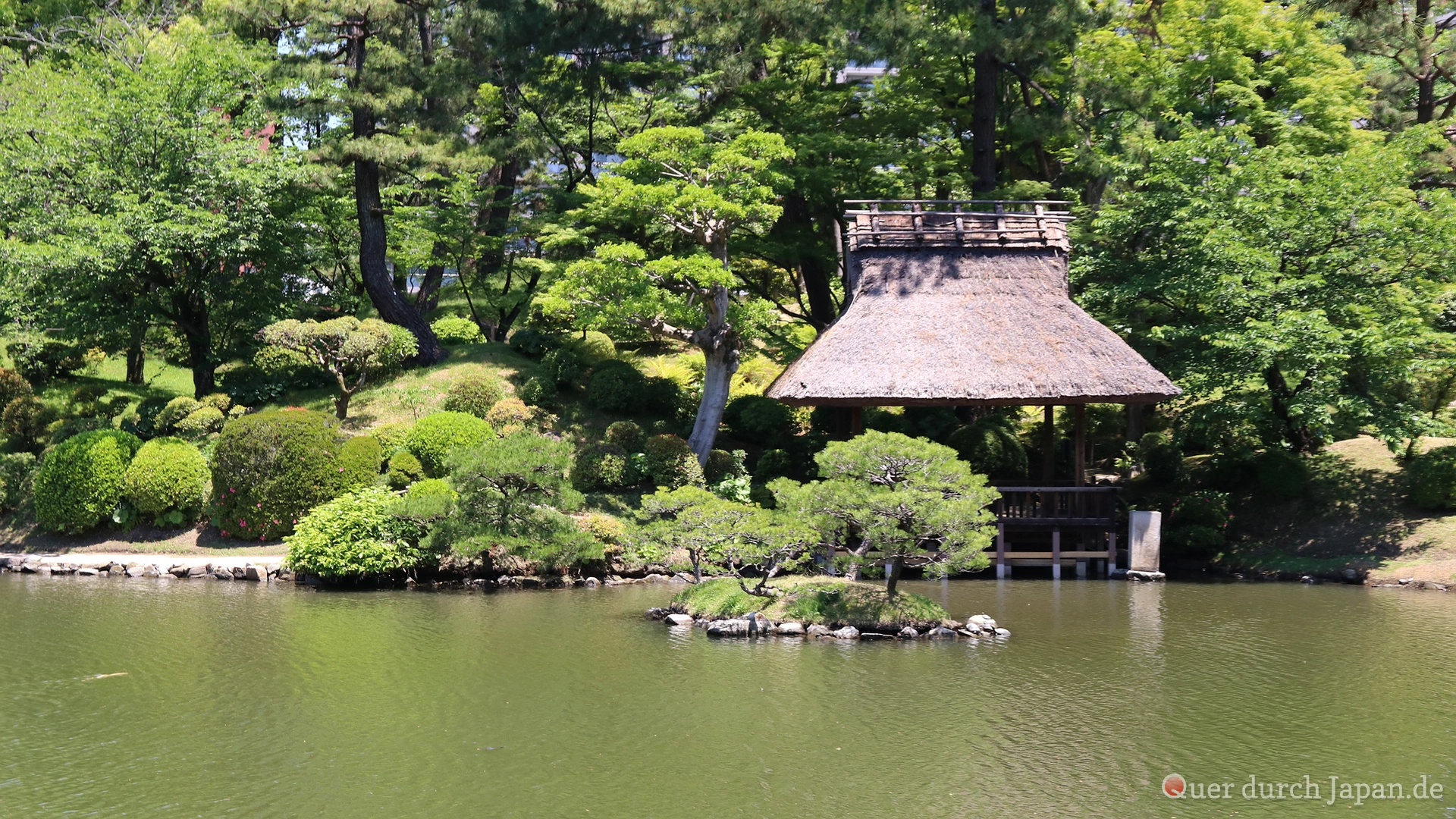
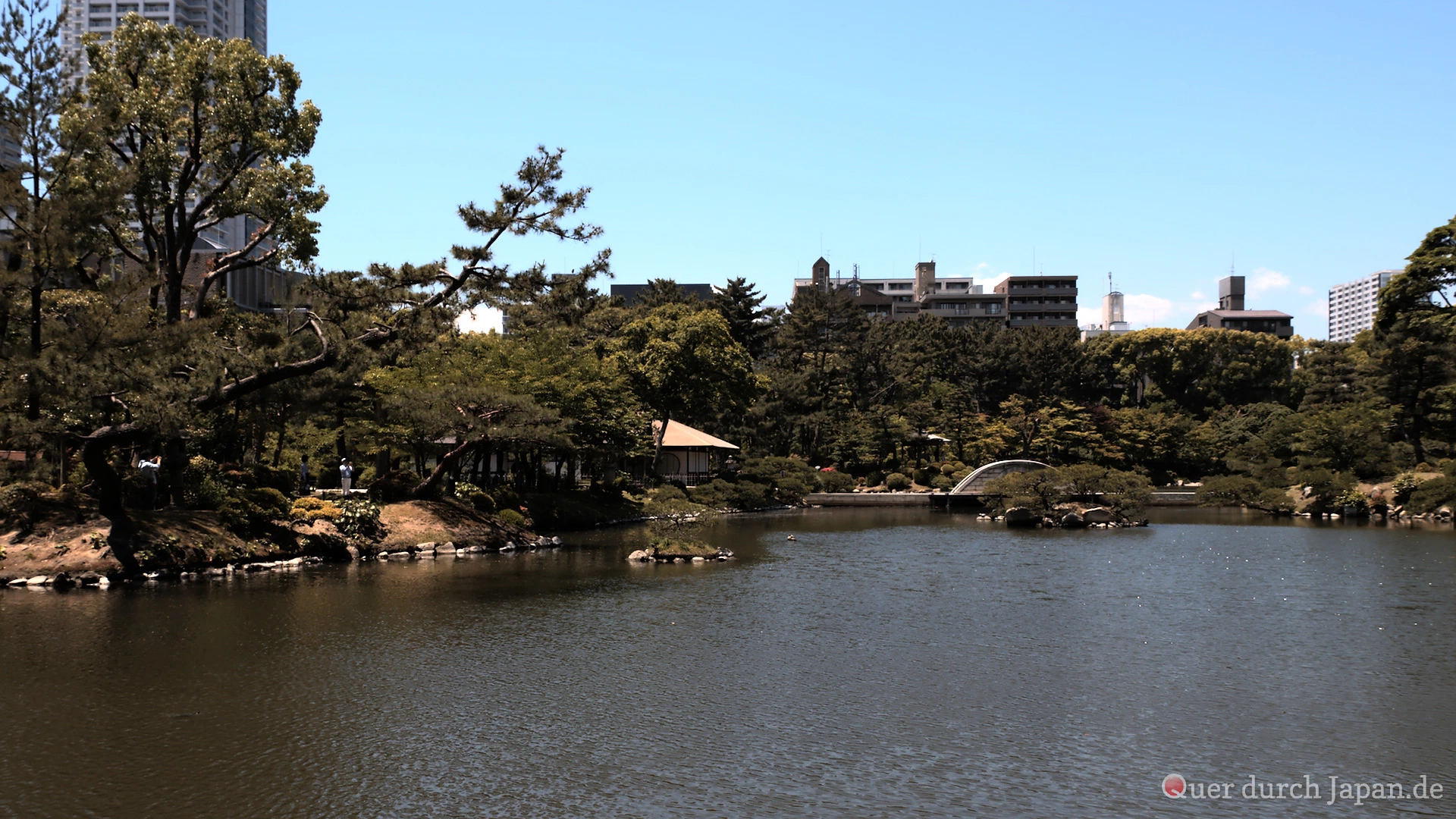
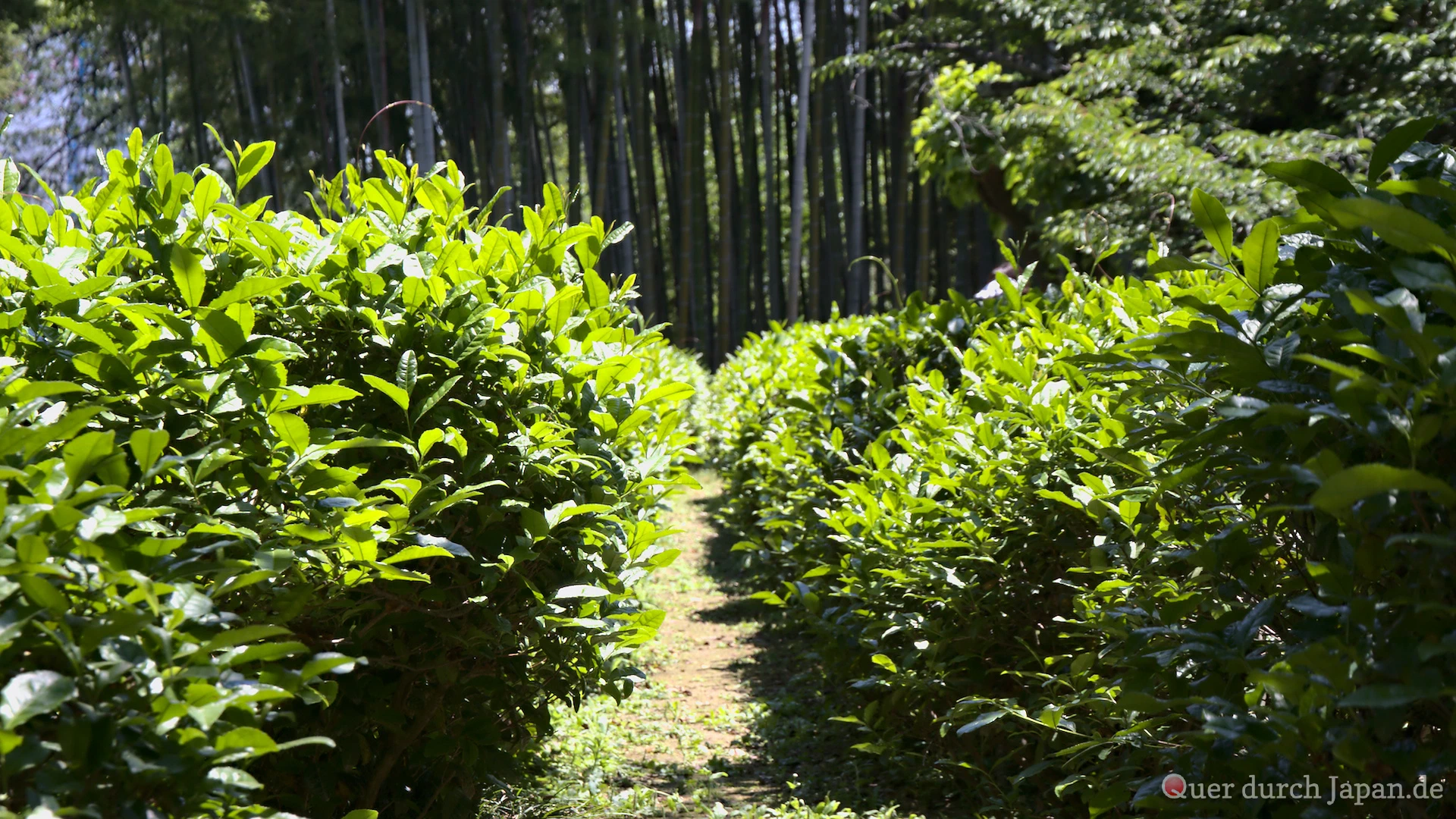
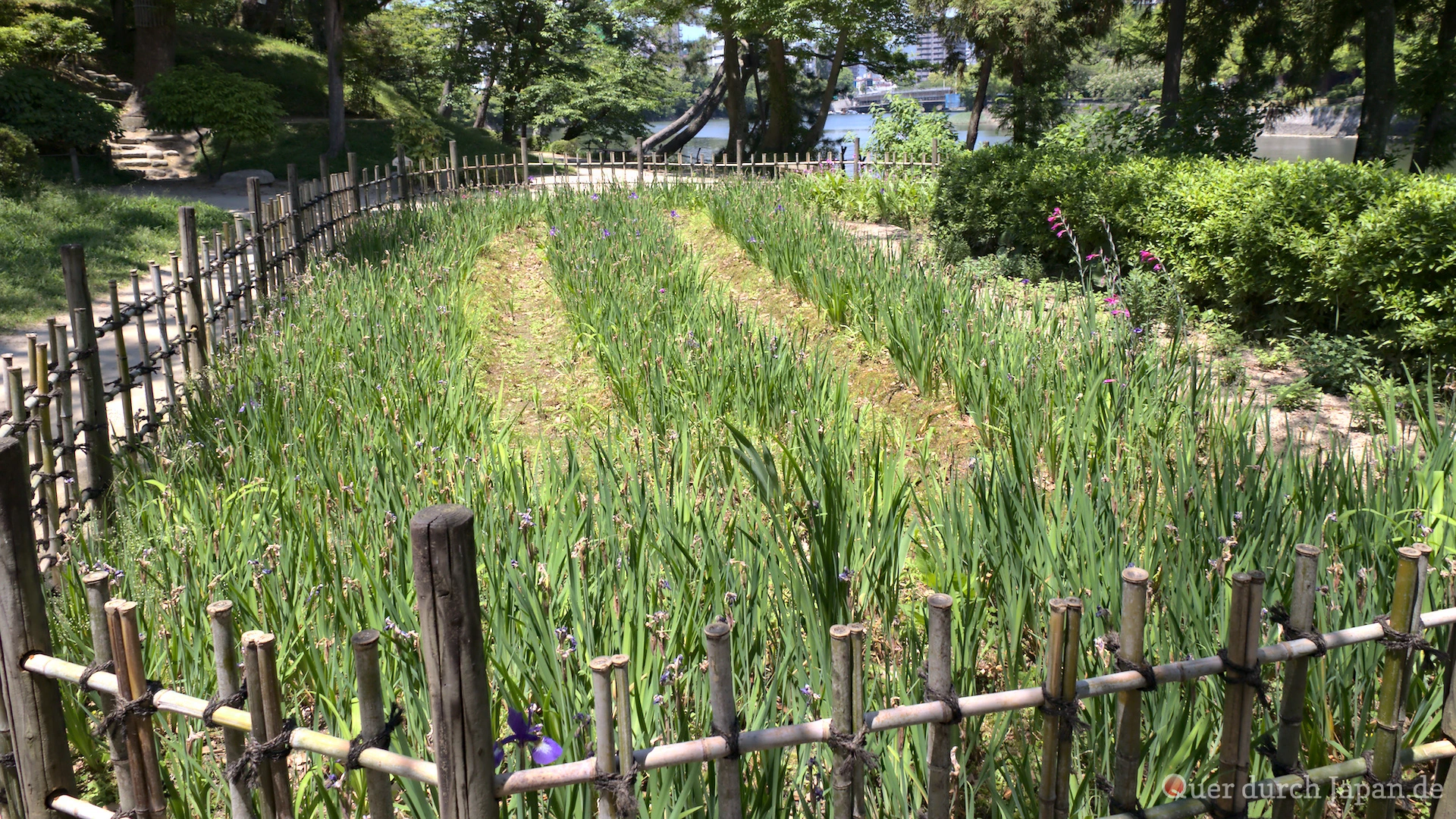
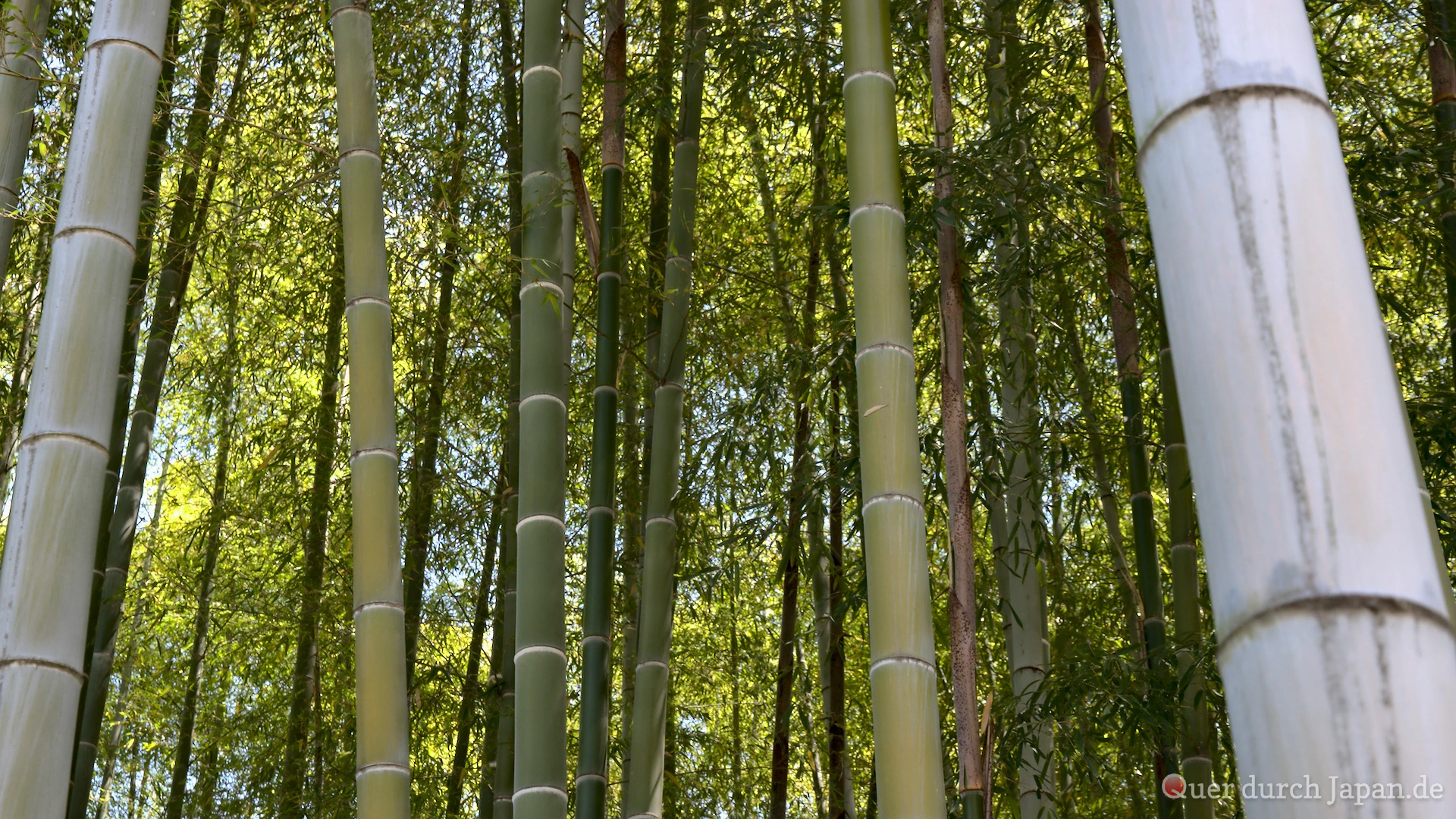
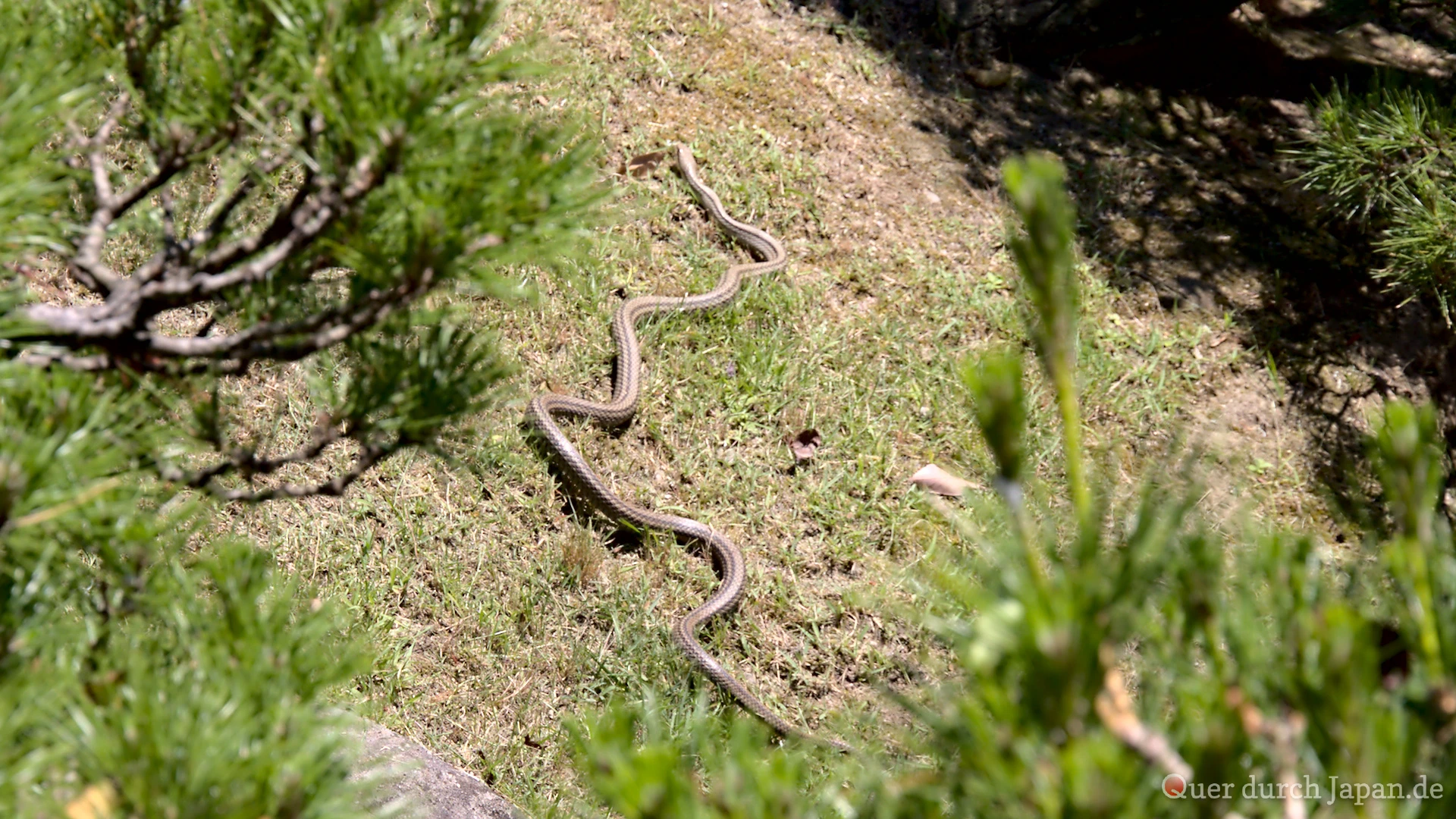
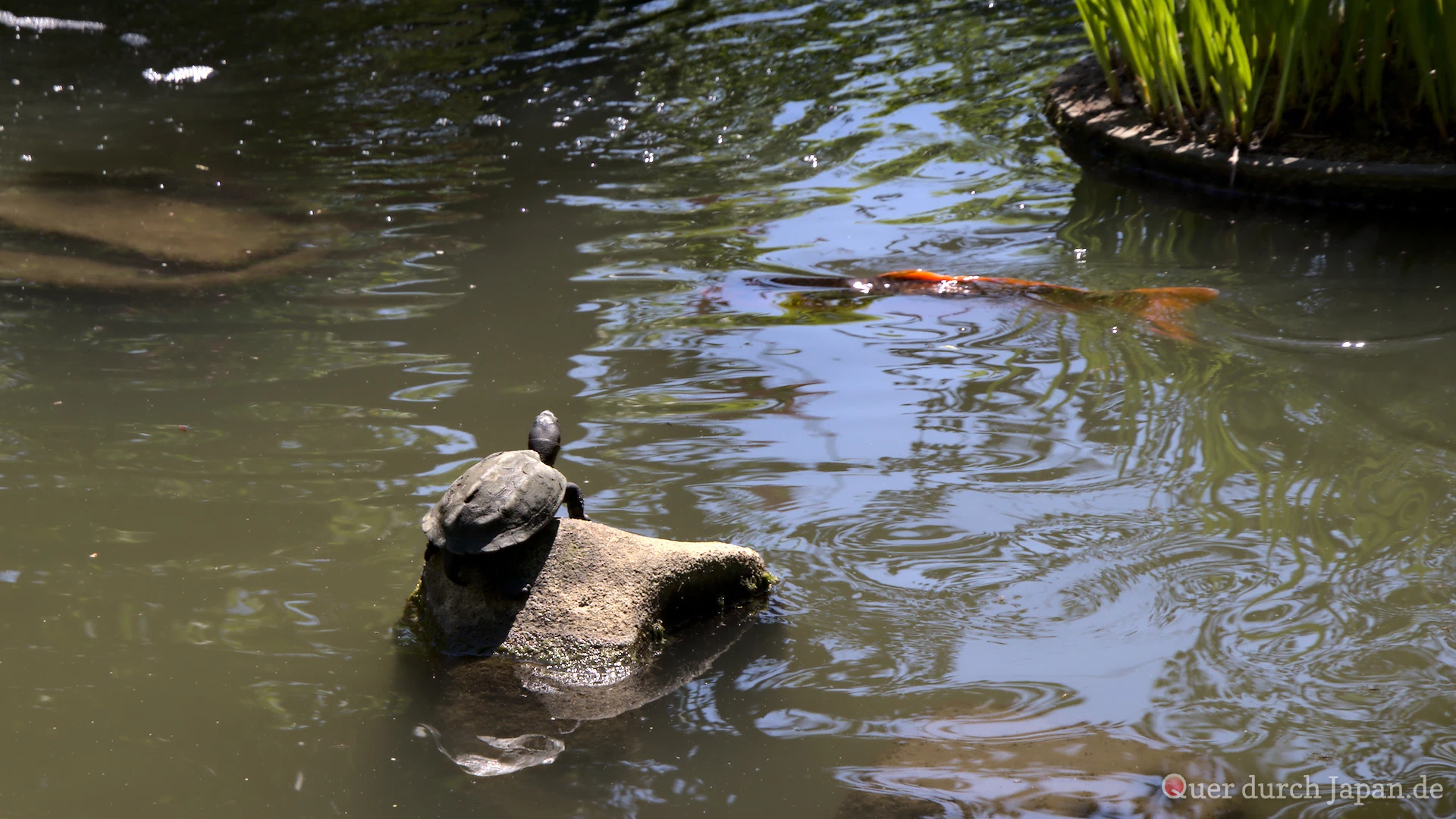
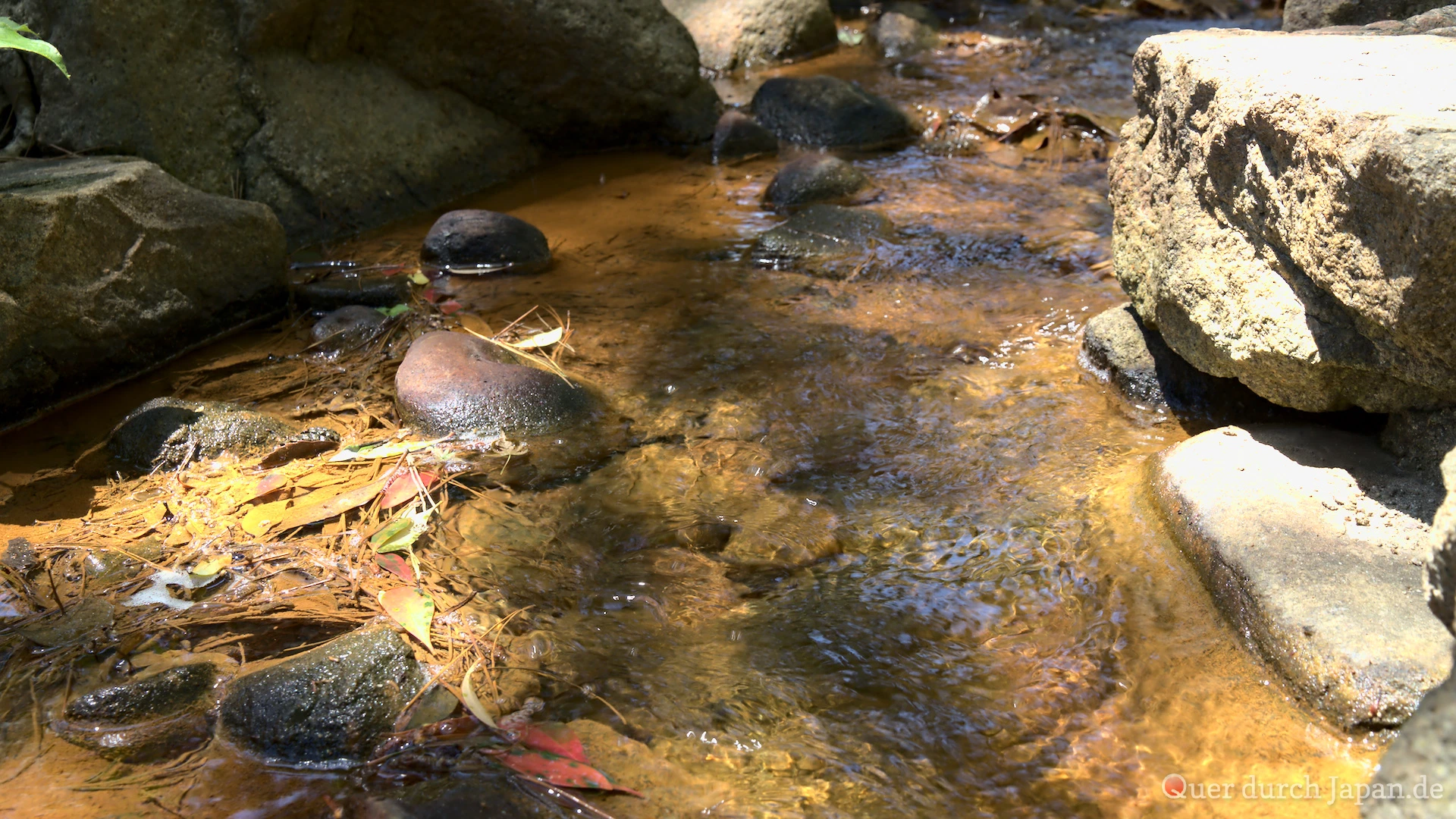
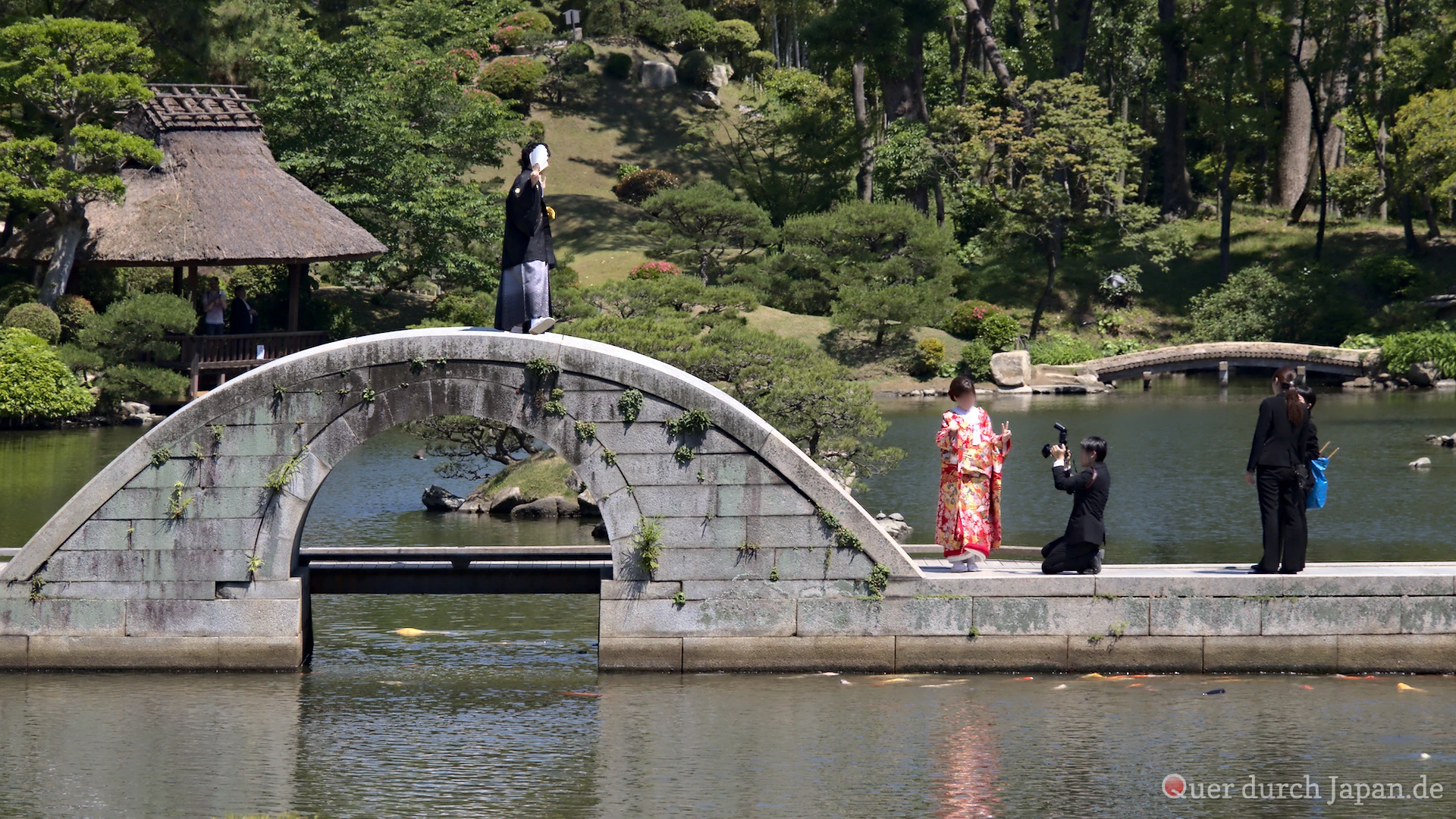
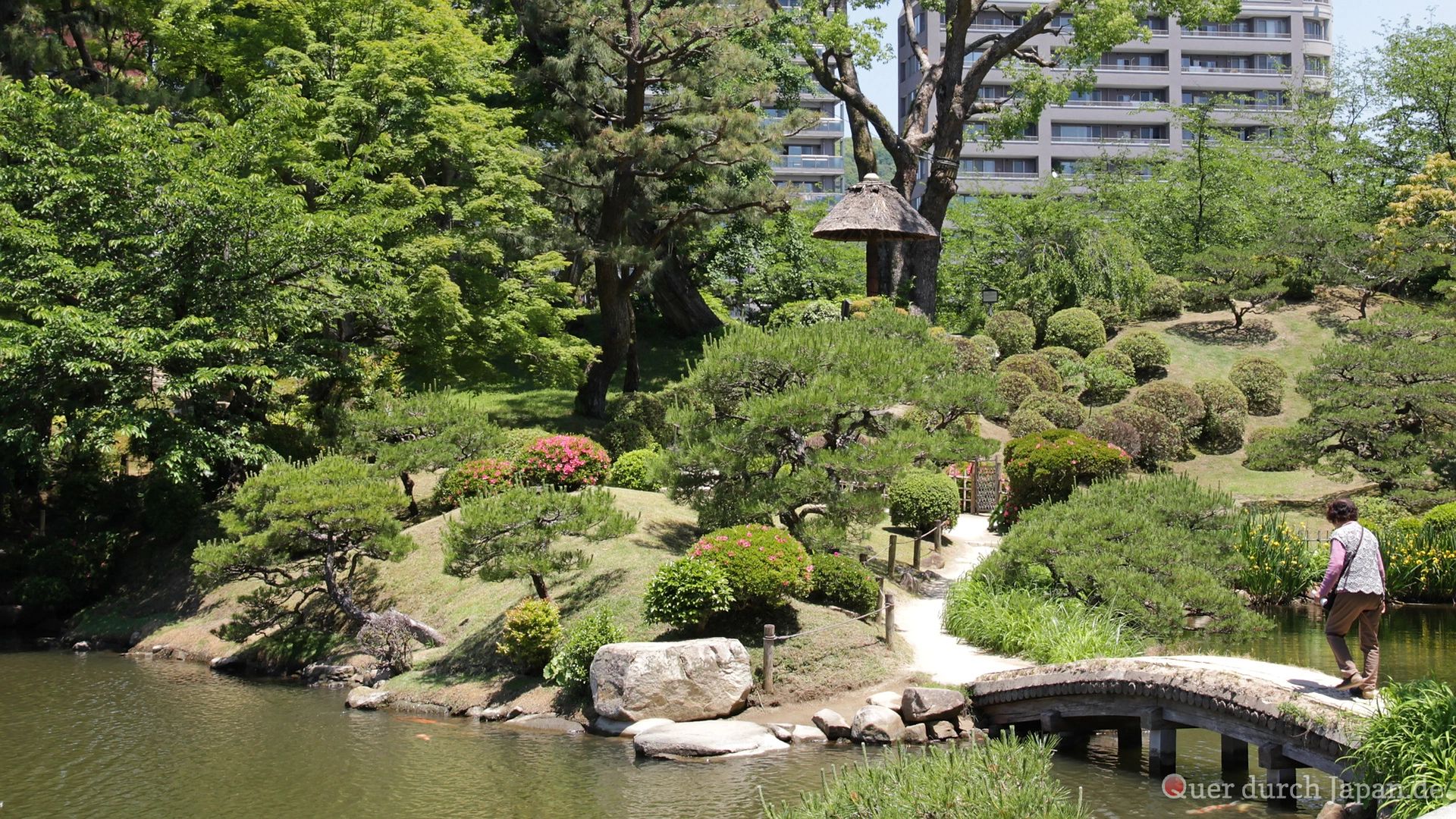
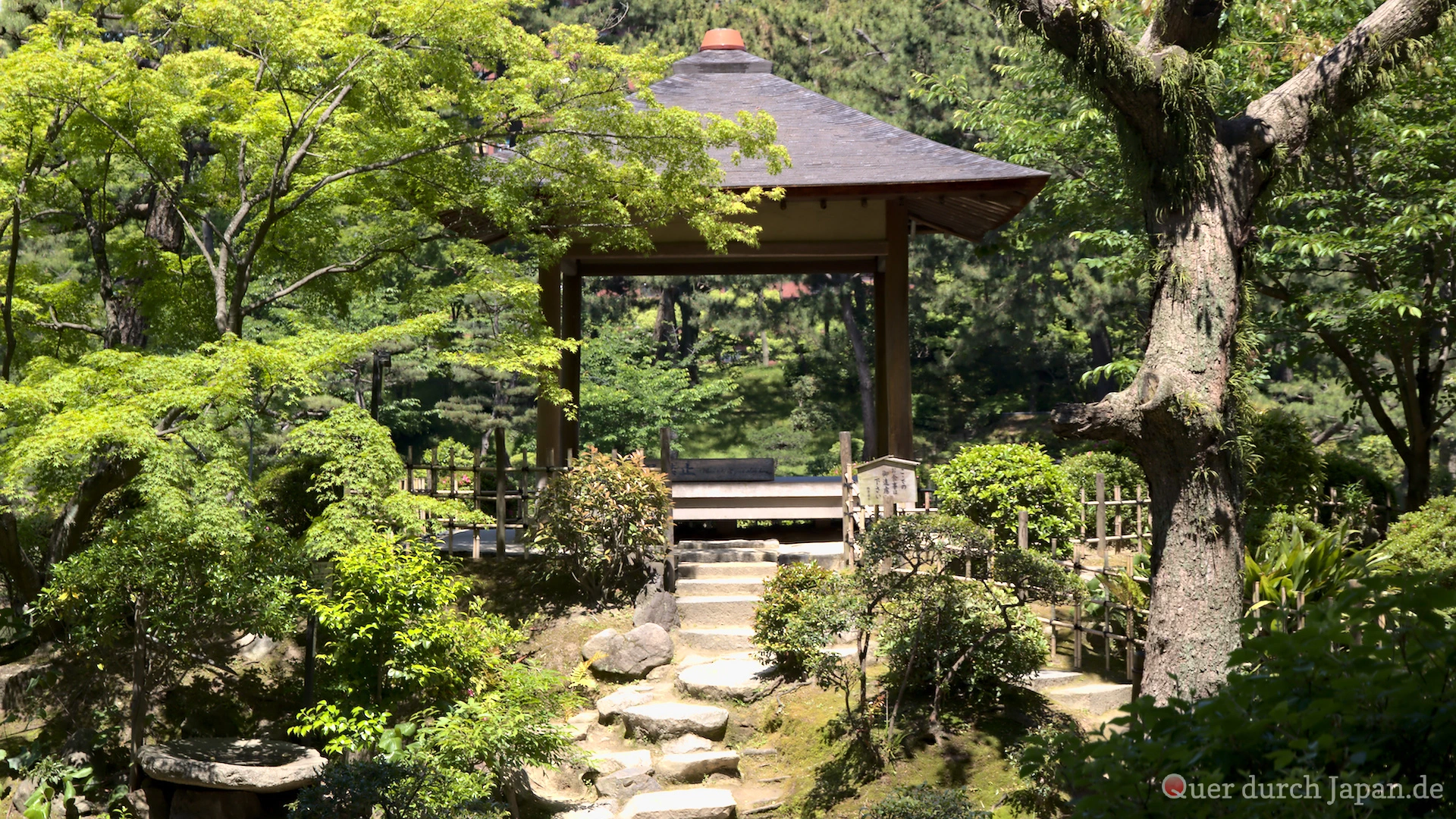
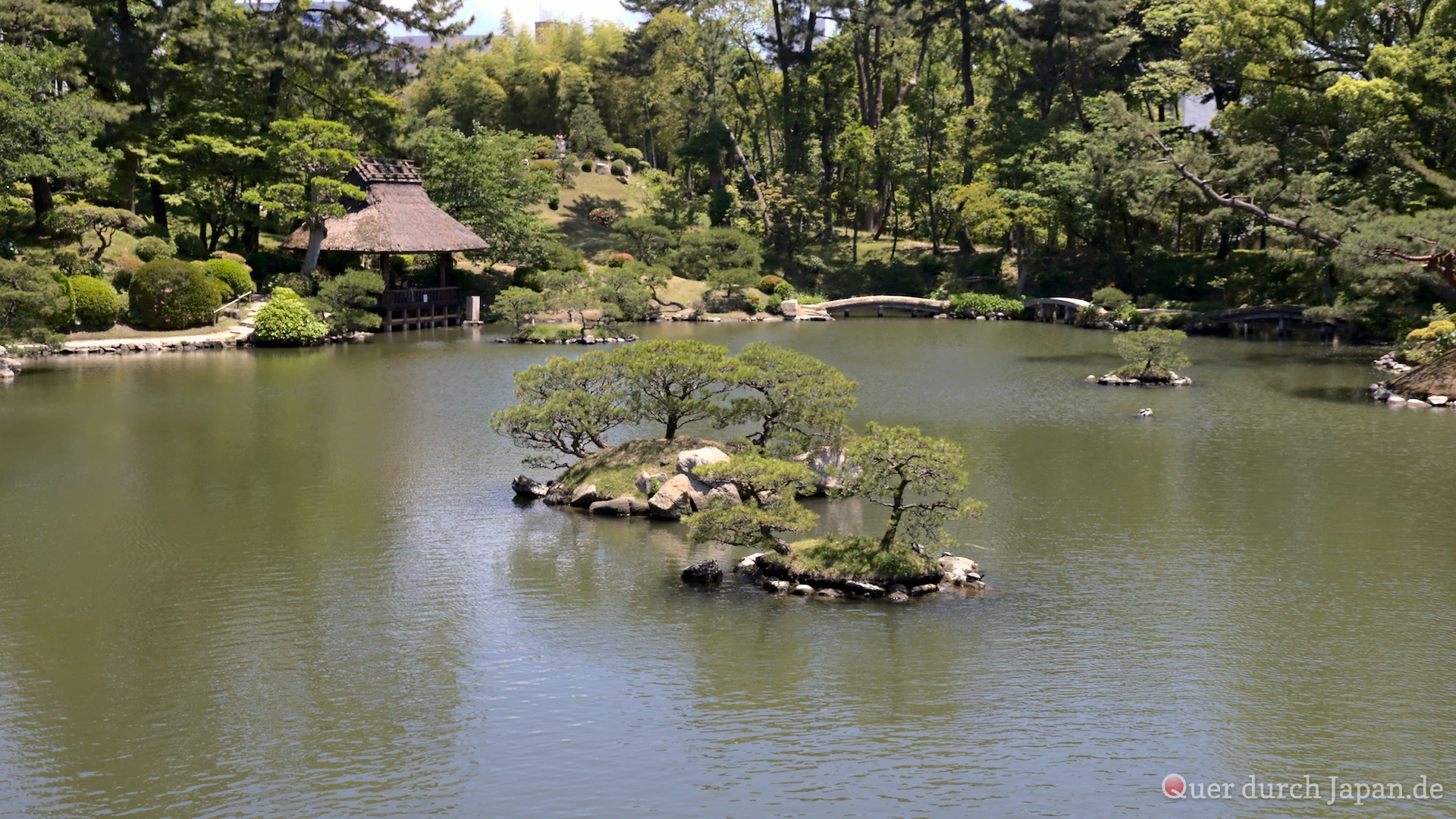
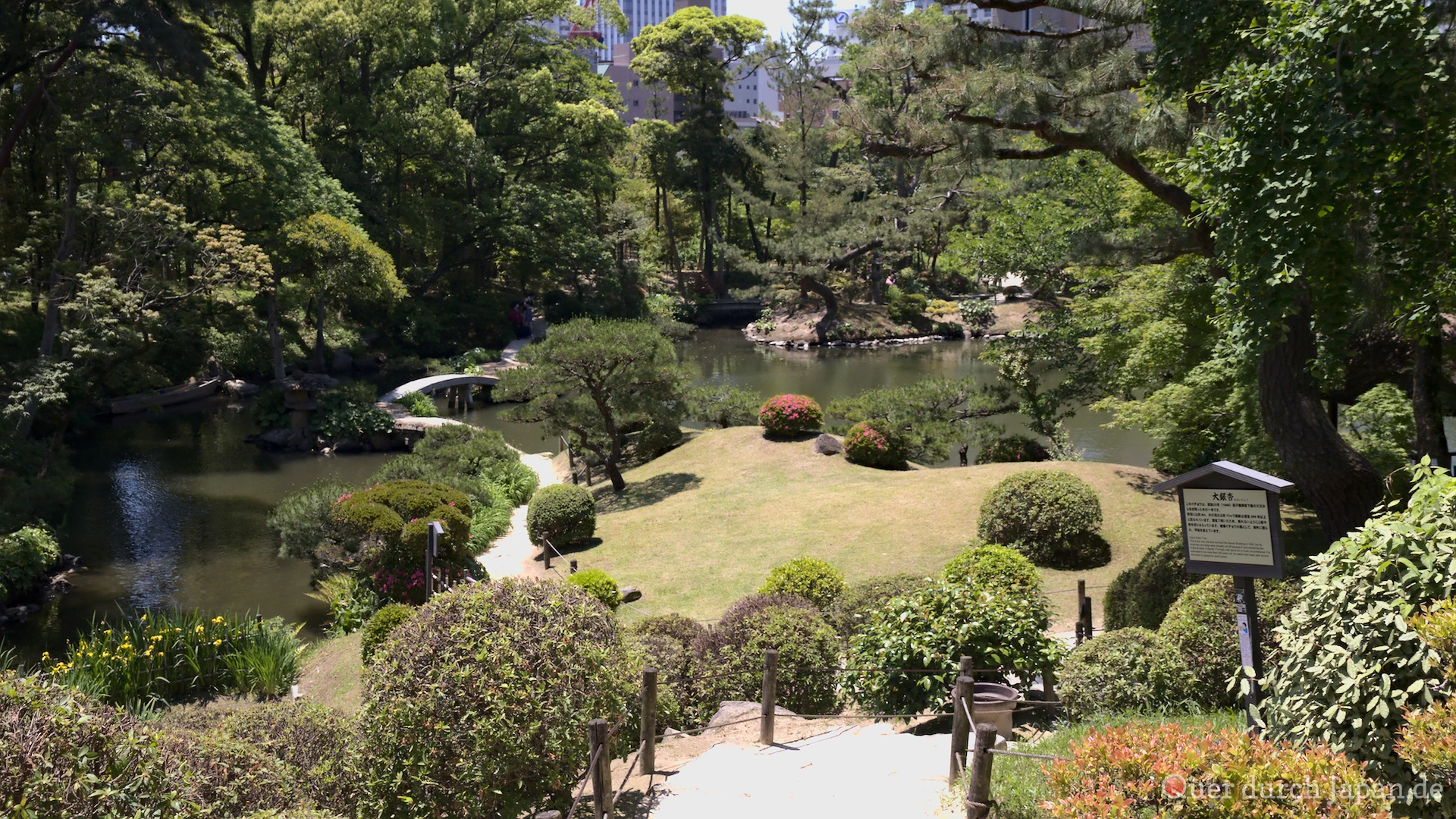
Shukkeien is a little landscape garden in Hiroshima that was set up in 1620. Right in the middle of the garden, there’s a big pond with little islands and bridges. Around this pond, you’ll find small hills, a bamboo grove, and even a little tea plantation. The garden feels like a shrunken-down world, and the word Shukkeien actually means something like “miniature landscape garden”.

Shukkeien is right near Hiroshima Castle. From the main station, you can walk there in a few minutes or catch a tram to the Shukkeien-mae stop. Entry costs 260¥.

Der Atombombendom

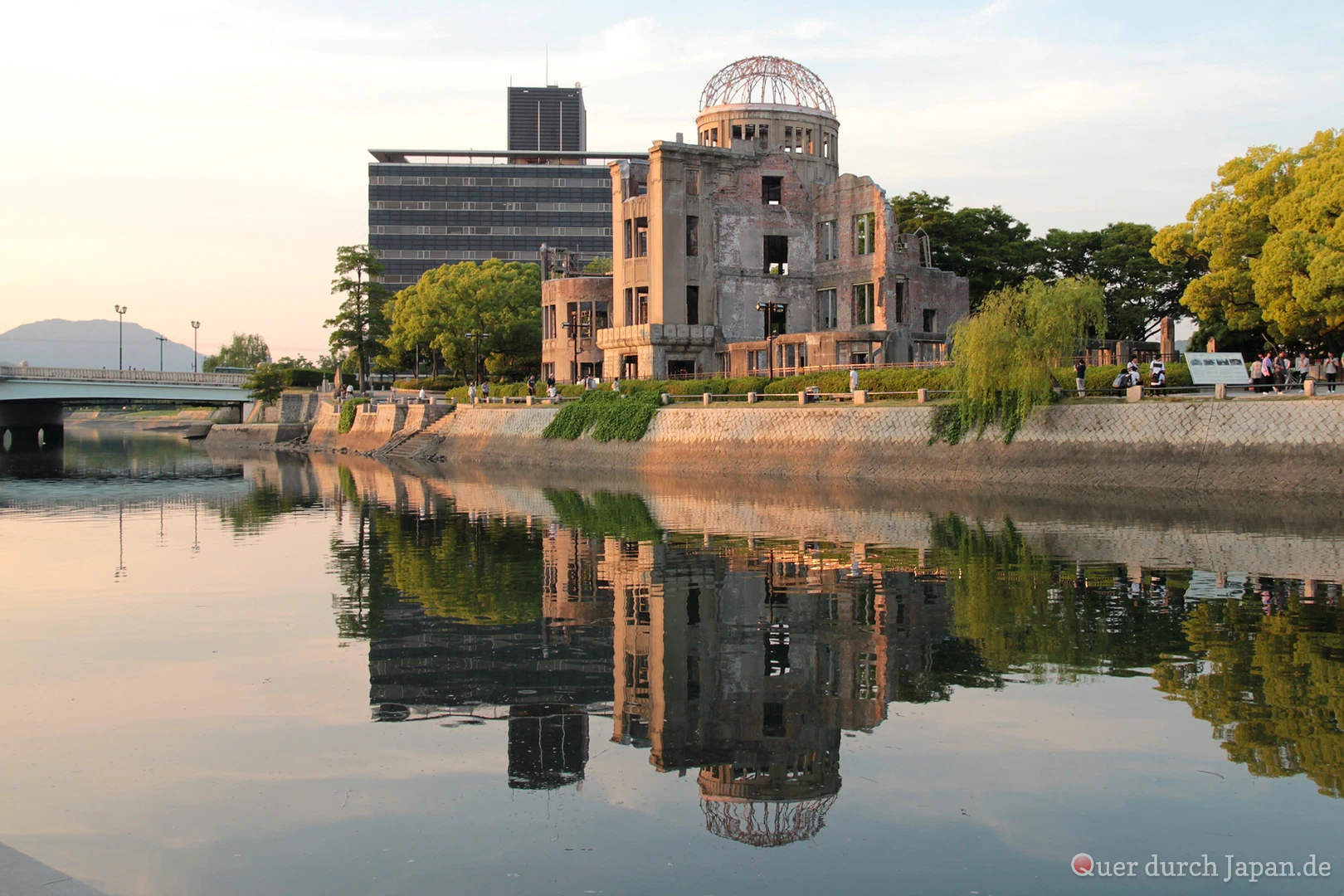
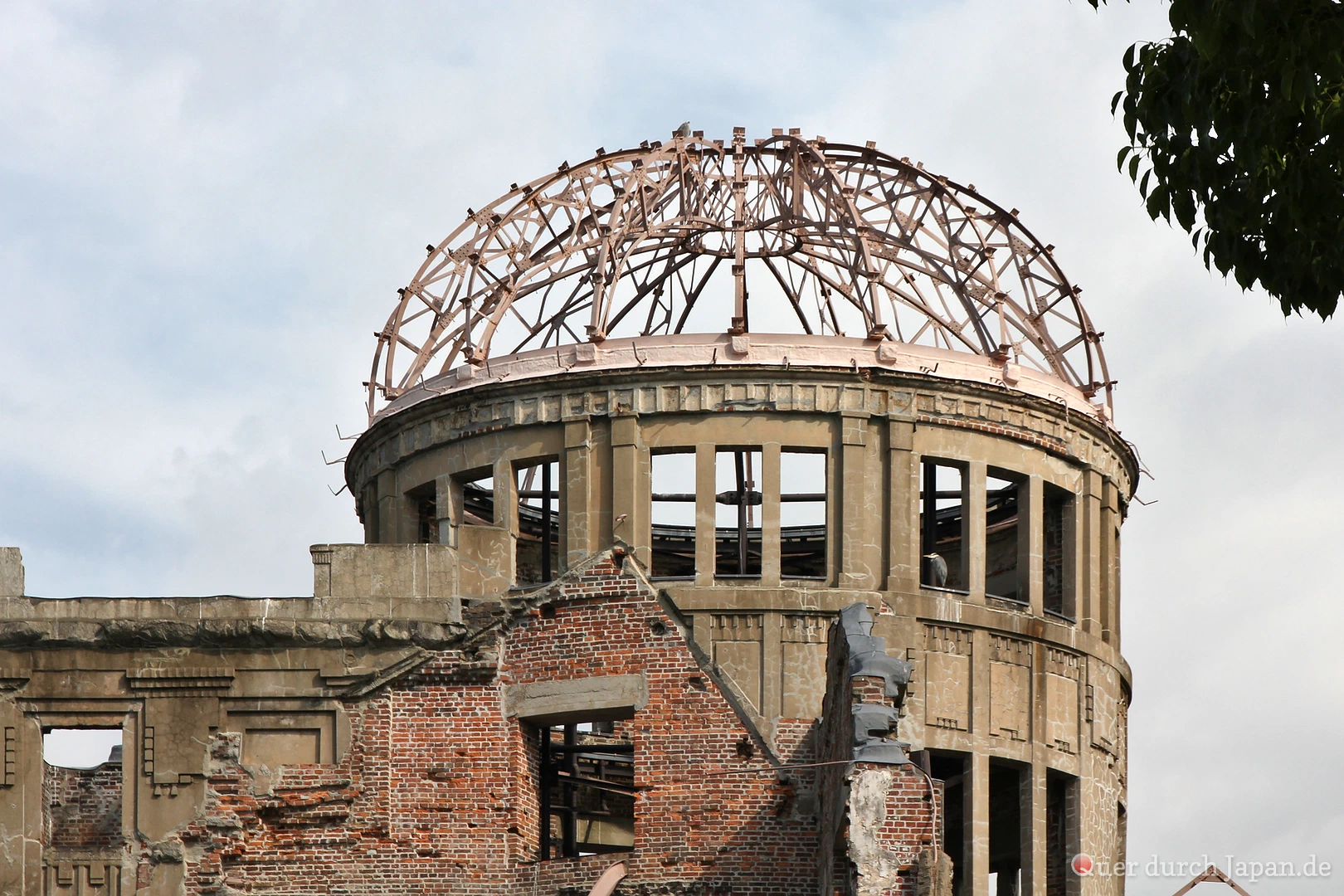
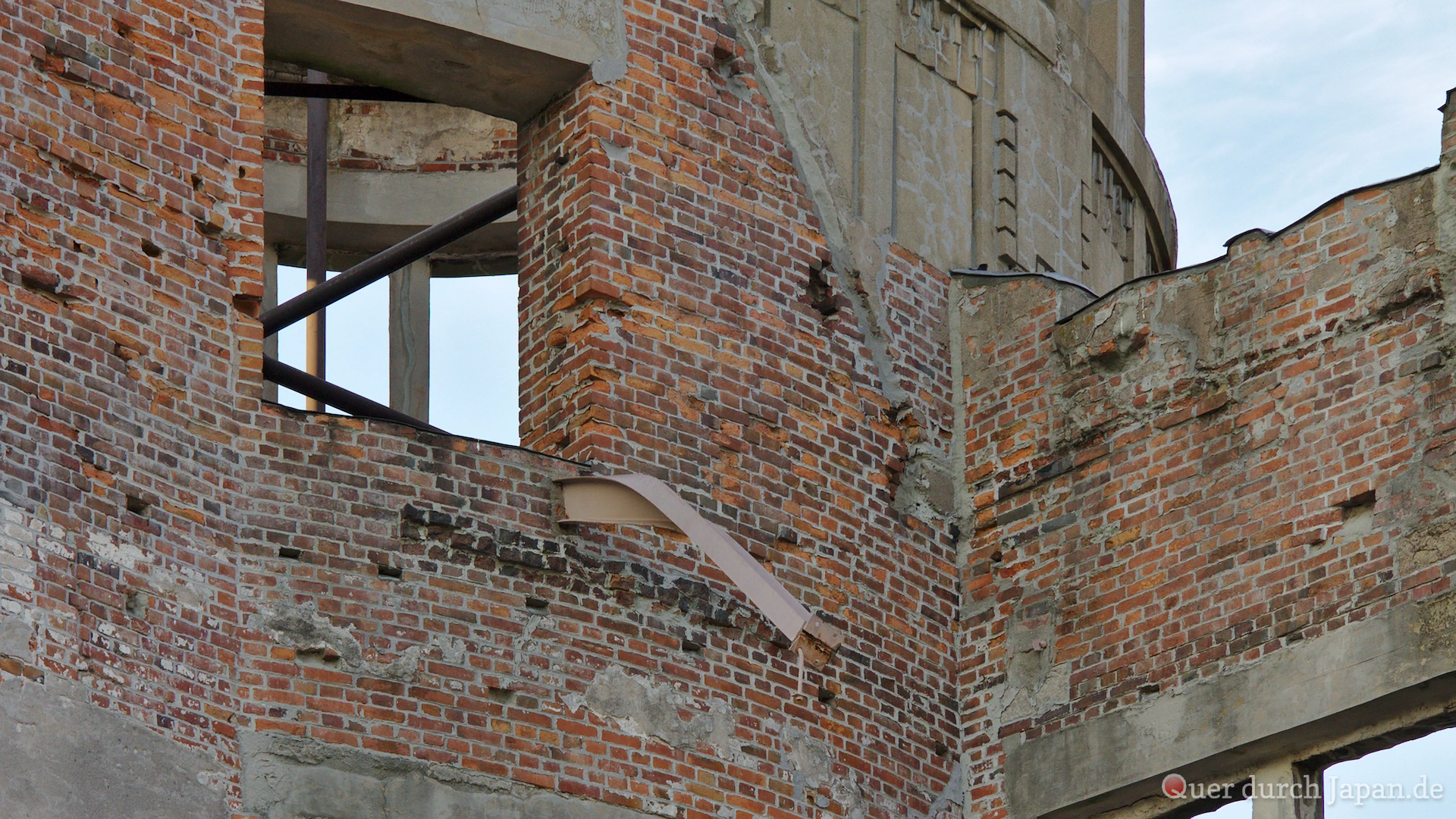
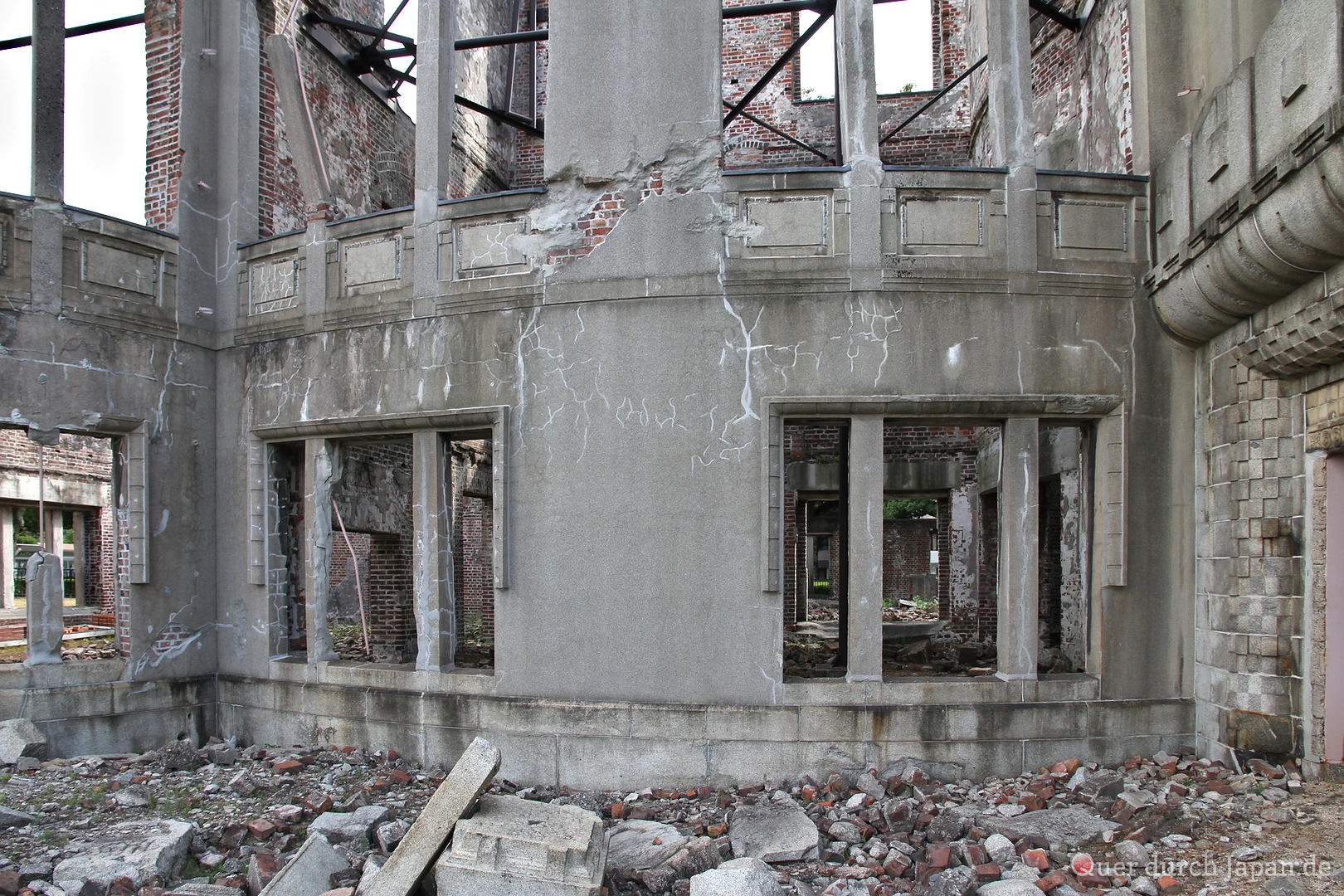
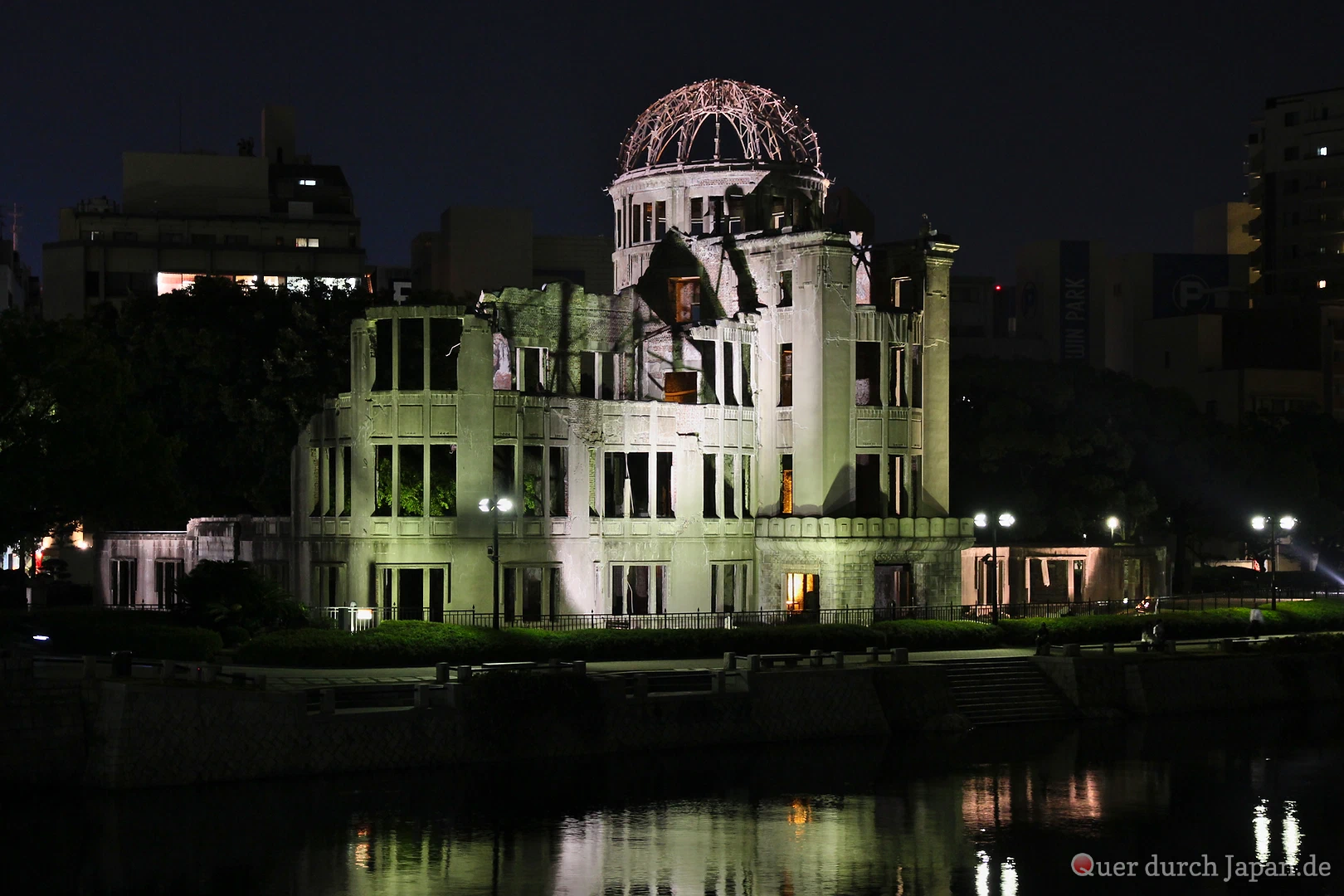
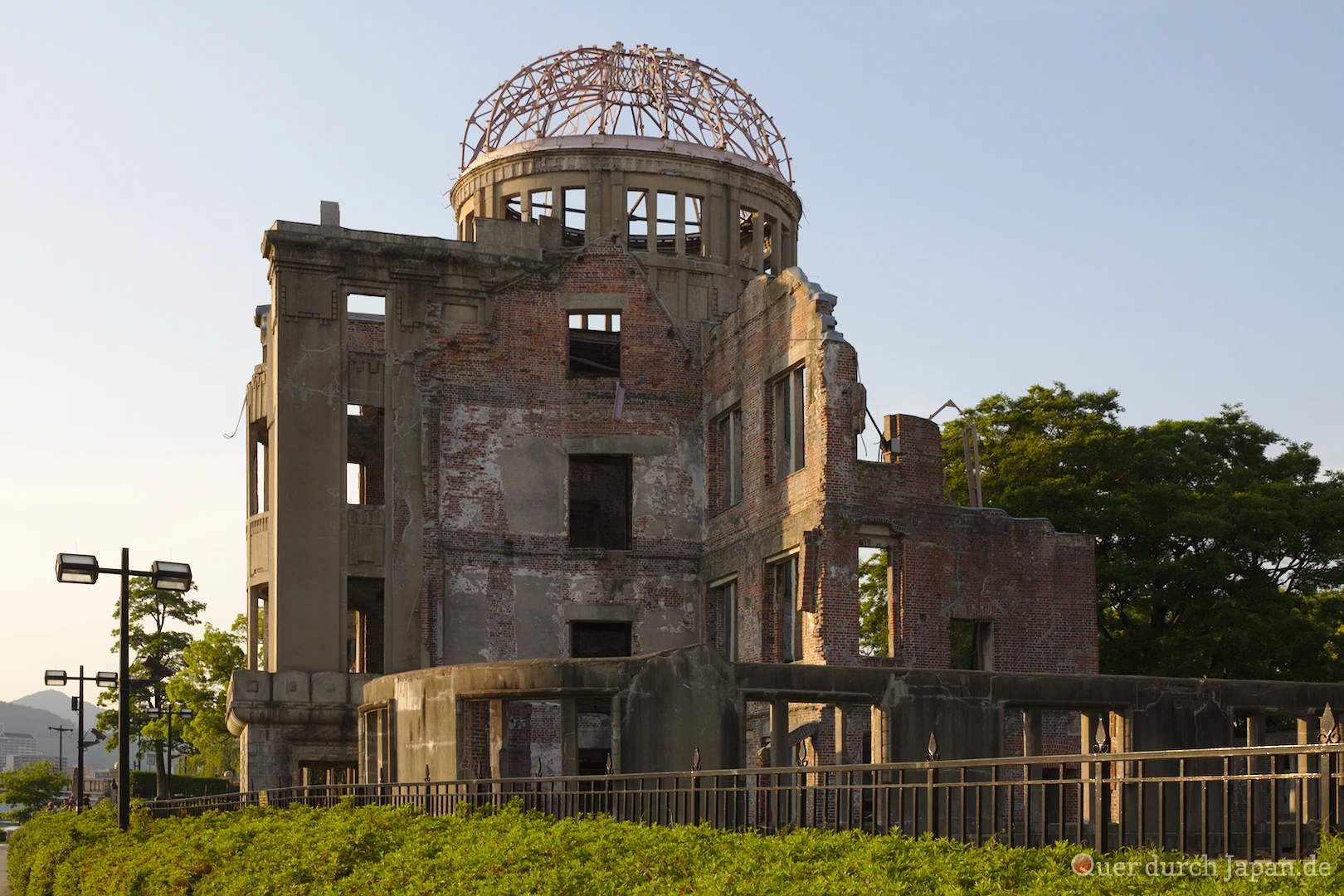
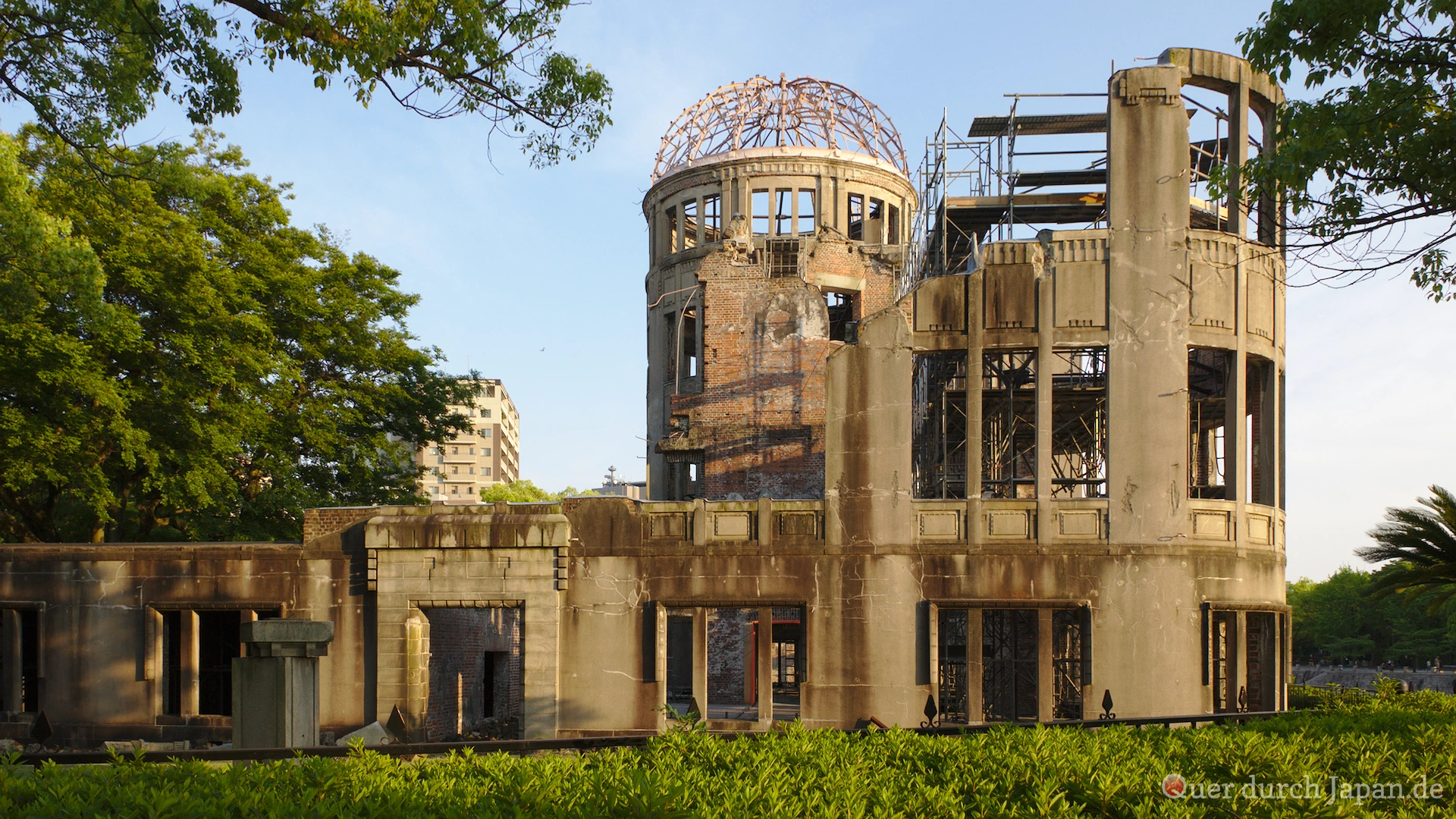
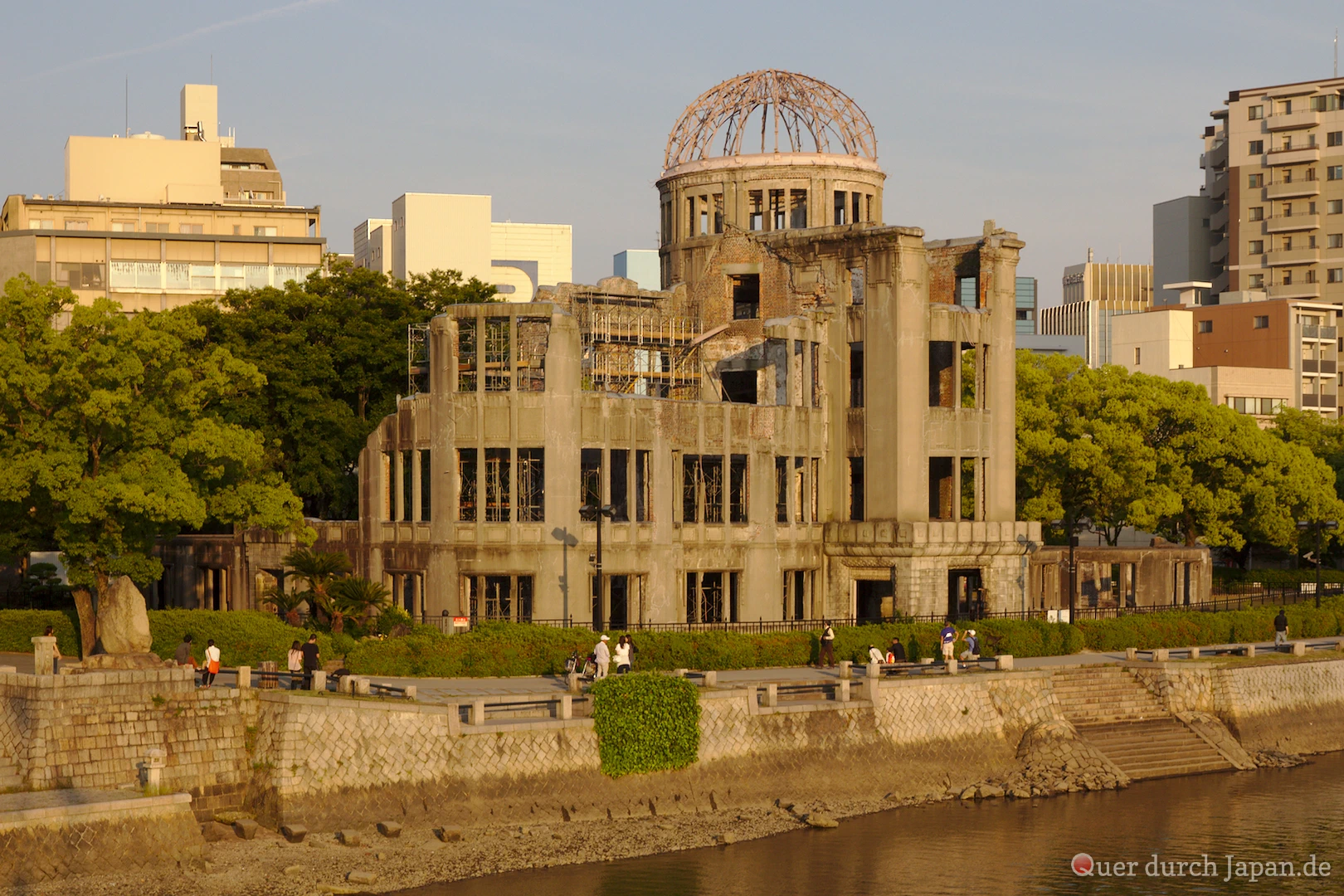
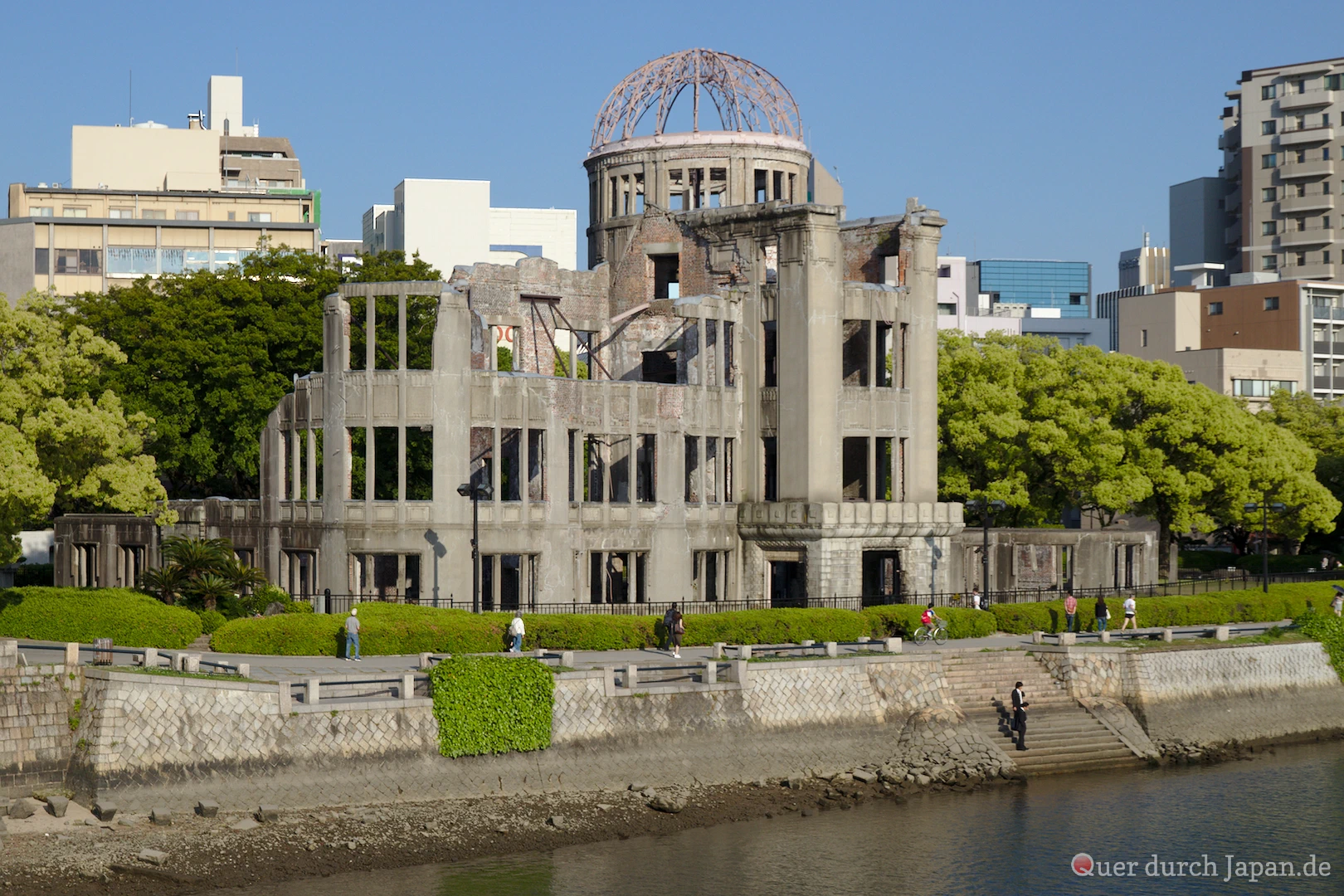
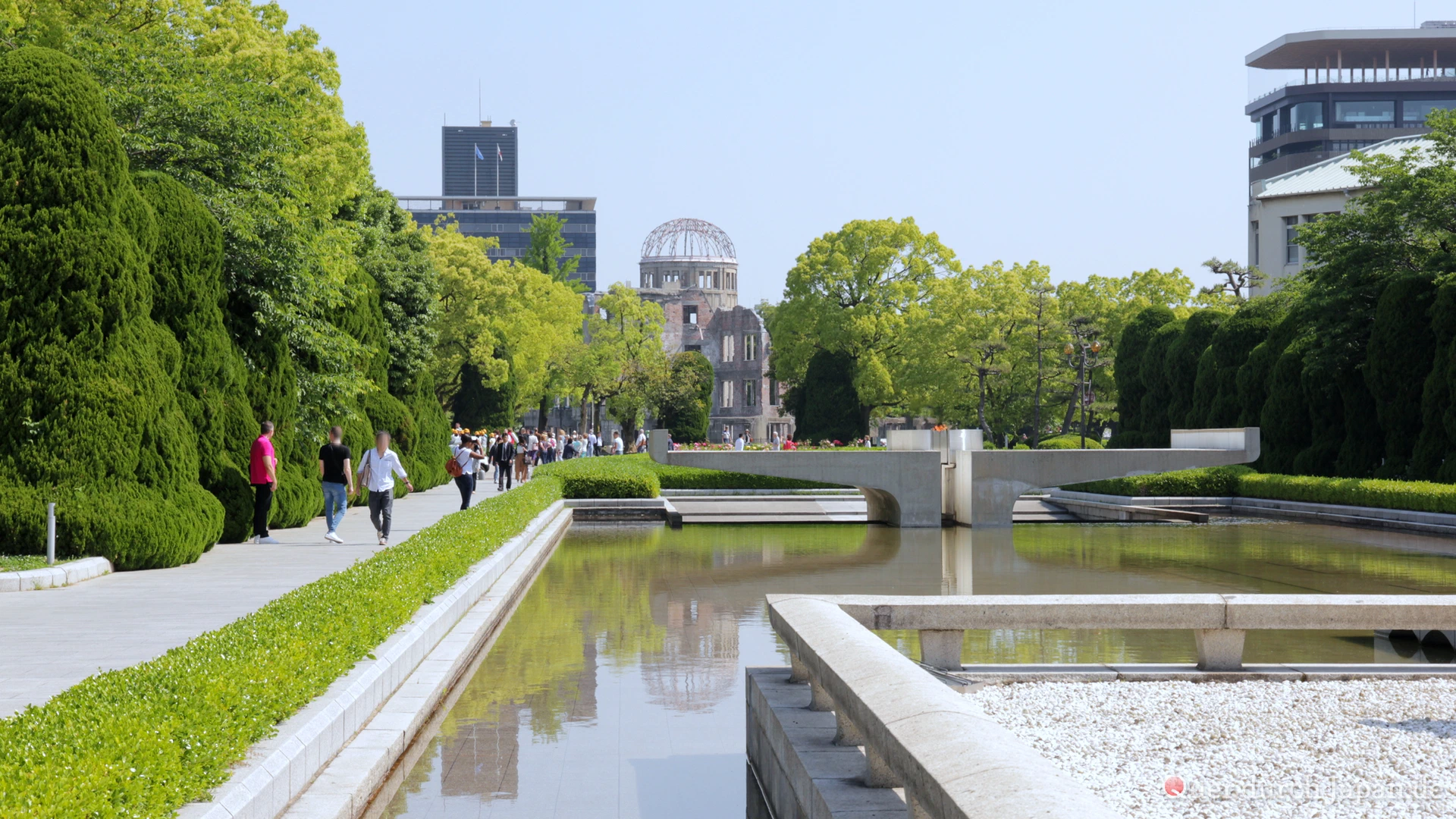
Today we’ve got photos of the Atomic Bomb Dome in Hiroshima.

Of course, it isn’t a cathedral like a church (as the German word “Dom” usually suggests); the name actually comes from the Japanese 原爆ドーム (gembaku dōmu). So Atomic Bomb Dome is the proper name, thanks to its striking roof dome.

The building was built from a design by the Czech architect Jan Letzel and finished in April 1915. It was used as a commercial exhibition hall until “Little Boy” destroyed the city on the 6th of August 1945. While the explosion completely flattened the wooden Japanese houses of the time, the building stayed more or less intact and has served as a memorial against nuclear war ever since. Apart from a few safety measures, the building has remained completely unchanged.

Das rollende Straßenbahnmuseum von Hiroshima

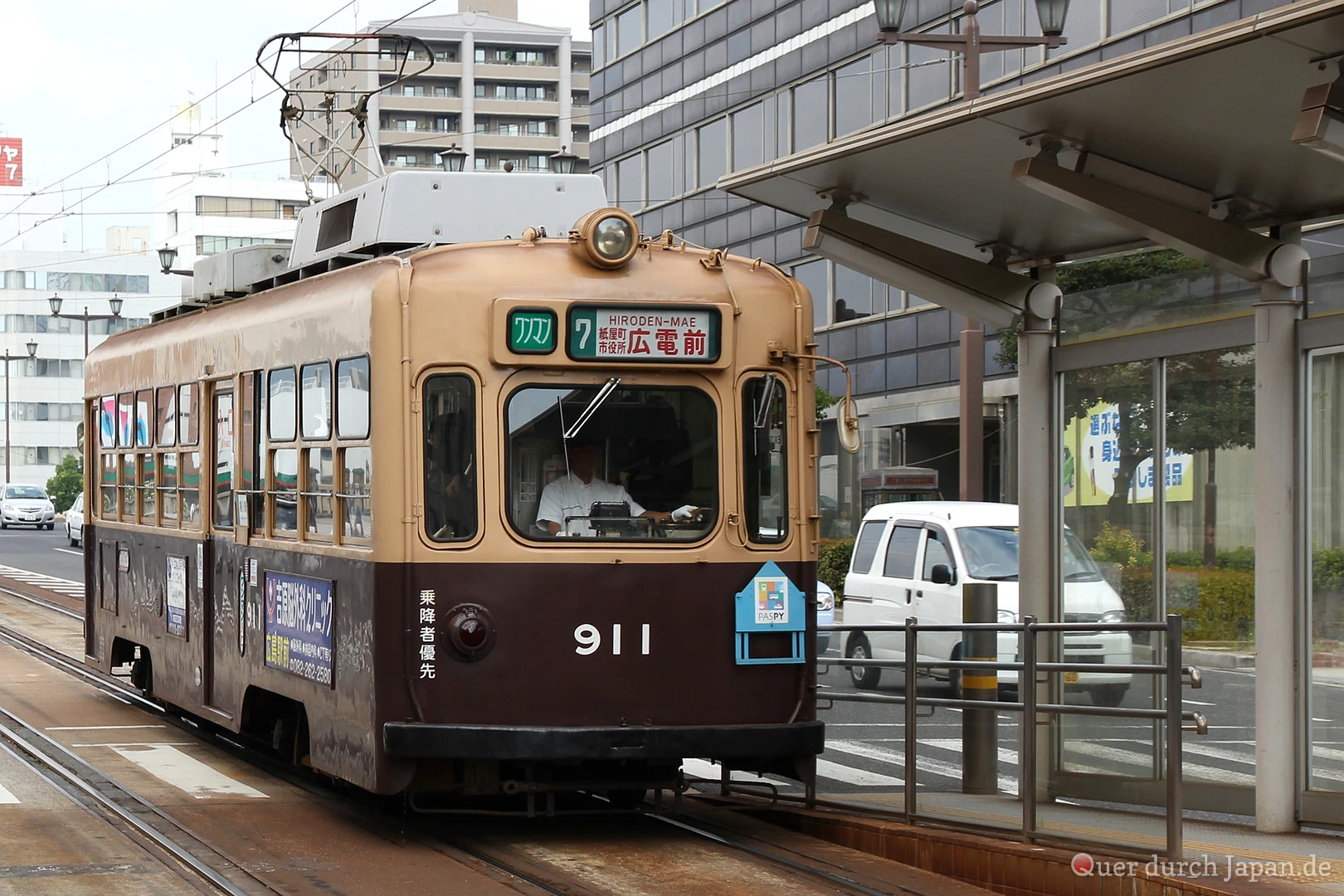
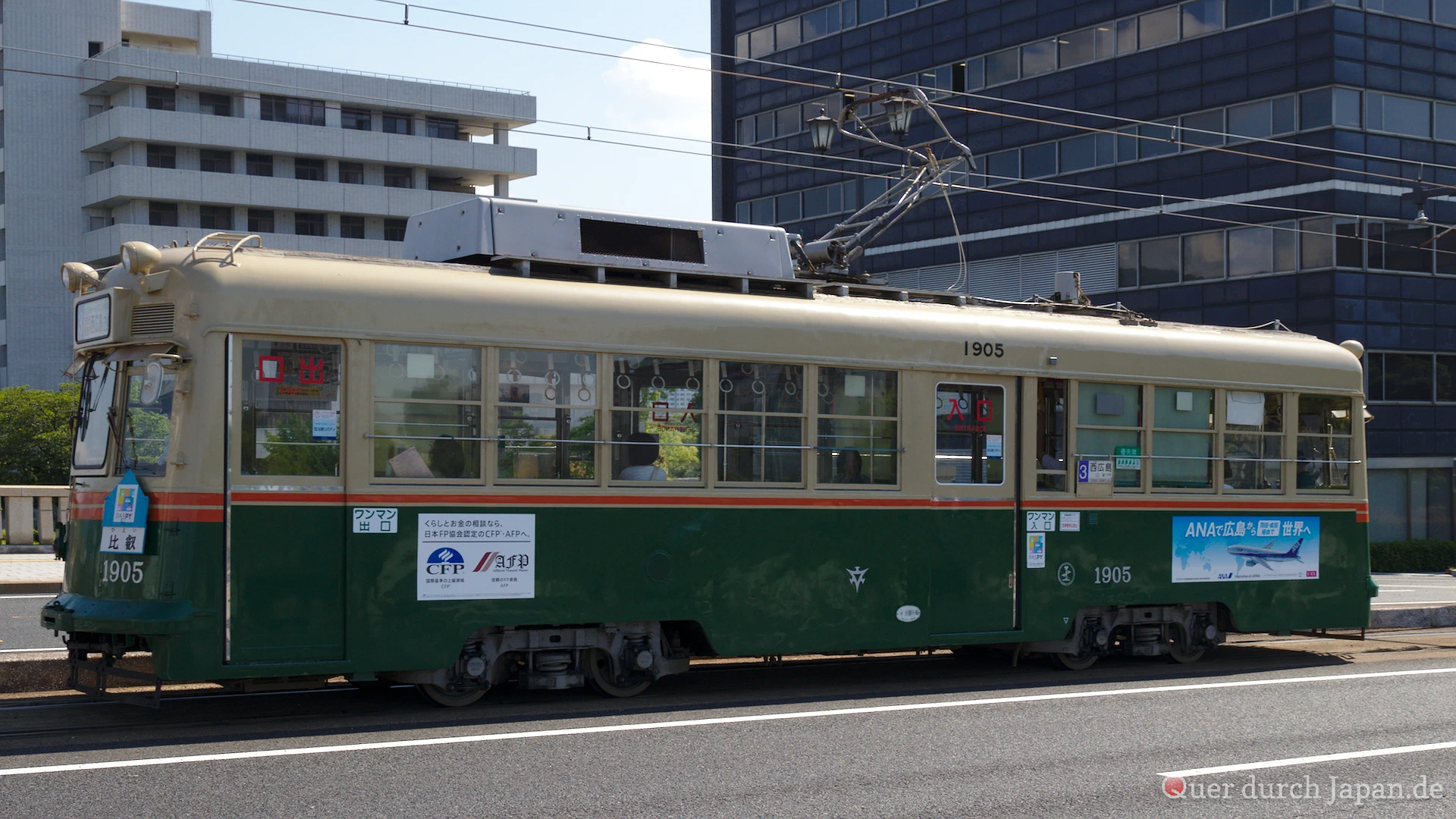
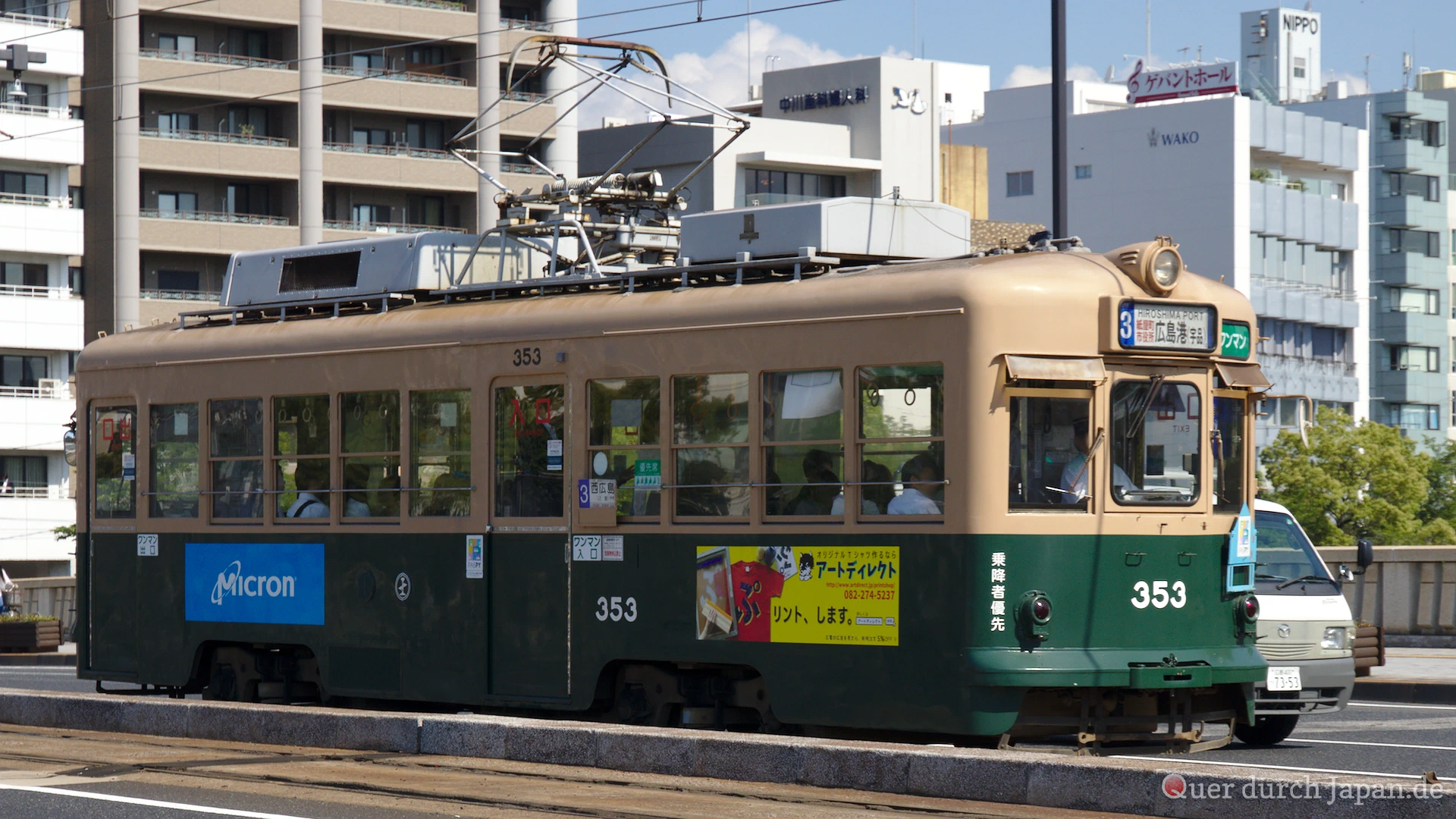
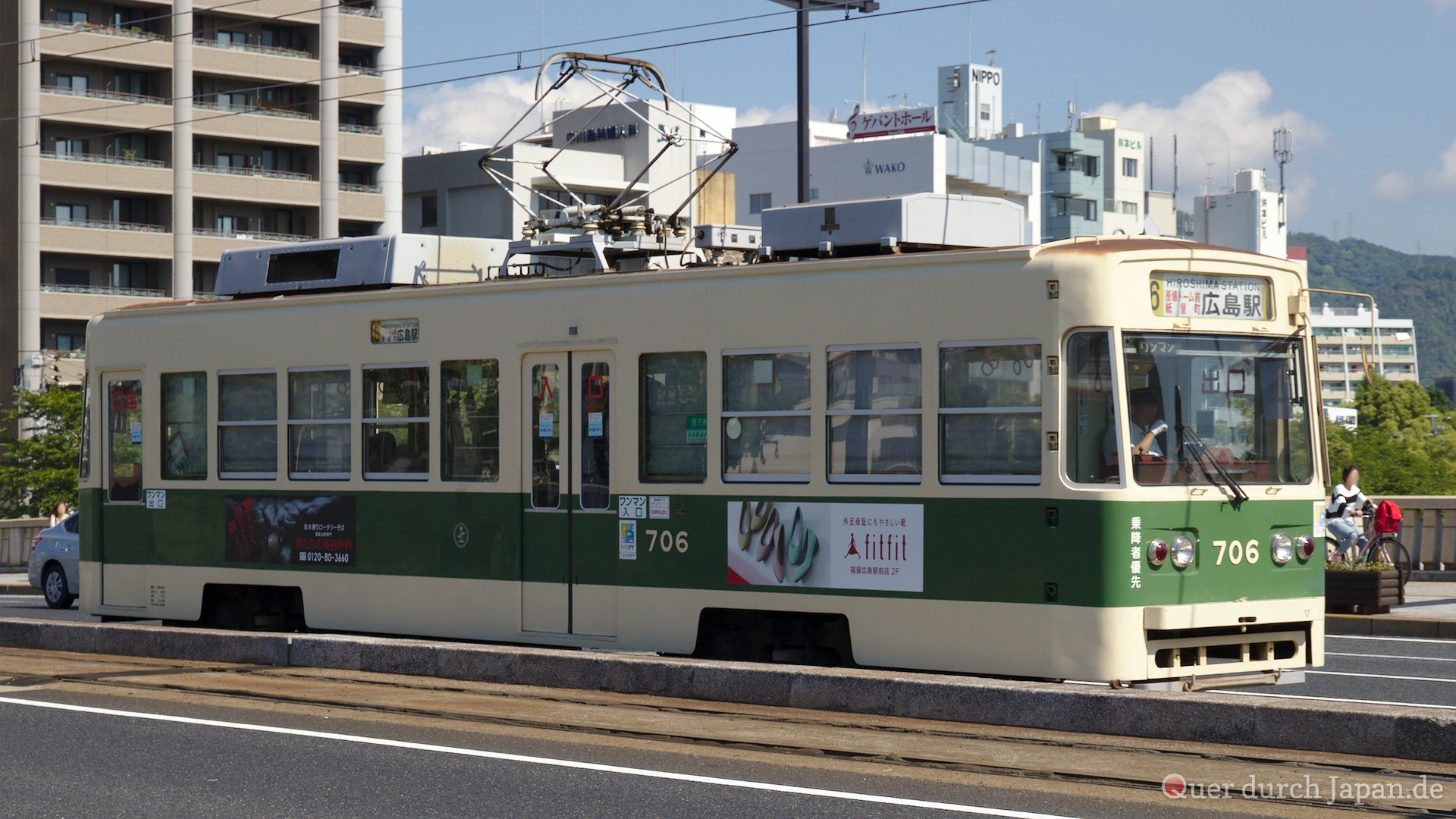
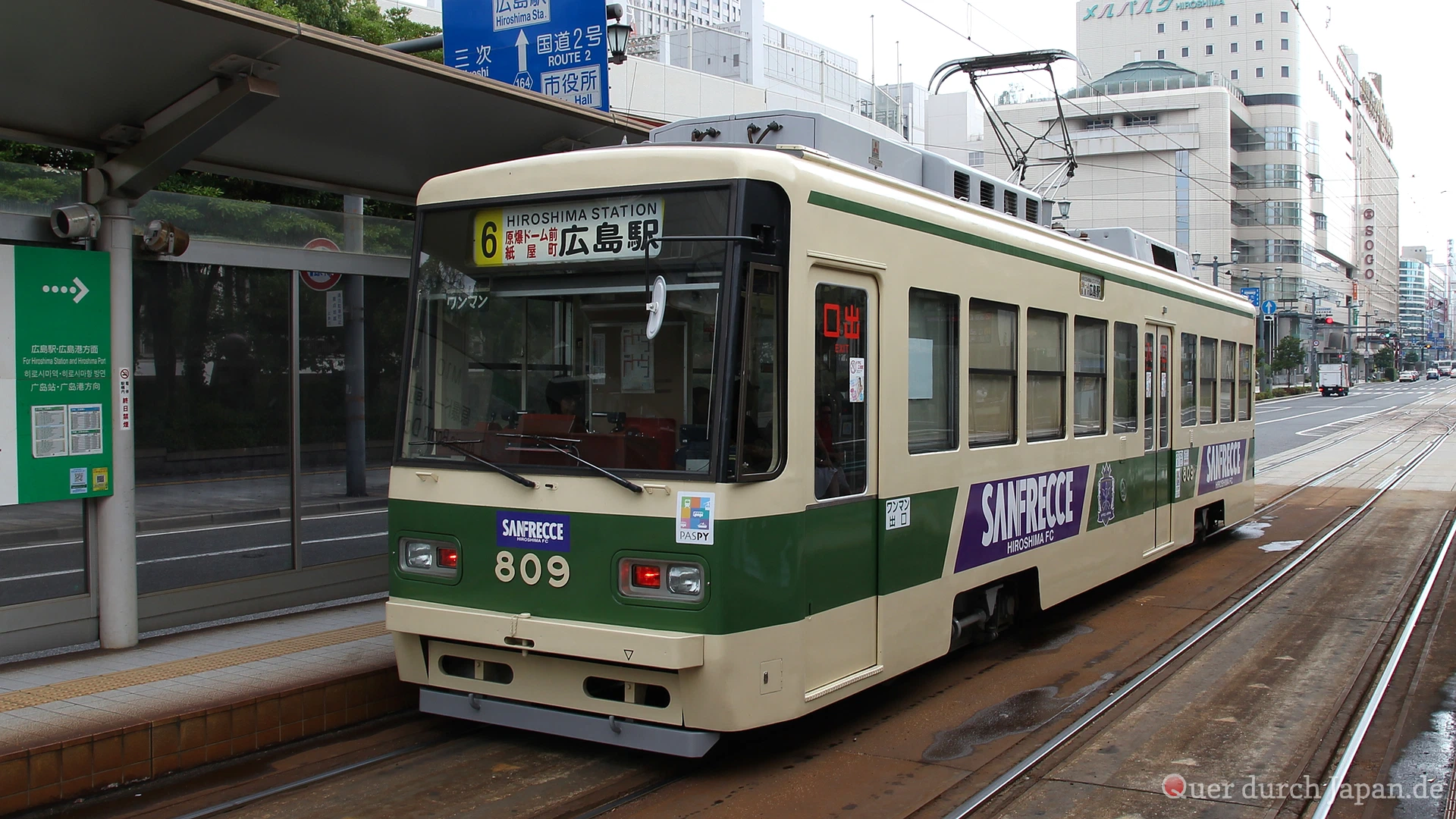
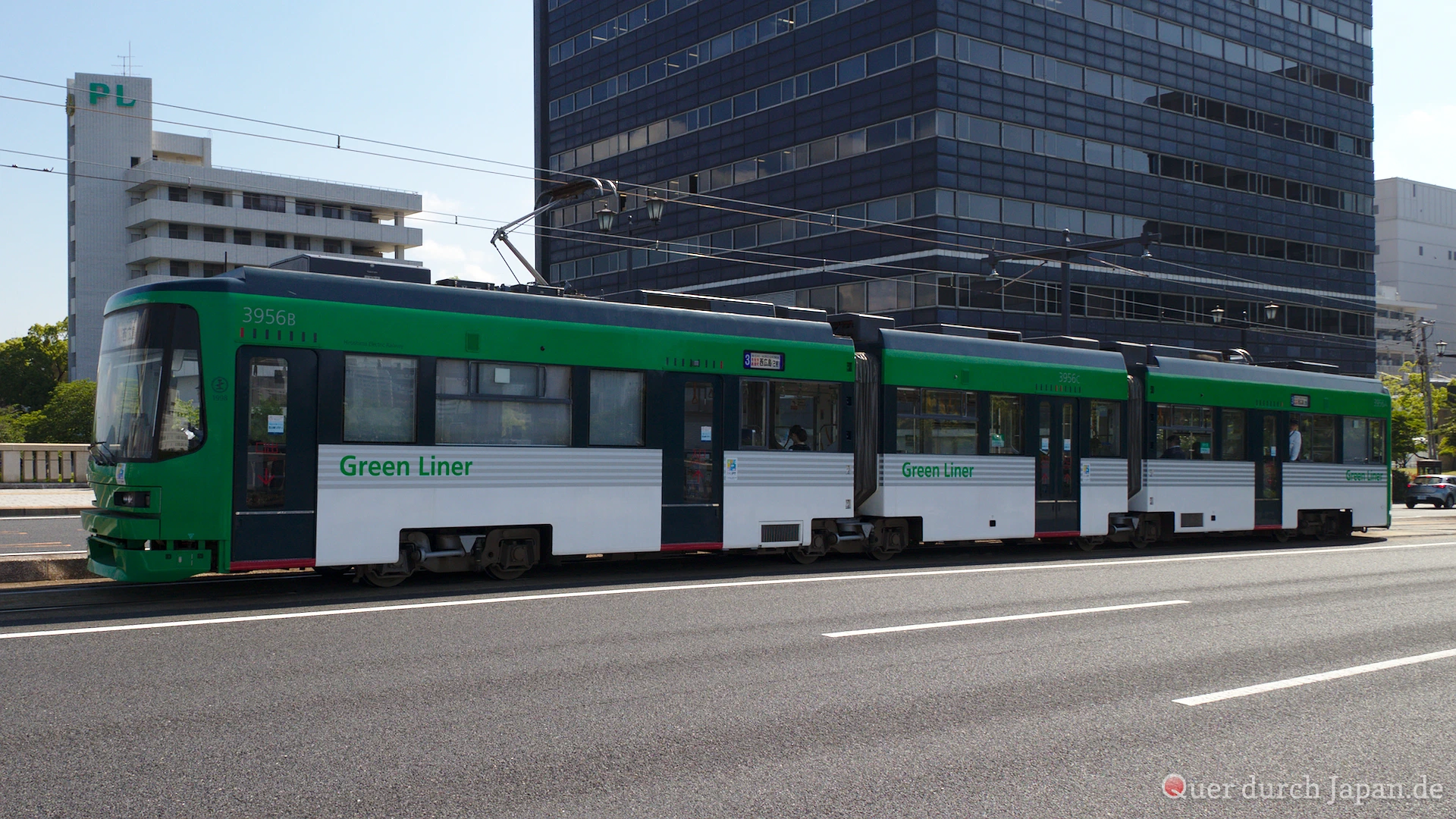
What immediately catches your eye in Hiroshima are the old trams driving through the streets there. These are Japanese, but also original European trams, run by the light rail company Hiroden. People even call the Hiroshima tram network a rolling tram museum (動く電車の博物館).

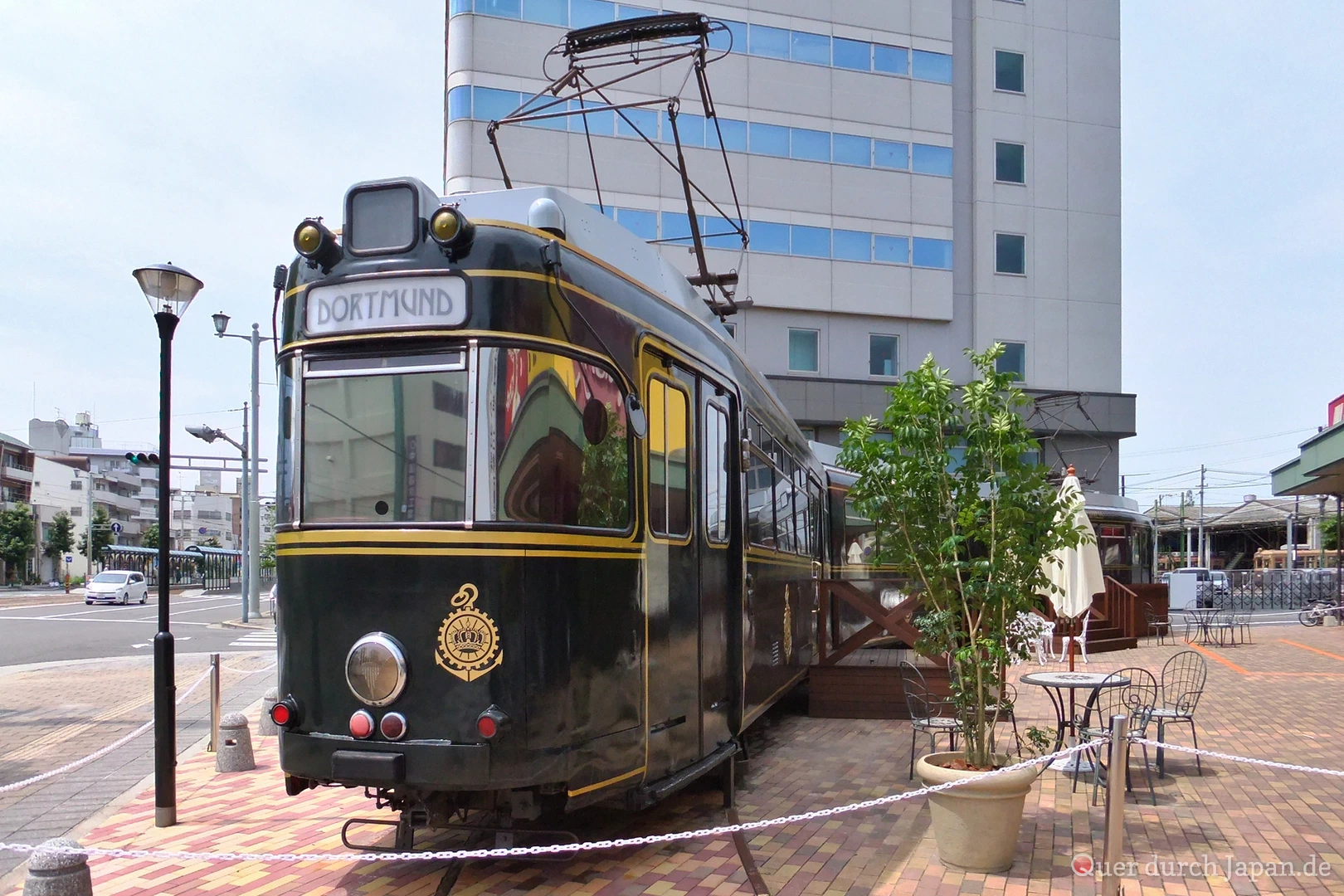
In 1981, two decommissioned trams made it all the way from Dortmund to Japan. They ran in regular service for several years. One of the cars was then scrapped and used for spare parts. The other car got converted into a special party train. Nowadays, it’s out of service too. For a while, you could admire it acting as a café in front of the Hiroden company headquarters. Meanwhile, it’s on display in a nice dry spot at The Outlets Hiroshima.

By the way, all the trains are air-conditioned; even the really old models had air conditioning retrofitted in the 1980s. A technical miracle, or so it seems, since transport companies over here can’t even manage that on significantly newer carriages.

Travel Journal 2017: Friedenspark

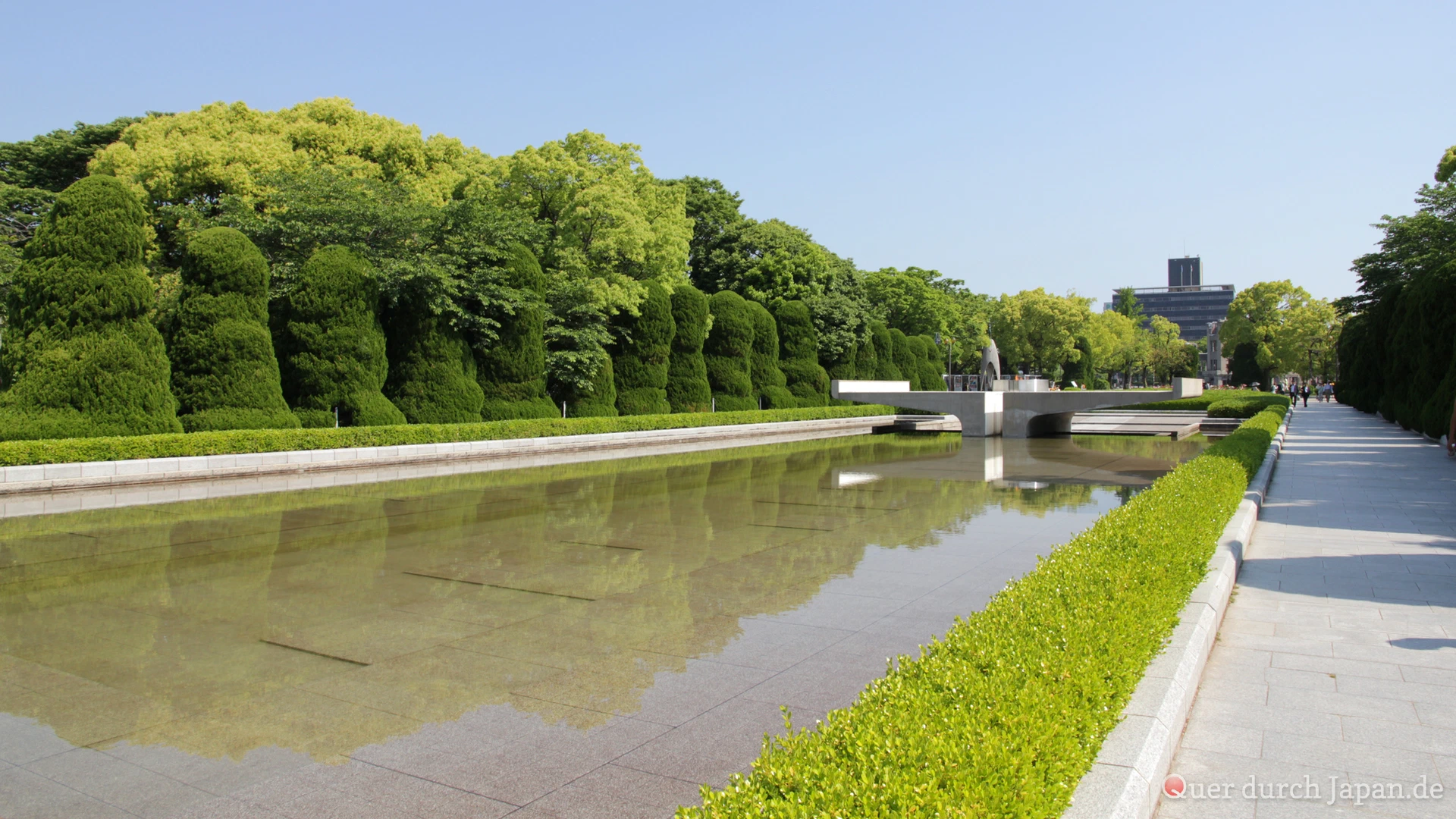
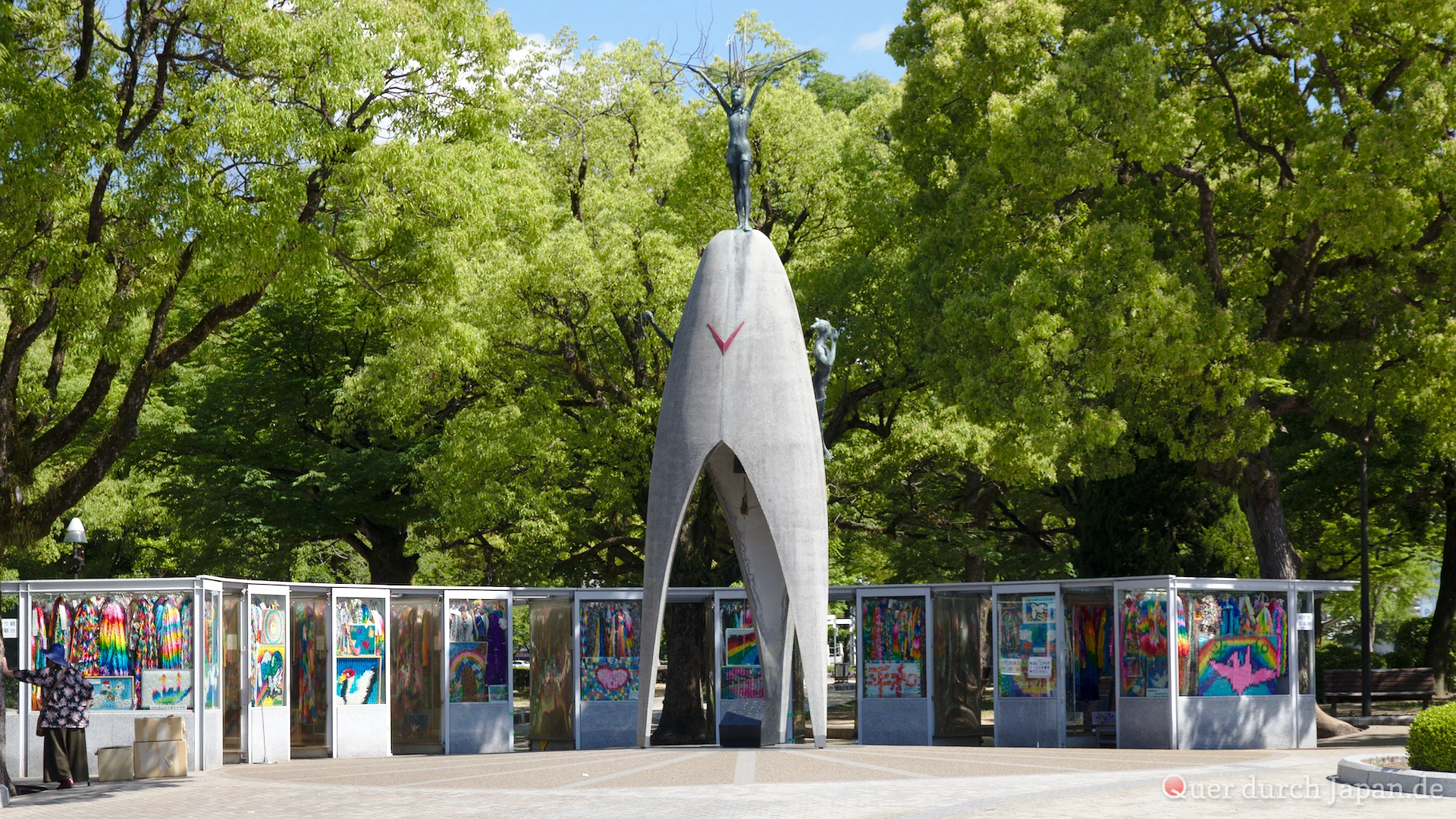
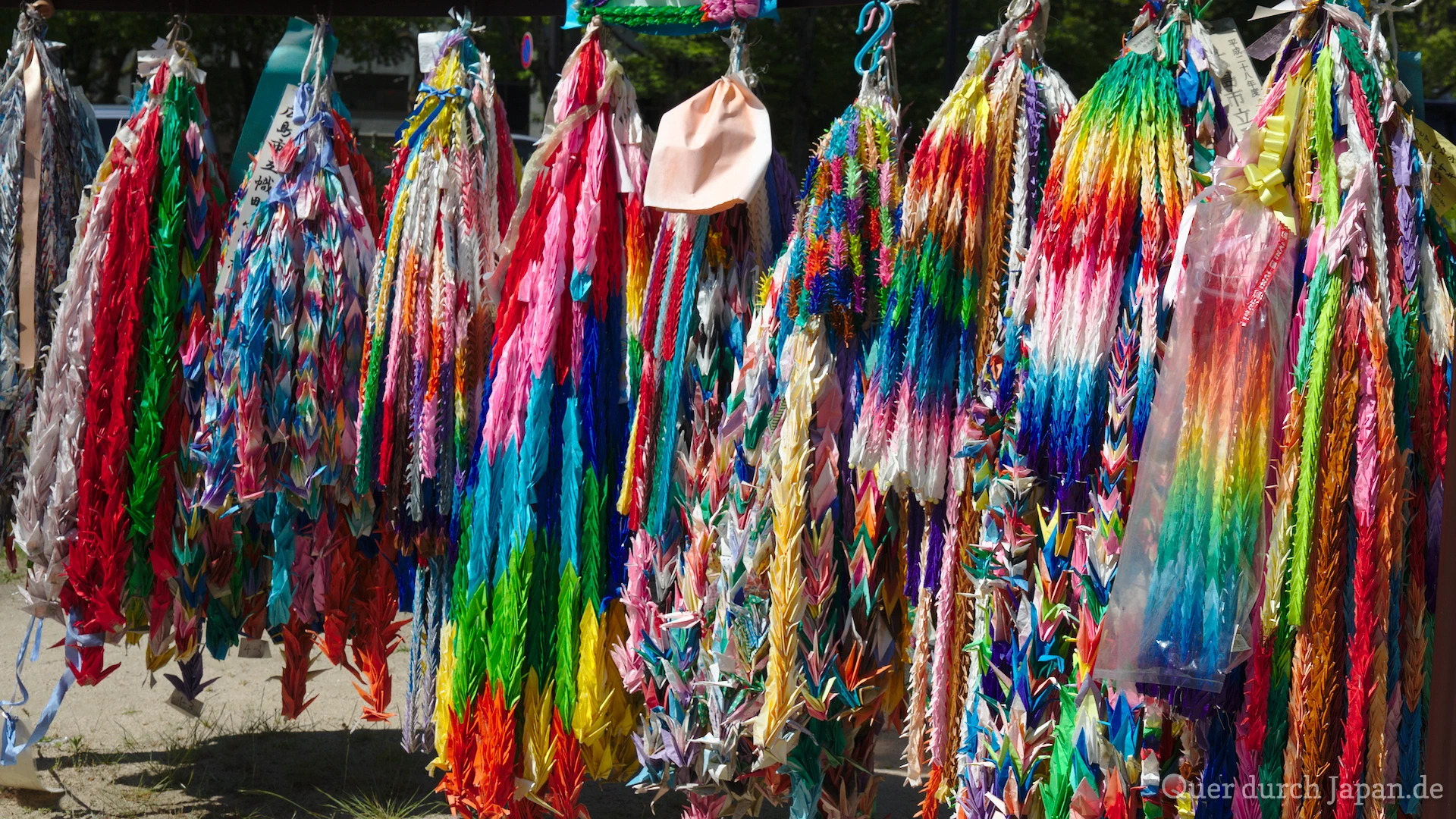
On a little island right in the middle of Hiroshima, you’ll find the Peace Park. This is exactly where the first atomic bomb, Little Boy, went off on August 6, 1945, at a height of 580 metres, reducing the city to rubble and ashes. The Atomic Bomb Dome, which used to be the Chamber of Commerce and Industry building, gives you an idea of the massive scale of the destruction. In the park, alongside a museum, there’s a cenotaph with the names of the bomb victims, plus a gas flame that will only be put out once there are no more nuclear bombs left in the world. A memorial remembers the story of little Sasaki Sadako. She survived the blast, but a year later she got leukaemia. There’s a custom here that says the gods will grant you a wish if you fold 1,000 paper cranes. Sadako folded the cranes, but eventually she still passed away from her illness. To this day, schoolchildren from all over Japan fold long, colourful chains of paper cranes as a symbol of peace, and they’re hung up here (and at a memorial in Nagasaki).

Since this question keeps coming up: these days, the radiation levels in Hiroshima are completely back to normal and are about the same as the natural background radiation in Germany. At the Atomic Bomb Dome, the radiation is currently sitting at 0.1 µSv/h. Just for comparison: in Cologne it’s 0.087 µSv/h, and in Oberasbach near Nuremberg it’s 0.14 µSv/h.
Travel Journal 2017: Planlos durch Japan

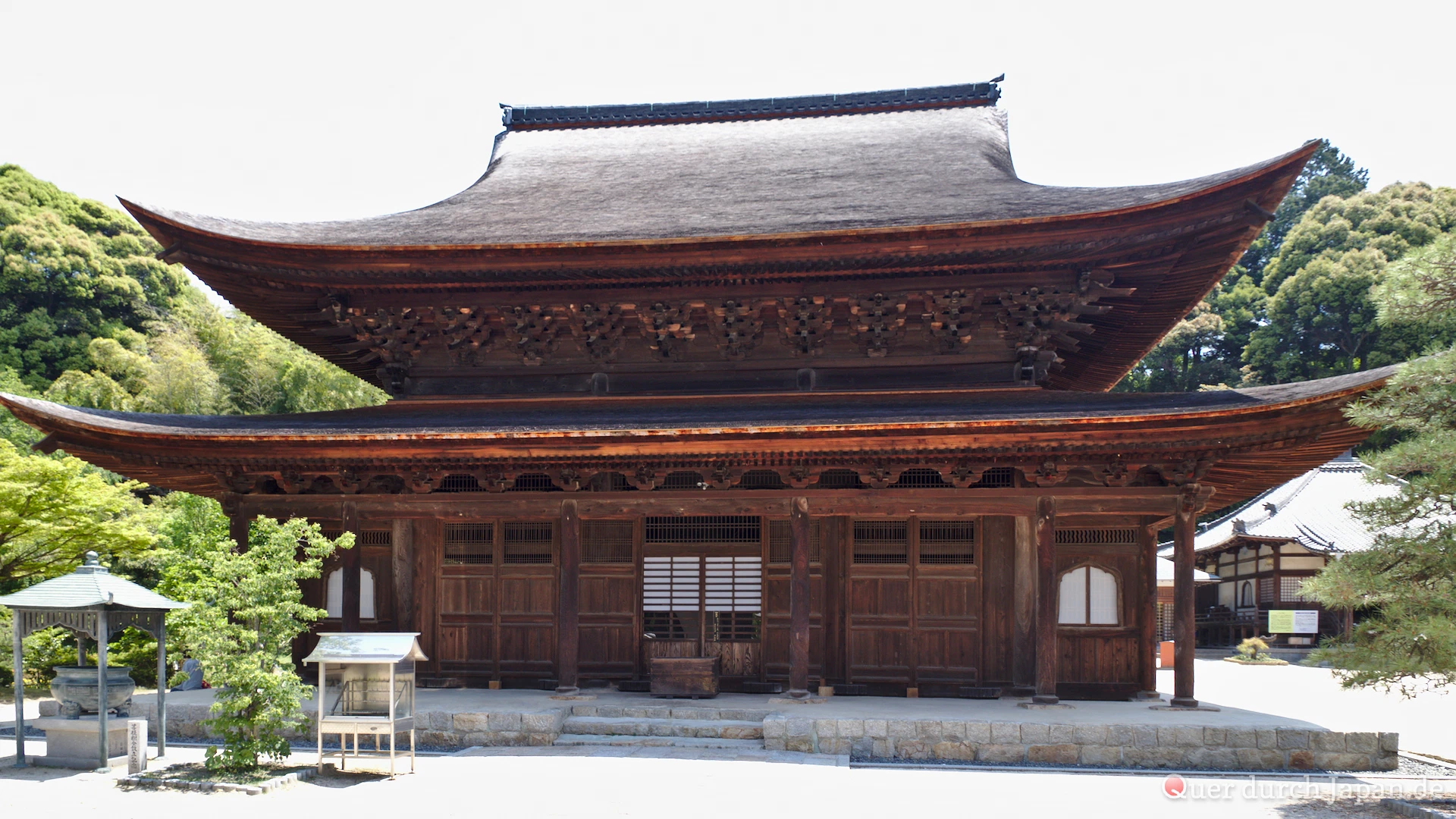
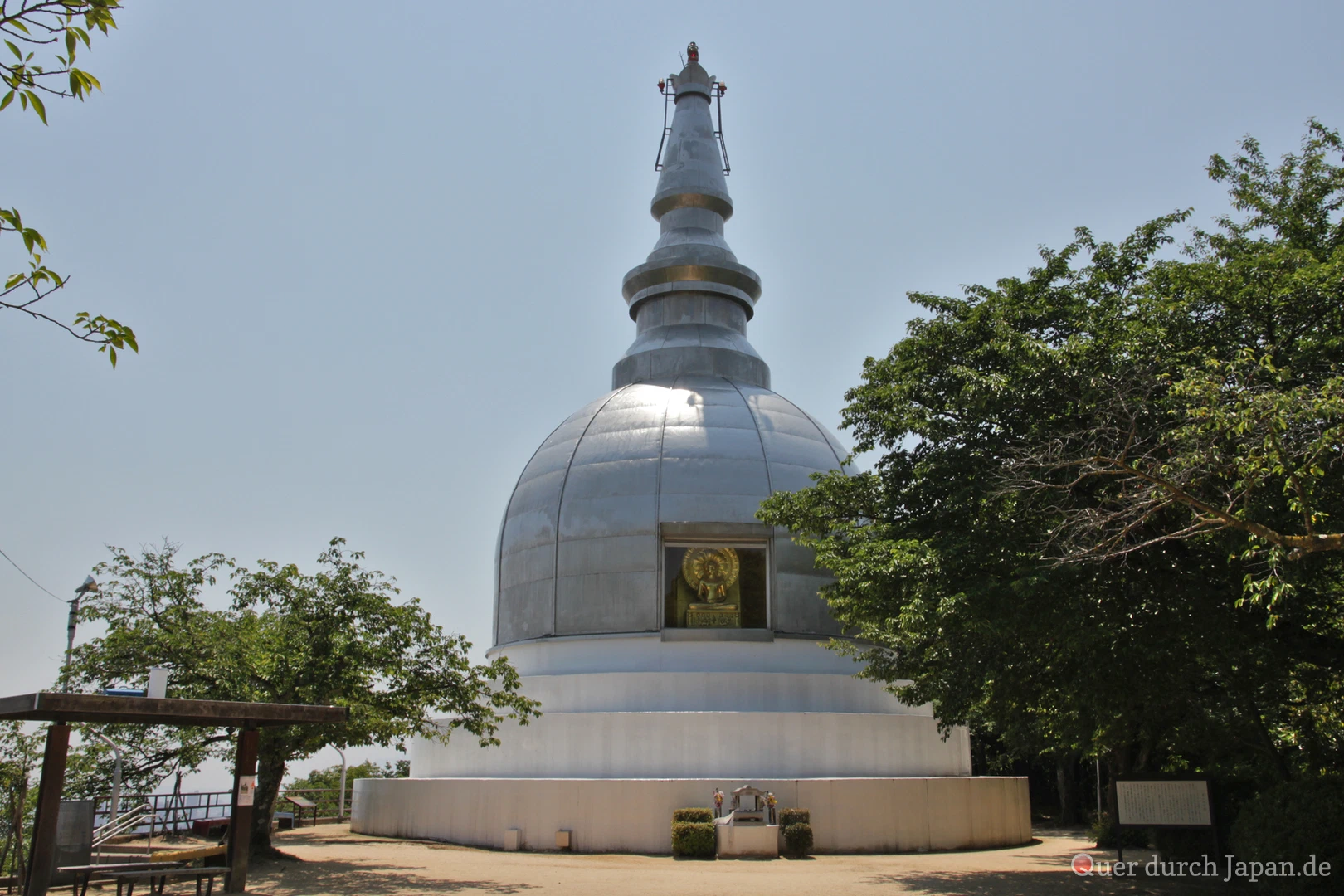
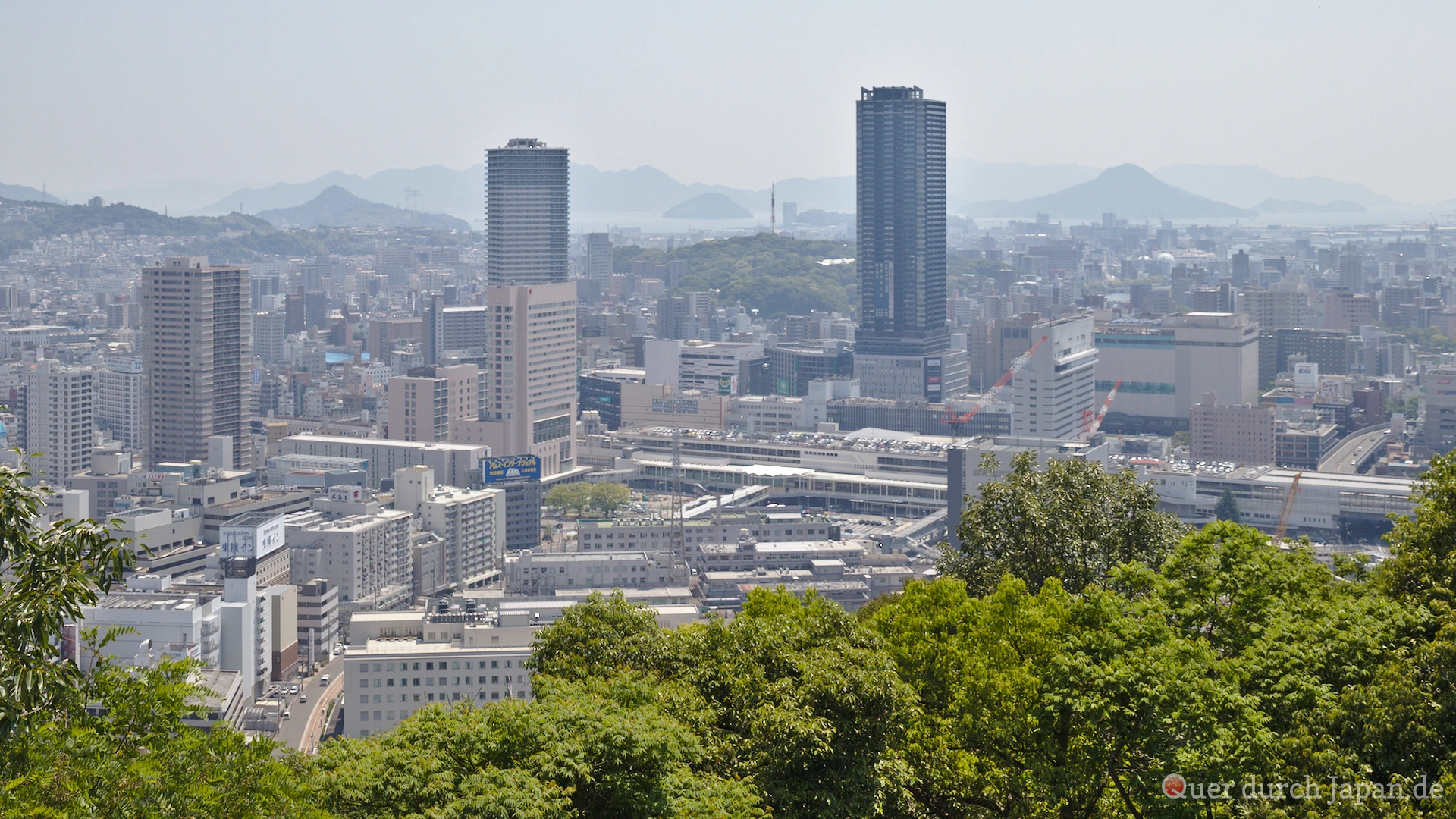
Today was more about the motto “Aimlessly through Japan”. We wandered around Hiroshima a bit, had a look at the Fudō-in and enjoyed the view from a peace pagoda.