#Illumination

Travel Journal 2024: Goodbye

Tōkyō has a lot to offer for photography fans.

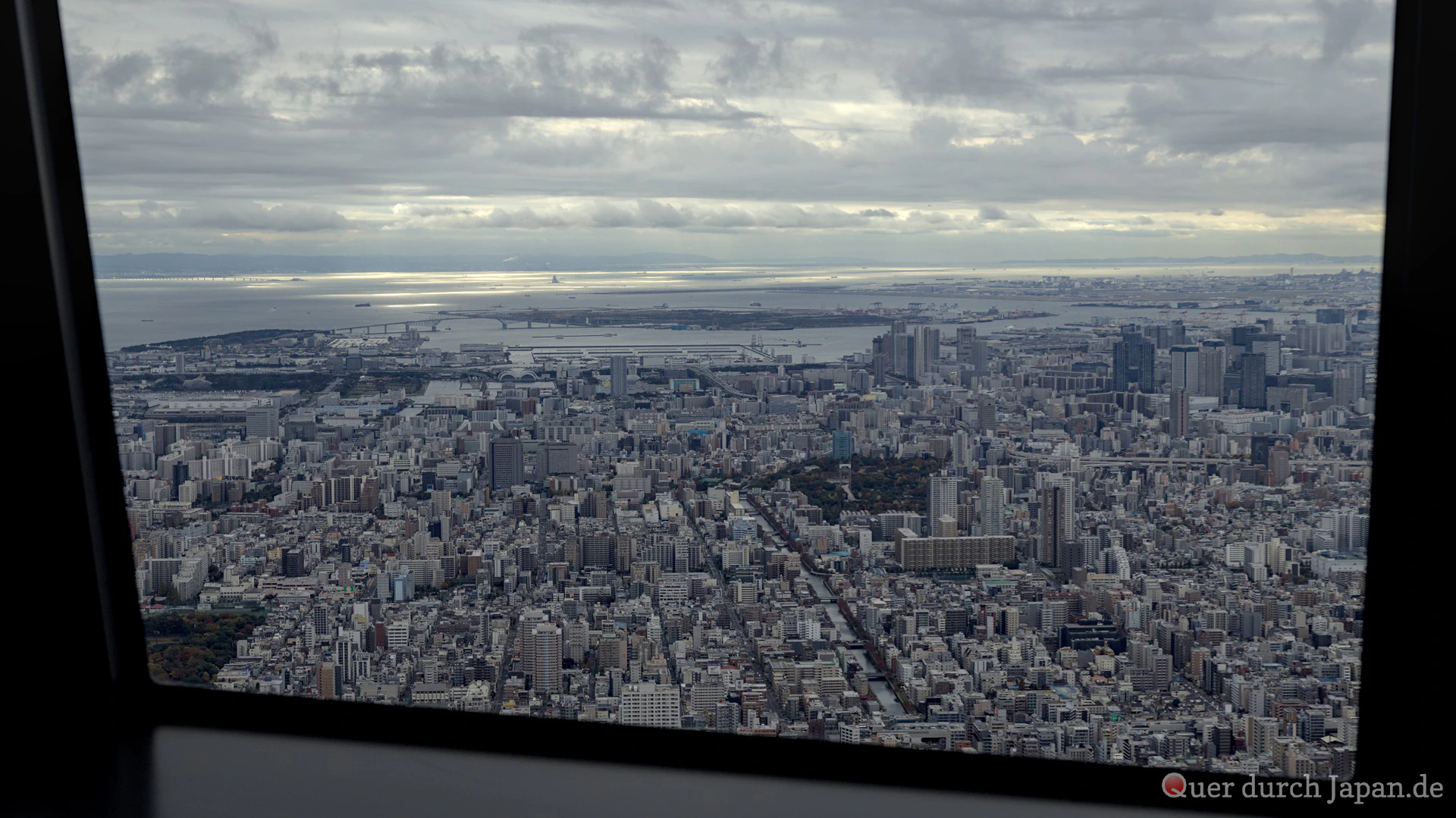
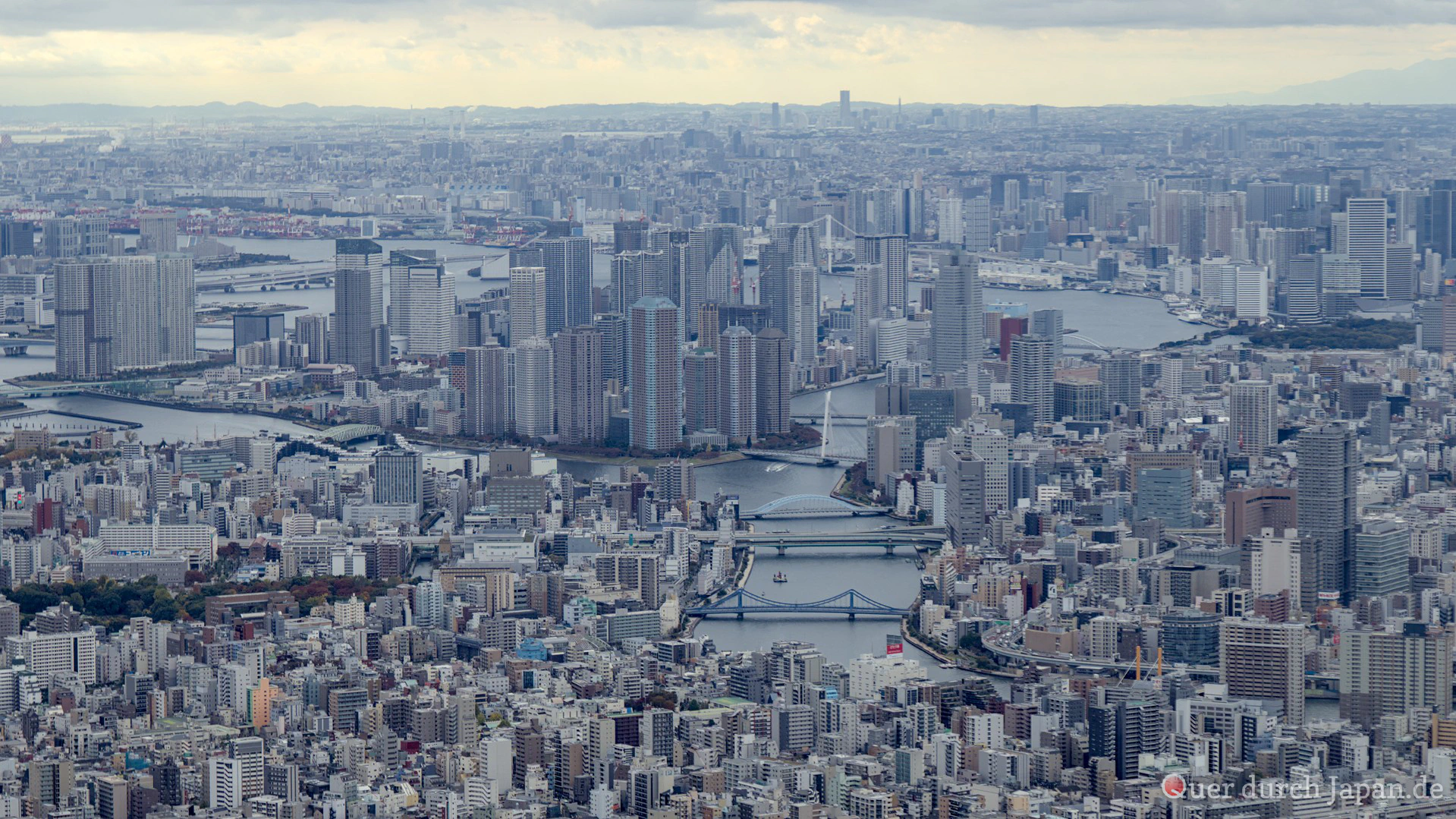
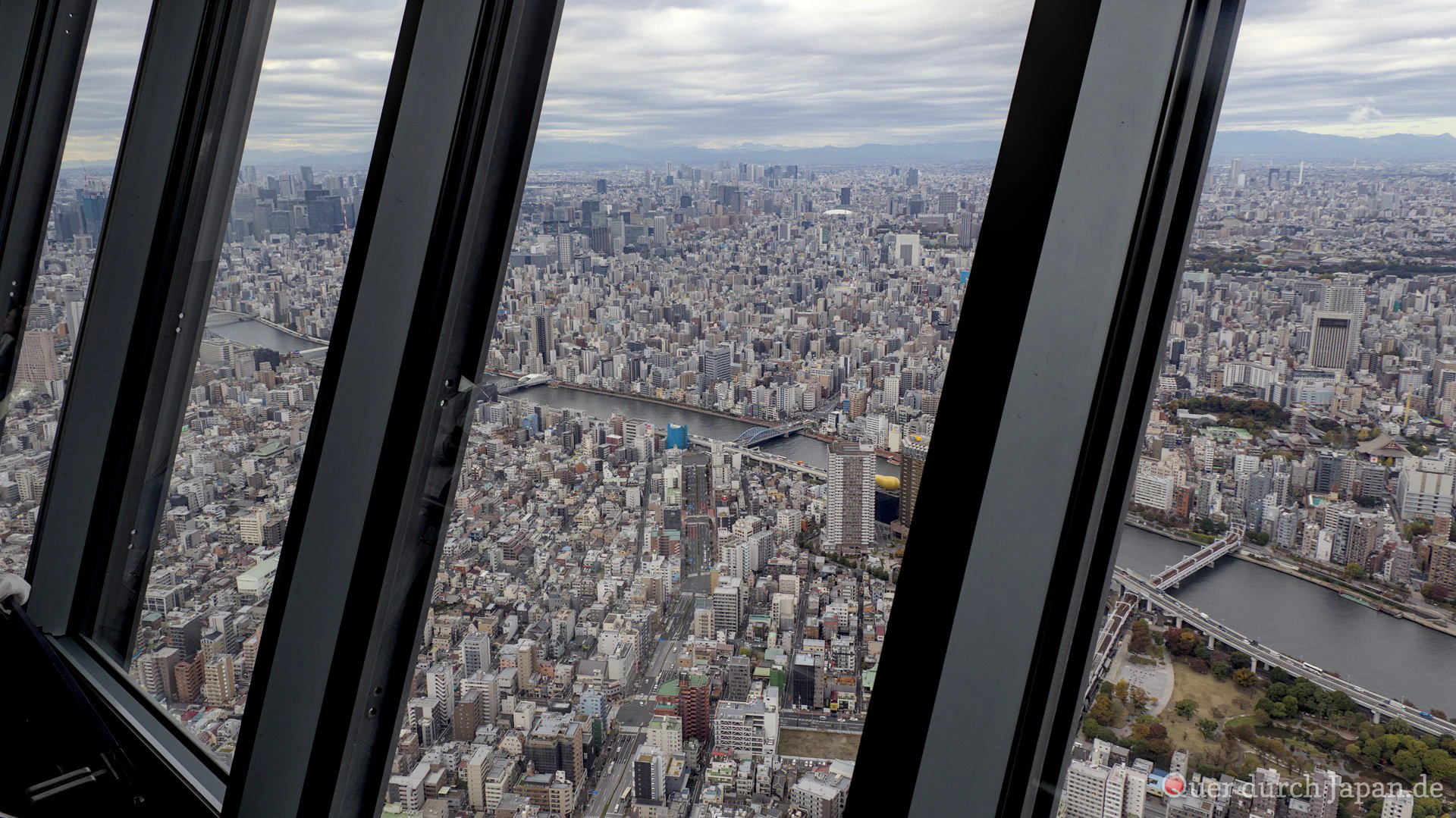
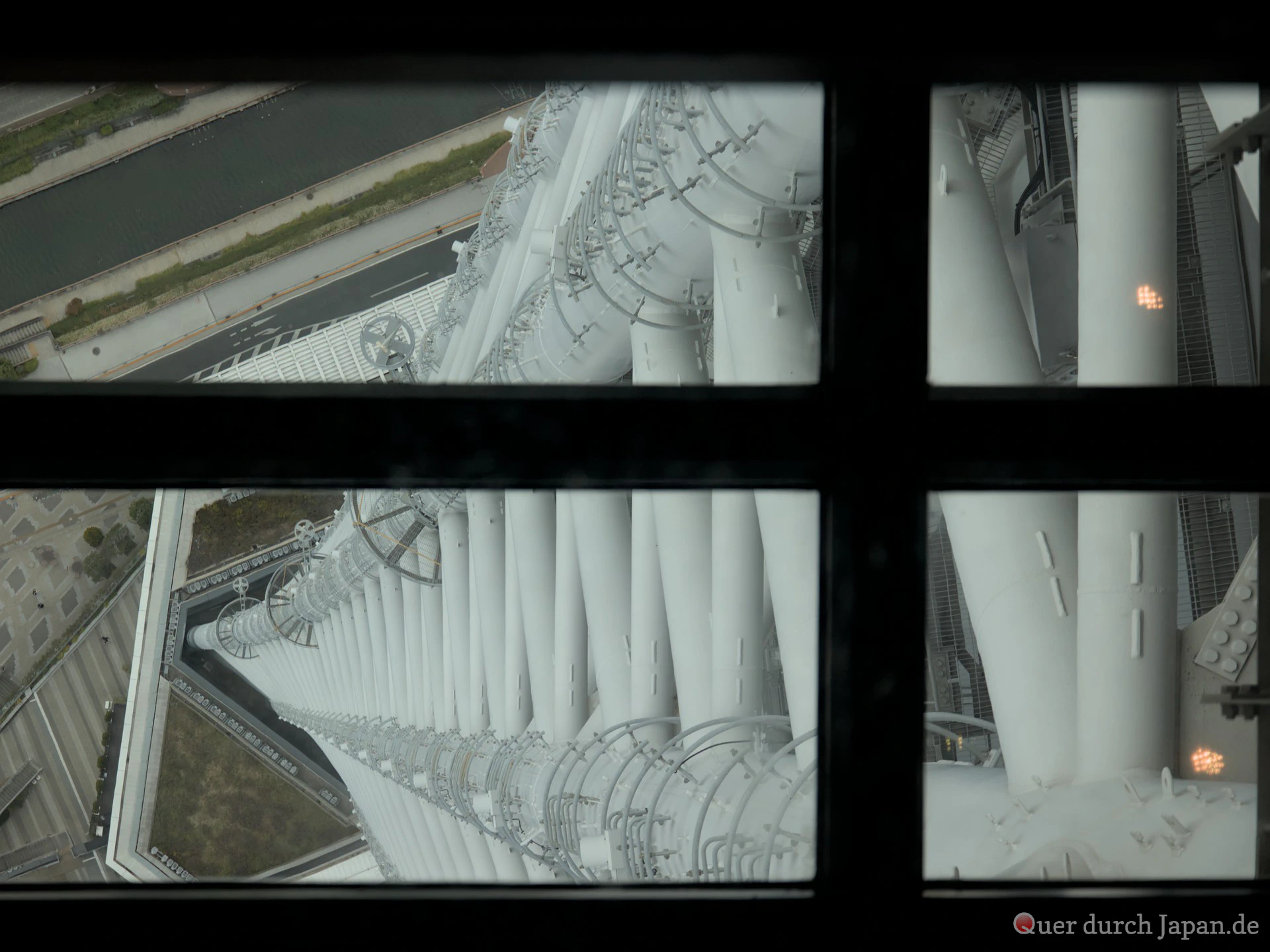
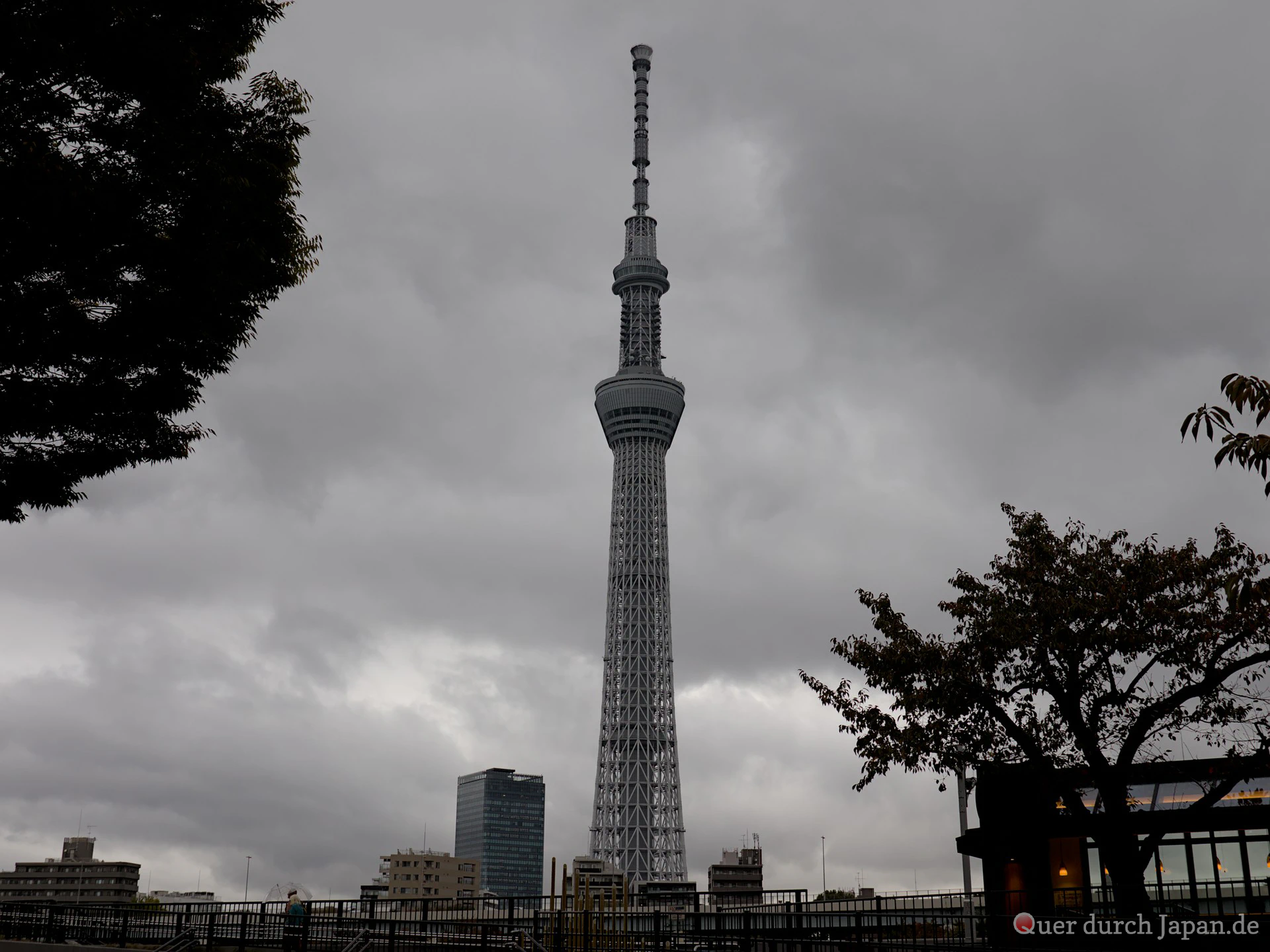
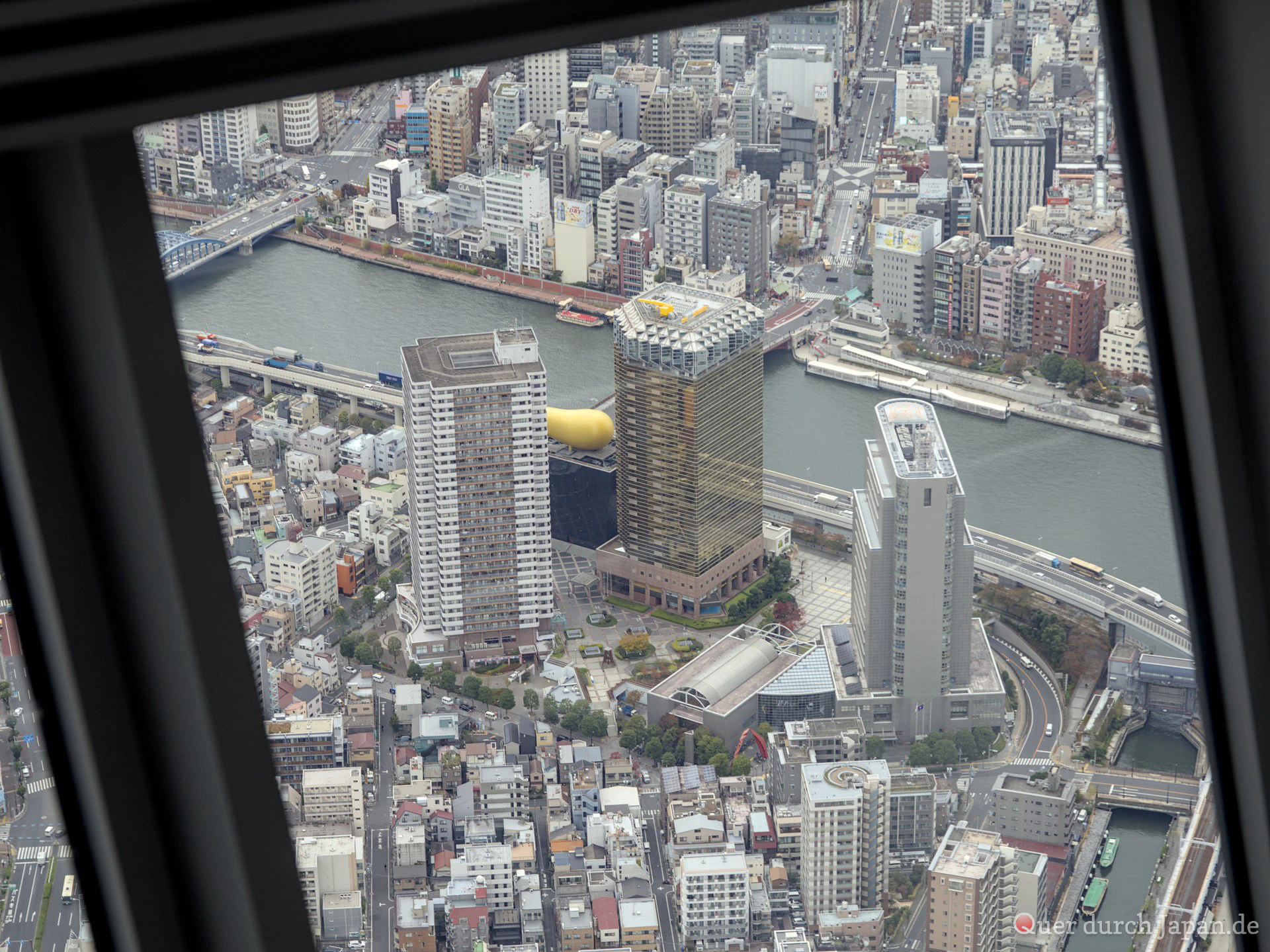
Want to go high up? The Tōkyō Sky Tree has an observation deck at a breezy height of 450 metres. From up there, the other skyscrapers look like miniatures.

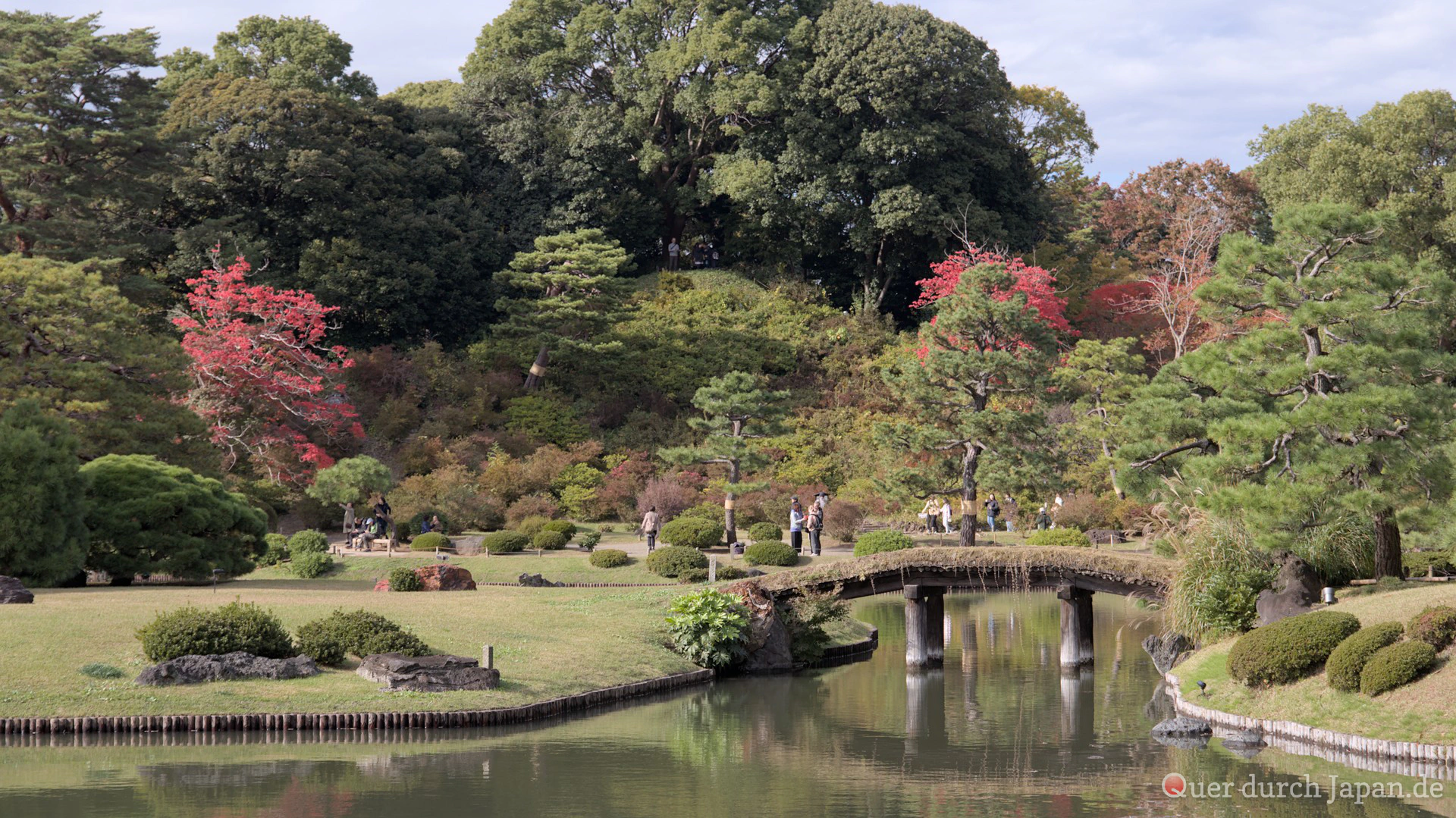
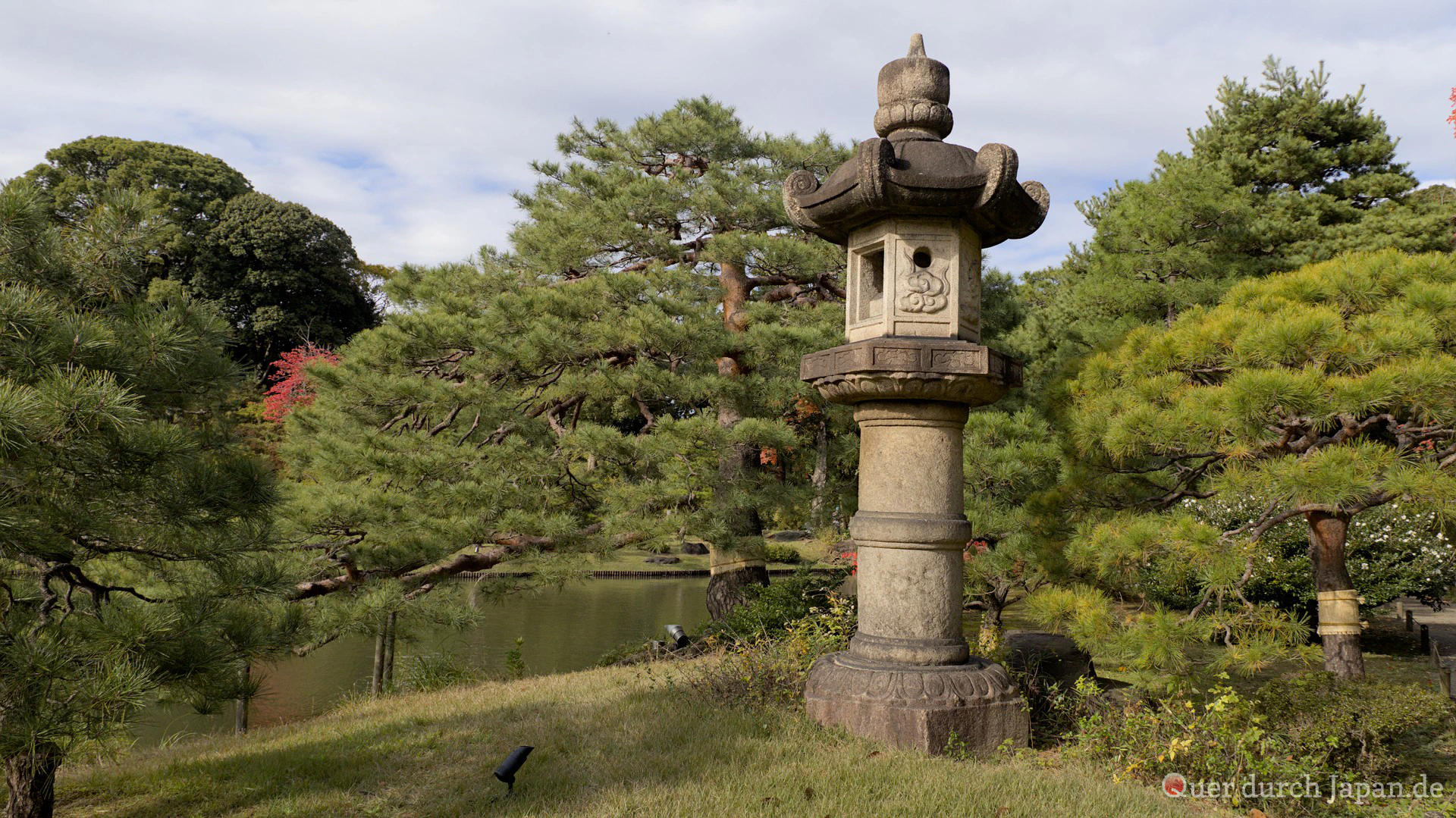
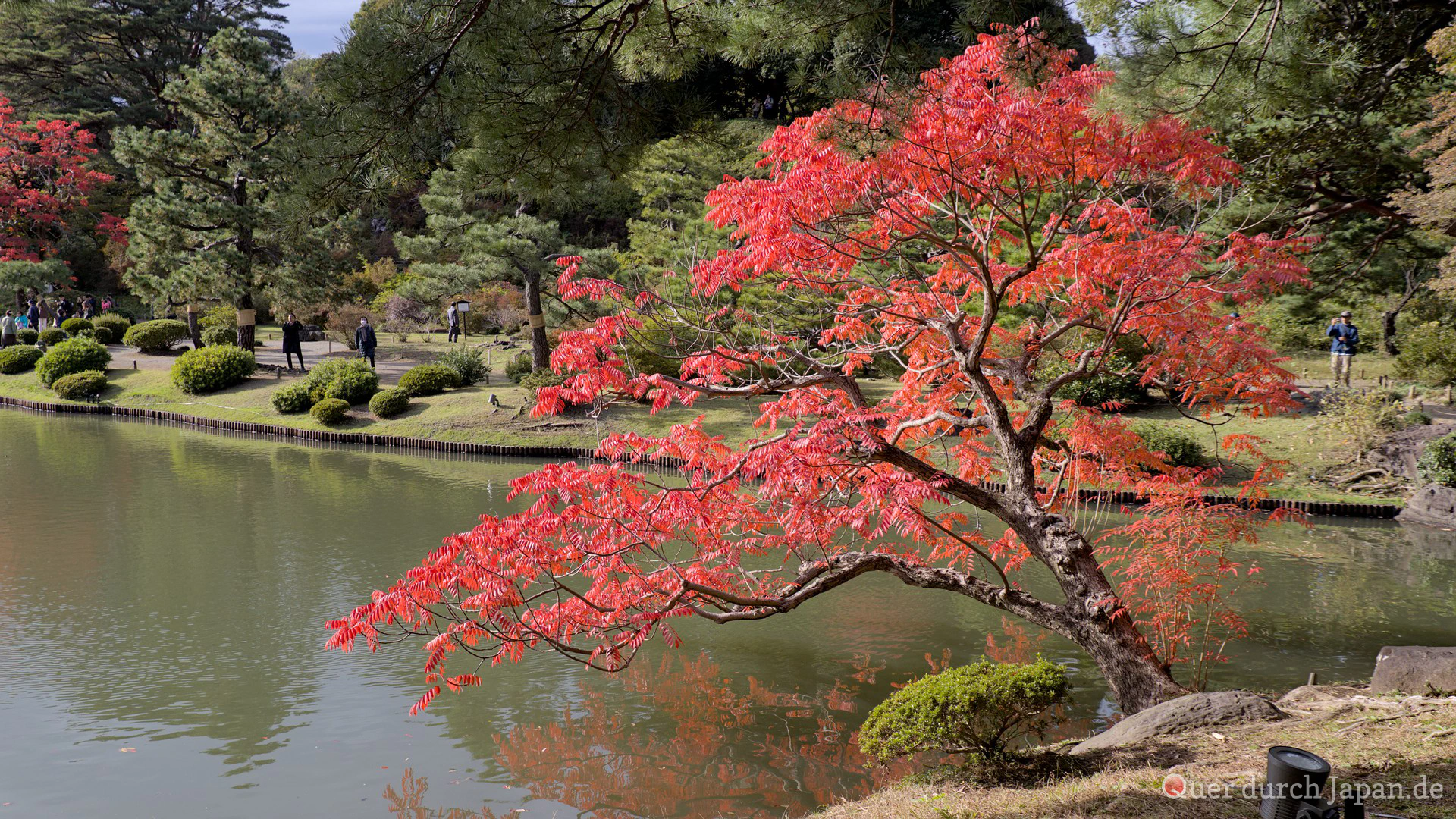
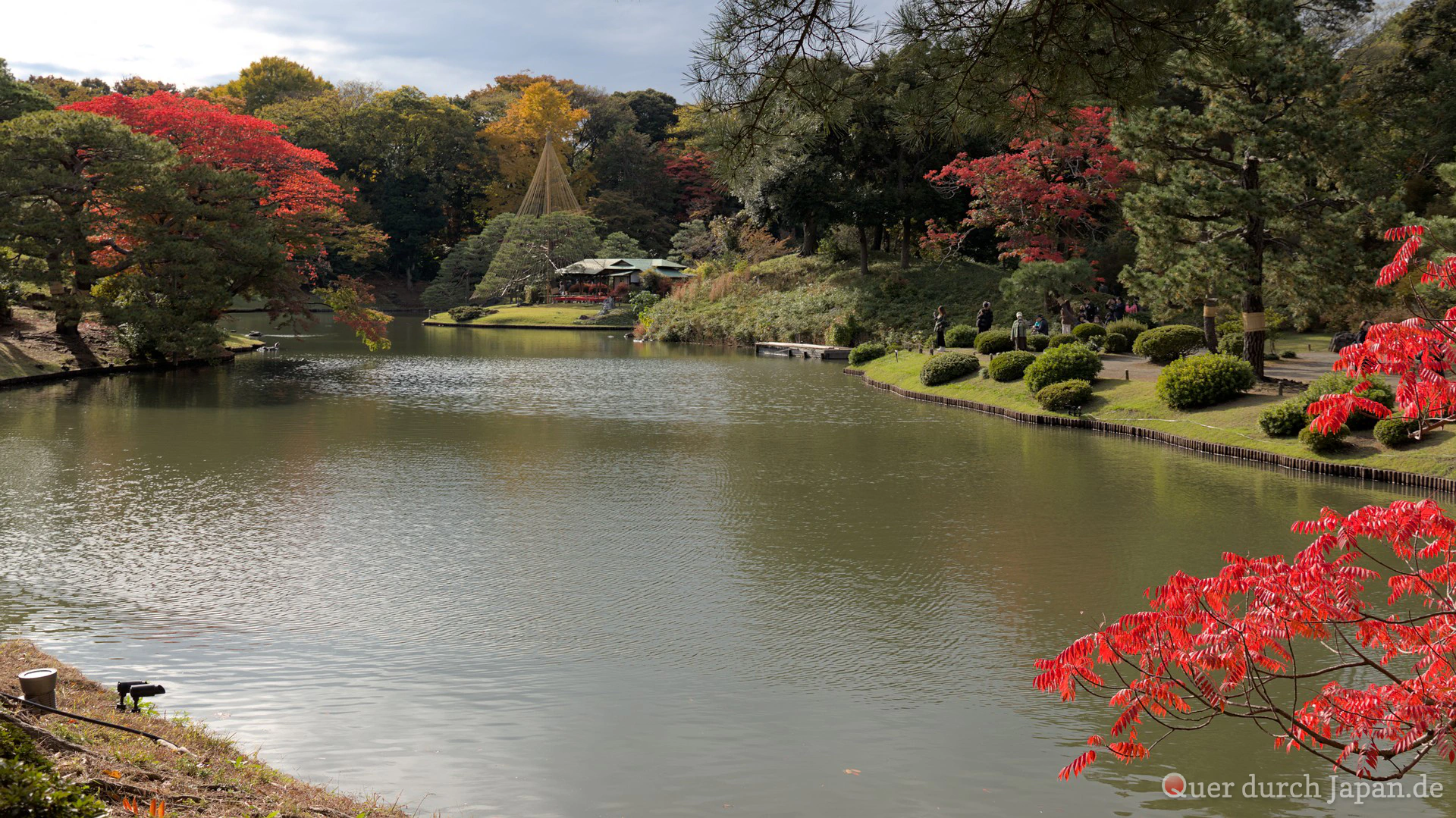
Prefer nature and bright colours? The Rikugi-en garden offers gorgeous scenes, especially in autumn.

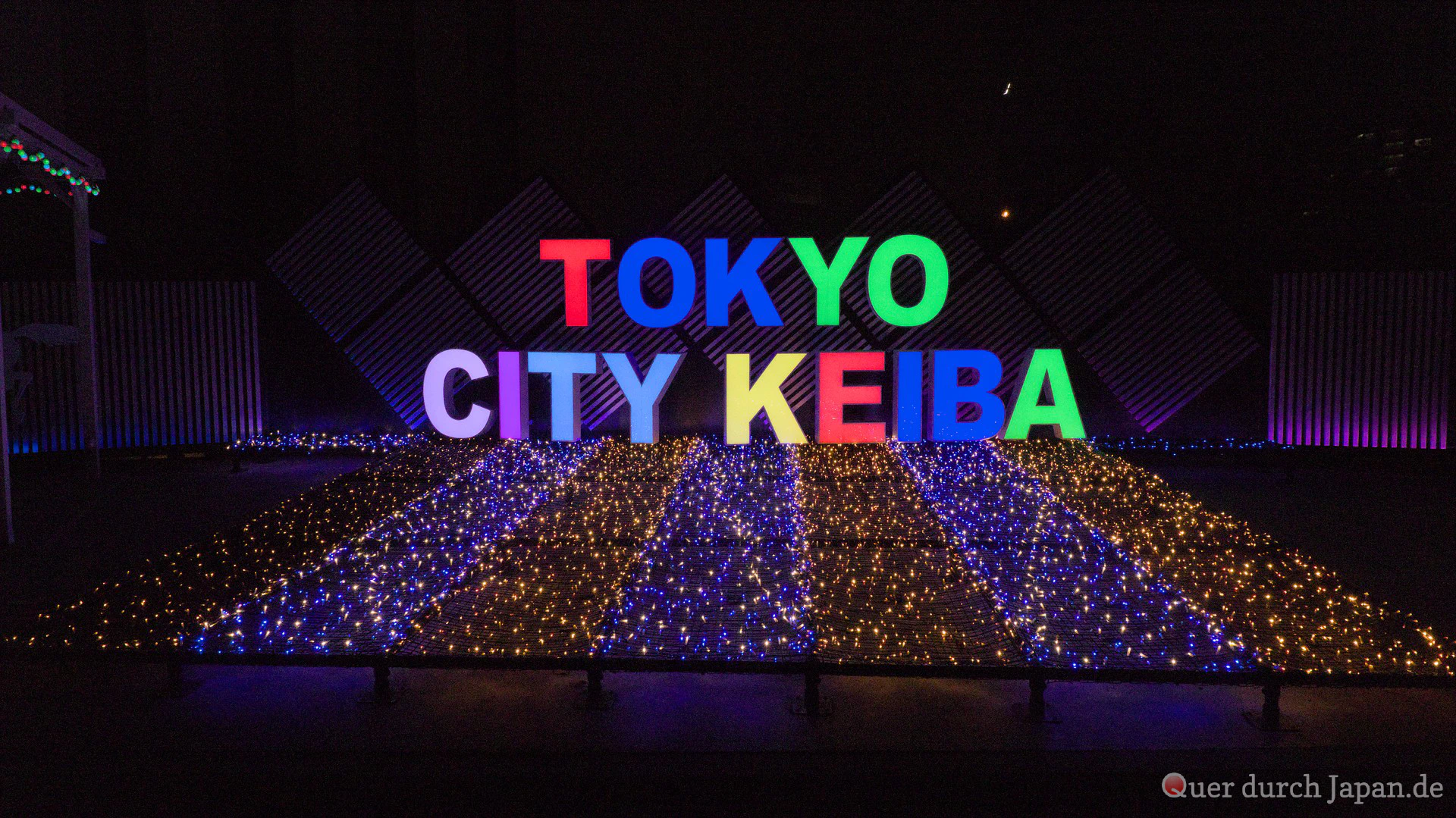
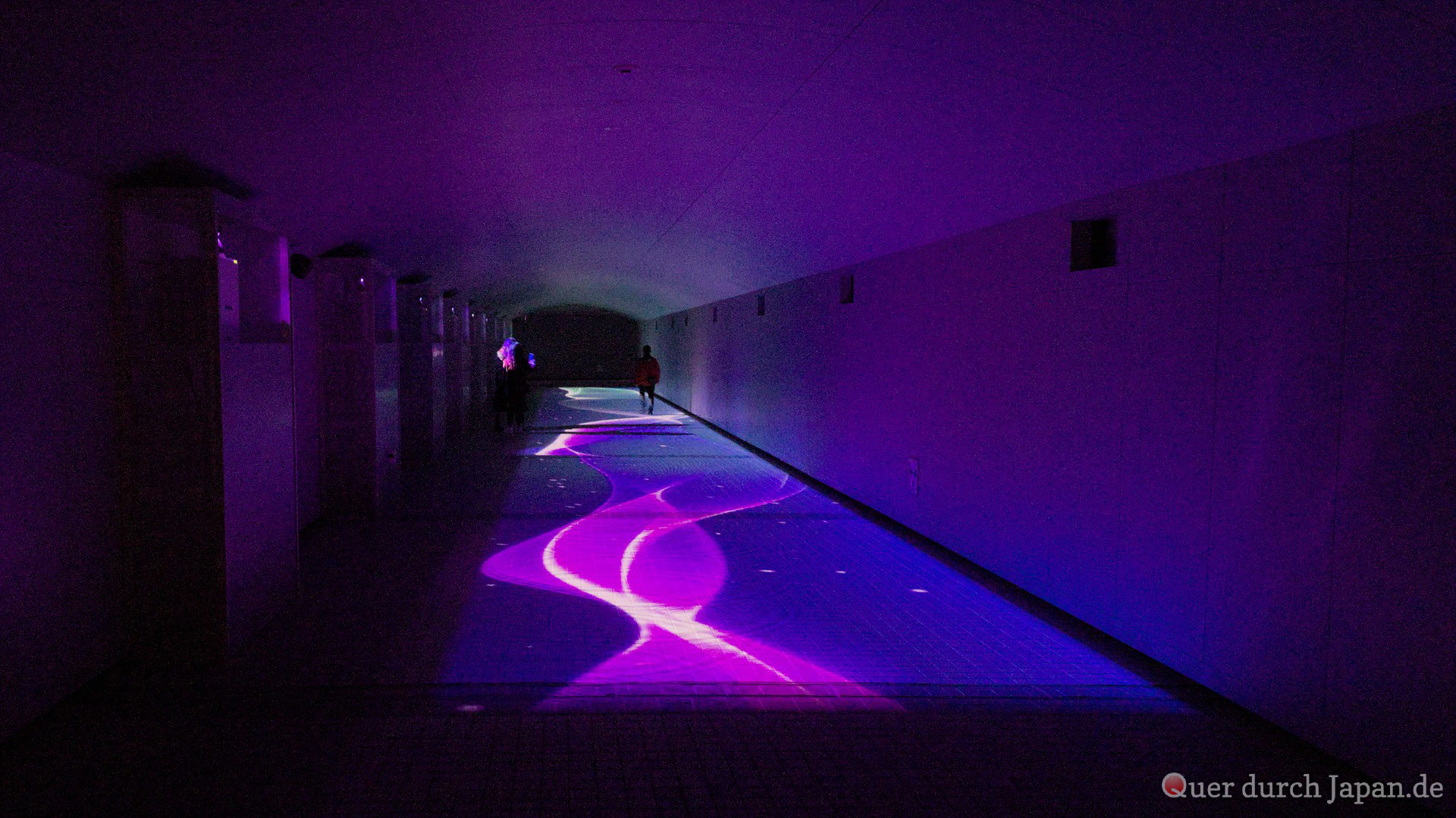
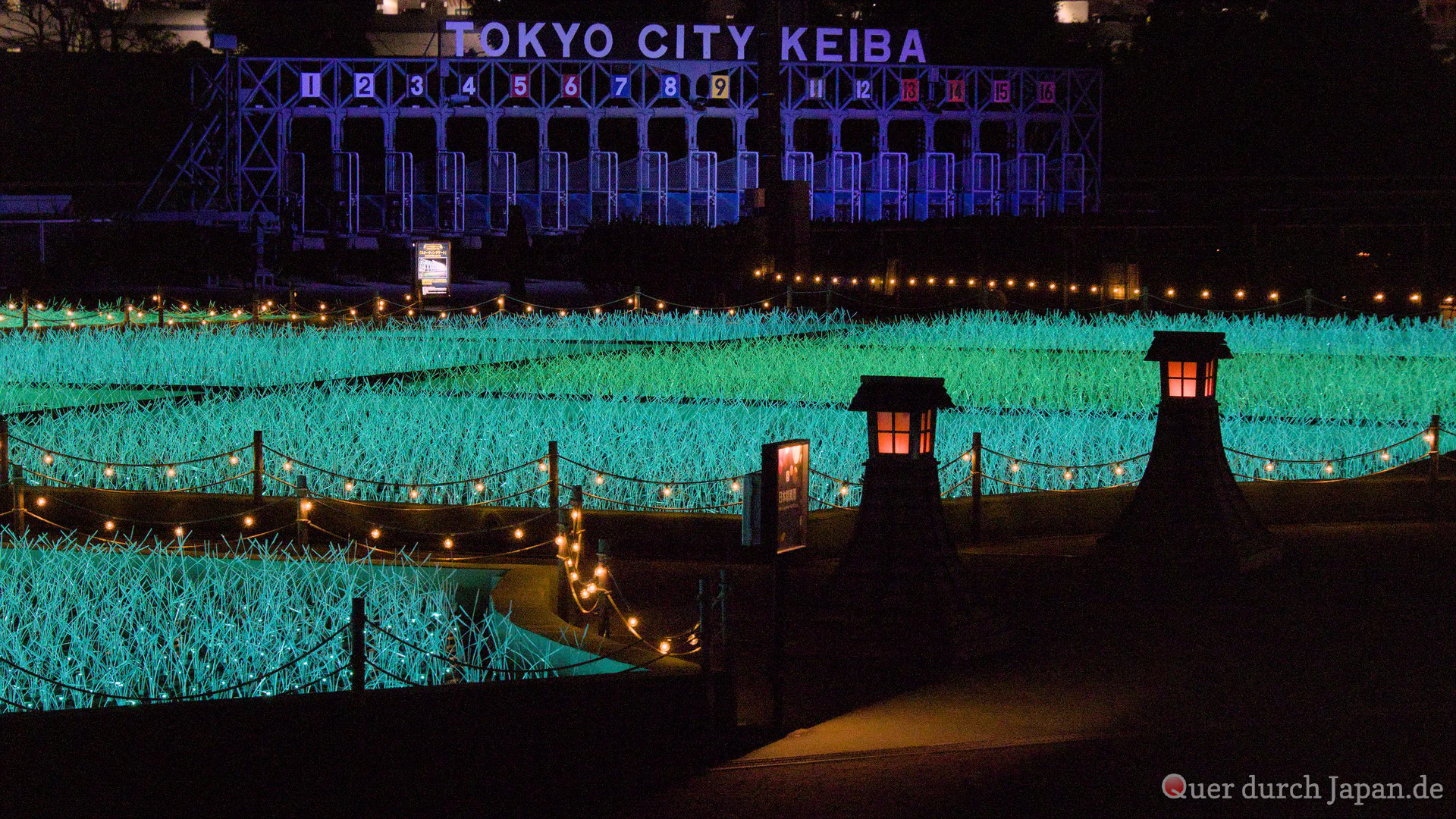
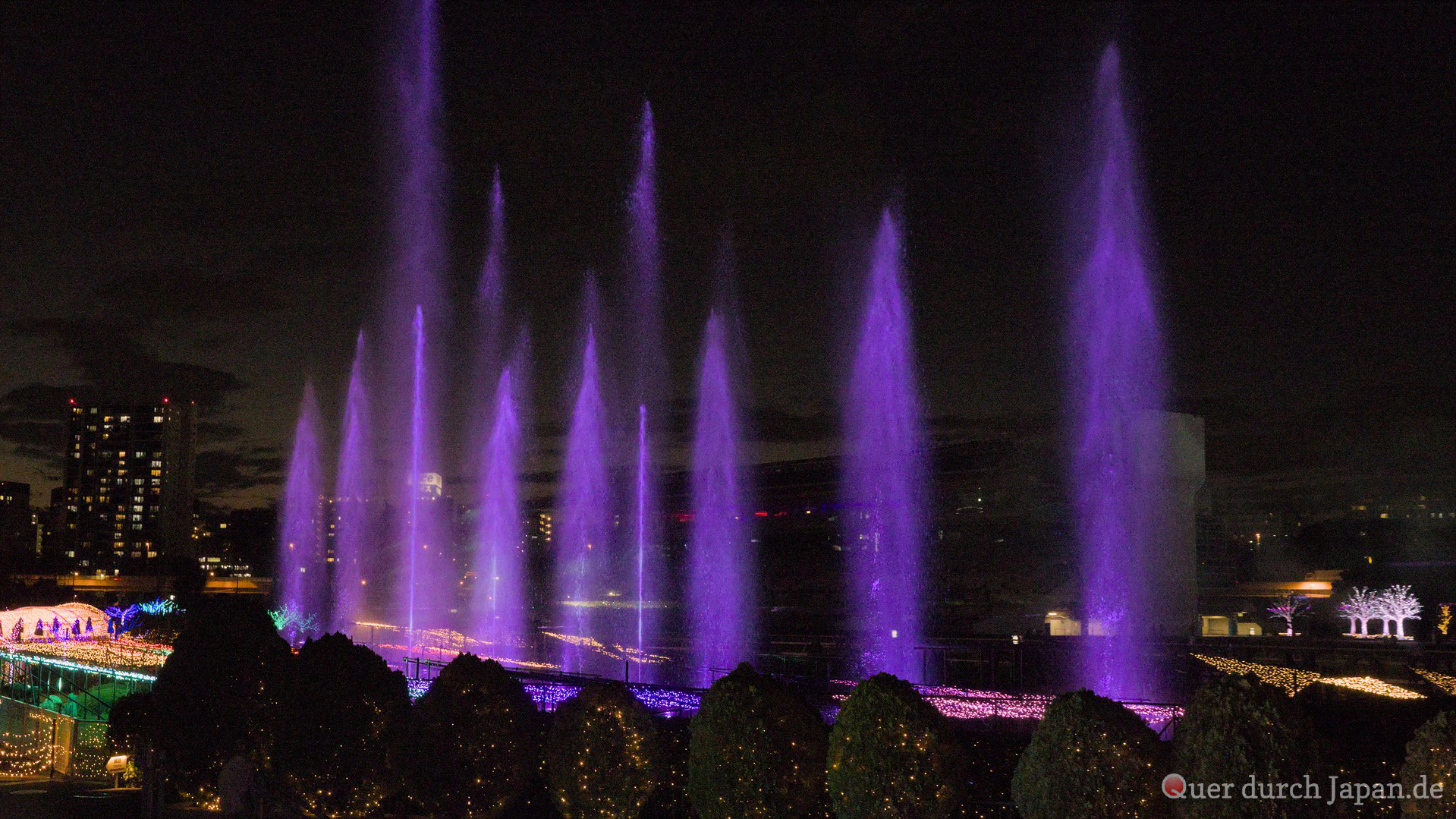
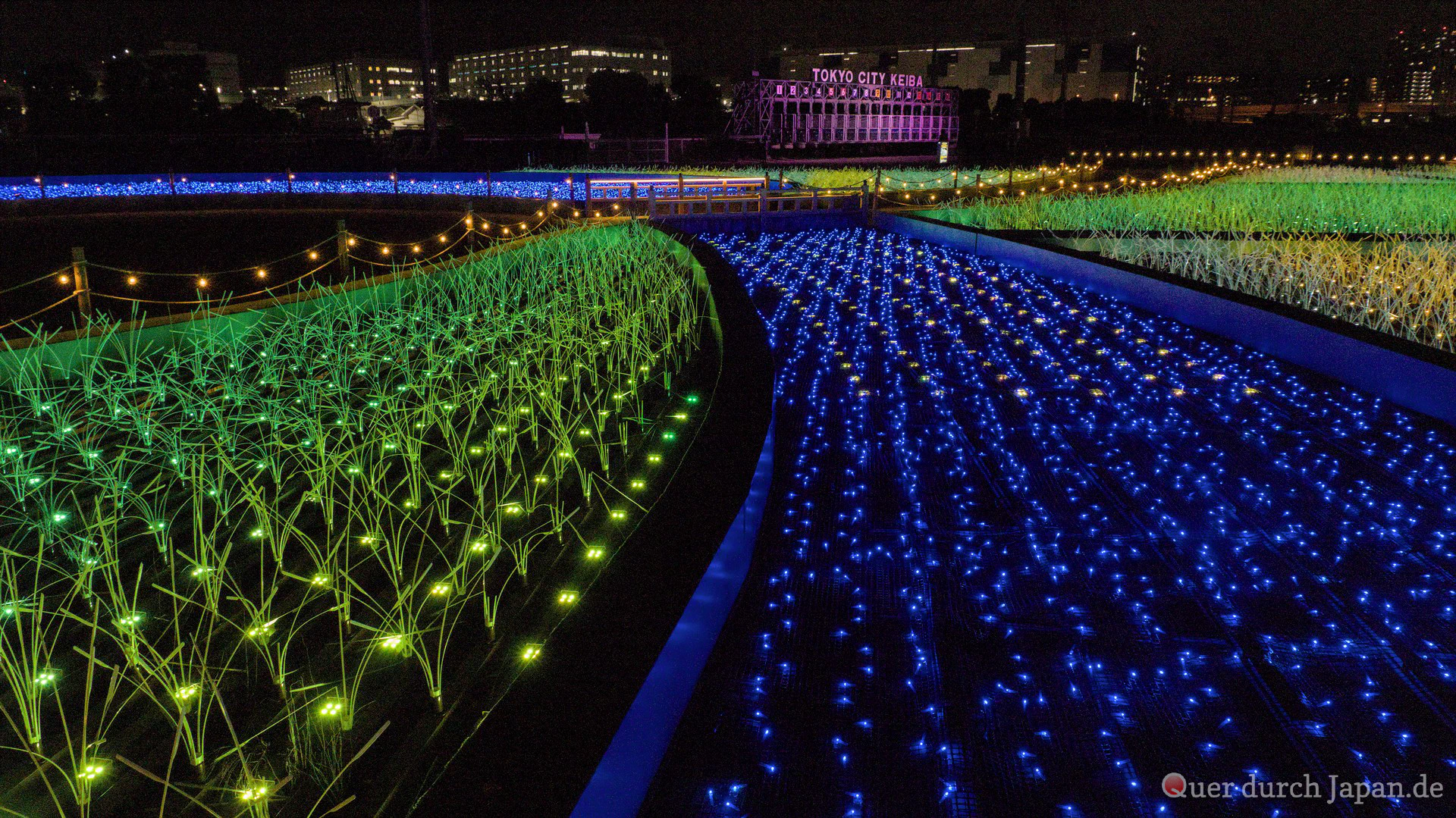
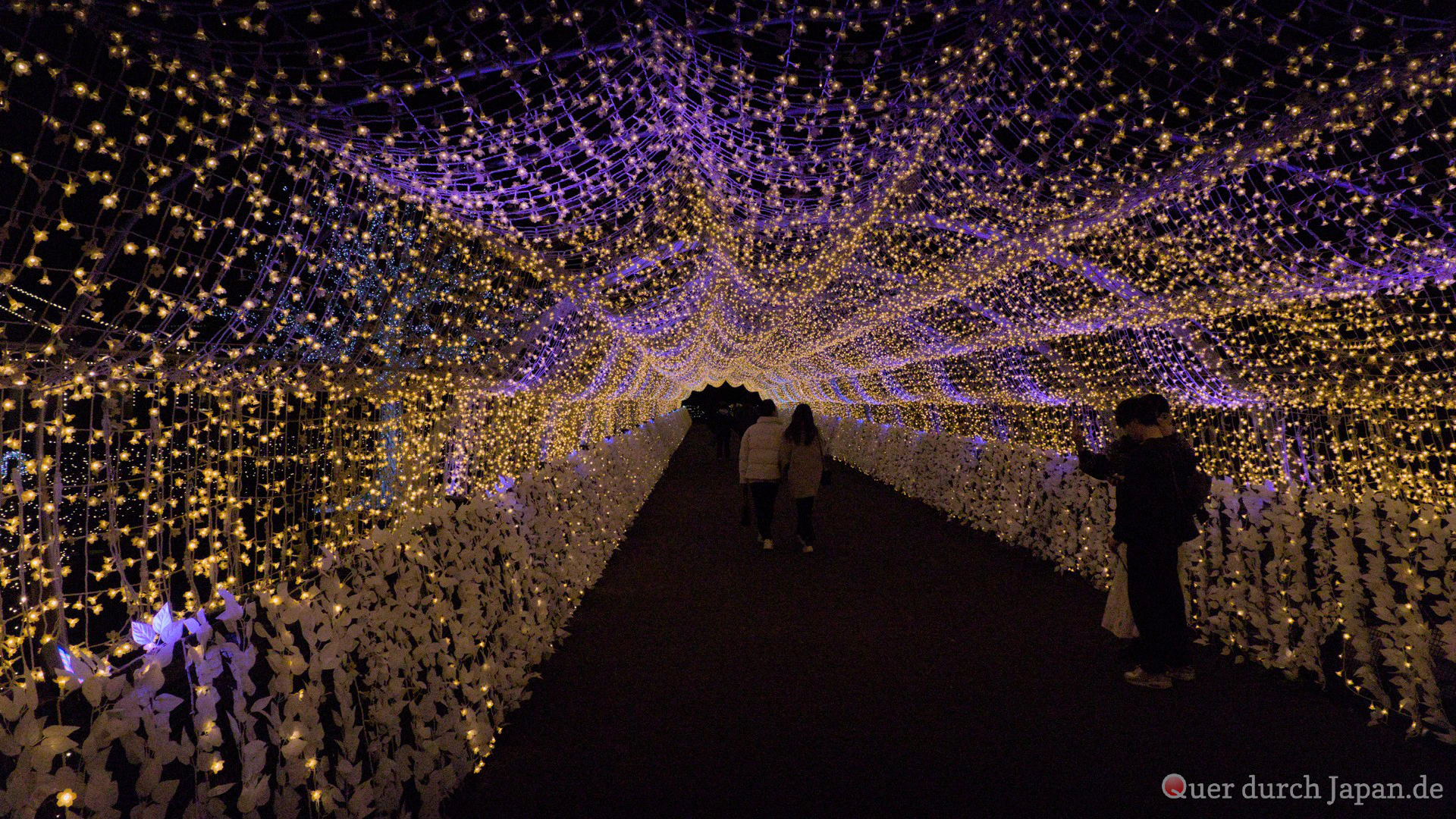
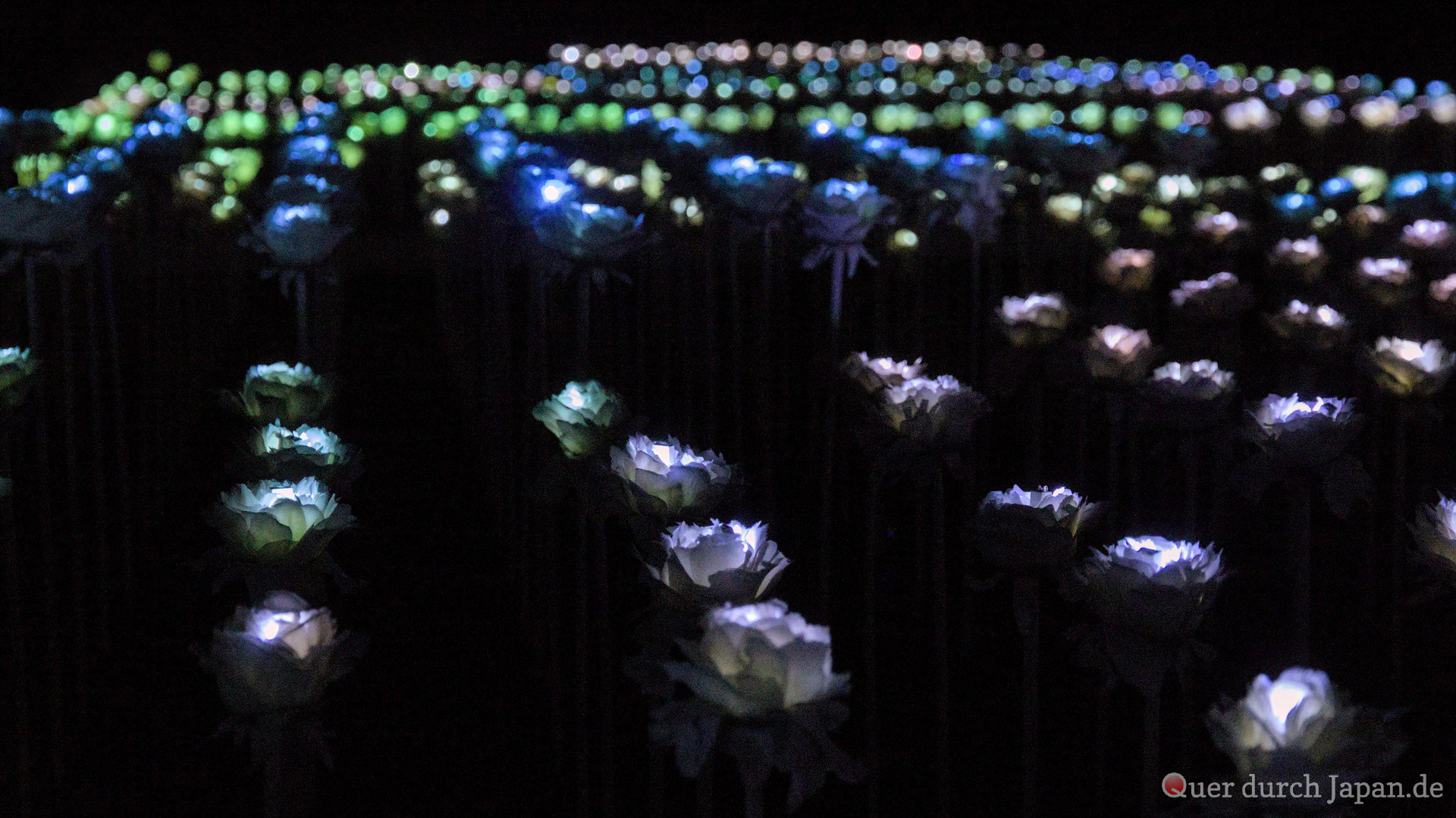
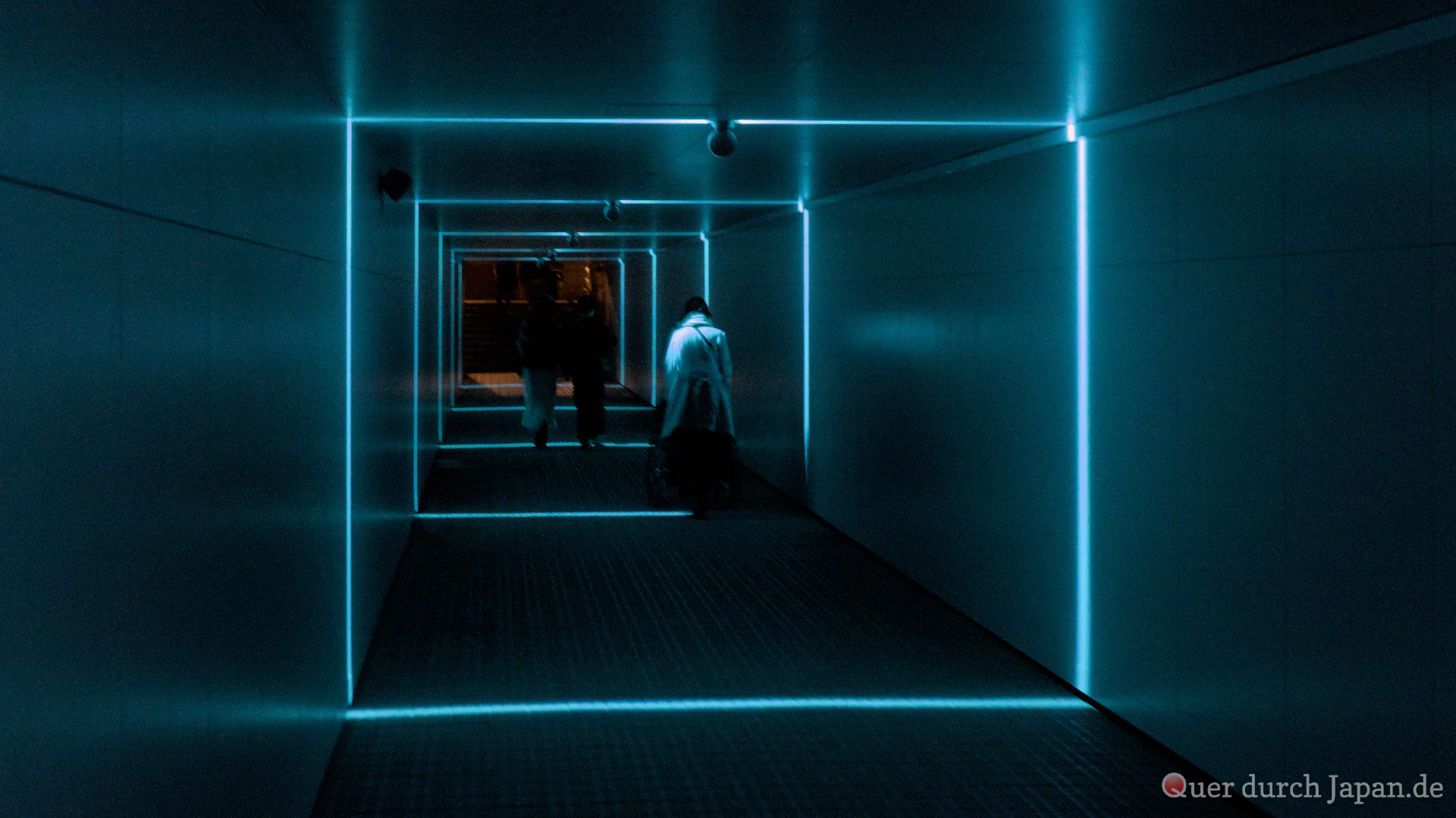
Fancy a light show? The Tōkyō Mega Illumination definitely isn’t exaggerating with its name. Where horse races normally take place, a colourful course of lights, tunnels, laser shows, music and nature sounds has been set up. The splendour just can’t be described in words.

Sadly, this brings our stay in Japan to an end. The suitcases are packed. Tomorrow we’ll have a few more hours for a farewell tour in Tōkyō, before the plane takes us back home.
Winter Illuminations

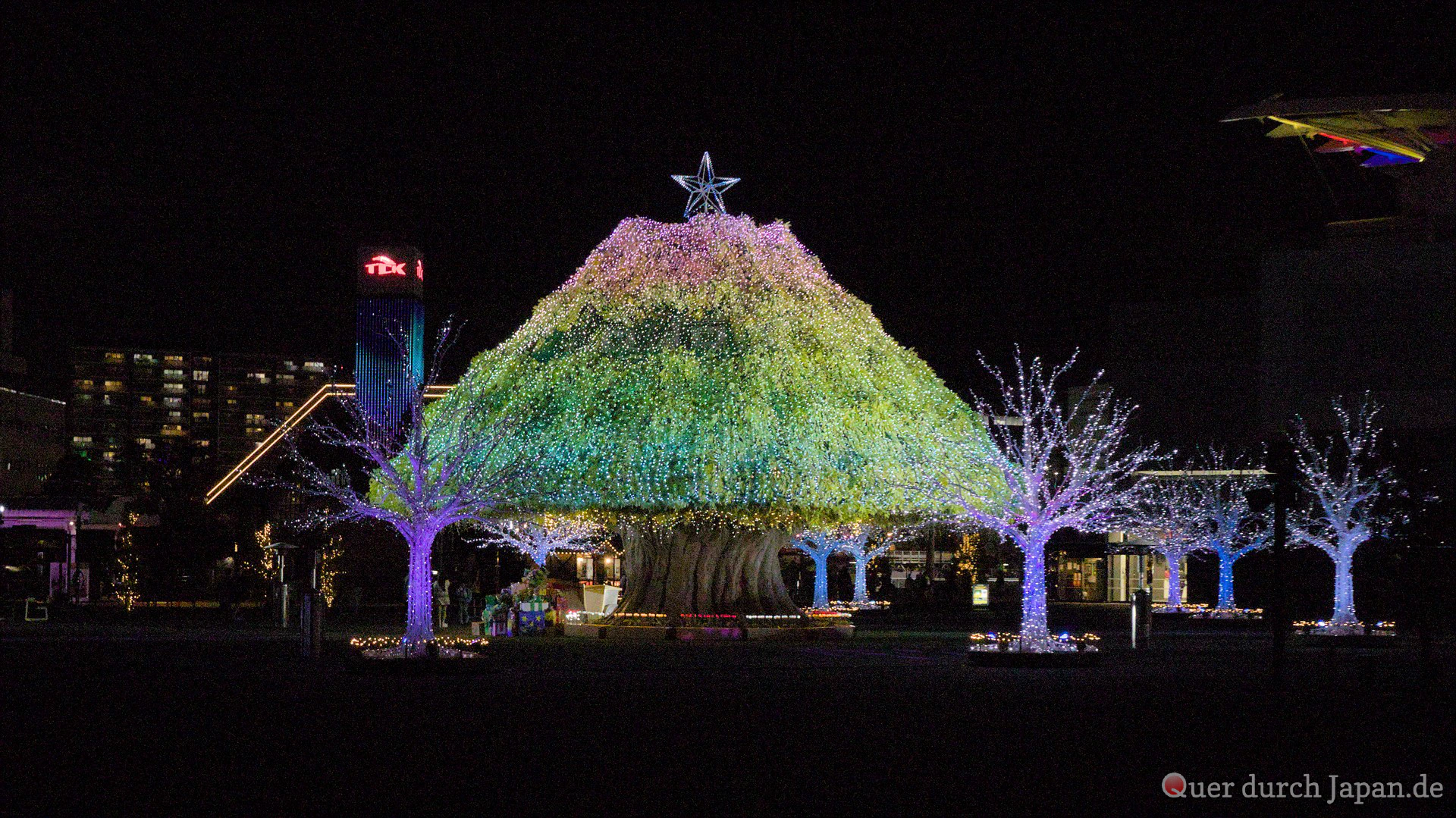
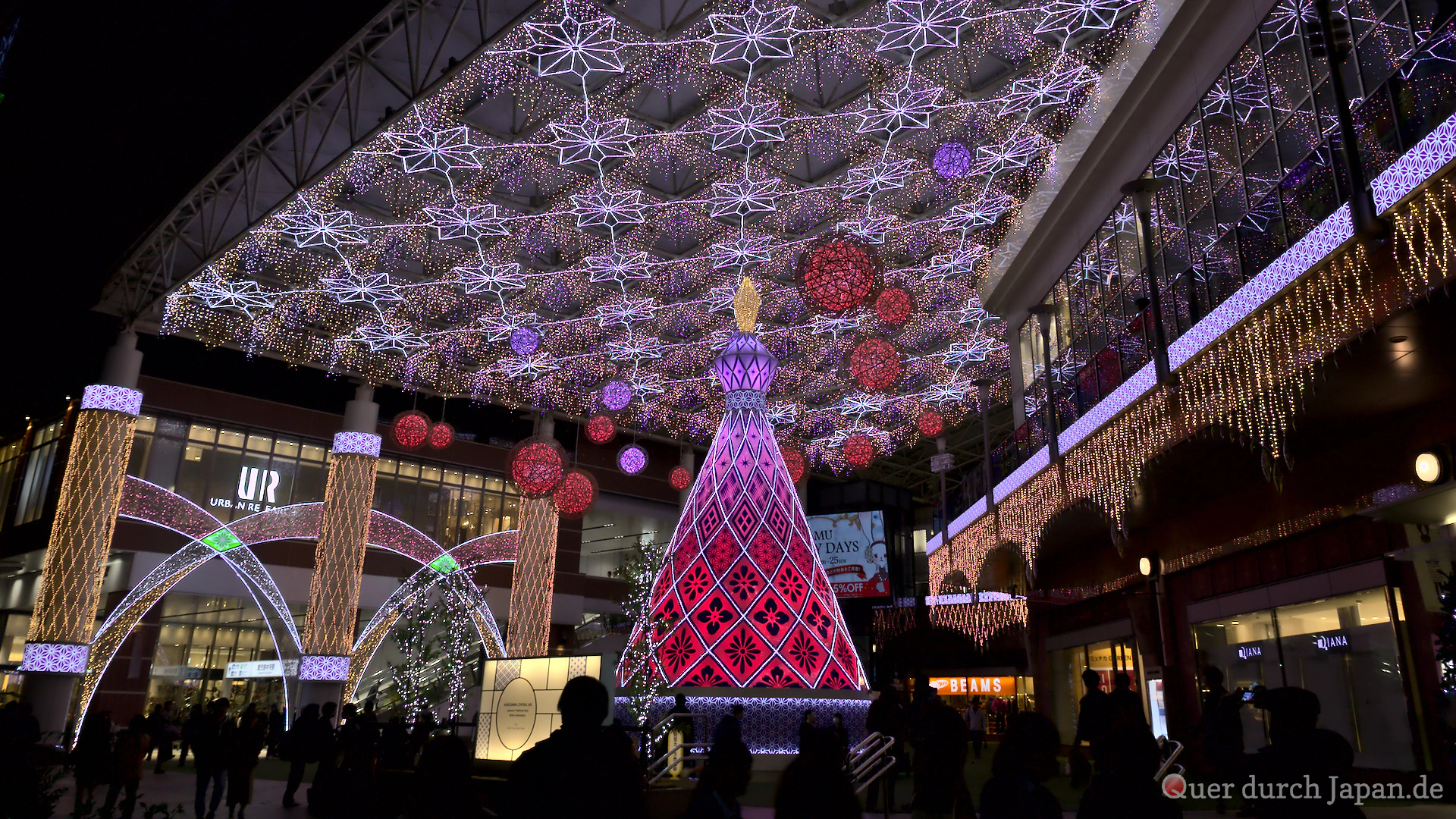
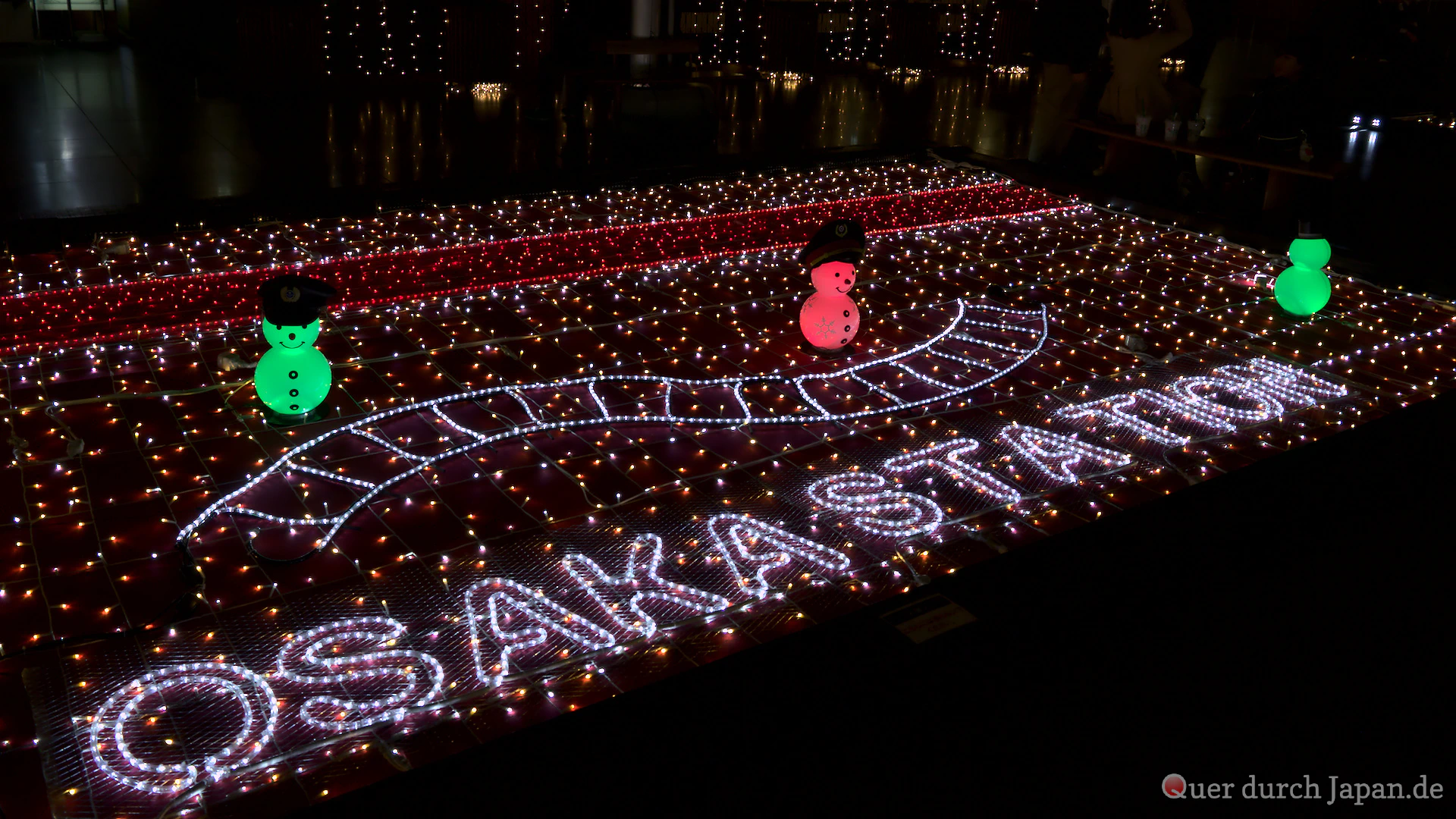
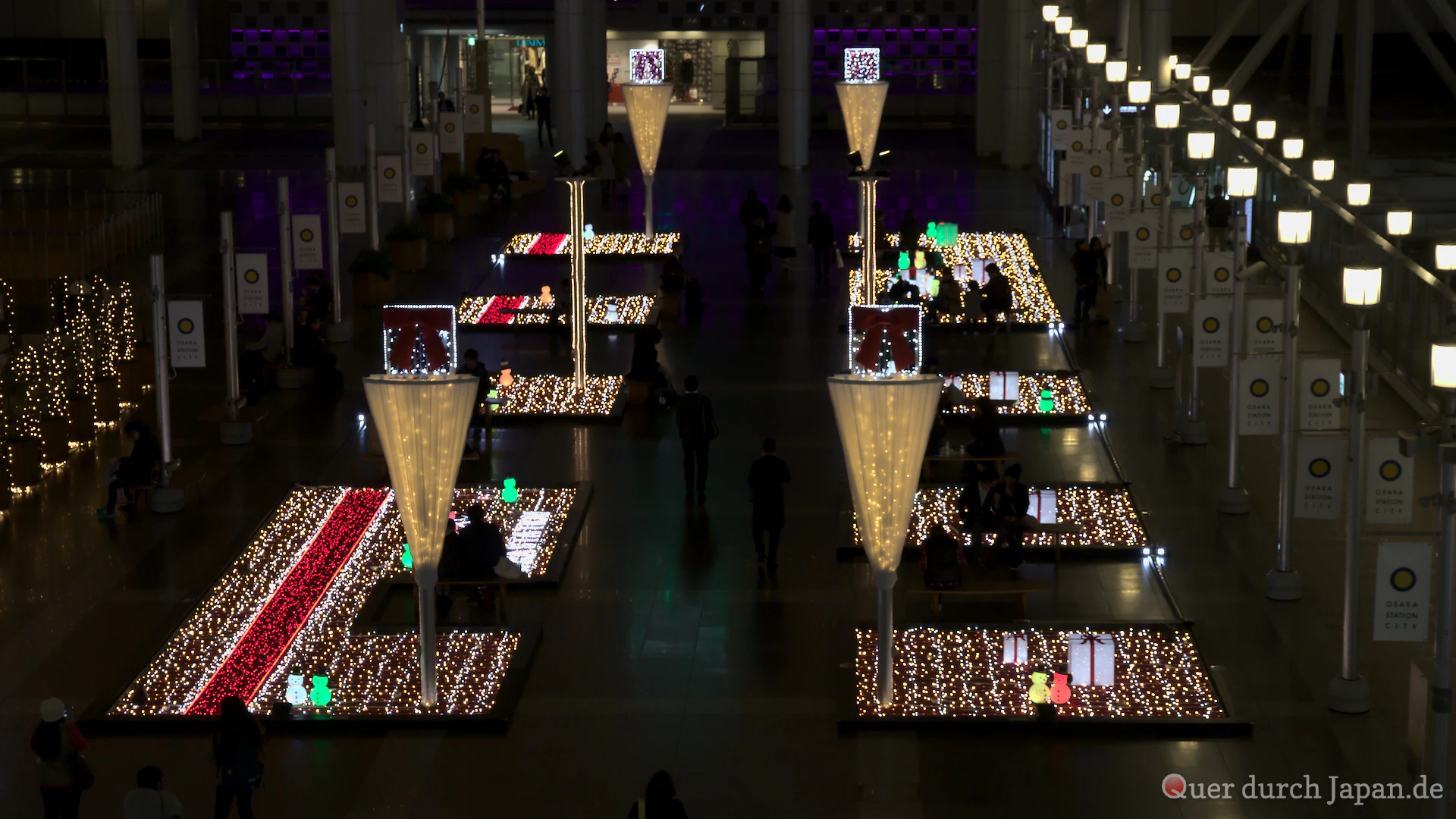
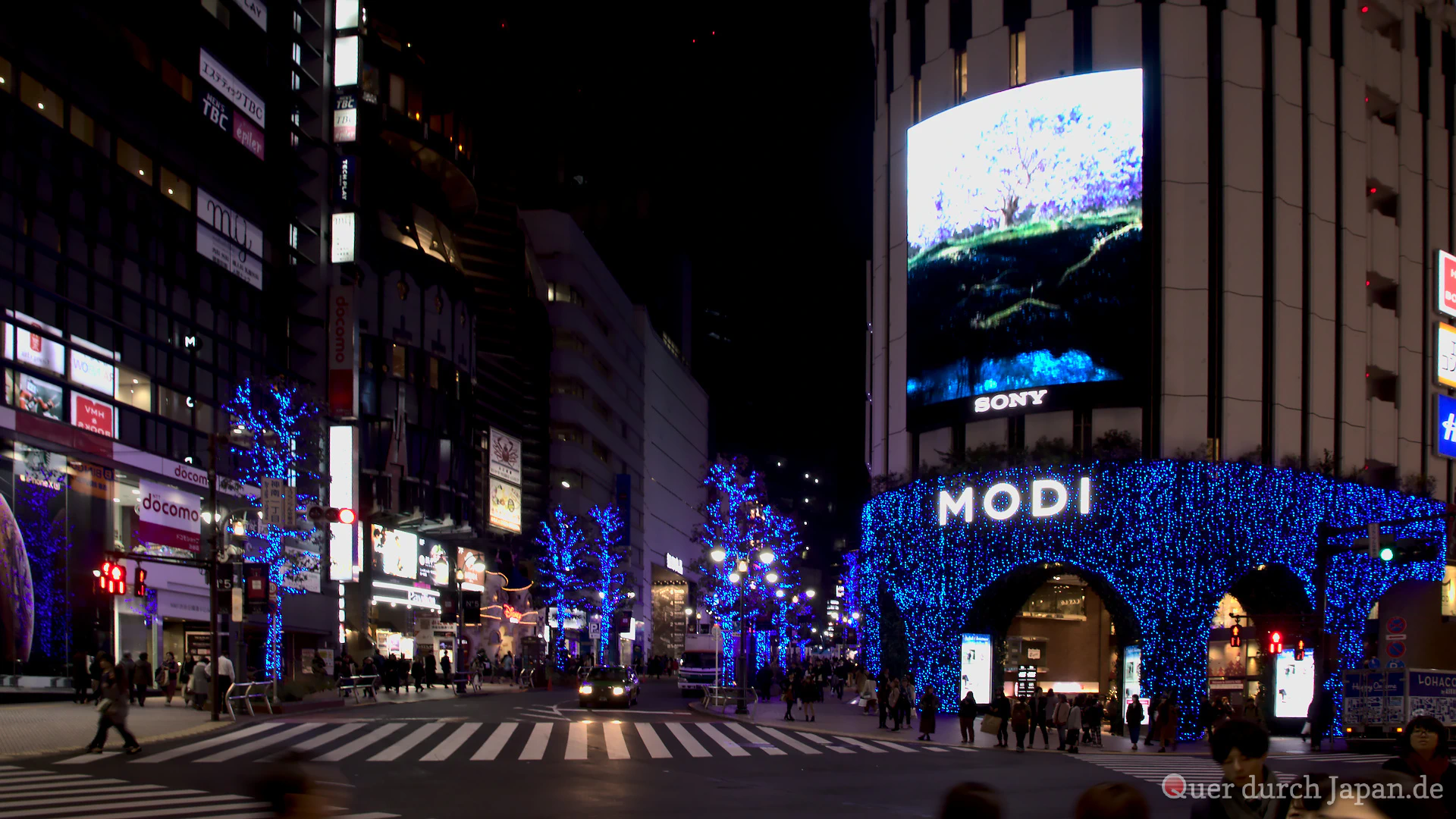
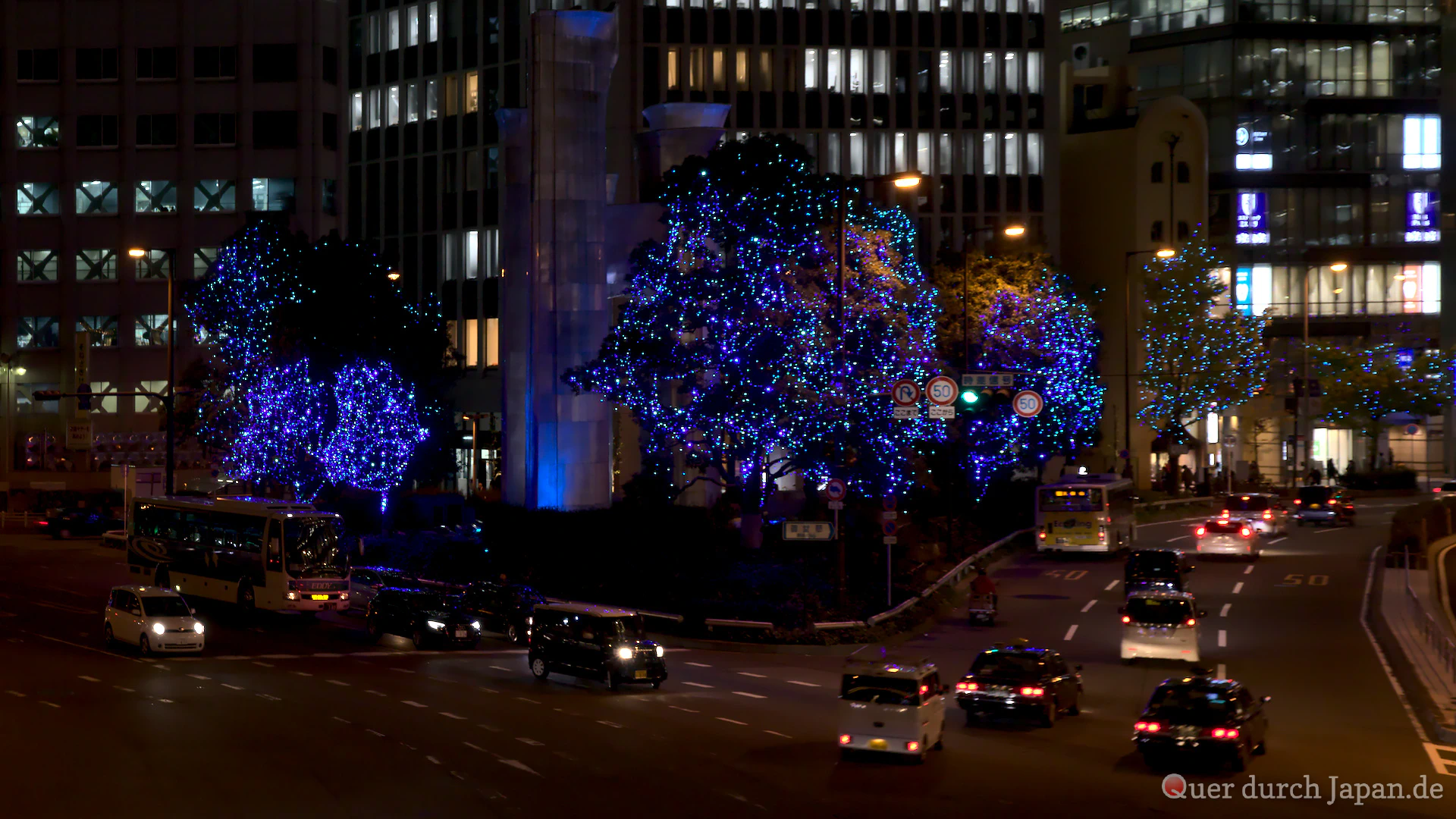
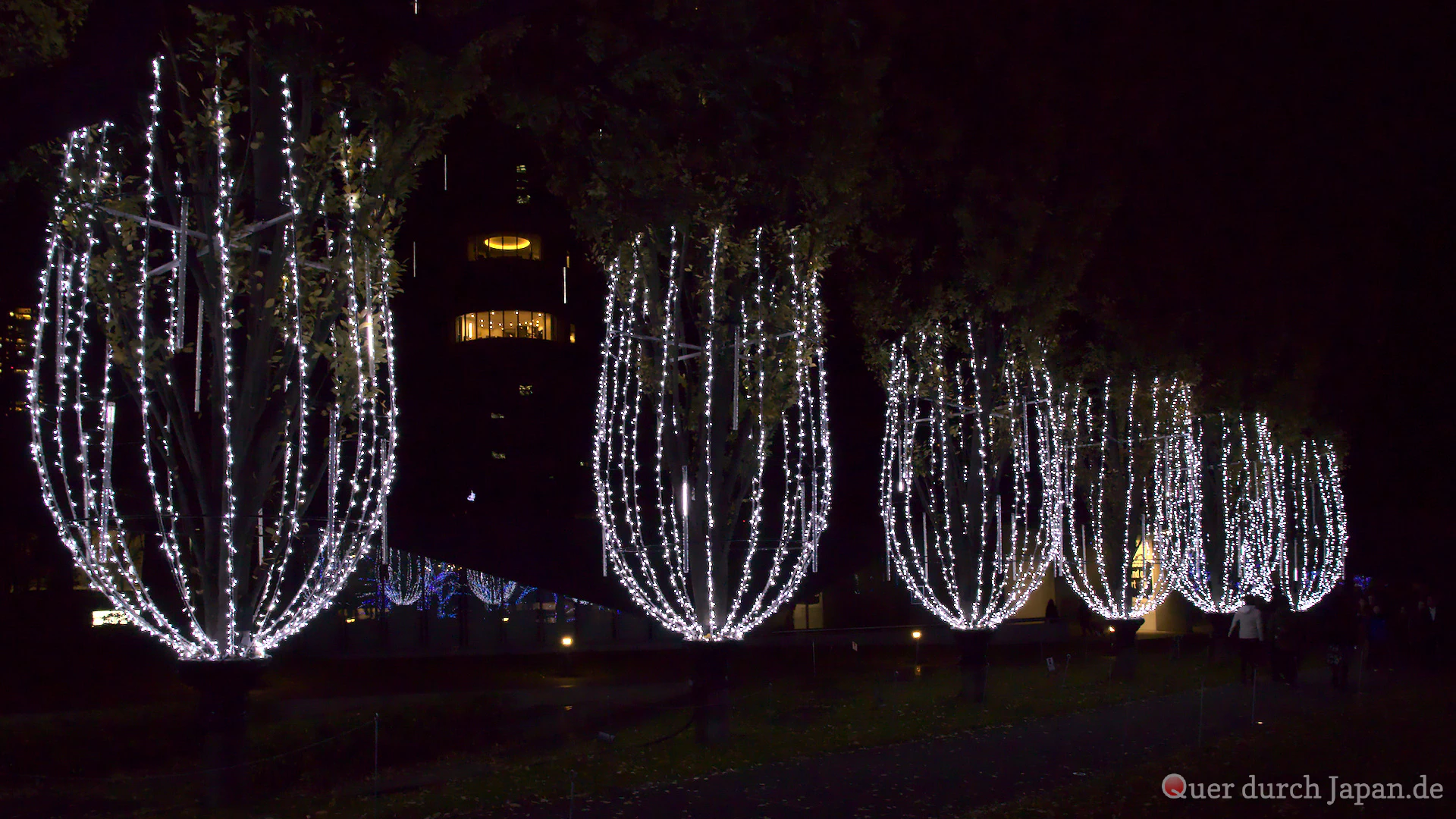
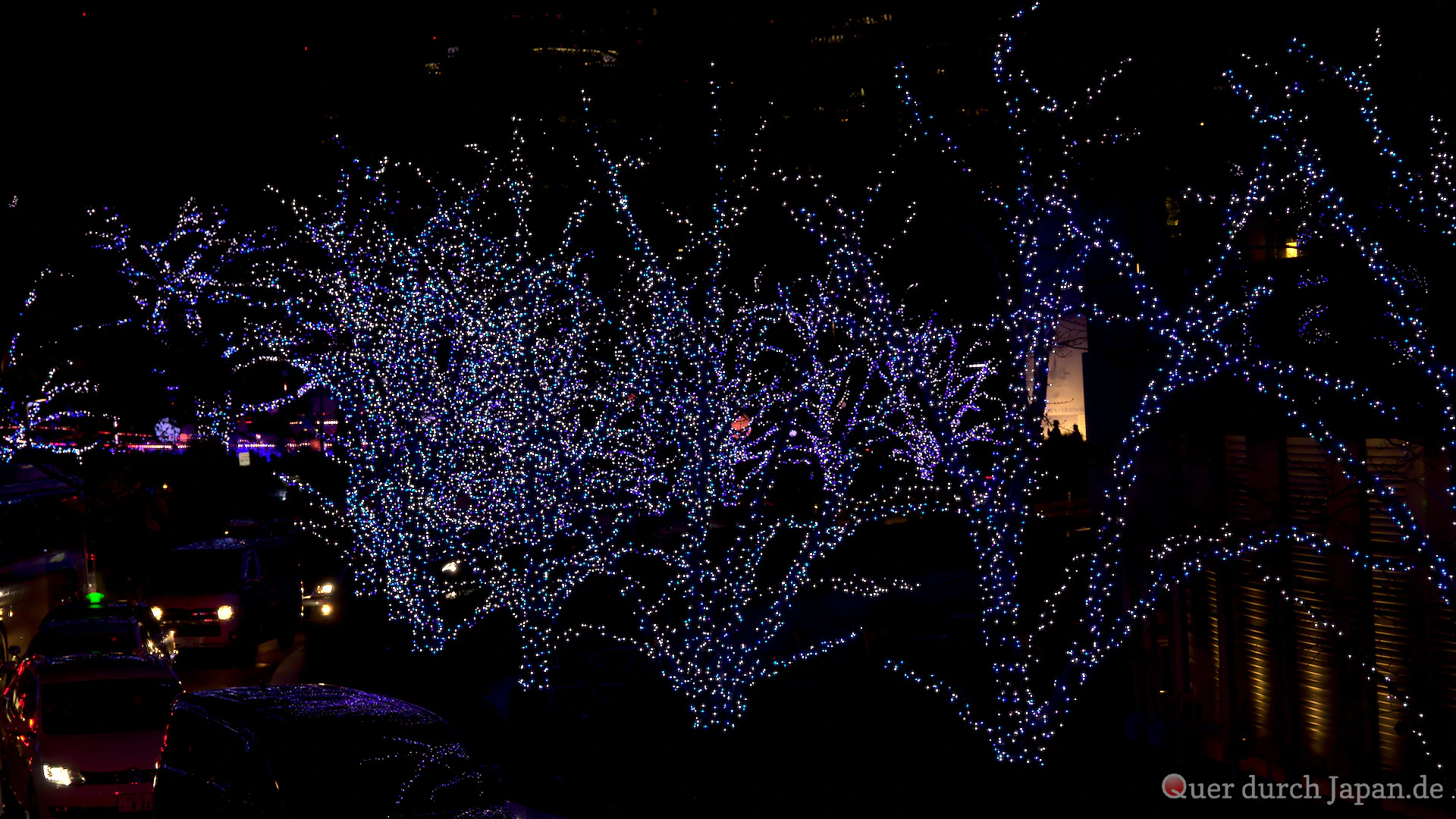
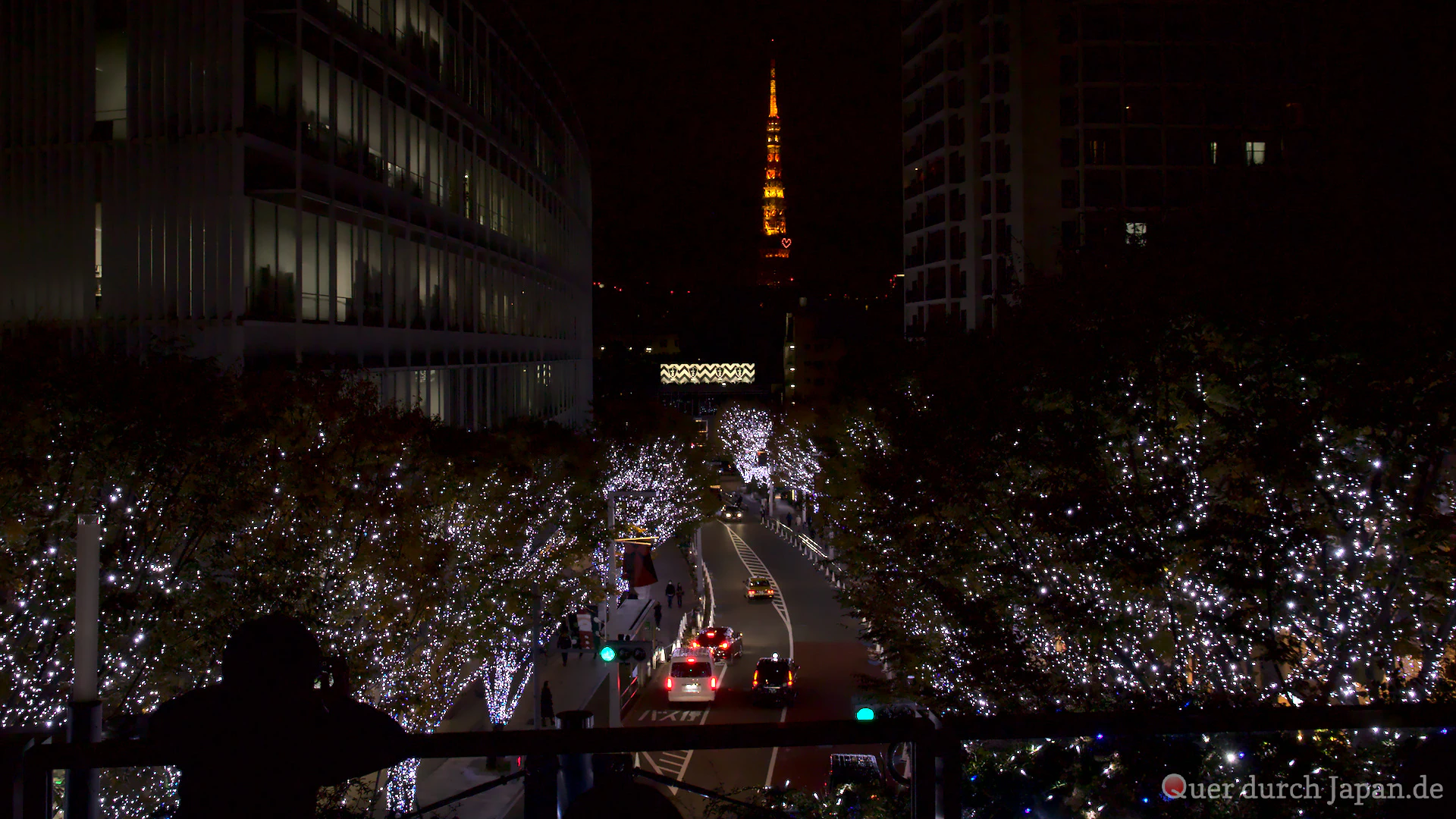
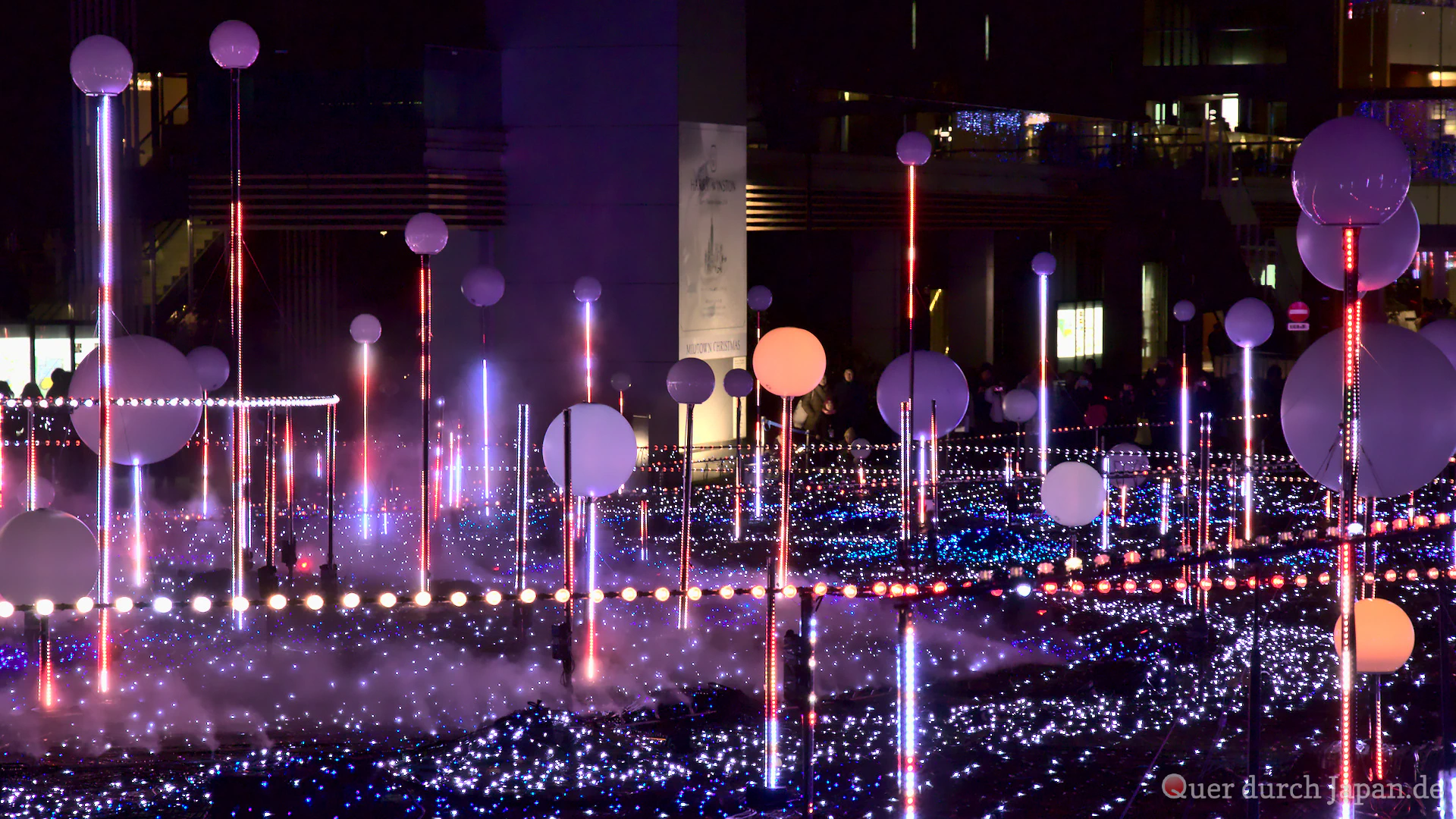
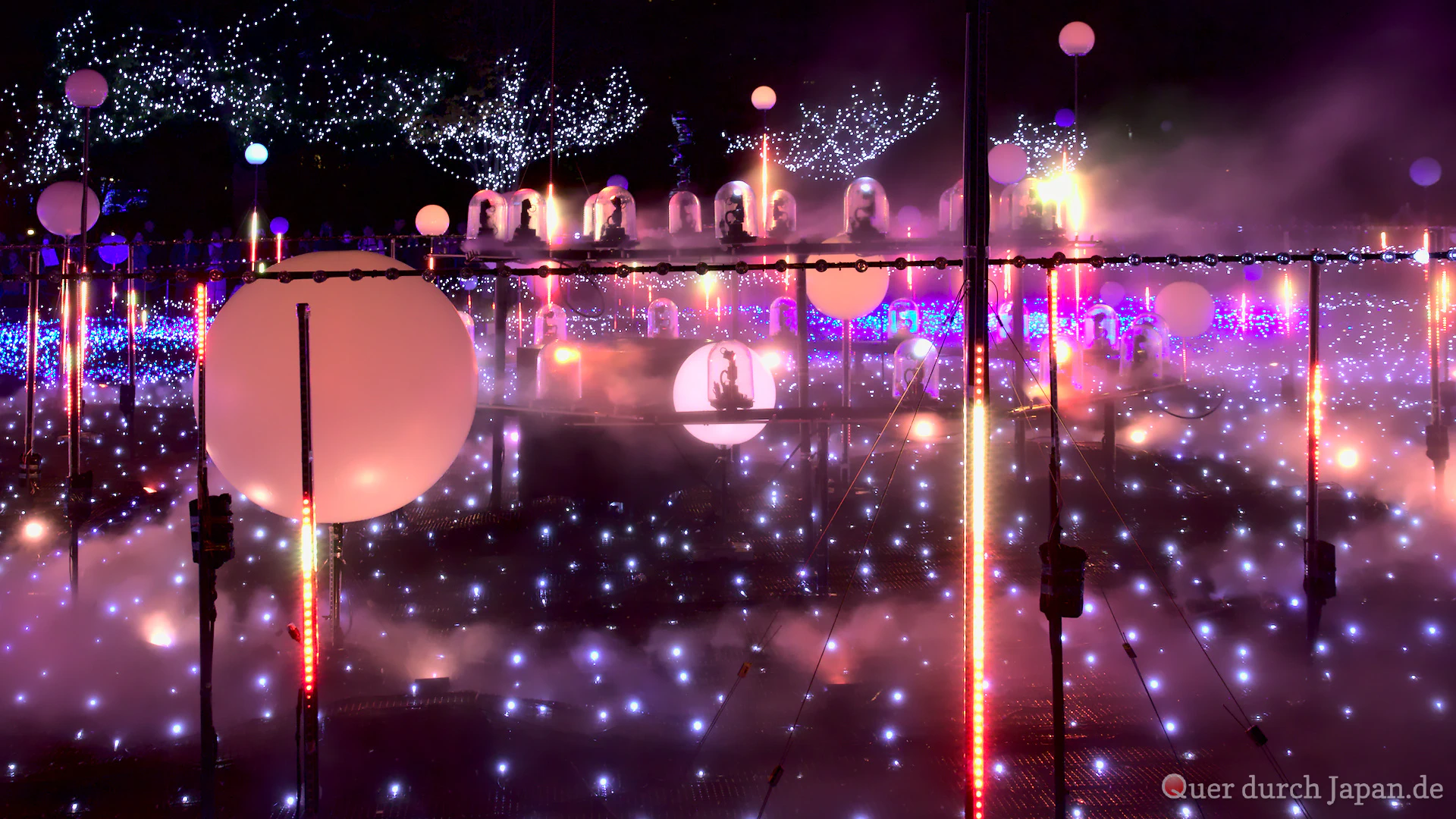
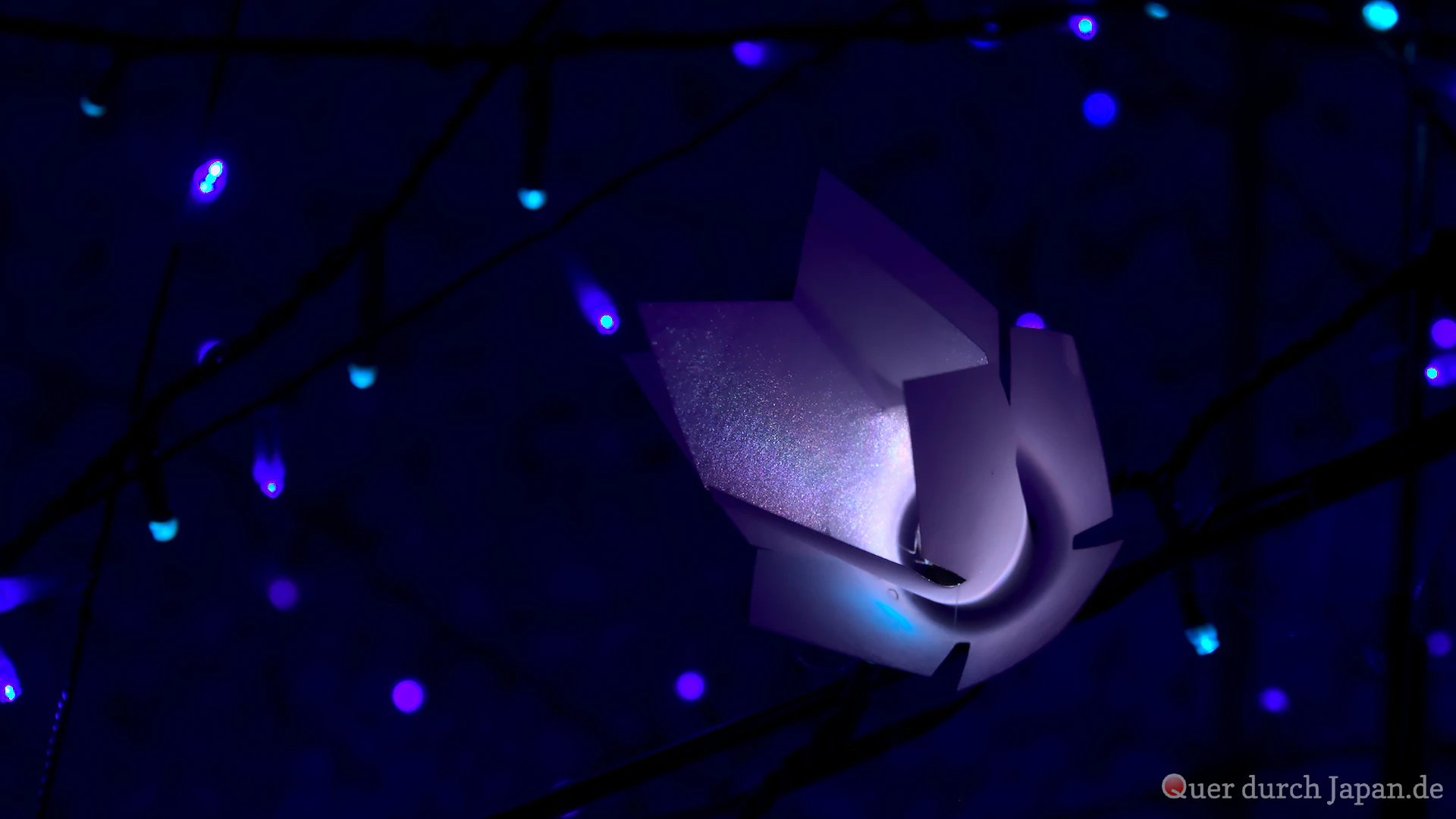
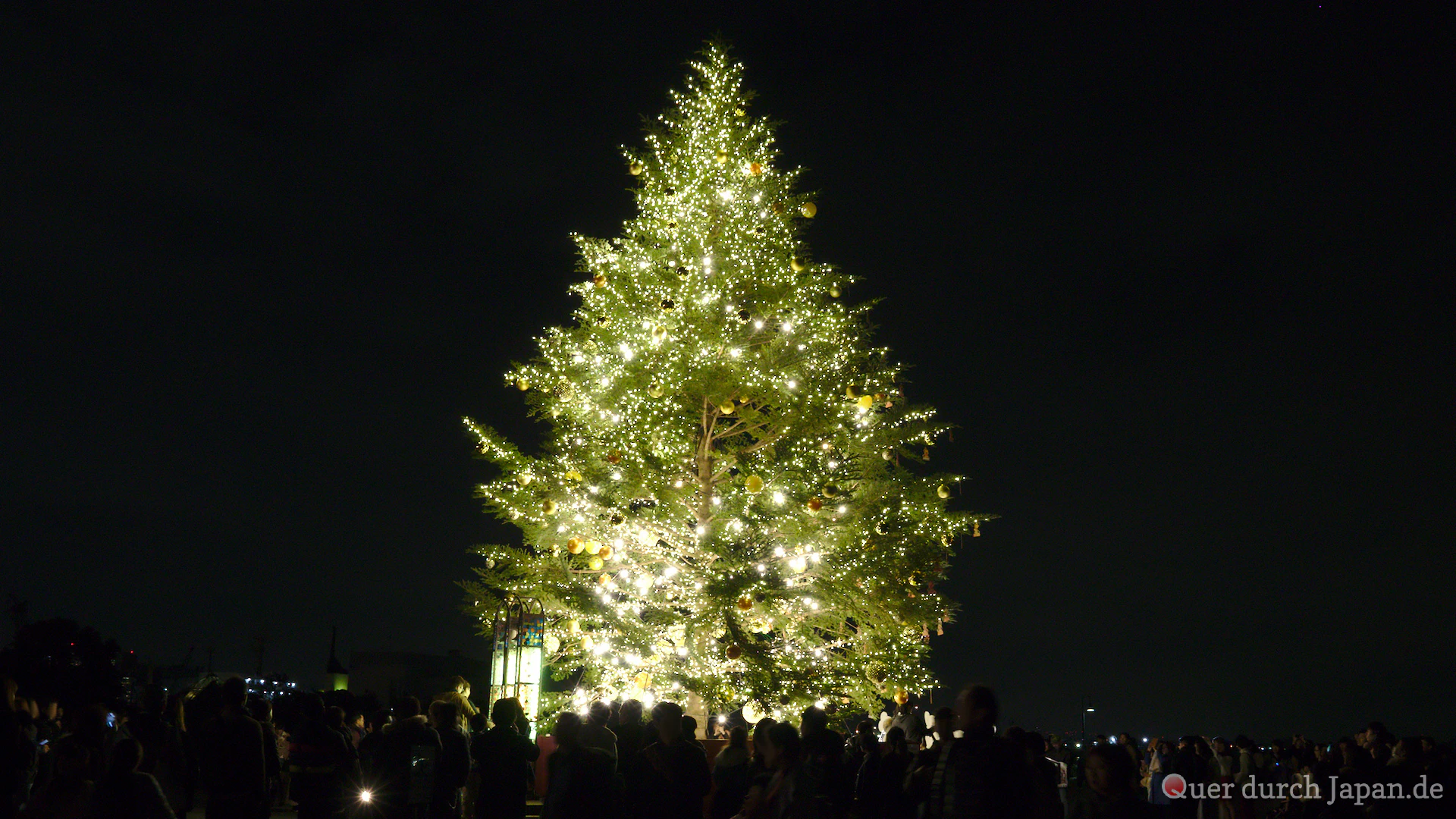
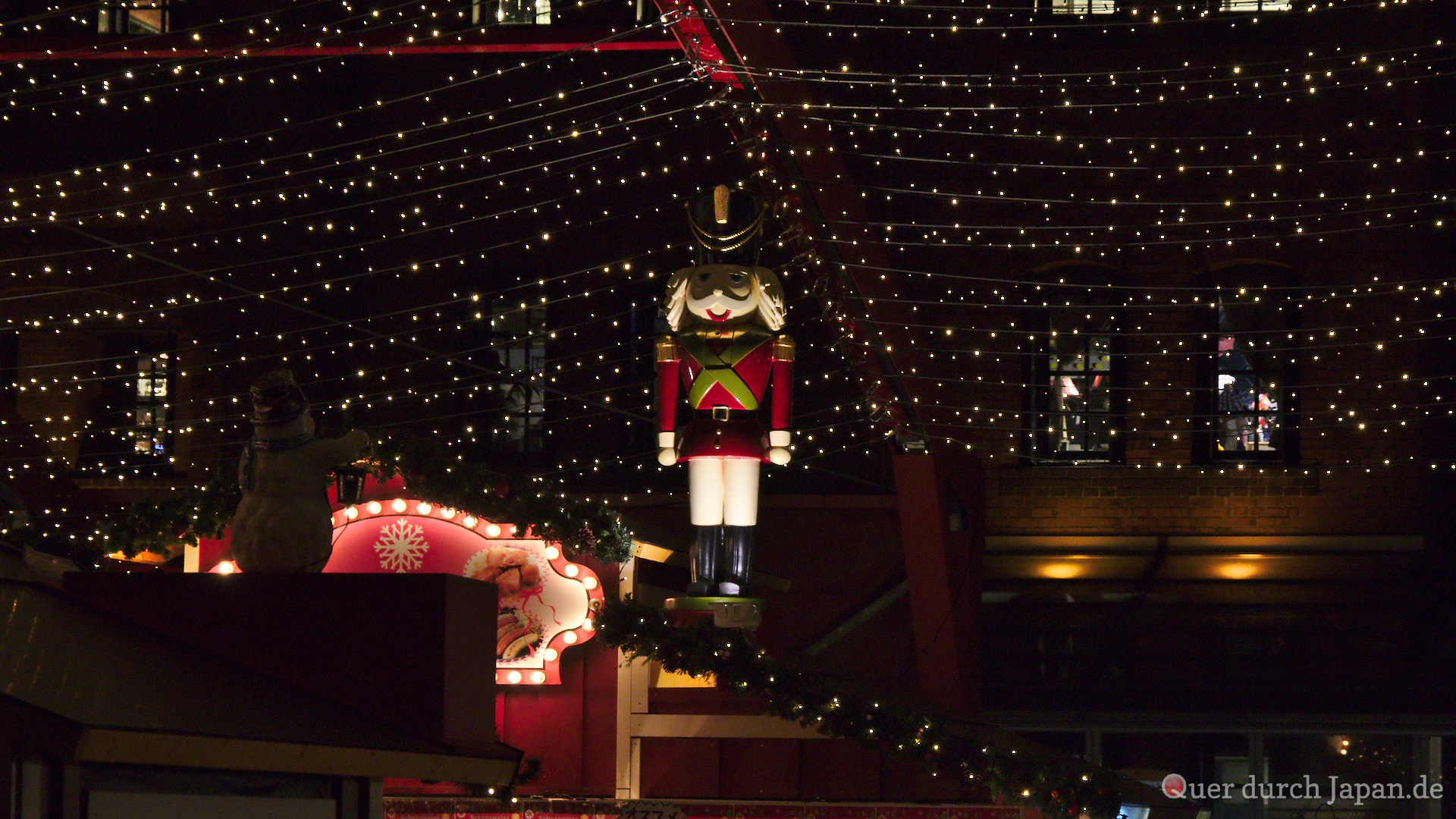
During the dark season in Japan, you’ll find not just Christmas decorations, but also winter lights, known as Illuminations (イルミ). Every major city decorates its streets and squares with lavish lighting and light shows.

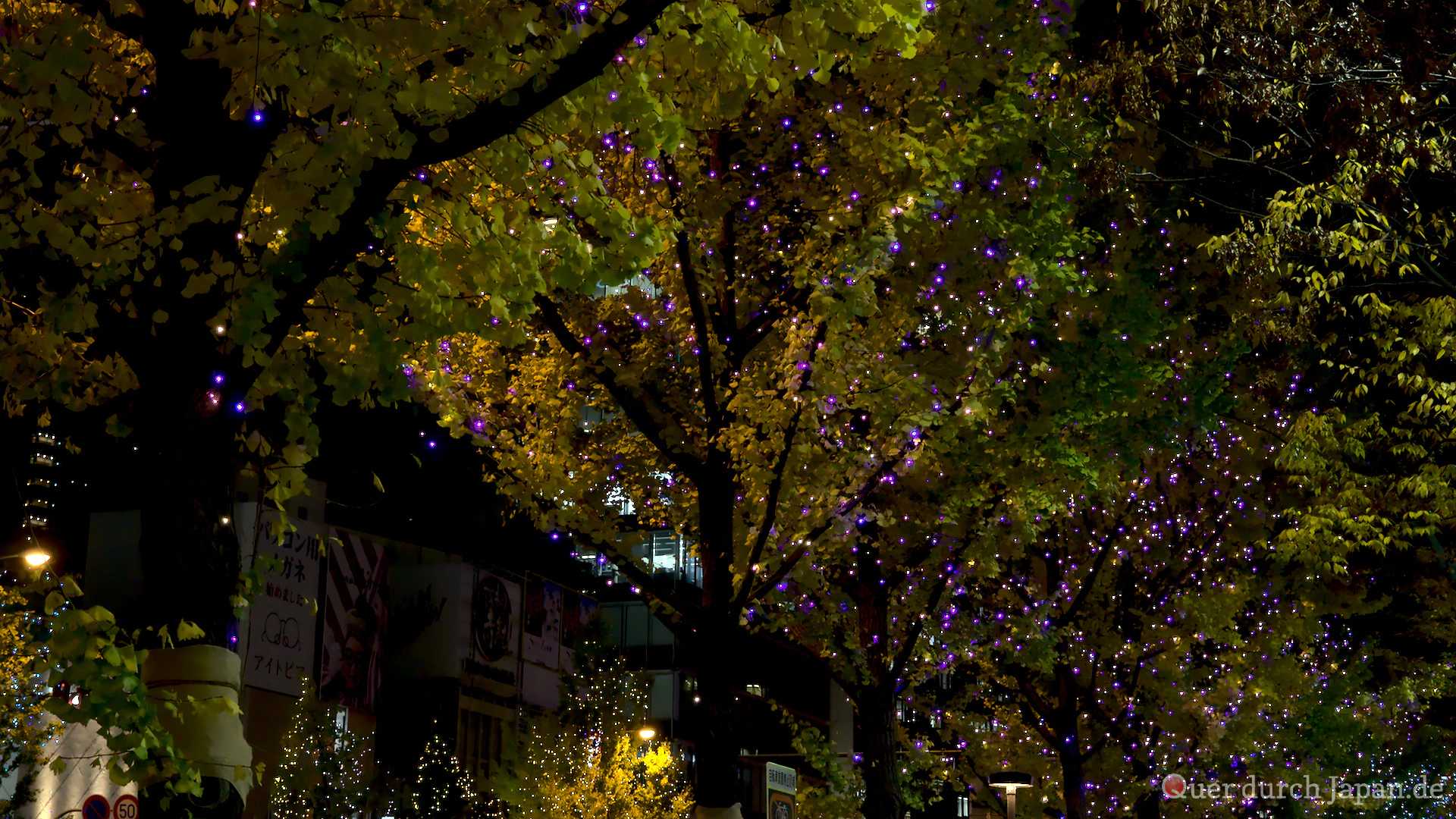
Here’s a collection of our best illumination photos that we took back in 2018.

Some of the illuminations start as early as November, and some go on until February. If you’re visiting Japan during autumn and winter, it’s definitely worth checking out these light spectacles. Most of them are in public areas and can be seen for free, but landscape gardens and temples do charge an entrance fee.

Travel Journal 2018: Tōkyō 2

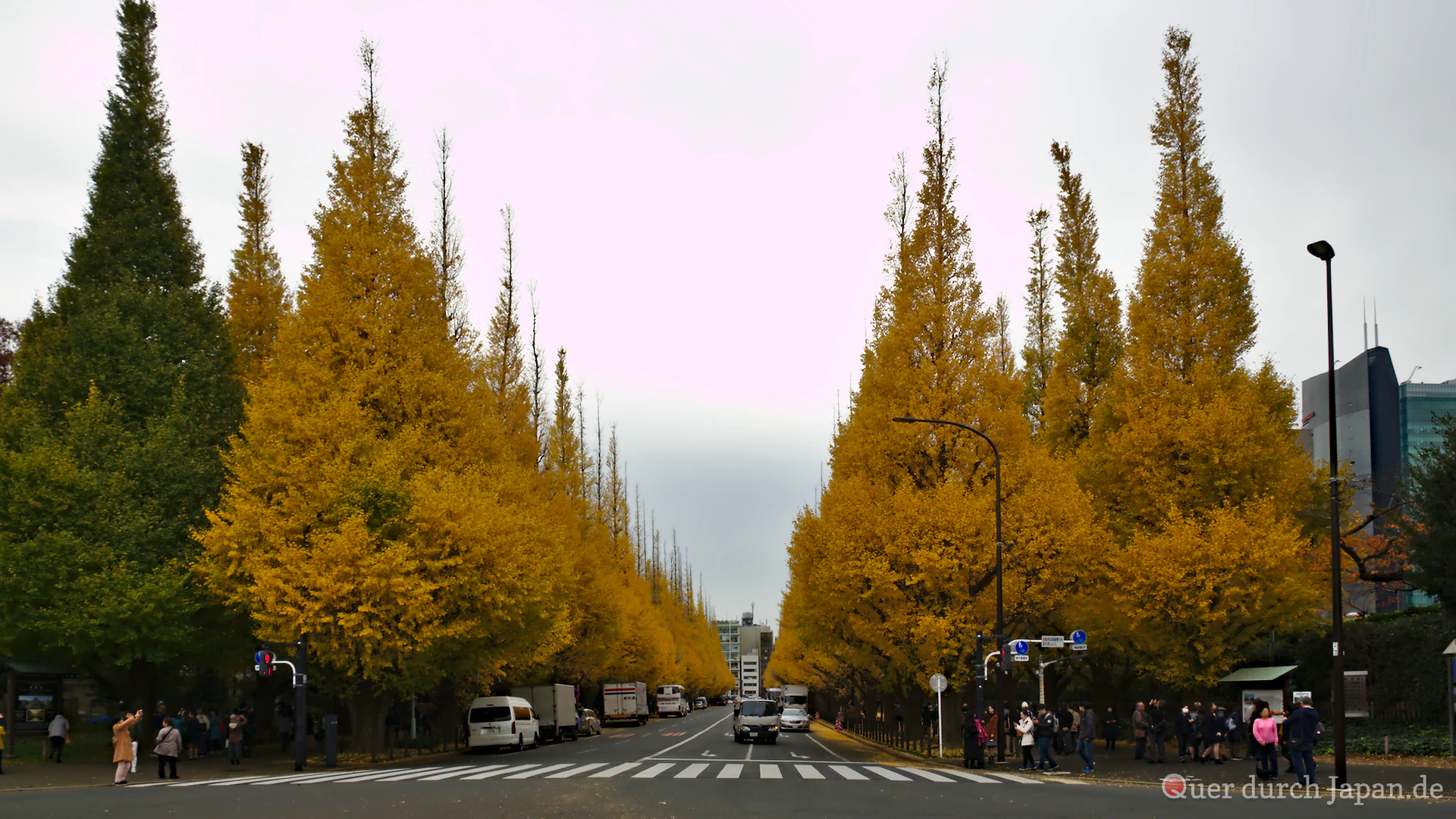
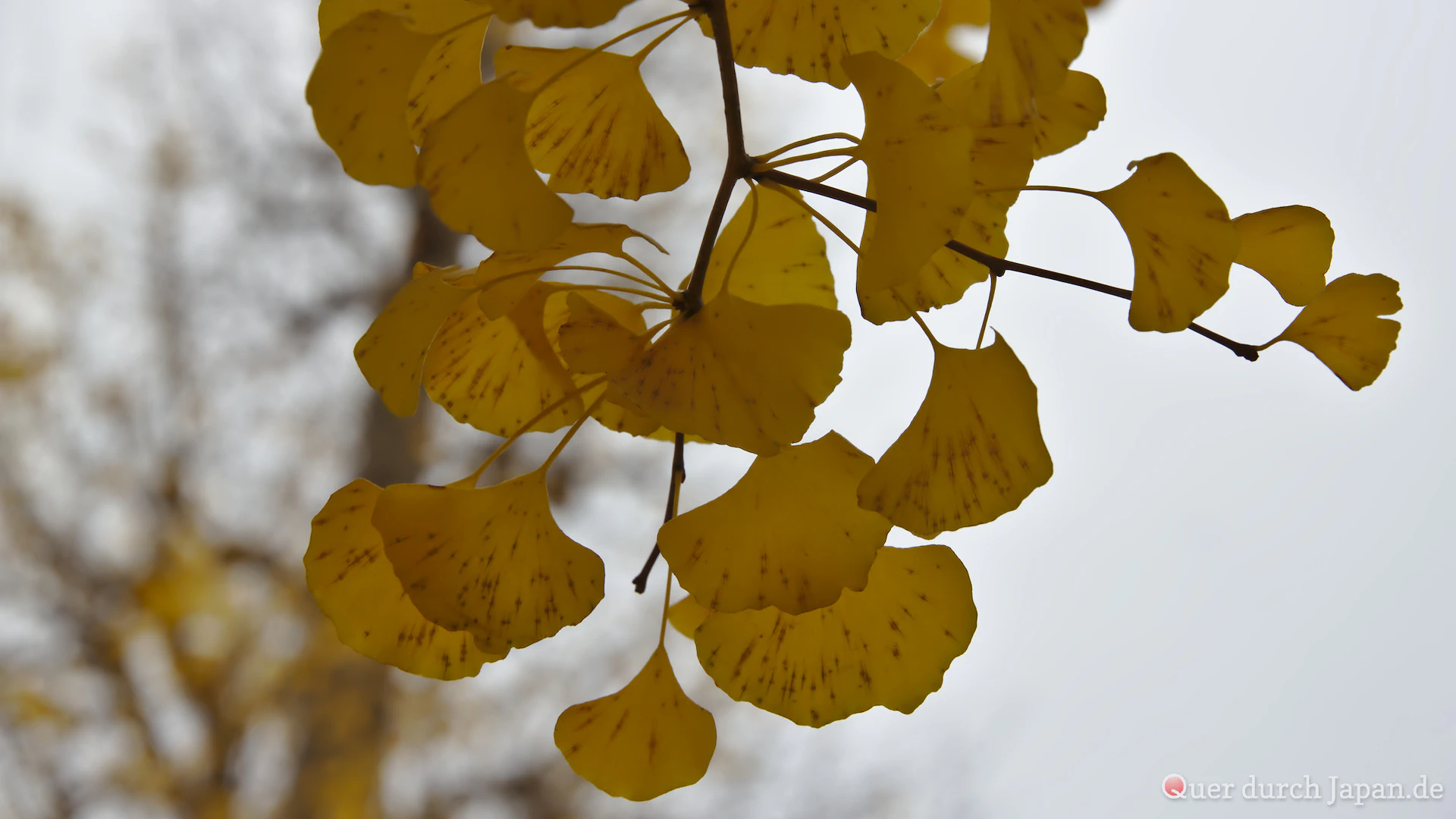
On our last day in Tokyo, there was a colourful programme. The Icho Namiki is a ginkgo avenue that is still glowing in a magnificent yellow, even though many ginkgo trees have already lost almost all their leaves.

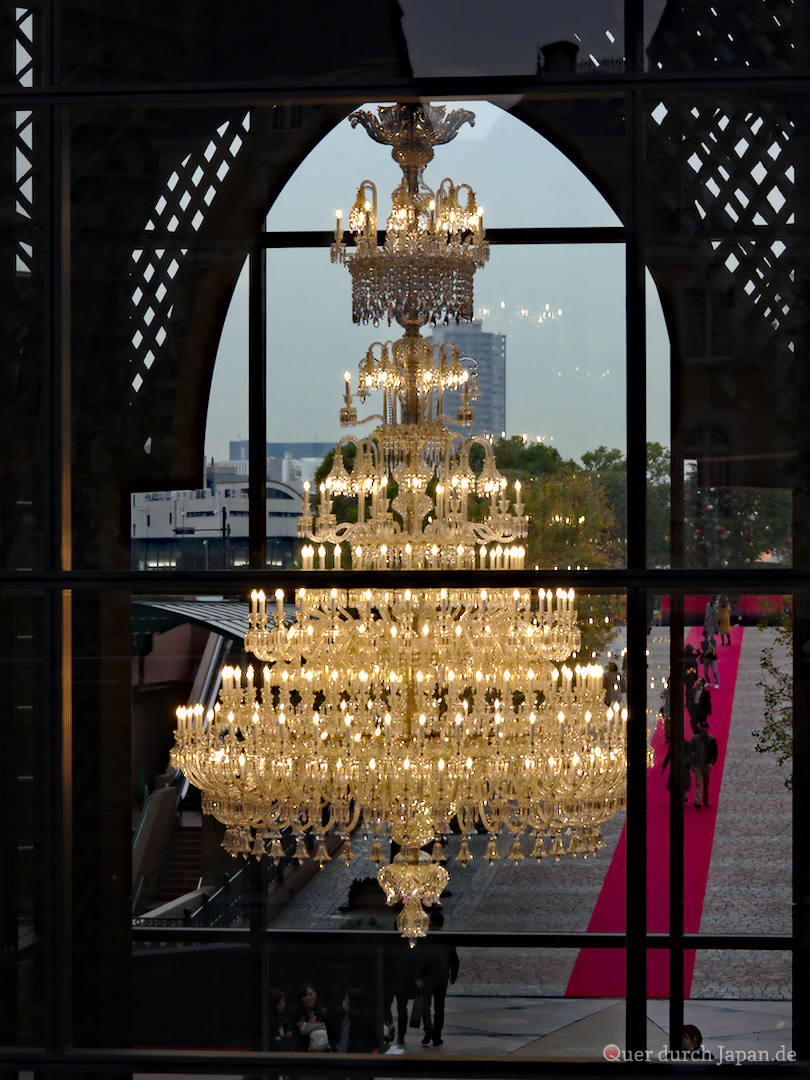
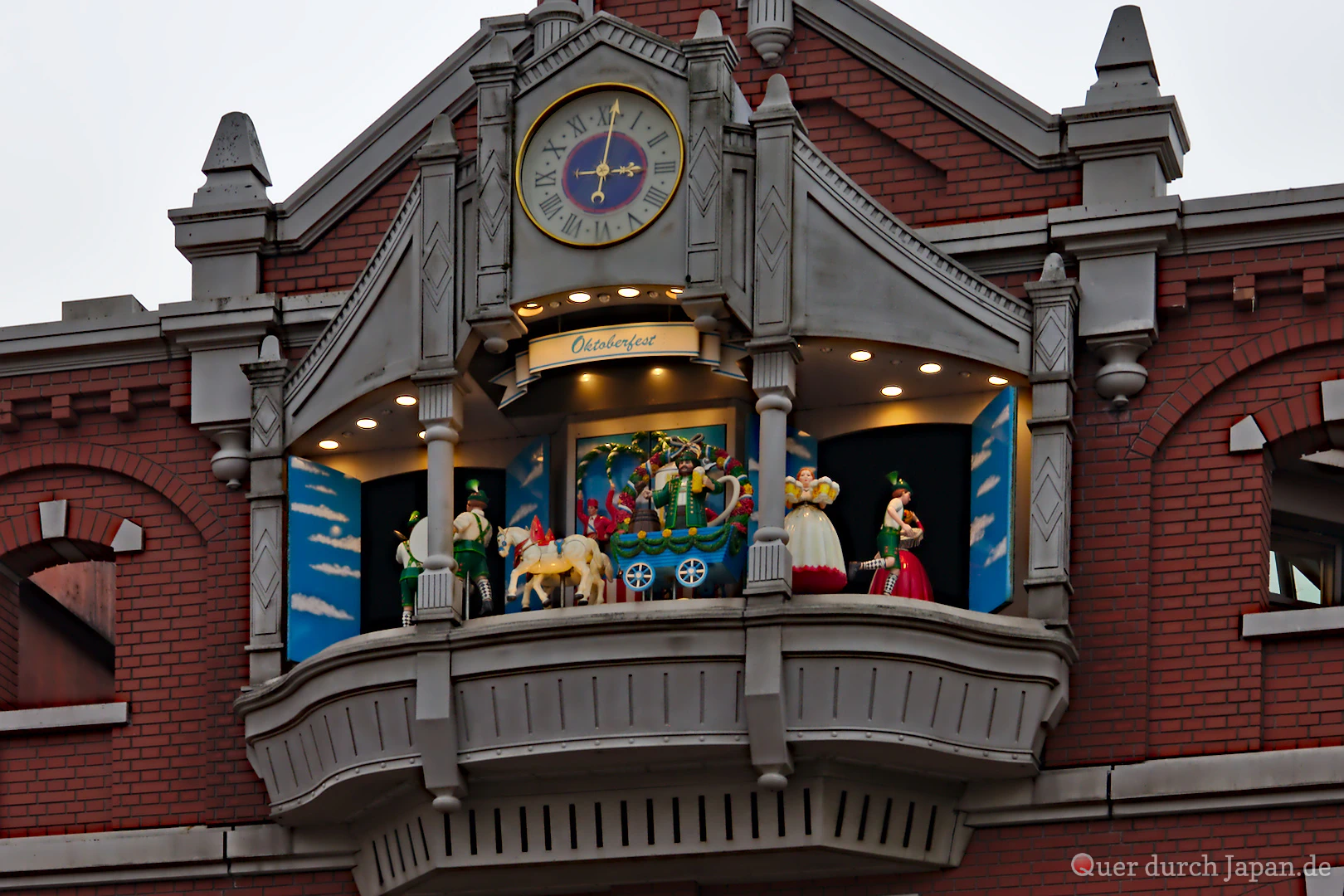
After that, we visited the Yebisu Garden Christmas Marché. However, the supposedly posh Christmas market consisted of just three stalls selling gift items. Next to a Christmas tree, there is also what is said to be the largest Baccarat chandelier in the world. The clock tower at Yebisu Garden Place rounded off the experience. On the hour, its musical clock depicts an Oktoberfest parade.

We would have loved to visit a very special Christmas market in Hibiya Park. It is modelled on the market in Dresden, its 14-metre-high Christmas pyramid was even imported from there. Unfortunately, the market doesn’t open its doors until the 14th of December, by which time we’ll already be back home.
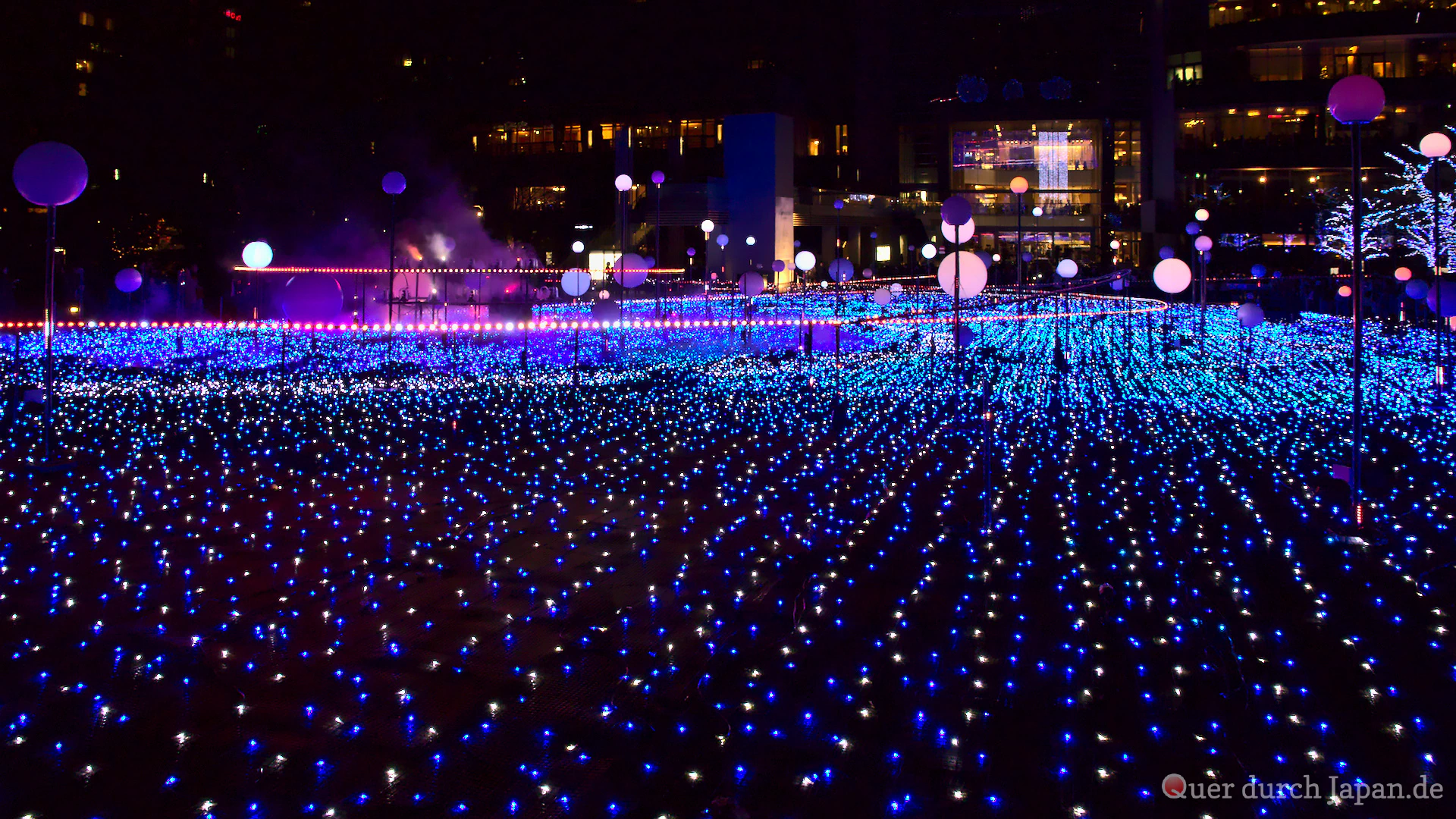
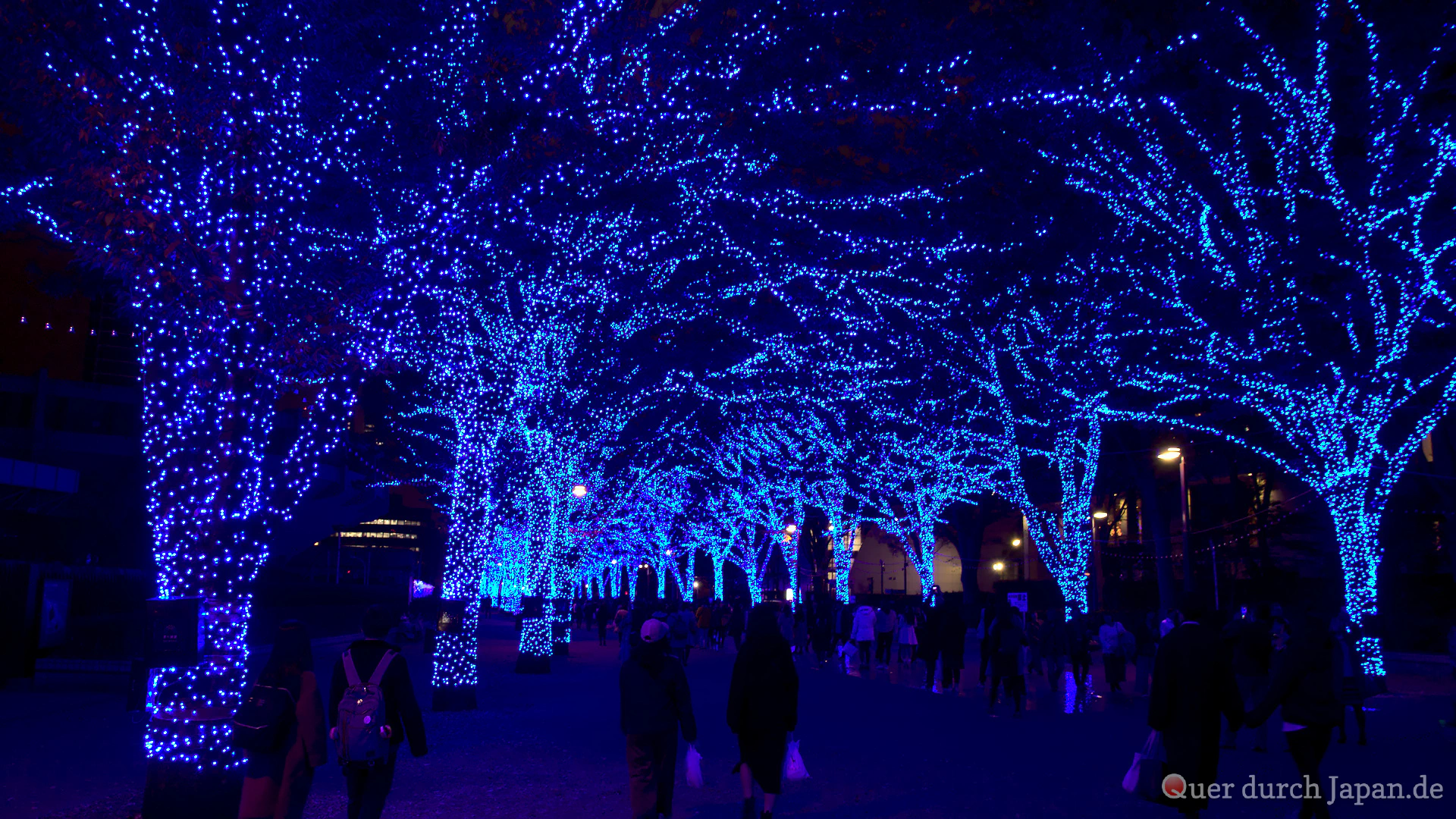
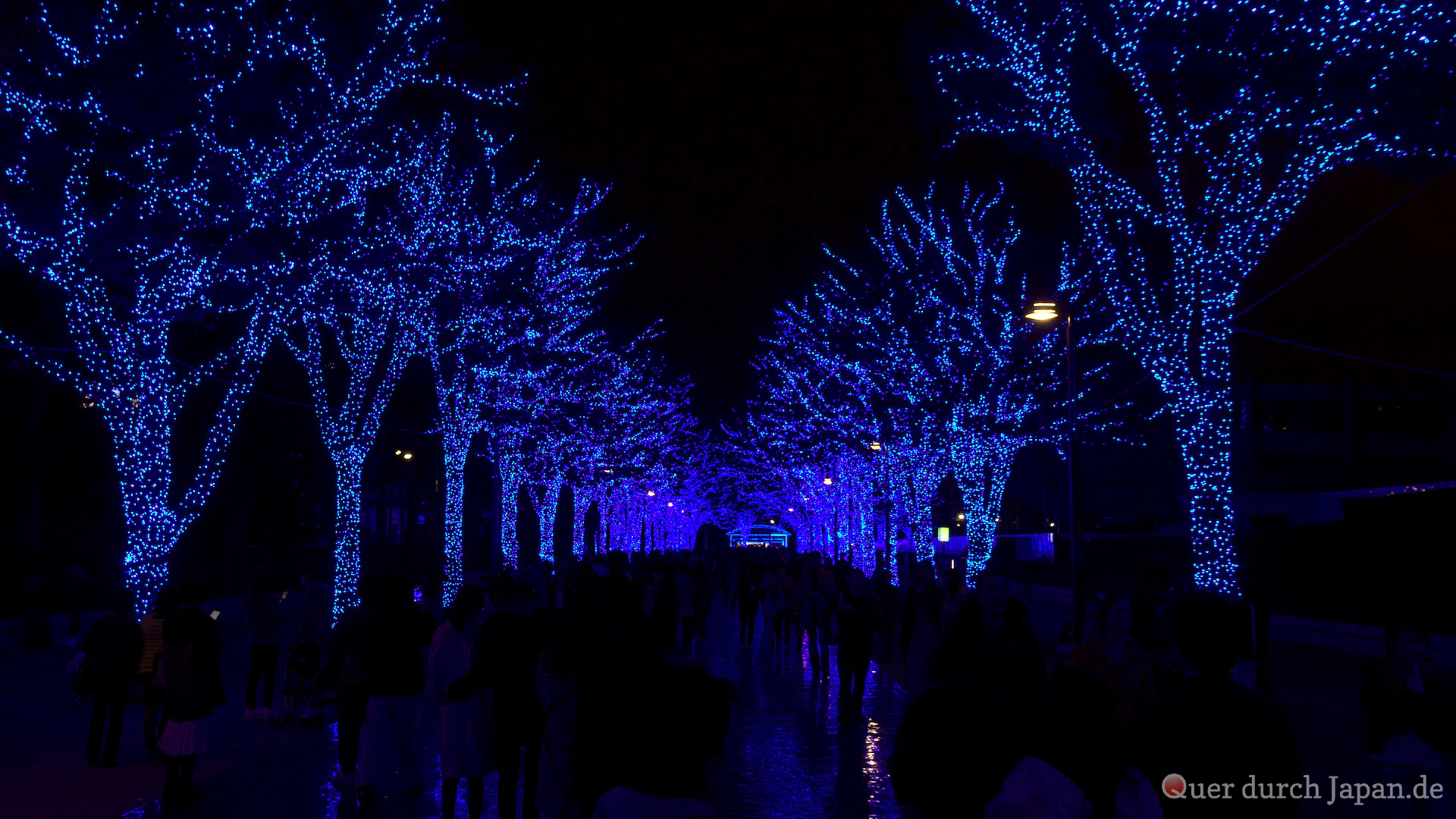
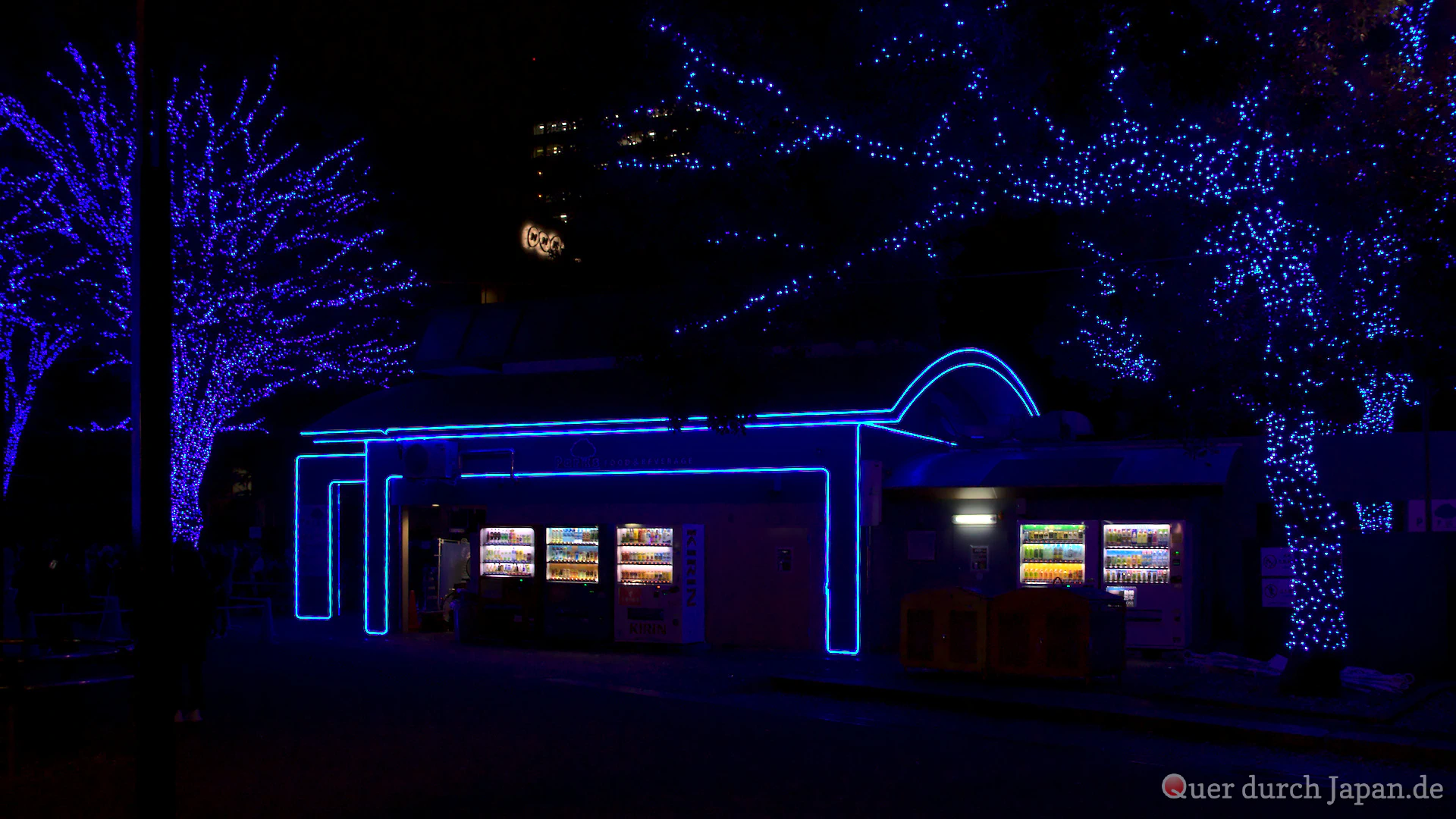
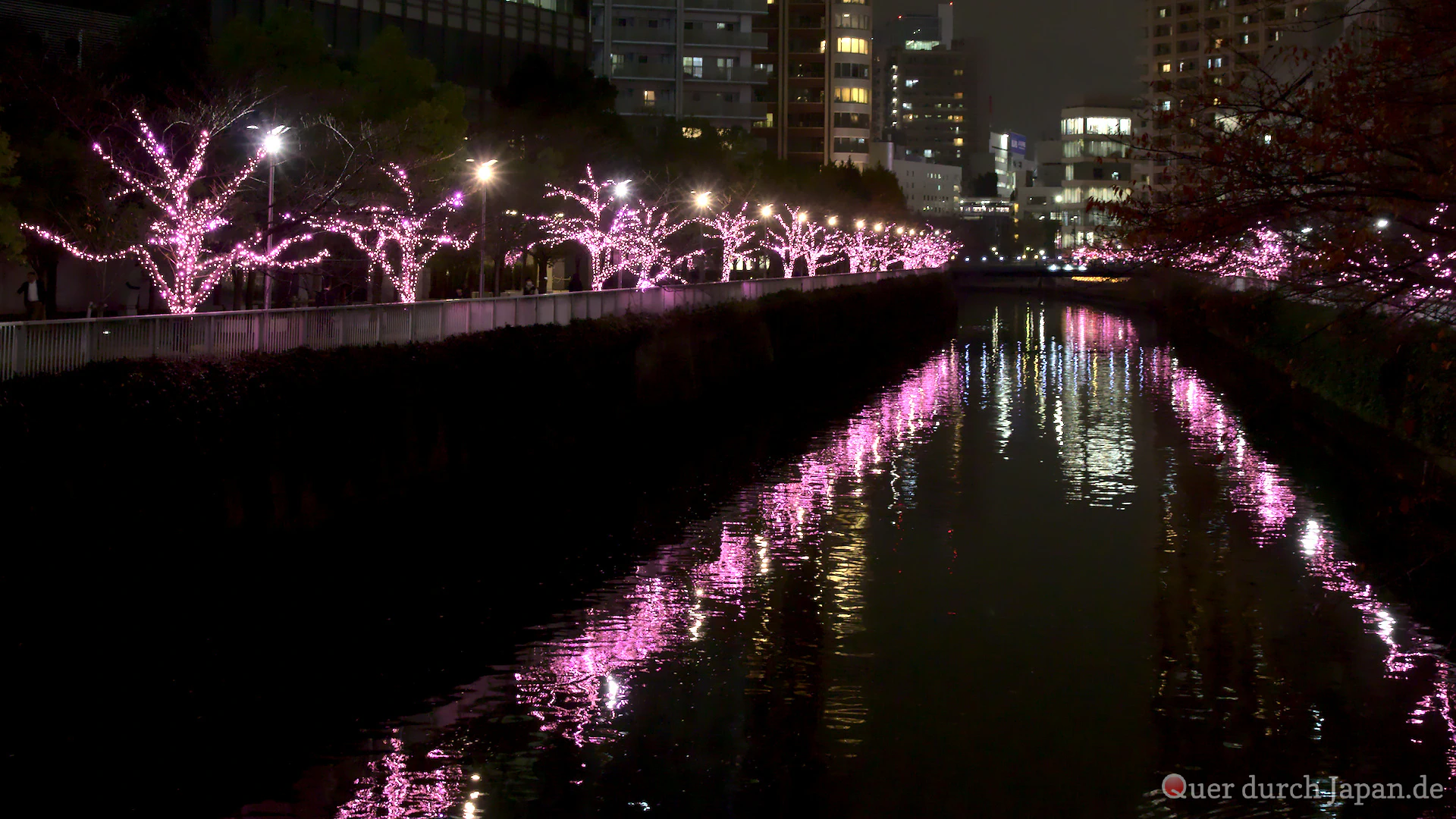
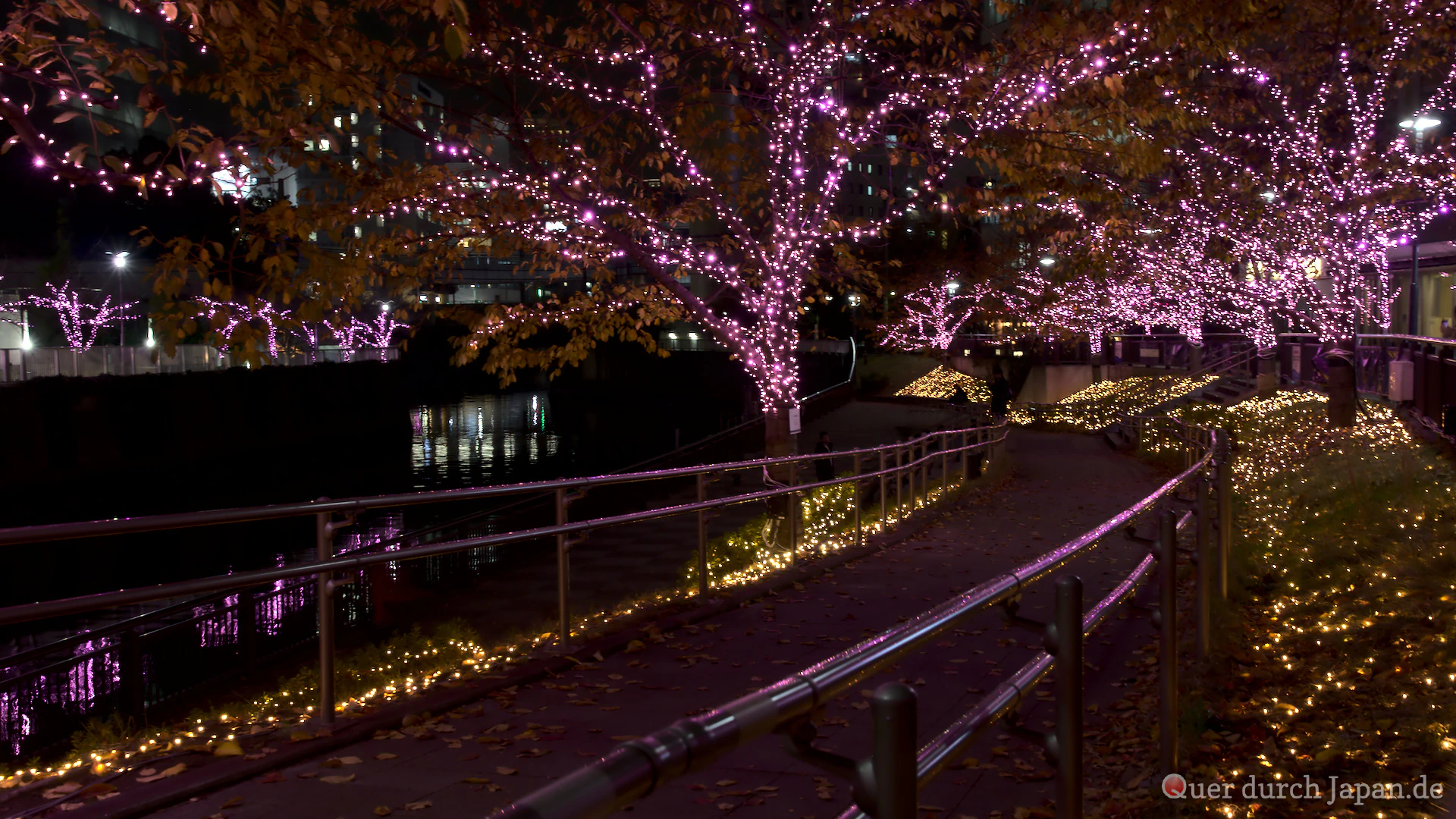
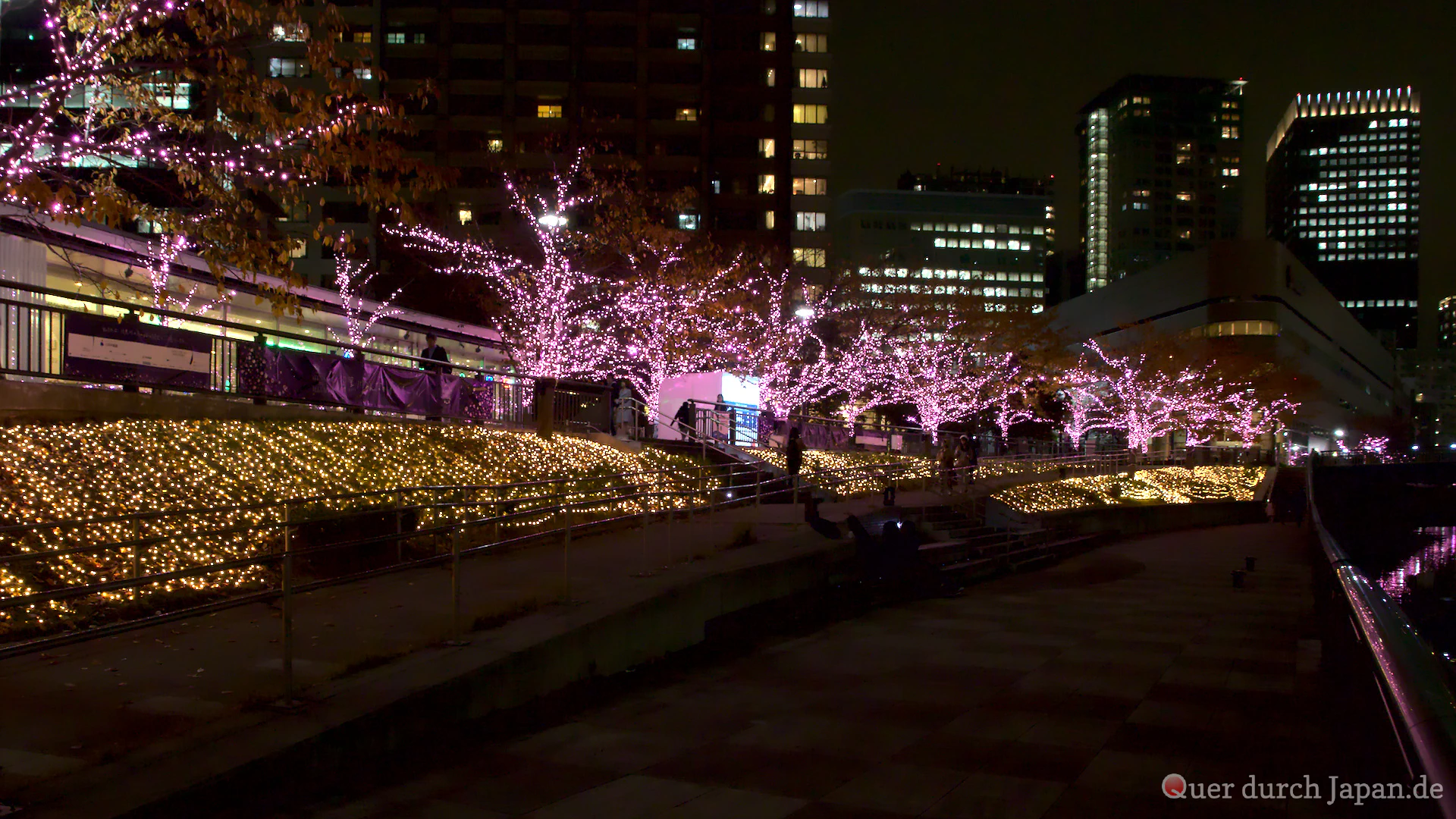
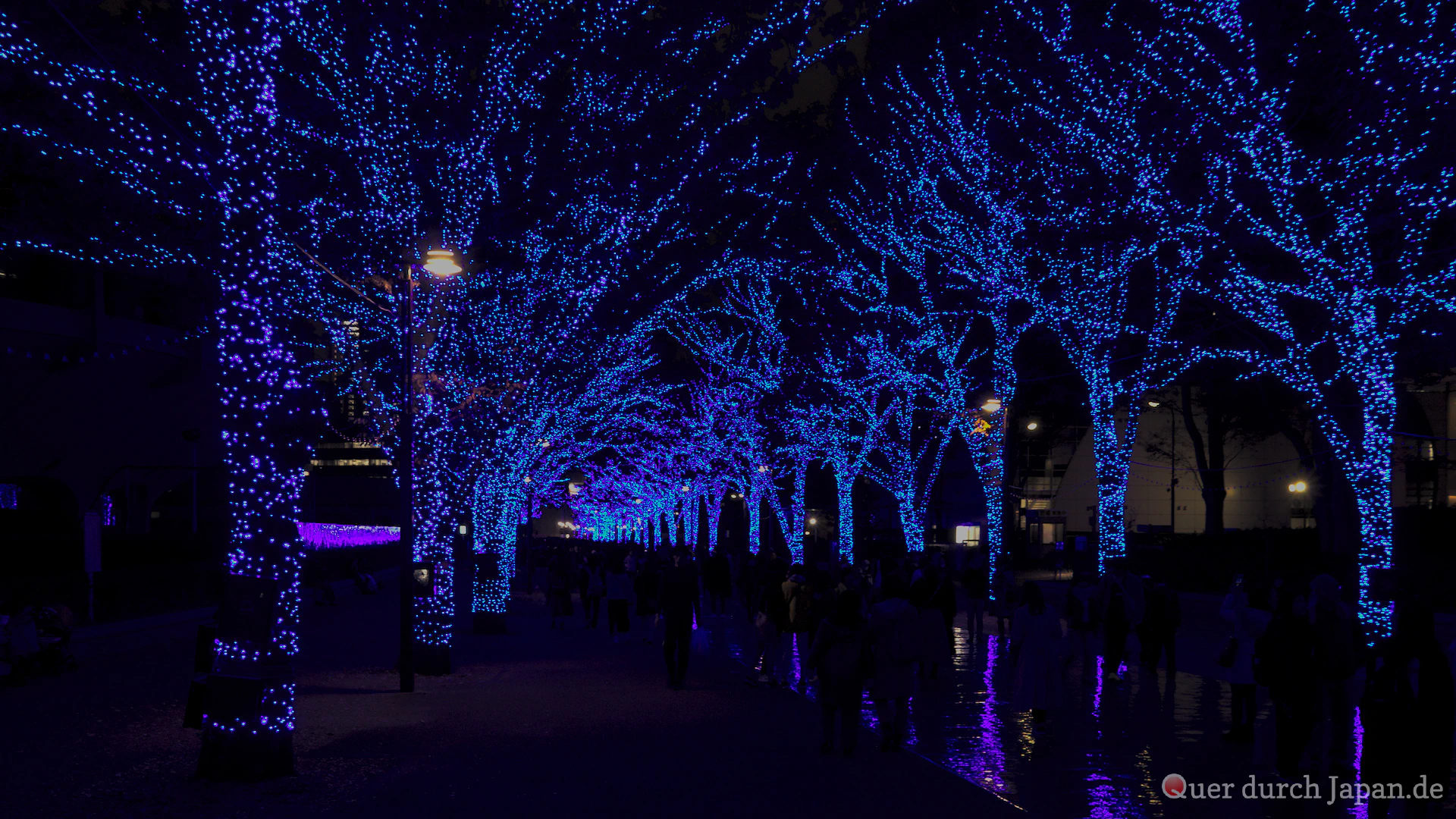
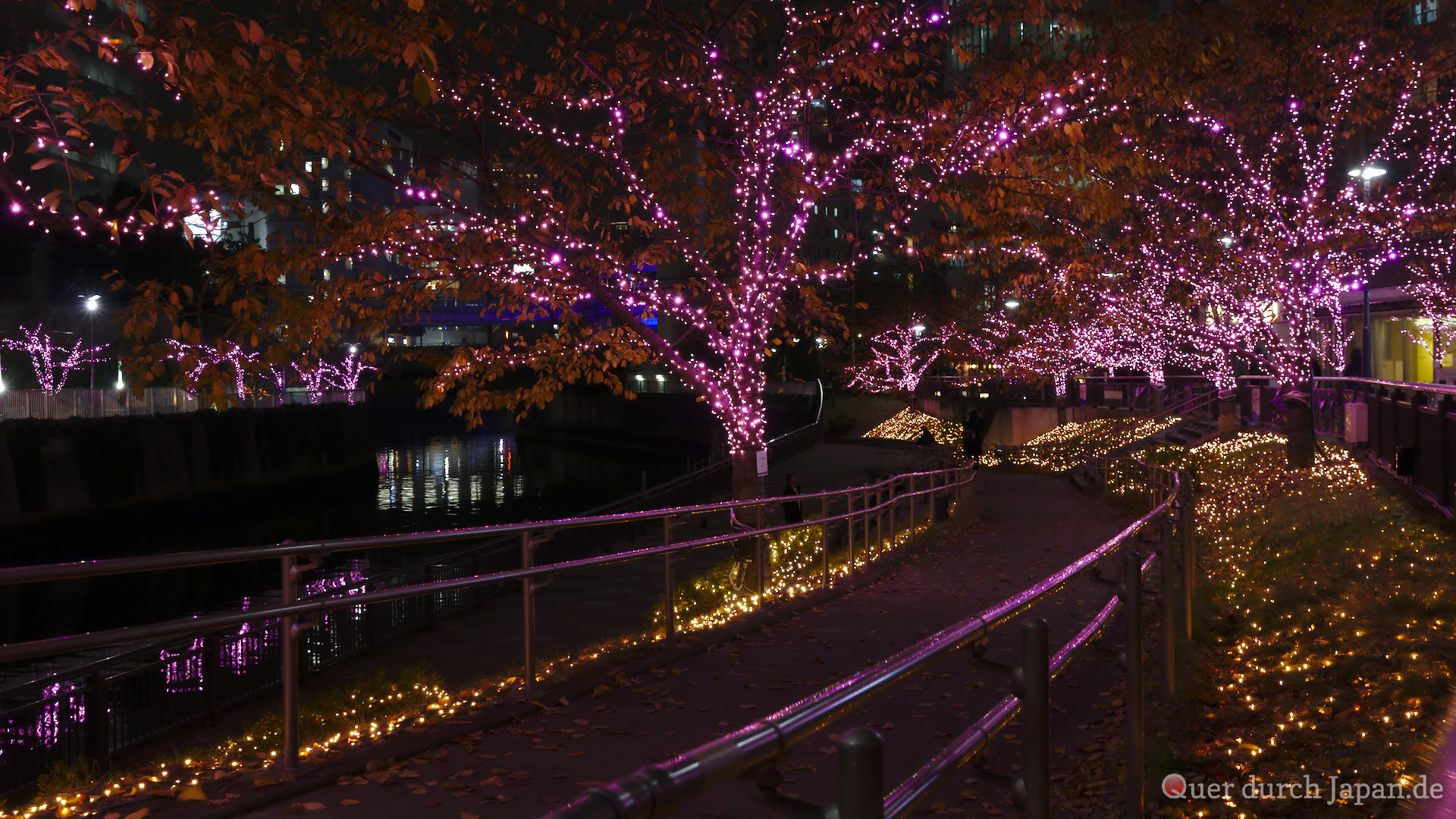
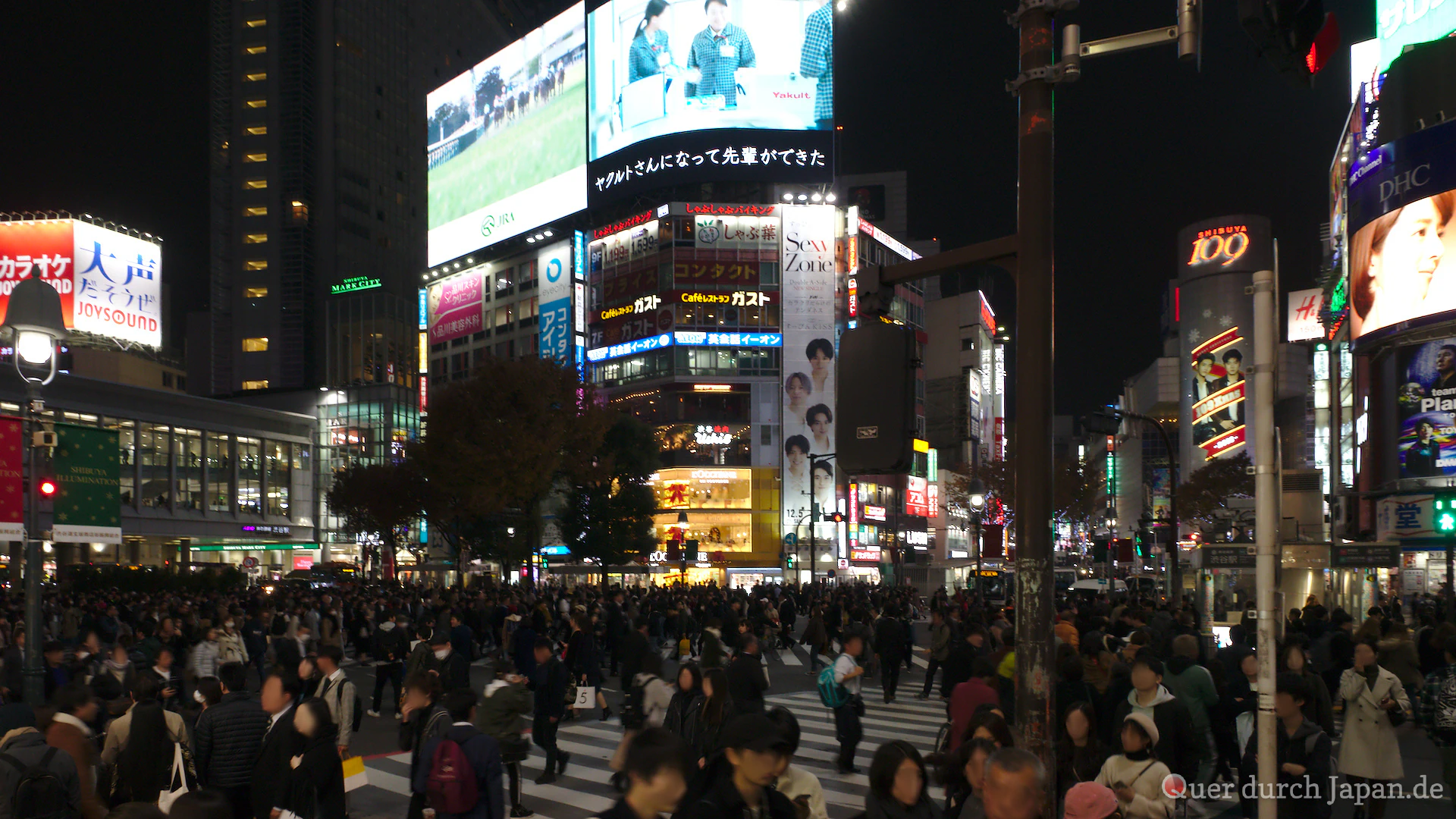
Taking the Yamanote line, notorious for its packed trains during rush hour, we finally headed to two illuminations. The Shibuya Blue Cave Illumination features a light animation from trees decorated with 600,000 LEDs. The Minna no Illumi is more subtle, but no less worth seeing. Here, trees along a riverbank are decorated with pink and yellow LEDs.

Tomorrow we are travelling to the Narita district and will have a look around there for another day.

Travel Journal 2018: Yokohama Christmas Market

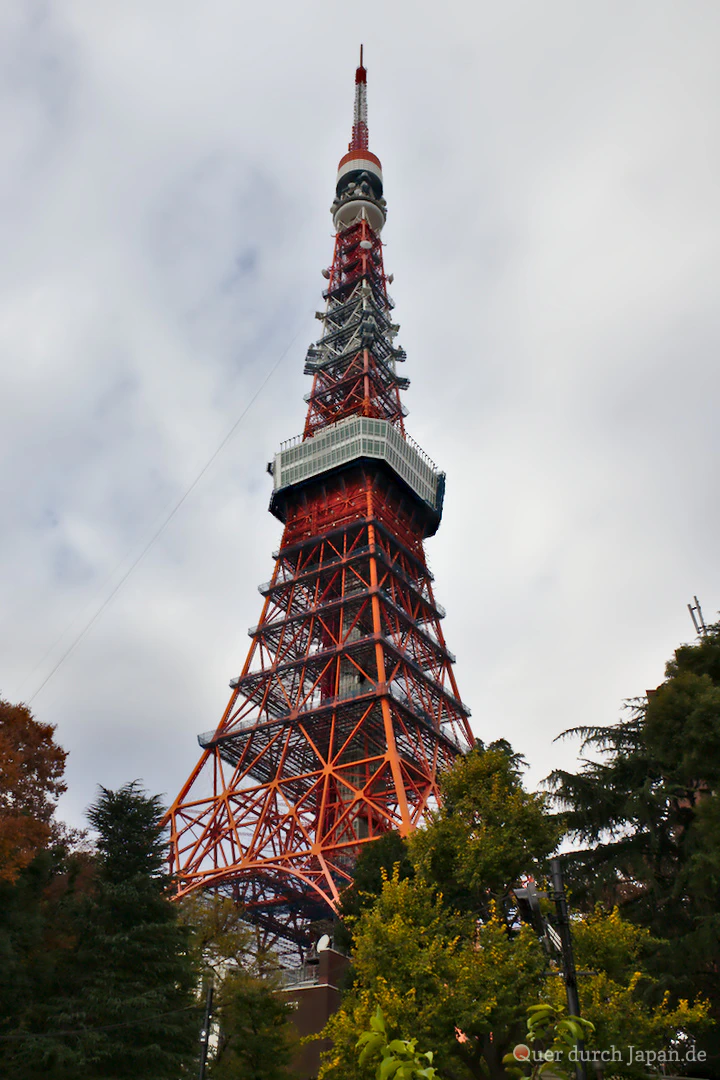
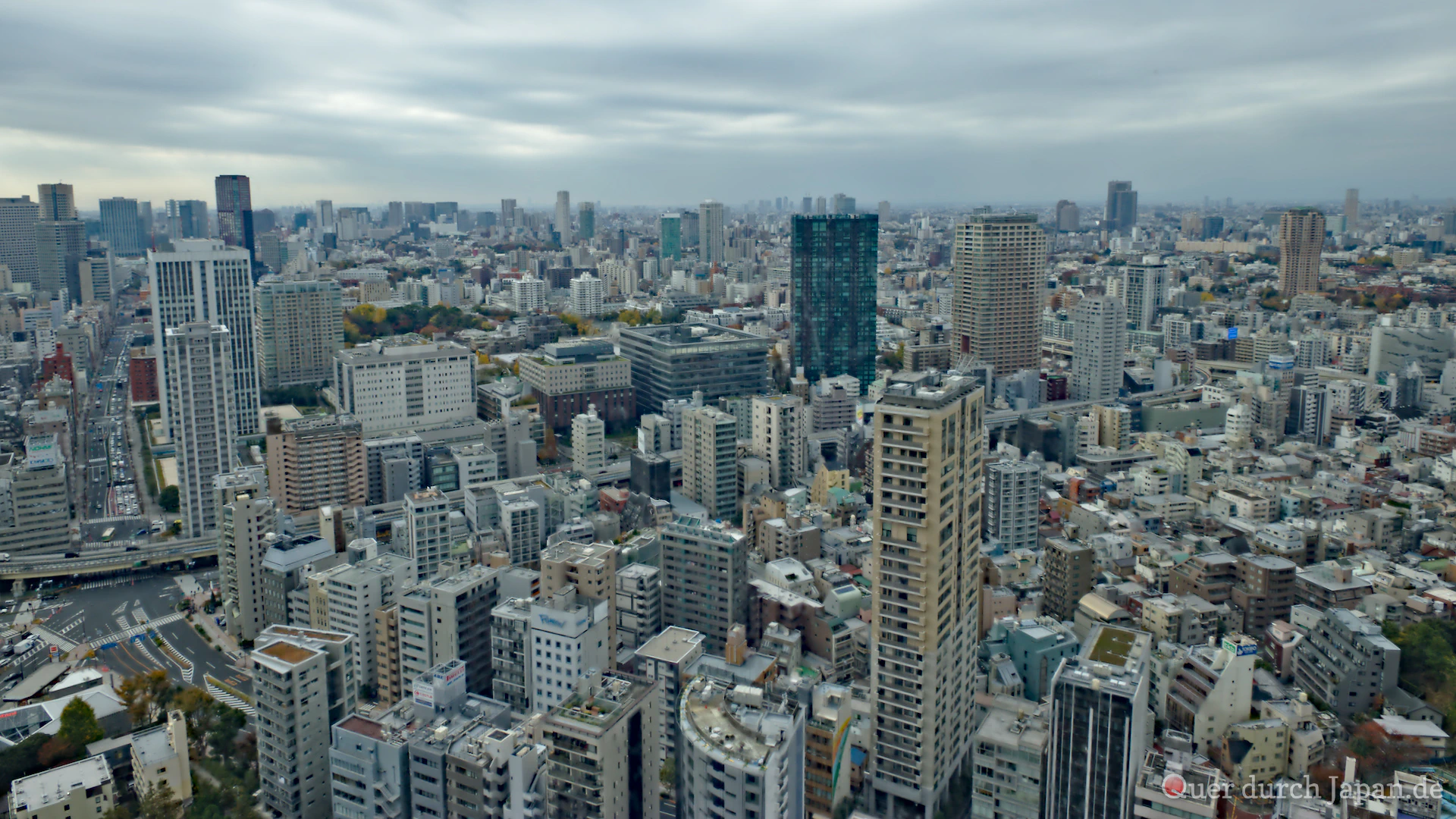
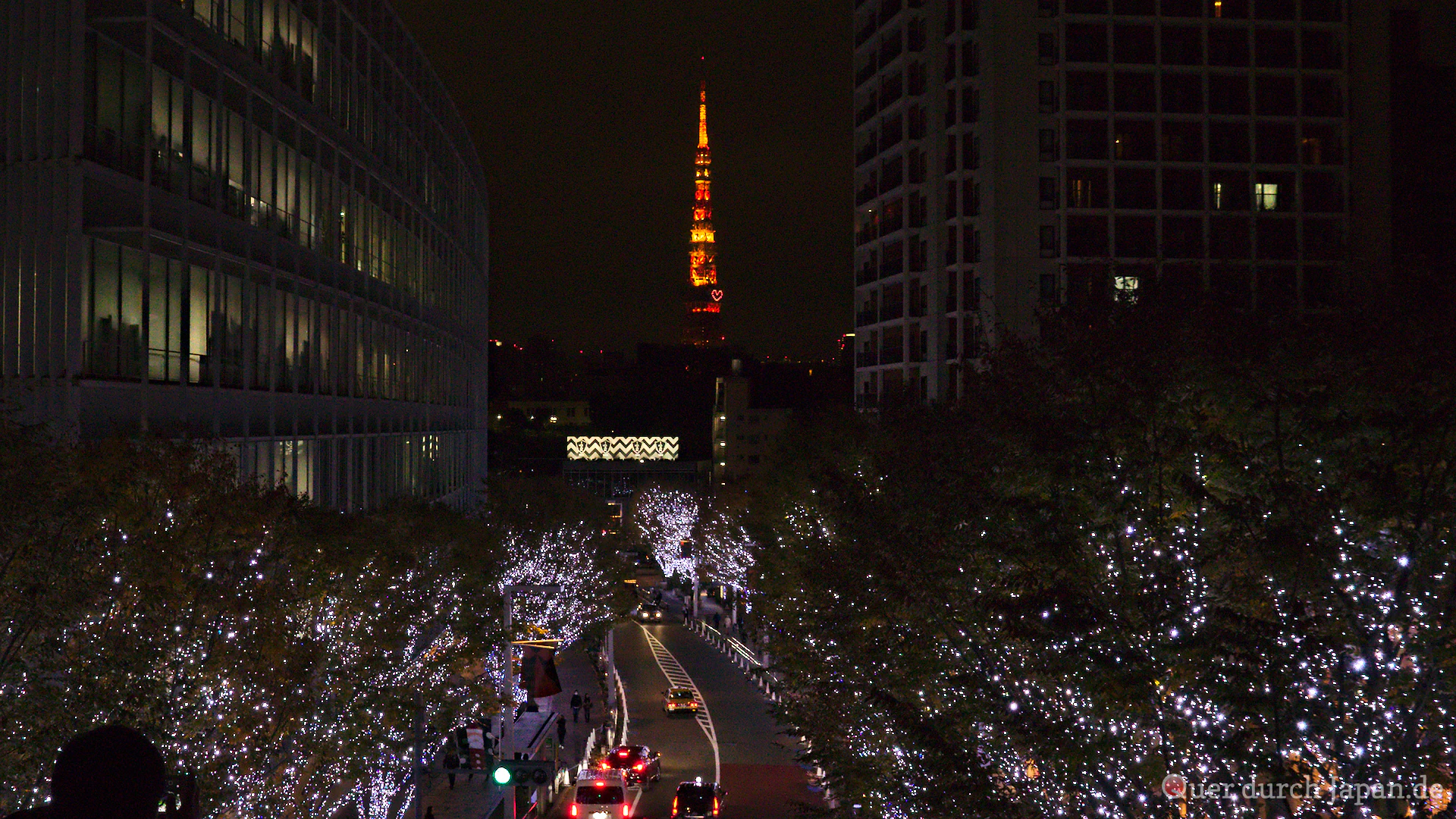
Tōkyō’s old landmark, the Tōkyō Tower, is modelled on the Eiffel Tower in Paris. We went up to the lower observation deck at a height of 150 metres and enjoyed the view over Tōkyō and the neighbouring city of Yokohama.

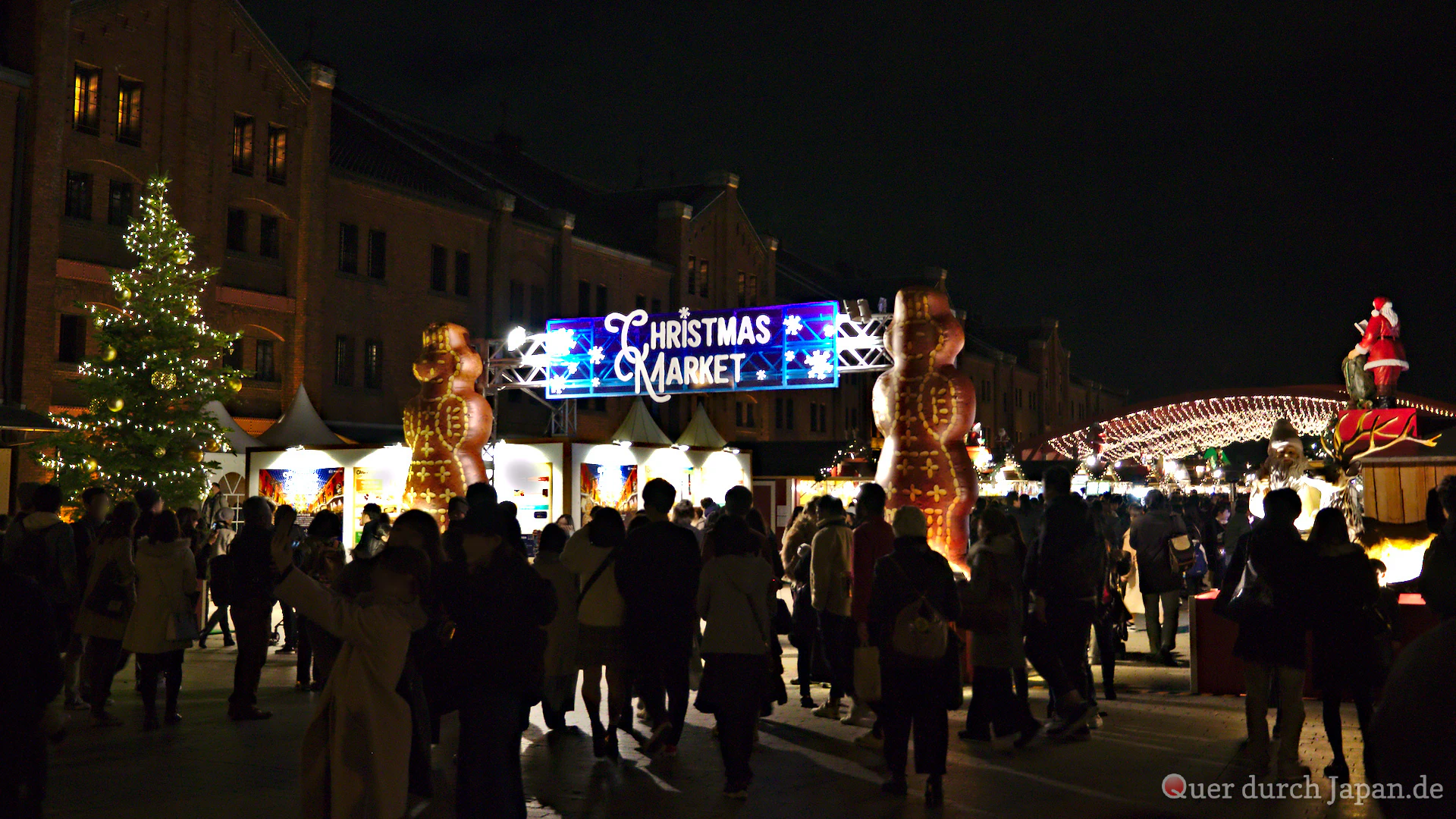
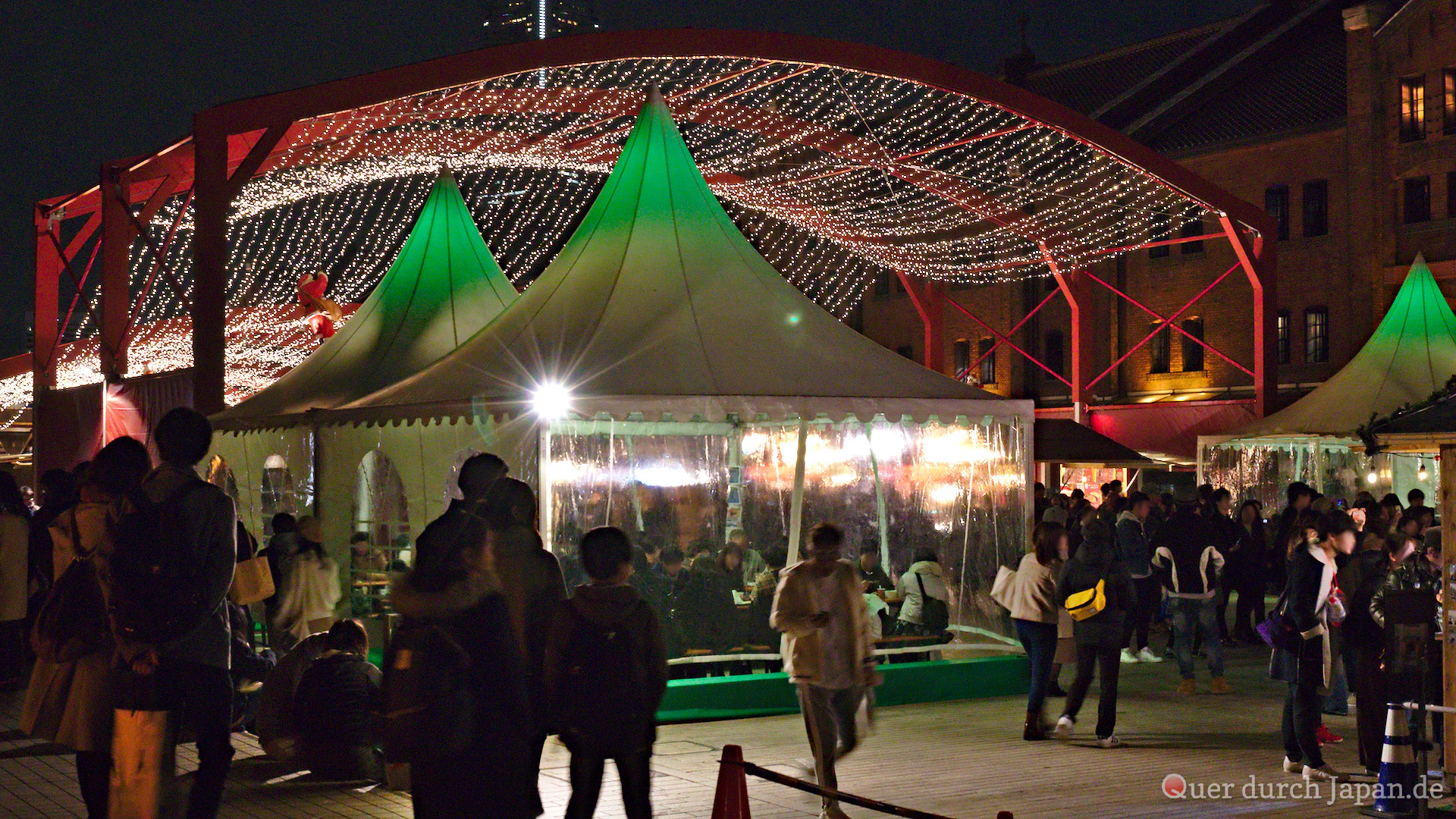
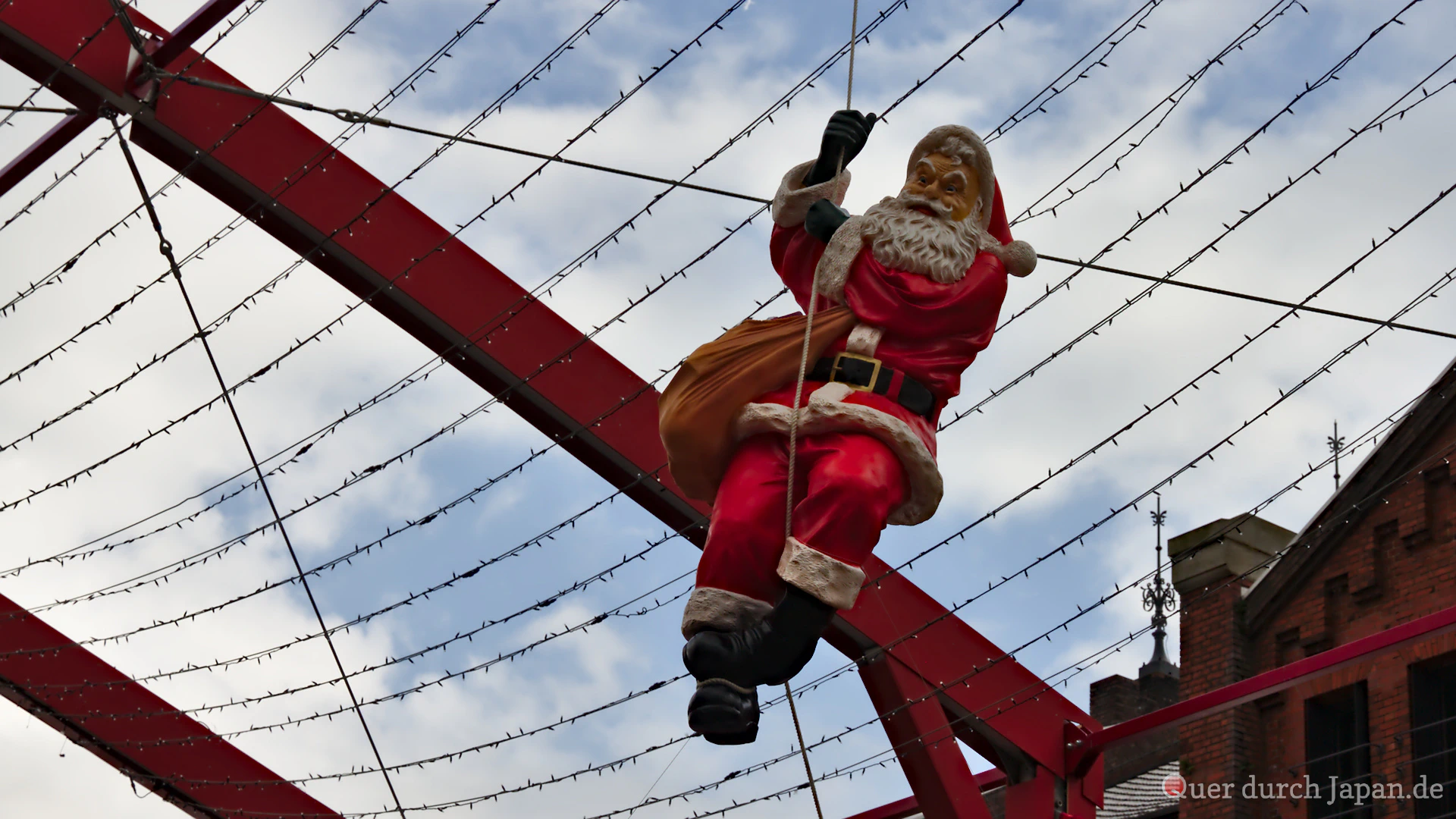
And that’s where we headed afterwards. The Christmas market at the Yokohama Red Brick Warehouses is the biggest we’ve seen in Japan so far. There are loads of food stalls there with mulled wine and bratwurst, but also more unusual dishes like potato soup or Hoppelpoppel, plus stalls selling gifts.

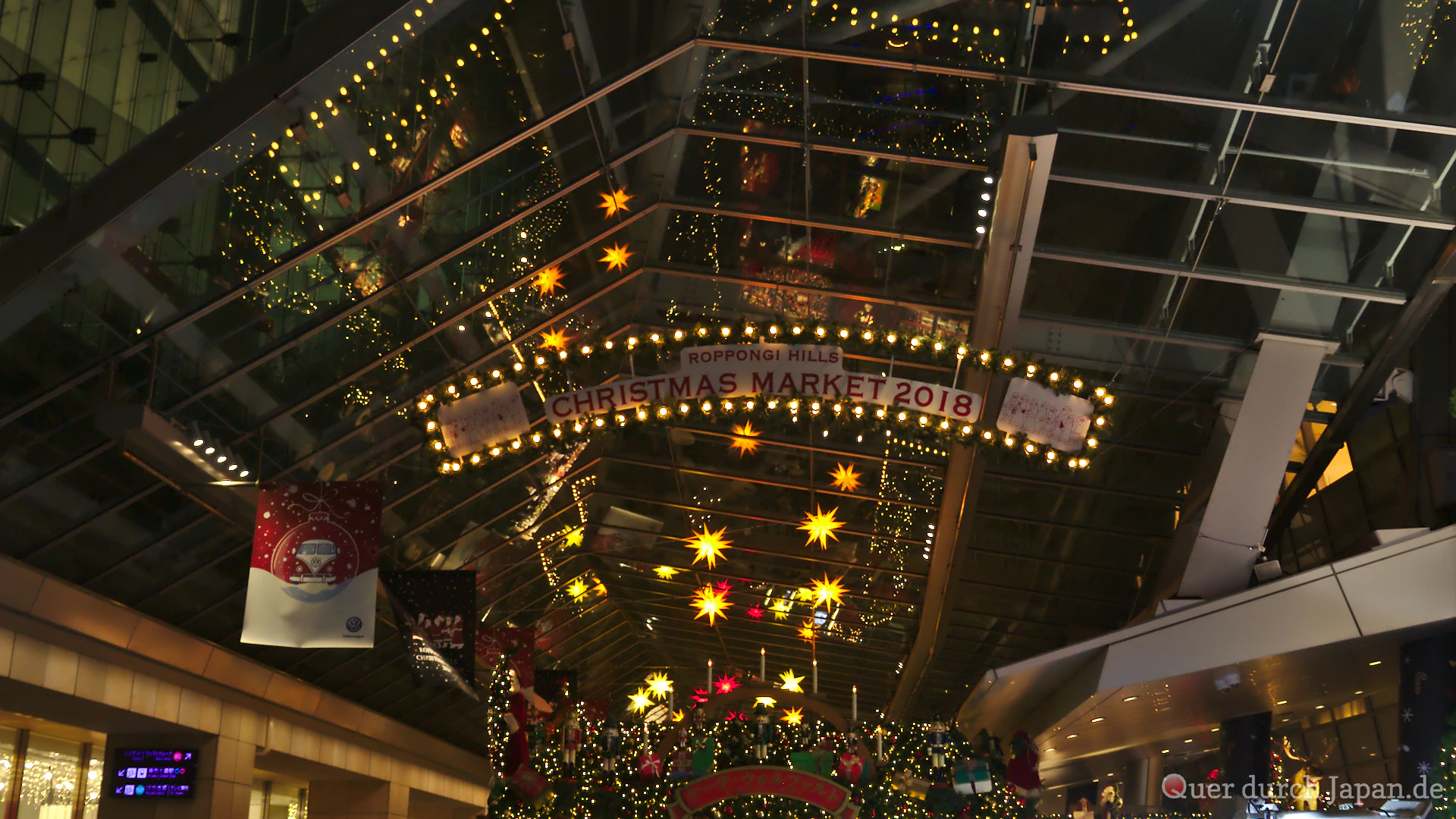
The Christmas market at the Roppongi Hill Mori Tower in Tōkyō is a bit more traditional. It is quite small, but it’s Tōkyō’s oldest and mostly offers typical German gifts.

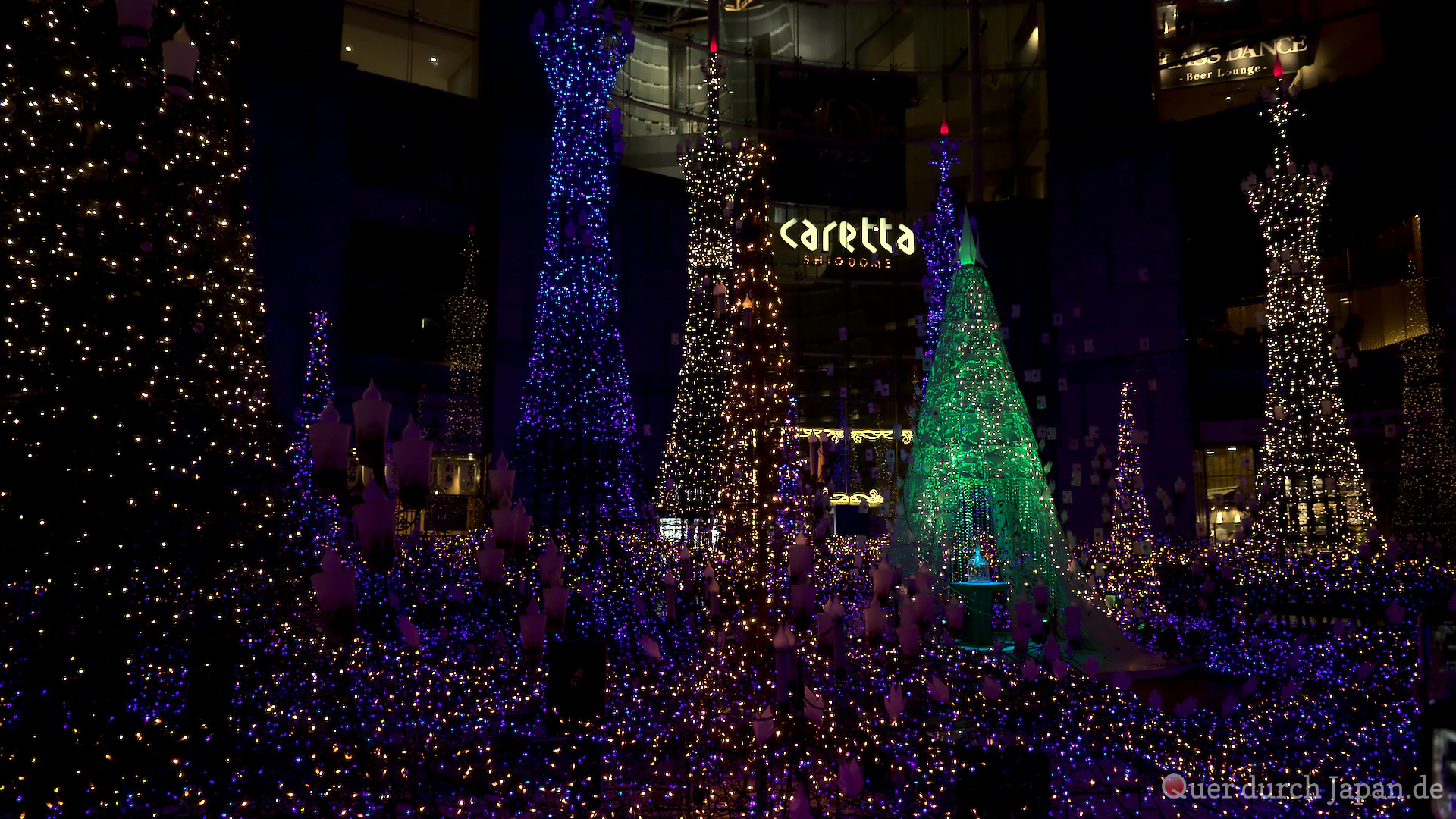
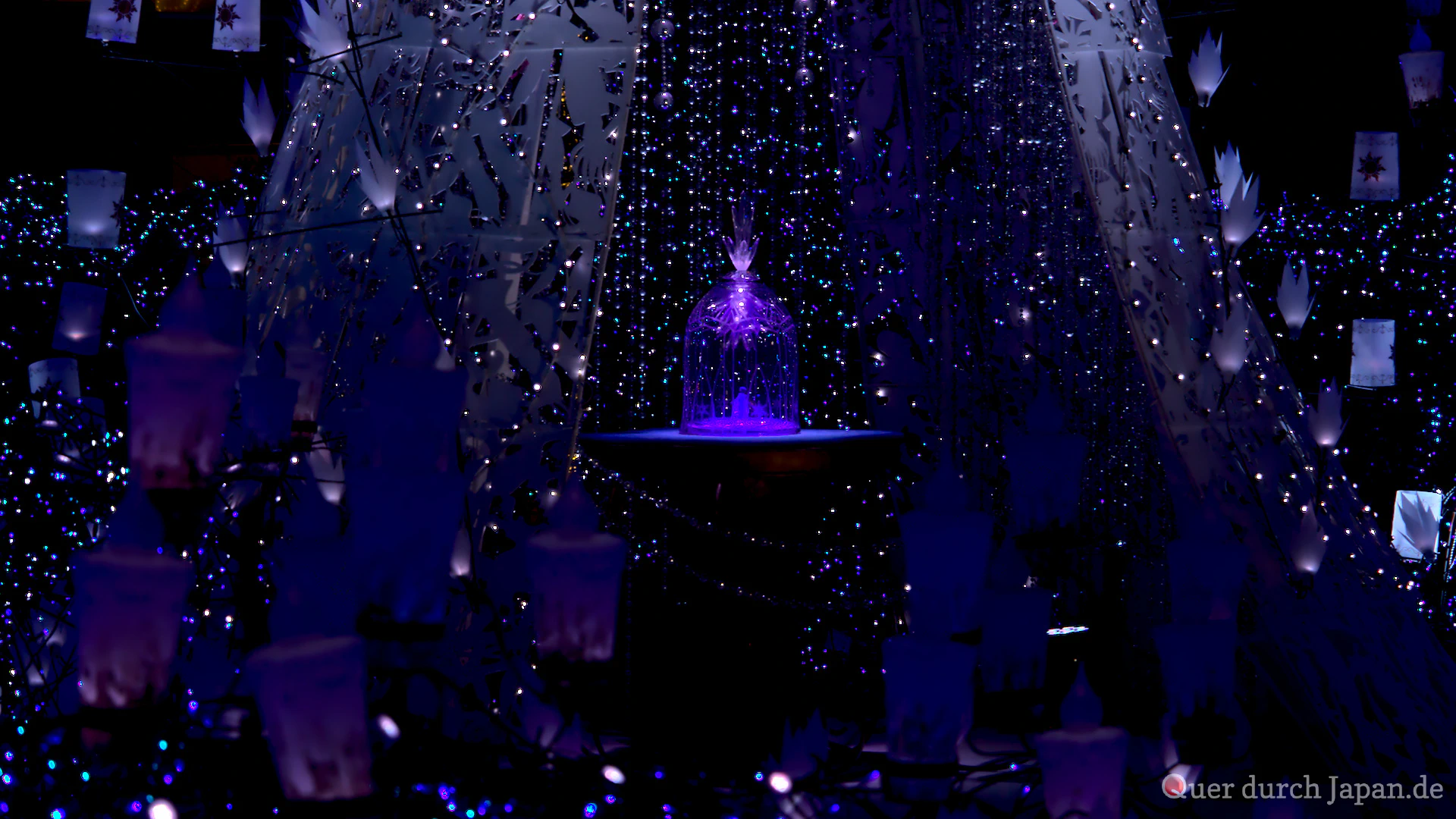
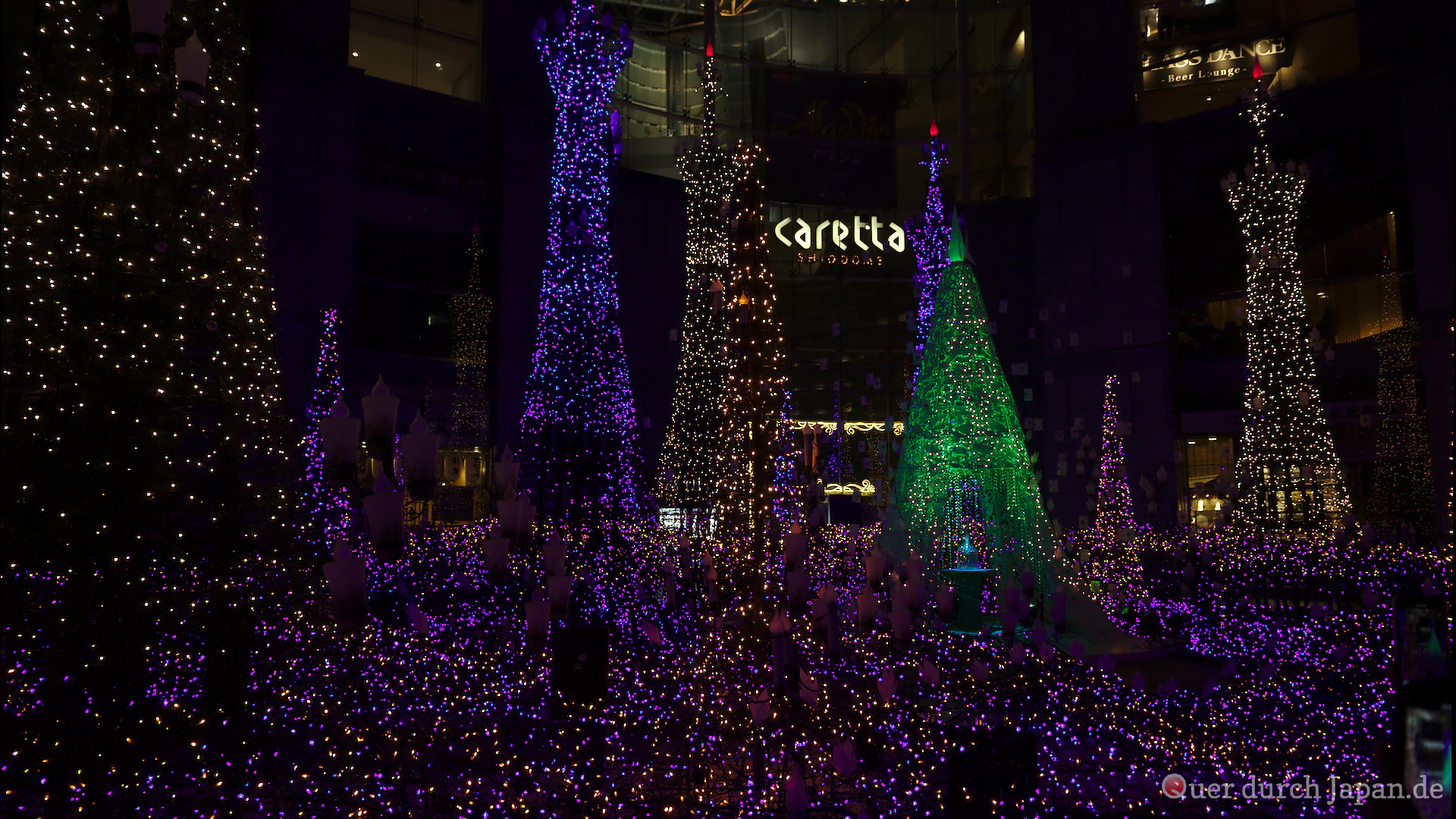
We finished off the evening with the illumination at the Caretta Shiodome. It claims to be the best in Tōkyō. It’s a light spectacle set to the music from the Disney animation “Frozen”. We liked the Starlight Garden better, though.