#Kamakura

Travel Journal 2024: Kamakura and Yokohama

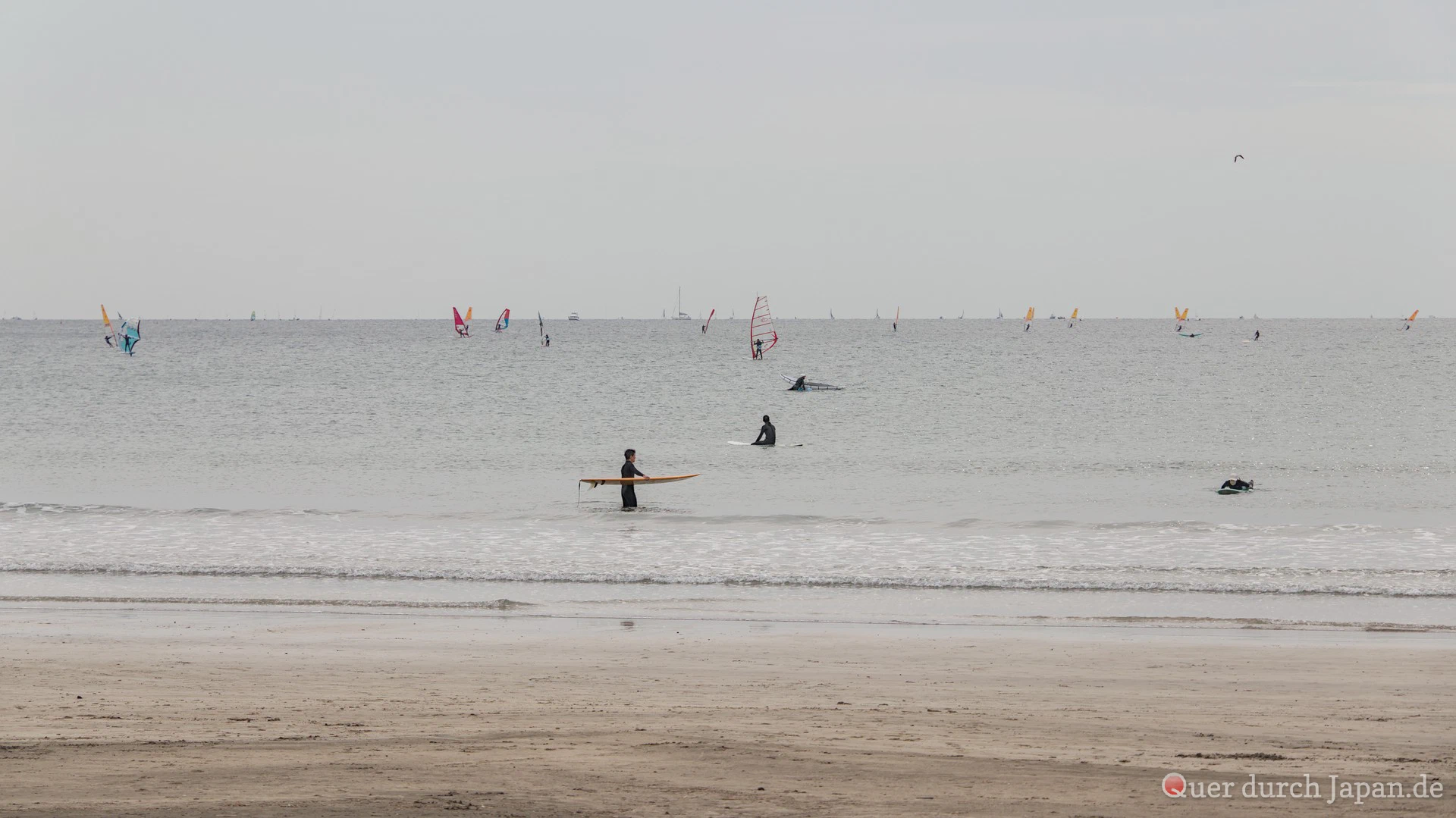
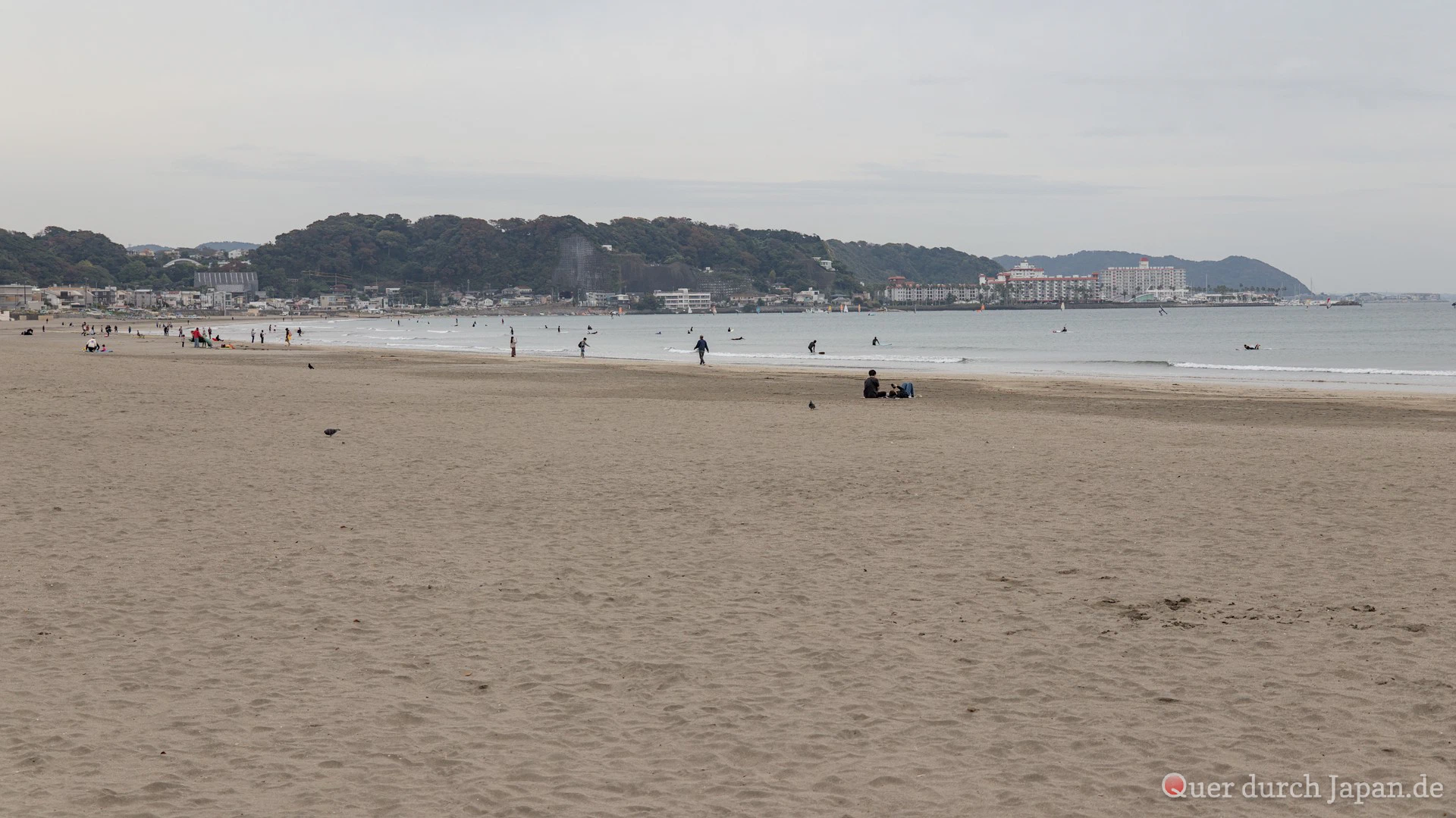
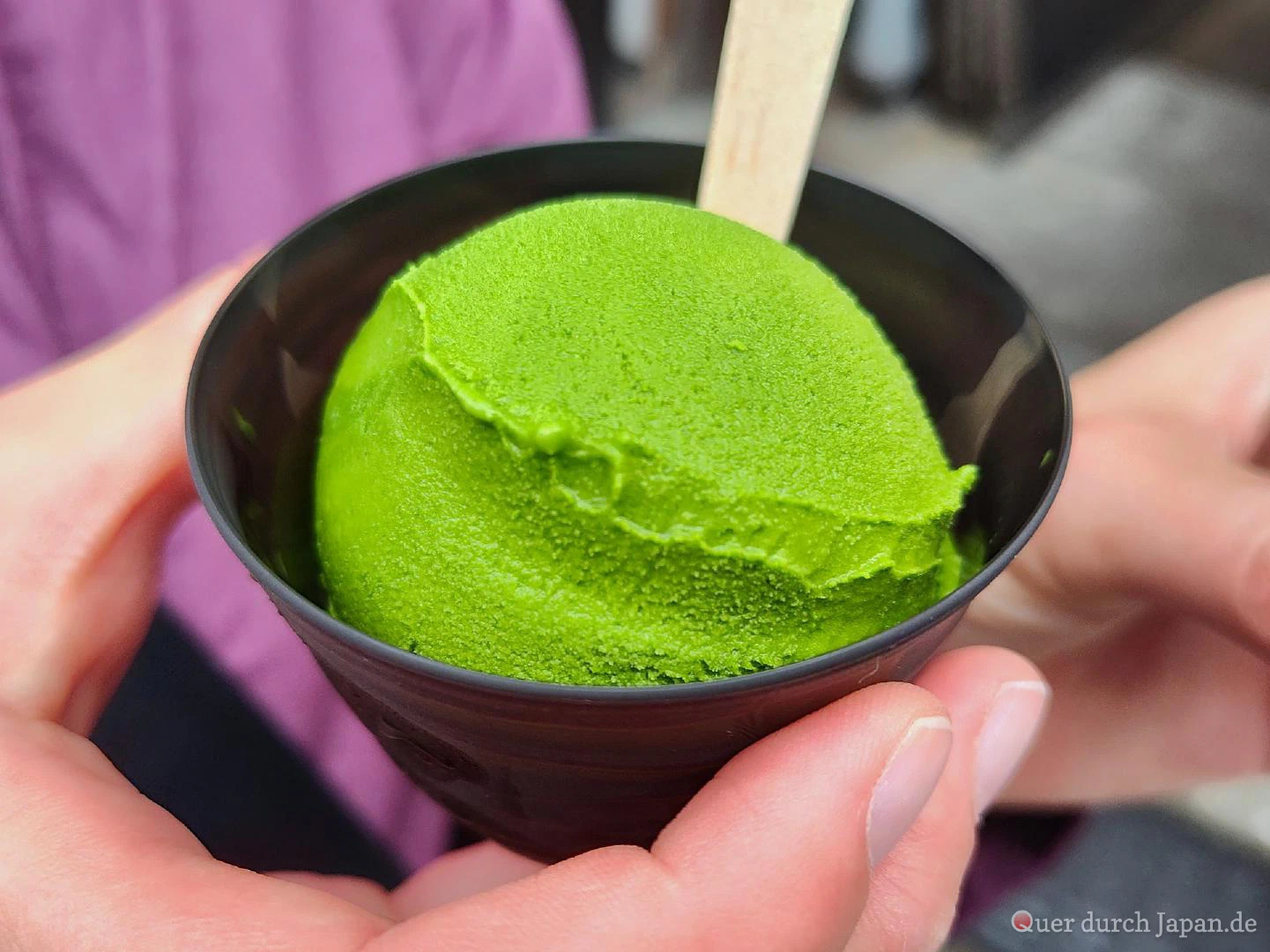
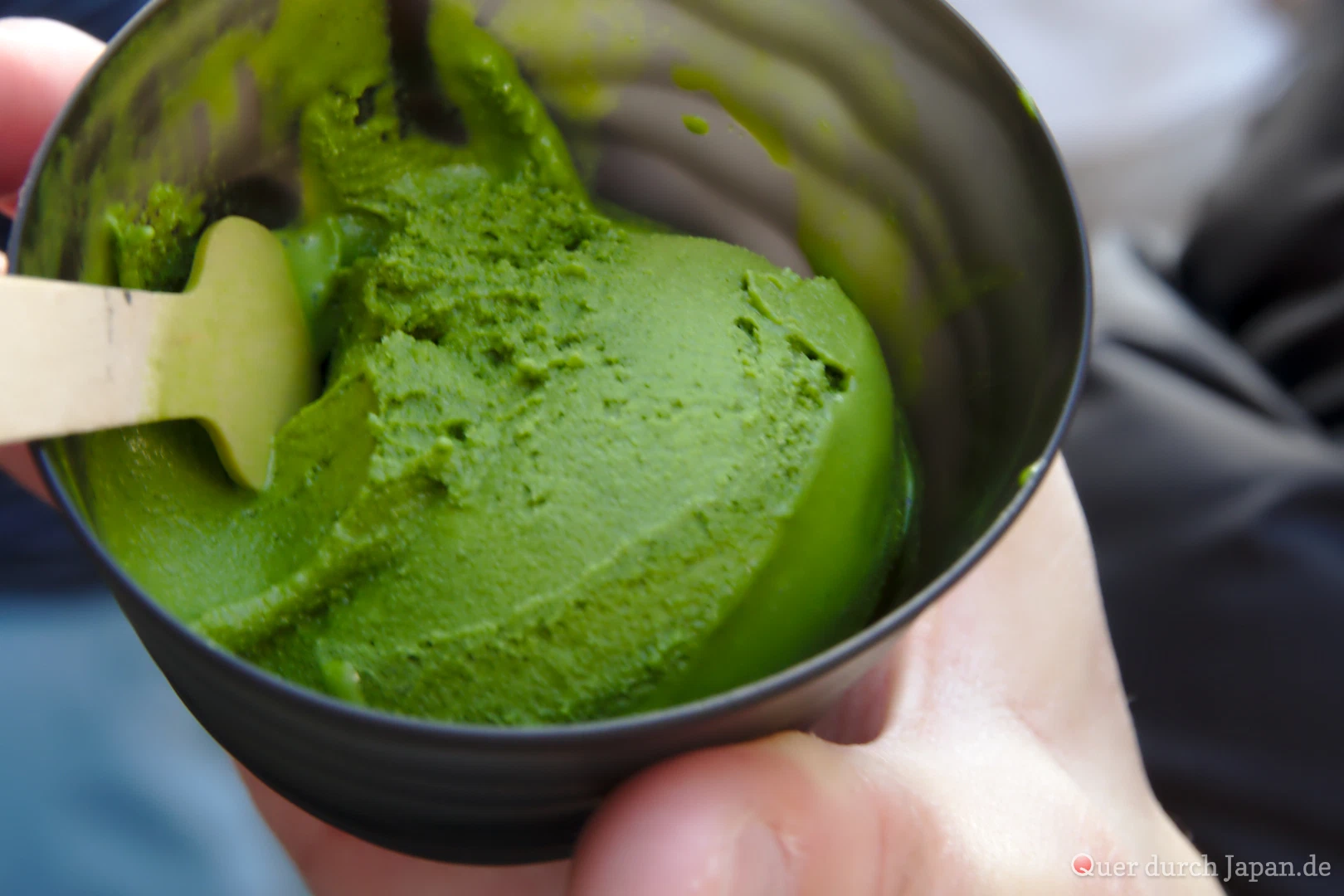
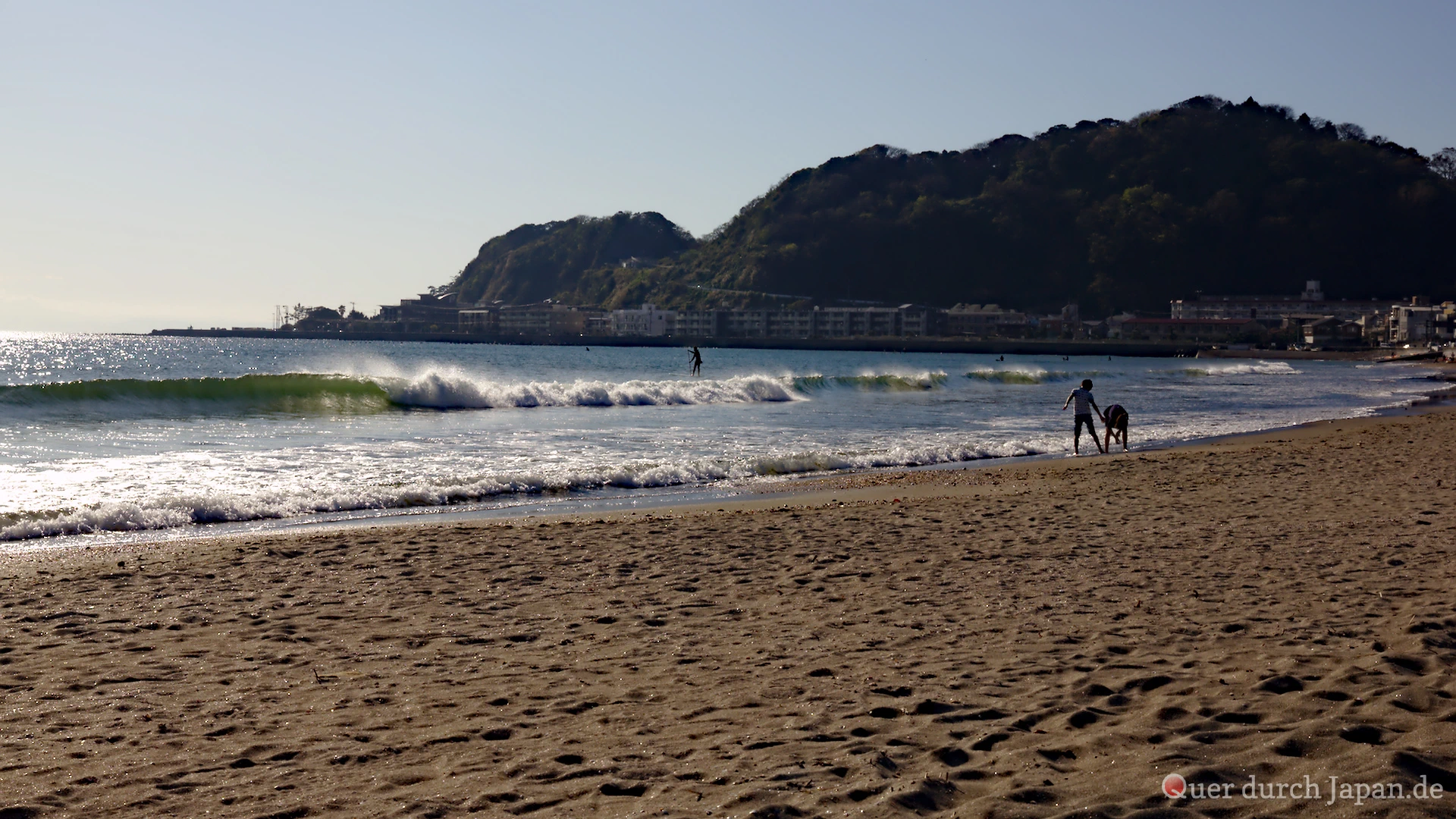
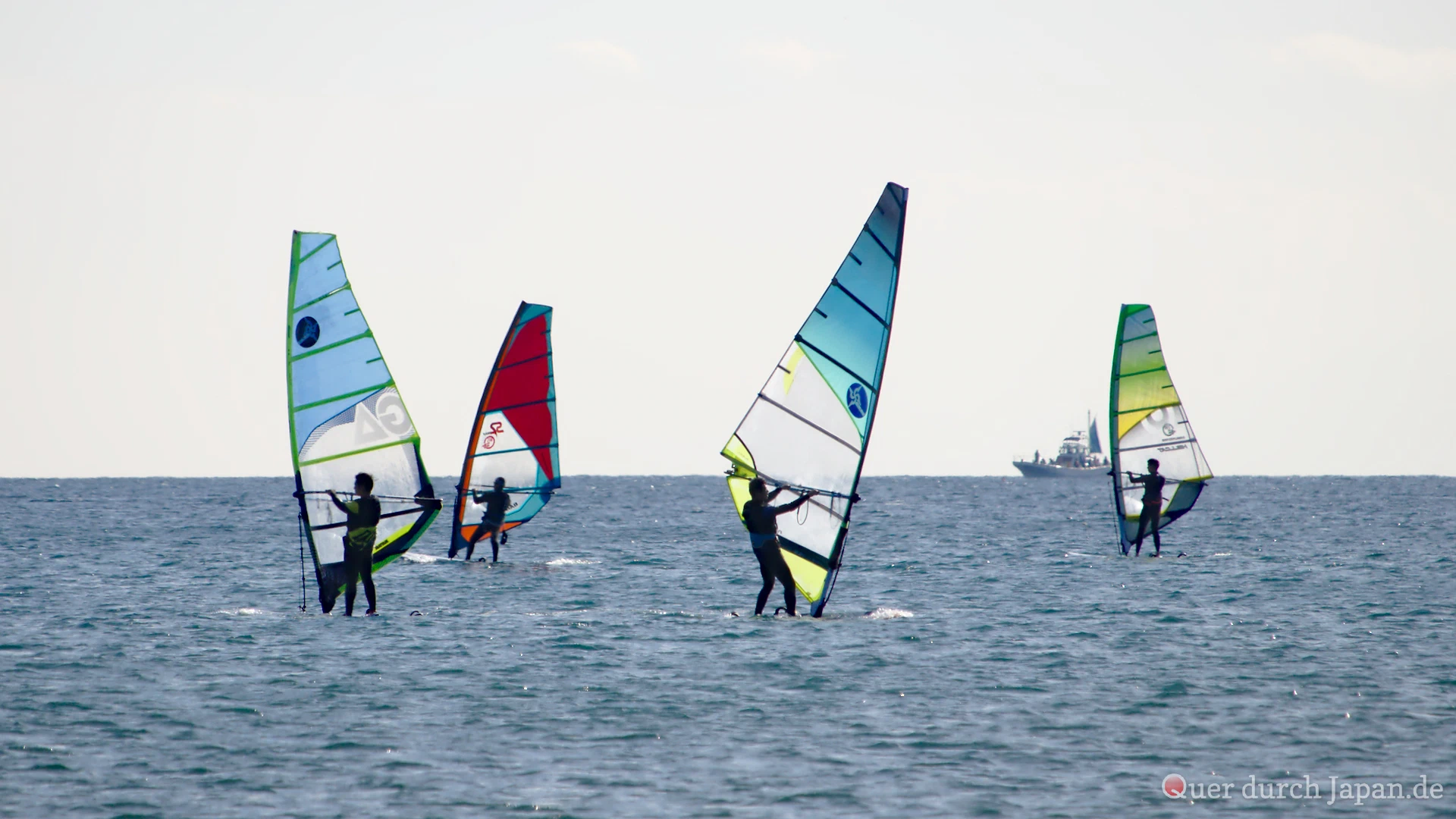
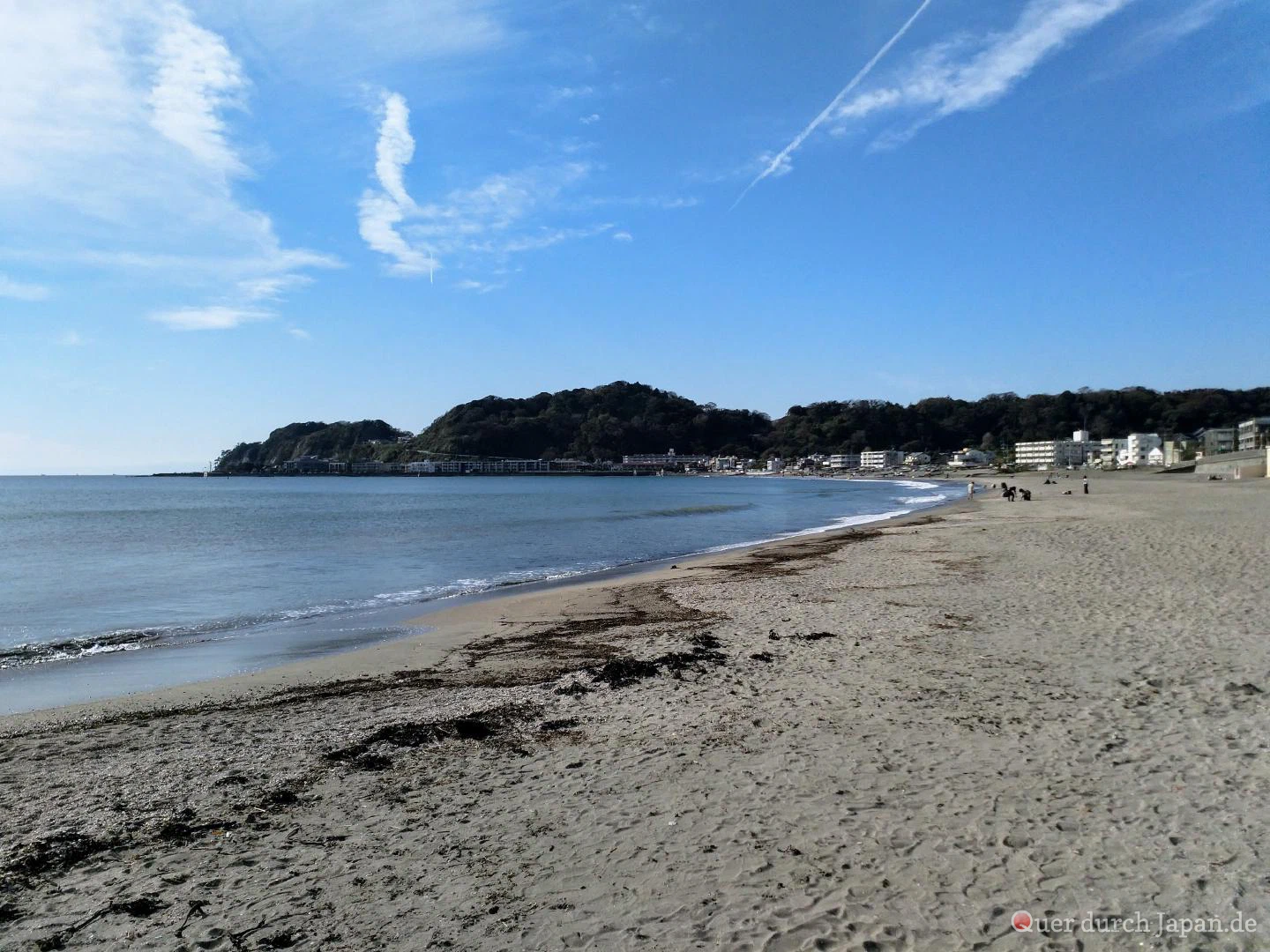
We decided to take it easy today. So we headed over to Kamakura, where we sat on Yuigahama beach for a while and watched the windsurfers. We enjoyed some matcha ice cream from Kamakura Cha-Cha, this time at the maximum matcha level (“for connoisseurs”).

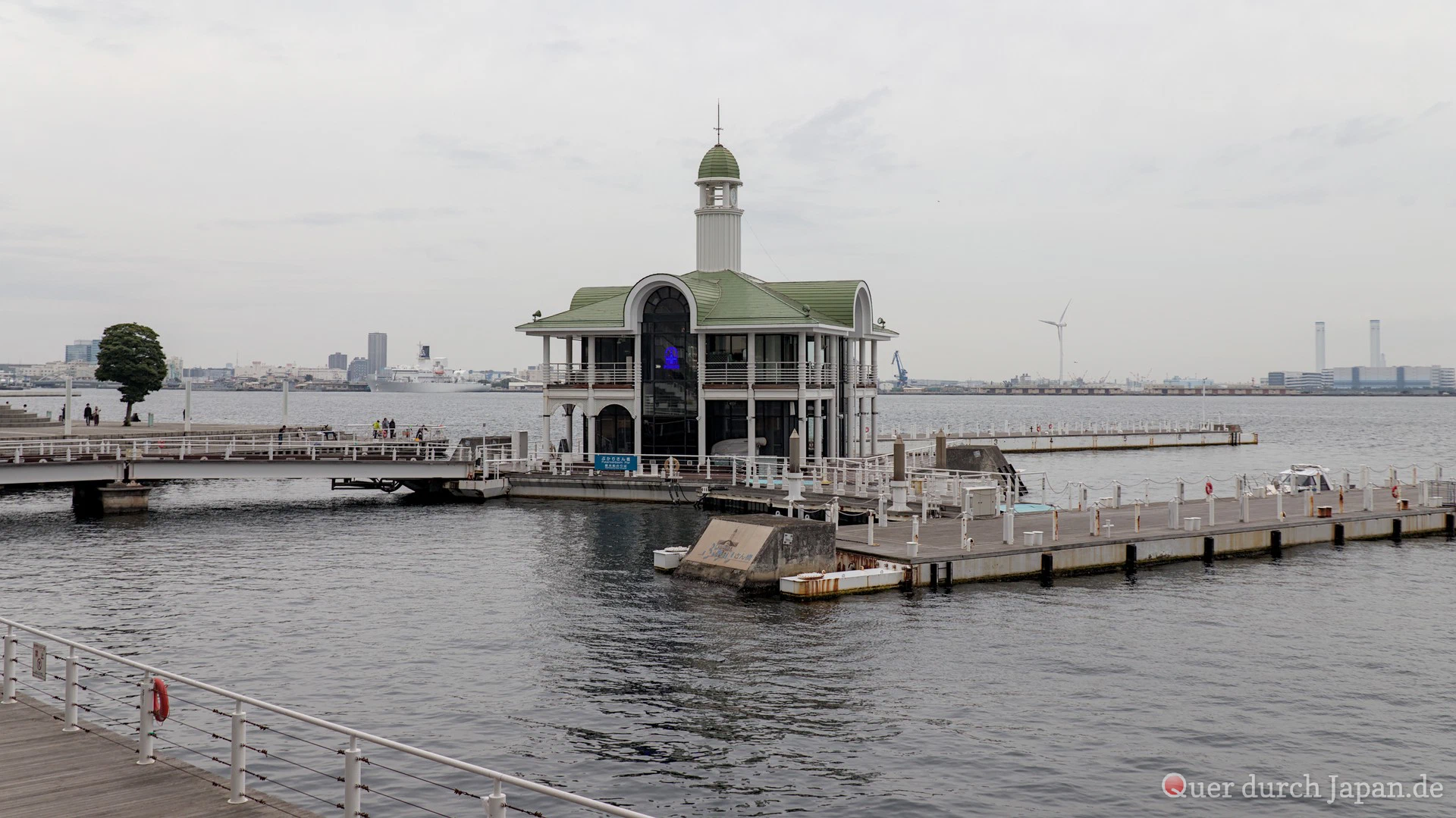
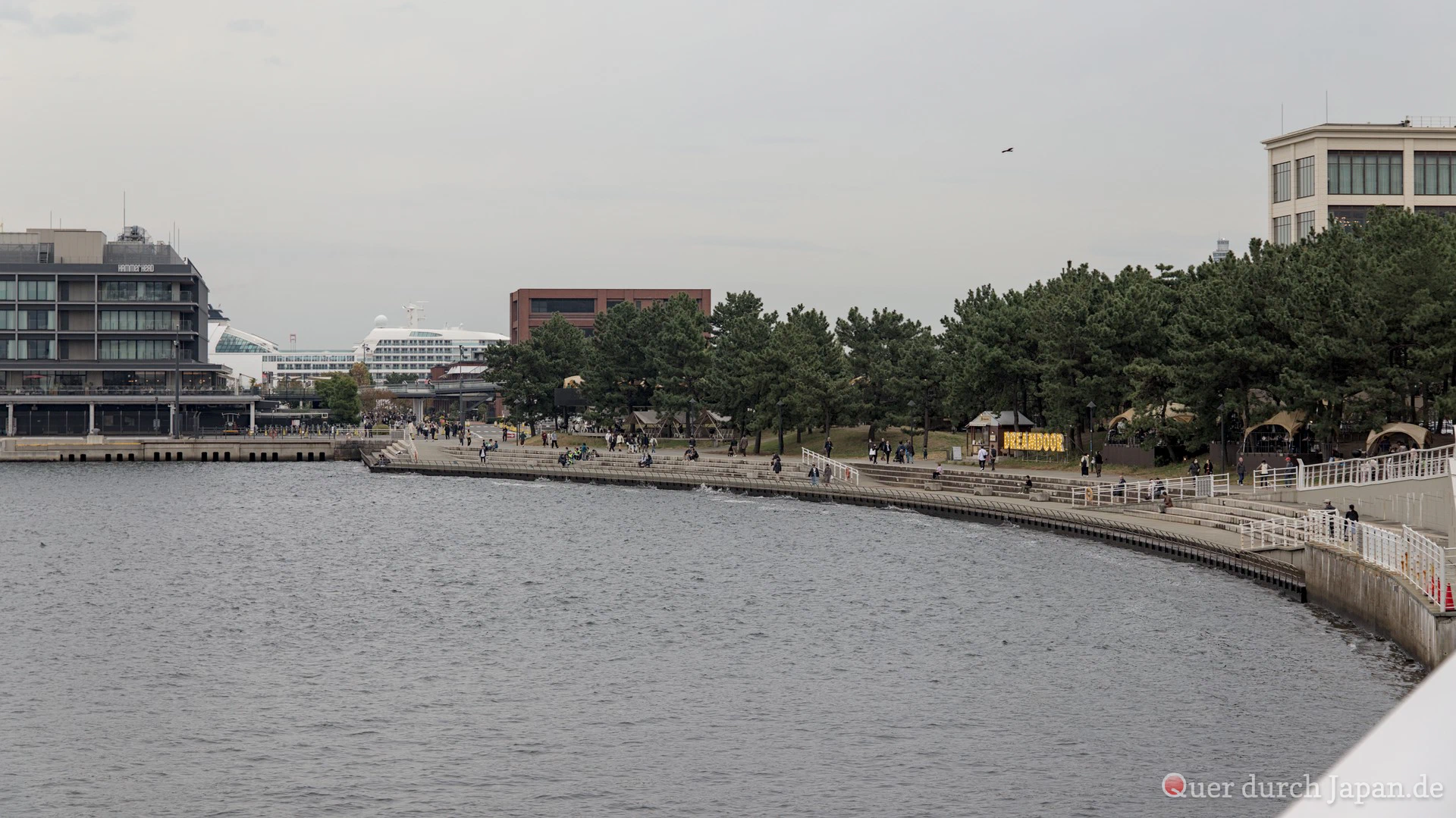
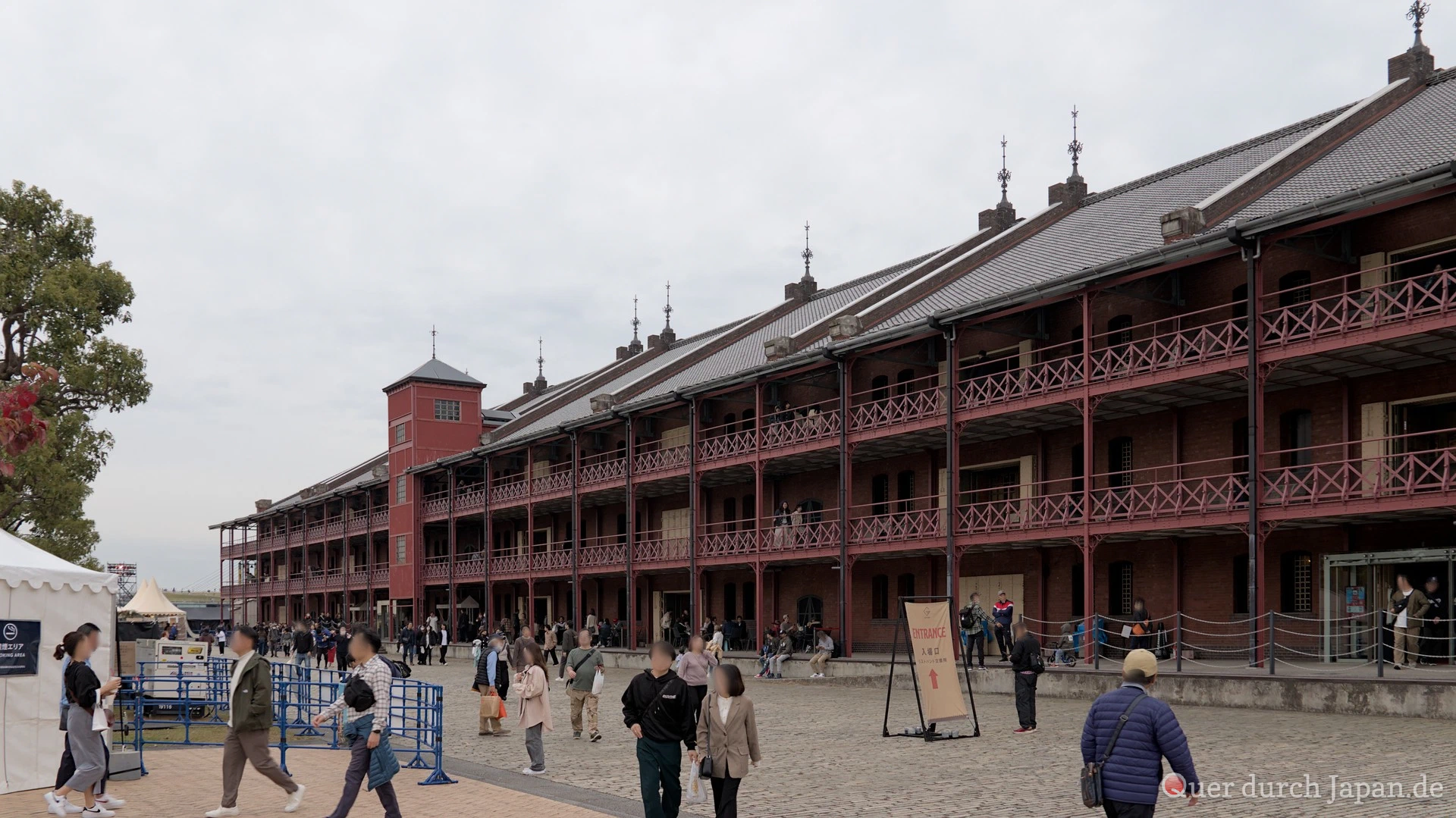
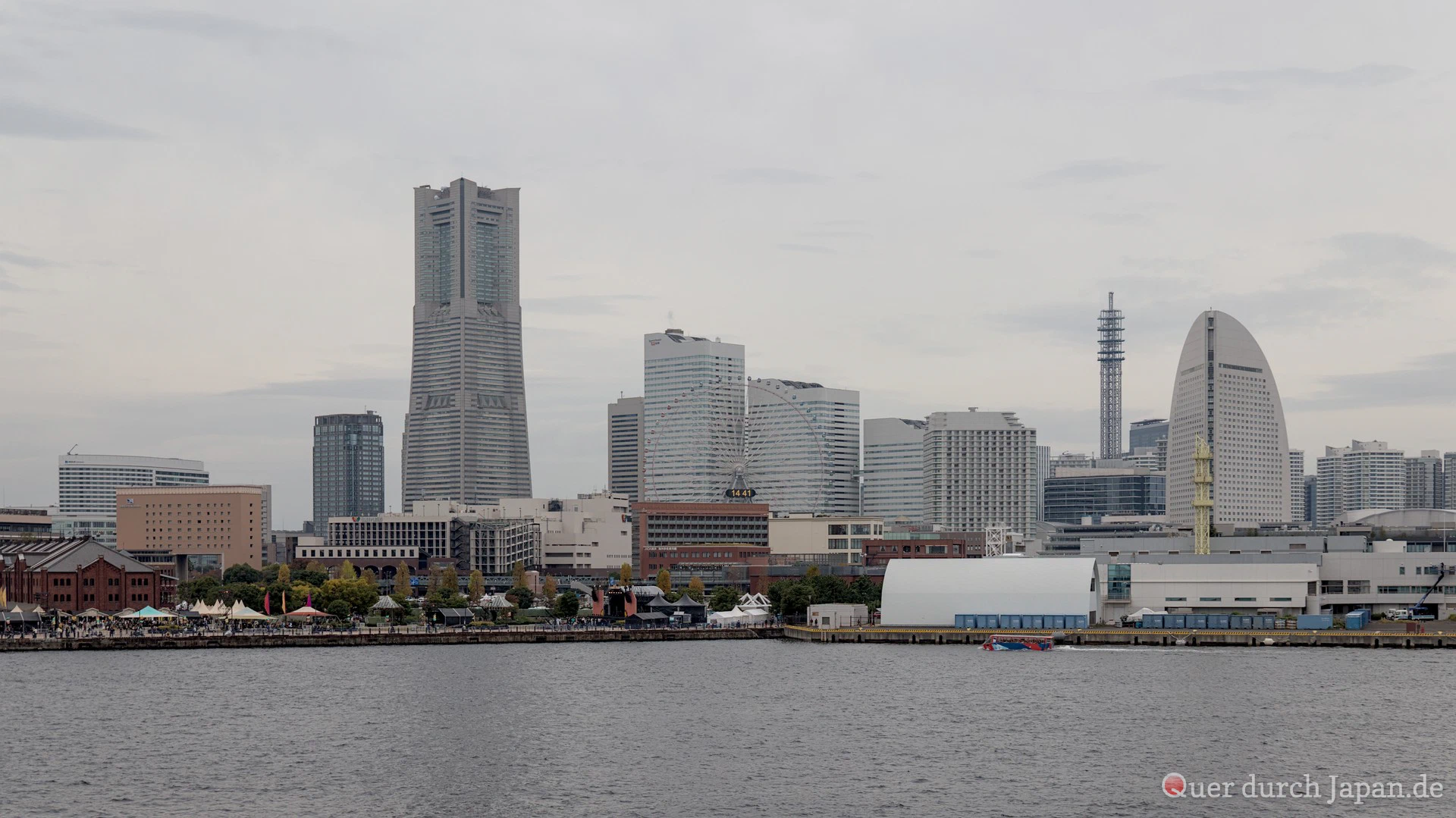
Afterwards, we made a quick detour to Yokohama, but unfortunately picked a bad time. A music festival was going on at the Red Brick Warehouses. It was pretty packed and noisy as a result.

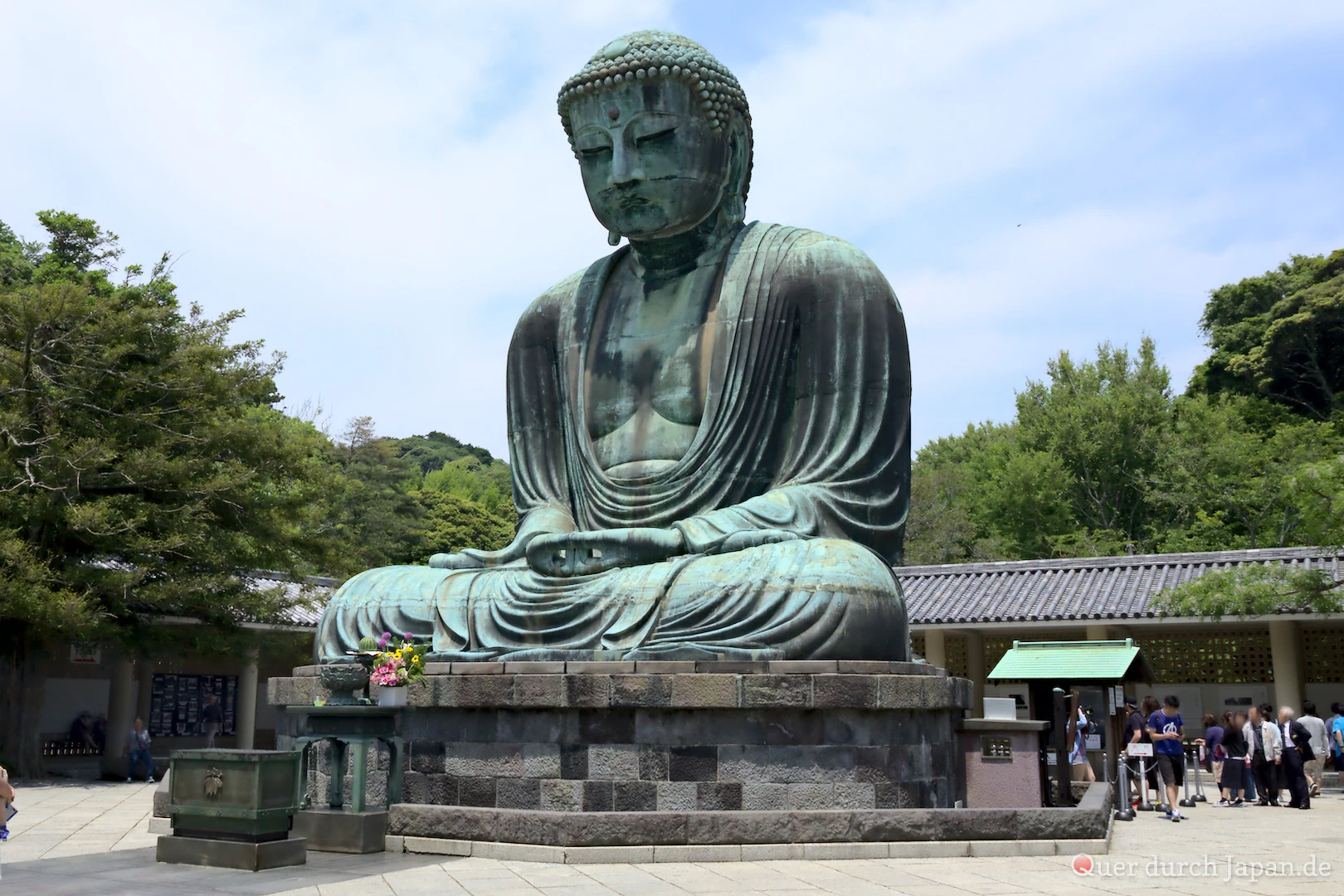
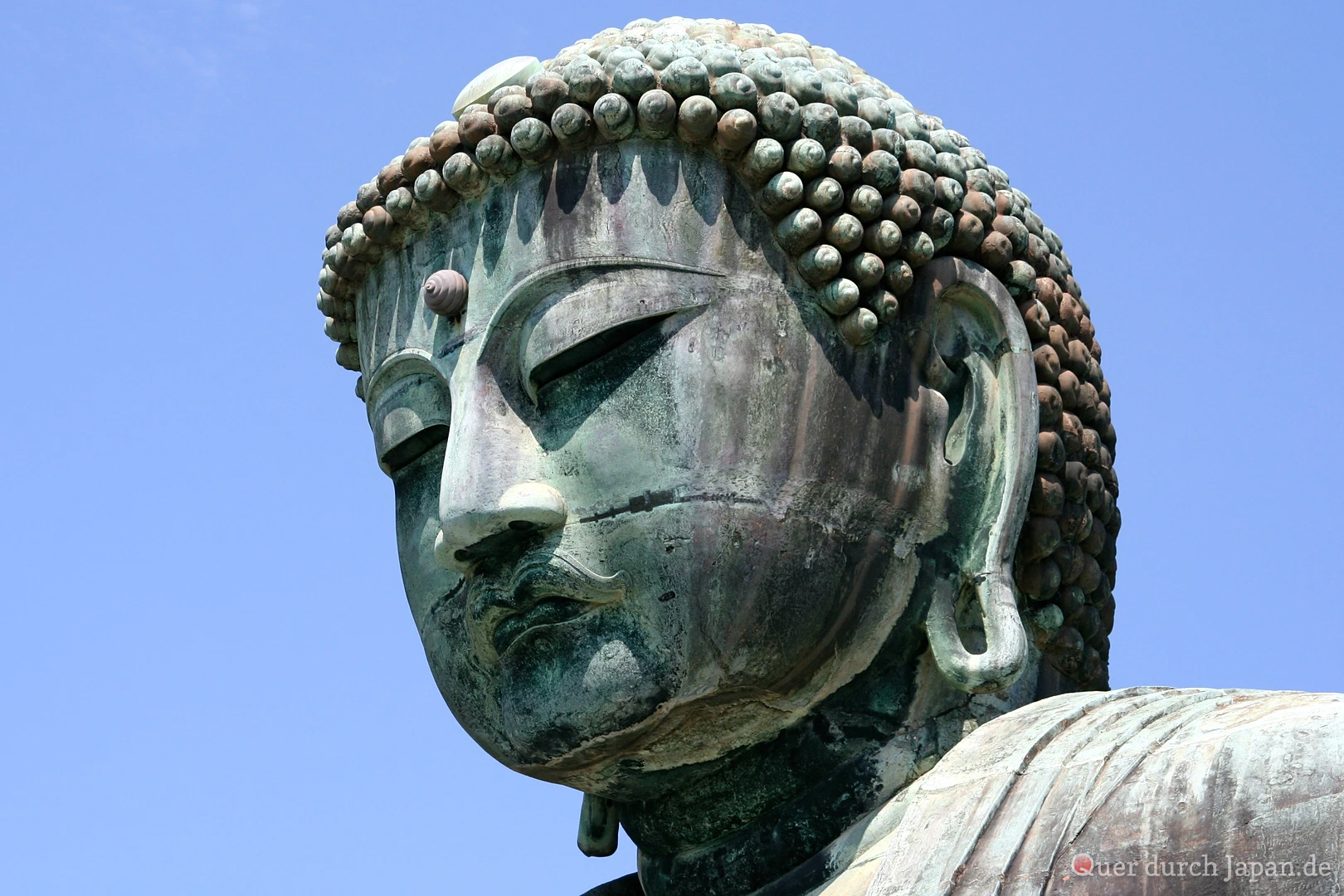
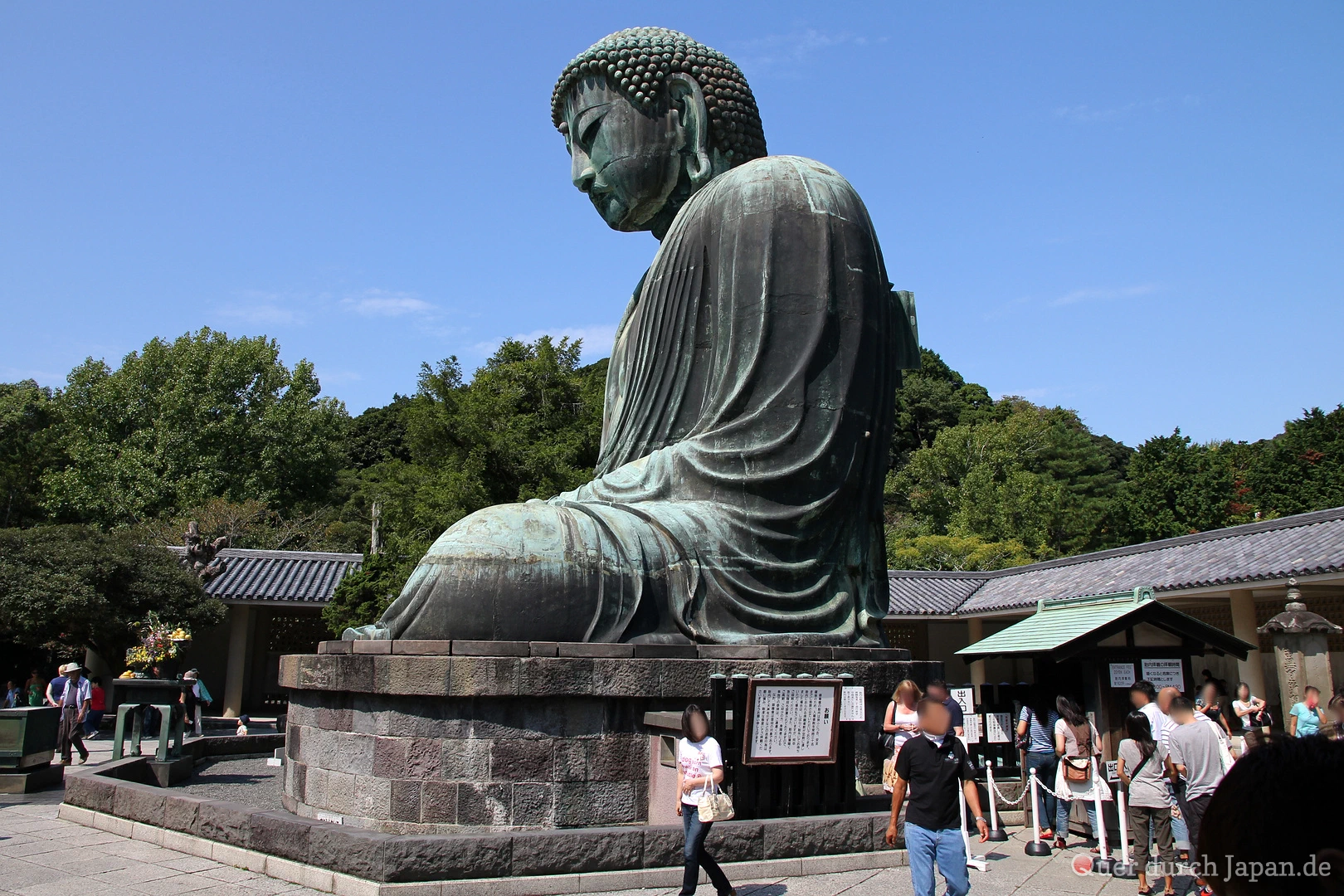
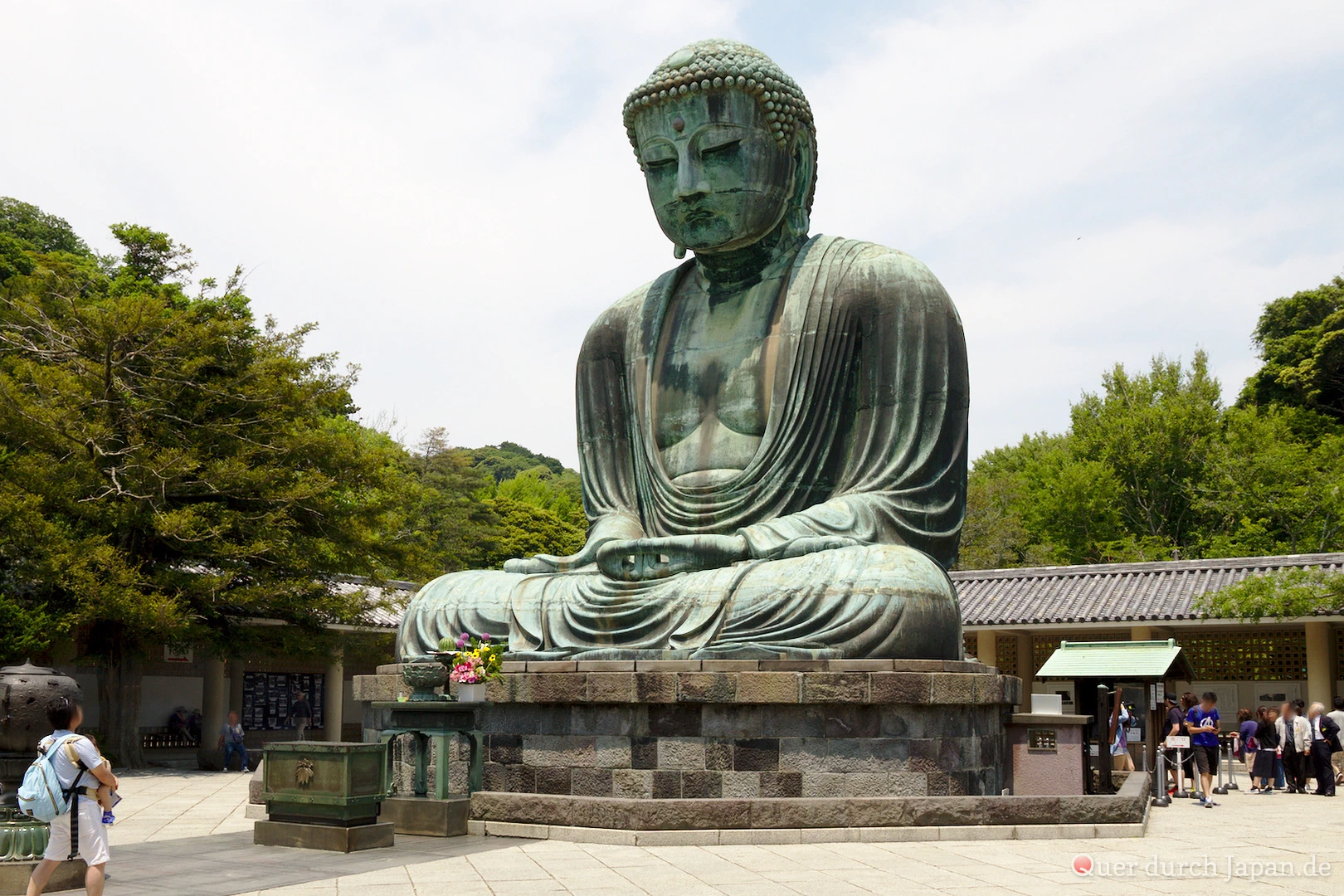
Kamakura Daibutsu

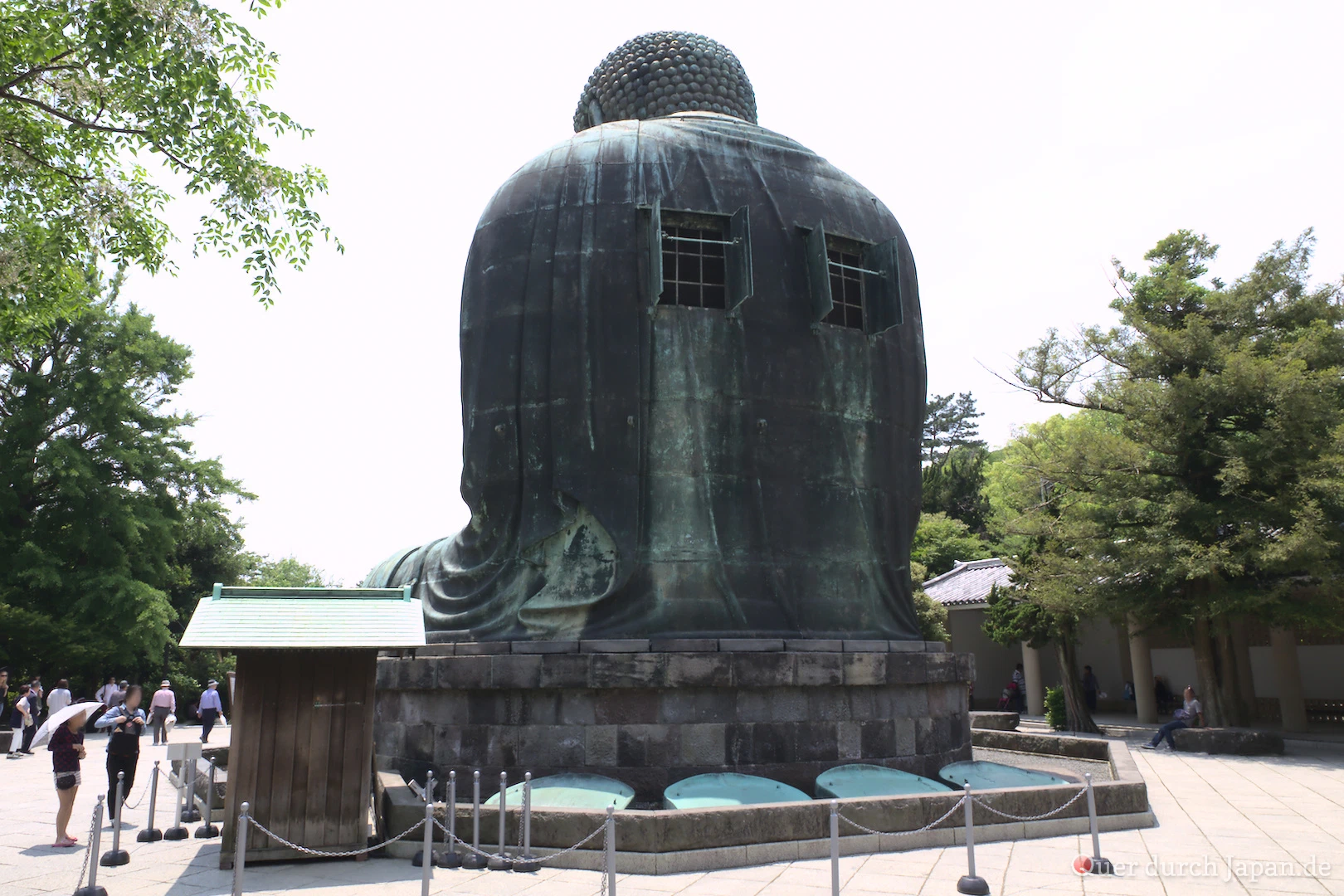
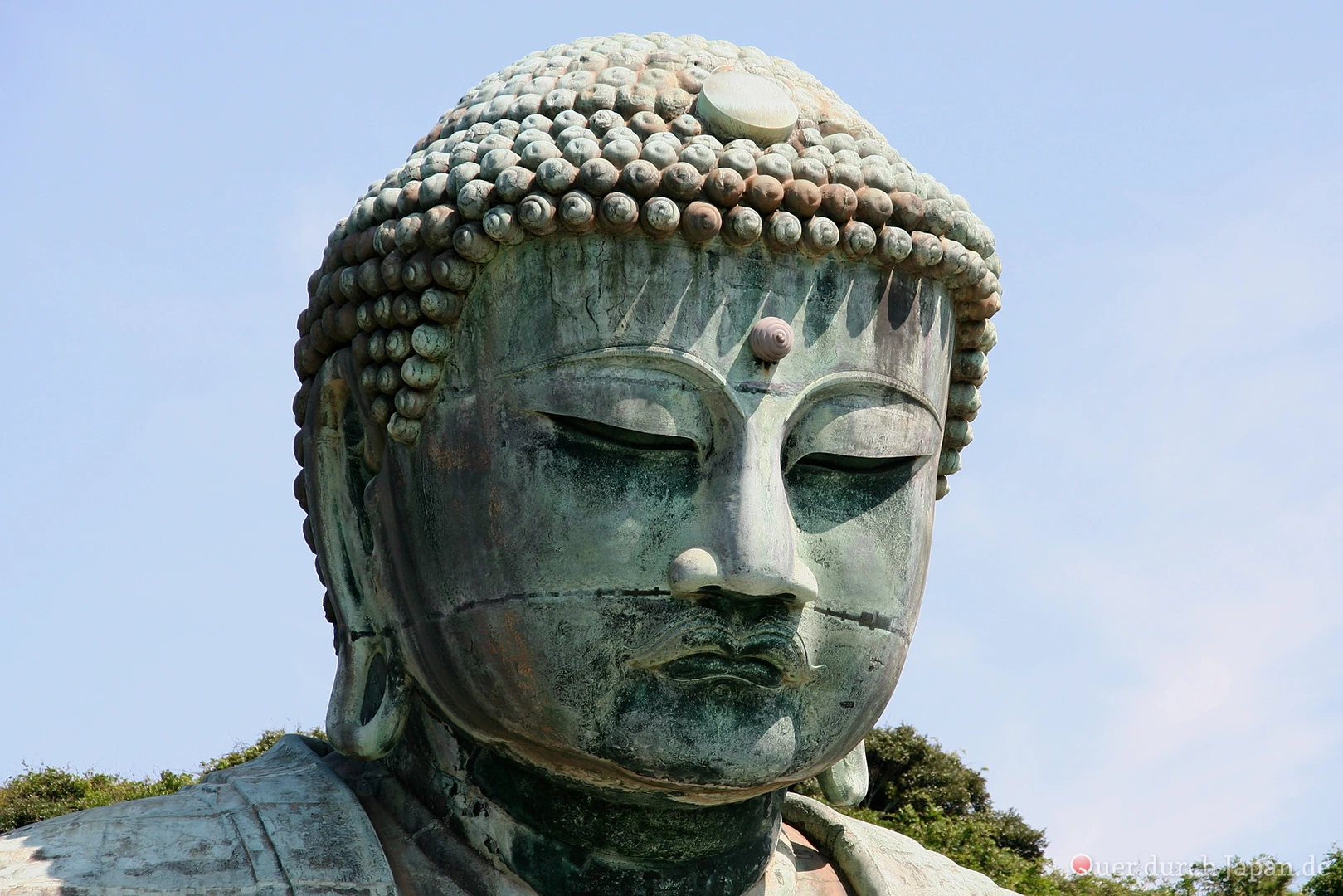
The coastal town of Kamakura has one of the most famous Buddha figures in Japan. The Great Buddha of Kamakura is located on the grounds of the Kōtoku-in temple. At 13.35 metres, it’s the second tallest bronze Buddha in Japan.

Work kicked off in 1252. Originally, the statue was inside a wooden temple building and was covered in gold leaf. The building collapsed in 1334 and 1369, and was rebuilt both times. When a massive tsunami washed the building away in 1498, they gave up on plans for further restoration. Instead, the surrounding area was redesigned. Since then, the Buddha has been meditating outdoors.

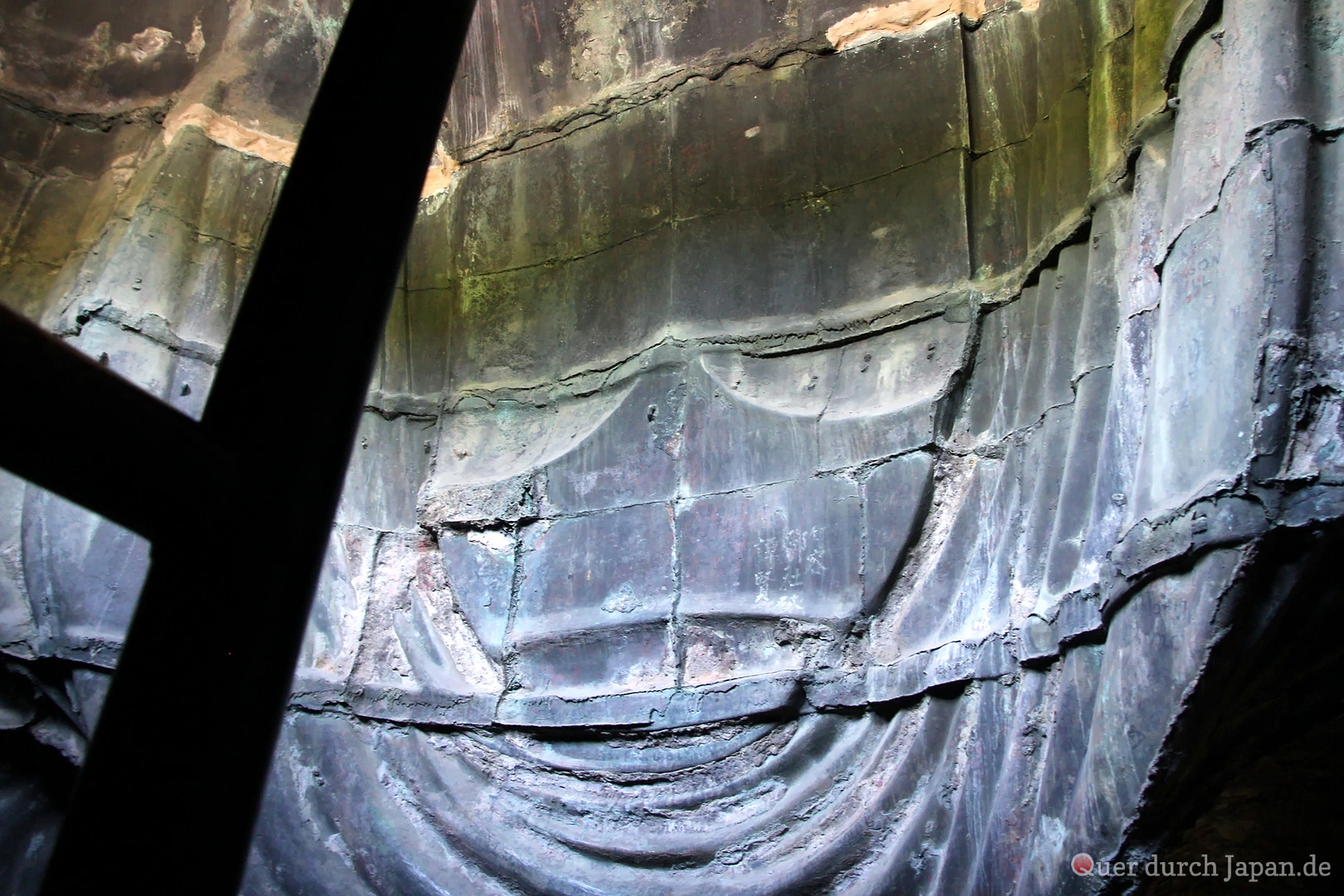
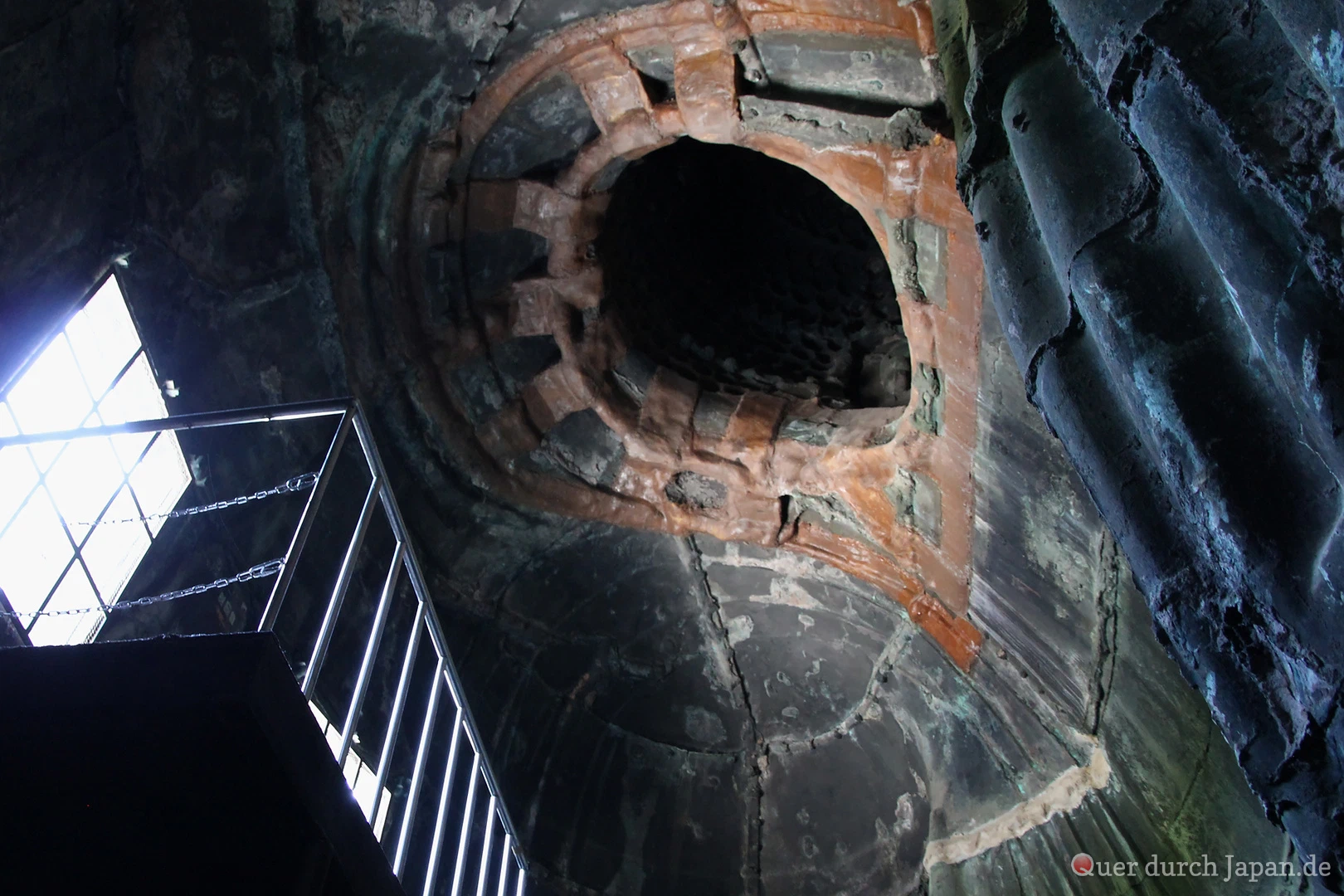
The Great Buddha is about a 10-minute walk from Hase station, near the equally well-worth-seeing Hase-dera temple. Entry costs 300¥. For another modest 20¥, you can actually check out the inside of the statue. You can clearly see the 30 layers that the 121-tonne figure was cast from in there. An absolute engineering masterpiece when you think about how old it is.

Travel Journal 2018: Kamakura

The coastal town of Kamakura is a must-visit for travellers to Japan. Most guided tours, however, just cart their visitors off to the Hasedera Temple and the Great Buddha. We’ve already seen them twice and gave them a miss today. The place has so much more to offer!

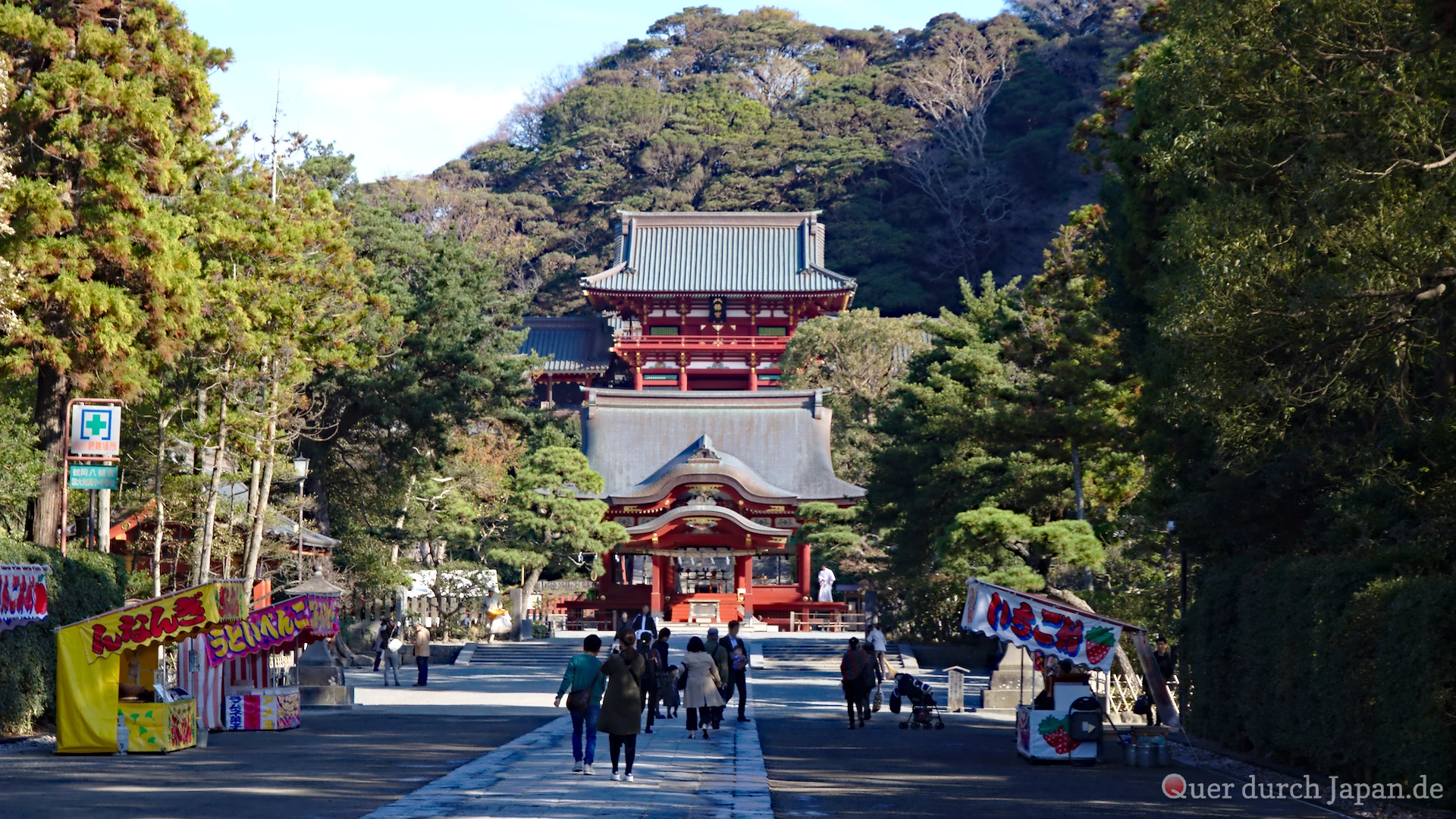
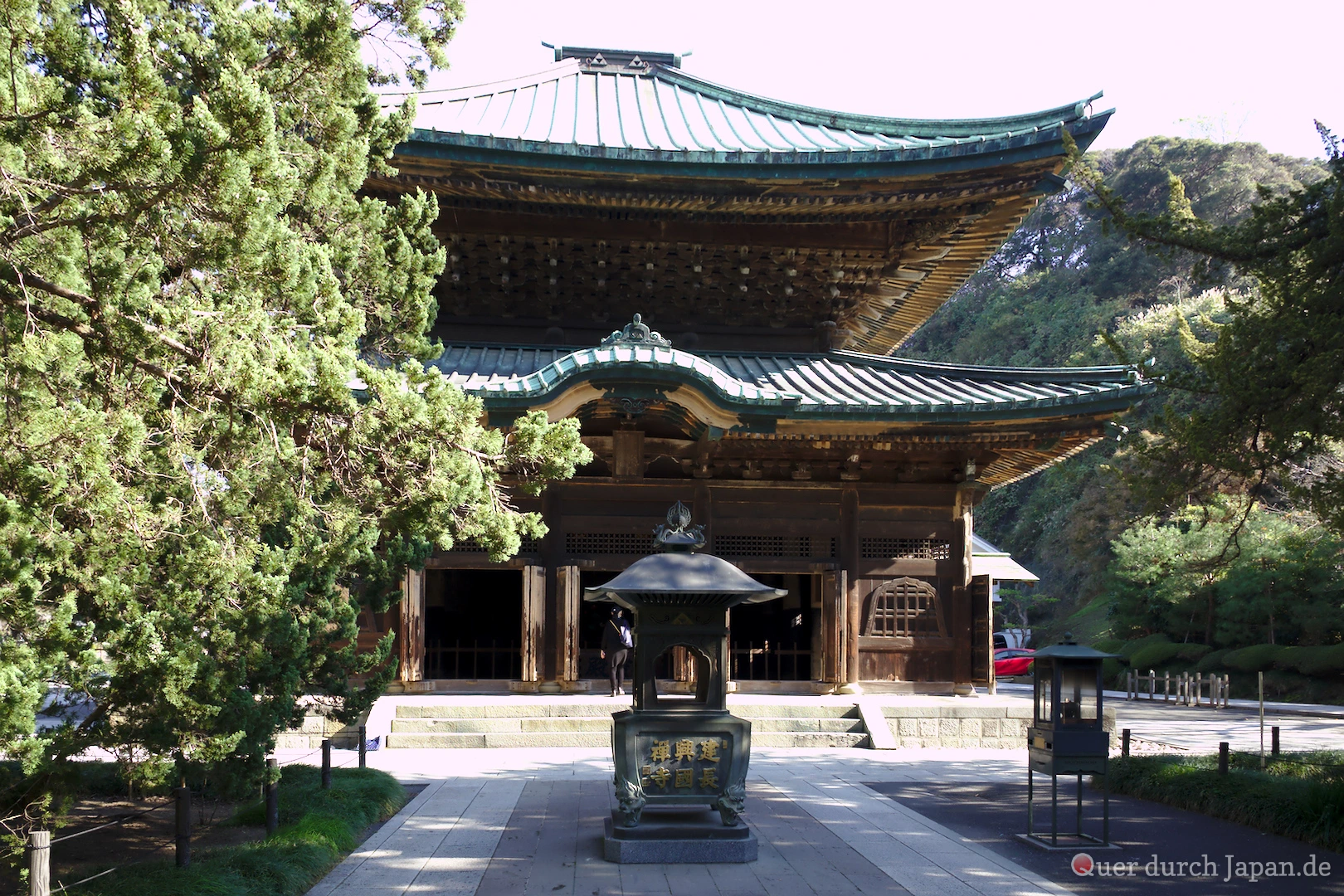
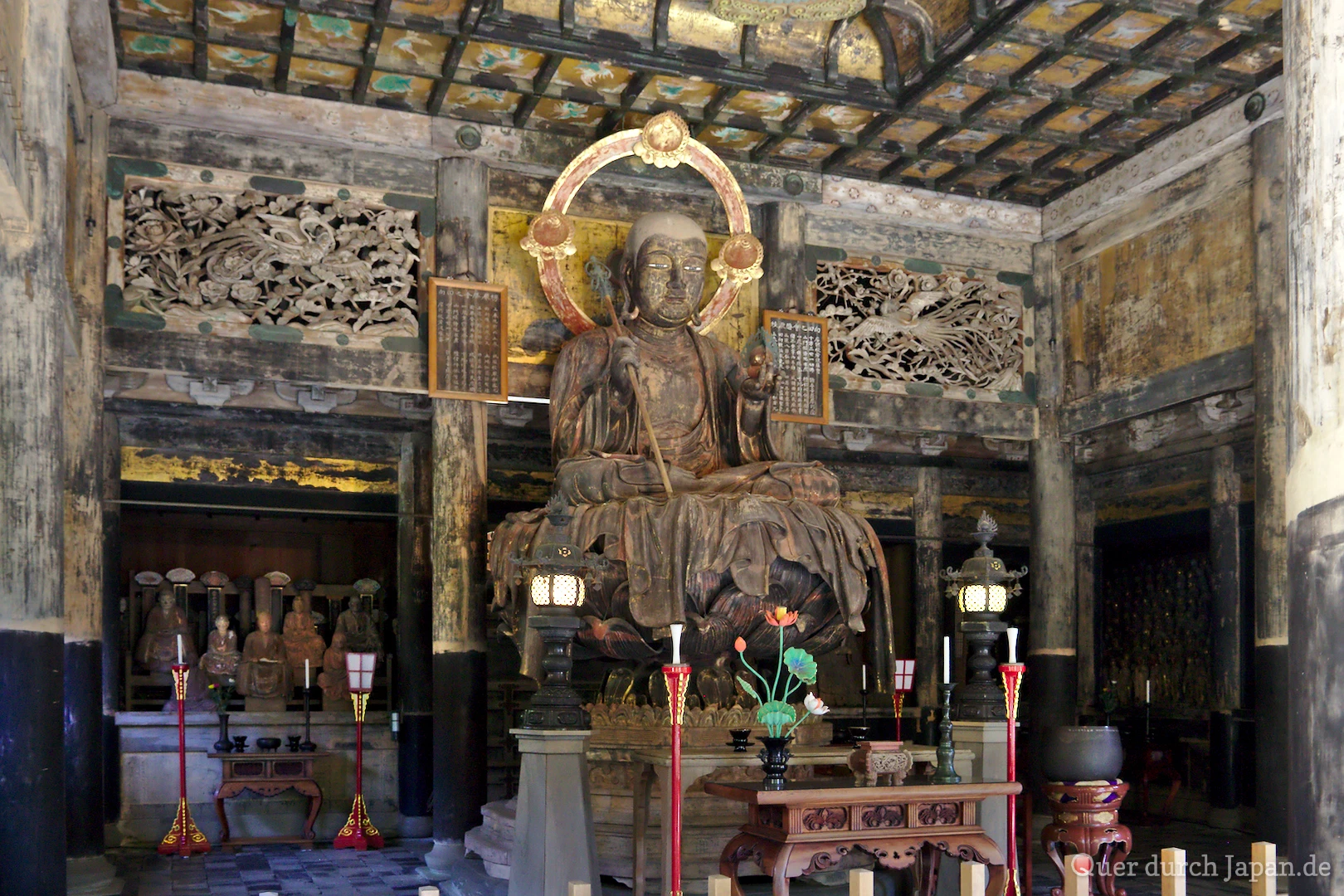
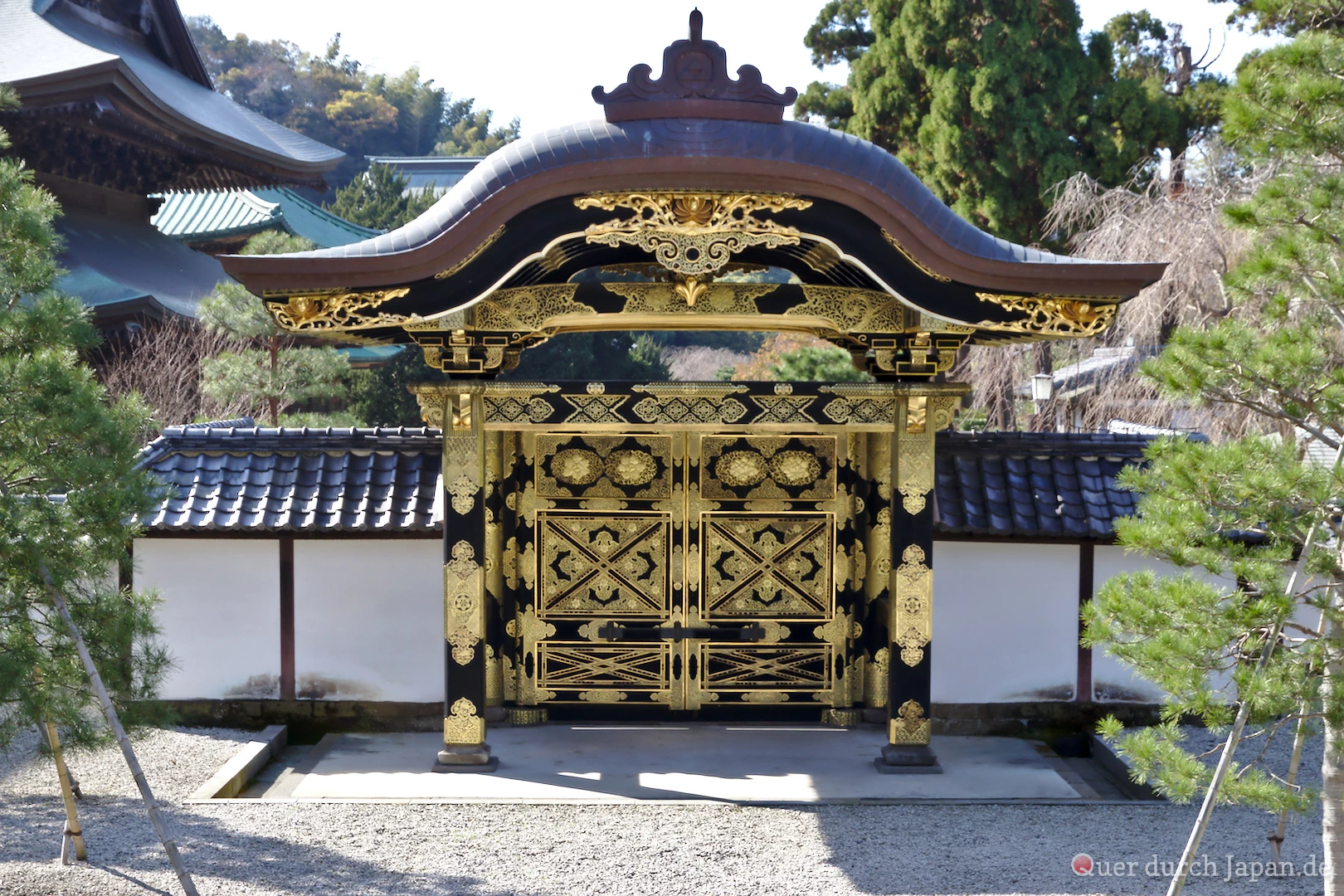
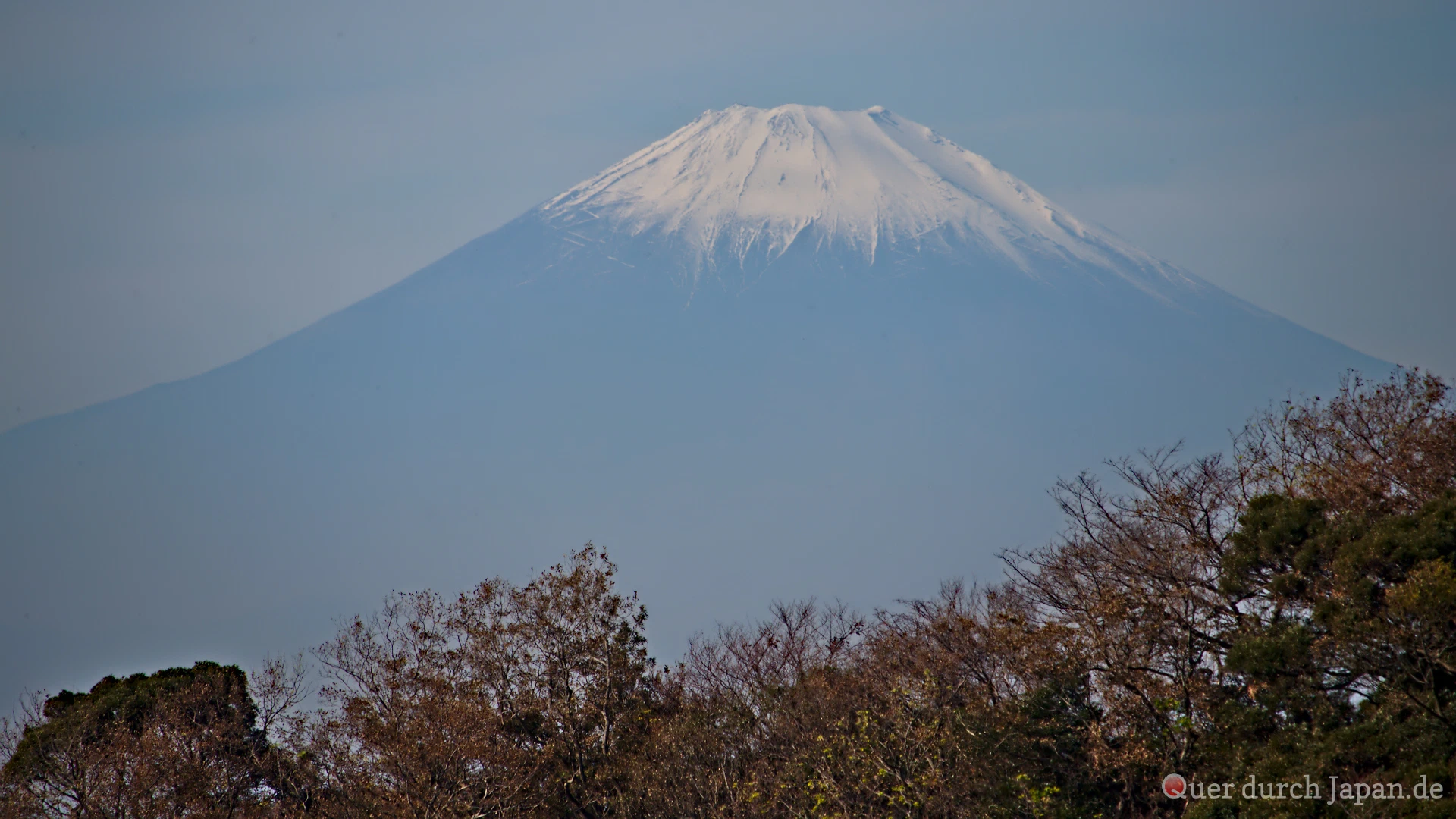
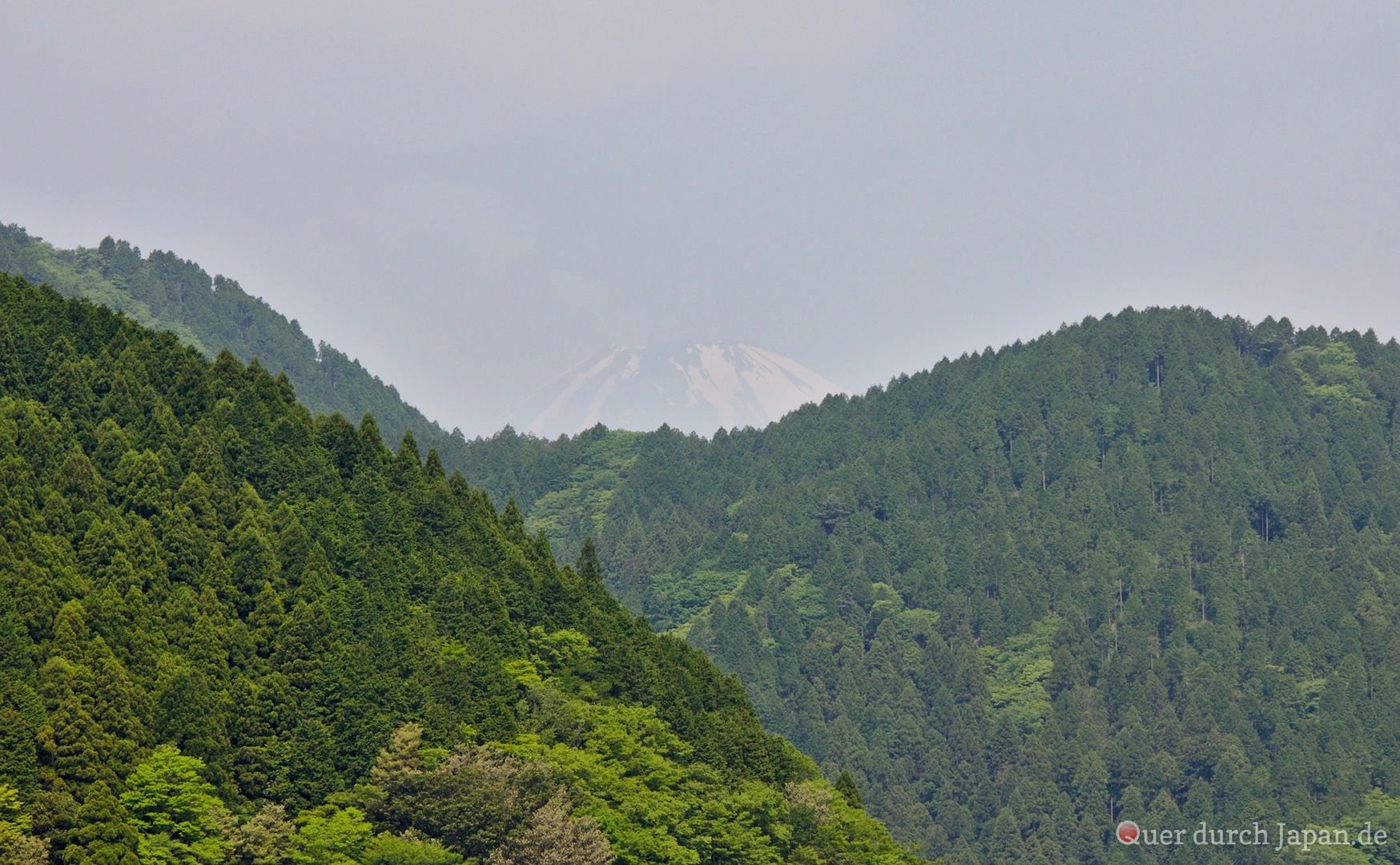
We visited the Tsurugaoka Hachimangu shrine and the Kenchoji temple with its Hanso-bo observation deck, from where you get a lovely view of Japan’s landmark, Fuji-san, when the weather’s nice. On top of that, we got the chance to try homemade matcha ice cream at Kamakura Chacha, which comes in intensity levels from 1 (mild) to 5 (for matcha connoisseurs).

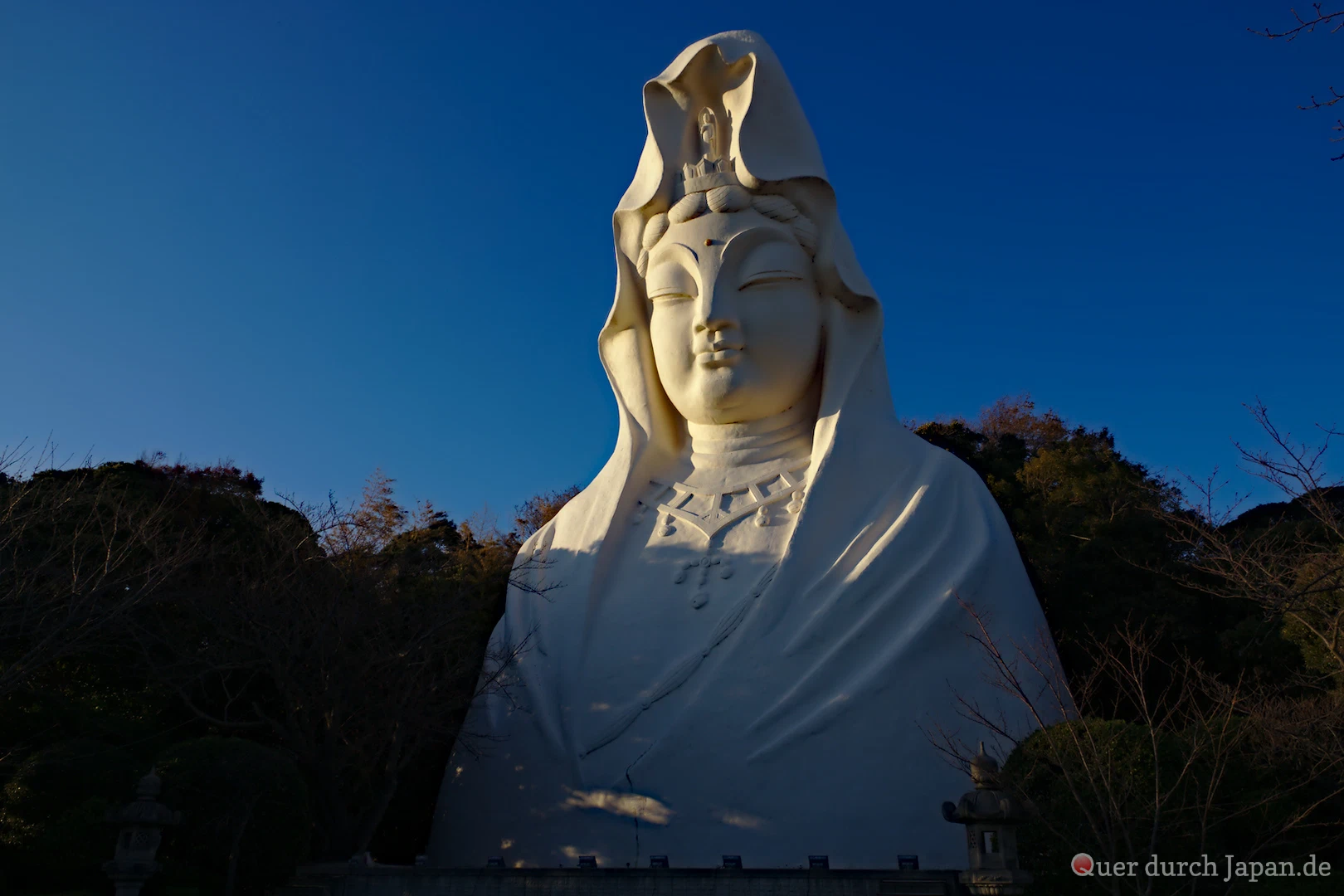
After a long break on the sandy beach, we headed over to the neighbouring town of Ōfuna, where you can spot the giant head of the Ōfuna Kannon from miles away.

Travel Journal 2016: Kamakura und Tōkyō

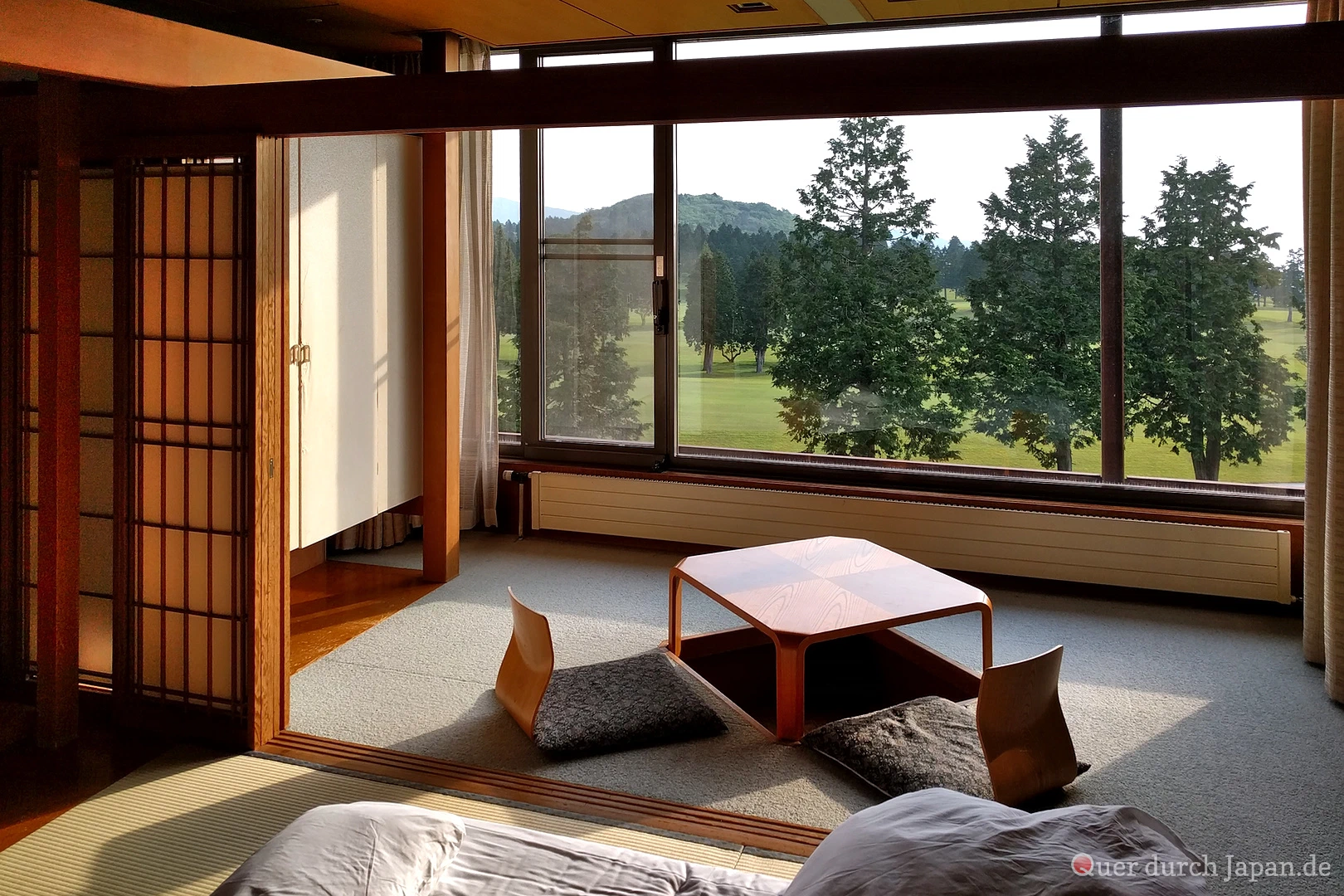
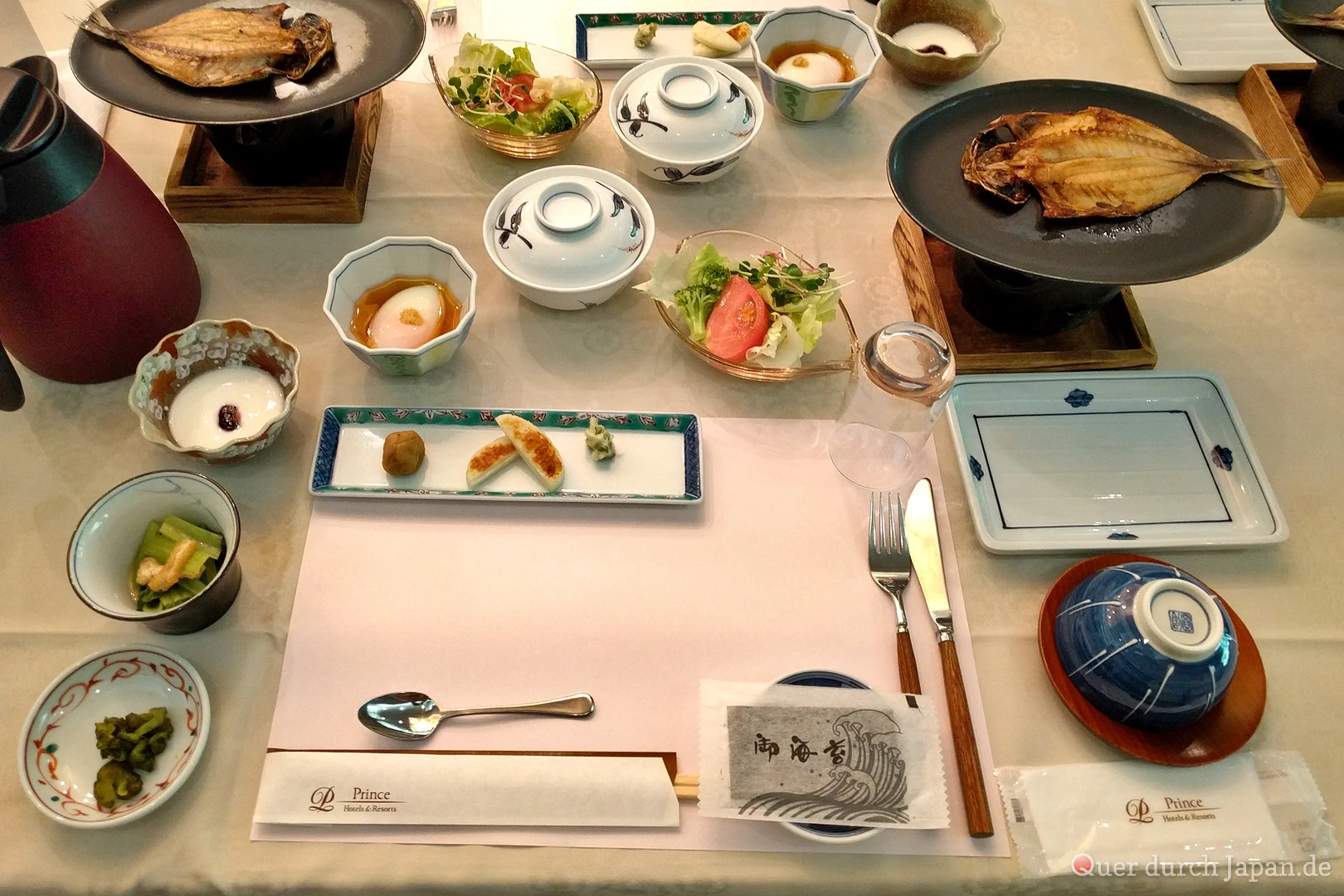
Sleeping on the tatami floor was surprisingly comfy. We actually slept better than in a lot of hotel beds. Breakfast was Japanese too: fried fish, miso soup, rice, boiled egg in dashi, yoghurt with fruit, silken tofu, green tea. Much to the annoyance of our fellow travellers, there was one thing missing though: coffee.

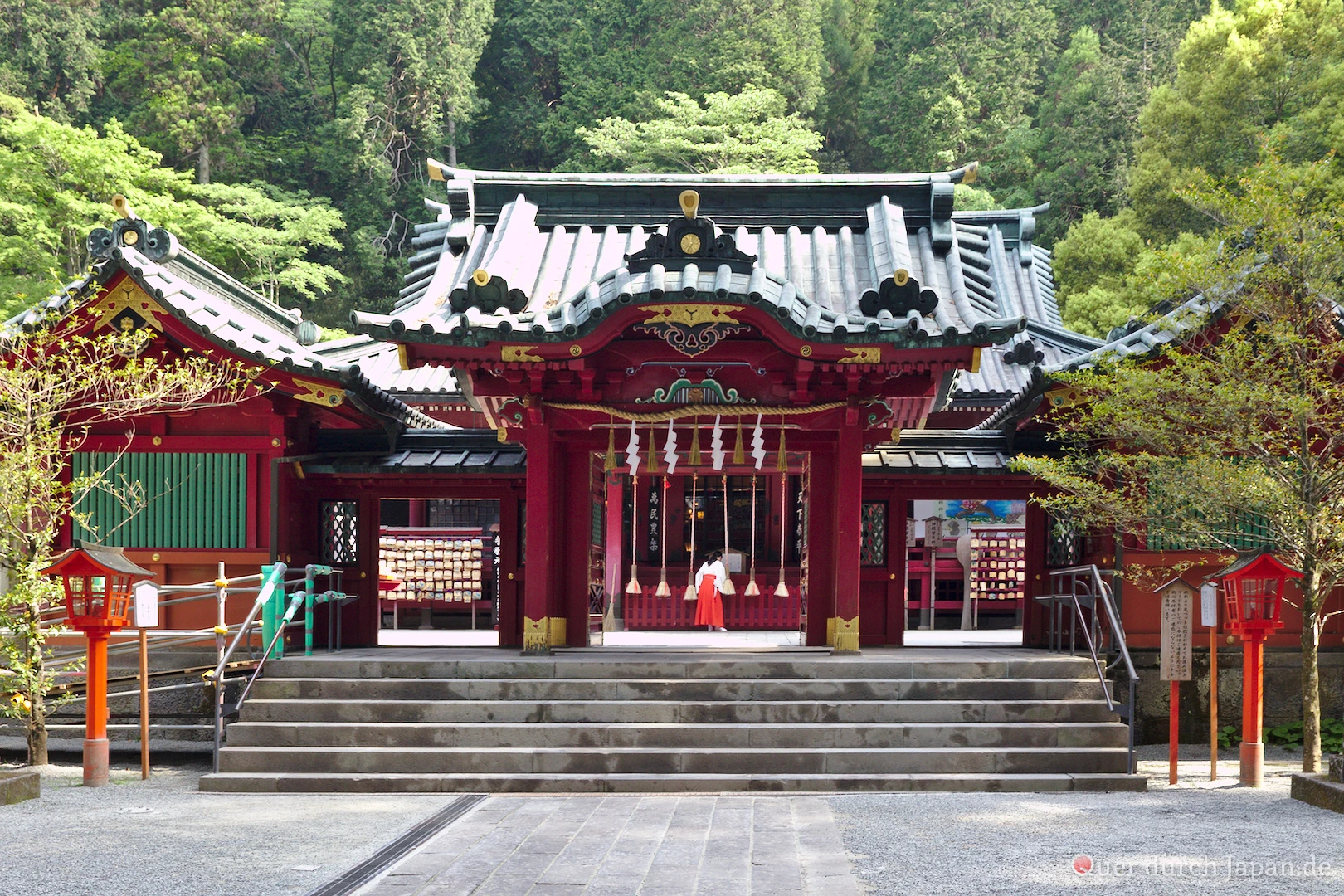
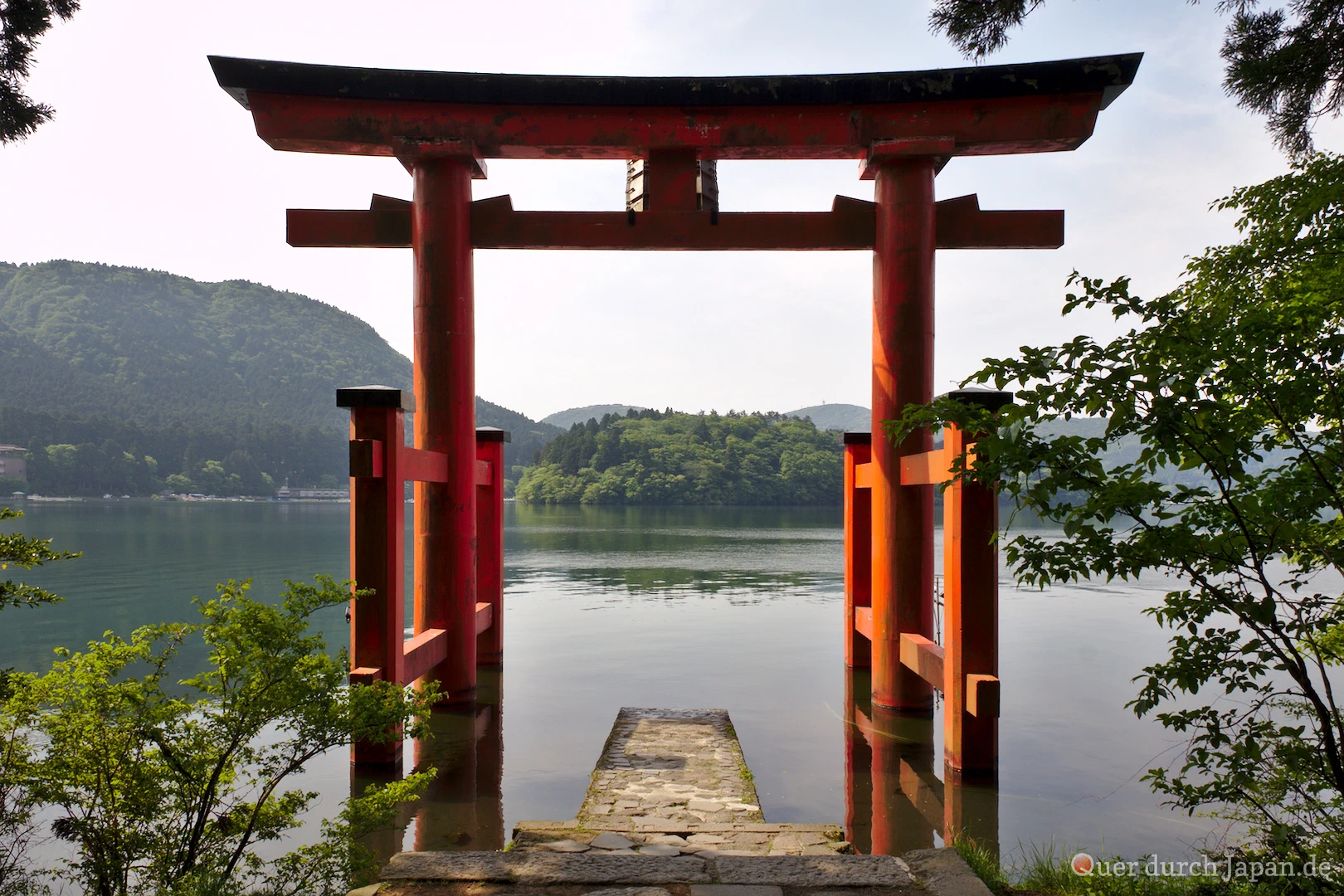
We took the bus to Lake Ashi. There we visited the Hakone Shrine; we’d seen its red torii on the water back in 2010 during our ride on a pirate ship. Speaking of which: of course we took a boat like that across the lake this time too.

Then it was off to Kamakura, where we visited Hase-dera and the Great Buddha.

And then we headed to the final stop of our group tour: Tōkyō. Our hotel is in the Asakusa district, right by Senso-ji. Back in 2010, this is where our first tour around the country began.

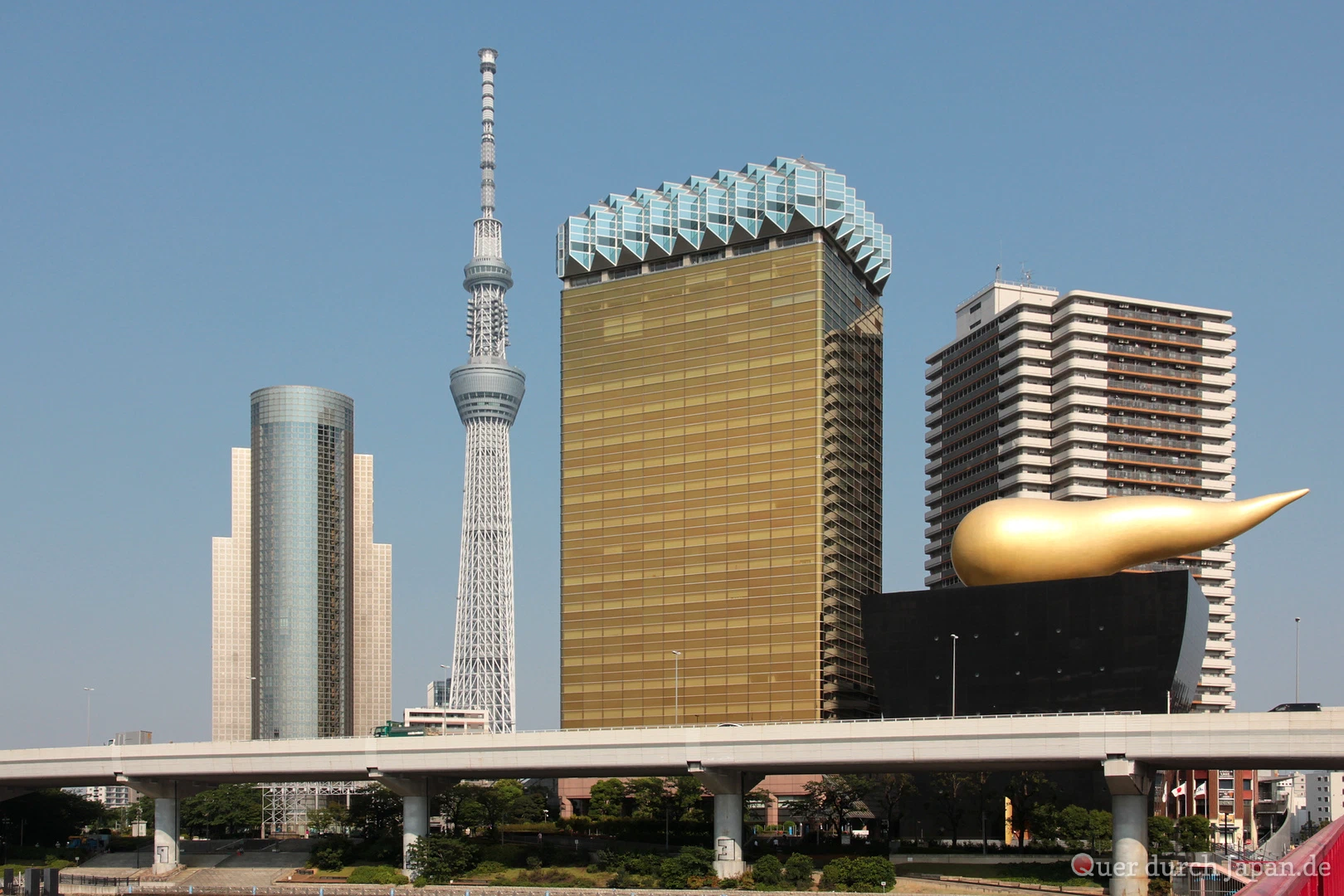
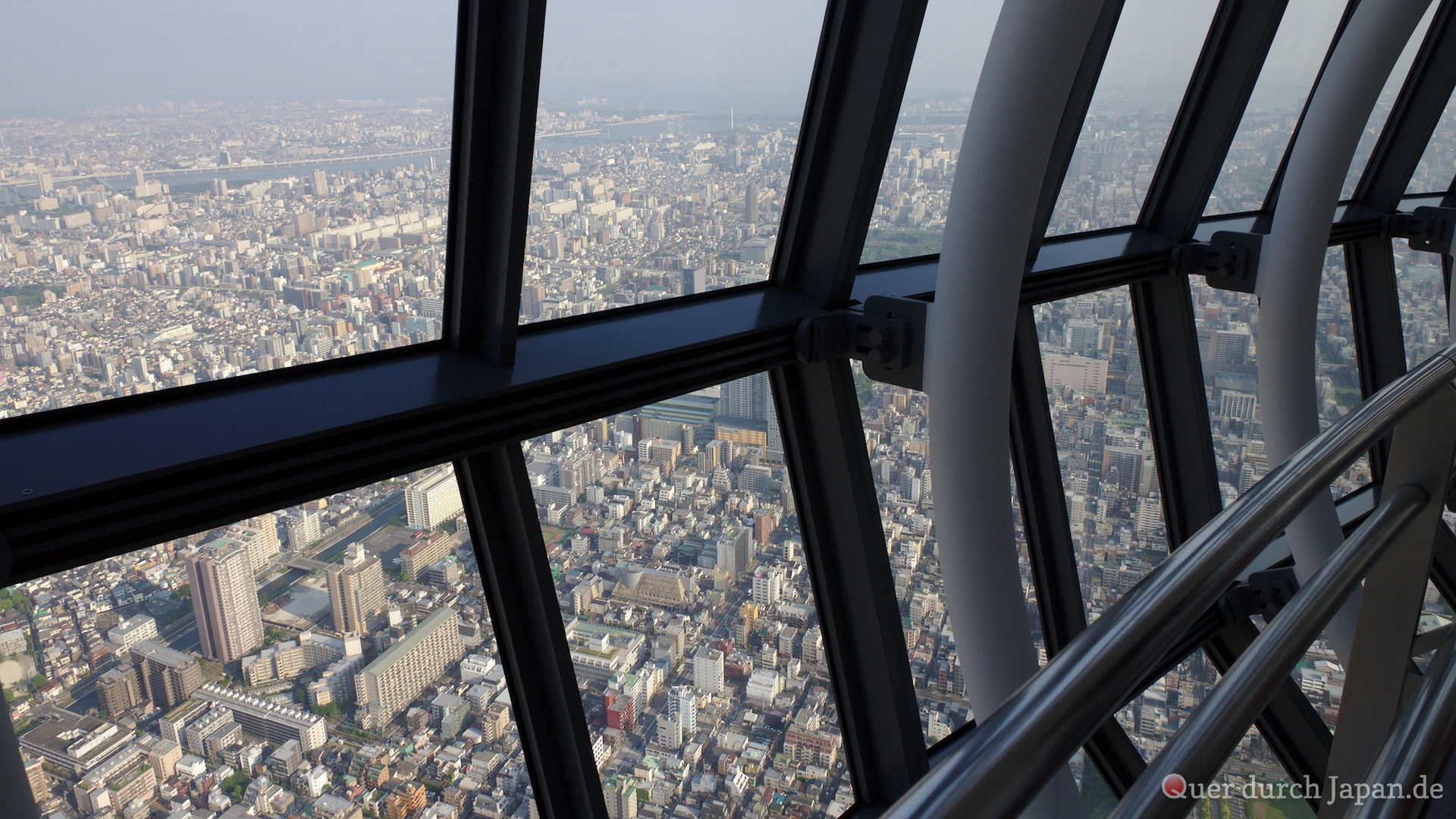
Back then, the Tōkyō Sky Tree was still under construction. Now it’s finished, and we couldn’t resist going up to the upper observation deck of the tallest TV tower in the world. The entrance fee is ridiculously expensive. We paid ¥3,800 per person, which included access to the fast-track queue and the upper observation deck. But the view of the metropolis from up there is unique and makes you quickly forget what you forked out at the till downstairs.