#Kurashiki

Kurashiki

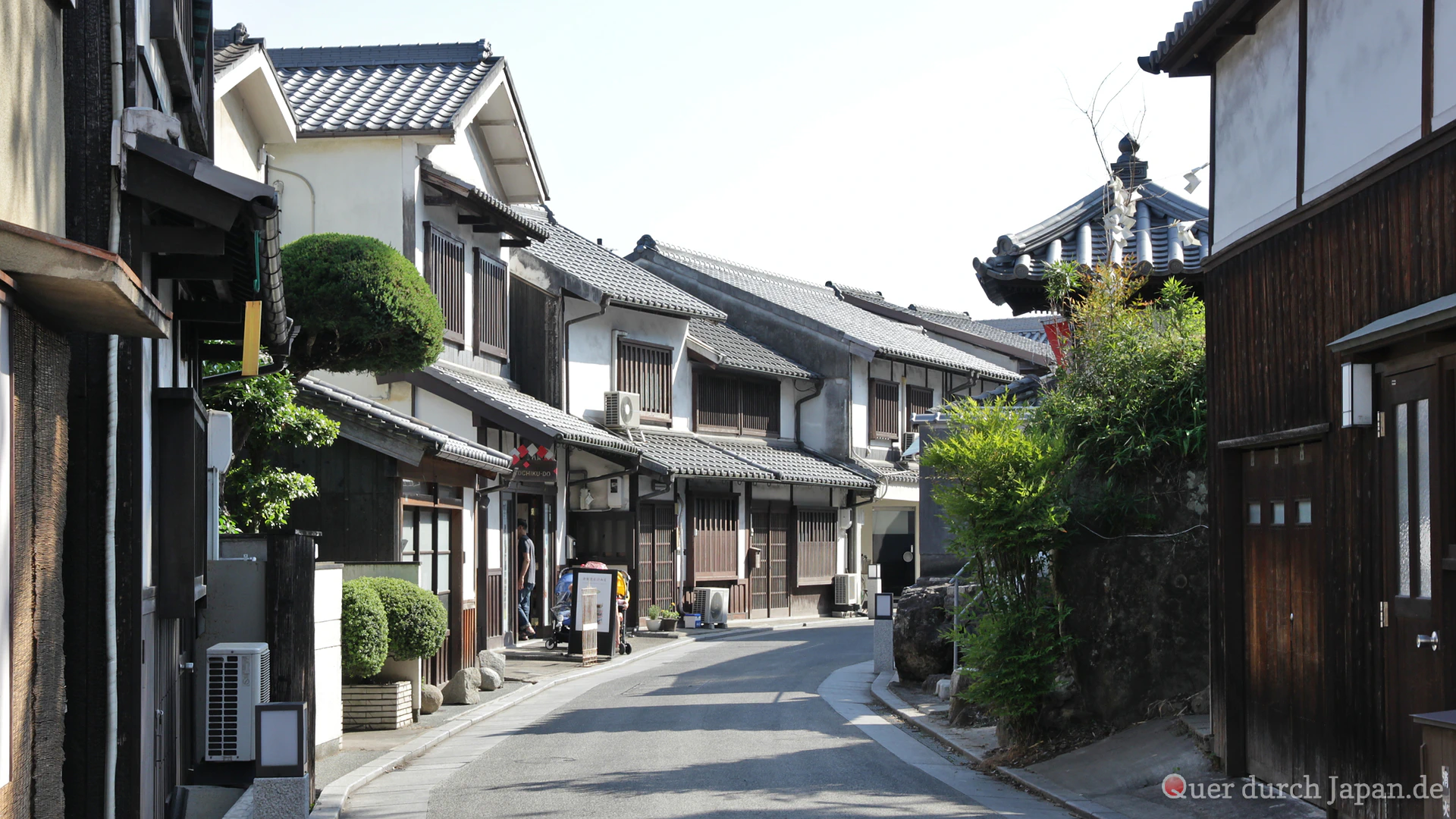
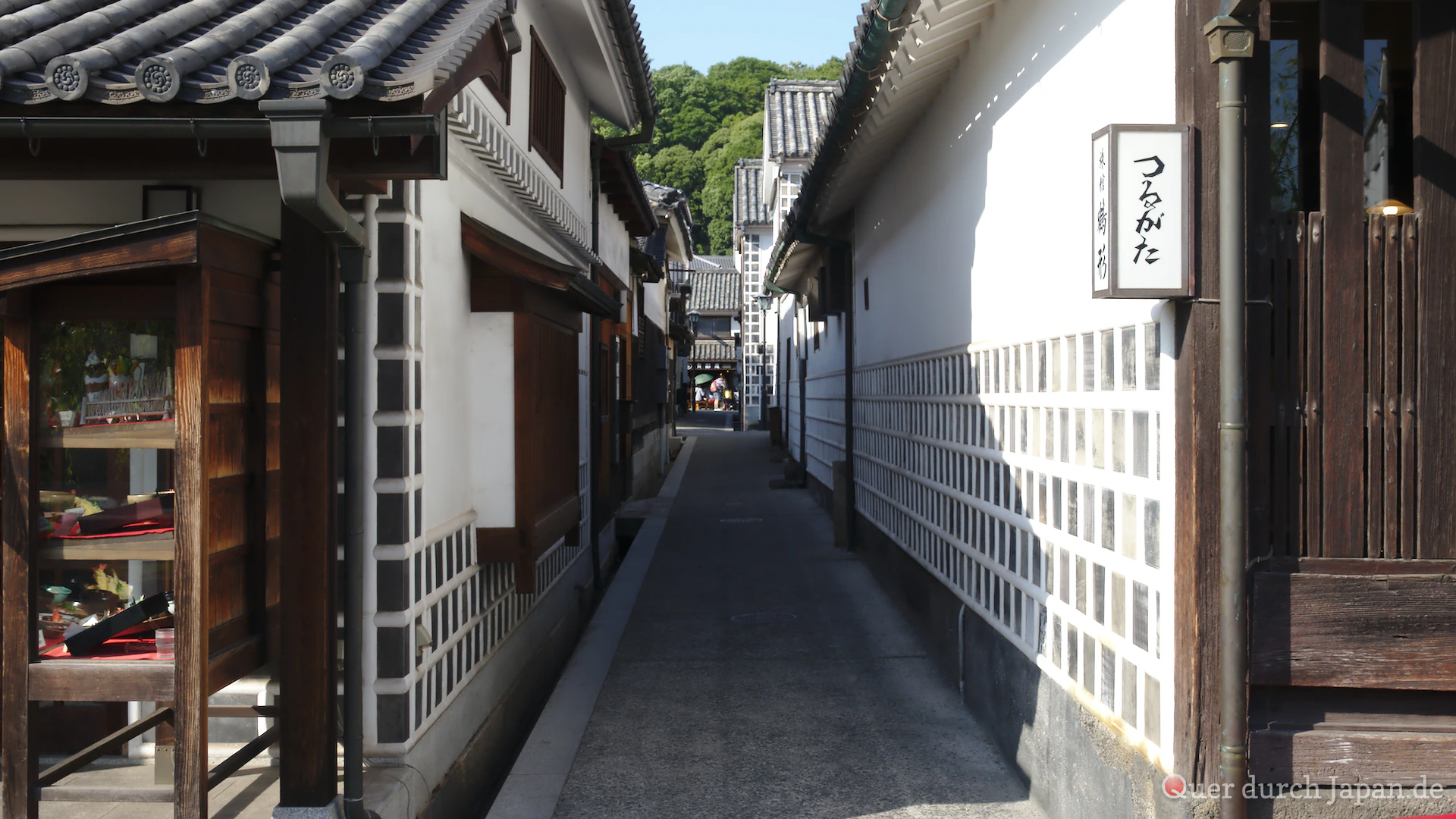
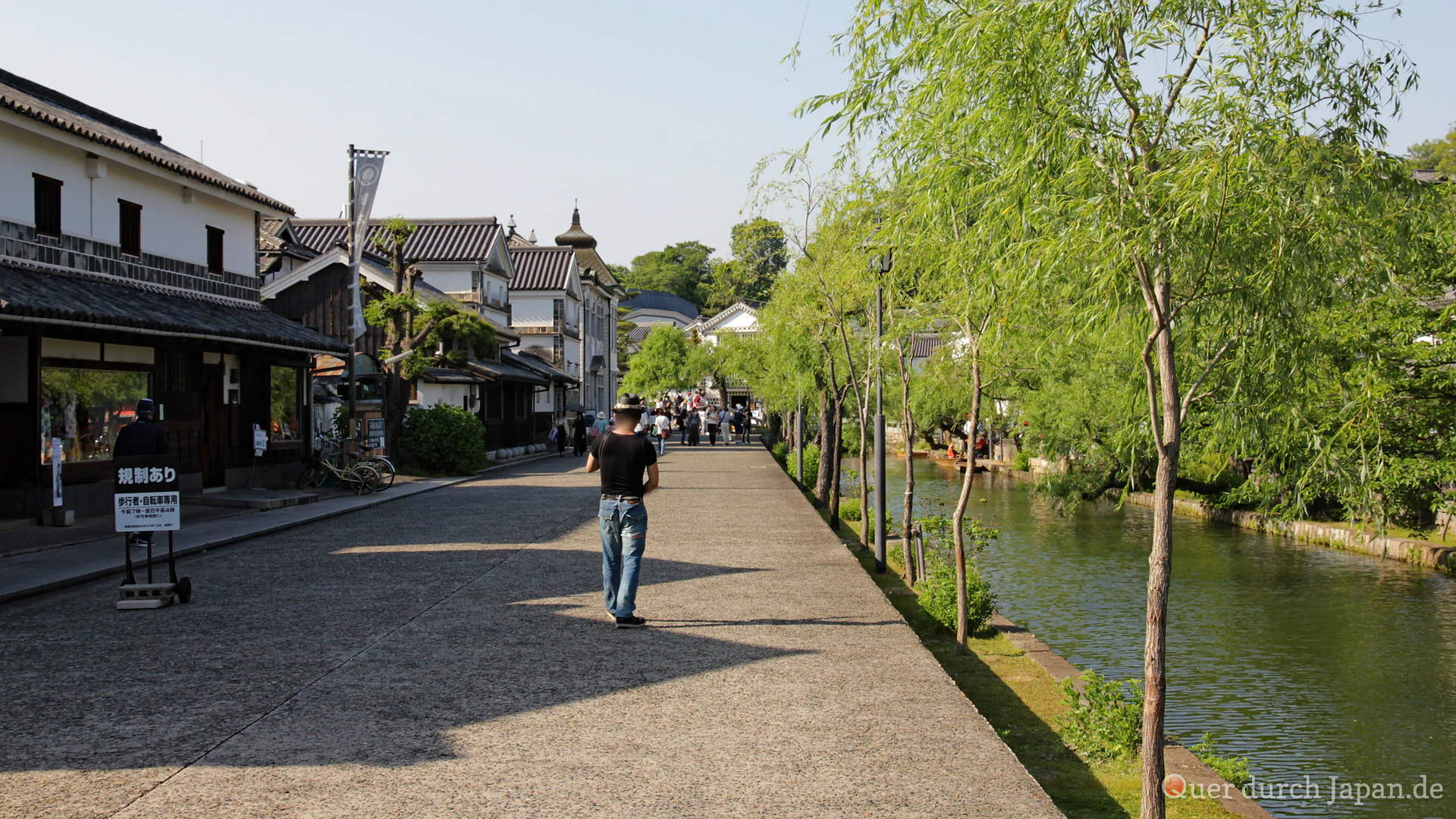
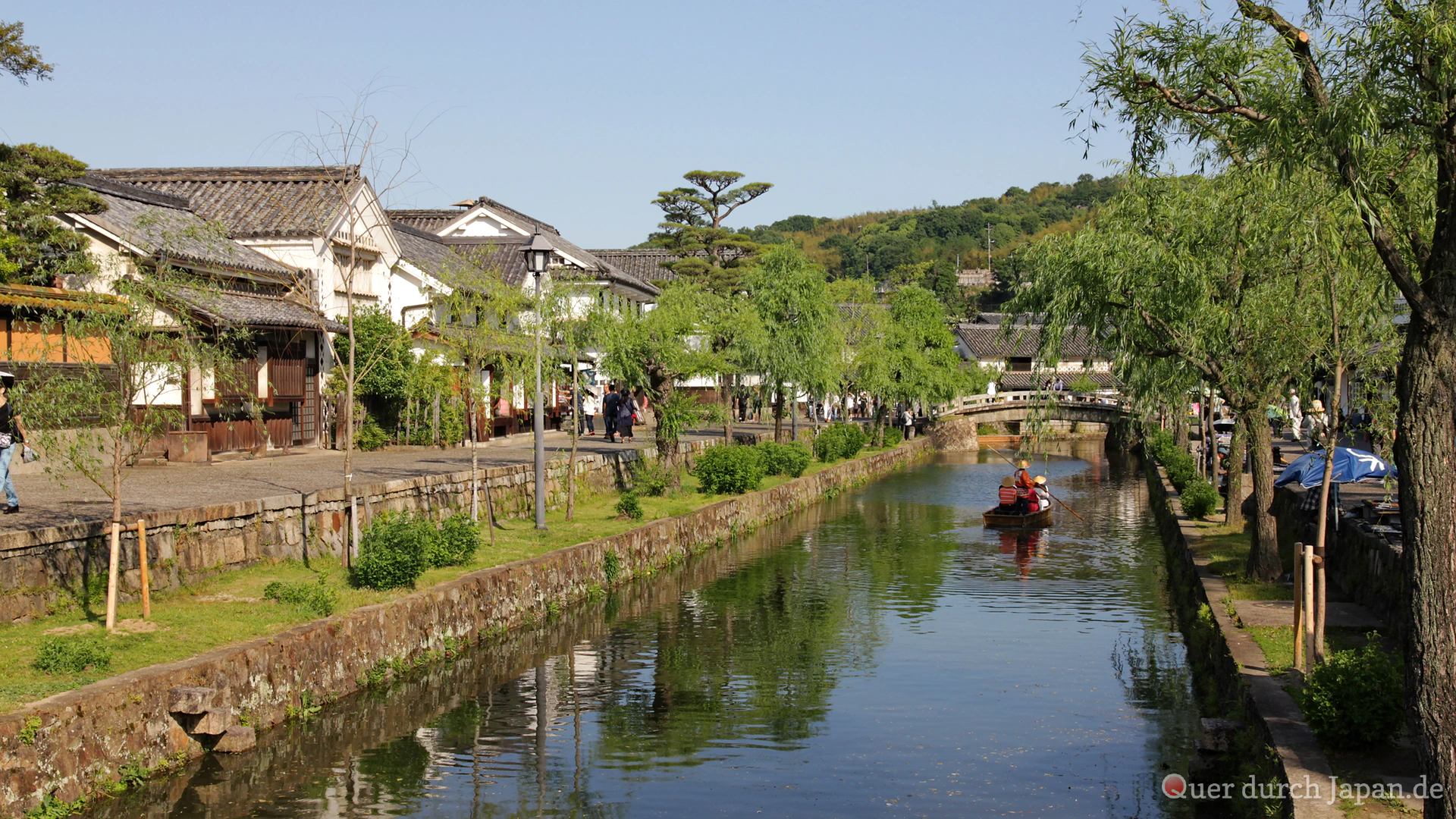
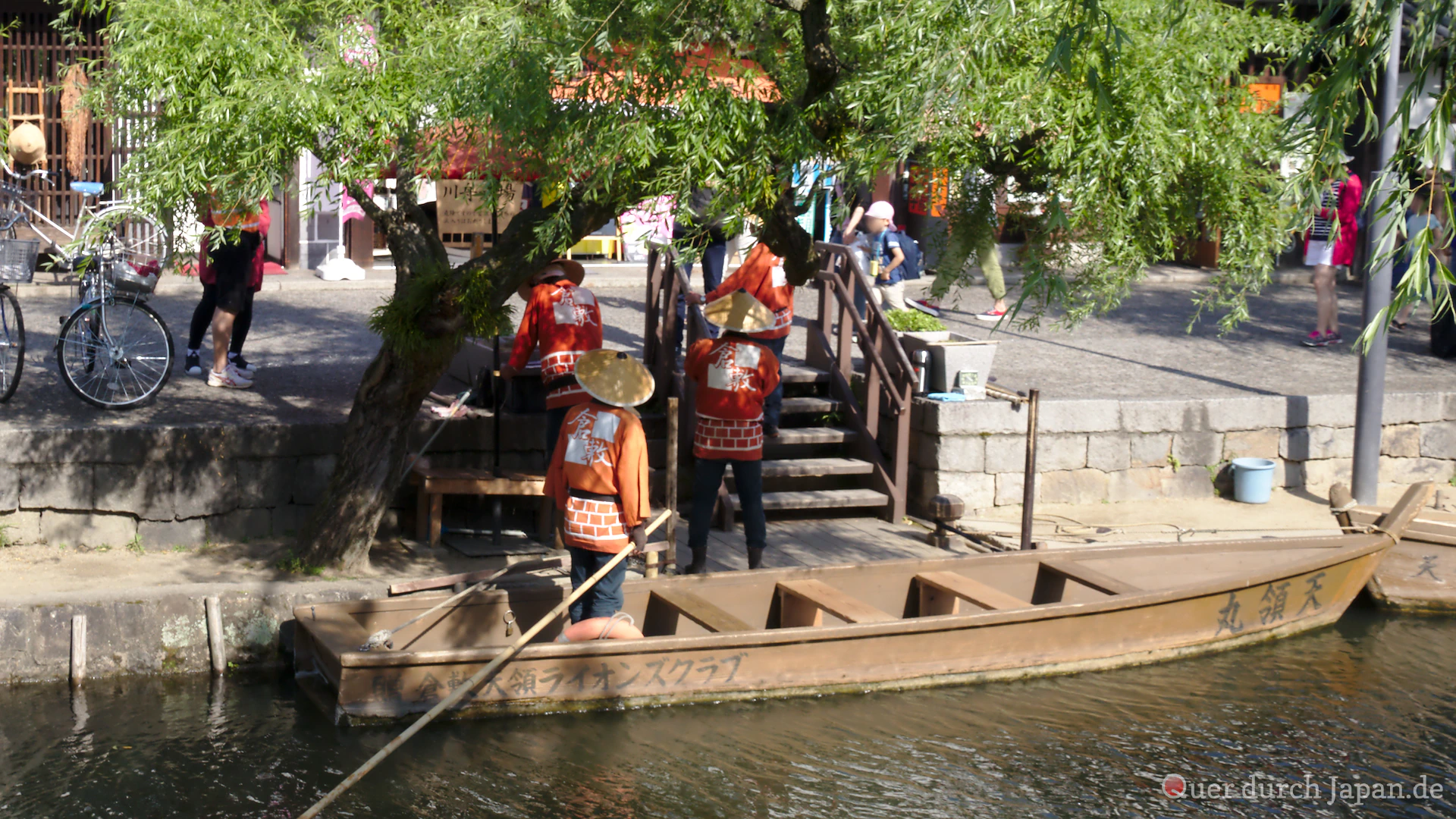
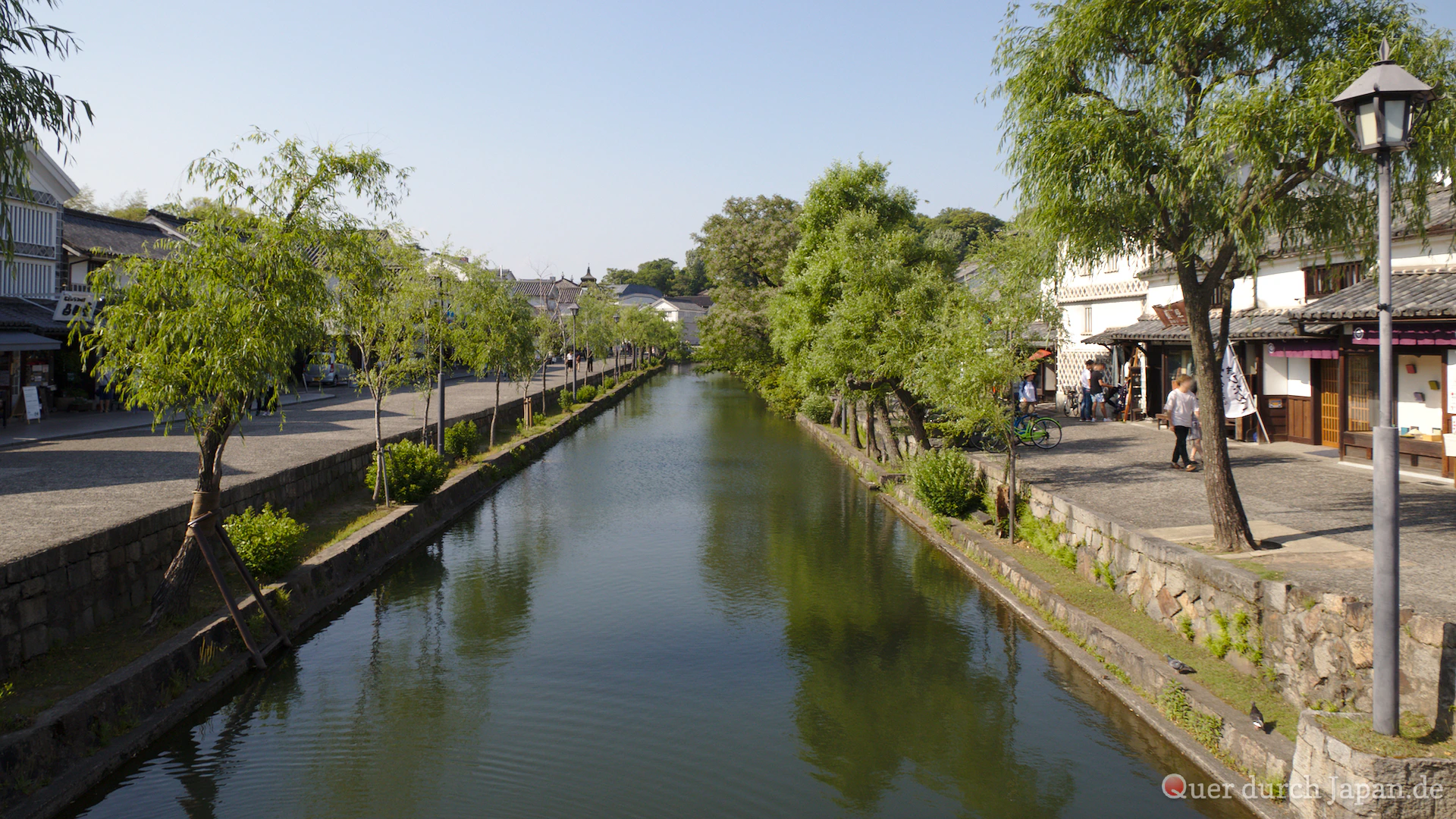
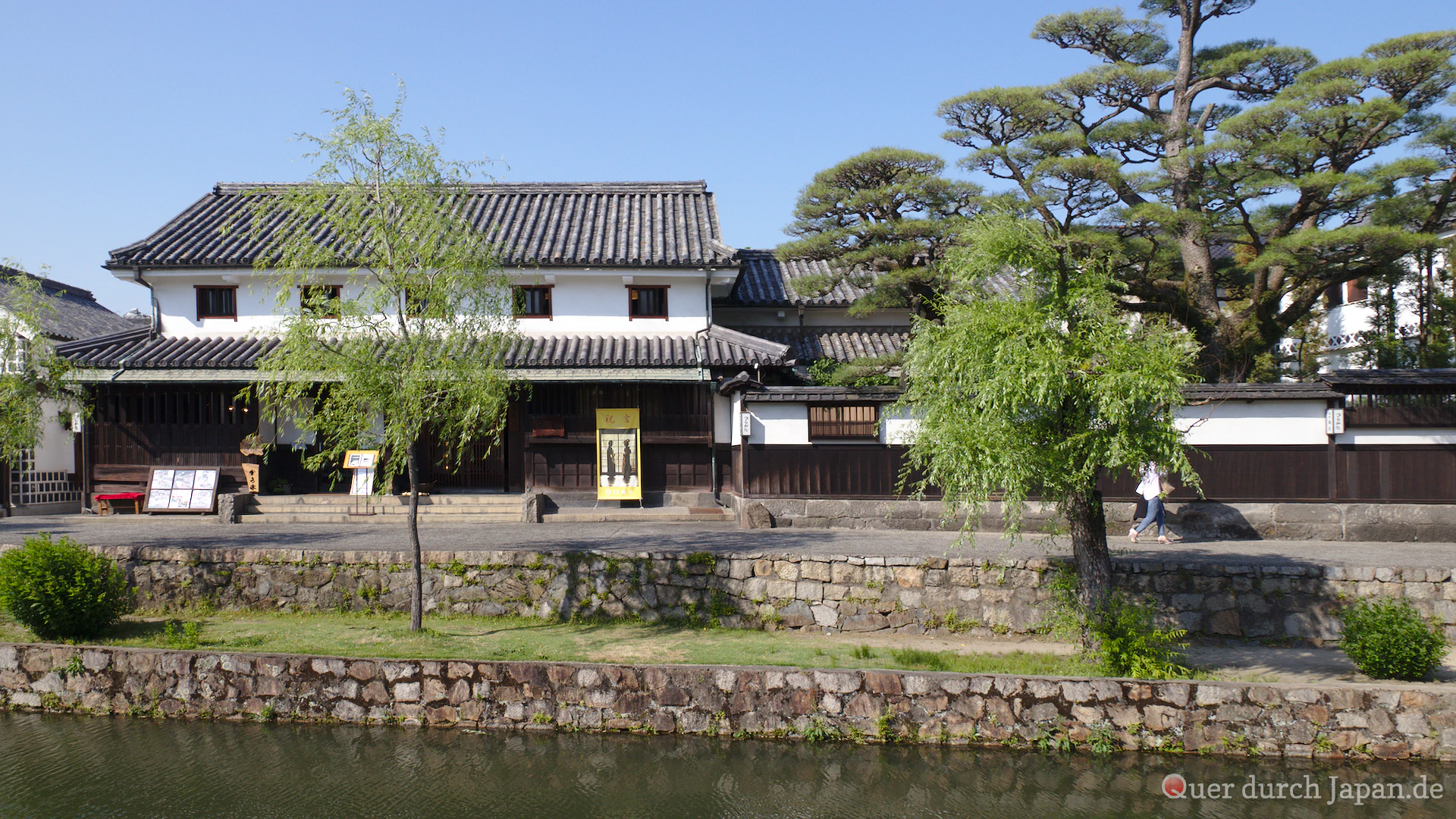
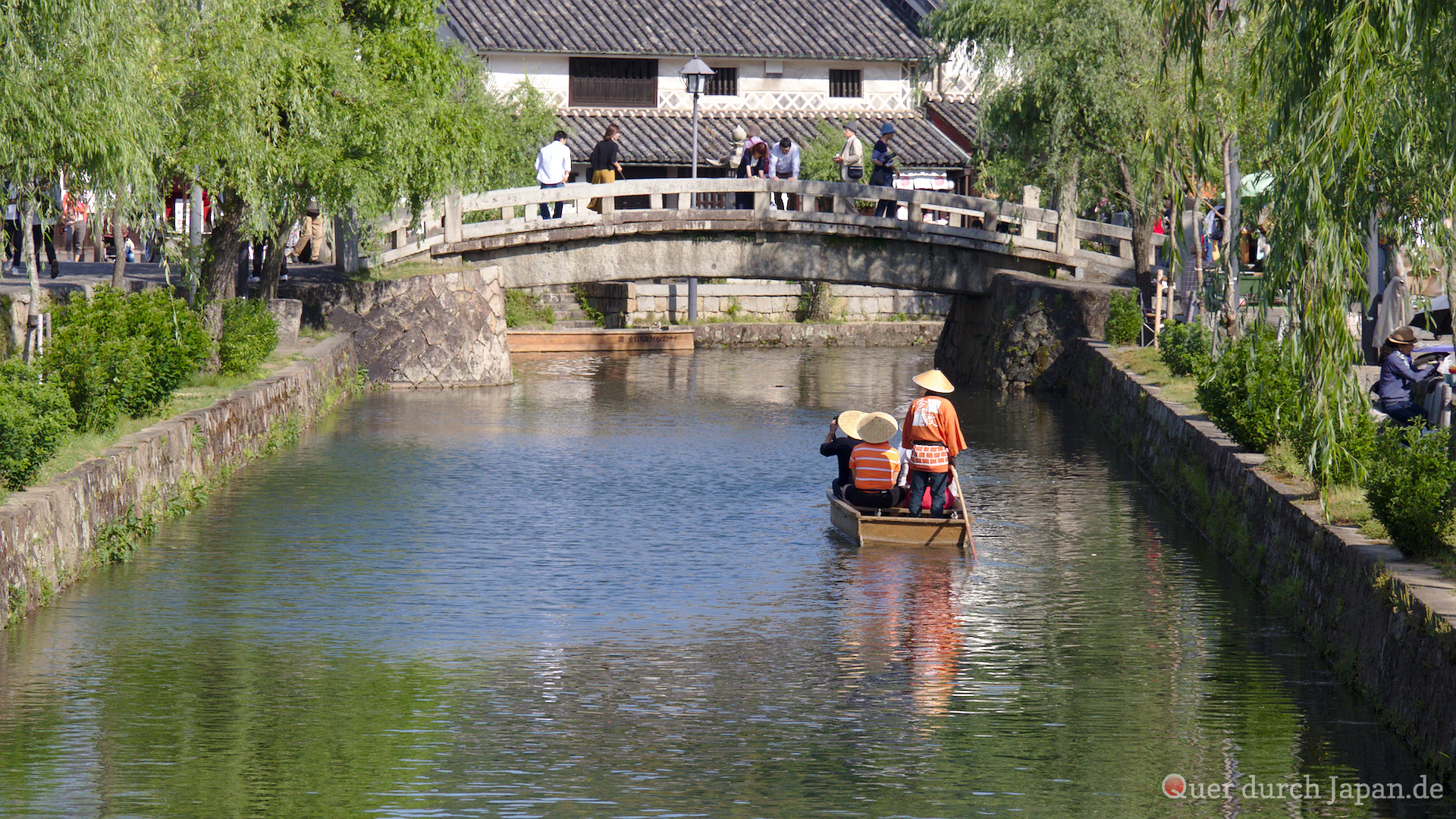
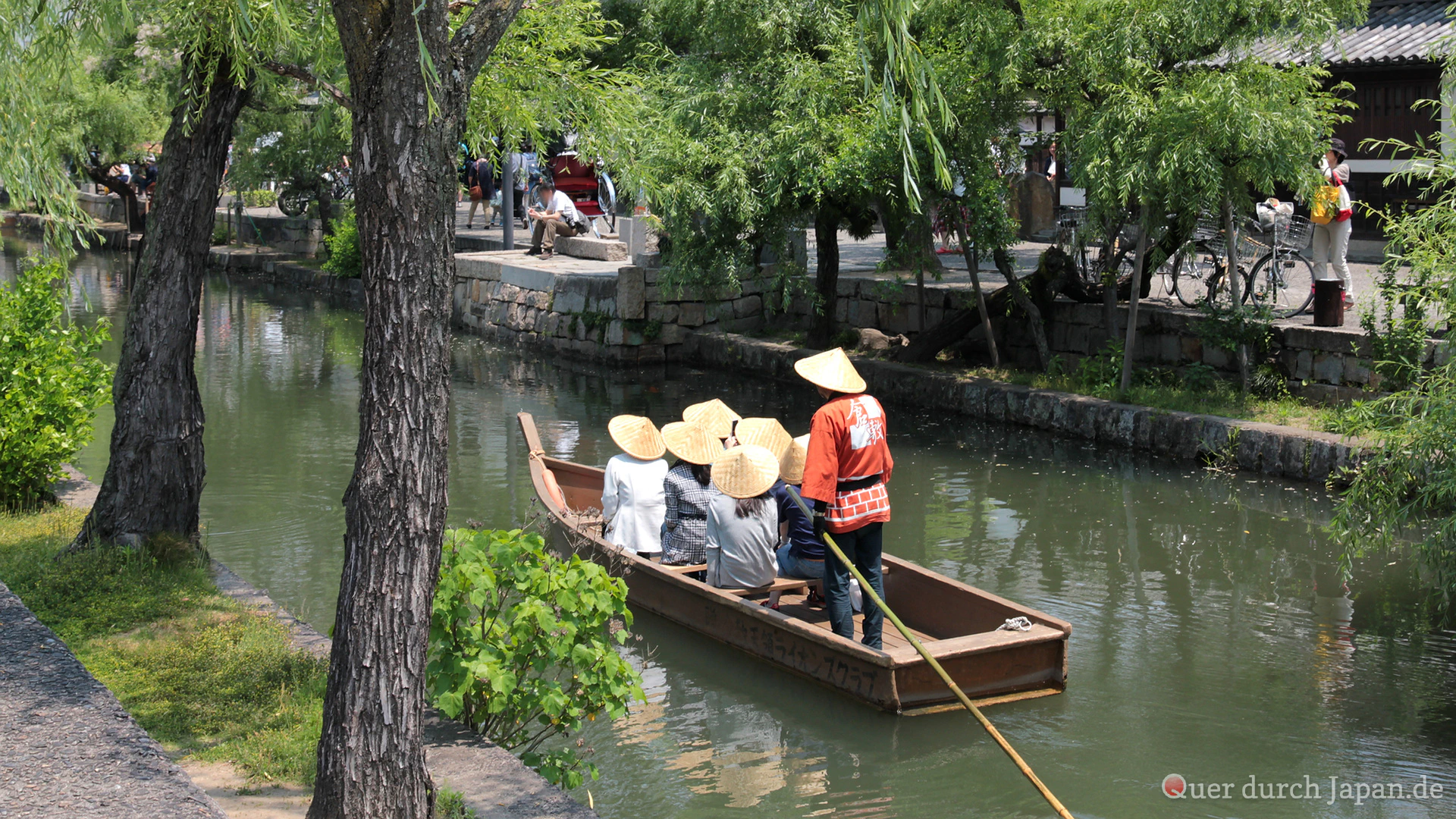
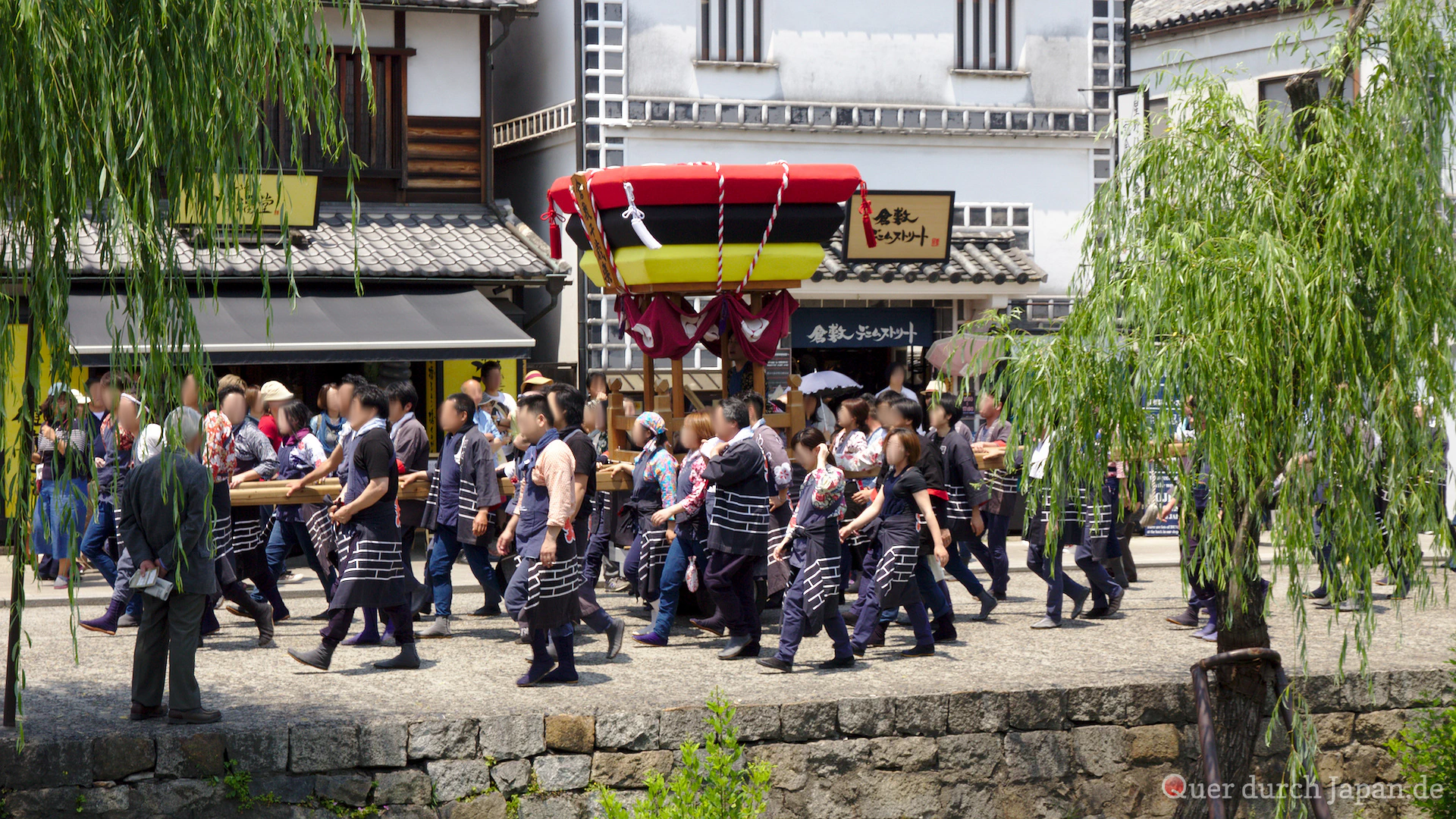
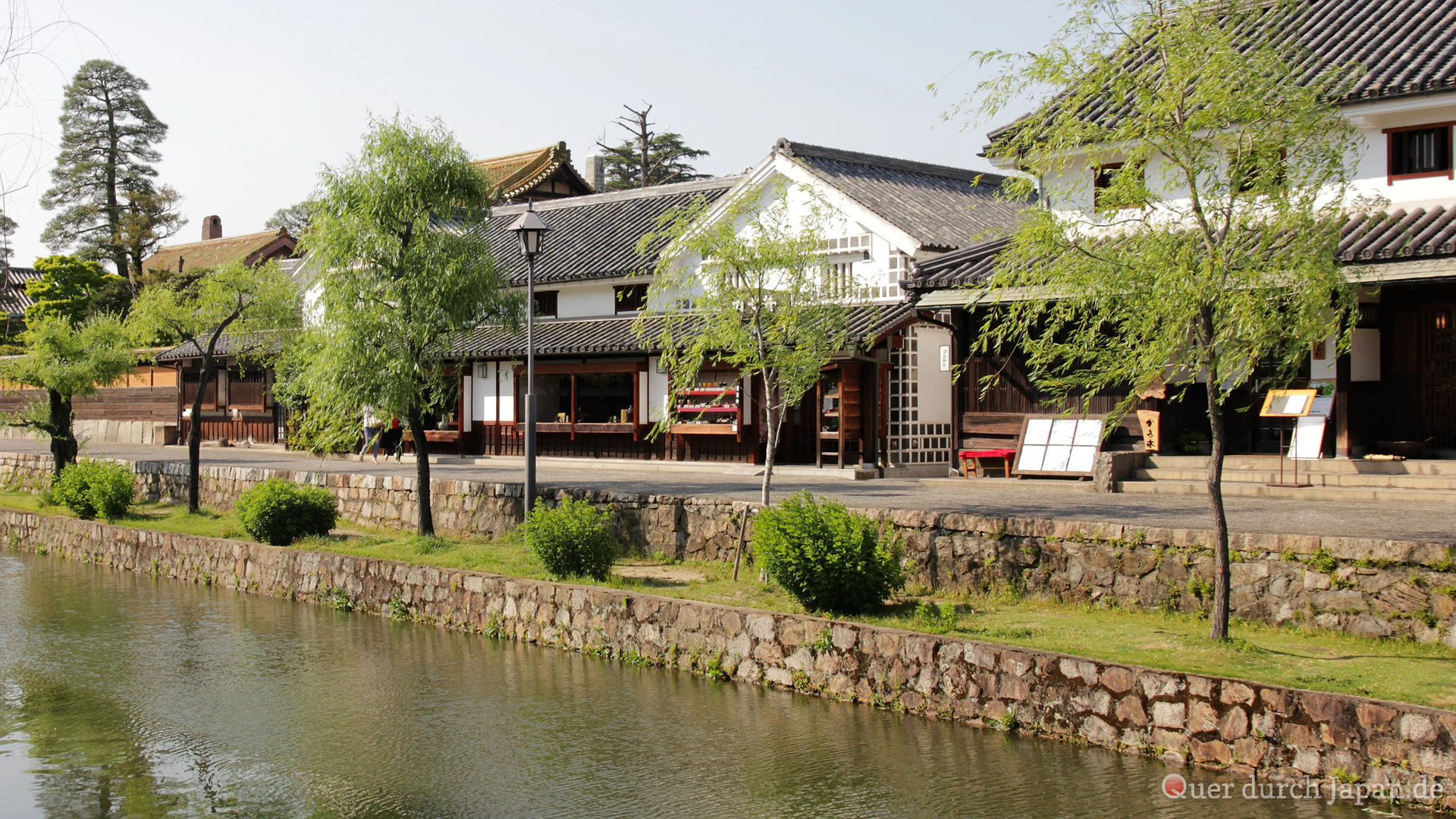
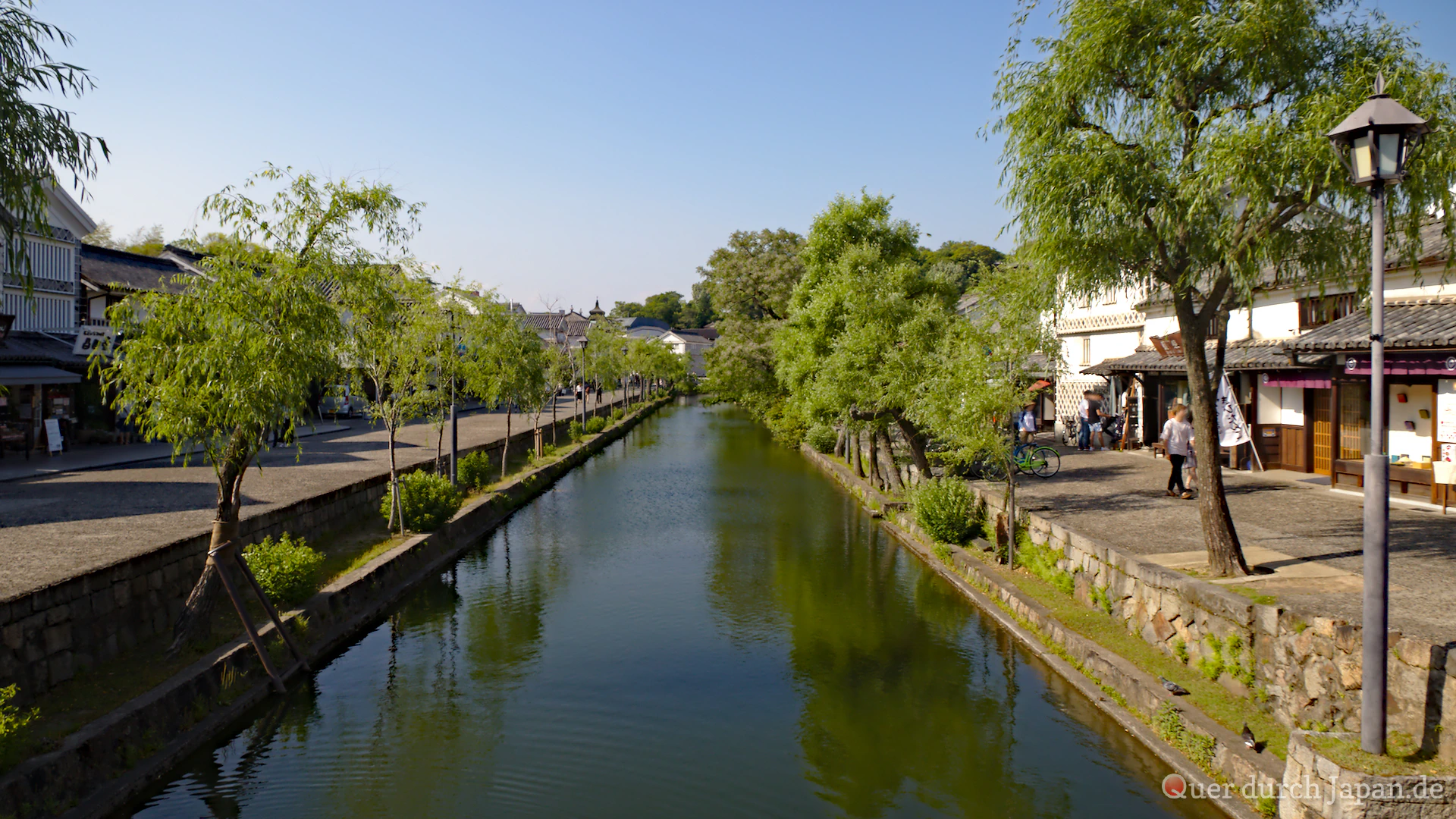
Right next to Okayama is the city of Kurashiki. Back in the Edo period, the town played a massive role in the rice trade. The name means “town of storehouses” and refers to the rice storehouses located along a canal. You can still check out this Canal Area today.

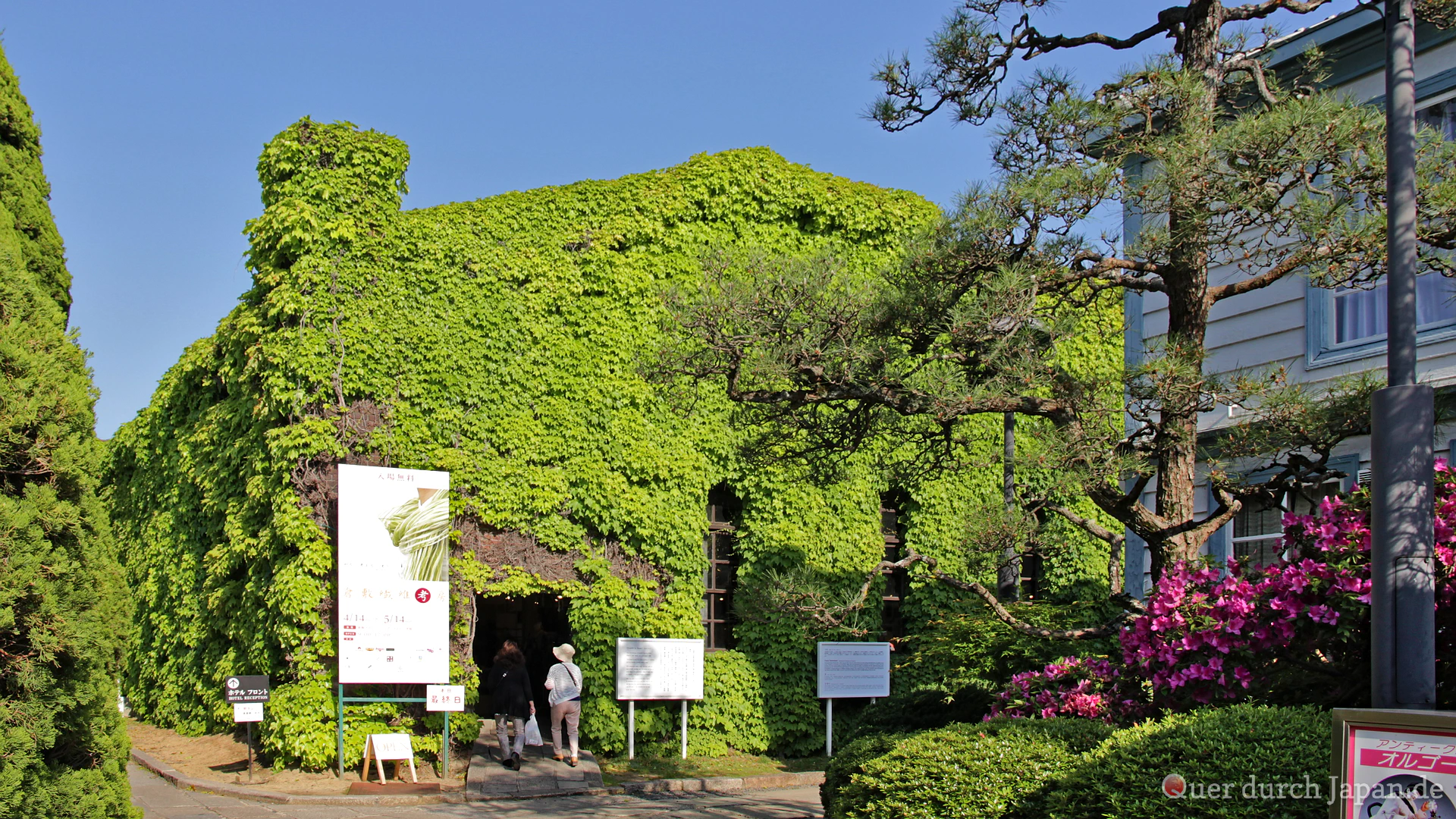
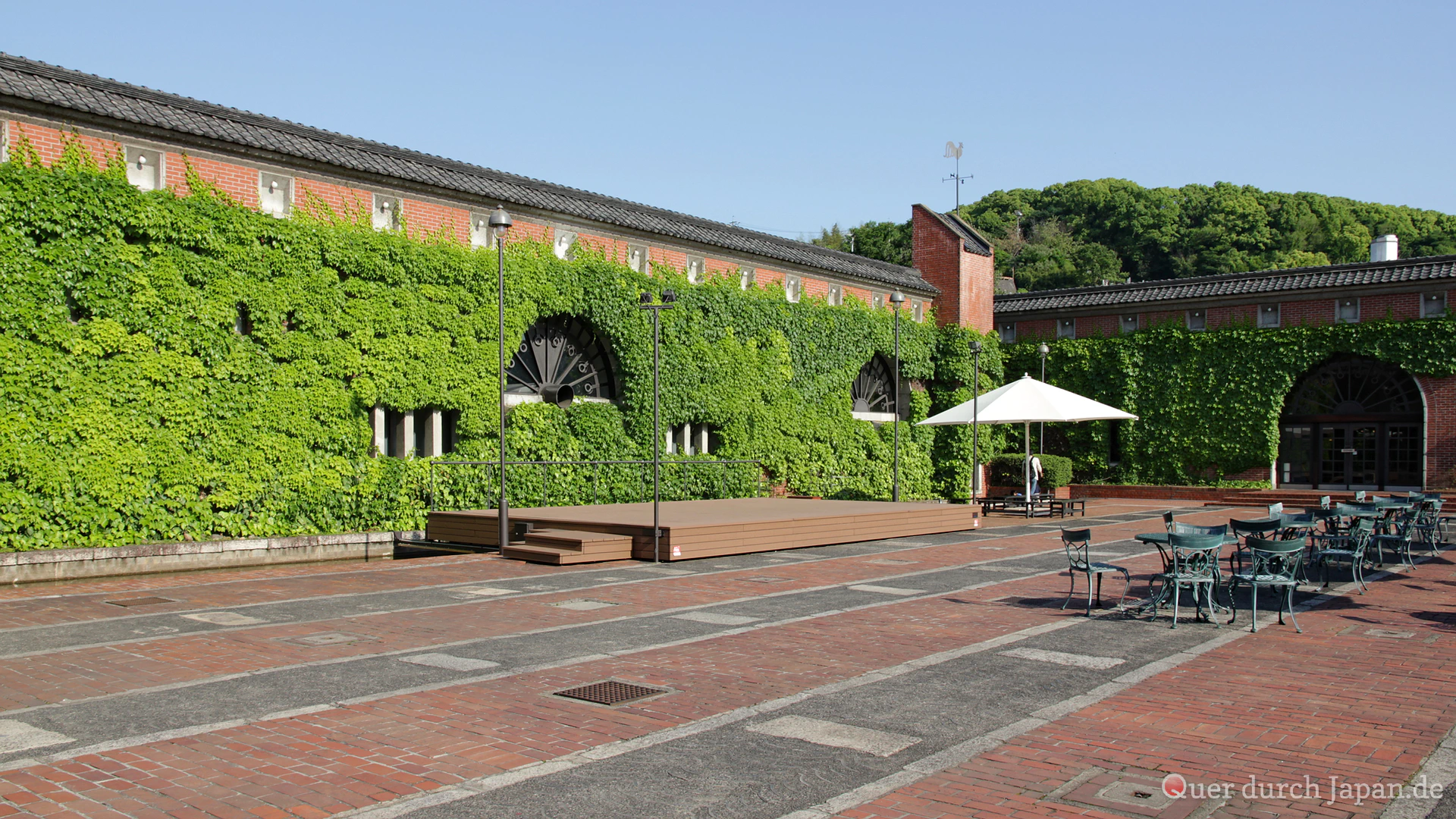
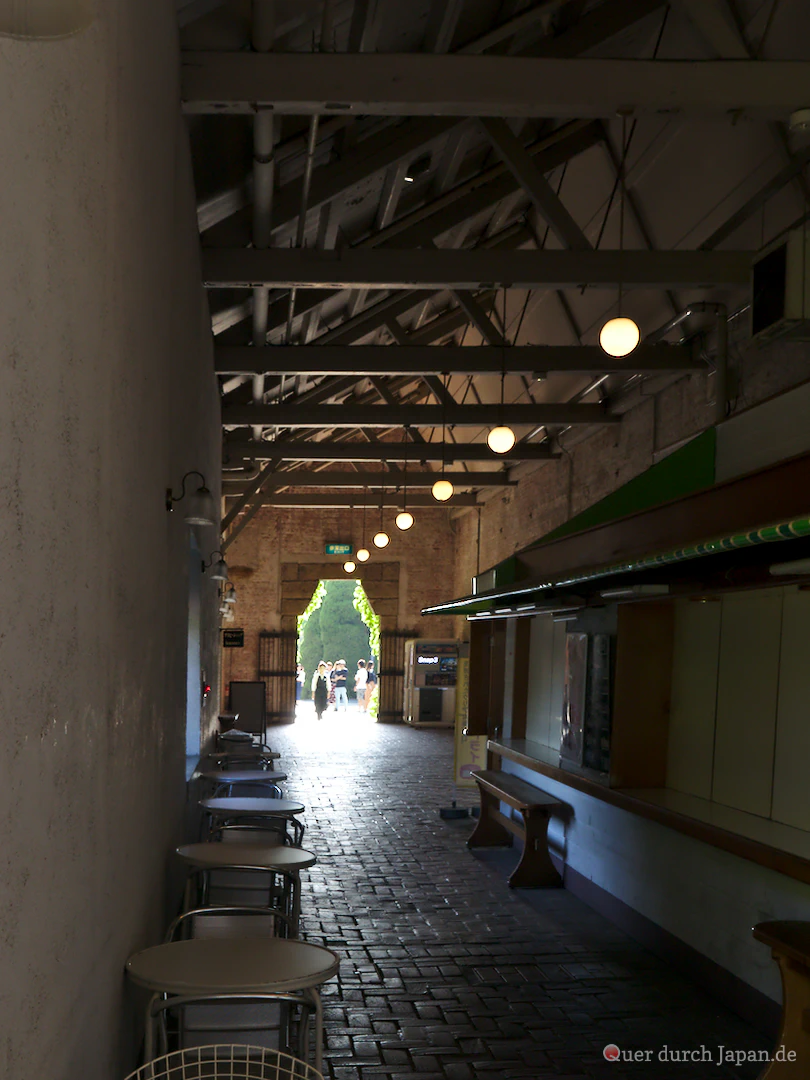
In 1889, the Kurabo company opened a cotton mill in the city; its brick building is known today as Ivy Square.

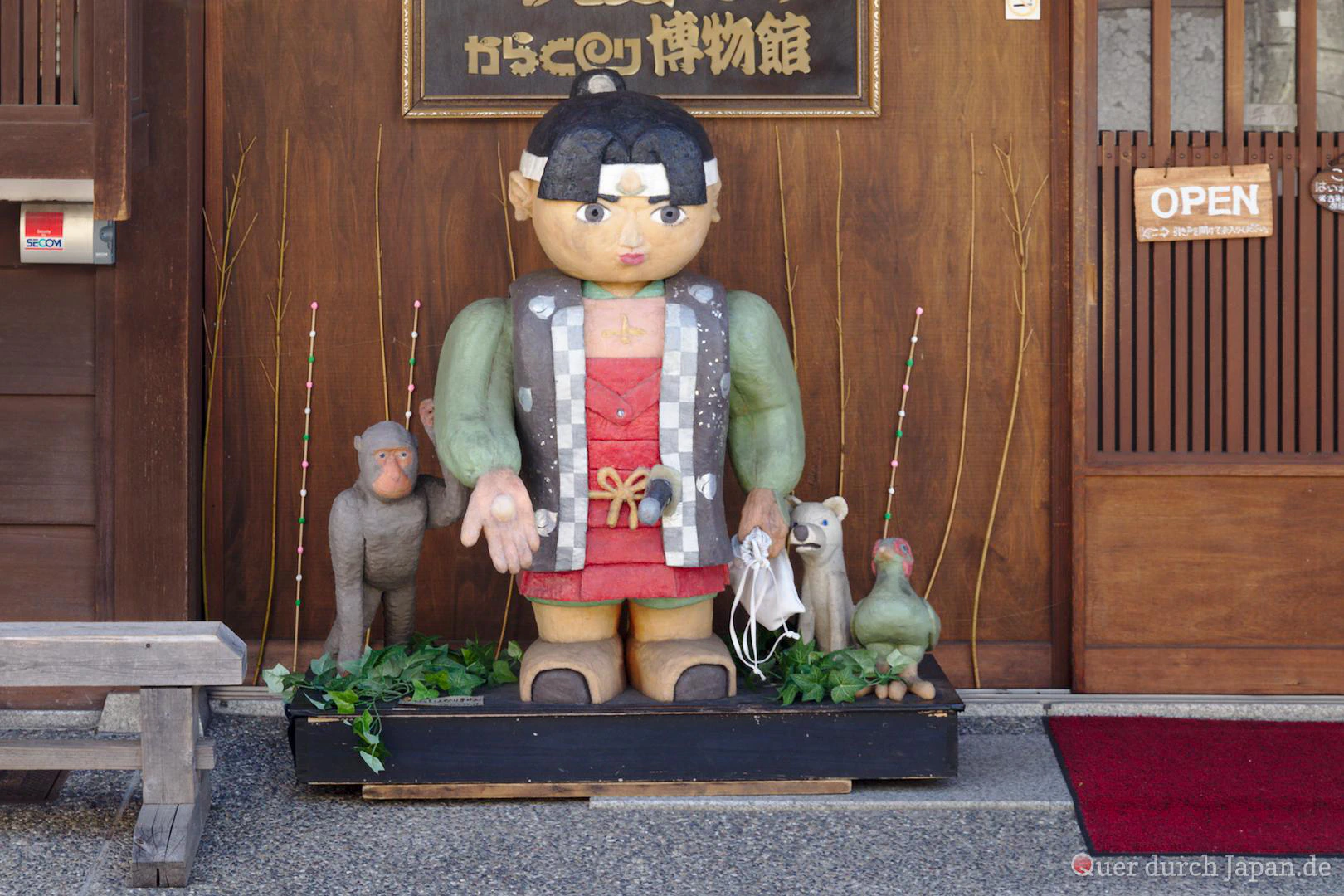
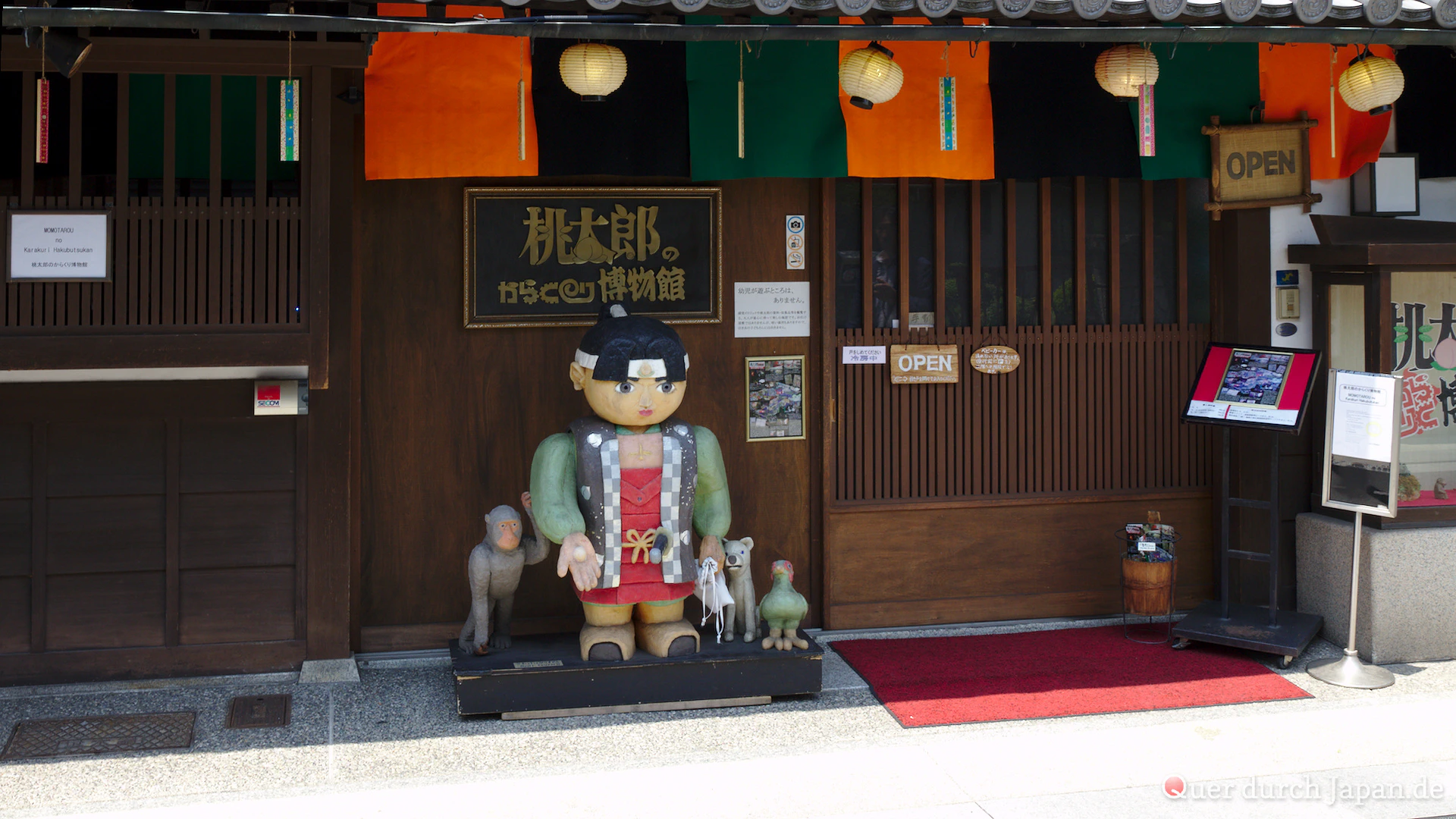
If you can drag yourself away from a stroll through the streets and shops, there are loads of museums worth a visit. The most important one is the Ōhara Museum of Western Art. But the Kurabo Museum, the Momotarō Museum and the Piggybank Museum are definitely worth a little detour, too.

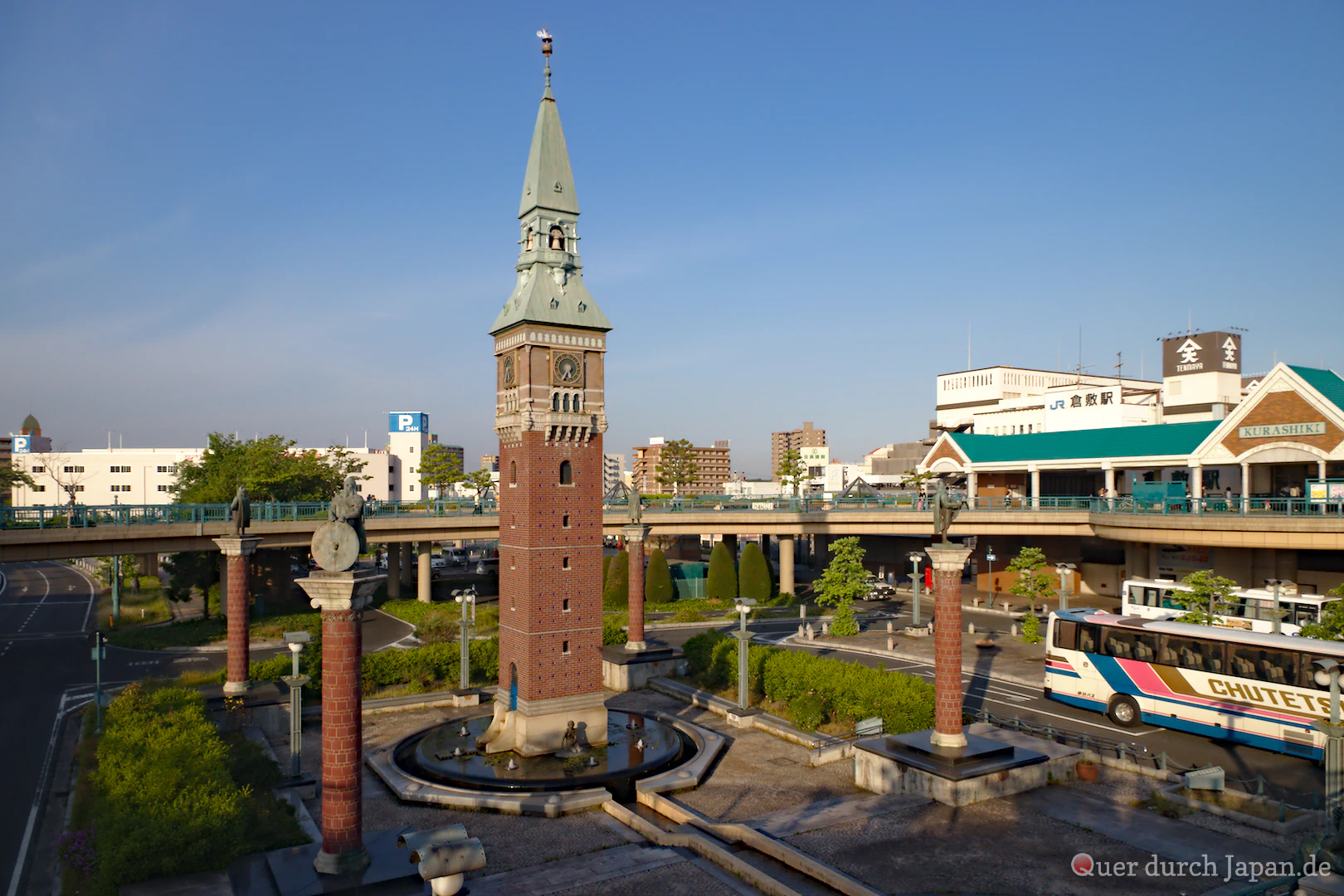
The slightly tacky and out-of-place-looking Kurashiki Clock Tower at the north exit of the station is quite interesting. It’s dedicated to Hans Christian Andersen. On the hour, the top part of the tower lifts up and figures from four of Andersen’s fairy tales pop out. I sadly only found out about the chimes later on, but I found a YouTube video of it.

Kurashiki is super easy to reach by train from Okayama. From the station, it’s about a 15-minute walk to the Canal Area and Ivy Square.
Momotarō

The story of Momotarō, the Peach Boy, is a popular Japanese fairy tale.

Once upon a time, there was an old couple. When the woman went to a stream, she spotted a massive peach floating on the water. She took it home so she and her husband could eat it. But when they cut it open, they found a little boy inside - Momotarō. The boy grew up with them like their own son. He was incredibly strong, but also pretty lazy.

Years went by. When a bunch of ogres kept terrorising the village, Momotarō decided to head over to the ogre island and sort out the troublemakers. For provisions, his mum gave him a bag of millet dumplings (kibi dango).

On the way to the island, Momotarō met a monkey, a dog, and a pheasant. He fed them the millet dumplings and became mates with them. Together, they reached the ogre island and beat the ogres.

Momotarō and his mates headed back to the village and lived happily ever after.

Travel Journal 2017: Okayama and Kurashiki

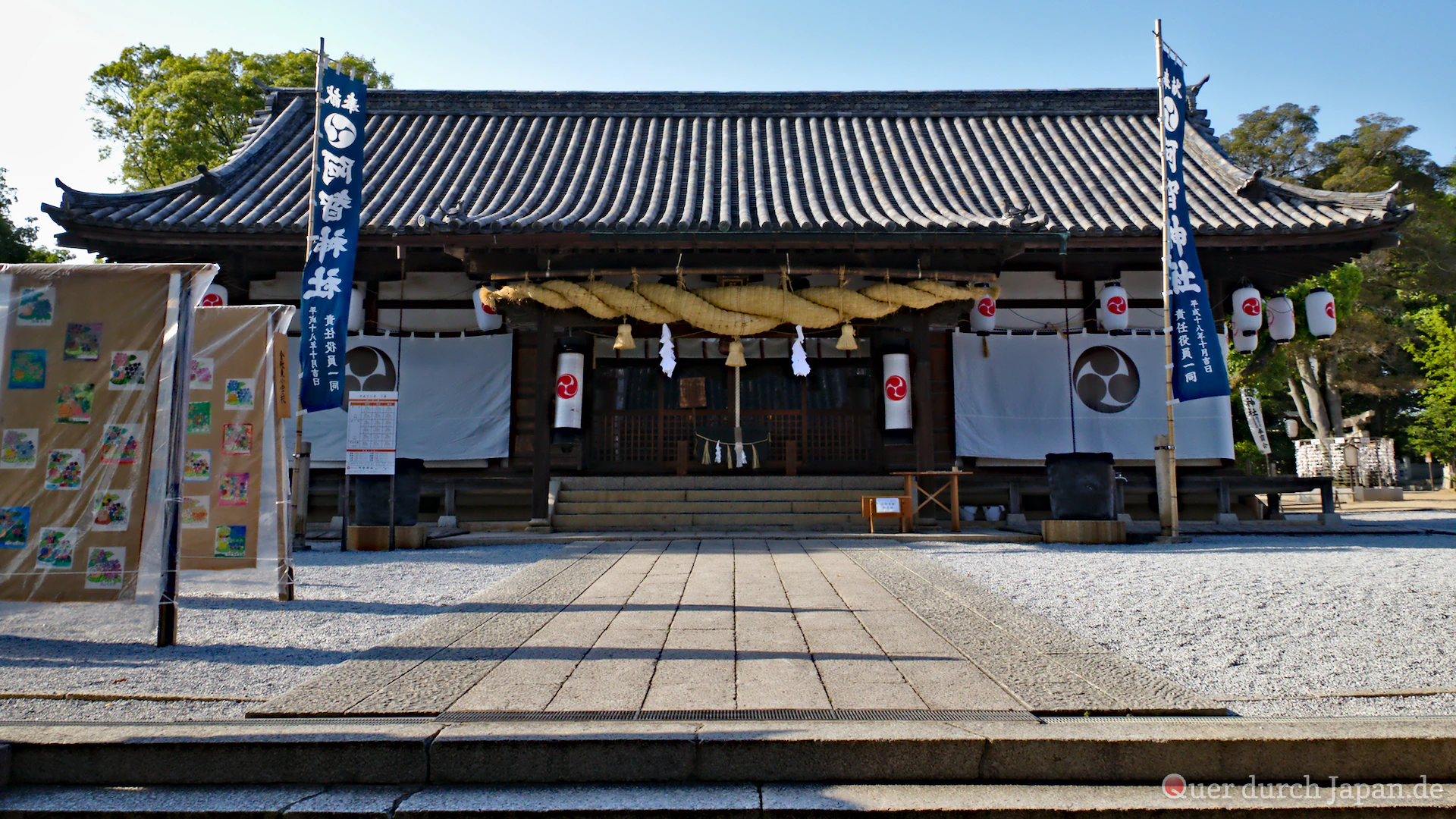
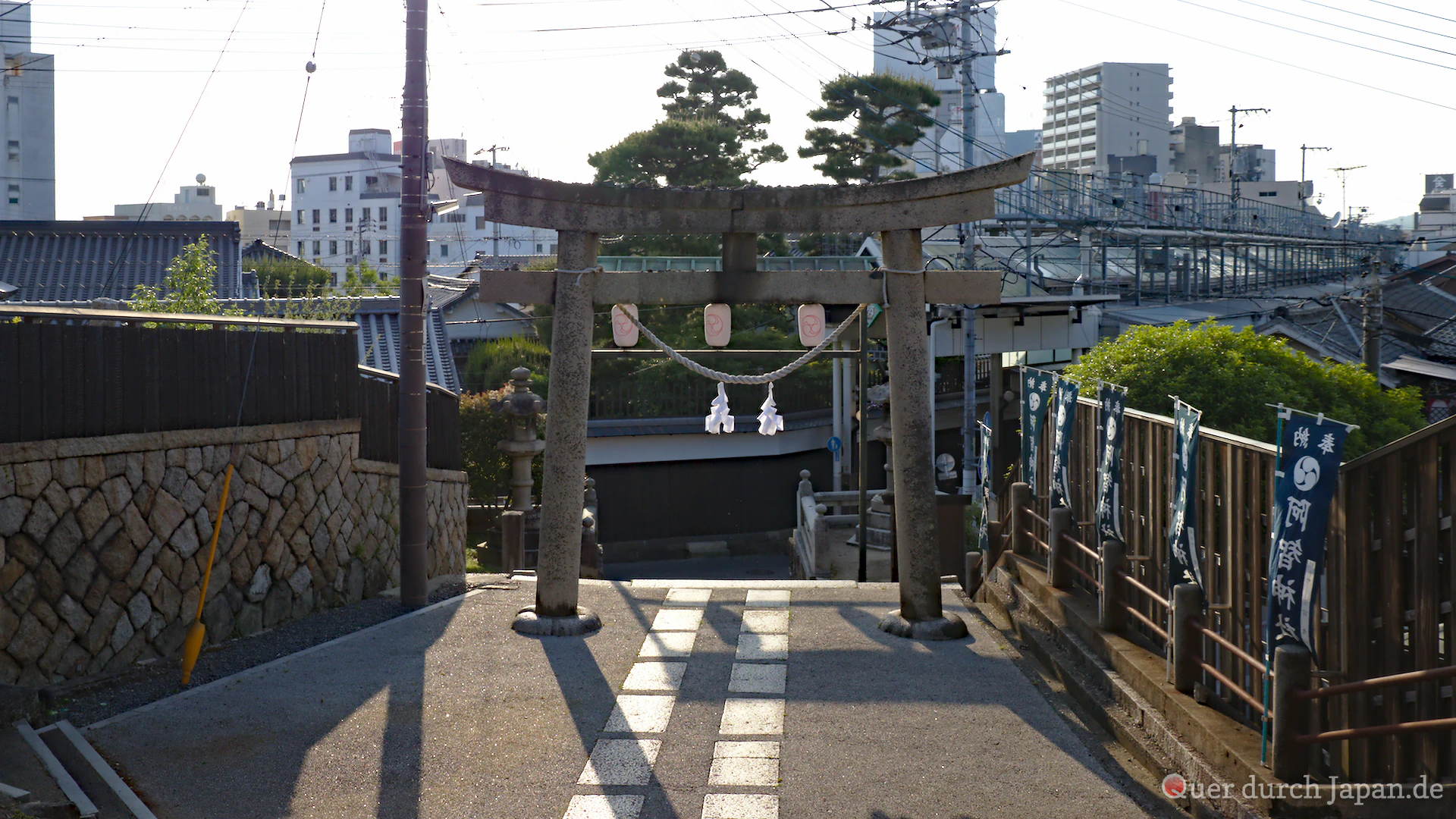
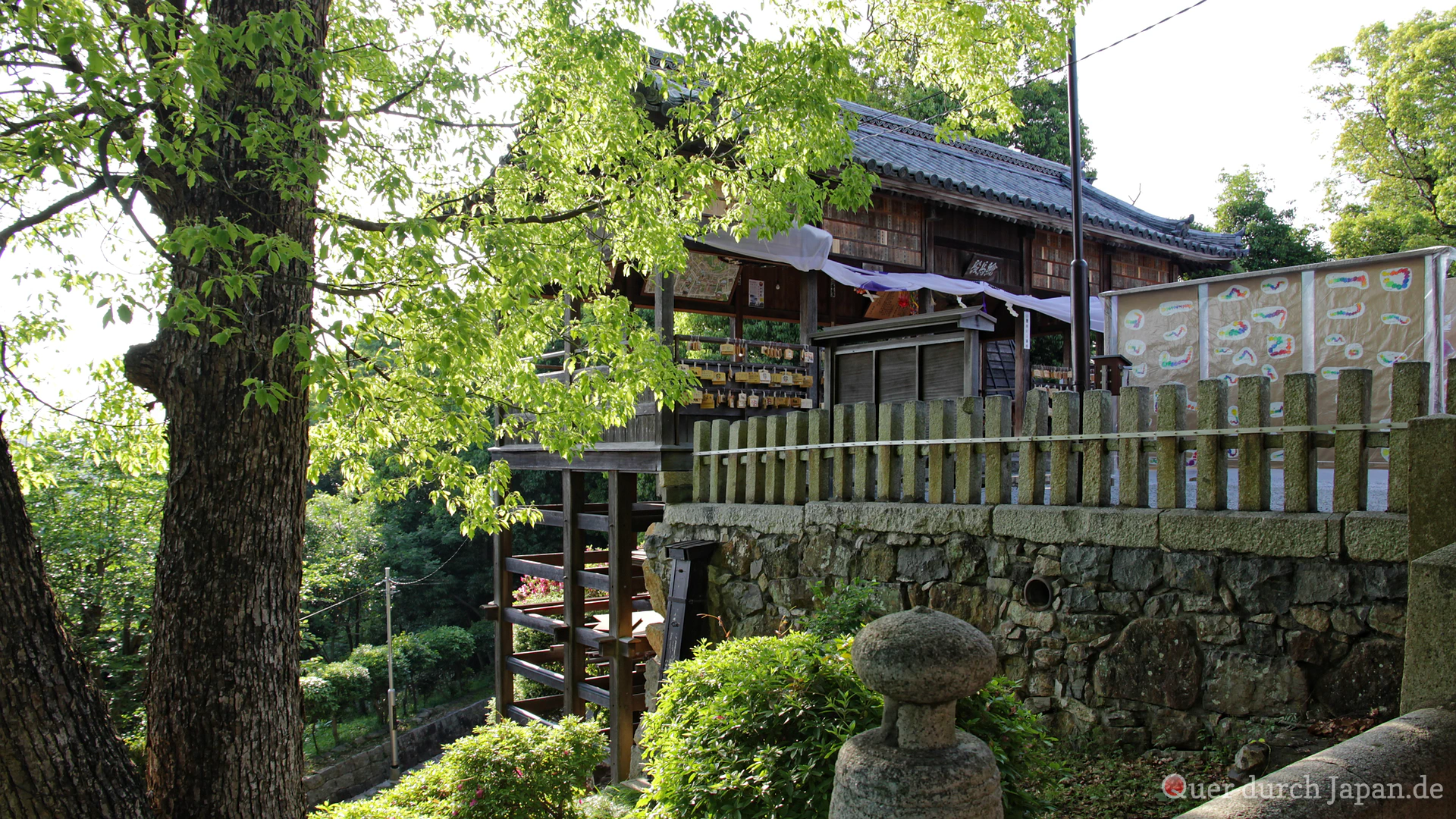
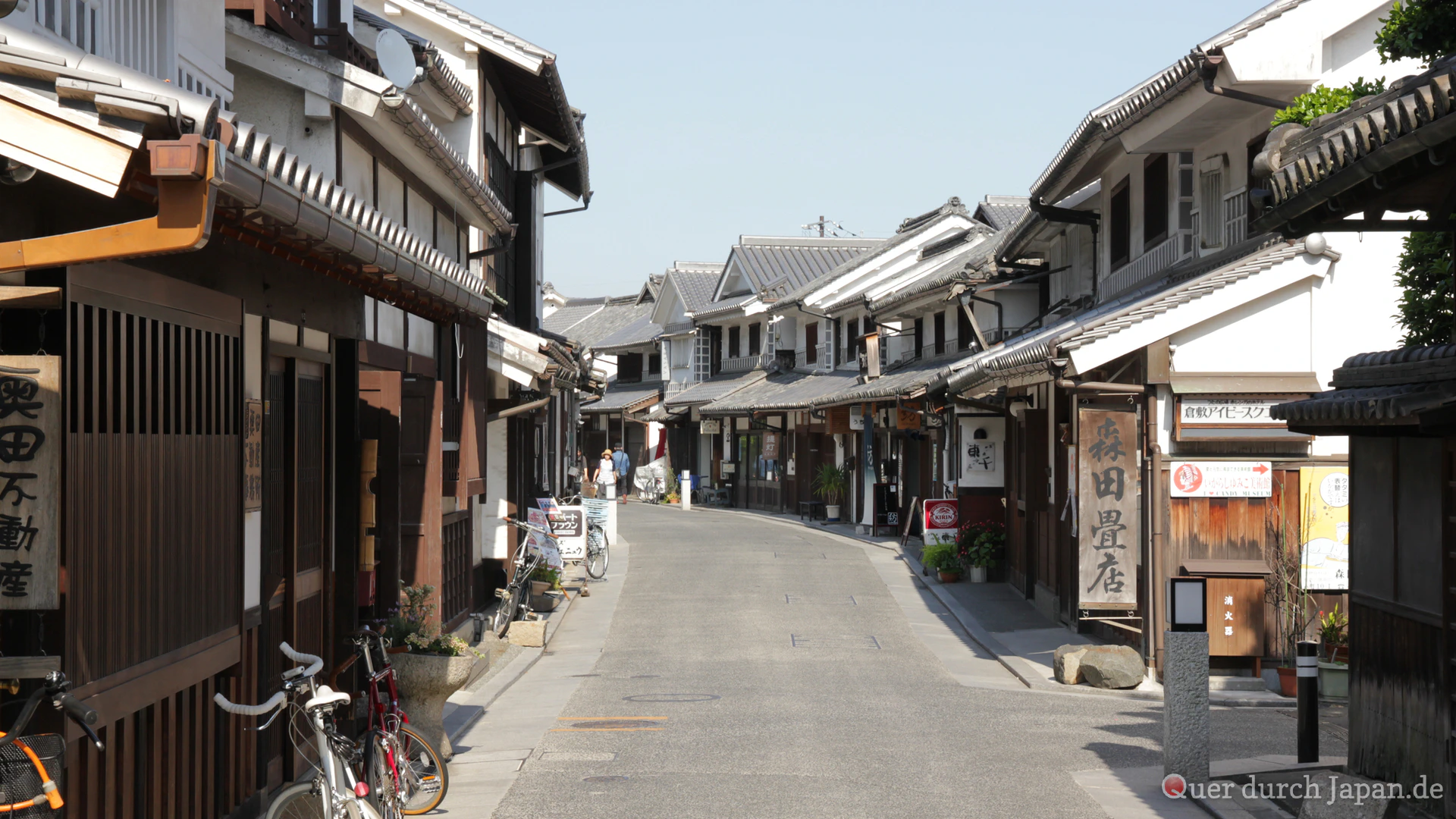
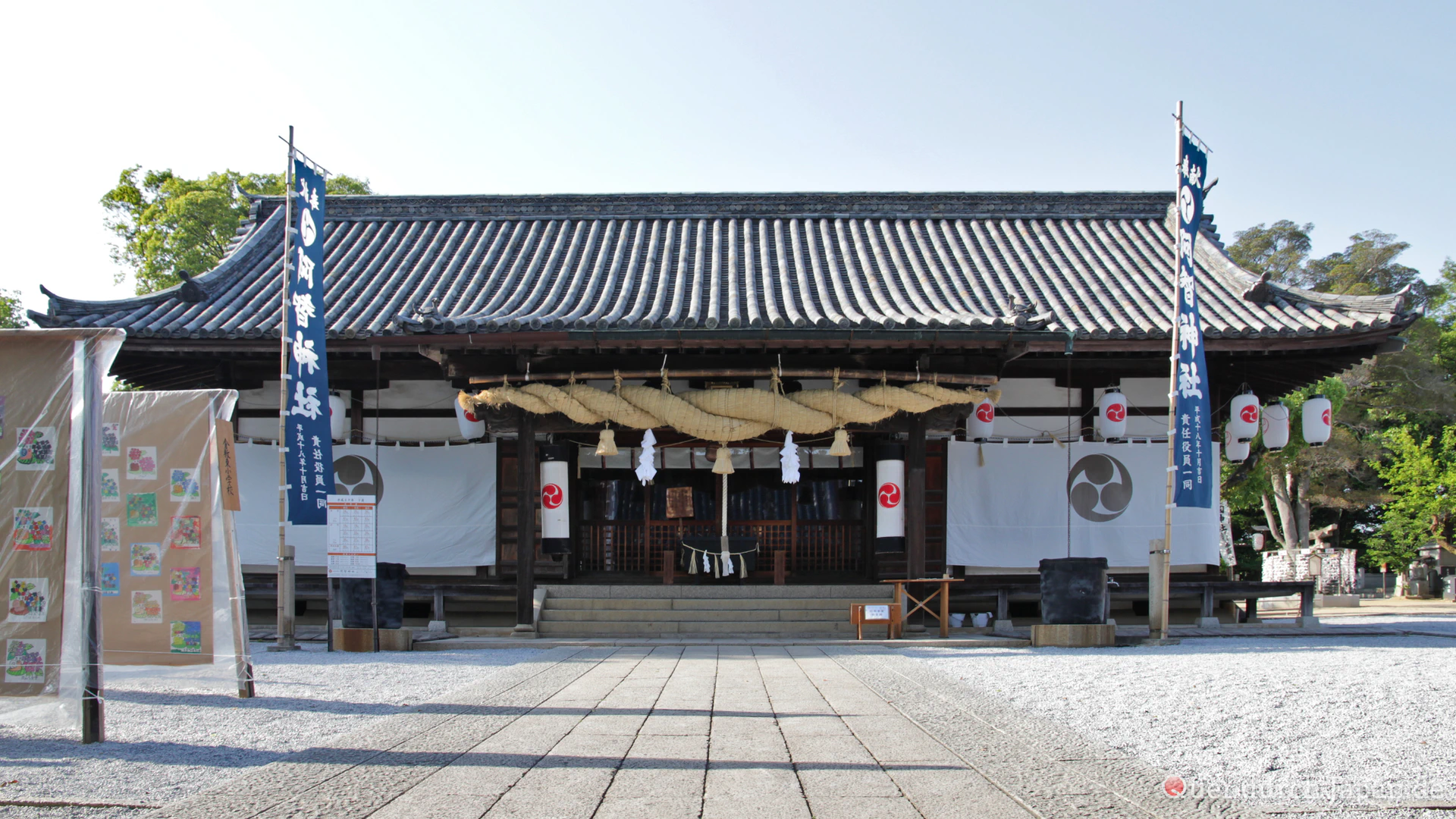
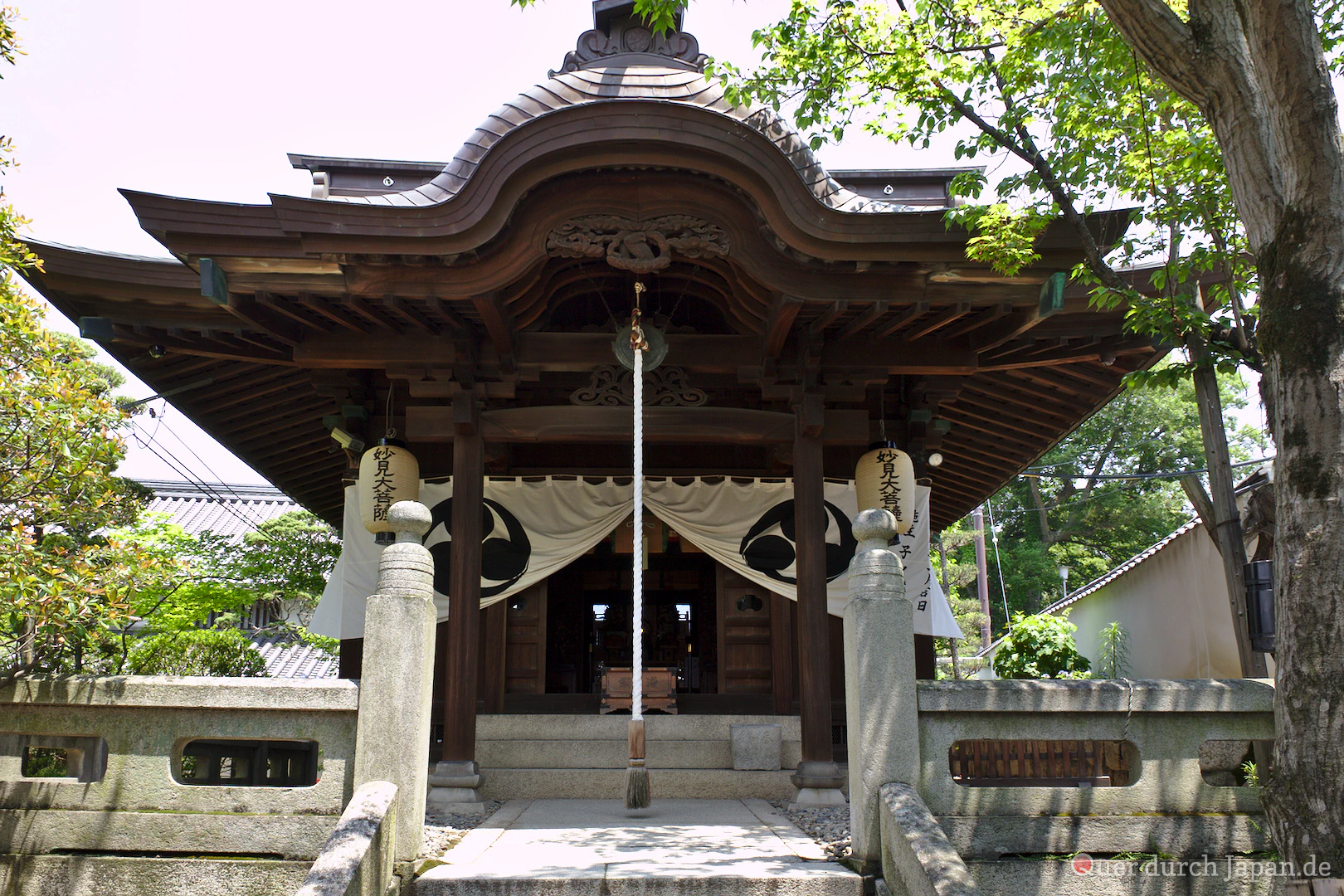
We’re moving on to the next stop: Okayama. The city itself doesn’t have much of interest to offer, apart from the famous Kōraku-en garden, which we already know anyway. Right nearby is the town of Kurashiki with its picturesque old merchant houses along a canal. You can also see the Achi Shrine there - after a tough climb up the stairs.

We bought a couple of little tea bowls in a small shop, from a Turkish guy who had never even been to Germany, but spoke brilliant German and raved about Cologne.

Travel Journal 2016: Fuji Hakone and Kurashiki

After breakfast we left Hiroshima and headed first to Kurashiki. The place is famous for its old merchant houses and the canal that runs through the streets.

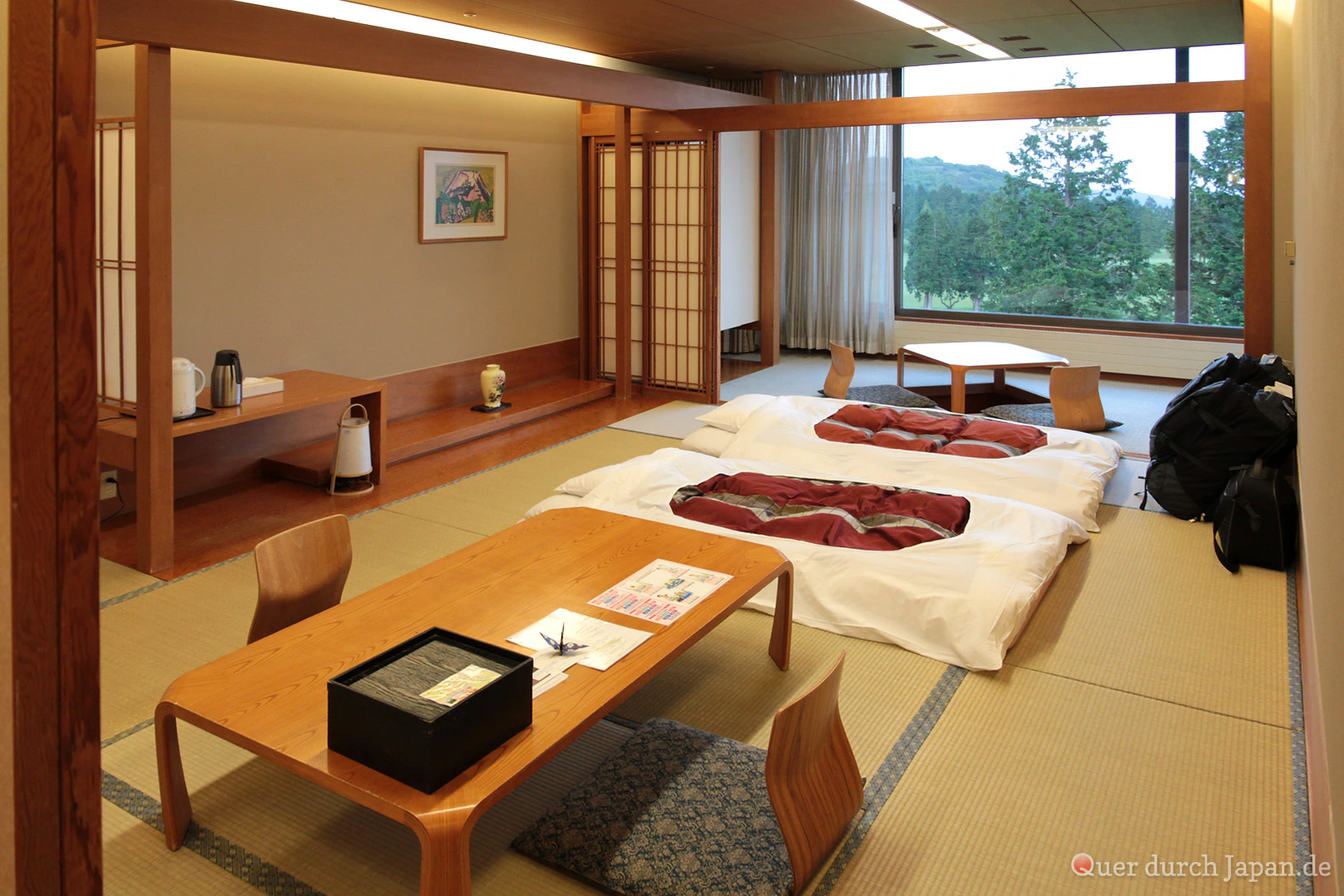
After that, we took the Shinkansen, an express train, and finally a bus to our next stop, the Fuji Hakone National Park. Here we’re spending the night in a Japanese hotel, a ryokan.

It’s actually a luxury lodge where guests can relax in hot mineral baths, eat tasty food, and stay in spacious rooms. But since the economic crisis, business has been pretty slow. And lately, Fuji-san has been driving away the rest of the guests. We’re in an active volcanic area here. For a few weeks now, hot fumaroles have been casting a really noticeable smell of sulphur over the hotel grounds. These hot vapours are dangerous. Recently, some tourists had an accident in the area, which is why we were strongly advised against taking night-time walks outside the grounds.

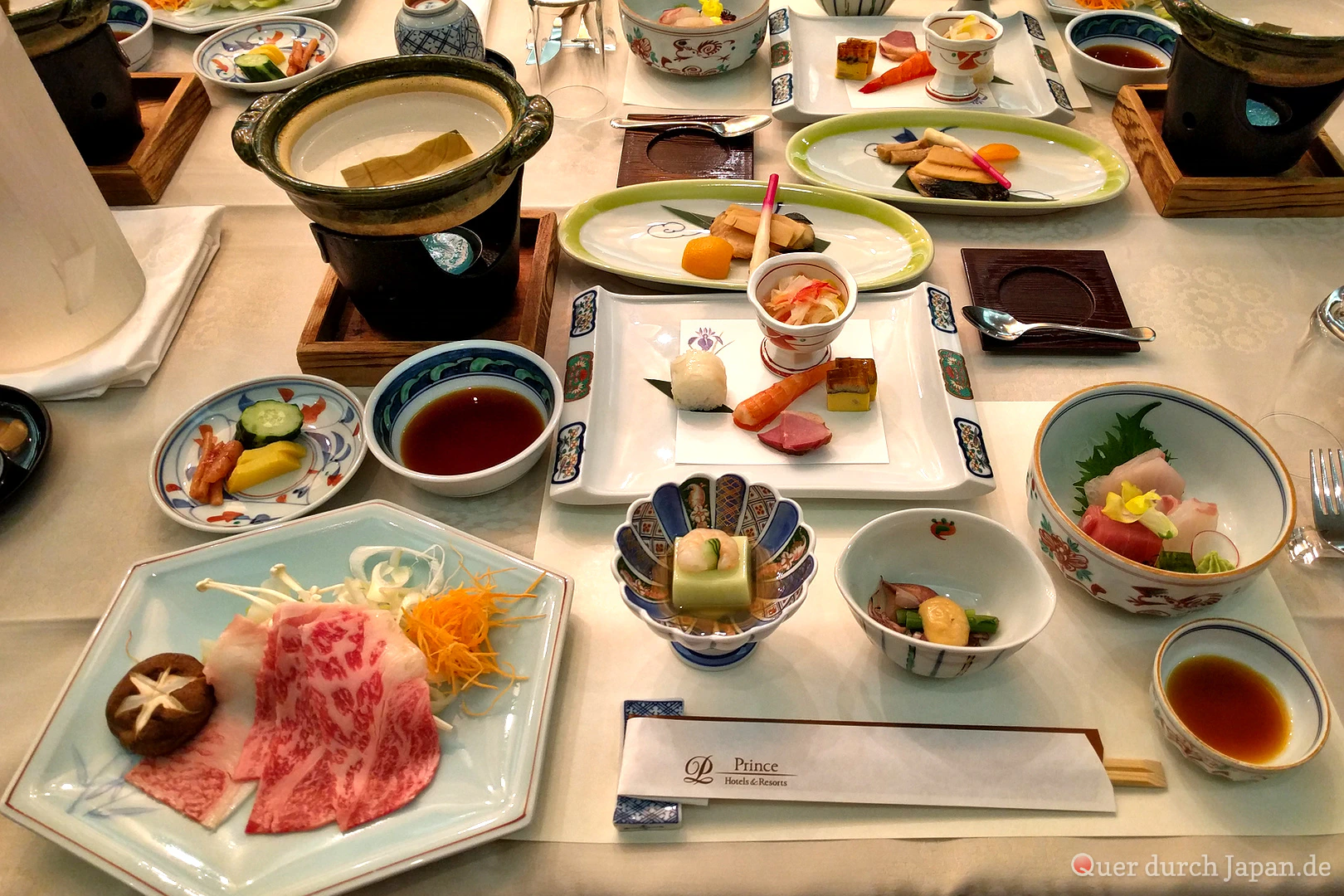
For dinner, we had traditional Kaiseki cuisine: sashimi, a sort of mini shabu-shabu, pickled veg, miso soup, rice, and a matcha pudding for dessert. We liked almost everything, but opinions in the group were pretty divided.

Afterwards, we headed back to our big room. Our bed for the night is already made up on the tatami mat floor.