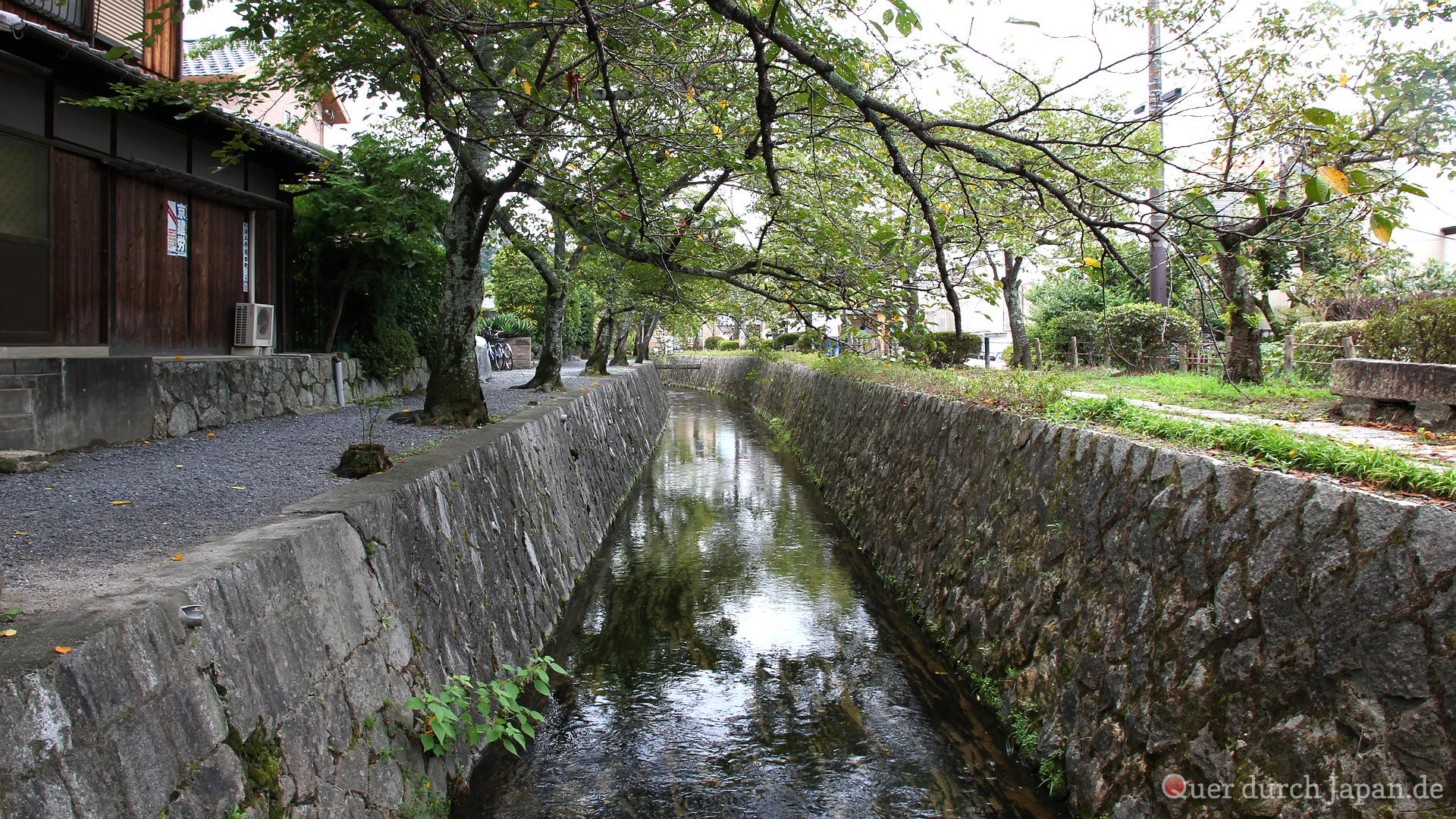
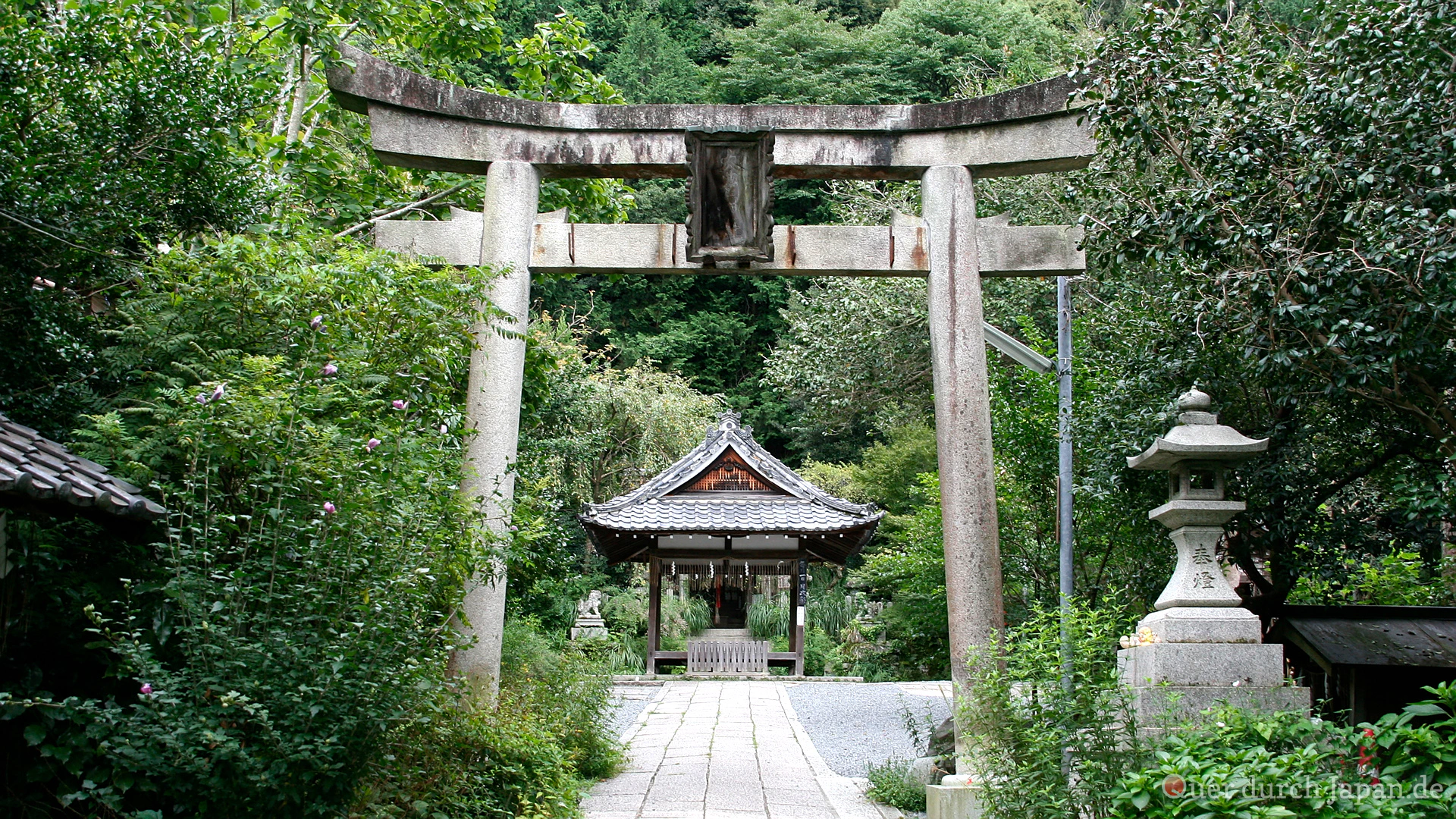
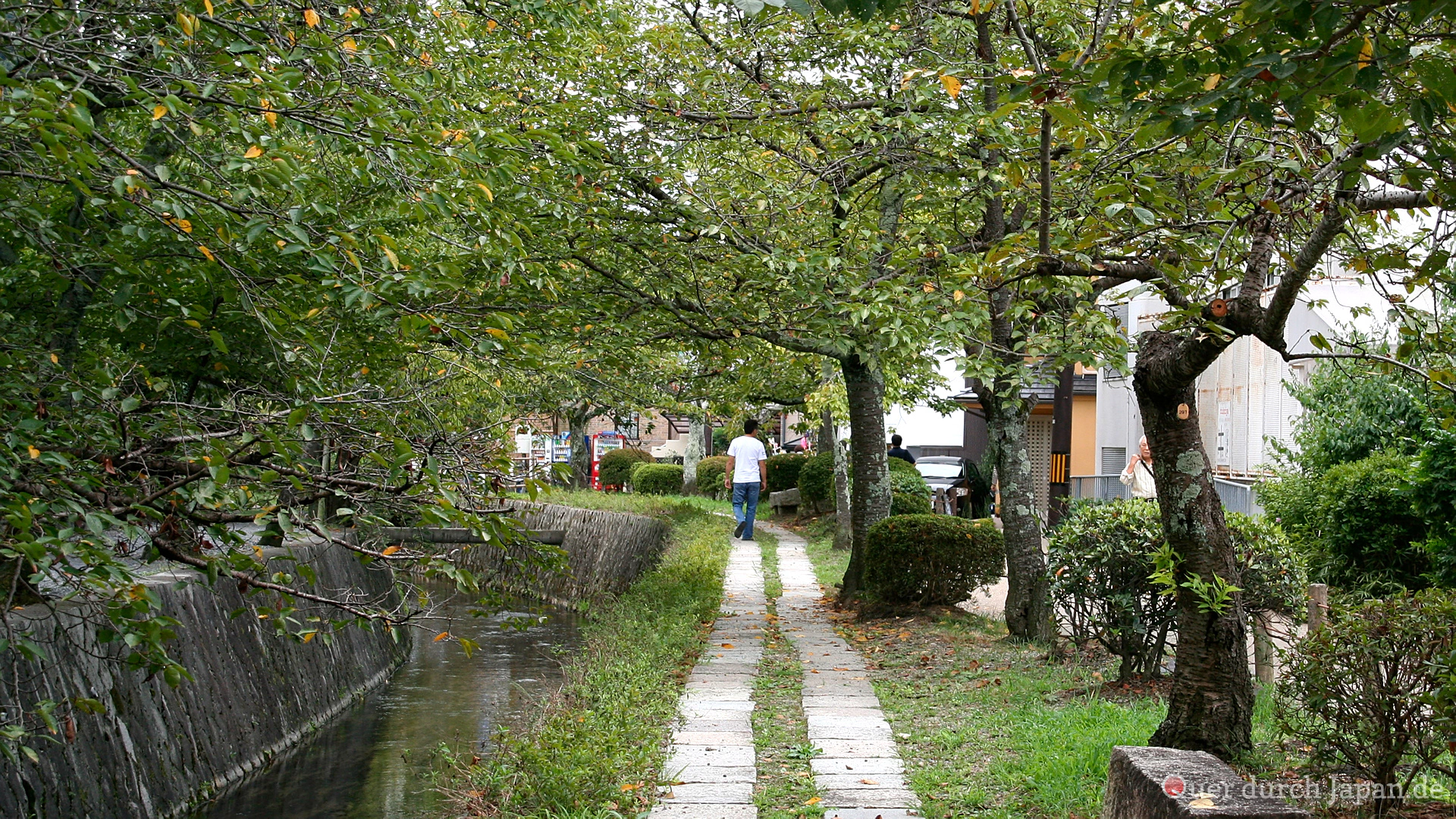
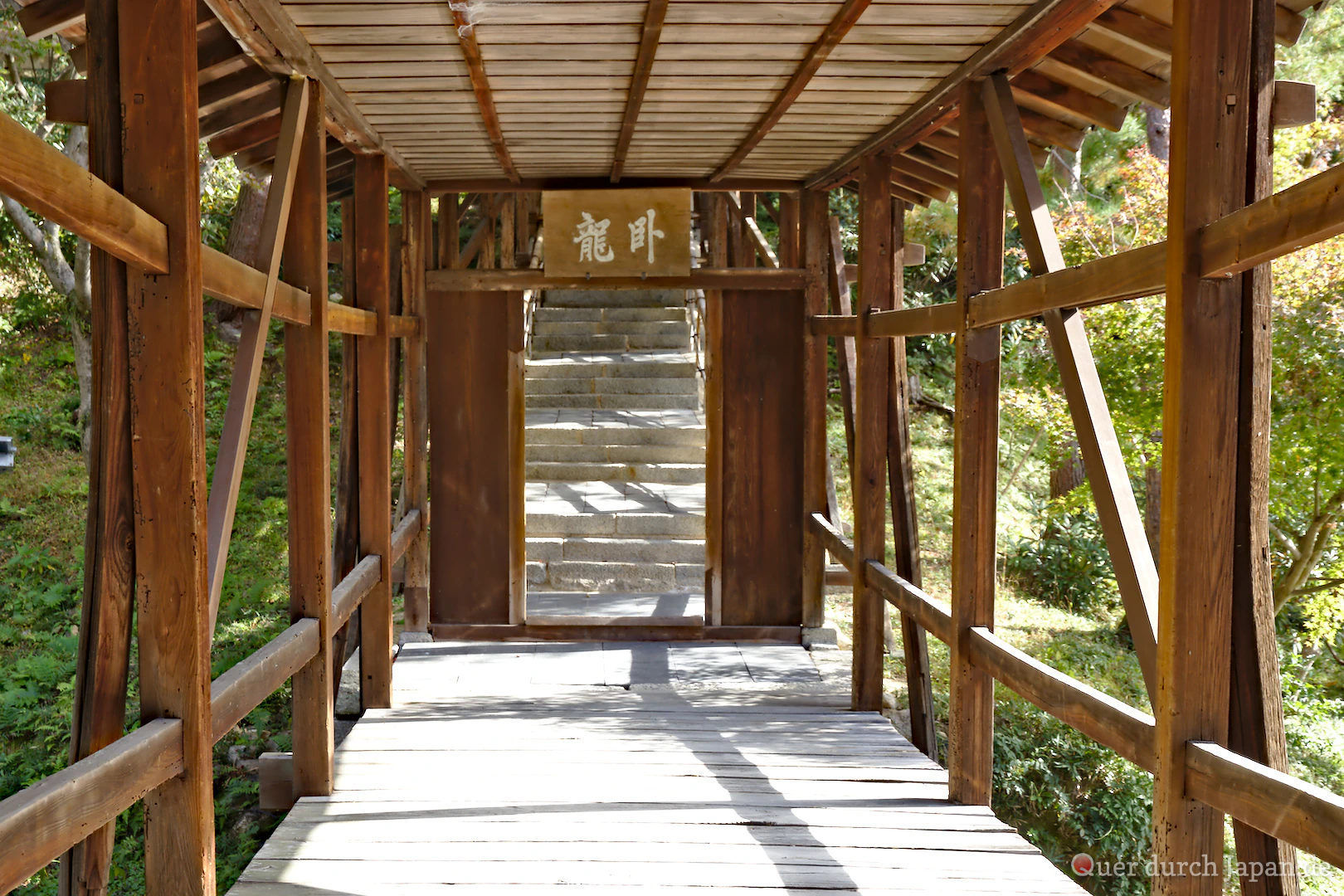
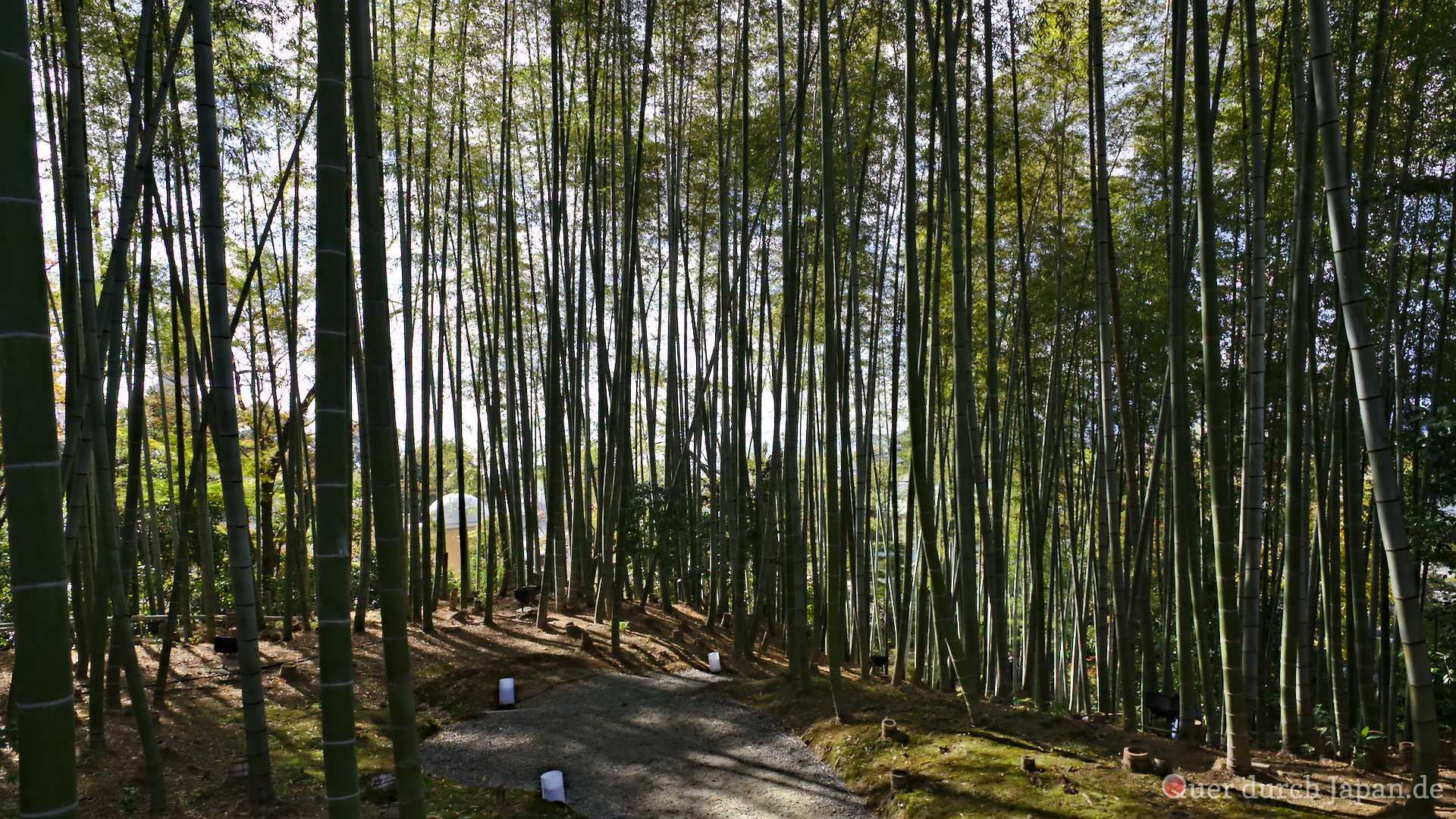
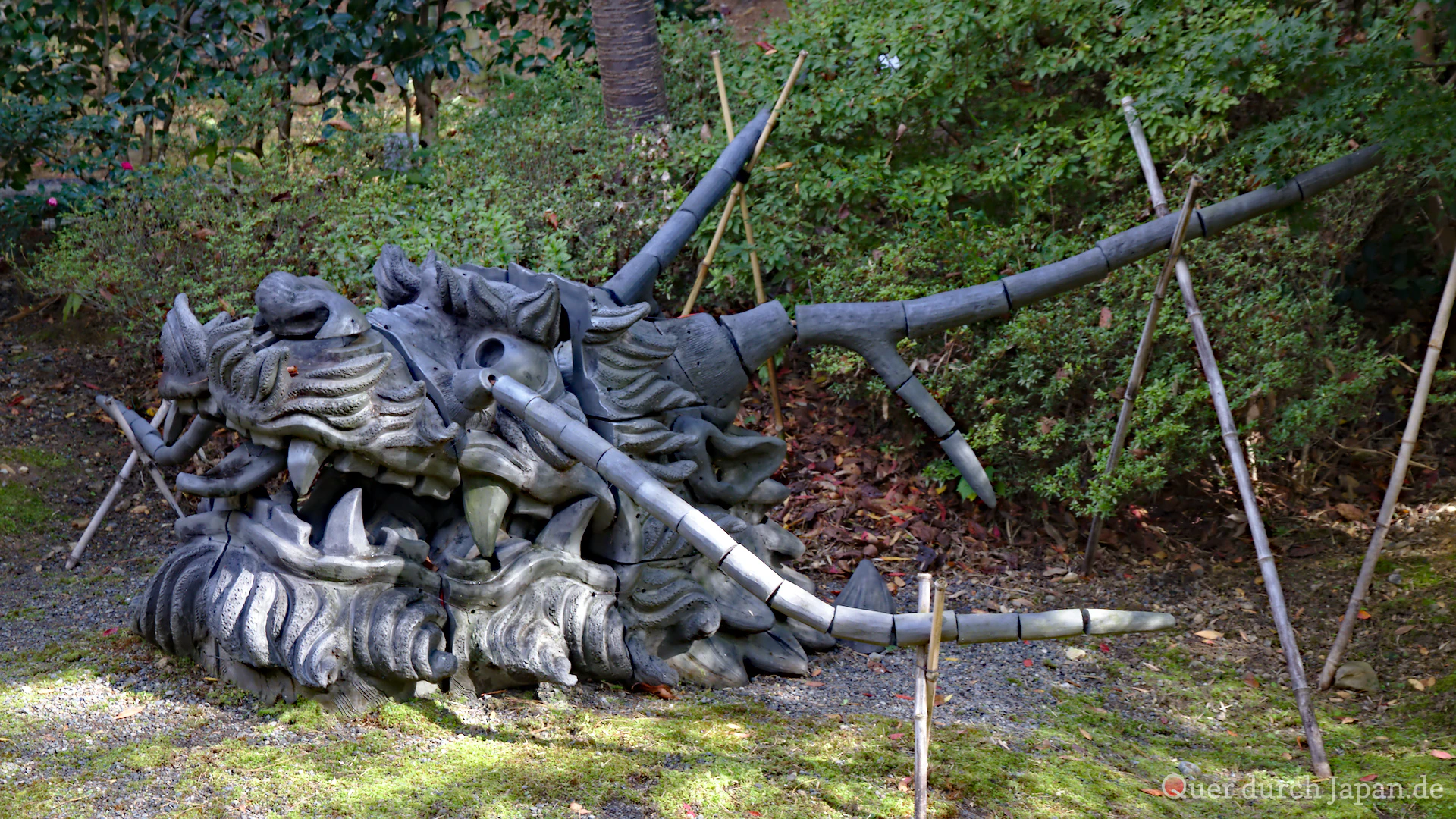
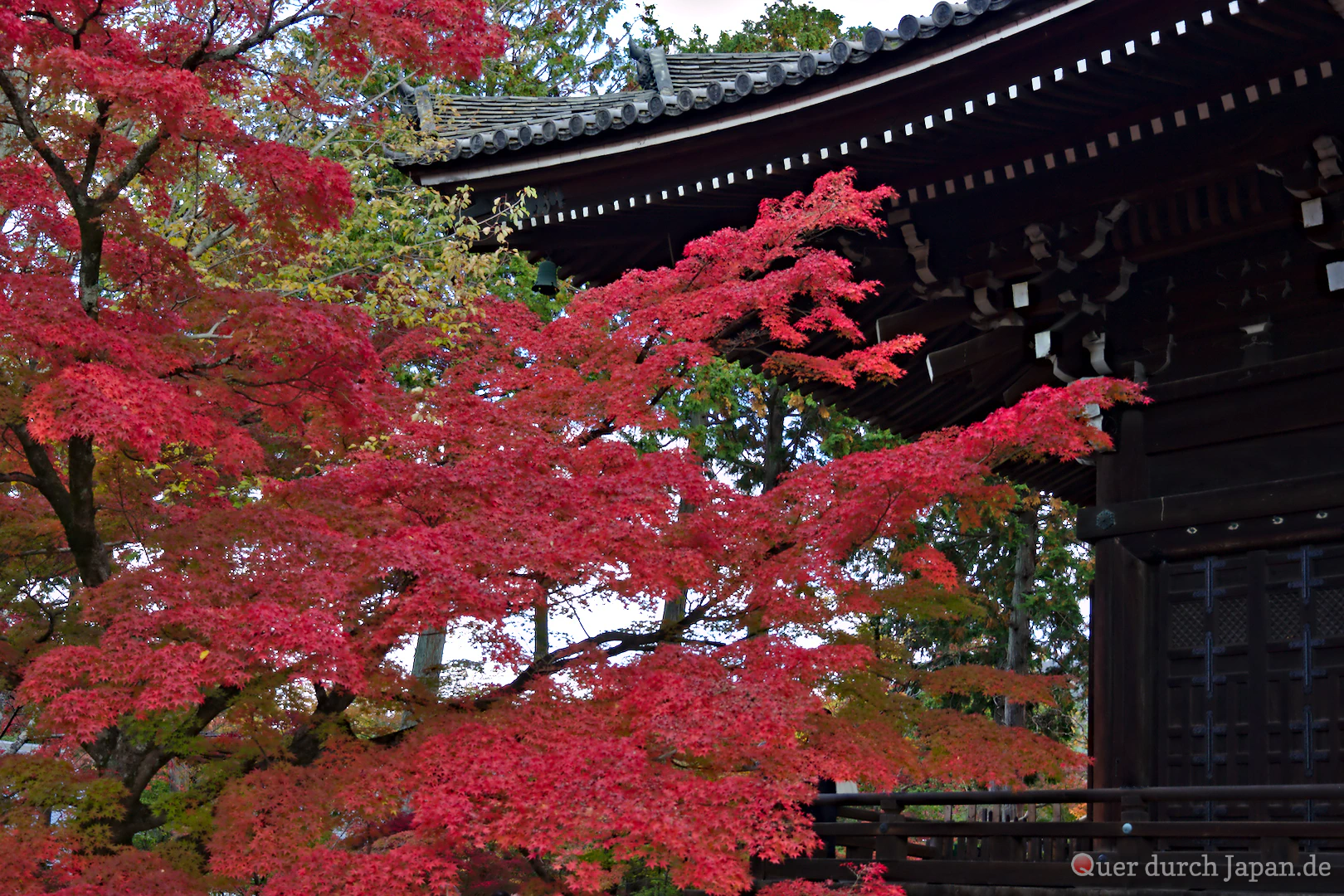
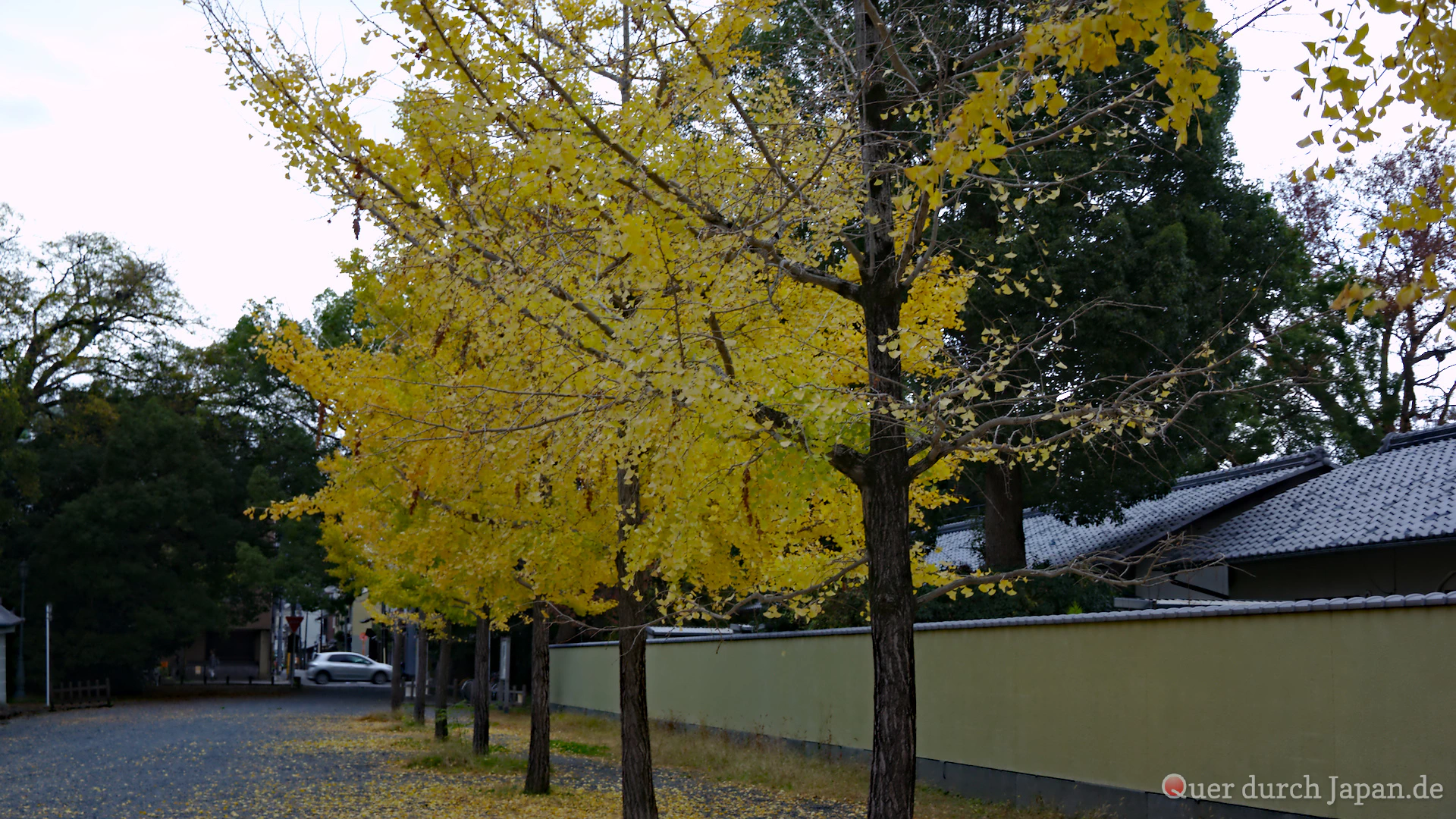
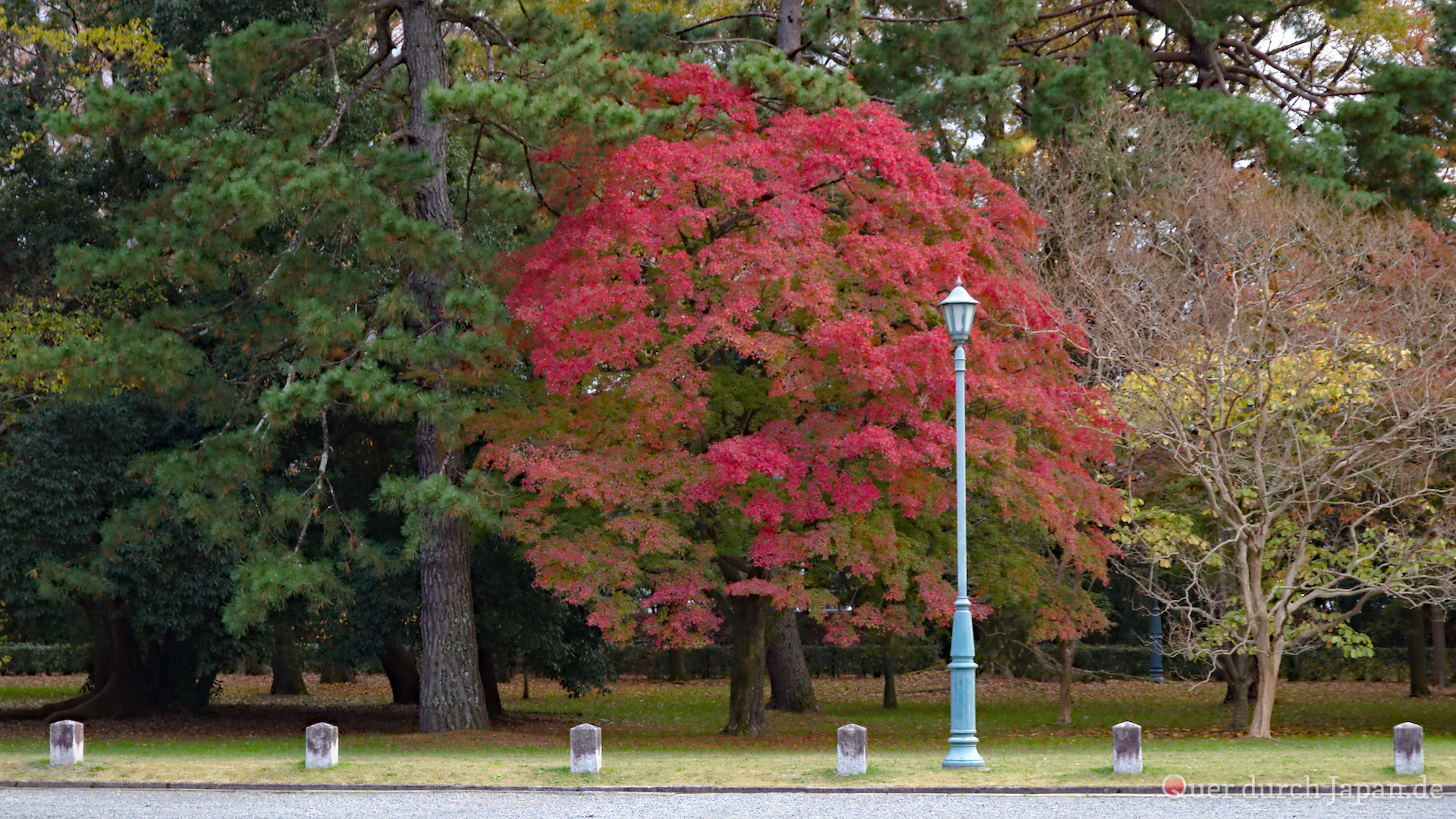
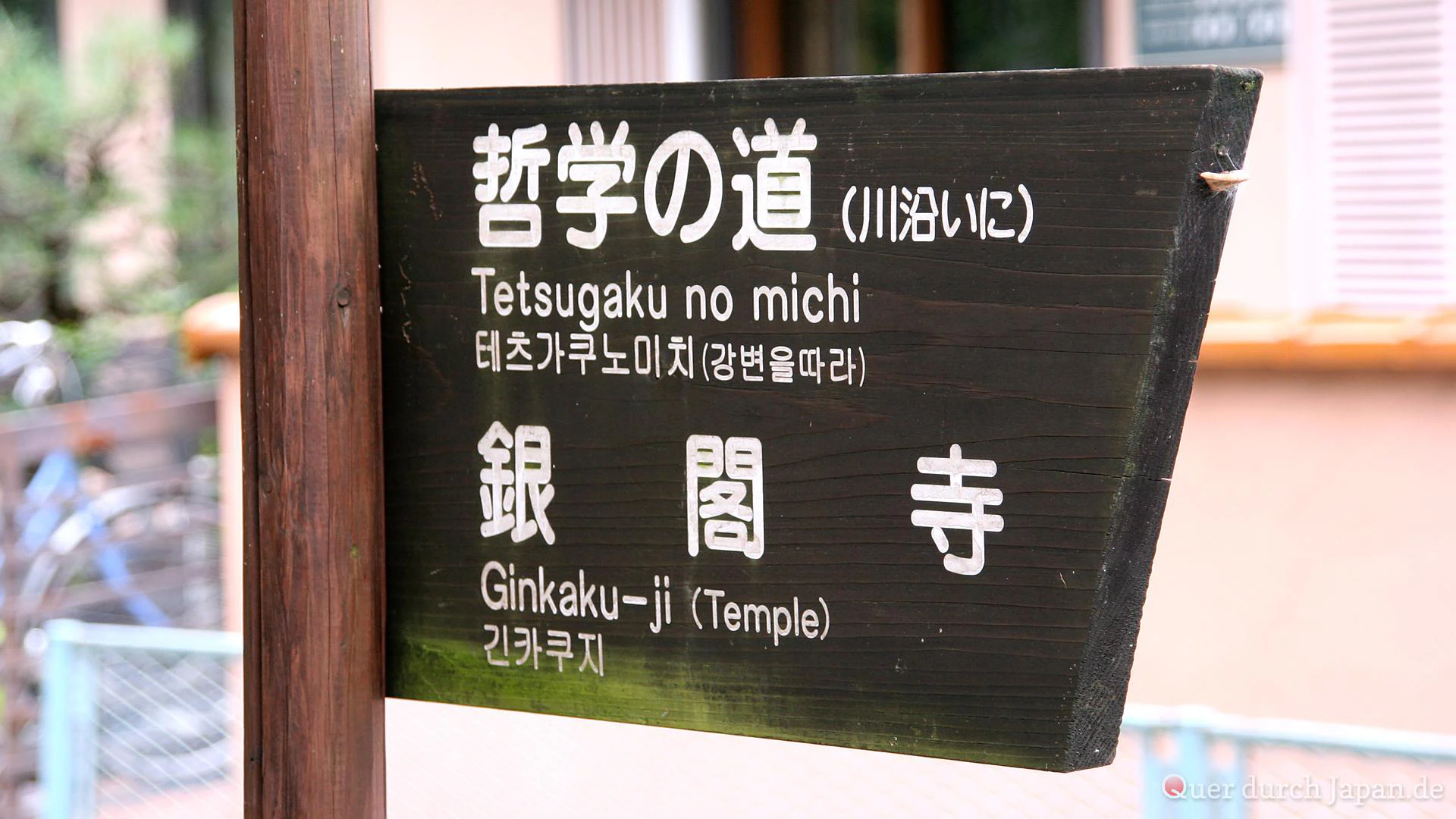
 One of the must-do tours in Kyoto is the Philosopher’s Path (哲学の道, Tetsugaku-no-michi). It got its name because the contemporary philosopher and professor Nishida Kitaro is said to have walked along this path on his daily commute to the university while meditating.
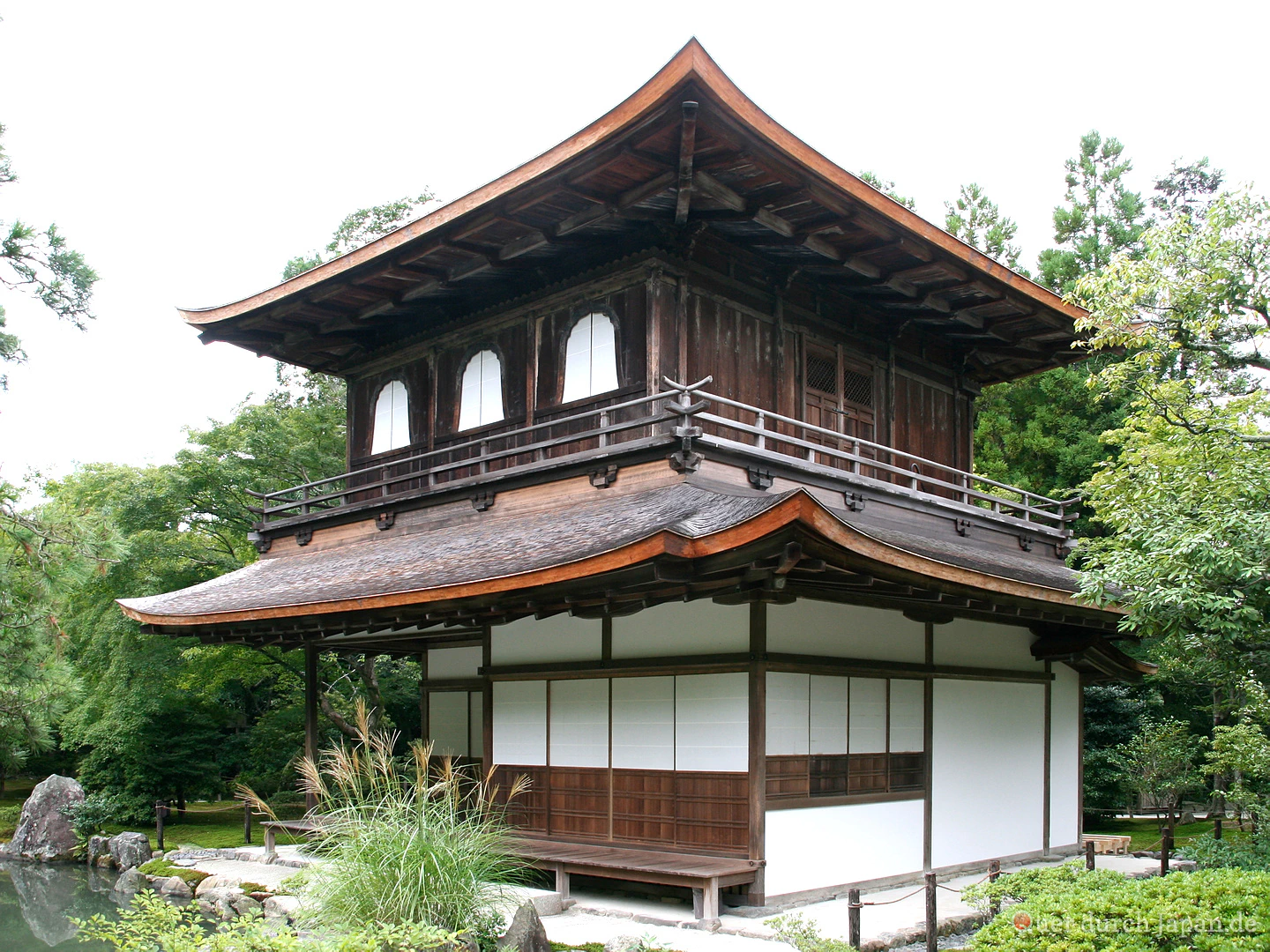
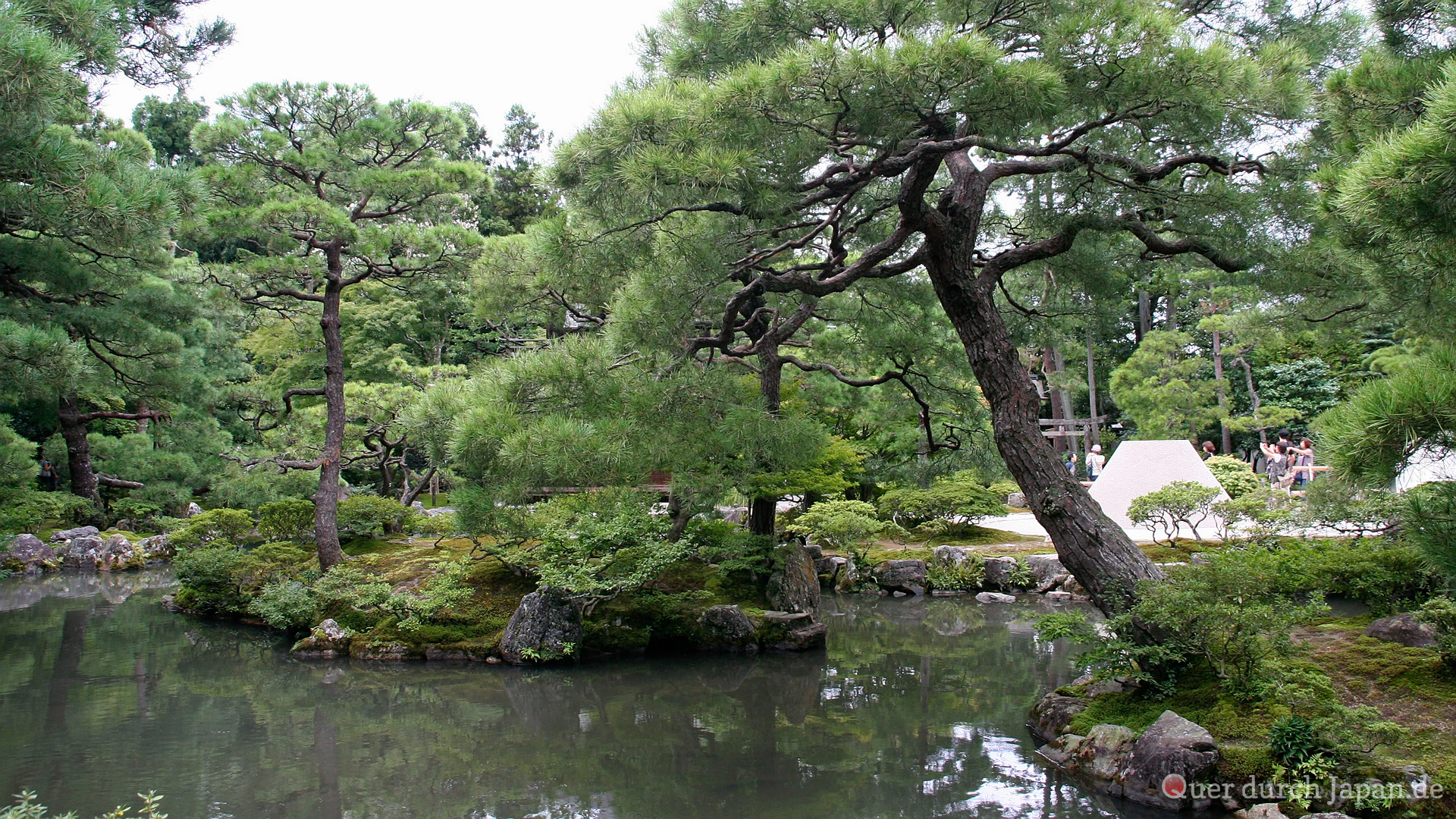
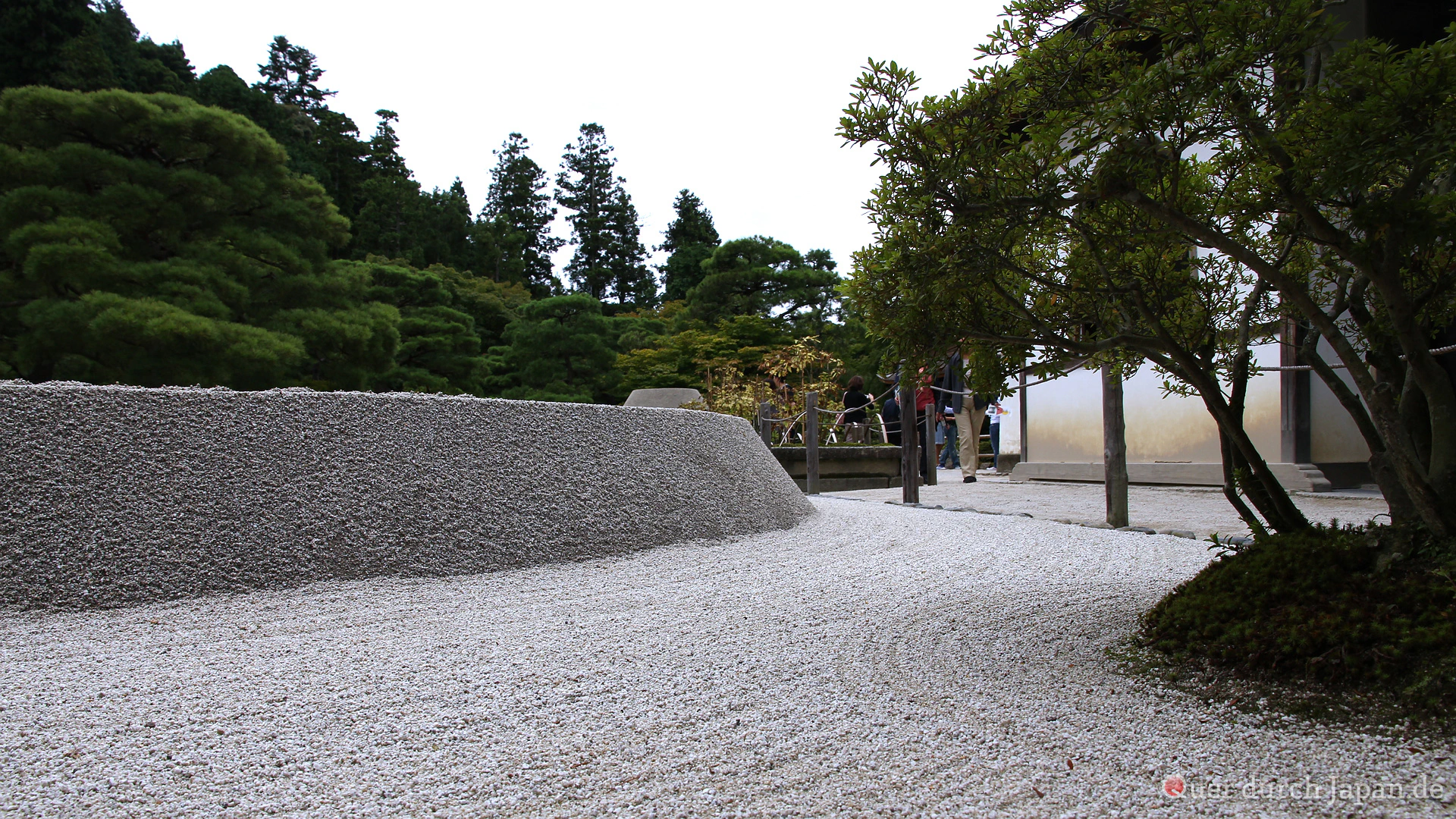
Right near the starting point is the Ginkaku-ji, the Silver Pavilion. It’s worth starting the tour right away with a visit. Afterwards, you can grab a snack in the adjacent shopping street to refuel before the strenuous part of the walk begins. 😉
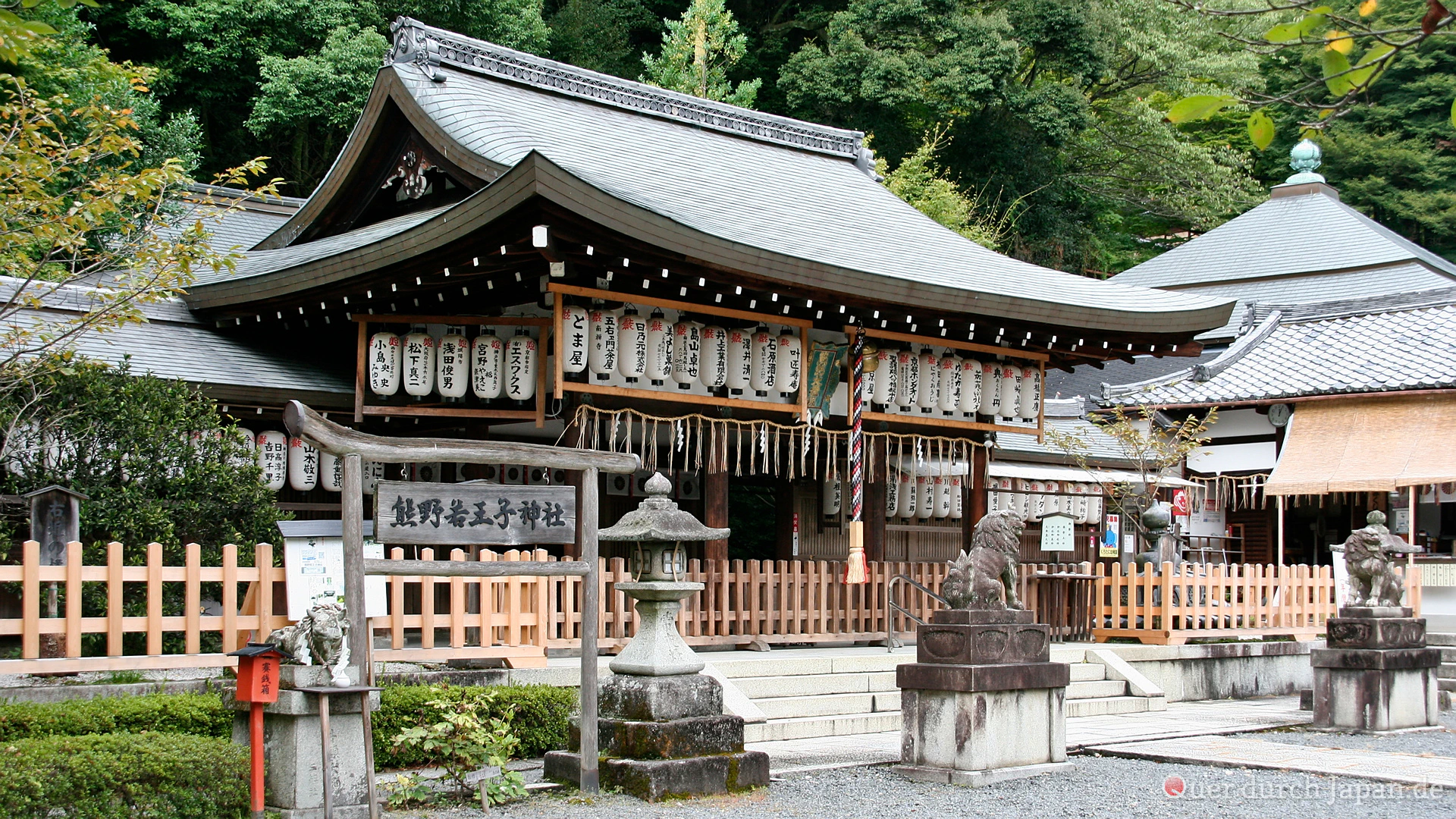
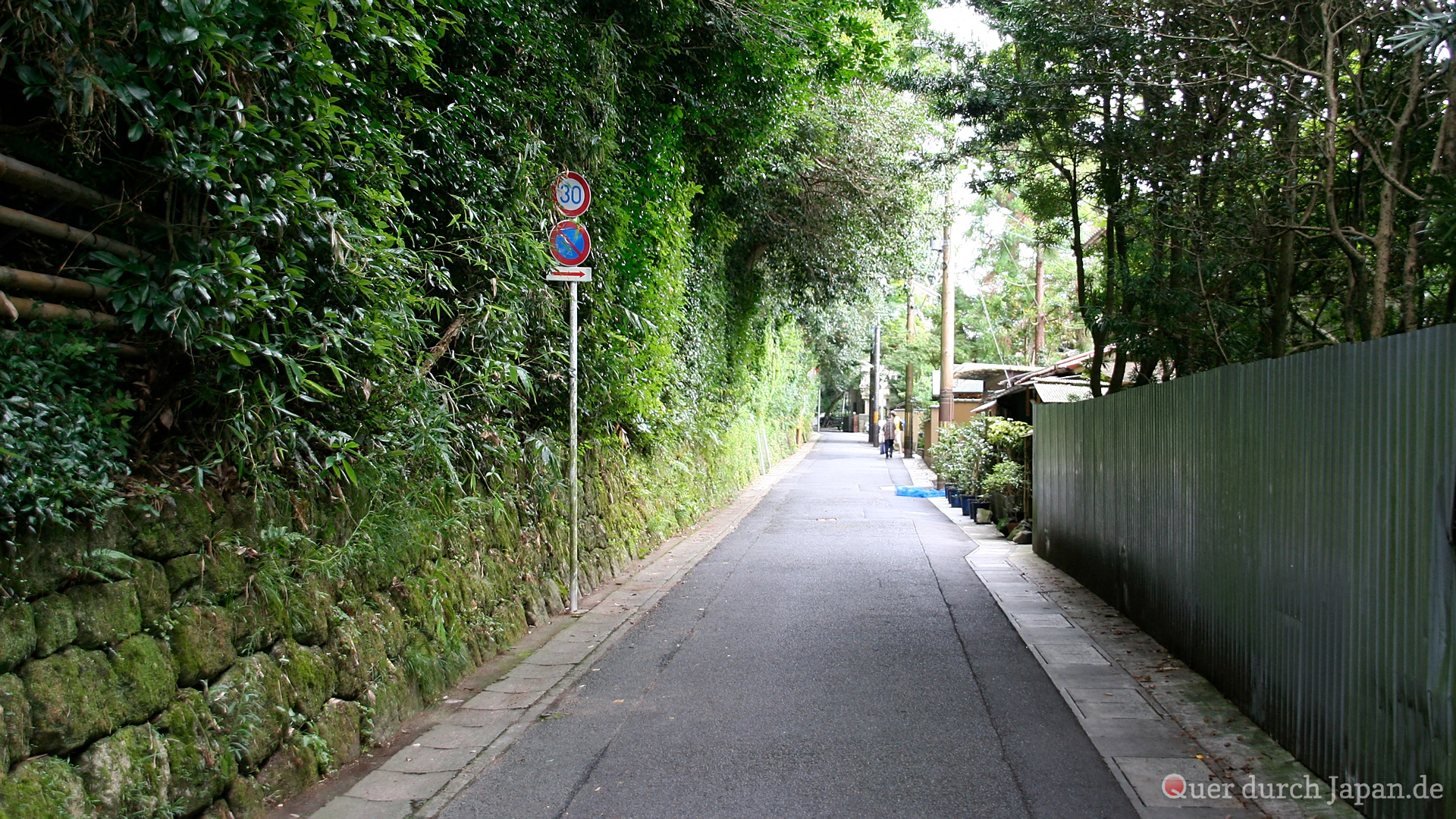
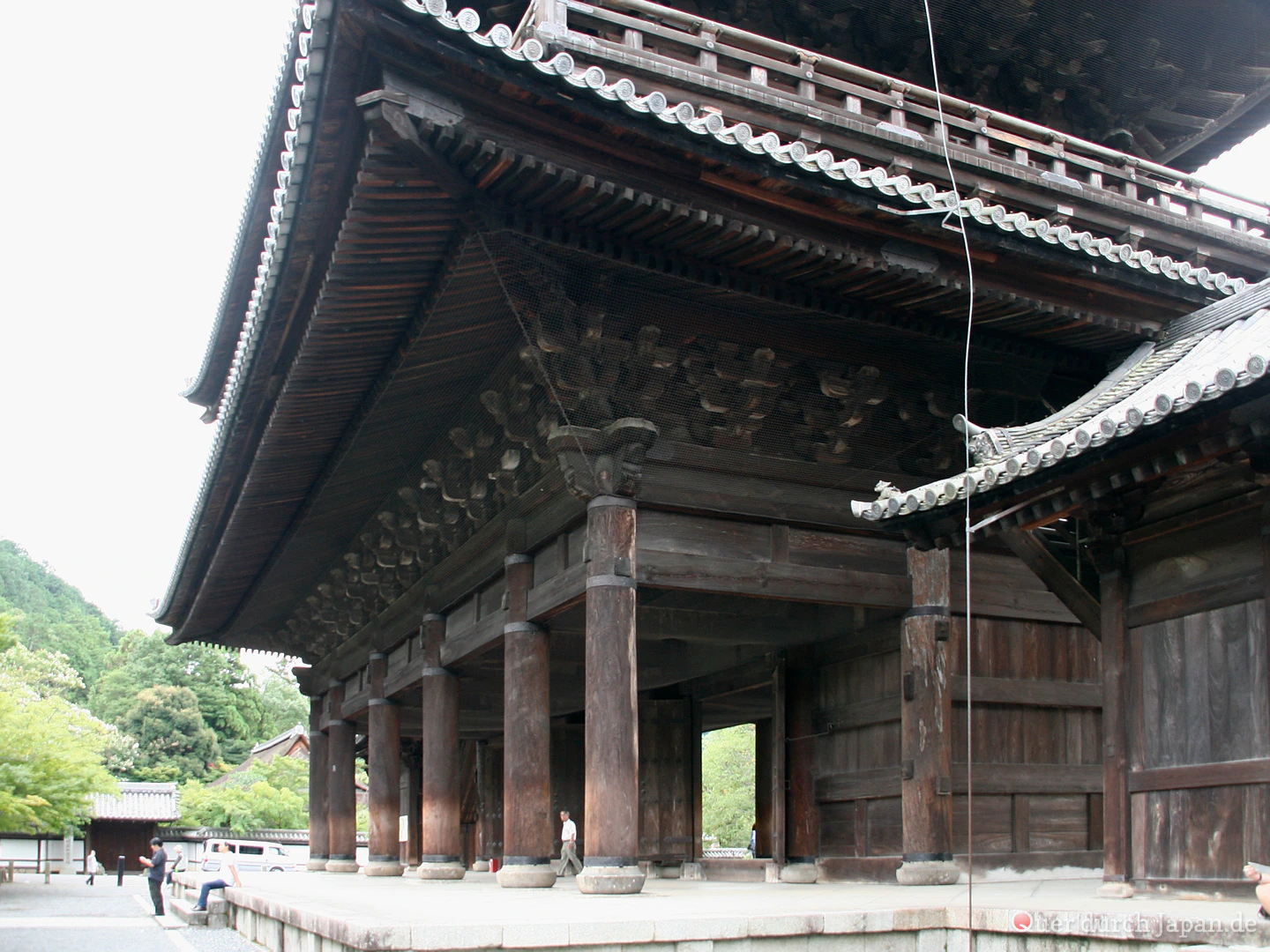
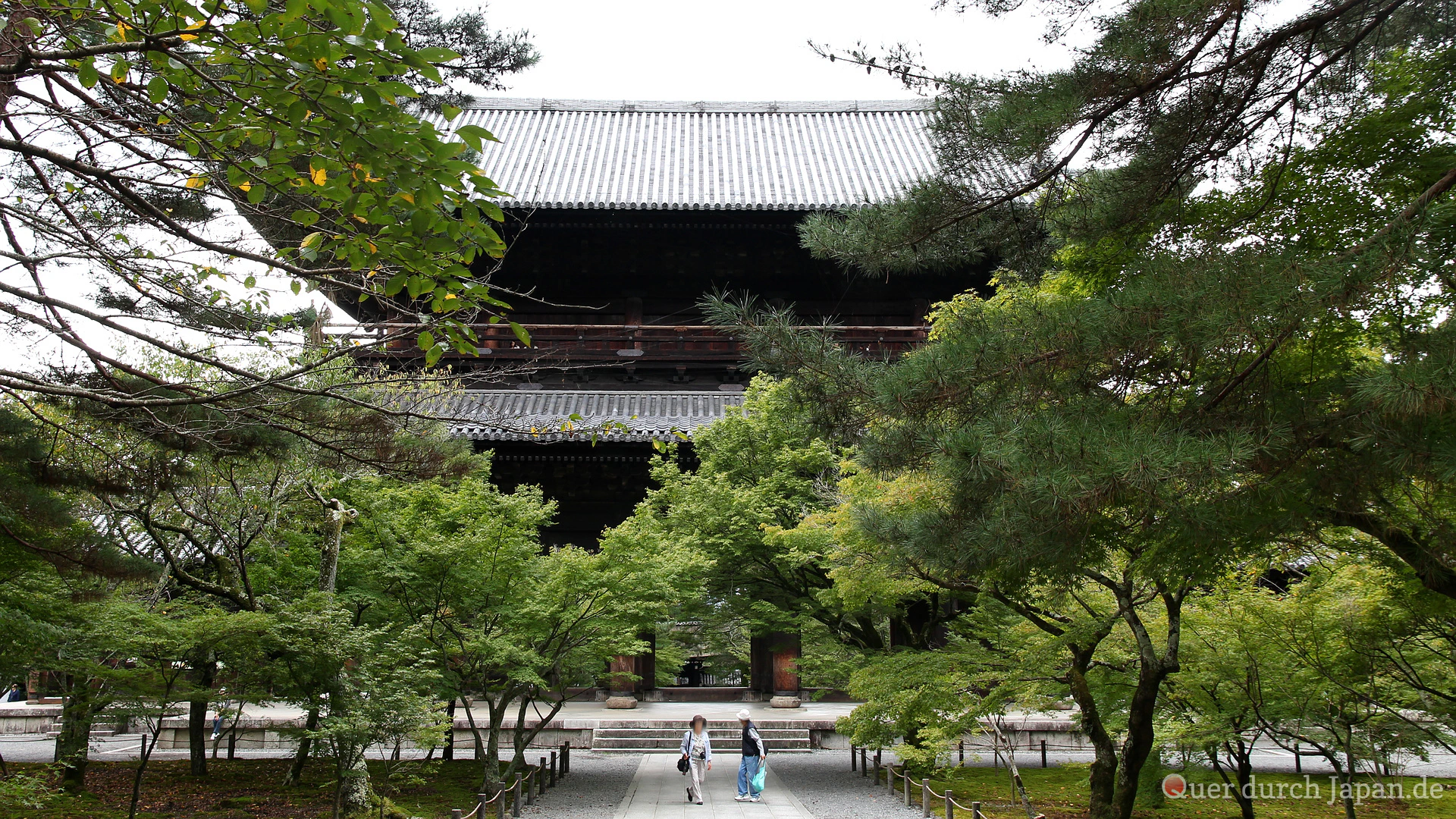
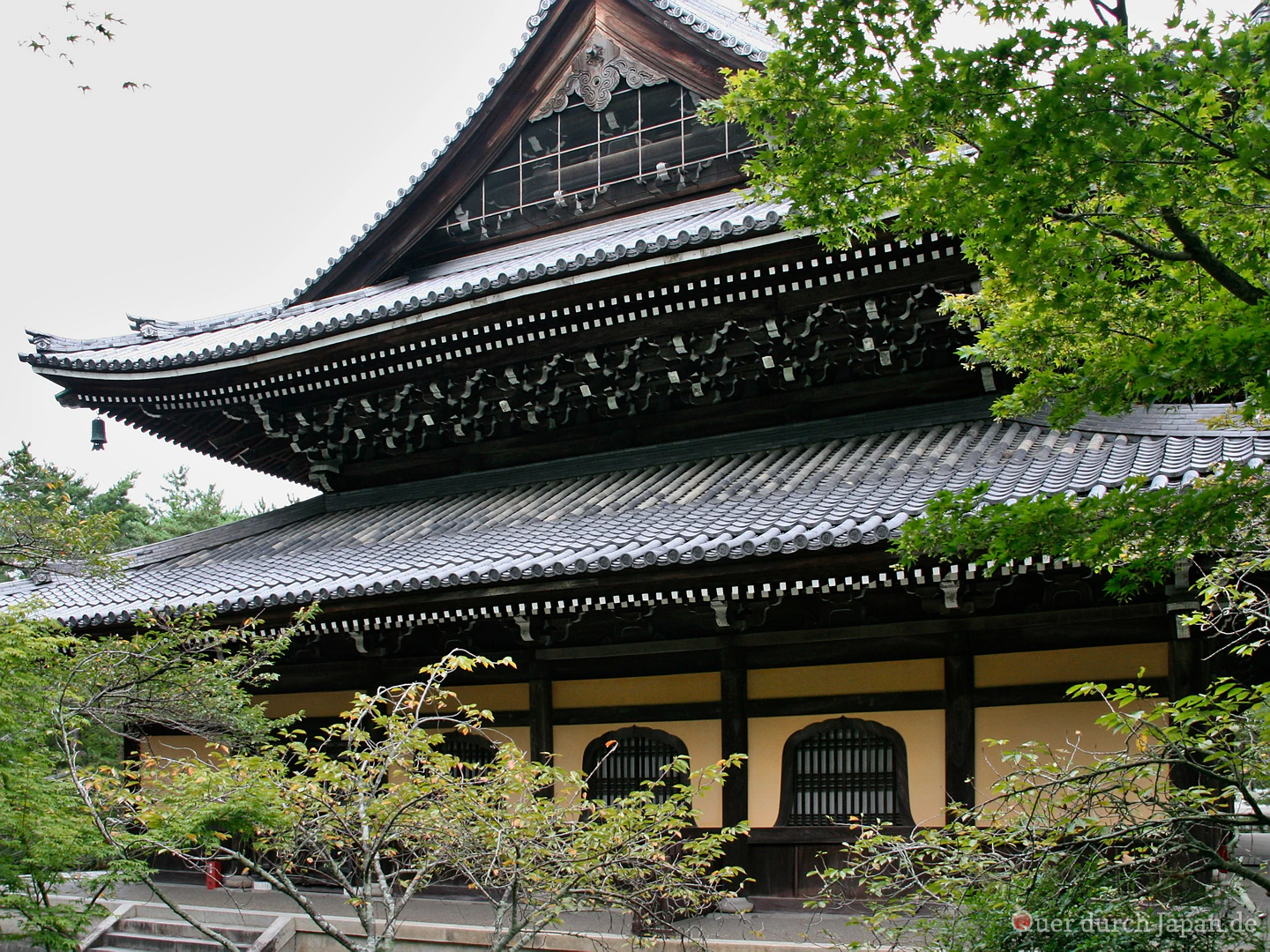
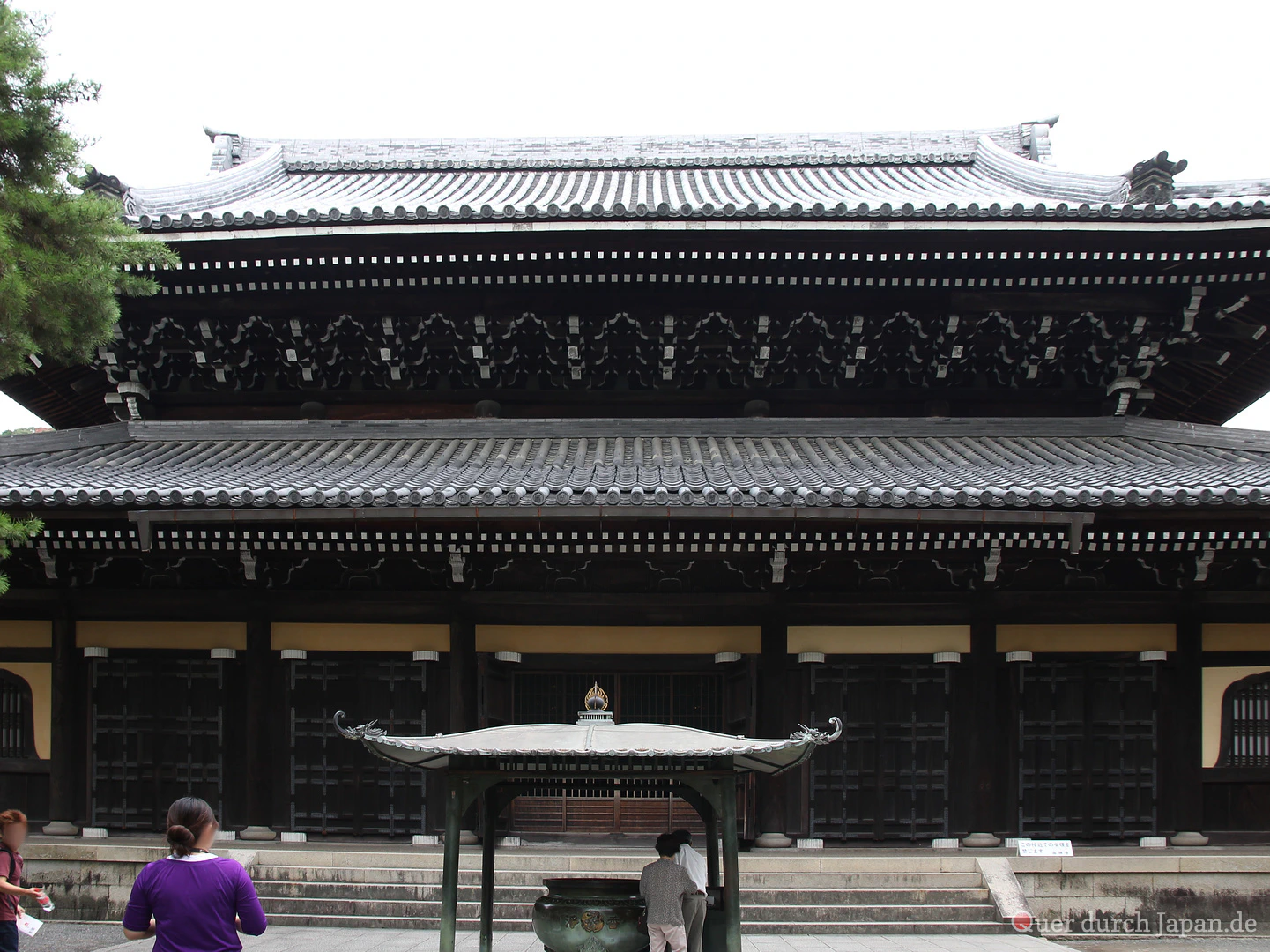
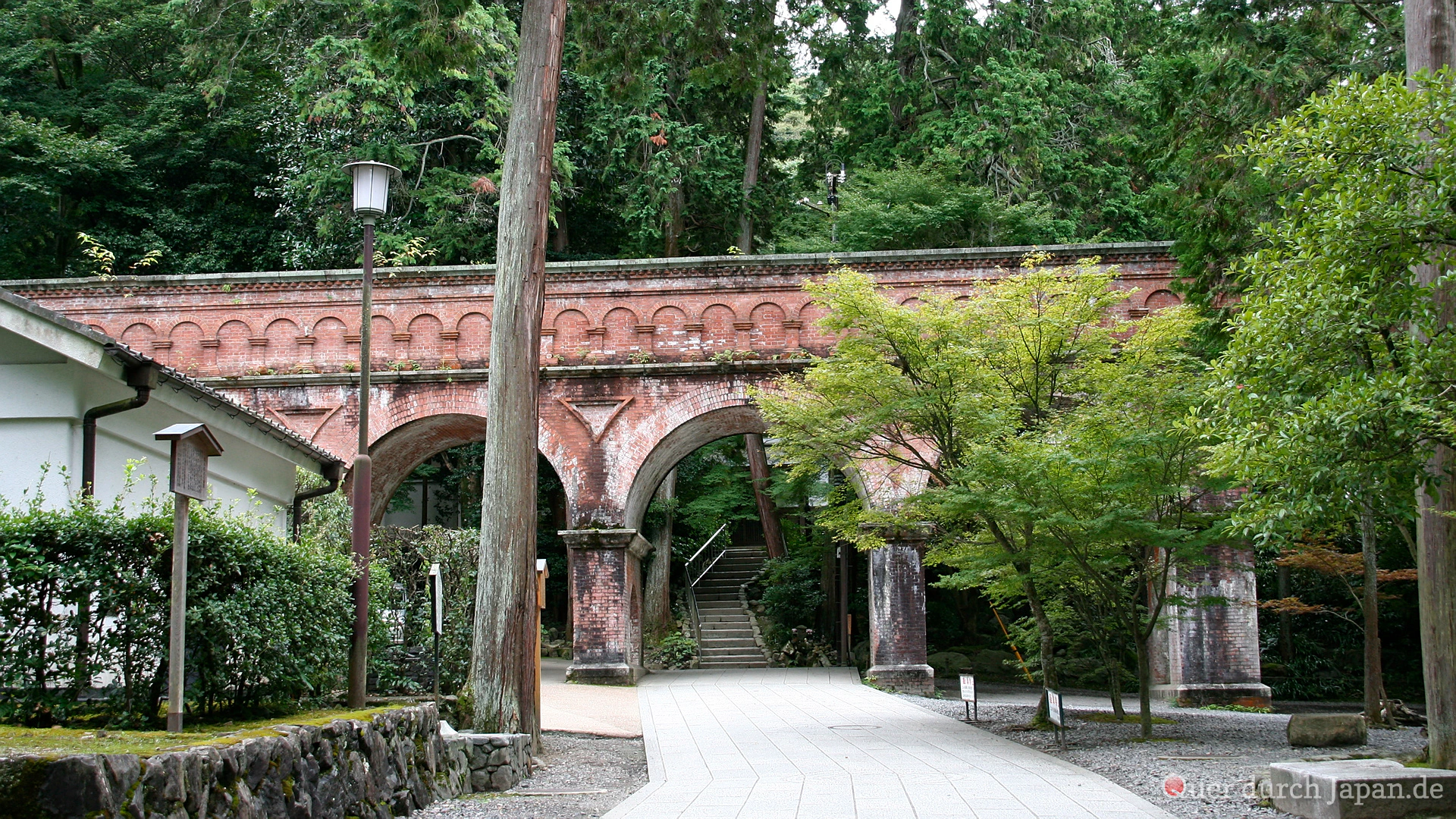
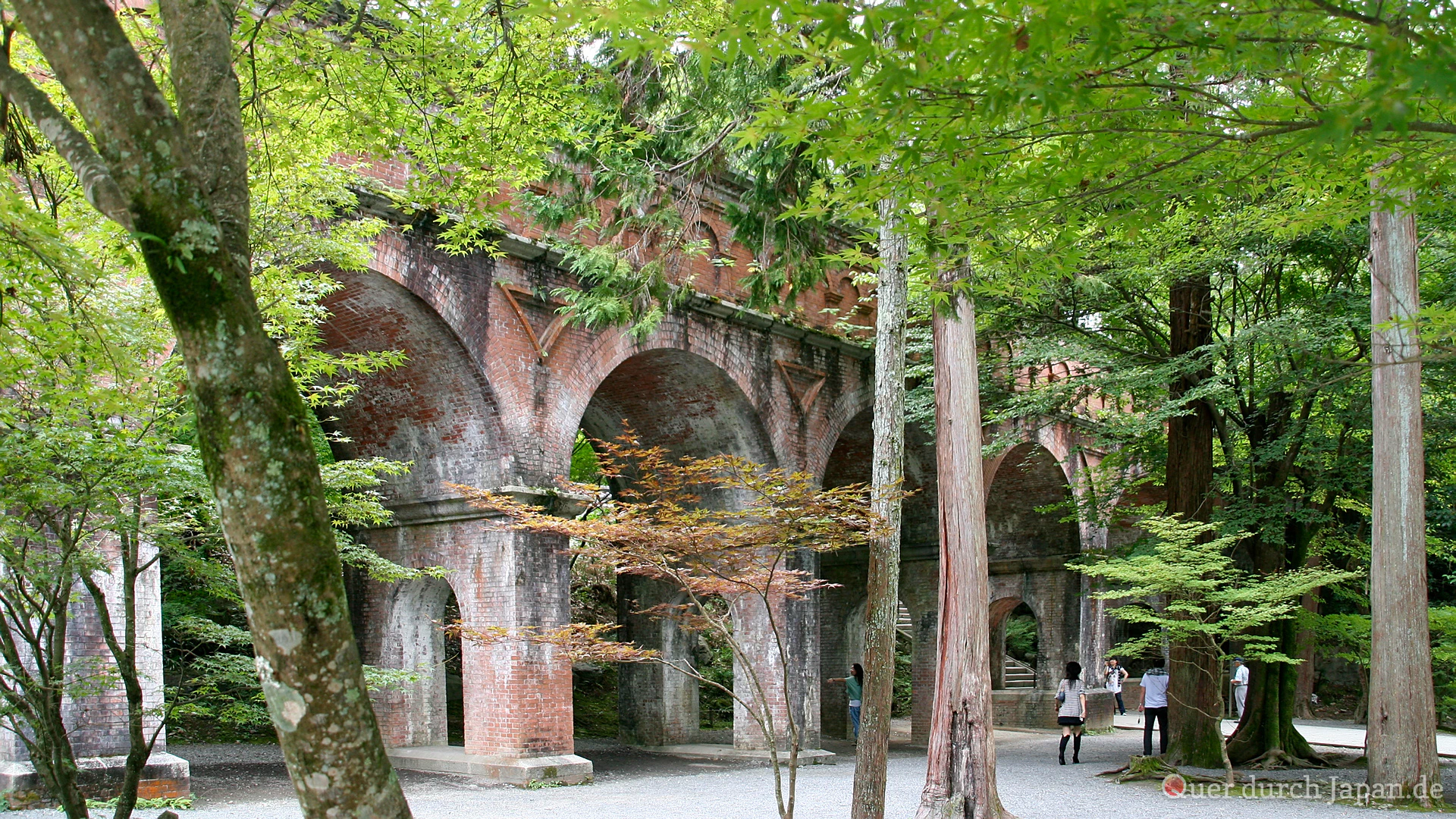
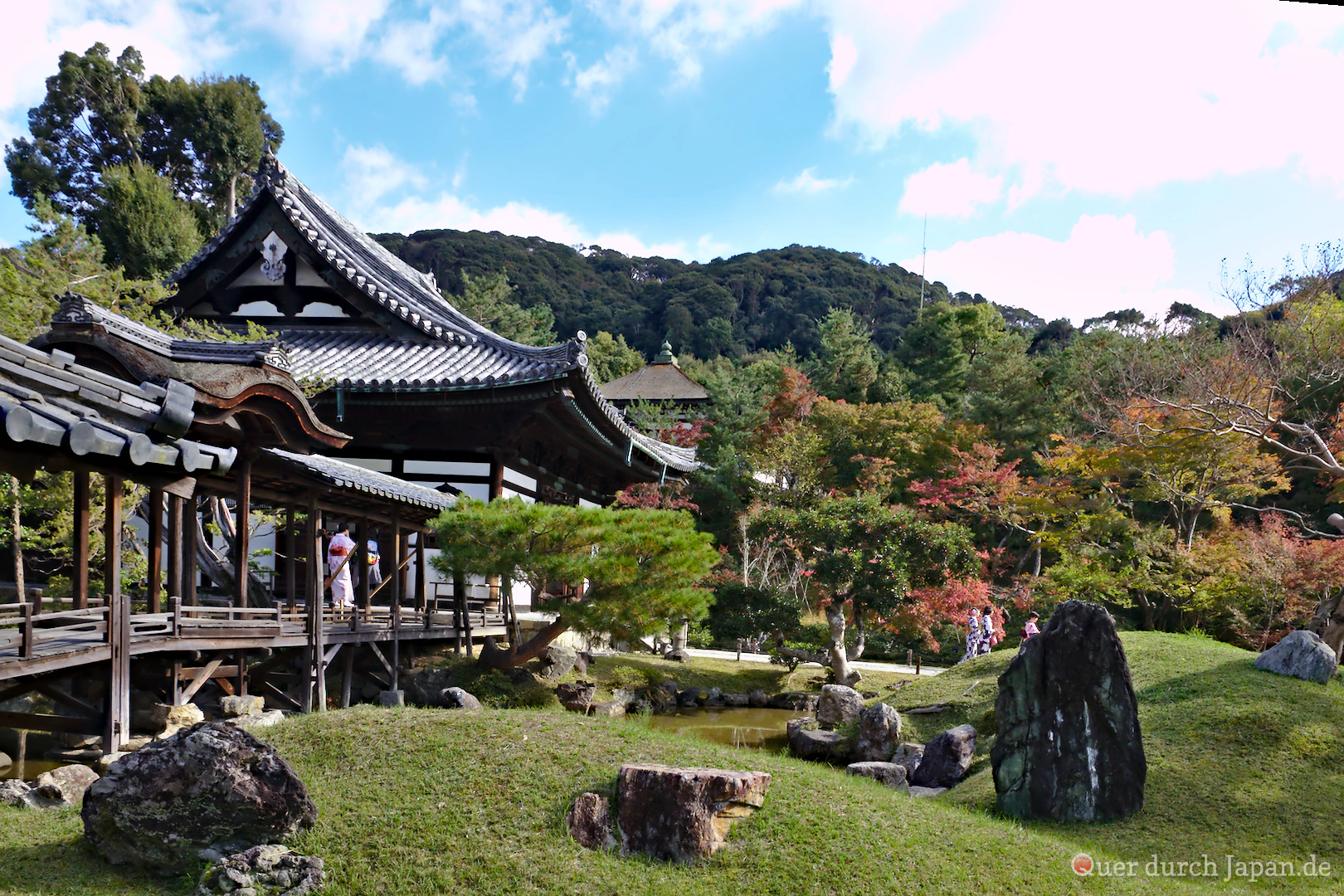
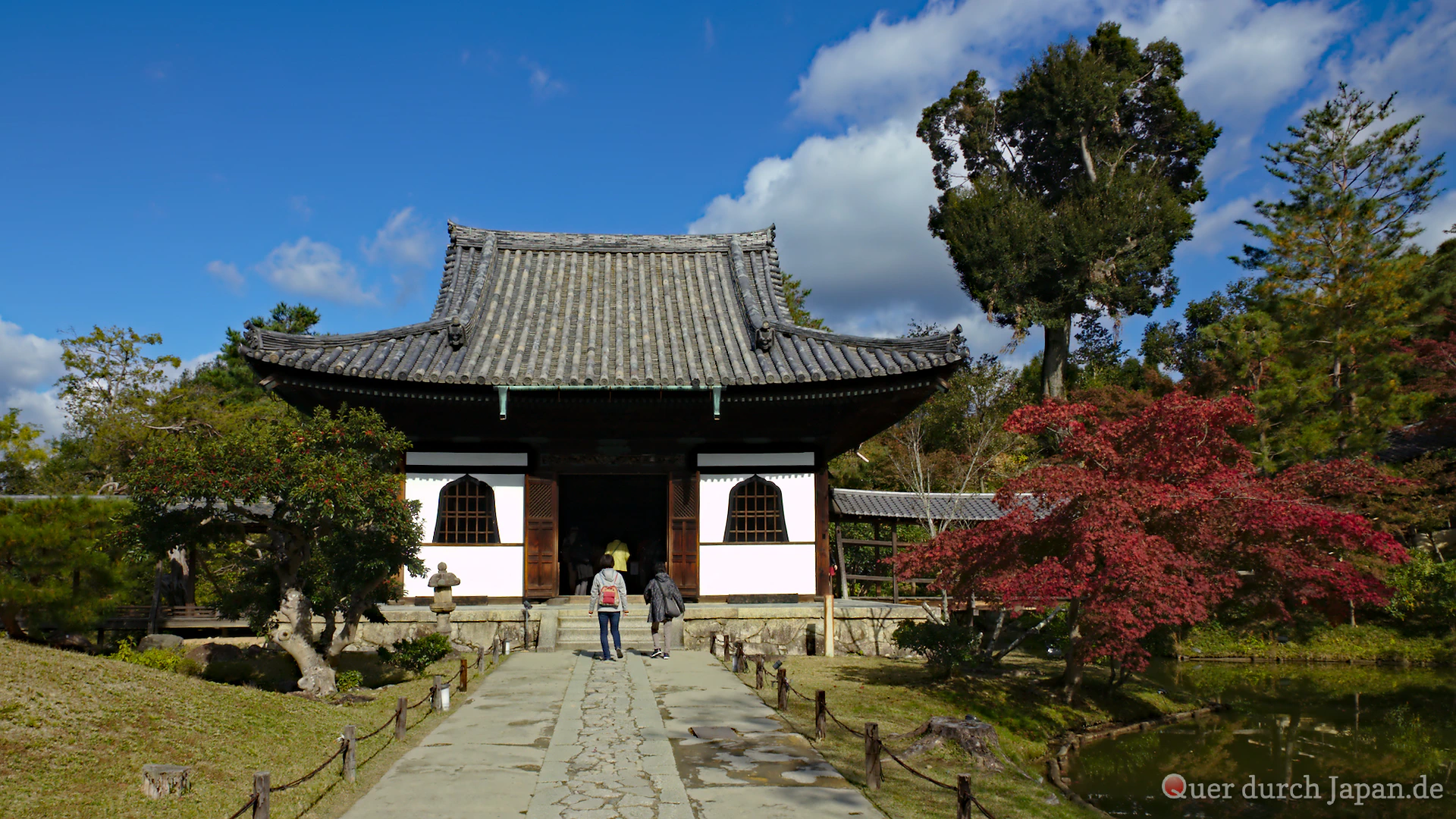
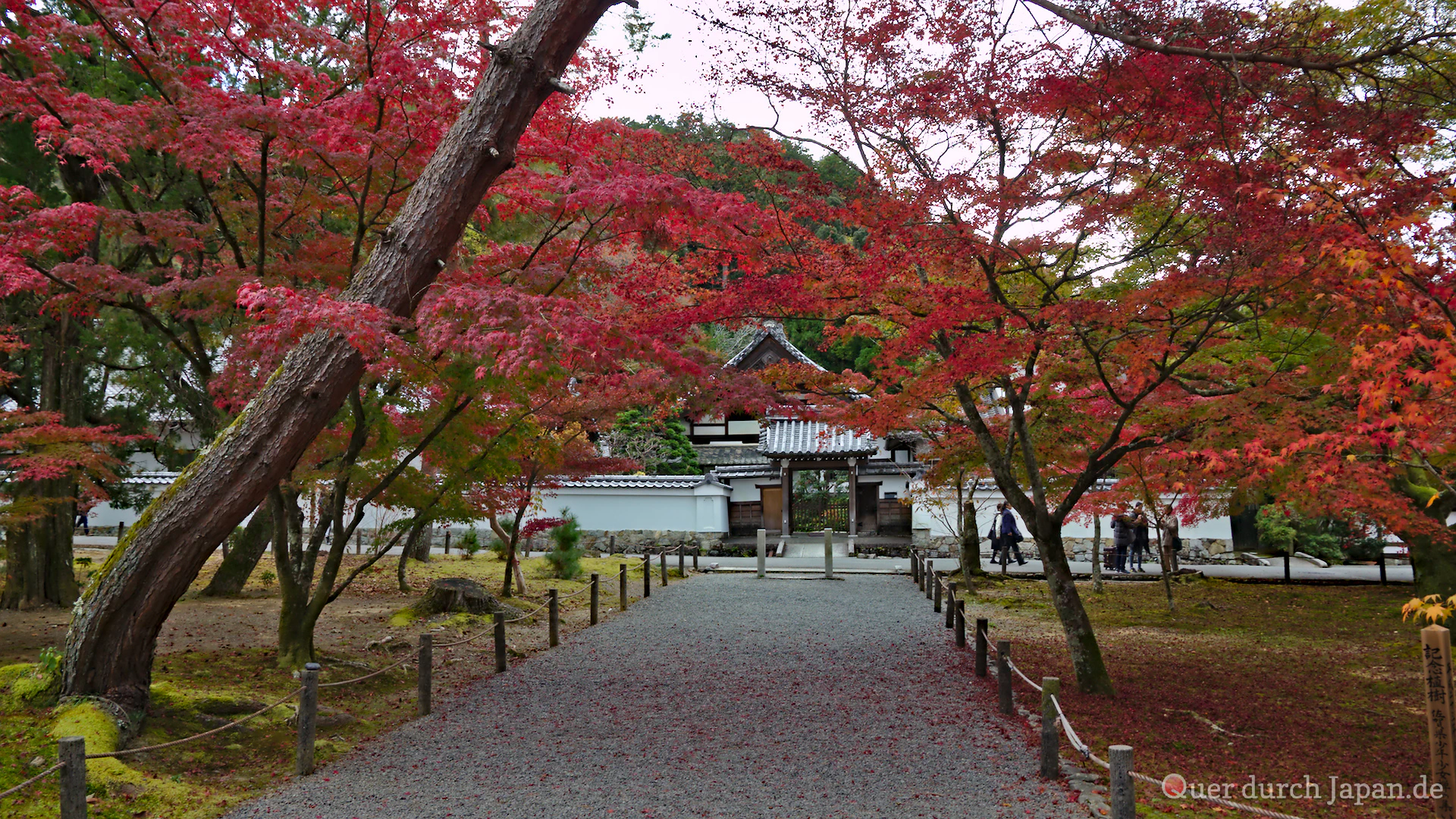
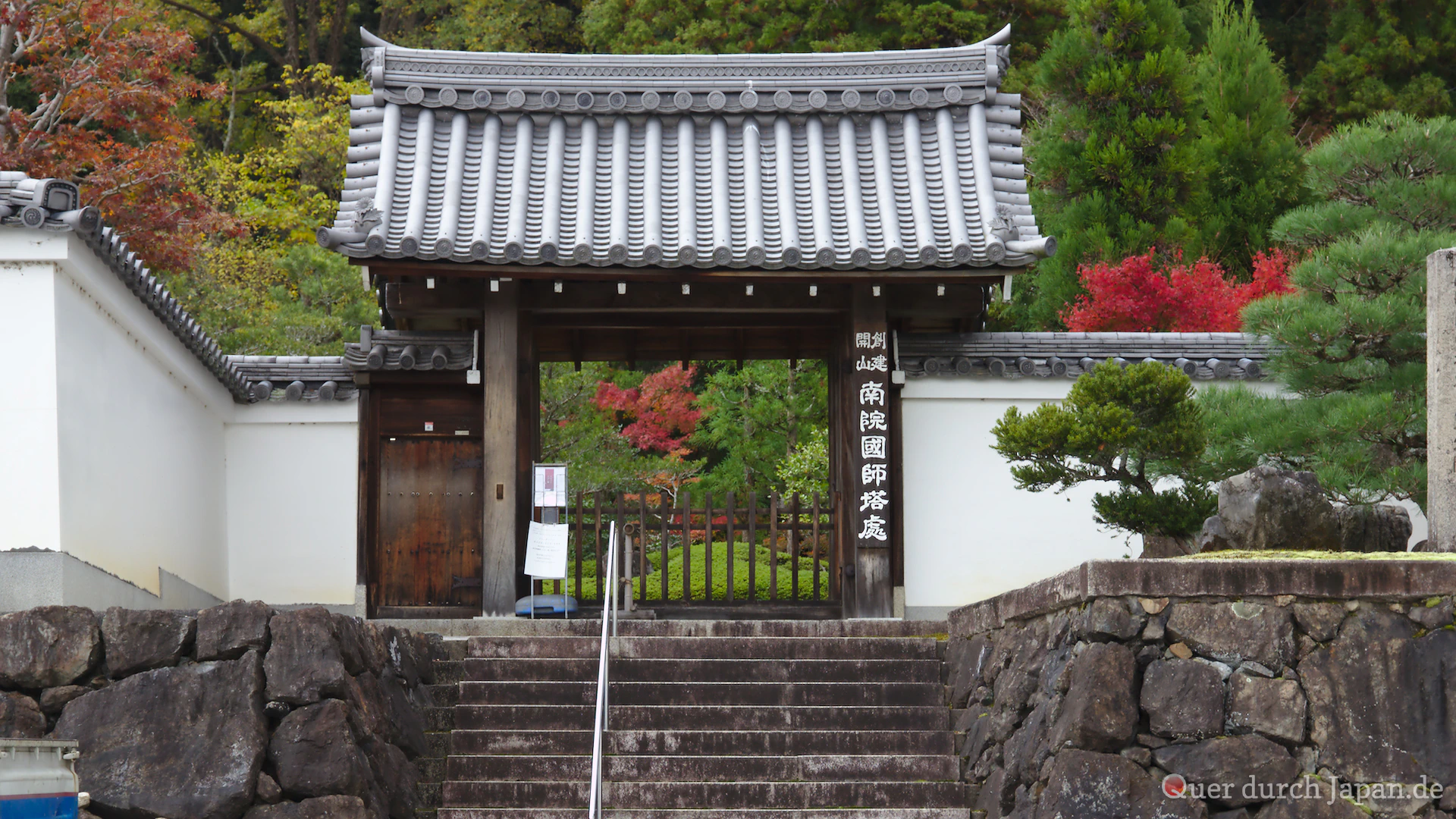
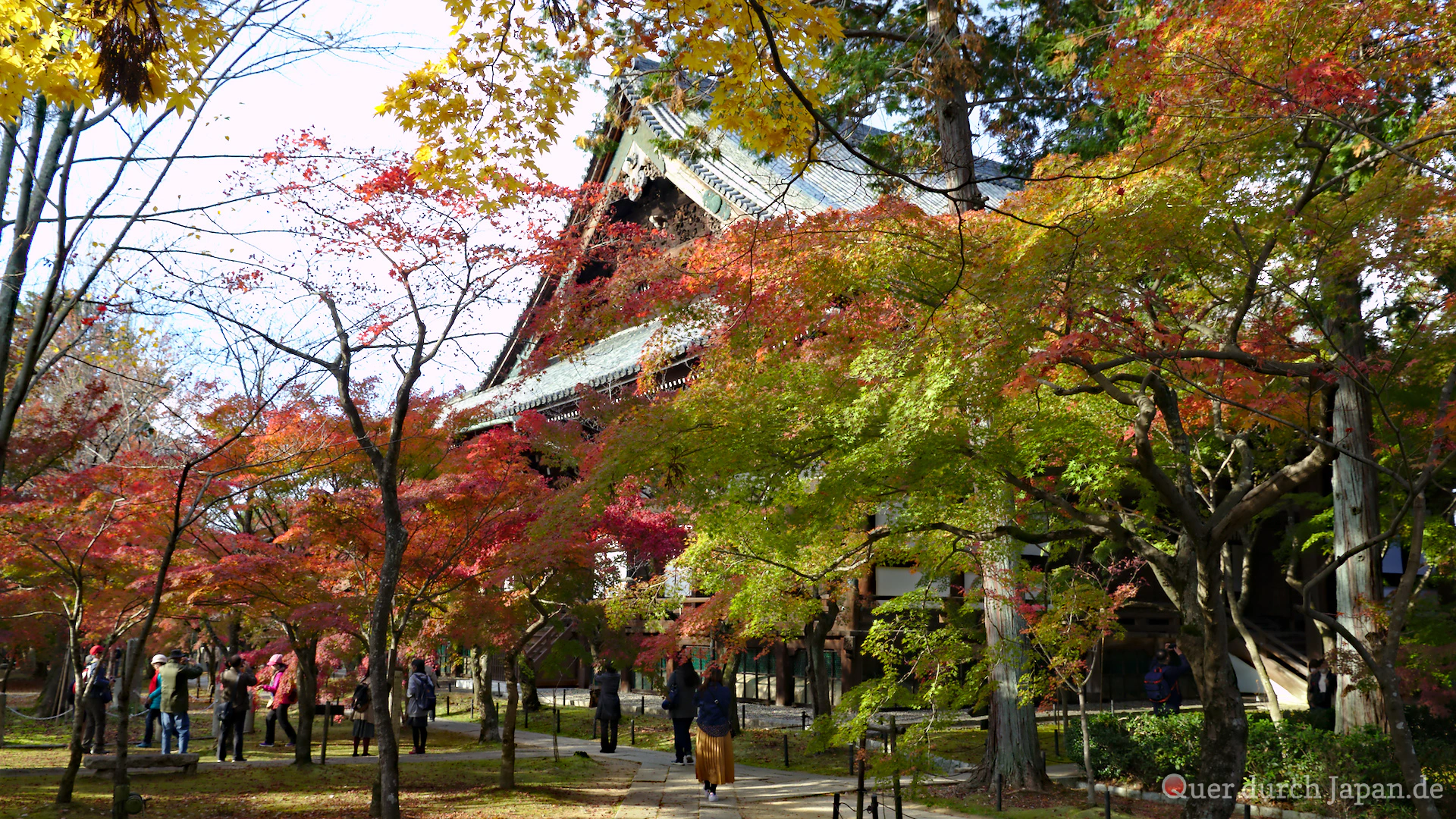
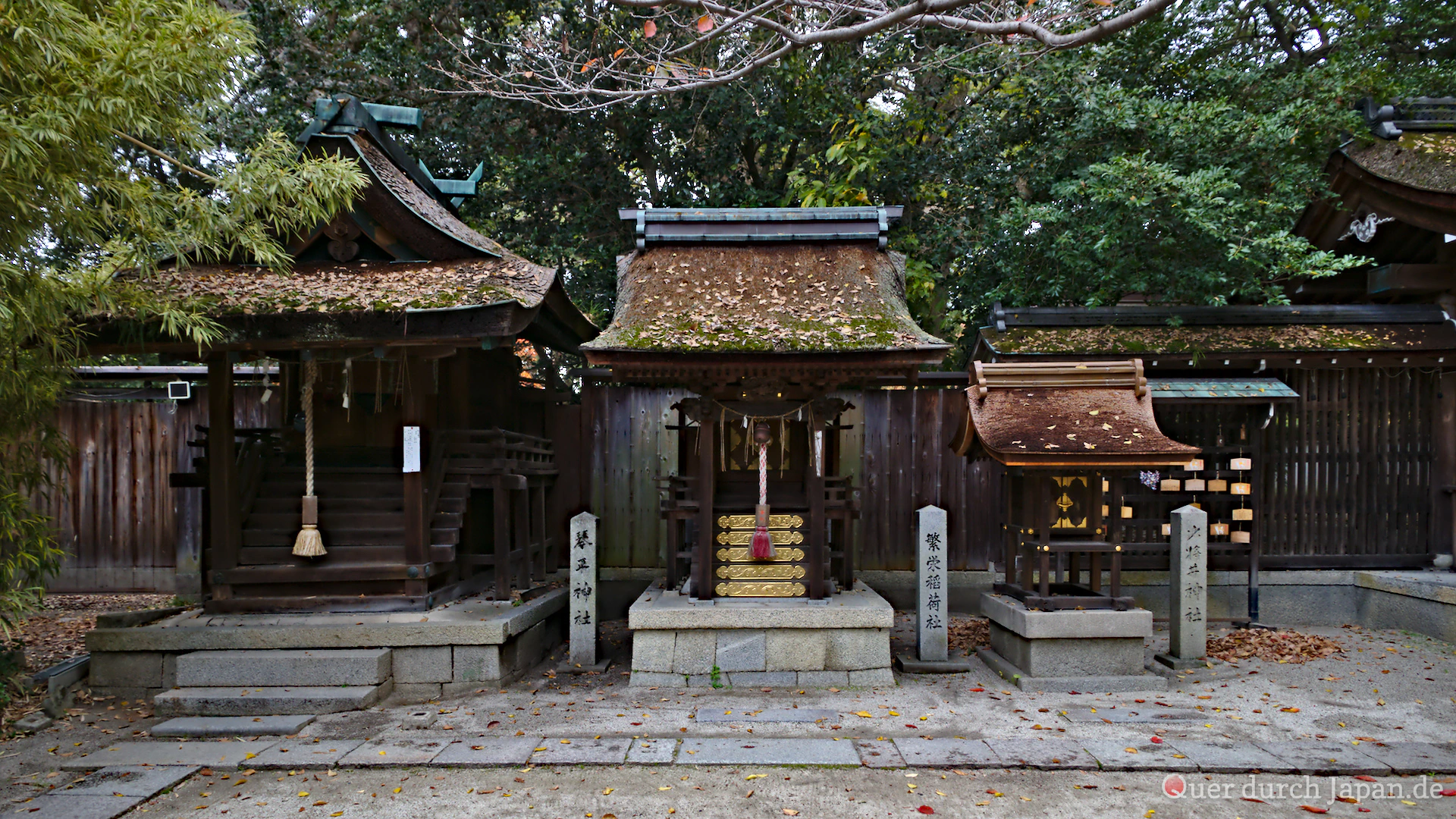
The Philosopher’s Path starts at the lower end of the shopping street and follows the Biwa Canal in a southerly direction. A narrow path leads along the banks under romantic cherry trees. Occasionally, we’ll leave the path for detours to visit the nearby little temples and shrines called Hōnen-in, Anraku-ji, Reikan-ji and Otoyo-jinja. At the Kumano Nyakuōji, we leave the canal and walk through small streets to the Eikan-dō Zenrin-ji. Finally, we reach the Nanzen-ji, where our tour ends. What’s impressive about this temple is the massive San-mon gate, the main building with a rock garden, and various outbuildings. Right nearby, you’ll also find a structure you probably wouldn’t have expected here. The brick aqueduct Suirokaku transports water from Lake Biwa into the Philosopher’s Path canal and once fed Japan’s first hydroelectric power plant.
The path itself is obviously free, and most of the small temples and shrines don’t charge an entrance fee either. You should plan about 30 minutes for the path itself. With all the little detours and photo opportunities, time flies though, so you should add a generous time buffer.
The Ginkakuji charges an entrance fee of 500¥. At the Nanzen-ji, you pay for the individual buildings separately; climbing the San-mon, for example, costs 600¥, and visiting the main building with the rock garden is another 600¥. An extensive tour of all the stops adds up pretty quickly, both in terms of time and money.
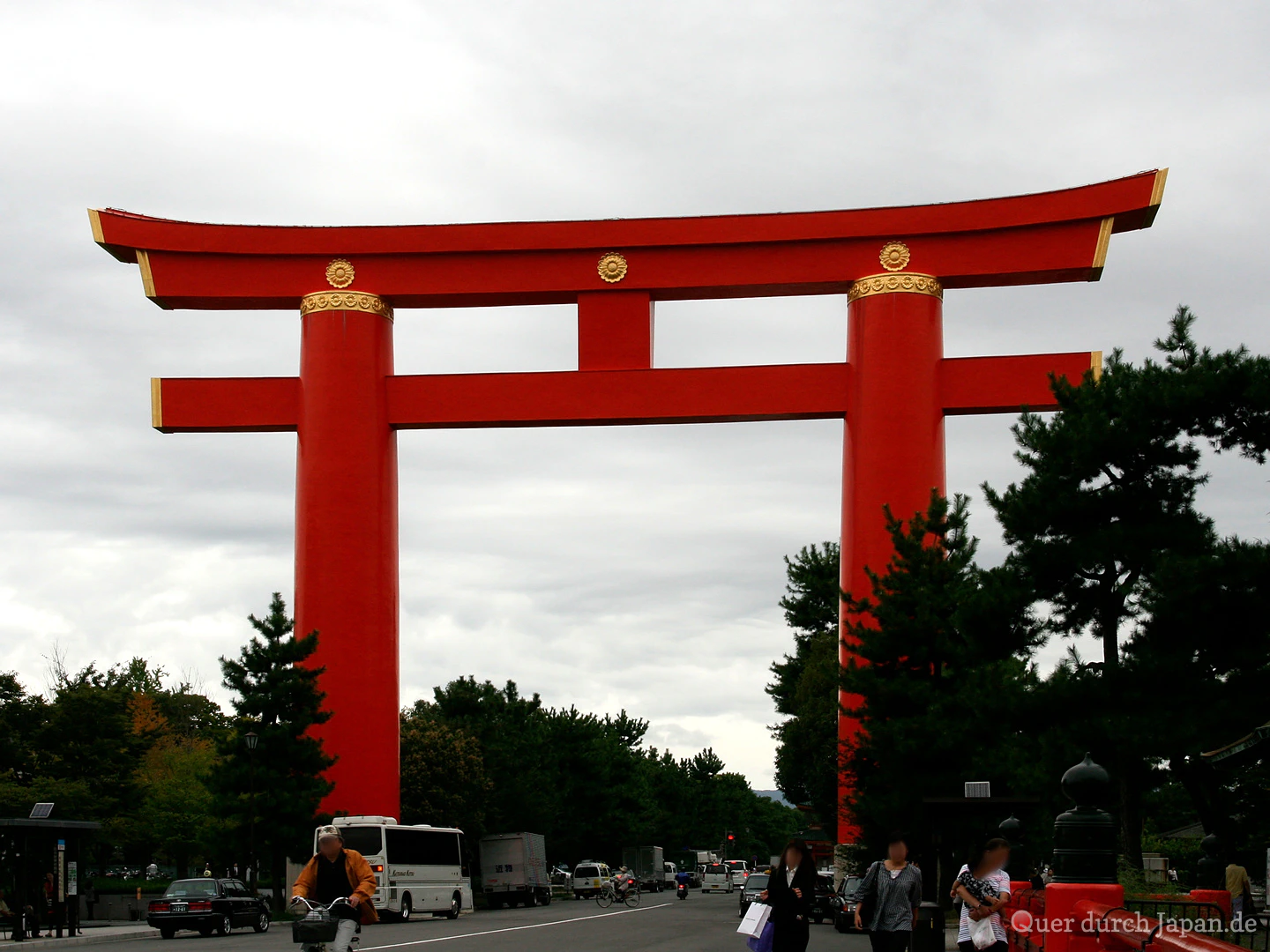
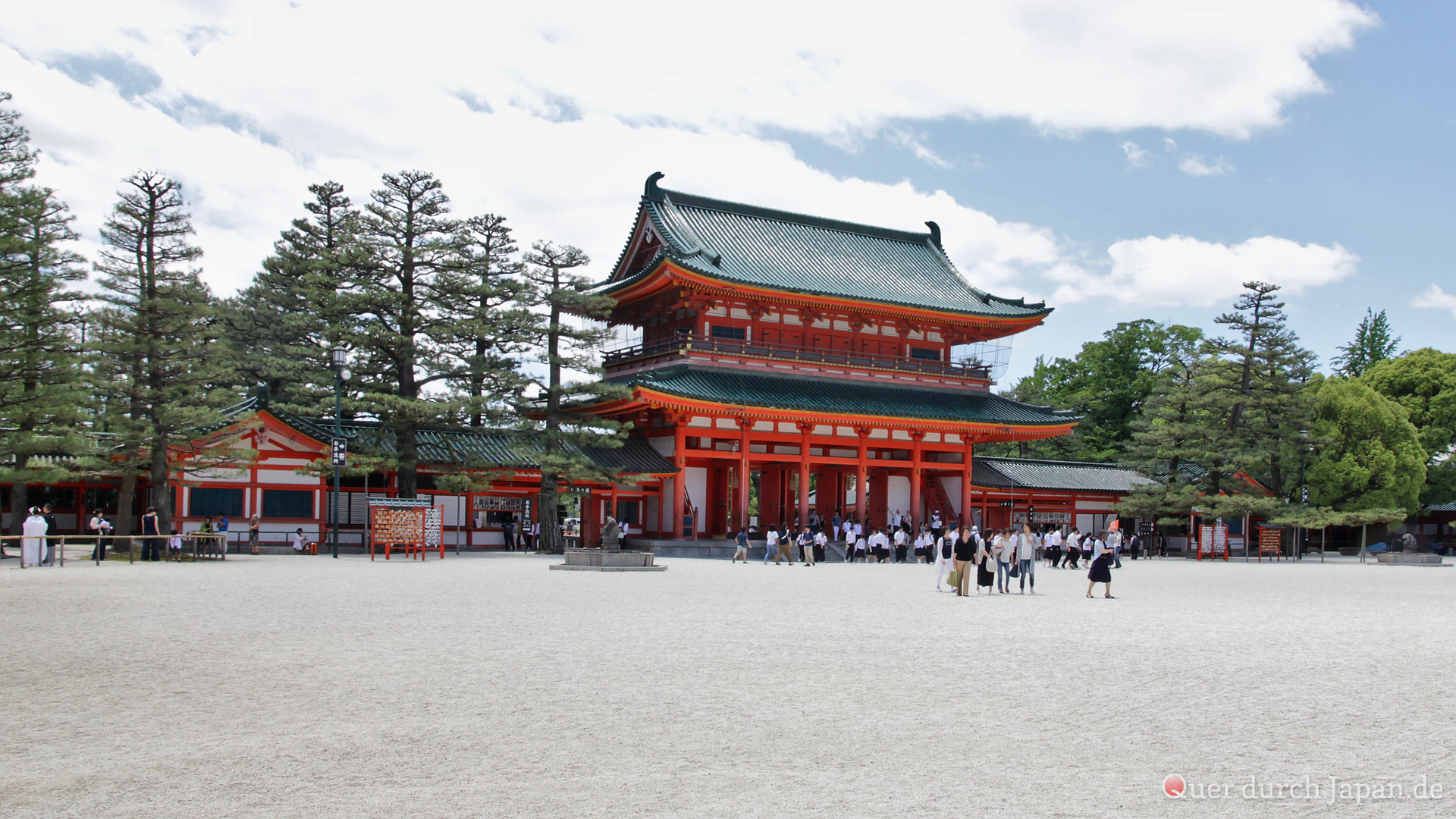
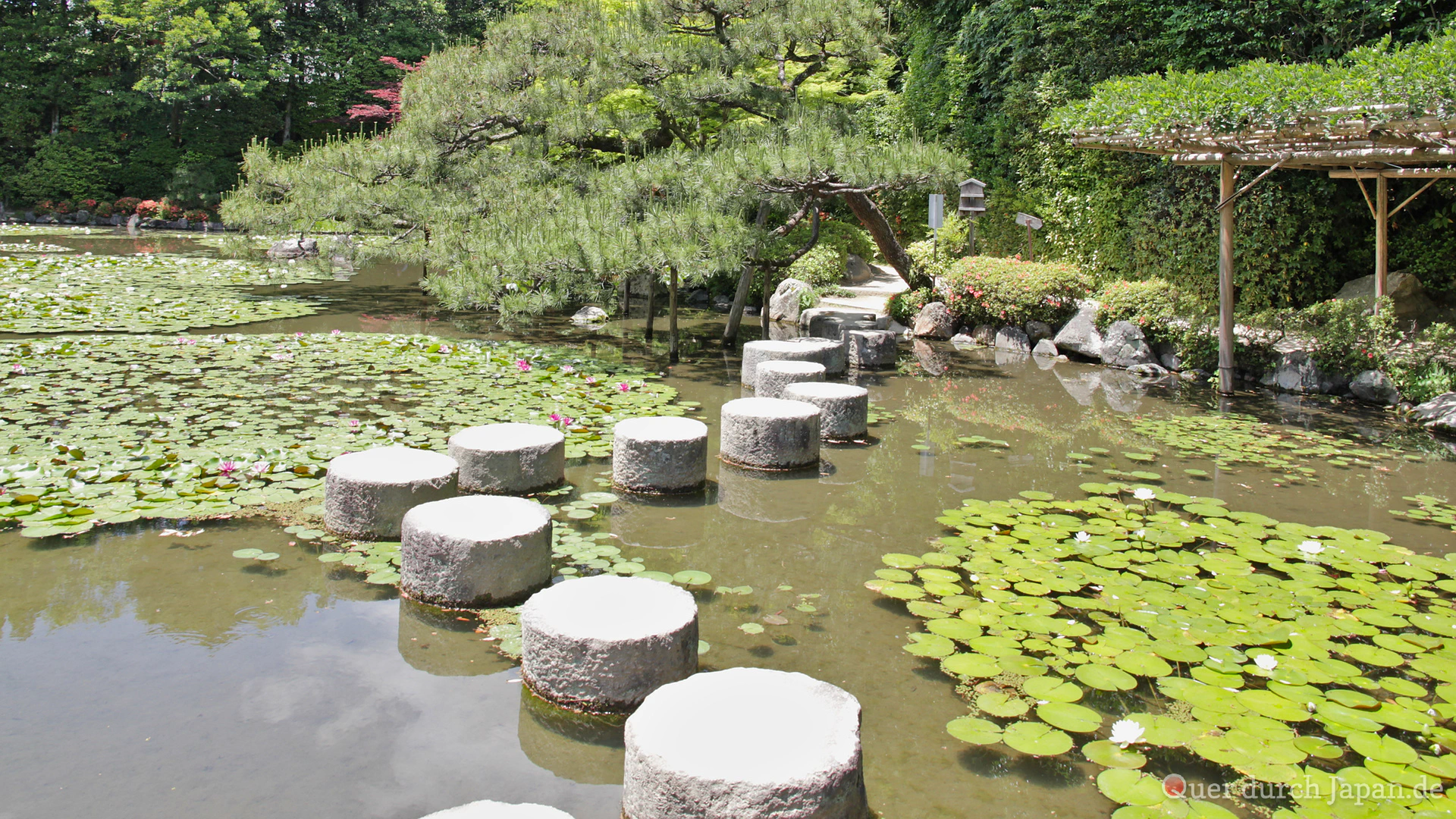
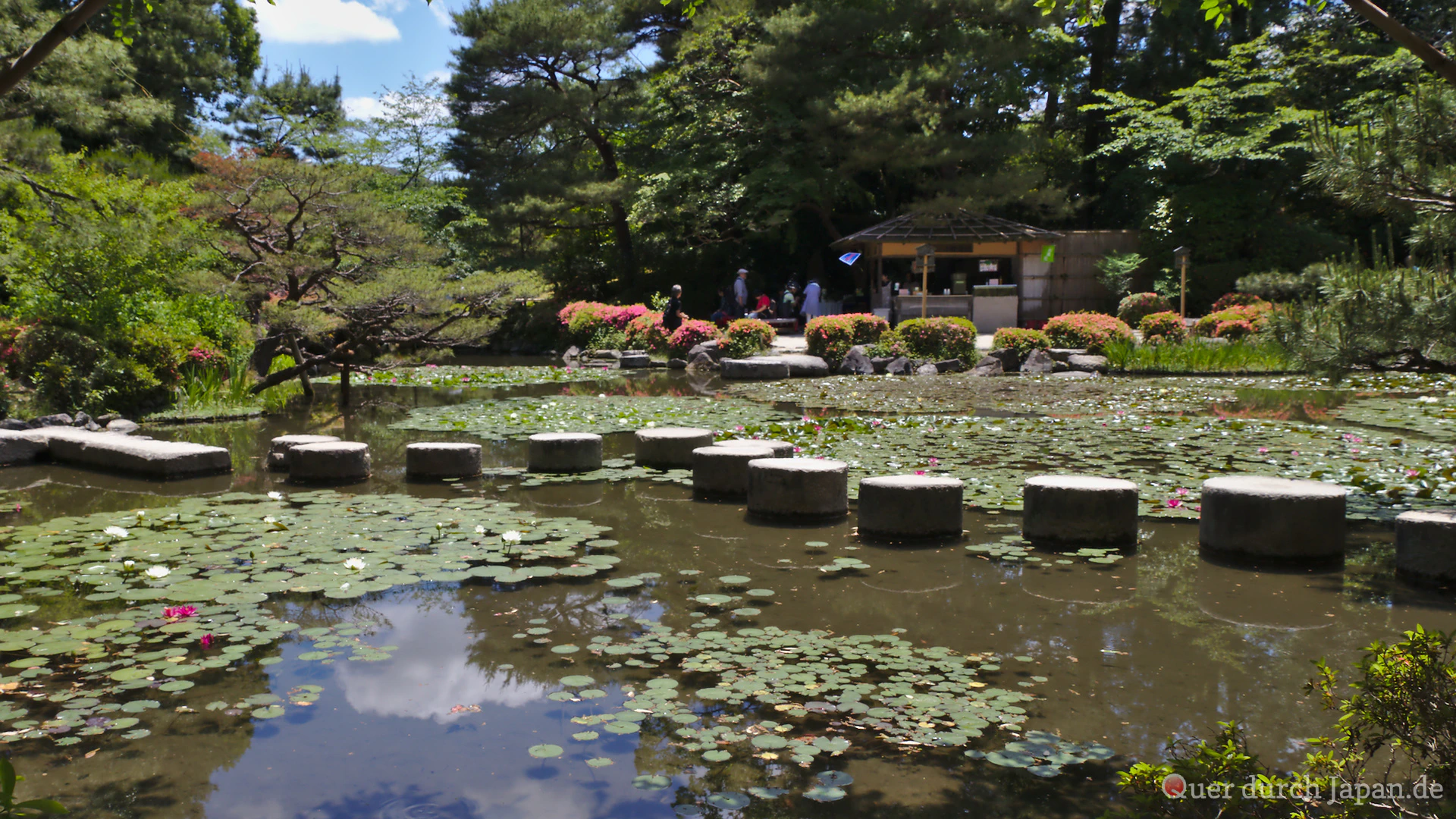
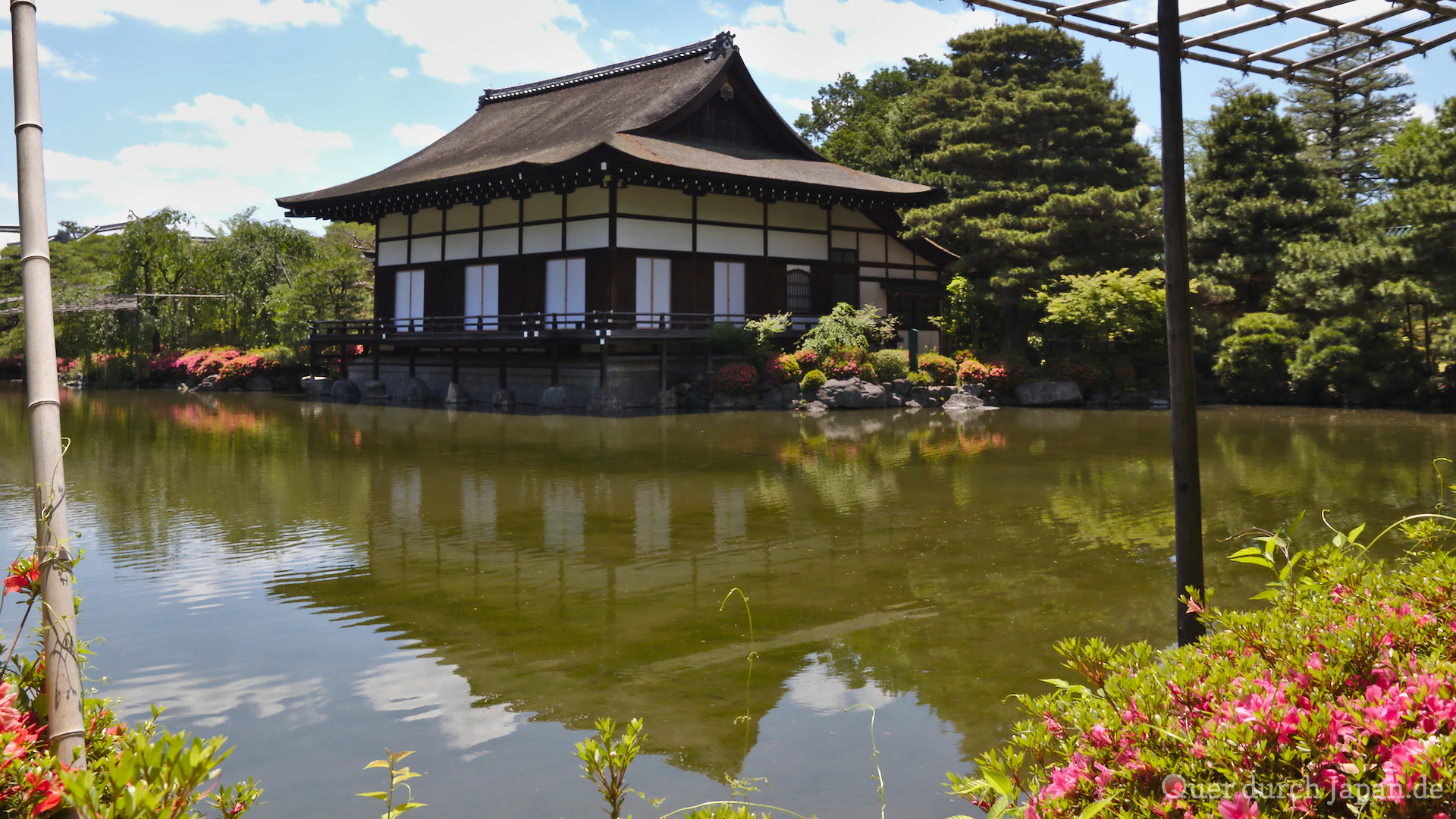
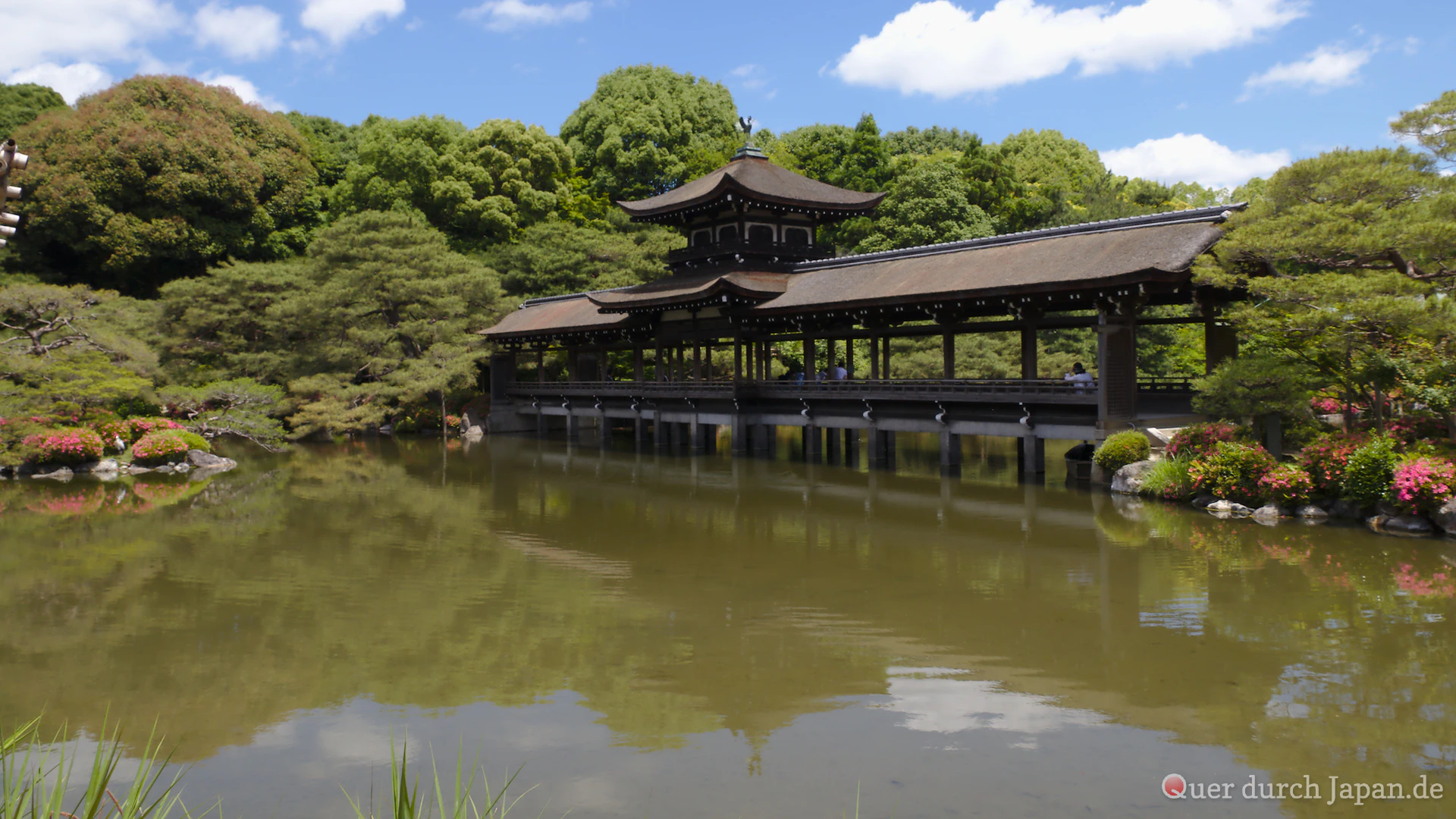
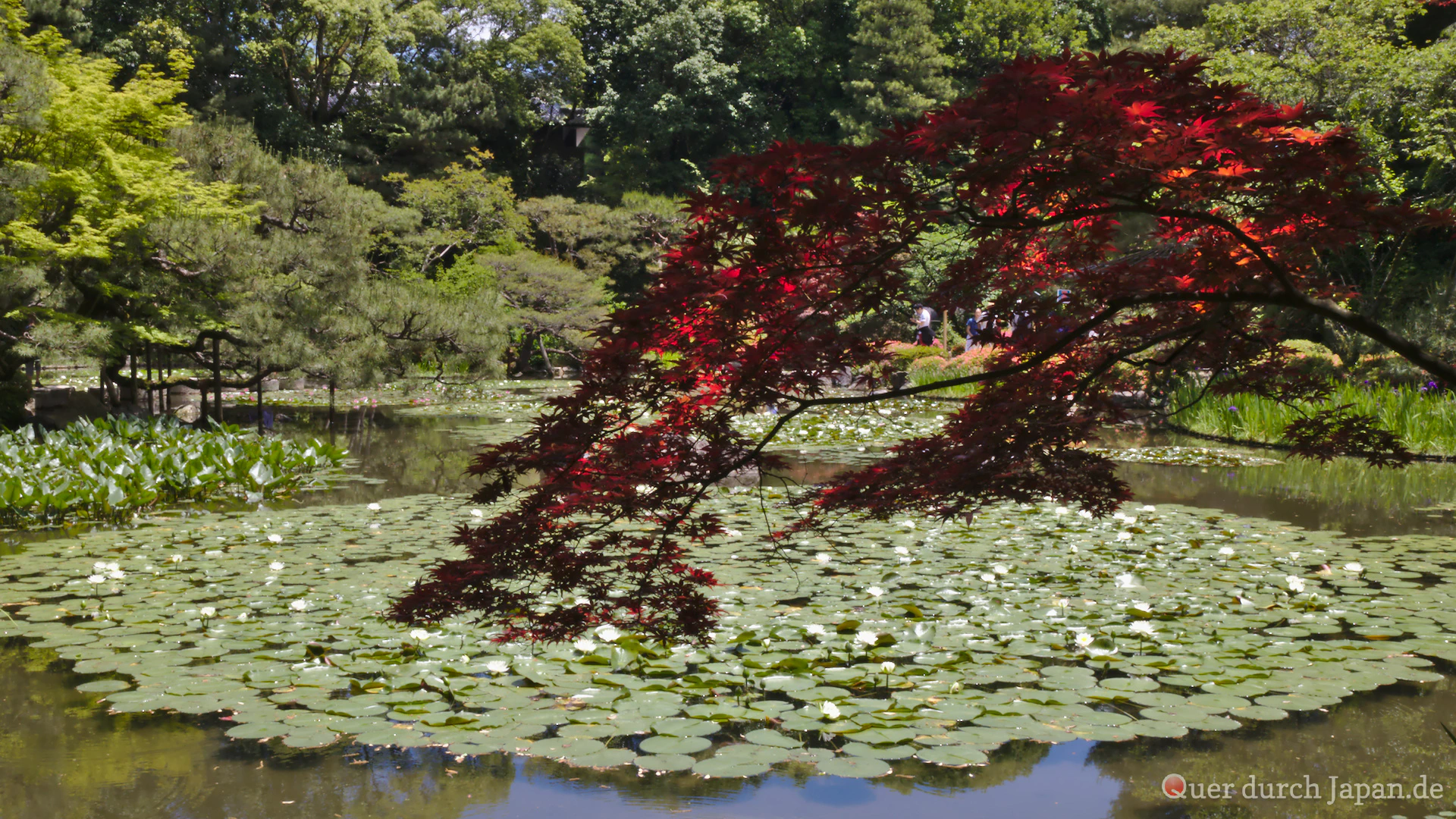
You can get there either by bus to Ginkakuji-michi (銀閣寺道) or take a taxi straight to the Ginkaku-ji (銀閣寺). Careful with the pronunciation: The Kinkaku-ji (Golden Pavilion) sounds very similar and is more touristy, but it’s on the other side of town! From Nanzen-ji, you can head back either by bus (stop Nanzenji Sosui Kinenkan Dobutsuen Higashimon, 南禅寺・疏水記念館・動物園東門) or by the Underground (stop Keage Station 蹴上駅). Alternatively, you can also pay a visit to the nearby Heian Shrine and its garden.