#Kyōto

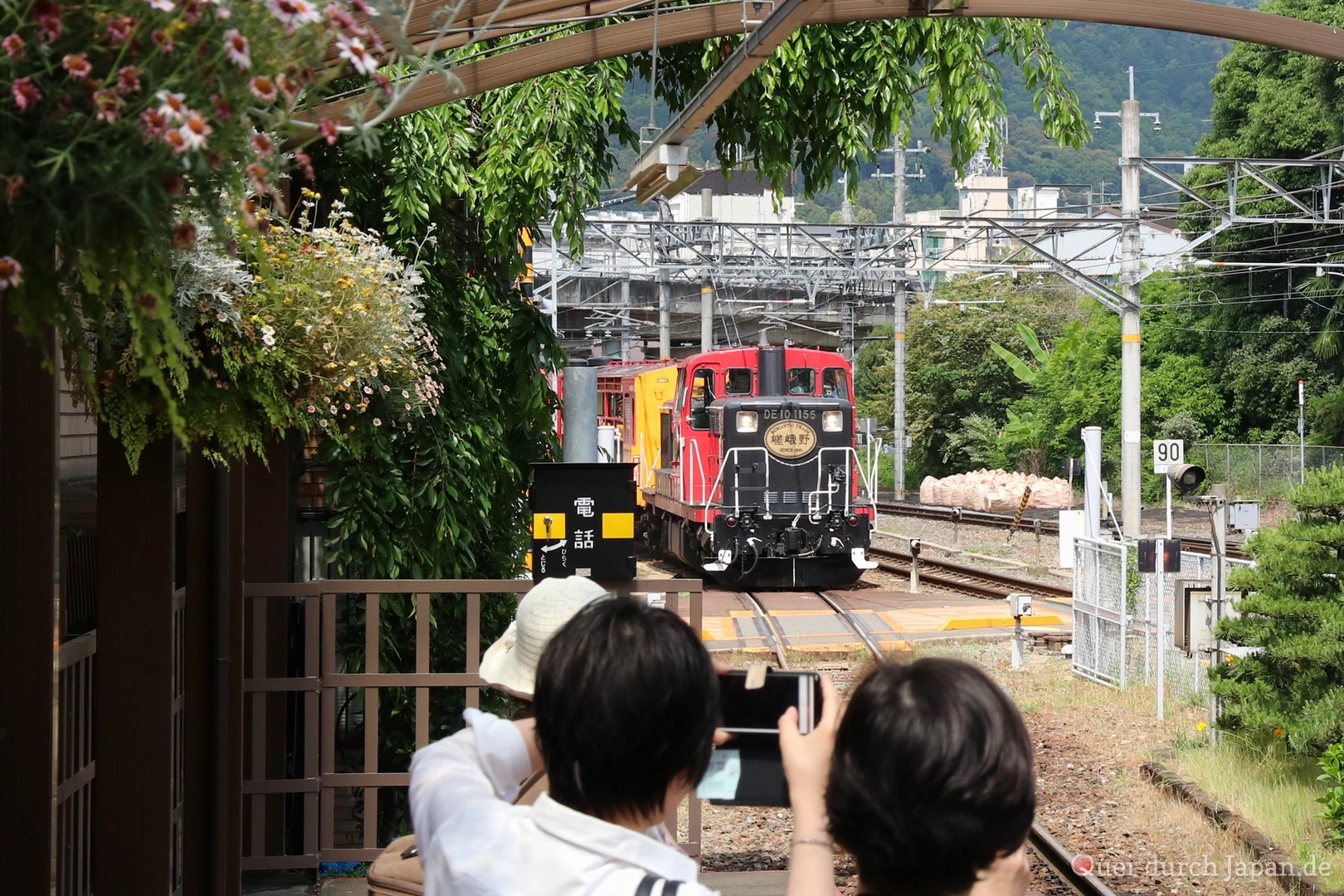
Sagano Romantic Train

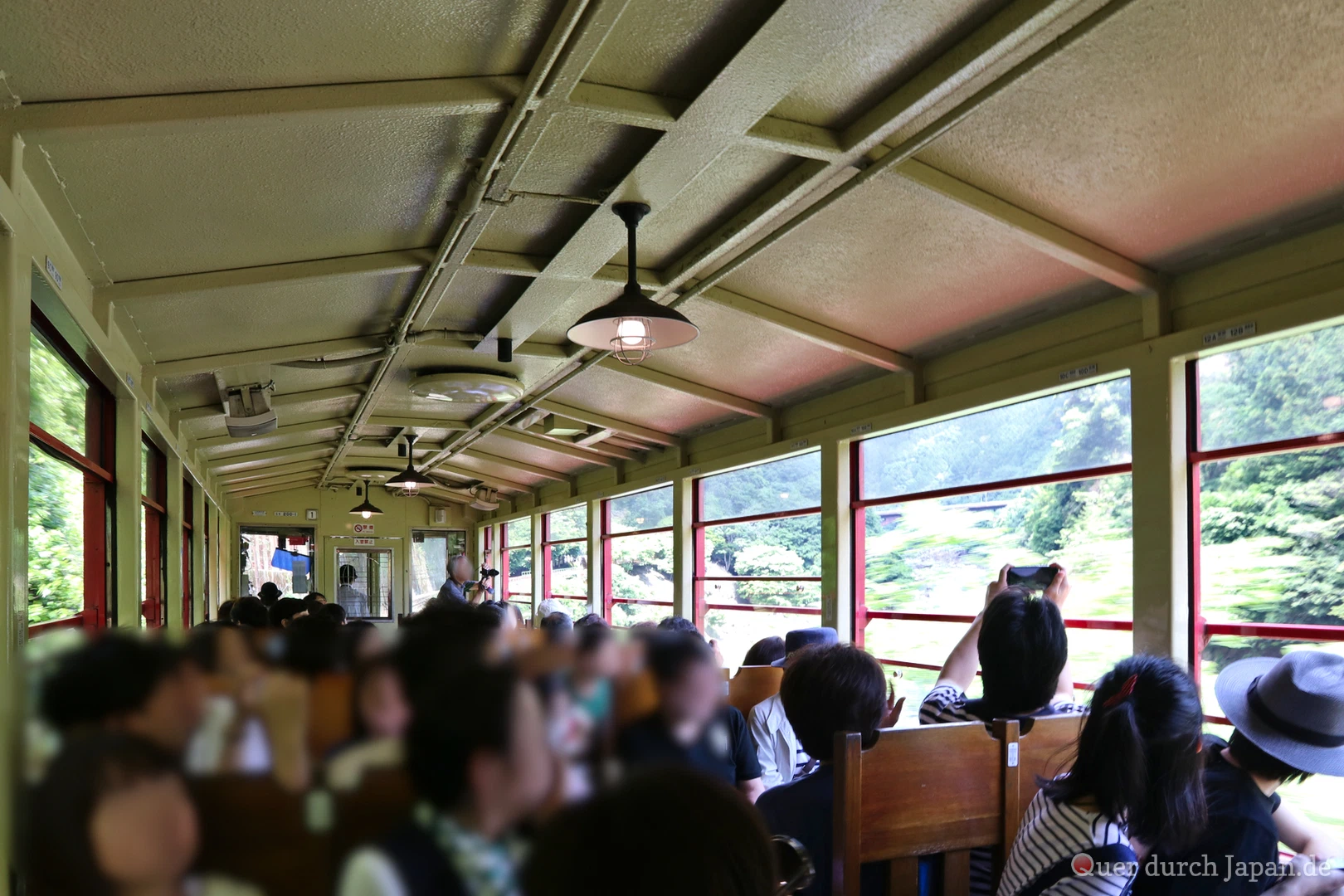
On the western outskirts of Kyōto, the Sagano Romantic Train runs along an old railway line right by the Hozu river. The train consists of several old carriages, one of which is open-air.

The starting point is Torokko Saga Station. It’s right next to the Saga-Arashiyama stop, which you can reach in a good fifteen minutes from Kyōto Station using the JR Sagano Line. You can pass the time waiting for the Romantic Train in a little exhibition and, of course, by buying some Omiyage.

I’d been looking forward to this trip ever since we started planning our holiday, but during the ride, I couldn’t really feel much railway romance. You sit on wooden benches and clatter along the tracks. The brakes keep screeching to pick up more passengers at the next stop. It goes through loads of tunnels. And if you sit on the wrong side, for most of the ride after the first stop you just stare at a hillside, while on the other side you’d have a (genuinely romantic) view of the gorge and the Hozugawa.

After about a 25-minute ride, you reach the final stop, Torokko Kameoka. From here, you’ve got three options for the journey back.

You can just take the Romantic Train straight back to Torokko Saga Station. We already had our return tickets and slightly regretted not being able to walk around the village a bit more.

Alternatively, you can walk to Umahori station and then take the JR Sagano Line back to Kyōto (about a 25-minute ride).

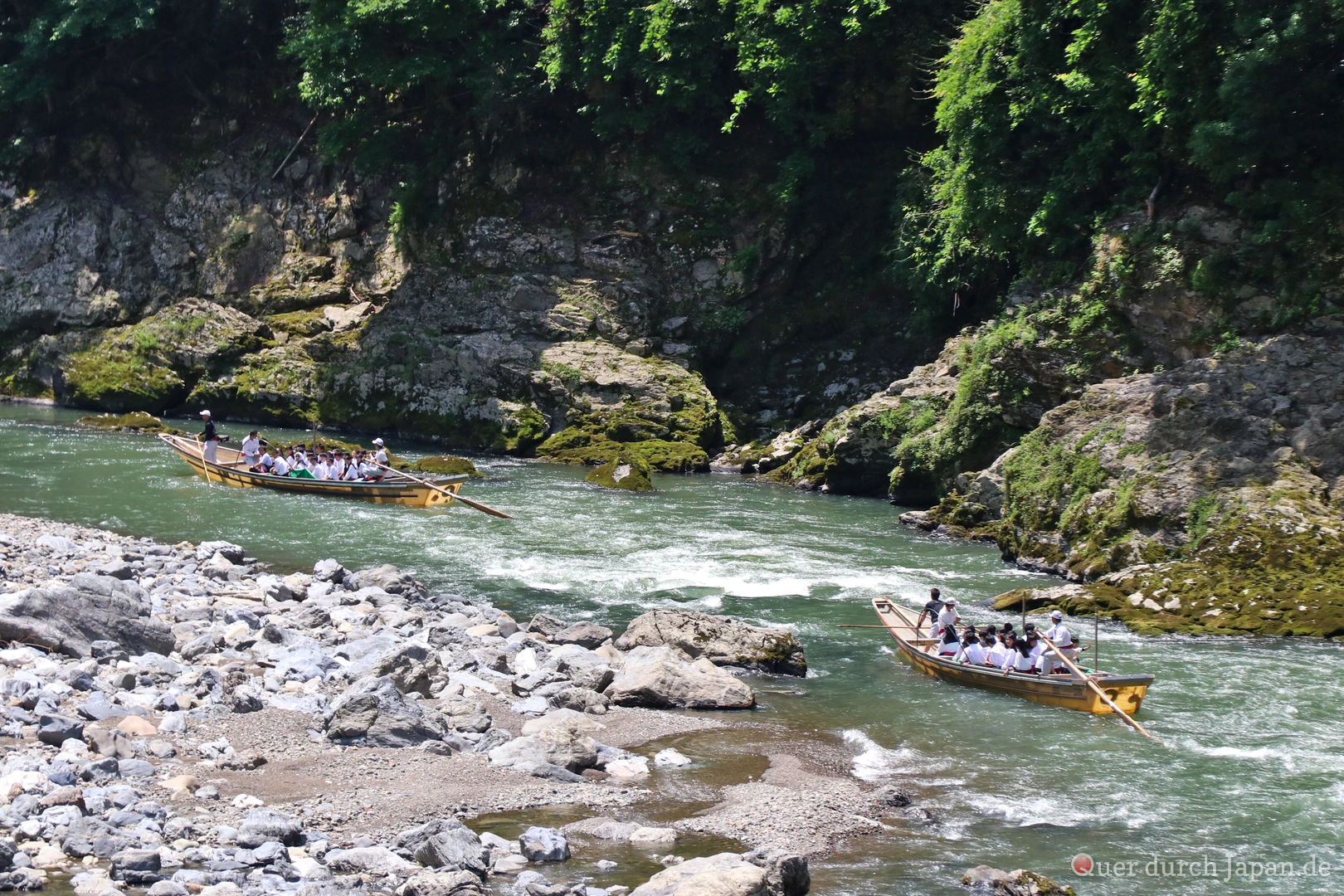
If you fancy something a bit different, you can take a boat ride back on the Hozugawa. You can get to the boarding point on foot or by taxi.

Tickets for the Romantic Train are available at Torokko Saga Station and all major ticket offices in the area, like at Kyōto Station. It’s a good idea to book your seats well in advance, especially if you want to snag a good seat or a spot in the open carriage. The ride costs 620¥ per person each way, and the Rail Pass isn’t valid for this train. Window seats have the letters A and D. To avoid staring at the hillside, try to get even-numbered seats. (All info as of May 2017.)
Shōgunzuka

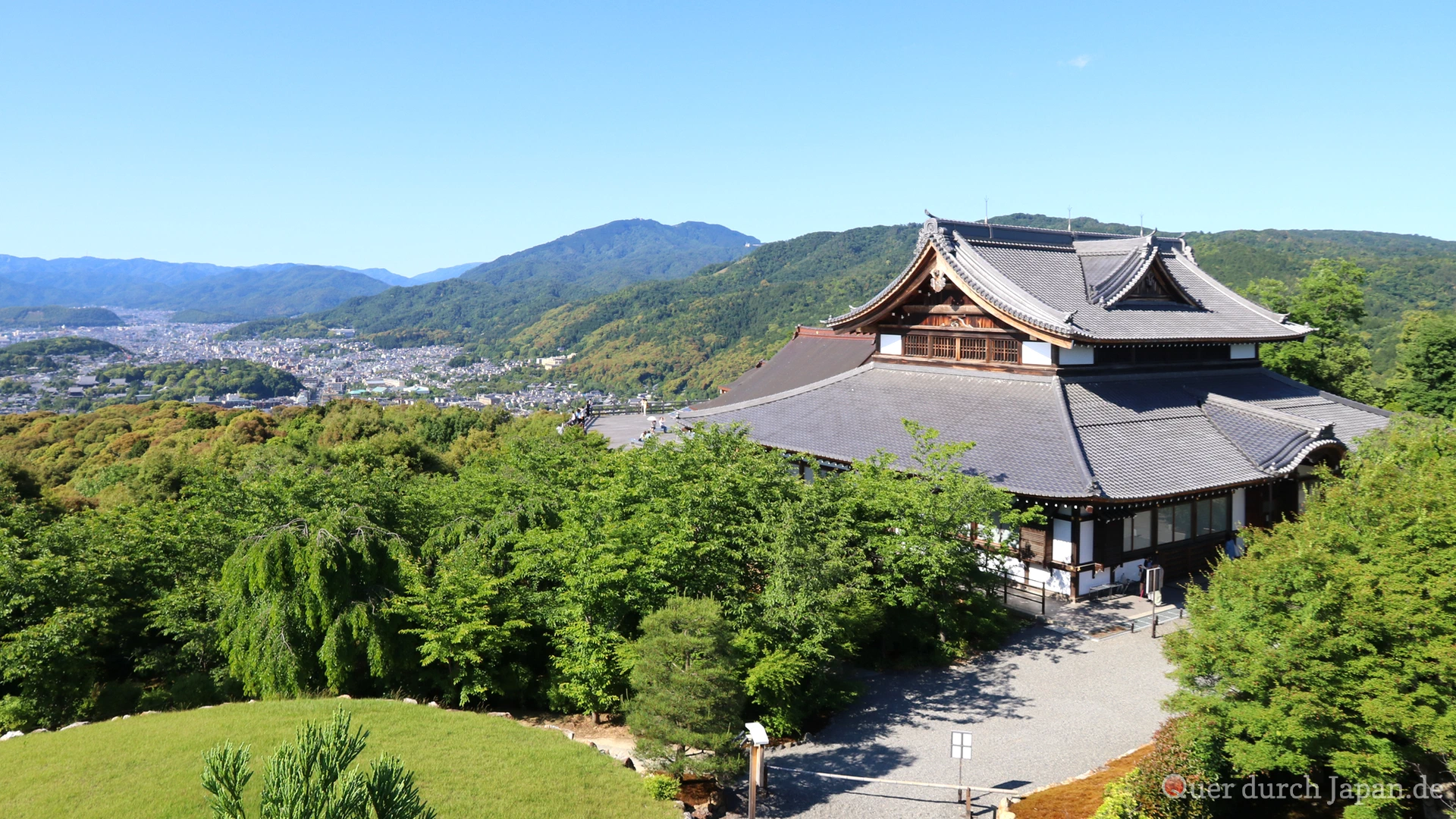
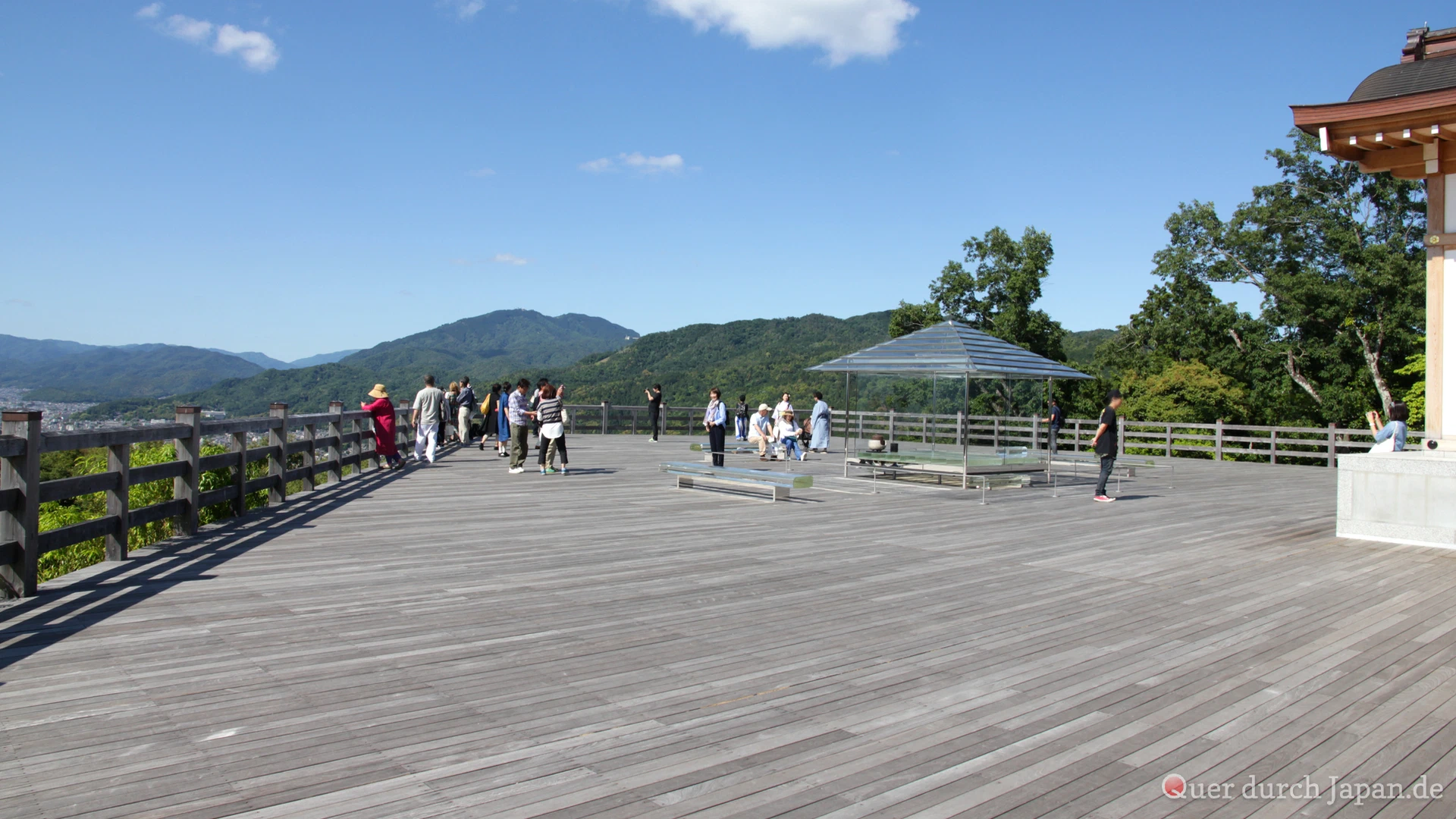
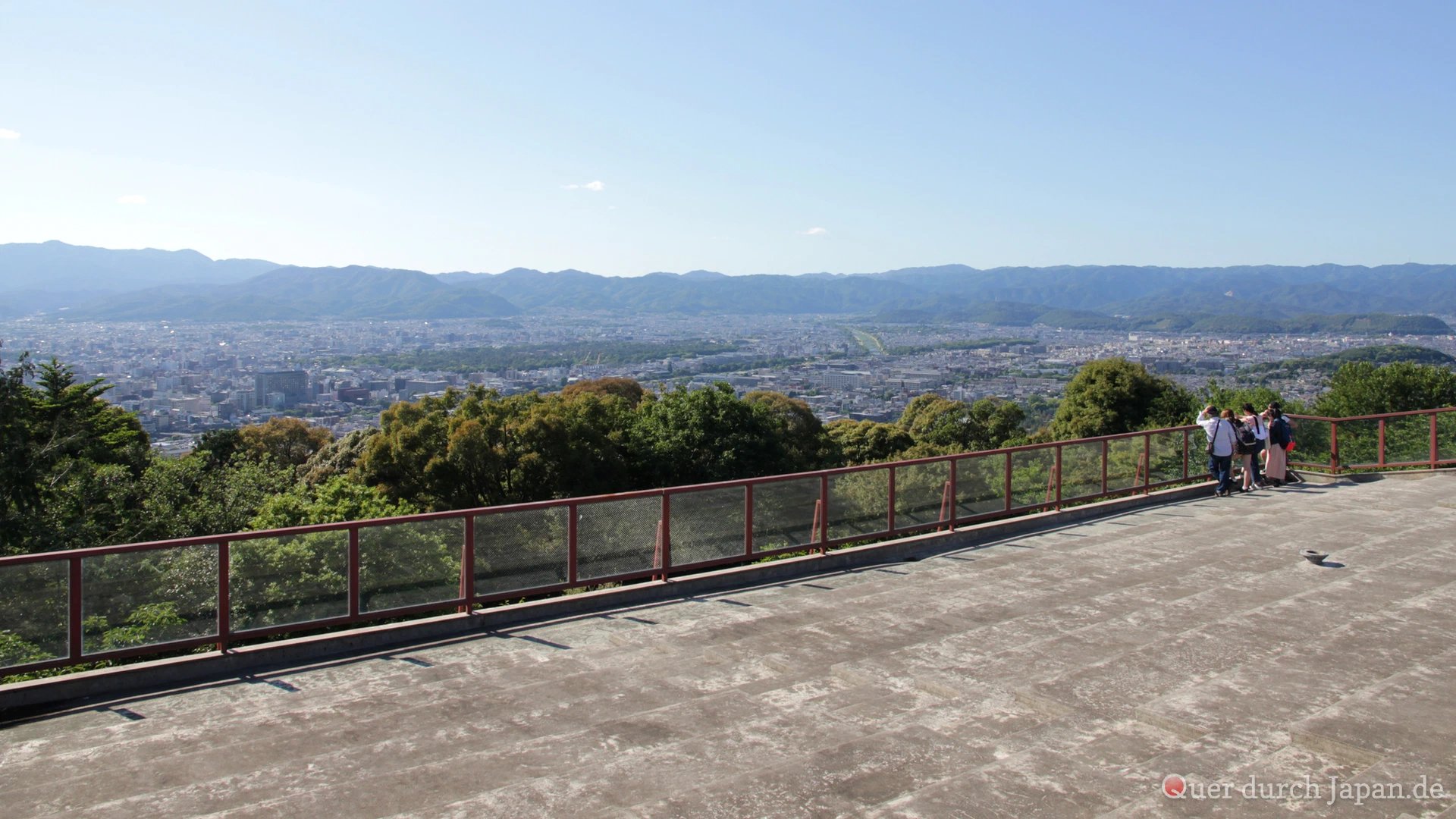
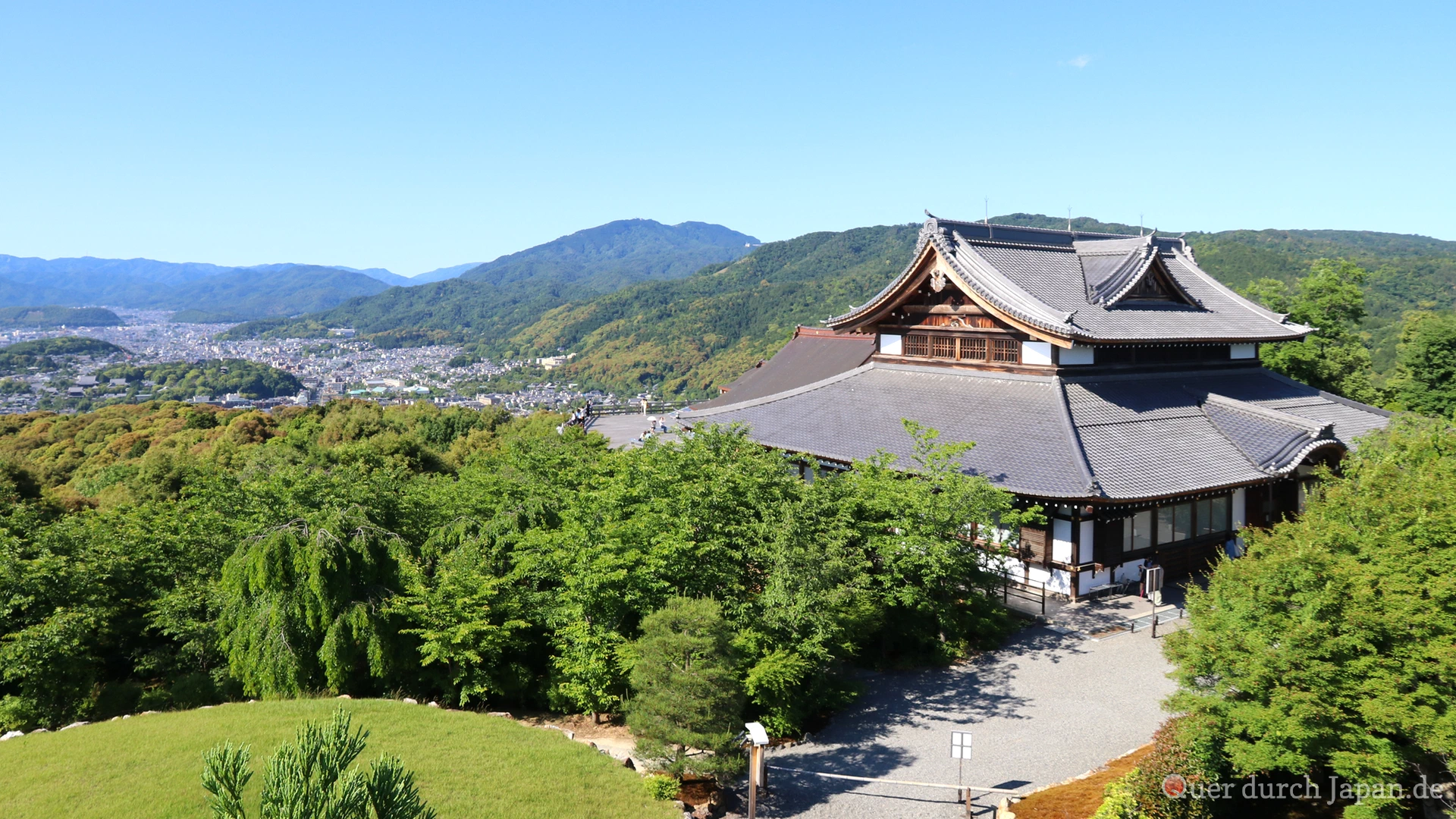
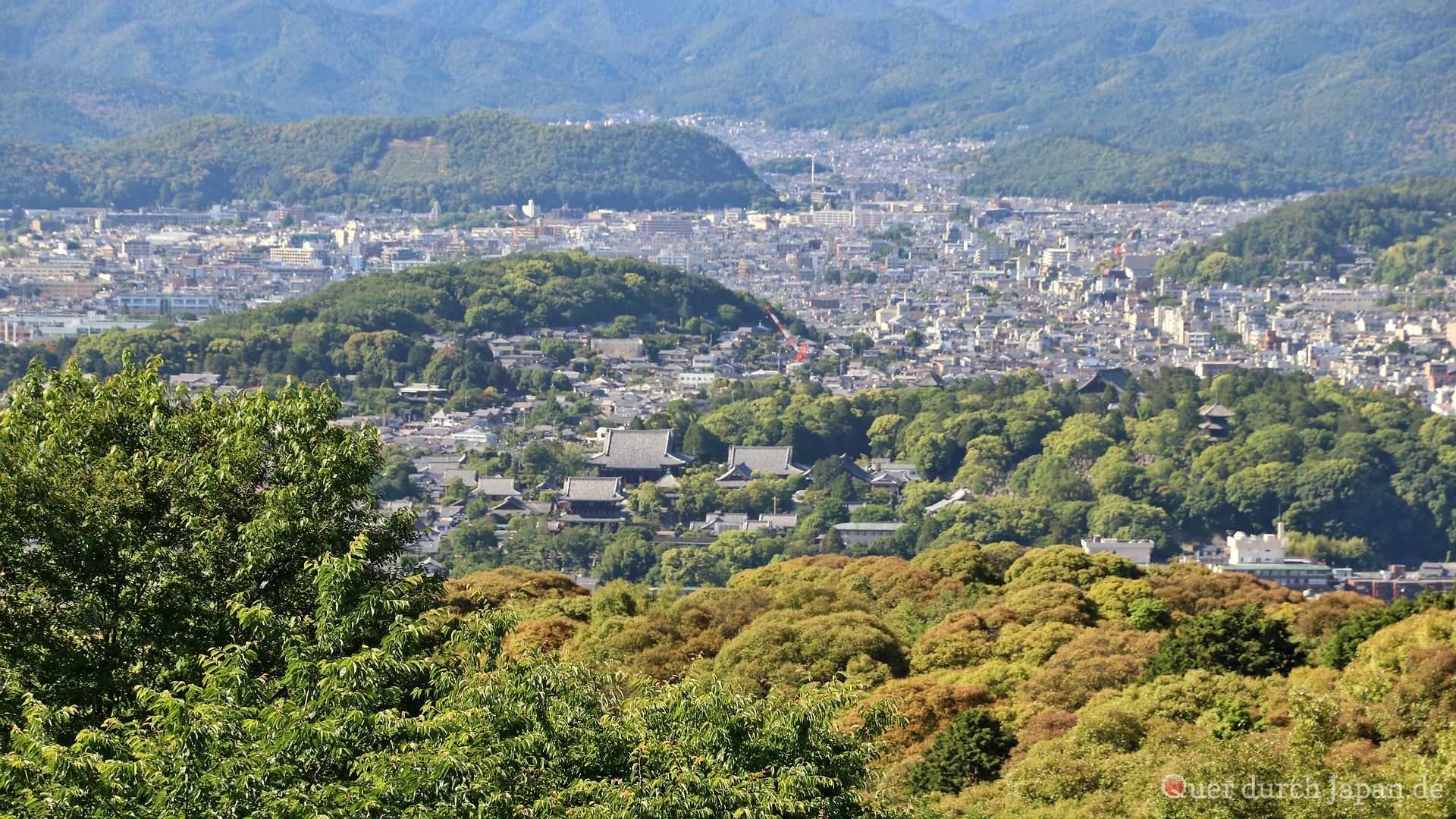
The viewing platform at Shōgunzuka Seiryūden is a fun little excursion in Kyōto that rewards the tiring climb with a fantastic panoramic view over the city.

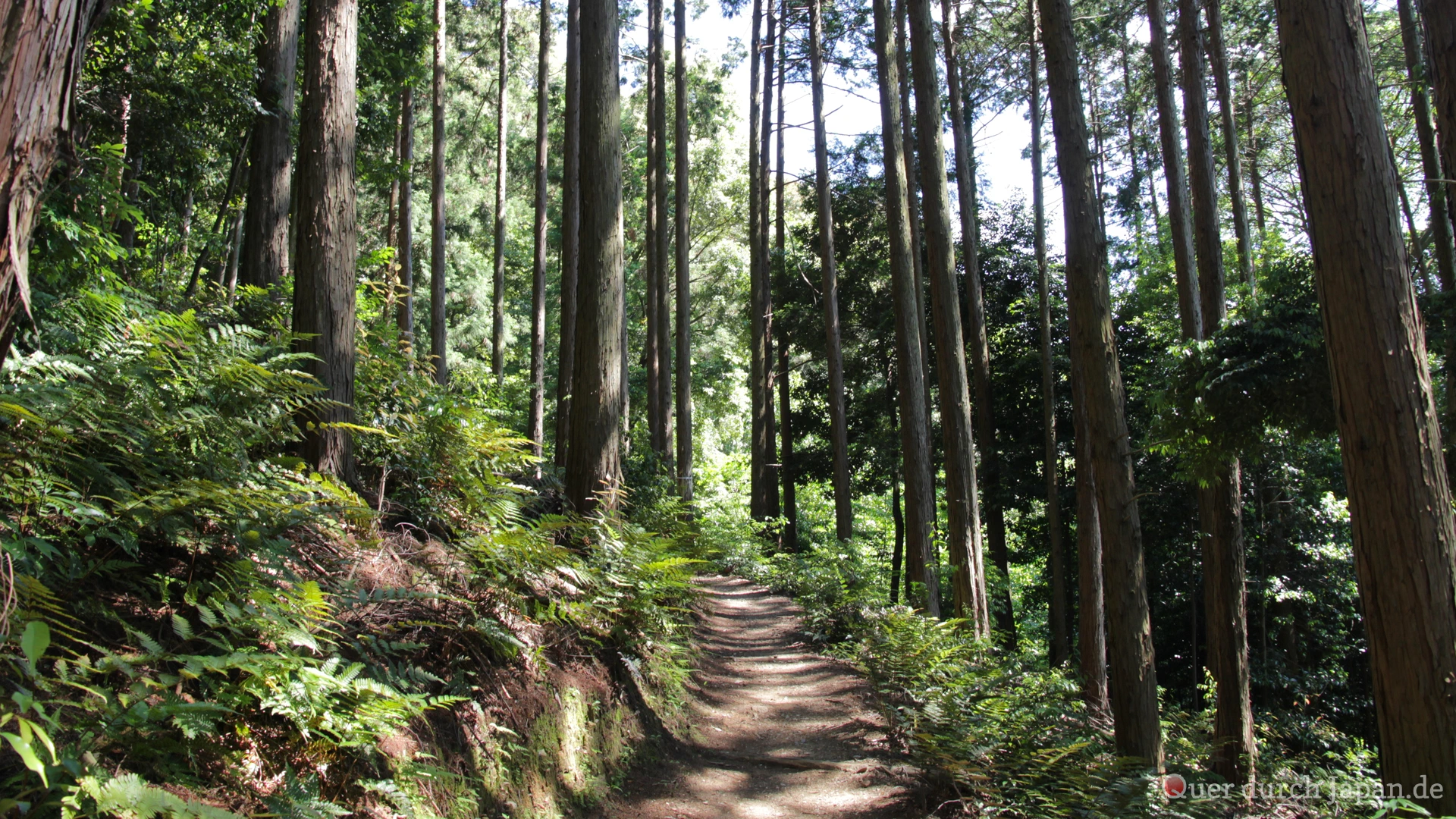
We decided to hike our way up. Finding the starting point turned out to be not quite that easy. First we tried at Awata-jinja, but a closed gate blocked our path. A street further north by Shoren-in finally led us into the forest.

A path that is sometimes a bit hard to spot winds its way through the woods, eventually leading around the base of the viewing platform and ending at a car park. At a leisurely pace, the ascent takes about 30 minutes. If you’re not good on your feet, you can always just take a taxi up. 😉

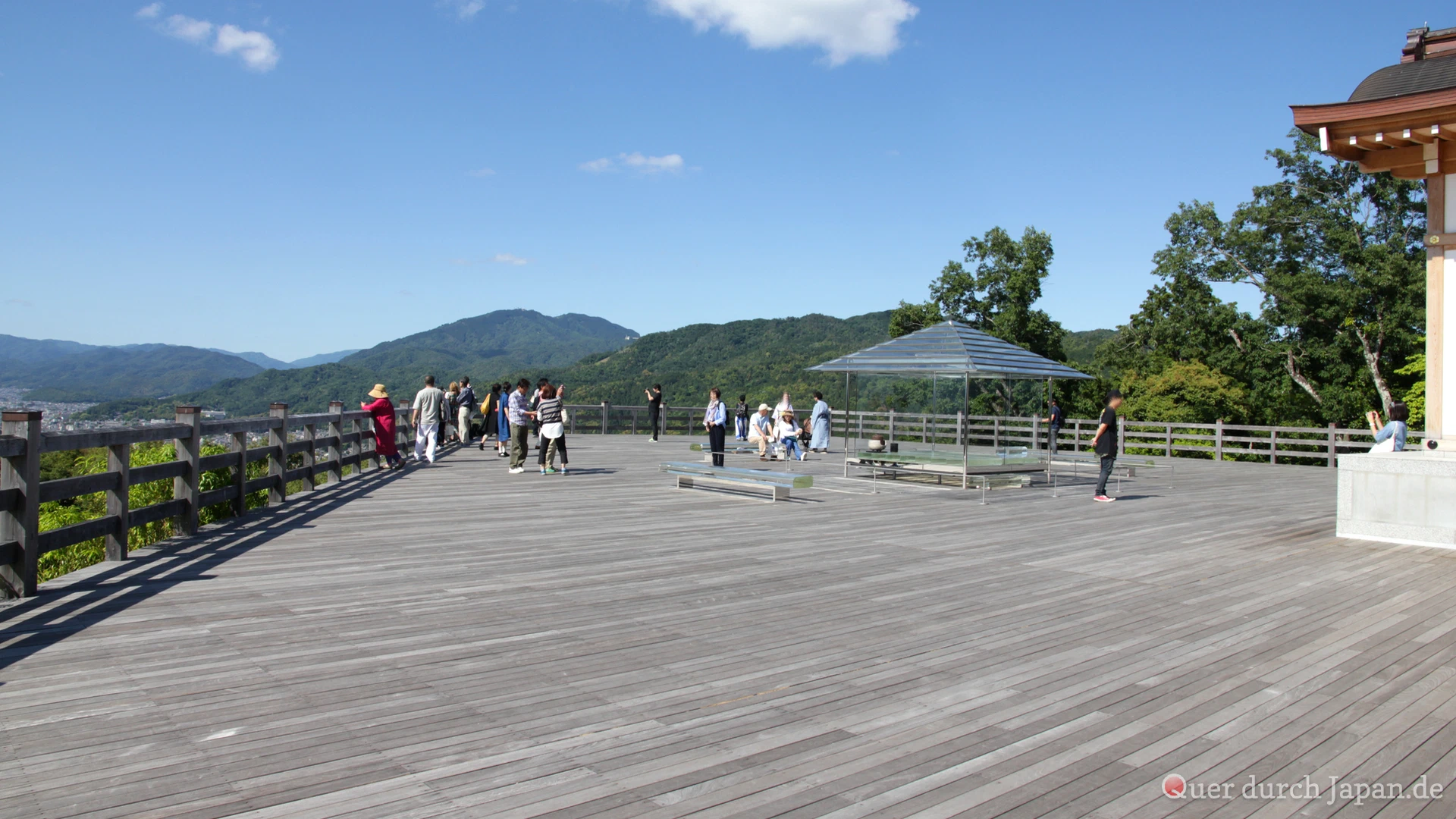
Once at the top, you pay an entrance fee (500¥) and then step onto the viewing platform. Not only is the view spectacular there, but also the - in the truest sense of the word - cool benches made of thick glass blocks.

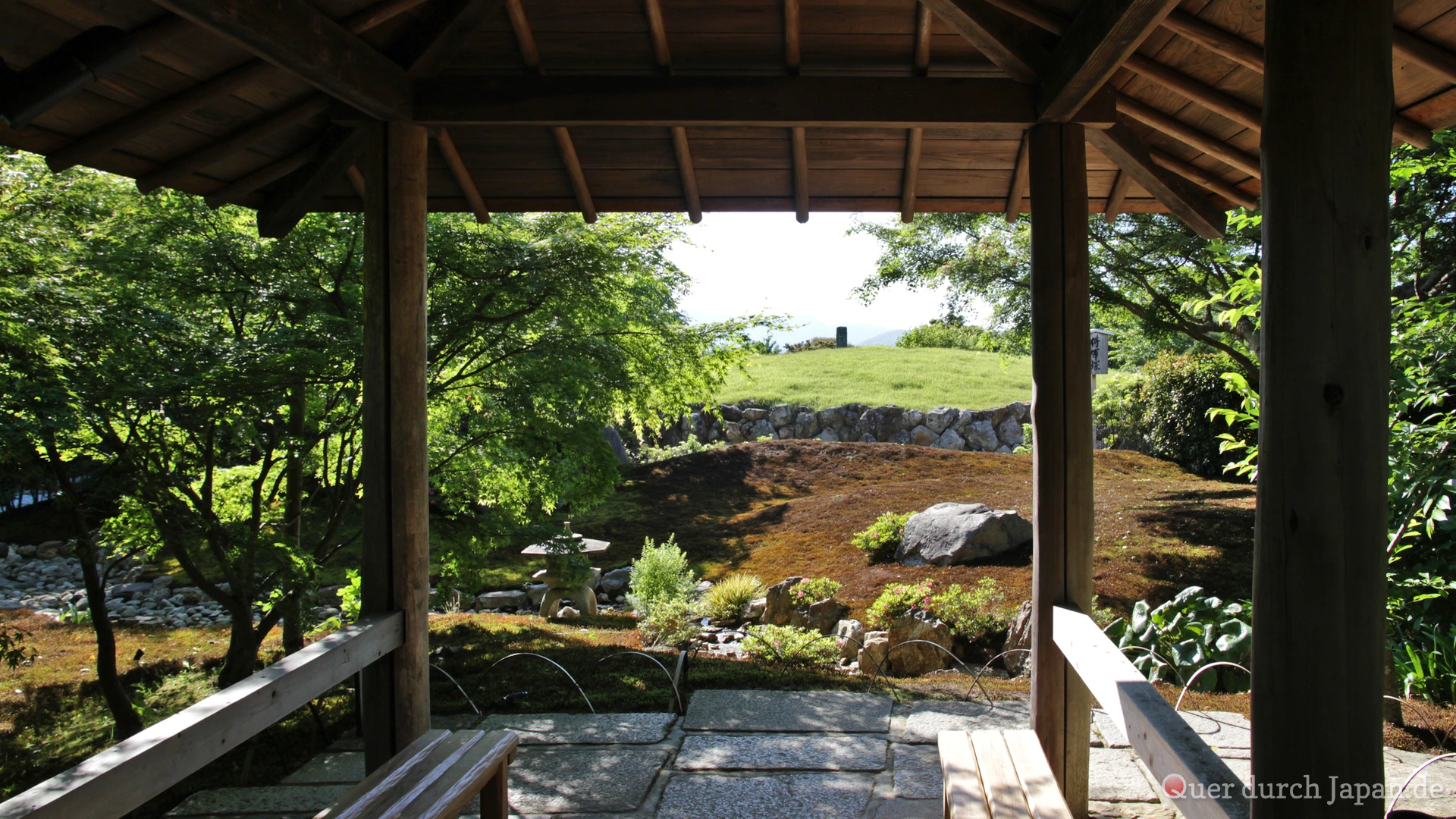
Right next to it stands the former viewing platform on a scaffold. From here you have a magnificent view of central Kyōto. Before leaving the place, it is definitely worth spending a few minutes strolling through the small landscaped garden on the grounds.

Travel Journal 2017: Kyōto 2

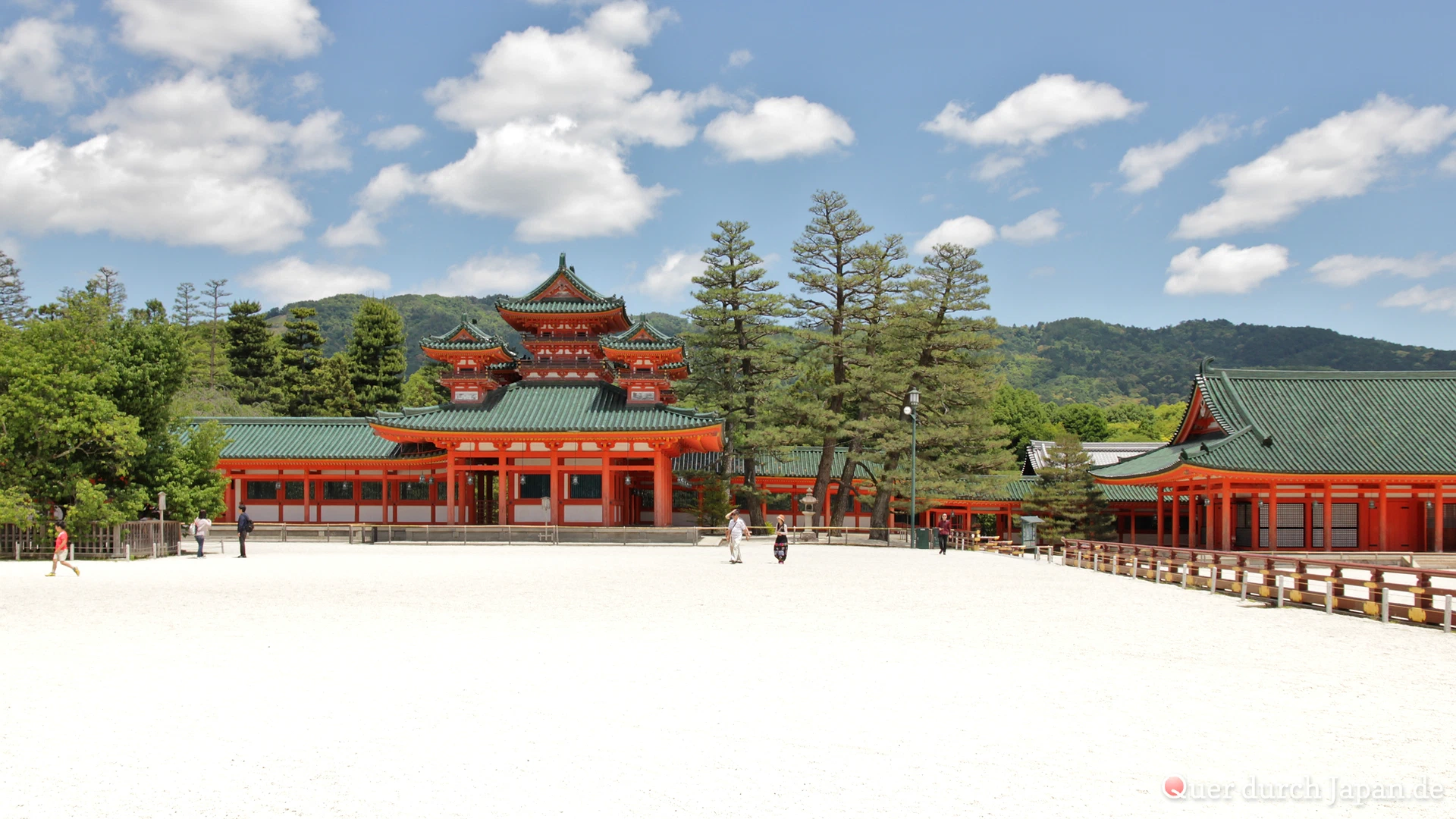
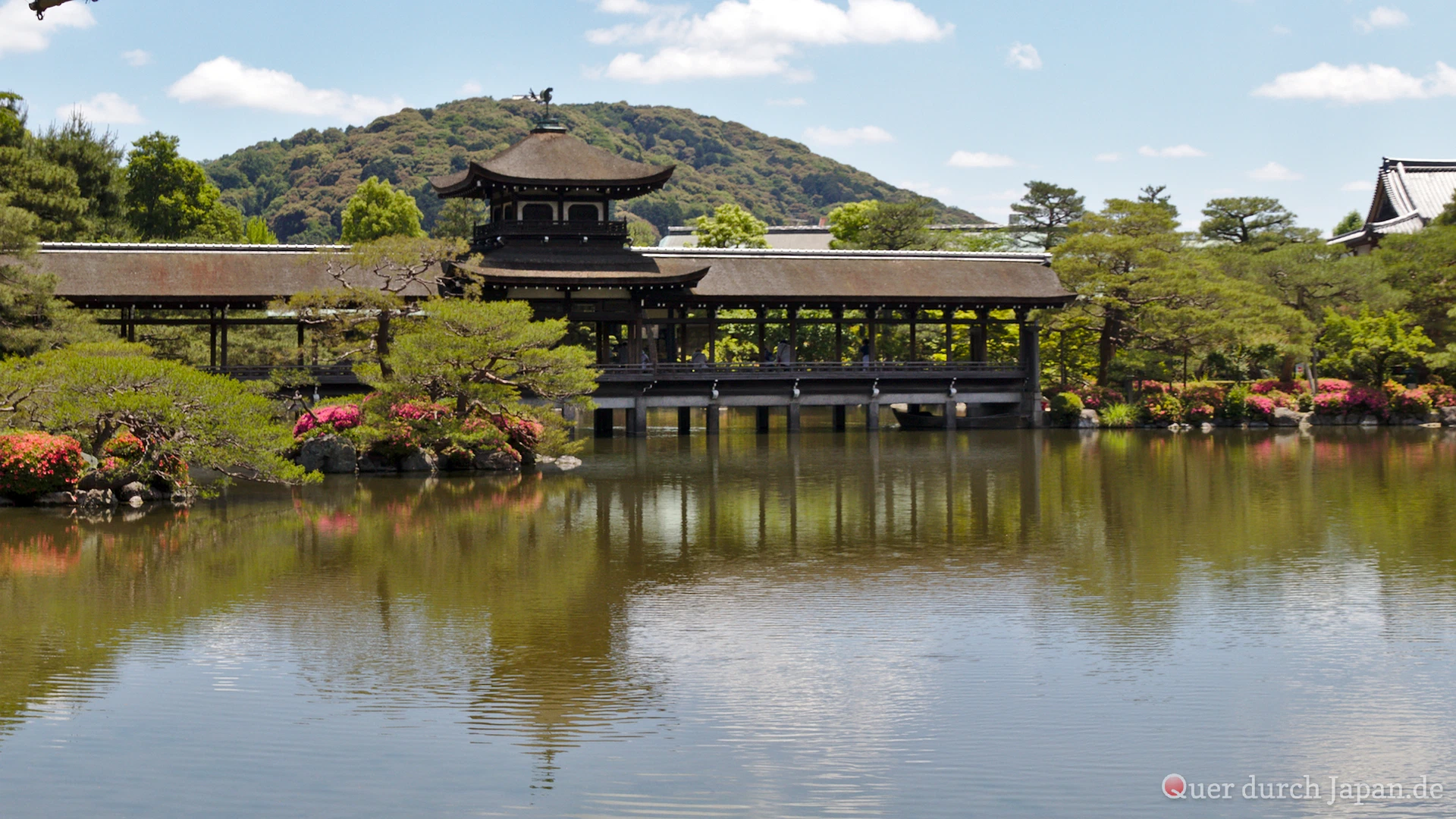
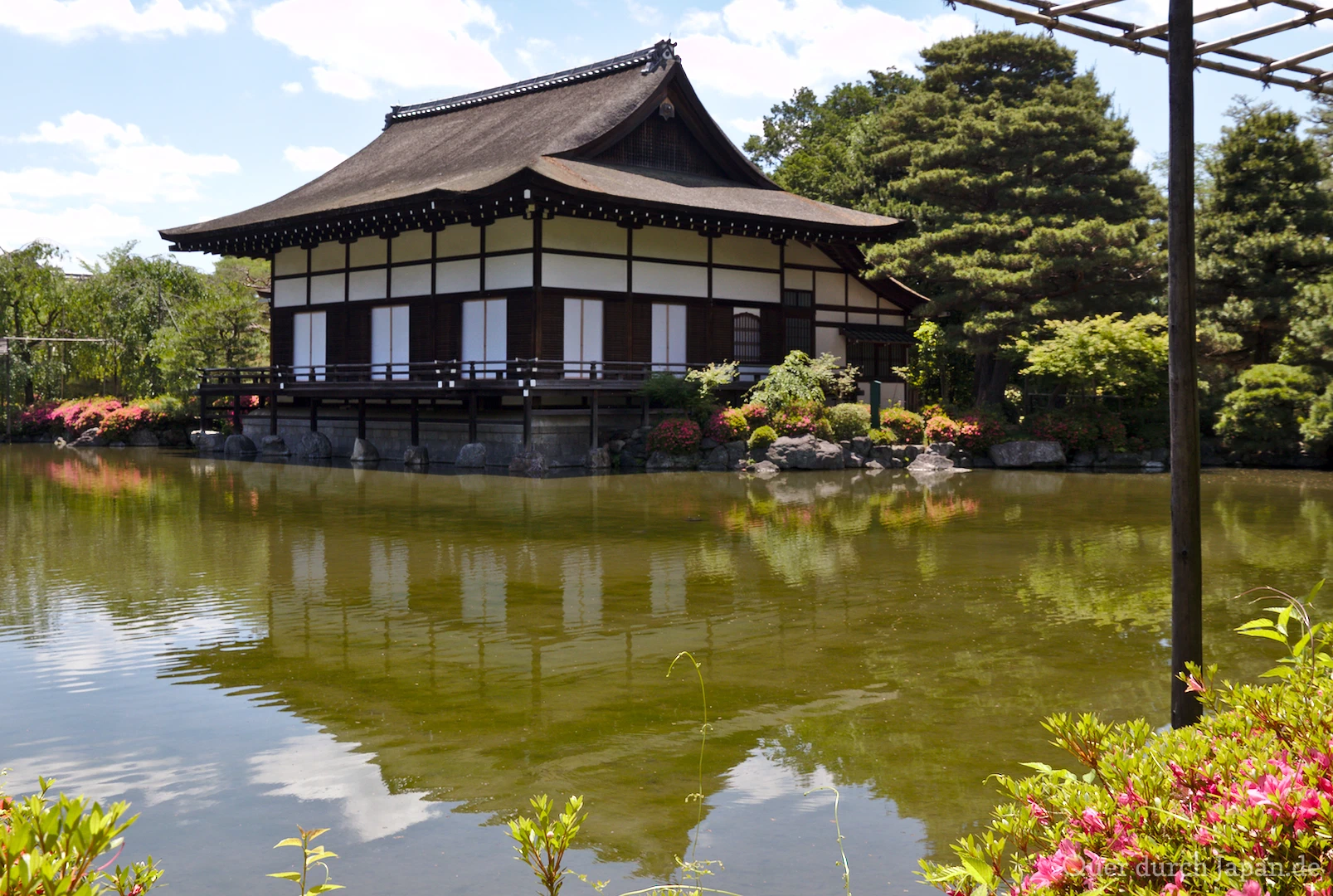
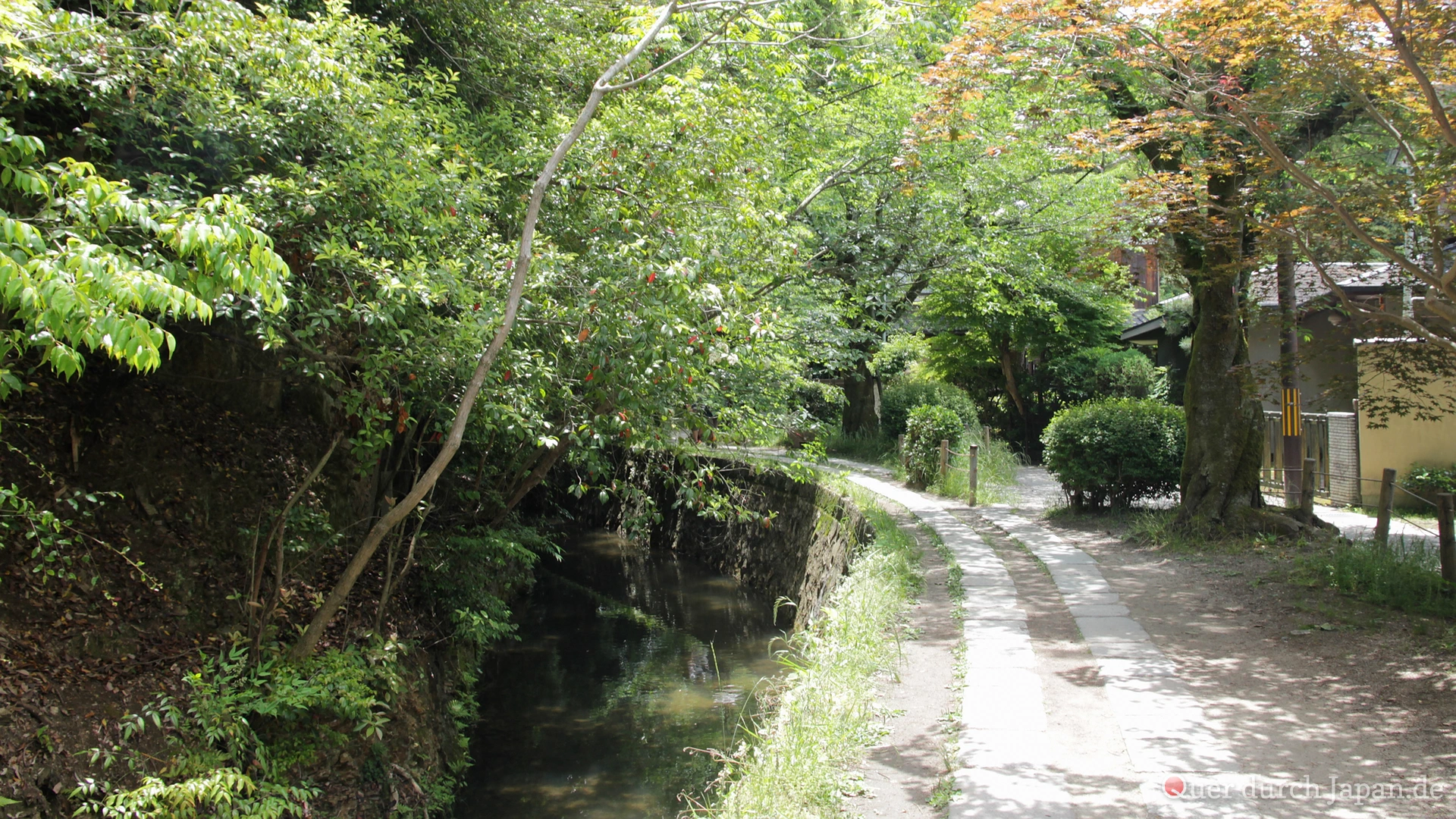
Today was the finale. We walked the Philosopher’s Path, which runs alongside a stream and past several temples. A detour took us to the Heian Shrine with its beautiful gardens. Finally, we hiked through a forest up to the Shōgunzuka Mound, where the viewing platform gives you an unbelievable view over Kyoto all the way to Osaka.

Last night we got to experience a little earthquake. Just north of Obama (yep, that’s really the name of the place), the earth shook with a magnitude of 5.0. Back here in Kyoto, about 80 km away, we felt the floor shake just a tiny bit in our hotel. Totally harmless by local standards, but it was plenty of a thrill for us.

Sadly, our trip is already over now. The bags are packed, and tomorrow we’re heading back to Germany. But we’ve got a few photos in our luggage that we’ll be sharing here soon.

Travel Journal 2017: Kyōto

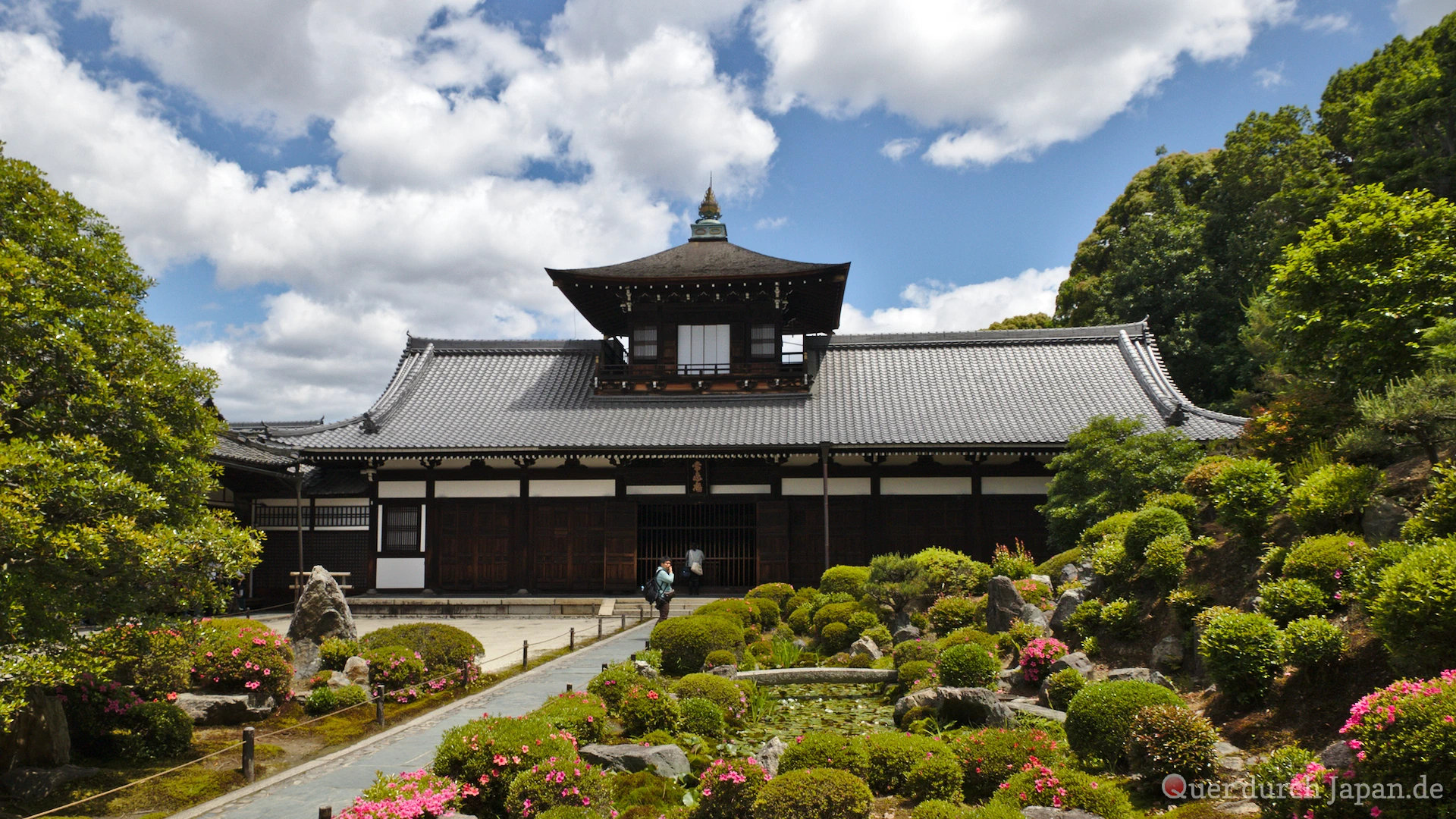
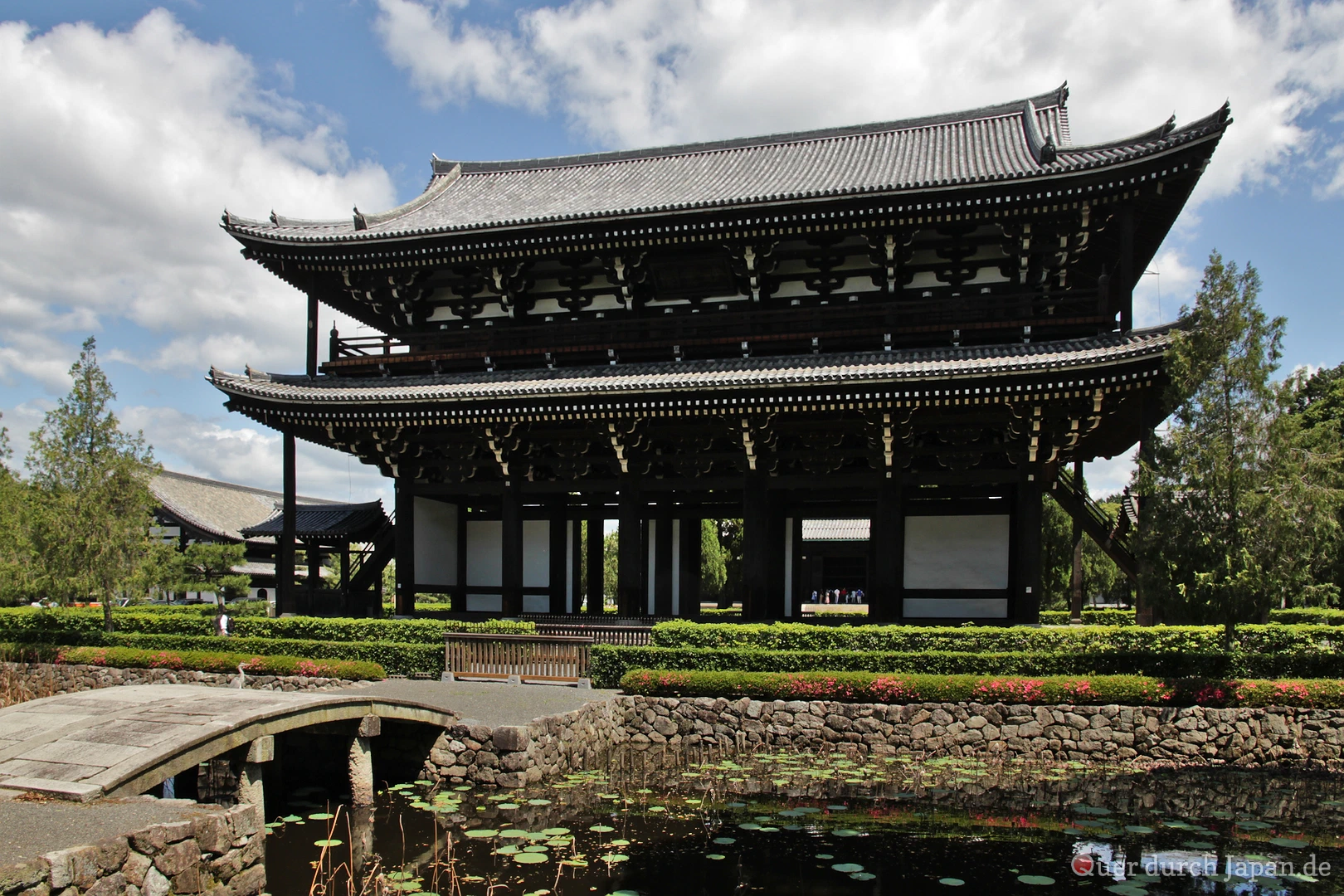
Kyōto itself has missed out a bit so far, so we had a look at a few places today. The Tōfuku-ji temple and its accompanying garden, for instance.

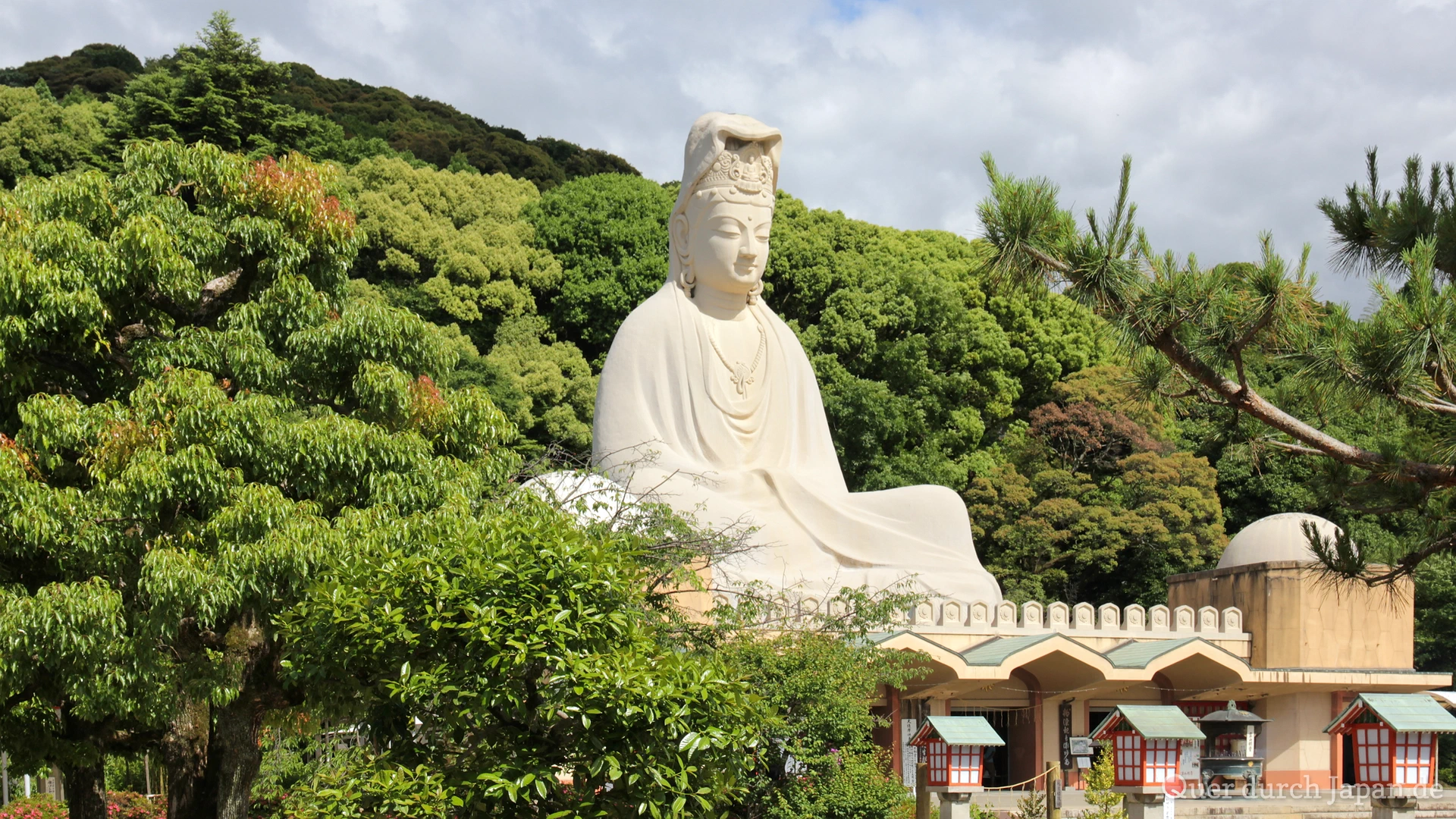
In the distance on a mountainside, we also spotted a large Kannon statue. It belongs to the Ryōzen Kannon, a somewhat neglected site that’s mainly meant to commemorate the fallen soldiers of the Second World War.

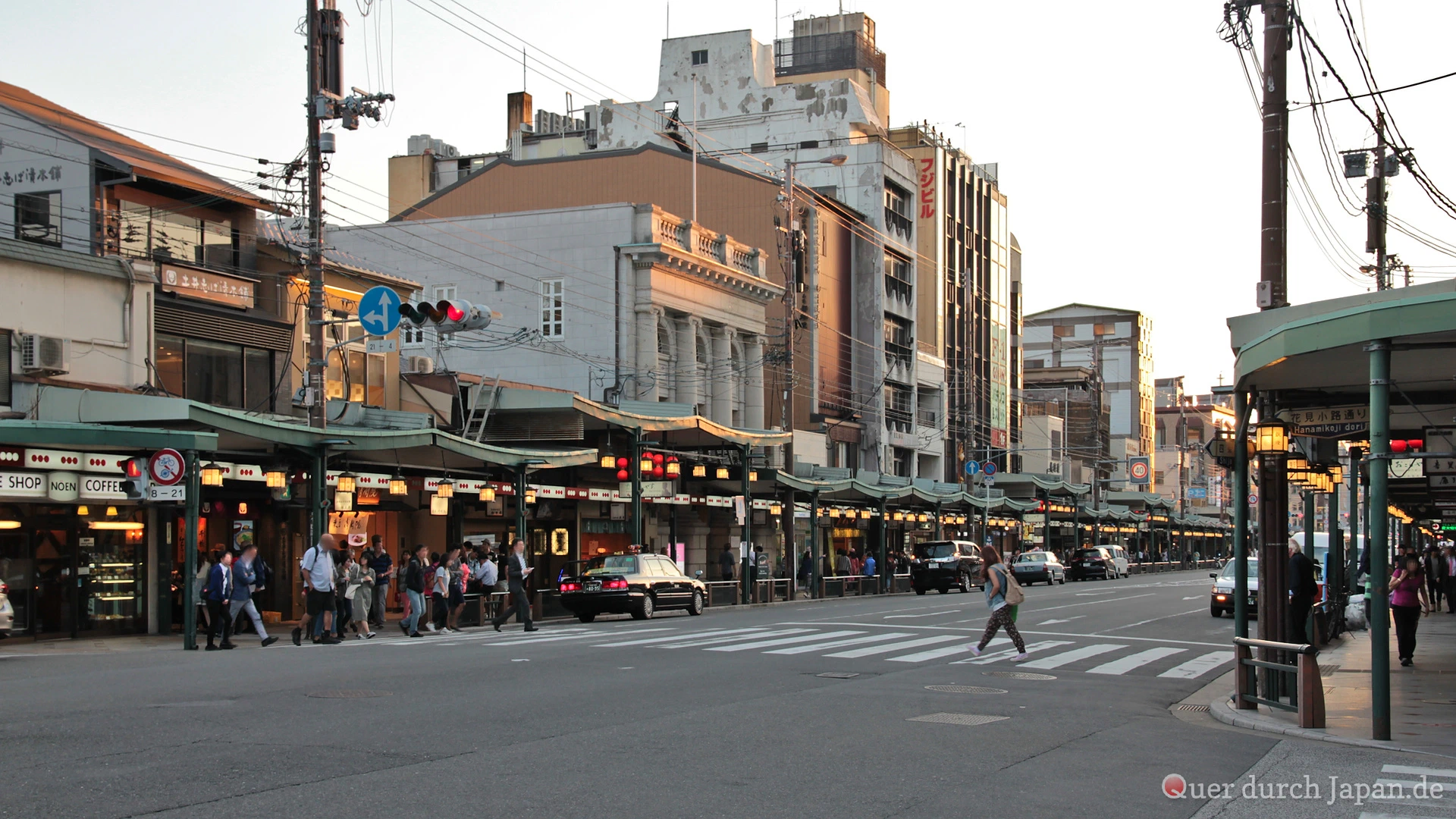
At the weekend and with such lovely weather, you can find women wearing kimonos pretty much everywhere in the Gion district. And if you’re really lucky, you might even spot a real Geiko. That’s what they call a Geisha in Kyōto.

Travel Journal 2016: Nara und die Geishatänze

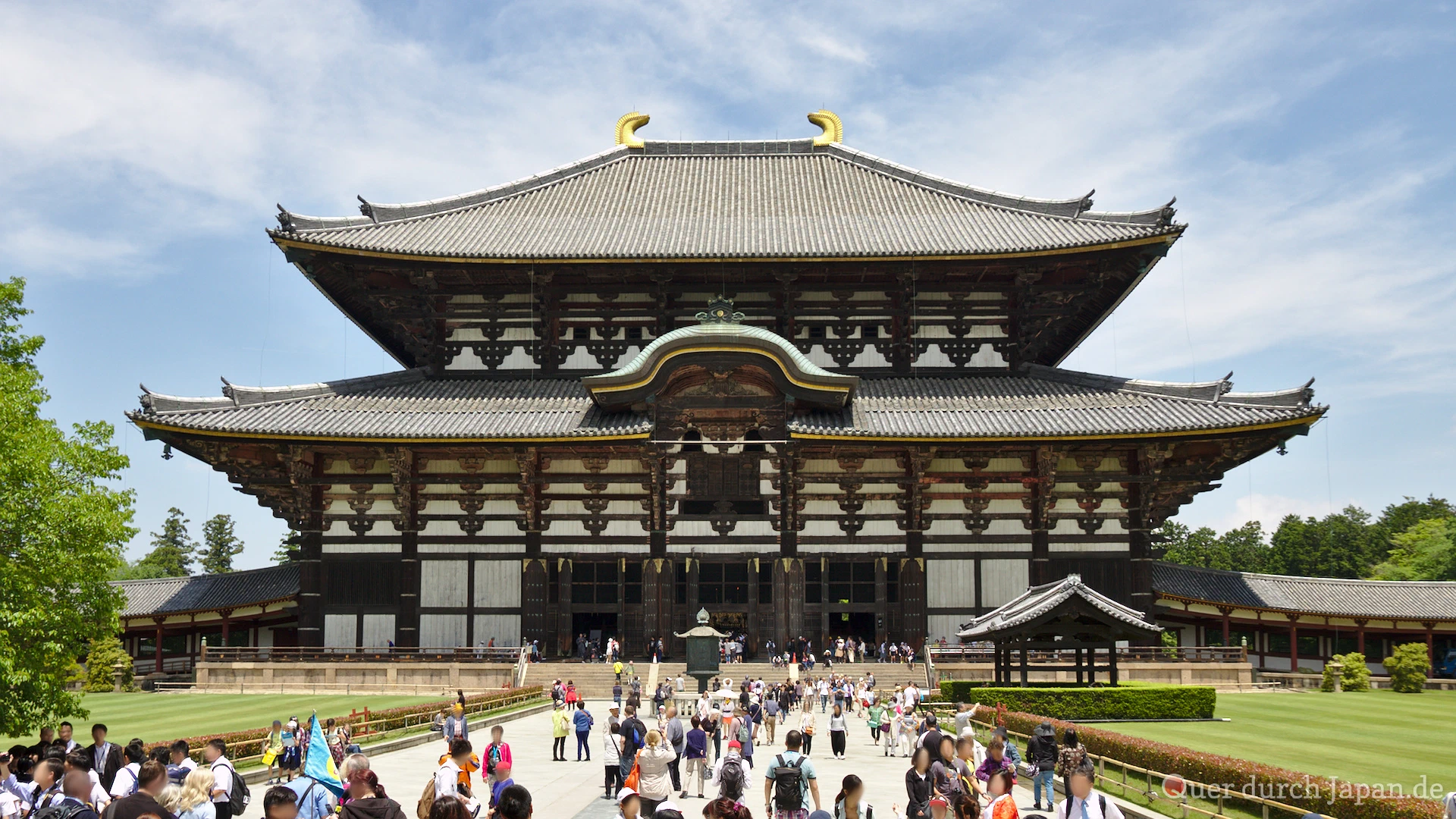
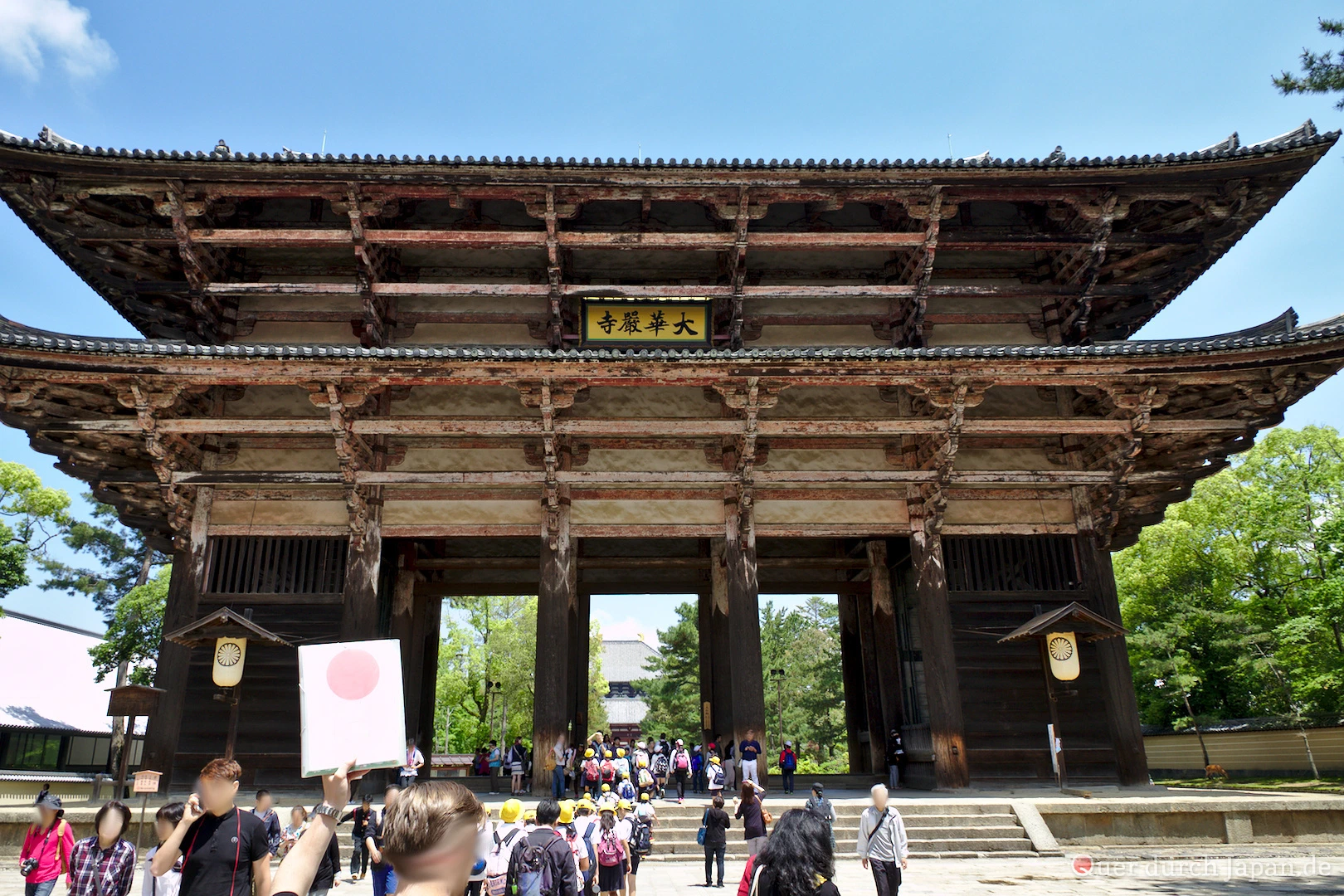
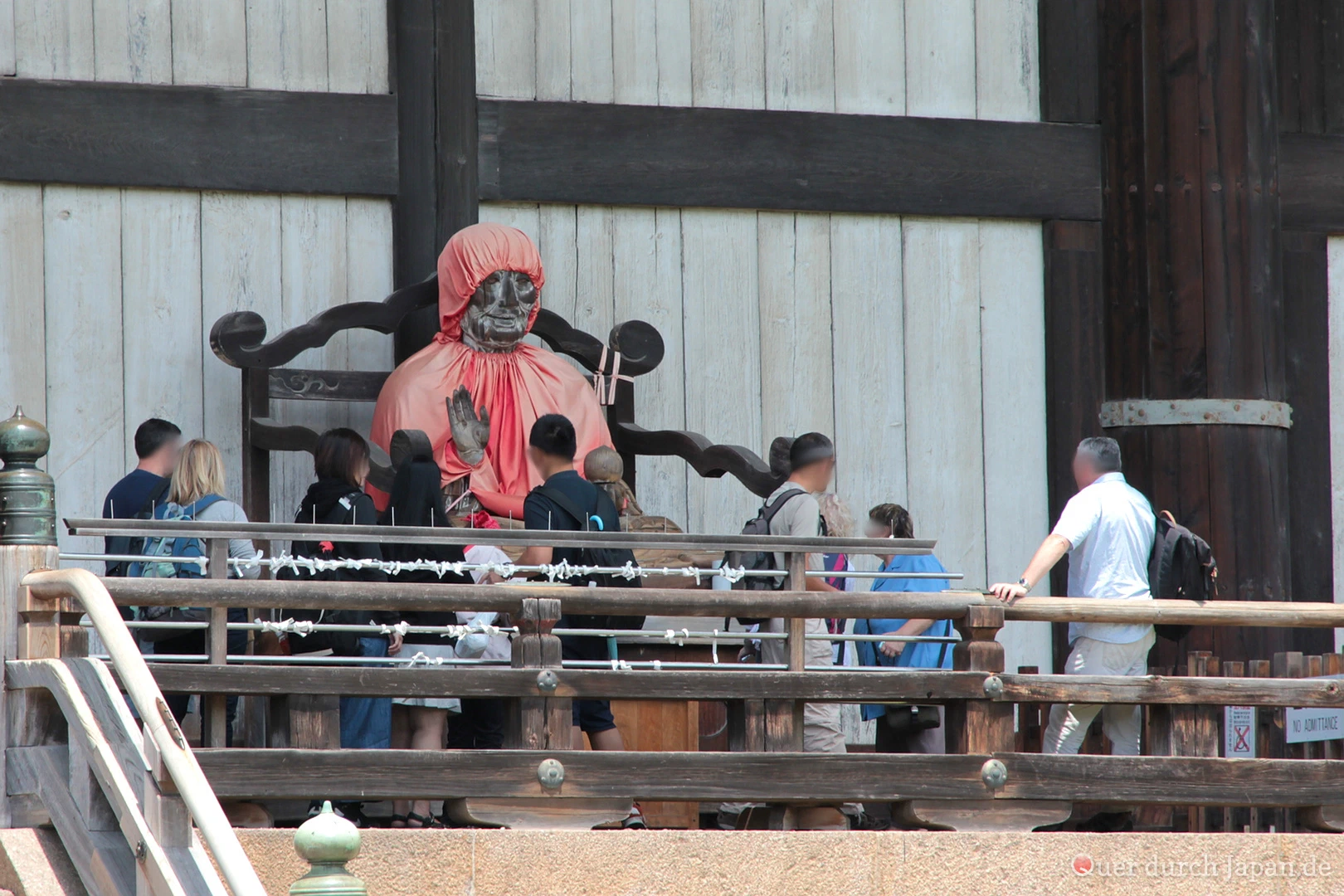
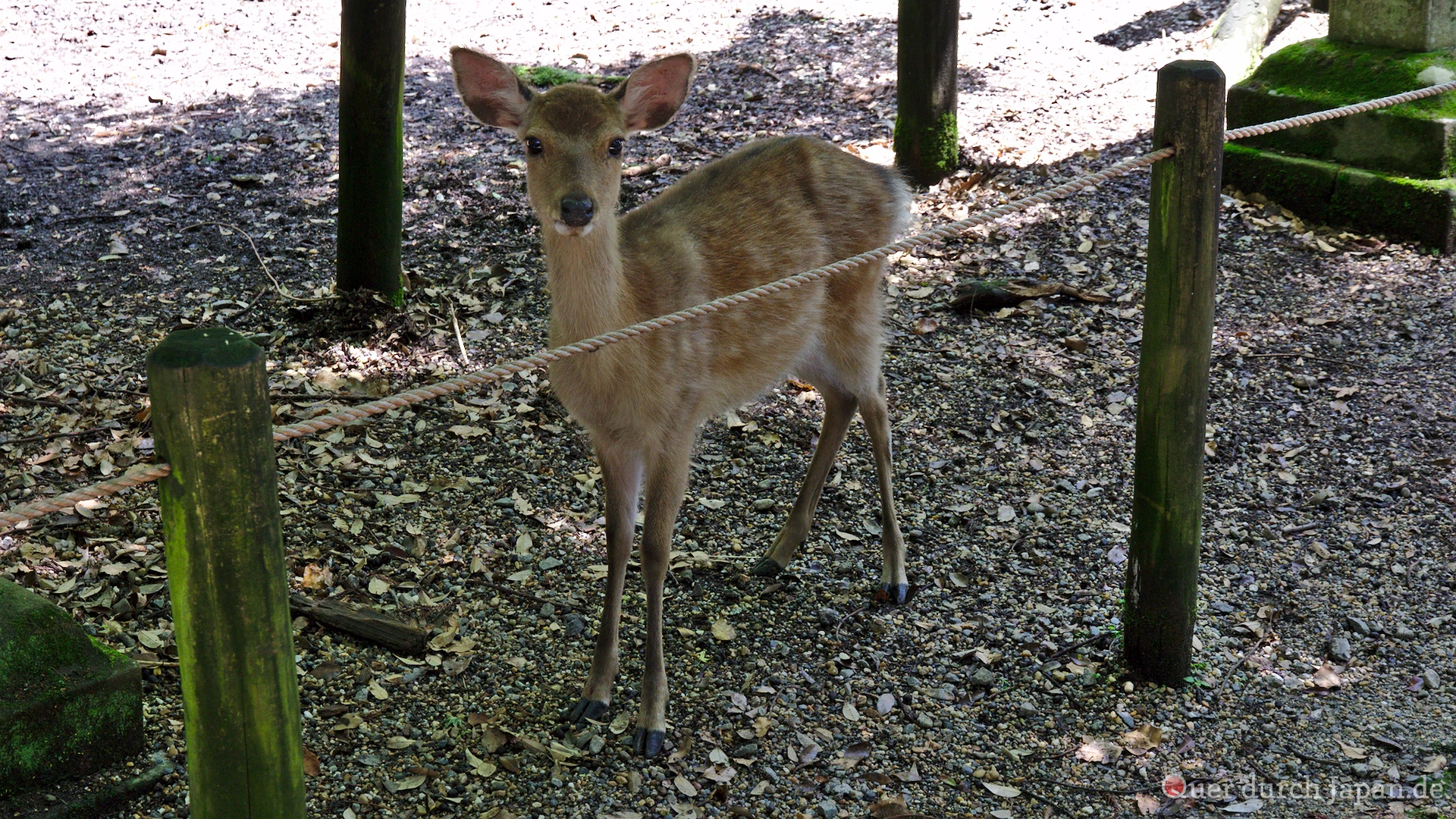
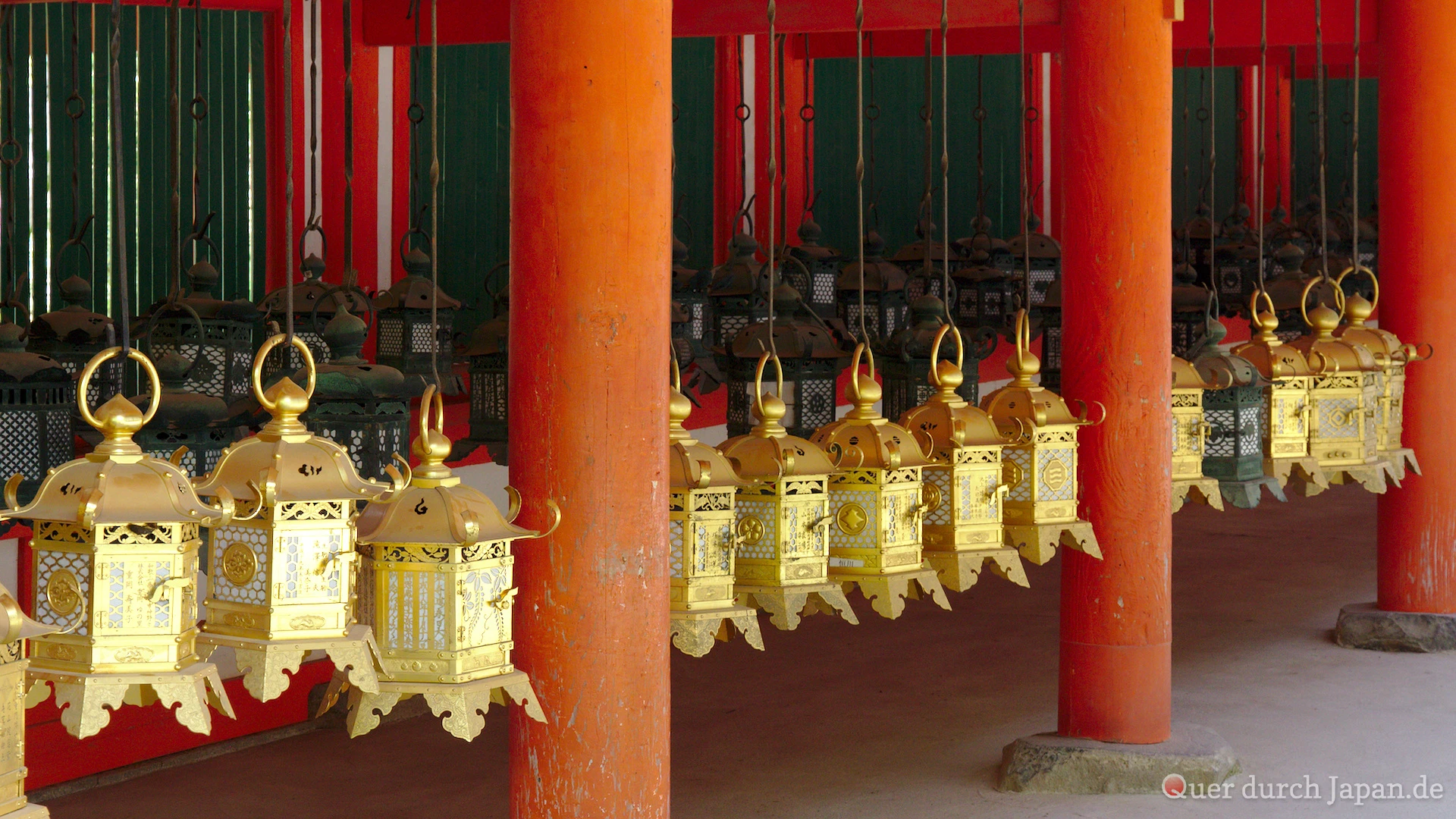
Today we took the train to Nara and visited Tōdai-ji with the great Buddha. After that, we hurried past the Kasuga-taisha temple with its thousand lanterns. We would’ve loved to spend more time in Nara, but we had to be back in Kyōto on time for the next item on the programme, the “Geisha dances”.

What sounded like pure tourist folklore on the programme turned out to be a proper theatrical performance in a Kabuki theatre in Pontocho. Of course we didn’t understand a single word, but that just meant we could pay more attention to the costumes and the singing.

After the show, we got chatting with a Japanese guy who was probably wondering how a group of foreigners had managed to wander into the theatre. He explained to us that the play is really hard to understand even for Japanese people. It was the fifth act of an old 15-act play. A part of it is performed every year.

It was a really interesting experience. The music in particular - played and sung live by a small group of female musicians - sounded unusual to our westernised ears, but good.