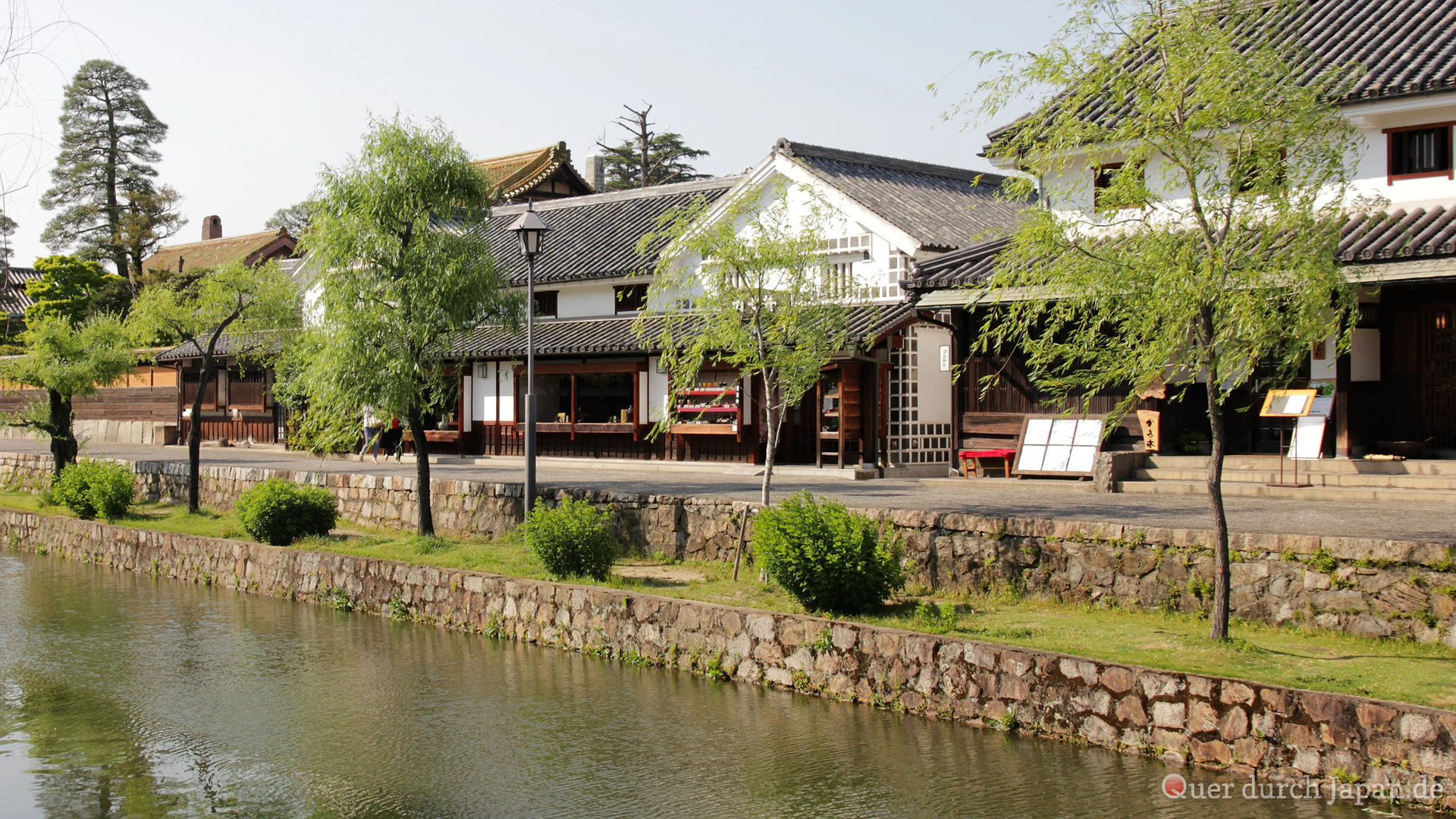
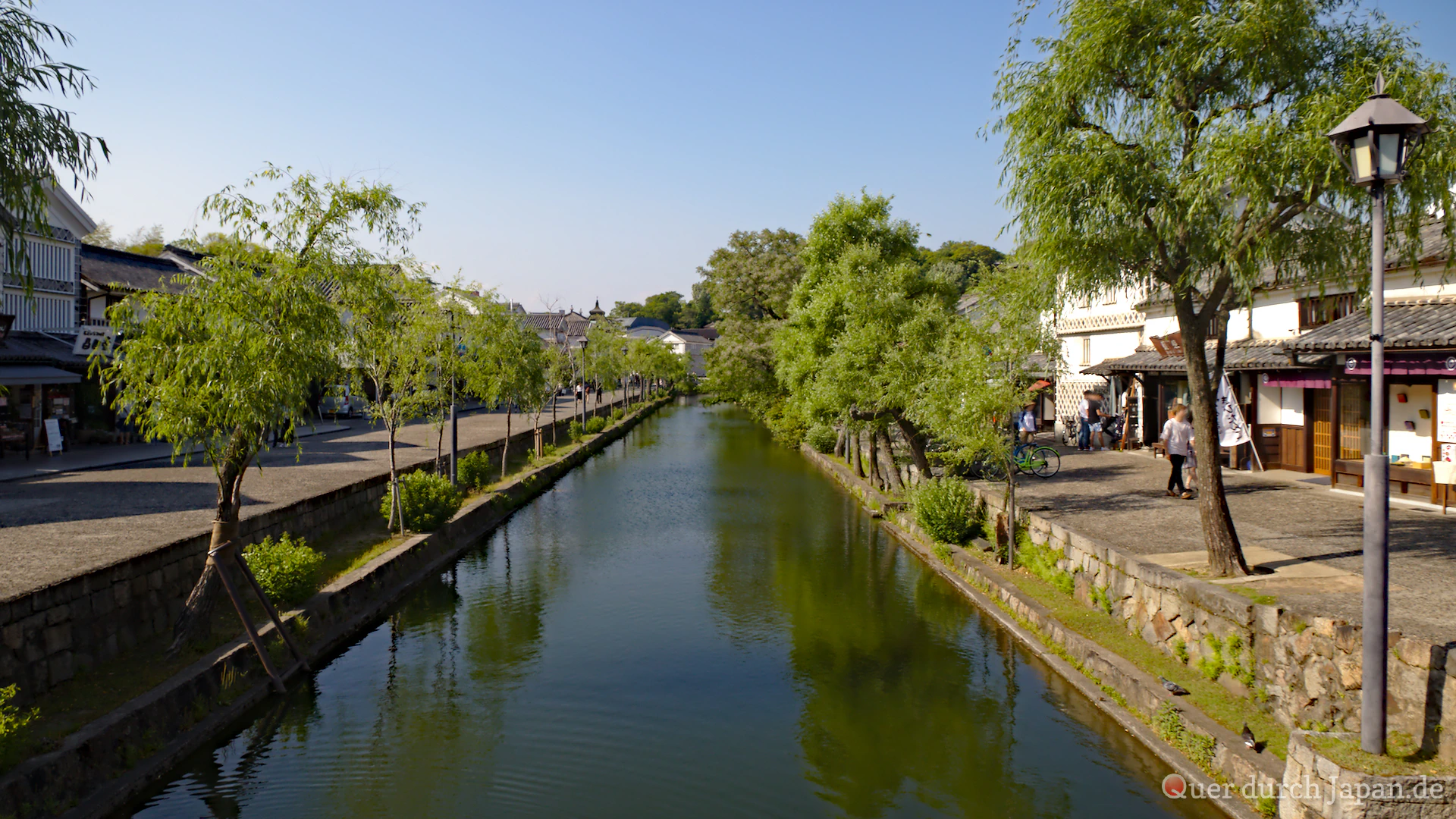
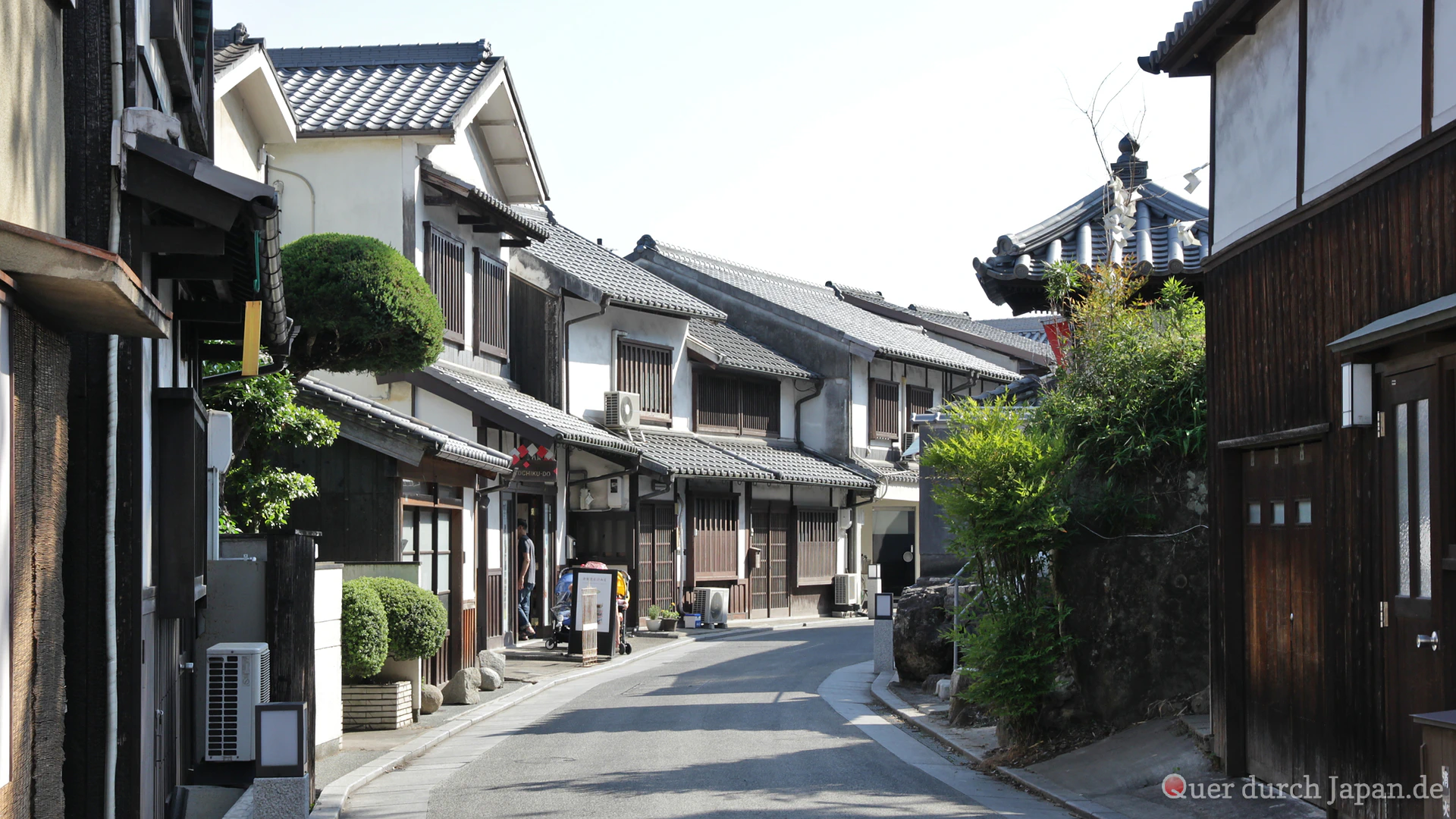
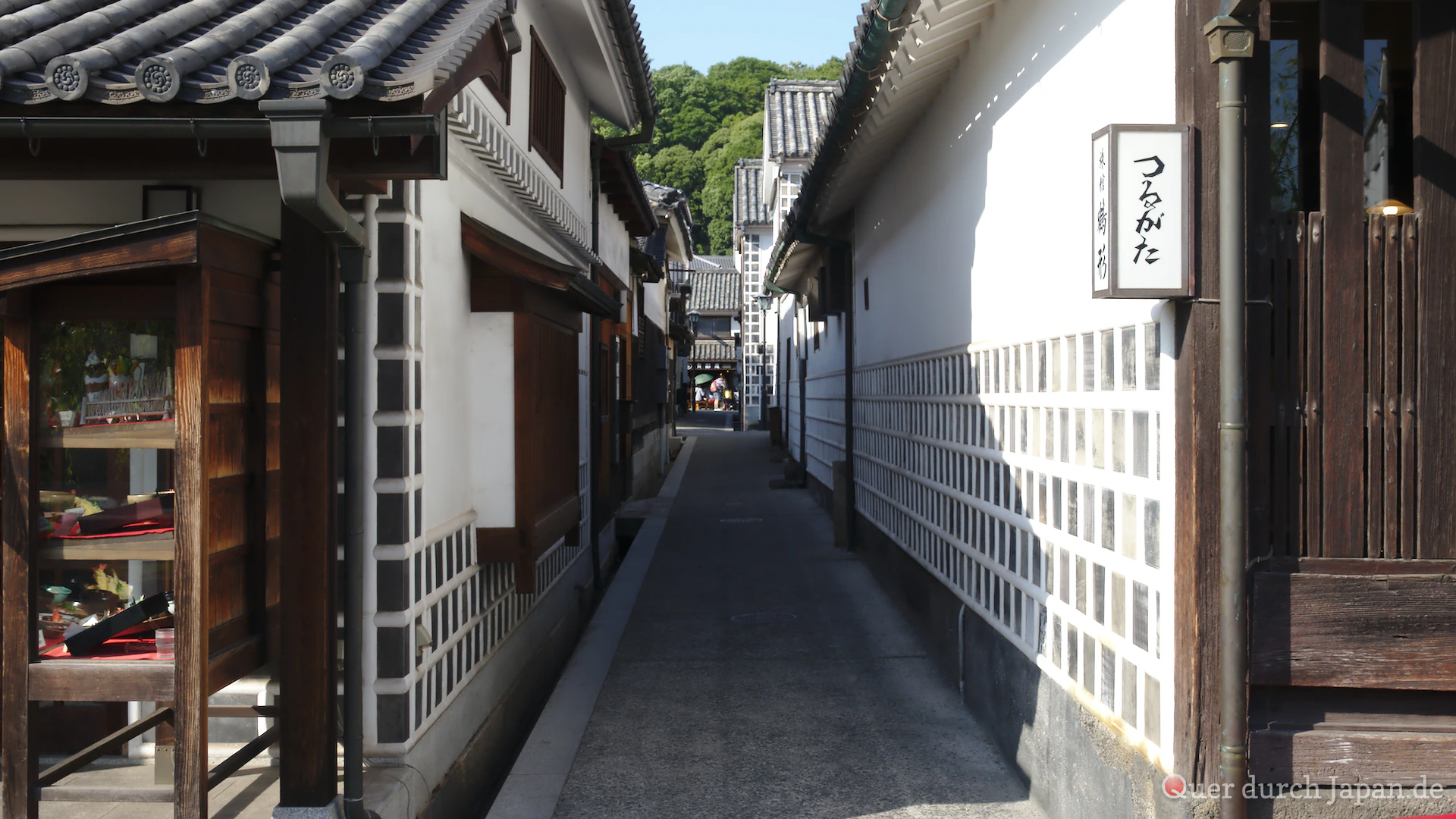
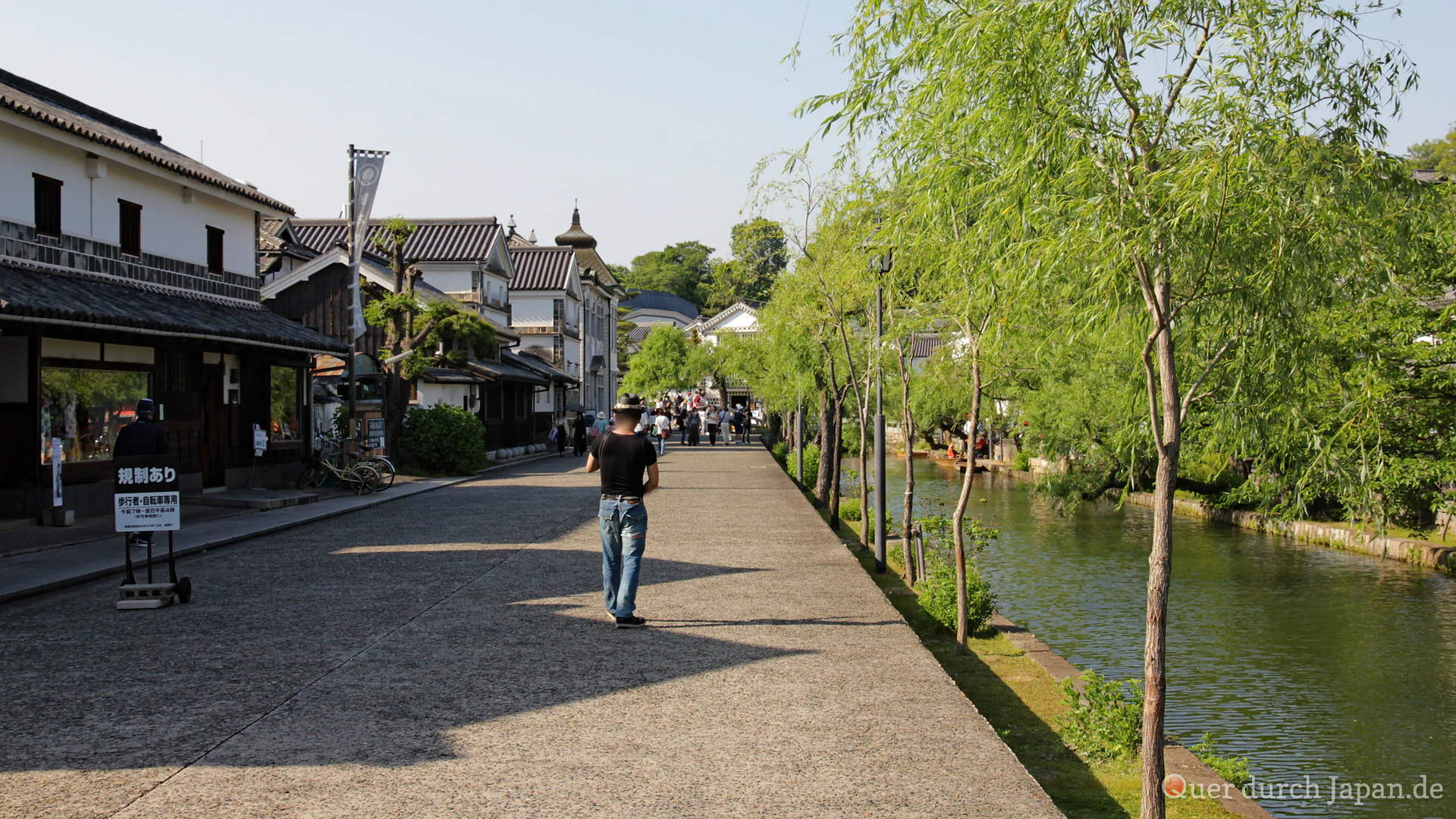
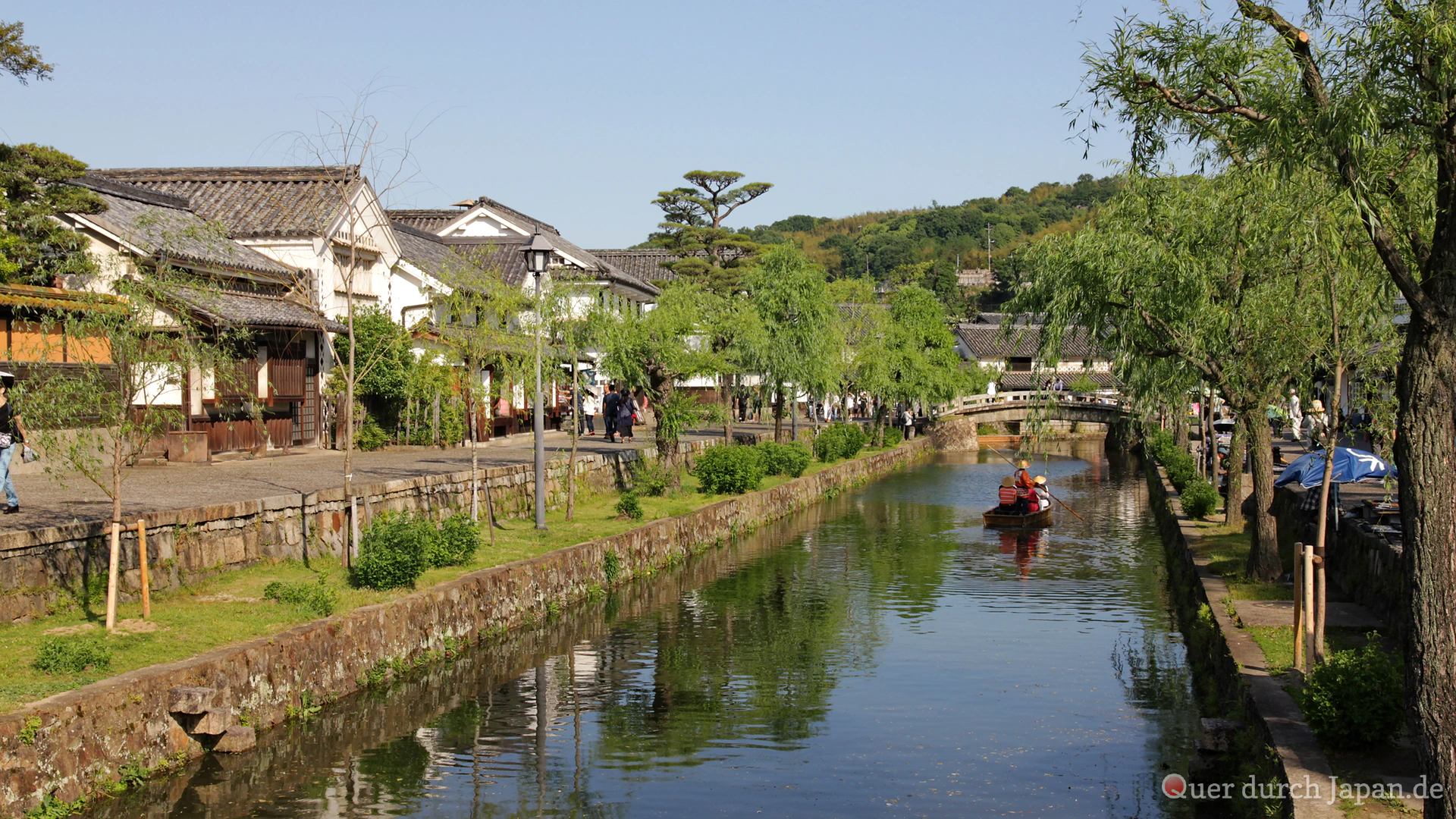
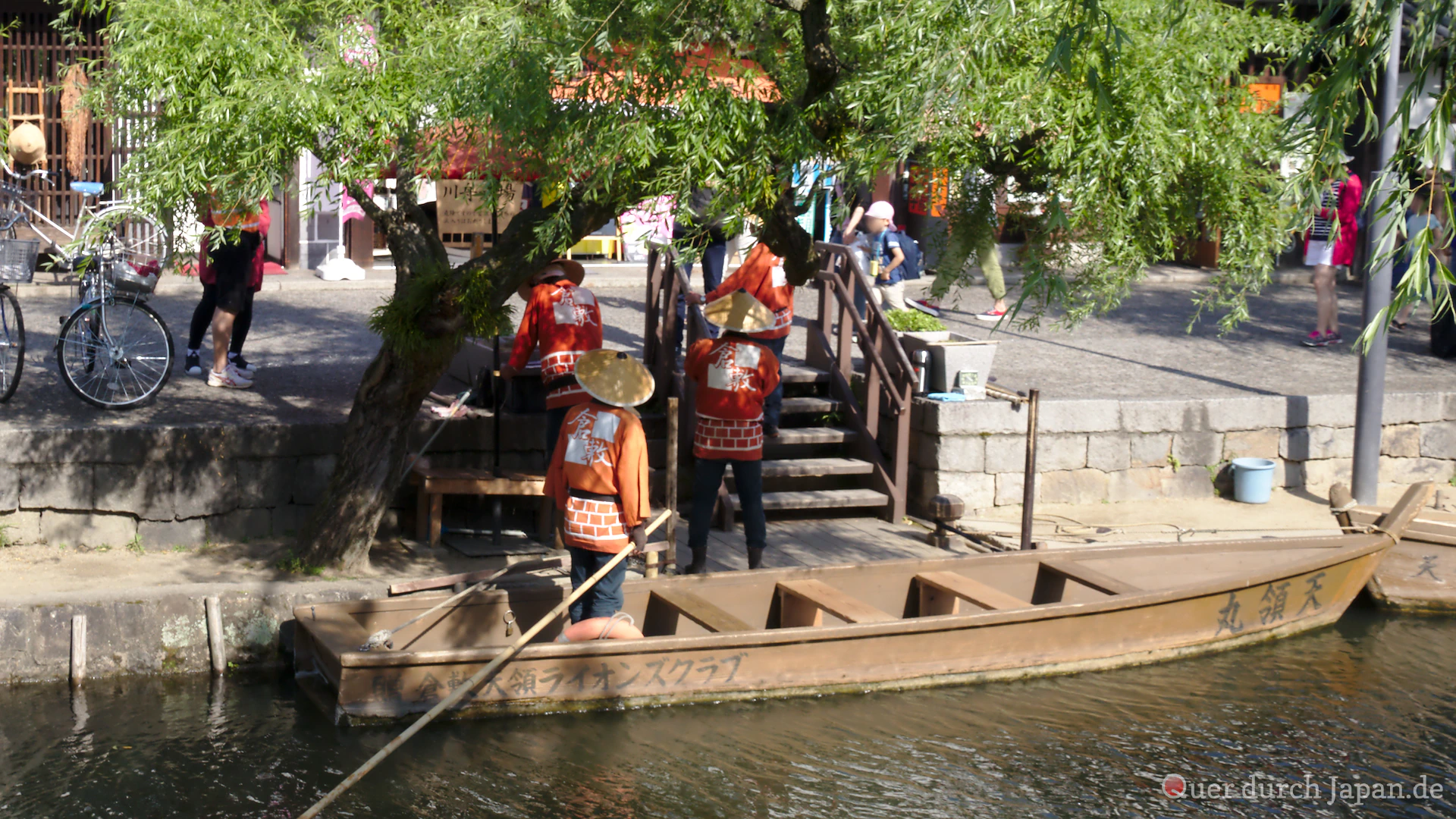
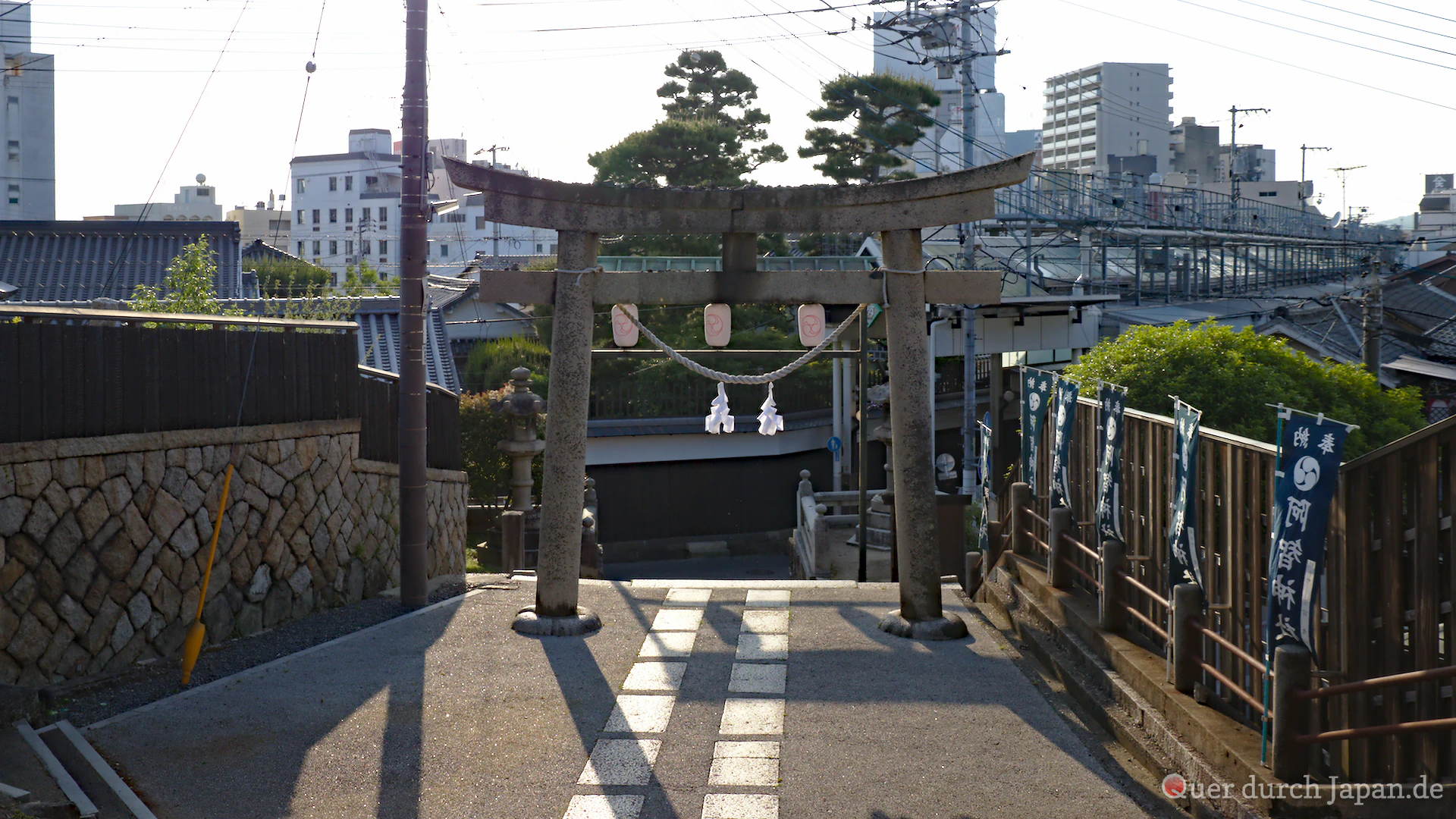
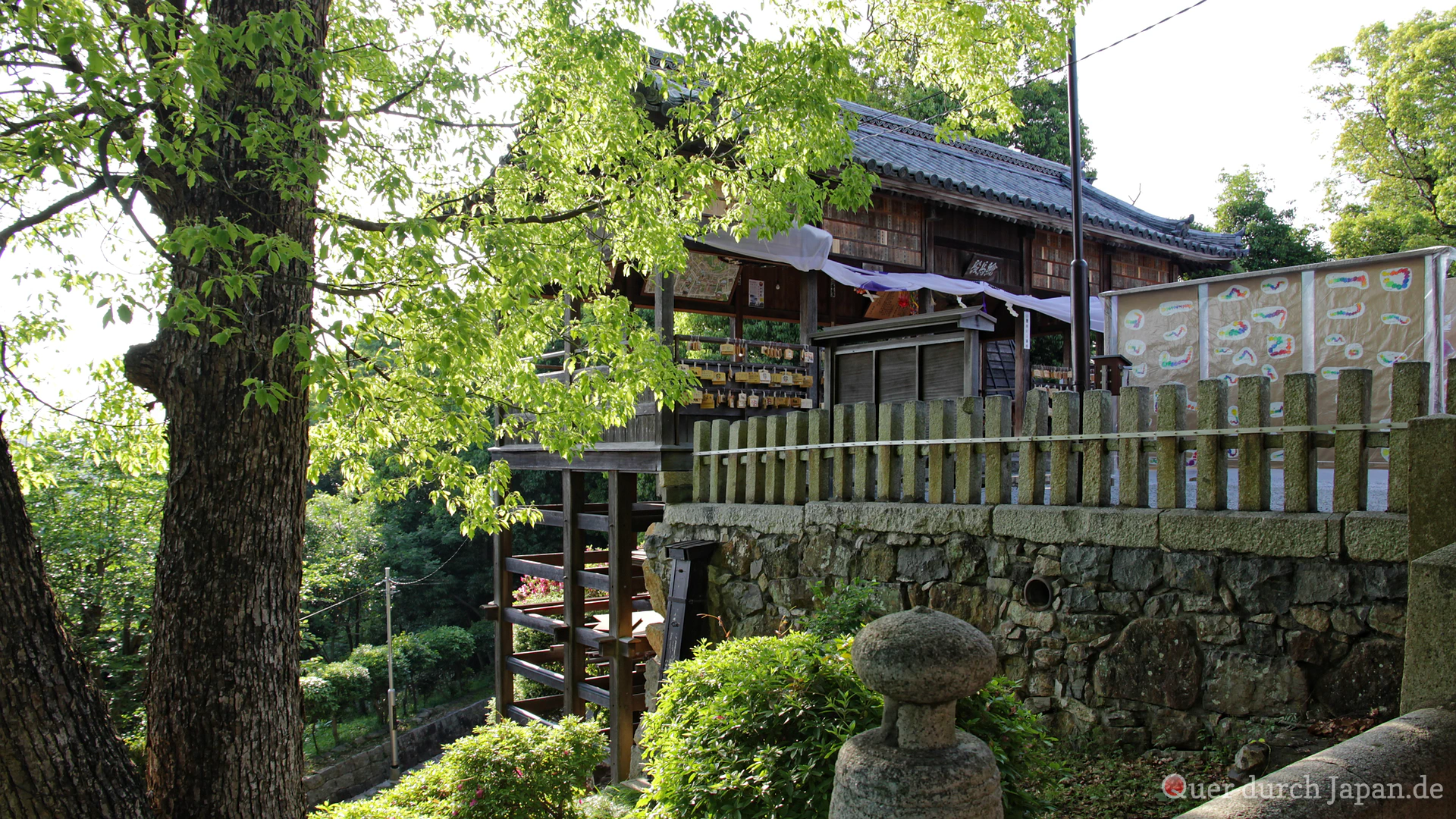
Right next to Okayama is the city of Kurashiki. Back in the Edo period, the town played a massive role in the rice trade. The name means “town of storehouses” and refers to the rice storehouses located along a canal. You can still check out this Canal Area today.
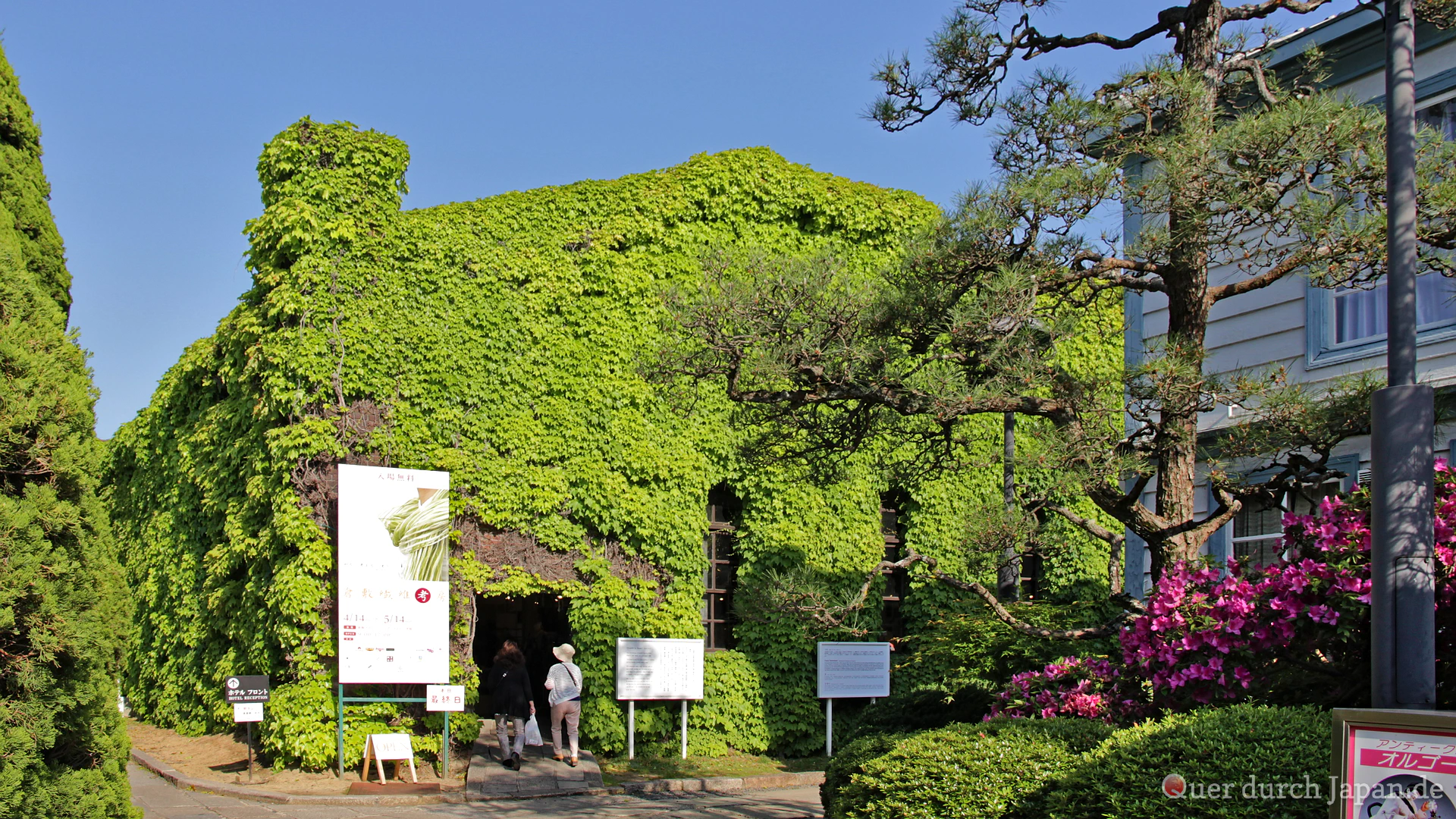
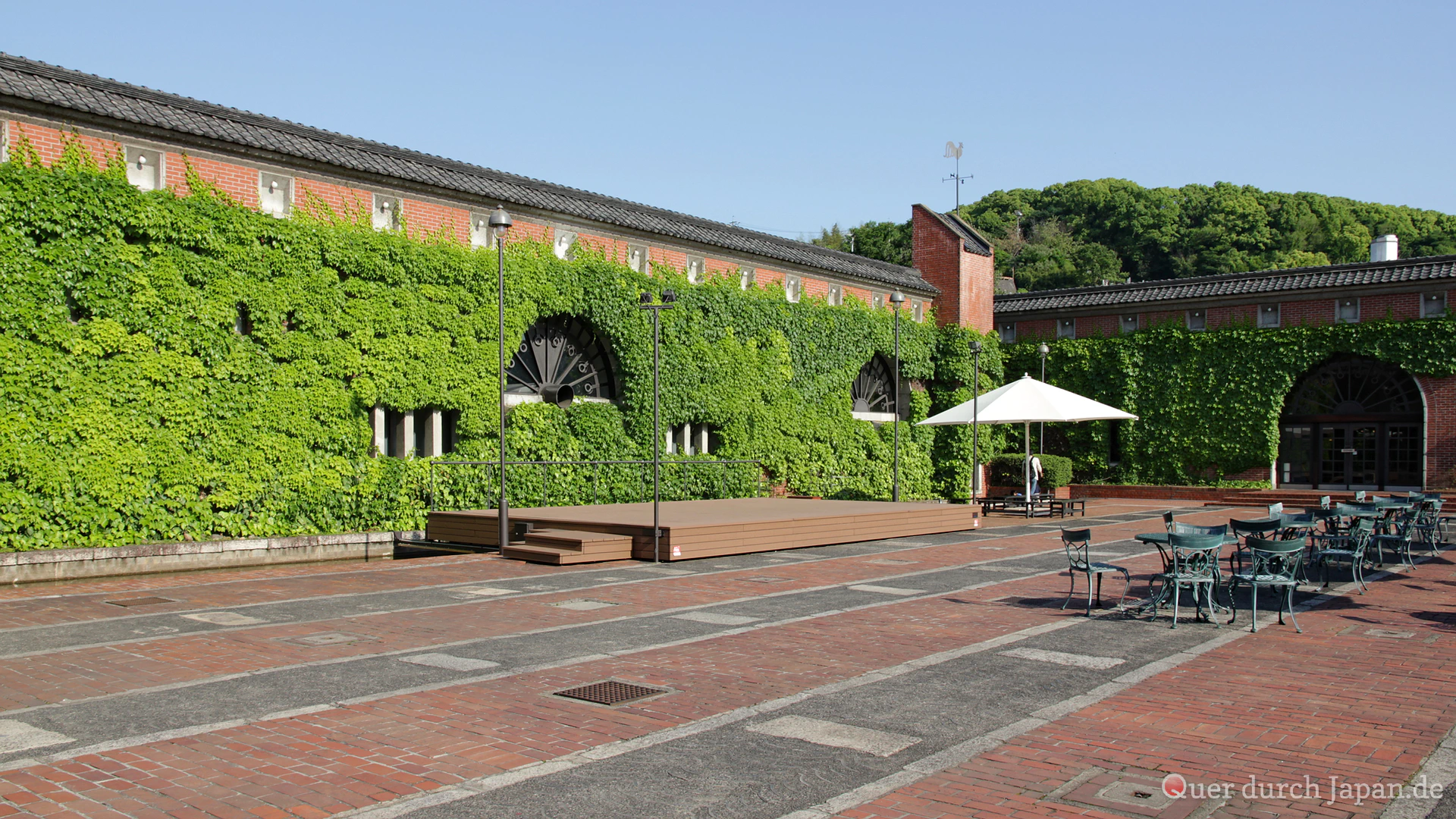
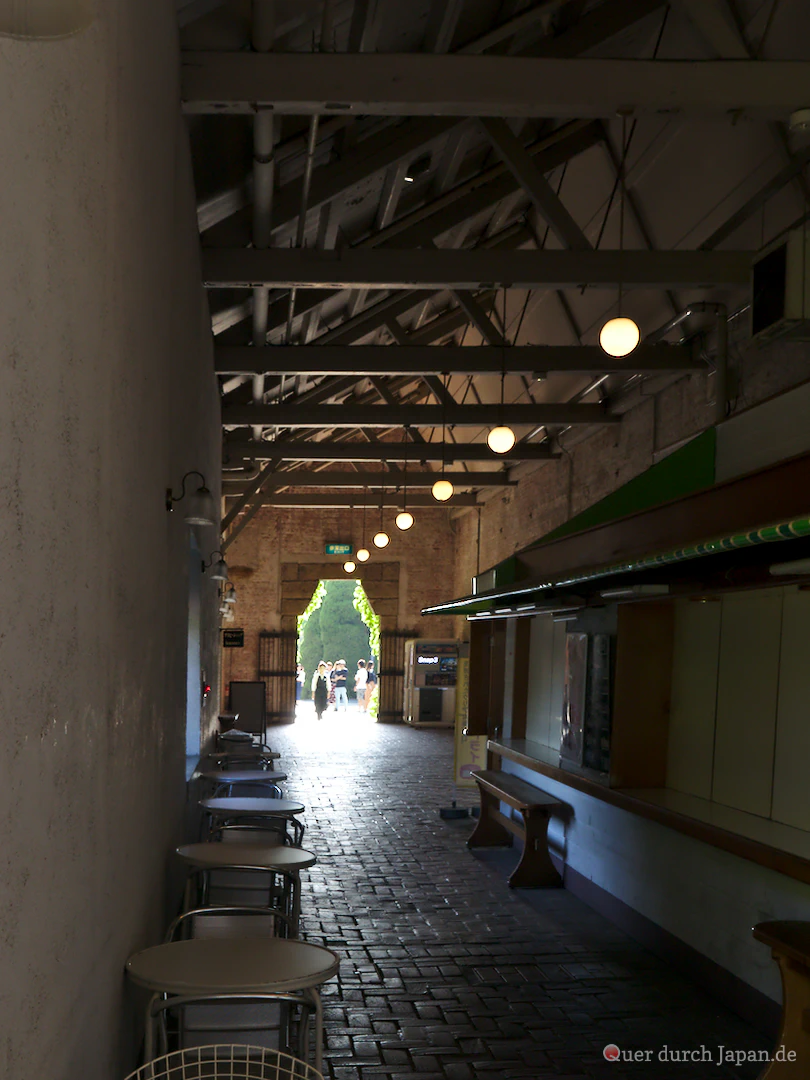
In 1889, the Kurabo company opened a cotton mill in the city; its brick building is known today as Ivy Square.
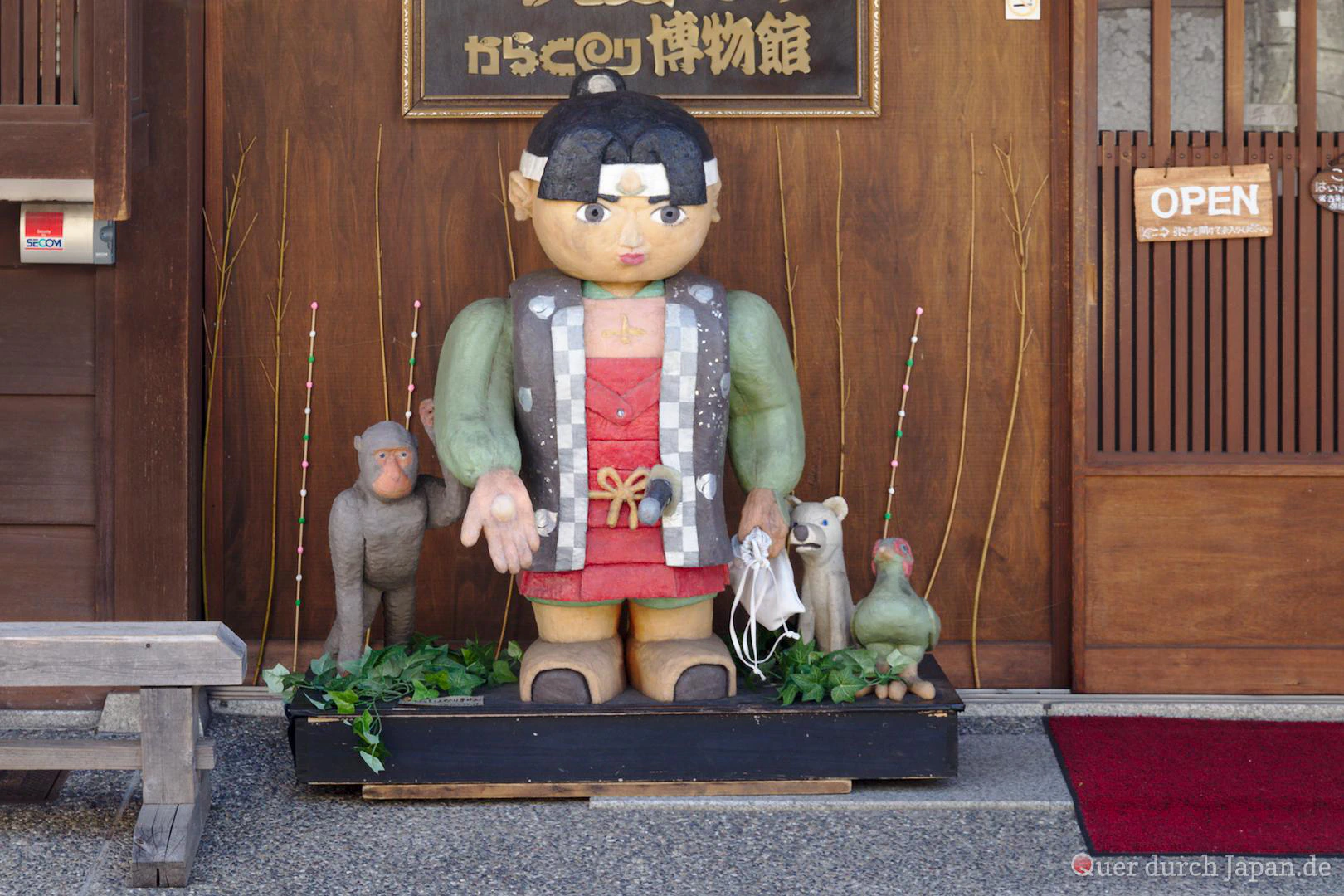
If you can drag yourself away from a stroll through the streets and shops, there are loads of museums worth a visit. The most important one is the Ōhara Museum of Western Art. But the Kurabo Museum, the Momotarō Museum and the Piggybank Museum are definitely worth a little detour, too.
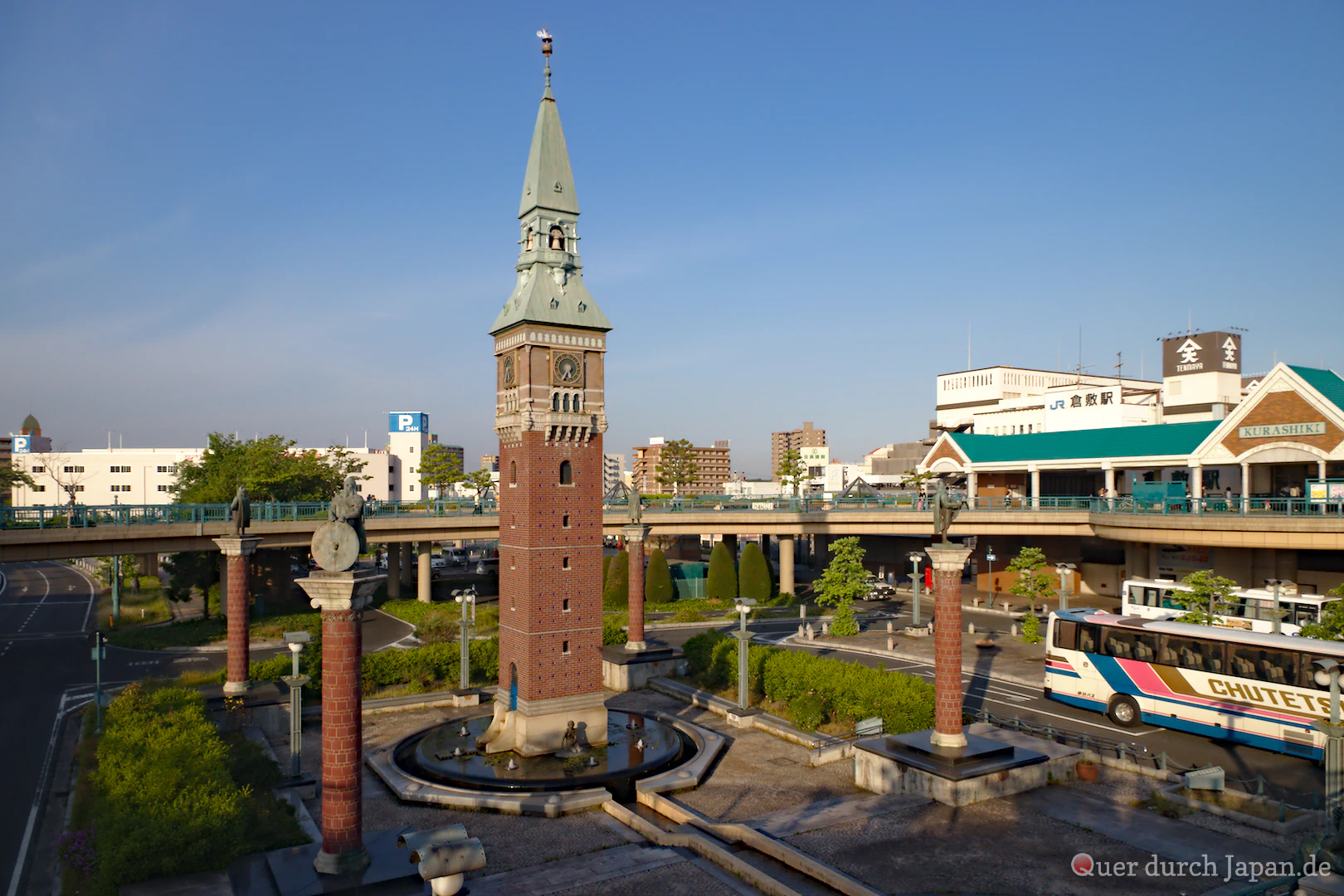
The slightly tacky and out-of-place-looking Kurashiki Clock Tower at the north exit of the station is quite interesting. It’s dedicated to Hans Christian Andersen. On the hour, the top part of the tower lifts up and figures from four of Andersen’s fairy tales pop out. I sadly only found out about the chimes later on, but I found a YouTube video of it.
Kurashiki is super easy to reach by train from Okayama. From the station, it’s about a 15-minute walk to the Canal Area and Ivy Square.