#Nara

Travel Journal 2024: Yamanobe No Michi

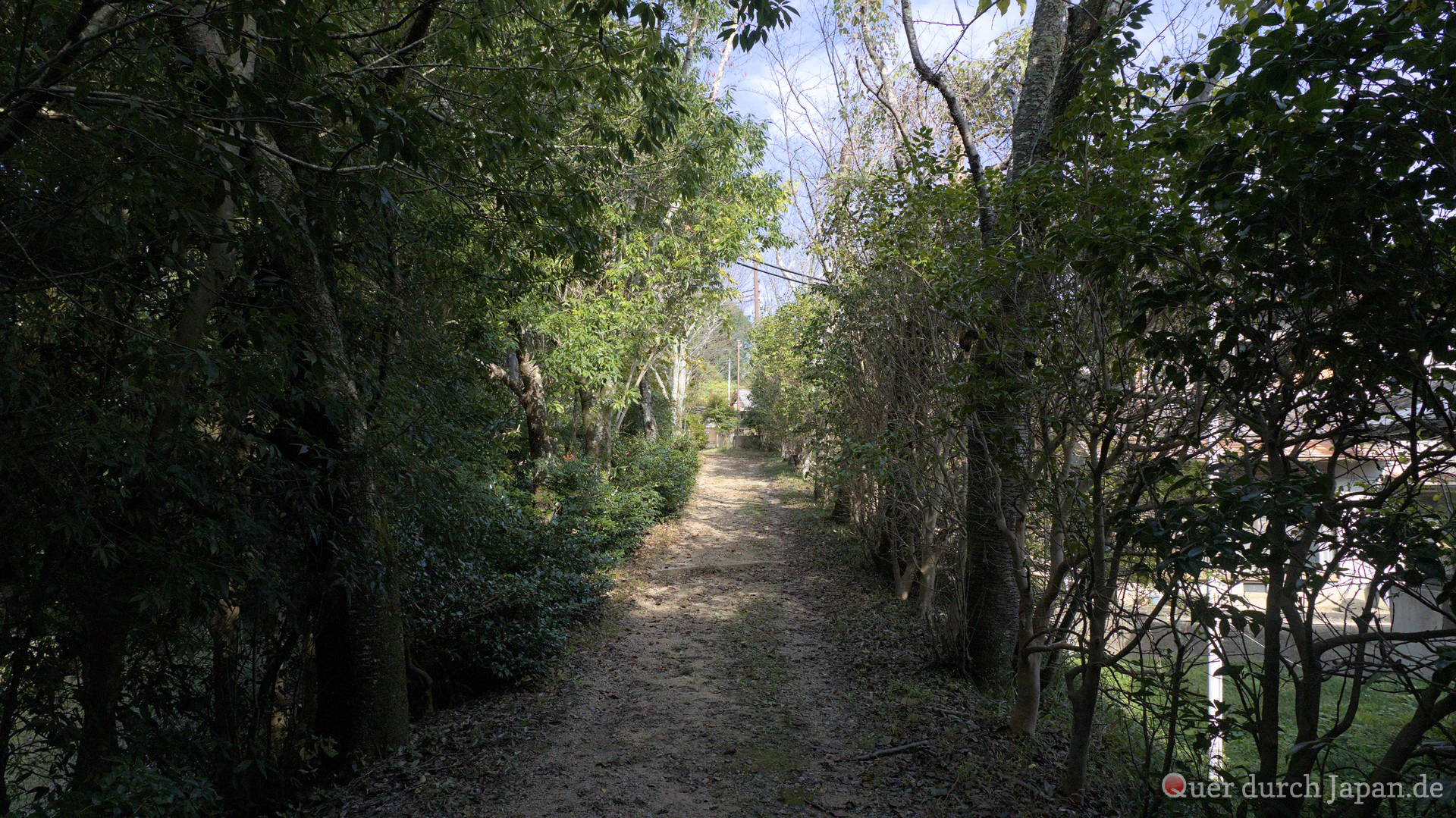
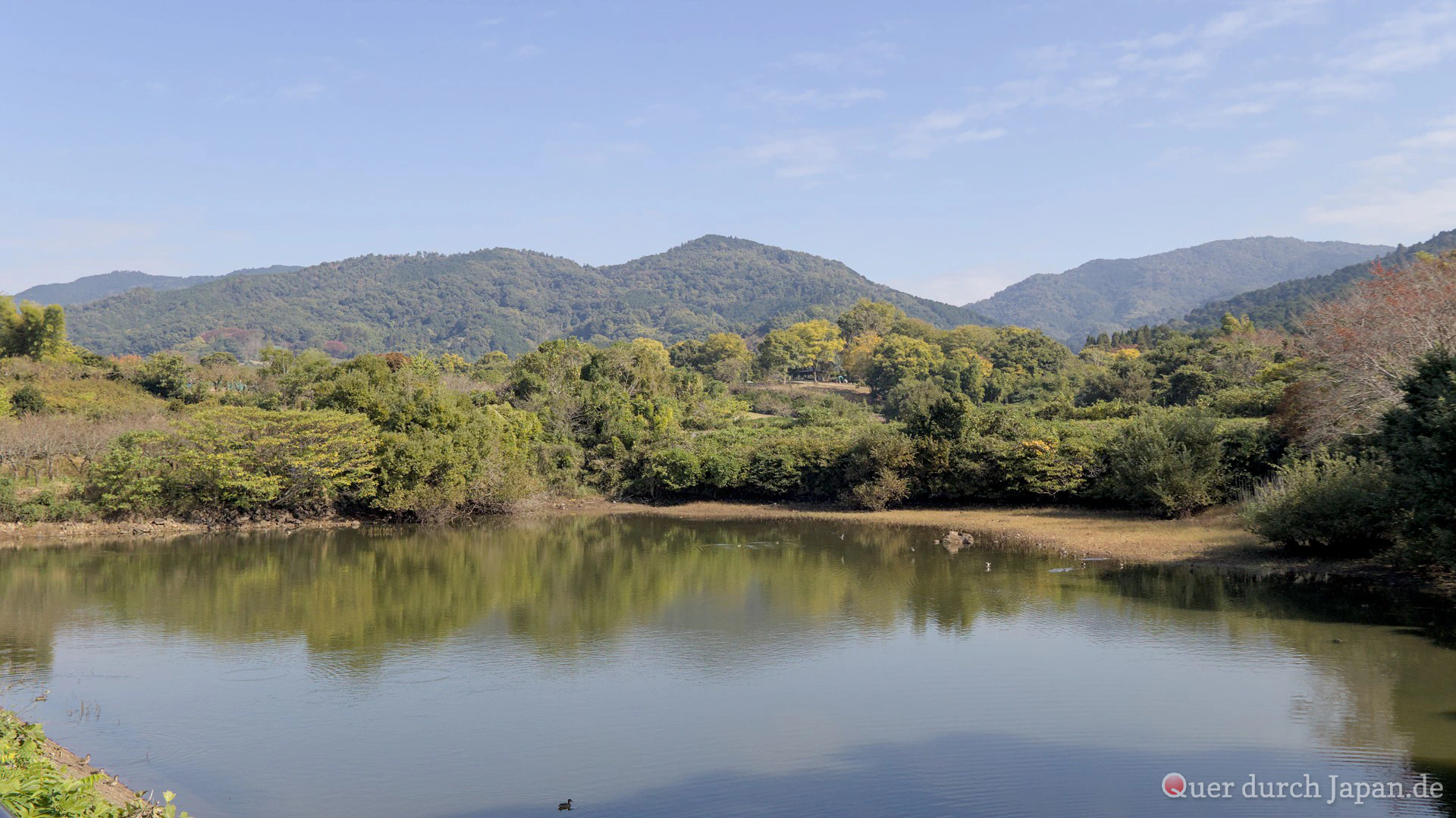
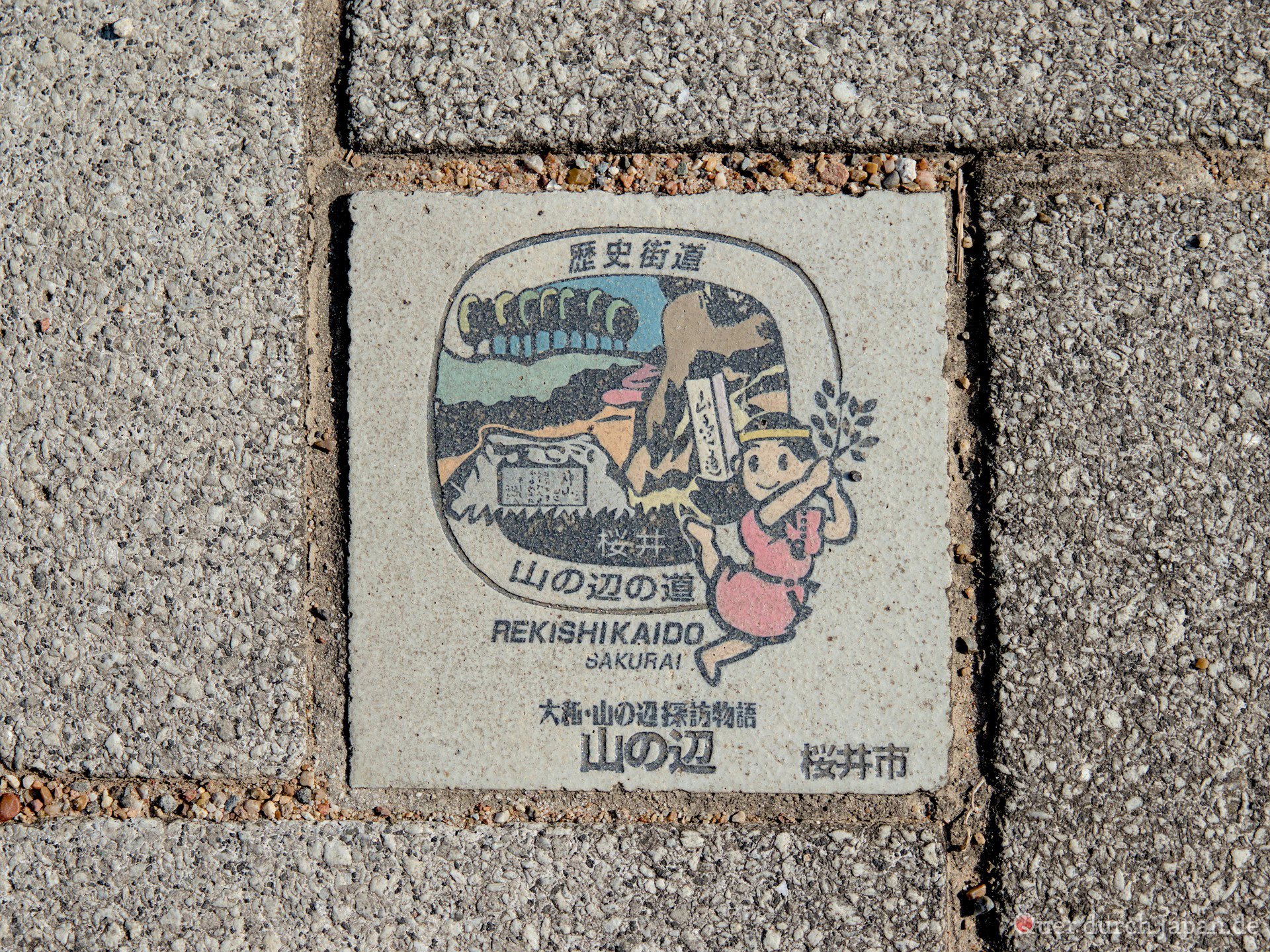
Thanks to some lucky planning, we had a free day to ourselves in Kyōto. Our friend Chīko then recommended the Yamanobe no Michi hiking trail to us. She got our taste spot on!

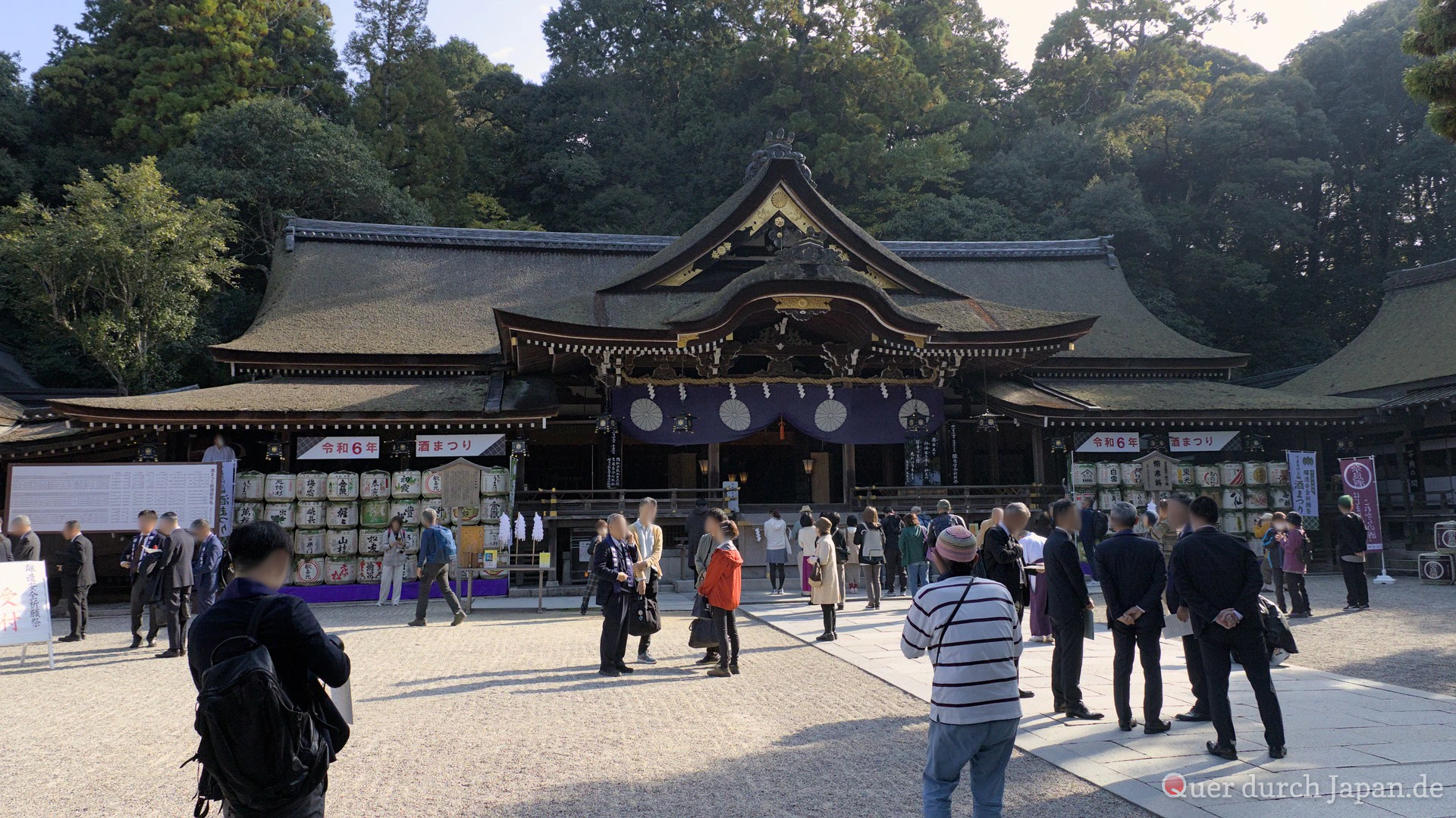
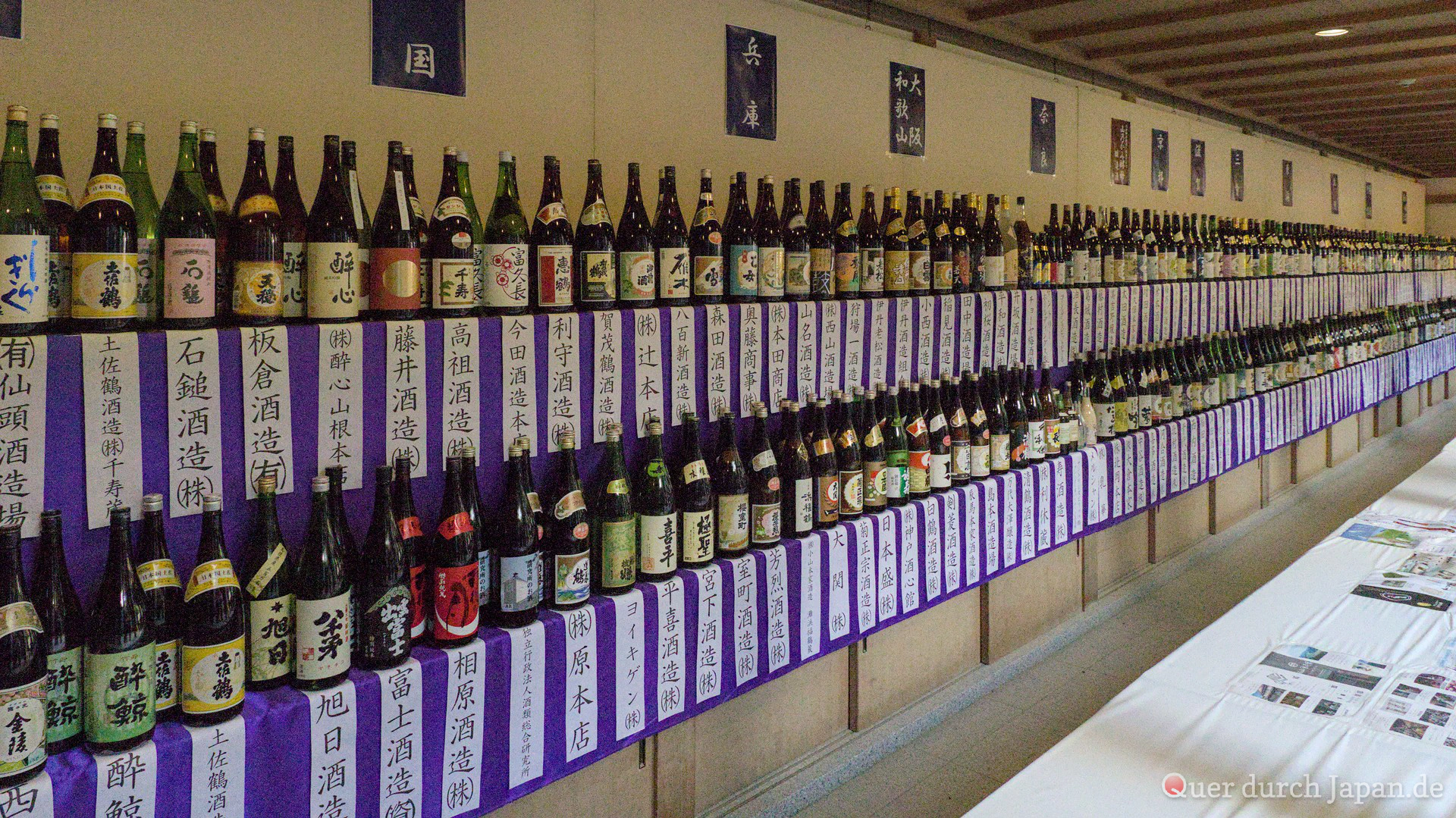
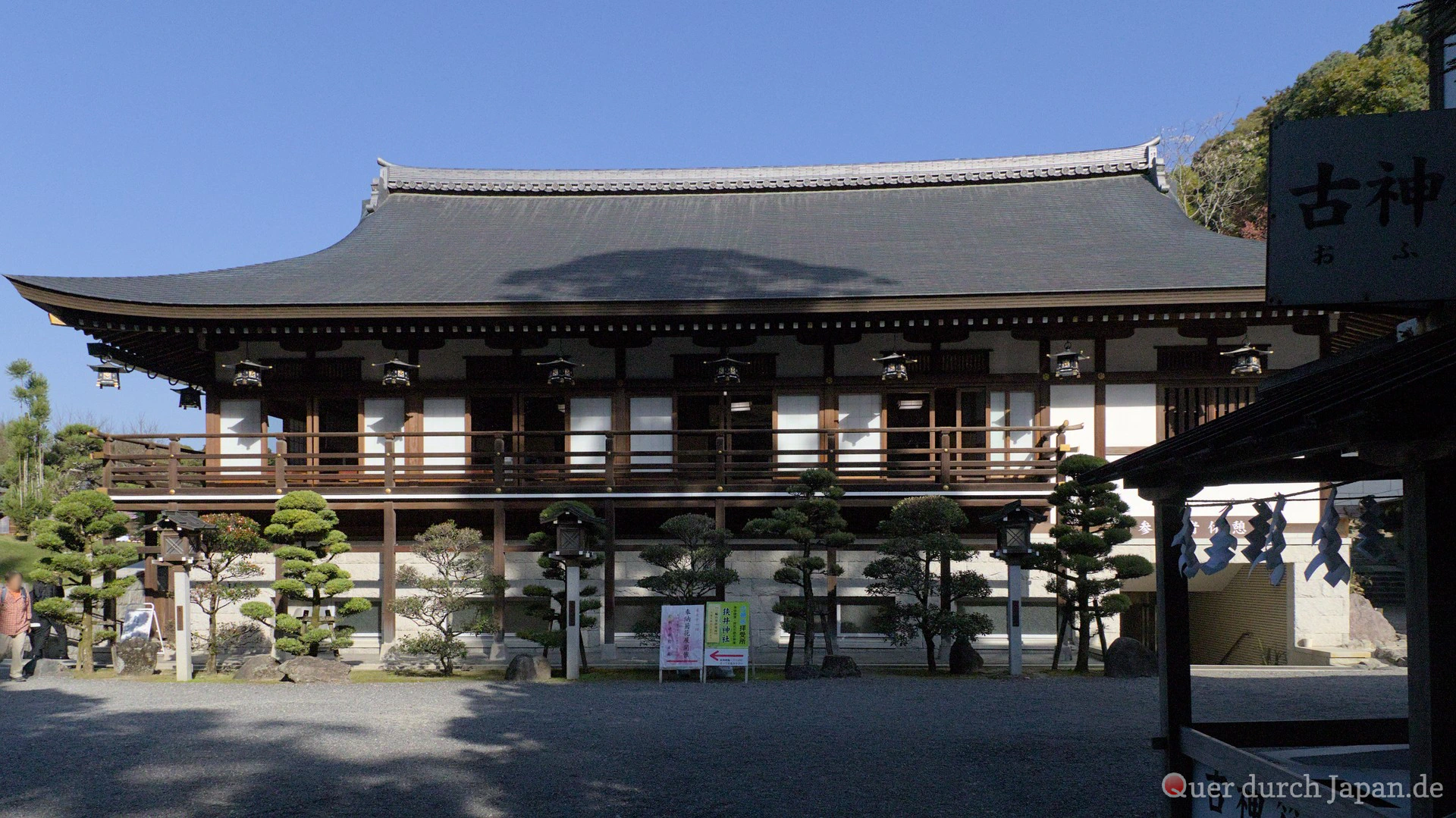
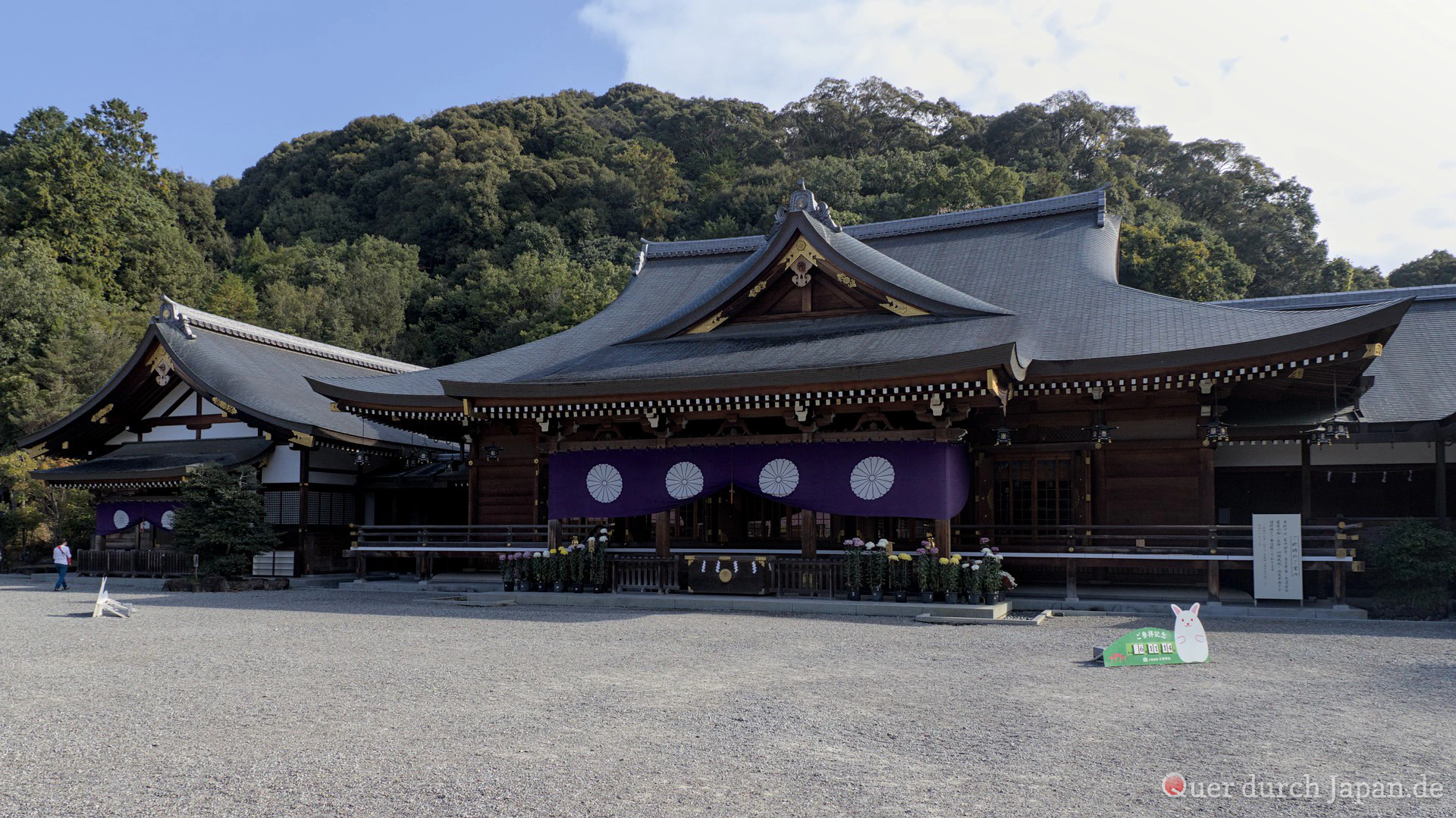
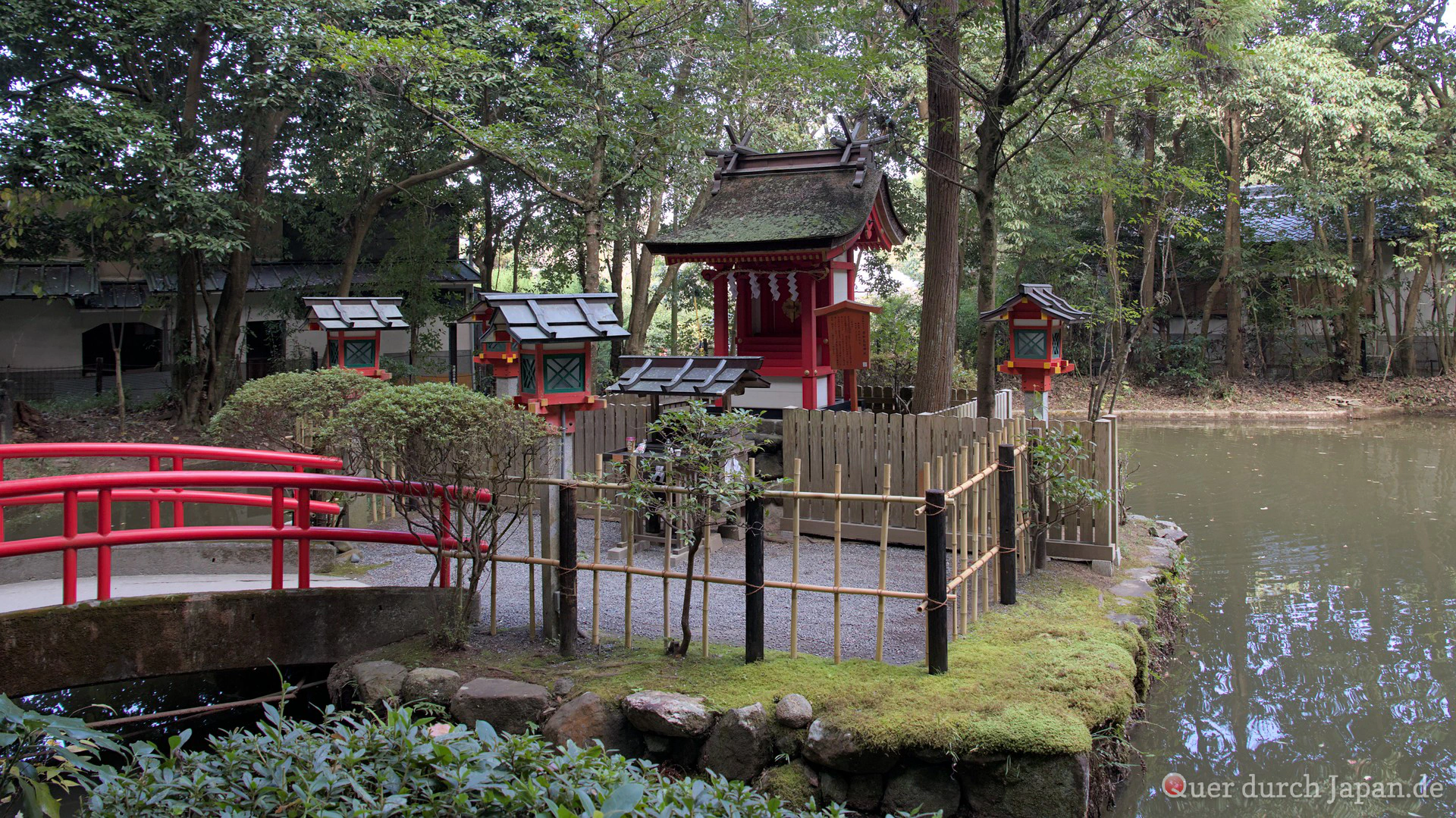
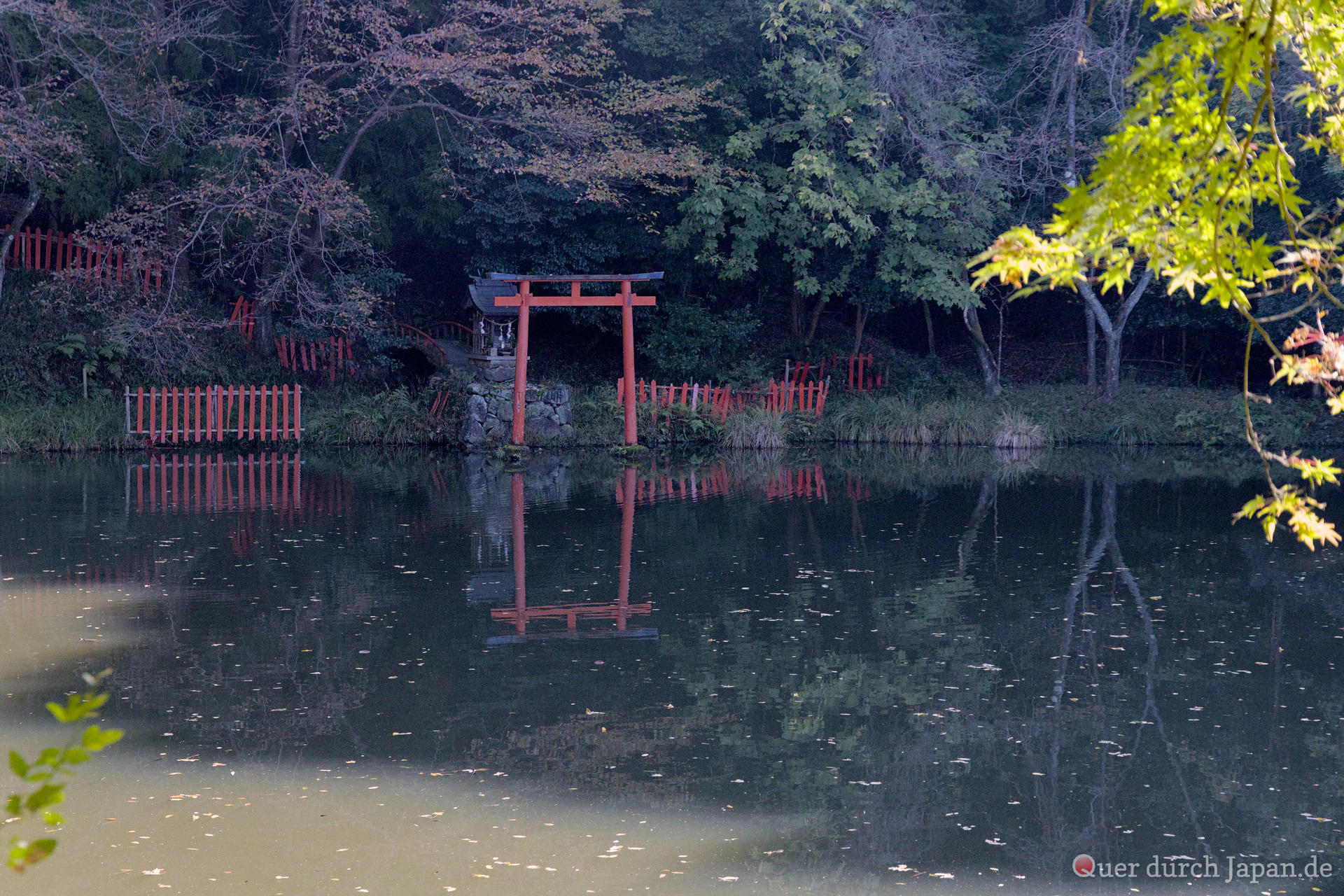
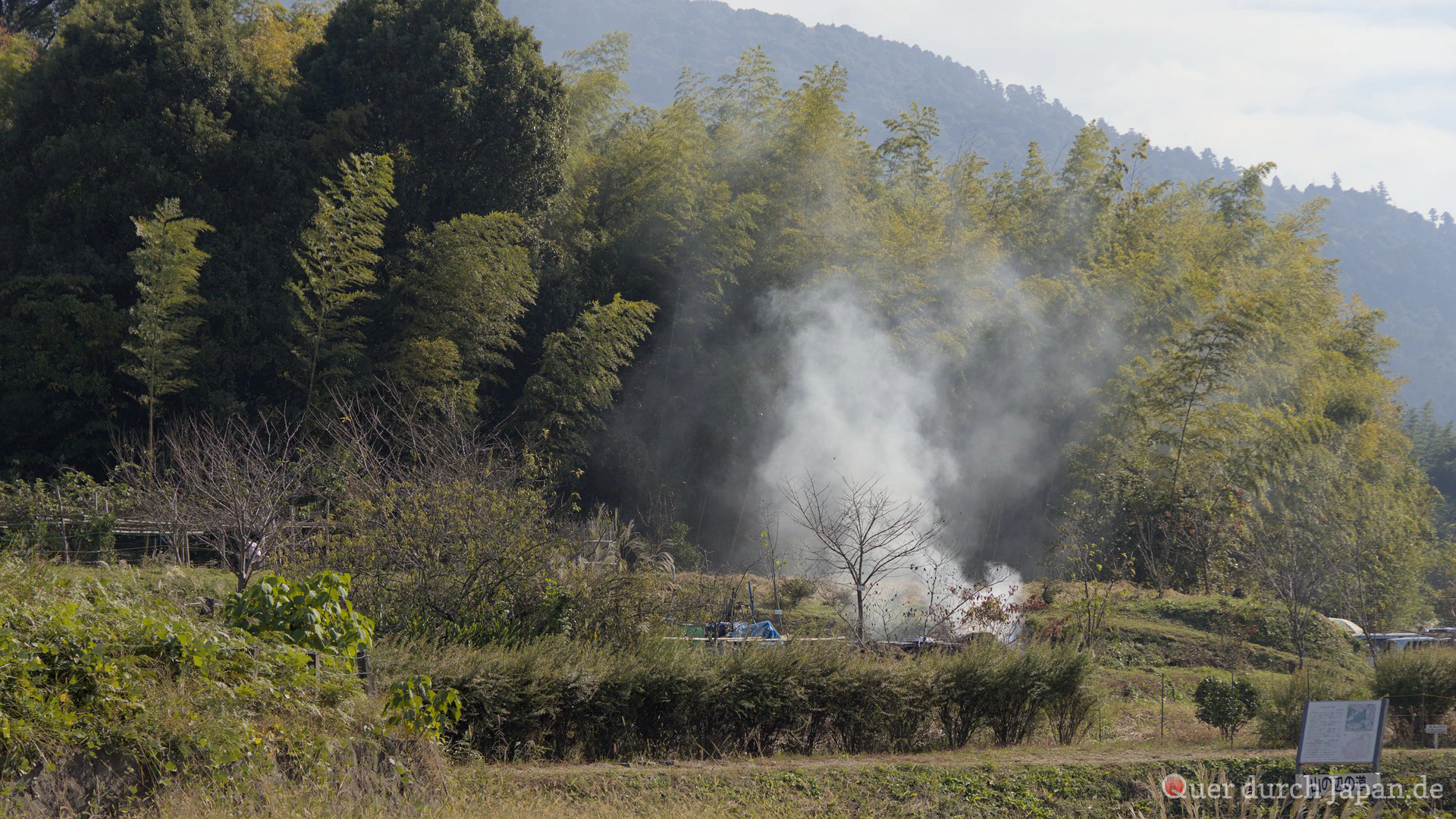
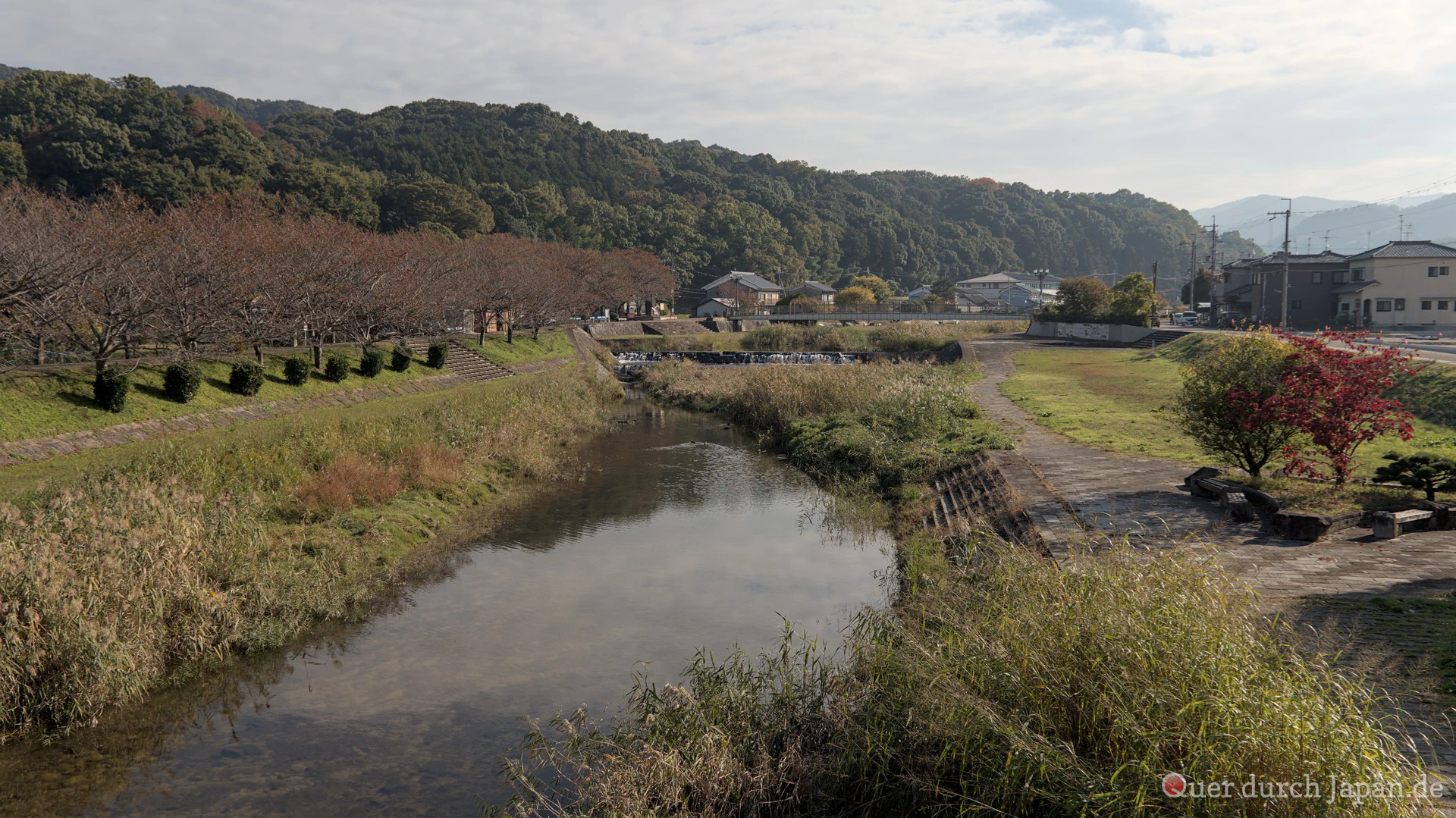
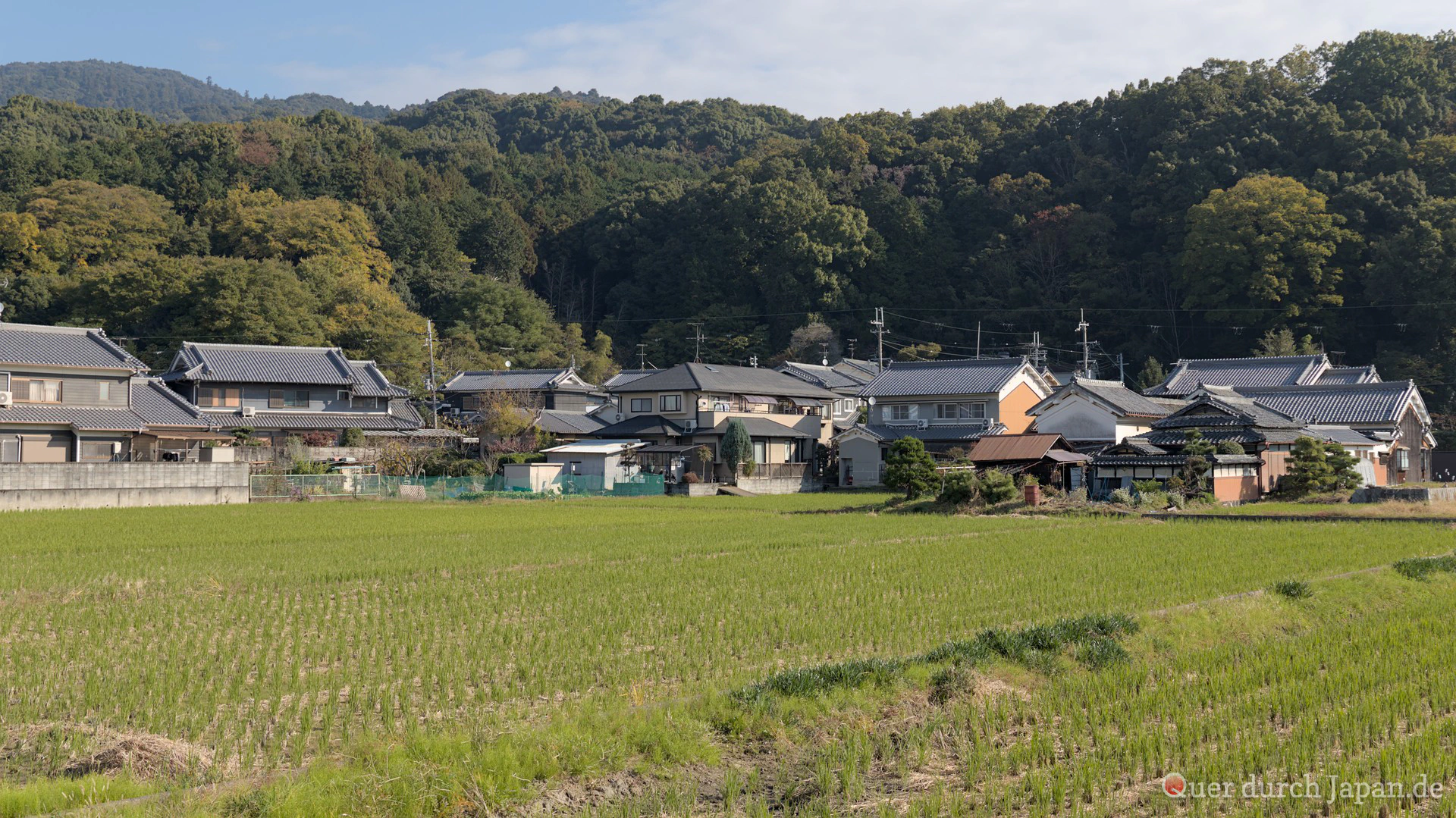
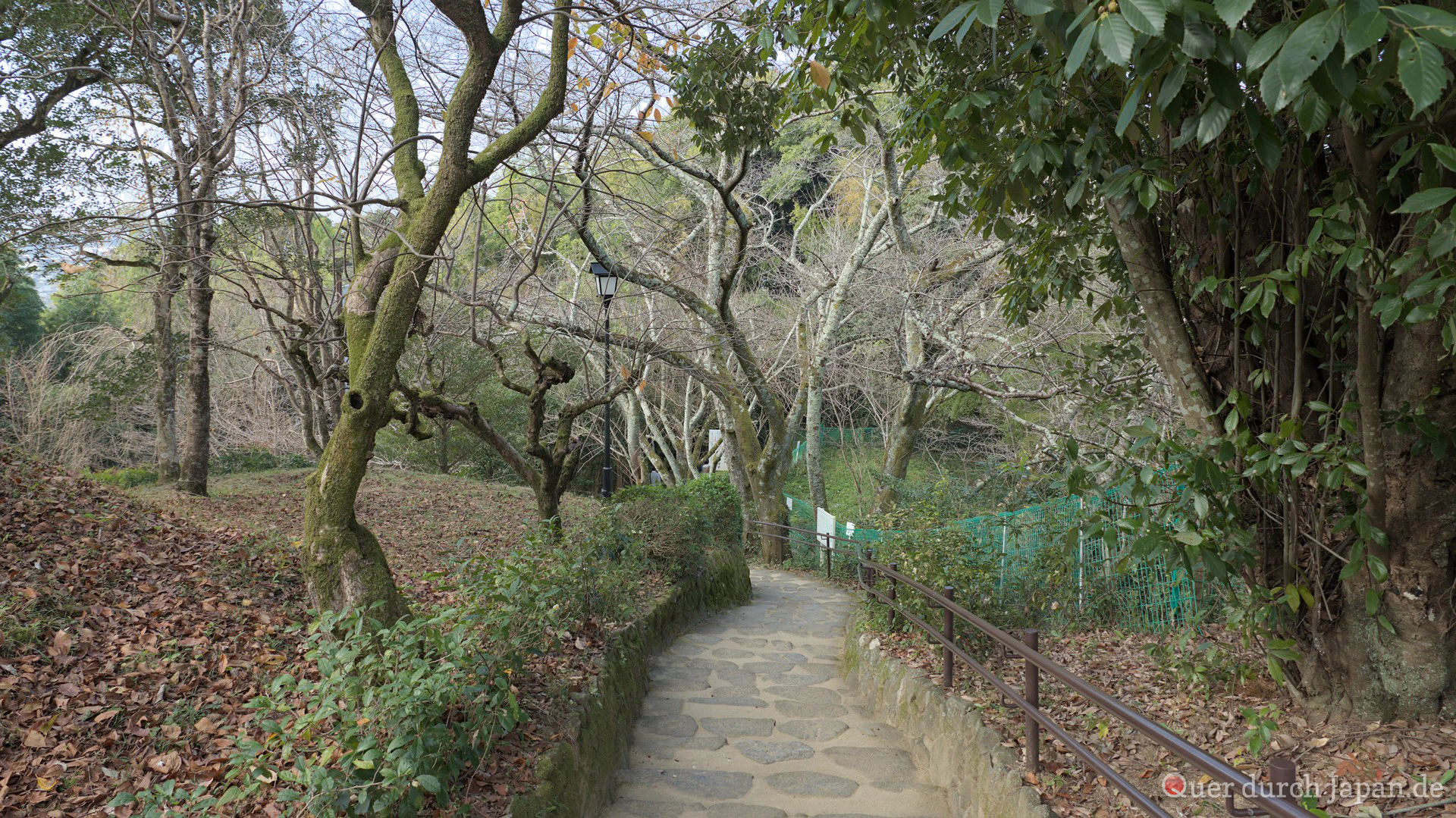
The trail started at Sakurai Station in Nara. It leads through woods and past loads of temples and shrines. And we got lucky: this year’s sake festival was just taking place at Omiwa Jinja. 150 reps from the local sake breweries gathered here to pray for a good sake production.

Tomorrow we’re heading off on the Shinkansen to the last stop of our trip: Tōkyō.
Travel Journal 2024: Hōryūji

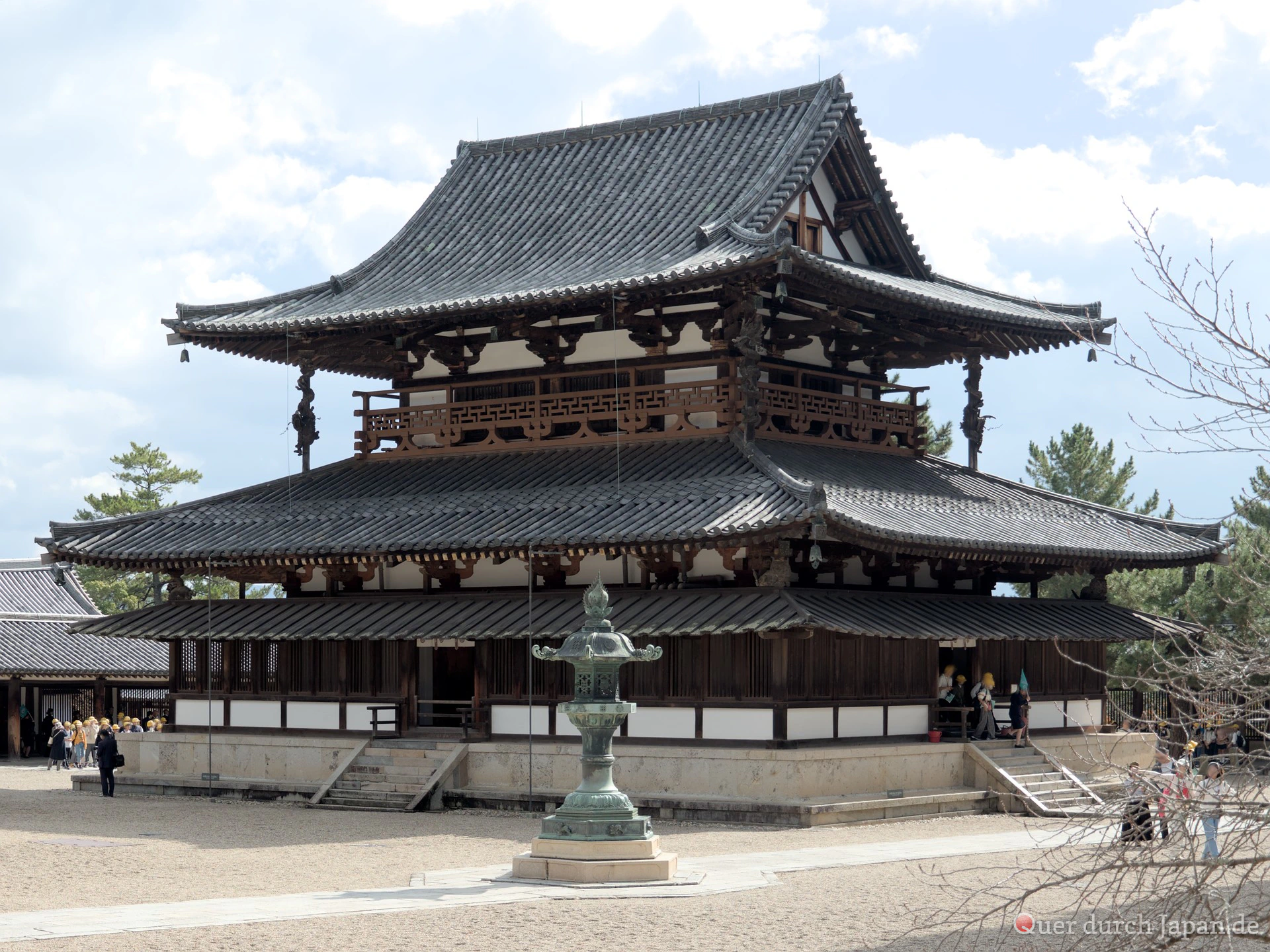
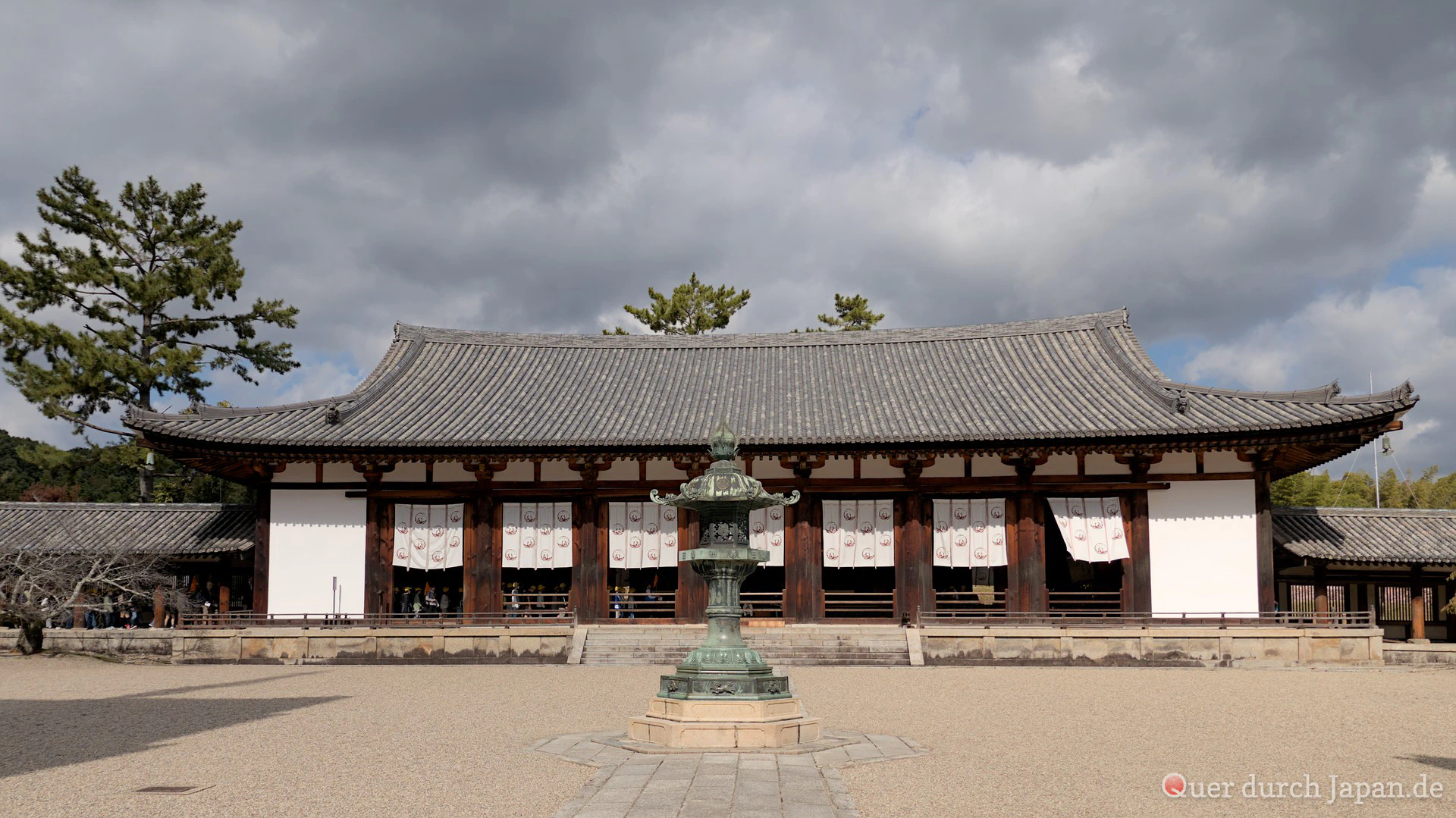
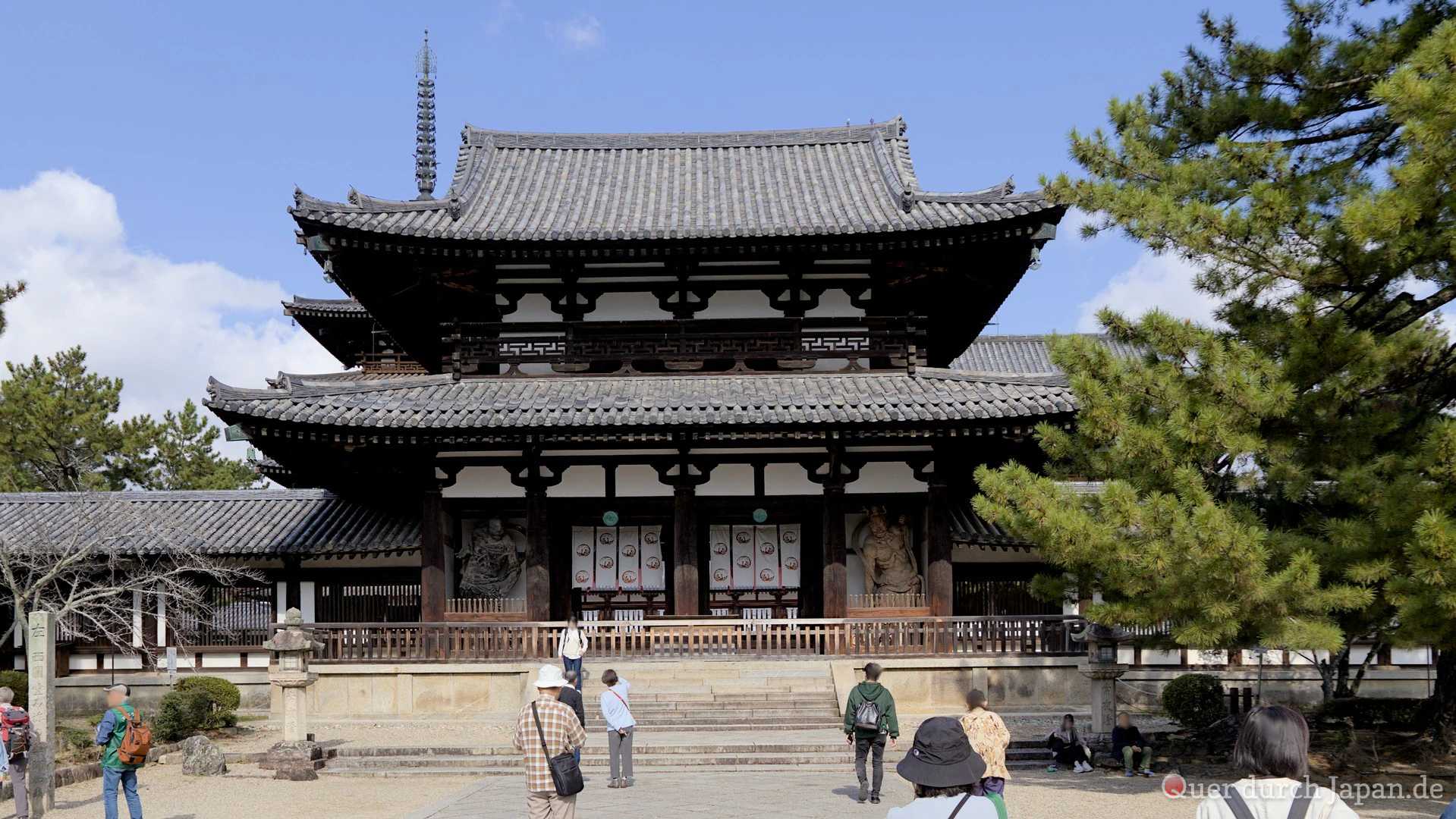
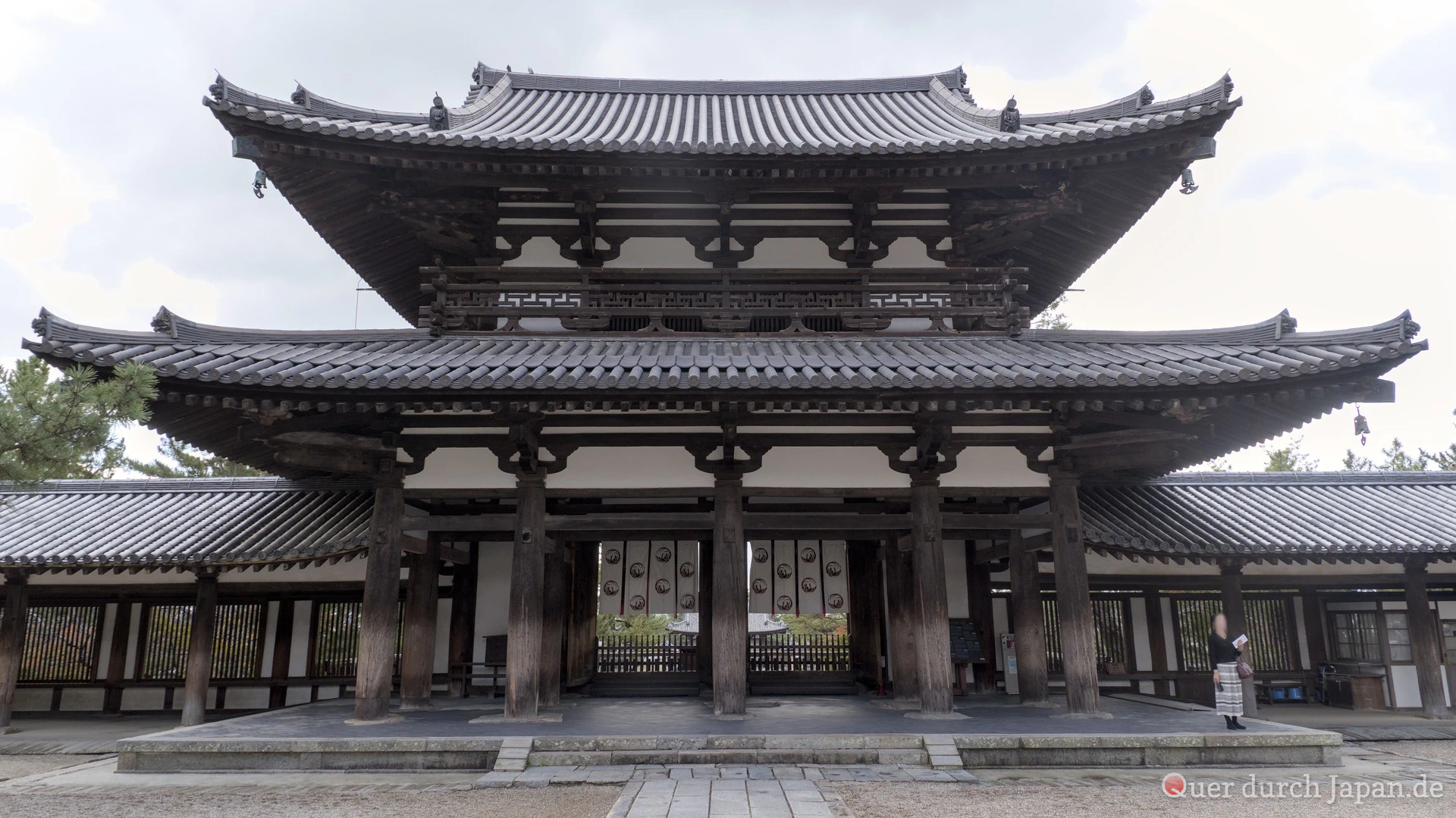
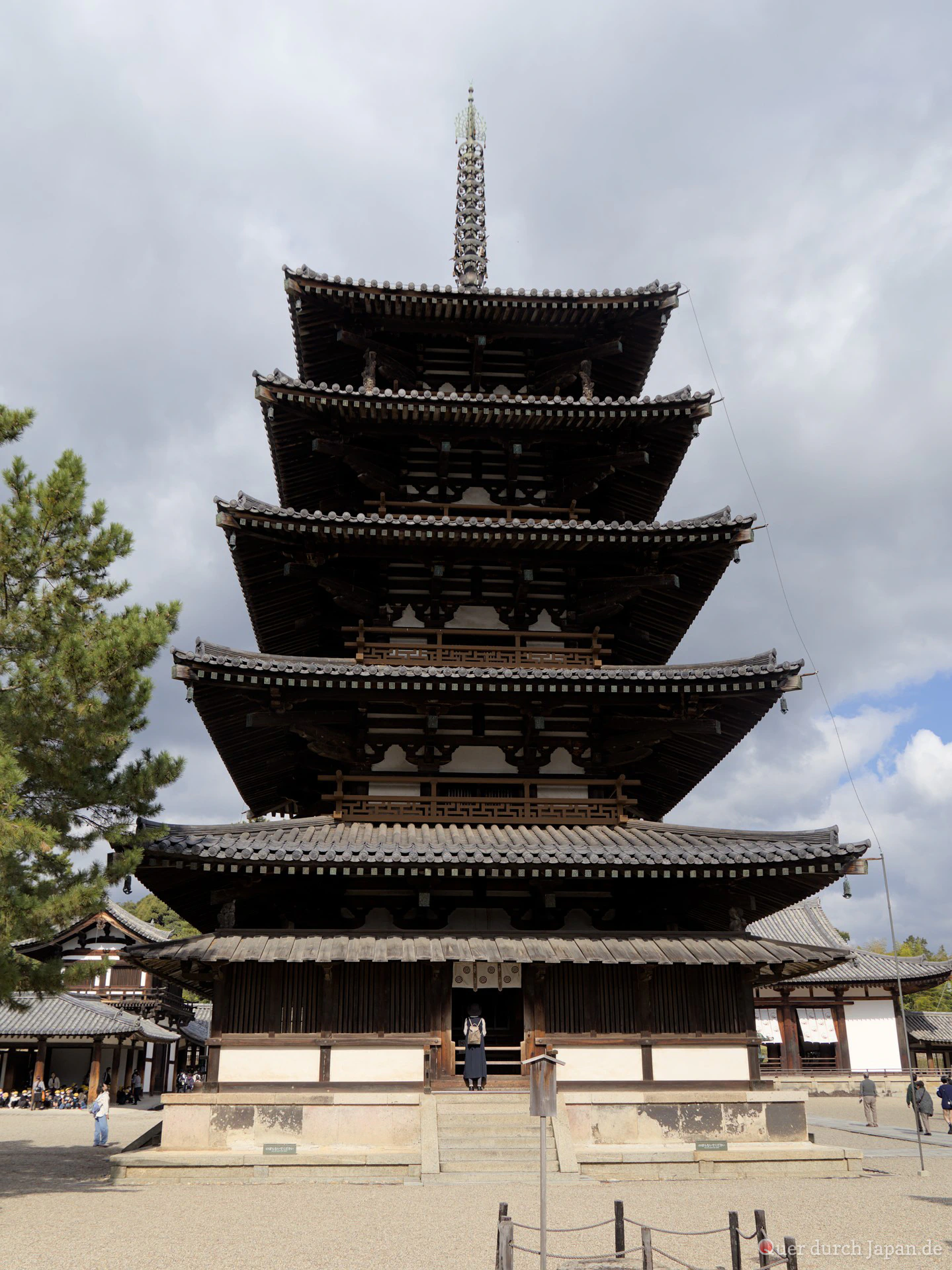
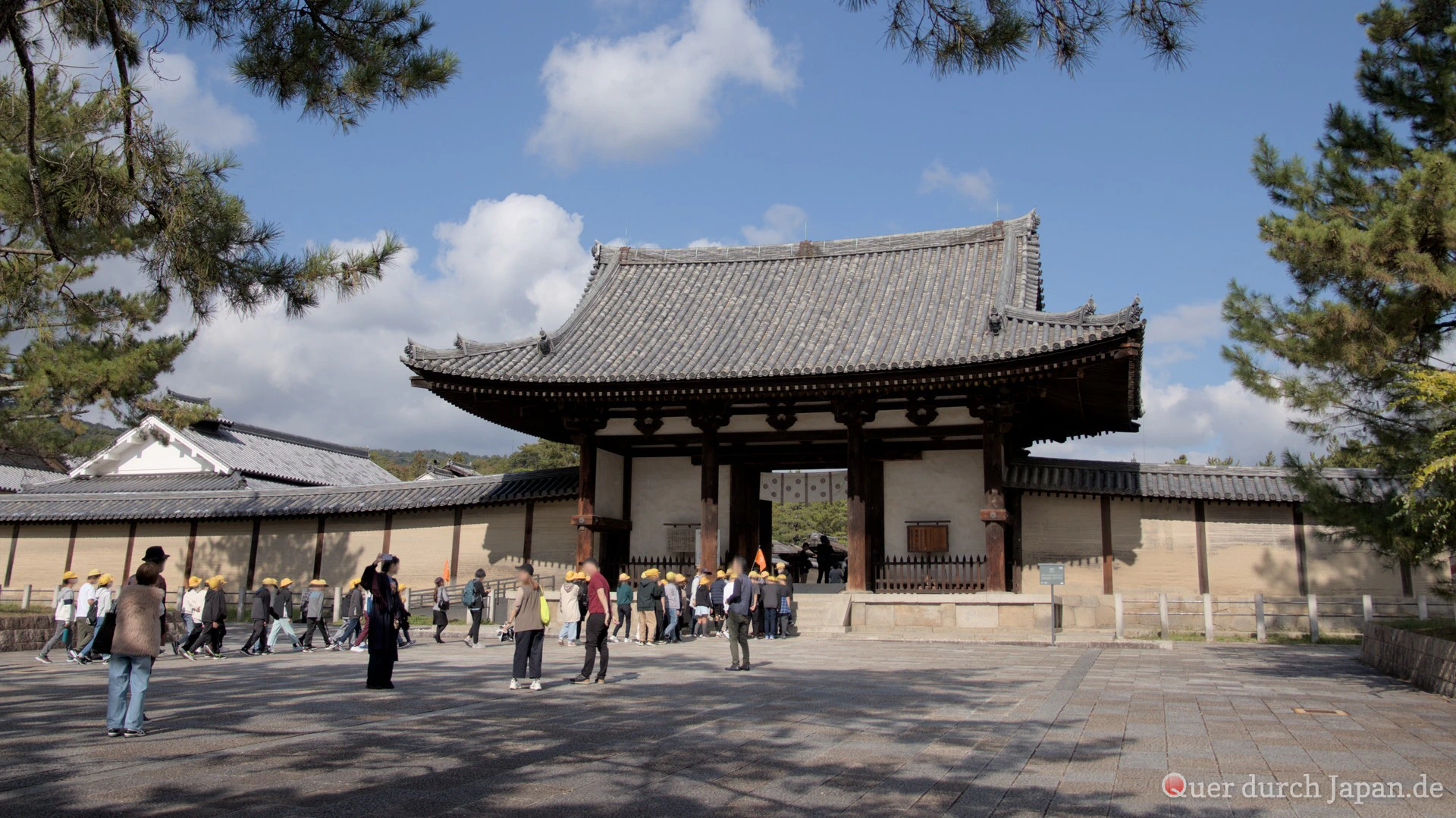
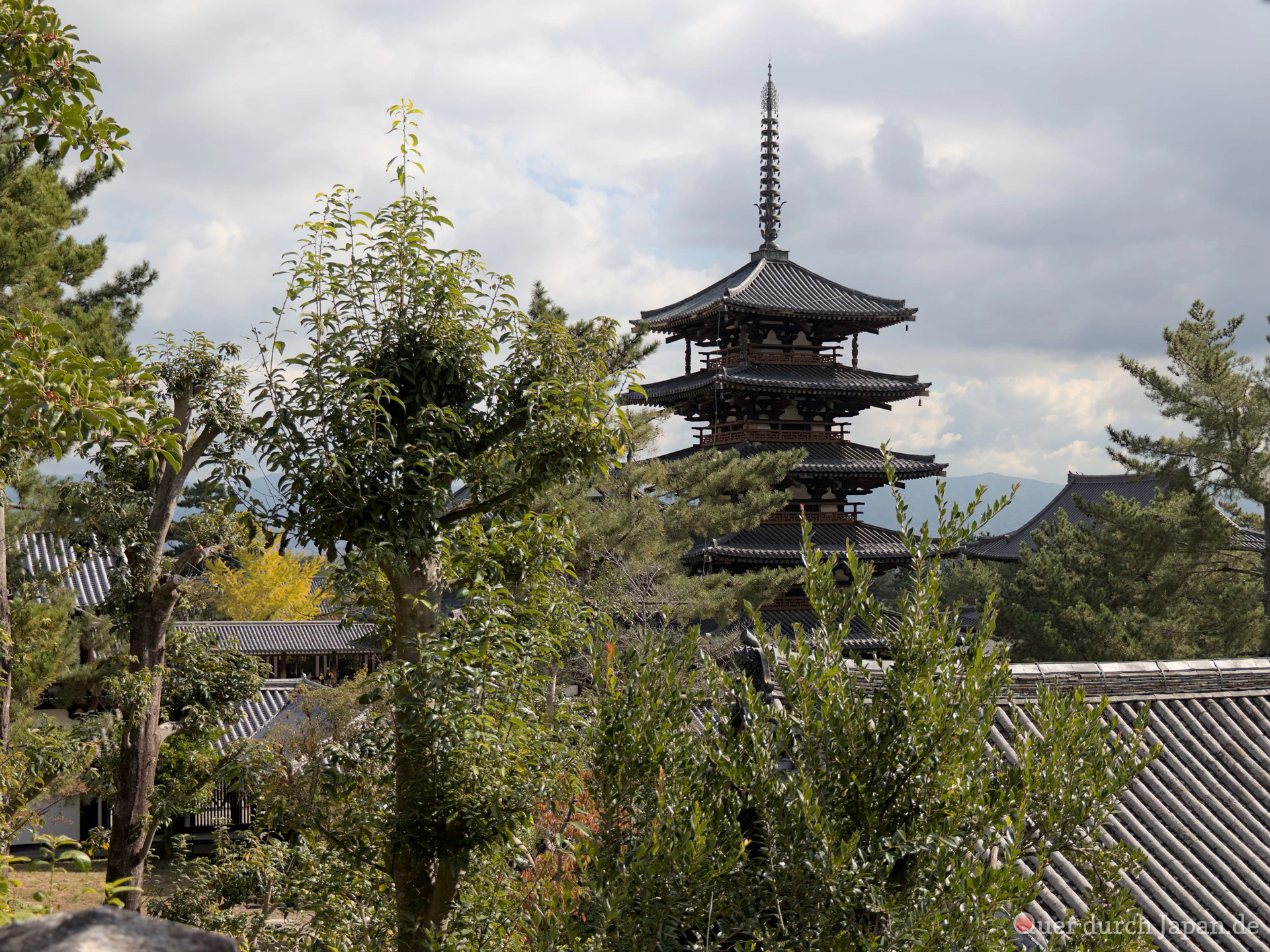
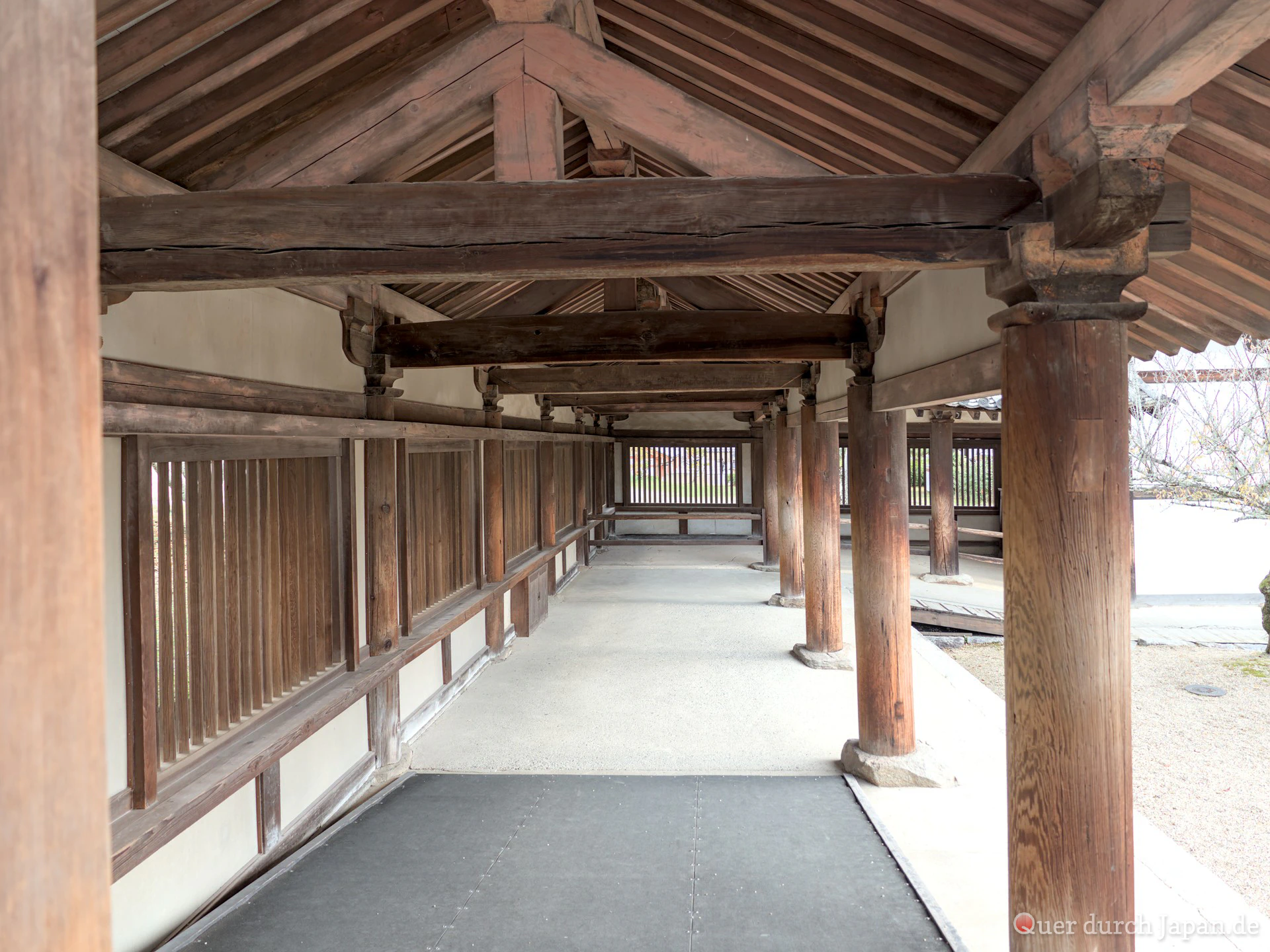
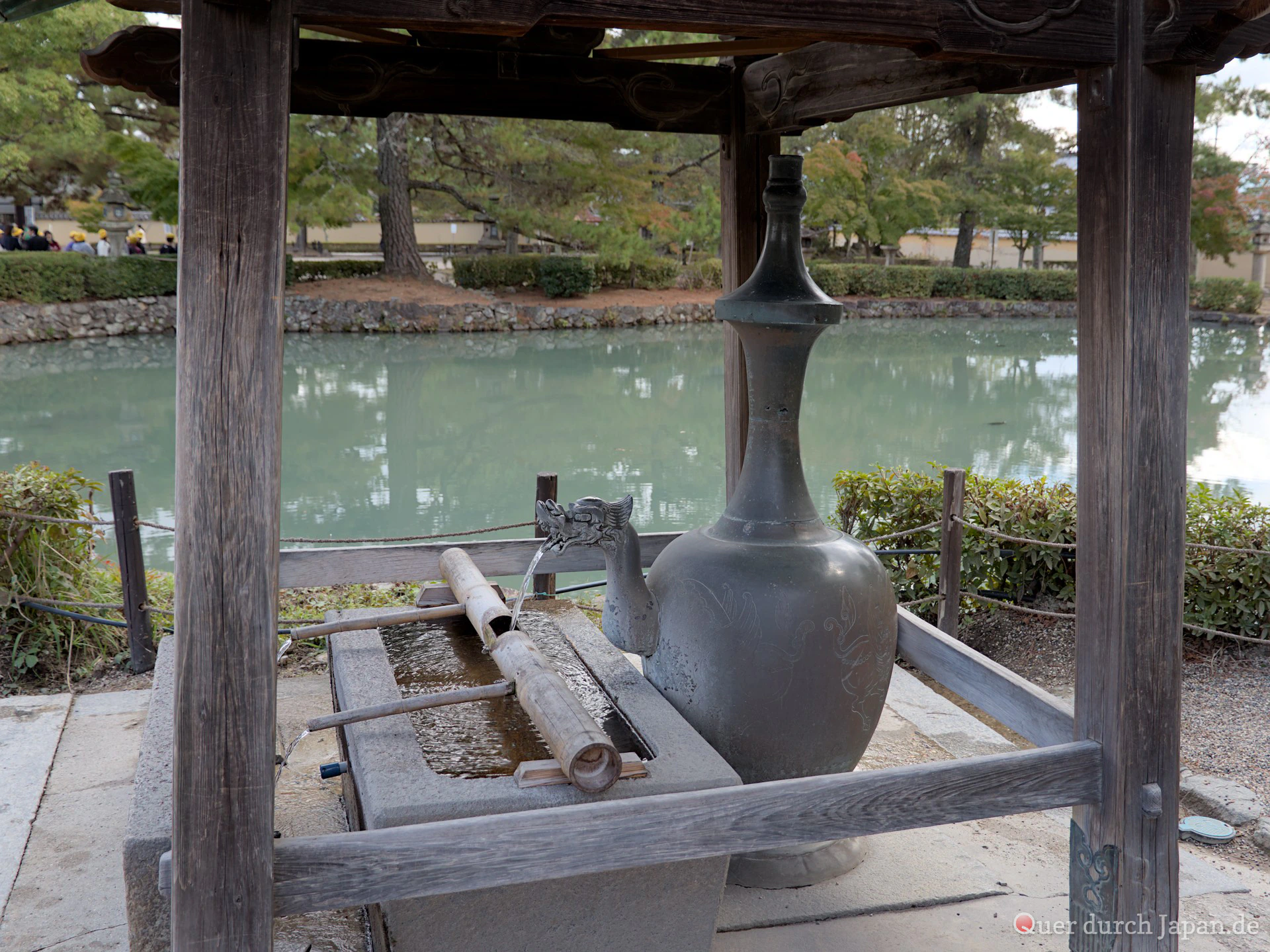
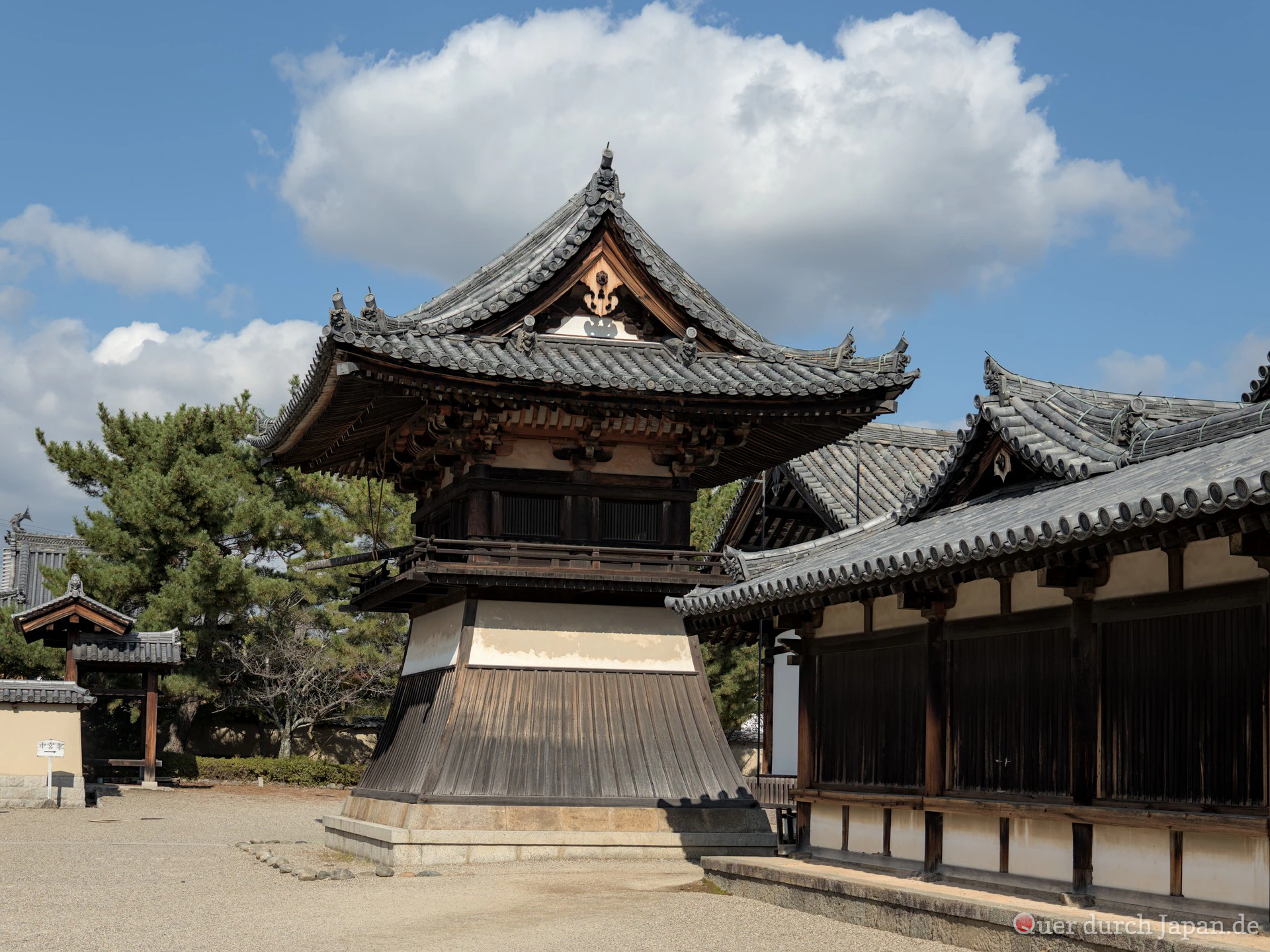
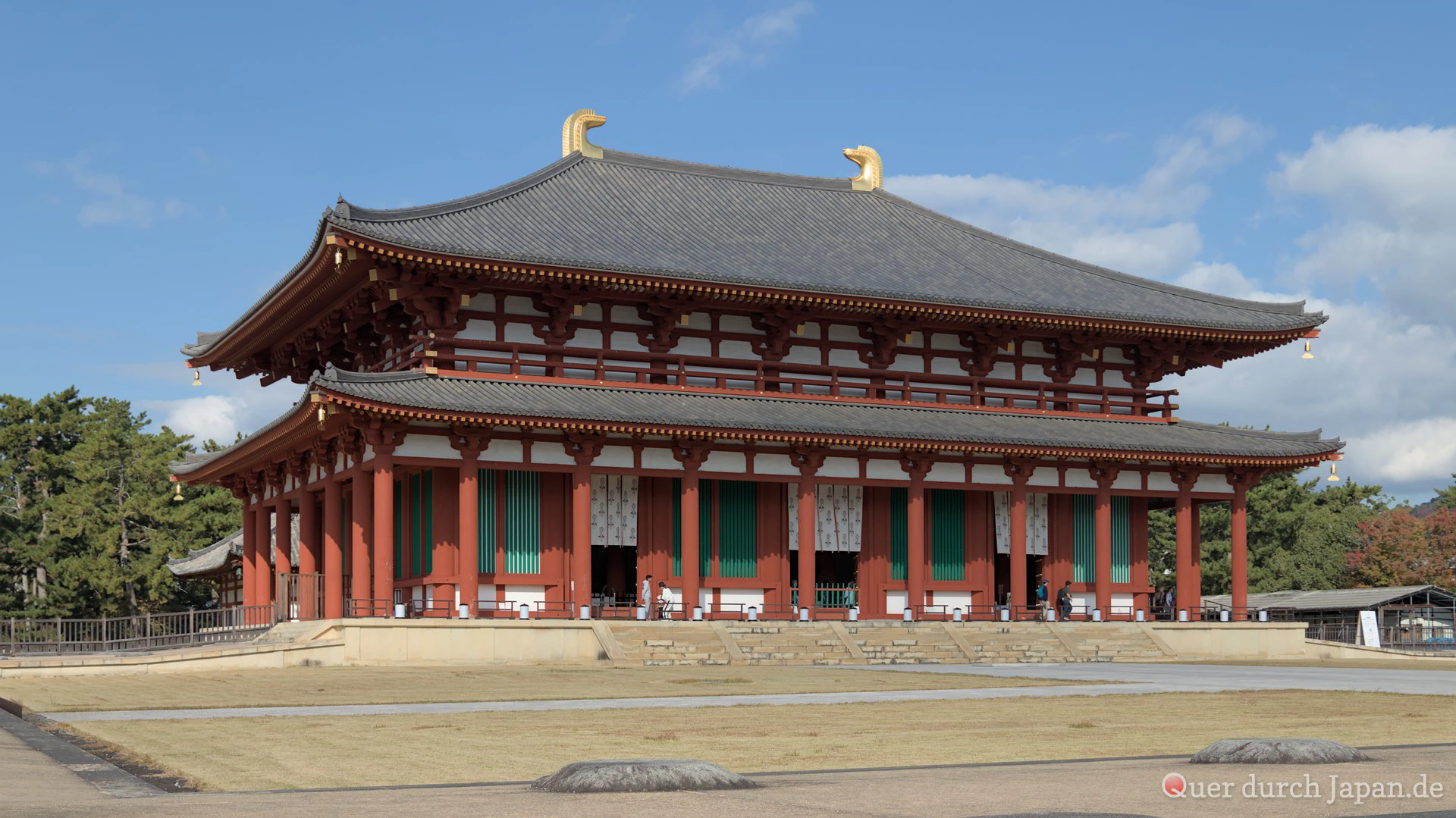
The day started today with a visit to the Hōryūji Temple in Nara. It was founded in 607, making it one of the oldest temple complexes in Japan. The main gate, the main hall, and the five-storey pagoda are actually the oldest surviving wooden structures in the world.
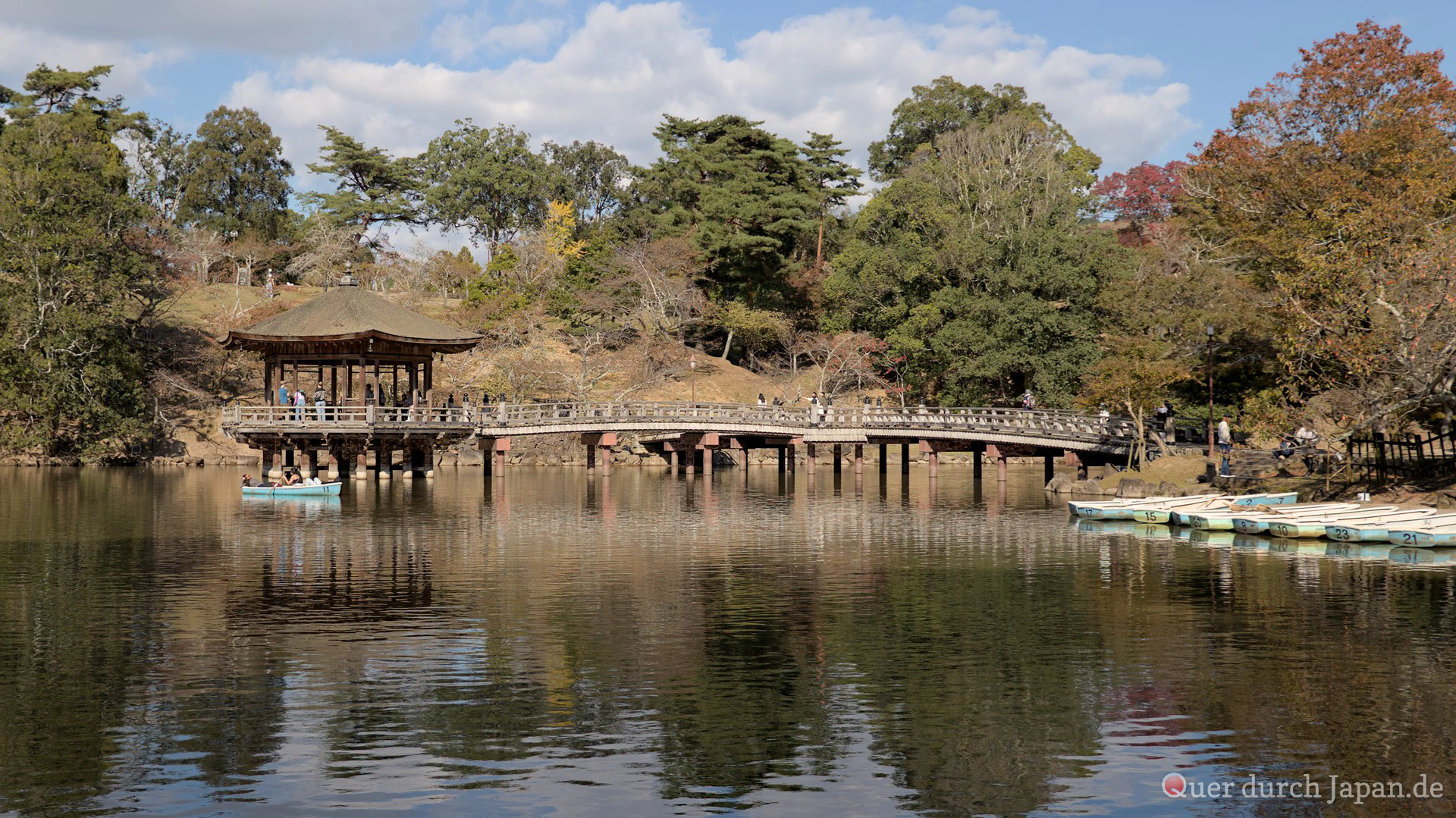
After that, we took a detour to the sprawling Nara Park with its many temples and shrines. We’ve been there many times and actually wanted to use the visit to relax, but the sheer crowds of tourists sucked all the joy out of it. This is probably just a taste of Kyōto, which is particularly suffering from the influx of visitors due to the weak yen.

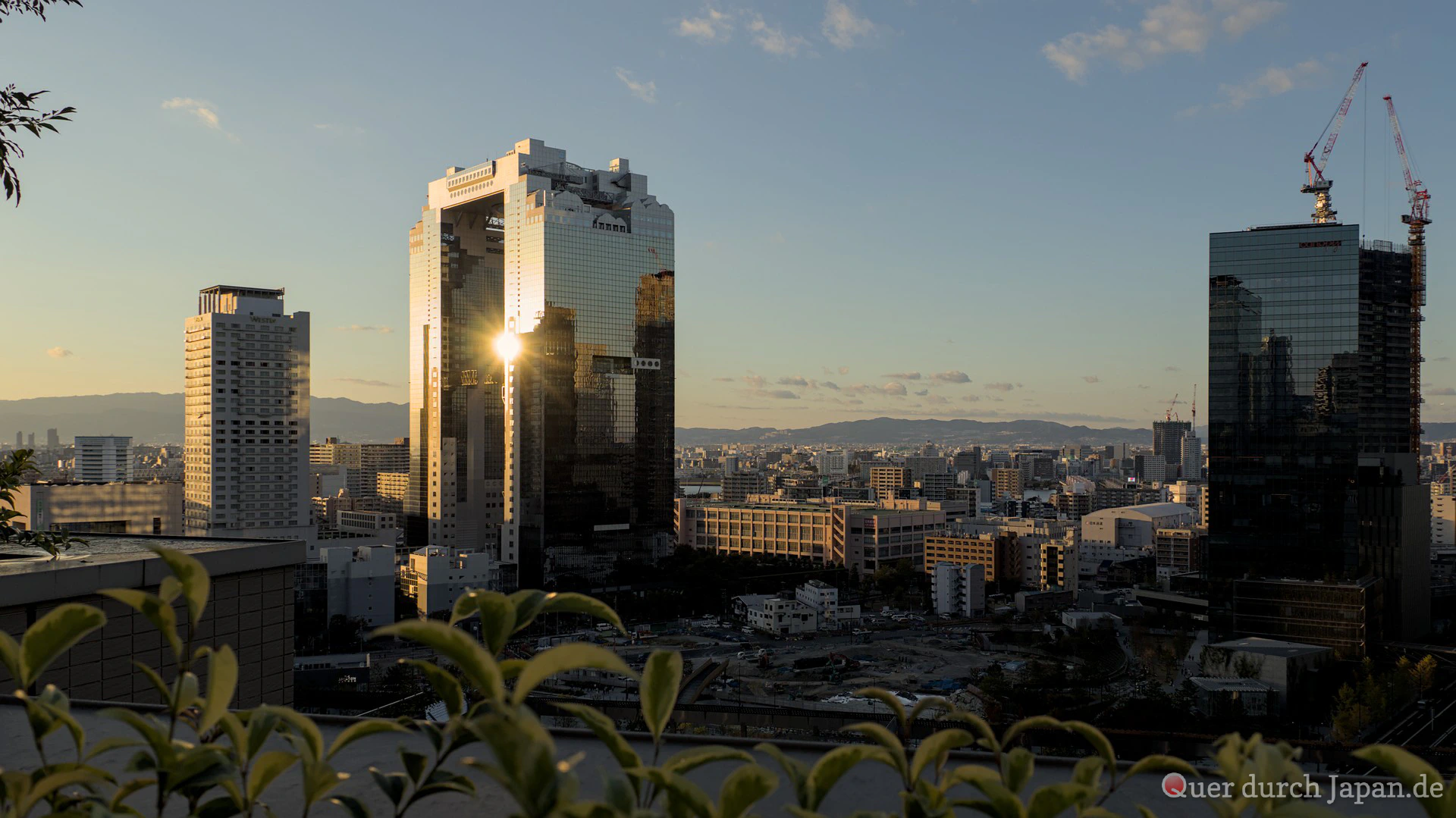
Instead, we went back to Ōsaka, where we visited the Umeda Sky Building.

By the way, the weather here still feels almost like late summer: sunny and over 20°C during the day.

Kasuga-taisha

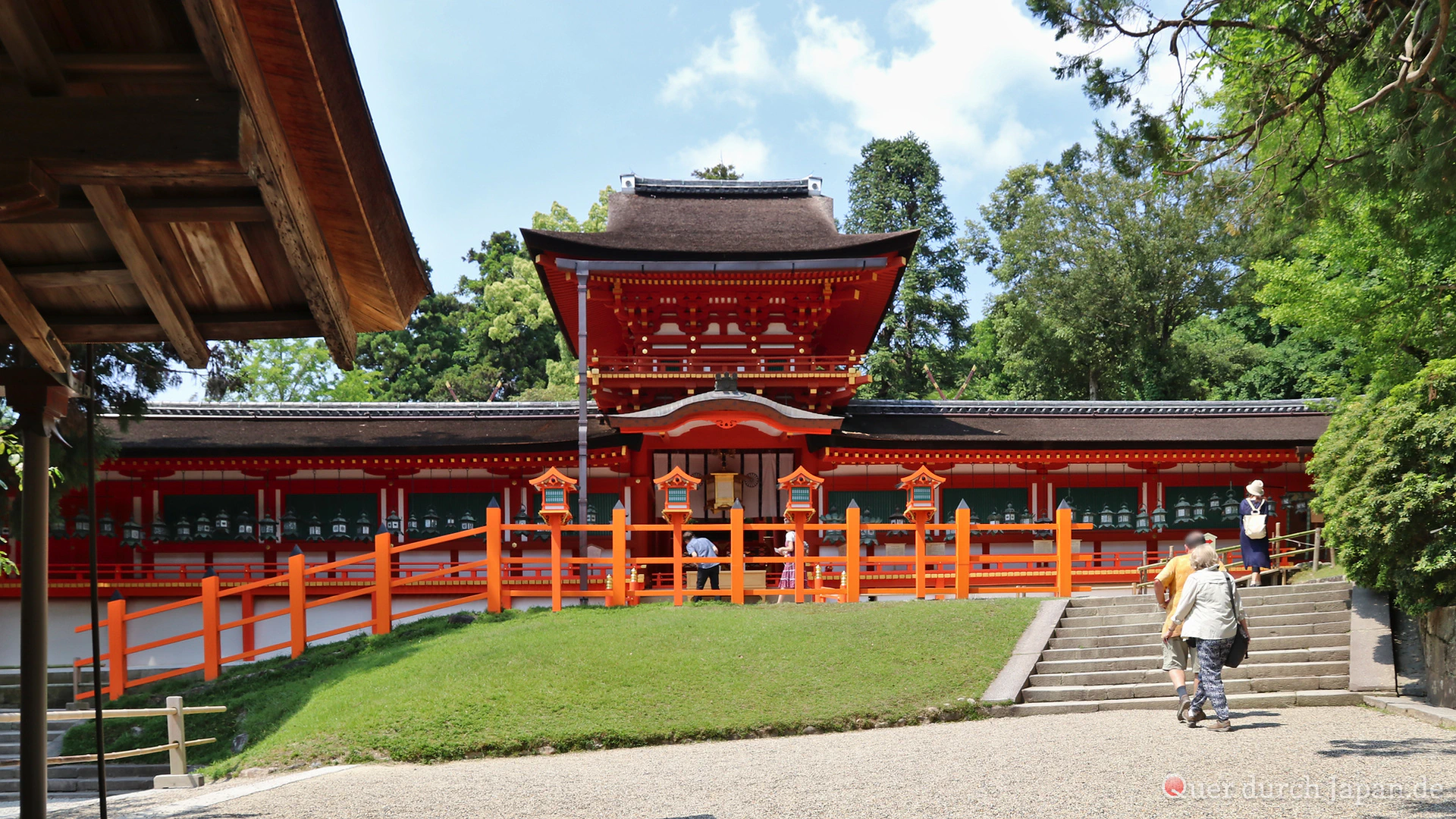
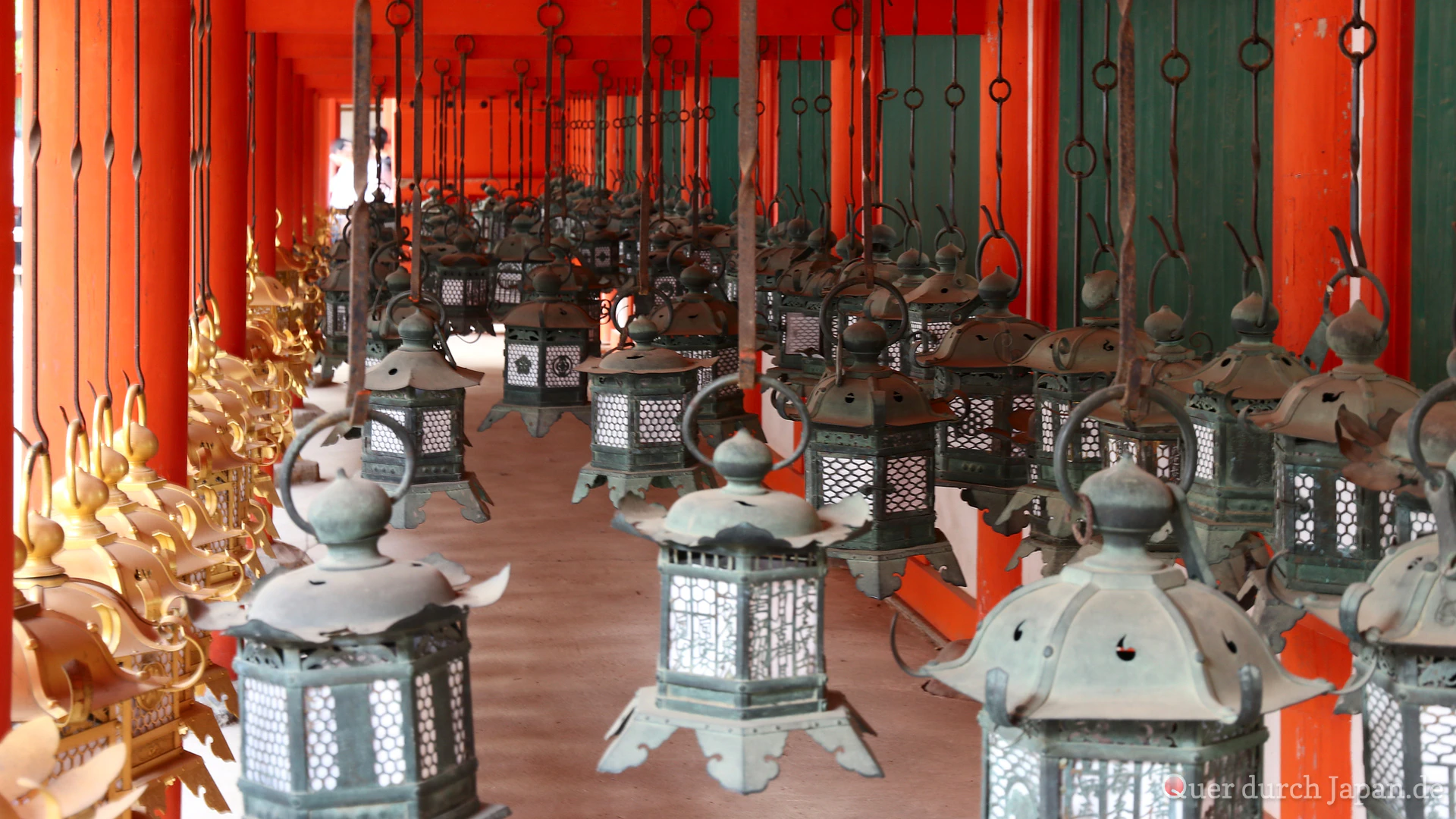
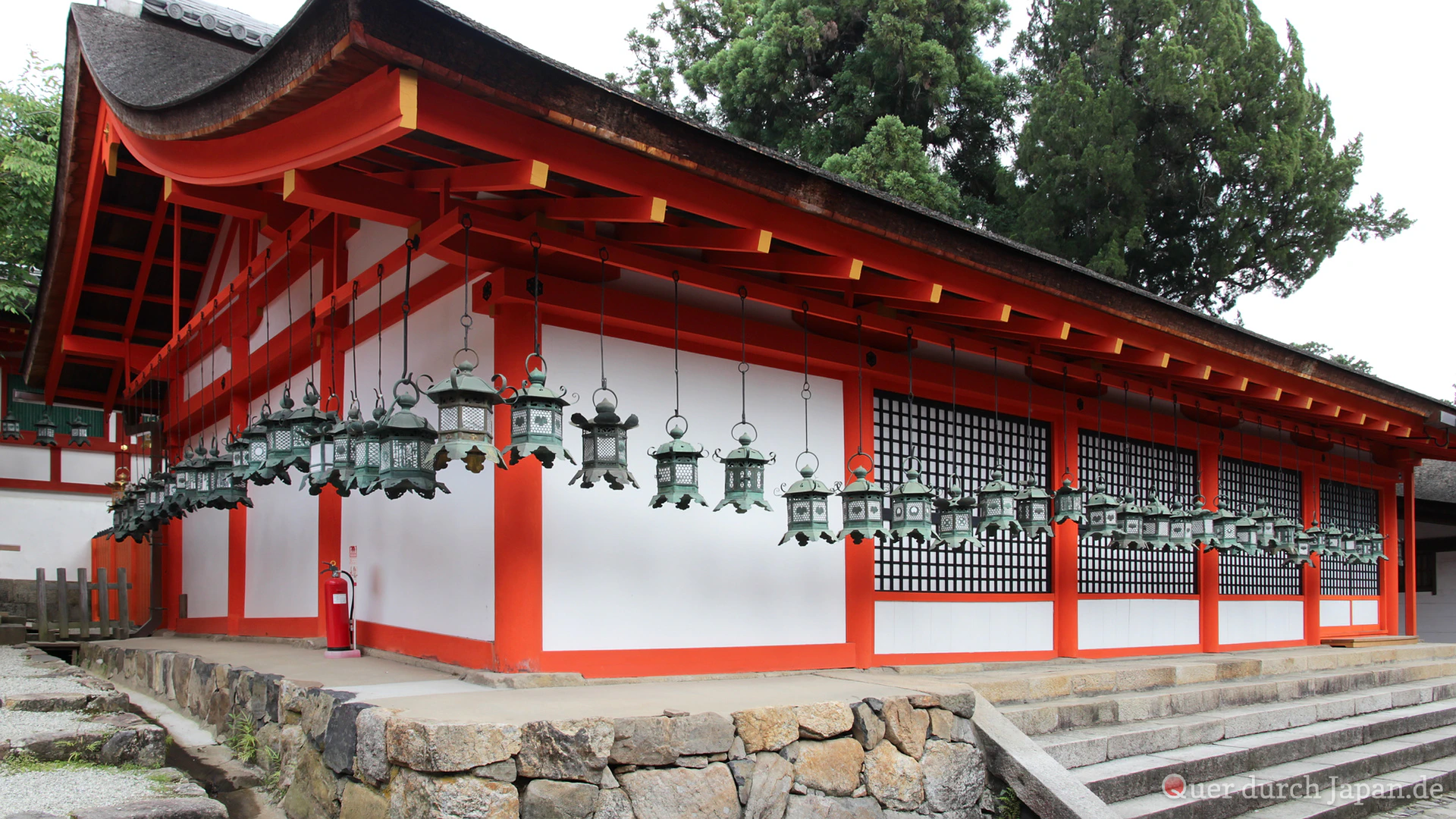
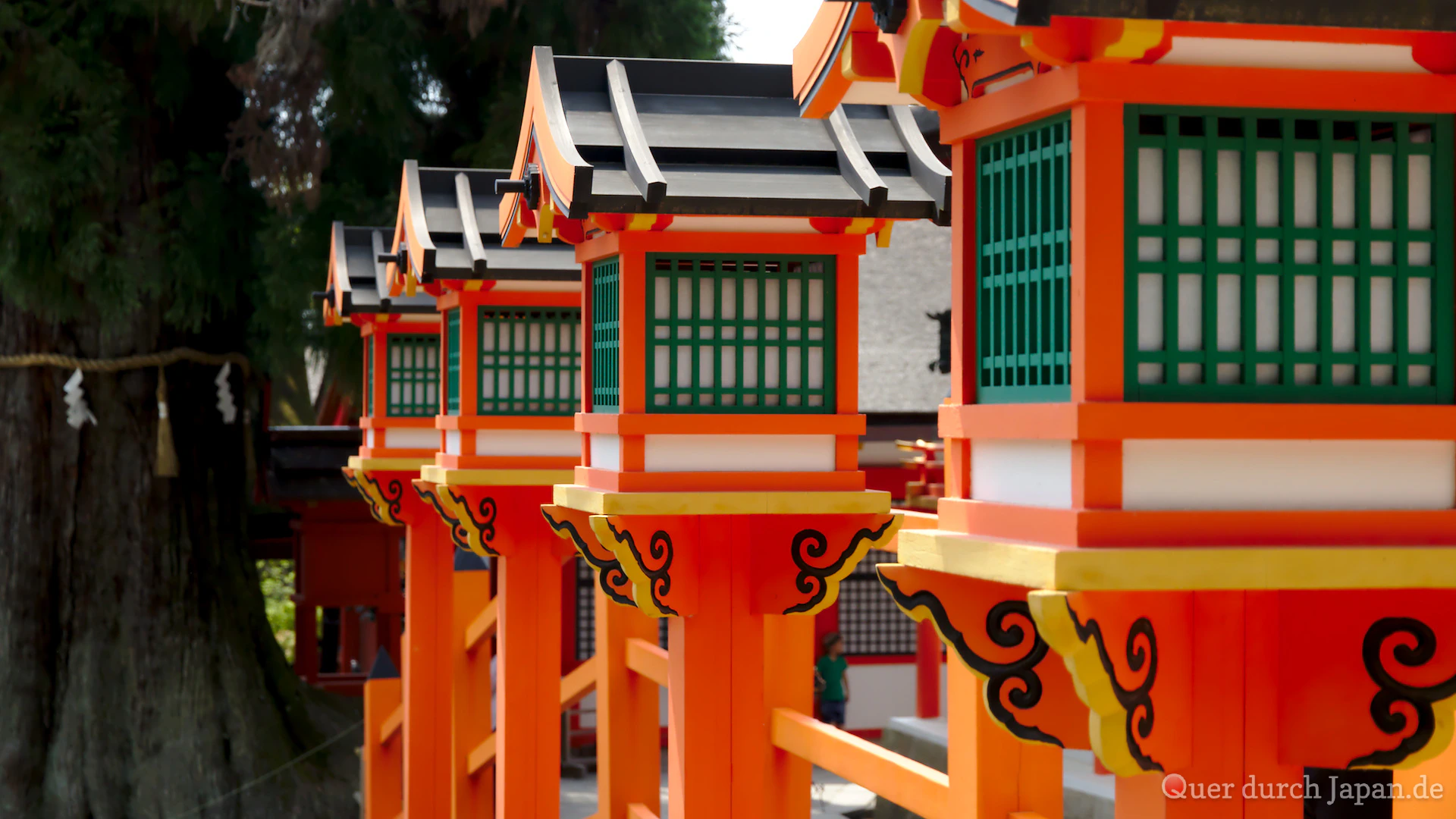
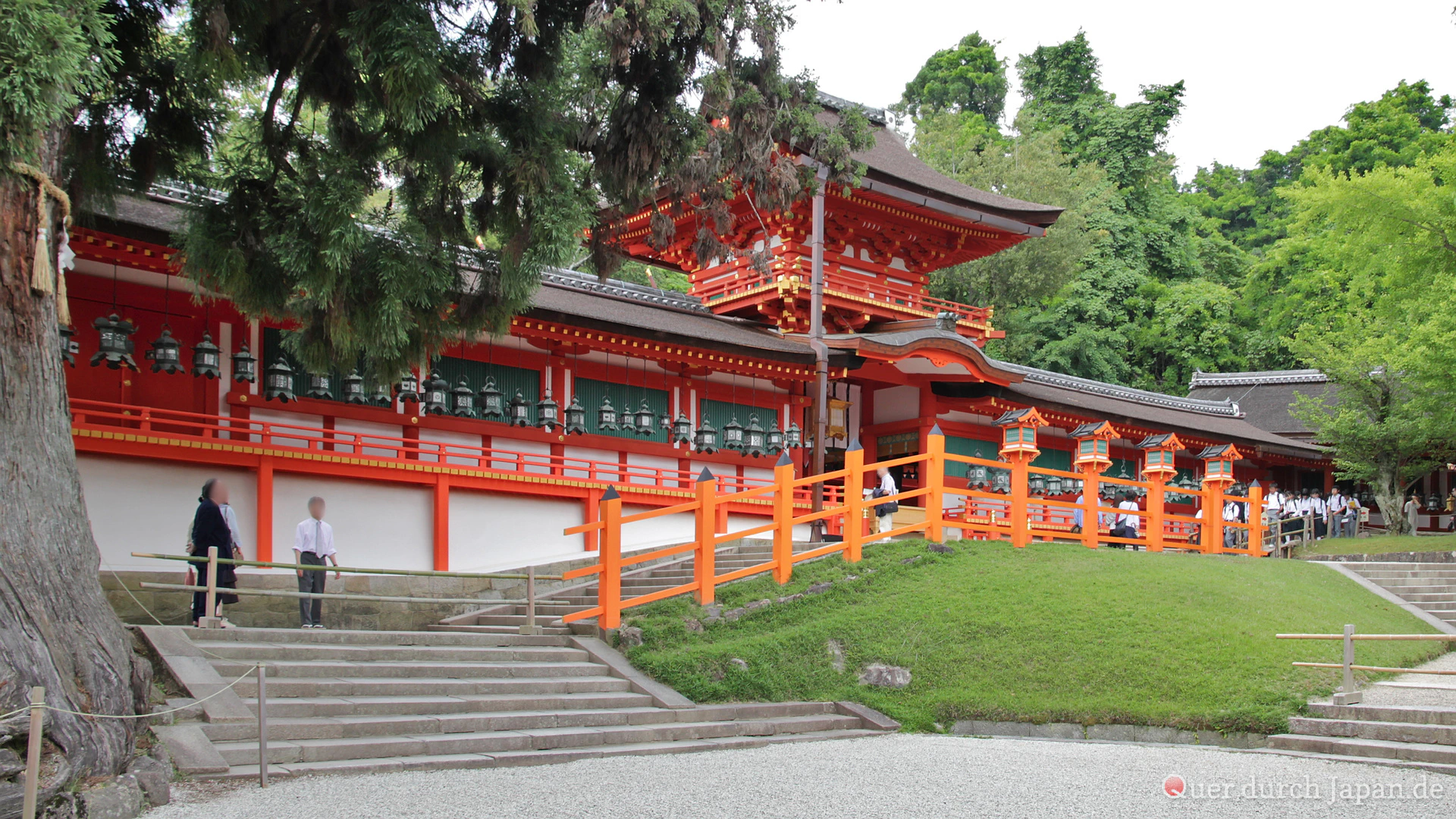
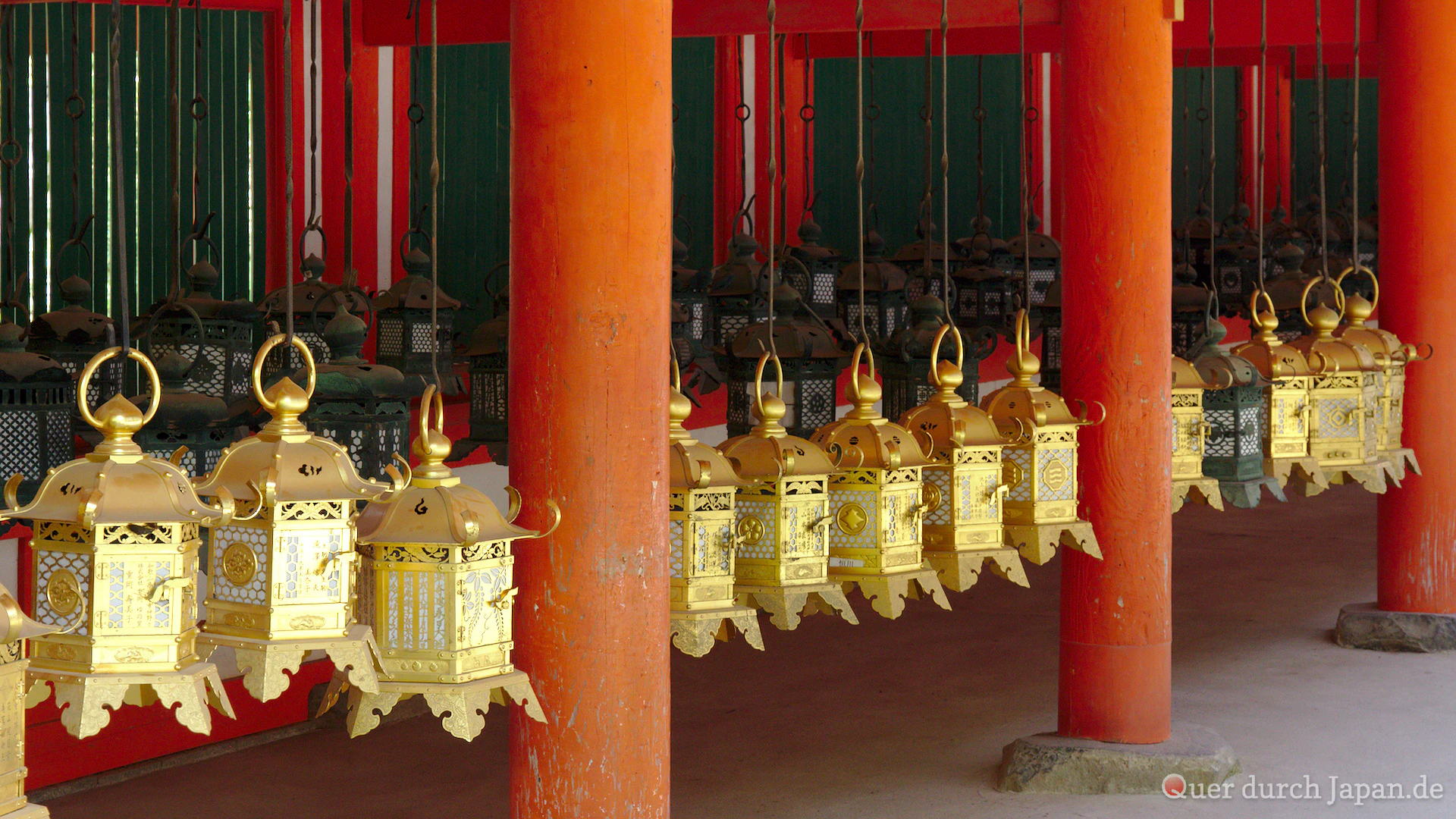
The Kasuga-taisha is a Shinto shrine in Nara. It was built in the 8th century - according to a legend on 9 November 768. Right up until the end of the Edo period it was rebuilt every 20 years, just like tradition demanded.

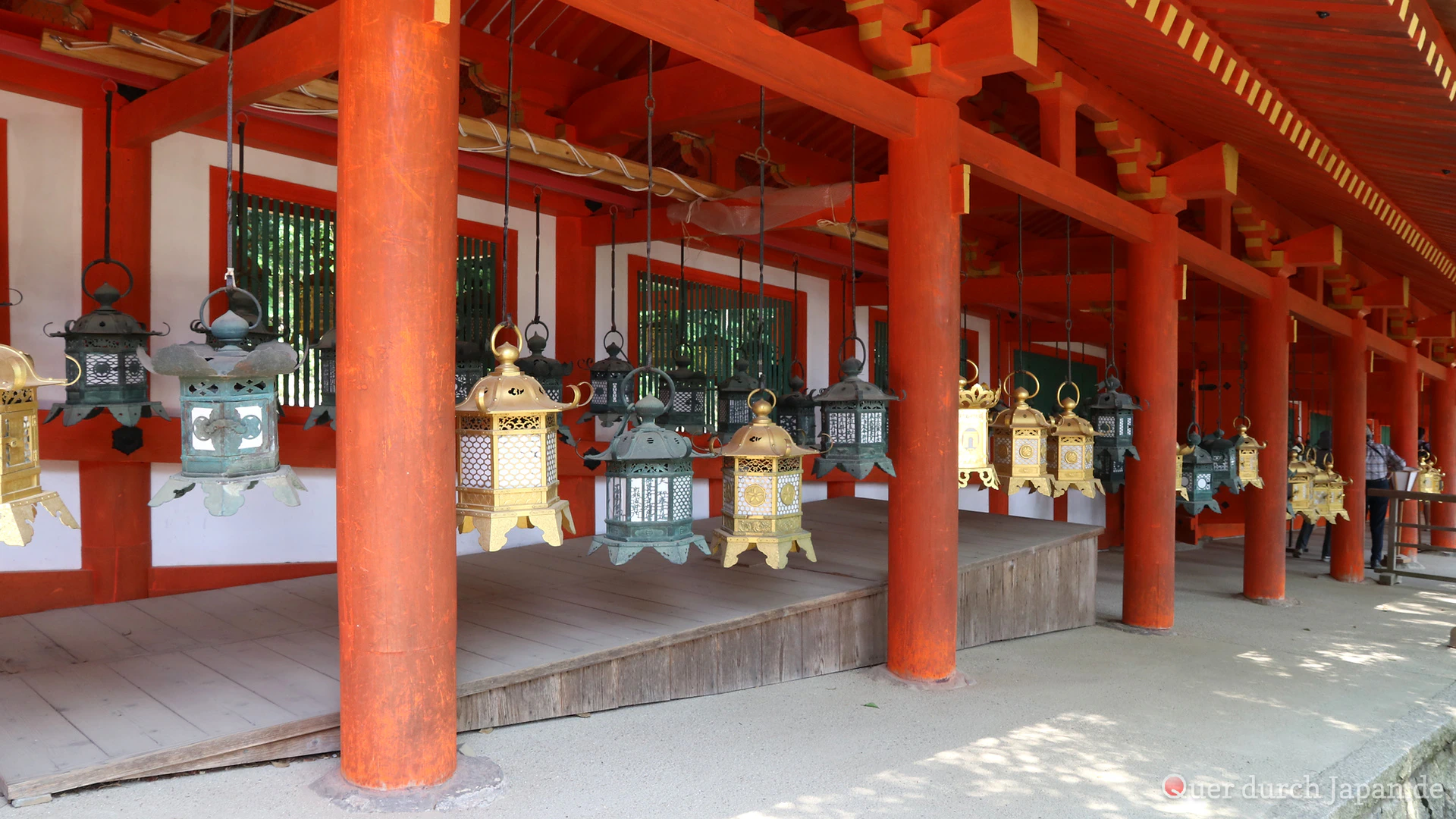
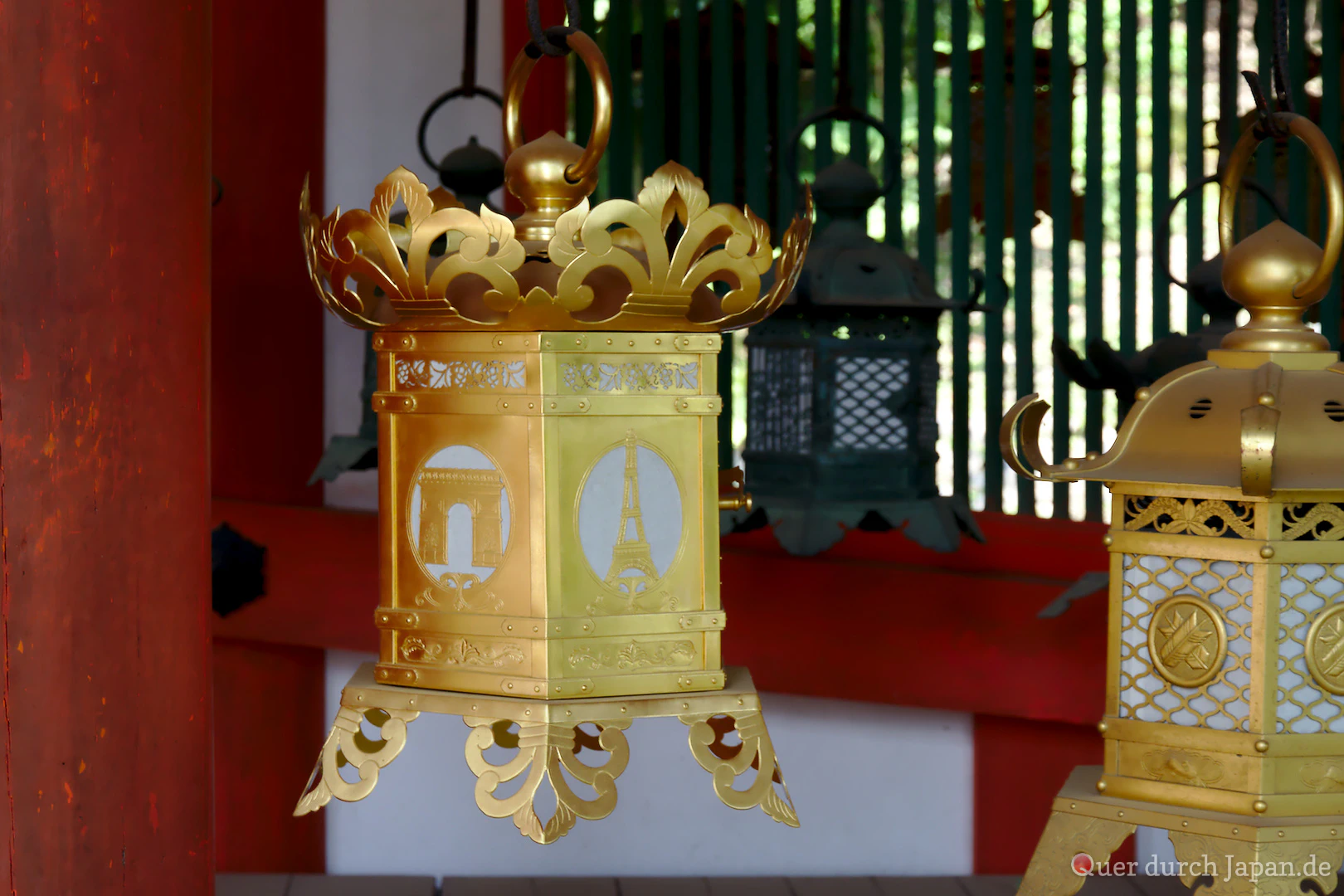
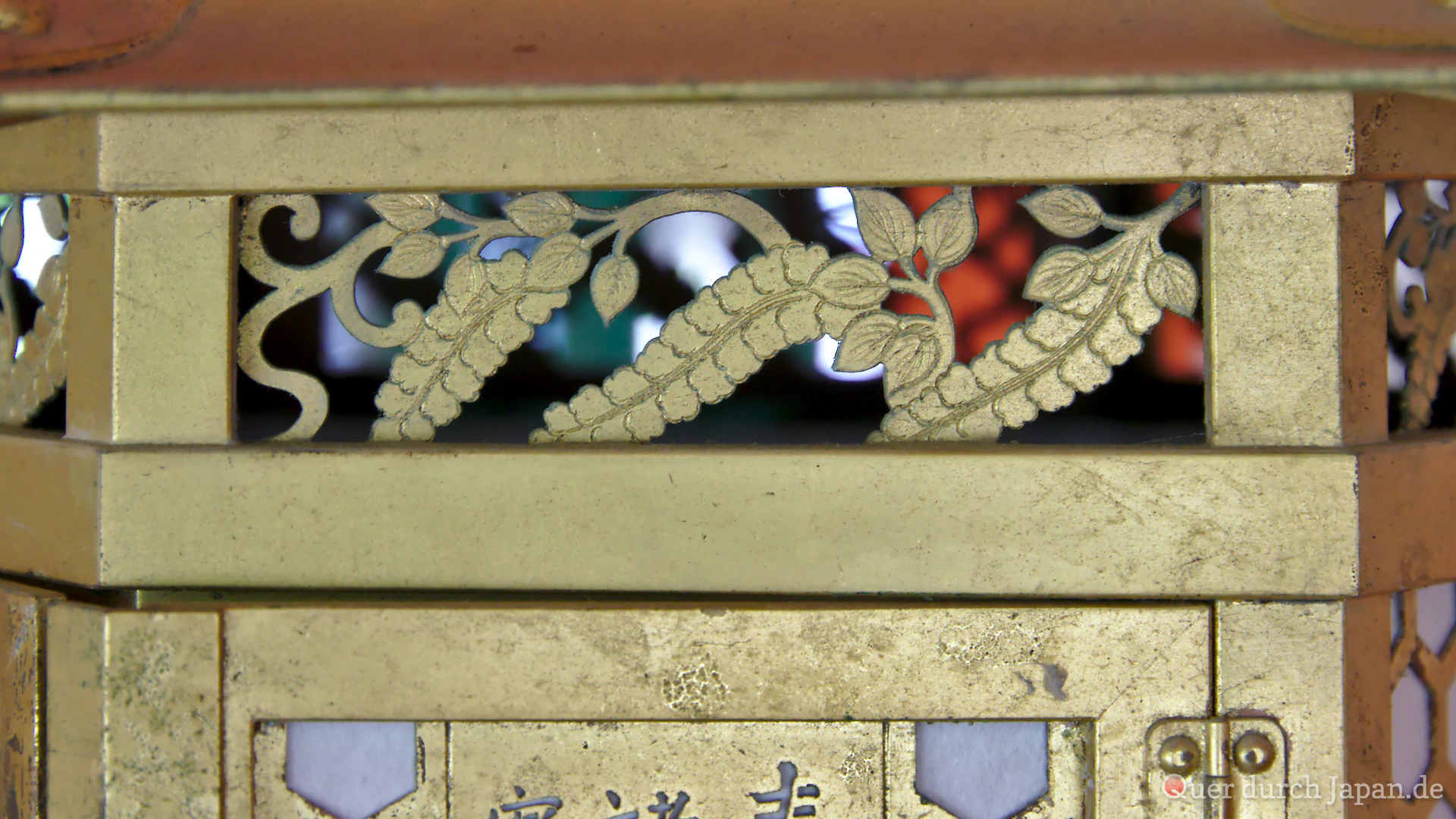
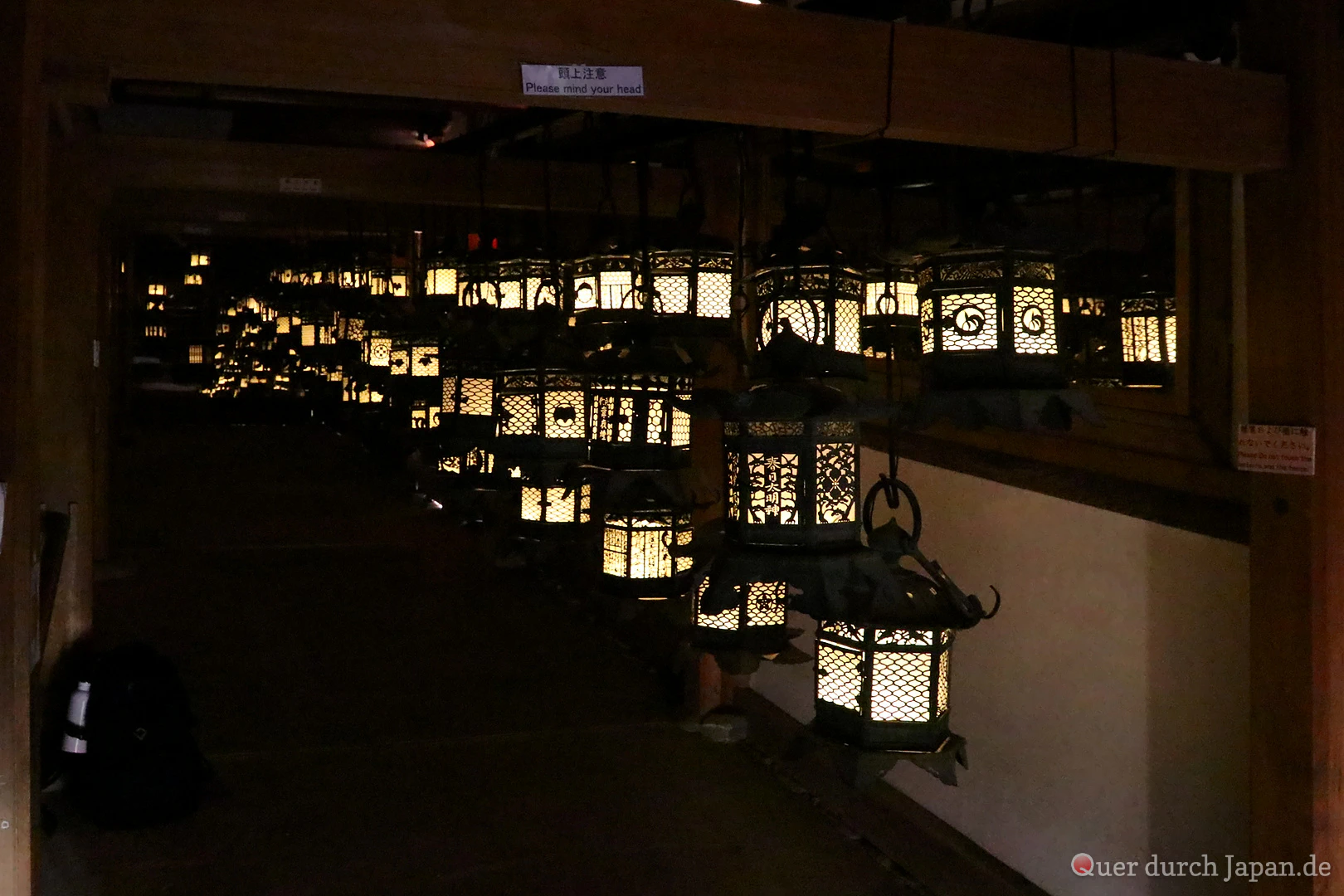
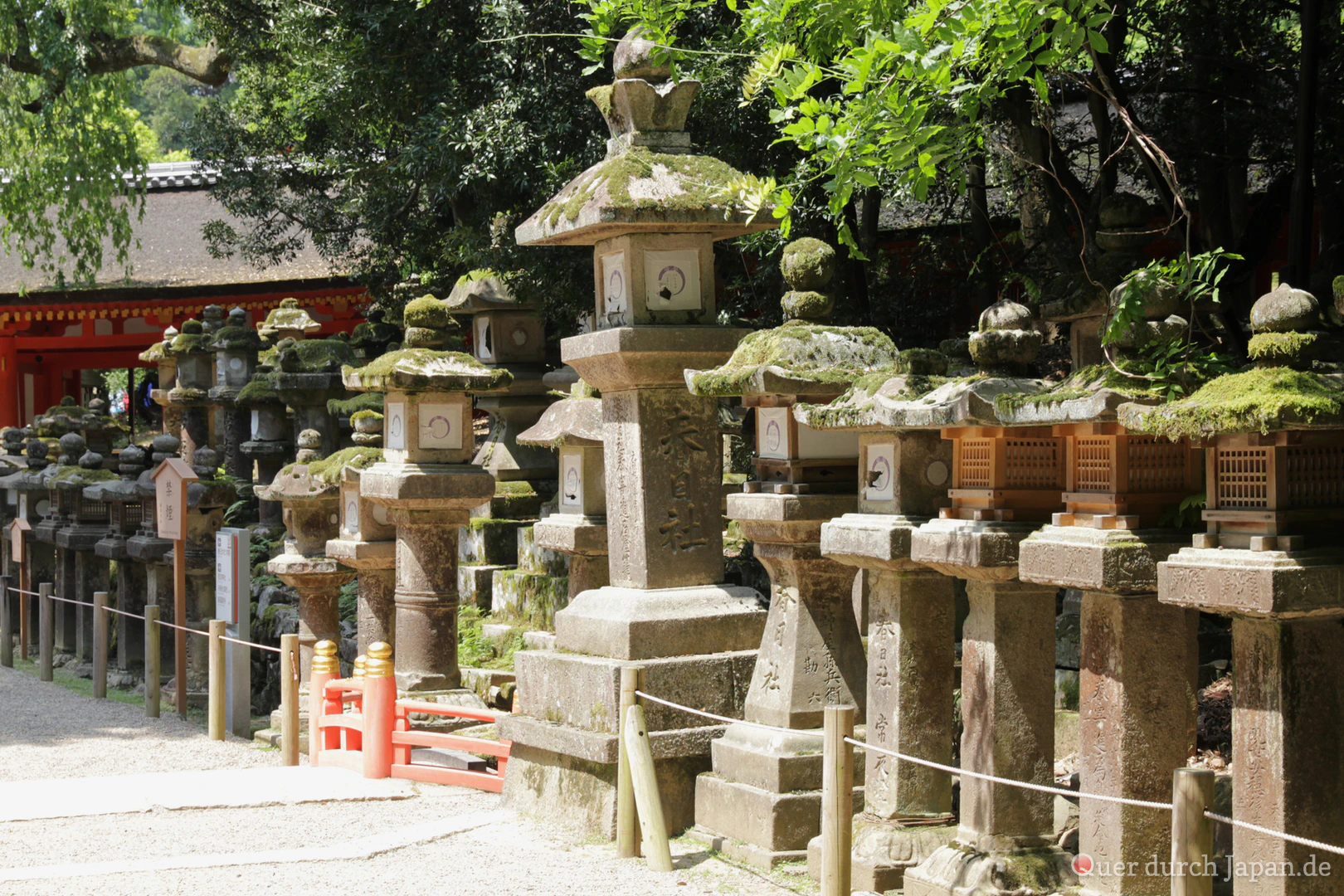
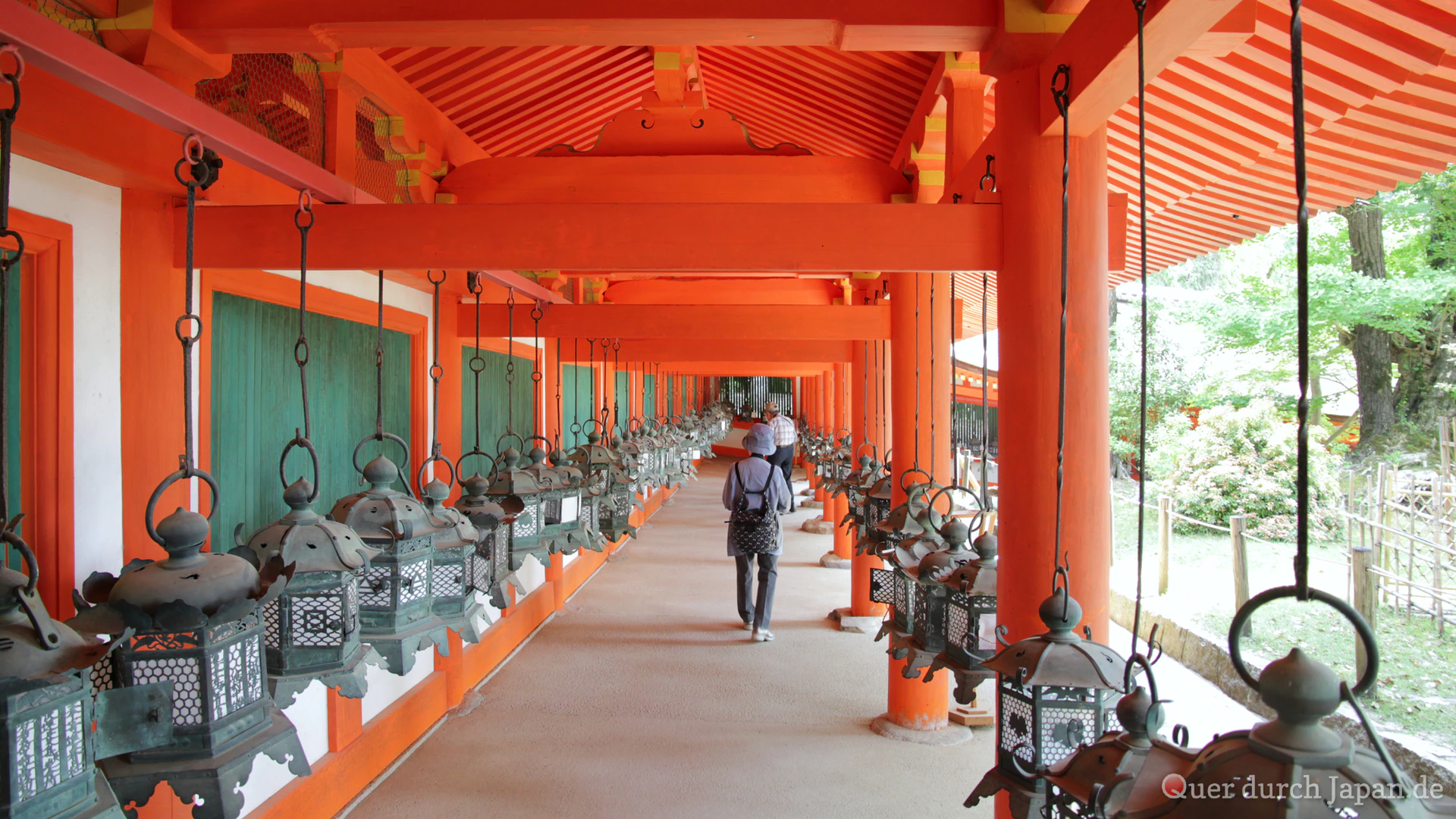
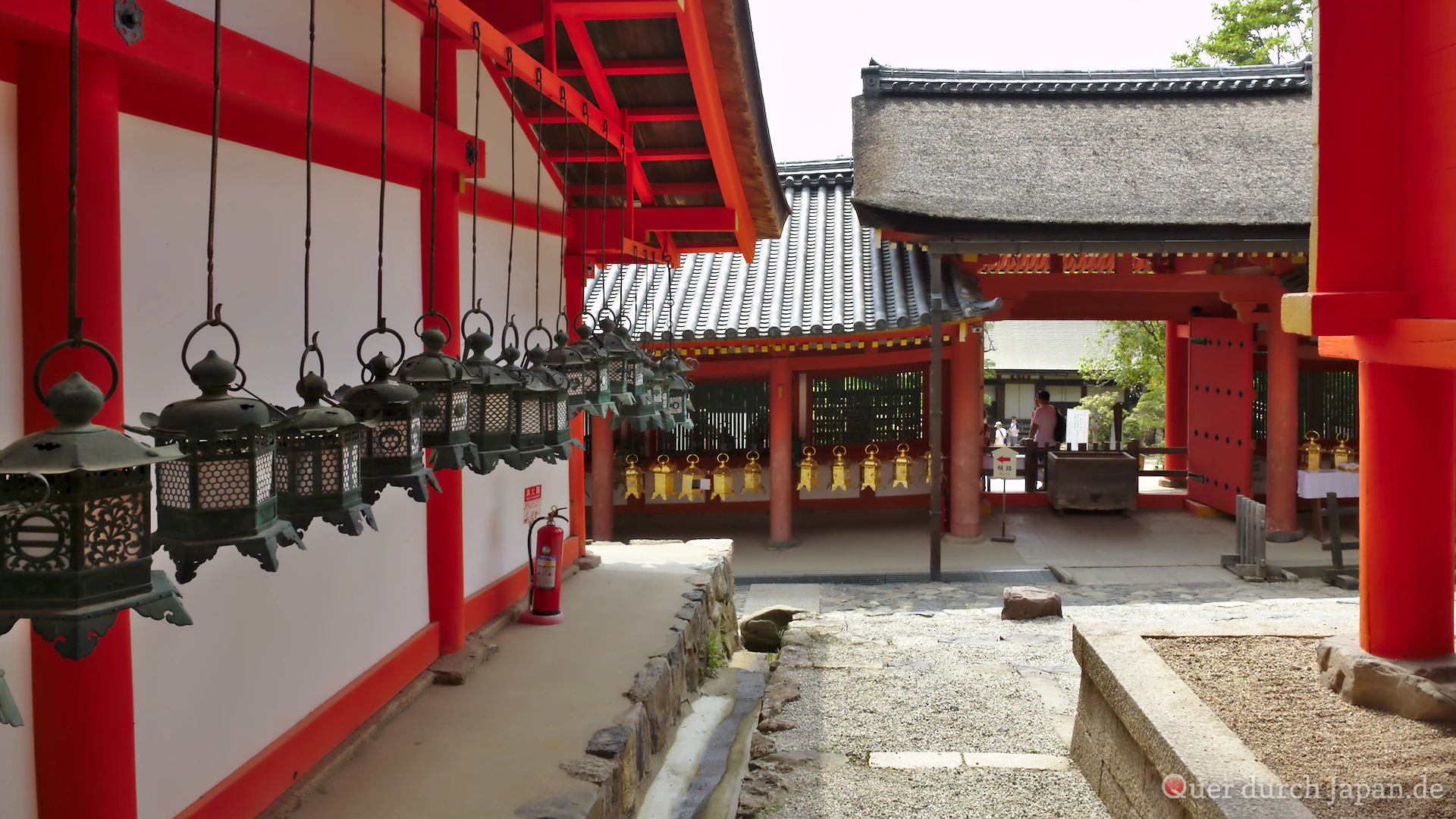
The shrine is famous for its thousands of bronze and stone lanterns. Twice a year they get lit up during festivals, specifically for the Setsubun Mantoro (3 February) and Chūgen Mantoro (14 to 15 August).

The Kasuga-taisha is located in Nara Park. You can get to it from the JR Nara Station by bus or just by walking. If you’re checking out Nara Park, you’ll pretty much inevitably walk past the shrine. Entry costs 500¥. You can look around the outer part of the grounds for free.

Travel Journal 2017: Uji und Nara

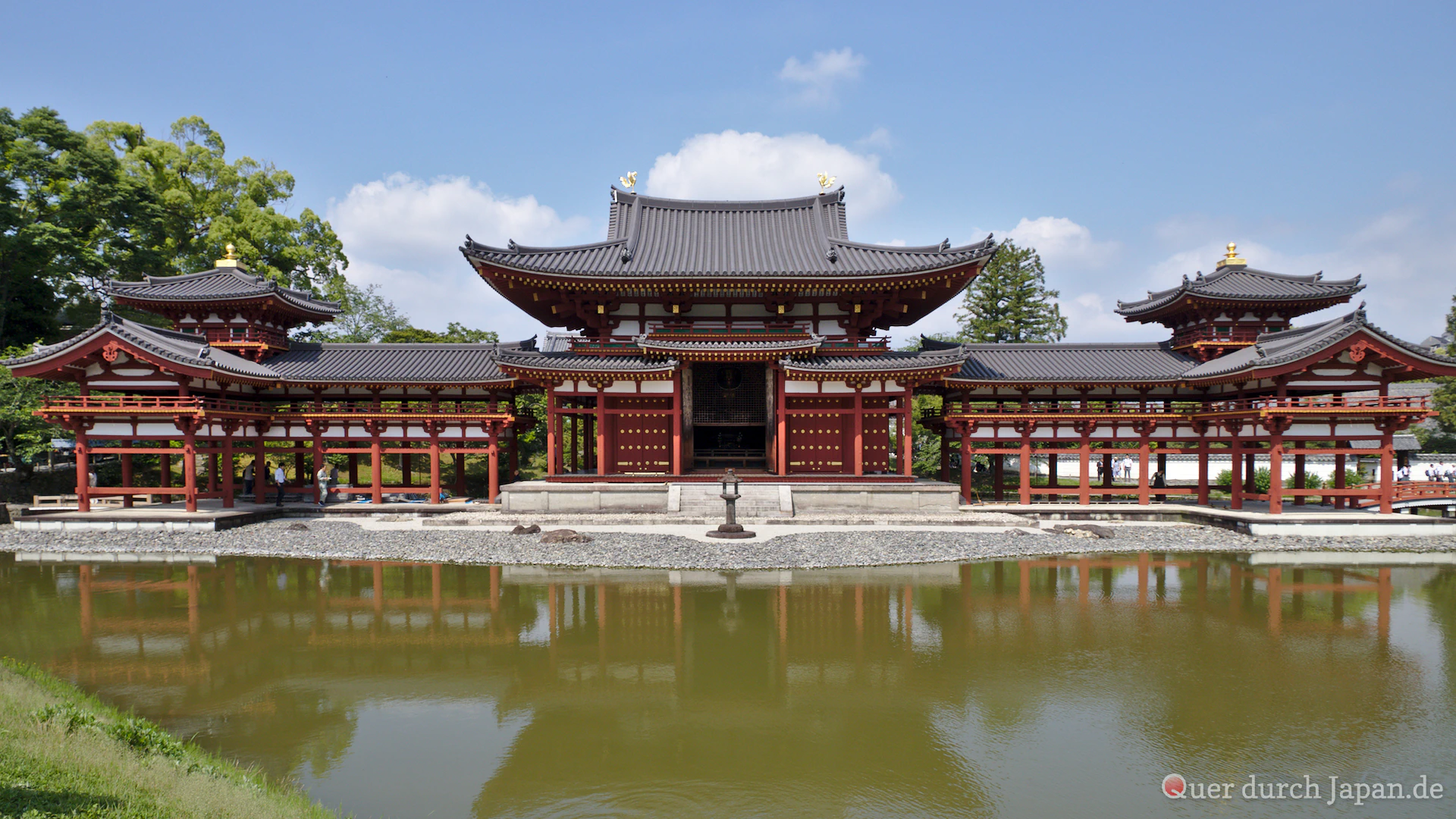
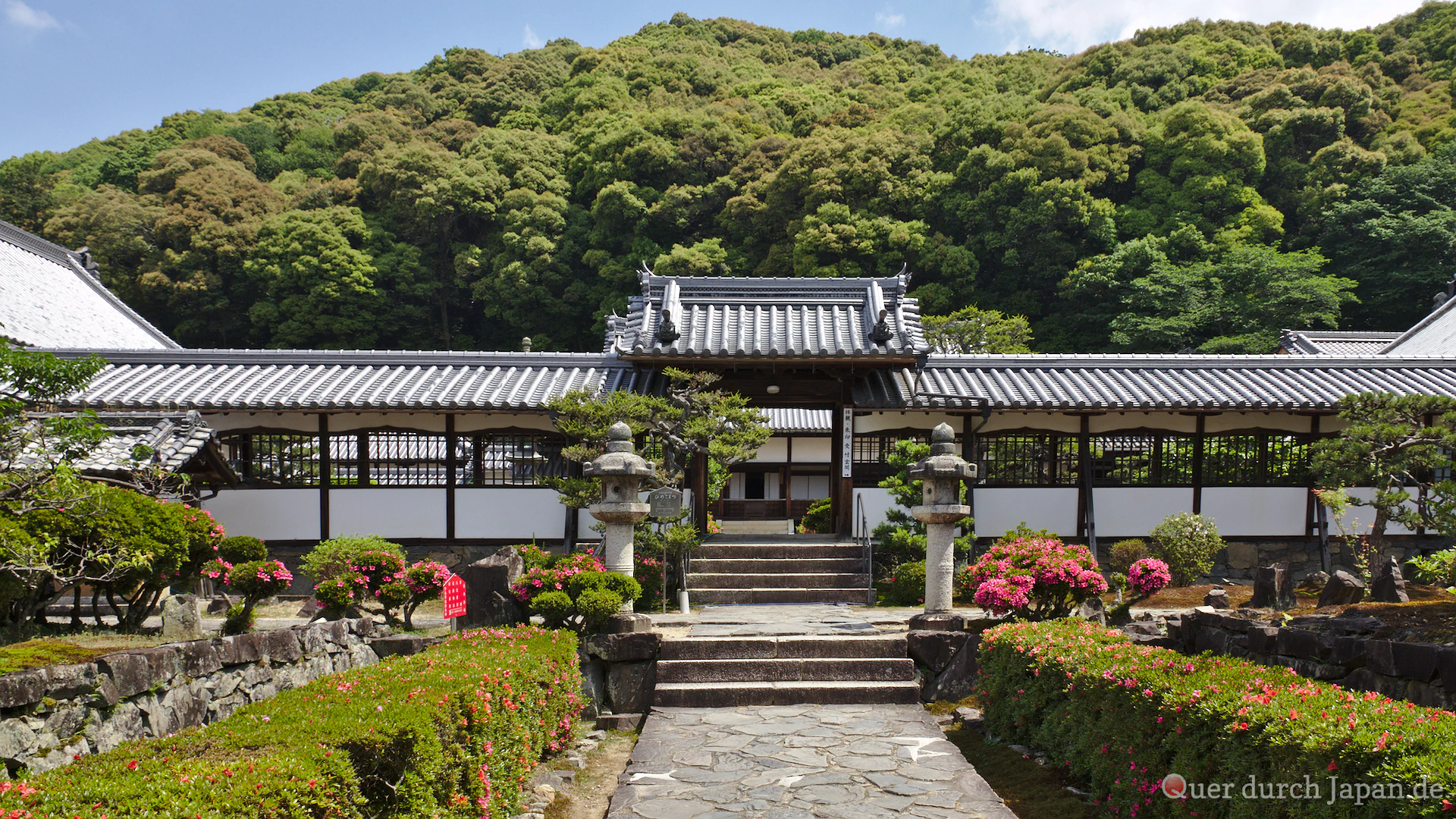
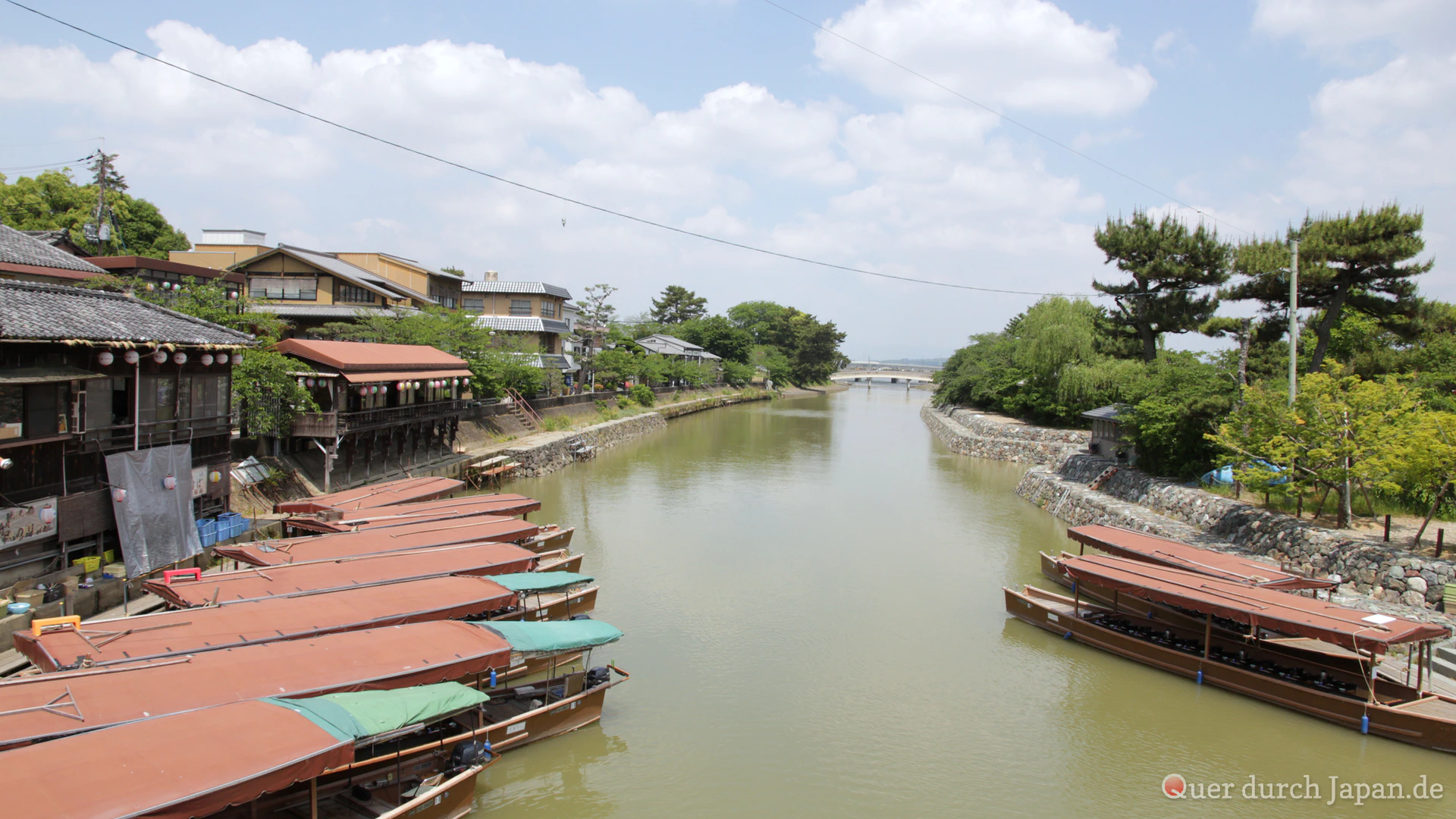
Today, we headed out to the little town of Uji first. The most spectacular building there is the Byōdō-in temple, but we really liked the Kōshō-ji as well.

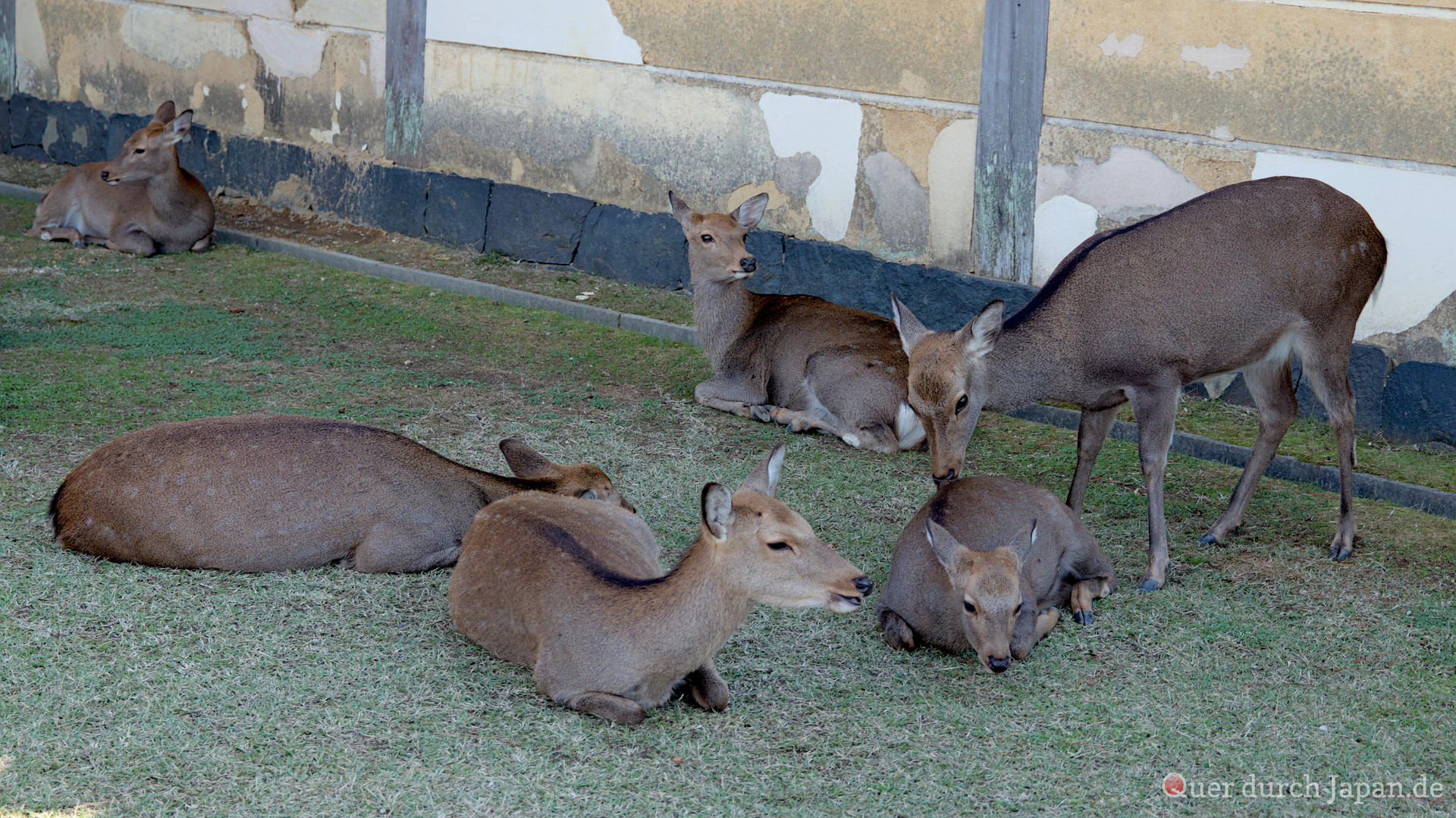
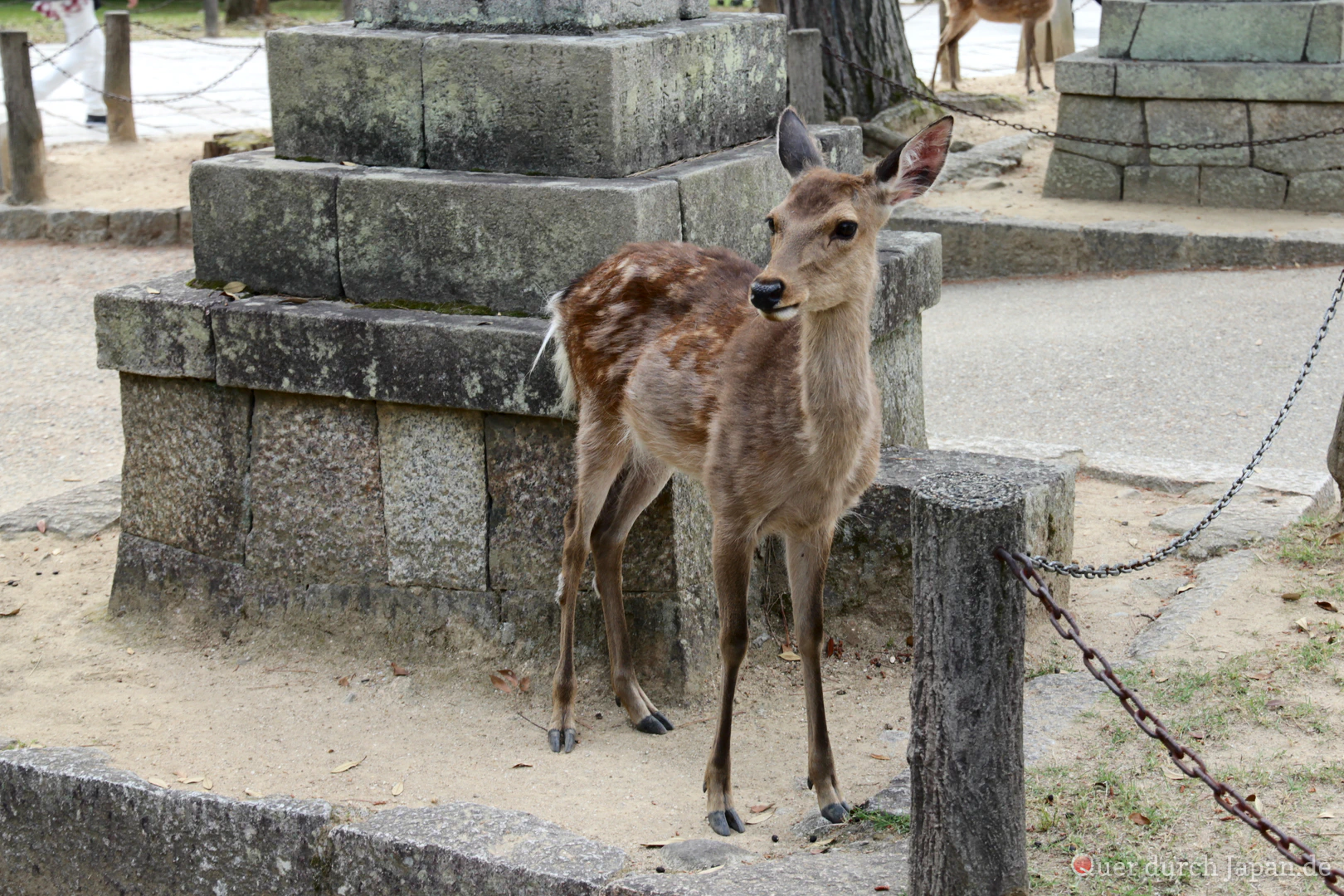
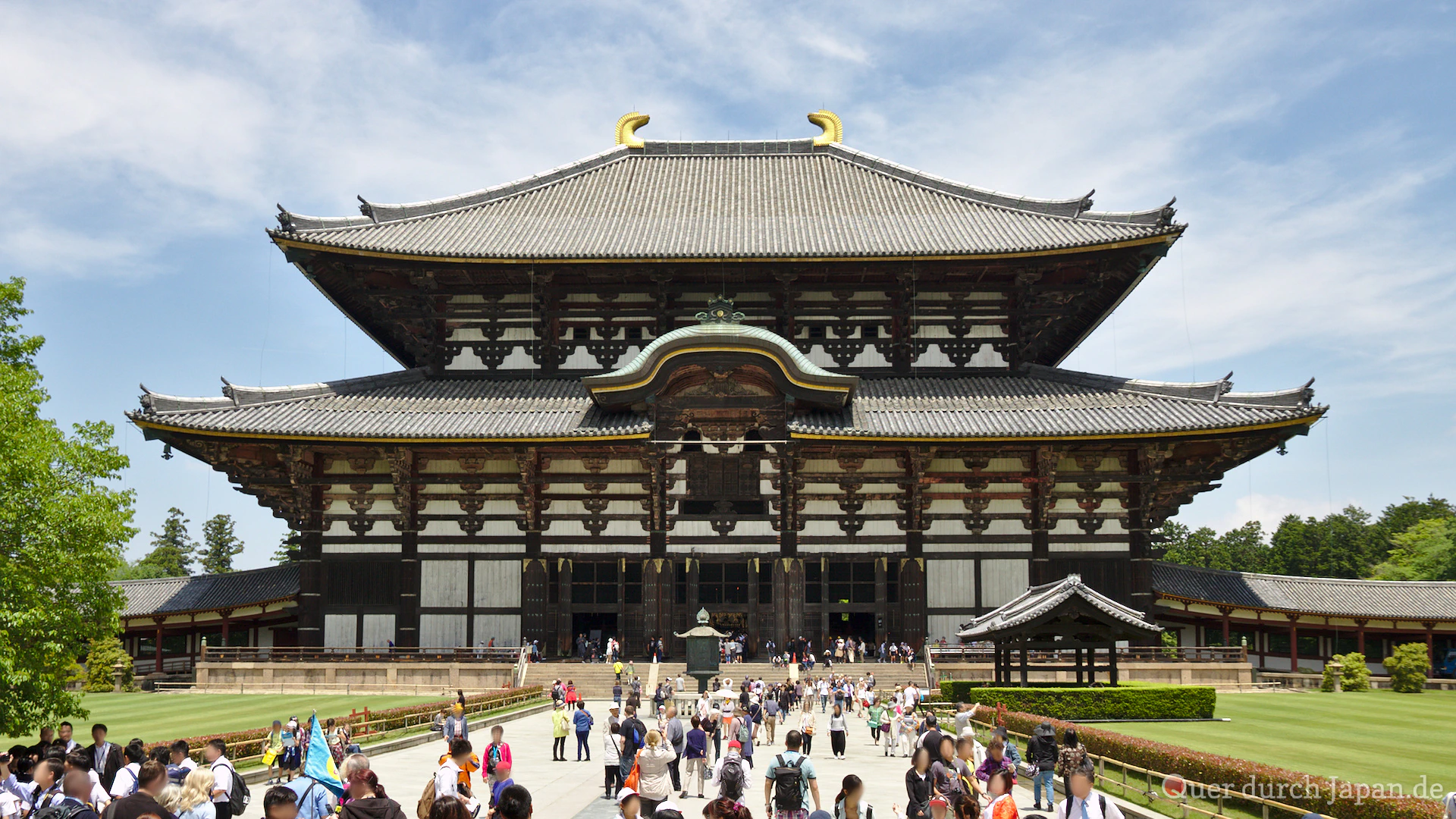
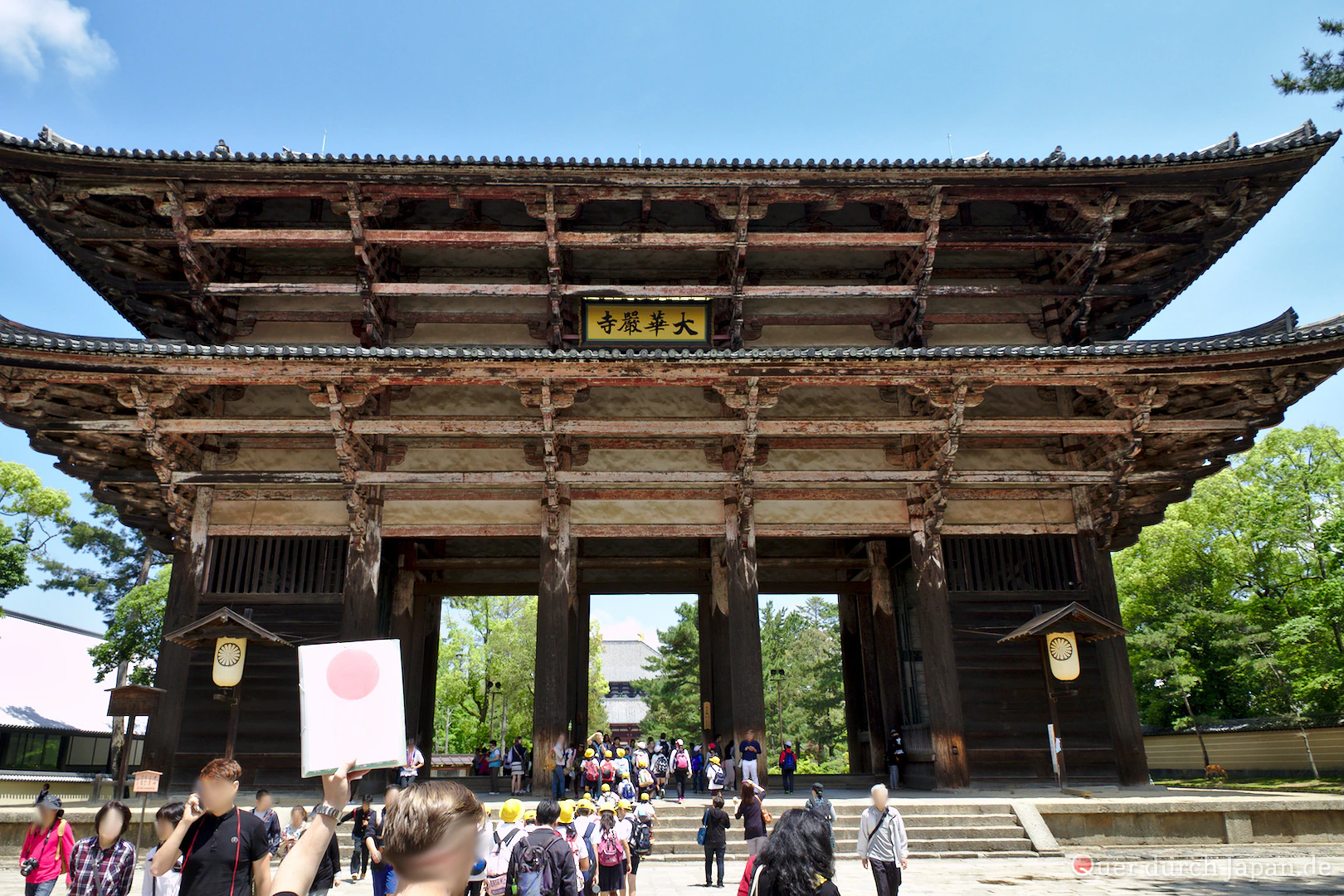
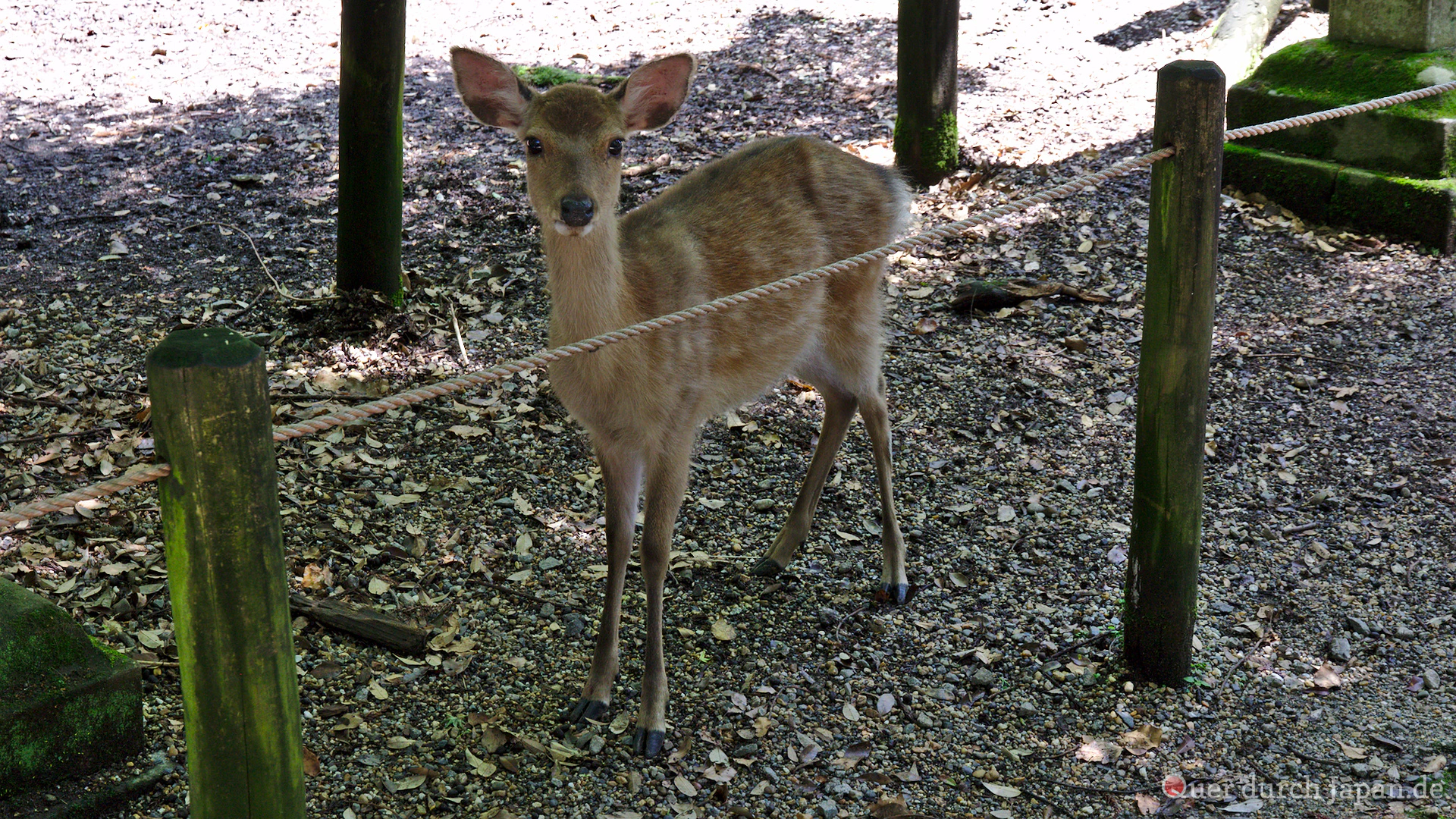
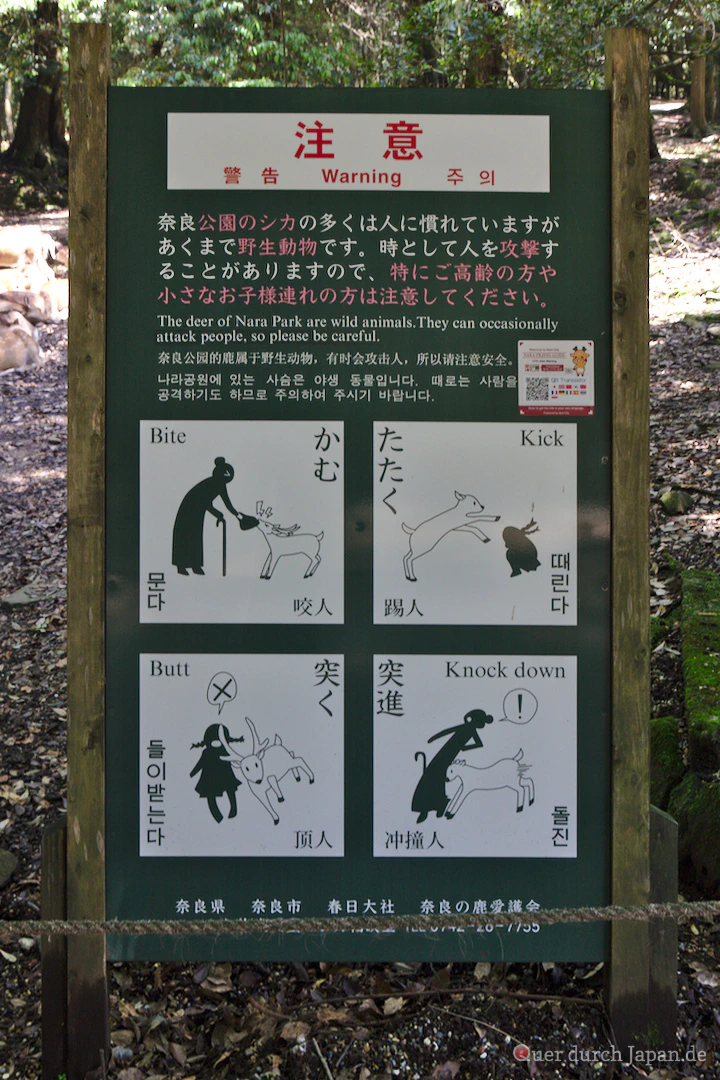
Next stop was Nara, known for its temples and shrines, but also for its tame deer that eat right out of the tourists’ hands. The main building there is the Tōdai-ji, the biggest wooden building in the world with a 15-metre-tall bronze Buddha inside. We’ve already seen this temple twice, a third time would be too much of a good thing. Instead, we visited the Kasuga Taisha with its hundreds of lanterns.

Travel Journal 2016: Nara und die Geishatänze

Today we took the train to Nara and visited Tōdai-ji with the great Buddha. After that, we hurried past the Kasuga-taisha temple with its thousand lanterns. We would’ve loved to spend more time in Nara, but we had to be back in Kyōto on time for the next item on the programme, the “Geisha dances”.

What sounded like pure tourist folklore on the programme turned out to be a proper theatrical performance in a Kabuki theatre in Pontocho. Of course we didn’t understand a single word, but that just meant we could pay more attention to the costumes and the singing.

After the show, we got chatting with a Japanese guy who was probably wondering how a group of foreigners had managed to wander into the theatre. He explained to us that the play is really hard to understand even for Japanese people. It was the fifth act of an old 15-act play. A part of it is performed every year.

It was a really interesting experience. The music in particular - played and sung live by a small group of female musicians - sounded unusual to our westernised ears, but good.