#Sky-Tree

Travel Journal 2024: Aquarium

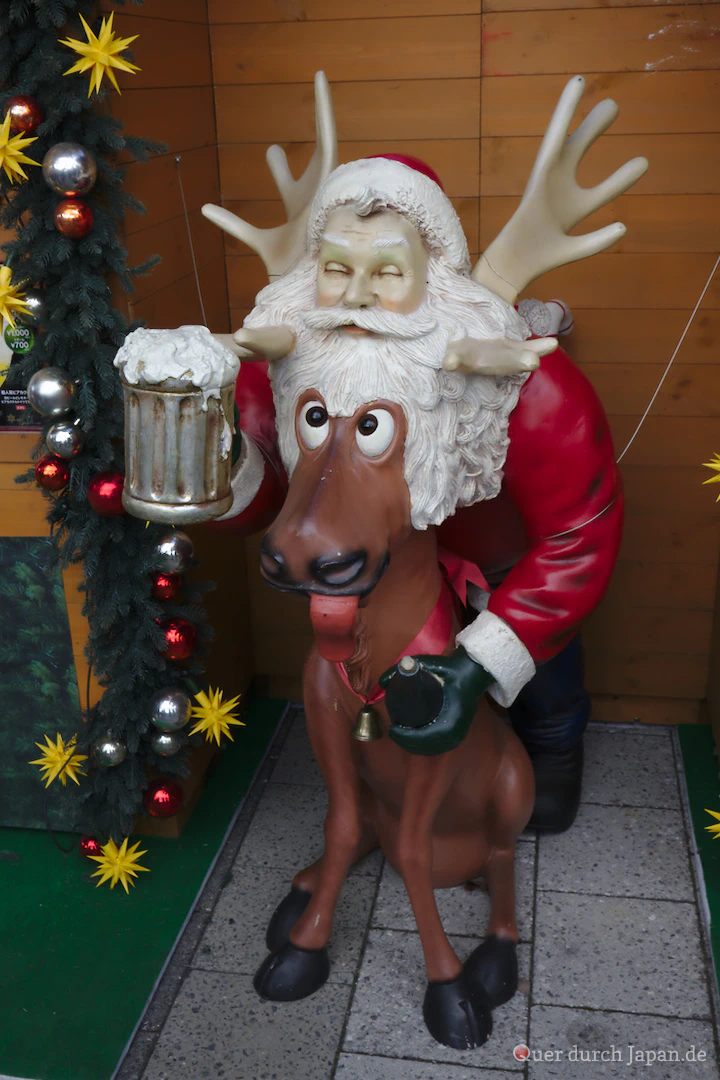
Our flight back home isn’t until late in the evening. We took the opportunity to have a bit of a look around the Tokyo Skytree. There’s a little Christmas market there where Jingle Bells plays on an endless loop and you can get “typically German” Christmas market stuff like beer, hot dogs and (cold) chips for high prices. The mulled wine was really tasty, though!

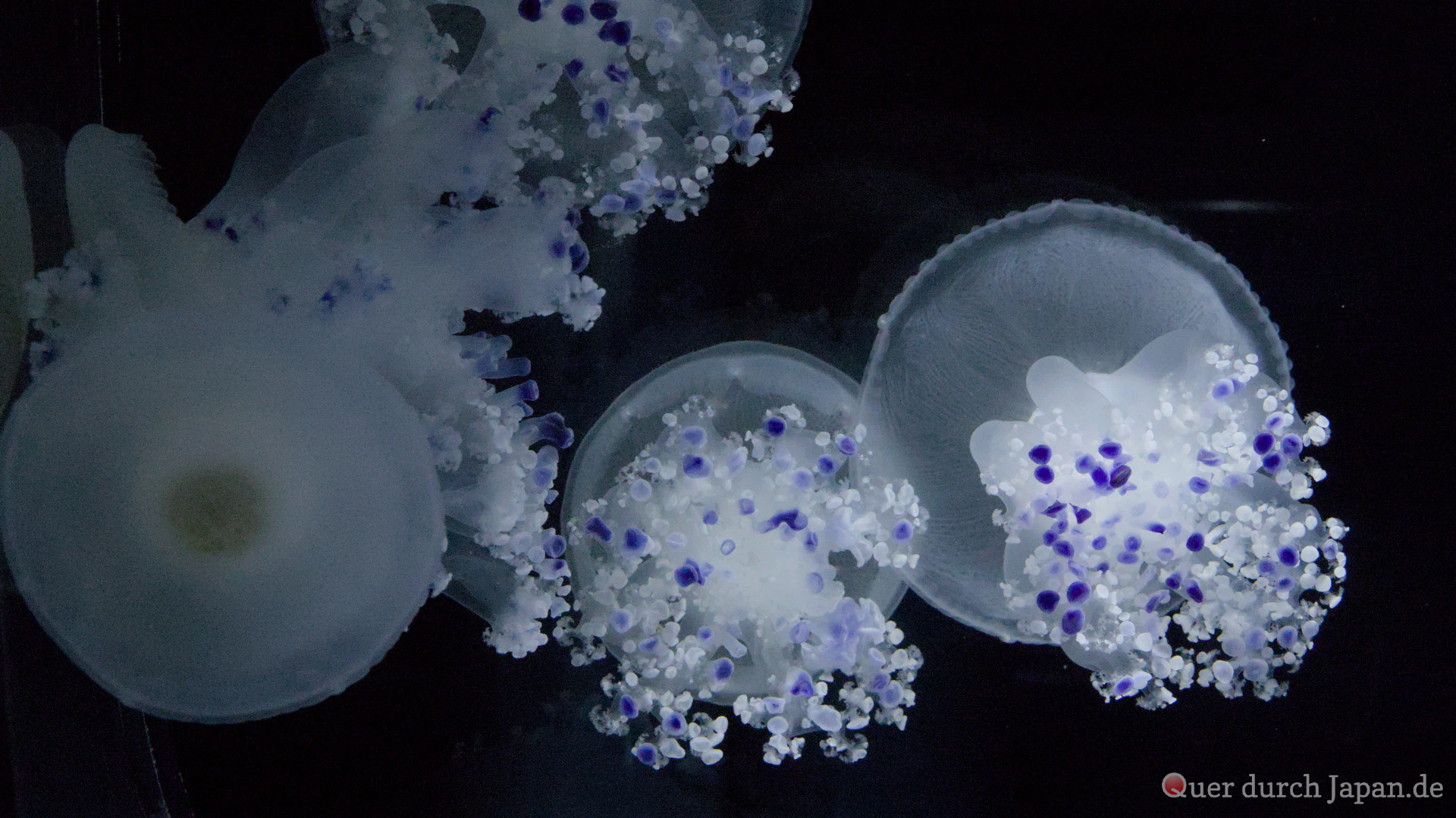
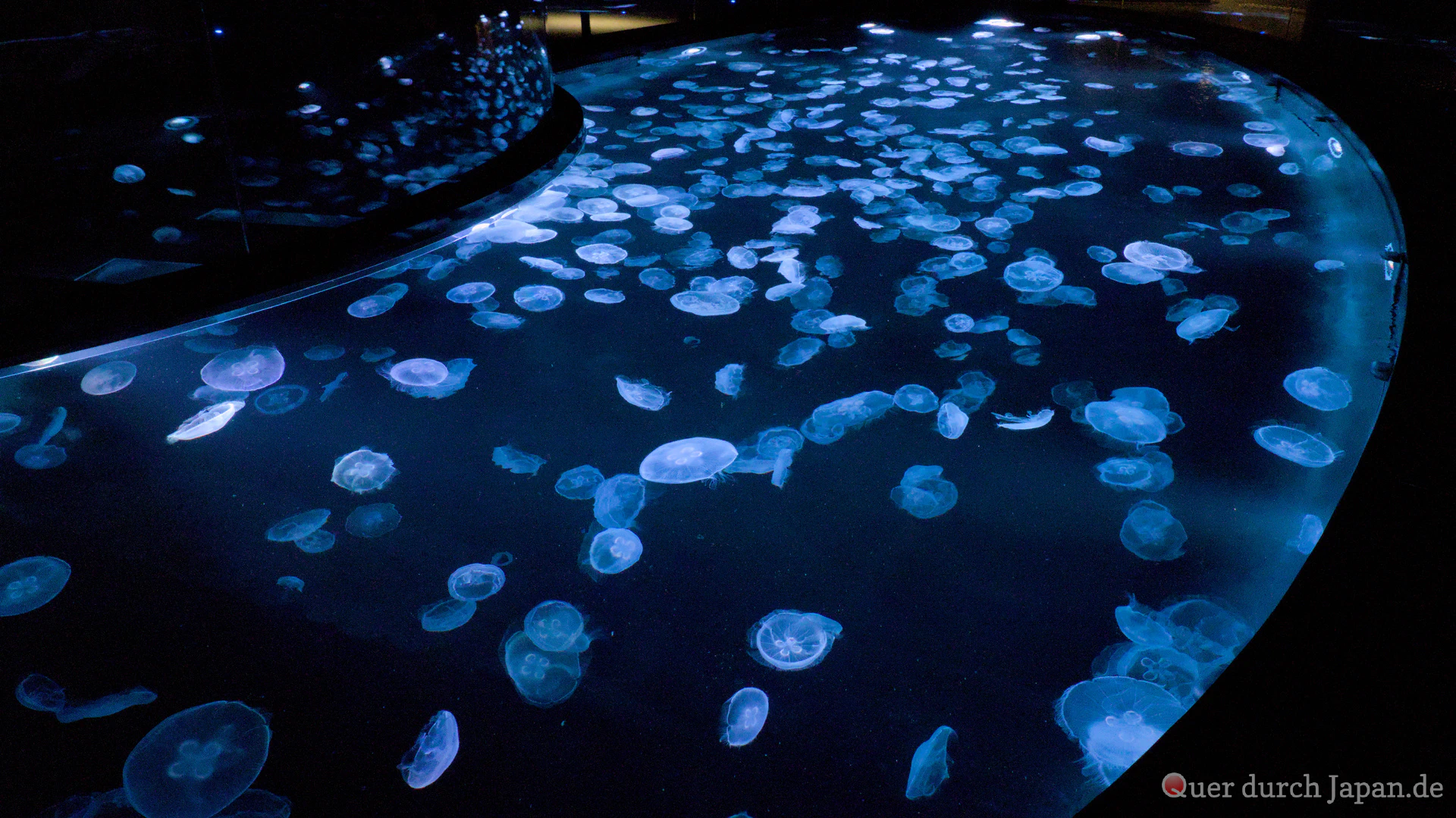
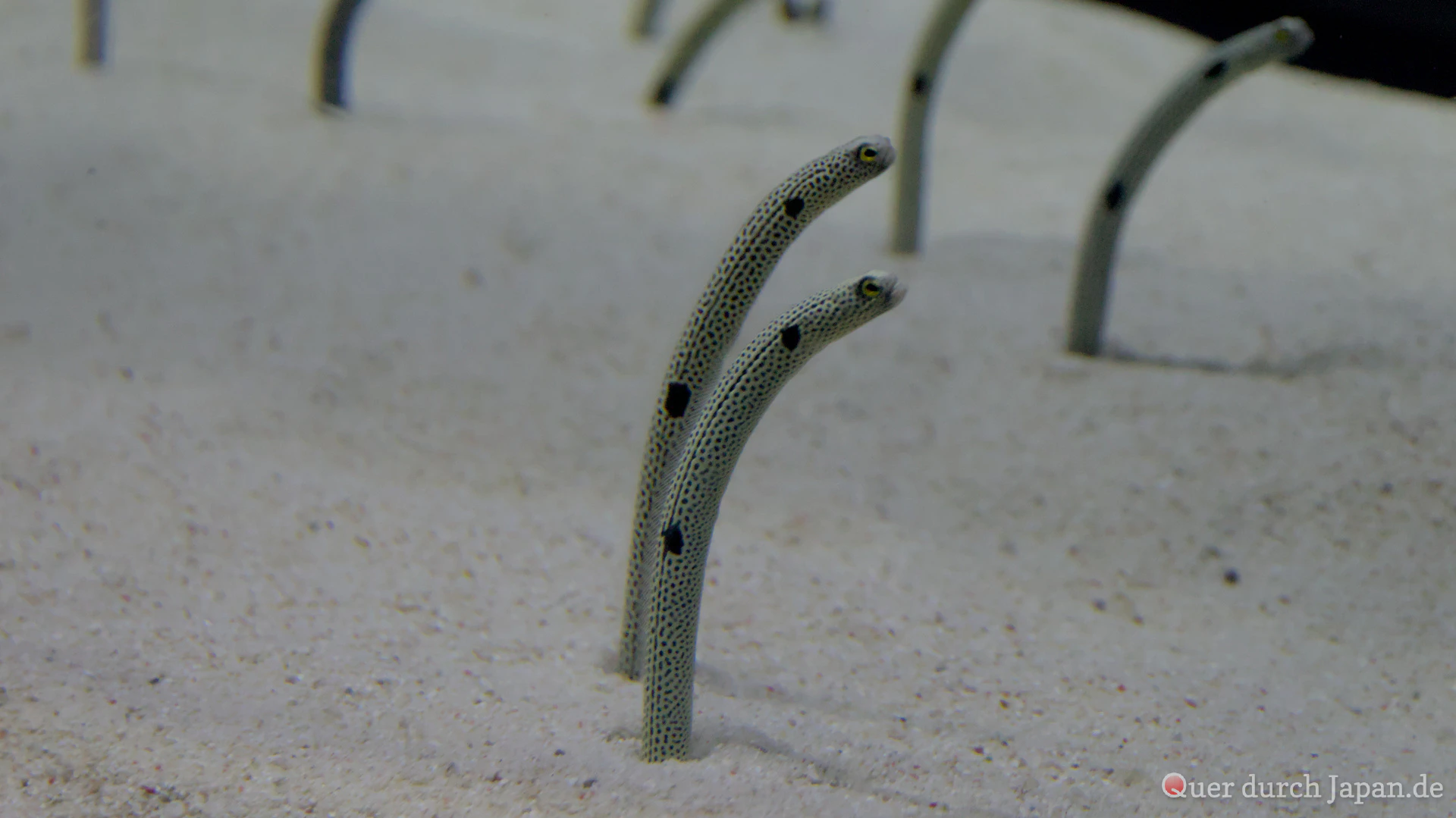
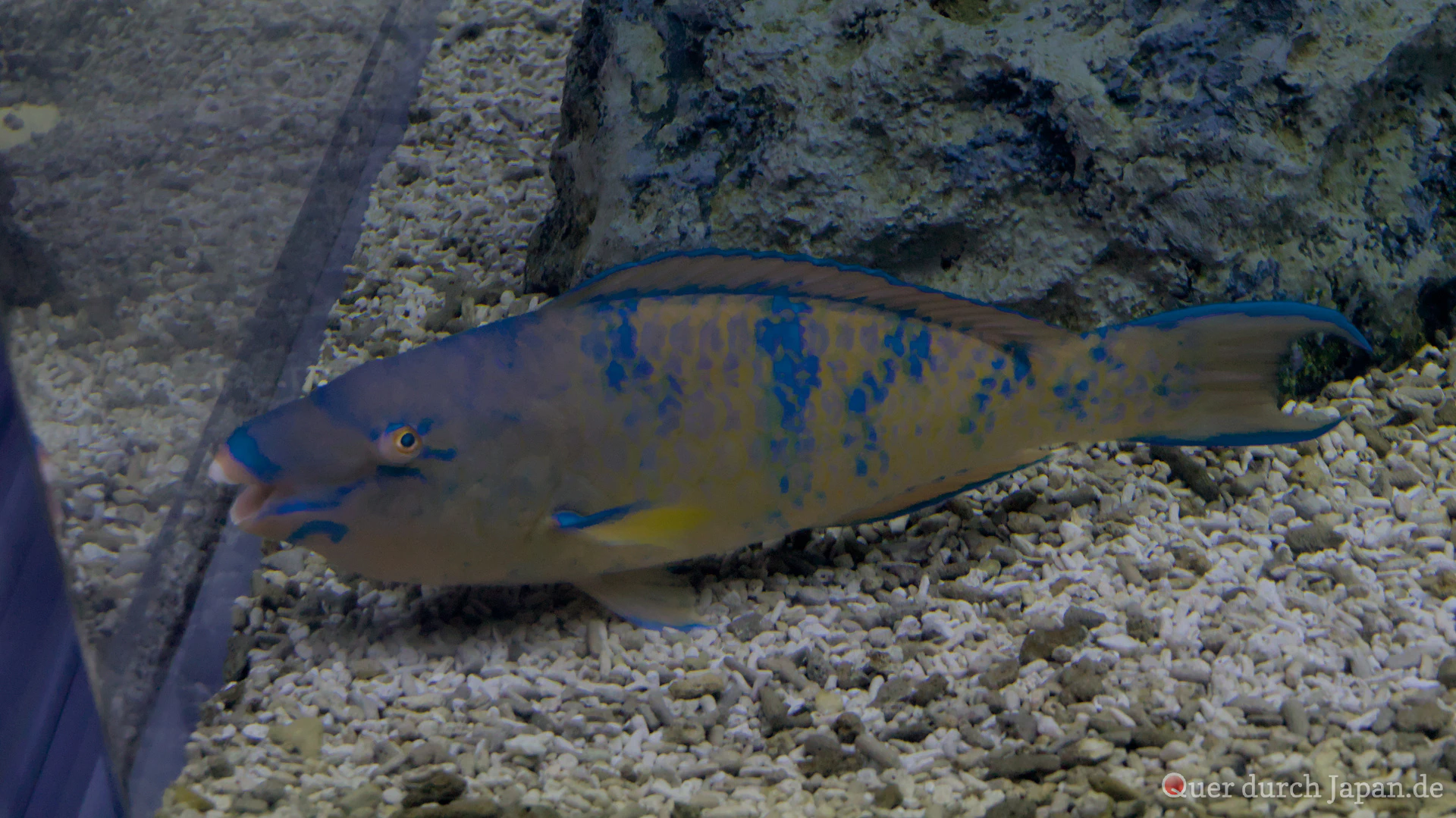
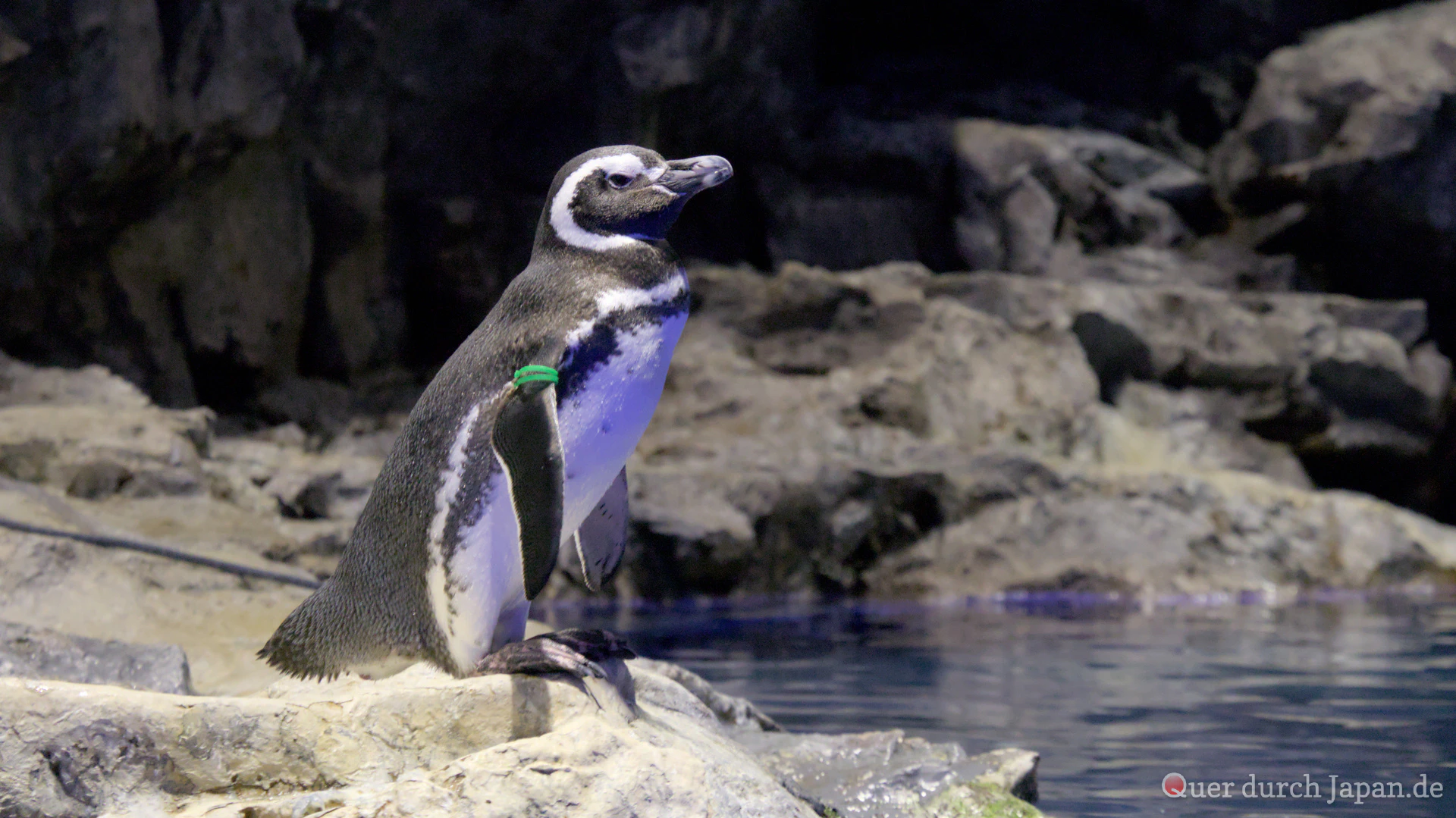
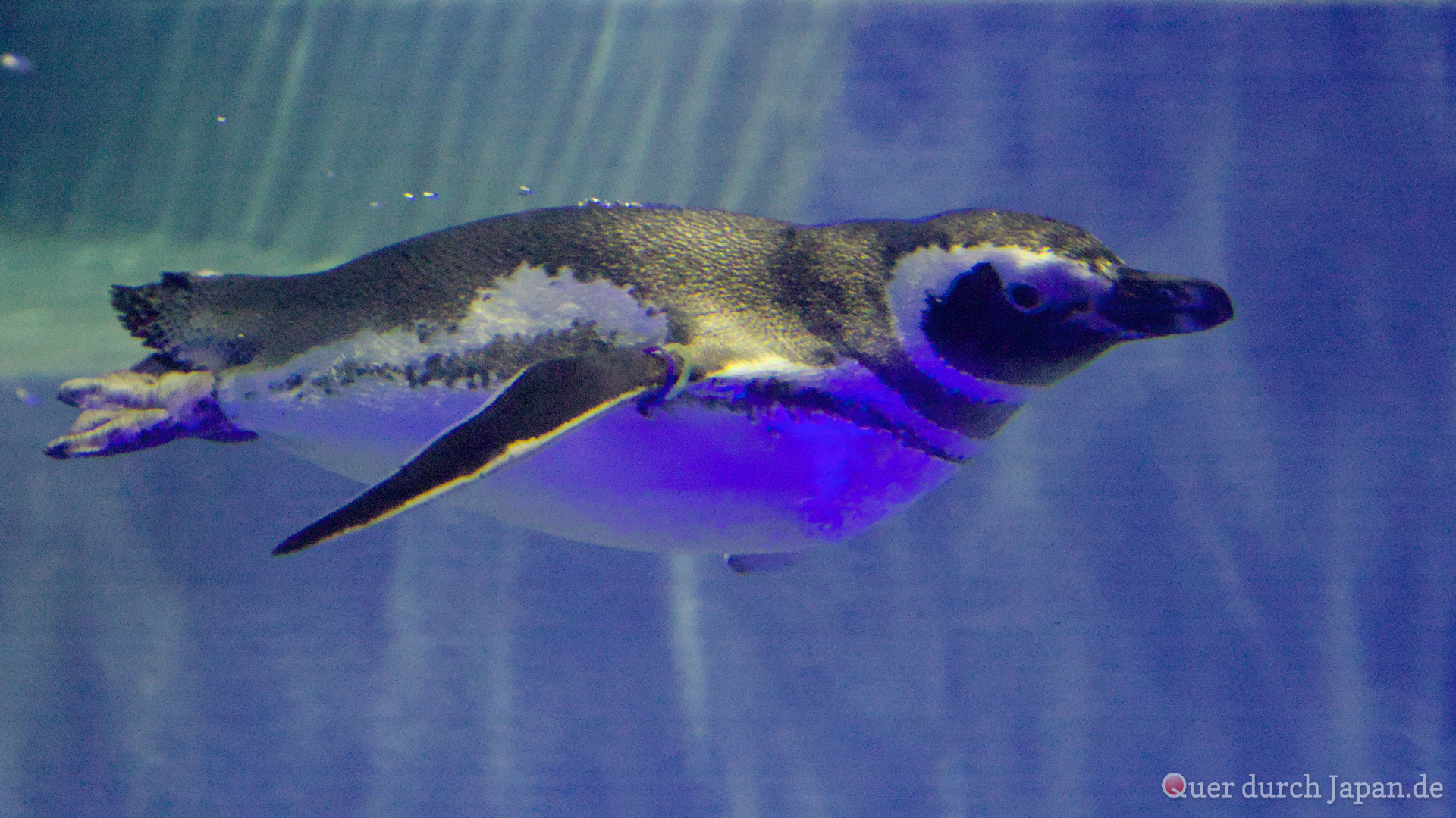
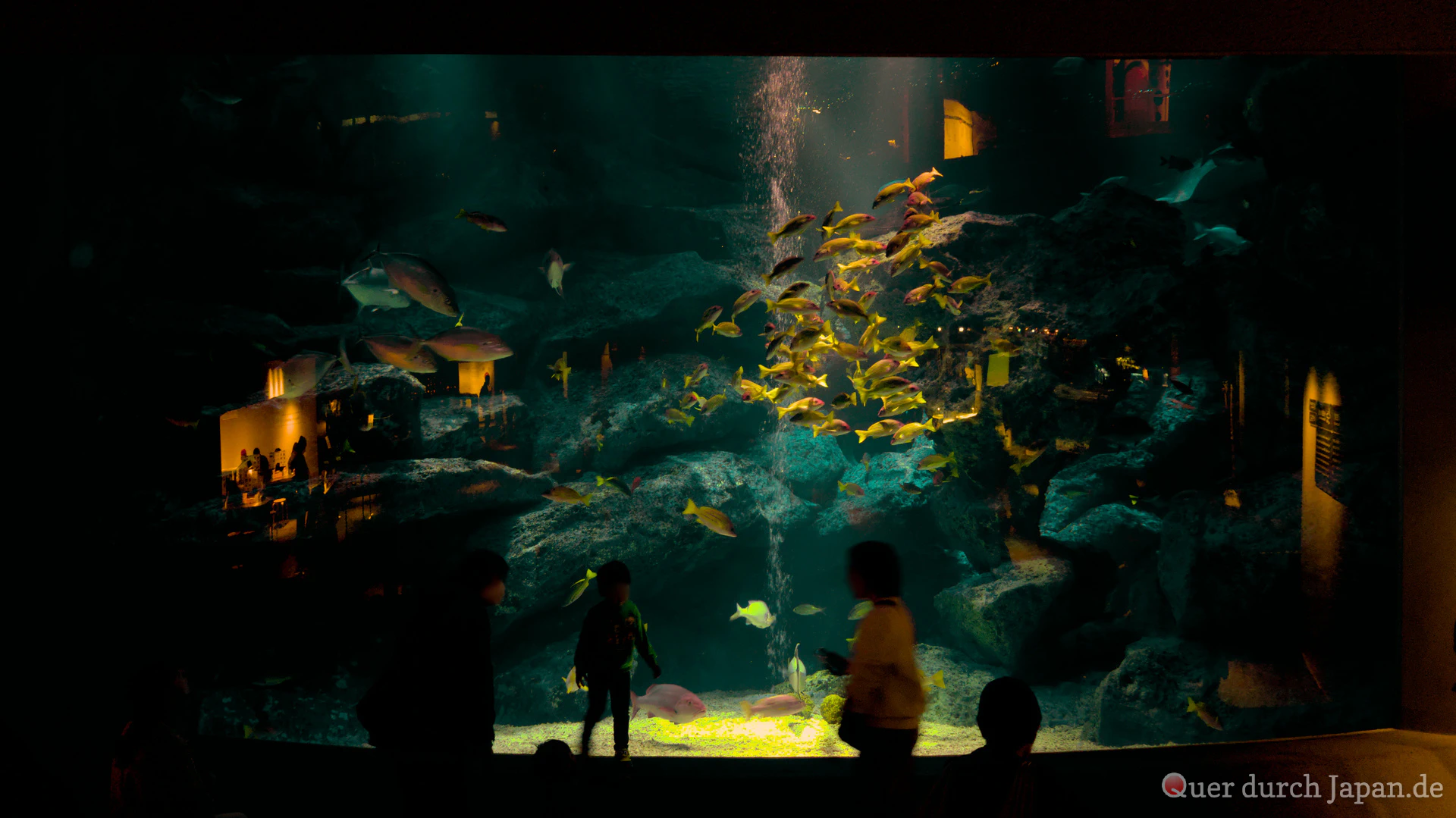
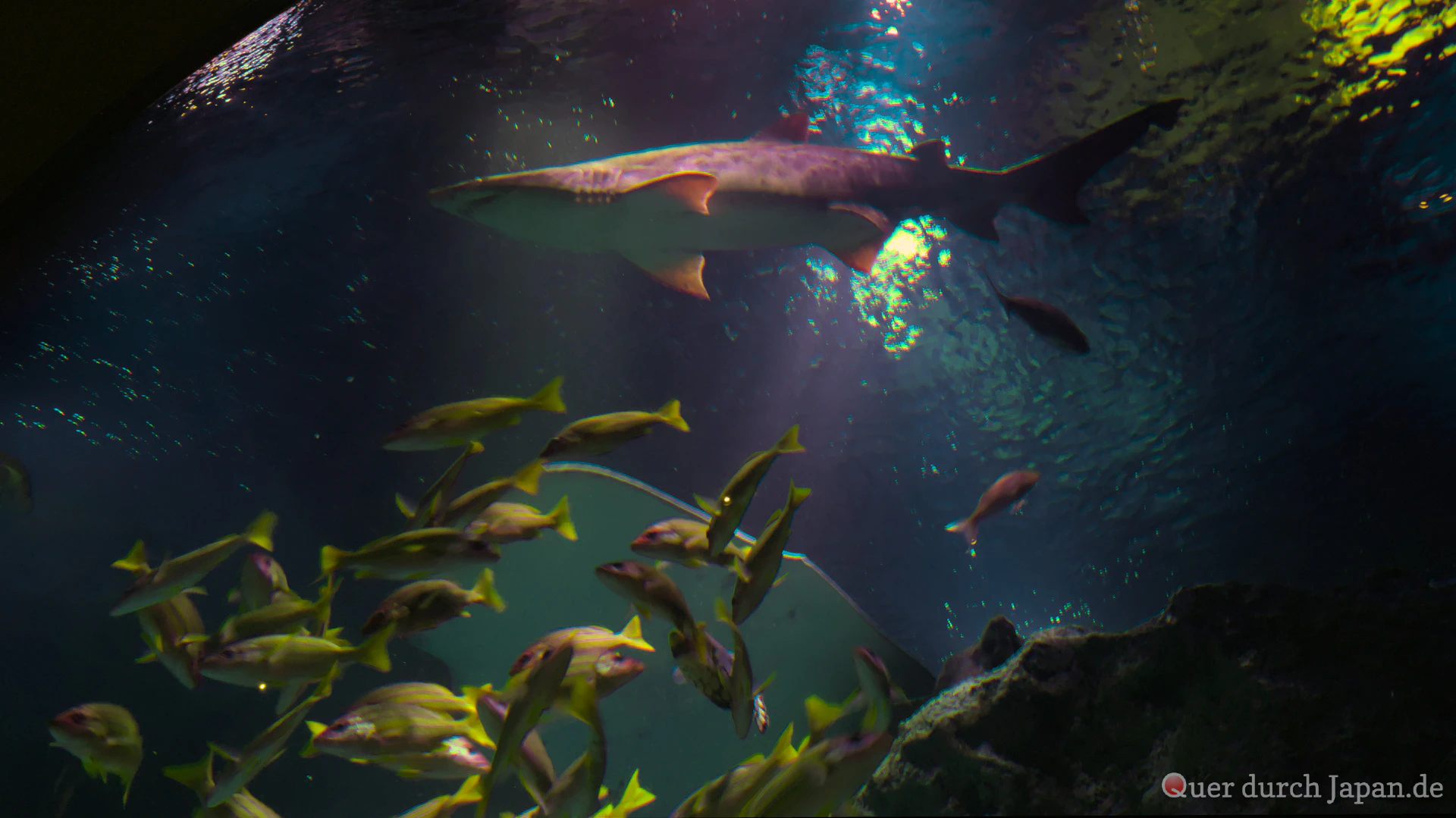
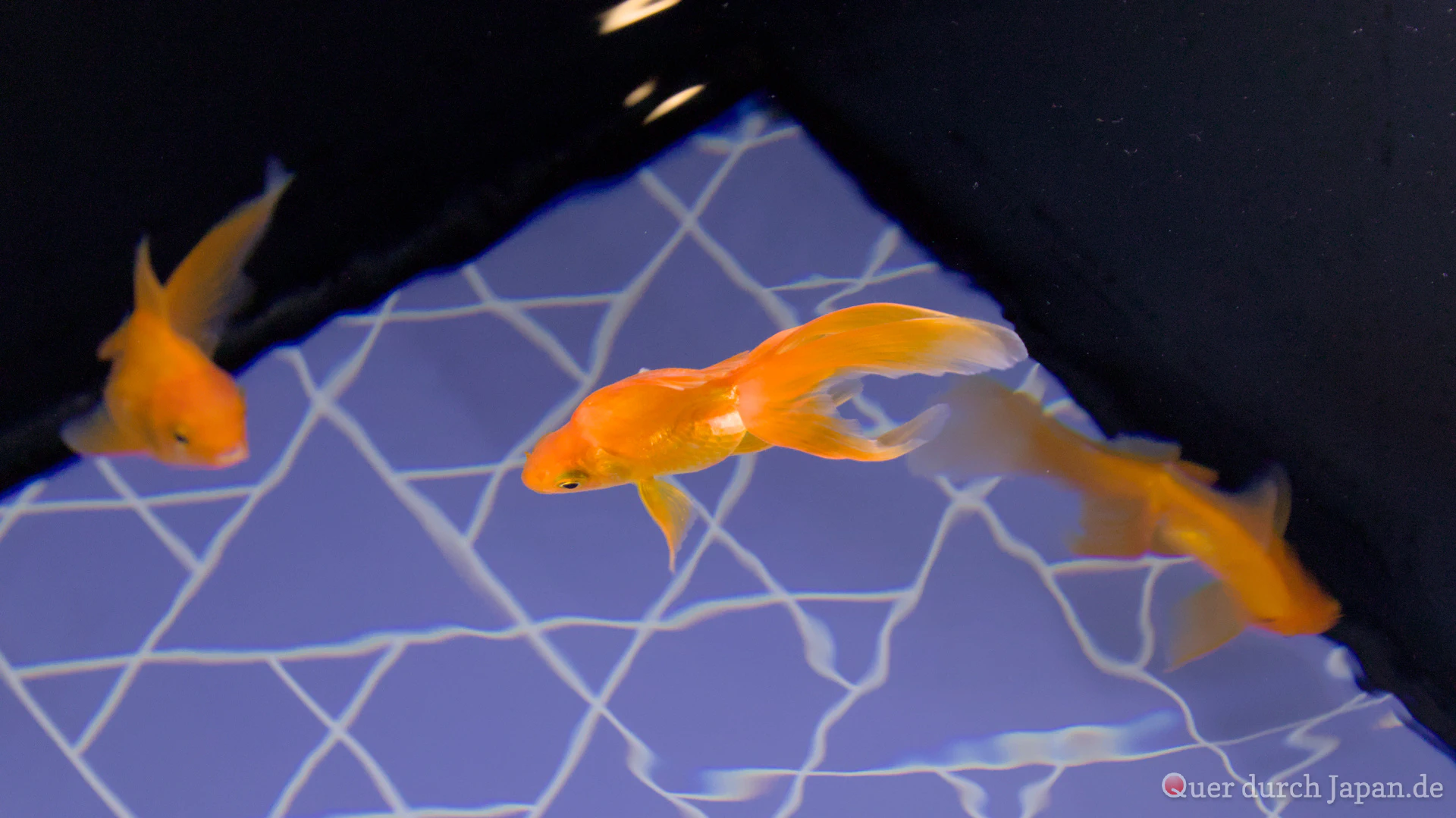
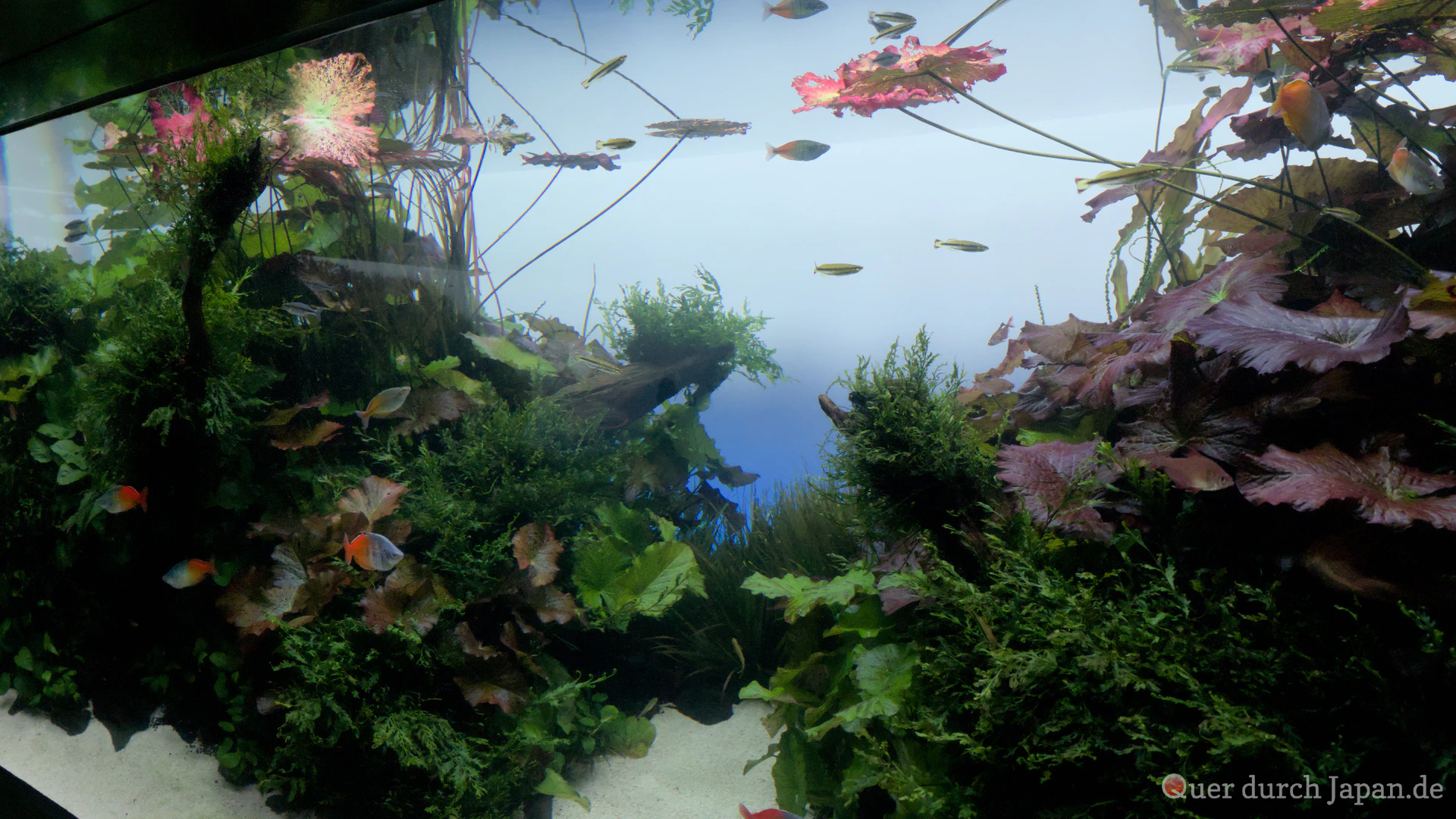
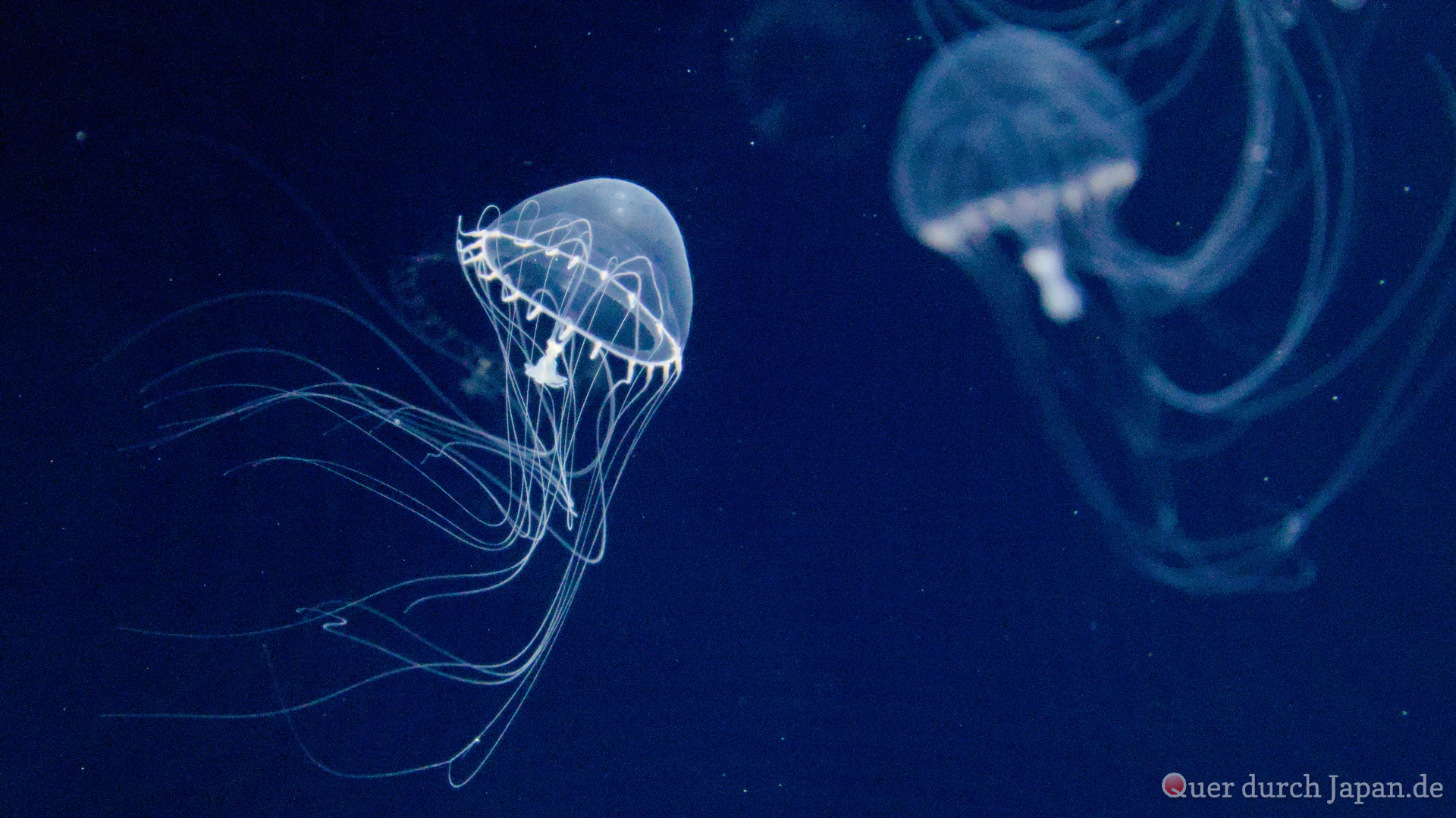
After that, we paid a visit to the Sumida Aquarium. It was a lovely place where you could chill out to some quiet music and watch the fish, penguins and jellyfish.

It’s with a heavy heart that we’re starting our journey back now. This was our fifth visit to the Land of the Rising Sun, and once again we’ve experienced great things, seen interesting places and met friendly, open-minded and curious people. It definitely won’t have been our last trip to Japan.
Travel Journal 2024: Goodbye

Tōkyō has a lot to offer for photography fans.

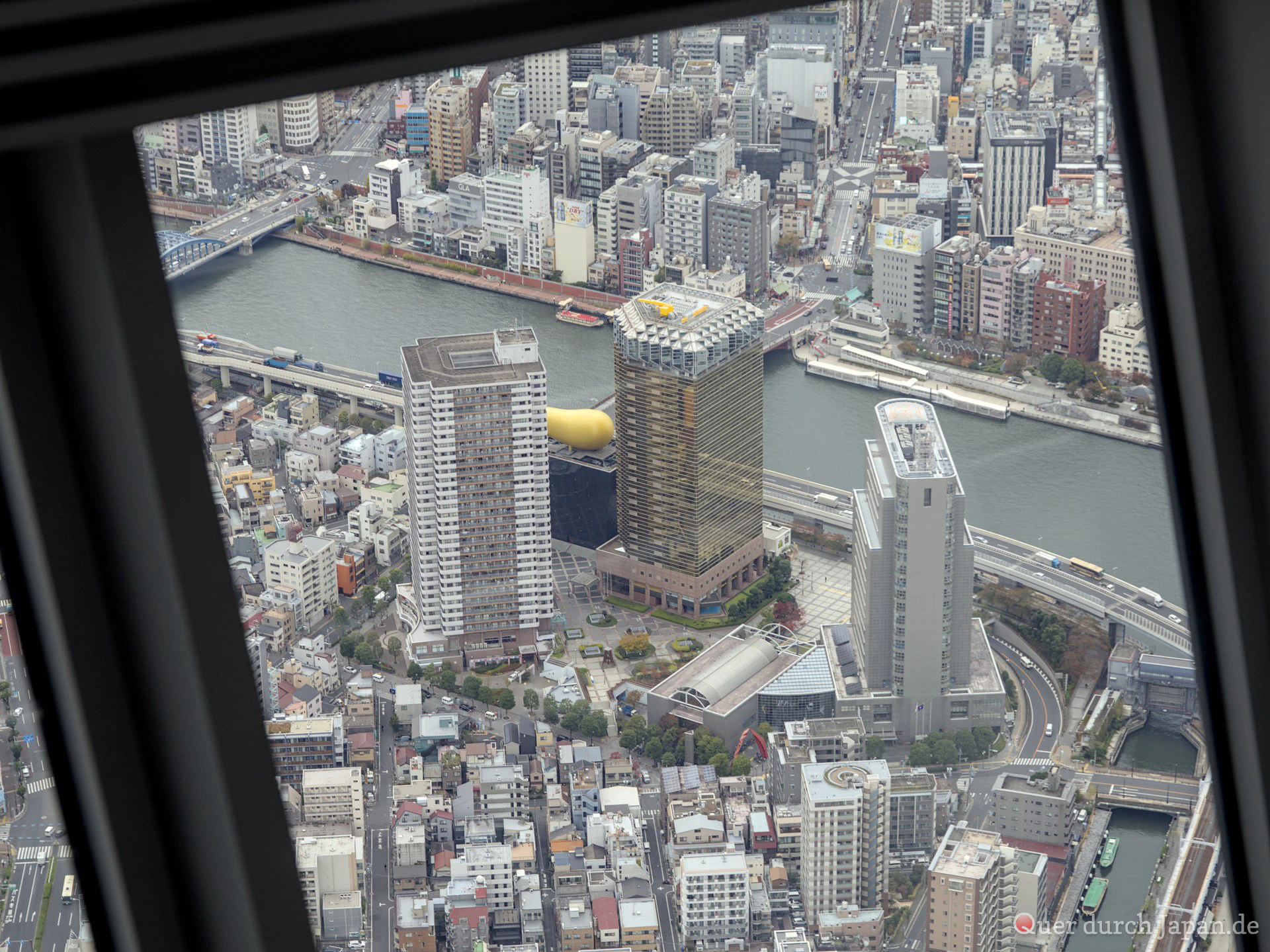
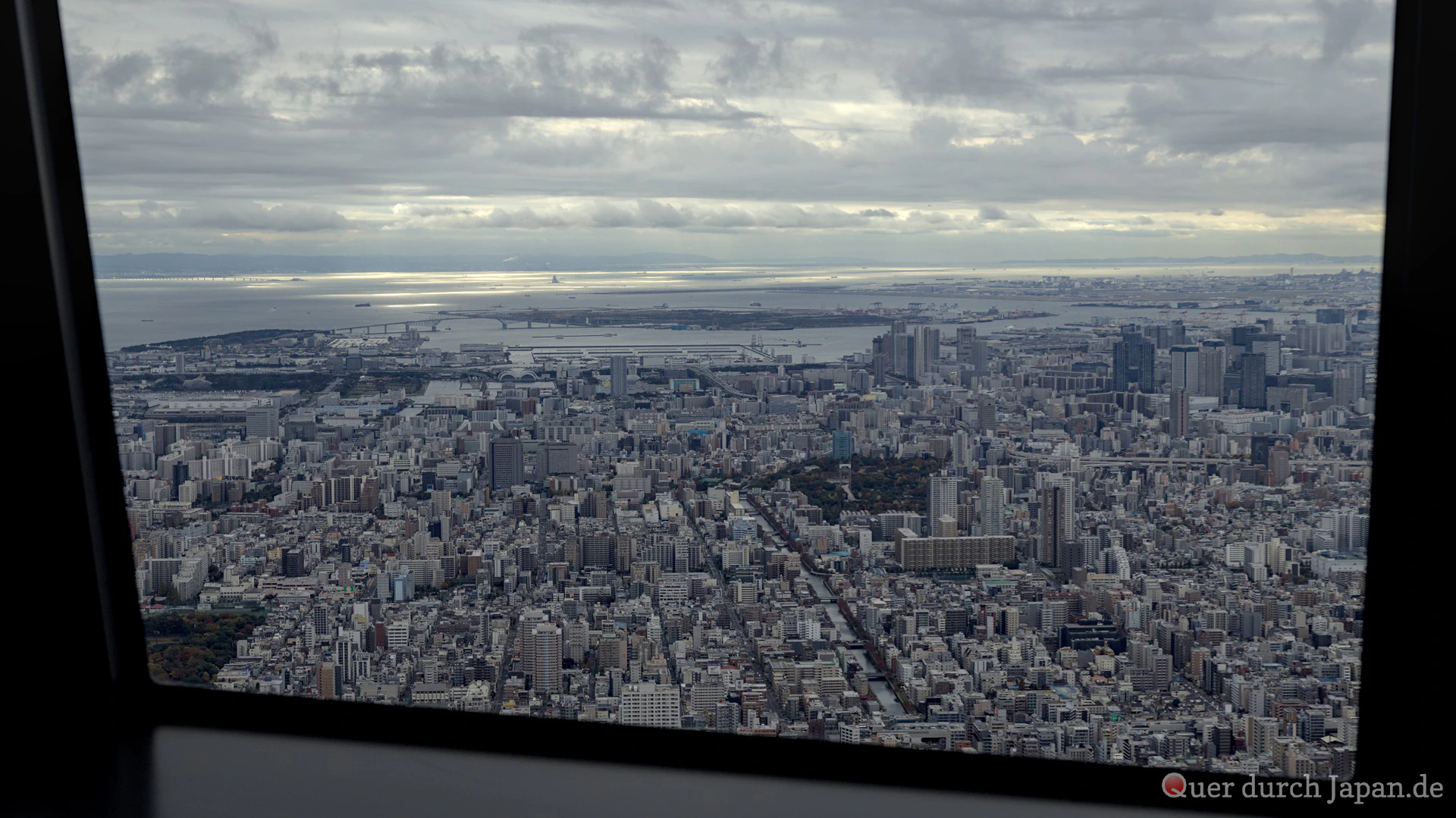
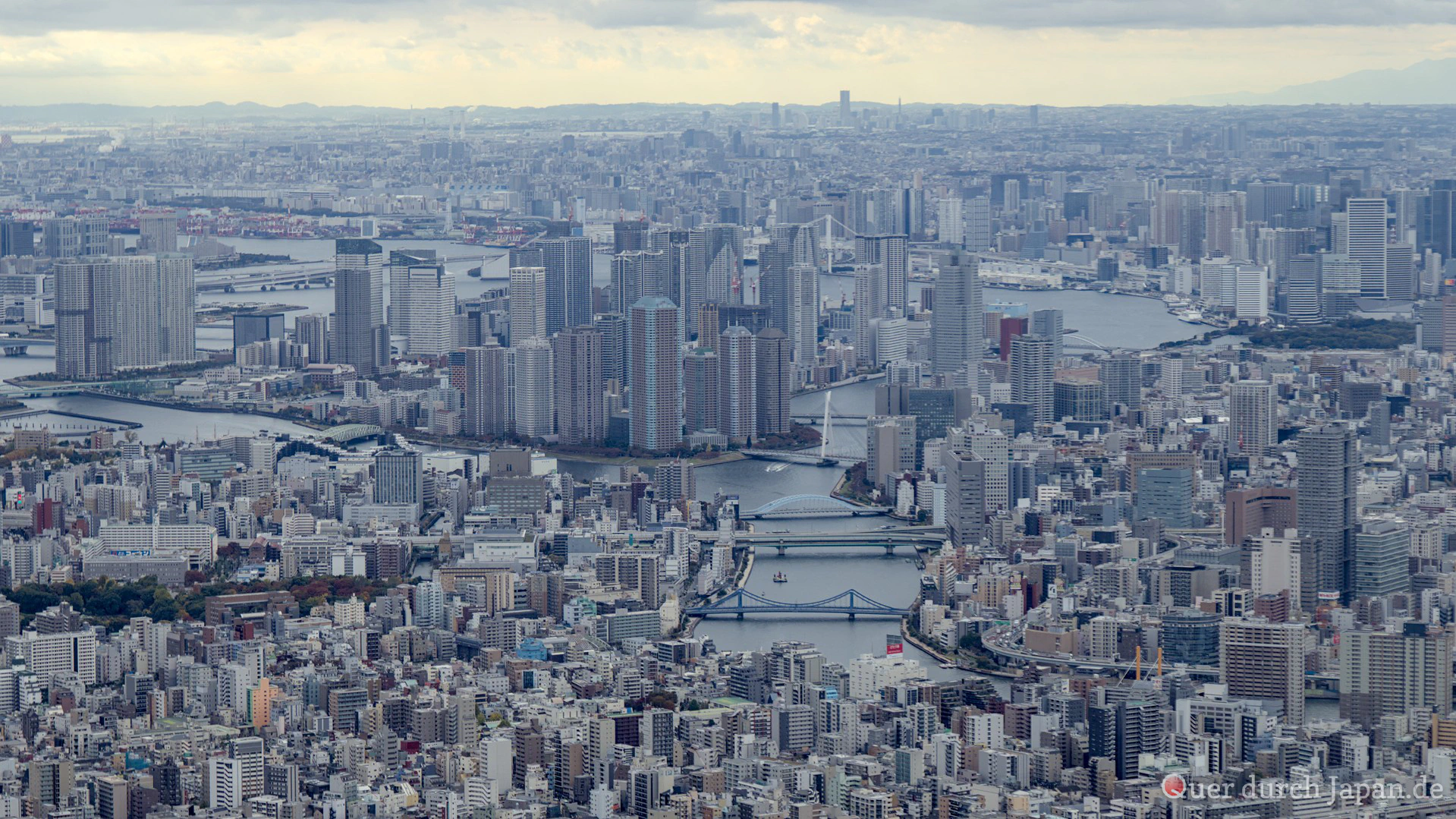
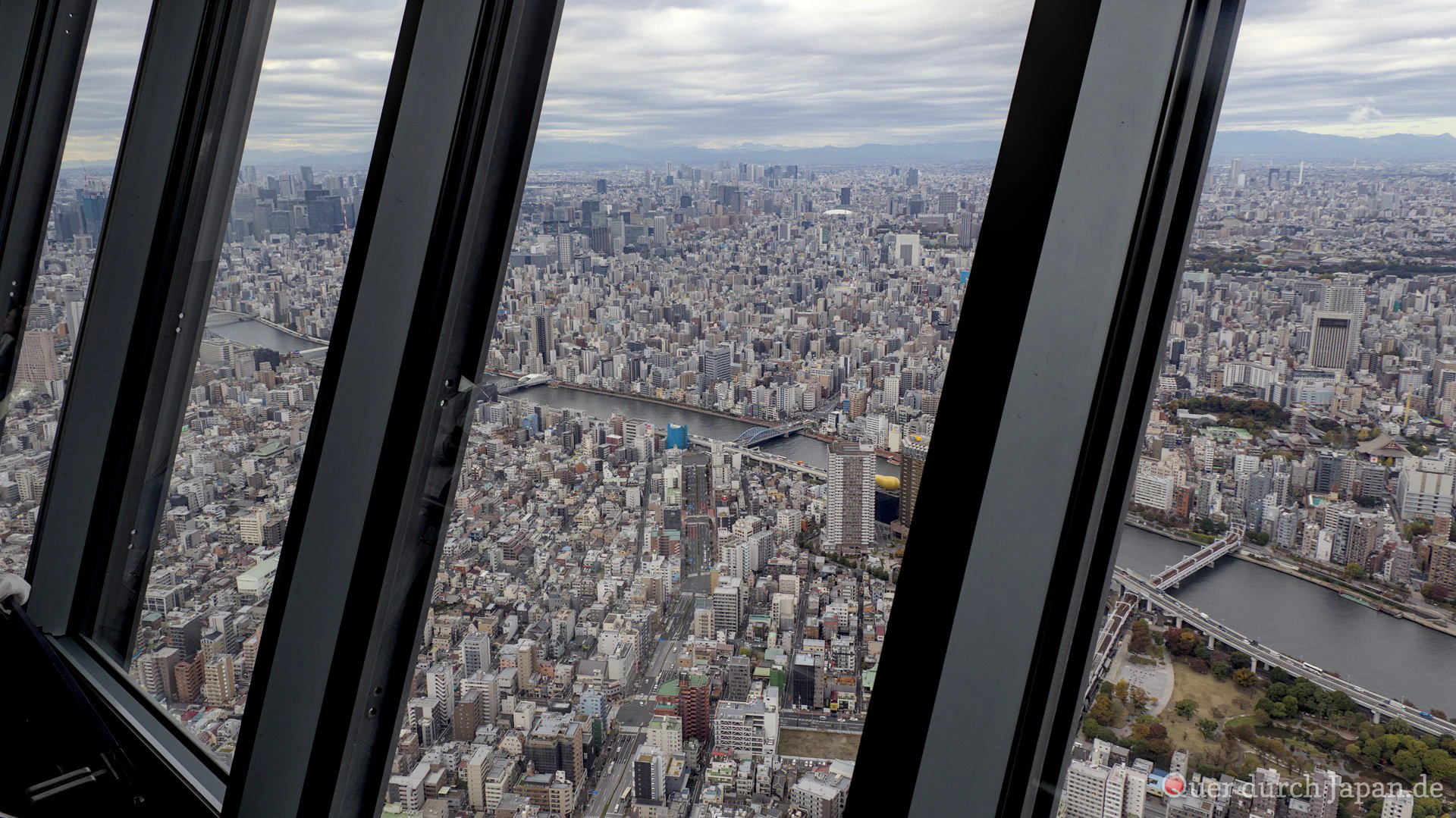
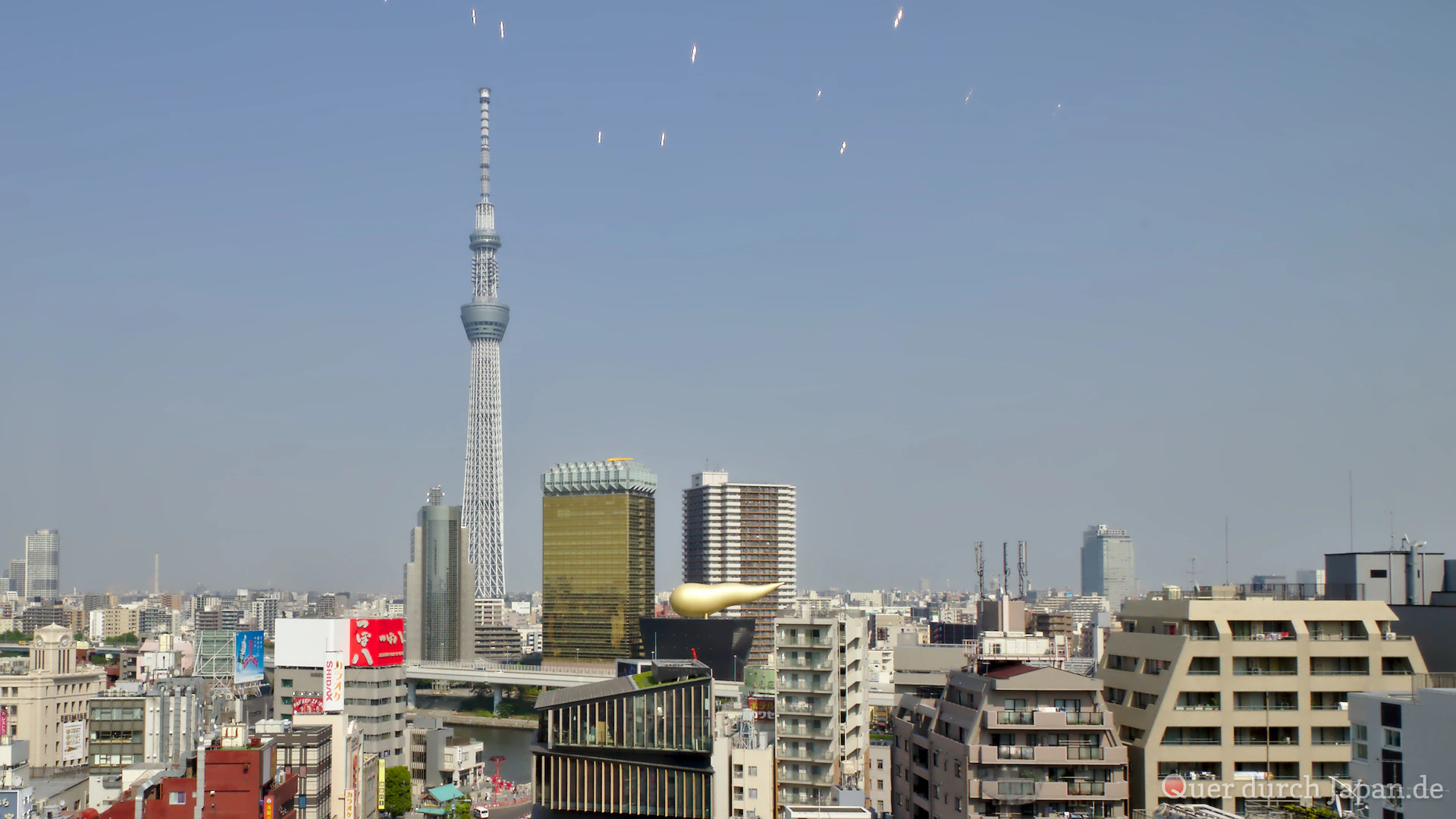
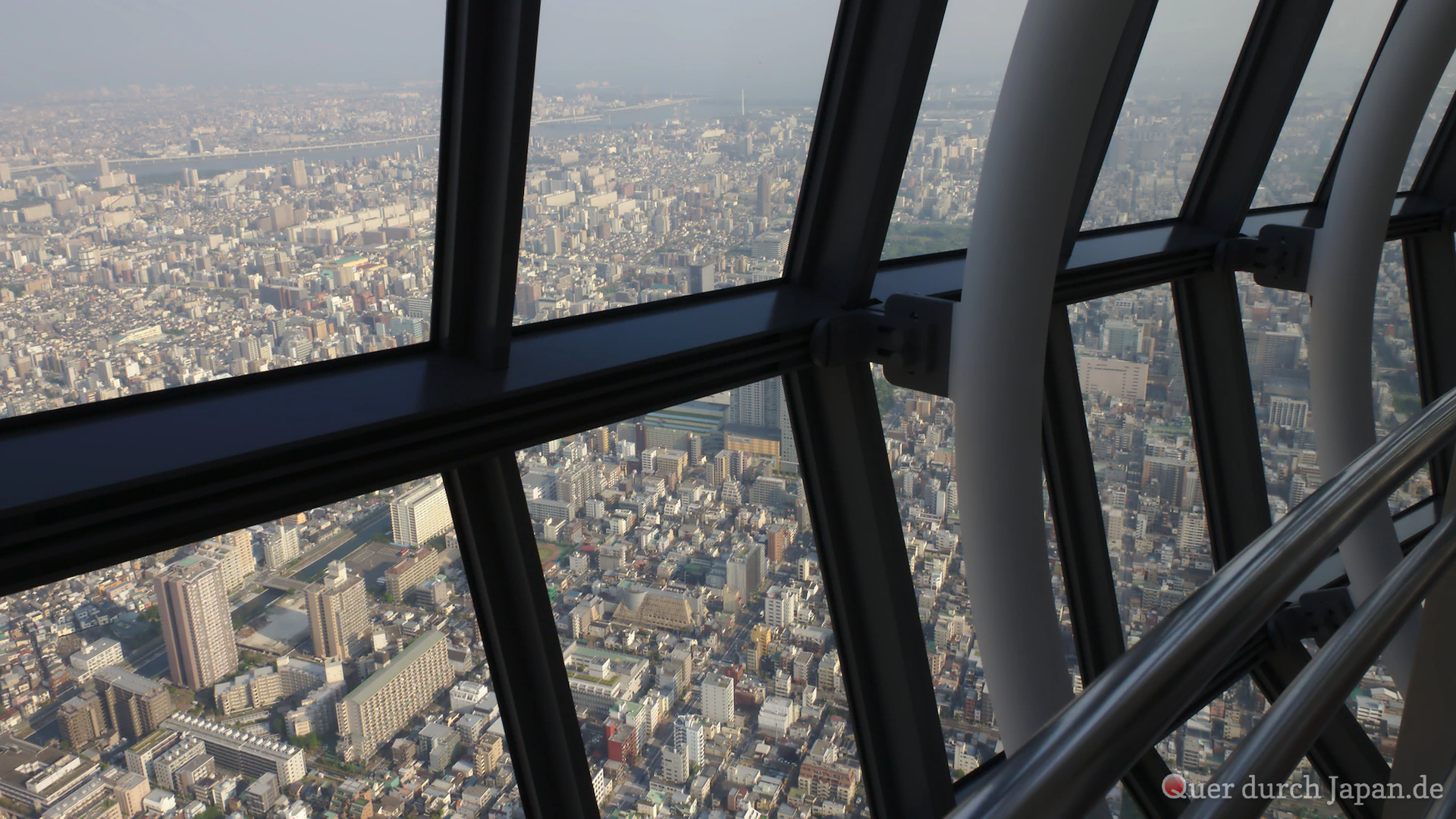
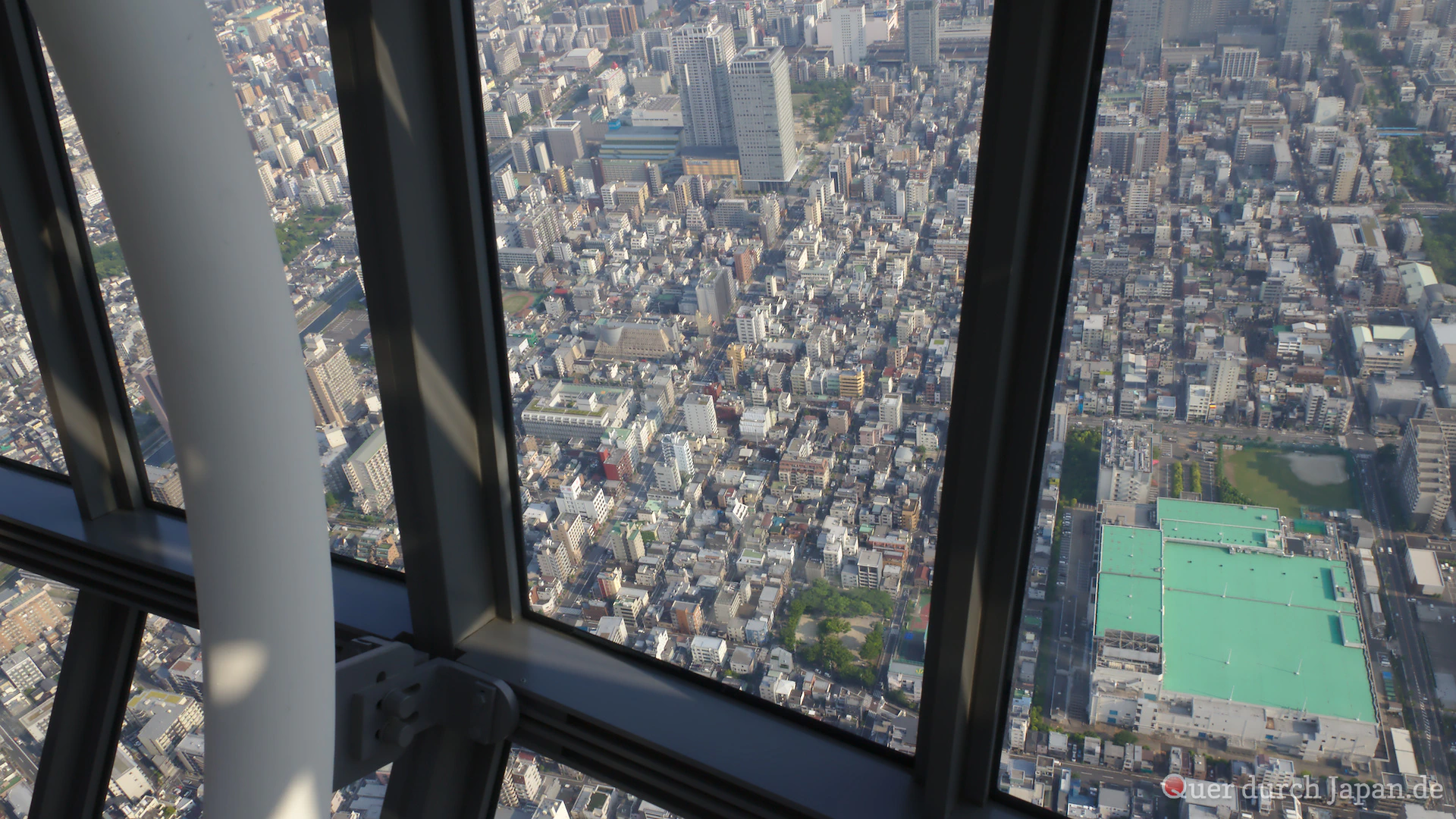
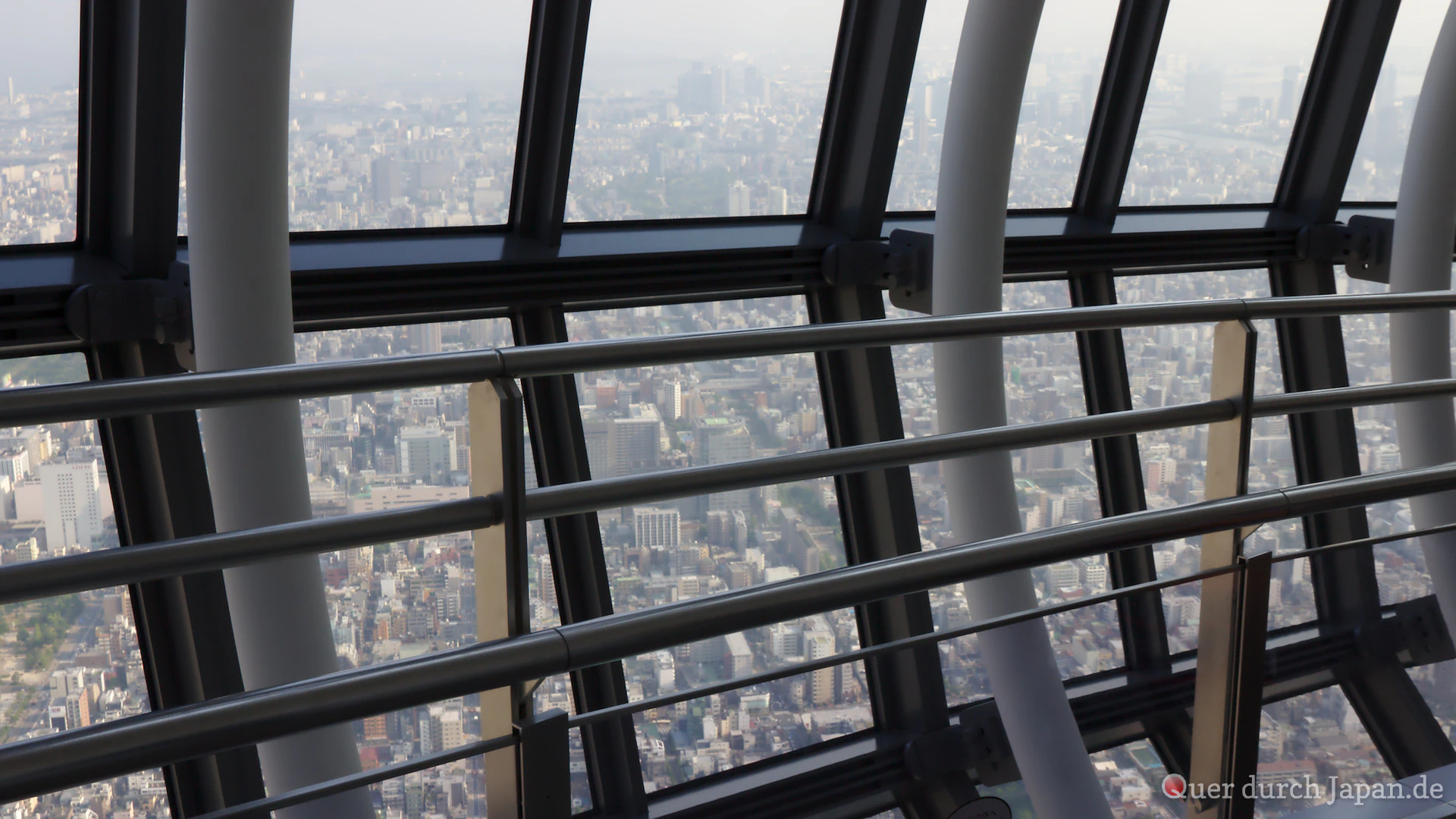
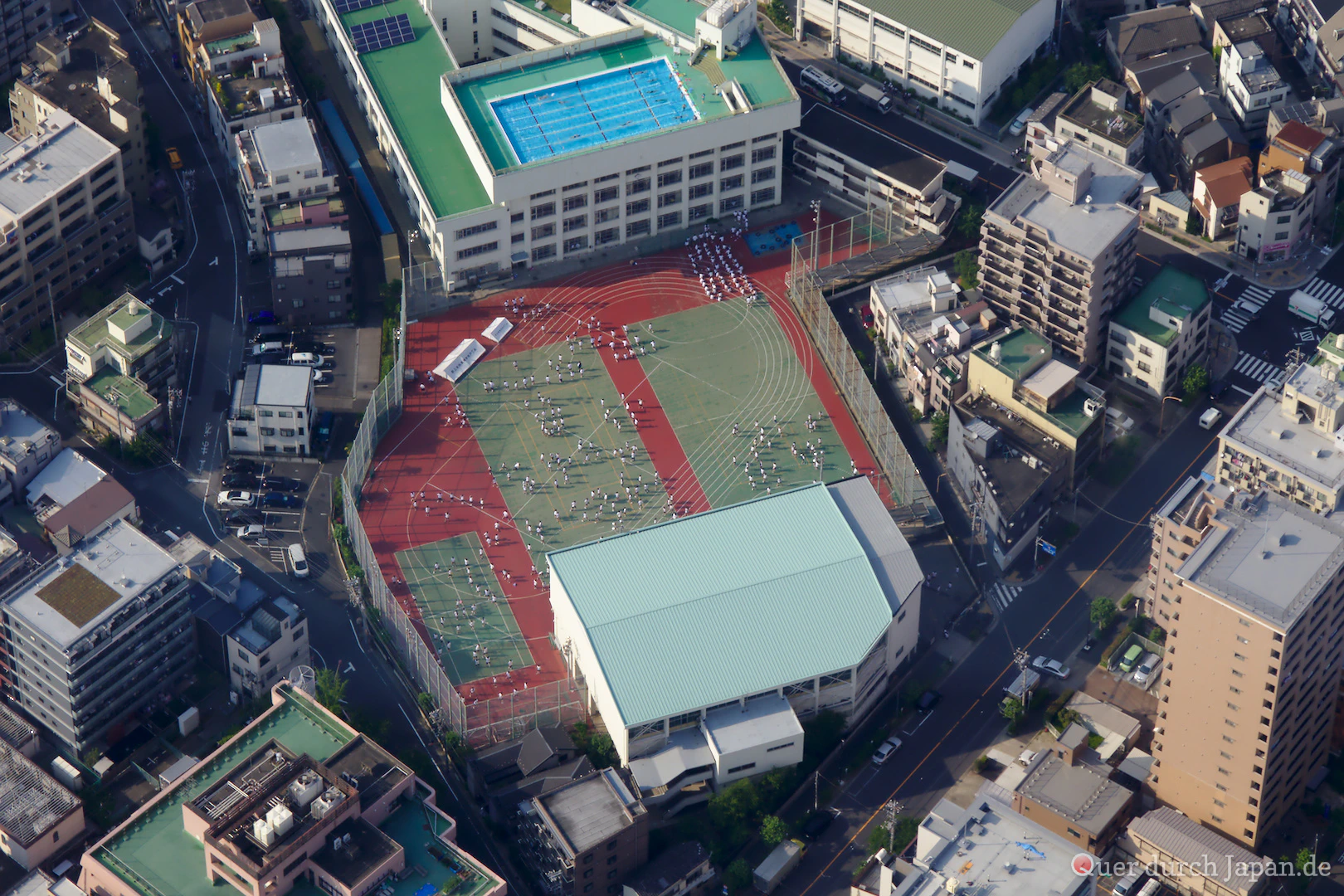
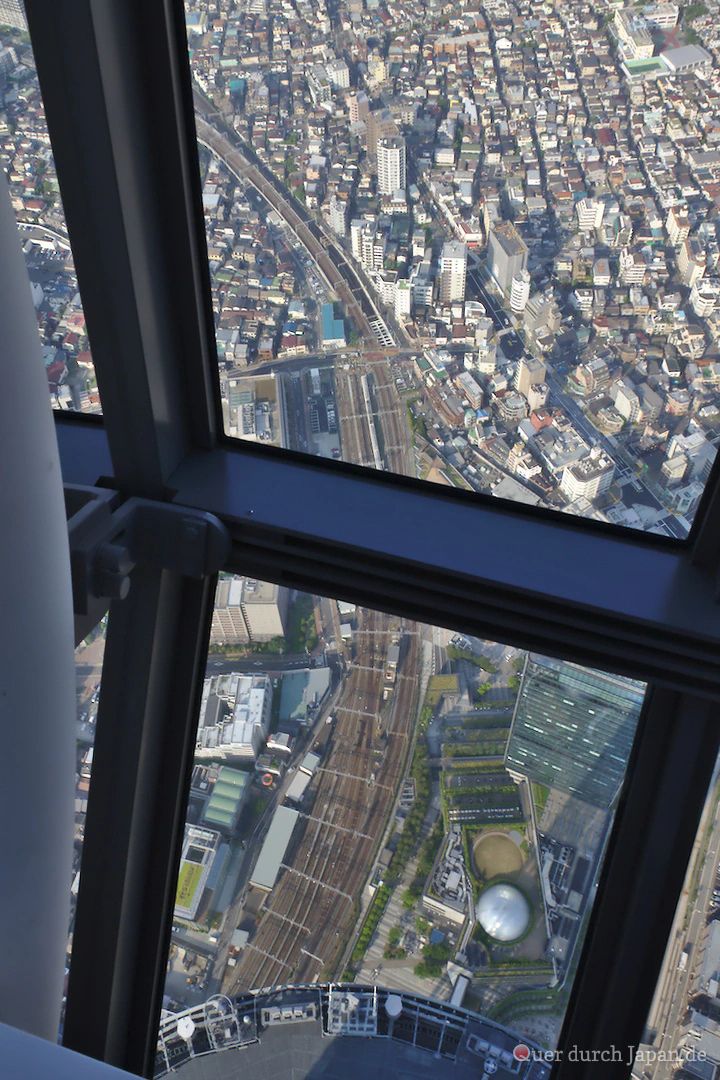
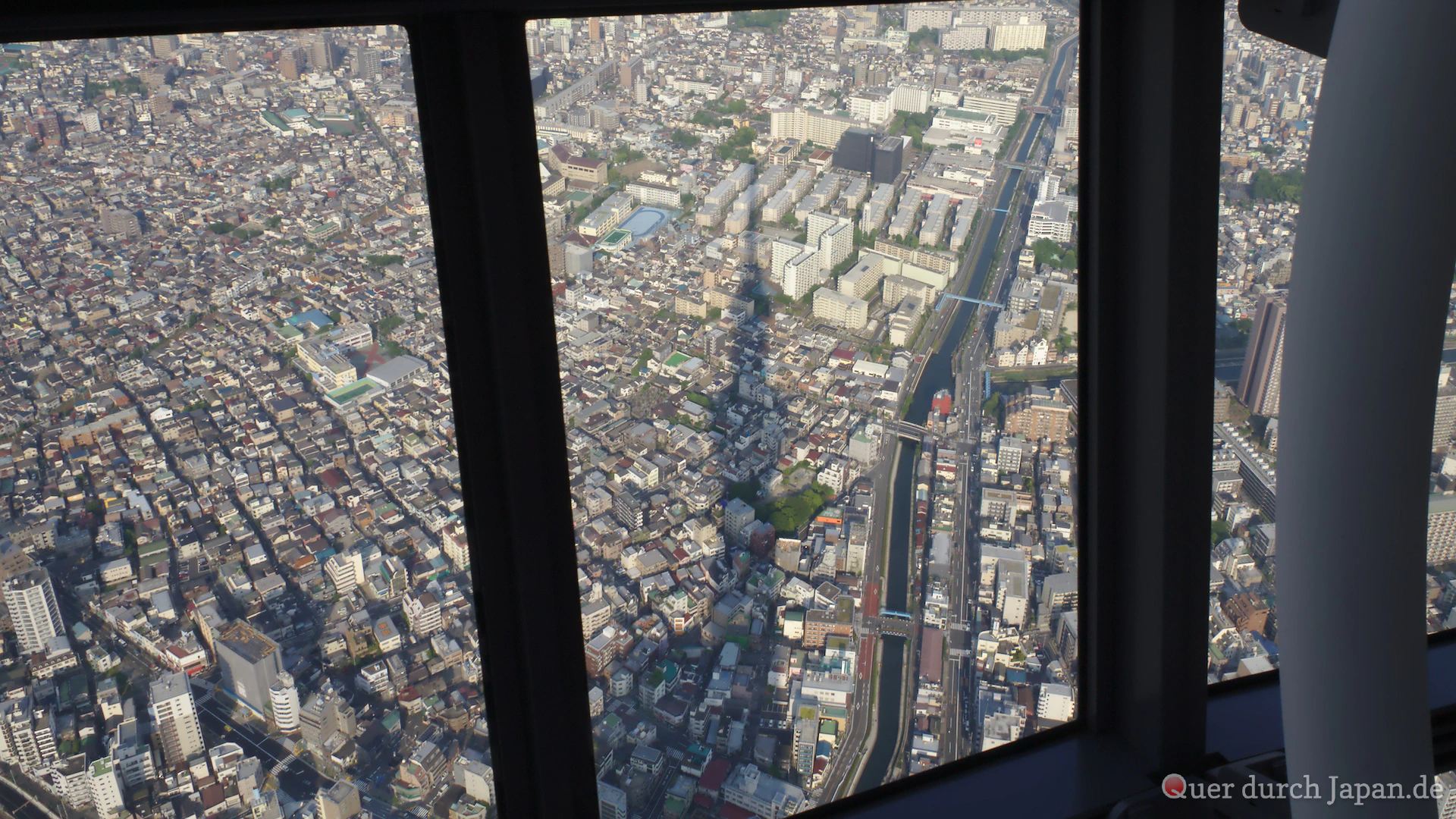
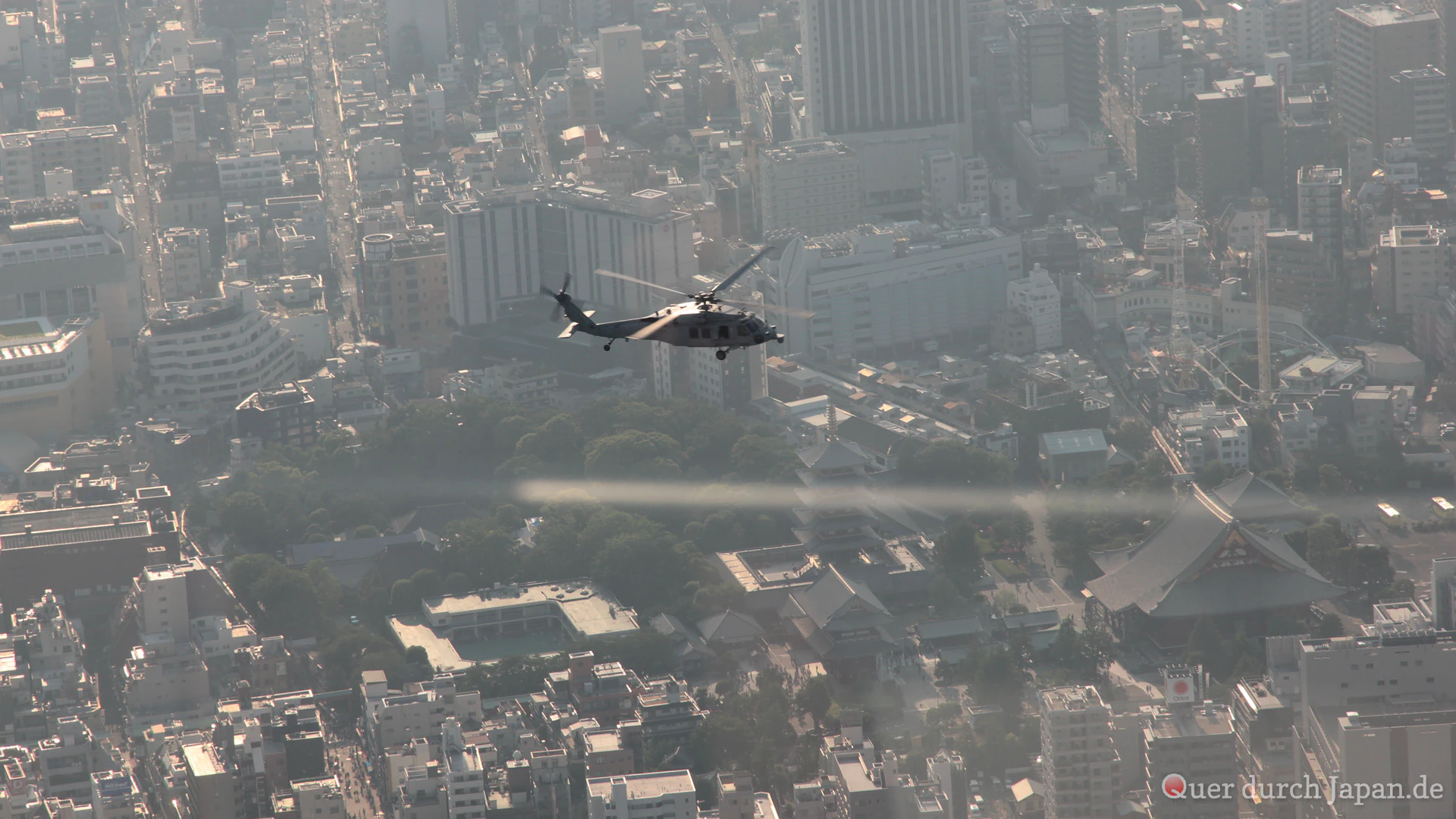
Want to go high up? The Tōkyō Sky Tree has an observation deck at a breezy height of 450 metres. From up there, the other skyscrapers look like miniatures.

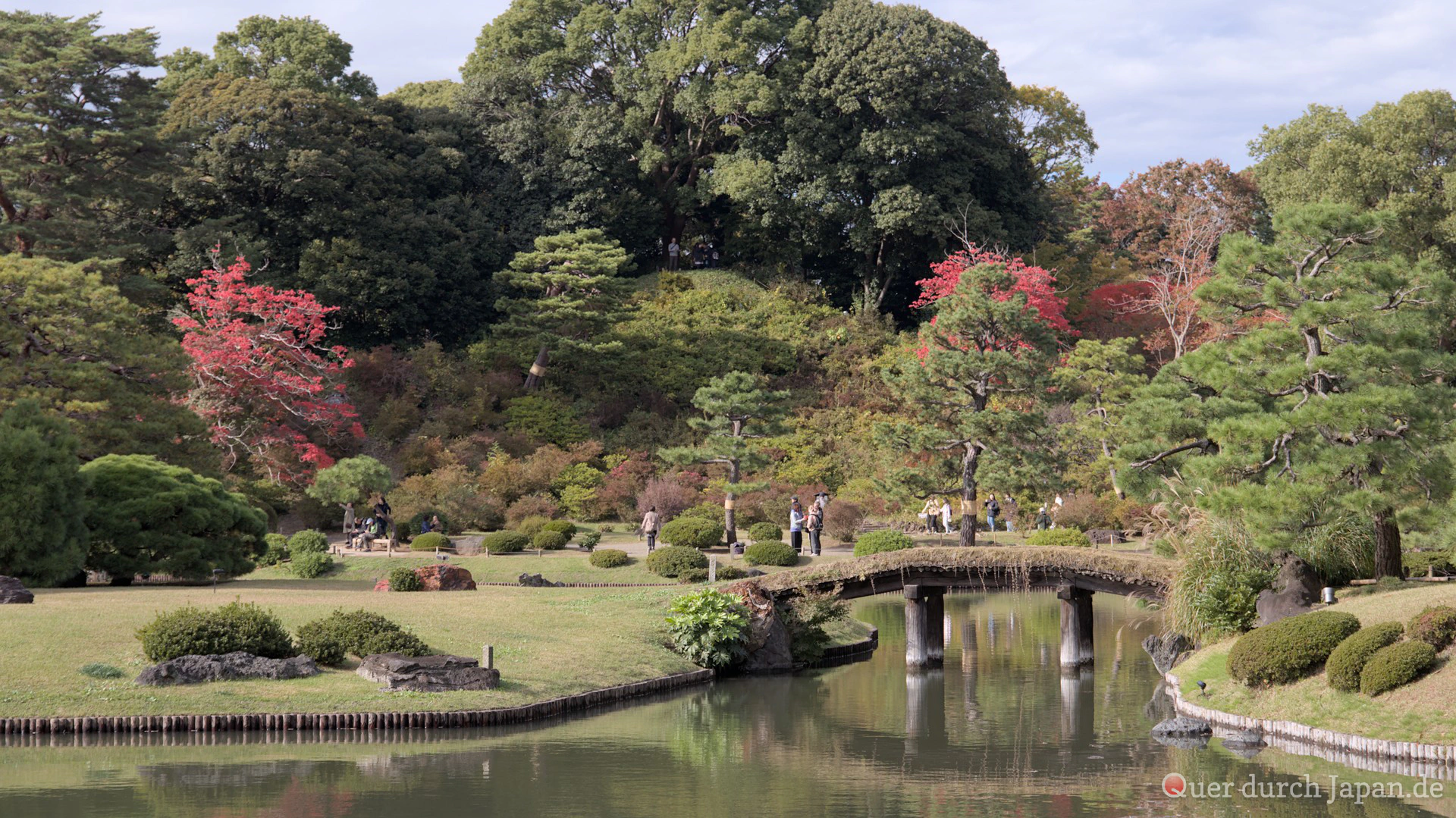
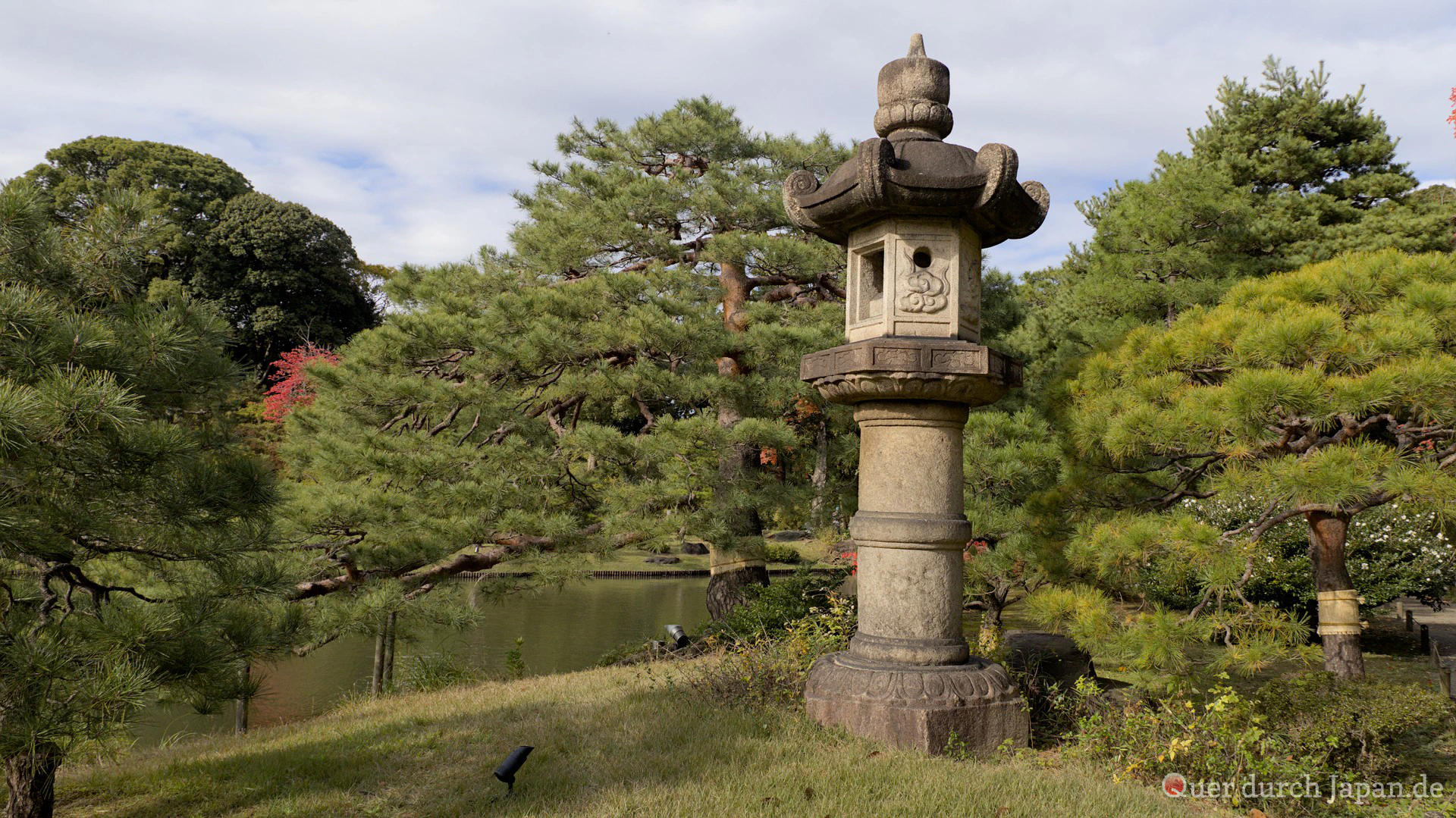
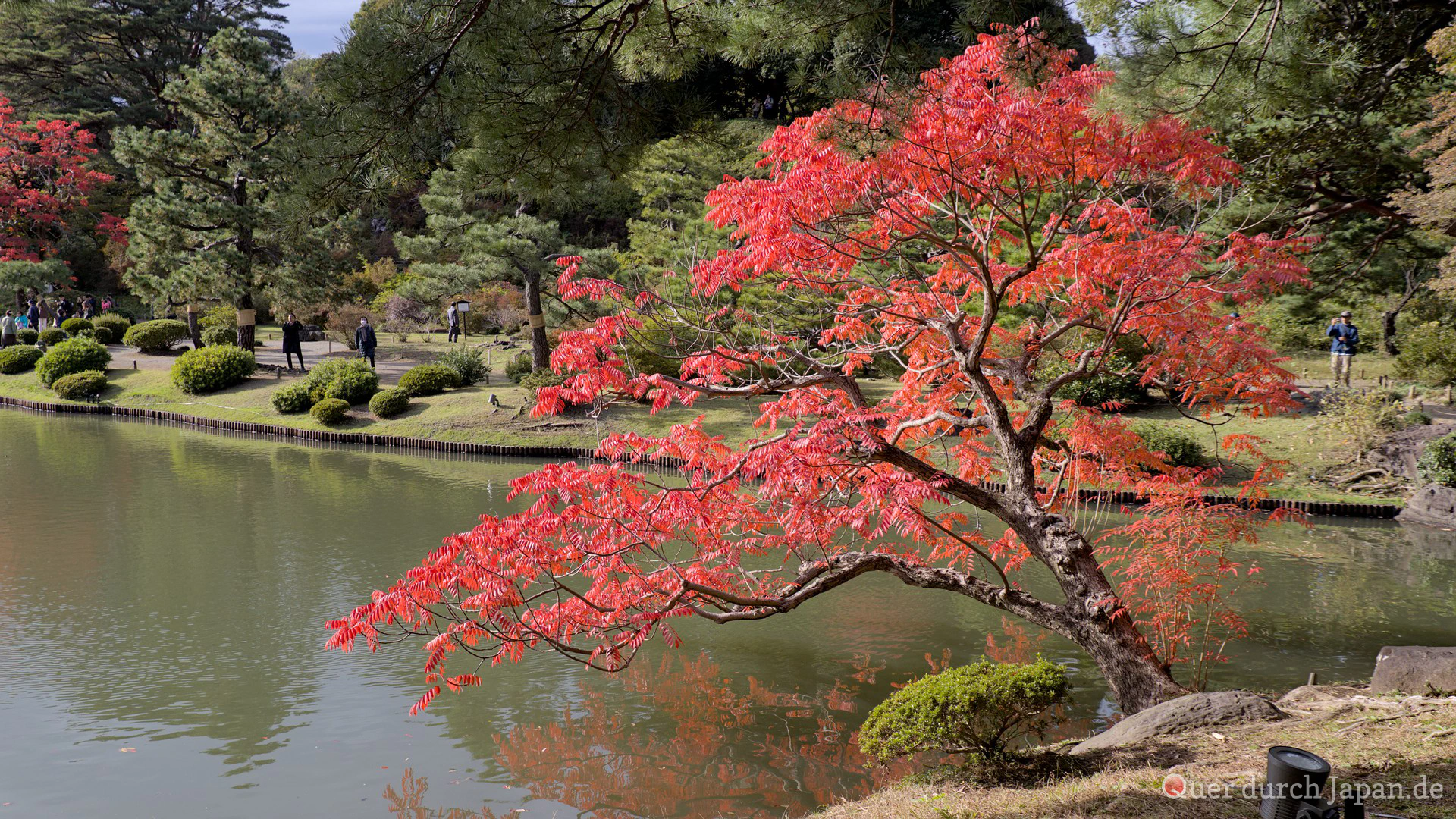
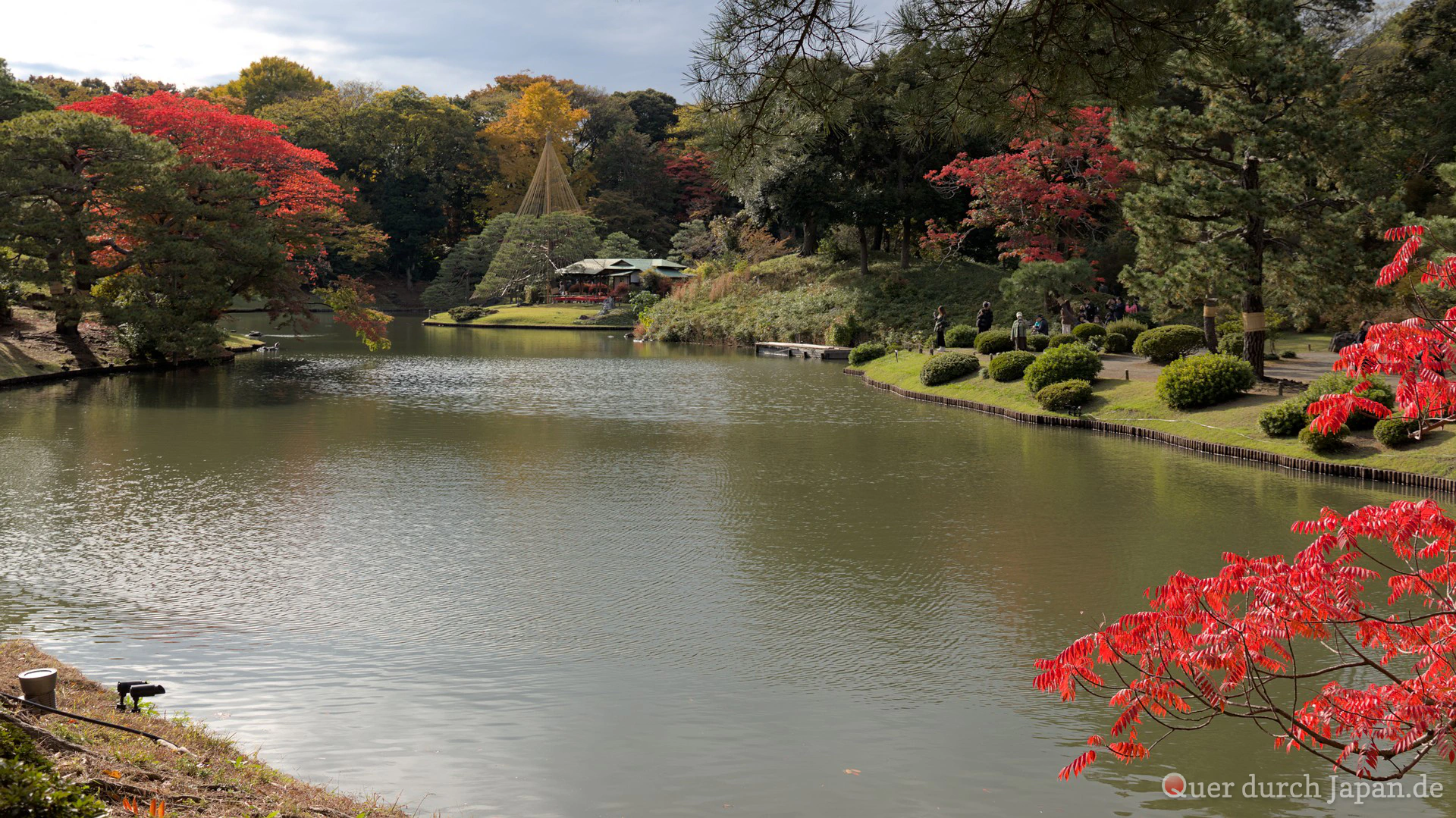
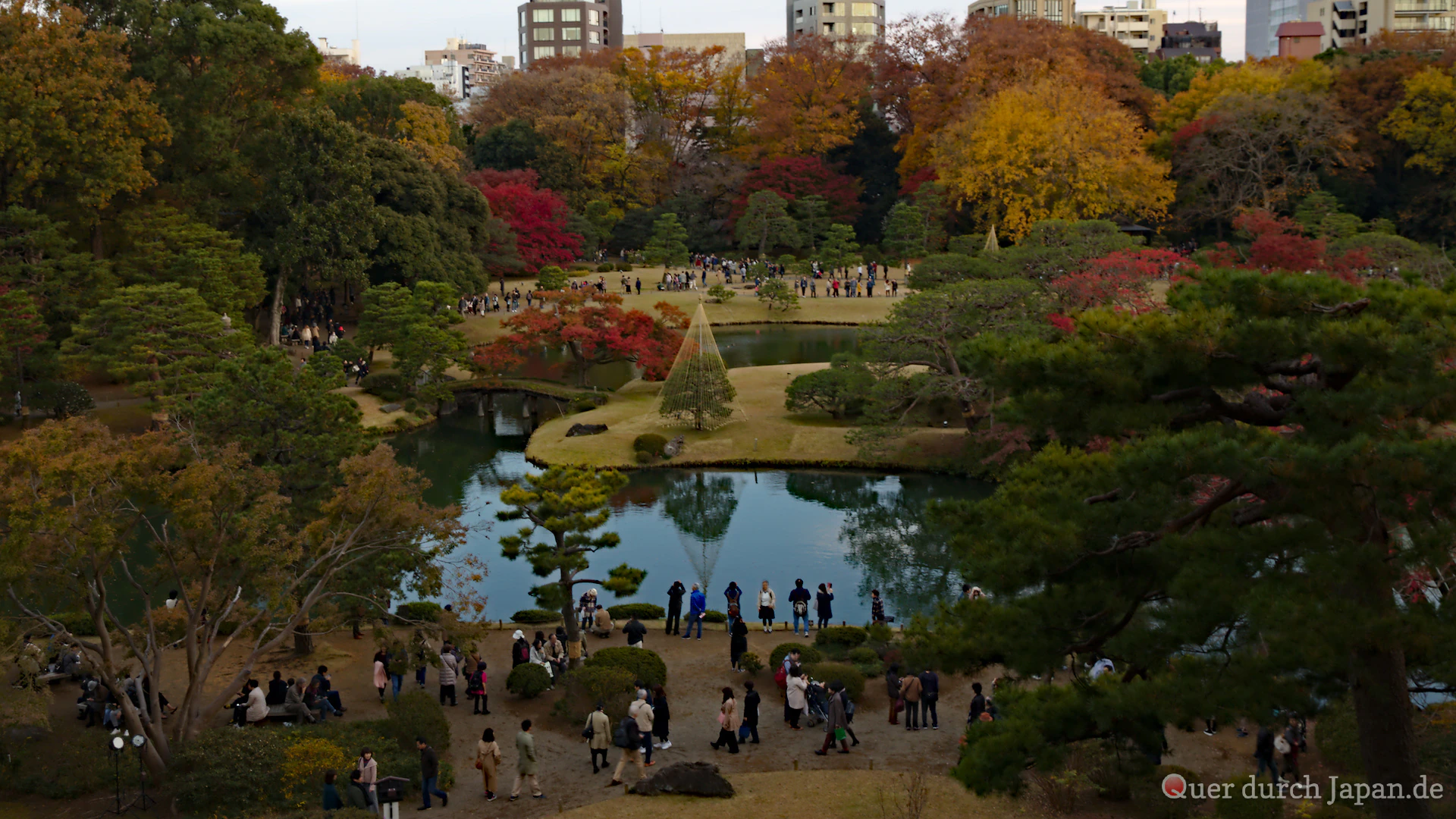
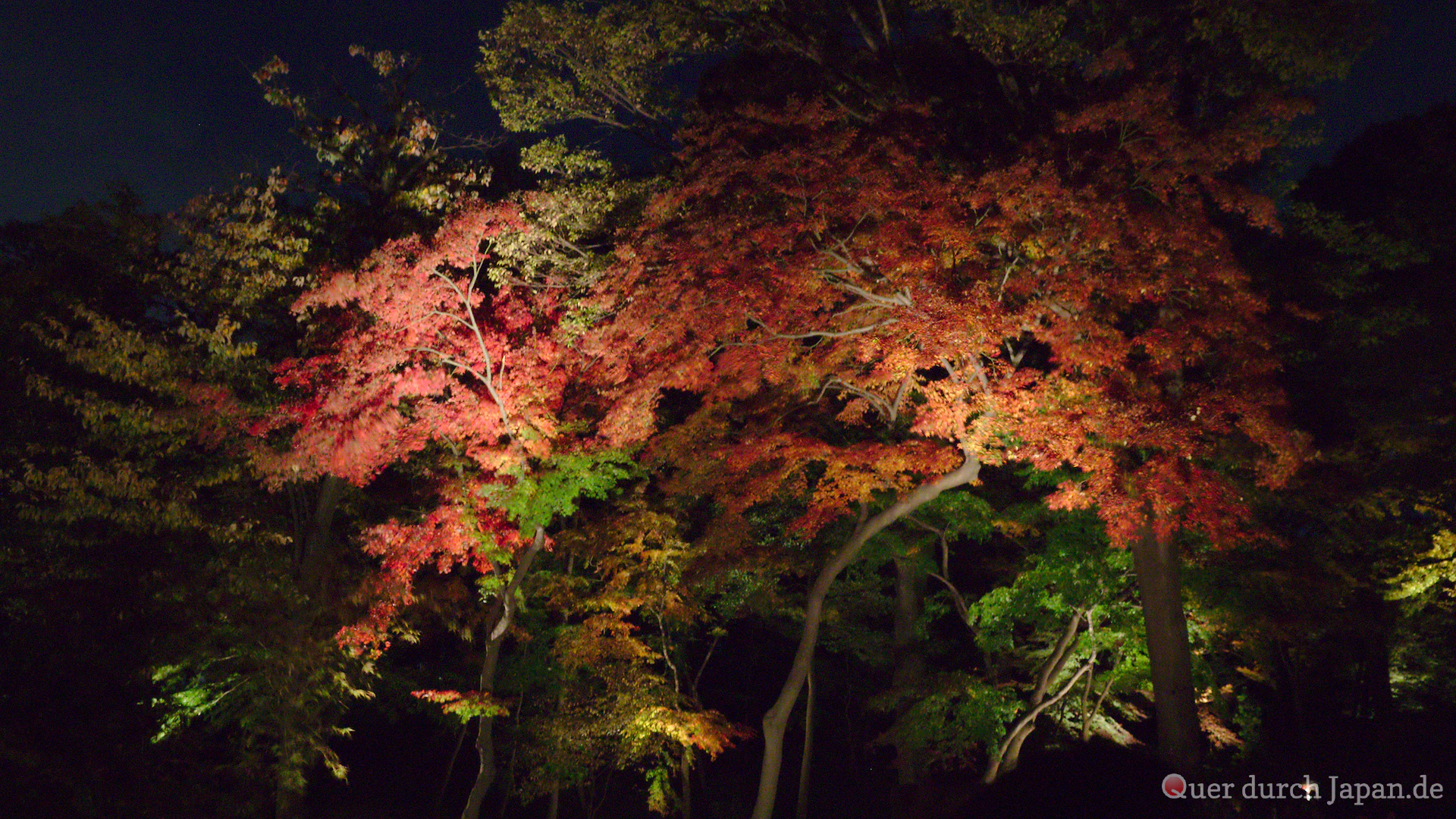
Prefer nature and bright colours? The Rikugi-en garden offers gorgeous scenes, especially in autumn.
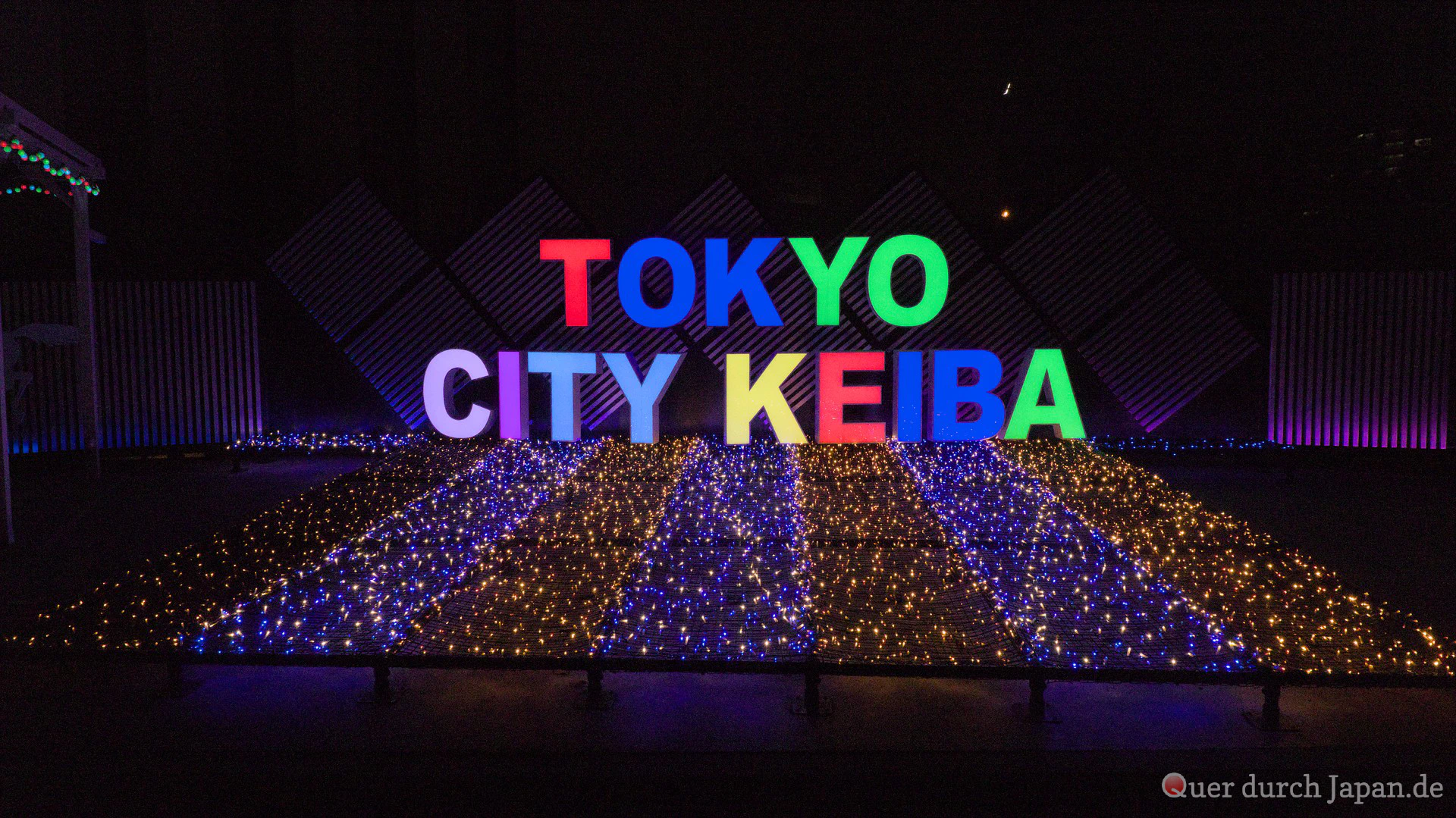
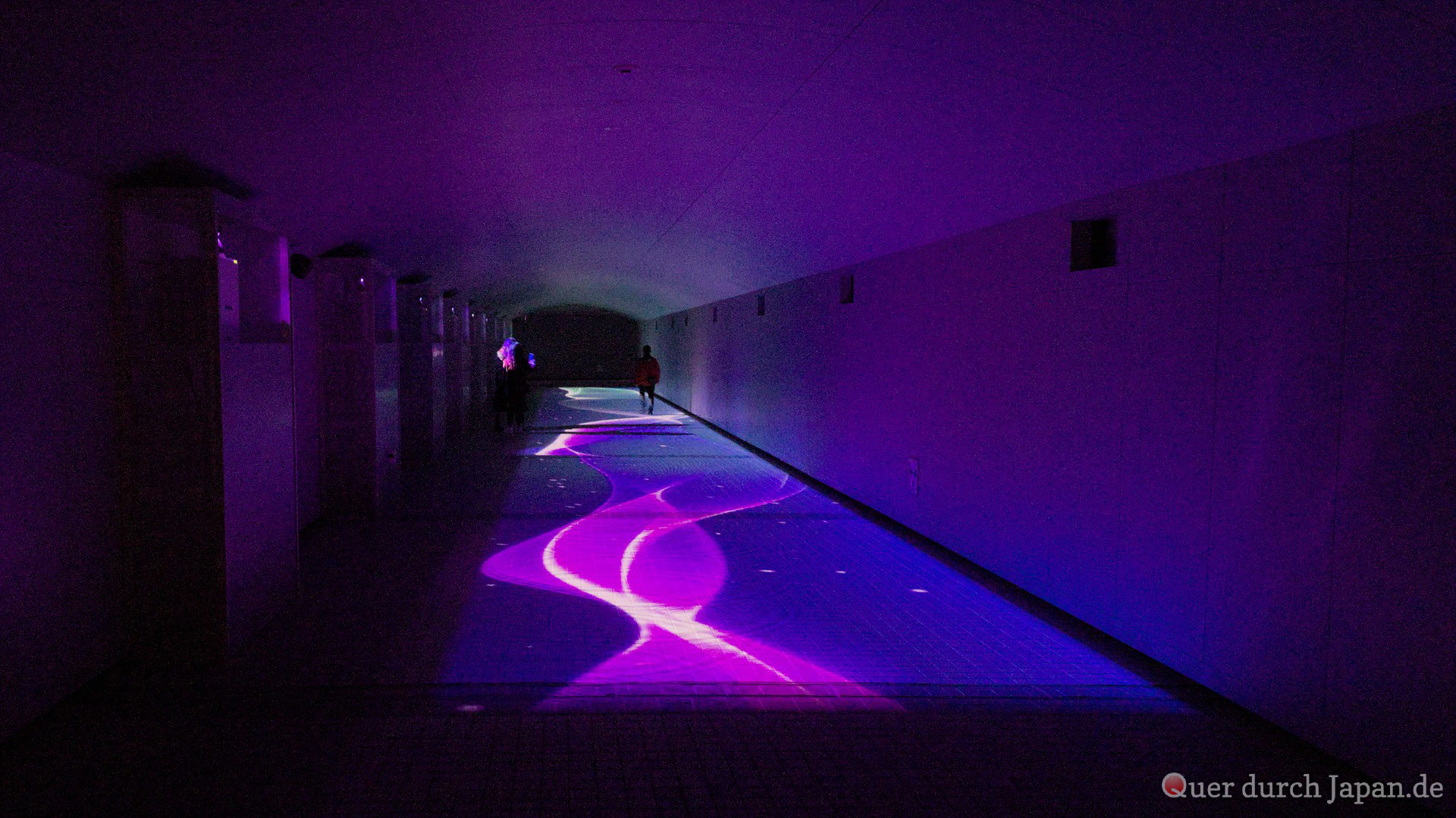
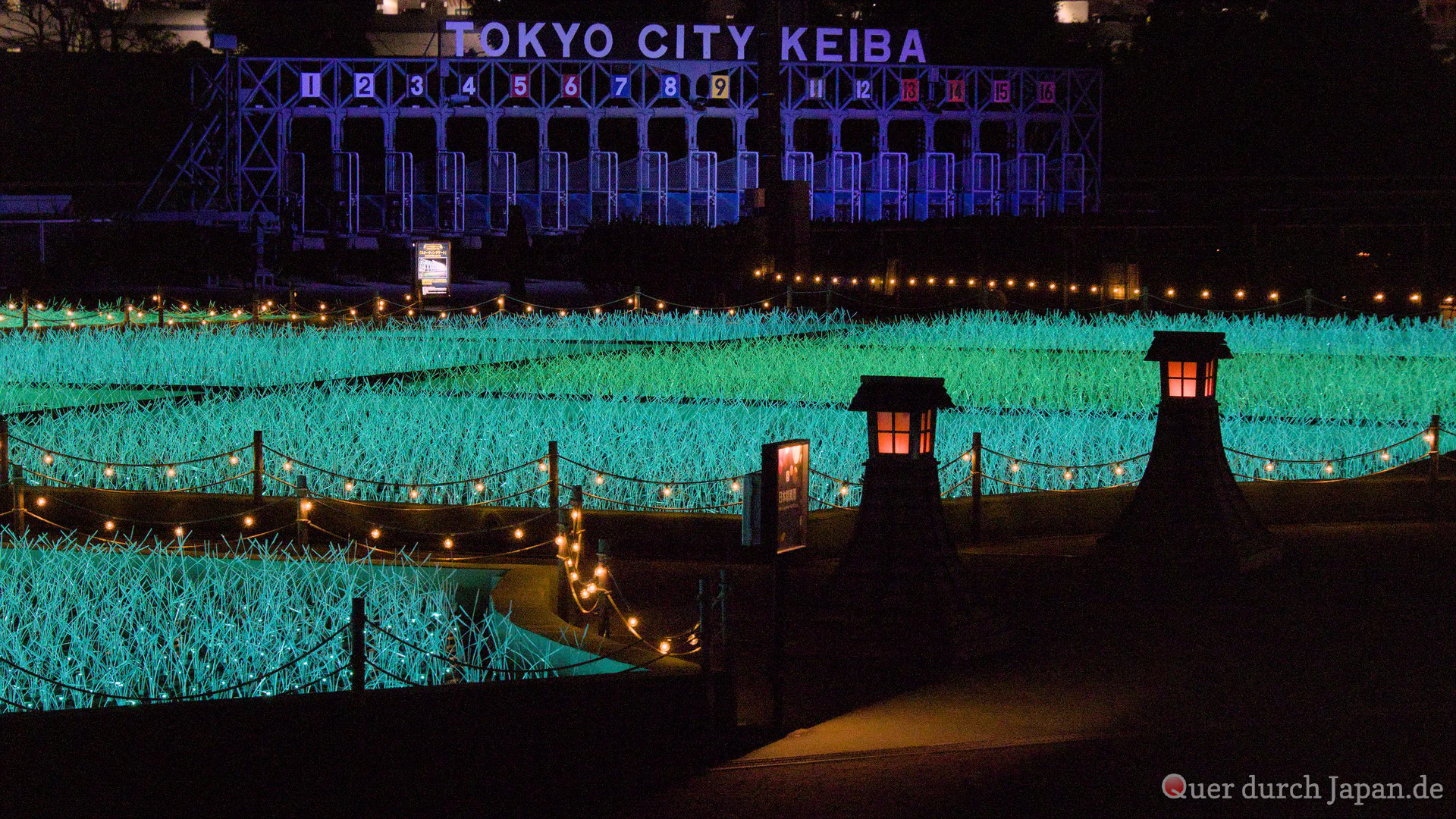
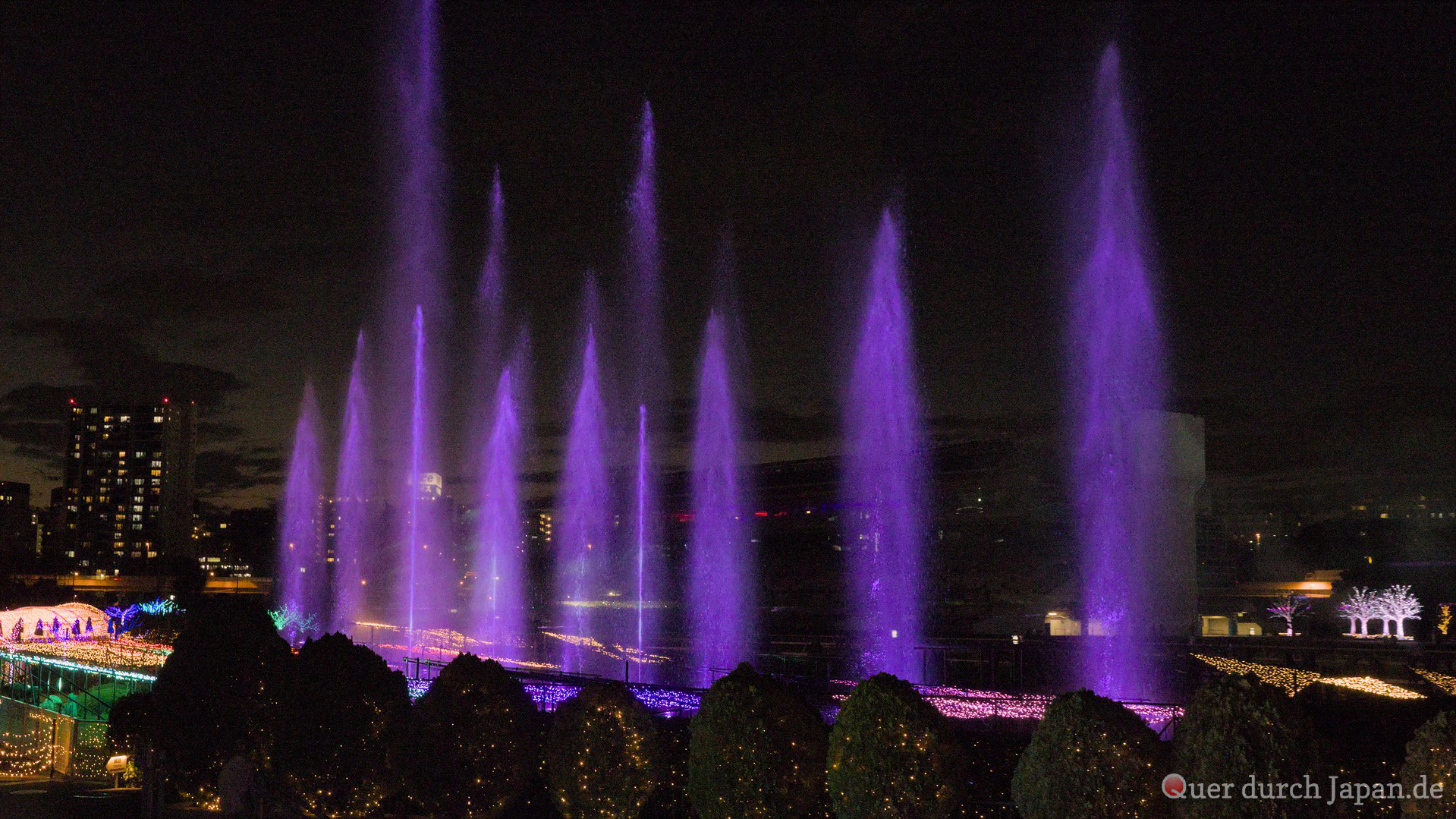
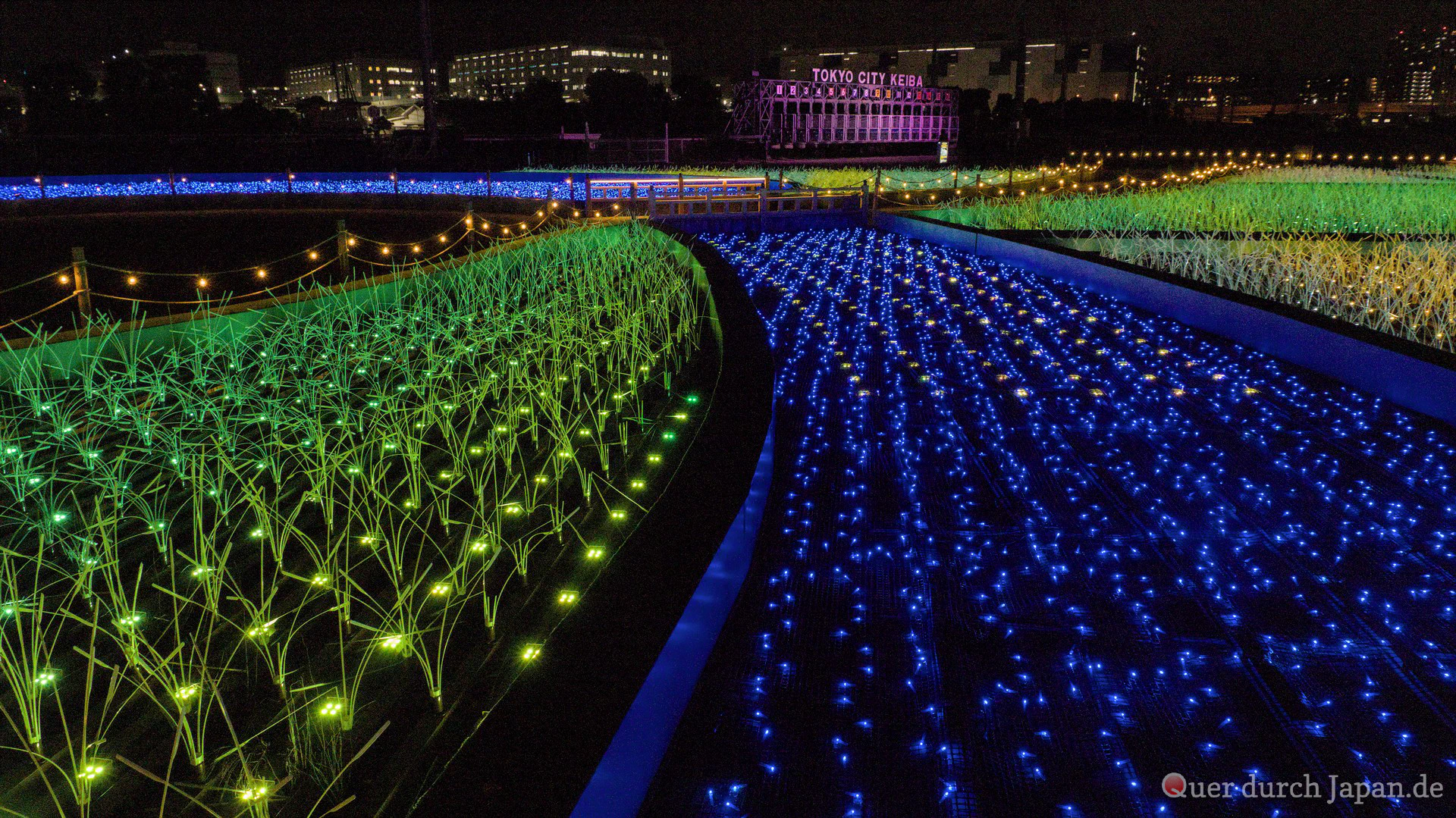
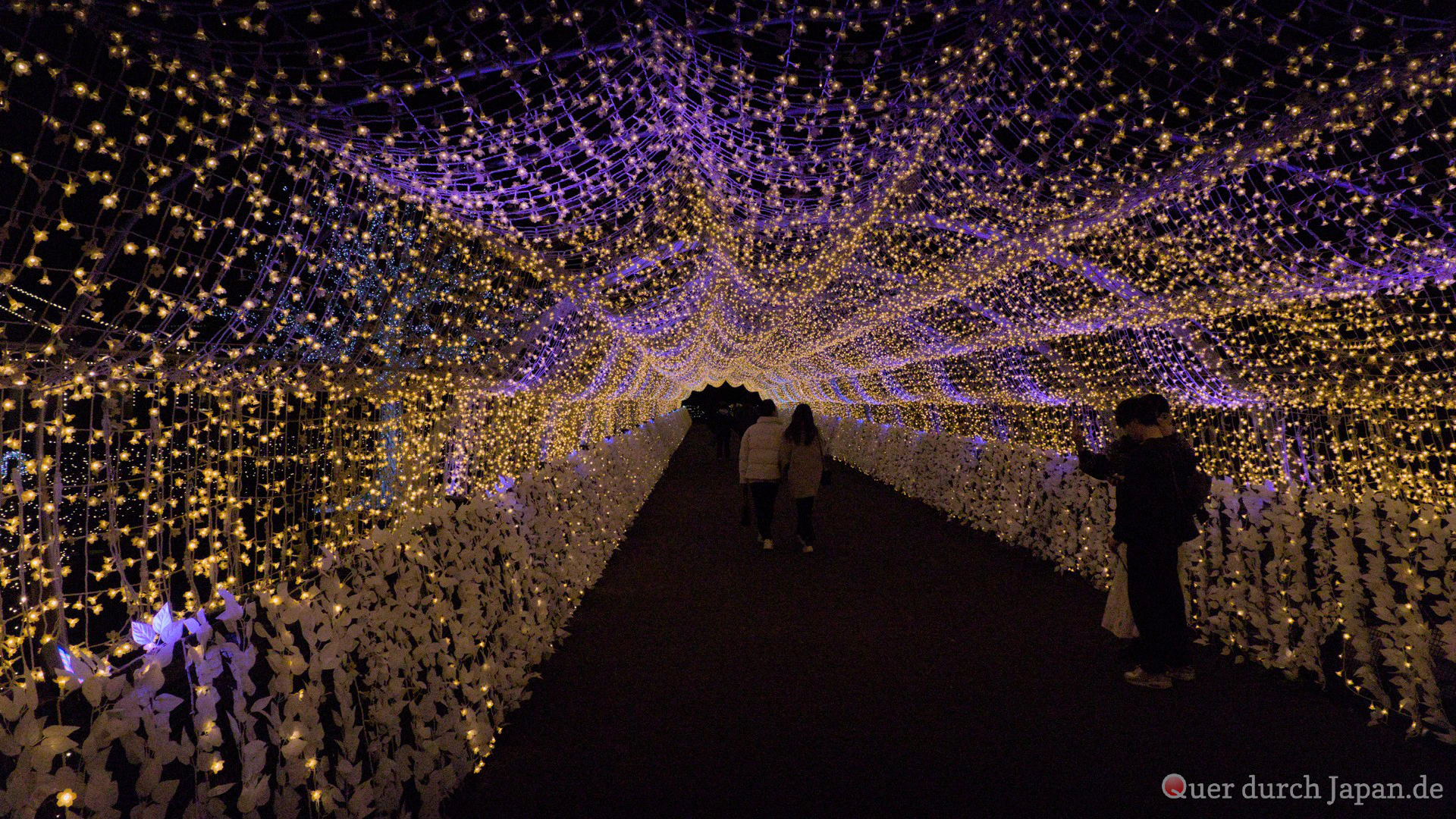
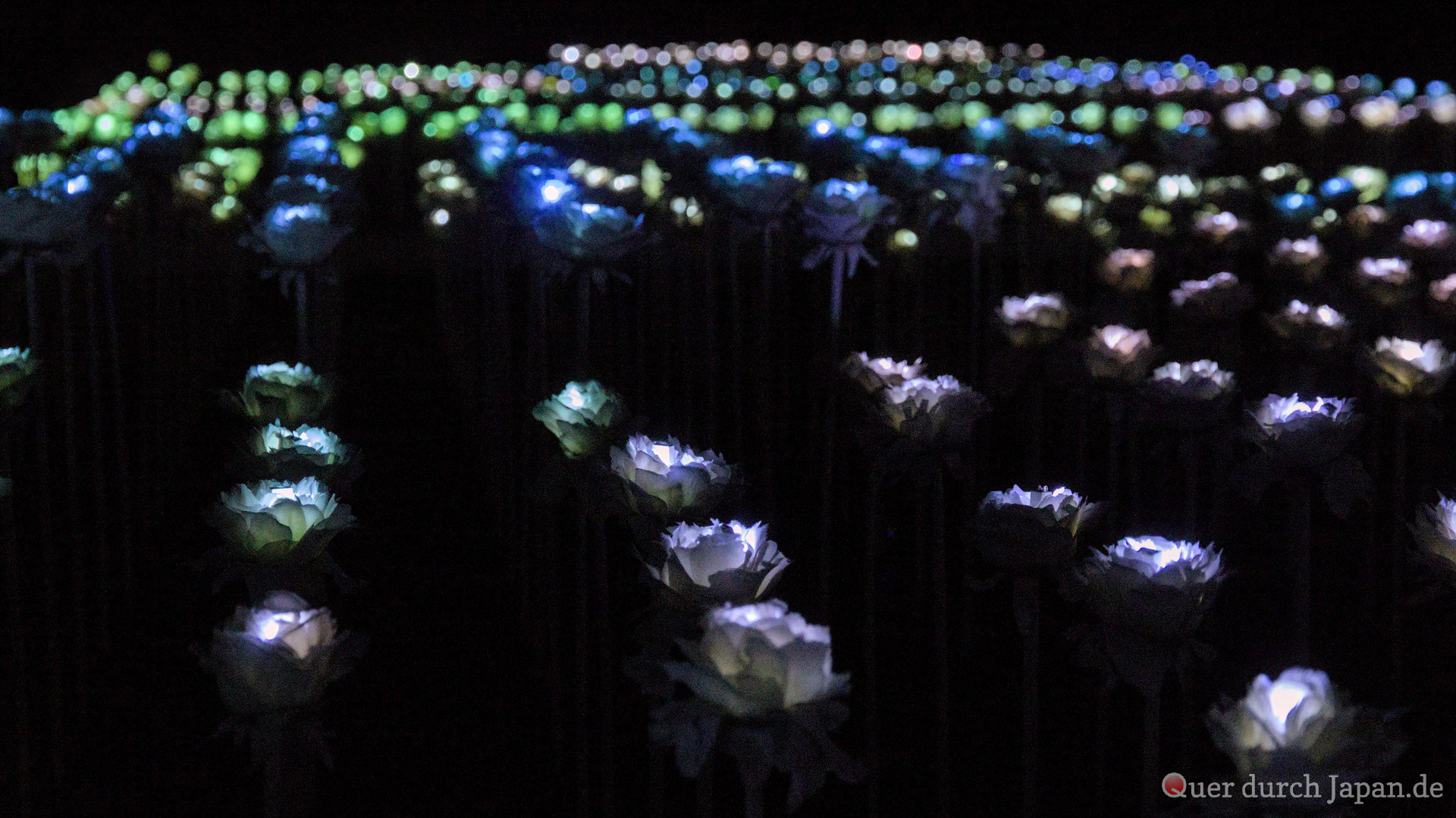
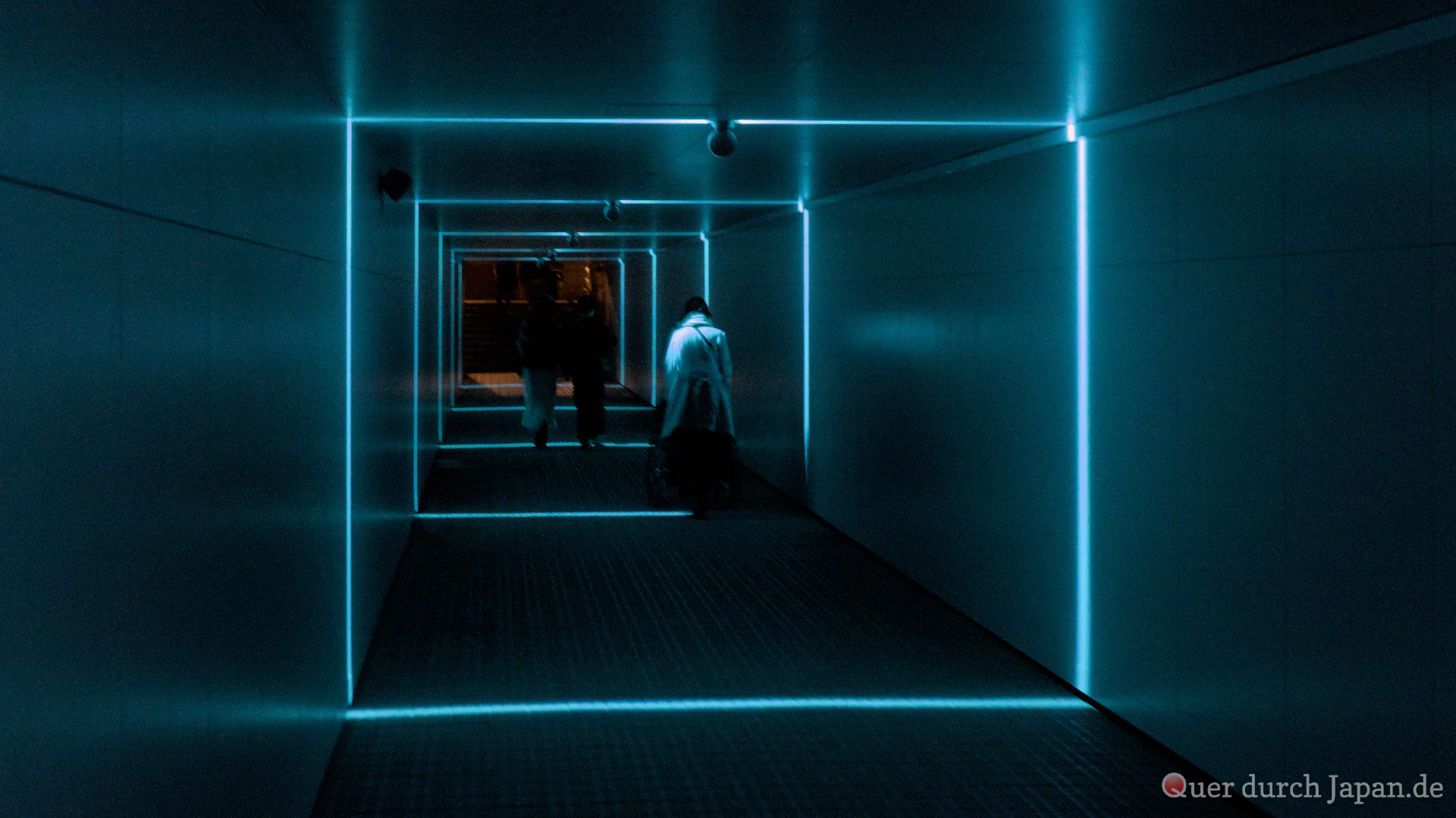
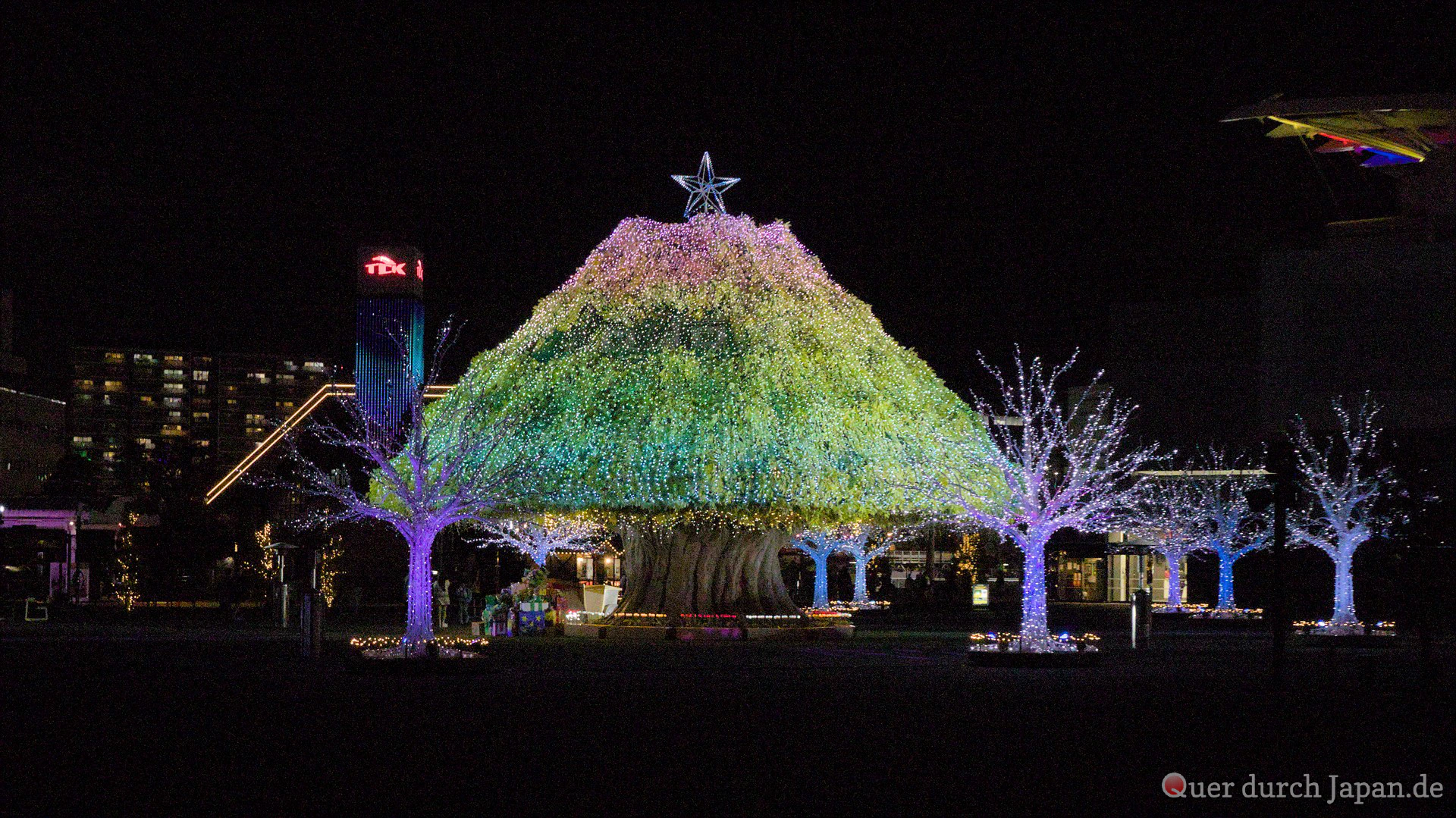
Fancy a light show? The Tōkyō Mega Illumination definitely isn’t exaggerating with its name. Where horse races normally take place, a colourful course of lights, tunnels, laser shows, music and nature sounds has been set up. The splendour just can’t be described in words.
Sadly, this brings our stay in Japan to an end. The suitcases are packed. Tomorrow we’ll have a few more hours for a farewell tour in Tōkyō, before the plane takes us back home.

Travel Journal 2018: Tōkyō

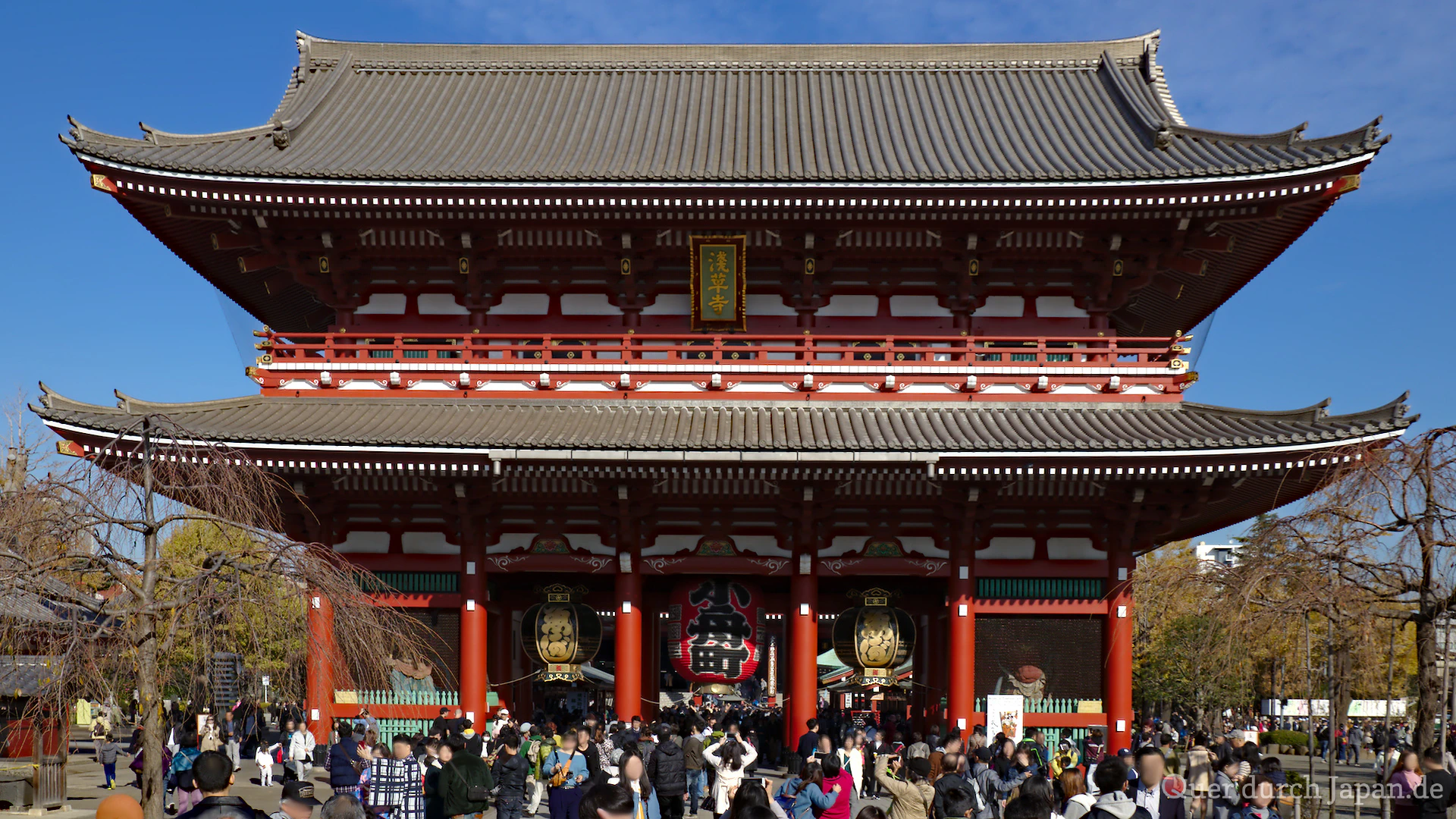
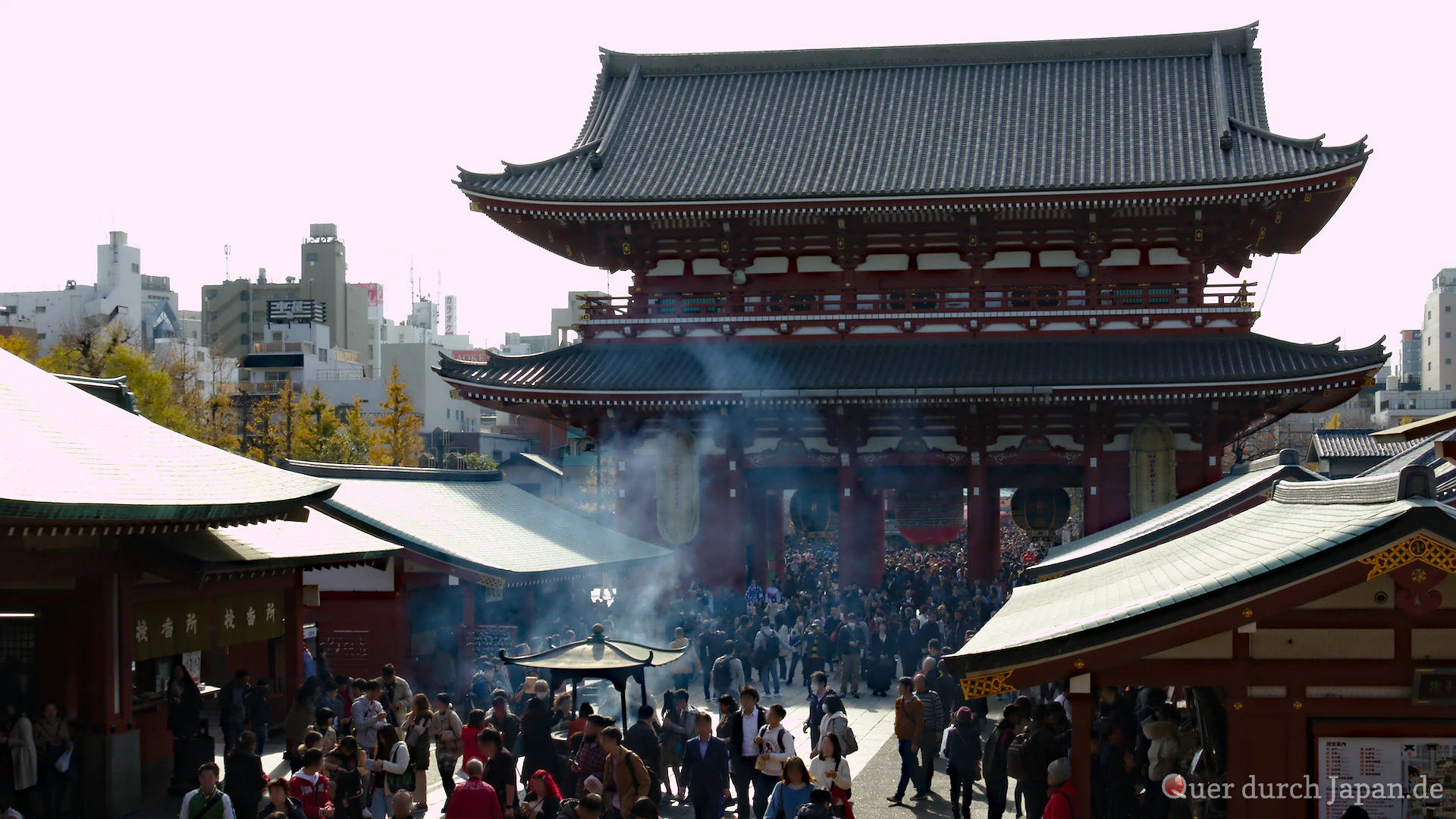
Today we took it easy wandering through Tokyo. In the Asakusa district, we first visited the Senso-ji. The temple is a must-do on our itinerary every time we visit Tokyo.

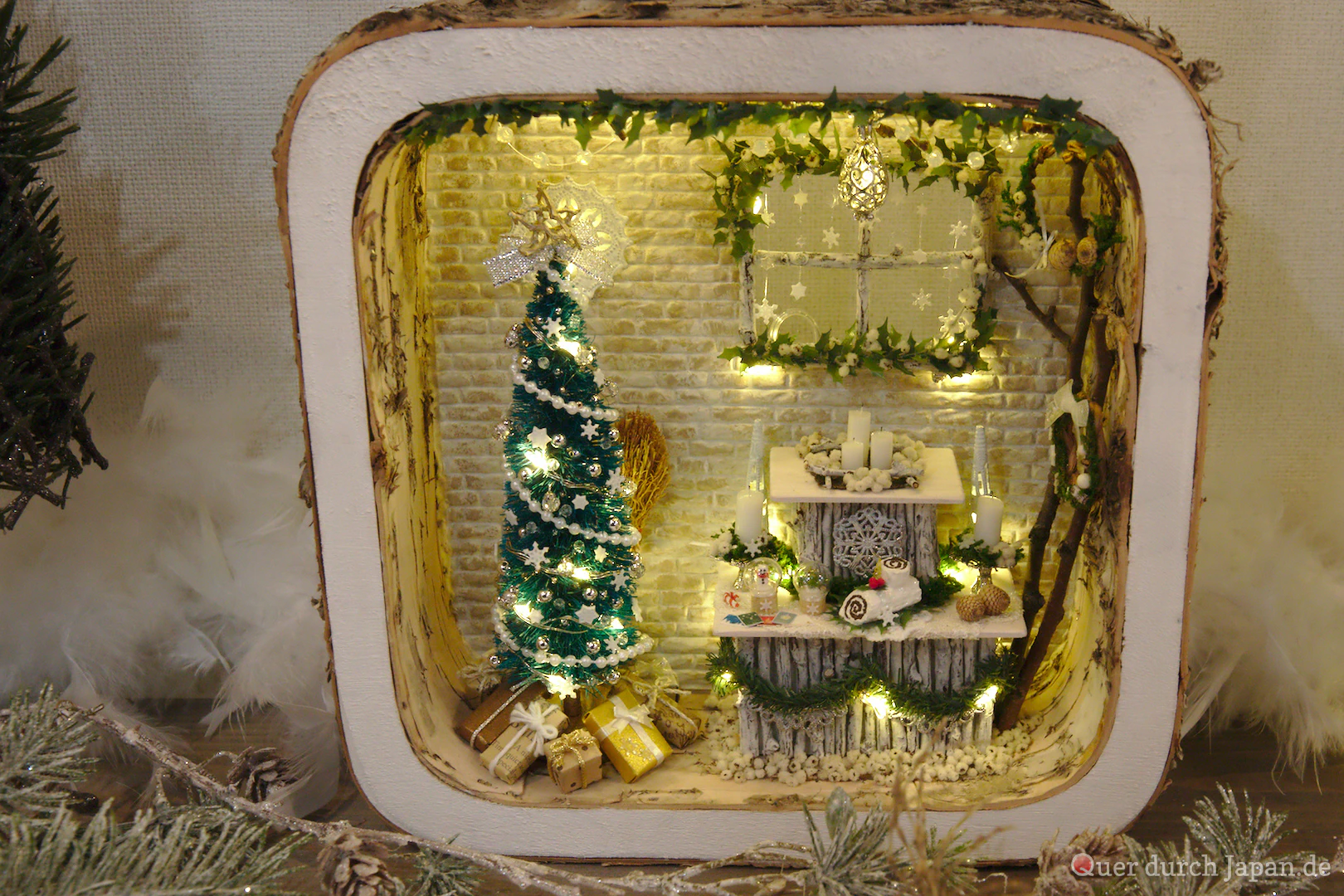
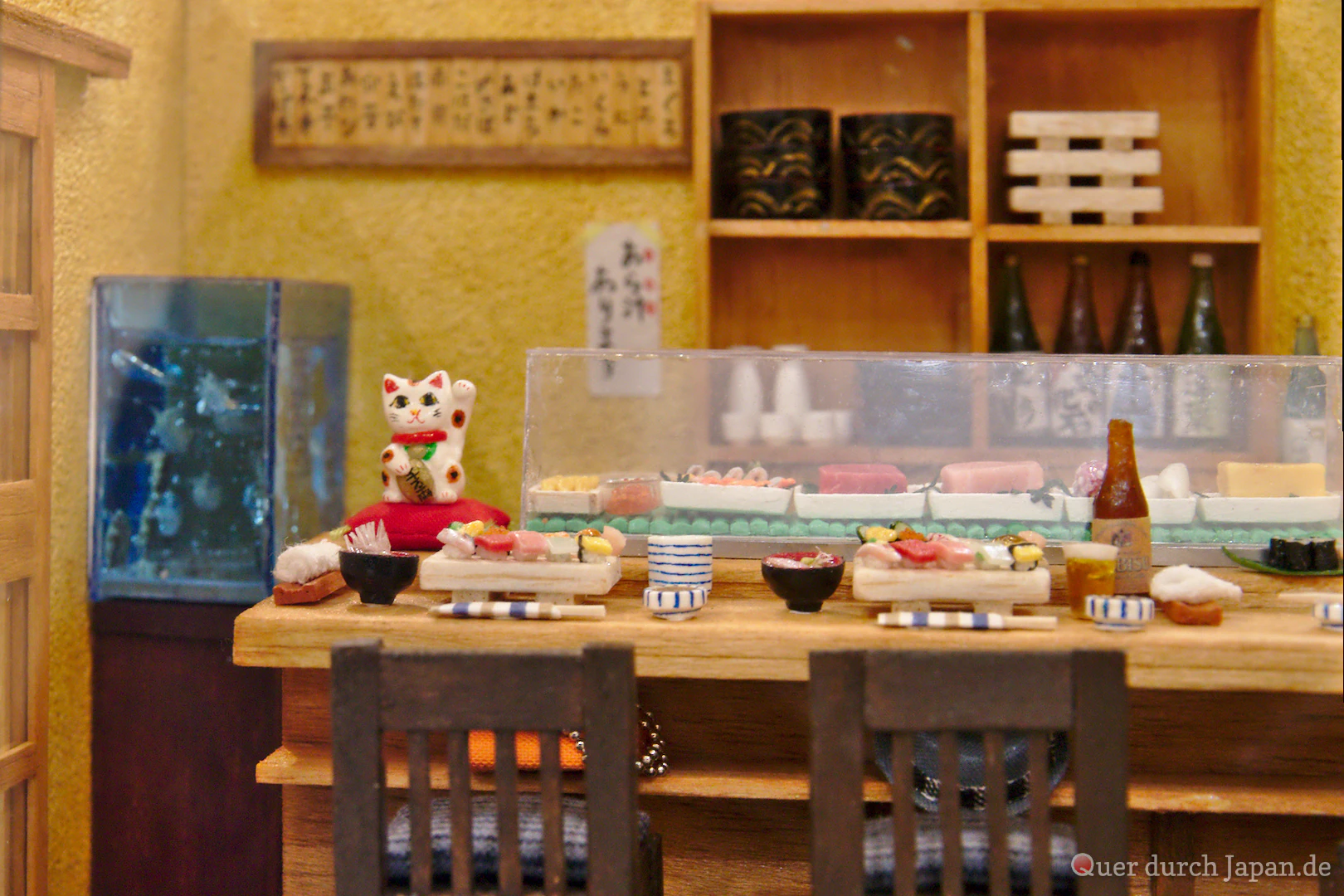
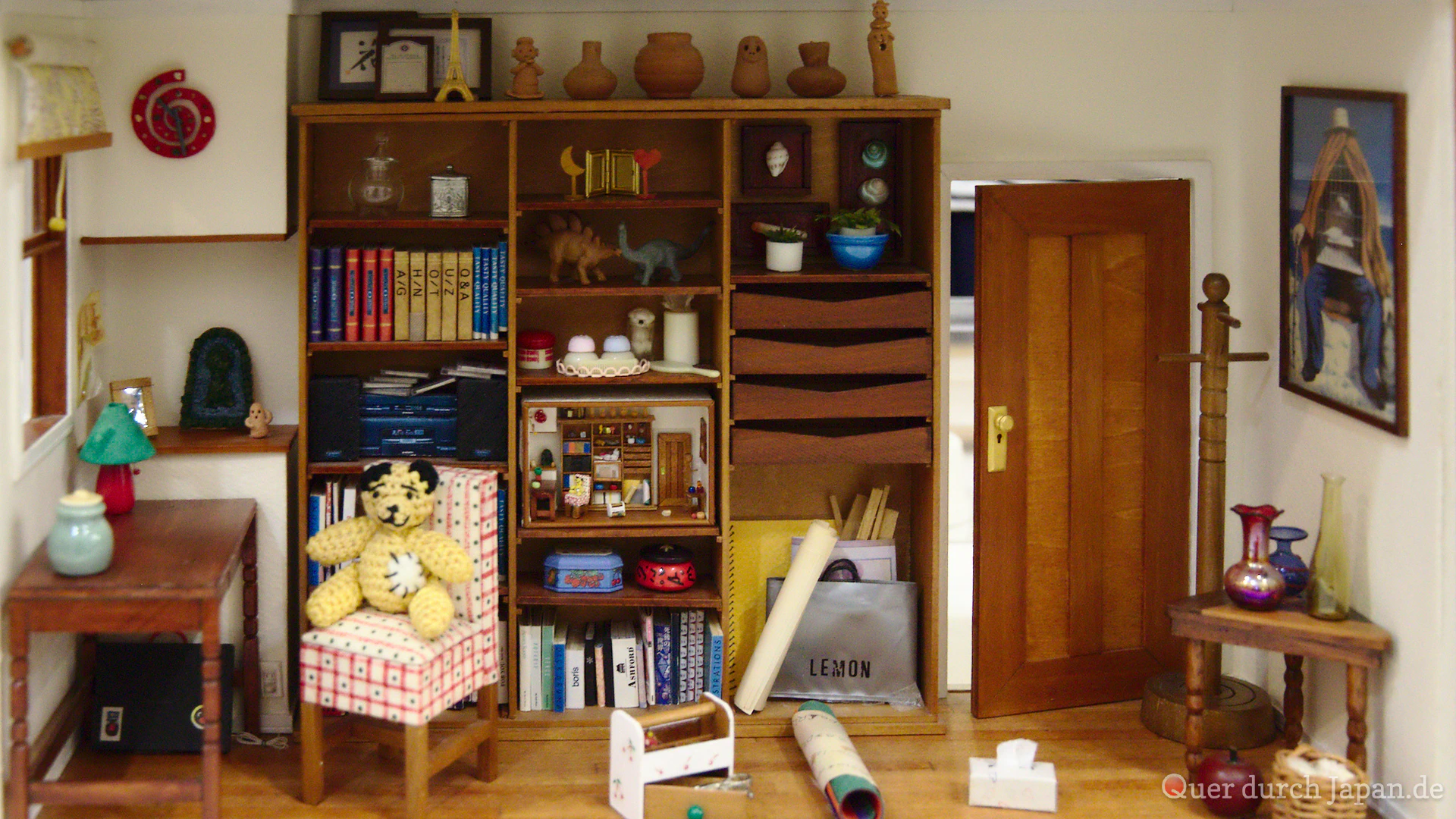
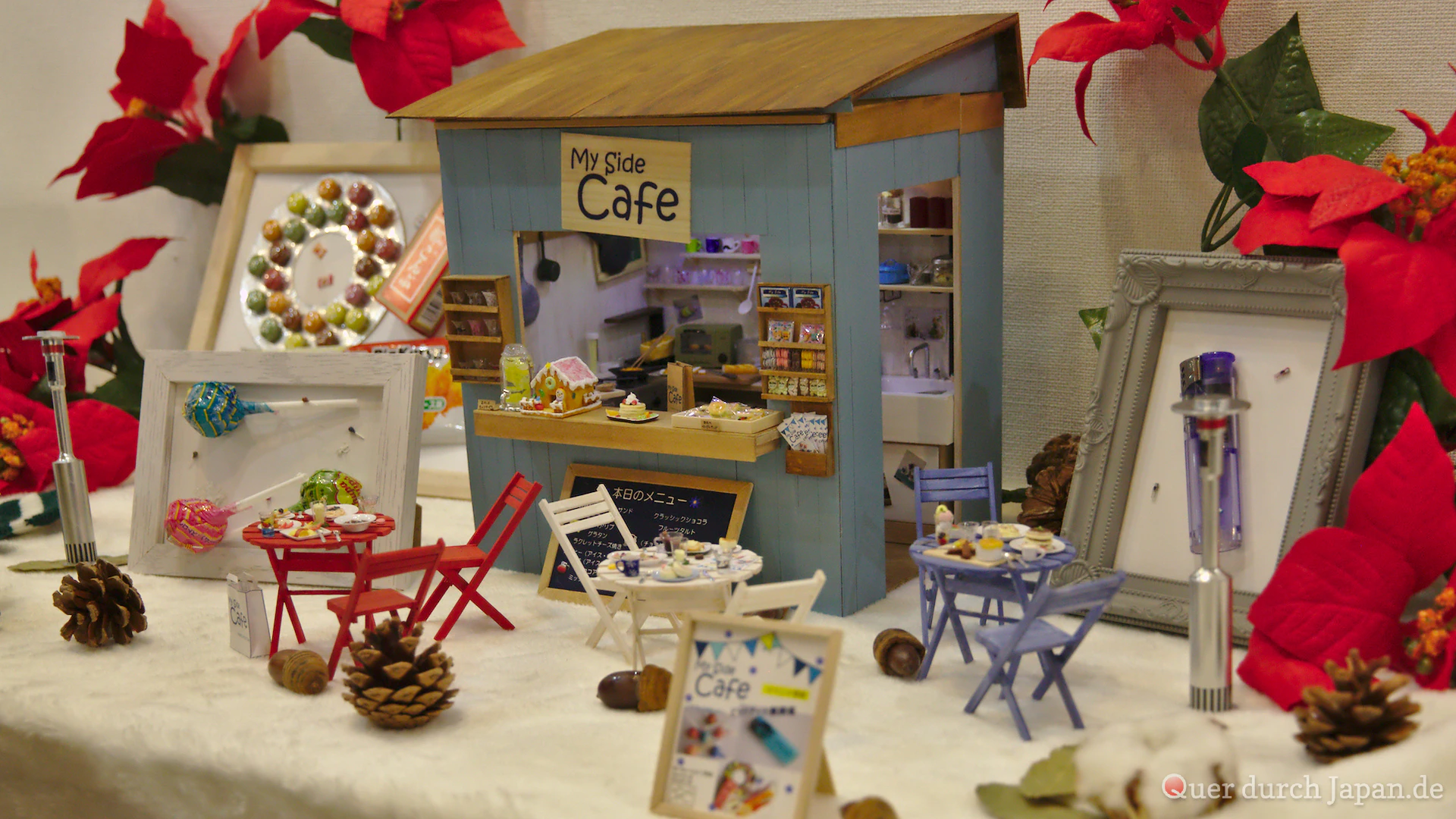
After that, we popped into a little gallery where artists were exhibiting miniatures and photos of miniature worlds.

There’s another German Christmas market by the Tokyo Skytree. It’s really small, though, with the selection pretty much limited to mulled wine (more of a mulled punch really), crêpes, beer and bratwurst. But to make up for it, a Japanese a cappella group was singing their songs by the Christmas tree.

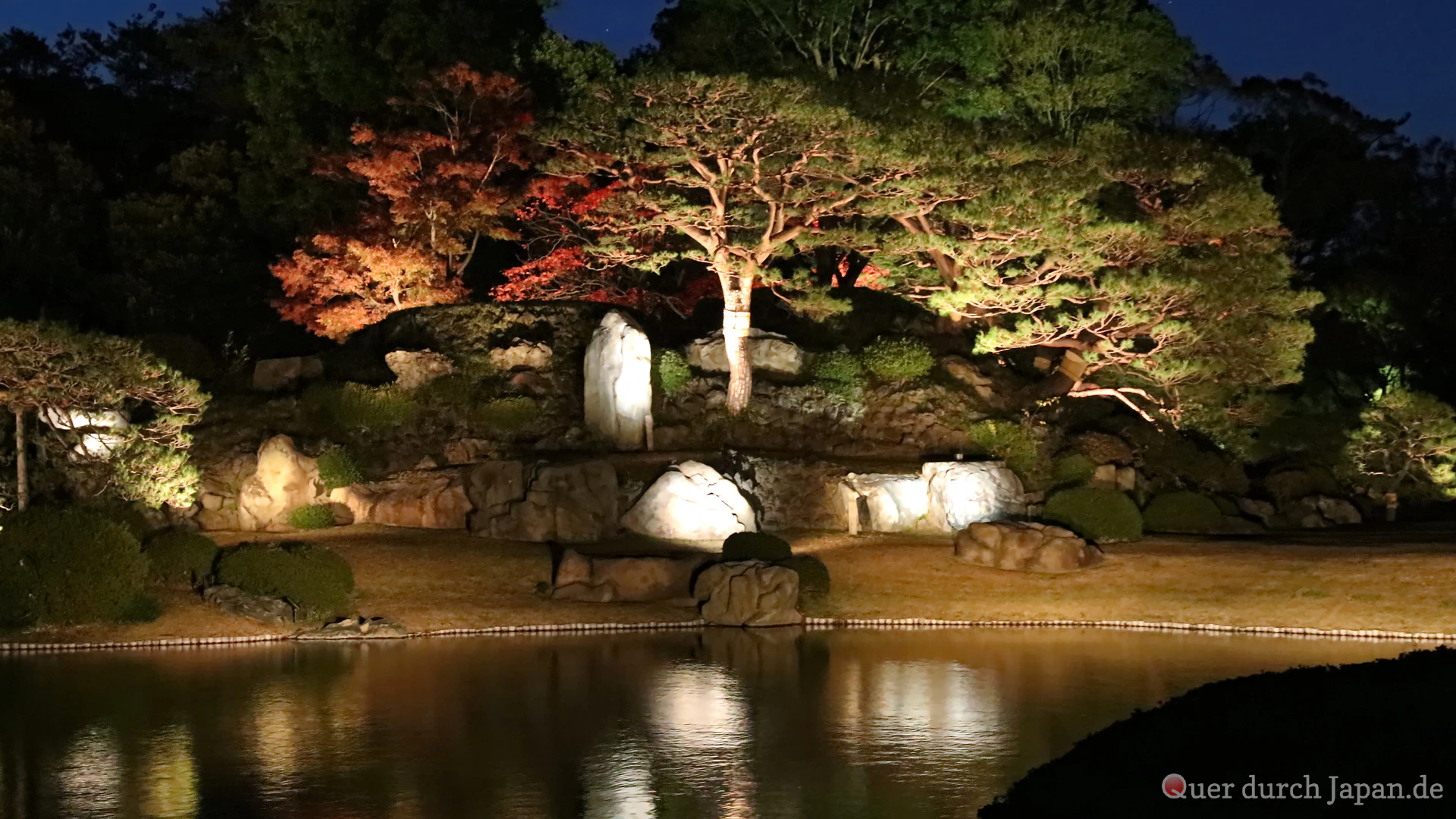
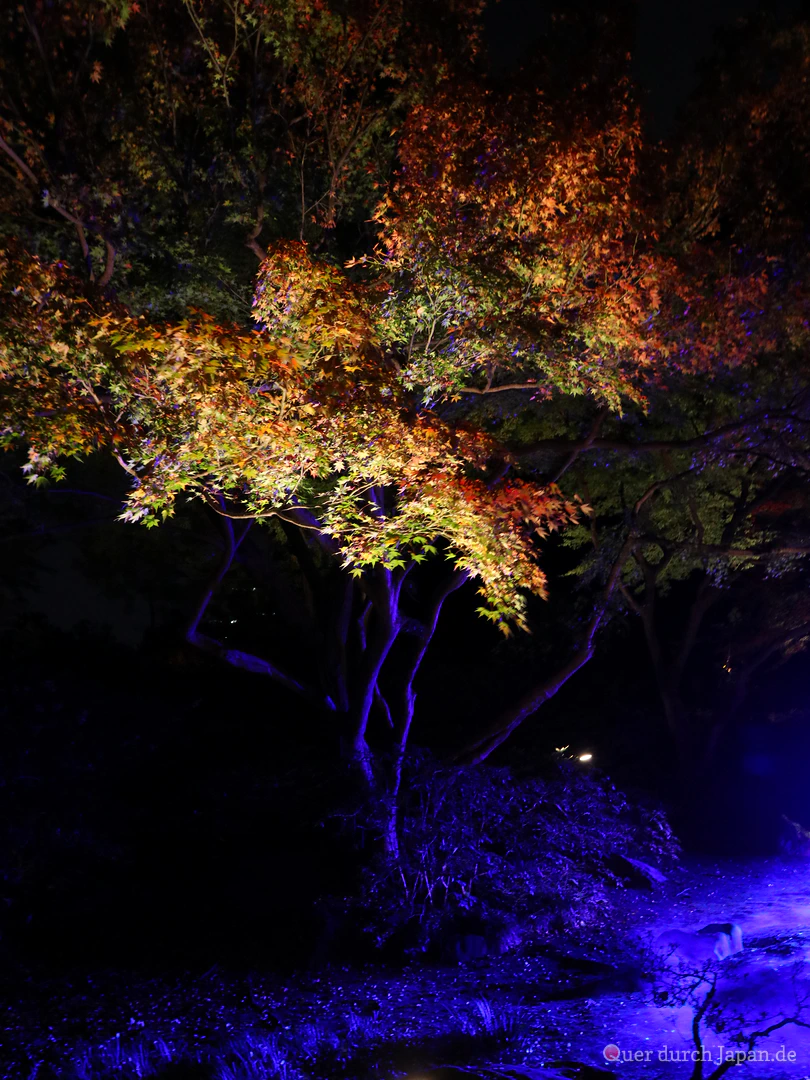
The Rikugien landscape garden offered a nice bit of Momiji vibe in the evening light. After sunset, the park gets lit up with spotlights, giving you a completely different view of nature.

Tōkyō Sky Tree

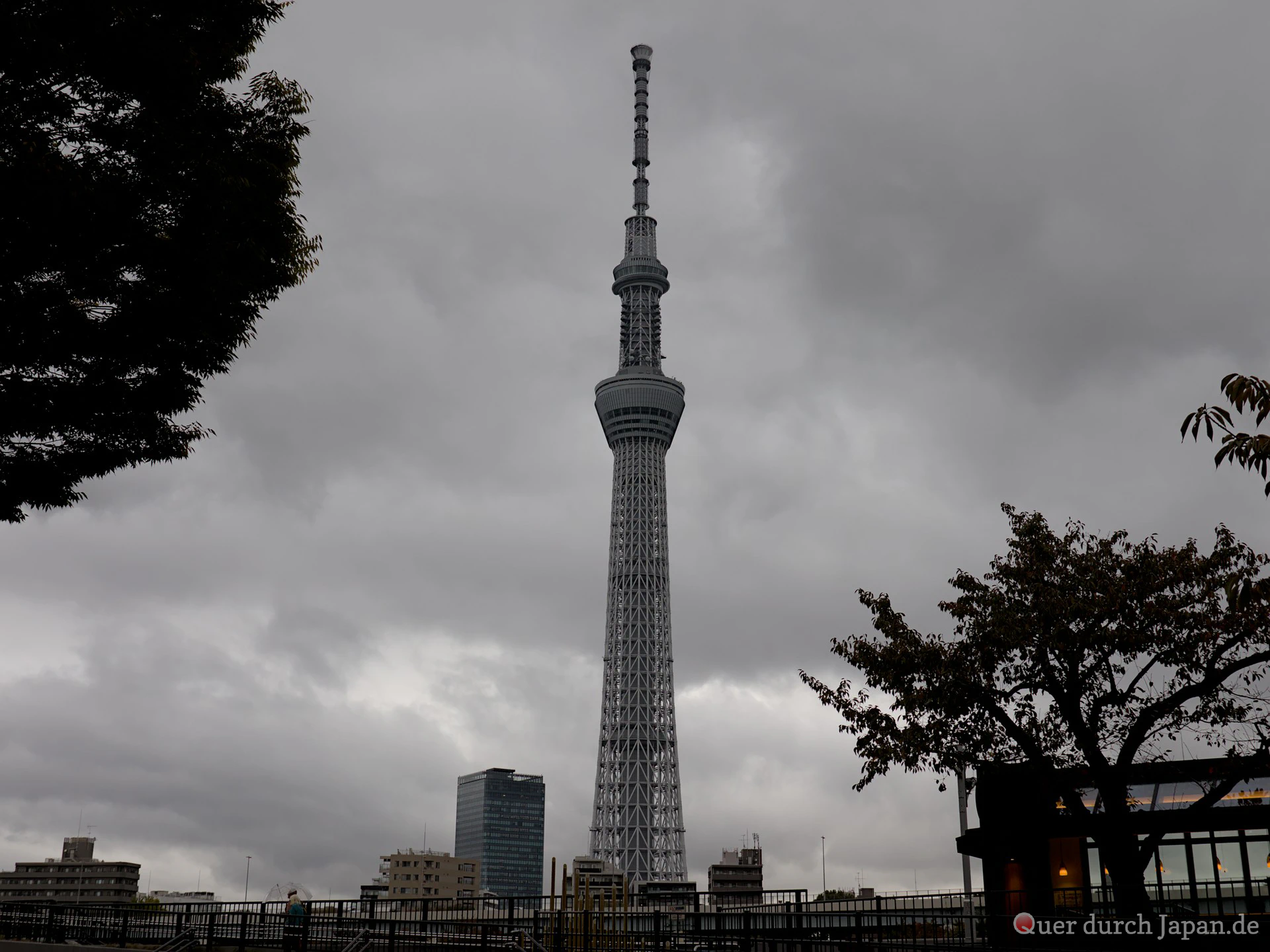
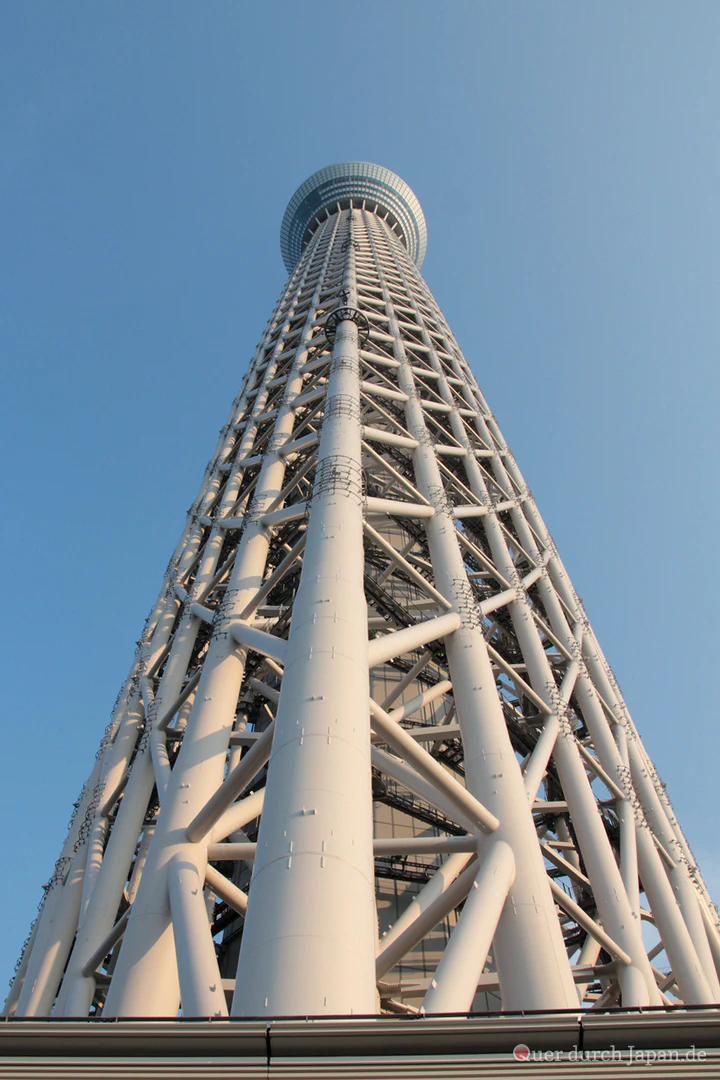
At 634 metres, the Skytree in Tōkyō is the tallest TV tower and the second-tallest building in the world. It opened in 2012 after four years of building work.

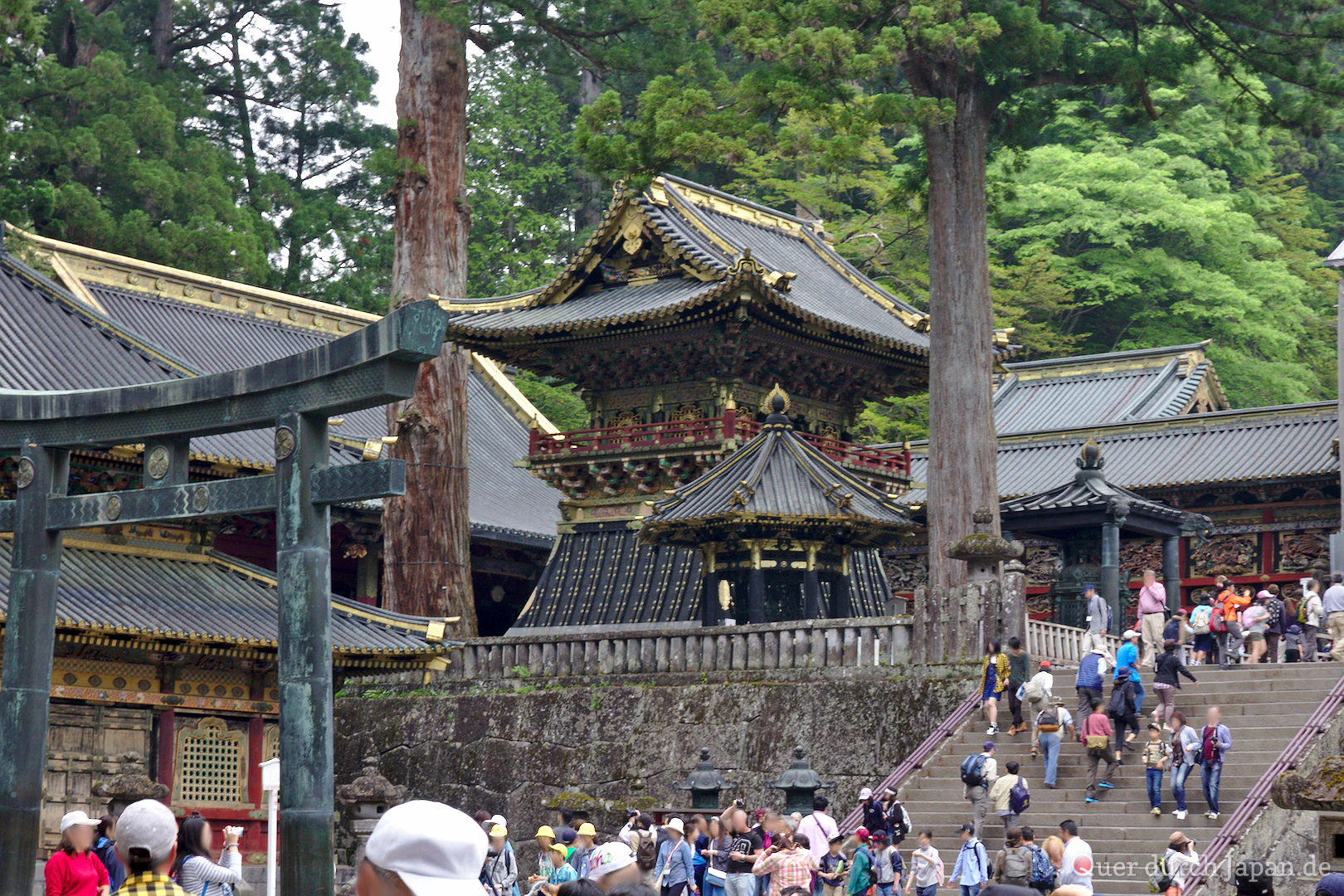
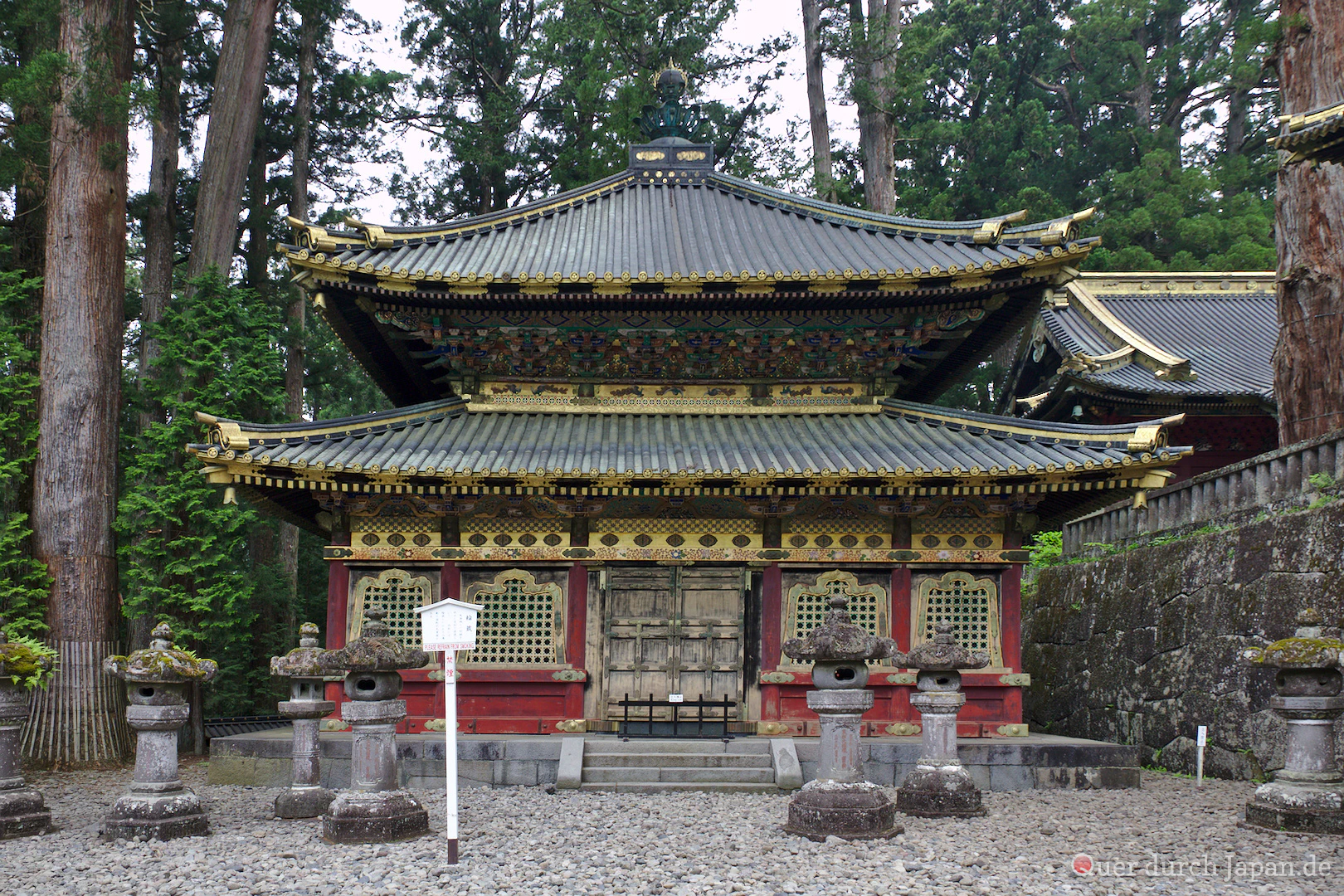
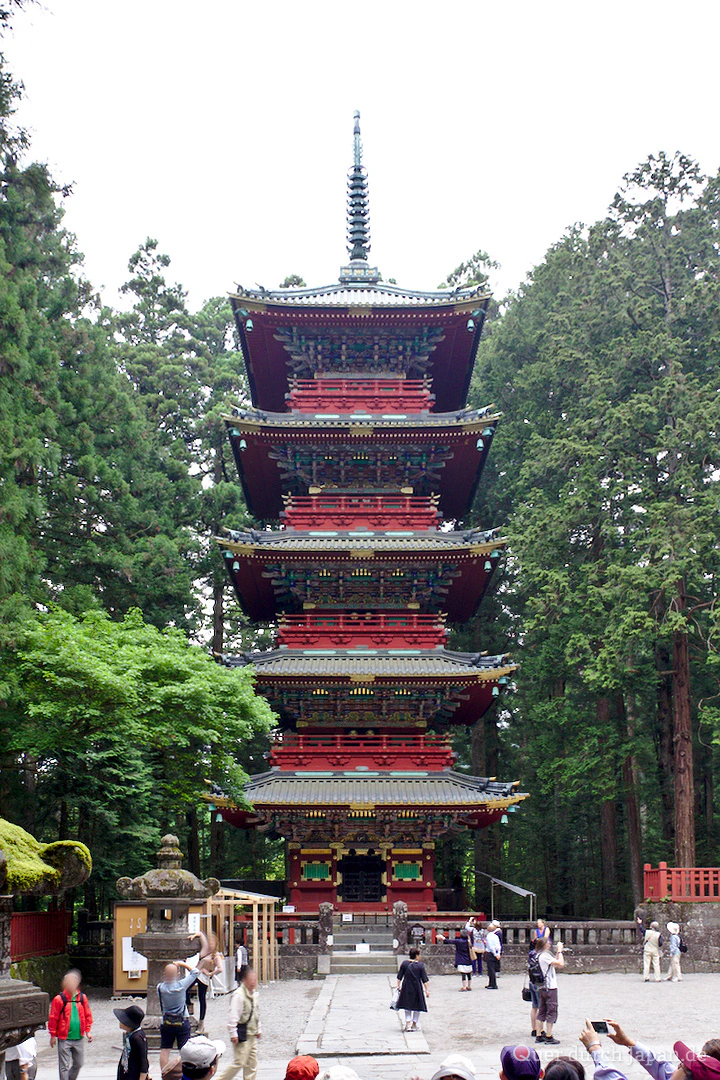
The tower is made up of a massive reinforced concrete pillar surrounded by a strut-like steel skeleton. The design was inspired by the pagoda in Nikkō, which is supposed to make the tower earthquake-proof. And it works – the Skytree actually survived the massive 2011 Tōhoku earthquake pretty much unscathed.

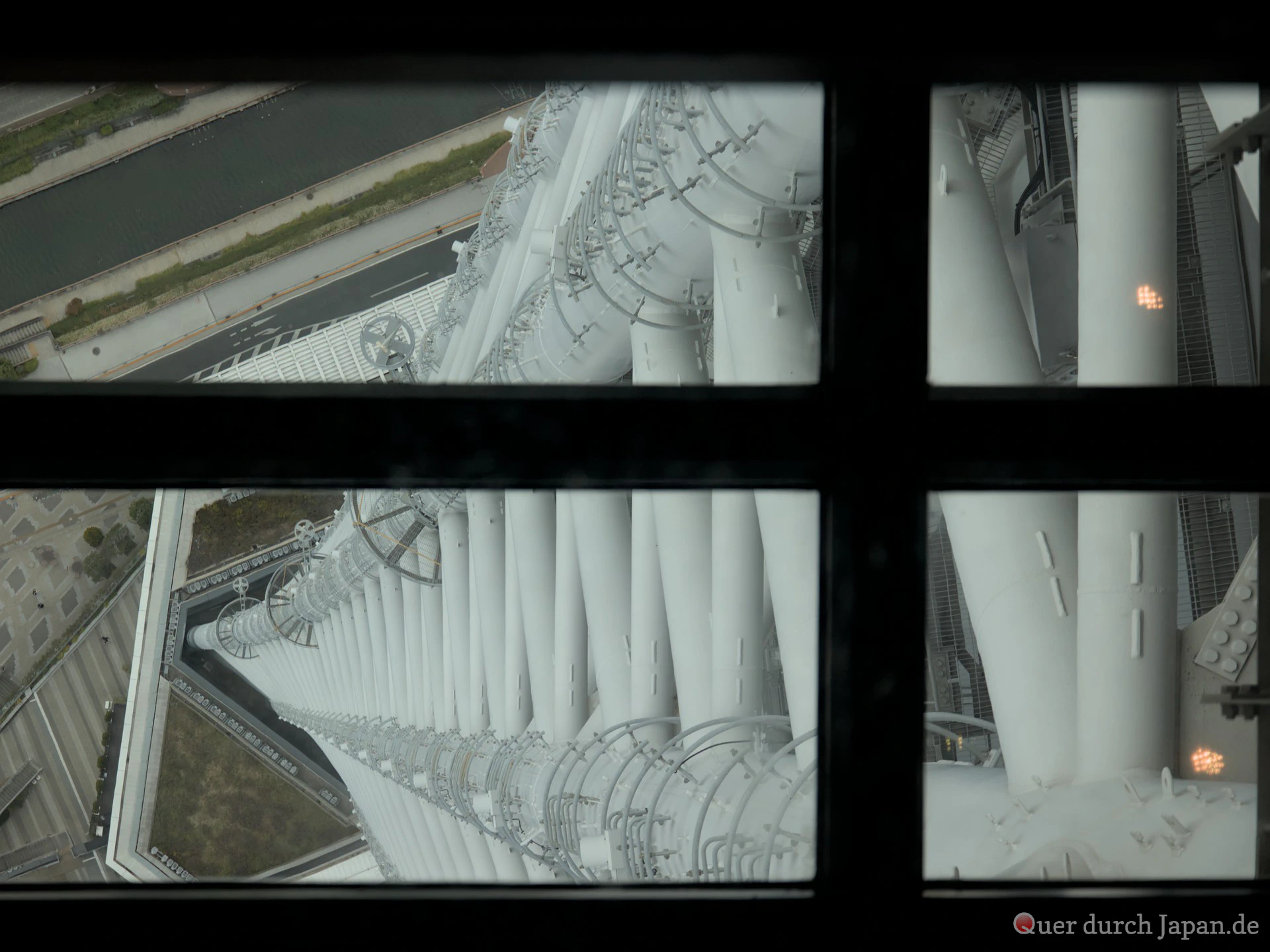
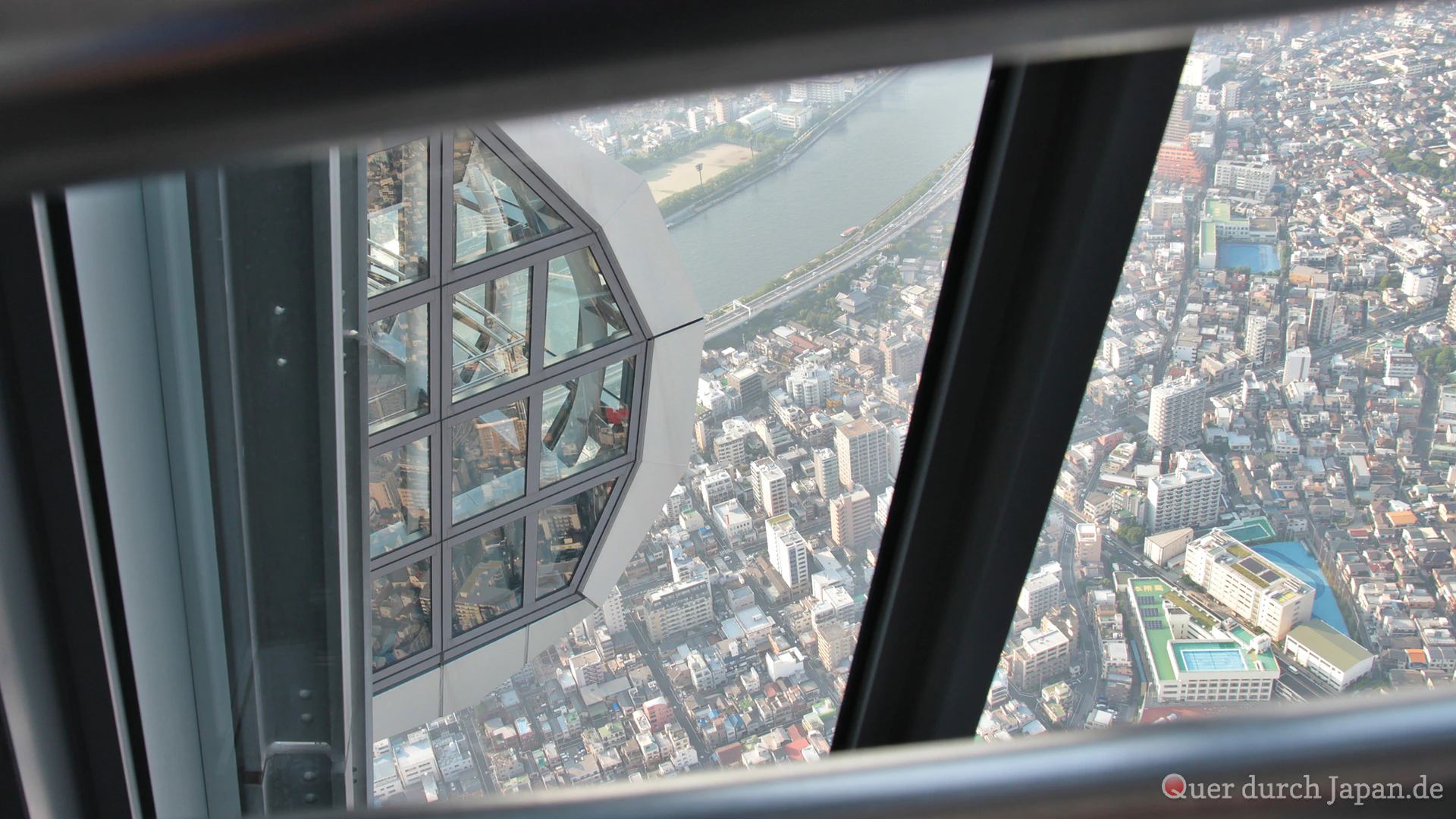
The lower platform, the Tembo Deck, sits at 350 metres up and offers the usual mix of restaurants and souvenir shops alongside its panoramic windows. You can also look right down to the ground through a glass floor.

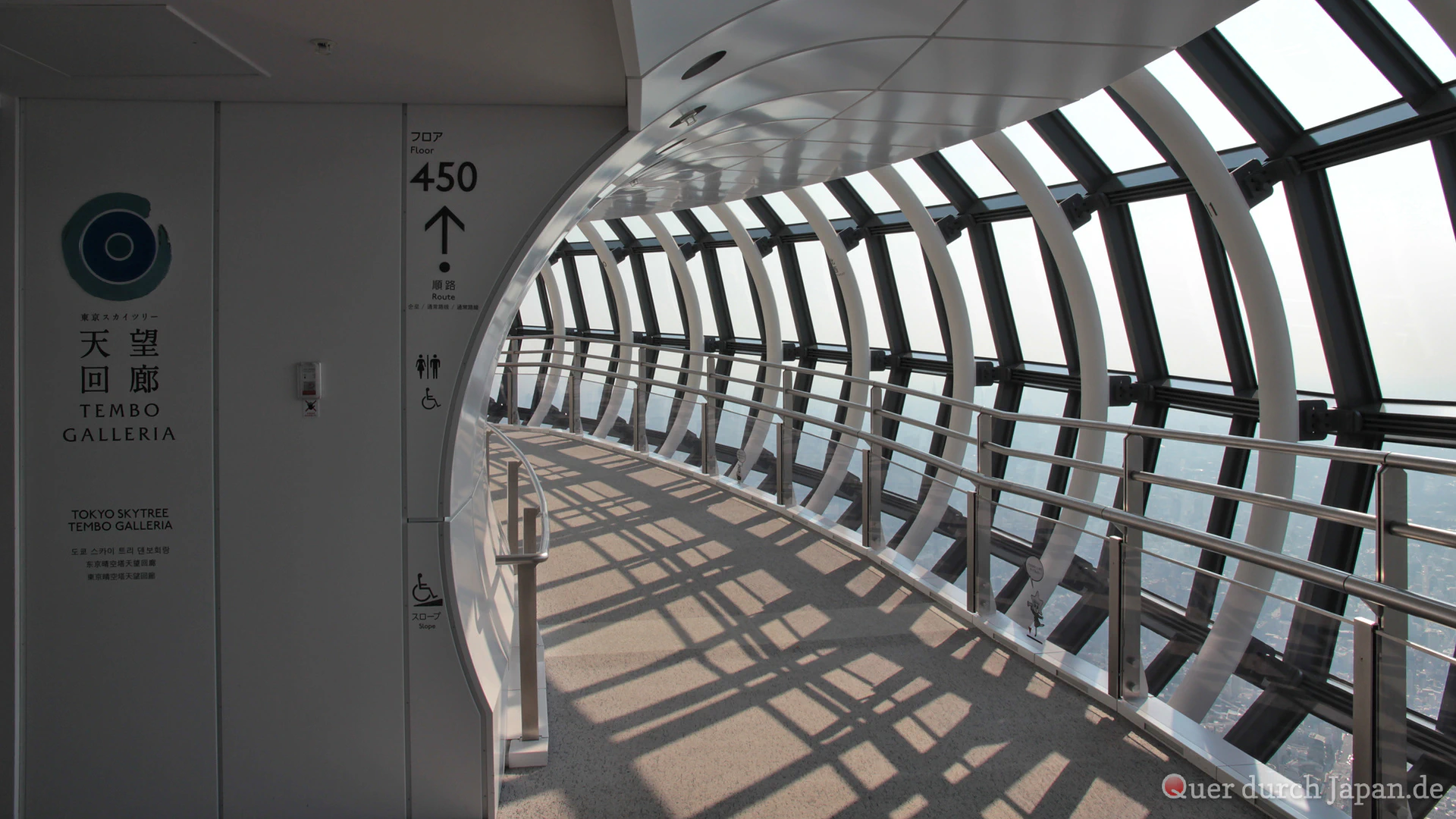
A separate lift takes you up to the second platform, the Tembo Galleria, which is another 100 metres higher. The extra cost is totally worth it, because you get an even better view of Tōkyō from a spiral tunnel attached to the outside of the building.

A standard ticket (“Same-day Ticket”) costs 2,060¥ and gets you to the Tembo Deck. Once you’re there, you can buy a ticket for the Tembo Galleria for another 1,030¥. Alternatively, tourists can show their ID at a separate counter to get express tickets (“Fast Skytree Ticket”). They cost 3,000¥ for the Tembo Deck, or you can get a combo ticket for both platforms for 4,000¥. This ticket lets you join a fast-track queue for the lifts, though to be honest, I didn’t think it saved that much time. If the lifts aren’t too busy and you’re not in a rush, the standard ticket is probably fine.

Travel Journal 2016: Nikkō

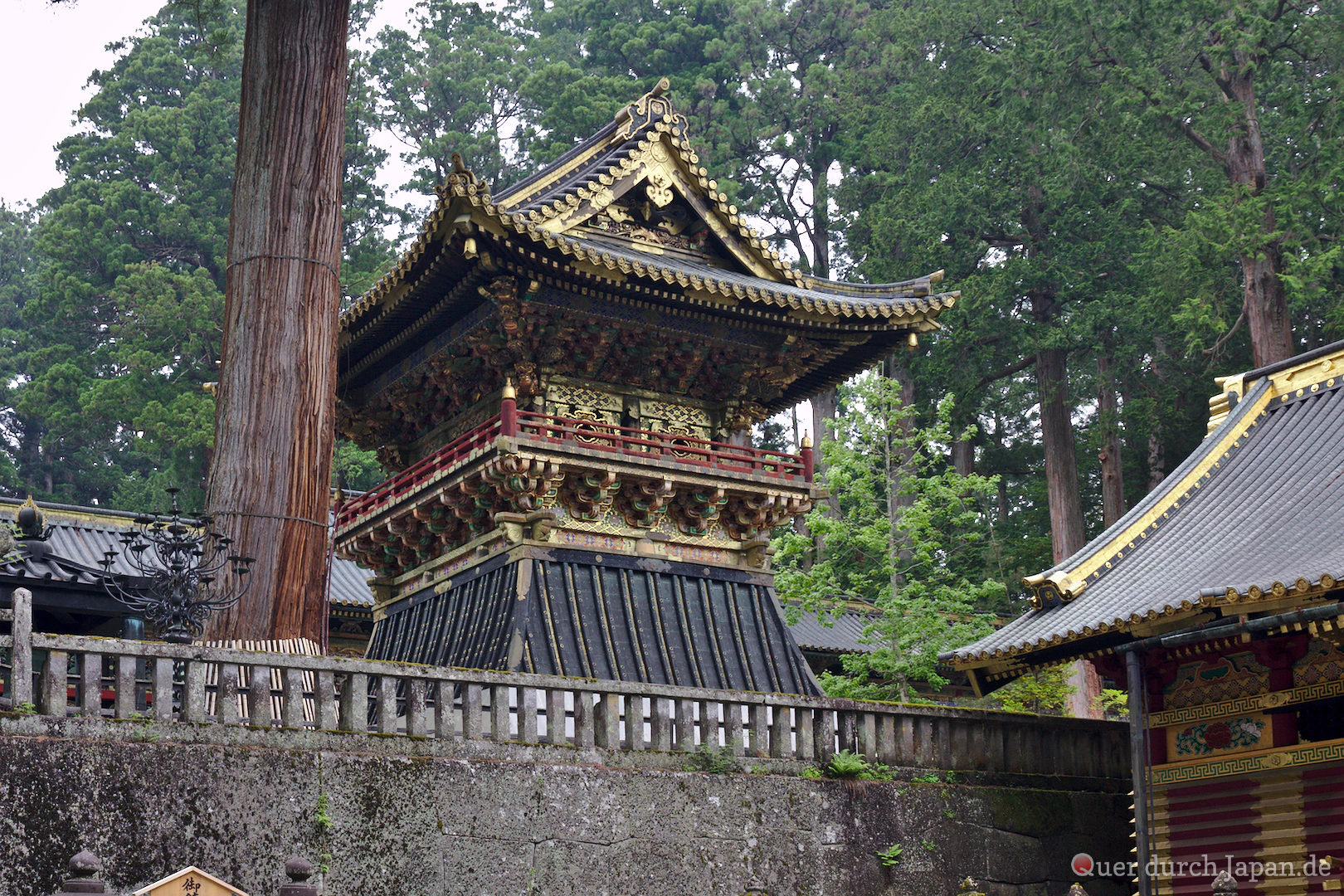
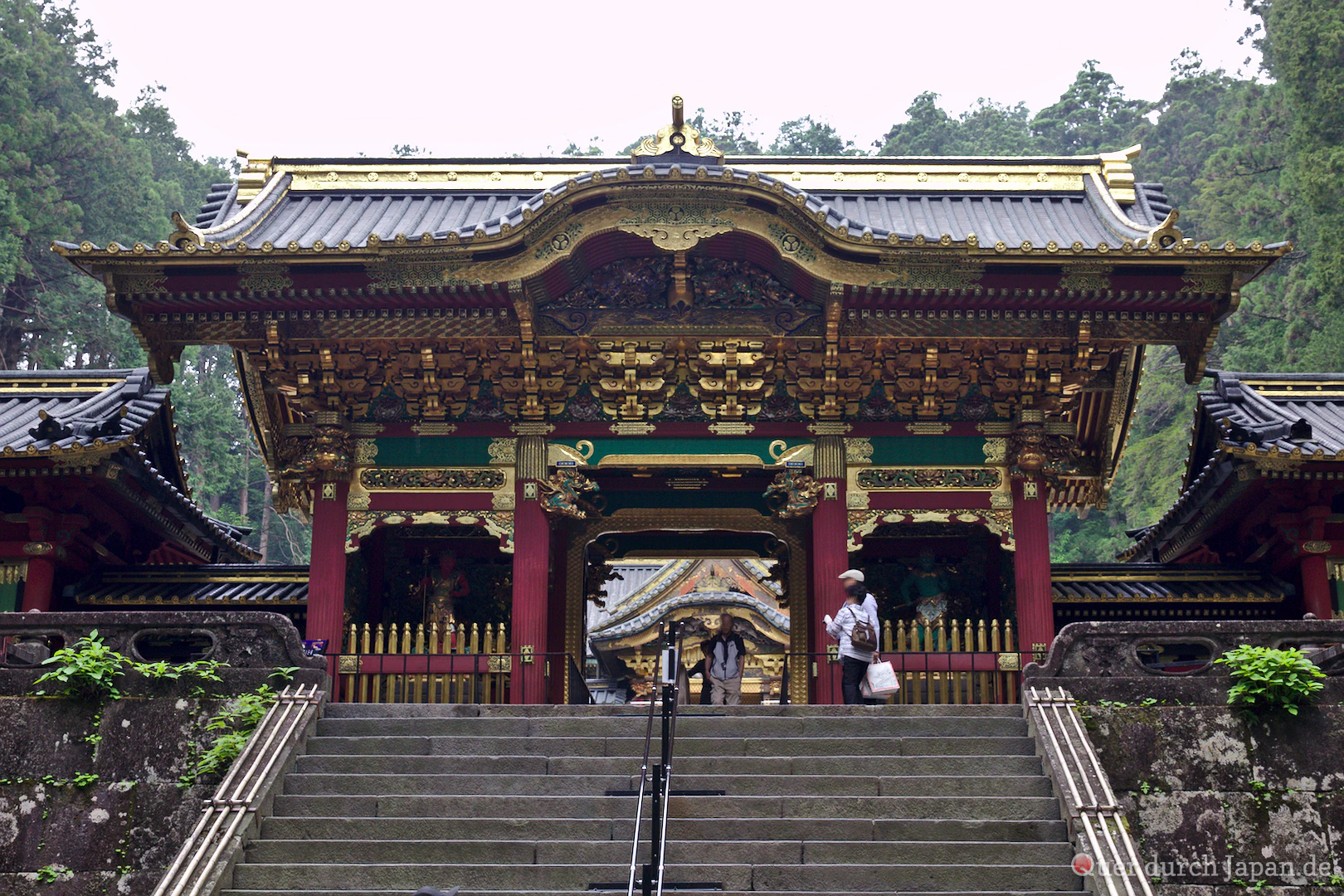
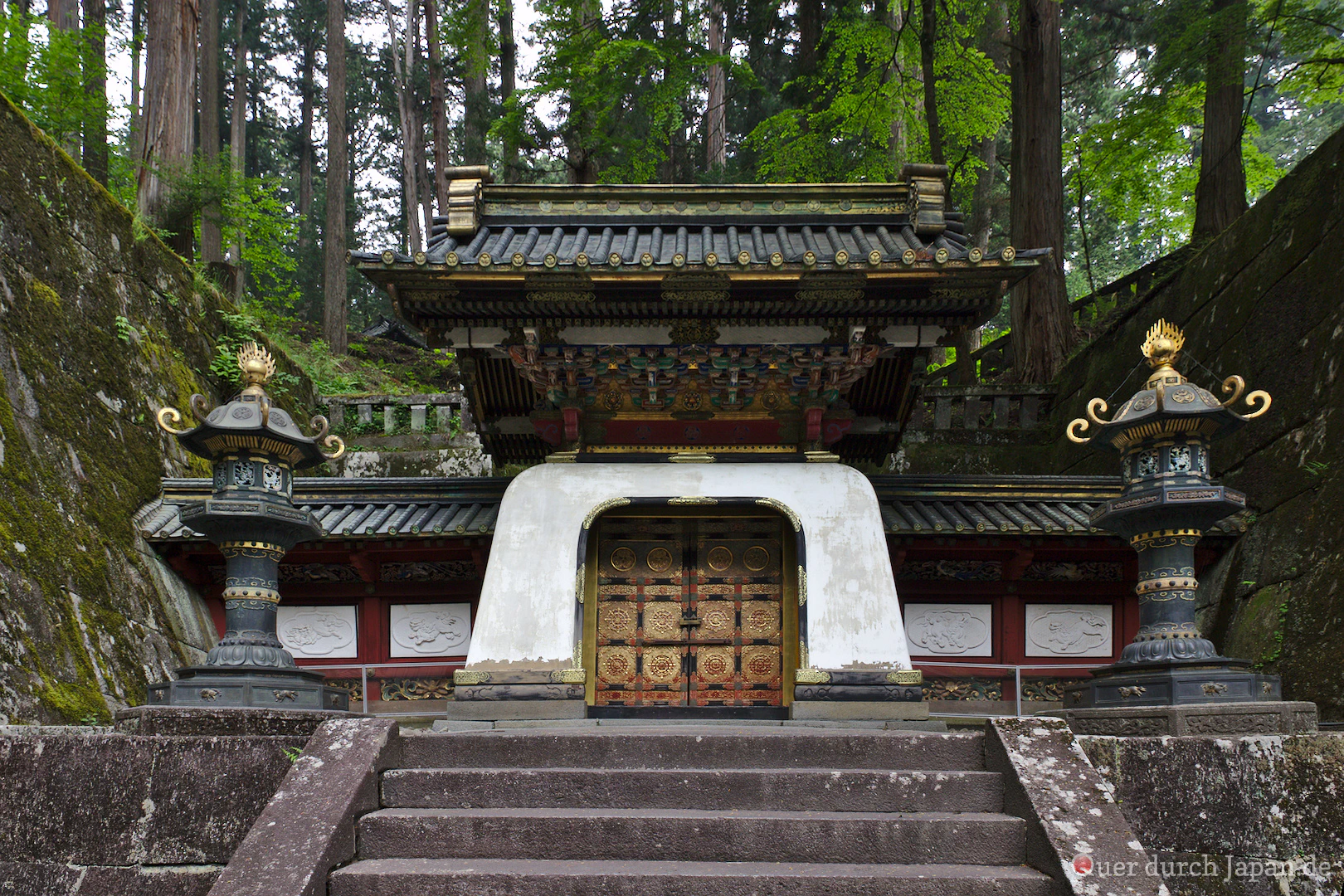
What we missed on our 2010 trip due to booking issues, we made up for this time around. We took the bus for two and a half hours to Nikkō, where we visited the Tōshōgū Shrine and the Taiyu-in Temple.

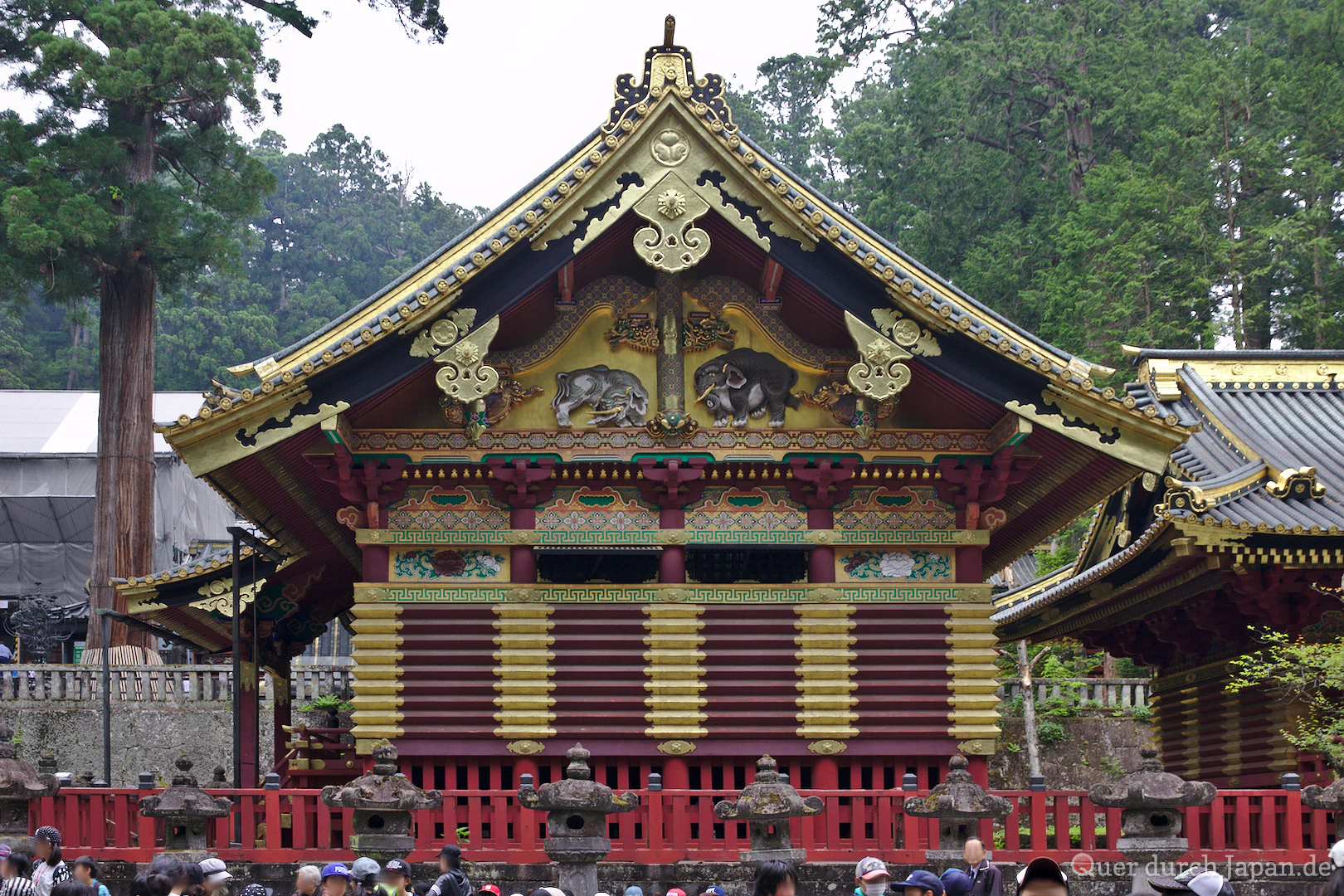
The buildings of the Tōshōgū Shrine are incredibly grand and colourfully designed. Countless and sometimes really elaborate carvings decorate them.

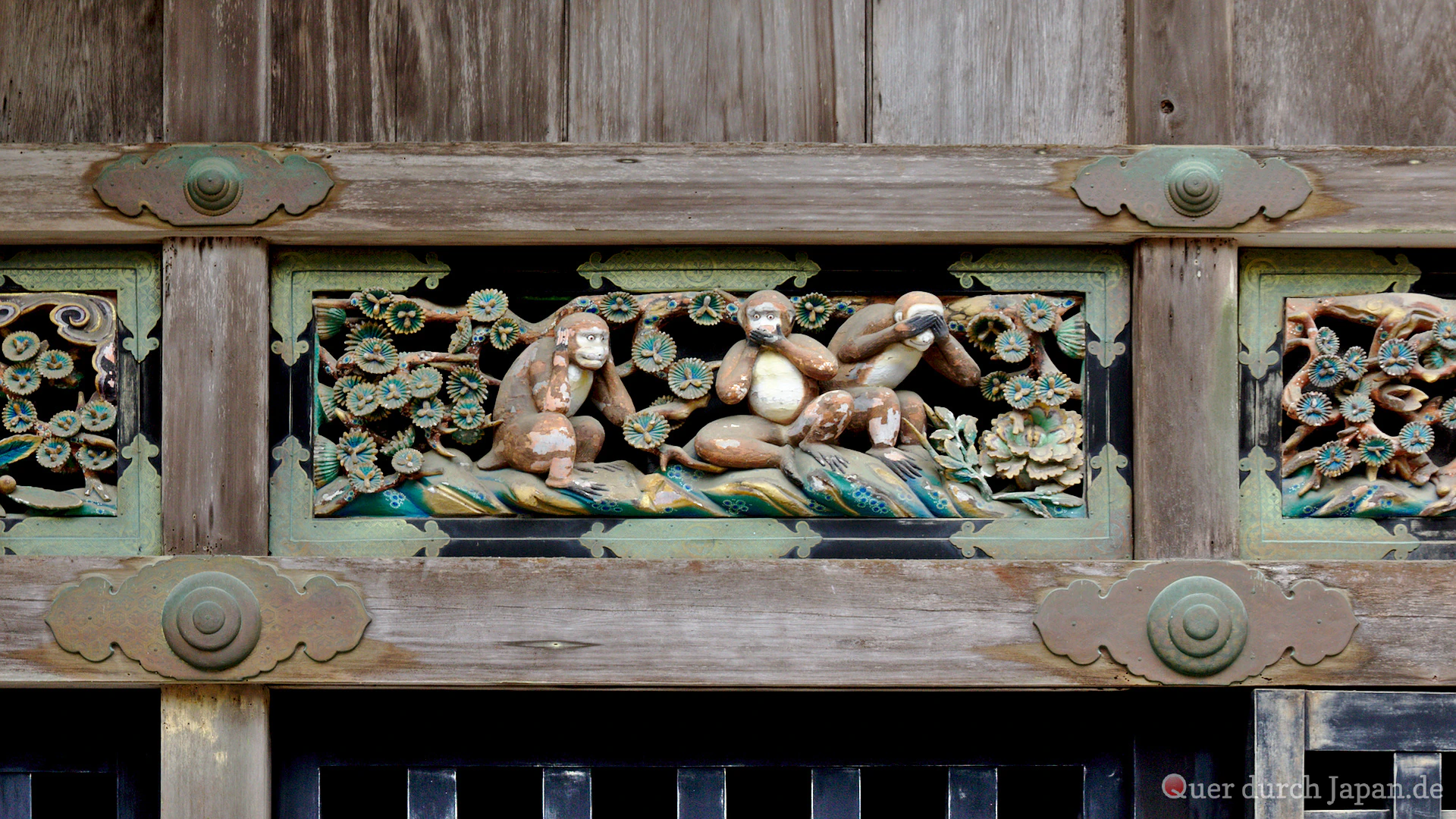
On a rather unassuming side building, for example, you can find the famous three wise monkeys. The carvings wrap around the whole building and depict the cycle of life. The three monkeys symbolise the mother’s wish that the monkey child will hear, see, and speak no evil in life.

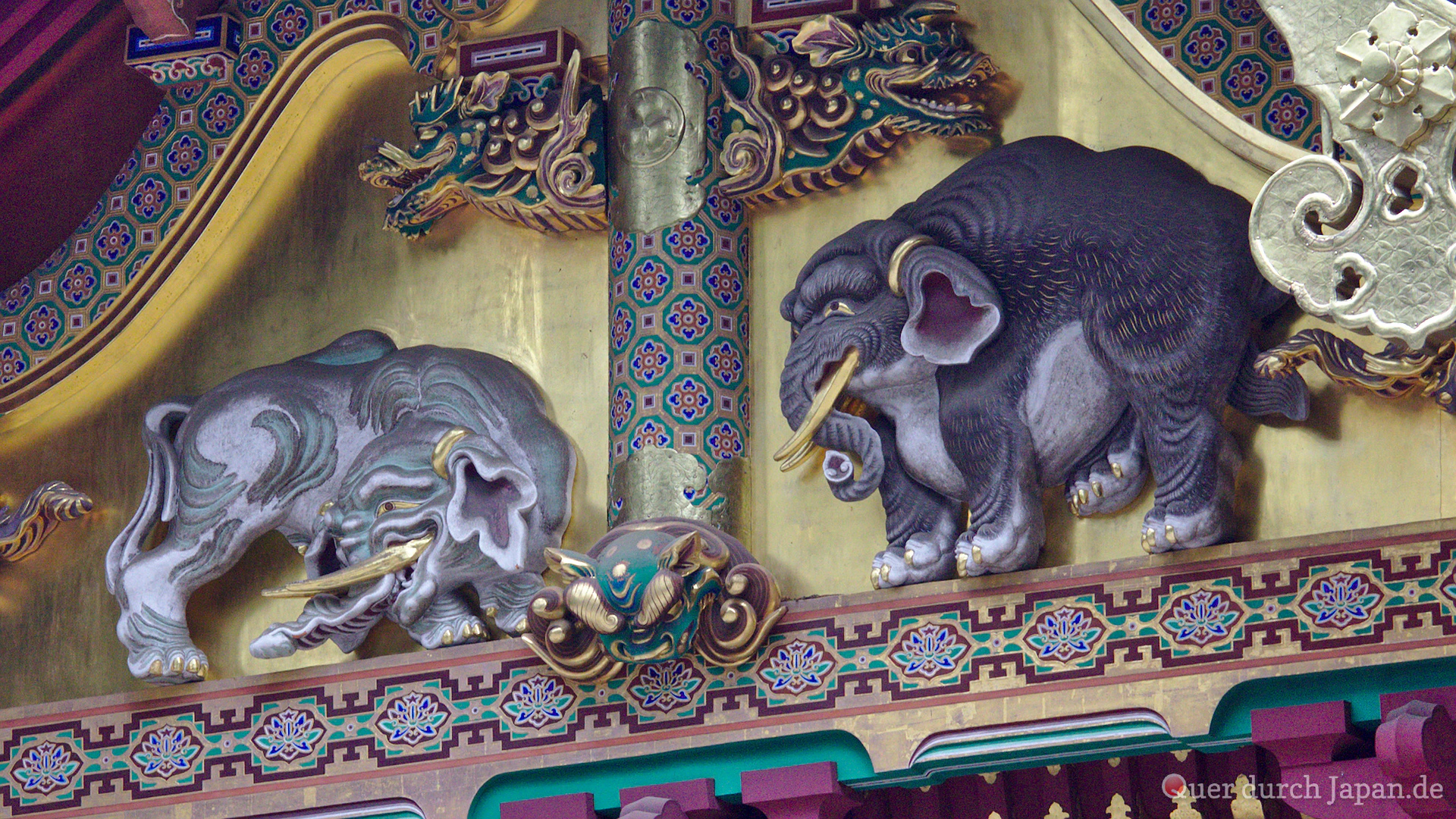
Another carving shows an elephant, which actually looks really weird with its predator eyes and sharp claws. In ancient Japan, people only knew about elephants from the tales of travellers. The appearance was left up to the artist’s imagination.

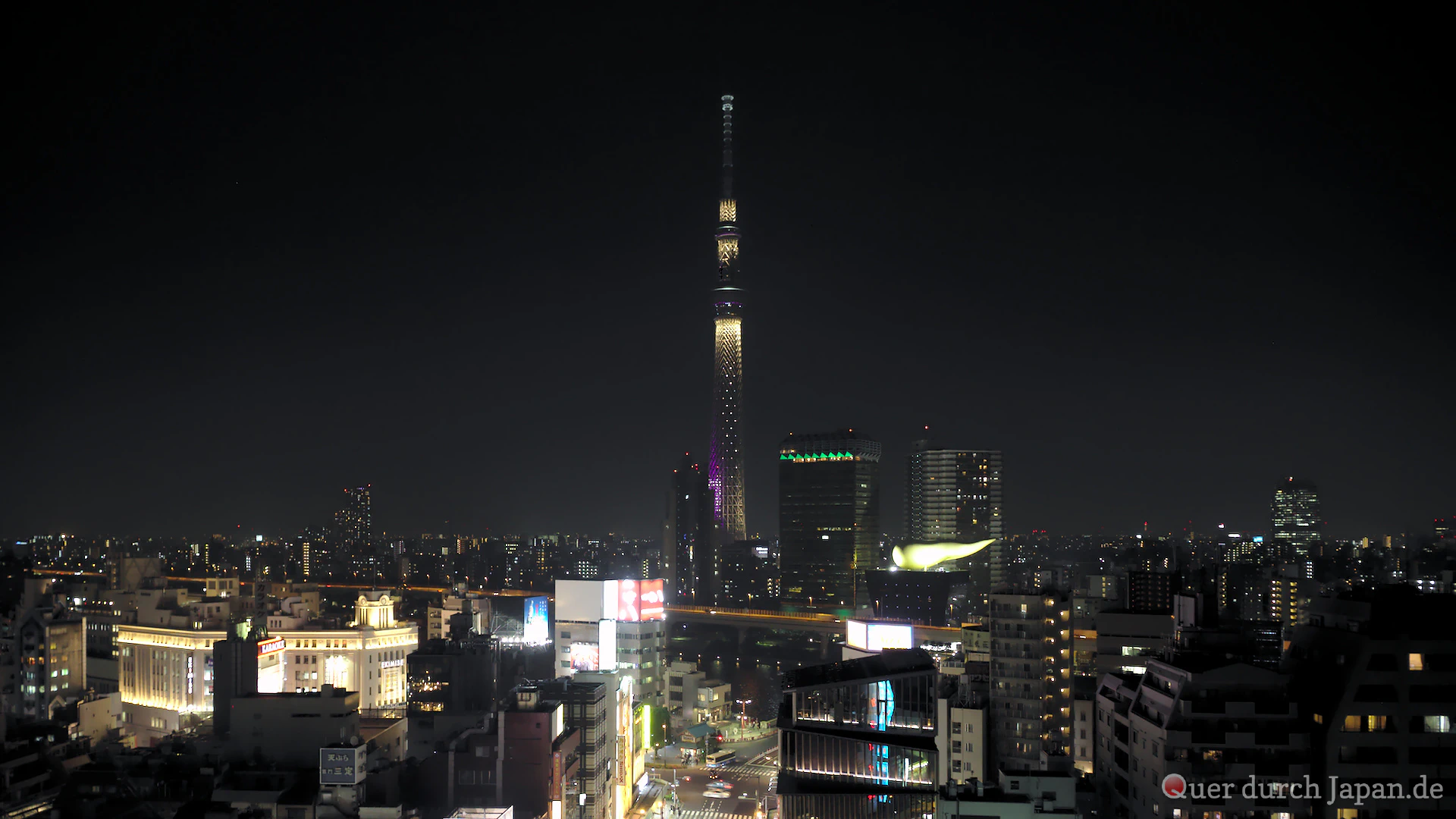
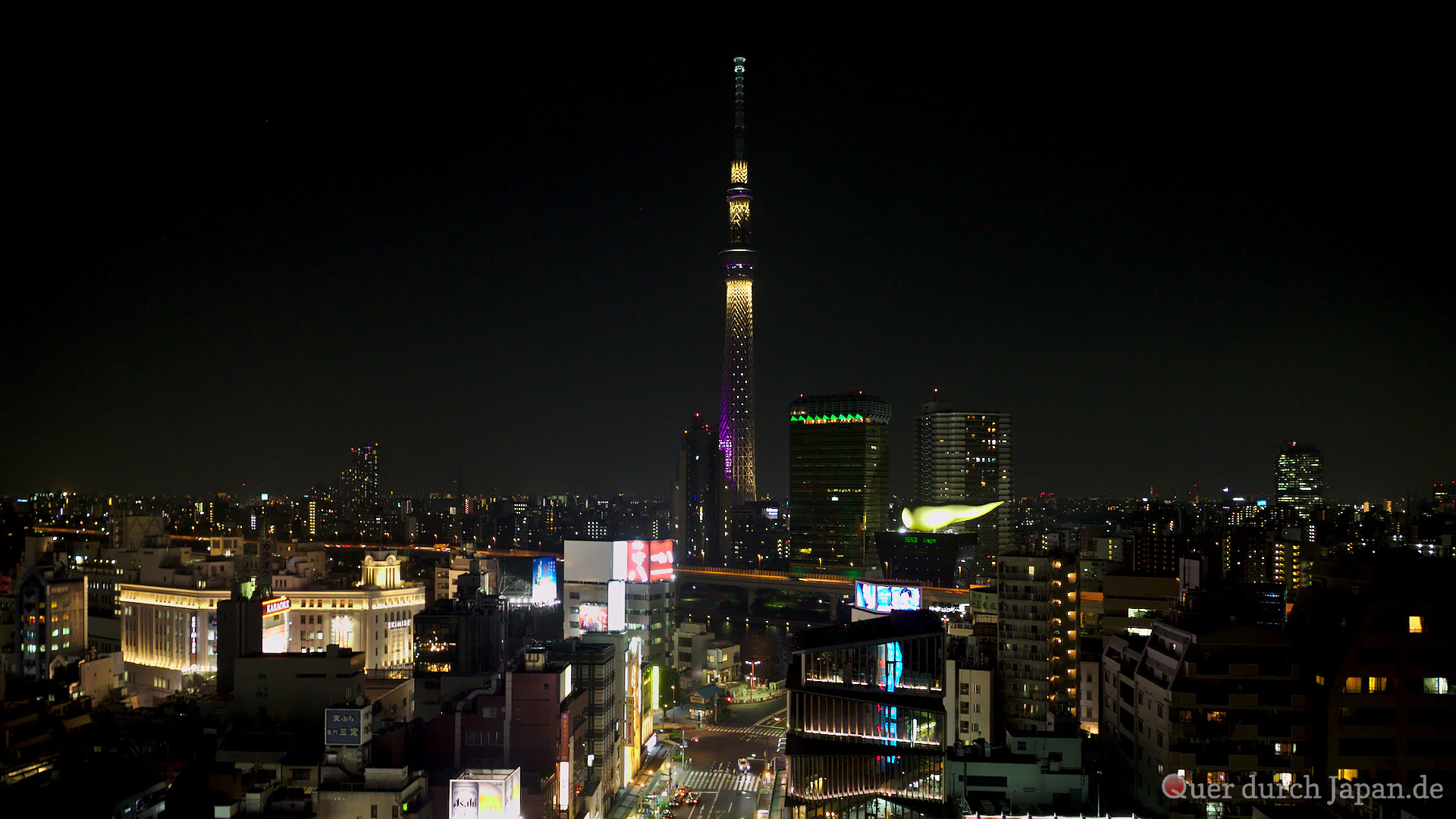
After a long drive back, we’re now back at the hotel. We’ve just enjoyed a lovely view over Asakusa and the colourfully lit Tōkyō Sky Tree from the roof terrace.