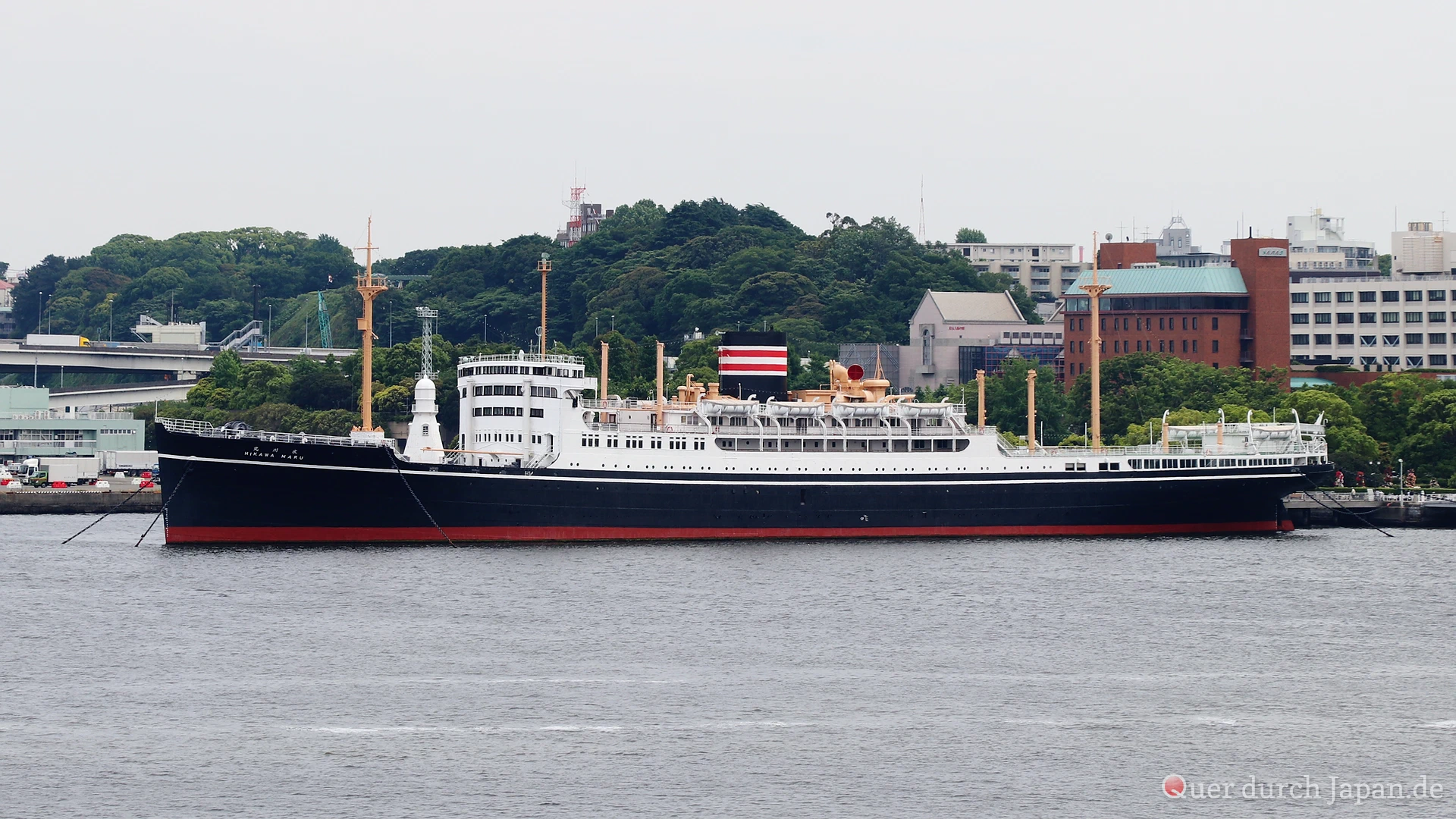
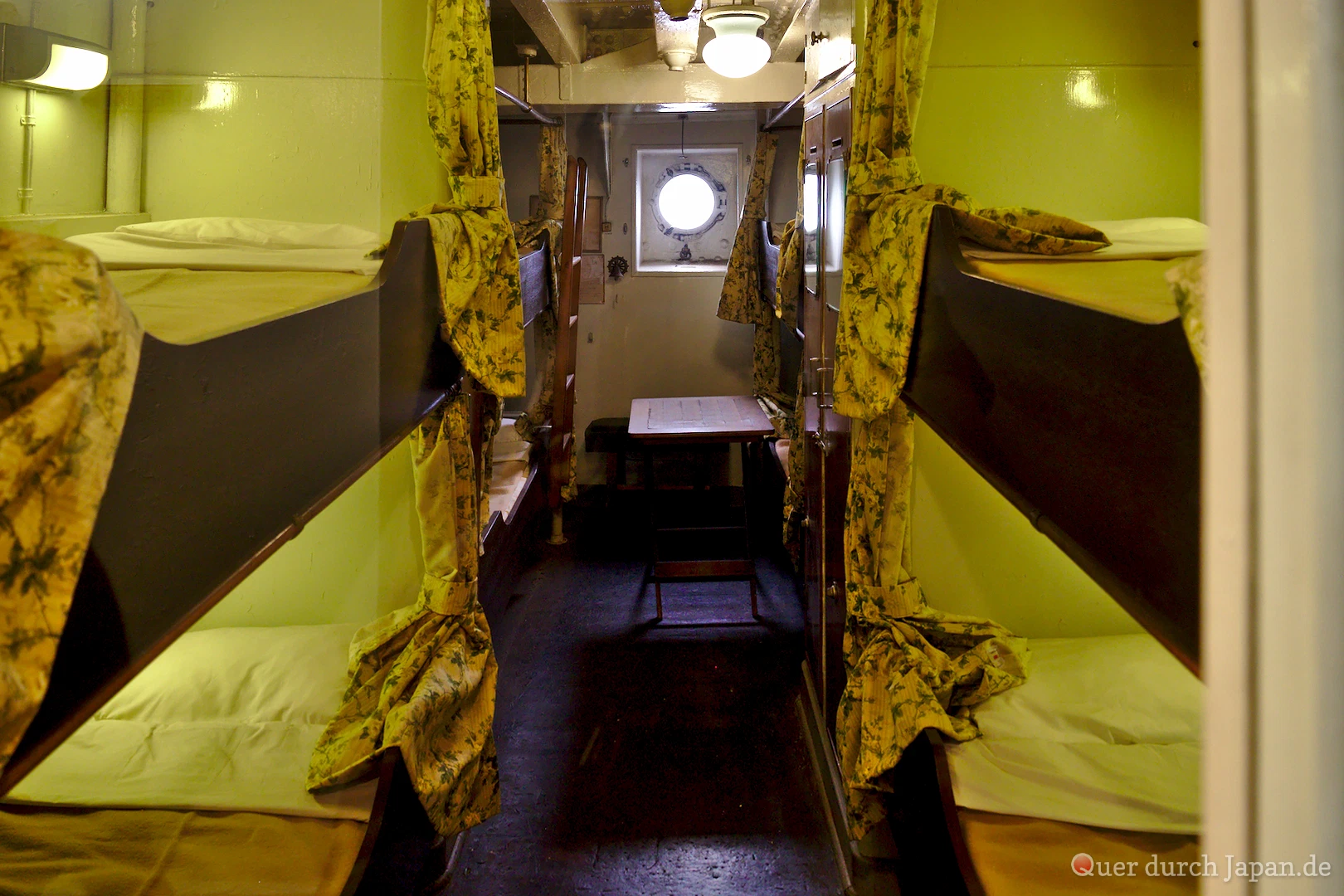
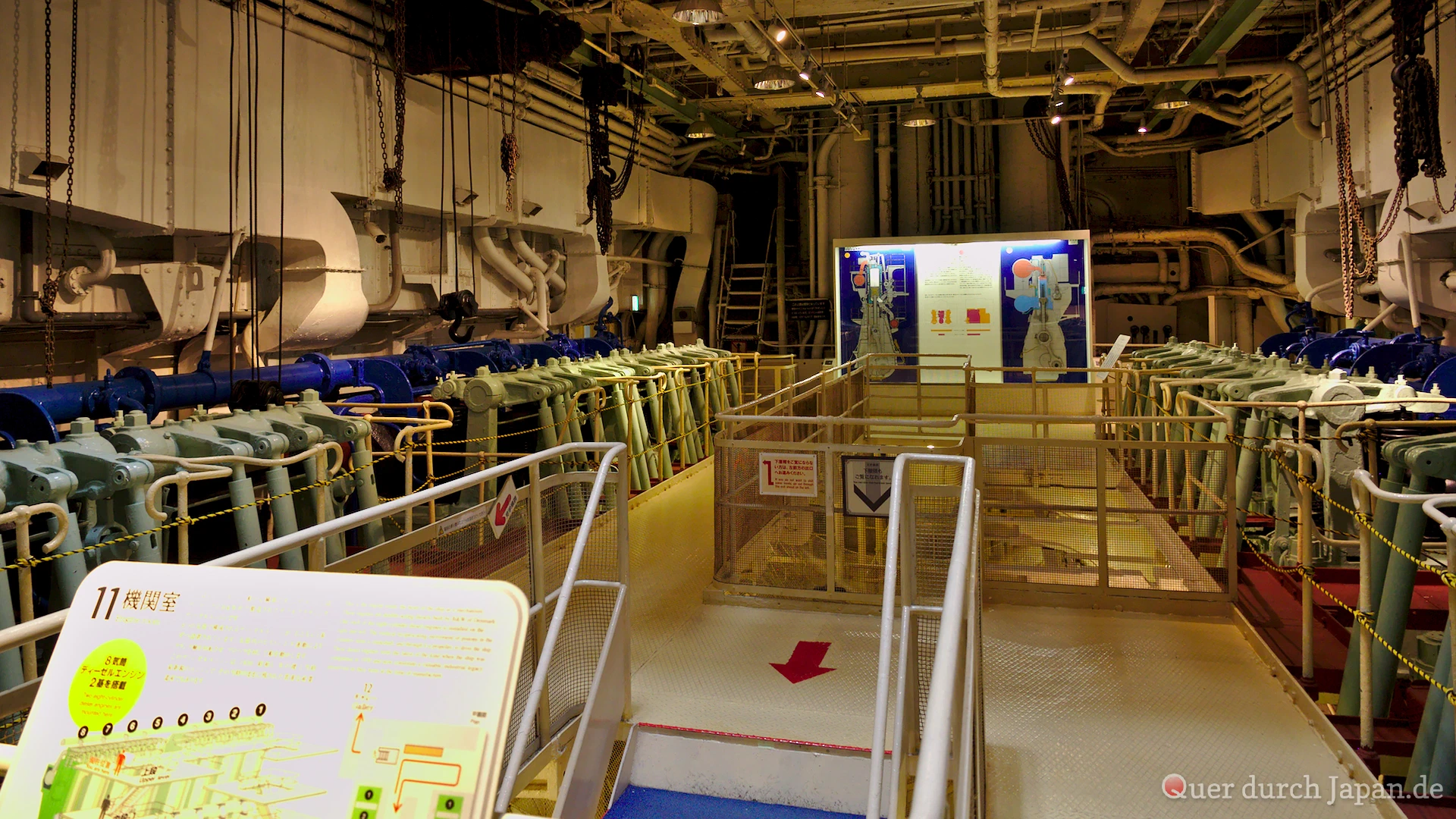
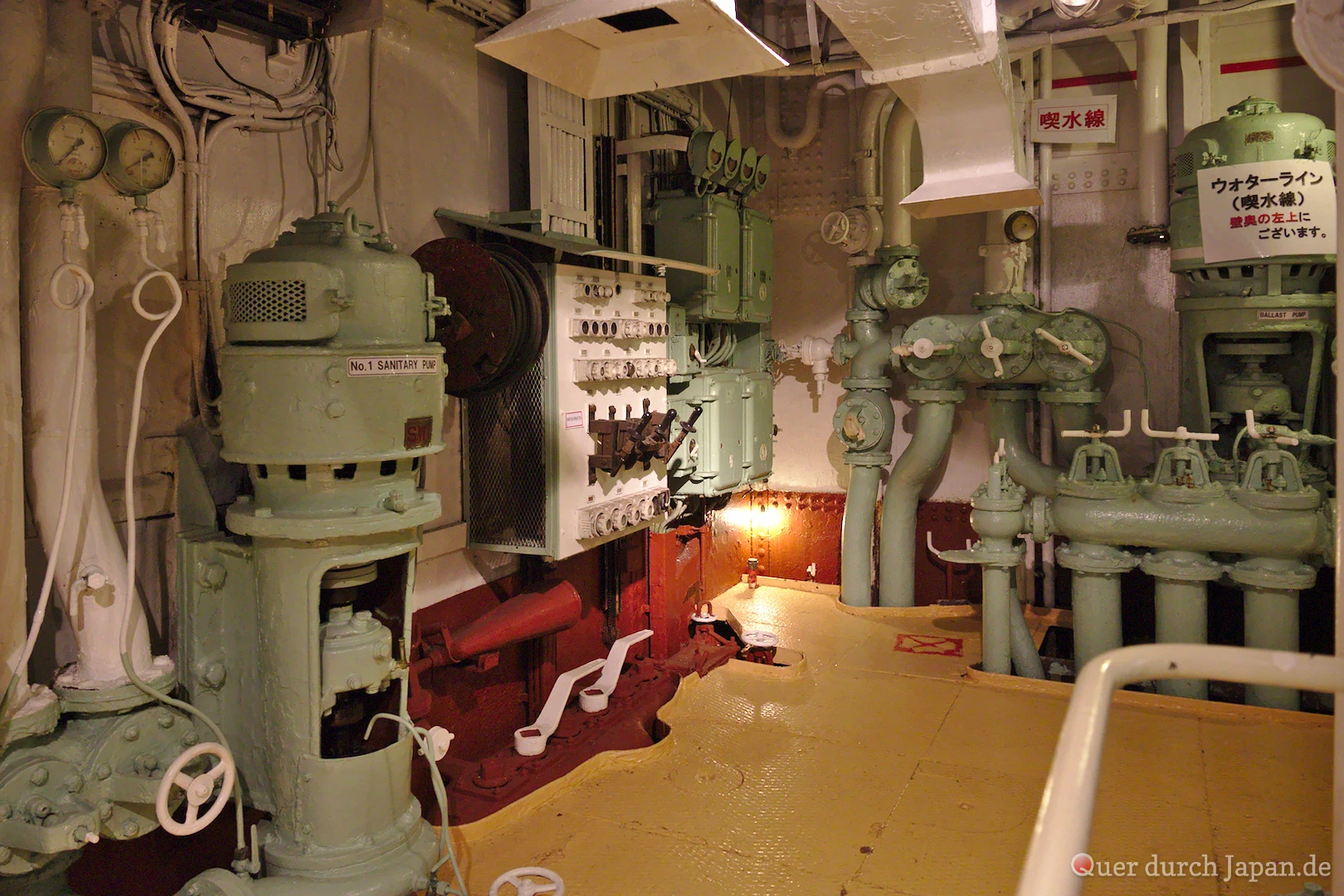
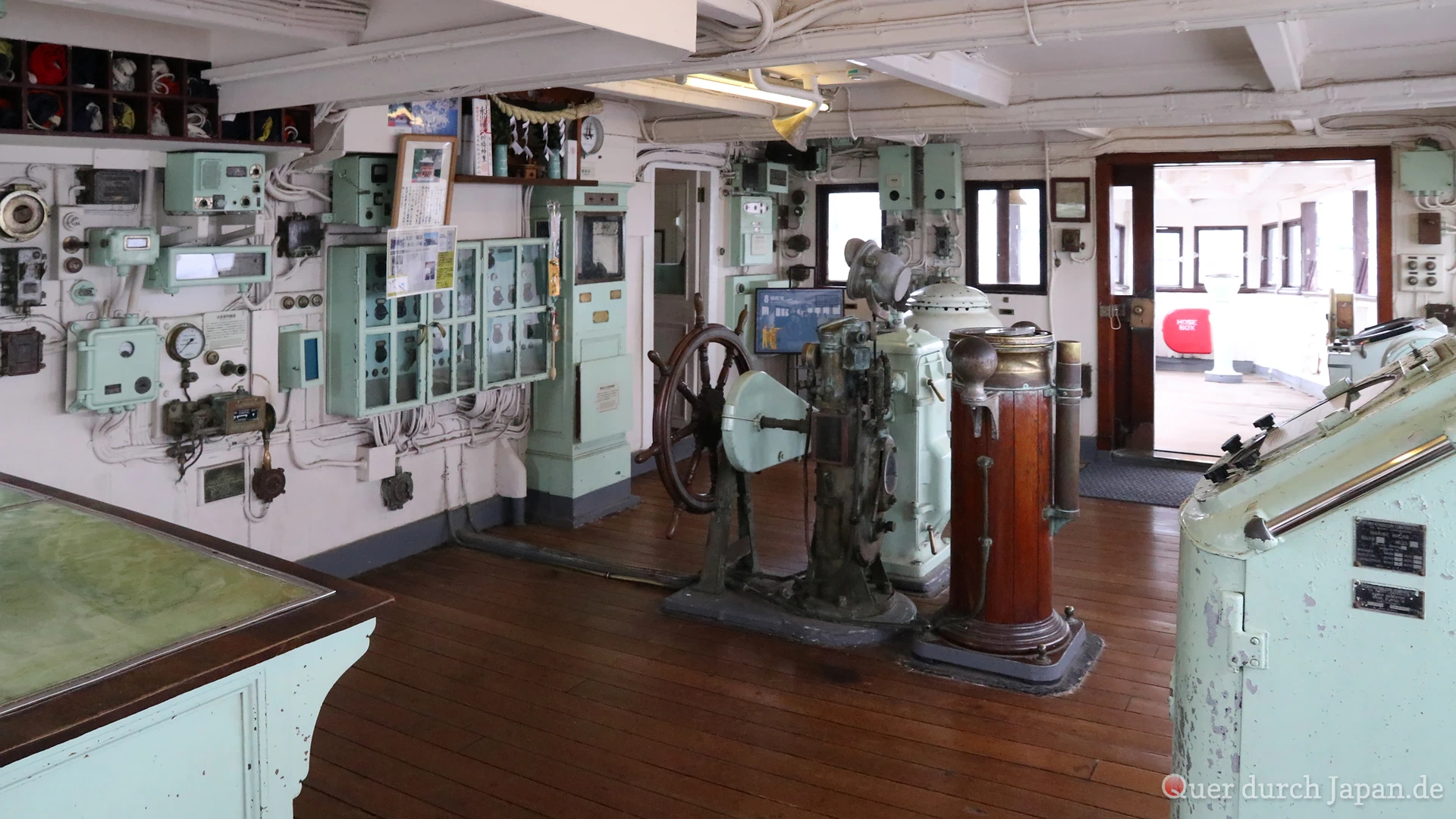
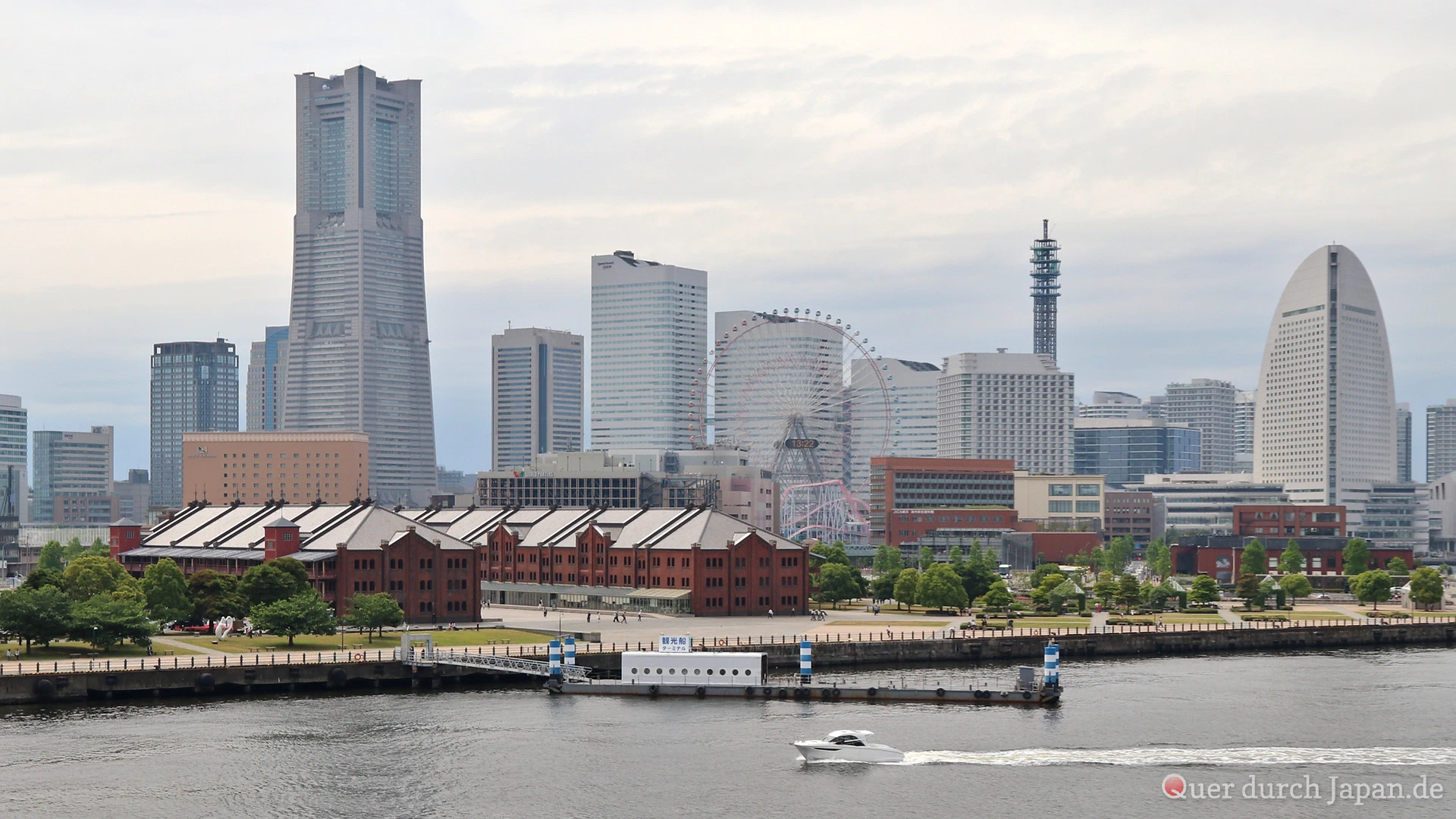
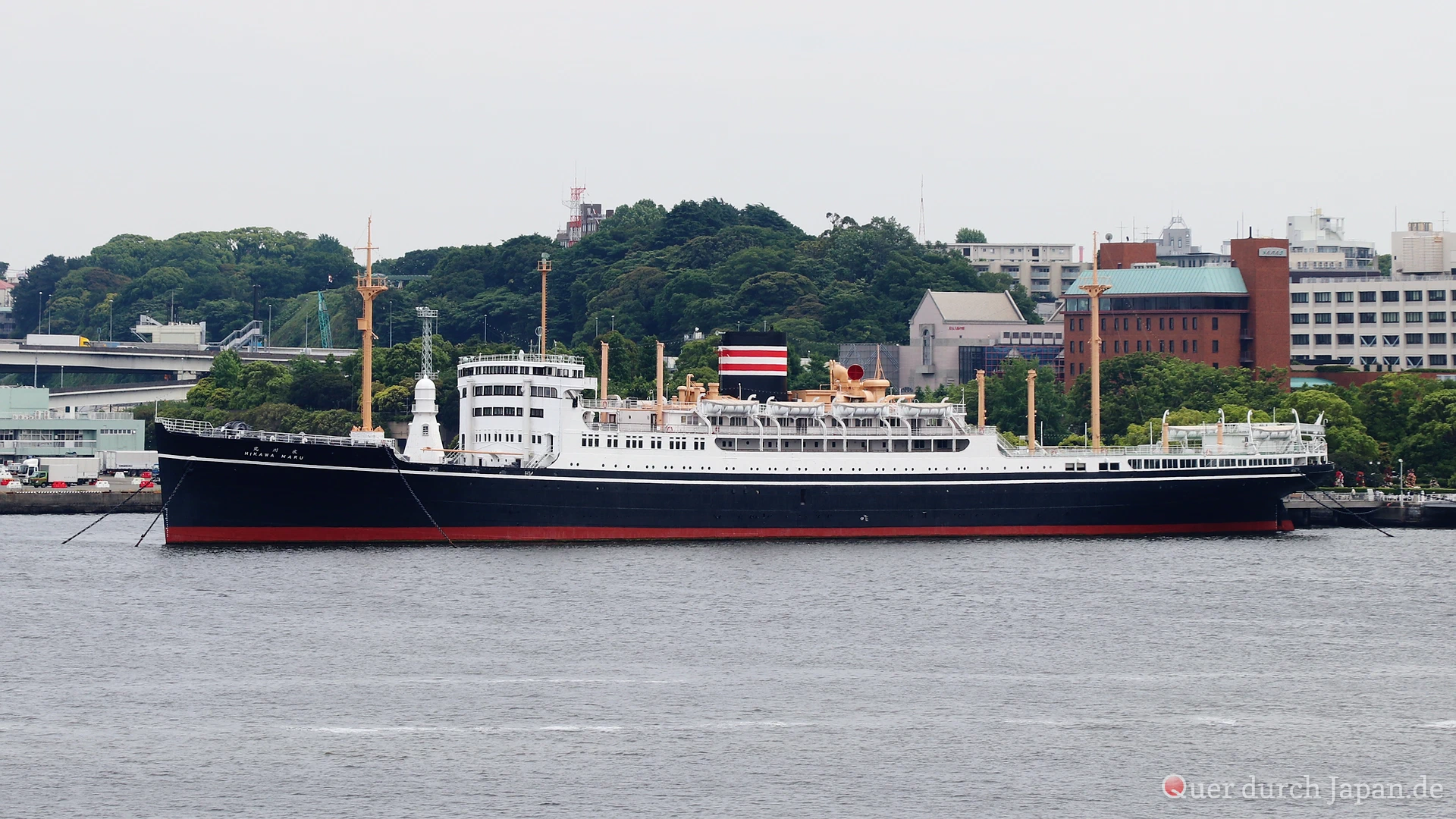
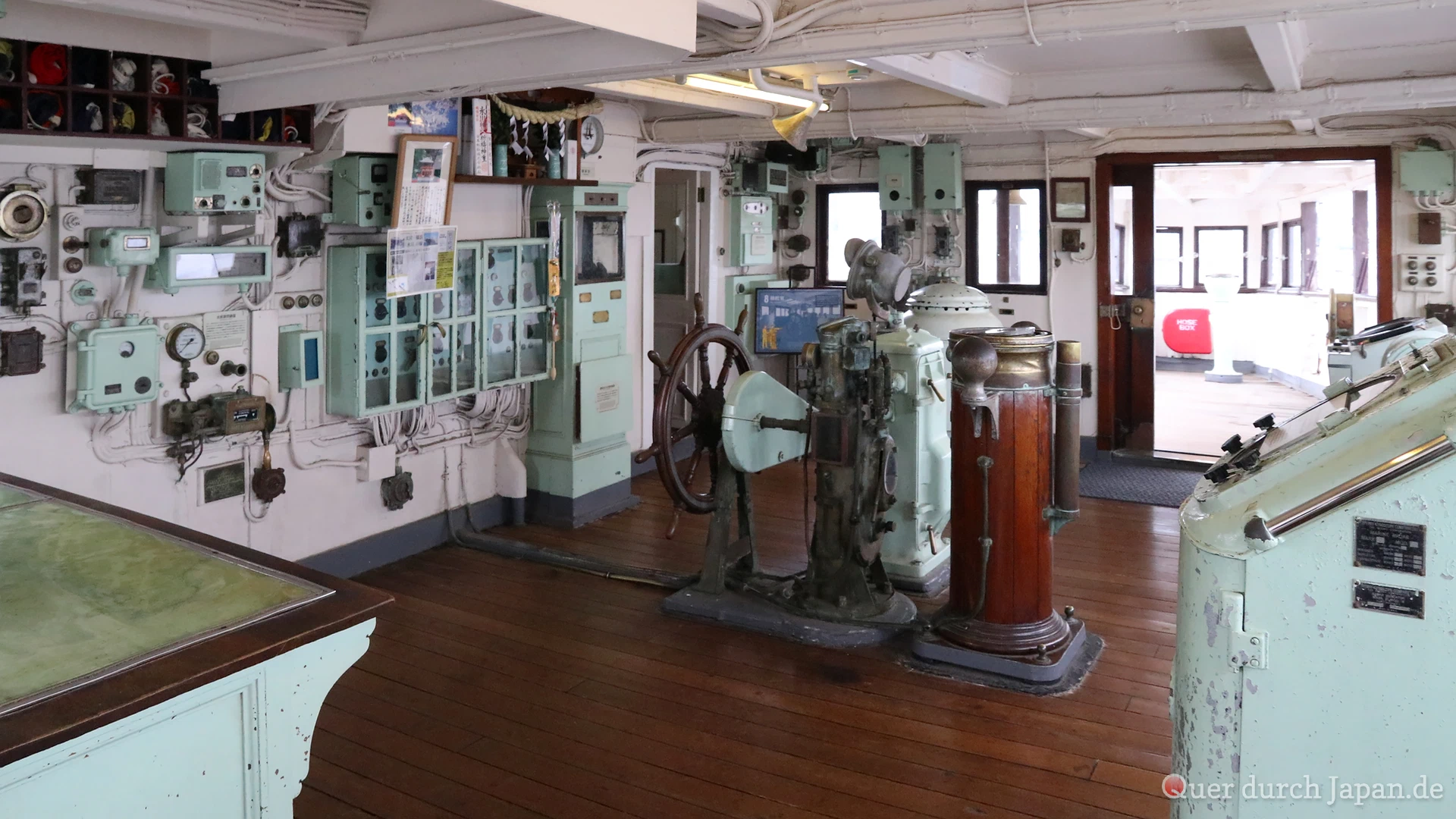
The Hikawa Maru is moored up as a museum ship in Yokohama’s Minato Mirai district.
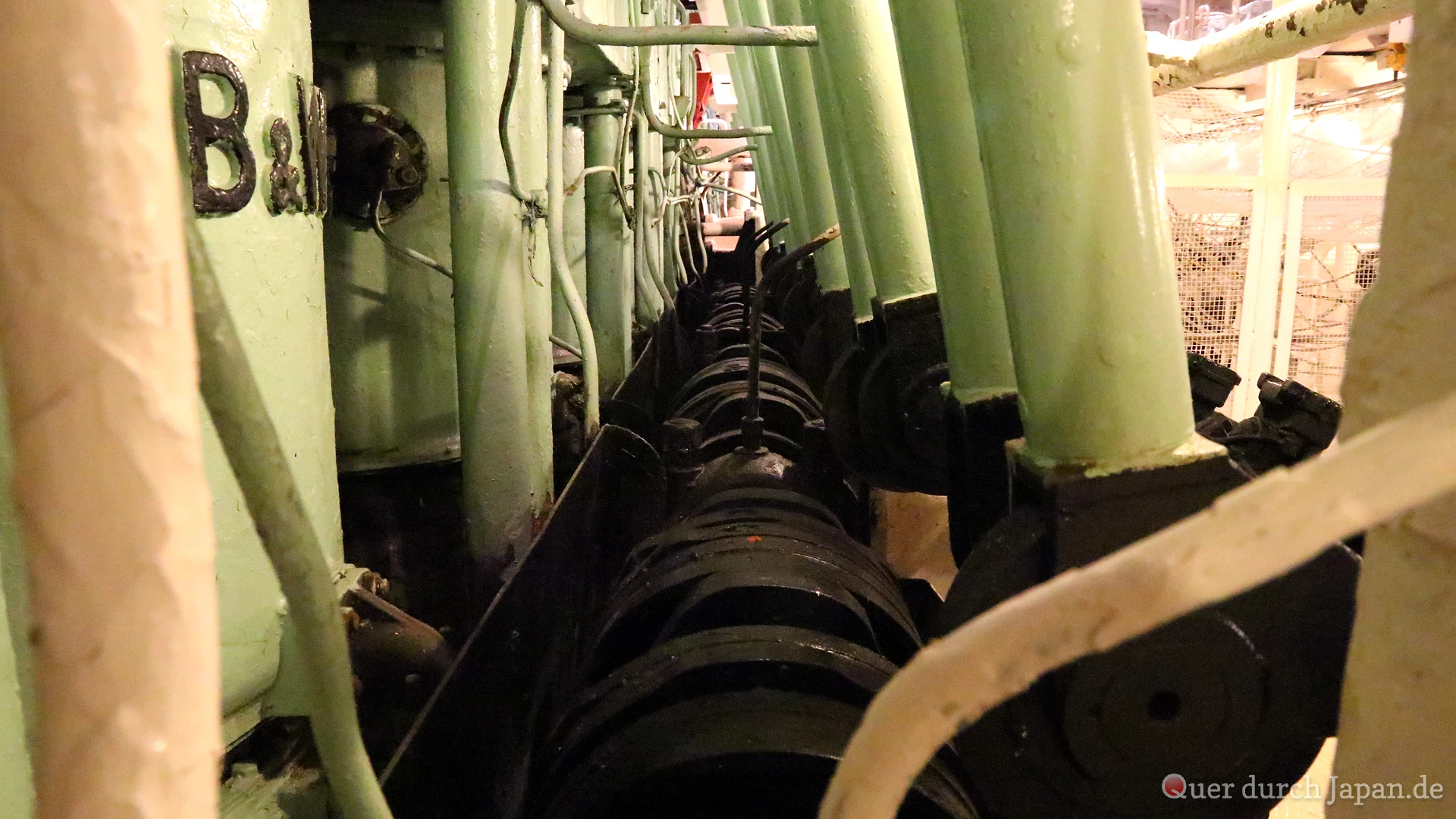
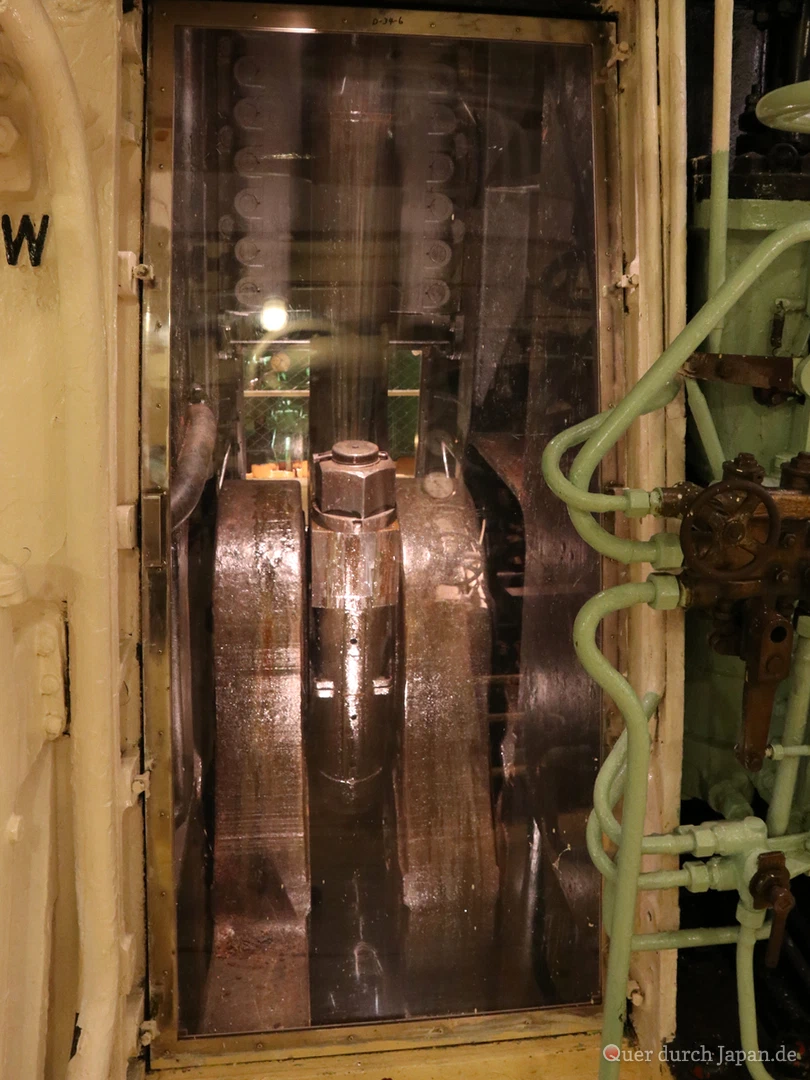
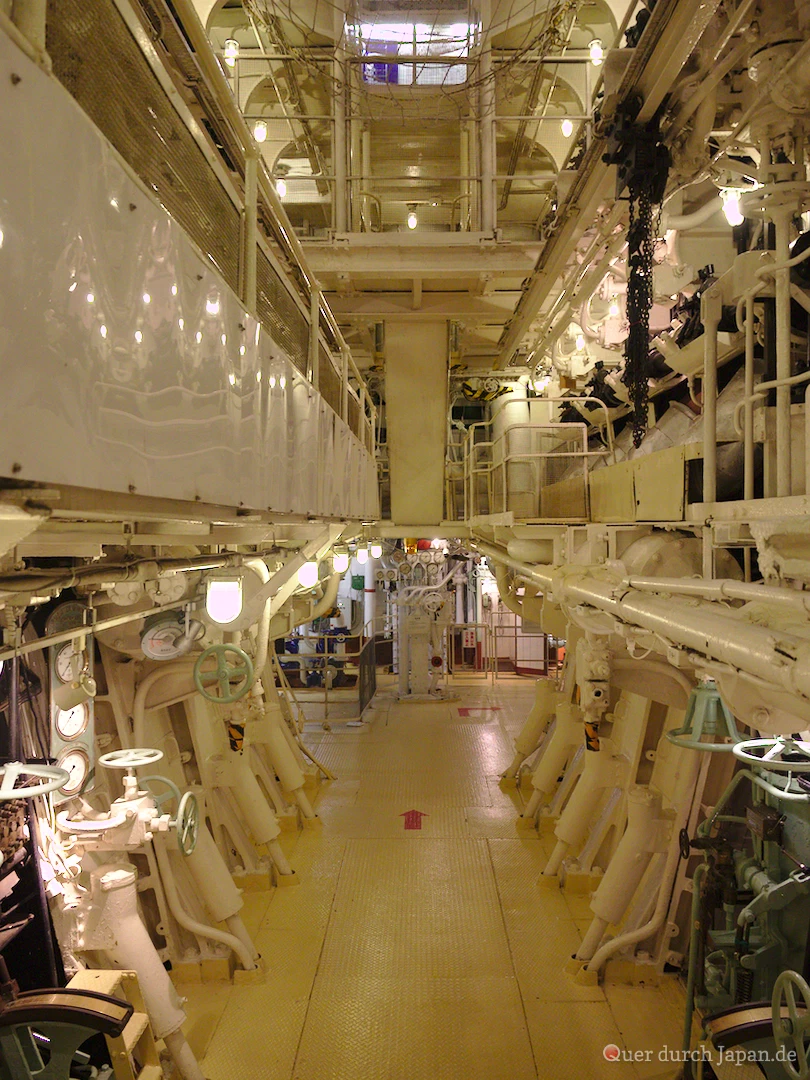
She was finished on 25 April 1930 as one of three Hikawa Maru-class passenger ships. The two 8-cylinder diesel engines from the Danish maker Burmeister & Wain pumped out a massive 11,000 hp to the twin propellers, hitting a top speed of 18.5 knots (34.3 km/h). They were totally cutting-edge for their time.
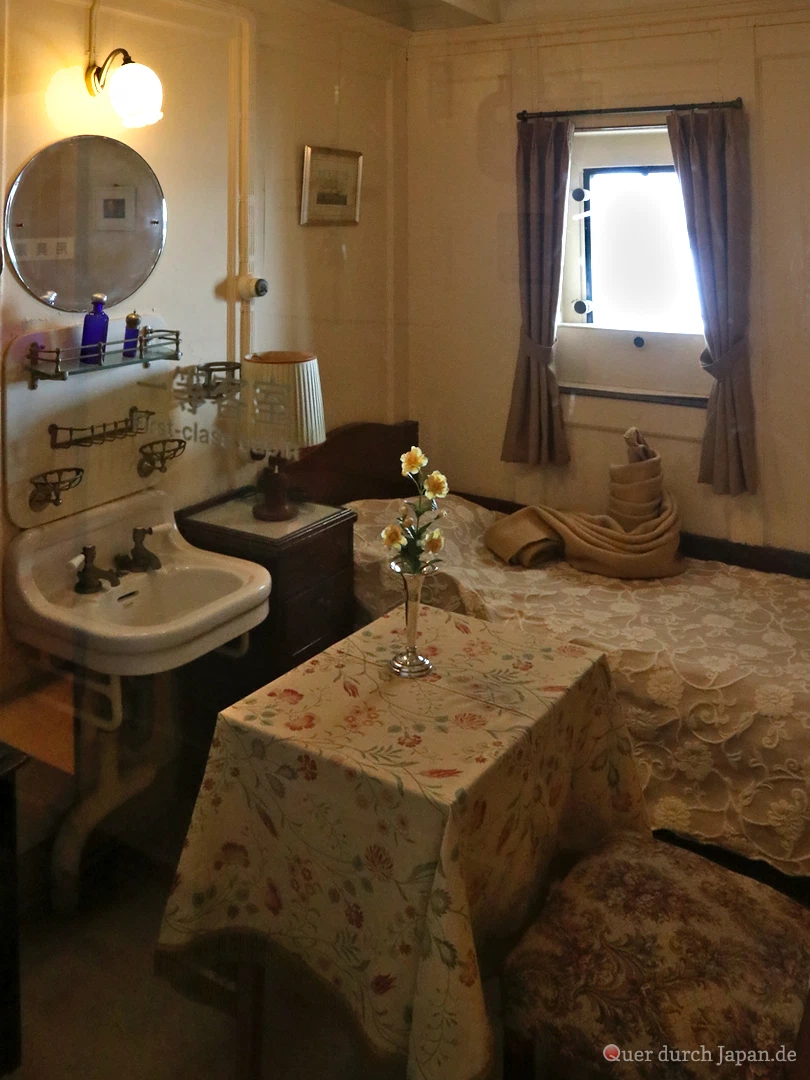
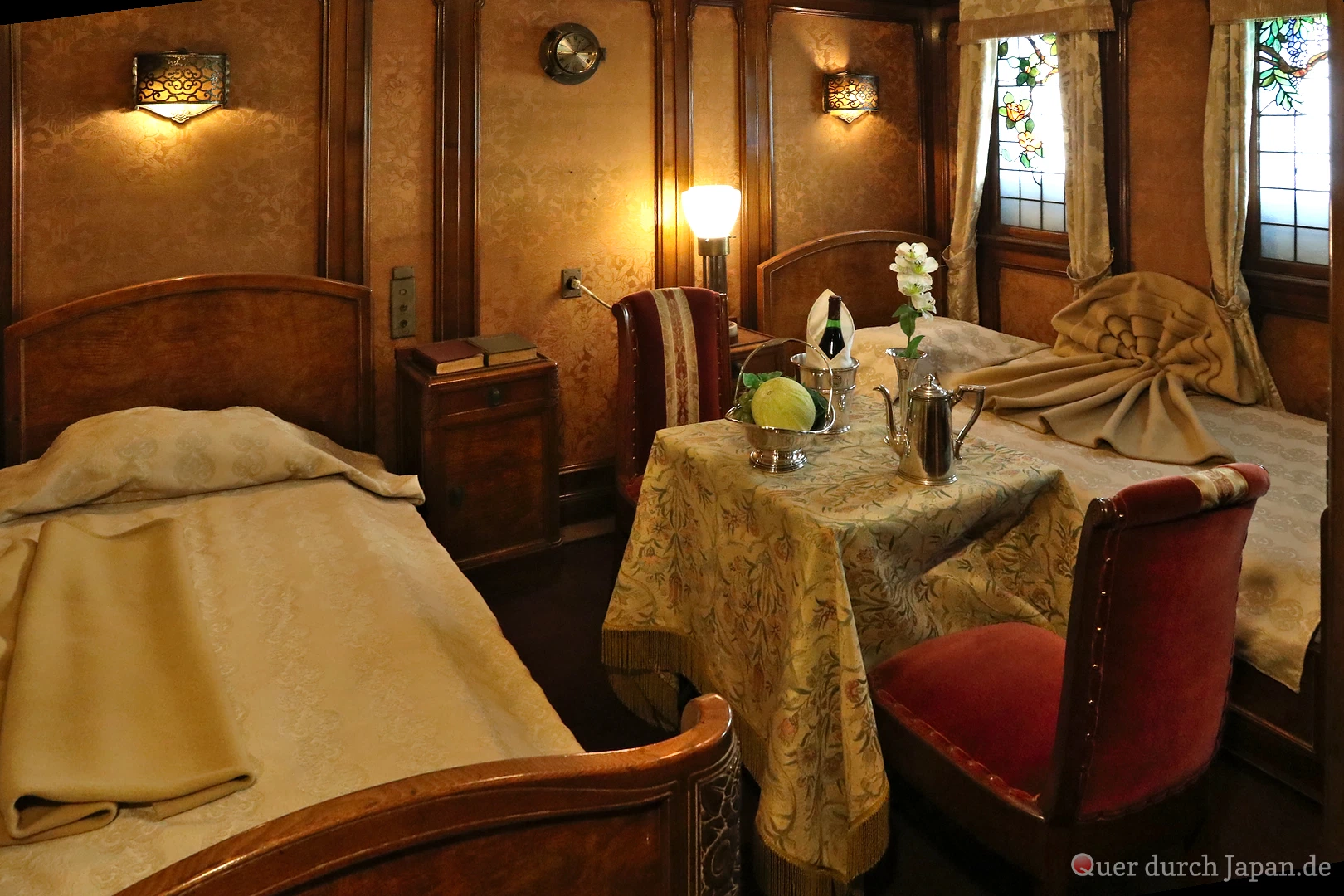
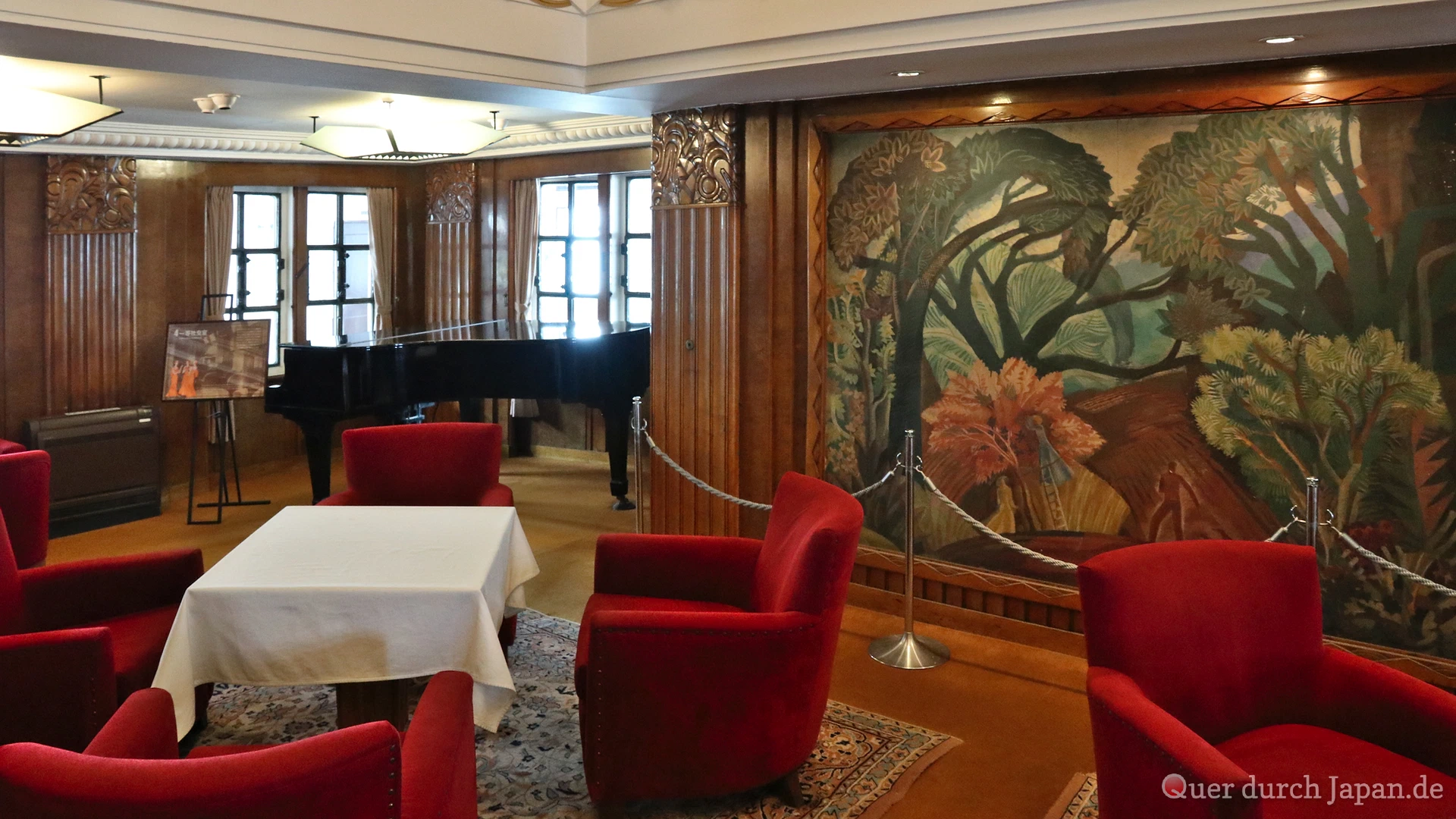
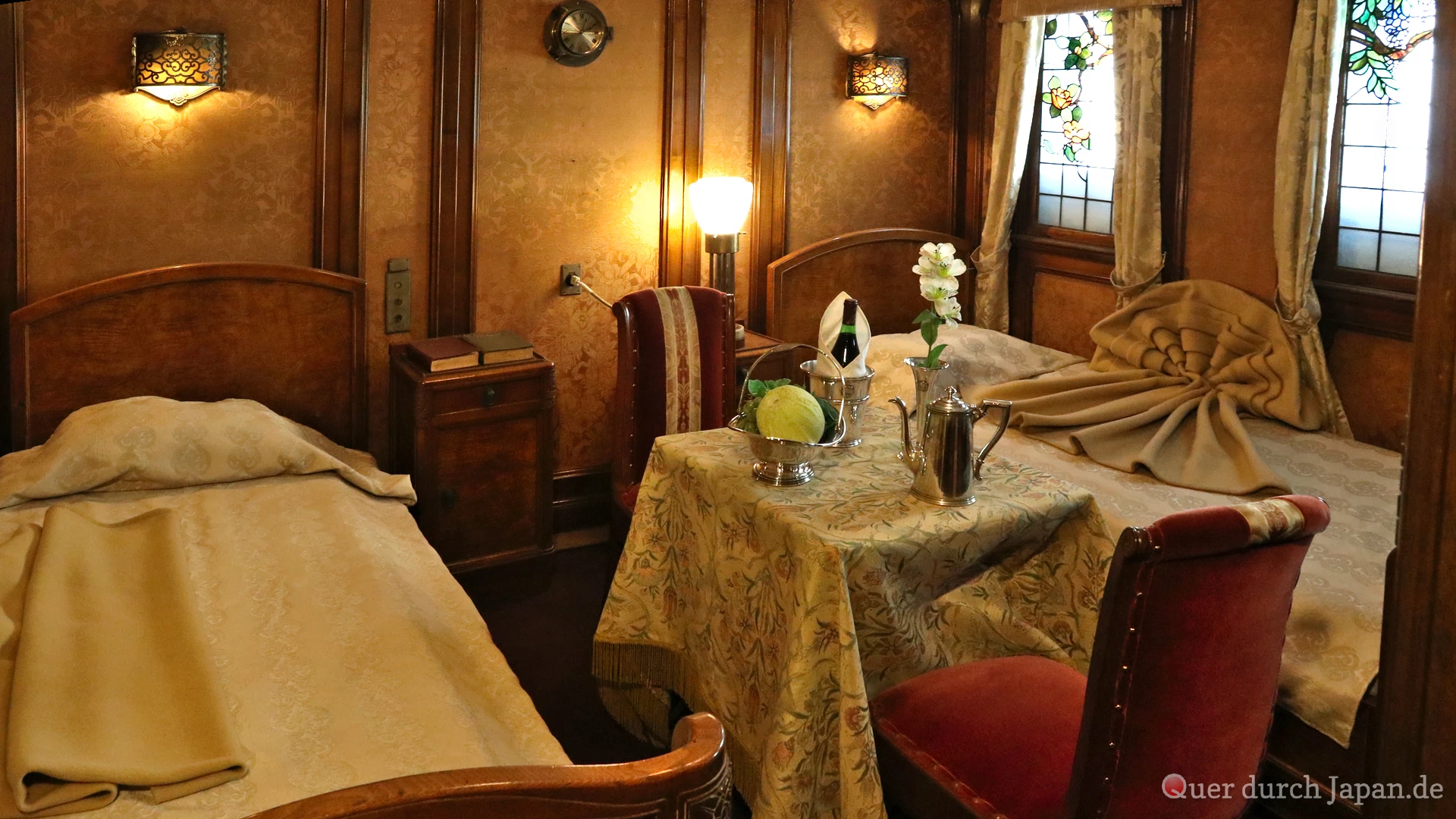
The Hikawa Maru made her maiden voyage from Kobe to Seattle on 13 May 1930. After that, she started regular runs between Yokohama, Vancouver, and Seattle. The ship had room for 76 guests in first class, 69 in second class, and 186 in third class. Thanks to the top-notch service, great food, and Art Deco vibes, passengers dubbed her the “Queen of the Pacific”. The most famous guest was probably Charlie Chaplin, who spent a chunk of his 1932 world tour chilling on the luxury liner.
When the Second World War broke out in Europe, the Hikawa Maru helped Jewish refugees escape via Japan to Canada and the US. Once Japan entered the war, she was turned into a hospital ship. She was actually one of only two Japanese passenger ships to survive the war. Both of her sister ships were sunk in combat.
The ship was retired in 1961 and transformed into a museum and restaurant. After some money troubles and a proper restoration, she reopened in 2008 just as a museum ship. She’s part of the NYK Maritime Museum, and getting in will cost you 300¥.